




The Captivating Bengal Cat: An In-Depth Exploration
Welcome to an extensive exploration of one of the most visually stunning and dynamically engaging feline breeds: the Bengal cat. With its coat reminiscent of its wild ancestor, the Asian Leopard Cat, and a personality that blends intelligence, energy, and affection, the Bengal cat has captured the fascination of cat lovers worldwide. This guide aims to provide a comprehensive understanding of the breed, delving into its history, physical attributes, temperament, care requirements, health considerations, and the unique joys and challenges of sharing your life with this miniature leopard. Whether you are a prospective owner doing thorough research, a current Bengal enthusiast seeking deeper knowledge, or simply captivated by exotic cat breeds, prepare to immerse yourself in the world of the remarkable Bengal cat.
The journey of the Bengal cat is a fascinating tale of bridging the gap between the wild and the domestic. It represents a deliberate effort to capture the breathtaking beauty of a wild feline while ensuring the temperament suitable for a cherished companion. Understanding this breed requires looking beyond the striking coat; it involves appreciating the intelligence that sparks behind their eyes, the athletic prowess they display, and the specific needs that stem from their unique heritage. We will explore the science behind their genetics, the dedication of breeders, and the responsibilities that come with owning such an active and intelligent animal. Join us as we uncover the layers of the complex and captivating Bengal cat.
1. A Walk on the Wild Side: History and Origins of the Bengal Cat
The story of the Bengal cat is inextricably linked to its wild progenitor, the Asian Leopard Cat (Prionailurus bengalensis bengalensis). This small wild cat, native to South, Southeast, and East Asia, possesses a stunning spotted coat that provides camouflage in its forest habitat. While beautiful, the Asian Leopard Cat is inherently wild, elusive, and not suited for domestic life. The idea of creating a domestic cat breed with the visual appeal of the Leopard Cat, but the temperament of a house cat, was the driving force behind the Bengal's creation.
Early attempts at hybridization occurred sporadically, but the modern Bengal cat breed owes its existence primarily to the vision and dedication of Jean Mill (née Sugden) in the United States. In the early 1960s, Jean Sugden acquired an Asian Leopard Cat. At the time, these wild cats were sometimes available through pet stores, a practice now widely condemned and often illegal. She housed the Leopard Cat with a domestic black tomcat, not initially intending to breed them. However, a mating occurred, resulting in a litter of hybrid kittens in 1963. Only one female kitten, named KinKin, survived. KinKin was subsequently bred back to her father, producing a litter that included both spotted and solid-colored kittens. This demonstrated that fertile hybrid offspring were possible (Centerwall, 1992).
Personal circumstances forced Mill to pause her breeding efforts. However, the concept gained traction again in the 1970s, partly fueled by research conducted by Dr. Willard Centerwall at Loyola University. Dr. Centerwall was breeding Asian Leopard Cats with domestic cats to study their apparent immunity to feline leukemia virus (FeLV). His hope was that this research could potentially benefit both domestic cats and humans. When his research concluded, Dr. Centerwall needed homes for his hybrid cats, and Jean Mill, now remarried and actively pursuing her vision, acquired several of Centerwall's F1 (first-generation hybrid) females in 1980 (Mill, 1999).
Mill's goal was clear: to create a domestic cat with the loving personality of a typical house cat but the exotic appearance of the Asian Leopard Cat. This required careful selective breeding over multiple generations. She crossed the F1 hybrid females with suitable domestic male cats, initially favoring breeds like the Egyptian Mau, Ocicat, and domestic shorthairs known for their spotting or good temperaments. Later, a pivotal cross involved an Indian Mau, a spotted street cat Mill discovered in a zoo in New Delhi, which contributed significantly to the breed's characteristic “glitter” (Eizirik et al., 2008). The term “Bengal” itself was derived from the scientific name of the Asian Leopard Cat, Prionailurus bengalensis.
The process involved breeding successive generations – F1 (Leopard Cat x Domestic), F2 (F1 x Domestic), F3 (F2 x Domestic), and so on. Early generation Bengals (F1-F3) often retain more wild traits and may exhibit challenging temperaments, making them unsuitable as typical household pets and subject to legal restrictions in many areas. The goal was to reach the “SBT” (Stud Book Tradition) generation, typically F4 or later. An SBT Bengal cat is considered fully domestic, eligible for registration with major cat fancy associations, and possesses the desired combination of wild appearance and predictable domestic temperament. The International Cat Association (TICA) granted the Bengal cat experimental status in 1983 and full recognition for championship competition in 1991 (TICA, n.d.). The Cat Fanciers' Association (CFA) followed, accepting Bengals for registration in 1997 and granting championship status later.
The development of the Bengal cat was not without controversy. Concerns were raised about the ethics of keeping wild animals for breeding, the welfare of early-generation hybrids, and the potential impact on wild populations (although the foundation stock was relatively small). However, proponents argue that the breed's creation has ultimately increased awareness and appreciation for wild cat conservation and provided a domestic alternative for those drawn to exotic looks. Today, the Bengal cat is a well-established and popular breed, celebrated for its beauty and engaging personality, a testament to the careful, multi-generational breeding process aimed at bringing a touch of the wild into our homes responsibly.
2. The Living Leopard: Physical Characteristics

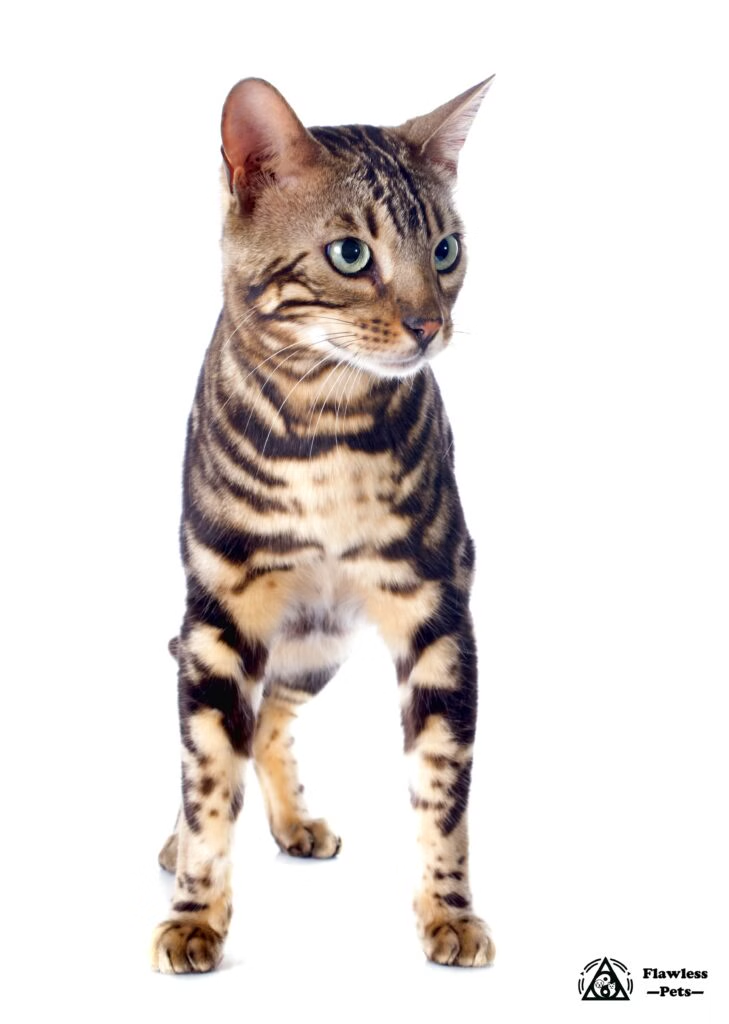
The most striking feature of the Bengal cat is undoubtedly its coat, designed to mimic its wild ancestor. It's a feast for the eyes, combining vivid patterns with luxurious texture. Bengals are medium to large cats, well-muscled and athletic, conveying a sense of power and agility reminiscent of the Asian Leopard Cat.
Coat Patterns and Colors: The coat is short, dense, and possesses a uniquely soft, silky texture, often described as feeling like mink. One of the hallmarks of a high-quality Bengal cat coat is “glitter” – an iridescent sheen caused by translucent hollow tips on the hair shafts that catch and reflect light, giving the coat a sparkling, golden-dusted appearance, particularly noticeable in sunlight (Glow Bengals, n.d.). This trait is highly desirable within the breed.
There are two primary recognized patterns:
- Spotted/Rosetted: This is the pattern most associated with the Bengal cat and directly mimics the Asian Leopard Cat. Spots should be randomly placed or horizontally aligned, offering a stark contrast against the background color. Simple solid spots are acceptable, but the more desirable “rosettes” are spots with a darker outline than the background color, encircling a lighter center. Rosette types vary and include arrowhead shapes, paw-print shapes (with broken outlines), donut shapes (fully outlined), and clouded rosettes (large, interconnected patterns reminiscent of a Clouded Leopard). High contrast between the spotting/rosetting and the ground color is crucial.
- Marbled: Instead of spots, the marbled Bengal cat displays swirls and flowing horizontal patterns. This pattern derives from the classic tabby gene but is selectively bred to create a unique, horizontally aligned, random pattern rather than the typical bullseye of a classic tabby domestic cat. The marbling should be dramatic and possess a high degree of contrast, ideally with three or more shades: the ground color, the marking color, and a dark outline.
Recognized colors provide a diverse palette for these patterns. The main color categories include:
- Brown Tabby: This is the most common and perhaps most “wild-looking” color. The ground color can range from a cool gray or light buff to a rich, deep orange-gold (“hot rufous”). Markings (spots, rosettes, or marbling) are typically black or deep brown.
- Seal Lynx Point (Snow): These Bengals have an ivory or cream background with markings in various shades of seal brown. They possess striking blue eyes, a characteristic inherited from Siamese or Burmese ancestors used early in the breed's development.
- Seal Mink Tabby (Snow): A combination resulting from the genetic influence of Burmese and Siamese ancestry. The ground color is ivory, cream, or light tan, with markings darker than the Seal Lynx Point, often a caramel to cocoa shade. Eye color is typically aqua or greenish-gold.
- Seal Sepia Tabby (Snow): These Bengals have an ivory, cream, or light tan ground color similar to the Mink, but their markings are darker still, ranging from dark seal brown to black-brown. Their eyes are typically gold or green.
- Silver Tabby: Silvers have a silvery-white to steel-gray ground color with minimal “tarnishing” (yellow or brown tones). Markings are jet black, offering dramatic contrast.
Other non-recognized or newer colors like charcoal, blue, and melanistic (solid black with faint “ghost” markings) also exist but may not be eligible for showing in all associations.
Body Structure: Beyond the coat, the Bengal cat has a distinctive physique. They are long, sleek, and very muscular, larger than the average domestic cat, particularly the males. Males typically weigh 10-15 pounds (4.5-6.8 kg), while females are usually smaller, ranging from 8-12 pounds (3.6-5.4 kg), although larger individuals exist (TICA Breed Standard, 2019). Their body should feel substantial and powerful.
Key structural features include:
- Head: Broad modified wedge shape, slightly longer than wide, with rounded contours. It should appear relatively small in proportion to the body. Profile shows a gentle curve from the forehead to the bridge of the nose.
- Ears: Medium to small, relatively short, with a wide base and rounded tips. Set wide apart, following the contour of the face.
- Eyes: Large, oval, almost round. Set wide apart and slightly slanted. Eye color is typically gold, green, or blue (in Seal Lynx Points), depending on coat color, and should be rich and deep.
- Muzzle: Full and broad, with prominent, high cheekbones and noticeable whisker pads.
- Neck: Thick, muscular, long, proportionate to the body.
- Body: Long, substantial, and muscular. Not delicate or overly slender. Robust bone structure.
- Legs: Medium length, slightly longer in the back than the front, contributing to their powerful gait. Strong boning and musculature.
- Feet: Large, round, with prominent knuckles.
- Tail: Medium length, thick at the base, tapering slightly to a rounded tip. Should be carried low. Markings (spots or rings) are desirable.
The overall impression of a Bengal cat is one of athletic grace and wild beauty, a powerful yet elegant feline that moves with purpose and confidence. Their physical presence is as captivating as their patterned coat.
3. Bengal Cat vs. Domestic Shorthair: A Quick Comparison
To better understand what makes the Bengal cat unique, it's helpful to compare it to the ubiquitous Domestic Shorthair (DSH), which represents the average mixed-breed domestic cat. While individual DSH cats vary widely, this table highlights typical breed-specific differences.
| Feature | Bengal Cat | Domestic Shorthair (Typical) |
|---|---|---|
| Origin | Hybrid (Asian Leopard Cat x Domestic Cat); USA, 1960s-1980s | Mixed ancestry, non-pedigreed; origins tied to introduction of cats globally |
| Size | Medium to Large; Males 10-15 lbs, Females 8-12 lbs | Small to Large (highly variable); typically 8-12 lbs |
| Body Type | Long, sleek, very muscular, athletic build | Highly variable; can range from cobby to slender |
| Coat Type | Short, dense, uniquely soft/silky, often with “glitter” | Short, density varies; texture varies widely |
| Coat Patterns | Spotted/Rosetted or Marbled (horizontally aligned); high contrast | Wide variety (tabby, solid, bicolor, tortoiseshell, etc.); patterns vary |
| Energy Level | Very High; requires significant daily exercise and stimulation | Variable; generally Moderate to High, but less intense than Bengals |
| Intelligence | Very High; curious, trainable, problem-solving abilities | Variable; generally intelligent but less consistently intense curiosity |
| Vocalization | Often very vocal; wide range of sounds (chirps, trills, yowls) | Variable; some are quiet, some are talkative with standard meows |
| Affection Style | Affectionate on their own terms; interactive, playful bonding | Variable; can range from lap cats to independent |
| Water Affinity | Often fascinated by or enjoys playing with water | Typically dislikes water (though exceptions exist) |
| Grooming Needs | Low; weekly brushing usually sufficient | Low; weekly brushing usually sufficient |
| Potential Health Issues | Predisposed to HCM, PRA-b, PK Deficiency, sensitive stomach | General feline issues; depends heavily on individual genetics |
| Cost (Purchase) | High (typically $1,500 – $5,000+ for pet quality from reputable breeder) | Low (adoption fees) to None |
| Temperament Predictability | Generally predictable (active, smart, interactive) within the breed standard for SBT Bengals | Highly variable; depends entirely on individual cat's background |
This comparison highlights that while both make wonderful companions, the Bengal cat brings a specific set of traits—higher energy, distinct appearance, unique behaviors (like water fascination), and specific health considerations—derived from its hybrid ancestry.
4. More Than Just Looks: Personality and Temperament
While the stunning coat of the Bengal cat is what first draws attention, its personality is equally captivating and a defining characteristic of the breed. Forget the aloof feline stereotype; the SBT (Stud Book Tradition) Bengal cat is typically an engaging, energetic, and highly intelligent companion, though certainly not a passive lap warmer for most of the day.
Intelligence and Curiosity: Bengals are exceptionally smart cats. Their intelligence is often compared to that of breeds known for their cleverness, like the Siamese or Abyssinian. This intelligence manifests as intense curiosity. A Bengal cat wants to know everything that's going on in its environment. They will explore cupboards, open doors (sometimes!), investigate bags, and supervise household activities. This intelligence makes them highly trainable – many Bengals enjoy learning tricks, walking on a leash, or playing fetch. However, it also means they need significant mental stimulation to prevent boredom. A bored Bengal cat can become mischievous or destructive, finding its own (often undesirable) forms of entertainment. Puzzle toys, interactive play sessions, and clicker training are excellent ways to engage their sharp minds.
Energy and Activity Level: This is perhaps the most crucial aspect for potential owners to understand. Bengal cats are bundles of energy. They retain the athletic prowess of their Asian Leopard Cat ancestors. They love to run, jump, climb, and play. Unlike some more sedate breeds, a Bengal cat doesn't typically slow down much after kittenhood. They need ample space and opportunity to expend this energy. Tall cat trees, shelves for climbing, secure outdoor enclosures (catios), and regular, vigorous play sessions are essential. Think of them as perpetual toddlers in sleek, spotted bodies. If you're looking for a cat that will mostly nap on the sofa, the Bengal cat is likely not the right fit. Their energy demands commitment from their owners to provide appropriate outlets.
Affection and Social Nature: Despite their wild looks and high energy, SBT Bengals are typically very affectionate and form strong bonds with their human families. However, their affection might be expressed differently than a classic lap cat. While some Bengals enjoy cuddling, many show affection through interaction – following their owners around, “talking” to them, rubbing against legs, participating in activities, and soliciting playtime. They often choose a favorite person but can be sociable with the entire family. Early socialization is important to ensure they are comfortable with visitors and well-behaved with children and other pets (when introduced properly).
Playfulness: Play is not just a pastime for a Bengal cat; it's a fundamental need. They retain a strong prey drive and love interactive games that mimic hunting – chasing feather wands, pouncing on laser dots (use with caution, always ending with a physical toy capture), batting at balls. Their play can be quite boisterous. They are known for their incredible leaping ability and quick reflexes. Providing a variety of sturdy toys and rotating them frequently keeps things interesting. Many Bengals even enjoy playing fetch, retrieving toys thrown for them.
Vocalization: Bengals are often described as communicative cats. They possess a wide repertoire of sounds beyond the typical meow, including chirps, trills, chuffs, and sometimes loud yowls, especially when they want something (like food, attention, or playtime). Prospective owners should be prepared for a chatty companion who isn't shy about expressing opinions. The range and frequency of vocalization can vary between individuals, but they are generally considered a more vocal breed than average.
Water Fascination: A peculiar and endearing trait common in many Bengals is a fascination with water. Unlike most domestic cats who avoid getting wet, a Bengal cat might dip its paws in its water bowl, splash around, try to join you in the shower, or watch intently as faucets run. The exact reason for this isn't fully understood but may be linked to the Asian Leopard Cat's habitat near water sources. While not all Bengals love water, it's a common enough quirk to be noteworthy.
It is crucial to remember that these traits describe well-bred SBT Bengals from reputable breeders who prioritize temperament alongside appearance. Early generation Bengals (F1-F3) can be much more challenging, exhibiting shyness, nervousness, or less reliable litter box habits, reinforcing why SBT Bengals are the standard for pets. A well-socialized SBT Bengal cat, when provided with the necessary environment and interaction, is a delightful, albeit demanding, companion animal.
Think about it: could you provide at least 30-60 minutes of dedicated, interactive playtime *every single day*? Do you have vertical space like tall cat trees or shelves for climbing? Are you prepared for a cat that might ‘talk' back or try to figure out how to open the treat container? Answering these honestly helps determine if the energetic and intelligent Bengal cat personality aligns with your lifestyle.
5. Caring for Your Miniature Leopard: Diet, Exercise, and Environment
Owning a Bengal cat comes with specific responsibilities tailored to their unique needs. Proper care ensures not only their physical health but also their mental well-being, preventing boredom and potential behavioral issues stemming from their active nature and intelligence.
5.1 Fueling the Hunter: Diet and Nutrition
Given their muscular build and high energy levels, the diet of a Bengal cat is paramount. They generally thrive on high-quality, high-protein diets. Many experienced owners and breeders recommend diets that closely mimic a natural carnivorous diet.
- High Protein Content: Look for commercial foods (wet or dry) where named meat sources (like chicken, turkey, fish) are listed as the first few ingredients. Protein content should ideally be high, often exceeding 40% on a dry matter basis for dry foods. Avoid foods heavy in fillers like corn, wheat, and soy, which offer little nutritional value for obligate carnivores like cats.
- Wet Food Importance: Incorporating wet food is highly recommended. It provides essential hydration, which cats are not always efficient at obtaining from drinking water alone, and often has a higher meat content and fewer carbohydrates than dry kibble.
- Raw or Home-Cooked Diets: Some owners opt for balanced raw diets (BARF – Biologically Appropriate Raw Food) or carefully formulated home-cooked meals. While potentially beneficial, these require meticulous research and preparation to ensure they are nutritionally complete and balanced, avoiding deficiencies or excesses. Consulting with a veterinary nutritionist is crucial if pursuing this route (Michel, 2006). Unbalanced raw diets can pose significant health risks.
- Sensitive Stomachs: Some Bengals are known to have sensitive digestive systems. Introducing new foods gradually and monitoring for signs of upset (vomiting, diarrhea) is important. Probiotics specifically formulated for cats may be beneficial for some individuals.
- Feeding Schedule: Due to their high metabolism, some Bengals do better with multiple small meals throughout the day rather than one or two large ones. Free-feeding dry food can lead to obesity in less active individuals, so portion control or scheduled meals are often preferred.
- Fresh Water: Always provide access to fresh, clean water. Since Bengals can be fascinated by water, a pet fountain might encourage more drinking and provide entertainment.
Consulting with your veterinarian, particularly one familiar with the Bengal cat breed, is the best way to determine the optimal diet type and amount for your individual cat based on its age, weight, activity level, and overall health.
5.2 The Importance of Play: Exercise and Enrichment
Meeting the exercise needs of a Bengal cat is non-negotiable. Their high energy levels require significant daily outlets. Lack of adequate stimulation can lead to boredom, stress, anxiety, and destructive behaviors like excessive vocalization, scratching furniture, or aggression.
- Interactive Play: Schedule at least two vigorous interactive play sessions daily, totaling 30-60 minutes or more. Use wand toys with feathers or lures to mimic hunting, encouraging running, jumping, and pouncing. Laser pointers can be fun but must always be followed by allowing the cat to “catch” a physical toy to avoid frustration (AVSAB, 2017).
- Vertical Space: Bengals love to climb! Provide tall, sturdy cat trees (preferably floor-to-ceiling), cat shelves mounted on walls, or even dedicated climbing structures. This allows them to survey their territory from above and expend energy vertically.
- Puzzle Toys: Engage their sharp minds with food puzzles or treat-dispensing toys. These require the cat to figure out how to access the reward, providing mental stimulation and slowing down eating.
- Cat Wheels: For particularly energetic Bengals, a large cat exercise wheel can be a fantastic investment, allowing them to run safely indoors at their own pace.
- Leash Training: Many Bengals can be successfully trained to walk on a harness and leash. This allows for safe exploration of the outdoors, providing new sights, sounds, and smells for enrichment. Start training early and use positive reinforcement.
- Catios: A secure outdoor enclosure or “catio” provides the benefits of outdoor access (fresh air, stimulation) without the risks (traffic, predators, disease).
- Toy Rotation: Keep a variety of toys available and rotate them regularly to maintain novelty and interest. Think balls, crinkle toys, plush mice, and sturdy kickers. Finding durable options, perhaps even some unique pet accessories designed for active pets, can be beneficial.
Remember, exercise for a Bengal cat is not just about physical health; it's crucial for their mental and emotional well-being.
5.3 Polishing the Pelt: Grooming Needs
Fortunately, the short, sleek coat of the Bengal cat is relatively low-maintenance.
- Brushing: A weekly brushing with a soft brush or grooming mitt is usually sufficient to remove loose hair, distribute skin oils, and keep the coat looking its best. This also provides a good opportunity for bonding and checking their skin condition. They may shed more seasonally, requiring slightly more frequent brushing during those times.
- Nail Trimming: Regular nail trimming (every 2-3 weeks) is essential to prevent nails from becoming overgrown, snagging on furniture, or causing discomfort. Get your Bengal accustomed to having its paws handled from a young age.
- Dental Hygiene: Like all cats, Bengals are prone to dental disease. Regular teeth brushing at home with cat-specific toothpaste is the gold standard for prevention. Dental treats or specific diets can also help, but professional veterinary dental cleanings under anesthesia will likely be necessary periodically throughout their life (AVDC, n.d.).
- Ear Cleaning: Check ears weekly for wax buildup or signs of infection (redness, odor, discharge). Clean only if necessary using a vet-approved ear cleaner and cotton balls – never insert cotton swabs into the ear canal.
Routine grooming not only maintains their appearance but also allows you to monitor for any potential health issues like lumps, bumps, parasites, or skin problems.
5.4 Creating a Jungle Gym: Living Environment
The ideal home environment for a Bengal cat is one that caters to their need for safety, stimulation, and space.
- Safety First: Bengal-proof your home as you would for a toddler. Their curiosity can lead them into trouble. Secure loose wires, keep toxic plants and chemicals out of reach, ensure windows have secure screens, and be mindful of small objects they might swallow.
- Space to Roam (and Climb): While they can adapt to apartment living, larger spaces are generally better suited to their energy levels. Regardless of size, maximizing vertical space with cat trees and shelves is crucial.
- Scratching Outlets: Provide plenty of appropriate scratching surfaces – vertical posts (sisal rope is often preferred), horizontal cardboard scratchers, etc. Place them in prominent areas, especially near furniture they might otherwise target.
- Secure Territory: Bengals appreciate having safe, quiet places to retreat when they feel overwhelmed or just want to rest undisturbed. A covered bed or a designated spot on a high shelf can serve this purpose.
- Indoor Living: Due to their value, curiosity, and potential hunting impact on local wildlife, it is strongly recommended that Bengal cats be kept strictly indoors or allowed outside only in secure enclosures (catios) or on a leash under supervision.
Creating an environment that challenges their bodies and minds is key to a happy and well-adjusted Bengal cat. It requires more effort than for a more sedentary breed but is immensely rewarding.
6. Potential Roadblocks: Common Health Concerns in Bengal Cats
While generally a robust breed, the Bengal cat, like all pedigreed cats (and even mixed breeds), is predisposed to certain genetic health conditions. Responsible breeders perform health screenings on their breeding cats to minimize the risk of passing these conditions onto kittens, but awareness is crucial for owners.
It's important to establish a relationship with a veterinarian knowledgeable about the breed. Regular check-ups (at least annually, potentially semi-annually for seniors or those with chronic conditions) are vital for early detection and management of potential issues. Remember, this information is for awareness; always consult your veterinarian for diagnosis and treatment.
6.1 Hypertrophic Cardiomyopathy (HCM)
HCM is the most common heart disease diagnosed in cats, including the Bengal cat. It involves a thickening of the heart muscle (specifically the left ventricle), which can impair the heart's ability to relax and fill properly, potentially leading to heart failure, blood clots (like saddle thrombus, causing hind limb paralysis), and sometimes sudden death (Kittleson et al., 1999).
- Genetics: While the exact genetic mutations causing HCM in Bengals are still under research (unlike in Maine Coons and Ragdolls where specific mutations are identified), a hereditary basis is strongly suspected.
- Screening: Responsible Bengal cat breeders screen their breeding cats for HCM via echocardiogram (heart ultrasound) performed by a board-certified veterinary cardiologist. Screening typically begins around 1-2 years of age and should ideally continue periodically throughout a cat's breeding career, as HCM can develop later in life.
- Symptoms: HCM can be asymptomatic for a long time. When symptoms occur, they may include lethargy, rapid breathing, open-mouth breathing (panting), exercise intolerance, or acute paralysis/pain in the hind limbs (due to a clot).
- Diagnosis is confirmed via echocardiogram. While there is no cure, medications can help manage the condition, improve heart function, reduce the risk of complications, and enhance quality of life.
- Owner Action: Ask breeders for proof of recent HCM screening (echocardiograms) for the kitten's parents. Discuss regular cardiac monitoring (listening for murmurs or arrhythmias, possibly periodic echocardiograms) with your veterinarian, especially as your Bengal ages.
6.2 Progressive Retinal Atrophy (PRA-b)
PRA refers to a group of inherited diseases that cause degeneration of the retina (the light-sensitive tissue at the back of the eye), leading to progressive vision loss and eventual blindness. A specific form, known as PRA-b (Bengal PRA), has been identified in the Bengal cat breed (Ofri et al., 2009).
- Genetics: PRA-b is caused by a recessive genetic mutation. This means a cat must inherit two copies of the mutated gene (one from each parent) to be affected. Cats with one copy are carriers and usually show no symptoms but can pass the mutation to their offspring.
- Screening: A reliable DNA test is available for PRA-b. Responsible breeders test their breeding cats to identify carriers (PRA/N) and affected cats (PRA/PRA) and avoid breeding combinations that could produce affected kittens.
- Symptoms: Signs typically appear relatively early, often before one year of age, starting with night blindness and progressing to complete blindness over time. Affected cats may become more cautious in dim light or bump into objects.
- Diagnosis can be confirmed via the DNA test or by an examination by a veterinary ophthalmologist. There is no cure for PRA, but cats adapt remarkably well to blindness, especially in a stable indoor environment.
- Owner Action: Ensure the breeder provides DNA test results for PRA-b for the kitten's parents, confirming the kitten is not at risk of developing this specific form of PRA (should be N/N or N/PRA from tested parents ensuring no PRA/PRA offspring).
6.3 Pyruvate Kinase Deficiency (PK Deficiency)
Pyruvate Kinase is an enzyme crucial for the energy metabolism of red blood cells. PK Deficiency is an inherited condition where a lack of this enzyme causes red blood cells to break down prematurely, leading to hemolytic anemia (a shortage of red blood cells).
- Genetics: Like PRA-b, PK Deficiency in Bengals is caused by a recessive genetic mutation. A DNA test is available to identify normal (N/N), carrier (N/K), and affected (K/K) cats (Grahn et al., 2012).
- Screening: Responsible breeders test their breeding stock for PK Deficiency to avoid producing affected kittens.
- Symptoms: The severity varies. Some affected cats show no obvious signs, while others experience intermittent or persistent anemia. Symptoms can include lethargy, weakness, pale gums, jaundice (yellowing of skin/eyes), enlarged spleen, and exercise intolerance. Anemia can range from mild to severe and life-threatening.
- Diagnosis is confirmed via the DNA test. While there is no cure, management focuses on supportive care during anemic crises, potentially including blood transfusions in severe cases. Splenectomy (removal of the spleen) may be considered in some cats with persistent severe anemia, as the spleen is often where the fragile red blood cells are destroyed.
- Owner Action: Request DNA test results for PK Deficiency for the kitten's parents from the breeder, ensuring the kitten is not affected (K/K).
6.4 Other Considerations and Preventative Care
- Sensitive Digestive System: As mentioned earlier, some Bengals are prone to sensitive stomachs or inflammatory bowel disease (IBD). Finding a suitable, high-quality diet and managing dietary changes carefully is important. Persistent vomiting or diarrhea warrants veterinary investigation.
- Anesthesia Sensitivity: While not definitively proven across the breed, there is anecdotal discussion among some breeders and owners regarding potential sensitivity to certain anesthetic agents, particularly ketamine. It's wise to discuss anesthetic protocols and any concerns with your veterinarian before any procedure requiring sedation or anesthesia. Using modern, safer anesthetic protocols and careful monitoring is standard veterinary practice.
- Routine Parasite Control: Like all cats, Bengals need regular prevention against fleas, ticks, heartworms (depending on geographic location), and intestinal parasites.
- Vaccinations: Follow your veterinarian's recommended vaccination schedule to protect against common feline infectious diseases (like panleukopenia, herpesvirus, calicivirus, and rabies).
- Dental Care: Proactive dental care is crucial for preventing periodontal disease, which is common in cats and can impact overall health.
By choosing a kitten from a reputable breeder who performs health screenings, providing excellent nutrition and preventative care, and maintaining regular veterinary check-ups, you can significantly contribute to the long-term health and well-being of your Bengal cat. If health issues do arise, partnering closely with your veterinarian is key to effective management. Remember to consult a veterinary professional for any health concerns; this guide provides general information, not medical advice.
7. Taming the Tiger (Gently): Training and Socialization
The high intelligence and active nature of the Bengal cat make training and socialization not just possible, but highly recommended and often necessary for a harmonious household. Their eagerness to learn and interact can be channeled positively through consistent, reward-based methods.
Positive Reinforcement is Key: Bengals, like most cats, do not respond well to punishment or harsh methods. These can induce fear, anxiety, and break the bond of trust. Instead, focus on positive reinforcement: rewarding desired behaviors with treats, praise, petting, or playtime. Clicker training, which uses a distinct sound (the click) to mark the exact moment a cat performs the desired behavior, followed immediately by a reward, can be particularly effective with intelligent breeds like the Bengal cat.
Essential Training Areas:
- Litter Box Training: Most kittens learn from their mother, and Bengals are typically clean cats. Ensure the litter box is easily accessible, kept meticulously clean, and large enough. If issues arise, rule out medical causes first, then consider factors like box location, litter type, or stress.
- Scratching Posts: Redirect natural scratching behavior to appropriate surfaces. Place scratching posts (vertical and horizontal) in prominent locations. Make them appealing (e.g., with catnip) and gently redirect your cat if they scratch elsewhere, rewarding them when they use the post. Never declaw a cat; it is an amputation with significant physical and behavioral consequences (AVMA, n.d.).
- Leverage their intelligence! Bengals can learn commands like “sit,” “stay,” “come,” or even fetch. Keep training sessions short (5-10 minutes), fun, and end on a positive note. This provides excellent mental stimulation.
- Harness and Leash Training: Many Bengals take well to walking on a leash if introduced patiently and positively. Start by letting the cat get used to wearing the harness for short periods indoors, associating it with treats or play. Gradually introduce the leash, then short walks in a quiet, safe area. This requires patience and consistency.
- Handling: Accustom your Bengal cat to being handled from a young age. Gently touch paws, ears, and mouth regularly, associating it with positive experiences. This makes grooming, vet visits, and administering medication much easier later on.
Socialization: The Foundation for a Well-Adjusted Cat: Socialization involves exposing your kitten to various sights, sounds, experiences, people, and other animals in a positive and controlled manner during their critical developmental period (roughly 2 to 7-9 weeks of age, though socialization continues). Reputable breeders play a huge role in early socialization.
- Exposure: Gently expose your kitten to common household noises (vacuum cleaner, doorbell), different people (various ages, appearances), and safe experiences.
- Introducing Other Pets: Introduce a new Bengal cat to resident pets slowly and carefully. Keep them separated initially, allowing them to smell each other under doors. Gradually progress to supervised visual contact, then short, positive interactions, always ensuring each pet has an escape route. Never force interactions. Bengals can often coexist well with other cats and cat-friendly dogs if introduced properly, but their high energy might overwhelm more sedate pets.
- Children: Supervise interactions between Bengals and young children. Teach children how to interact gently and respectfully with the cat, recognizing signs that the cat wants space. The Bengal's playful energy can be great for older children, but their quick movements might startle very young kids.
Training and socialization are ongoing processes. A well-trained and socialized Bengal cat is more confident, less stressed, and better equipped to handle new situations, making them a more enjoyable companion. Their intelligence means they thrive on the mental engagement that training provides.
8. The Bengal Cat and the Law: Understanding Regulations
Due to the Bengal cat‘s hybrid ancestry, involving the wild Asian Leopard Cat, there are legal regulations regarding their ownership in some regions. These laws primarily concern early-generation Bengals (F1, F2, F3, sometimes F4), which are closer to their wild ancestor and may retain more wild traits and behaviors.
Understanding Generations:
- F1: First generation; one Asian Leopard Cat parent and one domestic cat parent (50% wild blood, typically).
- F2: Second generation; typically an F1 parent bred back to a domestic cat (approx. 25% wild blood).
- F3: Third generation; typically an F2 parent bred back to a domestic cat (approx. 12.5% wild blood).
- SBT (Stud Book Tradition): This designation is granted by cat registries like TICA, usually starting at the F4 generation (F3 x domestic) or later (e.g., F4 x F4). An SBT Bengal cat is at least four generations removed from the Asian Leopard Cat and has been bred Bengal-to-Bengal for at least three generations. SBT Bengals are considered fully domestic cats by registries and under most legislation.
Legal Restrictions: Laws vary significantly by country, state/province, and even city/county.
- Prohibitions: Some locations completely prohibit the ownership of any Bengal cat, regardless of generation. Others specifically ban early generations (e.g., F1-F4) but permit SBT Bengals. Examples of places with restrictions (which can change, always verify current local laws) have included certain US states (like Hawaii, potentially New York City, Seattle), some Australian states, and specific countries.
- Permits/Licenses: Some jurisdictions may require special permits or licenses to own hybrid cats, sometimes specific to early generations.
- No Restrictions: Many places have no specific laws targeting Bengal cats, treating SBT Bengals like any other domestic breed.
Why the Restrictions? Concerns typically revolve around:
- Public Safety: Perceived unpredictability or potential aggression in early generations (though SBT Bengals are bred for domestic temperaments).
- Animal Welfare: Concerns about the specialized care needs of cats closer to their wild ancestors.
- Ecological Impact: Fear of potential impact on native wildlife if hybrid cats were to escape and establish feral populations (though this is generally considered unlikely for SBT Bengals).
Responsibility of Owners and Breeders: It is crucial for prospective Bengal cat owners to research and comply with all applicable laws in their specific location *before* acquiring a cat. Reputable breeders should be knowledgeable about regulations and will not sell kittens into areas where they are prohibited. They should also provide documentation proving the generation (e.g., TICA registration papers indicating SBT status).
If you are considering a Bengal cat, contact your local animal control, department of agriculture, or fish and wildlife agency to confirm the current legal status of the breed and specific generations in your area. Owning an animal in violation of local ordinances can lead to confiscation and fines. For the vast majority of pet owners seeking a companion, an SBT Bengal cat is the appropriate and legally recognized choice.
9. Finding Your Spotted Companion: Choosing a Bengal Cat
Acquiring a Bengal cat is a significant commitment, both emotionally and financially. Choosing the right cat from the right source is paramount to ensure a healthy, well-socialized companion that fits your lifestyle.
Reputable Breeders: The Gold Standard
The best way to find a healthy, well-tempered SBT Bengal cat is through a responsible, ethical breeder. Here's what to look for:
- Health Screenings: This is non-negotiable. Reputable breeders test their breeding cats for known genetic conditions like HCM (via echocardiogram by a cardiologist), PRA-b (DNA test), and PK Deficiency (DNA test). They should willingly share these results for the kitten's parents.
- Knowledgeable and Transparent: They should be passionate about the Bengal cat breed, knowledgeable about their lines, and happy to answer your questions thoroughly. They should also ask you questions to ensure their kitten is going to a suitable home.
- Focus on Temperament and Health: While appearance is important, ethical breeders prioritize health and a good domestic temperament above all else. They handle kittens frequently from a young age to ensure proper socialization.
- Raised Underfoot: Kittens should be raised inside the home as part of the family, not isolated in cages. This exposure to household sights and sounds is crucial for socialization.
- Visit the Cattery (If Possible): Ideally, visit the breeder's home/cattery. Observe the conditions – are they clean? Do the cats seem healthy, active, and well-cared-for? How do they interact with the breeder and visitors? If a visit isn't feasible, ask for videos and extensive communication.
- Registration Papers: Breeders should provide registration papers (e.g., from TICA or CFA) confirming the kitten's pedigree and SBT status.
- Health Guarantee and Contract: A good breeder provides a written contract outlining responsibilities of both buyer and seller, including a health guarantee against congenital defects for a specified period.
- Wait Time: Be prepared for a waiting list. Responsible breeders don't always have kittens available immediately.
- Spay/Neuter Agreement: Pet-quality kittens are typically sold with a strict spay/neuter contract, often already altered before going to their new home.
- References: Good breeders may provide references from previous buyers or their veterinarian.
Avoid “backyard breeders” who don't perform health screenings, keep cats in poor conditions, or sell kittens too young (kittens should stay with their mother and littermates until at least 12-14 weeks old for proper development and socialization).
Adoption/Rescue: While less common than finding them through breeders, purebred Bengal cat adults or mixes sometimes end up in shelters or breed-specific rescue organizations. Adoption can be a wonderful option, giving a deserving cat a second chance. Be aware that the cat's full history, including health background and exact generation (if not SBT), might be unknown. Breed-specific rescues often have a better understanding of the Bengal's needs and temperament. (e.g., Bengal Rescue Network – check for regional groups).
Cost Considerations: Bengal cats are among the more expensive pedigreed breeds. Prices vary widely based on factors like breeder reputation, location, quality (pet vs. show/breeder), color/pattern, and lineage.
- Pet Quality SBT Kittens: Typically range from $1,500 to $5,000 USD (as of early 2025, prices can fluctuate).
- Show/Breeder Quality: Can be significantly higher.
- Early Generations (F1-F3): Often command very high prices ($5,000 – $10,000+), reflecting their rarity and specialized care needs (not recommended as pets).
- Adoption Fees: Much lower, typically $100 – $400, covering basic vetting.
Remember that the purchase price is only the beginning. Factor in ongoing costs for high-quality food, veterinary care (including potential emergency costs and screening for conditions like HCM), litter, toys, enrichment items (cat trees, etc.), and potential pet insurance. Finding the right specialty items for enrichment or care can add up over time.
Choosing a Bengal cat requires careful research and financial planning. Investing time in finding a reputable source is the best way to ensure you bring home a healthy, happy example of this extraordinary breed.
10. Life with a Leopardette: Living with a Bengal Cat
Sharing your home with a Bengal cat is an experience unlike living with most other domestic cat breeds. It's a dynamic, engaging, often amusing, and sometimes challenging adventure. Understanding the day-to-day realities can help prospective owners decide if this breed truly matches their lifestyle.
The Energetic Companion: Be prepared for constant motion, especially during their active periods (often dawn and dusk). Bengals explore, climb, jump, and play with intensity. You'll find them atop refrigerators, navigating shelves like furry ninjas, or batting toys under furniture. Their energy needs consistent outlets; otherwise, they might invent games involving toilet paper rolls, tissue boxes, or climbing curtains. Providing ample environmental enrichment isn't just a suggestion; it's a necessity for a well-behaved Bengal cat.
The Intelligent Supervisor: Their curiosity means they'll likely be involved in whatever you're doing. Expect a supervisor watching you cook (from a safe distance!), trying to “help” you type, or investigating grocery bags. This intelligence also means they learn routines quickly – they'll know when it's mealtime, playtime, or time for you to wake up, and they won't be shy about reminding you.
The Vocal Communicator: Life with a Bengal is rarely silent. They communicate their needs, desires, and observations with a diverse range of sounds. You'll learn to interpret their different chirps, trills, and meows. While endearing to many, constant vocalization can be trying for those who prefer a quieter companion.
Affection on Their Terms: While deeply bonded to their families, Bengals aren't always conventional lap cats. They might prefer to sit near you rather than on you, or express affection through head-butts, slow blinks, and interactive play. Cuddle time often happens when they decide, perhaps after expending some energy. They thrive on interaction and attention from their chosen people.
Potential Challenges:
- High Stimulation Needs: Failing to meet their mental and physical needs can lead to boredom, anxiety, and destructive behaviors (excessive vocalization, destructive scratching, inappropriate elimination).
- Mischievousness: Their intelligence and curiosity can lead them to figure out how to open cabinets, turn on faucets, or knock items off shelves for entertainment. Bengal-proofing is essential.
- Intensity: Their play can be intense, sometimes involving playful nips or scratches if they get overstimulated. Teaching bite inhibition and redirecting play appropriately is important.
- Not Ideal for Everyone: Their demanding nature means they aren't the best fit for households seeking a low-maintenance pet, those with very limited space, or individuals who are away from home for extremely long hours without providing adequate enrichment or companionship.
The Rewards: Despite the demands, living with a Bengal cat is incredibly rewarding for the right owner. Their playful antics provide endless entertainment. Their intelligence makes interaction stimulating. Their unique beauty is a constant source of admiration, and the strong bond they form with their families is deeply fulfilling. They bring vibrancy and a touch of the wild into the home, reminding us of the captivating connection between domestic animals and their ancestors.
Imagine this: You come home after work. Your Bengal greets you not just with a meow, but a series of chirps and trills, rubbing against your legs. You pull out the feather wand, and for the next 15 minutes, your living room becomes a stage for acrobatic leaps and pounces. Later, as you relax, your Bengal might settle nearby, purring contently, or perhaps try to sneak a paw into your water glass. This interactive, engaging presence is the essence of life with a Bengal cat.
11. The Sound of the Wild: Unique Bengal Cat Vocalizations
One of the many intriguing aspects of the Bengal cat is its vocal repertoire, which often goes far beyond the standard meows of the average domestic cat. Their communication style reflects their hybrid heritage and active personalities, making them one of the more talkative and expressive breeds.
While individual cats vary, Bengals are known for producing a wide array of sounds, each potentially conveying a different mood or need:
- Chirps and Trills: These bird-like sounds are often used as greetings or to express excitement and happiness. Your Bengal cat might chirp at you when you enter a room or trill in anticipation of playtime or a meal.
- Chuffs/Chuffles: A softer, breathy sound, sometimes described as a puffing noise. This can be a friendly greeting or a sign of contentment, possibly inherited from the Asian Leopard Cat's vocalizations used between mother and cubs.
- Standard Meows: They certainly meow like other cats, often to solicit attention, food, or to be let in or out of a room.
- Yowls and Howls: Bengals can produce loud, demanding yowls when they strongly desire something – attention, food, or perhaps protesting being confined. These can sometimes sound surprisingly wild or urgent.
- Growls and Hisses: Like all cats, Bengals will growl or hiss when feeling threatened, fearful, or angry. These are clear warnings to back off.
- Chattering: Similar to other cats, they might chatter their teeth while watching birds or other potential prey outside a window, indicating excitement or frustration.
Why are they so vocal? Several factors likely contribute:
- Intelligence and Interaction: Their high intelligence means they learn quickly that vocalizing gets a response from their humans. They use sound as a tool to communicate their needs and engage with their environment and caregivers.
- Hybrid Heritage: While difficult to prove definitively, it's plausible that some unique vocalizations are remnants passed down from their Asian Leopard Cat ancestors, adapted for domestic interaction.
- Energy and Expressiveness: Their energetic nature often translates into expressive communication. They simply have a lot to “say” about their world.
Living with a vocal Bengal cat means engaging in frequent “conversations.” Owners often learn to distinguish the nuances in their cat's sounds, understanding whether a particular chirp means “hello,” “play with me,” or “my food bowl is empty.” While charming for many, prospective owners should be aware that Bengals are generally not a quiet breed. If constant feline commentary isn't appealing, another breed might be a better choice. However, for those who enjoy an interactive and communicative companion, the diverse sounds of the Bengal cat add another layer to their captivating personality.
12. Not Your Average Cat: The Bengal Cat's Fascination with Water
One of the most commonly cited and often surprising traits of the Bengal cat is their unusual affinity for water. While most domestic cats famously avoid getting wet, many Bengals display behaviors ranging from mild curiosity to outright enjoyment of H2O.
This fascination can manifest in various ways:
- Paw Dipping: Many Bengals will dip their paws into their water bowls, sometimes splashing or tipping them over.
- Faucet Watching: They might sit mesmerized by a running faucet, occasionally batting at the stream or trying to drink directly from it.
- Shower/Bath Companionship: It's not uncommon for a Bengal cat to venture into the shower or perch on the edge of the bathtub while their owner is bathing, seemingly unfazed by the splashing water. Some may even try to get in!
- Playing with Water: Some Bengals actively enjoy playing with water, chasing drips, or batting at floating objects in a sink or tub.
- Swimming: While less common, some Bengals have even been known to enjoy swimming, particularly if introduced to water positively at a young age.
Where does this trait come from? The most likely explanation lies in their ancestry. The Asian Leopard Cat (Prionailurus bengalensisBengal cat.
Not every Bengal cat will love water, as individual personalities vary greatly. However, the tendency is strong enough within the breed to be considered a characteristic trait. For owners, this can be both amusing and occasionally challenging (e.g., constantly mopping up splashed water or fishing toys out of water bowls). Providing safe opportunities for water play, like a shallow basin with floating toys or a pet water fountain, can be a great source of enrichment for a water-loving Bengal.
This quirk highlights the unique blend of wild heritage and domestic adaptation present in the Bengal cat, setting them apart from many other feline companions and adding to their exotic allure. It's a reminder that within their sleek, domestic form lies a connection to ancestors who navigated watery landscapes.
13. Deeper Dive: Genetics, Conservation, and the Future

Beyond the basics of care and personality, the Bengal cat offers fascinating avenues for deeper exploration, touching upon genetics, conservation ethics, and the ongoing evolution of the breed.
The Genetics of the Coat: The stunning coat of the Bengal cat is a product of complex genetic interactions. The base patterns (spotted vs. marbled) are influenced by tabby genetics, with specific modifiers likely responsible for creating the desirable rosette shapes and horizontal flow of the marbled pattern. The Agouti gene (A/a) determines whether the tabby pattern is expressed; non-agouti (a/a) cats are solid colored (like melanistic Bengals, which still possess underlying patterns visible as “ghost markings”). Different genes control the various color expressions (Brown, Silver, Snow variations). The desirable “glitter” effect is thought to be polygenic (influenced by multiple genes) and possibly related to genes affecting hair structure, though its exact mechanism isn't fully mapped (Lyons et al., 2009). Ongoing research continues to unravel the specific genetic markers behind the diverse and beautiful phenotypes seen in the breed.
Conservation Connection and Ethics: The creation of the Bengal cat breed initially involved the use of wild Asian Leopard Cats (ALCs). While the foundation stock was limited and reputable breeders today work exclusively with established domestic Bengal lines (SBT generations), the breed's origin prompts discussion about the ethics of hybridizing wild and domestic species. Proponents, like Jean Mill, argued that creating a domestic cat with a wild appearance could increase appreciation for wild cats and potentially decrease the demand for keeping true wild animals as pets (Mill, 1999). Some breed clubs and enthusiasts actively support conservation efforts for the Asian Leopard Cat and other small wild felines. However, critics raise concerns about the welfare of animals involved in early hybridization programs and the potential risks, however small, associated with blurring the lines between wild and domestic species. The ALC itself faces threats in the wild due to habitat loss and poaching (Ross et al., 2015). Responsible Bengal cat ownership includes acknowledging this history and supporting ethical breeding practices that prioritize animal welfare and do not contribute to the illegal wildlife trade.
The Future of the Breed: The Bengal cat is still a relatively young breed compared to ancient breeds like the Egyptian Mau or Siamese. Breeders continue to refine the breed, focusing on enhancing desirable traits like clear rosette patterns, vibrant color, the glitter effect, and robust health, all while maintaining the essential affectionate yet active domestic temperament. New color variations or pattern refinements may emerge through selective breeding. Continued emphasis on genetic health testing remains crucial to reduce the incidence of inherited diseases like HCM, PRA-b, and PK Deficiency. As the breed's popularity endures, education for potential owners about the specific needs and characteristics of the Bengal cat will be vital to ensure these unique animals find homes prepared to meet their requirements for a long, healthy, and enriching life.
The Bengal cat represents a unique intersection of natural beauty and human ingenuity in animal breeding. Its ongoing story involves not just aesthetics but also considerations of genetics, ethics, and responsible stewardship, making it a continually fascinating subject within the world of domestic cats.
14. Conclusion: The Enduring Allure of the Bengal Cat
The Bengal cat stands as a remarkable achievement in the world of feline breeding – a captivating blend of the exotic beauty of the wild Asian Leopard Cat and the affectionate companionship of a domestic pet. From its deliberate and sometimes controversial origins to its status today as a popular, recognized breed, the Bengal journey is one of dedication, careful selection, and a desire to bring a touch of wild elegance into our homes responsibly.
With their stunningly patterned coats, characteristic glitter, athletic grace, and piercing gaze, Bengals possess an undeniable visual appeal. Yet, their allure extends far beyond aesthetics. They are highly intelligent, requiring mental challenges and interaction; exceptionally energetic, demanding outlets for their physical prowess; and surprisingly affectionate, forming strong, interactive bonds with their human families. Their unique vocalizations and common fascination with water further distinguish them from the average house cat.
However, the commitment required to provide a suitable home for a Bengal cat cannot be overstated. Their needs for stimulation, exercise, environmental enrichment, and interaction are significant. Potential owners must honestly assess their lifestyle, available space, and willingness to dedicate time and resources to meet these demands. Responsible ownership also involves sourcing a kitten from ethical breeders who prioritize health screening (for HCM, PRA-b, PK Deficiency) and temperament, understanding local regulations regarding hybrid breeds, and providing lifelong appropriate care.
For those prepared to embrace the challenge, the rewards of sharing life with a Bengal cat are immense. They offer not just companionship, but partnership – an engaging, intelligent, and active presence that fills a home with energy, amusement, and affection. The Bengal cat is more than just a pet; it's an experience, a constant reminder of the wild beauty that can be nurtured and cherished within a domestic setting. Their enduring popularity is a testament to their unique charm, ensuring the miniature leopard will continue to captivate cat lovers for generations to come.
15. Frequently Asked Questions (FAQ) About Bengal Cats

- 1. Are Bengal cats aggressive or dangerous?
- SBT (Stud Book Tradition) Bengal cats, which are at least four generations removed from the wild Asian Leopard Cat and bred specifically for domestic life, are not inherently aggressive or dangerous. Like any cat, they can become fearful or defensive if mistreated or feel threatened. Early generation Bengals (F1-F3) may retain more wild traits and unpredictability, which is why they are not recommended as typical pets and are often regulated by law. A well-bred, properly socialized SBT Bengal cat should have a predictable domestic temperament, albeit a very active and intelligent one. Play can be intense, so teaching bite inhibition and appropriate play is important.
- 2. Do Bengal cats get along with other pets and children?
- Yes, often they can, provided proper introductions and socialization occur. Bengals can coexist happily with other cats and cat-friendly dogs, especially if raised together or introduced slowly and carefully. Their high energy might be overwhelming for older, more sedate pets. With children, supervision is key. Teach children to interact gently and respect the cat's space. A Bengal cat‘s playful nature can be a great match for respectful, older children, but their quick movements and potential for boisterous play require careful management around very young children.
- 3. Are Bengal cats hypoallergenic?
- No cat breed is truly hypoallergenic, including the Bengal cat. Allergies are typically triggered by proteins found in a cat's saliva, skin oils (sebaceous glands), and urine (primarily Fel d 1), which get transferred to the fur during grooming. While some anecdotal reports suggest Bengals might cause less reaction in *some* allergy sufferers, possibly due to their short, sleek coat shedding less dander, there is no scientific evidence supporting this. Individuals with cat allergies should spend significant time with the breed before committing, and even then, reactions can develop over time.
- 4. How much does a Bengal cat cost?
- The cost varies significantly. Pet-quality SBT kittens from reputable breeders who perform health screenings typically range from $1,500 to $5,000 USD (as of early 2025). Show or breeder quality cats cost more. Early generation Bengals (not suitable as pets) are much more expensive. Adoption fees from rescues are considerably lower, usually $100-$400. Remember to factor in lifelong costs for food, vet care, supplies, and enrichment, which are substantial regardless of the initial purchase price.
- 5. Can Bengal cats live in apartments?
- While a Bengal cat can adapt to apartment living, it requires significant commitment from the owner to meet their high energy and enrichment needs in a smaller space. Maximizing vertical space with tall cat trees and wall shelves is crucial. Daily interactive play sessions become even more important. Providing puzzle toys, considering leash training for safe outdoor excursions (if feasible and safe), or even investing in a cat wheel can help them expend energy. It's generally easier to meet their needs in a larger home, but dedicated apartment dwellers can make it work if they prioritize the cat's stimulation requirements.
- 6. Do Bengal cats need a special diet?
- While not strictly “special,” they generally thrive on high-quality, high-protein diets reflecting their carnivorous nature and high energy levels. Many owners favor grain-free foods with named meat sources as primary ingredients, and incorporating wet food for hydration is highly recommended. Some Bengals have sensitive digestive systems, requiring careful food selection and gradual transitions. Consulting with a veterinarian is best to determine the ideal diet for your individual Bengal cat based on age, health, and activity level.
16. References
Note: This list includes sources consulted for general knowledge and specific points. Not all may be directly cited in the text above but form the basis of the information provided. Links are provided where available and accessible.
- American Veterinary Dental College (AVDC). (n.d.). Periodontal Disease. Retrieved from https://avdc.org/periodontal-disease/
- American Veterinary Medical Association (AVMA). (n.d.). Declawing of Domestic Cats. Retrieved from https://www.avma.org/resources-tools/animal-health-and-welfare/declawing-domestic-cats
- American Veterinary Society of Animal Behavior (AVSAB). (2017). Position Statement on Humane Dog Training. [While focused on dogs, the principles of positive reinforcement and caution regarding laser pointers apply broadly]. Retrieved from https://avsab.org/resources/position-statements/
- Centerwall, W. R. (1992). The Asian Leopard Cat – Domestic Cat Hybrids and Their Descendants. In R. H. Pedersen (Ed.), . Feline Research Program, University of California Davis.
- A revised taxonomy of the Felidae: The final report of the Cat Classification Task Force of the IUCN Cat Specialist Group. Cat News Special Issue 11, 72-79.
- Glow Bengals. (n.d.). Glitter – What is it?. Retrieved from [Note: Specific breeder sites may explain glitter, find a reputable source example if possible, or cite generally based on breed standard descriptions if a stable academic link isn't found.]
- BMC Veterinary Research, 8(1), 207. https://doi.org/10.1186/1746-6148-8-207
- Circulation, 99(24), 3172–3180. https://doi.org/10.1161/01.cir.99.24.3172
- Animal Genetics, 40(2), 234-238. [Note: While about brown color, illustrates genetic work on cat coats]. https://doi.org/10.1111/j.1365-2052.2005.01257.x (Example of coat color genetics research)
- Michel, K. E. (2006). Unconventional diets for dogs and cats. Veterinary Clinics of North America: Small Animal Practice, 36(6), 1269-1281. https://doi.org/10.1016/j.cvsm.2006.08.003
- Mill, J. S. (1999). Guide to Owning a Bengal Cat. T.F.H. Publications. [Note: While a book source, Jean Mill's writings are primary historical accounts].
- Wild Cats: Status Survey and Conservation Action Plan. IUCN/SSC Cat Specialist Group. Gland, Switzerland. Retrieved from https://portals.iucn.org/library/node/7247
- (11), 5159-5167. https://doi.org/10.1167/iovs.09-3730
- Prionailurus bengalensis. The IUCN Red List of Threatened Species 2015: e.T18146A50661611. https://dx.doi.org/10.2305/IUCN.UK.2015-4.RLTS.T18146A50661611.en
- The International Cat Association (TICA). (n.d.). Bengal Breed. Retrieved from https://www.tica.org/breeds/browse-all-breeds?view=article&id=839:bengal-breed&catid=79
- The International Cat Association (TICA). (2019). Bengal Breed Standard. Retrieved from https://www.tica.org/phocadownload/bg.pdf










 English
  简体中文
简体中文  Français du Canada
  Deutsch
  Español
  Português
  한국어
한국어  日本語
日本語  Italiano
  Русский
  Dansk
Dansk  Nederlands
  Svenska
  Suomi
Suomi  Polski
  Norsk bokmål