

1. Unveiling the Enigma: What is a Bengal Longhair Cat?
Imagine the captivating allure of the wild leopard, miniaturized into a domestic companion, but draped in a coat of flowing silk. This vision comes to life in the form of the Bengal Longhair cat, a truly remarkable feline that combines the exotic beauty and dynamic personality of the standard Bengal with the luxurious touch of a semi-longhaired coat. Often referred to by the evocative name “Cashmere Bengal,” this variety is not a separate breed but rather a purebred Bengal cat expressing a naturally occurring recessive gene for longer fur. For years, these stunning cats existed in the background of Bengal breeding programs, sometimes seen as a deviation from the desired shorthaired standard that closely mimics their wild ancestor, the Asian Leopard Cat (Prionailurus bengalensis). However, their undeniable beauty and retention of the core Bengal traits – intelligence, energy, and a strong bond with their human companions – have led to their growing popularity and official recognition by major cat fancy organizations like The International Cat Association (TICA).
-
-23%

HiDream Color-Block Shoulder Pet Travel Bag – Stylish and Lightweight Carrier for Small Pets – Almond, Matcha
Original price was: $109.99.$84.99Current price is: $84.99. -
-14%
HiDream Pet Tote Bag – Relaxed Style Carrier for Small Pets – Durable Nylon with Breathable Mesh – Beige, Green, Gray
Original price was: $109.99.$94.59Current price is: $94.59. -
-12%
HiDream Pet Sling Carrier Bag – Adjustable Shoulder Strap Front Carry Bag for Small Pets – Khaki, Green, Gray
Original price was: $99.99.$88.49Current price is: $88.49.


Understanding the Bengal Longhair cat requires delving into its unique genetic heritage, appreciating its distinct appearance, recognizing its specific care needs, and embracing its captivating personality. It's a journey into a world where the wild aesthetic meets domestic elegance. This comprehensive guide aims to explore every facet of the Bengal Longhair cat, providing prospective owners, breeders, and feline enthusiasts with the detailed knowledge needed to fully appreciate and properly care for these magnificent creatures. We will trace their history, decode their genetics, admire their physical attributes, understand their temperament, and discuss the essential aspects of their health and daily care. Whether you are contemplating bringing a Bengal Longhair cat into your home or simply wish to learn more about this unique feline, prepare to be enchanted by the silken shadow of the leopard.
2. A Silken Thread Through History: The Origins of the Longhair Bengal
The story of the Bengal Longhair cat is intrinsically woven into the broader history of the Bengal breed itself. The Bengal breed originated in the United States in the 1960s and 1970s, primarily through the pioneering work of Jean Sudgen Mill. Her initial goal was to create a domestic cat with the loving temperament of a house cat but the striking spotted coat pattern reminiscent of the wild Asian Leopard Cat (ALC). This involved carefully crossing ALCs with various domestic breeds, including Egyptian Maus, Abyssinians, Ocicats, and domestic shorthairs (Centerwall, 1992). The journey was complex, focusing on retaining the wild look while ensuring a stable, domestic temperament suitable for companionship.
2.1. The Accidental Emergence
Within these early foundational breeding programs, the primary focus was establishing the desired shorthaired coat with vivid markings. However, genetics often holds surprises. Some of the domestic cats used in the initial crosses carried the recessive gene for long hair. While not immediately apparent (as the gene is recessive), it lingered silently within the Bengal gene pool. When two Bengal cats, both carrying this hidden recessive longhair gene, were mated, some of their offspring would inevitably inherit two copies of the gene, resulting in the expression of a longer coat.
For many years, these longhaired kittens were considered “non-standard” or undesirable by breeders aiming strictly for the shorthaired phenotype that mirrored the ALC. They were often quietly placed in pet homes without breeding rights, effectively removing them from the main trajectory of Bengal breed development as defined by the early standards. There was no initial intention to create a longhaired version of the Bengal; the Bengal Longhair cat emerged as a natural, albeit initially unintended, consequence of the breed's diverse genetic foundation.
2.2. The Path to Recognition
Despite the initial lack of focus, the beauty and charm of these longhaired Bengals did not go unnoticed. Some breeders began to appreciate their unique aesthetic – the way the longer fur softened the wild look while retaining the stunning patterns and glitter. They recognized that these cats were, in every other respect – genetics, temperament, conformation – true Bengals. They simply possessed a different coat length due to a gene that had been part of the breed's makeup from the early days.
Advocates for the longhaired variety began selective breeding programs, aiming to consistently produce healthy Bengal Longhair cats with excellent type and temperament. They championed the cause for official recognition within the cat fancy world. A significant milestone was achieved when The International Cat Association (TICA) officially recognized the Bengal Longhair (often listed simply as Bengal (BL)) for championship status, granting it equal standing alongside its shorthaired counterpart. This recognition, effective from May 2017 according to TICA's breed standards information available around that time, validated the Bengal Longhair cat as a legitimate and valued variation within the breed. Other associations, like the Cat Fanciers' Association (CFA), have different breed recognition processes and, as of early 2025, may not recognize the longhaired version for championship competition, though the breed's status can evolve.
Today, the Bengal Longhair cat, or Cashmere Bengal, is cherished by enthusiasts who adore its blend of exotic looks, engaging personality, and sumptuously soft, flowing coat. Its history is a testament to the fascinating ways genetics can express itself and how perceptions of breed standards can evolve to embrace natural variations.
3. The Gene Behind the Glamour: Understanding Bengal Longhair Genetics
The luxurious coat of the Bengal Longhair cat isn't the result of crossing Bengals with longhaired breeds like Persians or Maine Coons; it's an intrinsic part of the Bengal's own genetic heritage. Understanding the genetics is key to appreciating how this variation arises and how it's managed in breeding programs.
3.1. The Recessive Longhair Gene (M4)
Coat length in cats is primarily controlled by the Fibroblast Growth Factor 5 (FGF5) gene. Variations, or mutations, within this gene determine whether a cat will have short or long hair. Short hair (denoted as ‘L') is dominant, while long hair (‘l') is recessive. This means a cat needs to inherit two copies of the recessive longhair allele (ll) – one from each parent – to express the longhaired phenotype (Lyons et al., 2007). A cat with one shorthair allele and one longhair allele (Ll) will have short hair but will be a “longhair carrier.” A cat with two shorthair alleles (LL) will have short hair and cannot produce longhaired offspring unless bred to a cat carrying the longhair gene.
Several different mutations in the FGF5 gene are known to cause long hair across various cat breeds. Research has identified at least four main mutations responsible for the longhair phenotype, often designated M1 through M4 (Kehler et al., 2007). While different mutations might be prevalent in different breeds (e.g., M1 in Persians, M2 in Norwegian Forest Cats), the specific mutation commonly associated with the long hair found in Bengals is often linked back to the domestic cats used in the breed's foundation, likely carrying one of these established longhair alleles, frequently cited as the M4 mutation in breed-specific discussions, though confirmation across all lines would require genetic testing.
Because the longhair gene was present in some of the domestic cats used to create the Bengal breed, it entered the Bengal gene pool early on. Since it's recessive, it could be passed down through generations of shorthaired cats without being visibly expressed, only manifesting when two carriers (Ll) were mated, producing offspring with the (ll) genotype – the Bengal Longhair cat.
3.2. Implications for Breeding Programs
The recessive nature of the longhair gene has significant implications for Bengal breeders.
- Producing Longhairs: To intentionally produce Bengal Longhair kittens, a breeder must ensure both parents contribute the recessive ‘l' allele. This can happen in three ways:
- Mating two Bengal Longhair cats (ll x ll): All offspring will be longhaired (ll).
- Mating a Bengal Longhair cat (ll) with a shorthaired Bengal carrier (Ll): On average, 50% of the offspring will be longhaired (ll), and 50% will be shorthaired carriers (Ll).
- Mating two shorthaired Bengal carriers (Ll x Ll): On average, 25% of the offspring will be longhaired (ll), 50% will be shorthaired carriers (Ll), and 25% will be shorthaired non-carriers (LL).
- Identifying Carriers: Mating two apparently shorthaired Bengals can unexpectedly produce longhaired kittens if both parents are carriers (Ll). This initially surprised many breeders before the genetics were fully understood and accepted. Today, reliable DNA tests are available that can identify carriers of the longhair mutations in the FGF5 gene. Responsible breeders often test their breeding stock to understand the potential for producing longhaired kittens and to plan pairings according to their program goals, whether they aim to produce shorthairs, longhairs, or both.
- Maintaining Genetic Diversity: The acceptance and intentional breeding of the Bengal Longhair cat can contribute positively to the overall genetic diversity within the Bengal breed, provided it is done responsibly with attention to health and conformation across both coat varieties. It utilizes genetic potential that was already present within the breed's foundation.
Understanding these genetic principles allows breeders to work purposefully with the longhair trait and helps owners appreciate that their stunning Bengal Longhair cat is a genetically pure Bengal, representing a natural variation within this incredible breed.
4. Wild Looks, Silken Touch: Appearance and Characteristics
The Bengal Longhair cat is a feast for the eyes, seamlessly blending the exotic markings and athletic build of its wild ancestors with the unexpected softness and flow of a semi-longhaired coat. While sharing the fundamental breed standard with the Shorthair Bengal in terms of body structure, head type, and pattern quality, the coat itself creates a distinct and captivating aesthetic.
4.1. The Luxurious Coat
The defining feature is, of course, the coat. Unlike the dense, plush, short coat of the standard Bengal, the Bengal Longhair cat possesses a semi-long coat that is exceptionally soft and silky to the touch. The term “Cashmere Bengal” perfectly captures this texture. The length is typically medium-long, not as overwhelmingly profuse as that of a Persian, but significantly longer than a standard Bengal's. Key characteristics include:
- Texture: Extremely soft, fine, and silky, often described as feeling like cashmere or rabbit fur. It should ideally lie relatively close to the body rather than being overly fluffy or cottony.
- Length: Noticeably longer guard hairs, especially prominent on the ruff (around the neck) and the tail, which is often beautifully plumed. Some moderate furnishings (longer hair) may be present in the ears and between the toes.
- Glitter: Like their shorthaired cousins, many Bengal Longhair cats possess the remarkable “glitter” effect – an iridescent sheen caused by translucent tips on the hair shafts that catch the light, making the coat sparkle as if dusted with gold or mica. This adds another layer of visual appeal to the already stunning coat.
- Undercoat: The undercoat is typically less dense than that found in breeds adapted to very cold climates, which contributes to the coat's silky feel and relative ease of grooming compared to some other longhaired breeds. However, seasonal shedding does occur.
4.2. Patterns and Colors
The longer fur does not obscure the dramatic patterns that are the hallmark of the Bengal breed. The Bengal Longhair cat exhibits the same range of patterns and colors accepted in the Shorthair Bengal standard (TICA, n.d.). The primary patterns are:
- Spotted/Rosetted: This is the most iconic pattern, mimicking the look of leopards, jaguars, and ocelots. Spots can range from small, solid dots to larger, more complex rosettes. Rosettes are spots with darker outlines and lighter centers. Types of rosettes include arrowhead, paw-print, doughnut, and clouded patterns. High contrast between the markings and the background color is highly desirable.
- Marbled: This pattern features horizontally flowing, swirling patterns rather than distinct spots. A good marbled pattern shows strong contrast and clear, flowing lines, reminiscent of marble stone, rather than the classic bullseye tabby pattern seen in other breeds.
Accepted colors include:
- Brown: The classic “leopard” look, ranging from cool greyish-browns to rich golden or reddish-brown backgrounds with black or dark brown markings.
- Snow: These varieties mimic the Snow Leopard. They include Seal Lynx Point (creamy white background, markings develop with age, blue eyes), Seal Mink (ivory/cream/light tan background, darker markings than Lynx, aqua or green eyes), and Seal Sepia (richer warm cream/tan background, distinct markings, green or gold eyes).
- Silver: A silvery-white background with striking black or dark grey markings.
- Melanistic (Solid Black): While genetically black, faint “ghost” markings are often visible in certain light, revealing the underlying Bengal pattern.
- Blue: A rarer color, featuring a steel-blue background with darker blue markings. Acceptance varies by association.
The longer hair can sometimes slightly soften the sharp contrast seen in shorthairs, giving the pattern a more “muted” or “smoky” appearance, which many find incredibly beautiful and adds to the unique look of the Bengal Longhair cat.
4.3. Body Structure and Conformation
Beneath the silken coat lies the same athletic, muscular build expected of a Bengal. They are medium to large cats, with males typically being larger than females. Key structural features include:
- Body: Long, substantial, and very muscular. Not delicate or dainty. Possesses an athletic grace.
- Legs: Medium length, strong and muscular, with hind legs slightly longer than front legs, contributing to a powerful leap and a characteristic stalking gait. Paws are large and round.
- Tail: Medium length, thick, tapering slightly to a rounded tip. In the Bengal Longhair cat, the tail is typically well-furnished with longer hair, often described as a plume or brush.
- Head: Broad modified wedge shape, slightly longer than wide, with rounded contours. Profile shows a gentle curve from forehead to nose bridge. Muzzle is full and broad with prominent whisker pads.
- Ears: Medium to small, relatively short, wide at the base with rounded tips. Set wide apart, following the contour of the face.
- Eyes: Large, oval (almost round), set wide apart. Eye color is independent of coat color, except in the Snow varieties (blue for Lynx, aqua/green for Mink, green/gold for Sepia). Other colors typically have green or gold eyes.
The overall impression should be one of balance, strength, and wild elegance, enhanced rather than hidden by the flowing coat.
4.4. Bengal Longhair vs. Shorthair: A Quick Comparison
To clarify the key distinctions and similarities, here's a comparison table:
| Feature | Bengal Longhair (Cashmere) | Bengal Shorthair (Standard) |
|---|---|---|
| Coat Length | Semi-longhair | Short to medium-short |
| Coat Texture | Exceptionally soft, silky, fine (“Cashmere”) | Dense, luxurious, soft, plush, possibly crisp |
| Grooming Needs | Moderate (requires regular brushing, 2-3 times/week) | Low (occasional brushing usually sufficient) |
| Appearance of Markings | Clear, but potentially slightly softer/more blended due to hair length | Sharp, clear contrast between markings and background |
| Tail | Often plumed or well-furnished | Standard thickness, may have slightly longer hair than body but not plumed |
| Ruff/Neck Fur | Often has a noticeable ruff | No significant ruff |
| Genetics (Coat) | Homozygous for recessive longhair gene (ll) | Homozygous dominant (LL) or heterozygous carrier (Ll) for shorthair |
| Temperament | Identical: Intelligent, active, curious, affectionate, vocal | Identical: Intelligent, active, curious, affectionate, vocal |
| Body Structure | Identical: Athletic, muscular, medium-large size | Identical: Athletic, muscular, medium-large size |
| Health Predispositions | Identical: Potential for HCM, PRA-b, PKDef, etc. | Identical: Potential for HCM, PRA-b, PKDef, etc. |
| TICA Recognition | Yes, Championship Status (as Bengal – BL) | Yes, Championship Status (as Bengal – BG) |
This table highlights that the primary difference lies in the coat's length and texture, and the associated grooming requirements. In all other fundamental aspects – temperament, health, structure, patterns, and colors – the Bengal Longhair cat is fundamentally a Bengal.
5. The Soul of a Leopard, The Heart of a Companion: Temperament and Personality
While the silken coat of the Bengal Longhair cat might suggest a more sedate or purely ornamental feline, nothing could be further from the truth. Beneath the luxurious exterior beats the heart of a true Bengal, possessing the same high intelligence, boundless energy, intense curiosity, and deep capacity for affection as its shorthaired counterpart. Prospective owners should be prepared for a cat that is as engaging and demanding as it is beautiful.
5.1. Intelligence and Activity Levels
Bengals, both shorthair and longhair, are renowned for their sharp minds. This intelligence manifests in several ways:
- Problem-Solving Skills: They are adept at figuring things out, whether it's opening cabinet doors, turning on faucets, or finding hidden toys. This requires owners to be vigilant about cat-proofing their homes.
- Trainability: Their intelligence makes them highly trainable. Many Bengal Longhair cats enjoy learning tricks, walking on a harness and leash (with proper introduction and safety precautions), and playing fetch. Positive reinforcement techniques work best.
- Curiosity: They possess an insatiable curiosity about their environment. Everything must be investigated, climbed, and explored. Providing safe outlets for this curiosity is essential for their well-being.
This high intelligence is coupled with an equally high energy level. Bengal Longhair cats are not typically lap cats that snooze the day away (though they certainly have their moments of affection and rest). They are athletic and playful well into adulthood. Expect bursts of energetic activity, impressive leaps onto high places (cat trees are a must!), and enthusiastic play sessions. They need ample opportunities to expend their physical and mental energy daily. Without sufficient stimulation, they can become bored, which may lead to destructive behaviors like excessive vocalization, scratching furniture, or developing compulsive habits. Think of them as requiring the engagement level of a very active toddler or a working dog breed – they need a “job” to do, even if that job is chasing a feather wand or solving a food puzzle.
5.2. Affection and Social Needs
Despite their wild looks and energetic nature, Bengal Longhair cats form strong bonds with their human families. They are often described as affectionate and loyal, but their affection is typically shown on their own terms. They might follow you from room to room, “supervise” your activities, greet you enthusiastically at the door, and enjoy interactive play. While some enjoy cuddling, many prefer to show affection by being present and involved in family life rather than being constantly held. Finding unique ways to relax after a long day of playing with your energetic Bengal Longhair cat can be important for pet owners; some explore various online shops for hobby supplies.
They are social animals that generally do not thrive if left alone for extended periods regularly. They crave interaction and mental stimulation from their human companions or, in some cases, other compatible pets. Early and ongoing socialization is important to help them become well-adjusted adults. Exposing them gently to different sights, sounds, people, and environments during kittenhood can help mitigate potential shyness or fearfulness.
5.3. Vocal Nature
Bengals are known for being quite vocal, and the Bengal Longhair cat is no exception. They possess a wide repertoire of sounds, ranging from soft chirps and trills to demanding meows and yowls. They will often “talk” to their owners to express their needs, desires, or simply to comment on the world around them. This vocal nature is part of their charm for many owners, but potential adopters should be aware that they are generally not quiet cats. Understanding their different vocalizations can become a key part of the human-animal bond, allowing owners to better interpret their cat's mood and needs.
5.4. Compatibility with Families and Other Pets
The suitability of a Bengal Longhair cat for a particular household depends heavily on the environment and the commitment of the owners.
- Families with Children: They can do well in families with older, respectful children who understand how to interact appropriately with a cat. Their playful nature can make them great companions for active kids. However, their high energy and potential for boisterous play mean interactions with very young children should always be supervised.
- Other Pets: With proper introductions, Bengal Longhair cats can often coexist peacefully with other cats and cat-friendly dogs, especially if raised together. Their playful energy might even be welcomed by another active pet. However, their strong prey drive, inherited from the ALC, means caution is advised with smaller pets like rodents, birds, or fish. Secure enclosures are essential for such pets. Introductions to existing pets should be slow, gradual, and carefully managed.
- Owner Lifestyle: The ideal owner for a Bengal Longhair cat is someone who appreciates an active, intelligent, and interactive companion. They are best suited to homes where they will receive plenty of attention, playtime, and environmental enrichment. They are generally not the best choice for individuals seeking a very low-maintenance, independent cat or those who are away from home for very long hours each day without providing alternative forms of stimulation or companionship.
In essence, the temperament of the Bengal Longhair cat is a captivating blend of wild spirit and domestic affection. They offer incredible companionship but require a significant investment in time, energy, and understanding.
6. Caring for Your Clouded Leopard Cousin: Essential Care Guide
Owning a Bengal Longhair cat is a rewarding experience, but it comes with specific responsibilities, particularly concerning their unique coat, high energy levels, and dietary needs. Providing appropriate care ensures not only their physical health but also their mental well-being.
6.1. Grooming the Glorious Coat
While not as demanding as Persians or Himalayans, the semi-longhaired coat of the Bengal Longhair cat requires significantly more grooming than its shorthaired relative to prevent mats and tangles and to minimize shedding.
- Brushing Frequency: Plan on brushing your Bengal Longhair cat at least two to three times per week. During seasonal shedding periods (typically spring and fall), daily brushing might be necessary.
- Tools: A good quality steel comb (to work through potential tangles) and a slicker brush or pin brush (to remove loose hair and smooth the coat) are essential tools. Start with the comb to gently detangle, especially in friction areas like under the legs (armpits) and belly, then follow with the brush.
- Technique: Be gentle and make grooming a positive experience. Start grooming sessions when your cat is relaxed. Keep sessions short initially, especially with kittens, and gradually increase the duration. Offer treats and praise as rewards. Pay special attention to the ruff, britches (back of hind legs), and the plumed tail, as these areas are prone to matting.
- Mat Prevention: Regular brushing is the best prevention. If you find a small mat, try to gently work it out with your fingers or the end of a comb. Never use scissors to cut out mats close to the skin, as it's very easy to accidentally cut the cat. For large or tight mats, consult a professional groomer or your veterinarian.
- Bathing: Bengals are generally clean cats and frequent bathing is usually unnecessary unless they get particularly dirty. If bathing is needed, use a cat-specific shampoo and rinse thoroughly. Ensure the coat is completely dry, especially in cooler weather.
- Nail Trimming: Trim claws every few weeks using cat nail clippers.
- Dental Care: Regular dental care, including teeth brushing with feline toothpaste and potentially dental treats or diets, is important for preventing periodontal disease, common in many cat breeds.
Consistent grooming not only keeps the coat of your Bengal Longhair cat beautiful but also allows you to check for any skin issues, parasites, or lumps and bumps.
6.2. Nutritional Needs: Fueling the Athlete
Bengals are highly active cats with muscular builds, requiring a high-quality diet rich in animal protein to fuel their energy levels and maintain lean body mass.
- High Protein, Moderate Fat: Look for foods where named meat sources (e.g., chicken, turkey, fish) are listed as the first few ingredients. High protein content (typically above 35-40% on a dry matter basis) is generally recommended. Moderate fat levels provide energy and support coat health.
- Low Carbohydrates: Cats are obligate carnivores, meaning their digestive systems are adapted for meat, not grains or excessive carbohydrates. Choose foods low in fillers like corn, wheat, and soy.
- Wet vs. Dry Food: A diet incorporating wet food is highly beneficial. Wet food has higher moisture content, which helps with hydration (cats often have a low thirst drive) and can be helpful for urinary tract health. Many owners feed a combination of high-quality wet and dry food.
- Feeding Schedule: While some cats do well with free-feeding dry food, scheduled meals (two or three times a day) can help manage weight and allow you to monitor appetite. Bengals' intelligence means they can sometimes be trained to associate meal times with specific activities or puzzle feeders, adding enrichment.
- Fresh Water: Always provide access to fresh, clean water. Some Bengal Longhair cats are fascinated by moving water and may enjoy a pet water fountain, which can encourage drinking.
- Treats: Offer treats in moderation. Choose high-protein, low-carbohydrate options. Treats can be excellent tools for training and bonding.
Consult with your veterinarian or a veterinary nutritionist to determine the best diet and portion sizes for your specific Bengal Longhair cat, considering their age, weight, activity level, and overall health. Monitoring body condition is crucial to prevent obesity, which can exacerbate health problems.
6.3. Exercise and Environmental Enrichment
Meeting the physical and mental stimulation needs of a Bengal Longhair cat is paramount to prevent boredom and related behavioral issues. They require significantly more engagement than the average domestic cat.
- Interactive Play: Schedule dedicated interactive play sessions daily using toys like feather wands, laser pointers (use cautiously, always end the session by letting them “catch” a physical toy to avoid frustration), and fishing pole toys. Mimic hunting behaviors – stalking, chasing, pouncing. Aim for at least two 15-20 minute sessions per day.
- Vertical Space: Bengals love to climb. Provide tall, sturdy cat trees, shelves, or perches. This allows them to survey their territory from above and provides an outlet for their climbing instincts.
- Puzzle Toys and Feeders: Engage their sharp minds by using food puzzle toys that require them to work for their treats or kibble. This provides mental stimulation and slows down eating.
- Scratching Posts: Offer various scratching posts (vertical, horizontal, cardboard, sisal) in different locations to satisfy their natural scratching urges and protect your furniture.
- Exploration: If safe and feasible, consider harness training your Bengal Longhair cat for supervised outdoor walks. Alternatively, provide access to a secure outdoor enclosure (catio). Rotate toys regularly to keep things novel and interesting.
- Window Views: Ensure they have access to windows where they can watch birds, squirrels, and outdoor activity (a “cat TV”).
A bored Bengal is often a mischievous Bengal. Investing in enrichment is investing in a harmonious life with your energetic companion.
6.4. Litter Box Considerations

Like all cats, Bengals need clean and accessible litter boxes.
- Number and Location: The general rule is one litter box per cat, plus one extra. Place them in quiet, low-traffic areas where the cat feels safe.
- Size: Bengals are medium to large cats, so choose large or extra-large litter boxes that allow them to turn around comfortably.
- Type of Litter: Many Bengals prefer unscented, clumping litter, but individual preferences vary. Experiment if necessary.
- Cleanliness: Scoop boxes at least once daily, preferably twice. Wash the boxes thoroughly with mild soap and water regularly (e.g., weekly or bi-weekly) and replace the litter. Bengals can be fastidious and may refuse to use a dirty box.
Proper litter box management is crucial for preventing house-soiling issues. Any sudden change in litter box habits warrants a veterinary check-up to rule out medical causes. Caring for a Bengal Longhair cat requires commitment, but the bond formed with these intelligent, active, and stunning felines is often deeply rewarding for dedicated owners.
7. Health and Wellness: Ensuring a Long and Vibrant Life
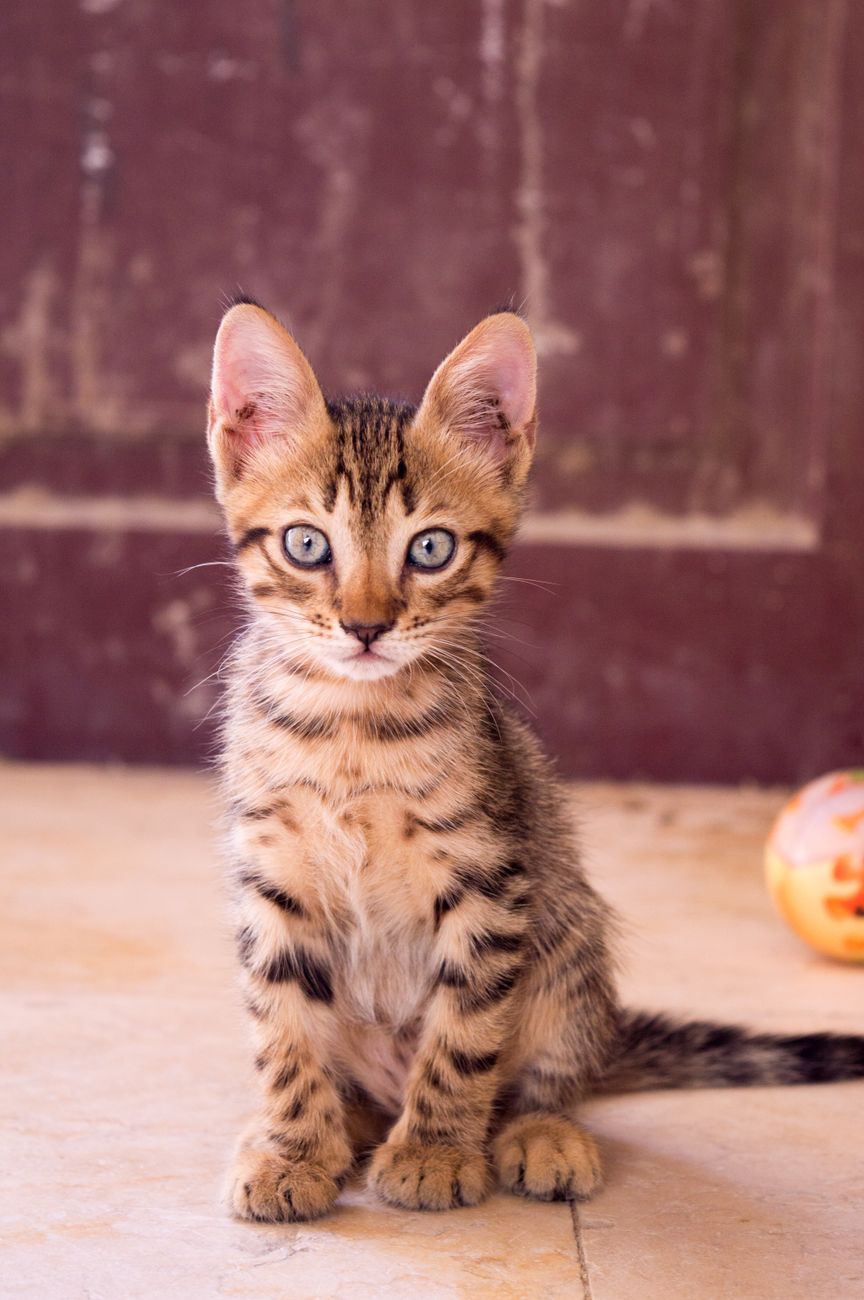
The Bengal Longhair cat, like its shorthaired counterpart, is generally a healthy and robust breed. However, due to their specific genetic heritage, which includes both the Asian Leopard Cat and various domestic breeds, they are predisposed to certain hereditary health conditions. Awareness of these potential issues, combined with responsible breeding practices and diligent veterinary care, is essential for maximizing their healthspan and lifespan.
7.1. Potential Genetic Health Concerns
Reputable breeders actively screen their breeding cats for known genetic diseases to reduce the incidence in kittens. However, potential owners should still be aware of conditions that can affect the breed:
7.1.1. Hypertrophic Cardiomyopathy (HCM)
HCM is the most common heart disease diagnosed in cats across many breeds, including Bengals. It involves a thickening of the heart muscle walls (specifically the left ventricle), which can impair heart function, leading to complications like blood clots (arterial thromboembolism) and congestive heart failure (Kittleson et al., 1999).
- Symptoms: Often, cats show no symptoms in the early stages. As the disease progresses, signs may include lethargy, rapid breathing or difficulty breathing, open-mouth breathing (panting), exercise intolerance, or sudden paralysis of the hind limbs (due to a clot).
- Diagnosis: Diagnosis typically involves an echocardiogram (ultrasound of the heart) performed by a veterinary cardiologist. Genetic tests for some known HCM mutations exist, but they don't cover all possible causes, making regular cardiac screening (echocardiograms) of breeding cats crucial.
- Management: While there is no cure, medications can help manage symptoms, improve heart function, and reduce the risk of complications, potentially improving quality of life and longevity.
Responsible breeders screen their breeding Bengals for HCM via echocardiogram before breeding, typically starting around one year of age and repeating annually or biannually for several years, as HCM can develop later in life. Ask breeders for proof of recent HCM screening (echocardiogram reports) for the parents of any kitten you consider.
7.1.2. Progressive Retinal Atrophy (PRA-b)
PRA refers to a group of inherited diseases that cause the degeneration of the retina (the light-sensitive tissue at the back of the eye), eventually leading to blindness. A specific form, known as PRA-b (Bengal PRA), has been identified in the breed (Ofri et al., 2015).
- Symptoms: Gradual loss of vision, often starting with night blindness (difficulty seeing in dim light) and progressing over time to complete blindness. Cats are adaptable, so owners may not notice vision loss until it is quite advanced.
- Diagnosis: Can be diagnosed through an ophthalmologic examination by a veterinary ophthalmologist. A specific DNA test is available for PRA-b.
- Management: There is no cure for PRA, but blindness in cats is not typically a painful condition, and most adapt well to living indoors with a stable environment.
Responsible breeders utilize the available DNA test to screen their breeding cats for PRA-b, ensuring that affected cats (those with two copies of the gene) are not produced and carriers (one copy) are only bred to clear cats. Ask breeders for PRA-b DNA test results for the parent cats.
7.1.3. Pyruvate Kinase Deficiency (PKDef)
PK Deficiency is an inherited metabolic disorder caused by a deficiency of the enzyme pyruvate kinase, which is essential for the survival and function of red blood cells. This deficiency leads to hemolytic anemia (destruction of red blood cells) (Grahn et al., 2012).
- Symptoms: The severity varies. Some affected cats show no obvious signs, while others experience intermittent or chronic anemia, leading to symptoms like lethargy, weakness, pale gums, jaundice (yellowing of skin/eyes), and an enlarged spleen.
- Diagnosis: Can be suspected based on blood tests showing anemia. A specific DNA test is available to confirm the diagnosis and identify carriers.
- Management: There is no specific cure, but supportive care (e.g., blood transfusions during severe anemic crises) may be needed. Most affected cats live relatively normal lives, though their lifespan may potentially be shortened. Stress can sometimes trigger anemic episodes.
As with PRA-b, responsible breeders use the DNA test for PKDef to screen their breeding stock and plan matings to avoid producing affected kittens. Always ask for PKDef test results for the parents.
7.1.4. Other Potential Issues
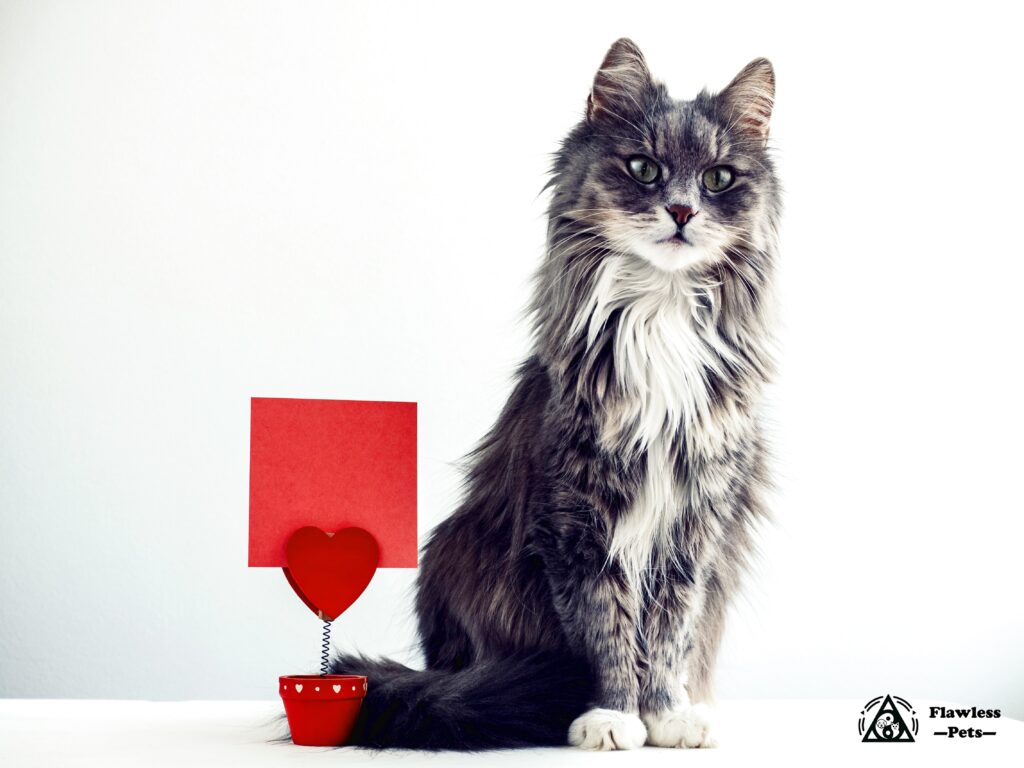
While less commonly linked specifically by genetic tests, Bengals, including the Bengal Longhair cat, may also be prone to:
- Patellar Luxation: Dislocation of the kneecap.
- Hip Dysplasia: Abnormal development of the hip joint.
- Distal Neuropathy: A neurological disorder causing weakness, usually seen in young Bengals.
- Sensitive Digestive System: Some Bengals seem prone to inflammatory bowel disease (IBD) or food sensitivities. High-quality, easily digestible diets are often beneficial.
- Tritrichomonas Foetus: A protozoal infection that can cause persistent diarrhea, particularly in cattery situations.
7.2. The Importance of Preventive Care and Screening
Beyond genetic predispositions, routine veterinary care is vital for maintaining the health of your Bengal Longhair cat.
- Regular Vet Visits: Annual check-ups (or semi-annual for senior cats) are crucial for vaccinations, parasite control (fleas, ticks, worms), dental assessments, weight management, and early detection of potential problems.
- Vaccinations: Follow your veterinarian's recommended vaccination schedule to protect against common feline infectious diseases.
- Parasite Prevention: Use veterinarian-recommended products for flea, tick, and internal parasite prevention year-round, even for indoor cats, as parasites can be brought in on shoes or clothing.
- Spaying/Neutering: Spaying or neutering your pet Bengal Longhair cat is essential for preventing unwanted litters and can reduce the risk of certain reproductive cancers and behavioral issues.
- Health Insurance: Consider pet health insurance, especially for breeds like Bengals with known predispositions. It can help manage the costs of unexpected illnesses or injuries, including diagnostic tests like echocardiograms if needed later in life.
Choosing a kitten from a breeder who performs and readily shares results of health screenings (HCM echocardiograms, PRA-b DNA tests, PKDef DNA tests) for their breeding cats significantly reduces the risk of inheriting these specific conditions.
7.3. Lifespan Expectations
With responsible breeding, good nutrition, proper care, and regular veterinary attention, a healthy Bengal Longhair cat can be expected to live a reasonably long life, typically ranging from 12 to 16 years, with some individuals living even longer. Providing a safe indoor environment, preventing obesity, and managing any chronic health conditions diligently contribute to longevity.
8. Finding Your Bengal Longhair Companion: Choosing a Reputable Breeder
Acquiring a Bengal Longhair cat is a significant commitment, and finding a responsible, ethical breeder is the crucial first step. A good breeder prioritizes the health, temperament, and well-being of their cats above all else, adheres to breed standards, and provides proper socialization for their kittens. Unfortunately, the popularity of Bengals has also attracted less scrupulous breeders, making careful research essential.
8.1. Qualities of a Responsible Breeder
Look for breeders who exhibit the following characteristics:
- Health Screening: They perform recommended health tests on their breeding cats (parents of the kittens) for conditions prevalent in Bengals, such as HCM (via echocardiogram by a cardiologist), PRA-b (DNA test), and PKDef (DNA test). They should be transparent and willing to show you the results.
- Knowledgeable and Passionate: They are deeply knowledgeable about the Bengal breed, including the specifics of the Bengal Longhair cat variation, genetics, health, and temperament. They should be passionate about improving the breed.
- Registered Cattery: They are typically registered with one or more major cat fancy associations like TICA (which recognizes the Bengal Longhair) or potentially others like CFA or GCCF, even if longhairs aren't championship status everywhere. Registration provides some accountability, though it's not a sole guarantee of quality.
- Keeps Kittens Until Appropriate Age: They keep kittens with their mother and littermates until at least 12-14 weeks of age. This period is crucial for socialization, learning appropriate feline behavior, and building confidence.
- Socialization Practices: They raise kittens underfoot in their home environment, exposing them to normal household sights, sounds, and gentle handling. This helps produce well-adjusted, confident companions.
- Clean and Safe Environment: Their cattery or home environment is clean, safe, and provides ample space and enrichment for the cats and kittens.
- Provides Health Guarantee and Contract: They offer a written contract outlining the terms of sale, health guarantees (covering genetic conditions), spay/neuter requirements for pet kittens, and return policies.
- Asks You Questions: A good breeder cares where their kittens go. They will likely interview you to ensure you understand the needs of a Bengal Longhair cat and can provide a suitable, lifelong home.
- Provides Ongoing Support: They are willing to answer your questions and offer guidance even after you take your kitten home.
8.2. Questions to Ask
When contacting potential breeders, be prepared to ask detailed questions:
- What health screenings (HCM echo, PRA-b DNA, PKDef DNA) have been performed on the parent cats? Can I see the results?
- Are you registered with any cat associations (e.g., TICA)?
- How long have you been breeding Bengals, specifically the Bengal Longhair variety?
- How do you socialize your kittens? Where are they raised?
- At what age do kittens go to new homes?
- What vaccinations and deworming treatments will the kitten have received?
- Do you provide a written health guarantee and contract? May I see a copy?
- What diet are the kittens currently eating?
- Can I visit your cattery and meet the kittens and parent cats (or at least the queen)? (Note: Some catteries limit visits for biosecurity reasons but may offer video calls).
- Do you require pet kittens to be spayed/neutered?
- What is your policy if I can no longer keep the cat?
8.3. Red Flags to Watch For
Be cautious of breeders who:
- Cannot or will not provide proof of health screening for parent cats.
- Seem unwilling to answer questions or provide detailed information.
- Are selling kittens at a very young age (under 10-12 weeks).
- Keep cats in poor, overcrowded, or unsanitary conditions.
- Do not allow you to see where the kittens are raised or meet the mother cat (virtual options may be acceptable substitutes in some cases).
- Offer multiple different breeds of cats or dogs (“volume breeders”).
- Pressure you into making a quick decision or deposit.
- Sell kittens through pet stores or online platforms without thorough screening of buyers.
- Offer kittens at significantly lower prices than average (often indicates cutting corners on care or health testing).
Finding the right breeder may take time and effort, but it is the best way to ensure you get a healthy, well-socialized Bengal Longhair cat that fits well into your home.
8.4. Considering Adoption
While finding a purebred Bengal Longhair cat in a rescue situation might be less common than finding domestic longhairs, it's not impossible. Breed-specific rescues sometimes take in Bengals (both shorthair and longhair) that need new homes due to owner circumstances changing. Check with general animal shelters and dedicated Bengal rescue organizations. Adopting an adult cat can be incredibly rewarding, and their personality is already established, giving you a clearer idea of their temperament. Be prepared that their history, including health background, may be unknown.
9. The Investment in Elegance: Understanding the Cost
Bringing a Bengal Longhair cat into your life involves both an initial purchase price and ongoing lifetime costs. Understanding these financial commitments is crucial before deciding to acquire one.
The purchase price of a Bengal Longhair kitten from a reputable breeder typically ranges significantly, often from $1,500 to $4,000 or even more in 2025, depending on several factors:
- Quality and Conformation: Kittens closer to the breed standard in terms of pattern clarity, contrast, color, conformation, and coat quality (especially the desired silky texture of the longhair) often command higher prices. “Show quality” kittens intended for exhibition (or breeding quality kittens sold with breeding rights, which is much rarer and more expensive for pet buyers) will cost more than “pet quality” kittens.
- Breeder Reputation and Location: Well-established breeders with excellent reputations, championship-winning lines, and comprehensive health testing protocols may charge more. Prices can also vary geographically.
- Coat Color/Pattern: Certain colors or patterns that are rarer or currently in high demand (like snow or silver varieties, or well-defined rosettes) might influence the price.
- Inclusions: The price usually includes initial vaccinations, deworming, a health check, TICA or other registration papers (often provided after proof of spay/neuter for pet kittens), and a health guarantee.
Be wary of unusually low prices, as this can be a red flag indicating potential issues with health screening, socialization, or overall care standards. Remember, the initial purchase price is often just the beginning.
Ongoing costs include:
- Food: High-quality, high-protein cat food (budget $50-$100+ per month).
- Litter: ($15-$30+ per month).
- Veterinary Care: Annual check-ups, vaccinations, parasite prevention ($200-$500+ per year). Dental cleanings may add significant cost ($300-$800+). Unexpected illnesses or emergencies can cost thousands.
- Grooming Supplies: Brushes, combs, nail clippers (initial cost, plus replacements). Professional grooming if needed ($50-$100+ per session).
- Enrichment: Cat trees, scratching posts, toys, puzzle feeders (initial cost and ongoing replacements).
- Pet Insurance (Optional but Recommended): ($30-$60+ per month).
- Other Supplies: Beds, carriers, bowls, etc.
Owning a Bengal Longhair cat is a significant financial commitment. Ensuring you can comfortably afford not just the purchase price but also the ongoing high standard of care is essential for the cat's well-being and your peace of mind. Sourcing specialized items online, whether for your pet or for yourself, requires finding trustworthy vendors; exploring diverse marketplaces like this recommended online store can sometimes yield unexpected finds.
10. Living with a Bengal Longhair: Is This Breed Right for You?
The Bengal Longhair cat is an undeniably captivating companion, offering a unique blend of exotic beauty, high intelligence, playful energy, and deep affection. However, their specific traits mean they are not the ideal fit for every household or lifestyle. Before bringing one home, potential owners must honestly assess their ability and willingness to meet the demands of this extraordinary feline.
Consider if a Bengal Longhair cat is right for you if:
- You desire an active, engaging, and interactive feline companion rather than a quiet, independent lap cat.
- You have the time and energy to dedicate to daily interactive play sessions and mental stimulation.
- You appreciate an intelligent animal that might learn tricks, open doors, and constantly explore its environment.
- You enjoy a vocal cat that communicates its needs and opinions readily.
- You are prepared for moderate grooming needs, including regular brushing several times a week.
- Your home environment offers ample space, including vertical territory (cat trees, shelves).
- You are committed to providing high-quality nutrition and regular veterinary care, including potential screening for breed-specific health issues.
- You are prepared for the financial investment involved in purchasing from a reputable breeder and providing lifelong care.
- You are looking for a loyal companion that forms strong bonds with its family.
- You understand the importance of cat-proofing your home for a curious and athletic cat.
A Bengal Longhair cat might *not* be the best choice if:
- You prefer a very calm, quiet, low-energy cat.
- You have limited time for daily interaction and play.
- You are frequently away from home for long hours without providing alternative companionship or stimulation.
- You are looking for a very low-maintenance pet, especially regarding grooming.
- You live in a very small space without opportunities for vertical exploration or vigorous play.
- You are unprepared for the potential for mischief and the need for consistent training and environmental management.
- You are primarily looking for an inexpensive pet.
Living with a Bengal Longhair cat can be incredibly rewarding. They bring energy, intelligence, and beauty into a home. Their antics can provide endless entertainment, and their affectionate nature creates strong bonds. However, potential owners must be realistic about the commitment involved. These are not simply decorative cats; they are active participants in the household who thrive on interaction and require dedicated care. If you are prepared to meet their needs, the Bengal Longhair cat can be an exceptional and unforgettable companion.
11. The Enduring Allure of the Bengal Longhair Cat
The Bengal Longhair cat, or Cashmere Bengal, stands as a testament to the beauty and diversity inherent within the Bengal breed. More than just a Bengal with longer fur, it represents a unique convergence of the wild aesthetic derived from the Asian Leopard Cat and the luxurious softness conferred by a recessive gene carried through domestic ancestry. Its journey from an accidental byproduct of early breeding programs to a recognized and cherished variety highlights the evolving appreciation for natural variations within the feline world.
Possessing the same remarkable intelligence, boundless energy, deep capacity for affection, and striking patterns as the standard Shorthair Bengal, the Longhair adds an element of silken elegance. This combination makes for an intensely engaging and visually stunning companion. However, this allure comes with responsibilities. Prospective owners must be prepared to meet their significant needs for mental stimulation, physical activity, social interaction, and dedicated grooming. Understanding their genetic health predispositions and partnering with responsible breeders who prioritize health screening are crucial steps in ensuring a long and happy life for these magnificent cats.
Whether admired for its plumed tail, its soft-as-cashmere coat glittering under the light, its playful antics, or its intelligent gaze, the Bengal Longhair cat offers a profound connection to something both wild and familiar. For those equipped to embrace their spirited nature and provide the necessary care, the reward is a loyal, captivating companion unlike any other – a silken shadow with the soul of a leopard and the heart of a devoted friend.
12. Frequently Asked Questions (FAQ)
- 1. Are Bengal Longhair cats hypoallergenic?
- No, Bengal Longhair cats are not considered hypoallergenic. While some people with mild cat allergies report tolerating Bengals (both shorthair and longhair) better than other breeds, this is anecdotal and highly individual. Allergies are typically triggered by proteins (like Fel d 1) found in a cat's saliva, skin oils (sebum), and urine, which then get transferred to the fur during grooming. Coat length doesn't eliminate these allergens. If allergies are a concern, spending time with the specific breed (and ideally the specific cat) before commitment is essential.
- 2. How much grooming does a Bengal Longhair cat need compared to a Persian?
- A Bengal Longhair cat requires significantly less grooming than a Persian. Persians have very long, thick coats with dense undercoats that mat extremely easily and often require daily, meticulous grooming. The Bengal Longhair has a semi-long coat that is finer, silkier, and typically has less undercoat. While they need regular brushing (2-3 times a week, potentially more during shedding season) to prevent tangles and mats, especially in friction areas, their coat is generally more manageable than a Persian's.
- 3. Are Bengal Longhair cats more aggressive than Shorthair Bengals or other domestic cats?
- No, temperament is not determined by coat length. A well-bred, properly socialized Bengal Longhair cat should not be aggressive. They share the same temperament profile as Shorthair Bengals: active, intelligent, curious, and affectionate, but also potentially demanding. Like any cat, individual personality varies. Aggression is more often linked to poor breeding (not selecting for good temperament), lack of proper socialization during kittenhood, fear, stress, or underlying medical issues, rather than being an inherent trait of the longhaired variety or the breed itself when sourced responsibly.
- 4. Can two Shorthair Bengals produce a Longhair kitten?
- Yes, this is possible if both Shorthair Bengal parents carry the recessive gene for long hair (genotype Ll). Since long hair (l) is recessive, a cat needs two copies (ll) to express the trait. If two carriers (Ll x Ll) mate, there is a 25% statistical probability for each kitten to inherit the ‘l' allele from both parents, resulting in a Bengal Longhair cat (ll). This is how longhaired kittens initially appeared unexpectedly in litters from shorthaired parents before genetic testing for carriers became widely available.
- 5. Do Bengal Longhair cats like water?
- Like their shorthaired counterparts, many Bengal Longhair cats show a fascination with water, a trait possibly inherited from the Asian Leopard Cat, which is known to be comfortable near water. This doesn't mean all of them love swimming, but many enjoy playing with dripping faucets, splashing water in their bowls, or even joining their owners near (or sometimes in!) the shower or bath. However, individual preferences vary greatly, and not every Bengal Longhair will be a water enthusiast.
13. References
Note: This list includes representative sources. Comprehensive research would involve consulting breed standards from associations like TICA, additional genetic studies, and veterinary resources. Ensure links are active and lead to credible sources.
- Centerwall, W. R. (1992). The Bengal Cat. In R. Robinson (Ed.), Genetics for Cat Breeders (3rd ed.). Butterworth-Heinemann. (Historical context, foundational breeding).
- BMC Veterinary Research, 8(1), 207. https://doi.org/10.1186/1746-6148-8-207
- Journal of Heredity, 98(6), 555–566. https://doi.org/10.1093/jhered/esm072
- Journal of Veterinary Internal Medicine, 13(5), 417-425. (While on Maine Coons, describes HCM relevant to cats). https://doi.org/10.1111/j.1939-1676.1999.tb02207.x
- Animal Genetics, 38(1), 81-83. (Example of coat genetics research methodology, though FGF5 is the key gene for length). https://doi.org/10.1111/j.1365-2052.2007.01563.x
- (9), 5299–5308. https://doi.org/10.1167/iovs.15-17503
- The International Cat Association (TICA). (n.d.). Bengal Breed Standard. Retrieved January 15, 2025, from https://www.tica.org/breeds/browse-all-breeds?view=article&id=839:bengal-breed&catid=79 (Official breed standard including longhair).
- UC Davis Veterinary Genetics Laboratory. (n.d.). Pyruvate Kinase Deficiency (PKDef). Retrieved January 15, 2025, from https://vgl.ucdavis.edu/test/pkdef-cat (Information on PKDef testing).
- UC Davis Veterinary Genetics Laboratory. (n.d.). Progressive Retinal Atrophy (PRA-b). Retrieved January 15, 2025, from https://vgl.ucdavis.edu/test/pra-bengal (Information on PRA-b testing).
- Cornell Feline Health Center. (n.d.). Hypertrophic Cardiomyopathy. Retrieved January 15, 2025, from https://www.vet.cornell.edu/departments-centers-and-institutes/cornell-feline-health-center/health-information/feline-health-topics/hypertrophic-cardiomyopathy (General information on HCM in cats).









 English
  简体中文
简体中文  Français du Canada
  Deutsch
  Español
  Português
  한국어
한국어  日本語
日本語  Italiano
  Русский
  Dansk
Dansk  Nederlands
  Svenska
  Suomi
Suomi  Polski
  Norsk bokmål