



Flawless Pet Supplies
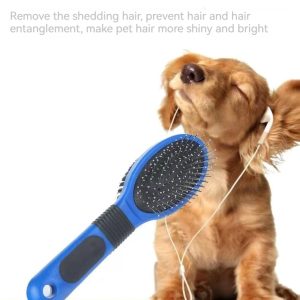
- A pin brush is essential for grooming pets with long, silky, or medium-length coats, effectively detangling and removing loose hair without damaging the fur.
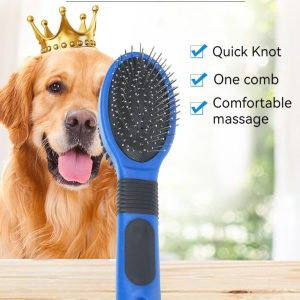
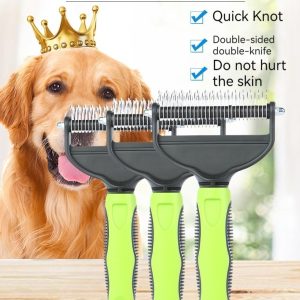
- Key components include metal pins (often with rounded tips for safety), a flexible cushion base that contours to the pet's body, and an ergonomic handle for comfortable use.
- Choosing the right pin brush depends on coat type, pet size, and pin characteristics (length, spacing, tip style). Longer pins suit thicker, longer coats, while shorter pins are better for medium coats.
- Proper technique involves brushing gently in the direction of hair growth, working in sections, and using a detangling spray for stubborn knots, always avoiding scraping the skin.
- Regular use of a pin brush helps distribute natural skin oils, promotes a healthy, shiny coat, stimulates blood circulation, and provides an opportunity to check for skin issues or parasites.
- Maintenance involves regular cleaning to remove hair and debris and periodic inspection for bent or missing pins to ensure safety and effectiveness.
- While excellent for maintenance and light detangling, a pin brush is not the primary tool for removing heavy mats; specialized tools like mat breakers or rakes should be used first.
Table of Contents

- What is a Pin Brush? Understanding the Basics
- Anatomy of a Pin Brush: A Closer Look
- Pin Brush vs. Other Grooming Tools: A Comparative Overview
- Why Use a Pin Brush? Key Benefits for Your Pet's Coat
- Exploring Different Types of Pin Brushes
- Choosing the Right Pin Brush for Your Pet
- How to Use a Pin Brush Correctly: A Step-by-Step Guide
- Pin Brushes for Specific Breeds: Tailored Grooming
- Maintaining Your Pin Brush: Cleaning and Care
- Common Mistakes to Avoid When Using a Pin Brush
- Pin Brushes vs. Other Grooming Tools: A Deeper Dive
- The Science Behind the Brush: Skin and Coat Health
- Addressing Potential Problems During Brushing
- The Pin Brush in Professional Grooming Settings
- Innovations in Pin Brush Design (2025 Trends)
- Sustainability and Eco-Friendly Pin Brush Options
- Connecting Grooming to Overall Pet Well-being
- Frequently Asked Questions (FAQ) About Pin Brushes
- Conclusion: The Indispensable Pin Brush
- References
What is a Pin Brush? Understanding the Basics

Welcome to the wonderful world of pet grooming! Keeping our furry companions looking and feeling their best is a rewarding part of pet ownership. A crucial aspect of this care involves maintaining their coat, which varies tremendously across different breeds of dogs and cats. Among the essential tools in any pet owner's grooming kit, the pin brush holds a significant place, particularly for animals blessed with longer, flowing hair. But what exactly is a pin brush, and how does it differ from other brushes lining the shelves of pet stores?
Imagine a human hairbrush, but designed specifically for the unique needs of animal fur. At its core, a pin brush features a series of straight, rigid or semi-rigid pins, typically made of metal or sometimes durable plastic, embedded in a flexible rubber or silicone cushion. This cushion is mounted onto a handle, usually crafted from wood or plastic. The primary function of this tool is to gently separate hairs, detangle minor knots, remove loose fur (especially from the undercoat during shedding seasons), and lift away dirt and debris trapped within the coat. Unlike some other brushes that might cut or pull hair aggressively, the design of the pin brush aims for a gentler approach, gliding through the coat to smooth and maintain its natural texture.
-
-23%

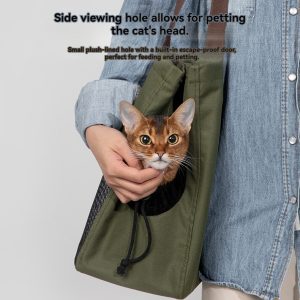
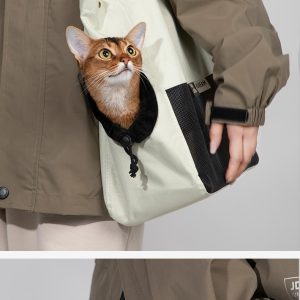
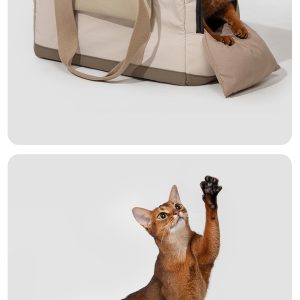
HiDream Color-Block Shoulder Pet Travel Bag – Stylish and Lightweight Carrier for Small Pets – Almond, Matcha
Original price was: $109.99.$84.99Current price is: $84.99. -
-14%
HiDream Pet Tote Bag – Relaxed Style Carrier for Small Pets – Durable Nylon with Breathable Mesh – Beige, Green, Gray
Original price was: $109.99.$94.59Current price is: $94.59. -
-12%
HiDream Pet Sling Carrier Bag – Adjustable Shoulder Strap Front Carry Bag for Small Pets – Khaki, Green, Gray
Original price was: $99.99.$88.49Current price is: $88.49.
Think of it as the everyday maintenance tool for specific coat types. It's not typically designed for heavy-duty tasks like removing severe mats or thinning dense undercoats (that's where tools like slicker brushes, undercoat rakes, or dematting combs come in). Instead, the pin brush excels at regular upkeep, keeping longer coats free-flowing, reducing shedding around the house, and contributing to the overall health and appearance of your pet's fur. Its effectiveness is most pronounced on dogs and cats with medium-to-long, silky, or double coats. Breeds like Golden Retrievers, Collies, Shih Tzus, Yorkshire Terriers, Persian cats, and Maine Coons often benefit immensely from regular sessions with a quality pin brush.
Understanding the purpose and basic structure of the pin brush is the first step towards appreciating its value and learning how to wield it effectively for the benefit of your beloved pet.
Anatomy of a Pin Brush: A Closer Look
To truly understand how a pin brush works and how to choose the best one, it helps to break it down into its core components. Each part plays a crucial role in the brush's performance, safety, and suitability for different types of pet fur.
The Pins: Material, Tips, and Arrangement
The “business end” of the pin brush is, naturally, the pins themselves. These are almost always made of metal, usually stainless steel, for durability and their ability to glide through hair. However, the characteristics of these pins can vary significantly:
- Material and Coating: While stainless steel is common, some pins might have chrome plating or other coatings. The key is smoothness to prevent snagging. Cheaper brushes might use lower-quality metal that can bend or rust easily.
- Pin Tips: This is perhaps the most critical aspect for your pet's comfort and safety. High-quality pin brushes feature pins with rounded, polished, or coated tips. These smooth ends prevent the sharp metal from scratching or irritating your pet's sensitive skin during grooming. Avoid brushes with sharp, unfinished pin ends, as these can cause discomfort or even injury, leading to a negative association with grooming. Some pins have small plastic balls on the tips; while intended for comfort, these can sometimes snag finer hair or potentially fall off over time, exposing a rougher end. Polished, integrated rounded tips are often preferred by professional groomers.
- Pin Length: Pin length varies, typically ranging from short (around 10-15mm) to long (20-25mm or more). The general rule is: the longer and denser the coat, the longer the pins needed to penetrate effectively down to the skin level without excessive pressure. Short pins are suitable for medium-length coats, while long pins are essential for breeds with very thick or long fur, like Rough Collies or Afghan Hounds.
- Pin Spacing: The distance between pins also matters. Widely spaced pins are generally better for thicker, coarser coats and for initial detangling, as they encounter less resistance. Finely spaced pins are more suited for thinner, silkier coats and for finishing touches, providing a smoother look.
- Pin Flexibility: While the pins are generally rigid, some may have a slight flex, which can add to the gentleness of the brushing action, especially when encountering minor tangles.
Consider the pins as the comb's teeth – their shape, length, and spacing determine how well they interact with your pet's specific hair type.
The Cushion: Flexibility and Comfort
The pins are not embedded directly into a rigid base. Instead, they are set into a flexible cushion, usually made of rubber or silicone. This cushion is a vital feature for several reasons:
- Contouring: The flexible cushion allows the brush head to conform to the contours of your pet's body. This ensures that the pins maintain contact with the coat evenly, even over curved areas like legs or the back, providing a more effective and comfortable grooming experience.
- Shock Absorption: It acts as a shock absorber. When you brush, the cushion flexes slightly, preventing the pins from applying excessive, direct pressure to any single point on the skin. This significantly enhances comfort and reduces the risk of irritation.
- Pin Movement: The cushion allows the pins to retract slightly when they encounter resistance, like a small tangle. This gentle give helps to work through knots without painfully pulling the hair.
The quality of the cushion impacts the brush's longevity and performance. A well-made cushion maintains its flexibility over time, while cheaper ones might stiffen, crack, or allow pins to recess or fall out.
The Handle: Ergonomics and Control
While the pins and cushion interact directly with your pet, the handle is crucial for *your* comfort and control during the grooming process. Handles are typically made from:
- Wood/Bamboo: Often aesthetically pleasing, providing a natural feel and good grip. Bamboo is a particularly sustainable option.
- Plastic/Rubber: Can be molded into highly ergonomic shapes, often featuring rubberized grips for enhanced control, especially if your hands get wet or oily from coat conditioners.
Key considerations for the handle include:
- Ergonomics: A comfortable shape that fits well in your hand reduces fatigue during longer grooming sessions. Look for handles designed to minimize wrist strain.
- Grip: A non-slip surface is important for maintaining control, ensuring the brush doesn't twist or turn unexpectedly.
- Durability: The handle should be securely attached to the brush head and made from materials that withstand regular use.
- Weight and Balance: A well-balanced brush feels natural in the hand and is easier to maneuver.
Choosing a pin brush with a comfortable, ergonomic handle can make a significant difference in your grooming routine, transforming it from a chore into a more pleasant bonding experience with your pet.
Pin Brush vs. Other Grooming Tools: A Comparative Overview
Understanding where the pin brush fits within the broader spectrum of grooming tools is essential for building an effective grooming routine. Different brushes and combs serve distinct purposes and are suited for different coat types and tasks. Here's a comparison table highlighting the key differences:
| Tool Type | Primary Use | Best Suited Coat Types | Key Features | Pros | Cons |
|---|---|---|---|---|---|
| Pin Brush | General brushing, light detangling, removing loose hair, distributing oils, finishing | Medium, long, silky, wavy, double coats (top coat focus) | Straight pins with rounded tips set in a flexible cushion | Gentle on skin and coat, good for sensitive pets, smooths hair, adds shine | Not effective for heavy mats or dense undercoat removal, pins can bend/break |
| Slicker Brush | Removing loose undercoat, detangling moderate mats, stimulating skin | Medium to long coats, double coats, curly coats | Fine, short, angled wire bristles packed densely on a flat or curved head | Excellent for removing shed hair and breaking up small mats, efficient undercoat removal | Can irritate skin if used too harshly (scratching), wires can bend easily |
| Bristle Brush | Smoothing top coat, distributing oils, removing surface dust, adding shine | Short, smooth coats; finishing touch for long coats | Natural (boar) or synthetic bristles, varying stiffness | Very gentle, enhances shine, great for short-haired breeds and sensitive skin | Does not detangle or remove significant undercoat |
| Undercoat Rake | Removing large amounts of dead undercoat quickly | Heavy double coats (e.g., Huskies, Malamutes, German Shepherds) | One or two rows of long, sturdy, often curved teeth | Highly effective for thick undercoats during shedding season | Can pull or damage top coat if used incorrectly, not for detangling mats |
| Dematting Comb/Tool | Cutting through and removing tough mats | Coats prone to severe matting | Sharp, often serrated or hooked blades designed to cut through matted hair | Effective on stubborn mats that cannot be brushed out | High risk of cutting pet's skin if not used carefully, removes hair section |
| Grooming Comb (Metal) | Final check for tangles, parting hair, grooming sensitive areas (face, paws) | All coat types, especially after brushing | Metal teeth, often with both wide and fine spacing on the same comb | Excellent for finding hidden knots, precise grooming | Not efficient for initial brushing or removing large amounts of hair |
This table illustrates that the pin brush occupies a specific niche. It's the go-to tool for regular maintenance of longer coats, focusing on gentle detangling, smoothing, and distributing oils. It often works best in conjunction with other tools. For example, on a double-coated breed, one might use an undercoat rake or slicker brush first to remove bulk shed hair, followed by a pin brush to smooth the top coat and catch remaining loose hairs, and finally, a comb to check for any missed tangles.
Why Use a Pin Brush? Key Benefits for Your Pet's Coat
Now that we understand what a pin brush is and how it compares to other tools, let's delve deeper into the specific advantages of incorporating it into your pet's grooming routine, especially if they have the right type of coat.
- Gentle Detangling: For pets with long or silky hair prone to minor tangles and knots, the pin brush is often the ideal tool. The smooth, widely spaced pins (in appropriate models) glide through the hair, separating strands with minimal pulling or breakage compared to finer-toothed tools. The flexible cushion allows the pins to yield slightly when encountering resistance, further enhancing comfort. This makes the pin brush suitable for regular maintenance to prevent small tangles from becoming serious mats.
- Removal of Loose Hair and Debris: While not as aggressive as a slicker or rake, a pin brush effectively lifts and removes loose hairs from the top coat and even some from the undercoat, particularly during shedding seasons. This helps reduce the amount of pet hair shed around your home and keeps the coat looking tidy. It also helps remove surface dirt, dust, and small bits of debris that can get caught in the fur.
- Distribution of Natural Oils (Sebum): A pet's skin produces natural oils (sebum) that are essential for maintaining a healthy, waterproof, and shiny coat. Regular brushing with a pin brush helps to distribute these oils evenly from the roots to the tips of the hair shafts. This natural conditioning process enhances the coat's luster, softness, and overall health, preventing dryness and promoting a vibrant appearance.
- Skin Stimulation and Health Check: The gentle action of the rounded pin tips against the skin can provide a light massage effect, stimulating blood circulation to the hair follicles. Improved circulation can contribute to healthier skin and potentially stronger hair growth. Furthermore, the process of carefully brushing your pet allows you to regularly inspect their skin for any abnormalities, such as redness, irritation, lumps, bumps, parasites (like fleas or ticks), or dry patches, enabling early detection and treatment if needed. (American Kennel Club, n.d.).
- Ideal for Specific Coat Types: The pin brush truly shines on pets with medium-to-long, flowing, silky, or wavy coats. Think of breeds like Afghan Hounds, Salukis, Setters, Spaniels, Yorkshire Terriers, Shih Tzus, Collies, Golden Retrievers, Bernese Mountain Dogs, and long-haired cats like Persians, Maine Coons, and Ragdolls. For these coats, the pin brush helps maintain their natural texture and flow without causing frizz or damage that stiffer brushes might inflict.
- Comfort for Sensitive Pets: Due to its gentler action compared to slicker brushes or rakes, the pin brush is often better tolerated by pets with sensitive skin or those who are generally apprehensive about grooming. The rounded pins and cushioned base minimize the risk of scratching or discomfort, helping to create a more positive grooming experience.
- Finishing Touch: Even after using other tools like undercoat rakes, a pin brush can be used as a finishing tool to smooth the top coat, remove any remaining loose hairs stirred up by the initial brushing, and give the coat a polished, well-groomed appearance.
In essence, the pin brush is a versatile maintenance tool that promotes coat health, appearance, and comfort for pets with suitable hair types, making it an indispensable part of a comprehensive grooming toolkit.
Exploring Different Types of Pin Brushes
While the basic concept of a pin brush remains consistent – pins in a cushion on a handle – there are variations designed to cater to slightly different needs and preferences. Understanding these subtle differences can help you fine-tune your selection.
- Based on Pin Length: As discussed earlier, the most significant variation is pin length. You'll find short-pin, medium-pin, and long-pin brushes. Short pins (approx. 10-15mm) work well for medium-length coats or the shorter sections of a long-haired pet. Medium pins (approx. 15-20mm) are versatile for many medium-to-long coats. Long pins (20mm+) are necessary for very thick, dense, or long coats to ensure the pins reach through the layers to the skin.
- Based on Pin Spacing: Some pin brushes have pins spaced further apart, which is generally better for thicker coats and initial passes to gently work through potential tangles. Others have pins spaced more closely together, which is better suited for finer, silkier coats or for a final smoothing pass to create a very sleek look.
- Based on Pin Tip Style: The most common distinction here is between pins with integrated, polished rounded tips and those with small plastic or rubber balls covering the ends. Polished tips offer smooth gliding with less risk of parts falling off. Ball tips provide a different sensation and some users feel they offer extra protection, but they can occasionally snag very fine hair or detach over time. Some specialized pin brushes might have angled pins, though this starts to blur the line with slicker brushes.
- Based on Cushion Firmness: While most cushions are flexible, some might be slightly firmer or softer than others. A softer cushion offers more give and might be preferred for very sensitive pets or areas. A slightly firmer cushion might provide more control for working through denser coats, but the difference is often subtle.
- Based on Handle Design and Material: As covered in the anatomy section, handles vary greatly in shape (straight, contoured), material (wood, bamboo, plastic, rubberized), and size. There are even small “palm” style pin brushes without a traditional handle, designed to be held directly in the palm for close control.
- Double-Sided Brushes: Some grooming tools feature a pin brush on one side and a different type of brush, often a bristle brush, on the other. This offers versatility in a single tool, allowing you to detangle and smooth with the pin side and then add shine or brush shorter-haired areas with the bristle side.
- Size Variations: Pin brushes come in various overall sizes, from small ones suitable for toy breeds or cats, and for detail work around the face and paws, to large ones designed to cover broad areas on large dogs more efficiently.
When selecting a pin brush, consider these variations in the context of your specific pet's coat type, size, and temperament, as well as your own comfort and grooming style.
Choosing the Right Pin Brush for Your Pet
Selecting the optimal pin brush is not a one-size-fits-all scenario. Making the right choice involves carefully considering your pet's unique characteristics and your own grooming habits. An inappropriate brush can be ineffective at best and uncomfortable or even harmful at worst.
Considering Coat Type and Length
This is the single most important factor. The pin brush is specifically designed for certain coat types:
- Long Coats: (e.g., Afghan Hound, Shih Tzu, Collie, Persian Cat) Require long pins (20mm+) to penetrate the full length of the hair down to the skin. Widely spaced pins can help with initial detangling, while medium spacing might be good for maintenance.
- Silky/Fine Coats: (e.g., Yorkshire Terrier, Silky Terrier, Setter) Benefit from medium-length pins with smooth, polished tips to avoid snagging delicate hairs. Medium or slightly closer spacing often works well.
- Medium Coats: (e.g., Golden Retriever, Border Collie, Spaniels, Maine Coon Cat) Usually do well with medium-length pins (around 15-20mm). Spacing can vary based on density – wider for thicker coats, closer for finer ones.
- Double Coats: (e.g., German Shepherd, Siberian Husky, Newfoundland) A pin brush is useful for the top coat maintenance and smoothing *after* the undercoat has been addressed with a rake or slicker. Long pins are generally needed to get through the guard hairs.
Crucially, a pin brush is generally NOT suitable for:
- Short, Smooth Coats: (e.g., Labrador Retriever, Beagle, Boxer, Domestic Shorthair Cat) A pin brush doesn't offer much benefit here; the pins may not effectively grab loose hair, and a bristle brush or rubber curry comb is usually more appropriate for shine and removing loose fur.
- Wiry Coats: (e.g., Wire Fox Terrier, Schnauzer) These coats often require specific techniques like hand-stripping, and a pin brush isn't the right tool for maintaining their texture. A slicker or comb might be used sparingly.
- Curly/Corded Coats: (e.g., Poodle, Puli) These require specialized brushes and techniques to maintain curls or cords without disrupting them. A pin brush can pull out curl patterns or snag in cords.
Matching Brush Size to Your Pet
The overall size of the pin brush head and handle should be proportionate to your pet. Using a huge brush on a tiny dog or cat is awkward and inefficient, making it hard to navigate smaller areas. Conversely, using a tiny brush on a large dog will make the grooming process unnecessarily long. Choose a small brush for toy breeds, kittens, or cats, a medium size for small to medium dogs and most cats, and a large size for large or giant breed dogs.
Selecting Appropriate Pin Features
Beyond length, consider:
- Tip Safety: ALWAYS choose a pin brush with safe, rounded, polished, or properly coated tips. Run the pins gently over the back of your own hand – if it feels scratchy or sharp, it's not suitable for your pet. This is non-negotiable for preventing skin irritation.
- Spacing: As a general guideline, use wider spacing for thicker coats and initial passes, and closer spacing for finer coats or finishing. If unsure, medium spacing is often a good starting point for suitable coat types.
The Importance of Handle Design
Grooming, especially for large or long-haired pets, can take time. A comfortable, ergonomic handle that fits your hand well and provides a secure grip will prevent hand fatigue and wrist strain. Consider the weight and balance – it should feel like a natural extension of your hand. This is particularly important for professional groomers or those with multiple pets requiring frequent grooming.
Why Investing in Quality Pays Off
It can be tempting to grab the cheapest pin brush available, but this is often a false economy. Lower-quality brushes may have:
- Poorly finished, sharp pins that hurt your pet.
- Pins that bend, break, or recess into the cushion easily.
- Cushions that quickly lose flexibility, crack, or tear.
- Handles that are uncomfortable or detach from the head.
Investing a bit more in a well-constructed pin brush from a reputable brand ensures better safety, greater comfort for both you and your pet, more effective grooming results, and longer tool lifespan. Look for sturdy construction, high-quality materials (stainless steel pins, durable rubber/silicone cushion, solid wood or high-grade plastic handle), and positive reviews from other pet owners or grooming professionals. Ensuring you have the right tools, like a quality pin brush and perhaps other essential grooming supplies, makes the process smoother and more enjoyable.
Think of it this way: would you rather buy one good brush that lasts for years, or multiple cheap ones that cause discomfort and need frequent replacement?
How to Use a Pin Brush Correctly: A Step-by-Step Guide
Owning the perfect pin brush is only half the battle; using it correctly is crucial for achieving the desired results without causing discomfort or stress to your pet. Proper technique ensures effective grooming and helps build a positive association with the process.
Preparation: Setting the Stage for Grooming
- Choose the Right Time and Place: Select a time when your pet is calm and relaxed, perhaps after exercise or a meal. Groom in a quiet area free from distractions. Using a grooming table or a non-slip surface can provide better control and comfort for both of you.
- Gather Your Supplies: Have your pin brush, a comb (for checking work and sensitive areas), detangling spray (if needed), treats for positive reinforcement, and anything else your routine involves (like nail clippers or ear cleaner, if combining tasks) ready beforehand.
- Initial Check & Relaxation: Gently handle your pet, petting them and speaking in a calm voice. Briefly check for any obvious large mats, skin issues, or sensitive spots before you begin brushing. If you find large mats, address them first with appropriate tools (dematting comb or slicker, carefully) before using the pin brush.
Mastering the Brushing Technique
- Brush in the Direction of Hair Growth: Always brush *with* the natural lay of the coat, not against it. Brushing against the grain can be uncomfortable and may damage the hair.
- Use Gentle, Long Strokes: Apply light pressure – let the weight of the brush and the pins do the work. Use smooth, flowing strokes that cover a reasonable section of the coat. Avoid short, choppy, or aggressive movements. Remember, the cushion is there to absorb pressure, but you still need to be gentle.
- Work in Sections (Line Brushing): For pets with thick or long coats, it's best to work in manageable sections. Lift a portion of the hair and brush the layer underneath, gradually working your way up to the top layer. This technique, often called line brushing, ensures you reach the hair close to the skin and don't just skim over the surface.
- Handling Tangles: If you encounter a minor tangle, don't yank. Isolate the tangle, perhaps apply a bit of detangling spray or cornstarch to help loosen it (Always check product suitability for pets). Hold the hair *between* the skin and the tangle with your fingers to minimize pulling on the skin. Then, gently work on the *ends* of the tangle first with the pins of your pin brush or a comb, gradually moving towards the base until it's free. For significant mats, switch to a dematting tool.
- Avoid Scraping the Skin: While the goal is often to brush down to the skin level to remove loose undercoat and distribute oils, ensure the rounded pin tips glide *over* the skin rather than scraping *against* it. The flexible cushion helps, but your pressure control is key. Pay extra attention over bony areas like elbows, hips, and the spine.
- Be Patient and Positive: Keep the session positive with praise and occasional treats. If your pet becomes anxious or overwhelmed, take a break and try again later. Shorter, frequent sessions are often better than long, stressful ones.
- Sensitive Areas: Use extra care around the face, ears, tail, belly, and legs. You might switch to a smaller pin brush or a grooming comb for these areas.
Determining Brushing Frequency
How often you need to use the pin brush depends heavily on your pet's coat type and lifestyle:
- Long, Thick, or Mat-Prone Coats: Often require daily brushing to prevent tangles from forming and becoming problematic mats.
- Medium-Length Coats: May need brushing several times a week (e.g., 2-4 times).
- During Shedding Seasons: Most dogs and cats will shed more heavily in spring and fall. During these times, you may need to increase brushing frequency regardless of coat type to manage the loose hair.
- Active Outdoor Pets: Pets that spend a lot of time outdoors may pick up more debris and tangles, requiring more frequent brushing.
Observe your pet's coat. If you start noticing tangles forming quickly or excessive shedding, increase the frequency. Consistency is key to prevention.
Post-Brushing Care and Cleanup
- Final Check: After brushing with the pin brush, run a metal grooming comb (like a greyhound comb) through the coat. If the comb glides through smoothly without snagging, you've done a thorough job. If it catches, go back over that area with the brush or comb.
- Praise and Reward: End the session on a positive note with praise, petting, or a final treat. This reinforces grooming as a pleasant experience.
- Clean Your Brush: Remove all accumulated hair from the pin brush immediately after use. This prevents buildup and keeps the brush ready for the next session. See the maintenance section below for more detailed cleaning instructions.
By following these steps, you can use your pin brush effectively and safely, contributing significantly to your pet's comfort and the health of their beautiful coat.
Pin Brushes for Specific Breeds: Tailored Grooming
While the general principles apply, seeing how a pin brush benefits specific breeds can further illustrate its value. Here are a few examples of dog and cat breeds where a pin brush is often a grooming staple:
- Golden Retriever (Dog): Goldens have a dense, water-repellent double coat of medium length. A pin brush (medium to long pins) is excellent for regular maintenance of their outer coat, helping to remove loose guard hairs, distribute oils for shine, and prevent tangles in the feathering on their legs, chest, and tail. It's typically used after addressing the undercoat with a slicker or rake during heavy shedding periods.
- Yorkshire Terrier (Dog): Yorkies boast a long, fine, silky coat similar in texture to human hair. A high-quality pin brush with smooth, polished medium-length pins is essential for daily grooming to prevent tangles and mats without breaking the delicate hairs. Close attention is needed as their hair grows continuously.
- Collie (Rough Variety) (Dog): The Rough Collie's abundant double coat requires dedicated care. Long pins are a must on a pin brush to penetrate the dense outer coat and reach the skin. Line brushing section by section is crucial. While an undercoat rake is needed for shed removal, the pin brush helps manage the long guard hairs and maintain the coat's flow.
- Shih Tzu (Dog): Similar to Yorkies, Shih Tzus have long, flowing hair (often a double coat, though softer than a Collie's) that demands frequent, gentle brushing. A pin brush helps prevent the mats that can easily form, especially in friction areas like under the legs and behind the ears. Daily use is often recommended.
- Persian Cat (Cat): Persians are perhaps the quintessential long-haired cat breed requiring diligent grooming. Their long, thick, fine coat mats incredibly easily. Daily use of a high-quality pin brush with long, polished pins is vital for removing loose hair and preventing tangles from escalating into painful mats. It needs to be combined with regular combing.
- Maine Coon Cat (Cat): Maine Coons have a shaggier, semi-longhaired double coat that is water-resistant. While generally less prone to matting than Persians, their coat still benefits greatly from regular sessions with a pin brush (medium to long pins) to manage shedding, prevent tangles (especially in the ‘britches' and belly), and keep the coat looking healthy.
- Bernese Mountain Dog (Dog): This breed has a thick, moderately long double coat. A sturdy pin brush with long pins helps manage the outer coat and remove loose hair, contributing to the overall tidiness and health of their beautiful tricolor coat, complementing the work of undercoat tools.
For each of these breeds, the pin brush serves the core functions of gentle detangling, smoothing the top coat, distributing oils, and removing loose surface hair, tailored to the specific challenges presented by their coat length and texture. Remember to always research the specific grooming needs of your particular breed, as recommendations can vary. Consulting resources like the breed's official club website or a professional groomer can provide valuable insights (The Cat Fanciers' Association, Inc., 2020).
Maintaining Your Pin Brush: Cleaning and Care
Like any tool, your pin brush requires regular maintenance to keep it effective, hygienic, and safe for your pet. Neglecting brush care can lead to inefficient grooming, potential skin irritation from dirty pins, and a shorter lifespan for the brush itself.
- Remove Hair After Every Use: This is the simplest yet most crucial step. Immediately after each grooming session, pull out all the accumulated hair trapped between the pins. You can usually do this with your fingers. For stubborn trapped hairs, using a comb or a specialized brush cleaning tool can help lift them out easily. Don't let hair build up, as it makes cleaning harder later and can reduce the brush's effectiveness.
- Regular Washing: Depending on how often you use it and how dirty your pet gets, wash the pin brush periodically (e.g., monthly or as needed).
- Fill a basin with warm water and a small amount of gentle soap (pet shampoo or mild dish soap works well).
- Swish the brush head in the soapy water, allowing the pins and cushion to get wet. You can use an old toothbrush to gently scrub the base of the pins and the cushion if there's grime buildup.
- Avoid soaking wooden handles for extended periods, as this can cause the wood to swell or crack. Try to keep the handle dry, or wipe it clean separately. Fully plastic or rubber brushes can usually be submerged briefly.
- Rinse the brush head thoroughly under clean running water, ensuring all soap residue is removed. Soap left behind could potentially irritate your pet's skin.
- Drying Thoroughly: This step is vital to prevent rust on metal pins and mold or mildew growth in the cushion.
- Shake out excess water vigorously.
- Place the pin brush face down (pins pointing downwards) on a clean towel or absorbent cloth. This allows water to drain *out* of the cushion base through the pinholes and prevents water from pooling inside, which can damage the cushion over time.
- Let it air dry completely in a well-ventilated area. Avoid direct heat sources like radiators or hairdryers, as excessive heat can damage the cushion or plastic components.
- Inspect Regularly: Before each use, quickly inspect your pin brush. Look for:
- Bent or Broken Pins: These can snag hair or scratch the skin. Try to gently straighten bent pins with pliers if possible. If pins are broken or missing, especially if it leaves a sharp edge, it's time to replace the brush.
- Loose Pins: Ensure pins are firmly seated in the cushion.
- Damaged Tips: Check that the rounded or coated tips are intact. If tips are missing (on ball-tipped models) or worn down, exposing a potentially sharp end, replace the brush.
- Cracked or Stiff Cushion: The cushion should remain flexible. If it becomes hard, brittle, or cracked, the brush will lose its effectiveness and comfort.
- Damaged Handle: Ensure the handle is securely attached and free of cracks or splinters (especially wood handles).
- Proper Storage: Store your clean, dry pin brush in a safe place where the pins won't get bent or damaged, perhaps in a grooming caddy or drawer, away from excessive moisture or direct sunlight.
By investing a few minutes in maintaining your pin brush, you ensure it remains a safe, effective, and long-lasting tool in your pet care arsenal.
Common Mistakes to Avoid When Using a Pin Brush
Using a pin brush seems straightforward, but a few common errors can reduce its effectiveness or even cause problems for your pet. Being aware of these pitfalls can help you refine your technique.
- Using on the Wrong Coat Type: As emphasized before, trying to use a pin brush on very short, wiry, or tightly curled coats is ineffective and inappropriate. It won't grab loose hair well on short coats and can damage the texture of wiry or curly coats. Stick to the recommended coat types (medium, long, silky, double top coats).
- Applying Too Much Pressure / Scraping: The goal is to glide through the hair, not scrub the skin. Excessive pressure, especially with cheaper brushes that might have less-than-perfect pin tips, can cause “brush burn” – red, irritated skin. Let the pins and cushion do the work; use a light hand.
- Brushing Against Hair Growth: Always brush in the direction the hair naturally lays. Going against the grain is uncomfortable for the pet and can potentially damage hair follicles or break hairs.
- Ignoring Tangles Until They Become Mats: While a pin brush helps *prevent* mats through regular detangling, it's not designed to tackle large, tight, established mats. Trying to force a pin brush through a severe mat is painful for the pet and ineffective. Address mats promptly with the correct tools (detangling spray, mat breaker, slicker, or professional help).
- Using a Damaged Brush: Continuing to use a pin brush with bent, broken, or missing pins, or pins with damaged tips, is a safety hazard. These defects can easily scratch or puncture your pet's skin, causing pain and potential infection. Regularly inspect your brush and replace it when it shows signs of significant wear or damage.
- Not Brushing Down to the Skin (on appropriate coats): For long or double coats, merely skimming the surface layer doesn't achieve much. Use the line brushing technique (working in sections) to ensure the pins gently reach down near the skin to remove loose undercoat (that the pin brush *can* handle), distribute oils effectively, and find hidden tangles.
- Forgetting Regular Cleaning: A dirty brush clogged with hair, dander, and oils won't work as well and can redistribute dirt back onto the coat. Worse, bacteria can build up, potentially causing skin issues. Clean your brush regularly.
- Rushing the Process: Grooming should ideally be a calm, bonding experience. Rushing can lead to rough handling, missed spots, and increased stress for your pet. Allocate sufficient time and be patient.
Avoiding these common mistakes will make your grooming sessions with the pin brush much more productive, safe, and enjoyable for both you and your furry companion.
Pin Brushes vs. Other Grooming Tools: A Deeper Dive
We've seen the comparison table, but let's elaborate on the specific roles and interplay between the pin brush and other common grooming implements. Understanding when and why to use each tool allows for a truly comprehensive grooming strategy.
The pin brush is often considered a ‘maintenance' or ‘finishing' tool for specific coats. Its strength lies in its gentleness combined with its ability to penetrate longer hair. Think of it as the daily driver for long-haired breeds, keeping things smooth and preventing minor issues from escalating.
Contrast this with the Slicker Brush. The slicker, with its fine, densely packed, angled wire bristles, is a workhorse for removing dead undercoat and tackling moderate tangles, especially in thick or curly coats. It's more aggressive than a pin brush and requires a light hand to avoid irritating the skin (often called ‘slicker burn'). While a slicker *can* be used on long coats, it might break finer hairs or create static/frizz more easily than a pin brush. Often, groomers use a slicker first on a double-coated breed to de-shed, followed by a pin brush to smooth the top coat.
The Bristle Brush serves a different purpose entirely. Its soft (natural or synthetic) bristles are primarily for short, smooth coats (like a Labrador or Dachshund) where a pin brush or slicker is unnecessary. Bristle brushes excel at removing surface dust, distributing oils to enhance shine, and providing a gentle massage. On long-haired pets, a bristle brush might be used as a final step *after* detangling with a pin brush, purely to add extra polish and smoothness to the top layer.
Undercoat Rakes are specialized tools designed for one main job: efficiently removing large volumes of loose undercoat from heavily double-coated breeds (Huskies, Malamutes, German Shepherds, etc.), especially during peak shedding seasons. Their long, sturdy teeth reach deep into the dense undercoat. A pin brush simply cannot perform this task effectively; it doesn't have the right structure to grab and pull out that thick, fluffy underlayer in bulk. A rake is used first for the heavy lifting, and a pin brush might follow to tidy the guard hairs.
Dematting Tools are the emergency responders for grooming. When regular brushing fails and tight mats form, these tools, with their sharp blades, are used to carefully cut through the mat. They should be used with extreme caution to avoid injuring the pet. A pin brush is used for *prevention* of mats; it cannot remove established ones. Trying to force a pin brush through a mat is futile and painful.
Finally, the indispensable Grooming Comb (usually metal, with varying teeth spacing) acts as the inspector general. After using any brush (pin brush, slicker, etc.), running a comb through the coat verifies that all tangles and knots have been removed. It's also essential for detailed work on the face, paws, and ears, and for parting hair during line brushing. A pin brush prepares the coat, but the comb confirms the job is done right.
Therefore, a complete grooming kit for a long-haired pet might realistically include a high-quality pin brush for daily maintenance, a slicker brush or undercoat rake for seasonal shedding, a metal comb for checking and detail work, and potentially a detangling spray and a dematting tool for emergencies. The pin brush remains central for everyday care but works best as part of a team.
The Science Behind the Brush: Skin and Coat Health
Using a pin brush isn't just about making your pet look pretty; the physical action of brushing has tangible effects on the health of their skin and coat, grounded in basic biology and physiology.
Hair Follicle Stimulation and Circulation
Each hair on your pet grows from a structure in the skin called a hair follicle. The health and activity of these follicles are crucial for a lush, strong coat. The gentle pressure and movement of the rounded pins of a pin brush against the skin surface can provide a mild massaging effect. This mechanical stimulation is thought to increase blood flow (microcirculation) to the dermis, the layer of skin containing the follicles (Schneider et al., 2009). Improved blood flow delivers more oxygen and nutrients to the follicle cells, potentially supporting healthier hair growth cycles and stronger hair shafts. While rigorous scientific studies specifically quantifying the impact of pin brushing on follicle health in pets might be limited, the principle of massage improving local circulation is well-established in human and animal physiology.
Distribution of Natural Oils (Sebum)
Sebaceous glands, associated with hair follicles, produce an oily/waxy substance called sebum. Sebum plays a vital role in lubricating the hair shaft, providing moisture, creating a protective barrier on the skin, contributing to the coat's natural waterproofing, and giving it a healthy sheen. However, sebum is produced near the skin surface. In pets with longer hair, this natural conditioner might not reach the full length of the hair shaft on its own. This is where the pin brush comes in. As the pins glide through the coat from root to tip, they physically pick up and distribute the sebum along the hair strands. This even coating helps to:
- Enhance Shine: Well-lubricated hair reflects light better, appearing shinier and more vibrant.
- Improve Texture: Sebum helps to smooth the hair cuticle (the outermost layer), making the coat feel softer and silkier.
- Reduce Dryness and Brittleness: By moisturizing the hair shaft, sebum distribution helps prevent hair from becoming dry, brittle, and prone to breakage.
- Maintain Skin Barrier: A thin layer of sebum on the skin contributes to its barrier function, helping to protect against environmental irritants and excessive moisture loss.
The effectiveness of sebum distribution is one reason why a pin brush is particularly beneficial for medium-to-long coats where natural oils have further to travel.
Managing Static Electricity
Especially in dry conditions (like indoors during winter), brushing can generate static electricity, causing hairs to fly away and cling to surfaces, making grooming frustrating. This happens due to the friction between the brush pins and the fur, causing electrons to transfer and build up a static charge. While any brushing can cause some static, the materials involved can influence the severity.
Metal pins, as found in most pin brushes, are conductive. This conductivity can sometimes help dissipate static charge more readily than plastic pins might, especially if the brush handle or the groomer's body provides a path to ground. However, the interaction is complex and also depends on humidity levels and the coat's condition. Some tips to minimize static when using a pin brush include:
- Using a Humidifier: Increasing the ambient humidity in the room can significantly reduce static buildup.
- Using a Conditioning Spray: Lightly misting the coat with a pet-safe grooming or anti-static spray before or during brushing adds moisture and conductivity, reducing static.
- Wiping the Brush: Occasionally wiping the pins of the pin brush with an anti-static dryer sheet (ensure it's unscented and non-irritating, or use one specifically made for pets) can help temporarily.
- Choosing Natural Materials: Some users find that brushes with wooden handles generate slightly less static than all-plastic brushes, possibly due to wood's different electrical properties, though metal pins remain the primary contact point.
Understanding these underlying mechanisms helps appreciate that using a pin brush correctly is an active part of promoting and maintaining your pet's skin and coat health, going beyond simple aesthetics.
Addressing Potential Problems During Brushing
Even with the right pin brush and technique, challenges can arise during grooming. Anticipating and knowing how to handle these issues can make the experience less stressful for everyone involved.
Handling Pet Discomfort or Fear
Some pets, especially if they've had negative experiences or weren't introduced to grooming early, may show signs of discomfort, anxiety, or fear.
- Start Slow and Gentle: Introduce the pin brush gradually. Let the pet sniff it first. Start with very short sessions, perhaps just a few gentle strokes in an area they enjoy being petted, like the back.
- Positive Reinforcement: Pair brushing with high-value treats, praise, and petting. Give a treat before, during (for calm behavior), and after the session. This helps build a positive association (Applied Animal Behaviour Science, 2018).
- Identify Sensitive Spots: Pay attention to your pet's body language. If they flinch or pull away when you brush a certain area, be extra gentle there or use a softer tool like a comb initially. Common sensitive areas include the belly, paws, tail base, and sometimes ears.
- Ensure Comfort: Check your technique – are you pulling hair? Is the brush scratching? Ensure the pin brush itself is high quality with smooth, rounded tips.
- Keep Sessions Short: Especially initially, keep grooming sessions brief and end on a positive note *before* the pet becomes overly stressed or agitated. Consistency is more important than duration.
- Consider Professional Help: If fear or anxiety is severe, consult a professional positive reinforcement trainer or a groomer experienced with anxious pets. They can offer specific strategies or desensitization techniques.
Preventing Skin Irritation
Redness or signs of irritation after brushing (brush burn) are usually preventable.
- Check Your Brush: Rule out sharp or damaged pins as the cause. Replace the brush if necessary.
- Lighten Your Touch: The most common cause is excessive pressure. Remember to use gentle, gliding strokes. Let the flexible cushion absorb some of the pressure.
- Avoid Over-Brushing: Don't repeatedly brush the same spot excessively, especially if the skin seems sensitive.
- Be Careful Over Bony Areas: Use even lighter pressure over hips, elbows, spine, and other areas where bones are close to the surface.
- Check for Underlying Skin Conditions: Sometimes, brushing can reveal or aggravate pre-existing skin issues like allergies, infections, or parasites. If irritation persists despite gentle technique, consult your veterinarian. It's important to note that while grooming is beneficial, this information does not replace professional veterinary advice for skin conditions.
Understanding the Role in Mat Prevention
Mats are tangled clumps of hair that can become tight, painful, and pull on the skin, potentially leading to irritation, infection, and hidden parasites. While a pin brush is key in *preventing* mats, it's crucial to understand its limitations.
- Prevention is Key: Regular (often daily for prone breeds) use of a pin brush is the best way to stop small tangles from forming and developing into mats. Focus on friction areas: behind ears, under legs (armpits), collar/harness area, and where the legs meet the body.
- Not a Mat Removal Tool: Once a mat is tight and established, a pin brush is generally not the right tool. Its pins are not designed to cut or effectively break apart dense mats. Forcing it will cause pain and distress.
- Addressing Mats Correctly: For minor mats, try applying detangling spray and gently working it apart with your fingers or the *very* tip of a sturdy comb. For larger or tighter mats, use specialized dematting tools carefully, or seek professional help from a groomer. Sometimes, the safest option for severe matting is to have a professional clip the mat out.
- Regular Combing Check: After using your pin brush, always follow up with a metal comb. This helps catch any small tangles you might have missed, preventing them from becoming mats later.
By understanding these potential issues and how to address them proactively, you can ensure your grooming sessions with the pin brush remain a positive and beneficial part of your pet's care routine.
The Pin Brush in Professional Grooming Settings
Professional groomers rely on a wide array of tools, and the pin brush is a standard, frequently used item in their toolkit, particularly for certain breeds and stages of the grooming process.
Professionals value high-quality pin brushes for their ability to handle long, delicate, or flowing coats effectively without causing excessive damage or frizz. They often have several types and sizes of pin brushes on hand – long pins for dense double coats, medium pins for silky coats, smaller brushes for detail work, and larger ones for efficiency on big dogs.
In a typical professional grooming session for a long-haired breed, the pin brush might be used at several points:
- Initial Brush-Out (if coat is not heavily matted): Sometimes used for an initial gentle pass to assess the coat condition and remove loose surface debris before bathing.
- During Drying (Fluff Drying): This is a key application. After bathing, groomers often use high-velocity dryers combined with brushing to straighten, dry, and ‘fluff' the coat. A pin brush is frequently the tool of choice during this stage for long and double coats. Its pins help separate the hairs as they dry, preventing them from clumping or tangling, speeding up the drying process, and achieving a voluminous, smooth finish. The flexible cushion and smooth pins allow for continuous brushing without causing excessive static or breakage as the coat transitions from damp to dry.
- Finishing Touches: After drying and any necessary trimming or styling, a final pass with a pin brush can smooth the coat, catch any remaining stray hairs, and enhance the overall polished look before the pet goes home.
Professional groomers prioritize durability and ergonomics due to the high volume of use. They typically invest in robustly constructed pin brushes with high-quality stainless steel pins that resist bending, cushions that maintain flexibility, and comfortable, non-slip handles that reduce fatigue during long workdays. Brands popular in the professional sphere often emphasize these features. They are also meticulous about tool hygiene, cleaning and disinfecting brushes between pets.
Observing a professional groomer use a pin brush, particularly during fluff drying, can be highly instructive for pet owners wanting to improve their own techniques for managing long or double coats.
Innovations in Pin Brush Design (2025 Trends)
While the fundamental design of the pin brush has remained relatively stable, manufacturers continually seek ways to improve performance, comfort, and durability. As of 2025, some notable trends and potential innovations include:
- Advanced Materials: Beyond traditional wood and plastic, we're seeing increased use of sustainable materials like bamboo for handles, which is both eco-friendly and durable. For cushions, advancements in silicone and thermoplastic elastomers (TPE) offer improved flexibility, longevity, and resistance to cracking compared to older rubber formulas. Some high-end brushes might explore specialized metal alloys or coatings for pins to enhance smoothness, durability, or even anti-static properties.
- Enhanced Ergonomics: Companies are investing more in ergonomic research to design handles that minimize wrist strain and maximize grip comfort. This includes more sophisticated contouring, combinations of rigid and soft-touch materials, and optimized weight distribution. We might see more handles designed specifically for different hand sizes or grip styles.
- Pin Tip Technology: The quest for the perfect pin tip continues. While polished rounded tips remain a gold standard, research might lead to new coating technologies that offer superior glide and skin protection, or innovative shapes that combine detangling efficacy with ultimate gentleness. Self-cleaning mechanisms, while challenging for pin brushes due to the cushion, might see experimental designs.
- Combination Tools Refined: Double-sided brushes combining a pin brush with another tool (like a bristle brush) are becoming more thoughtfully designed, ensuring both sides are genuinely effective and the transition between them is seamless.
- Focus on Specific Needs: More niche pin brushes might emerge, specifically marketed for ultra-fine hair, extremely dense undercoats (though still focusing on the top coat), or perhaps incorporating features beneficial for senior pets with thinner skin.
- Smart Features (Conceptual): Looking further ahead, while perhaps not widespread by 2025, one could imagine conceptual ‘smart' brushes incorporating sensors to detect excessive pressure or even analyze coat condition, though practicality and cost remain significant hurdles.
The core function remains, but these incremental improvements in materials, ergonomics, and specialized design continue to refine the humble pin brush, offering better options for both pet owners and professional groomers seeking optimal performance and comfort.
Sustainability and Eco-Friendly Pin Brush Options
As environmental awareness grows, pet owners are increasingly seeking sustainable options for pet products, including grooming tools. The production of traditional plastic and metal brushes has an environmental footprint, from resource extraction to manufacturing and disposal.
Responding to this demand, several manufacturers now offer more eco-conscious pin brush alternatives:
- Bamboo Handles: Bamboo is a fast-growing, renewable resource that requires minimal water and no pesticides to cultivate. It's strong, naturally antimicrobial, and biodegradable. Many brands now offer pin brushes with handles made entirely or partially from bamboo, providing a durable and sustainable alternative to plastic or slow-growing hardwoods.
- Recycled Materials: Some manufacturers are incorporating recycled plastics into brush handles or bases, reducing reliance on virgin petroleum-based materials and diverting waste from landfills.
- Natural Rubber Cushions: While synthetic rubbers and silicones are common, some eco-focused brands may opt for cushions made from natural rubber, a renewable resource harvested from rubber trees.
- Minimalist Packaging: Sustainable brands often use recycled or recyclable cardboard packaging, avoiding excessive plastic blisters or wraps.
- Durability as Sustainability: Perhaps the most significant aspect of sustainability is choosing a high-quality, durable pin brush that lasts for years. Replacing cheap, broken brushes frequently contributes more to waste than investing once in a well-made tool, even if its initial materials are conventional. Investing in durable grooming tools, including a reliable pin brush, is crucial; you can often find quality tools from specialized retailers.
When choosing an eco-friendly pin brush, look for certifications or clear information about the sustainable materials used (e.g., FSC-certified bamboo). By opting for brushes made with renewable resources like bamboo or recycled materials, and prioritizing quality and longevity, pet owners can make more environmentally responsible choices for their grooming needs.
Connecting Grooming to Overall Pet Well-being
Grooming, especially regular brushing with a tool like the pin brush, transcends mere aesthetics. It's an integral part of holistic pet care, contributing significantly to their physical health and emotional well-being.
- Physical Health Monitoring: As mentioned earlier, the close contact during brushing provides a regular opportunity to detect health issues early. Finding lumps, bumps, ticks, fleas, skin irritations, or tender spots during a routine groom allows for prompt veterinary attention, potentially improving outcomes (American Veterinary Medical Association, n.d.).
- Preventing Painful Conditions: For long-haired pets, regular detangling with a pin brush prevents the formation of mats. Severe matting isn't just unsightly; it pulls tightly on the skin, causing constant pain, restricting movement, and creating a breeding ground for infection and parasites underneath. Consistent grooming prevents this suffering.
- Temperature Regulation: Removing excess dead hair, especially undercoat managed by tools used *before* the pin brush, helps pets regulate their body temperature more effectively in both hot and cold weather. Matted fur loses its insulating properties and can trap heat or moisture.
- Reducing Hairballs (Cats): For cats, regular brushing removes loose hair that they would otherwise ingest during self-grooming. This significantly reduces the frequency and severity of hairballs, which can sometimes cause digestive blockages.
- Strengthening the Human-Animal Bond: When introduced positively and performed gently, grooming can be a relaxing and enjoyable bonding experience for both pet and owner. The physical touch, calm voice, and focused attention can strengthen the connection and build trust. Many pets learn to enjoy the feeling of being brushed.
- Building Confidence and Handling Tolerance: Regular, gentle handling during grooming helps pets become more accustomed to being touched all over their bodies. This can make veterinary exams, nail trims, and other necessary handling procedures less stressful for them in the future.
Therefore, viewing your sessions with the pin brush not just as a chore to make your pet look good, but as a vital component of their healthcare and relationship building, elevates its importance. It's an investment in their comfort, health, and happiness.
Frequently Asked Questions (FAQ) About Pin Brushes
- 1. Can I use a human pin hairbrush on my dog or cat?
- It's generally not recommended. While they look similar, human pin brushes are designed for the scalp and hair texture of humans. Pet pin brushes typically have pins that are longer, stronger, more widely spaced (depending on the model), and crucially, feature specifically designed rounded or coated tips for pet skin safety. The cushions may also have different flexibility suited for contouring an animal's body. Using a human brush might be ineffective, uncomfortable, or potentially scratchy for your pet.
- 2. My dog hates being brushed with the pin brush. What can I do?
- First, ensure the brush isn't hurting them – check for sharp pins or excessive pressure. If the brush is fine, focus on counter-conditioning and desensitization. Start with very short sessions (even just one or two strokes), paired with high-value treats and praise. Gradually increase the duration as they tolerate it. Try brushing when they are relaxed. Make it predictable by using a specific cue word before starting. If problems persist, consult a positive reinforcement trainer or professional groomer for guidance.
- 3. How do I know when to replace my pin brush?
- Replace your pin brush if you notice any of the following: bent pins that cannot be straightened, broken or missing pins (especially if leaving a gap or sharp edge), damaged pin tips (missing balls, worn down coating exposing sharp metal), a cushion that has become stiff, cracked, or torn, or a handle that is loose, cracked, or broken. Using a damaged brush is unsafe and ineffective.
- 4. Can a pin brush remove heavy mats?
- No, a pin brush is not designed for removing heavy, tight mats. Its primary function is regular maintenance, light detangling, and smoothing. Attempting to force a pin brush through a significant mat will be painful for your pet and likely damage the brush or hair. Use specialized dematting tools carefully, or seek professional grooming assistance for established mats.
- 5. What's the difference between a pin brush and a slicker brush? When should I use each?
- A pin brush has straight pins with rounded tips in a flexible cushion, best for medium-to-long, silky, or double coats for general brushing, light detangling, and finishing. A slicker brush has fine, short, angled wire bristles packed densely, excellent for removing loose undercoat and moderate tangles, especially in thick or curly coats. For a double-coated dog, you might use a slicker first to de-shed the undercoat, then a pin brush to smooth the top coat. For a silky-coated dog like a Yorkie, a pin brush is often the primary tool, while a slicker might be too harsh or break fine hairs.
- 6. How often should I clean my pin brush?
- You should remove the accumulated hair from the pins after every single use. A more thorough wash with mild soap and water is recommended periodically, perhaps monthly or more often if the brush gets visibly dirty or oily, or if you are dealing with a pet skin condition. Always allow the brush to air dry completely, pins-down, after washing.
Conclusion: The Indispensable Pin Brush
The pin brush, in its elegant simplicity, stands as a cornerstone tool in the grooming kit for any owner of a pet with a medium, long, silky, or flowing double coat. Far more than just a detangler, it plays a multifaceted role in maintaining not only the appearance but also the health and comfort of our canine and feline companions. From gently separating strands and removing loose hair to distributing vital natural oils and stimulating the skin, the benefits of using the correct pin brush with the proper technique are undeniable.
Choosing the right brush – considering pin length, tip safety, spacing, cushion quality, and handle ergonomics tailored to your pet's specific coat and size – is paramount. Equally important is mastering a gentle, systematic brushing technique and establishing a consistent routine appropriate for your pet's needs, transforming grooming from a potential struggle into a positive bonding experience.
Understanding its place relative to other tools like slickers, rakes, and combs allows for a comprehensive approach to coat care, tackling everything from heavy shedding to fine finishing details. By investing in a quality pin brush, maintaining it properly, and using it thoughtfully, you are making a direct contribution to your pet's well-being, ensuring their coat remains healthy, comfortable, and beautiful throughout their lives.
References
Note: As specific scientific studies on pin brush mechanics might be limited, references often include reputable veterinary, kennel club, or animal welfare organizations that provide expert grooming advice.
- American Kennel Club (AKC). (n.d.). Dog Grooming Tips. Retrieved January 15, 2025, from https://www.akc.org/expert-advice/health/dog-grooming-tips/
- American Veterinary Medical Association (AVMA). (n.d.). Grooming: More than Meets the Eye. Retrieved January 15, 2025, from https://www.avma.org/resources-tools/pet-owners/petcare/grooming-more-meets-eye
- Applied Animal Behaviour Science. (2018). Various studies on animal learning and positive reinforcement (Specific citation would depend on the exact study, but the journal is a key source for behavior modification principles). Example general search: https://www.sciencedirect.com/journal/applied-animal-behaviour-science
- Schneider, M. R., Schmidt-Ullrich, R., & Paus, R. (2009). The hair follicle as a dynamic miniorgan. Current Biology, 19(3), R132-R142. (Illustrates the complexity of hair follicle biology, relevant to skin stimulation). https://doi.org/10.1016/j.cub.2008.11.005
- The Cat Fanciers' Association, Inc. (CFA). (2020). Breed Standards and Grooming Information. Retrieved January 15, 2025, from https://cfa.org/breeds/ (Provides grooming insights specific to various cat breeds).
- (Additional sources could include specific veterinary dermatology textbooks or reputable professional groomer association websites if more in-depth scientific backing is needed, though direct studies on ‘pin brushes' per se might be scarce).
Disclaimer: The information provided in this blog post is for educational and informational purposes only. It is not intended as professional veterinary advice. Always consult with a qualified veterinarian for your pet's specific needs and health conditions. We strive to ensure accuracy, but we make no warranty as to the reliability or completeness of the information presented.
Images and media used in this post may come from free-license resources or the internet. If you are the rightful owner and wish to request removal or attribution, please contact us at [email protected] .
Images and media used in this post may come from free-license resources or the internet. If you are the rightful owner and wish to request removal or attribution, please contact us at [email protected] .
 English
  简体中文
简体中文  Français du Canada
  Deutsch
  Español
  Português
  한국어
한국어  日本語
日本語  Italiano
  Русский
  Dansk
Dansk  Nederlands
  Svenska
  Suomi
Suomi  Polski
  Norsk bokmål