

Introduction: More Than Just an Accessory
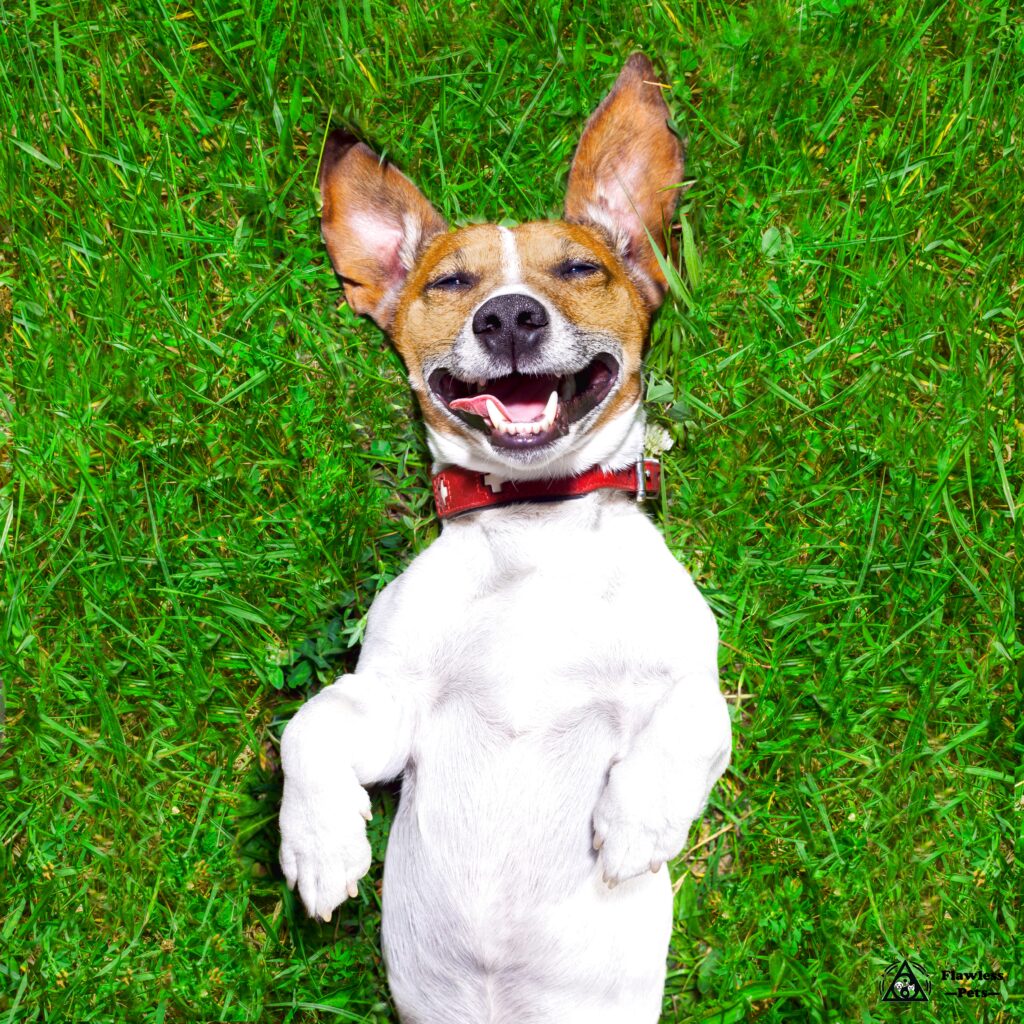
Welcome to our deep dive into the world of female dog collars! For many dog owners, selecting a collar might seem like a simple task, perhaps focused primarily on color or style. However, a dog's collar is far more than just a fashion statement or a place to hang adorable tags. It's a fundamental piece of equipment that plays a critical role in your dog's safety, identification, training, and overall well-being. Choosing the right collar involves careful consideration of your dog's specific characteristics – her breed, size, neck shape, coat type, activity level, and even her temperament. An ill-fitting or inappropriate collar can lead to discomfort, injury, escape, or ineffective training, while the right one provides security, control when needed, and a reliable means of identification should she ever become lost.
-
-23%

HiDream Color-Block Shoulder Pet Travel Bag – Stylish and Lightweight Carrier for Small Pets – Almond, Matcha
Original price was: $109.99.$84.99Current price is: $84.99. -
-14%
HiDream Pet Tote Bag – Relaxed Style Carrier for Small Pets – Durable Nylon with Breathable Mesh – Beige, Green, Gray
Original price was: $109.99.$94.59Current price is: $94.59. -
-12%
HiDream Pet Sling Carrier Bag – Adjustable Shoulder Strap Front Carry Bag for Small Pets – Khaki, Green, Gray
Original price was: $99.99.$88.49Current price is: $88.49.



In this comprehensive guide, we will explore the multifaceted aspects of selecting, fitting, using, and maintaining female dog collars. We'll move beyond superficial choices and delve into the practicalities: the different types available and their specific uses, the pros and cons of various materials, the absolute importance of a correct fit, and the critical safety features to look for. We will also address the often-debated topic of training collars, examining their function, ethical considerations, and modern alternatives recommended by animal behavior experts. Whether you are a first-time dog owner navigating the vast array of options or an experienced enthusiast looking to refine your choices, our goal is to provide you with the knowledge needed to make an informed decision. We aim to equip you with the understanding necessary to choose a collar that not only looks good but, more importantly, keeps your beloved female companion safe, comfortable, and secure in all situations. Let's embark on this journey together, ensuring the collar you choose is the perfect blend of function, safety, and comfort for your girl.
Understanding Female Dog Needs: Are They Different?
A common question arises: Are there specific collar considerations unique to female dogs compared to males? Anatomically, in most breeds, the structural differences between male and female necks are negligible concerning standard collar fitting. Both require a collar that fits snugly but comfortably, allowing you to slip two fingers underneath. However, subtle factors might influence your choice or how you use female dog collars.
Firstly, size can sometimes play a role, although this is more breed-dependent than sex-dependent. In some breeds, females may tend to be slightly smaller or have a more delicate build than males (American Kennel Club, n.d.). This might mean a female requires a smaller size or a lighter-weight collar compared to a male of the same breed to ensure comfort and prevent unnecessary strain. Always measure your specific dog's neck rather than relying on breed averages or sex-based assumptions.
Secondly, behavioral tendencies, which can sometimes show subtle sex-related differences (though heavily influenced by individual personality, training, and socialization), might indirectly influence collar choice. For instance, if a particular female dog is more prone to slipping out of collars due to a specific behavior or neck shape (common in sighthounds, regardless of sex), a Martingale collar might be a better choice than a standard flat collar. However, this is based on the individual dog's needs, not exclusively her sex.
Thirdly, considerations around pregnancy or nursing might arise, although standard collars are generally not problematic. Ensuring the collar fit is checked regularly is important, as weight fluctuations can occur. Comfort is key during these periods. For dogs undergoing surgery (like spaying), veterinarians often recommend using an Elizabethan collar (e-collar or “cone”) temporarily to prevent licking at the incision site, rather than relying on the standard neck collar for any protective function (VCA Animal Hospitals, n.d.).
Ultimately, while the label “female dog collars” helps target searches and sometimes reflects aesthetic preferences marketed towards female dogs (e.g., certain colors or patterns), the core principles of choosing a collar – safety, proper fit, appropriate type for the purpose, and suitable material – apply universally. The most important factors are individual: your dog's specific measurements, breed characteristics (like neck thickness relative to head size), coat type (long fur needs checks for matting), activity level, and any training requirements. Focus on these individual needs rather than assuming significant collar differences based solely on sex.
A Comprehensive Guide to Types of Female Dog Collars
The market offers a bewildering variety of dog collars, each designed with specific purposes in mind. Understanding these types is the first step toward selecting the most suitable and safe option for your female dog. Let's break down the most common categories:
Flat Collars (Standard Collars)
This is the most common type of dog collar, consisting of a flat band of material (typically nylon, leather, or Biothane) with a buckle or snap closure and a D-ring for attaching identification tags and a leash.
Pros: Widely available, affordable, comes in countless styles and colors, suitable for everyday wear, ideal for holding ID tags.
Cons: Dogs with narrow heads relative to their necks (like Greyhounds or Whippets) may be able to slip out of them if they panic or pull backwards. Not designed for significant leash training or controlling strong pullers.
Best For: General everyday use, carrying identification, dogs that walk well on a leash, dogs without a high risk of slipping their collar.
Martingale Collars (Limited-Slip or Greyhound Collars)
Martingale collars feature two loops: a larger loop that goes around the dog's neck and a smaller “control loop” where the leash attaches. When the dog pulls or tries to back out of the collar, the tension on the leash tightens the larger loop gently and evenly around the neck. Crucially, it's designed to tighten only to a certain point, preventing it from becoming a choke collar.
Pros: Provides better security against escape, especially for sighthounds or dogs with slim heads. Offers gentle control without the choking action of a slip lead or choke chain. Recommended by many rescue organizations for its safety features (Humane Society of the United States, n.d.).
Cons: Must be fitted correctly to work effectively and safely. Can be slightly bulkier than flat collars. Should not be left on an unsupervised dog due to the tightening loop potentially catching on objects.
Best For: Sighthounds (Greyhounds, Whippets, Salukis, etc.), dogs prone to slipping collars, situations requiring slightly more control than a flat collar without resorting to aversive methods.
GPS Tracking Collars
These collars incorporate a GPS tracking device, allowing owners to monitor their dog's location via a smartphone app or dedicated handheld device. They often include features like activity monitoring and safe zone alerts.
Pros: Provides peace of mind, invaluable for locating a lost dog quickly, useful for owners with escape-artist dogs or those living on large properties. Many models are waterproof and durable.
Cons: Can be expensive (requiring the device purchase plus often a subscription fee). Usually bulkier and heavier than standard collars. Battery life requires regular monitoring and charging. GPS accuracy can vary depending on satellite signal and environment. Still requires a primary collar for leash attachment and ID tags in most cases (the GPS unit is often attached to or integrated with a standard collar).
Best For: Dogs prone to wandering or escaping, dogs living in rural areas or on large properties, owners seeking maximum location security.
Reflective and Light-Up Collars
Designed for visibility in low-light conditions, these collars either have reflective material stitched or fused onto them, or they incorporate battery-powered LED lights.
Pros: Significantly increases a dog's visibility to motorists, cyclists, and pedestrians during night walks or early mornings. Enhances safety, reducing the risk of accidents. LED options offer active illumination.
Cons: Reflective material effectiveness depends on an external light source shining on it. LED collars require batteries or charging and may be less durable or water-resistant than standard collars. Primarily a safety feature, not a primary collar type for control or all-day wear for some designs.
Best For: Nighttime or low-light walks, dogs living in areas with traffic, enhancing visibility in yards at night.
Safety/Breakaway Collars
These collars feature a special buckle designed to release automatically if a certain amount of pressure is applied, such as if the collar gets snagged on a fence, crate, or branch. This helps prevent accidental strangulation. Some designs have a separate D-ring system that prevents breakaway when a leash is attached but allows it otherwise.
Pros: Significant safety feature, especially for dogs left unsupervised (even indoors) or those who play rough with other dogs where collars could get entangled. Reduces the risk of tragic accidents.
Cons: May break away unintentionally if dogs play very rough. Not suitable for leash walking unless they have the dual-ring safety feature that prevents breakaway when the leash is clipped to both rings. Requires careful selection to ensure the breakaway mechanism is reliable but not overly sensitive.
Best For: Everyday wear, especially for dogs left alone, puppies exploring, or multi-dog households where collar entanglement during play is a risk.
Training Collars (A Closer Look)
This category includes collars designed specifically to modify behavior, often through applying some form of physical correction or pressure. It's a controversial category, and includes:
Choke Chains (Slip Collars): Metal chains or nylon/leather loops that tighten infinitely around the neck when pulled.
Prong Collars (Pinch Collars): Metal links with blunted prongs that pinch the skin when tension is applied.
Electronic Collars (Shock Collars, E-Collars): Deliver an electrical stimulation, vibration, or sound via remote control or automatically (e.g., for barking or containment systems).
Pros: Proponents claim they can provide quick control or behavior interruption for strong or difficult dogs.
Cons: Widely criticized by veterinary organizations, behaviorists, and humane societies for the potential to cause pain, fear, anxiety, physical injury (tracheal damage, skin punctures), and behavioral fallout like aggression or shutdown (American Veterinary Society of Animal Behavior, 2007). Often suppress behavior without addressing the underlying cause. Misuse is common and can worsen behavior problems. Many effective and humane alternatives exist.
Best For: Generally not recommended by modern, science-based trainers and behavior professionals. If considering, extensive research into potential risks and consultation with a certified professional using positive reinforcement methods first is strongly advised. We delve deeper into this in the Training Collars Revisited section.
Waterproof Collars
Typically made from materials like Biothane or coated webbing, these collars repel water and resist odors.
Pros: Ideal for dogs who love swimming or live in wet climates. Easy to clean – just wipe down. Don't absorb water, so they don't get heavy or smelly. Durable.
Cons: Material might be slightly stiffer than nylon initially. Fewer intricate design options compared to fabric collars.
Best For: Swimming dogs, dogs playing in mud or rain, active dogs, owners seeking low-maintenance gear.
Designer and Fashion Collars
These focus heavily on aesthetics, featuring unique patterns, embellishments (like crystals or studs), or premium materials purely for style.
Pros: Allows owners to express their dog's personality or match their own style. Can be made from high-quality materials.
Cons: Functionality and durability can sometimes be secondary to looks. Embellishments may pose a choking hazard if they detach or can be uncomfortable. Often more expensive. Safety and fit should still be the primary considerations.
Best For: Adding a touch of style, special occasions, dogs where basic functionality is sufficient and aesthetics are a high priority.
Understanding these different types of female dog collars allows you to narrow down the options based on your dog's lifestyle, your needs, and your training philosophy.
Comparison Table: Choosing the Right Collar Type
To help visualize the best uses for common collar types, here's a comparison table. Remember that fit and safety features are paramount regardless of type.
| Collar Type | Primary Material(s) | Key Feature | Primary Use Case | Pros | Cons | Good Choice for Female Dogs Who… |
|---|---|---|---|---|---|---|
| Flat Collar | Nylon, Leather, Biothane, Polyester | Standard buckle/clasp, D-ring | Everyday wear, ID tags | Affordable, versatile styles, holds tags well | Can be slipped by some dogs, offers minimal control | Walk well on leash, don't try to escape collar, need basic ID holder |
| Martingale Collar | Nylon, Fabric, Leather (often with chain or fabric control loop) | Limited-slip tightening loop | Preventing escape, gentle control | Secure for slim heads, prevents escape, avoids full choke | Must be fitted correctly, potential snag risk if left on unsupervised | Have slender heads (sighthounds), tend to back out of collars, need gentle guidance |
| GPS Tracking Collar | Various (often integrated into nylon/silicone) | GPS transmitter | Location tracking | Peace of mind, quick recovery if lost | Cost (device + subscription), bulk/weight, battery dependent | Are prone to escaping or wandering, live on large properties, owners want location security |
| Reflective/LED Collar | Nylon, Polyester (with reflective strips or LEDs) | High visibility | Night/low-light safety | Increases visibility to others | Reflective needs light source, LEDs need power, potentially less durable | Are walked at night, dawn, or dusk, live near traffic |
| Breakaway Collar | Nylon, Polyester | Safety buckle releases under pressure | Preventing strangulation accidents | High safety feature, especially unsupervised | May release unintentionally during rough play, not for leash walking (unless dual-ring) | Are left unsupervised, play rough with other dogs, are puppies exploring |
| Waterproof Collar | Biothane, Coated Webbing, Silicone | Repels water and odor | Swimming, wet conditions | Easy clean, no odor/mildew, durable | Can be stiffer, fewer intricate designs | Love swimming, get dirty frequently, live in wet climates |
| Training Collars (Choke, Prong, E-Collar) | Metal, Nylon, Electronics | Applies physical correction (pressure, pinch, shock) | Behavior modification (use controversial) | Proponents claim quick control | Risk of pain, injury, fear, anxiety, behavioral worsening; humane alternatives preferred | (Generally Not Recommended) Seek positive reinforcement training first |
This table provides a snapshot, but always consider your individual dog's needs when selecting any equipment, especially female dog collars.
The Crucial Step: How to Properly Size and Fit Female Dog Collars
Perhaps the most critical aspect of choosing and using any dog collar, including female dog collars, is ensuring a correct fit. An improperly fitted collar is not just ineffective; it can be dangerous. A collar that's too loose can easily slip off, potentially leading to a lost dog, especially in a fearful or emergency situation. It can also get snagged on objects like branches or furniture, posing a strangulation risk. Conversely, a collar that's too tight is uncomfortable, can restrict breathing or swallowing, cause skin irritation, lead to hair loss (alopecia), and potentially damage the underlying tissues or trachea over time (Coates, 2021).
So, how do you achieve that perfect fit? Here's a step-by-step guide:
- Measure Your Dog's Neck: Use a soft, flexible measuring tape (like one used for sewing). Place it around your dog's neck where the collar would naturally sit – typically higher up on the neck, just behind the ears, is the narrowest point, but follow the manufacturer's guidance if provided for a specific collar type. Ensure the tape is snug but not tight. You should be able to comfortably slip two fingers underneath the tape.
- Record the Measurement: Note the neck circumference in inches or centimeters.
- Add for Comfort/Safety: The general rule of thumb for flat collars is to add 1-2 inches for small dogs and 2-3 inches for medium to large dogs to the neck measurement to determine the correct collar size range. For example, if your dog's neck measures 14 inches, you'd look for collars adjustable within roughly the 16-17 inch range. Always check the specific manufacturer's sizing chart, as recommendations can vary slightly. Martingale collars have specific fitting instructions that usually involve measuring the widest part of the head as well as the neck, ensuring the collar can slip over the head but will tighten sufficiently when needed.
- The Two-Finger Rule: Once you have the collar, adjust it on your dog's neck. You should be able to comfortably slide two fingers (index and middle finger held flat) between the collar and your dog's neck (PetMD, 2023). If you can easily fit more, it's too loose. If you struggle to get two fingers underneath, it's too tight. This rule applies to most standard flat collars and Martingales when *not* under tension.
- Check Regularly, Especially for Puppies: Puppies grow incredibly fast! You'll need to check the fit of your puppy's collar almost daily and adjust or replace it as needed. Even adult dogs can experience weight fluctuations or changes in coat thickness that necessitate periodic fit checks. Make it a habit to check the collar fit every week or two.
- Consider Coat Type: For dogs with thick or long fur, ensure your fingers are reaching the skin under the fur when checking the fit. The collar needs to be snug against the neck itself, not just floating on top of the fluff. Be extra vigilant about checking for matting under the collar area for these breeds.
- Observe Your Dog: Watch for any signs of discomfort, such as scratching at the collar, redness or hair loss underneath it, coughing, or difficulty breathing. These could indicate a poor fit or an allergic reaction to the material.
Properly fitting female dog collars is not a one-time task but an ongoing responsibility. Taking the time to measure accurately and check regularly ensures your dog's safety and comfort, allowing the collar to perform its intended function effectively.
Materials Matter: An In-Depth Look at Collar Construction
The material of a dog collar significantly impacts its durability, comfort, weight, ease of cleaning, and even potential for causing skin irritation. When selecting female dog collars, understanding the properties of different materials can help you choose one that best suits your dog's lifestyle and sensitivities.
Nylon
Nylon is arguably the most popular material for dog collars due to its affordability, strength, and wide range of colors and patterns.
Pros: Strong and durable, lightweight, dries relatively quickly, resistant to mildew, huge variety of colors and designs, generally inexpensive.
Cons: Can absorb water and odors over time if not cleaned regularly, may stretch slightly when wet, edges can sometimes fray with heavy wear, can potentially cause chafing on sensitive skin if the weave is rough or the fit isn't perfect.
Ideal For: Everyday use, most dogs, owners wanting variety and affordability.
Leather
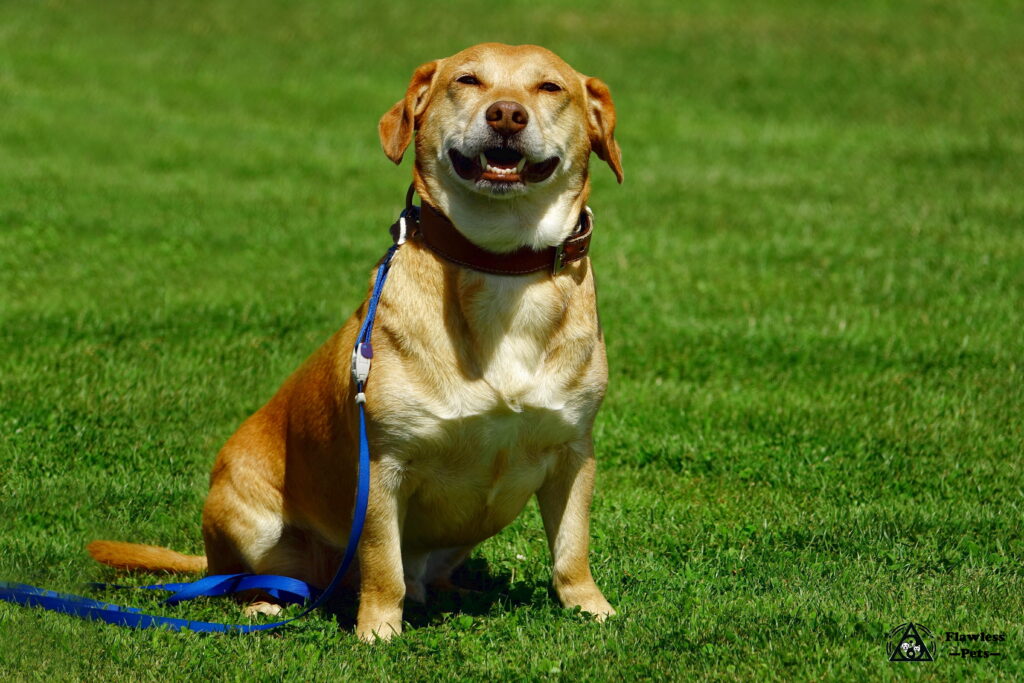
Leather collars offer a classic, sophisticated look and are known for their durability and comfort once broken in.
Pros: Very durable and long-lasting if properly cared for, becomes softer and more comfortable with age, generally gentle on the dog's skin and coat, attractive appearance. Rolled leather collars are particularly good for long-haired breeds as they are less likely to cause matting.
Cons: More expensive than nylon, requires regular cleaning and conditioning to prevent drying and cracking, can absorb water and odors if not treated or sealed, limited color options compared to nylon, can be heavy, especially wider collars. Quality varies significantly; look for full-grain leather.
Ideal For: Dogs needing a durable collar, owners preferring a classic look, dogs with sensitive skin (once broken in), long-haired dogs (rolled leather). Consider exploring lifestyle accessories that complement this classic style.
Biothane
Biothane is a polyester webbing with a TPU or PVC coating, making it waterproof, durable, and easy to clean. It's often described as a vegan leather alternative.
Pros: Completely waterproof and odor-proof, extremely easy to clean (just wipe down), very durable and resistant to abrasion, maintains flexibility in cold weather, available in many bright colors, resistant to mold and mildew.
Cons: Can be slightly stiffer than nylon or broken-in leather, may not offer the same aesthetic appeal as natural leather for some owners, potentially slightly heavier than nylon.
Ideal For: Dogs that swim frequently, active dogs that get dirty, hunting or working dogs, owners seeking maximum durability and low maintenance.
Neoprene Padding
Neoprene, the material used in wetsuits, is often added as a soft padding layer to the inside of nylon or other material collars.
Pros: Adds significant comfort and cushioning, reduces potential for chafing, quick-drying, water-resistant.
Cons: Adds slight bulk and thickness to the collar, may increase the cost slightly.
Ideal For: Dogs with sensitive skin, short-haired dogs prone to rubbing, active dogs, enhancing the comfort of any standard collar.
Other Materials (Chain, Hemp, Fabric)
Chain: Primarily used for choke chains and prong collars (use discouraged) or sometimes purely decorative elements. Can be heavy, noisy, rust if not stainless steel, and poses risks associated with training collar types.
Hemp: An eco-friendly option, naturally hypoallergenic and resistant to mold/mildew. Can be strong but may degrade faster than synthetics with heavy exposure to elements. Often softens with wear.
Fabric: Cotton or other decorative fabrics are often sewn onto a nylon webbing base for style. Offer huge design variety but may be less durable and harder to clean than plain nylon or Biothane, depending on the fabric quality.
Hardware Considerations (Buckles, D-rings)
The metal or plastic components of the collar are just as important as the strap material.
Buckles: Plastic quick-release buckles are common, convenient, and lightweight but can become brittle over time or break under extreme force. Metal buckles (like traditional belt buckles) are generally more durable and secure but can be heavier and slower to put on/take off. Ensure any buckle is robust and functions reliably.
D-rings: This is where the leash and tags attach. It should be sturdy, ideally made of welded metal (like stainless steel or brass) to prevent it from being pulled open. Check its attachment point to the collar material – it should be securely stitched or riveted.
Choosing the right material for female dog collars involves balancing factors like your dog's activities (is she a swimmer?), skin sensitivity, coat type, your local climate, and your preferences for maintenance and aesthetics.
Safety First: Essential Considerations for Female Dog Collars
While collars are essential tools, they also come with inherent safety risks if not chosen and used carefully. Prioritizing safety features and being aware of potential hazards is crucial for any dog owner selecting female dog collars.
Potential Hazards and How to Avoid Them
- Strangulation/Snagging: This is one of the most severe risks. Collars can get caught on furniture, crates, fences, branches, heating vents, or even during play with another dog (jaw entanglement).
- Mitigation: Consider using a breakaway collar, especially if your dog is ever left unsupervised or plays rough. Ensure proper fit – a loose collar is more likely to snag. Supervise play between dogs, especially if they wear collars. Some experts recommend removing collars when dogs are crated or left entirely alone at home, provided they are microchipped and the environment is secure (Becker, 2012).
- Improper Fit Issues: As discussed previously, too tight can cause injury/discomfort, and too loose allows escape or snagging.
- Mitigation: Adhere strictly to the two-finger rule and check fit regularly.
- Leash Attachment Failure: A broken buckle or D-ring can lead to a dog getting loose, potentially near traffic or other dangers.
- Mitigation: Choose collars with high-quality hardware (metal buckles, welded D-rings). Inspect the collar regularly for signs of wear and tear, including stitching, rivets, and hardware integrity. Replace worn-out collars immediately.
- Skin Irritation/Allergies: Some dogs can develop contact dermatitis or irritation from certain materials (e.g., dyes in nylon, specific metals in hardware, rough edges) or from moisture trapped under a wet collar.
- Mitigation: Choose hypoallergenic materials if needed (e.g., some leathers, hemp). Ensure the collar is kept clean and dry. Check the skin under the collar regularly for redness or sores. Consider padded collars (neoprene) for extra comfort.
- Embedding: In rare, severe neglect cases, a collar that is never adjusted on a growing puppy can become embedded in the neck tissue, requiring surgical removal.
- Mitigation: Check collar fit on puppies almost daily and adjust/replace as needed.
The Importance of Identification Tags
Even with the best precautions, dogs can sometimes get lost. A collar's most vital safety function is often carrying identification. ID tags should be securely attached to the collar's D-ring or a dedicated tag ring.
What to Include: Your dog's name (optional, some prefer not to, so strangers can't easily lure them), your current phone number(s), and possibly your address or city/state. Phrases like “Needs Meds” or “I'm Microchipped” can add urgency or information.
Tag Types: Traditional hanging tags are common but can jingle, get caught, or wear down. Slide-on tags that fit directly onto the collar band are quieter and less likely to snag. Engraved buckle collars combine the ID with the closure mechanism. Ensure engraving is deep and clear.
Keep Info Updated: Tags are useless if the phone number is disconnected. Update them immediately if you move or change numbers.
Collars vs. Microchipping
It's crucial to understand that collars/tags and microchips serve complementary safety roles. They are not mutually exclusive.
Collars/Tags: Provide immediate, visible identification. Anyone finding your dog can potentially call you directly without needing special equipment. However, collars can break, slip off, or be removed.
Microchips: Provide permanent, tamper-proof identification. A tiny chip implanted under the skin can be scanned by vets or shelters. However, it requires a scanner, and the finder must take the dog to a facility with one. Critically, the microchip must be registered with your current contact information to be effective (AVMA, n.d.).
Recommendation: Use both! A well-fitting collar with up-to-date tags is the first line of recovery. A registered microchip is the essential backup if the collar is lost. Ensuring your female dog has both offers the best chance of a swift reunion if she goes missing.
Training Collars Revisited: Ethics, Effectiveness, and Alternatives
The use of certain types of training collars remains one of the most contentious topics in the dog world. While discussing female dog collars, it's essential to address tools often marketed for training, such as choke chains, prong collars, and electronic shock collars (e-collars), with a focus on current understanding of animal behavior and welfare.
These collars operate primarily through positive punishment (adding something unpleasant, like pressure, a pinch, or a shock, to decrease a behavior) or negative reinforcement (removing something unpleasant when the dog complies, e.g., releasing pressure when pulling stops). While they might seem to produce quick results in suppressing unwanted behaviors like pulling or barking, major veterinary, behavioral, and humane organizations raise significant concerns.
Choke Chains and Prong Collars
Choke chains (metal or nylon slip leads) tighten without limit, posing risks of tracheal injury, esophageal damage, eye pressure increases (potentially dangerous for breeds prone to glaucoma), fainting, and neck sprains (Overall, 2013). Prong collars, while designed to apply pressure more evenly than a choke chain, still work by digging metal prongs into the dog's neck. Potential injuries include skin punctures, bruising, and nerve damage. Both rely on causing discomfort or pain to deter pulling.
Beyond physical risks, the use of these tools can lead to negative behavioral consequences. Dogs may associate the pain or discomfort with things in their environment (like other dogs or people) rather than their own pulling, potentially leading to fear, anxiety, or aggression. They suppress behavior but don't teach the dog what *to* do instead (e.g., how to walk politely on a loose leash). A dog might stop pulling while wearing the prong collar but resume pulling immediately when switched back to a flat collar or harness because the underlying skill hasn't been taught.
Electronic Shock Collars (E-Collars)
E-collars deliver an electric shock, vibration, or sound, often remotely triggered by the owner or automatically by barking or proximity to a boundary (invisible fences). The American Veterinary Society of Animal Behavior (AVSAB) states that “punishment (e.g. choke chains, pinch collars, shock collars) should not be the first line of training or behavior modification and should be avoided due to the potential adverse effects,” which include increased anxiety, fear, aggression, and physical harm (AVSAB, 2007). Studies have shown physiological signs of stress (like elevated cortisol) in dogs trained with shock collars compared to those trained with positive reinforcement (Cooper et al., 2014). The potential for misuse is high, as timing, intensity, and consistency are critical and often poorly executed by average owners, leading to confusion and anxiety for the dog.
Positive Reinforcement Alternatives (Harnesses, Head Halters)
Fortunately, effective and humane alternatives are widely available and recommended by modern dog training professionals. These focus on teaching desired behaviors using rewards (positive reinforcement) and managing the environment to prevent unwanted behaviors, rather than relying on punishment.
Front-Clip Harnesses: These harnesses have a leash attachment point on the chest strap. When the dog pulls, the harness gently turns them back towards the owner, redirecting their forward momentum without causing pain or choking. They are an excellent management tool while teaching loose-leash walking skills.
Head Halters (e.g., Gentle Leader, Halti): These consist of straps that fit around the dog's muzzle and neck, similar in principle to a horse's halter. The leash attaches under the chin. They provide control by guiding the dog's head, making it difficult to pull strongly. They require careful introduction and fitting to ensure the dog accepts them comfortably, but they do not cause pain when used correctly.
Standard Back-Clip Harnesses: While they don't typically reduce pulling, they are a comfortable option for many dogs, removing pressure from the neck entirely, which is beneficial for breeds prone to tracheal collapse or dogs with neck injuries.
Training: The most crucial element is teaching your dog *how* to walk politely using positive reinforcement techniques – rewarding loose-leash walking, practicing attention exercises, and managing challenging situations.
Seeking Professional Guidance
If you are struggling with your dog's behavior on leash or considering any type of training collar, consulting a certified professional dog trainer or veterinary behaviorist who uses positive reinforcement methods is highly recommended. They can help you understand the root cause of the behavior and develop an effective, humane training plan tailored to your specific dog. Organizations like the Certification Council for Professional Dog Trainers (CCPDT) or the American College of Veterinary Behaviorists (ACVB) can help you find qualified professionals.
In summary, while certain training collars exist within the broader category of female dog collars, the consensus among leading animal behavior and welfare experts favors reward-based methods and humane management tools like harnesses and head halters over collars that rely on pain or discomfort.
Beyond Function: Style, Personalization, and Aesthetics
While safety, fit, and function should always be the top priorities when selecting female dog collars, there's no denying that aesthetics also play a role for many owners. Collars offer a wonderful opportunity to express your dog's personality (or your own sense of style!). The market caters to this desire with an enormous variety of colors, patterns, and personalized options.
From vibrant solids and playful polka dots to sophisticated plaids and floral prints, the design possibilities, especially with nylon and fabric-over-webbing collars, are nearly endless. You can find collars to match seasons, holidays, or even your dog's distinct fur color. Leather collars offer a timeless, classic appeal, often available in natural tones but also dyed shades. Biothane provides bright, bold, solid colors that are practical and eye-catching.
Personalization adds another layer. Many companies offer collars that can be embroidered directly with your dog's name and your phone number, eliminating the need for dangling tags. Buckles can also be custom engraved. This combines style with the crucial safety feature of identification.
Furthermore, accessories like collar charms, bandanas that slide onto the collar, or bow ties can add extra flair for special occasions or just for fun. However, when adding embellishments, always consider safety:
- Ensure charms or decorations are securely attached and cannot be easily chewed off or swallowed.
- Avoid anything that could easily get caught or snagged.
- Make sure added accessories don't interfere with the collar's fit or function, or the attachment of a leash and primary ID tags.
- Check that materials used in decorative elements are non-toxic.
Finding stylish female dog collars doesn't mean compromising on quality or safety. Many reputable manufacturers offer durable, well-constructed collars in fashionable designs. Look for brands that prioritize strong materials and secure hardware alongside attractive aesthetics. Ultimately, the goal is a collar that is safe, comfortable, functional, *and* makes you smile when you see it on your beloved companion. You might even find coordinating leashes or other related gear to complete the look.
Special Considerations for Specific Dogs
Not all dogs have the same needs when it comes to collars. Certain life stages, breeds, or health conditions require special consideration when choosing from the vast selection of female dog collars.
Collars for Puppies
Introducing a collar early is important for getting a puppy accustomed to wearing one.
Key Considerations:
- Lightweight and Soft: A puppy's first collar should be very lightweight and comfortable to avoid causing distress. Soft nylon or fabric is often ideal.
- Adjustability and Growth: Puppies grow incredibly fast! Choose a collar that is highly adjustable or be prepared to buy new sizes frequently. Check the fit *daily* using the two-finger rule.
- Safety Buckle: A breakaway buckle is highly recommended for puppies due to their tendency to explore and potentially get snagged.
- Simplicity: Avoid heavy hardware or dangling charms on a young puppy's collar.
- Introduction: Introduce the collar gradually for short periods, associating it with positive things like treats and play.
Collars for Senior Dogs
Older dogs may develop sensitivities or mobility issues that influence collar choice.
Key Considerations:
- Comfort: Skin can become thinner and more sensitive with age. A soft, padded collar (like neoprene-lined) or smooth leather might be more comfortable. Ensure there are no rough edges.
- Weight: A lightweight collar is preferable, especially for seniors with neck arthritis or reduced strength.
- Ease of Use: If the dog has mobility issues or the owner has dexterity challenges, a quick-release buckle might be easier to manage than a traditional buckle.
- Visibility: If the senior dog has vision or hearing loss, a reflective or LED collar can be crucial for safety during walks, especially in low light.
- Medical Info: Ensure ID tags clearly state any critical medical conditions or if the dog is deaf/blind.
Breed-Specific Needs (e.g., Sighthounds, Brachycephalic Breeds)
Certain breed characteristics necessitate specific collar types.
Key Considerations:
- Sighthounds (Greyhounds, Whippets, etc.): Their heads are often smaller than their necks, making them adept at slipping out of standard flat collars. Martingale collars are specifically designed for this type of build and are strongly recommended. Wide Martingales can also distribute pressure more comfortably on their slender necks.
- Brachycephalic (Short-Nosed) Breeds (Pugs, Bulldogs, Boxers): These breeds can be prone to respiratory issues and tracheal problems (Brachycephalic Obstructive Airway Syndrome – BOAS). Any pressure on the neck can exacerbate breathing difficulties. For leash walking, a harness that avoids the neck area entirely is almost always the safer and recommended choice (Roedler et al., 2013). A lightweight flat collar can still be worn for ID tags when not being walked on a leash, ensuring it's not tight.
- Long-Haired Breeds (Collies, Golden Retrievers, etc.): Flat collars can cause matting under the collar area. Rolled leather collars are often preferred as their round shape minimizes friction and hair breakage. Regular checks for mats under any collar are essential.
- Toy Breeds (Chihuahuas, Yorkshire Terriers): Their necks are very delicate. Lightweight collars and harnesses are crucial. Avoid heavy hardware or wide bands. Tracheal collapse is common in these breeds, making harnesses a safer choice for leash attachment.
Dogs with Medical Conditions (Skin Allergies, Tracheal Issues)
Existing health problems must be factored into collar selection.
Key Considerations:
- Skin Allergies/Sensitivities: Look for hypoallergenic materials like natural leather (ensure dyes are non-irritating), hemp, or collars with smooth finishes. Neoprene padding can help reduce friction. Keep the collar clean and dry. Ensure hardware is nickel-free if metal allergies are suspected. In severe cases, a harness might be necessary to avoid neck contact altogether.
- Tracheal Collapse or Injury: For dogs diagnosed with or prone to tracheal issues (common in small/toy breeds), attaching a leash to any neck collar is strongly discouraged as it can worsen the condition or cause pain/coughing. Use a well-fitting harness for walks. A very loose, lightweight collar may be worn solely for ID tags.
- Neck Pain/Injury/Surgery: Any condition causing neck pain (e.g., arthritis, intervertebral disc disease) warrants using a harness instead of a neck collar for leash attachment to avoid pressure on the sensitive area.
Consulting with your veterinarian is always the best course of action if your female dog has specific breed predispositions or existing medical conditions that might impact the safety or comfort of wearing certain types of female dog collars.
Keeping It Clean: Maintenance and Care for Longevity
Regular cleaning and maintenance of your dog's collar are important not only for appearance but also for hygiene, preventing skin irritation, and ensuring the collar remains safe and functional. The specific care required depends largely on the material of the female dog collars.
- Nylon/Polyester: Most nylon collars can be hand-washed with mild soap or pet-safe detergent and warm water. For tougher grime, gently scrub with a soft brush. Some may be machine washable (place in a mesh laundry bag on a gentle cycle), but check manufacturer instructions. Rinse thoroughly and allow to air dry completely before putting it back on your dog. Avoid high heat drying, which can damage the material or plastic hardware.
- Leather: Leather requires more specific care. Wipe clean regularly with a damp cloth. For deeper cleaning, use a saddle soap or leather cleaner specifically designed for the purpose. Follow up with a leather conditioner periodically to keep the leather supple and prevent it from drying out and cracking. Avoid soaking leather collars or exposing them to excessive heat.
- Biothane/Coated Webbing: This is the easiest material to maintain. Simply wipe it clean with a damp cloth. Soap and water can be used for more stubborn dirt. It dries almost instantly.
- Hemp: Hand wash with mild detergent and air dry, similar to nylon. It may soften with washing.
- Hardware: Check buckles and D-rings regularly. Clean off any dirt or debris. Metal hardware can sometimes tarnish or rust (unless stainless steel or brass); clean accordingly. Ensure moving parts on buckles operate smoothly.
Frequency: How often you need to clean the collar depends on your dog's activities and the environment. A dog that swims daily or rolls in the mud will need more frequent cleaning than an indoor dog. As a general rule, inspect the collar weekly and clean it at least monthly, or immediately if it becomes visibly soiled or wet.
Inspection During Cleaning: Cleaning time is the perfect opportunity to inspect the collar thoroughly for signs of wear and tear. Check for:
- Fraying edges or thinning material
- Cracks or tears
- Loose stitching, especially around the buckle and D-ring
- Damage to the buckle (cracks in plastic, rust or difficulty closing/opening metal buckles)
- Damage or weakness in the D-ring
- Illegible ID tags
If you notice any significant damage, replace the collar immediately. A worn-out collar is an accident waiting to happen. Proper maintenance extends the life of your female dog collars and ensures they remain a safe and reliable tool.
The Role of Collars in Identification and Lost Pet Recovery
One of the most fundamental purposes of any dog collar, including female dog collars, is to serve as a carrier for identification. Should the unthinkable happen and your dog becomes lost, a collar with legible, current ID tags is often the fastest ticket back home.
Imagine this scenario: Your dog slips out the gate during a moment of distraction. A neighbor down the street finds her wandering, clearly friendly but lost. If she's wearing a collar with your phone number, the neighbor can call you immediately. Reunion can happen within minutes or hours. Without that visible ID, the neighbor's options are limited. They might try to contain her (if possible), post on social media, call animal control, or take her to a local vet clinic or shelter to be scanned for a microchip. While microchips are essential backups, the process takes longer and relies on the finder taking these extra steps.
Studies and statistics consistently highlight the importance of identification. For example, data often shows that dogs with both microchips and ID tags have significantly higher rates of return to their owners compared to dogs with only one or neither form of ID (Lord et al., 2009). The visible ID tag provides that immediate contact information that can bypass the need for transport to a scanning facility.
Therefore, ensuring your female dog consistently wears a well-fitting collar with accurate, easy-to-read ID tags is a critical component of responsible pet ownership. Consider tags that are durable and legible, such as engraved metal tags or slide-on tags that are less likely to fall off or become unreadable compared to plastic or easily scratched options. Regularly check that the tags are still securely attached and that the engraving hasn't worn down. This simple piece of equipment dramatically increases the chances of a happy reunion if your companion ever goes astray.
Legal Requirements: Collar and Tag Laws
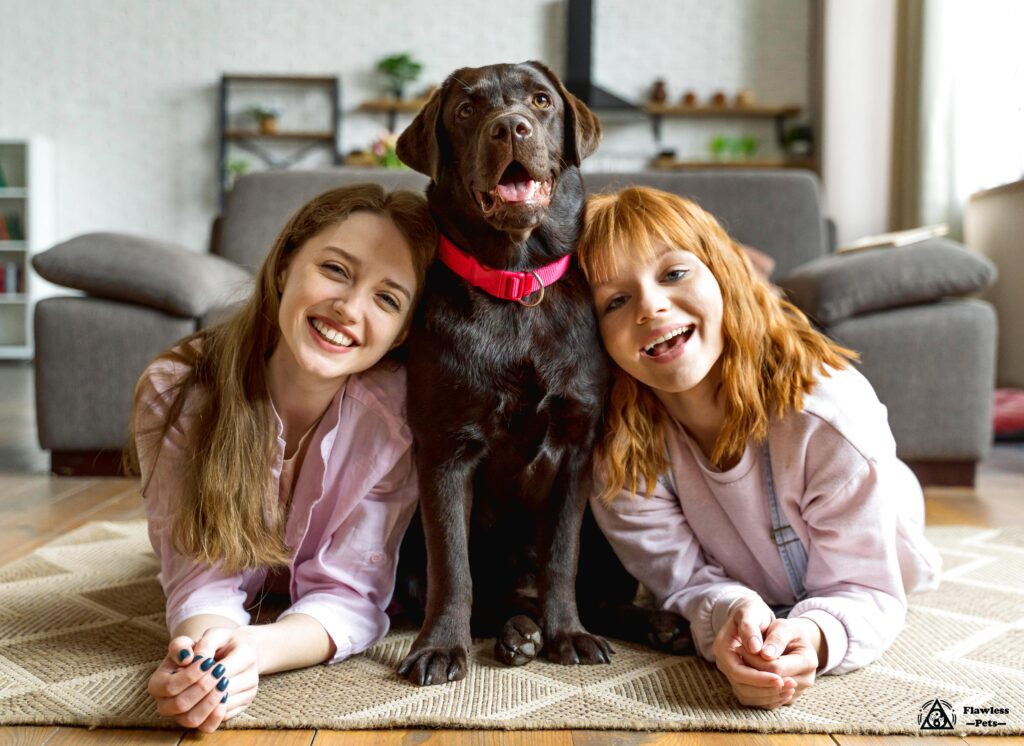
Beyond being a crucial safety measure, wearing a collar with identification tags is often a legal requirement. Many municipalities, counties, and states have ordinances mandating that dogs wear a collar displaying owner identification and/or proof of current rabies vaccination when in public spaces.
These laws exist for public health and safety reasons, as well as to facilitate the return of lost pets. For example, a rabies tag, often required to be attached to the collar, visually assures animal control officers and the public that the dog is likely up-to-date on its vaccinations, which is critical in bite situations. Licensing tags, also frequently required, show that the dog is registered with the local authorities, helping fund animal control services and providing another avenue for owner identification.
Requirements vary significantly by location. Some jurisdictions may specify the exact information needed on an ID tag (e.g., owner's name and phone number), while others might primarily focus on the rabies tag and license tag. It is the owner's responsibility to be aware of and comply with the specific animal control ordinances in their city, county, and state.
You can typically find this information by checking your local government's website (city or county animal control division) or by calling their office. Failure to comply can result in warnings or fines. Therefore, ensuring your female dog wears her collar with the legally required tags whenever she leaves your property is not just good practice for her safety, but also necessary for adhering to local regulations. Choosing durable and appropriate female dog collars makes complying with these laws straightforward.
Troubleshooting Common Collar Issues
Even with careful selection and fitting, owners might occasionally encounter issues with their dog's collar. Here's how to address some common problems associated with female dog collars:
Collar Slipping Off
- Cause: Usually due to improper fit (too loose) or the dog's head/neck shape (common in sighthounds).
- Solution: Re-check the fit using the two-finger rule. Ensure it's snug but not tight. If the fit is correct and slipping still occurs (especially when the dog pulls backward), consider switching to a properly fitted Martingale collar, which is specifically designed to prevent this.
Skin Irritation or Hair Loss (Alopecia)
- Cause: Collar might be too tight, material may be causing an allergic reaction or chafing, moisture trapped underneath, dirt/debris buildup, or excessive friction.
- Solution: First, check the fit – loosen if necessary. Clean the collar and the dog's neck area regularly. Allow the neck to air out by removing the collar when the dog is safely supervised indoors. Consider switching to a different material (e.g., smooth leather, hypoallergenic material like hemp, or a neoprene-padded collar). Ensure the collar is completely dry before putting it back on. If irritation persists, consult your veterinarian to rule out underlying skin conditions or allergies. A rolled leather collar might help reduce friction-related hair loss in long-haired breeds.
Hair Matting Under the Collar
- Cause: Common in long or double-coated breeds. Friction from the collar tangles the hair.
- Solution: Remove the collar daily for grooming. Brush the neck area thoroughly to prevent mats from forming. Consider using a rolled leather collar, which tends to cause less matting than flat nylon collars. Ensure the collar isn't excessively tight, as this increases friction.
Dog Chewing the Collar
- Cause: Boredom, anxiety, irritation from the collar, or the collar dangling too loosely where the dog can reach it (especially puppies).
- Solution: Ensure the collar fits snugly so it's harder to reach. Address underlying boredom or anxiety with appropriate enrichment, exercise, and training. Provide plenty of appropriate chew toys as an alternative. Use anti-chew sprays (ensure they are pet-safe) on the collar, though success varies. Supervise, especially puppies, and interrupt chewing attempts, redirecting to a toy. If irritation is the cause, address the fit or material as described above.
Addressing these common issues promptly helps ensure the collar remains a comfortable and safe tool for your female dog.
Innovations on the Horizon: The Future of Dog Collars
The humble dog collar continues to evolve beyond simple straps and buckles. Technology integration is leading the way, transforming female dog collars into sophisticated devices for health monitoring, enhanced safety, and communication.
We are already seeing advancements in GPS tracking, with newer models offering longer battery life, improved accuracy (using multiple satellite systems and cellular triangulation), smaller form factors, and integration with activity monitoring that tracks not just steps, but also sleep patterns, scratching, and other behaviors that could indicate health issues (e.g., Whistle, Fi). Some collars are beginning to incorporate basic health sensors, potentially monitoring heart rate or body temperature, although widespread veterinary validation is still developing.
Looking ahead, we might see more sophisticated biometric monitoring, perhaps capable of detecting early signs of illness or distress through changes in vital signs or activity levels, alerting owners or even veterinarians. Integration with smart home systems could allow collars to interact with pet doors or feeding stations.
Communication features could expand beyond simple location tracking. Imagine collars with integrated speakers and microphones allowing owners to talk to their dogs remotely, or collars that provide subtle haptic feedback (vibrations) as a training cue, potentially offering a humane alternative to e-collars for certain applications if developed ethically and validated scientifically.
Material science will also continue to play a role, with ongoing development of lighter, stronger, more durable, and eco-friendly materials. Expect to see more options made from recycled or sustainable sources, alongside materials with enhanced properties like antimicrobial coatings or better temperature regulation.
While high-tech features are exciting, the core principles of safety, proper fit, and reliable identification will likely remain paramount. The future challenge will be integrating new technologies seamlessly without compromising comfort, durability, or affordability, ensuring these advanced female dog collars truly enhance the well-being and safety of our canine companions.
Frequently Asked Questions (FAQ)
- 1. Should my female dog wear her collar all the time?
- This is debated. Many experts recommend removing collars when dogs are unsupervised (especially in crates or potentially hazardous environments) to prevent snagging/strangulation risks, provided the dog is microchipped and in a secure area. However, the collar holds ID tags for immediate identification if they escape. A good compromise for many is using a breakaway collar for unsupervised times or removing it only when the dog is safely confined indoors. Always ensure the collar is worn when outside the home or yard.
- 2. What's the difference between a female dog collar and a male dog collar?
- Functionally, there's usually no difference. The core requirements for fit, safety, and material are the same regardless of sex. The term “female dog collars” often refers to styles, colors, or patterns perceived as more feminine, but the construction and purpose are generally identical. Focus on individual fit and needs rather than sex-specific marketing.
- 3. Can I attach a leash to any type of collar?
- No. While most standard flat, Martingale, and some specialty collars (like waterproof or reflective) have sturdy D-rings for leash attachment, some collars are not designed for this. Breakaway collars, unless they have a specific dual-ring safety system, will release under leash pressure. Very decorative or flimsy fashion collars may not have hardware strong enough for leash use, especially with larger or stronger dogs. Training collars like choke chains and prong collars are designed for leash attachment but come with significant risks and are often not recommended. Always use harnesses for dogs with neck or respiratory issues.
- 4. How do I know if the collar material is irritating my dog's skin?
- Check the skin under the collar regularly (daily or every few days). Look for redness, hair loss, sores, rashes, or excessive scratching at the collar area. Ensure the collar is clean, dry, and properly fitted (not too tight). If signs of irritation appear, try switching to a different material (padded, smoother, or hypoallergenic) and consult your veterinarian if the problem persists.
- 5. Are wider collars better or safer?
- Wider collars can distribute pressure over a larger surface area, which might be more comfortable for some dogs, especially larger breeds or those who pull moderately (though training is the best solution for pulling). They also offer more space for decoration or integrated ID. However, they can be heavier and bulkier, potentially less comfortable for small dogs or those with short necks. For sighthounds, wide Martingales are often recommended. Ensure the width is appropriate for your dog's neck length and size; it shouldn't impede movement or be overly cumbersome.
Conclusion: Choosing Wisely for Your Canine Companion
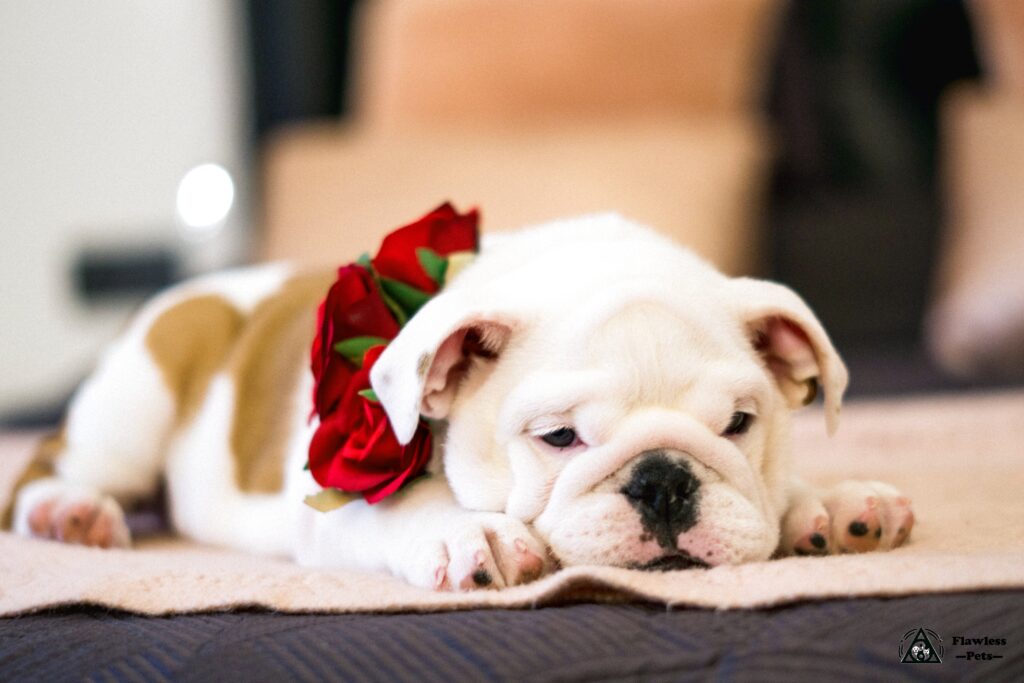
Selecting the right collar for your female dog is a decision that significantly impacts her daily safety, comfort, and management. As we've explored, the world of female dog collars extends far beyond mere aesthetics. It involves a careful assessment of type, material, fit, and safety features, all tailored to your individual dog's breed, size, age, activity level, and specific needs. From the everyday reliability of a well-fitted flat collar carrying essential ID, to the escape-proof security of a Martingale for slender necks, or the enhanced visibility of a reflective collar for night walks, each type serves a distinct purpose.
Remember the non-negotiables: the two-finger rule for proper fitting, regular checks for wear and tear, and the critical combination of visible ID tags and a registered microchip. We've also navigated the complex and often controversial topic of training collars, highlighting the strong preference among modern experts for positive reinforcement methods and humane alternatives like harnesses and head halters over tools that rely on pain or fear.
By investing time in understanding the options, measuring carefully, prioritizing safety, and maintaining the collar properly, you provide your female companion with a tool that supports her well-being. The ideal collar is one that she can wear comfortably, that reliably holds her identification, functions effectively for its intended purpose (like safe leash walking or visibility), and ultimately, helps keep her safe by your side. Choose wisely – her comfort and security depend on it.
References
(Note: Please ensure links are active and accessible. Some URLs might change over time. APA 7th Edition format used.)
- American Kennel Club (AKC). (n.d.). Dog Breeds. https://www.akc.org/dog-breeds/
- American Veterinary Medical Association (AVMA). (n.d.). Microchipping FAQ. https://www.avma.org/resources-tools/pet-owners/petcare/microchipping-faq
- American Veterinary Society of Animal Behavior (AVSAB). (2007). Position Statement on Punishment. https://avsab.org/wp-content/uploads/2018/03/Punishment_Position_Statement-download_-_10-6-14.pdf
- Becker, M. (2012, May 29). Why Dogs Should Not Wear Collars When Home Alone. Vetstreet. http://www.vetstreet.com/dr-marty-becker/why-dogs-should-not-wear-collars-when-home-alone (Note: Vetstreet is a reputable source founded by veterinarians).
- Coates, J. (2021, July 21). Dog Collar Injuries: Can Collars Hurt Dogs? PetMD. https://www.petmd.com/dog/general-health/dog-collar-injuries-can-collars-hurt-dogs
- Cooper, J. J., Cracknell, N., Hardiman, J., Wright, H., & Mills, D. (2014). The Welfare Consequences and Efficacy of Training Pet Dogs with Remote Electronic Training Collars in Comparison to Reward Based Training. PLoS ONE, 9(9), e102722. https://doi.org/10.1371/journal.pone.0102722
- Humane Society of the United States. (n.d.). Dog Collars. https://www.humanesociety.org/resources/dog-collars
- Lord, L. K., Ingwersen, W., Gray, J. L., & Wintz, D. J. (2009). Characterization of animals with microchips entering animal shelters. Journal of the American Veterinary Medical Association, 235(2), 160-167. https://doi.org/10.2460/javma.235.2.160
- Overall, K. L. (2013). Manual of Clinical Behavioral Medicine for Dogs and Cats. Elsevier Health Sciences.
- PetMD. (2023, August 9). How to Fit a Dog Collar Properly. https://www.petmd.com/dog/general-health/how-fit-dog-collar-properly
- Roedler, F. S., Pohl, S., & Oechtering, G. U. (2013). How does the bulldog breathe? Assessment of upper airway obstruction in brachycephalic dogs with plethysmography. The Veterinary Journal, 197(3), 639-643. https://doi.org/10.1016/j.tvjl.2013.06.014 (Illustrates respiratory issues in brachycephalic breeds, supporting harness use).
- VCA Animal Hospitals. (n.d.). Elizabethan Collars in Dogs. https://vcahospitals.com/know-your-pet/elizabethan-collars-in-dogs




 English
  简体中文
简体中文  Français du Canada
  Deutsch
  Español
  Português
  한국어
한국어  日本語
日本語  Italiano
  Русский
  Dansk
Dansk  Nederlands
  Svenska
  Suomi
Suomi  Polski
  Norsk bokmål