







Introduction: The Golden Years and the Importance of Comfort
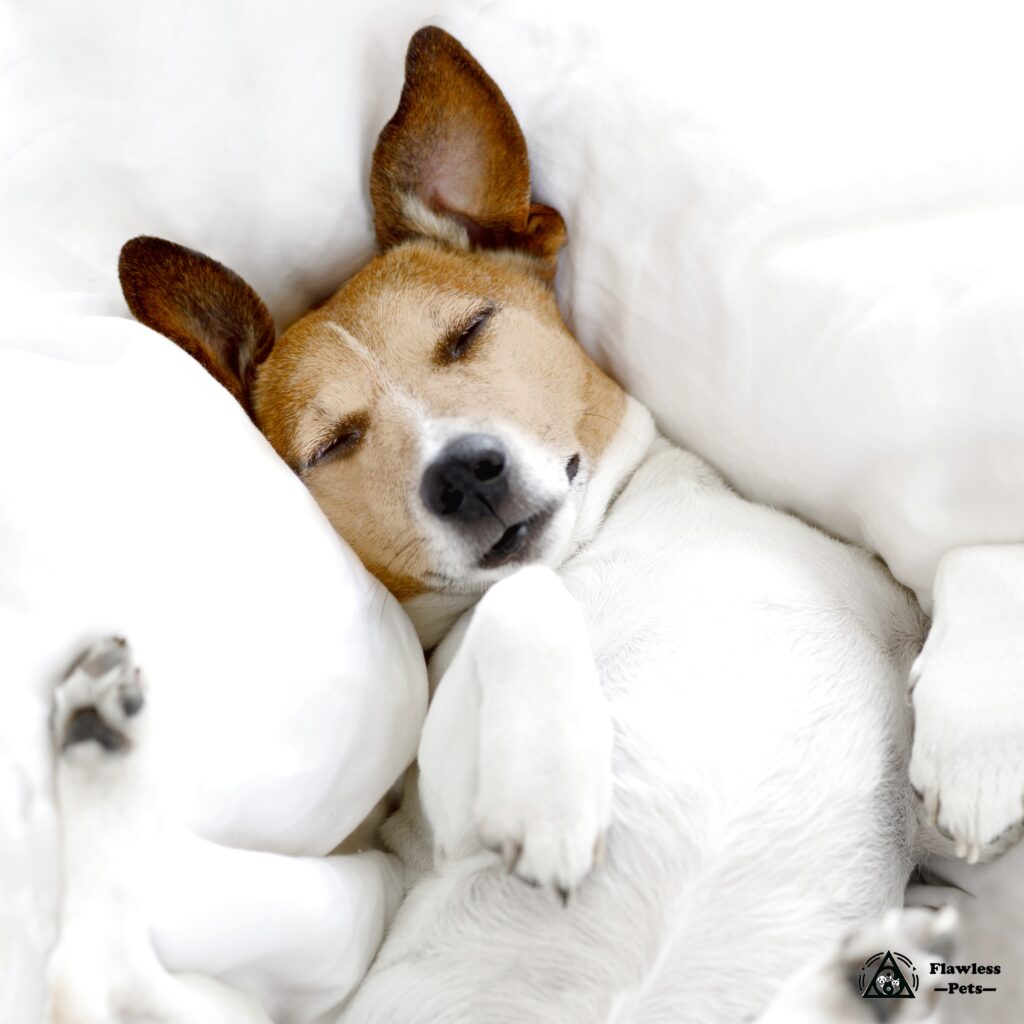
Watching our canine companions grow older is a bittersweet journey. Their muzzles may grey, their steps might slow, but the love and loyalty they offer remain unwavering. These golden years bring unique changes and challenges, particularly concerning their physical comfort and health. Just as humans require different support as they age, so too do our senior dogs. One of the most significant ways we can enhance their quality of life during this stage is by providing them with an appropriate resting place – specifically, a high-quality senior dog bed.
You might wonder, “Isn't any dog bed good enough?” While a younger, spry dog might happily curl up anywhere, the needs of an aging dog are far more specific. Their bodies undergo significant changes – joints become stiff and painful due to arthritis, muscles weaken, and they may develop conditions that affect their mobility and overall comfort (AVMA, n.d.). A standard, flimsy dog bed simply doesn't offer the necessary support or features to address these age-related issues. Think about it: would you be comfortable sleeping on a thin mat on the floor if you had aching joints? Probably not. Our senior pets deserve better.
Investing in a proper senior dog bed isn't just about pampering your pet; it's a crucial aspect of responsible senior dog care. These specialized beds are designed with the unique physiology and potential ailments of older dogs in mind. They offer features like orthopedic support to cushion joints, low-profile designs for easy access, and materials that promote comfort and regulate temperature. Providing such a bed can significantly alleviate pain, improve sleep quality, enhance mobility, and contribute to your dog's overall happiness and well-being.
This comprehensive guide aims to be your trusted resource in understanding everything you need to know about senior dog beds. We'll delve into the specific changes aging dogs experience, explore the myriad benefits of specialized beds, compare different types available on the market, and provide practical advice on choosing, placing, and maintaining the perfect bed for your beloved senior companion. Our goal is to empower you with the knowledge to make an informed decision that prioritizes your dog's comfort and health during their precious later years. Let's embark on this journey together, ensuring our loyal friends rest easy and comfortably.
Understanding the Aging Process in Dogs
To truly appreciate why specialized senior dog beds are so important, we first need to understand what happens to dogs as they age. Much like humans, dogs experience a gradual decline in physical and sometimes cognitive function. Recognizing these changes helps us empathize with their needs and proactively seek solutions to keep them comfortable.
Common Physical Changes
Aging manifests differently in every dog, influenced by breed, size, genetics, diet, and lifestyle. However, several physical changes are common across the board:
- Joint Stiffness and Arthritis: This is perhaps the most common ailment affecting senior dogs. Osteoarthritis, a degenerative joint disease, causes inflammation, pain, and reduced mobility in the joints, particularly hips, elbows, knees, and spine (American Kennel Club Canine Health Foundation, 2020). You might notice your dog struggling to get up, limping, being reluctant to climb stairs, or showing pain when touched in certain areas. A supportive bed becomes paramount.
- Muscle Atrophy: Senior dogs often experience muscle wasting (sarcopenia), leading to weakness, particularly in the hind limbs. This can make navigating their environment, including getting in and out of bed, more challenging.
- Reduced Mobility and Balance: A combination of joint pain, muscle weakness, and sometimes neurological changes can lead to decreased mobility, unsteadiness, and an increased risk of falls.
- Changes in Sleep Patterns: Older dogs may sleep more overall, but their sleep might be less restorative due to discomfort or underlying health issues. They might wake up more frequently or have difficulty finding a comfortable position.
- Sensory Decline: Vision and hearing loss are common in senior dogs. While not directly related to bedding, it can make them more easily startled or anxious, reinforcing the need for a safe, predictable resting space.
- Temperature Sensitivity: Aging dogs often have more difficulty regulating their body temperature. They may become chilled more easily or, conversely, overheat, especially certain breeds or those with underlying conditions (PetMD, 2023).
- Skin and Coat Changes: Skin can become thinner, drier, and less elastic, making it more prone to irritation or pressure sores (decubitus ulcers), especially if the dog spends a lot of time lying down on hard surfaces or inadequate bedding.
- Incontinence: Urinary or fecal incontinence can develop due to weakened muscles, cognitive decline, or underlying medical conditions. This makes easily washable bedding essential.
Think about your own experiences with aging, perhaps in yourself or family members. Do stiff joints make getting out of bed harder? Does a comfortable mattress make a difference in sleep quality? Applying this empathy to our dogs helps us understand their needs.
Prevalent Health Issues in Senior Dogs
Beyond the general physical changes, senior dogs are more susceptible to specific health conditions that can impact their comfort and bedding requirements:
- Osteoarthritis (OA): As mentioned, this is incredibly common. The chronic pain and inflammation necessitate beds that cushion joints and minimize pressure points. Orthopedic senior dog beds are designed precisely for this purpose.
- Hip and Elbow Dysplasia: These developmental conditions, often diagnosed earlier in life, can worsen with age and contribute significantly to arthritic changes and pain. Supportive bedding is critical for dogs with dysplasia.
- Intervertebral Disc Disease (IVDD): Certain breeds are prone to IVDD, which affects the spinal discs and can cause pain, nerve damage, and even paralysis. Proper support from a bed is crucial for spinal alignment and comfort.
- Canine Cognitive Dysfunction (CCD): Similar to Alzheimer's in humans, CCD can cause confusion, anxiety, changes in sleep-wake cycles, and house-soiling (Landsberg, 2005). A comfortable, secure bed in a quiet location can help manage anxiety and provide a sense of security.
- Heart Conditions: Dogs with heart disease may tire easily and have difficulty breathing, especially when lying flat. Some may benefit from beds with bolsters that allow them to rest their head in a slightly elevated position.
- Kidney Disease: Chronic kidney disease can lead to increased thirst and urination, potentially contributing to incontinence issues.
- Cancer: Unfortunately, cancer rates increase with age in dogs. Depending on the type and location, it can cause pain, lethargy, and weight loss, all of which increase the importance of a comfortable resting place.
Understanding these potential health challenges underscores the need for more than just a soft place to land. A well-chosen senior dog bed becomes a therapeutic tool, contributing directly to managing symptoms and improving quality of life.
Why Specialized Senior Dog Beds Matter: Key Benefits
Now that we understand the challenges faced by aging dogs, let's explore the specific advantages of providing them with a bed designed for their needs. The benefits extend far beyond simple softness, directly addressing the physical and psychological requirements of senior canines.
Orthopedic Support and Joint Health

This is arguably the most critical benefit. Orthopedic senior dog beds are engineered to provide superior support, particularly for aching joints and the spine. They typically use high-density memory foam or medical-grade polyurethane foam that conforms to the dog's body shape. This contouring effect achieves several important goals:
- Pressure Point Relief: By distributing the dog's weight evenly, these beds reduce pressure on sensitive areas like hips, shoulders, and elbows. This is crucial for dogs with arthritis, hip dysplasia, or those prone to pressure sores (Decubitus Ulcers) (Millis & Levine, 2014). Imagine the difference between lying on a hard floor versus a supportive mattress – the relief is palpable.
- Proper Spinal Alignment: A supportive bed helps maintain the natural alignment of the spine while the dog rests, preventing awkward positions that could exacerbate back pain or IVDD symptoms.
- Reduced Pain and Inflammation: By cushioning joints and minimizing stress, orthopedic beds can help reduce the chronic pain and inflammation associated with degenerative joint diseases, leading to greater comfort and potentially less reliance on pain medication (though always consult your vet).
Think of an orthopedic bed as a therapeutic surface, actively contributing to your dog's joint health management plan.
Enhanced Comfort and Sleep Quality
Pain and discomfort are major disruptors of sleep. Senior dogs who struggle to find a comfortable position on inadequate bedding will likely experience fragmented, poor-quality sleep. A well-designed senior dog bed provides a consistently comfortable and inviting surface.
- Plush Yet Supportive Materials: Quality beds balance softness for comfort with the firmness needed for support. Memory foam, for example, offers a unique combination of cushioning and resistance.
- Reduced Tossing and Turning: When a dog is comfortable and well-supported, they are less likely to constantly shift positions trying to alleviate pressure or pain. This leads to longer periods of uninterrupted, restorative sleep.
- A Sense of Security: Features like bolsters can provide a sense of security and enclosure, which many dogs (especially those with anxiety or cognitive decline) find comforting.
Better sleep translates directly to a better mood, more energy (relatively speaking for a senior), and improved overall health.
Improved Mobility and Safety
Getting up and down can be a significant challenge for senior dogs with stiff joints or muscle weakness. The design of a senior dog bed can directly impact their ability to move safely.
- Ease of Entry and Exit: Low-profile beds are easier for dogs with limited mobility to step onto and off of, reducing strain on joints and the risk of stumbling. Beds that are too high or have overly soft edges can be difficult to navigate.
- Stable Support: A firm, supportive base prevents the dog from sinking too deeply, which can make it much harder to push themselves up. The bed should provide a stable foundation.
- Reduced Risk of Injury: By making it easier to get in and out of bed, and by providing a cushioned surface, these beds minimize the risk of falls or injuries associated with struggling to rise from a hard floor or an unsuitable bed.
Consider how a raised toilet seat or grab bars help elderly humans maintain independence and safety; a well-designed dog bed serves a similar function for our aging pets.
Temperature Regulation
As mentioned earlier, senior dogs can struggle with maintaining their body temperature. Specialized beds can help address this:
- Cooling Features: For dogs prone to overheating (e.g., brachycephalic breeds, heavily coated dogs, or those in warm climates), beds incorporating cooling gel memory foam or breathable materials can help dissipate excess body heat, promoting comfort.
- Warming Features: Conversely, dogs who get chilled easily, have poor circulation, or find warmth therapeutic for arthritis pain may benefit from heated dog beds or beds made from materials that retain warmth. Ensure any heated bed has appropriate safety features like thermostats and auto-shutoff (VCA Hospitals, n.d.).
Psychological Well-being
Comfort and security are not just physical needs; they profoundly impact a dog's mental state.
- Reduced Anxiety: A dedicated, comfortable, safe space can become a sanctuary for a senior dog, especially one experiencing anxiety due to cognitive decline, sensory loss, or changes in the household.
- Sense of Ownership: Having their own designated spot provides a sense of security and territory.
- Improved Quality of Life: Ultimately, all these benefits – reduced pain, better sleep, easier movement, thermal comfort – contribute to a significantly improved quality of life, allowing your senior dog to enjoy their golden years more fully.
Investing in a proper senior dog bed is a tangible way to show your love and commitment to your aging companion's well-being, addressing their evolving needs with a practical and comforting solution.
Exploring Different Types of Senior Dog Beds
The market offers a wide variety of dog beds, but certain types are specifically beneficial for seniors. Understanding the features and purposes of each type will help you narrow down the options for your furry friend. Let's look at the most common and effective types of senior dog beds.
Orthopedic Dog Beds
This is often the first type that comes to mind when discussing senior dogs, and for good reason. The term “orthopedic” generally refers to beds designed to support the joints, bones, and overall body structure.
- Key Feature: High-quality, supportive foam base. This is typically medical-grade polyurethane foam or a thick layer of high-density memory foam (often 4 inches or more for larger dogs).
- Primary Benefit: Excellent support and pressure relief for arthritic joints, hip dysplasia, and general aches and pains. Promotes proper spinal alignment.
- Best For: Virtually all senior dogs, especially those with diagnosed arthritis, joint issues, large breeds, or dogs recovering from surgery.
- Consideration: Ensure the foam is truly high-density and supportive, not just a thin egg-crate layer over a flimsy base. Quality varies significantly.
Memory Foam Dog Beds
Often used synonymously with orthopedic beds, memory foam (viscoelastic polyurethane foam) offers unique properties.
- Key Feature: Foam that reacts to body heat and pressure, contouring precisely to the dog's shape. It then slowly returns to its original form when pressure is removed.
- Primary Benefit: Superior pressure point relief, as the foam molds perfectly around bony prominences. Excellent comfort and support.
- Best For: Dogs with significant arthritis, bony dogs, dogs prone to pressure sores, or those who appreciate a conforming, cradling feel. Many high-quality orthopedic senior dog beds utilize memory foam.
- Consideration: Memory foam can sometimes retain heat. If your dog tends to overheat, look for memory foam infused with cooling gel or combined with more breathable layers. Ensure the foam thickness is adequate for your dog's weight.
Heated Dog Beds
These beds provide gentle warmth, which can be soothing for stiff, achy joints.
- Key Feature: An internal heating element, usually electrically powered, with safety features like low voltage, thermostats, and automatic shut-offs. Some are self-warming, using reflective materials to radiate the dog's own body heat back.
- Primary Benefit: Therapeutic warmth can soothe arthritis pain, improve circulation, and provide comfort, especially in colder climates or for dogs who seek out warm spots.
- Best For: Dogs with arthritis (who find warmth helpful), dogs who get easily chilled, short-haired breeds, or dogs living in cold environments.
- Consideration: Safety is paramount. Only choose heated beds certified by safety organizations (like MET Labs). Ensure cords are chew-proof or can be secured. Not suitable for dogs who tend to overheat or have certain medical conditions – consult your vet. Always supervise initial use.
Cooling Dog Beds
Designed to help dogs regulate their temperature and prevent overheating.
- Key Feature: Materials or technology designed to dissipate heat. This can include gel-infused memory foam, breathable mesh fabrics, phase-change materials, or beds designed to be filled with cool water.
- Primary Benefit: Helps keep dogs cool and comfortable, reducing panting and restlessness caused by heat.
- Best For: Dogs who overheat easily (brachycephalic breeds like Pugs or Bulldogs, heavily coated breeds like Huskies), dogs in warm climates, or those with medical conditions that cause heat intolerance.
- Consideration: Ensure the cooling mechanism doesn't make the bed too hard or uncomfortable. Gel beds should have durable, puncture-resistant covers. Remember, these provide cooling, not air conditioning – they help dissipate heat away from the dog.
Elevated Dog Beds
These beds feature a frame (metal or plastic) that raises a fabric surface (often mesh) off the ground.
- Key Feature: Raised platform with a taut, breathable surface.
- Primary Benefit: Allows for 360-degree airflow, keeping dogs cool. The raised height can make it easier for some dogs with moderate mobility issues to get on and off compared to sinking into a plush bed. They are also typically very easy to clean and resistant to pests.
- Best For: Dogs who overheat, outdoor use, dogs prone to accidents (easy to hose down), situations where pests/dirt are a concern. May work for some seniors if the height is appropriate and the surface provides enough give.
- Consideration: The taut surface may not offer sufficient cushioning or pressure relief for dogs with severe arthritis or bony prominences. You might consider adding a thin orthopedic pad on top for comfort, defeating the primary cooling benefit somewhat. Ensure the height is manageable for your specific dog's mobility level.
Low-Profile and Ramp-Accessible Beds
These focus specifically on ease of access for dogs with significant mobility limitations.
- Key Feature: Very low height (just a few inches off the floor) or designs that integrate seamlessly with a ramp.
- Primary Benefit: Minimizes the effort and strain required for dogs with severe arthritis, muscle weakness, or neurological issues to get onto their bed. Reduces the risk of falls or injury during entry/exit.
- Best For: Dogs with severe mobility impairment, very small senior dogs, or those recovering from surgery that limits movement.
- Consideration: Ensure the low profile doesn't compromise the thickness and quality of the orthopedic support foam inside. The bed still needs to provide adequate cushioning.
Beds with Bolsters
Many bed types (orthopedic, memory foam) come with raised, cushioned edges or bolsters.
- Key Feature: Raised, padded sides on one or more edges of the bed.
- Primary Benefit: Provide a headrest, support for leaning, and a sense of security/enclosure. Can help dogs feel safer and more comfortable. Some dogs use the bolster to help them push off when getting up.
- Best For: Dogs who like to curl up, lean against things, rest their head on an elevated surface, or those who benefit from a feeling of security (e.g., anxious dogs).
- Consideration: Ensure the entry point is low enough or has a dip in the bolster for easy access. The bolsters themselves should be supportive but not overly firm.
Often, the best senior dog bed will combine elements from these categories – for example, an orthopedic memory foam bed with bolsters and a waterproof liner, or a low-profile orthopedic bed. The key is to match the features to your individual dog's needs.
Comparison Table: Choosing the Best Fit
To help visualize the differences and benefits, here's a comparison of some popular types of senior dog beds. Remember that quality within each category can vary greatly.
| Bed Type | Primary Material | Key Benefit | Ideal For | Potential Drawbacks |
|---|---|---|---|---|
| Orthopedic (High-Density Foam) | Medical-grade polyurethane foam | Excellent joint support, pressure distribution, spinal alignment | Most seniors, arthritis, hip dysplasia, large breeds | Can be firm, quality varies, may be less “cushy” than memory foam |
| Memory Foam | Viscoelastic foam | Superior pressure point relief, conforms to body shape | Severe arthritis, bony dogs, pressure sore risk | Can retain heat (unless gel-infused), can be harder to get up from if too soft/deep |
| Heated (Electric) | Foam/fiberfill + heating element | Therapeutic warmth for pain relief, comfort in cold | Arthritis (if warmth helps), easily chilled dogs, cold climates | Safety concerns (cord chewing, overheating), requires electricity, not for all dogs |
| Cooling (Gel/Breathable) | Gel-infused foam, breathable fabrics, mesh | Heat dissipation, prevents overheating | Hot climates, dogs prone to overheating, heavily coated breeds | May not offer sufficient padding for some, cooling effect varies |
| Elevated (Cot Style) | Mesh/Canvas on frame | Excellent airflow/cooling, easy to clean, pest resistant | Hot weather, outdoor use, incontinent dogs (easy cleaning) | May lack sufficient cushioning/pressure relief for very arthritic dogs |
| Low-Profile | Orthopedic/Memory Foam (thin profile) | Easy entry/exit for severely mobility-impaired dogs | Dogs with significant difficulty stepping up or down | Must ensure sufficient foam thickness despite low profile |
| Bolstered | Foam/Fiberfill bolsters + base (often Ortho/Memory) | Headrest, leaning support, sense of security | Dogs who like to curl, lean, or rest their head high; anxious dogs | Bolsters must allow easy entry, may take up sleeping space |
Note: This table provides a general overview. Specific features and quality can vary significantly between brands and models within each type. Always check product details carefully.
How to Choose the Perfect Senior Dog Bed: A Step-by-Step Guide

Selecting the ideal senior dog bed requires careful consideration of your individual dog's needs and habits. It's not a one-size-fits-all situation. Let's break down the key factors to evaluate:
Considering Your Dog's Size and Weight
This seems obvious, but it's crucial for both comfort and support.
- Measure Your Dog: Don't just guess! Measure your dog while they are lying down in their typical sleeping position. Measure from the tip of their nose to the base of their tail, and add several inches (6-12 inches is a good rule of thumb) to ensure they have ample space to stretch out fully without hanging off the edges. For width, measure their widest point while lying down and add some buffer space.
- Check Weight Limits: Especially for orthopedic and memory foam beds, check the manufacturer's recommended weight limits. A bed designed for a 20lb dog will not provide adequate support for an 80lb dog; the foam will compress too much (“bottom out”), negating the orthopedic benefits. Ensure the foam density and thickness are appropriate for your dog's weight class. Heavier dogs need thicker, denser foam.
Assessing Specific Health Conditions
Your dog's particular health challenges should heavily influence your choice.
- Arthritis/Hip Dysplasia/Joint Pain: Prioritize orthopedic or memory foam beds with excellent support and pressure relief. Consider a lower profile or ramp accessibility if mobility is significantly impaired. Heated beds might offer additional therapeutic benefit if warmth helps their joints.
- Mobility Issues/Weakness: Look for low-profile designs or beds with firmer edges that provide stability for pushing off. Avoid beds that are too soft or high. Ensure the surface isn't slippery.
- Incontinence: A waterproof liner (internal or external) and a machine-washable cover are non-negotiable. Ease of cleaning is paramount. Elevated beds can also be an option due to easy cleanup, perhaps with a washable pad on top.
- Spinal Issues (e.g., IVDD): Firm, even support is critical to maintain spinal alignment. A high-quality orthopedic or dense memory foam base is essential. Avoid beds that allow sagging.
- Cognitive Dysfunction/Anxiety: Beds with bolsters can provide a sense of security. Place the bed in a quiet, safe-feeling location.
- Tendency to Overheat: Opt for cooling gel foam, breathable materials, or an elevated cot-style bed. Avoid heat-retaining memory foam unless specifically designed for cooling.
- Tendency to Get Cold: Consider a heated bed (with safety precautions) or materials known for warmth retention, like sherpa or fleece, combined with a supportive base.
Your veterinarian is an excellent resource. Discuss your dog's specific conditions and ask for their recommendations regarding bed features that might be most beneficial.
Observing Your Dog's Sleeping Style
How does your dog prefer to sleep? This can guide you towards certain shapes and features.
- Curlers: Dogs who sleep curled in a ball often appreciate round or oval beds, especially those with raised bolsters that create a cozy, den-like feel.
- Sprawlers/Stretchers: Dogs who like to stretch out fully need a larger, rectangular bed with plenty of surface area. Ensure the bed is long enough for them to fully extend.
- Leaners: If your dog likes to lean against furniture or walls while resting, a bed with supportive bolsters on at least one or two sides might be appreciated.
- Head Proppers: Does your dog often rest their head on pillows, toys, or raised surfaces? A bolster bed provides a built-in headrest.
Take some time to observe your dog's natural sleeping preferences before making a final decision on the shape and features of their new senior dog bed.
Evaluating Bed Materials and Construction
The quality of materials directly impacts comfort, support, durability, and ease of care.
- Foam Base: This is the core of support. Look for high-density orthopedic foam or memory foam. Ask about the foam's density (measured in lbs per cubic foot – higher is generally better/firmer) and thickness (at least 4 inches is often recommended for medium to large seniors, potentially more for giant breeds). Avoid beds with thin “egg crate” foam over fiberfill or low-quality foam bases.
- Cover Fabric: Should be durable, comfortable, and ideally removable and machine-washable. Consider fabrics resistant to digging or scratching if your dog exhibits these behaviors. Options range from soft plush or sherpa to more durable canvas or microfiber.
- Waterproof Liner: Highly recommended for any senior dog, even without current incontinence issues, as accidents can happen. A liner protects the expensive foam core from liquids and odors. Ensure it's truly waterproof, not just water-resistant.
- Zippers and Seams: Check for sturdy zippers (preferably covered or hidden) and reinforced seams that will withstand repeated washing and use.
- Non-Skid Bottom: A non-slip base helps keep the bed in place, especially on smooth floors, preventing it from sliding when your dog tries to get in or out.
Prioritizing Ease of Cleaning and Maintenance
Senior dogs can be messier due to incontinence, drooling, or simply bringing in more dirt due to reduced grooming habits. Easy cleaning is essential.
- Removable, Machine-Washable Cover: This is a must-have feature for hygiene. Check washing instructions (temperature, drying method).
- Waterproof Liner: As mentioned, this protects the inner foam from accidents, spills, and odors, making cleanup much simpler and preserving the bed's lifespan.
- Hair Resistance: Some fabrics shed pet hair more easily than others. Microfiber or canvas might be easier to wipe down than deep plush materials.
Imagine having to spot-clean a large foam block versus simply tossing a cover in the wash – the difference in practicality is huge.
Checking for Durability and Longevity
A good senior dog bed is an investment. You want it to last and continue providing support.
- Foam Quality: High-density foams resist sagging and breaking down over time better than cheaper alternatives. Look for warranties against excessive flattening.
- Cover Material: Choose fabrics known for durability, especially if your dog digs or chews (though addressing the behavior is also key).
- Construction: Well-stitched seams and robust zippers contribute to longevity.
- Brand Reputation and Reviews: Research brands known for quality and read reviews from other senior dog owners. Look for comments on how the bed holds up over months or years of use.
Budget Considerations
High-quality senior dog beds, especially orthopedic and memory foam models, can be more expensive than standard beds. However, consider it an investment in your dog's health and comfort.
- Cost vs. Value: A cheap bed that flattens quickly or offers poor support provides little value and may need frequent replacement. A more expensive, durable, truly supportive bed can last for years and make a real difference in your dog's quality of life.
- Features vs. Needs: Don't pay for features your dog doesn't need (e.g., a heated bed if your dog overheats). Focus on the core requirements: support, appropriate size, ease of access, and cleanability.
- Look for Sales/Deals: While quality is key, you can sometimes find good deals or discounts. You might explore our online shop for current promotions on pet supplies.
By systematically working through these factors, you can confidently select a senior dog bed that provides the optimal combination of support, comfort, safety, and practicality for your cherished older companion.
Optimal Placement and Maintenance of Senior Dog Beds
Once you've chosen the perfect senior dog bed, where you place it and how you care for it are crucial for maximizing its benefits and longevity.
Where to Place the Bed
The ideal location depends on your dog's personality, habits, and your home environment.
- Near the Family: Most dogs, especially seniors who may feel more vulnerable, prefer to be near their human family. Place the bed in a common area like the living room or family room where the dog can rest while still feeling part of the household activities.
- Quiet and Draft-Free: While proximity is good, avoid high-traffic areas where the dog might be constantly disturbed or tripped over. Choose a spot away from drafty doors or windows, and also away from direct heat sources like radiators or fireplaces, which could cause overheating or be a fire hazard (especially with heated beds).
- Consistent Location: Try to keep the bed in a consistent spot so your dog, especially if experiencing vision loss or cognitive decline, knows where to find their safe space.
- Accessible: Ensure the chosen location is easily accessible for your dog. Avoid needing them to navigate obstacles or slippery floors to reach their bed. If the bed is slightly elevated, ensure there's clear space around it for maneuvering.
- Multiple Beds?: If your dog spends time in different parts of the house (e.g., living room during the day, bedroom at night), consider providing a comfortable senior-appropriate bed in each key location. This prevents them from resorting to uncomfortable floors or struggling to get to their “one” bed.
- Bedroom Placement: Many owners allow their senior dogs to sleep in the bedroom. A comfortable senior dog bed on the floor provides a safe alternative to jumping on/off the human bed, which can be dangerous for dogs with mobility issues.
Observe where your dog naturally gravitates to rest and try placing the new bed there initially. Make it an inviting and positive space.
Cleaning and Upkeep
Regular maintenance keeps the bed hygienic, comfortable, and extends its life.
- Follow Manufacturer Instructions: Always refer to the care label for specific cleaning instructions for the cover and any internal components.
- Regular Vacuuming: Vacuum the bed frequently (daily or every few days) to remove hair, dirt, and dander. This prevents buildup and reduces allergens.
- Washing the Cover: Wash the removable cover regularly, perhaps weekly or bi-weekly, or more often if soiled or if your dog has skin issues. Use a pet-safe, mild detergent. Ensure the cover is completely dry before putting it back on the foam base to prevent mold or mildew.
- Cleaning the Liner: If the bed has a waterproof liner, wipe it down periodically or as needed if accidents occur. Ensure it's dry before replacing the cover.
- Spot Cleaning the Foam: If the foam core somehow becomes soiled (e.g., if the liner fails or isn't present), check manufacturer instructions. Often, foam can only be spot-cleaned gently with mild soap and water and must be allowed to air dry thoroughly, which can take a long time. Avoid soaking the foam.
- Airing Out: Occasionally, let the foam base air out in a well-ventilated area (but out of direct sunlight, which can degrade foam) to help dissipate any odors.
- Check for Damage: Regularly inspect the bed for signs of wear and tear, such as flattened foam, ripped seams, or malfunctioning zippers. Address any issues promptly. A bed that has lost its supportive qualities is no longer serving its purpose as an effective senior dog bed.
Consistent cleaning and care not only maintain a healthy environment for your dog but also protect your investment in their comfort.
Common Challenges and Solutions
Introducing a new bed, especially to a senior dog set in their ways, can sometimes come with challenges. Here are a couple of common issues and how to address them:
When Your Dog Won't Use the New Bed
It can be disheartening to invest in a wonderful new senior dog bed only to have your dog ignore it or continue sleeping on the cold floor. Don't give up too quickly!
- Make it Familiar: Place their favorite blanket or toy on the new bed. Your scent can also help – try leaving an unwashed t-shirt on it for a day or two.
- Positive Reinforcement: Encourage your dog to investigate the bed. Lure them onto it with treats and praise. Give them a high-value chew toy or treat to enjoy *only* when they are on the bed. Never force them onto it.
- Location, Location, Location: Re-evaluate the placement. Is it in a spot they already like? Is it too isolated or too busy? Try moving it.
- Make Other Spots Less Appealing: Temporarily block access to their old, less supportive sleeping spot (if possible and safe) or make it less comfortable.
- Check for Off-Gassing: New foam products can sometimes have a chemical smell (off-gassing). Air the bed out thoroughly in a separate room or garage for a few days before introducing it.
- Consider Temperature/Texture: Is the new bed radically different in texture or temperature retention from their old preference? Perhaps the cooling gel feels too cold initially, or the plush is unfamiliar. Gradual introduction might be needed.
- Patience: It can take time for a dog to adjust to something new. Continue positive associations and give them time to accept it as their new comfort zone.
Managing Incontinence Issues
Accidents are common in senior dogs. A good senior dog bed should be prepared for this.
- Waterproof Liner is Key: As stressed before, ensure the bed has a reliable, truly waterproof liner protecting the foam core. This is the first line of defense.
- Multiple Washable Covers: Having at least two washable covers means you can immediately put a clean one on while the soiled one is in the laundry.
- Wash Promptly: Clean up accidents as soon as possible to prevent stains and odors from setting in. Follow washing instructions carefully. Use an enzymatic cleaner designed for pet urine to break down odor-causing molecules.
- Protective Pads: For dogs with frequent incontinence, consider placing disposable or washable absorbent pads (like puppy training pads or washable incontinence pads for humans) on top of the bed's cover for an extra layer of protection and quicker cleanup.
- Veterinary Check: Incontinence can sometimes be managed with medication or treatment for underlying causes. Discuss any changes in your dog's urinary or fecal habits with your veterinarian. They can rule out infections or other medical issues and discuss management strategies.
Addressing these challenges proactively makes living with and caring for a senior dog, and their specialized bed, much easier.
Beyond the Bed: Complementary Aids for Senior Dogs
While a high-quality senior dog bed is fundamental, other aids and practices can further enhance your senior dog's comfort, mobility, and overall well-being.
Ramps and Stairs
If your senior dog struggles with jumping onto furniture or navigating steps, ramps or pet stairs can be invaluable.
- For Furniture/Beds: A ramp or set of sturdy, wide stairs placed next to the sofa or your bed allows your dog to safely get up and down without the painful impact of jumping, reducing strain on joints (especially important for dogs with arthritis or IVDD). Ensure the ramp has a non-slip surface and a gentle incline.
- For Vehicles: Getting in and out of the car can become difficult. Portable dog ramps make vet visits and outings less stressful and safer for both you and your dog.
Introducing ramps early, before mobility becomes severely limited, can make acceptance easier.
Joint Supplements
Many veterinarians recommend joint supplements containing ingredients like glucosamine, chondroitin sulfate, MSM, and omega-3 fatty acids (EPA/DHA) for dogs with arthritis or joint issues. These supplements aim to support cartilage health, reduce inflammation, and alleviate pain (VCA Hospitals, 2021). While not a replacement for appropriate bedding or veterinary care, they can be a beneficial part of a multi-modal approach to managing joint disease. Always consult your vet before starting any new supplement to ensure it's appropriate for your dog and to determine the correct dosage.
Regular Veterinary Check-ups
Senior dogs should see their veterinarian more frequently than younger dogs, typically every six months. These check-ups are crucial for:
- Early Detection: Catching age-related diseases (like kidney disease, heart conditions, arthritis, cancer) in their early stages often leads to better management and outcomes.
- Pain Management Assessment: Your vet can assess your dog's pain levels and adjust pain management strategies, which might include medications, supplements, physical therapy, and recommendations for environmental modifications like the right senior dog bed.
- Monitoring Existing Conditions: Regular checks allow the vet to monitor the progression of any diagnosed conditions and adjust treatment plans accordingly.
- Nutritional Counseling: Senior dogs often have different nutritional needs. Your vet can recommend appropriate diets.
Think of your vet as your partner in ensuring your senior dog has the best possible quality of life. Don't hesitate to discuss any concerns, including comfort and bedding options.
Combining a supportive senior dog bed with these complementary aids creates a holistic environment that caters to the specific needs of your aging companion, helping them navigate their golden years with greater comfort and dignity.
Frequently Asked Questions (FAQ) about Senior Dog Beds
- 1. At what age does my dog need a senior dog bed?
- There's no single “magic” age, as dogs age differently based on breed and size. Generally, large breeds are considered senior around 6-7 years old, while smaller breeds might not be considered senior until 9-10 years or older (AVMA, n.d.). However, the key isn't the number, but observation. If you notice signs of slowing down, stiffness after resting, reluctance to jump, or difficulty getting comfortable, it's time to consider upgrading to a supportive senior dog bed, regardless of their exact age. It's better to provide support proactively before significant issues arise.
- 2. What's the difference between an “orthopedic” bed and a regular dog bed?
- The primary difference lies in the core support material. Regular dog beds are often filled with polyester fiberfill, cedar chips, or lower-quality foam, which tend to flatten quickly and offer minimal support, especially for heavier dogs or those with joint issues. True orthopedic senior dog beds use high-density foam (orthopedic or memory foam) specifically engineered to contour to the dog's body, distribute weight evenly, relieve pressure points on joints, and maintain proper spinal alignment. They provide therapeutic support rather than just basic cushioning.
- 3. My senior dog has incontinence issues. How do I keep their bed clean?
- This is a common concern. Look for a senior dog bed with two key features: a 100% waterproof inner liner that completely encases the foam core, and a removable, machine-washable outer cover. The liner prevents urine or other fluids from soaking into the expensive foam, preventing permanent damage and odors. The washable cover allows for easy cleanup. Having a spare cover is highly recommended. You can also add washable or disposable incontinence pads on top of the cover for an extra layer of protection during periods of heavy incontinence.
- 4. Are heated dog beds safe for senior dogs?
- Heated beds can be very beneficial for some seniors, especially those with arthritis who find warmth soothing, but safety is paramount. Choose only beds specifically designed for pets, which operate at low voltage and have been safety certified (e.g., by MET Labs). Look for features like internal thermostats to prevent overheating and automatic shut-offs. Ensure the cord is chew-resistant or can be safely tucked away. Never use human heating pads. Supervise your dog during initial use. Heated beds are not suitable for all dogs (e.g., those who overheat easily, have certain neurological conditions, or are unable to move away from the heat source). Consult your veterinarian if you're unsure.
- 5. How thick should the foam be in a senior dog bed?
- Foam thickness is crucial for support, especially for larger or heavier dogs. A general guideline is a minimum of 4 inches of high-quality orthopedic or memory foam for medium to large senior dogs. Giant breeds (like Great Danes or Mastiffs) may benefit from 5-7 inches or even more to prevent “bottoming out” (where the foam compresses completely under their weight, offering no support). For smaller senior dogs, 2-4 inches might suffice, but ensure it's still high-density, supportive foam, not just flimsy padding. Always check the manufacturer's weight recommendations for the specific senior dog bed model.
Conclusion: Investing in Your Senior Dog's Comfort
Our senior dogs give us years of unconditional love, companionship, and joy. As they enter their golden years, it's our privilege and responsibility to ensure their comfort, health, and happiness. Providing them with an appropriate resting place is one of the most direct and impactful ways we can improve their quality of life. A high-quality senior dog bed is far more than a luxury; it's a vital tool for managing the aches, pains, and mobility challenges that often accompany aging.
From the crucial orthopedic support offered by memory foam and high-density materials to the ease of access provided by low-profile designs and the practicality of waterproof liners, specialized senior dog beds address the specific needs of older canines. By carefully considering your dog's individual size, health conditions, sleeping style, and your home environment, you can select a bed that offers the perfect blend of support, comfort, safety, and convenience.
Remember to observe your dog, consult with your veterinarian, and prioritize features like adequate support, ease of cleaning, and appropriate size. While a good bed might represent an initial investment, the long-term benefits – improved sleep, reduced pain, better mobility, and overall well-being for your cherished companion – are invaluable. Choosing the right senior dog bed is a tangible expression of love, ensuring your loyal friend can rest easy and comfortably throughout their well-deserved retirement years.











 English
  简体中文
简体中文  Français du Canada
  Deutsch
  Español
  Português
  한국어
한국어  日本語
日本語  Italiano
  Русский
  Dansk
Dansk  Nederlands
  Svenska
  Suomi
Suomi  Polski
  Norsk bokmål