

1. Introduction: Unveiling the Elegant Balinese Cat
Welcome to an in-depth exploration of one of the feline world's most graceful and engaging breeds: the Balinese cat. Often described as a long-haired Siamese, this breed captures the svelte elegance, striking blue eyes, and intelligent, vocal personality of its shorthaired progenitor, all wrapped in a luxurious, silky coat that flows with every movement. But the Balinese cat is more than just a Siamese with longer fur; it possesses a unique charm and history that deserves careful consideration. If you've ever been captivated by the sophisticated looks and interactive nature of the Siamese but find yourself drawn to the softness of a longer coat, the Balinese cat might just steal your heart.
Understanding this breed requires delving into its history, appreciating its distinct physical traits, comprehending its demanding yet rewarding personality, and knowing how to provide the specific care it needs to thrive. Think of the Balinese cat as a sophisticated conversationalist wrapped in a coat of silk – beautiful to behold, fascinating to interact with, and deeply devoted to its chosen humans. This guide aims to provide a comprehensive overview, acting as a resource for potential owners, current enthusiasts, and anyone curious about this remarkable feline. We will journey through their origins, dissect their characteristics, explore their temperament, discuss health considerations, and offer guidance on living harmoniously with a Balinese cat. Let's embark on this journey to fully appreciate the exquisite nature of the Balinese cat.
-
-23%

HiDream Color-Block Shoulder Pet Travel Bag – Stylish and Lightweight Carrier for Small Pets – Almond, Matcha
Original price was: $109.99.$84.99Current price is: $84.99. -
-14%
HiDream Pet Tote Bag – Relaxed Style Carrier for Small Pets – Durable Nylon with Breathable Mesh – Beige, Green, Gray
Original price was: $109.99.$94.59Current price is: $94.59. -
-12%
HiDream Pet Sling Carrier Bag – Adjustable Shoulder Strap Front Carry Bag for Small Pets – Khaki, Green, Gray
Original price was: $99.99.$88.49Current price is: $88.49.





2. History and Origins: From Siamese Surprise to Recognized Breed
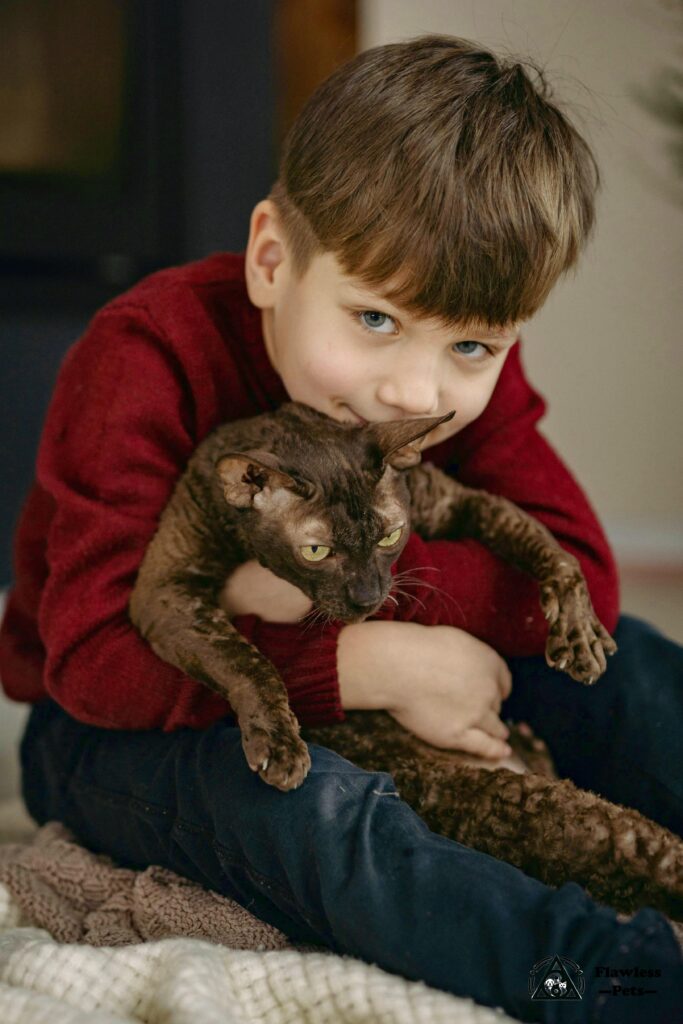
The story of the Balinese cat is not one of ancient lineage tracing back centuries, but rather a fascinating tale of a spontaneous genetic mutation and the dedicated efforts of observant breeders in the mid-20th century. Unlike the Siamese, whose roots are firmly planted in ancient Siam (modern-day Thailand), the Balinese cat is a relatively modern breed that emerged quite unexpectedly from established Siamese bloodlines.
2.1 The Spontaneous Mutation
For many years, Siamese breeders occasionally encountered kittens born with longer coats than their littermates. These long-haired kittens were the result of a naturally occurring, spontaneous recessive genetic mutation for long hair (Helgren, 2013). In the early days, these kittens were often viewed as undesirable deviations from the Siamese breed standard. Standard Siamese cats carry only the genes for short hair. However, somewhere along the line, a mutation occurred in the fibroblast growth factor 5 (FGF5) gene, the same gene responsible for long hair in many other cat breeds (Drogemuller et al., 2007). Because the gene for long hair (l) is recessive to the gene for short hair (L), a cat must inherit two copies of the longhair gene (ll) to express the trait. Siamese cats carrying one copy of the recessive gene (Ll) would appear shorthaired but could pass the longhair trait to their offspring. If two such carriers were mated, there was a one-in-four chance per kitten of producing a long-haired (ll) offspring.
Initially, these long-haired kittens born to purebred Siamese parents were quietly placed in pet homes, considered anomalies rather than the foundation of a new breed. They possessed all the other defining characteristics of the Siamese – the colorpoint pattern, the sapphire blue almond eyes, the wedge-shaped head, and the slender body – but with a noticeably longer, silkier coat.
2.2 Pioneering Breeders and Development
The transition from anomaly to recognized breed began in the 1940s and 1950s, thanks to the vision of a few American breeders who saw the beauty and potential in these long-haired Siamese. Marion Dorsey of Rai-Mar Cattery in California and Helen Smith of MerryMews Cattery in New York are often credited as pioneers (CFA, n.d.-a). They decided that these cats were too beautiful to be dismissed and began selectively breeding the long-haired kittens to establish them as a distinct breed.
Helen Smith, in particular, is noted for coining the breed's name. The process was not without challenges. Establishing a new breed requires careful selection to maintain the desired traits (long hair, Siamese type) while ensuring genetic diversity and health. Early breeders worked diligently, often collaborating and sharing breeding stock, to solidify the characteristics that define the Balinese cat today. They aimed to preserve the refined Siamese body type, the striking color restriction, the vivid blue eyes, and the intelligent, affectionate personality, but with the added elegance of a flowing coat.
2.3 Achieving Recognition
The efforts of these early breeders began to pay off as cat fancier associations started to take notice. The Cat Fanciers' Association (CFA), one of the largest registries, granted recognition to the Balinese cat for championship status in 1970 (CFA, n.d.-a). The International Cat Association (TICA) also recognizes the breed, classifying it within the Siamese Breed Group alongside the Siamese, Oriental Shorthair, and Oriental Longhair (TICA, n.d.). Other major global cat registries followed suit, cementing the Balinese cat as a legitimate and admired breed worldwide.
It's important to note that the foundation stock for the Balinese cat came directly from registered Siamese lines. No outcrossing to other long-haired breeds was involved in its creation; the long coat is purely a result of that naturally occurring recessive gene within the Siamese gene pool.
2.4 The Name “Balinese”
The name “Balinese” might seem geographically misleading, as the breed originated in the United States, not Bali, Indonesia. Helen Smith chose the name because she felt the cat's graceful movements and elegant lines were reminiscent of the dancers from the Indonesian island of Bali (Helgren, 2013). It was a poetic choice meant to evoke beauty and elegance, rather than indicate geographical origin. Despite the initial suggestion by some to call them “Long-haired Siamese,” the name “Balinese” stuck, adding an air of exotic allure to this captivating breed. The Balinese cat truly embodies this elegance in its every step.
3. Physical Characteristics: Grace in Motion
The Balinese cat is a study in elegance and refinement, mirroring the distinctive body type of the Siamese but adorned with a flowing, silky coat. Understanding their physical attributes helps appreciate the breed standard and differentiate them from similar breeds.
3.1 Balinese vs. Siamese: A Quick Comparison
To better understand the Balinese cat, it's helpful to compare it directly with its progenitor, the Siamese. The primary difference lies in coat length, but other subtle distinctions may be observed.
| Feature | Balinese Cat | Siamese Cat |
|---|---|---|
| Origin | USA (from Siamese lines) | Thailand (Siam) |
| Coat Length | Medium-long to long, single coat | Short, fine texture, glossy |
| Coat Texture | Fine, silky, flowing; minimal undercoat | Fine, glossy, lies close to the body |
| Tail | Long, tapering, with plume (long fringe of hair) | Long, thin, tapering to a point |
| Grooming Needs | Moderate; weekly combing recommended | Low; occasional brushing |
| Genetic Basis | Homozygous recessive for long hair (ll) | Homozygous dominant or heterozygous for short hair (LL or Ll) |
| Body Type | Identical to Siamese: long, tubular, svelte, muscular | Identical to Balinese: long, tubular, svelte, muscular |
| Head Shape | Wedge-shaped | Wedge-shaped |
| Eye Color | Deep vivid blue, almond-shaped | Deep vivid blue, almond-shaped |
| Color Pattern | Colorpoint (points darker than body) | Colorpoint (points darker than body) |
| Temperament | Highly intelligent, vocal, affectionate, playful, demanding | Highly intelligent, vocal, affectionate, playful, demanding (often perceived as slightly more intense) |
This table highlights that the core structure and color pattern of the Balinese cat are identical to the Siamese. The defining difference is the coat, a result of the recessive longhair gene.
3.2 Body Structure and Size
The Balinese cat possesses a fine-boned yet muscular structure, often described as svelte or tubular. They have long, slender bodies, elegant long necks, and long legs with dainty, oval paws. The hind legs are slightly higher than the front legs, contributing to their graceful gait. Despite their delicate appearance, they are surprisingly athletic and strong. A mature Balinese cat typically weighs between 6 to 11 pounds (2.7 to 5 kg), with males generally being larger than females (CFA, n.d.-a). Their overall impression should be one of length and elegance, without coarseness or excessive bulk. Think of a ballet dancer – lean, strong, and incredibly graceful.
3.3 Head, Ears, and Eyes
The head of a Balinese cat is a defining feature: a perfect medium-sized wedge shape that starts at the nose and flares out in straight lines to the tips of the ears, forming a triangle. The skull is flat in profile, and the nose is long and straight, continuing the lines of the wedge without a break. The ears are strikingly large, wide at the base, and pointed, continuing the lines of the wedge. They give the cat an alert and intelligent expression.
Perhaps the most captivating feature of the Balinese cat is its eyes. They are almond-shaped, set at a slant that follows the lines of the wedge towards the nose. The color is always a deep, vivid blue. The intensity and clarity of the blue eye color are highly prized in the breed standard. This combination of wedge head, large ears, and slanted blue eyes creates the unique, sophisticated look characteristic of both the Siamese and the Balinese cat.
3.4 The Silky Coat: Texture and Colors
The coat is what sets the Balinese cat apart from the Siamese. It is a single coat, meaning it lacks a thick, woolly undercoat. This results in a fine, silky texture that flows naturally over the body and is less prone to matting than the coats of many other long-haired breeds. The hair is longest on the tail, forming a beautiful plume. While classified as long-haired, the coat length can vary, generally being medium-long over the body and noticeably longer on the tail.
Like the Siamese, the Balinese cat exhibits a colorpoint pattern. This pattern is caused by a form of temperature-sensitive albinism, where the enzyme tyrosinase, involved in melanin (pigment) production, is less active at normal body temperatures but functions correctly in cooler areas of the body (Lyons et al., 2005). Consequently, color is restricted to the cooler extremities: the face (mask), ears, legs, and tail, known as the “points.” The body coat is a lighter shade, ideally showing minimal shading or markings.
The traditional point colors recognized by most associations for the Balinese cat are the same as the four traditional Siamese colors:
- Seal Point: Dark seal brown points with a pale fawn to cream body.
- Blue Point: Deep slate blue points with a bluish-white body.
- Chocolate Point: Milk chocolate brown points with an ivory body.
- Lilac Point: Frosty grey or pinkish-grey points with a glacial white body.
Kittens are born completely white or cream, and their points develop gradually over the first few weeks and months of life, darkening as they mature. The contrast between the points and the body color should be distinct.
3.5 Note on the “Javanese” Division
It's worth noting a point of classification that can sometimes cause confusion. For a period, CFA categorized Balinese cats with non-traditional point colors (like red point, cream point, tortie point, lynx point) under a separate breed name: “Javanese.” Genetically, these cats are identical to the traditionally colored Balinese, simply expressing different colorpoint variations. In 2008, CFA decided to merge the Javanese back into the Balinese breed, classifying them as a color division within the Balinese (CFA, n.d.-a). TICA always considered all accepted point colors as Balinese. Therefore, today, the term Balinese cat generally encompasses all recognized point colors, although you might still encounter the older “Javanese” terminology, especially in historical contexts or older literature.
4. Temperament and Personality: The Engaging Companion
Beyond their stunning looks, the Balinese cat is renowned for its engaging and interactive personality. Sharing many traits with their Siamese cousins, they are known for being intelligent, affectionate, vocal, and highly social creatures who form strong bonds with their human families. Owning a Balinese cat is not a passive experience; they demand interaction and involvement in household activities.
4.1 High Intelligence and Curiosity
The Balinese cat is exceptionally intelligent and possesses an innate curiosity about the world around them. They learn quickly, can often figure out how to open doors or cabinets, and thrive on mental challenges. This intelligence means they need significant mental stimulation to prevent boredom, which can lead to mischievous or destructive behavior. Puzzle toys, interactive play sessions, and even clicker training can be excellent ways to keep their sharp minds occupied. Think of them as the puzzle-solvers of the cat world; they enjoy figuring things out. Have you ever watched a cat try to open a cupboard? A Balinese cat might just succeed!
4.2 Affectionate and Social Nature
These are not aloof or independent cats. The Balinese cat craves companionship and affection, often following their favorite humans from room to room, offering “help” with tasks, or settling onto a warm lap for a cuddle. They tend to bond very closely with their family members and can become lonely or depressed if left alone for extended periods regularly (Overall, 2013). They generally enjoy being part of the action, whether it's supervising kitchen activities or “reading” the newspaper alongside you. Their social nature makes them well-suited to households where someone is usually home or where they have another feline or canine companion.
4.3 Vocal Tendencies
Like the Siamese, the Balinese cat is known for its vocal nature. They possess a distinctive voice, often described as less harsh or piercing than the traditional Siamese cry, perhaps softened slightly by the influence of breeders selecting for temperament alongside the long coat. However, they are still very communicative cats and will readily express their opinions, desires, and greetings through a range of meows, chirps, and trills. They will “talk” to you about their day, demand attention, announce their arrival in a room, or comment on the state of their food bowl. If you appreciate a quiet feline companion, the chatty Balinese cat might not be the ideal choice. But if you enjoy interactive “conversations” with your pet, their vocalizations can be quite endearing.
4.4 Playfulness and Energy Levels
The Balinese cat retains a kitten-like playfulness well into adulthood. They have moderate to high energy levels and enjoy interactive games like fetch, chasing feather wands, or batting at laser pointers (used responsibly, always ending with a physical “catch”). Their athletic build makes them agile climbers and jumpers, so providing vertical space like cat trees and shelves is essential. Regular playtime is not just fun; it's crucial for their physical health and mental well-being, helping to channel their energy constructively. Imagine their delight exploring a new set of interactive cat toys designed to challenge their agile minds and bodies.
4.5 Sensitivity
Their intelligence and strong bonds with humans also make the Balinese cat quite sensitive to their environment and the moods of their owners. They thrive on routine and positive reinforcement. Harsh tones or abrupt changes in the household can cause them stress. They respond best to gentle handling, patience, and a predictable, loving environment. Understanding this sensitivity is key to building a trusting and harmonious relationship with a Balinese cat.
5. Caring for Your Balinese Cat: Meeting Their Needs
Providing proper care for a Balinese cat involves attention to their grooming, nutritional needs, exercise requirements, environmental enrichment, and health monitoring. While their care is not overly complex, their intelligence and social nature demand more interaction than some other breeds.
5.1 Grooming the Silky Coat
Despite having long hair, the Balinese cat has a single coat that lacks a dense undercoat. This is a significant advantage, as it means their fur is less prone to matting and tangling compared to breeds like Persians or Maine Coons. However, regular grooming is still beneficial. Combing their coat once or twice a week with a stainless steel comb helps remove loose hair, prevent the occasional tangle, and distribute skin oils, keeping the coat healthy and lustrous (CFA, n.d.-a). This regular interaction also serves as valuable bonding time.
Beyond coat care, routine grooming should include:
- Nail Trimming: Trim nails every few weeks as needed.
- Dental Care: Regular teeth brushing (ideally daily) with feline-specific toothpaste helps prevent periodontal disease, a common issue in cats.
- Ear Cleaning: Check ears weekly for wax buildup or signs of infection. Clean only if necessary with a vet-approved solution and cotton balls (never insert anything deep into the ear canal).
5.2 Nutrition and Diet
A high-quality, balanced diet is crucial for the health and vitality of your Balinese cat. Choose a food formulated for cats that is rich in animal protein and appropriate for their life stage (kitten, adult, senior). Both high-quality dry kibble and wet food can be part of a healthy diet. Wet food is particularly beneficial for hydration, which is important for urinary tract health (Buffington, 2008).
Given their lean body type, it's important to monitor their weight to prevent obesity, which can contribute to various health problems. Follow feeding guidelines on the food packaging, adjusting amounts based on your cat's age, activity level, and body condition. Always provide access to fresh, clean water. Consulting with your veterinarian can help determine the optimal diet and portion sizes for your individual Balinese cat. Some owners explore options like premium cat food tailored for active breeds.
5.3 Exercise and Play
As active and intelligent cats, the Balinese cat requires regular exercise and stimulating play. Engage them in daily interactive play sessions using toys like feather wands, laser pointers (ending with a tangible reward), or fishing pole toys. This mimics hunting behavior and provides both physical exercise and mental stimulation.
Puzzle feeders that make them work for their food or treats can also satisfy their problem-solving instincts. Rotate toys frequently to maintain interest. Their playful nature often persists throughout their lives, so be prepared for ongoing play demands from your elegant Balinese cat.
5.4 Environmental Enrichment
A stimulating environment is key to preventing boredom and stress in a Balinese cat. Provide plenty of vertical space, such as tall cat trees or wall shelves, as they love to climb and observe their surroundings from high vantage points. Window perches where they can watch birds and outdoor activity (“cat TV”) are usually very popular.
Scratching posts (offering various materials like sisal rope, cardboard, or carpet) are essential to satisfy their natural scratching instinct and protect your furniture. Ensure these are tall and sturdy enough for a good stretch. Consider providing safe access to a catio (an enclosed outdoor patio) if possible, offering fresh air and stimulation in a secure setting.
5.5 Litter Box Considerations
Like all cats, the Balinese cat needs a clean and accessible litter box. The general rule is one box per cat plus one extra, placed in quiet, low-traffic locations. Keep the boxes scrupulously clean, scooping daily and changing the litter regularly. Most cats prefer unscented litter in a large, uncovered box, but observe your cat's preferences. Any sudden changes in litter box habits can signal stress or a potential medical issue and warrant a veterinary check-up (Horwitz & Mills, 2009).
6. Health and Lifespan: Common Concerns
The Balinese cat is generally considered a healthy breed, but like all purebred cats (and mixed breeds), they can be prone to certain genetic health conditions, many of which are shared with their Siamese ancestors. Responsible breeding practices aim to minimize these risks, but awareness is crucial for owners.
6.1 Lifespan
With proper care, nutrition, and regular veterinary attention, a Balinese cat can enjoy a long lifespan, typically ranging from 12 to 18 years, with some individuals living into their early twenties (O'Neill et al., 2014). Providing a safe indoor environment significantly contributes to their longevity by protecting them from outdoor hazards like accidents, predators, and infectious diseases.
6.2 Genetic Predispositions (Shared with Siamese)
Because the Balinese cat originated directly from Siamese lines, they share predispositions to some of the same genetic health issues. Responsible breeders screen their breeding stock for known conditions, but potential owners should be aware of the following:
- Amyloidosis: This is a serious condition where amyloid protein is deposited in organs, most commonly the liver or kidneys in Siamese-related breeds, potentially leading to organ failure. Familial amyloidosis has been documented in these breeds (DiBartola et al., 1991).
- Progressive Retinal Atrophy (PRA): Certain forms of this eye condition, which can lead to blindness, have been identified in Siamese and related breeds. Genetic testing is available for some forms (Menotti-Raymond et al., 2010).
- Asthma/Bronchial Disease: Siamese and related breeds appear to have a higher incidence of respiratory conditions like asthma.
- Congenital Heart Defects: Conditions like hypertrophic cardiomyopathy (HCM), although more common in other breeds like Maine Coons and Ragdolls, can occur. Dilated cardiomyopathy (DCM) has also been noted. Regular cardiac screening may be recommended by your vet.
- Strabismus (Crossed Eyes): While often considered a cosmetic trait linked to the colorpoint gene's effect on optic nerve development and not usually detrimental to vision, pronounced crossed eyes can sometimes occur.
- Gastrointestinal Issues: Some Siamese-related cats may be prone to sensitive stomachs or conditions like megacolon.
- Certain Cancers: Some studies suggest a potential predisposition to certain types of cancer, such as lymphoma or mast cell tumors, though more research is needed (Vascellari et al., 2016).
Choosing a kitten from a reputable breeder who performs health screenings on their breeding cats for relevant conditions (like PRA and potentially screening for heart issues or kidney function) can significantly reduce the risk of inheriting these problems. However, no breeder can guarantee a cat will never develop a health issue.
6.3 Dental Health
Dental disease is one of the most common health problems diagnosed in adult cats overall (Veterinary Practice News, 2019). The Balinese cat is no exception. Periodontal disease, gingivitis, and tooth resorption can cause pain, tooth loss, and potentially affect overall health. Regular home dental care (brushing) combined with professional dental cleanings under anesthesia as recommended by your veterinarian are essential for maintaining good oral health throughout your cat's life.
6.4 The “Hypoallergenic” Question
The Balinese cat is often marketed or discussed as being “hypoallergenic.” This is a common misconception. No cat breed is truly 100% hypoallergenic. Allergies to cats are typically triggered by proteins found in their saliva, skin oils (sebaceous glands), and urine, with the Fel d 1 protein being the primary culprit (National Institute of Environmental Health Sciences, n.d.).
The theory behind the Balinese's “hypoallergenic” reputation is that they *may* produce lower levels of the Fel d 1 protein compared to some other breeds. Some anecdotal evidence and limited studies suggest this might be true for some individuals within the breed (Satorina et al., 2014), but production levels can vary significantly from cat to cat, even within the same breed. Furthermore, the long coat can trap saliva (containing Fel d 1) when they groom. People with cat allergies react differently; some might tolerate a Balinese cat better than other breeds, while others may still experience significant allergic reactions. If allergies are a concern, the only reliable way to know is to spend time with the specific cat or cats from the lineage you are considering, ideally in the breeder's home environment, before making a commitment.
6.5 Preventive Care and Veterinary Visits
Regular veterinary check-ups (annually for adults, more frequently for kittens and seniors) are vital for maintaining the health of your Balinese cat. These visits allow for vaccinations, parasite prevention (fleas, ticks, heartworm, intestinal worms), dental assessments, weight monitoring, and early detection of potential health issues. Discuss appropriate screening tests (like blood work or urinalysis, especially for older cats or those at risk for kidney issues or amyloidosis) with your veterinarian based on your cat's age and individual risk factors. Remember, proactive healthcare is always better and often more cost-effective than treating advanced disease. As with any health concerns, always consult a qualified veterinarian for diagnosis and treatment advice. This guide provides general information, not professional medical counsel.
7. Living with a Balinese Cat
Sharing your home with a Balinese cat is a rewarding experience, characterized by interaction, affection, and entertainment. However, understanding their needs within a household setting is crucial for a harmonious relationship.
7.1 Compatibility with Families and Children
The social and playful nature of the Balinese cat often makes them good companions for families with children. They typically enjoy the activity and attention that children can provide. However, interactions should always be supervised, especially with younger children, to ensure the cat is treated gently and respectfully. Children need to be taught how to interact appropriately with a cat – avoiding rough handling, tail pulling, or disturbing the cat when it's resting or eating. A Balinese cat that feels secure and respected is more likely to form positive bonds with younger family members.
7.2 Compatibility with Other Pets
Due to their social nature, many Balinese cat individuals enjoy the company of other pets, including other cats and cat-friendly dogs, especially if introduced properly and patiently. Having another playful pet can help provide companionship and mental stimulation, particularly if the humans are away from home for work. Introducing pets slowly, using scent swapping and supervised interactions, is key to fostering positive relationships (Pryor, 2002). A second Balinese cat or another active, social breed can be an excellent match.
7.3 Meeting Their Need for Attention
This is perhaps one of the most defining aspects of living with a Balinese cat. They are not ornaments; they are active participants in the household who crave attention and interaction. Be prepared to dedicate time each day for petting, cuddling, conversation (they will talk back!), and interactive play. If you lead an extremely busy life with long hours away from home and little time for interaction, a Balinese cat might become lonely, bored, or stressed, potentially leading to behavioral issues like excessive vocalization or destructive behavior. They thrive when they are considered true members of the family.
7.4 Training and Trainability
Thanks to their high intelligence, Balinese cat individuals are generally very trainable. They quickly learn household rules, litter box etiquette, and where scratching is permitted (if provided with appropriate alternatives). Many enjoy learning tricks through positive reinforcement methods like clicker training. You can teach them to come when called, sit, fetch, or even walk on a harness and leash (with proper introduction and patience). Training sessions provide excellent mental stimulation and strengthen the bond between cat and owner. Keep sessions short, fun, and rewarding.
8. Understanding Balinese Cat Genetics
Delving into the genetics of the Balinese cat helps clarify its relationship to the Siamese and the basis for its defining traits: the long coat and the colorpoint pattern.
8.1 The Recessive Longhair Gene
As mentioned earlier, the defining feature of the Balinese cat – its long coat – is controlled by a recessive gene. The specific gene involved is typically a variant of the Fibroblast Growth Factor 5 (FGF5) gene (Drogemuller et al., 2007). Let's denote the dominant allele for short hair as ‘L' and the recessive allele for long hair as ‘l'.
- A cat with genotype LL has short hair.
- A cat with genotype Ll also has short hair but carries the recessive longhair gene (a carrier).
- A cat with genotype ll expresses the longhair trait and has long hair.
The first Balinese cats arose from matings between two Siamese cats that were both carriers (Ll x Ll). According to Mendelian genetics, such a mating has a 25% chance (1 in 4) of producing offspring with the ll genotype, resulting in a long-haired kitten. To consistently produce Balinese cat kittens, breeders must mate two long-haired cats (ll x ll), as all offspring will inherit the ll genotype and thus have long hair. Mating a Balinese cat (ll) to a purebred Siamese that does not carry the longhair gene (LL) will result in all shorthaired kittens who are carriers (Ll). These carriers are sometimes used in carefully planned breeding programs to maintain genetic diversity, but kittens sold as Balinese must themselves be long-haired (ll).
8.2 Colorpoint Expression
The colorpoint pattern seen in the Balinese cat (and Siamese, Ragdoll, Birman, etc.) is caused by mutations in the TYR gene, which codes for the enzyme tyrosinase. This enzyme is crucial for producing melanin pigment. The specific mutation found in these breeds results in a temperature-sensitive form of the enzyme (Lyons et al., 2005). The enzyme functions poorly at normal body temperature, leading to reduced pigment production in the warmer core body areas (resulting in a lighter coat). However, in cooler extremities (ears, mask, legs, tail – the “points”), the enzyme functions more effectively, allowing normal pigment production and resulting in darker coloration. This temperature sensitivity is why kittens are born white (being uniformly warm in the womb) and gradually develop their point color as their extremities cool after birth.
The different point colors (Seal, Blue, Chocolate, Lilac, and others now included under the Balinese cat standard) are determined by other genes interacting with the basic colorpoint gene, primarily the B/b/bl (Black/Chocolate/Cinnamon) locus and the D/d (Dense/Dilute) locus.
8.3 Responsible Breeding Considerations
Responsible breeders of the Balinese cat prioritize health, temperament, and adherence to the breed standard. This involves:
- Screening breeding cats for known genetic health issues relevant to the breed (e.g., PRA, potentially HCM screening).
- Breeding only cats with good temperaments – affectionate, social, and well-adjusted.
- Maintaining genetic diversity within the breed to promote overall health and vigor.
- Ensuring kittens are well-socialized before going to new homes.
- Providing health guarantees and being a resource for new owners throughout the cat's life.
Understanding the genetic basis of the breed's traits helps appreciate the work involved in preserving the unique characteristics of the Balinese cat.
9. Finding a Balinese Cat
If the elegant appearance and engaging personality of the Balinese cat have captured your interest, the next step is finding one. It's crucial to source your cat responsibly, whether through a reputable breeder or a rescue organization.
9.1 Reputable Breeders
A responsible breeder is dedicated to the health, temperament, and betterment of the Balinese cat breed. Look for breeders who:
- Are registered with major cat fancier associations (like CFA, TICA).
- Specialize in Balinese (or perhaps Siamese/Balinese) and are knowledgeable about the breed.
- Perform health screenings on their breeding cats for relevant genetic conditions and are transparent about the results.
- Raise kittens underfoot in their home, ensuring they are well-socialized.
- Do not let kittens go to new homes before 12-16 weeks of age, allowing sufficient time for weaning, socialization, and initial vaccinations.
- Provide a written contract and health guarantee.
- Are willing to answer your questions thoroughly and ask you questions in return to ensure a good match.
- Will allow you to visit (or arrange video calls) to see the kittens and their living conditions (post-COVID protocols may apply).
- Act as a resource for the lifetime of the cat.
You can often find breeder listings through the websites of cat fancier associations like The Cat Fanciers' Association (CFA) or The International Cat Association (TICA). Be patient, as reputable breeders may have waiting lists.
9.2 Rescue Organizations
While perhaps less common than finding mixed breeds in shelters, purebred cats, including the Balinese cat, sometimes end up in rescue situations due to owner relinquishment, changes in circumstances, or abandonment. Check with local animal shelters and humane societies. There are also breed-specific rescue groups dedicated to Siamese and related breeds (which often include Balinese). Websites like Petfinder.com allow searching by breed and location. Adopting a rescue Balinese cat can be incredibly rewarding, giving a deserving cat a second chance at a loving home. Rescued adults often already have established personalities, which can help ensure a good fit for your household.
9.3 Cost Considerations
The purchase price of a Balinese cat kitten from a reputable breeder can vary significantly based on lineage, location, color, and breeder reputation, but generally ranges from $800 to $2000 or more (as of early 2025). Remember that this initial cost is only part of the financial commitment. Ongoing costs include high-quality food, litter, toys, grooming supplies, routine veterinary care (check-ups, vaccinations, parasite prevention), and potential emergency vet visits. Adoption fees for rescue cats are typically much lower, usually covering initial vetting like spaying/neutering and vaccinations.
10. Conclusion: Is the Balinese Cat Right for You?
The Balinese cat is an undeniably beautiful and captivating breed, offering a unique combination of the Siamese's striking looks and interactive personality with the added elegance of a silky, flowing coat. They are intelligent, affectionate, playful, and deeply devoted companions who thrive on interaction and being part of the family.
However, they are not the right fit for every household. Their high intelligence demands mental stimulation, their social nature requires significant attention and interaction, and their vocal tendencies mean they are communicative companions. Prospective owners must be prepared to invest time and energy into grooming (though relatively minimal for a longhair), play, environmental enrichment, and companionship. If you are looking for a low-maintenance, independent cat, the Balinese cat is likely not the ideal choice.
But if you desire an elegant, intelligent, and affectionate feline partner who will actively engage with you, “talk” to you about their day, follow you around the house, and curl up on your lap for affection, the Balinese cat can be an incredibly rewarding companion. Their grace, intelligence, and loving nature make them cherished members of the families lucky enough to share their lives with them. Researching thoroughly, choosing a source responsibly, and committing to meeting their specific needs will pave the way for a long and happy relationship with your sophisticated Balinese cat.
11. Frequently Asked Questions (FAQ)
- 1. Are Balinese cats really hypoallergenic?
- No cat breed is truly hypoallergenic. Balinese cats *may* produce less of the primary allergen Fel d 1 than some other breeds, potentially making them better tolerated by *some* individuals with mild allergies. However, reactions vary greatly. Anyone with cat allergies should spend significant time with a specific Balinese cat before committing to ownership.
- 2. How much grooming does a Balinese cat need?
- Due to their single coat (lacking a dense undercoat), Balinese cats require less intensive grooming than many other long-haired breeds. Combing once or twice a week is usually sufficient to prevent tangles, remove loose hair, and keep their silky coat in good condition.
- 3. How vocal are Balinese cats compared to Siamese?
- Balinese cats are known for being quite vocal and communicative, similar to Siamese. However, their voice is often described as being slightly softer or less piercing than the traditional Siamese voice. They enjoy “talking” to their owners and expressing their needs and opinions.
- 4. Are Balinese cats good pets for families with children?
- Yes, their playful and social nature often makes them good companions for families with considerate children. Supervision is essential, especially with younger children, to ensure gentle interaction and teach respect for the cat's boundaries.
- 5. What is the main difference between a Balinese cat and a Siamese cat?
- The primary difference is coat length. The Balinese cat is essentially a long-haired version of the Siamese, resulting from a natural recessive gene mutation. They share the same body type, colorpoint pattern, blue almond eyes, and similar personality traits. The Balinese has a medium-long, silky single coat with a plumed tail, while the Siamese has a short, close-lying coat.
- 6. How long do Balinese cats typically live?
- With proper care, nutrition, and a safe indoor environment, Balinese cats generally have a long lifespan, typically ranging from 12 to 18 years, and sometimes longer.
12. References
Note: Please verify the accessibility and content of external links, as website information can change.
- Buffington, C. A. T. (2008). Dry foods and risk of disease in cats. The Canadian Veterinary Journal, 49(6), 561–563. https://www.ncbi.nlm.nih.gov/pmc/articles/PMC2387258/
- Cat Fanciers' Association (CFA). (n.d.-a). About the Balinese. Retrieved January 15, 2025, from https://cfa.org/balinese/
- Cat Fanciers' Association (CFA). (n.d.-b). Balinese Breed Standard. Retrieved January 15, 2025, from https://cfa.org/wp-content/uploads/2019/06/balinese-standard.pdf
- DiBartola, S. P., Tarr, M. J., & Benson, M. D. (1991). Tissue distribution of amyloid deposits in Abyssinian cats with familial amyloidosis. Journal of Comparative Pathology, 105(4), 387-398. (While focused on Abyssinians, relevant to familial amyloidosis concept).
- Drogemuller, C., Rüfenacht, S., Wichert, B., & Leeb, T. (2007). Mutations within the FGF5 gene are associated with hair length in cats. Animal Genetics, 38(3), 218–221. https://doi.org/10.1111/j.1365-2052.2007.01590.x
- Helgren, J. A. (2013). Encyclopedia of Cat Breeds (2nd ed.). Barron's Educational Series.
- Horwitz, D. F., & Mills, D. S. (2009). BSAVA Manual of Canine and Feline Behavioural Medicine (2nd ed.). British Small Animal Veterinary Association.
- Lyons, L. A., Imes, D. L., Rah, H. C., & Grahn, R. A. (2005). Tyrosinase mutations associated with Siamese and Burmese patterns in the domestic cat (Felis catus). Animal Genetics, 36(2), 119–126. https://doi.org/10.1111/j.1365-2052.2005.01253.x
- Menotti-Raymond, M., Deckman, K. H., David, V., et al. (2010). Mutation in CEP290 discovered for cat model of human retinal degeneration. Journal of Heredity, 101(2), 211–220. https://doi.org/10.1093/jhered/esp107
- National Institute of Environmental Health Sciences. (n.d.). Allergens. Retrieved January 15, 2025, from https://www.niehs.nih.gov/health/topics/agents/allergens/index.cfm
- O'Neill, D. G., Church, D. B., McGreevy, P. D., Thomson, P. C., & Brodbelt, D. C. (2014). Longevity and mortality of cats attending primary care veterinary practices in England. Journal of Feline Medicine and Surgery, 17(2), 125–133. https://doi.org/10.1177/1098612X14536176
- Overall, K. L. (2013). Manual of Clinical Behavioral Medicine for Dogs and Cats. Elsevier Health Sciences.
- Pryor, K. (2002). Don't Shoot the Dog!: The New Art of Teaching and Training (Revised ed.). Ringpress Books Ltd. (General principles of animal training and introductions).
- Satorina, J., Szalai, K., Willi, R., et al. (2014). Do hypoallergenic cats and dogs exist? Annals of Allergy, Asthma & Immunology, 112(6), Supplement, Abstract P100. (Abstract indicating variability).
- The International Cat Association (TICA). (n.d.). Balinese Breed. Retrieved January 15, 2025, from https://tica.org/breeds/browse-all-breeds?view=article&id=829:balinese-breed&catid=79
- Vascellari, M., Tasca, S., Furlanello, T., et al. (2016). Mast cell tumor in cats: A retrospective study of 116 cases (2002-2008). Veterinary and Comparative Oncology, 14 Suppl 1, 166-175. https://doi.org/10.1111/vco.12058
- Veterinary Practice News. (2019, September 26). Survey: Periodontal disease is top diagnosis for dogs, cats. https://www.veterinarypracticenews.com/survey-periodontal-disease-is-top-diagnosis-for-dogs-cats/











 English
  简体中文
简体中文  Français du Canada
  Deutsch
  Español
  Português
  한국어
한국어  日本語
日本語  Italiano
  Русский
  Dansk
Dansk  Nederlands
  Svenska
  Suomi
Suomi  Polski
  Norsk bokmål