

The Chausie Cat: An In-Depth Guide to the Jungle Cat Hybrid

Welcome to an exploration of one of the most captivating and statuesque breeds in the feline world: the Chausie cat. With the sleek, athletic lines of a wild cat and the potential for deep bonds with human companions, the Chausie represents a fascinating blend of nature's raw beauty and domestic affection. This breed isn't your average housecat; it's a unique hybrid with specific needs and a rich history tracing back to the ancient Jungle Cats of the Nile Valley. Understanding the Chausie cat requires delving into its origins, appreciating its distinct physical and temperamental traits, and recognizing the commitment involved in providing a suitable home for this intelligent and energetic feline. This guide aims to provide a comprehensive overview for potential owners, enthusiasts, and feline professionals seeking detailed knowledge about this remarkable exotic cat breed.
History and Origins of the Chausie Cat

The story of the Chausie cat is a relatively recent chapter in feline history, but its roots extend deep into the past, intertwined with one of nature's resilient wild felids. The breed's foundation lies in the intentional hybridization of the wild Jungle Cat (*Felis chaus*) with domestic cats. The Jungle Cat, a medium-sized wild cat native to regions spanning from the Nile Valley through the Middle East and into Southeast Asia, has occasionally interbred naturally with domestic cats near human settlements for centuries. Ancient Egyptians revered cats, and evidence suggests Jungle Cats were sometimes kept, possibly even tamed or partially domesticated, leading to early, unintentional hybrids (Todd, 1977).
-
-23%

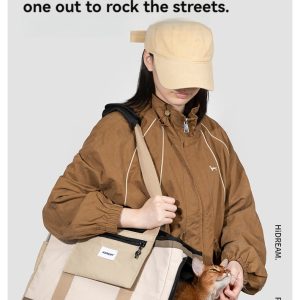
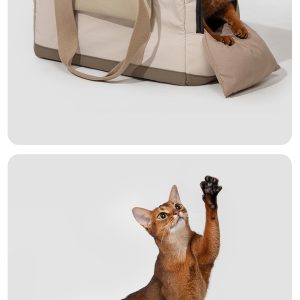
HiDream Color-Block Shoulder Pet Travel Bag – Stylish and Lightweight Carrier for Small Pets – Almond, Matcha
Original price was: $109.99.$84.99Current price is: $84.99. -
-14%
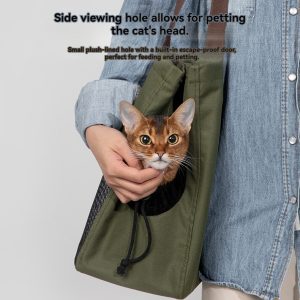
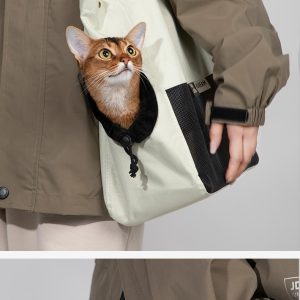
HiDream Pet Tote Bag – Relaxed Style Carrier for Small Pets – Durable Nylon with Breathable Mesh – Beige, Green, Gray
Original price was: $109.99.$94.59Current price is: $94.59. -
-12%
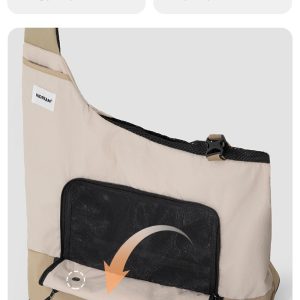
HiDream Pet Sling Carrier Bag – Adjustable Shoulder Strap Front Carry Bag for Small Pets – Khaki, Green, Gray
Original price was: $99.99.$88.49Current price is: $88.49.

However, the purposeful development of the Chausie cat as a recognized breed began much later, primarily in the late 1960s and gaining momentum in the 1990s. A group of dedicated breeders envisioned a domestic cat that captured the elegant, long-legged, large-eared appearance of the Jungle Cat while possessing a reliably domestic temperament suitable for companionship. Early experimental crosses involved various domestic breeds, but the Abyssinian proved particularly successful due to its compatible body type, active personality, and ticking coat pattern, which complemented the desired aesthetic. Domestic Shorthairs were also used to broaden the gene pool and contribute desired traits (TICA, n.d.).
The goal was not simply to create first-generation (F1) hybrids, which can often retain more challenging wild behaviors and have specific care requirements, but to establish a stable, self-perpetuating domestic breed. This involved careful selection and breeding through subsequent generations (F2, F3, F4, and beyond). Cats that are four or more generations removed from the wild Jungle Cat ancestor and are bred Chausie-to-Chausie are designated as Stud Book Tradition (SBT). These SBT Chausie cats are considered fully domestic, exhibit more predictable temperaments, and are eligible for championship status in cat fancy associations.
The International Cat Association (TICA) granted the Chausie cat registration status in 1995, acknowledging the foundational work of the early breeders. It progressed through TICA's new breed development process, achieving Preliminary New Breed status and eventually reaching full Championship status in 2013 (TICA, 2013). This recognition solidified the Chausie cat as a legitimate and distinct breed within the world of pedigreed cats. Today, responsible breeders focus on producing healthy, well-socialized SBT Chausies that embody the breed standard's physical elegance and the desired outgoing, intelligent temperament, making the Chausie cat a sought-after exotic cat breed for knowledgeable owners.
Physical Characteristics: The Wild Look
The physical presence of the Chausie cat is arguably its most striking feature, immediately evoking its Jungle Cat heritage. They are designed for athleticism and grace, possessing a unique combination of size, structure, and subtle wild markings. Understanding these characteristics is key to appreciating the breed.
Size and Build: Chausies are medium to large cats, known for their long bodies, deep chests, and substantial bone structure. Unlike the cobby build of some domestic breeds, the Chausie cat presents a rectangular silhouette – tall and long rather than short and stocky. They are impressively athletic, with powerful hindquarters that enable remarkable jumping ability. Males are typically larger than females, often weighing between 15 to 25 pounds (6.8 to 11.3 kg), while females usually range from 10 to 18 pounds (4.5 to 8.2 kg). However, weight should be proportional to their frame; they should appear muscular and fit, not overweight (TICA Breed Standard).
Head and Ears: The head is a modified wedge shape with high, prominent cheekbones and a strong, full muzzle, longer than it is wide. The profile shows a gentle slope from the forehead to just above the eyes, followed by a slight concave curve to the nose tip. Perhaps the most defining facial feature is the ears: they are notably large, set high on the head, relatively close together, and broad at the base, tapering to slightly rounded tips. Tufts of fur extending from the ear tips (lynx tips) are highly desirable, further enhancing the wild appearance reminiscent of the Jungle Cat ancestor.
Eyes: Eye shape is oval, set at a slight angle. Eye color is independent of coat color, with gold or yellow being the most common and preferred. Green and hazel are also acceptable. Deep, vibrant eye color adds to the intensity of the Chausie cat‘s gaze.
Coat and Colors: The coat is short to medium-short, dense, and resilient, with a softer undercoat providing insulation. The texture should feel somewhat coarse to the touch, a practical feature inherited from the wild ancestor adapting to harsh environments. TICA recognizes three primary color/pattern combinations for the Chausie cat:
- Brown Ticked Tabby: This pattern most closely resembles the Jungle Cat. It features a warm brown or golden-brown background color with darker brown or black ticking distributed across the body. Subtle barring may appear on the legs and tail, and sometimes faint facial markings.
- Solid Black: A deep, uniform black coat from root to tip. Ghost markings (faint tabby patterns visible in certain lights, especially on kittens) are permissible but a solid, even color is preferred.
- Black Grizzled Ticked Tabby: This unique pattern results from a specific genetic interaction. It consists of black hairs interspersed with lighter, banded hairs (agouti hairs), creating a “salt-and-pepper” or grizzled effect. This pattern is distinct from the standard brown ticked tabby.
While other colors and patterns may appear in non-SBT or unregistered cats, these three are the only ones accepted for championship competition within TICA for the Chausie cat breed.
Tail: The tail is typically three-quarters the length of the body, thick at the base and tapering slightly. It should be shorter than that of many domestic breeds, adding to the balanced, slightly exotic look.
Overall, the physical impression of a well-bred Chausie cat is one of contained power, elegance, and a subtle yet undeniable link to the wild felines of the world. Their unique appearance is a major draw for enthusiasts seeking an exotic cat breed with domestic sensibilities.
Breed Comparison Table
To better understand the unique qualities of the Chausie cat, here's a comparison with a typical Domestic Shorthair and its wild ancestor, the Jungle Cat:
| Feature | Chausie Cat (SBT) | Domestic Shorthair (Typical) | Jungle Cat (*Felis chaus*) |
|---|---|---|---|
| Origin | Hybrid (Jungle Cat x Domestic), developed 1990s | Diverse, mixed ancestry, not a formal breed | Wild species (Africa, Middle East, Asia) |
| Size | Medium to Large (10-25 lbs) | Medium (8-12 lbs) | Medium (8-35 lbs, varies by region) |
| Build | Long, lean, athletic, deep chest, rectangular body | Variable, often moderate, can be cobby or slender | Long legs, slender body, built for running/jumping |
| Head Shape | Modified wedge, high cheekbones, longish muzzle | Variable, often rounded | Relatively small head, short muzzle |
| Ears | Large, tall, set high, often tufted | Medium size, set moderately apart | Large, tall, tufted, set high |
| Coat Type | Short/Medium-short, dense, slightly coarse feel | Short, dense, variable texture | Short, dense, sandy/yellowish-grey to reddish-brown |
| Accepted Colors/Patterns (TICA for Chausie) | Brown Ticked Tabby, Solid Black, Black Grizzled Ticked Tabby | All colors and patterns | Typically uniform ticked coat, faint striping on limbs |
| Temperament (General) | Intelligent, highly active, social, playful, demanding | Highly variable, generally adaptable, moderate activity | Wild, elusive, solitary, crepuscular/nocturnal hunter |
| Activity Level | Very High | Moderate to High | Very High (Wild Hunter) |
| Suitability as Pet | Experienced owners, requires high interaction/enrichment (SBT generations) | Generally suitable for most households | Not suitable as a domestic pet |
This table highlights how the Chausie cat bridges the gap, retaining physical echoes of the Jungle Cat while possessing a temperament (in SBT generations) manageable in a domestic setting, albeit a demanding one compared to the average Domestic Shorthair.
Temperament and Personality: Intelligent and Active
Beyond their striking looks, the temperament of the Chausie cat is a defining characteristic. Prospective owners must understand that this breed combines high intelligence with boundless energy, demanding significant interaction and engagement. While individual personalities vary, certain traits are commonly associated with the Chausie cat.
Intelligence and Curiosity: Chausies are exceptionally intelligent cats. They learn quickly, are keen observers of their environment, and possess impressive problem-solving skills. This intelligence means they require substantial mental stimulation to prevent boredom, which can lead to undesirable behaviors. Puzzle toys, interactive games, and even clicker training can be highly effective ways to engage their sharp minds. Their curiosity drives them to explore every nook and cranny of their home, and they often enjoy watching the world from high vantage points like cat trees or shelves.
Activity Level and Playfulness: Often described as “perpetual kittens,” Chausie cats retain a high level of energy and playfulness throughout their lives. They are not typically lap cats that lounge around all day; instead, they thrive on activity. Expect bursts of running, jumping, and climbing. They need ample space to move and dedicated playtime with their humans daily. Interactive toys that mimic hunting, such as feather wands or laser pointers (used responsibly, ending with a physical “catch”), are essential. Without sufficient outlets for their energy, a Chausie cat may resort to creating its own, potentially destructive, entertainment.
Social and Affectionate Nature: Despite their wild ancestry, well-bred and socialized SBT Chausie cats are generally very people-oriented and form strong bonds with their families. They often follow their chosen humans around the house, interested in being involved in daily activities. While they might not constantly demand cuddles, they typically enjoy interaction and affection on their own terms. Many Chausies get along well with other pets, including dogs and other cats, especially if introduced properly and early on. However, their high prey drive, inherited from the Jungle Cat, means caution is advised around smaller pets like rodents, birds, or fish.
Vocalization: Chausies can be quite vocal, though perhaps not to the extent of breeds like the Siamese. They communicate with a range of chirps, clicks, and meows to express their needs and desires. Owners often find their vocalizations endearing and communicative.
Trainability: Their intelligence makes the Chausie cat relatively trainable. They can learn commands, tricks, and even walk on a leash with patience and positive reinforcement techniques. Training provides excellent mental stimulation and can strengthen the bond between cat and owner.
Potential Challenges: The same traits that make the Chausie catChausie cat temperament is crucial before bringing one home.
Living with a Chausie Cat
Sharing your life with a Chausie cat is a rewarding experience, but it requires understanding and meeting their specific needs. Their hybrid heritage influences their requirements for environment, diet, exercise, and social interaction.
Creating the Right Environment
A suitable environment for a Chausie cat goes beyond basic shelter. Due to their size, athleticism, and curiosity, they need space and enrichment.
- Space to Roam: While they can adapt to apartment living, larger homes are generally better suited to accommodate their energy levels. Regardless of size, vertical space is crucial. Tall, sturdy cat trees, wall-mounted shelves, and secure window perches allow them to climb, survey their territory, and expend energy safely.
- Enrichment is Key: Mental stimulation is as important as physical exercise. Provide a variety of puzzle feeders, interactive toys, and rotate toys regularly to maintain interest. Consider creating “scavenger hunts” by hiding treats or toys around the house. Safe access to a securely enclosed outdoor space (a “catio”) can provide invaluable stimulation, allowing them to experience outdoor sights, sounds, and smells safely.
- Safety First: Chausie curiosity and jumping ability mean thorough cat-proofing is essential. Secure electrical cords, toxic plants, cleaning supplies, and small objects that could be ingested. Ensure windows and balconies are securely screened. Their intelligence can enable them to open cabinets or doors, so child-proof latches might be necessary.
Diet and Nutrition: Special Considerations
The dietary needs of the Chausie cat can be influenced by their Jungle Cat ancestry. While SBT Chausies are domestic cats, some may retain digestive sensitivities, particularly relating to plant-based ingredients.
- High-Quality Protein Focus: Like all cats, Chausies are obligate carnivores requiring a diet high in animal-based protein. Choose high-quality commercial cat foods (wet, dry, or a combination) with named meat sources listed as the first ingredients. Avoid foods with excessive fillers like corn, wheat, and soy.
- Potential Gluten Intolerance: The Jungle Cat's natural diet consists almost entirely of small prey. Consequently, some Chausie cats, particularly earlier generations but sometimes seen in SBTs, may have difficulty digesting gluten and complex carbohydrates found in many commercial pet foods. This can manifest as chronic diarrhea or inflammatory bowel disease (IBD) (TICA, n.d.). Owners should monitor their cat's digestion closely and consult with their veterinarian if issues arise. Switching to grain-free or limited-ingredient diets, or even a carefully balanced raw or home-cooked diet under veterinary guidance, may be necessary for sensitive individuals.
- Feeding Schedule: Due to their high energy levels, free-feeding dry food might work for some, but scheduled meals (2-3 times daily) are often better for portion control and monitoring appetite. Puzzle feeders can turn mealtime into a mentally stimulating activity.
- Water Intake: Ensure constant access to fresh, clean water. Some Chausies enjoy playing with water, so a fountain-style waterer might encourage drinking and provide entertainment.
Exercise and Play: Meeting High Energy Needs
Exercise is non-negotiable for a happy and healthy Chausie cat. Their athletic build and energetic nature demand regular physical activity.
- Daily Interactive Play: Schedule at least two dedicated play sessions per day, ideally 15-20 minutes each. Use interactive toys like feather wands, fishing pole toys, or crinkle balls that engage their hunting instincts. Allow them to “catch” the toy periodically to provide satisfaction. You can find appropriate toys for your active cat at specialized pet supply stores.
- Independent Play: Provide toys they can bat around on their own, like balls, stuffed mice, and spring toys. However, independent play cannot replace interactive sessions with their human.
- Vertical Challenges: Encourage climbing on cat trees and shelves. This utilizes different muscle groups and satisfies their natural inclination to seek high places.
- Leash Training (Optional): Some Chausies take well to harness and leash training, allowing for safe exploration outdoors under supervision. This provides excellent physical and mental stimulation but requires patience and positive reinforcement.
Grooming Requirements
The Chausie cat‘s short, resilient coat is relatively low-maintenance compared to longhaired breeds, but regular grooming is still beneficial.
- Coat Care: Weekly brushing with a rubber curry brush or grooming mitt helps remove loose hair, distribute skin oils, and reduce shedding. This also provides an opportunity to check for any skin issues or parasites.
- Nail Trimming: Trim nails every few weeks as needed to prevent them from becoming overly long or sharp. Introduce nail trimming early and make it a positive experience. Providing scratching posts is essential for nail health and to protect furniture.
- Dental Hygiene: Regular dental care is crucial for all cats. Brushing your Chausie cat‘s teeth several times a week with feline-specific toothpaste is ideal. Dental treats and regular veterinary dental check-ups are also important.
- Ear Checks: Check their large ears regularly for signs of dirt, wax buildup, or infection. Clean only if necessary using a vet-approved ear cleaner and cotton balls (never insert anything deep into the ear canal).
Socialization and Training
Early and ongoing socialization is vital for developing a well-adjusted Chausie cat.
- Early Exposure: Reputable breeders begin socializing kittens early, exposing them to various sights, sounds, handling, and ideally, other pets and people in a positive manner. Continue this process once the kitten comes home.
- Positive Reinforcement: Due to their intelligence, Chausies respond best to positive reinforcement training methods (treats, praise, clicker training). Punishment or harsh methods are ineffective and can damage trust. Focus on rewarding desired behaviors.
- Setting Boundaries: While affectionate, their playful energy can sometimes be overwhelming. Teach gentle play from kittenhood, redirecting biting or scratching onto appropriate toys. Consistent rules and boundaries help them understand household expectations.
Providing the right care, environment, and interaction ensures that the demanding yet rewarding Chausie cat can thrive as a cherished member of the family.
Health Considerations for the Chausie Cat
While often considered a robust breed due to potential hybrid vigor (the increased health sometimes seen in crossbred individuals), the Chausie cat is not immune to health problems. Responsible breeding practices aim to minimize genetic issues, but potential owners should be aware of certain considerations. As of 2025, ongoing observation by breeders and veterinarians continues to shed light on breed-specific predispositions.
- Lifespan: With proper care, nutrition, and regular veterinary attention, a Chausie cat can typically live for 12 to 18 years, comparable to many domestic breeds.
- Digestive Sensitivities: As mentioned earlier, due to their Jungle Cat heritage, some Chausies exhibit sensitivity to grains and complex carbohydrates, potentially leading to Inflammatory Bowel Disease (IBD) or chronic diarrhea (TICA, n.d.). Careful diet management is often key to preventing or managing these issues. Consultation with a veterinarian experienced with exotic or hybrid breeds can be beneficial.
- Feline Hypertrophic Cardiomyopathy (HCM): HCM is the most common heart disease in cats across many breeds. It involves a thickening of the heart muscle, which can lead to heart failure. While not definitively proven to be more prevalent in Chausies than in the general cat population, it's a condition all cat owners should be aware of. Reputable breeders may screen their breeding cats for HCM, but there's no guarantee against its development. Regular veterinary check-ups, including listening to the heart, are important.
- Patellar Luxation: This condition, where the kneecap dislocates or slips out of place, can occur in various breeds, including potentially the athletic Chausie cat. Mild cases may cause intermittent lameness, while severe cases might require surgical correction.
- Potential Anesthesia Sensitivity: Some anecdotal reports suggest certain hybrid breeds might have sensitivities to specific anesthetic agents. It's crucial to discuss this possibility with your veterinarian before any surgical procedures, ensuring they are aware of the cat's hybrid background and take appropriate precautions.
- Feline Infectious Peritonitis (FIP): FIP is a devastating viral disease caused by a mutation of the feline coronavirus. While any cat can develop FIP, some studies and anecdotal evidence have suggested that purebred cats, potentially including breeds like the Chausie cat, might have a higher susceptibility compared to mixed-breed cats (Pedersen et al., 2009). Research is ongoing, and FIP remains a complex and often fatal condition.
- General Care: Like all cats, Chausies require routine veterinary care, including vaccinations, parasite prevention (fleas, ticks, heartworm, intestinal worms), and annual wellness exams. Maintaining a healthy weight through proper diet and exercise is crucial for preventing obesity-related problems like diabetes and arthritis.
Choosing a kitten from a reputable breeder who performs health testing on their breeding stock and is transparent about the health history of their lines can help minimize the risk of inheriting genetic conditions. However, even with the best breeding practices, health issues can arise. Providing excellent preventative care and prompt attention to any signs of illness are essential aspects of responsible Chausie cat ownership.
Breeding and Genetics: Understanding Hybrid Lines
The breeding of Chausie cats involves complexities inherent in working with hybrid animals. Understanding the generational designations and the goals of responsible breeding programs is important for anyone interested in the breed.
Generational Designations (F-Ratings): Hybrid breeds like the Chausie are often described using “F” numbers, indicating how many generations removed they are from their wild ancestor:
- F1 (First Generation): The direct offspring of a Jungle Cat parent and a domestic cat parent. F1 males are typically sterile, a common phenomenon in mammalian hybrids (Haldane's Rule). F1 females may be fertile. These cats often retain significant wild traits and require highly specialized care and environments. They are generally not suitable as typical household pets.
- F2 (Second Generation): Offspring of an F1 female Chausie and a domestic male (often an SBT Chausie or foundation domestic breed like the Abyssinian). F2 males may also have reduced fertility. Temperaments can still be variable and demanding.
- F3 (Third Generation): Offspring of an F2 female Chausie and a domestic male. Fertility in males often improves by this generation. Temperaments generally become more predictable and domestic-like.
- F4 and Beyond (SBT – Stud Book Tradition): Cats that are at least four generations removed from the Jungle Cat ancestor and have only registered Chausies as parents for the last three generations. These SBT Chausie cats are considered fully domestic, eligible for TICA championship status, and generally possess the most reliable temperaments for companionship. Responsible breeders focus primarily on producing healthy, well-socialized SBT Chausies.
Breeding Goals and Ethics: The primary goal of reputable Chausie catChausie cats from breeders who adhere to ethical practices recognized by organizations like TICA.
Is a Chausie Cat the Right Companion for You?

The allure of the Chausie cat‘s exotic looks and engaging personality is strong, but this breed is not suitable for every household. Potential owners must honestly assess their lifestyle, experience, and commitment level before bringing a Chausie home.
Consider the Following:
- Time Commitment: Chausies demand significant time and attention. They thrive on interaction, play, and mental stimulation. If you work long hours and cannot provide several dedicated play/interaction sessions daily, a Chausie cat may become bored, stressed, or destructive. They are not independent cats content to be left alone for extended periods.
- Experience Level: While SBT Chausies are domestic, their high intelligence and energy levels can be challenging for first-time cat owners. Experience with active, intelligent breeds (like Abyssinians or Bengals) can be helpful. Understanding positive reinforcement training and feline behavior is crucial.
- Activity Level Match: Are you prepared for a highly active cat that will run, jump, and climb? Your home needs to accommodate this energy safely. If you prefer a calm lap cat, the Chausie cat is likely not the right fit.
- Environment: Do you have adequate space, particularly vertical space (cat trees, shelves)? Can you provide sufficient environmental enrichment and cat-proof your home thoroughly? Access to a secure outdoor enclosure (catio) is a significant bonus.
- Financial Commitment: Beyond the initial purchase price from a reputable breeder (which can be substantial for a well-bred SBT Chausie cat), consider the ongoing costs: high-quality food (potentially specialized diets), durable toys, sturdy cat furniture, routine and potentially specialized veterinary care.
- Household Composition: While often good with other pets and older children when properly socialized, their energy and prey drive require supervision, especially around very young children or small pets.
- Legality: Importantly, ownership of hybrid cat breeds, even later generations like SBT Chausies, may be restricted or prohibited in certain cities, counties, states, or countries. It is essential to research and confirm the legality of owning a Chausie cat
Owning a Chausie cat is a long-term commitment (12-18+ years) to providing a stimulating, engaging, and safe environment for a uniquely intelligent and active feline. If you can meet these demands, the reward is a deep bond with an extraordinary companion.
Finding a Reputable Chausie Cat Breeder
Once you've determined that a Chausie cat is the right fit for your lifestyle and you've confirmed their legality in your area, the next crucial step is finding a responsible and ethical breeder. This is paramount to ensure you acquire a healthy, well-socialized kitten that truly represents the breed standard in both appearance and temperament.
Characteristics of a Reputable Breeder:
- Affiliation with Cat Fancies: Reputable breeders are typically registered with and adhere to the ethical guidelines of major cat associations like TICA (The International Cat Association), which recognizes the Chausie cat.
- Focus on Health and Temperament: They prioritize the health and temperament of their cats above all else. They should be knowledgeable about potential health issues in the breed and perform relevant health screenings on their breeding cats (e.g., screening for HCM, checking for digestive issues).
- Transparency and Knowledge: A good breeder will be happy to answer your questions thoroughly, discuss the breed's needs and challenges honestly, and provide documentation for pedigrees and health testing. They should be knowledgeable about the Chausie cat history, standard, and care.
- Keeps Kittens Until Appropriate Age: Kittens should remain with their mother and littermates until at least 12-16 weeks old. This period is crucial for socialization and learning essential feline behaviors. Breeders who let kittens go earlier are a red flag.
- Socialization Practices: They raise kittens underfoot in their home, exposing them to normal household sights, sounds, handling, and interaction, ensuring they are well-socialized before placement.
- Provides a Health Guarantee and Contract: Reputable breeders offer a written contract outlining the responsibilities of both buyer and seller, including a health guarantee against congenital defects for a specified period.
- Asks You Questions: Good breeders care deeply about where their kittens go. They will likely interview you to ensure you understand the breed's needs and can provide a suitable, lifelong home for a Chausie cat.
- Allows Visits (or Virtual Visits): They should be willing to let you visit their cattery (or offer extensive video calls if distance is an issue) to see the conditions where the cats are raised and meet the queen (mother cat) and possibly the sire (father cat). Observe if the environment is clean and the cats appear healthy and well-cared-for.
- Specializes in SBT Generations: For pet homes, focus on breeders who primarily work with SBT (Stud Book Tradition) Chausie cats, as these have the most predictable domestic temperaments.
Red Flags to Avoid:
- Breeders selling kittens under 12 weeks old.
- No health guarantee or contract offered.
- Unwillingness to answer questions or provide documentation.
- Keeping cats in poor, overcrowded, or unsanitary conditions.
- Selling multiple different breeds or seeming like a “kitten mill.”
- Offering kittens at significantly lower prices than average (often indicates cutting corners on care or health).
- Focusing solely on appearance without discussing temperament or health.
- Pressuring you into a quick sale.
Finding the right breeder may take time and research. Breed clubs associated with TICA can often provide breeder referrals. Be patient and thorough in your search to find a healthy, well-adjusted Chausie cat companion from an ethical source. Consider also checking with breed-specific rescue organizations, as occasionally adult Chausies may become available for adoption.
The Chausie Cat Community and Resources
Connecting with other Chausie cat owners and enthusiasts can be incredibly valuable. Sharing experiences, advice, and celebrating the unique nature of this breed enhances the ownership experience. Several resources exist for those interested in learning more or becoming part of the community.
- The International Cat Association (TICA): As the primary registry recognizing the Chausie cat for championship status, TICA's website is an essential resource. It provides the official breed standard, information about breed history, and often lists affiliated breed clubs and breeder referrals. (TICA.org)
- Breed Clubs: Specific breed clubs dedicated to the Chausie cat may exist (often affiliated with TICA). These clubs can be excellent sources of information, breeder listings, and community connections. Searching TICA's breed sections or online cat community forums may help locate active clubs.
- Online Forums and Social Media Groups: Dedicated forums and social media groups (like on Facebook) allow Chausie cat owners and admirers from around the world to connect, share photos, ask questions, and discuss care tips. Ensure the group is moderated and focuses on responsible ownership.
- Veterinary Resources: Establishing a good relationship with a veterinarian knowledgeable about feline health is crucial. Resources like the Cornell Feline Health Center (Cornell Feline Health Center) offer reliable information on general cat health, which applies to Chausies, though breed-specific sensitivities should always be discussed with your vet.
- Reputable Breeder Websites: While primarily for finding kittens, the websites of established, ethical breeders can also be valuable sources of information about Chausie cat care, temperament, and health, reflecting years of hands-on experience.
Engaging with these resources can provide ongoing support and education, helping you provide the best possible care for your Chausie cat and connect with others who appreciate this extraordinary exotic cat breed.
Ensuring your feline friend has everything they need, from nutritious food to engaging toys, is part of responsible ownership. Explore a wide variety of quality pet supplies to keep your Chausie happy and healthy.
Conclusion: An Extraordinary Feline Companion
The Chausie cat stands as a testament to the captivating possibility of blending the wild elegance of the Jungle Cat with the companionable nature of domestic felines. With their statuesque build, intelligent gaze, large tufted ears, and boundless energy, they are truly a sight to behold. More than just a beautiful animal, the Chausie cat possesses a sharp mind, a playful spirit that lasts a lifetime, and the capacity for deep affection with its human family.
However, this unique heritage comes with specific requirements. The Chausie cat demands an owner who understands and can cater to its high energy levels, need for mental stimulation, potential dietary sensitivities, and the importance of a safe, enriched environment. They thrive in active households where they receive ample attention, interactive play, and opportunities to climb and explore. Potential owners must be prepared for the commitment involved and ensure they source their companion from ethical breeders focusing on health, temperament, and the well-being of SBT generation cats.
For the right person or family – one that appreciates intelligence, embraces activity, and is prepared to invest the necessary time and resources – the Chausie cat offers an unparalleled feline relationship. They are more than just pets; they are engaging, interactive members of the family, bringing a touch of the wild and a whole lot of personality into the home. The journey with a Chausie cat is one of constant discovery, shared adventures, and a profound connection with a truly remarkable breed.
Frequently Asked Questions (FAQ)
- 1. Are Chausie cats aggressive or dangerous because of their wild ancestry?
- SBT (Stud Book Tradition) Chausie cats, which are four or more generations removed from the wild Jungle Cat, are bred specifically for domestic temperaments. When sourced from reputable breeders and properly socialized, they are typically not aggressive towards humans and form strong bonds. They are known for being active and playful, but not inherently dangerous. However, like any cat, they have boundaries and may react if frightened or mishandled. Early generation (F1/F2) hybrids can retain more unpredictable wild traits and are not recommended as typical pets.
- 2. How much does a Chausie cat cost?
- The cost of a Chausie cat kitten from a reputable breeder can vary significantly based on lineage, quality (pet vs. show/breeding potential), location, and the breeder's reputation. As of 2025, prices for well-bred SBT pet kittens typically range from $1,000 to $2,500 USD, but can sometimes be higher. Remember that the initial purchase price is only part of the cost; ongoing expenses for high-quality food, vet care, enrichment, and supplies are also significant.
- 3. Do Chausie cats get along with dogs and other cats?
- Generally, yes. Well-socialized SBT Chausie cats are often quite social and can coexist peacefully with other cats and cat-friendly dogs, especially if introduced properly and ideally from a young age. Their playful nature often means they enjoy having another active companion. However, individual personalities vary, and careful introductions are always recommended. Due to their potential prey drive, caution is strongly advised with smaller pets like rodents, birds, or reptiles.
- 4. Are Chausie cats hypoallergenic?
- No, Chausie cats are not considered hypoallergenic. They produce Fel d 1, the primary allergen found in cat saliva and dander, like most other cat breeds. While their short coat might result in slightly less hair shed around the house compared to longhaired breeds, they can still trigger allergies in sensitive individuals. There is no truly hypoallergenic cat breed.
- 5. Do Chausie cats need a special diet?
- While not all Chausies require a “special” diet, many benefit from or even necessitate a high-quality, high-protein, grain-free diet due to potential digestive sensitivities inherited from their Jungle Cat ancestors. Some Chausie cats may struggle to digest grains and complex carbohydrates, leading to issues like IBD. Owners should prioritize foods with named meat sources as primary ingredients and monitor their cat's digestion closely. Consultation with a veterinarian, possibly one familiar with hybrid breeds, is recommended if digestive issues arise. Some owners opt for balanced raw or home-cooked diets under veterinary supervision.
- 6. Can Chausie cats live indoors only?
- Yes, absolutely. It is strongly recommended that Chausie cats live strictly indoors or have access only to a secure outdoor enclosure (catio). Their curiosity, athleticism, and potential value make them vulnerable to outdoor dangers such as traffic, predators, diseases, theft, and getting lost. Furthermore, allowing a cat with recent wild ancestry to roam freely could pose risks to local wildlife. An indoor environment, sufficiently enriched with climbing structures, toys, and interaction, can fully meet their physical and mental needs safely.
References
- Hybrid Cat Laws. Michigan State University College of Law. https://www.animallaw.info/topic/hybrid-cat-laws
- ILAR Journal, 46(2), 202-215. https://doi.org/10.1093/ilar.46.2.202
- Journal of Feline Medicine and Surgery, 11(7), 536-546. https://doi.org/10.1016/j.jfms.2009.01.015 (Note: While this discusses FCoV/FIP generally, breed susceptibility is a complex area mentioned anecdotally for purebreds).
- The International Cat Association (TICA). (n.d.). Chausie Breed. TICA. https://www.tica.org/breeds/browse-all-breeds?view=article&id=834:chausie-breed&catid=79
- The International Cat Association (TICA). (2013, May 1). TICA Board Meeting Minutes, May 1, 2013. TICA. (Reference for Championship status date – specific minutes may be harder to link directly, but TICA breed page confirms status).
- The International Cat Association (TICA). (n.d.). Chausie Breed Standard. TICA. (Accessed via breed information pages or breeder resources, specific document link may vary).
- Todd, N. B. (1977). Cats and Commerce. Scientific American, 237(5), 100–107. http://www.jstor.org/stable/24954018 (Discusses historical cat domestication and potential interactions with wild species like *Felis chaus*).








 English
  简体中文
简体中文  Français du Canada
  Deutsch
  Español
  Português
  한국어
한국어  日本語
日本語  Italiano
  Русский
  Dansk
Dansk  Nederlands
  Svenska
  Suomi
Suomi  Polski
  Norsk bokmål