




Flawless Pet Supplies
Key Takeaways
The Colorpoint Shorthair is a captivating breed closely related to the Siamese, distinguished primarily by its broader range of point colors beyond the traditional four Siamese shades. Known for their striking appearance, featuring a svelte body, wedge-shaped head, and vivid blue almond eyes, these cats possess an equally engaging personality. They are highly intelligent, affectionate, vocal, and demand significant social interaction and mental stimulation. Understanding the specific needs of the Colorpoint Shorthair, from grooming and diet to health predispositions and environmental enrichment, is crucial for ensuring a happy and healthy life for these companions. This guide delves into the history, characteristics, care requirements, and unique aspects of the Colorpoint Shorthair, offering comprehensive insights for potential and current owners.
History and Origins of the Colorpoint Shorthair
The story of the Colorpoint Shorthair is intrinsically linked to that of its elegant progenitor, the Siamese cat. For centuries, the Siamese, with its distinctive pointed pattern (darker extremities against a lighter body) and deep blue eyes, captivated cat fanciers. Originating from Siam (modern-day Thailand), these cats were treasured palace companions before making their way to the Western world in the late 19th century. The initial Siamese cats recognized by breed associations, such as the Cat Fanciers' Association (CFA) founded in 1906, were limited to four specific point colors: Seal, Chocolate, Blue, and Lilac Point.
-
-23%

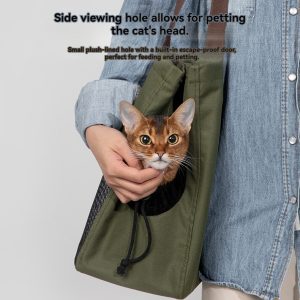
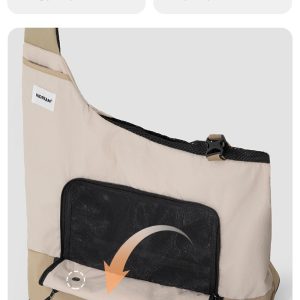
HiDream Color-Block Shoulder Pet Travel Bag – Stylish and Lightweight Carrier for Small Pets – Almond, Matcha
Original price was: $109.99.$84.99Current price is: $84.99. -
-14%
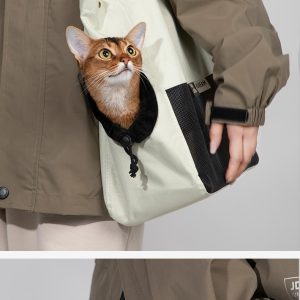
HiDream Pet Tote Bag – Relaxed Style Carrier for Small Pets – Durable Nylon with Breathable Mesh – Beige, Green, Gray
Original price was: $109.99.$94.59Current price is: $94.59. -
-12%
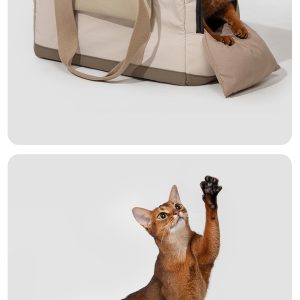
HiDream Pet Sling Carrier Bag – Adjustable Shoulder Strap Front Carry Bag for Small Pets – Khaki, Green, Gray
Original price was: $99.99.$88.49Current price is: $88.49.
However, the feline gene pool held more possibilities. Cat breeders, particularly in the United States and the United Kingdom during the mid-20th century (around the 1940s and 1950s), became intrigued by the idea of expanding the color palette of the Siamese-type cat while retaining its characteristic body style, head shape, and vocal personality. They embarked on selective breeding programs, crossing registered Siamese cats with other breeds, most notably the red domestic shorthair (often referred to generically as the American Shorthair, though specific pedigrees might vary). The goal was ambitious: to introduce the gene responsible for red pigment (the O gene) into the Siamese gene pool, thereby creating pointed cats in shades of red and cream.
This process was meticulous and required careful genetic understanding. The pointed pattern itself is a form of temperature-sensitive albinism, caused by a mutation in the tyrosinase (TYR) gene. This enzyme is involved in melanin production. The mutated enzyme is heat-sensitive; it functions normally in cooler areas of the body (ears, face mask, paws, tail), producing pigment, but is less active in warmer core body areas, resulting in lighter fur (Lyons et al., 2005). Introducing the red gene added another layer of complexity. The gene for orange/red color (O) is located on the X chromosome, making its inheritance sex-linked. This required careful planning of crosses to achieve the desired red-pointed and cream-pointed offspring, initially resulting in combinations like tortie points (patches of red/cream mixed with seal/chocolate/blue/lilac) primarily in females.
Early pioneers in these breeding programs faced challenges. Not only did they need to achieve the new colors, but they also had to ensure the resulting cats consistently met the established Siamese breed standard for conformation – the long, tubular body, the refined wedge-shaped head, large ears, and vivid blue almond eyes. Generations of selective breeding were necessary to refine the type and stabilize the new colors.
The reception within the established cat fancy was mixed. Some Siamese purists felt that these new colors diluted the traditional image of the breed. This led to debates about whether these cats should be considered Siamese or a separate breed entirely. In North America, particularly within the CFA, the decision was made to recognize these cats as a distinct breed: the Colorpoint Shorthair. The CFA granted championship status to the Red Point and Cream Point Colorpoint Shorthair in 1964. This separation allowed breeders to focus on developing these specific colors while maintaining the Siamese type.
Further breeding developments introduced tabby markings (also known as lynx markings) into the points, creating Lynx Point Colorpoint Shorthairs. This involved introducing the agouti gene (A), which allows the underlying tabby pattern to be expressed, into the pointed cats. Crosses often involved tabby domestic shorthairs or potentially tabby-pointed Siamese if available. Similarly, combinations of the red/cream gene with the traditional point colors resulted in Tortoiseshell Points (Tortie Points), where patches of red or cream overlay seal, chocolate, blue, or lilac points. These variations gained recognition over time, with Lynx Points and Tortie Points being accepted for championship status by the CFA in subsequent years, expanding the diversity within the Colorpoint Shorthair breed.
It's important to note that breed recognition policies differ globally. For instance, The International Cat Association (TICA) and many European organizations, like the Governing Council of the Cat Fancy (GCCF) in the UK, consider these additional point colors (red, cream, tortie, lynx) as variations within the Siamese breed itself, not as a separate Colorpoint Shorthair breed (TICA, n.d.; GCCF, n.d.). This difference in classification highlights the varying philosophies within the cat fancy regarding breed definitions and the acceptance of new variations. However, in North America, the Colorpoint Shorthair remains recognized as a distinct breed, celebrated for its expanded color palette built upon the classic Siamese foundation.
Today, the Colorpoint Shorthair stands as a testament to the dedicated efforts of breeders who envisioned a broader spectrum of beauty within the pointed cat world. They are cherished for combining the striking elegance and engaging personality of the Siamese with a vibrant array of point colors, making them a popular and recognizable breed among cat enthusiasts worldwide.
Physical Characteristics: A Detailed Look
The Colorpoint Shorthair is essentially a Siamese cat in all aspects except for its range of point colors. The breed standard, as defined by organizations like the Cat Fanciers' Association (CFA), emphasizes the same elegant and refined conformation as the Siamese. Imagine a feline athlete – sleek, muscular, yet graceful. Let's break down the key physical attributes:
Body Structure
The body is described as medium in size, but it feels surprisingly heavy and muscular when lifted. It's characterized by being long and tubular or “slinky,” without being coarse or overly bulky. The lines are fine and elongated, contributing to an overall impression of elegance and refinement. The shoulders and hips should continue these sleek lines, being no wider than the ribcage. The abdomen should be tight and firm, reflecting good muscle tone. The legs are long and slim, proportionate to the body, with the hind legs slightly higher than the front legs. This slight elevation in the rear contributes to the cat's graceful, poised stance. The paws are small, dainty, and oval-shaped. The tail is a defining feature: long, thin, tapering to a fine point, and free from any kinks or thickening. It acts almost like a whip or a counterbalance, adding to the cat's elegant silhouette.
Head Shape and Features
The head of the Colorpoint Shorthair is a defining characteristic, forming a perfect long, tapering wedge. This wedge starts at the nose and flares out in straight lines to the tips of the ears, creating a distinct triangular shape when viewed from the front. There should be no “whisker break” or pinch in the muzzle area; the lines should remain smooth. The skull is flat in profile, flowing smoothly from the top of the head to the tip of the nose without any bumps or dips. The nose itself is long and straight. The muzzle is fine and wedge-shaped, complementing the overall head structure. The chin and jaw are medium in size, with the tip of the chin aligning vertically with the tip of the nose. Importantly, the chin should not be receding or excessively massive.
Ears
The ears are strikingly large, wide at the base, and pointed at the tip. They are set in a position that continues the lines of the head wedge, making them appear as natural extensions of the triangular shape. When viewed, the ears contribute significantly to the alert and intelligent expression of the Colorpoint Shorthair.
Eyes
Perhaps one of the most captivating features, the eyes are almond-shaped and medium in size. They are neither protruding nor recessed. Critically, they are slanted towards the nose, aligning harmoniously with the lines of the wedge-shaped head and ears. The eye color is always a deep, vivid blue. The intensity and depth of this blue color are highly prized in the breed standard (CFA, 2019). Any color other than blue is a disqualification in show cats.
Coat
The coat of the Colorpoint Shorthair is short, fine in texture, glossy, and lies close to the body. It should feel sleek and smooth to the touch. While short, it should have enough substance to convey quality. The defining feature related to the coat is the “pointed” pattern. This means the body color is a clear, even shade (ranging from icy white to pale fawn, depending on the specific point color and age), while the “points” – the mask covering the face, ears, legs, feet, and tail – are a contrasting, darker, well-defined color. The mask should cover the entire face, including whisker pads, and ideally be connected to the ears by tracings of color. There should be a clear contrast between the body color and the point color. As these cats age, their body color may darken slightly, which is permissible, but significant contrast should remain.
Understanding these physical traits helps appreciate the elegance and specific breed type that defines the Colorpoint Shorthair. They are not simply “Siamese cats with different colors” in the eyes of associations like the CFA; they are judged against the same stringent standard for physical conformation, ensuring the preservation of that iconic, refined silhouette alongside the expanded color range.
Colorpoint Shorthair vs. Siamese: A Comparative Glance
While intrinsically linked, the distinction between the Colorpoint Shorthair and the Siamese cat can be confusing, largely due to differing recognition policies by various cat registries. In essence, the primary difference lies in the range of accepted point colors. Here's a table summarizing the key similarities and differences, primarily reflecting the perspective of North American registries like the CFA which recognize them as separate breeds:
| Feature | Colorpoint Shorthair (CFA Standard) | Siamese (CFA Standard) | Notes |
|---|---|---|---|
| Body Type | Long, tubular, svelte, muscular yet refined. Medium size. | Long, tubular, svelte, muscular yet refined. Medium size. | Identical. Both breeds share the same elegant, athletic build. |
| Head Shape | Long, tapering wedge. Flat profile. Fine muzzle. | Long, tapering wedge. Flat profile. Fine muzzle. | Identical. The characteristic wedge shape is crucial for both. |
| Strikingly large, pointed, wide base, continuing the wedge line. | Strikingly large, pointed, wide base, continuing the wedge line. | Identical. Large ears contribute to the alert expression. | |
| Medium size, almond-shaped, slanted. Deep vivid blue. | Medium size, almond-shaped, slanted. Deep vivid blue. | Identical. Blue eyes are a hallmark of both breeds. | |
| Short, fine, glossy, close-lying. | Short, fine, glossy, close-lying. | Identical. The coat should feel sleek and smooth. | |
| Accepted Point Colors (CFA) | Red Point, Cream Point, Seal Lynx Point, Chocolate Lynx Point, Blue Lynx Point, Lilac Lynx Point, Seal-Tortie Point, Chocolate-Tortie Point, Blue-Cream Point, Lilac-Cream Point, and variations thereof (e.g., Seal-Tortie Lynx Point). | Seal Point, Chocolate Point, Blue Point, Lilac Point. | This is the primary distinguishing factor under CFA rules. The Colorpoint Shorthair encompasses colors beyond the original four Siamese points. |
| Highly intelligent, affectionate, demanding, very vocal, active. | Highly intelligent, affectionate, demanding, very vocal, active. | Identical. Both breeds share the same “people-oriented” and communicative personality. | |
| Developed from Siamese crossed with other breeds (e.g., American Shorthair) in the mid-20th century to introduce new colors. Recognized separately by CFA in 1964. | Ancient breed originating from Siam (Thailand), imported to the West in the late 19th century. Original four colors established early. | Colorpoint Shorthair is a more recent development derived from the Siamese lineage. | |
| Recognition (Global Variations) | Recognized as a separate breed by CFA and some other North American registries. | Recognized globally. | In many registries outside North America (e.g., TICA, GCCF), the “Colorpoint Shorthair” colors are considered part of the Siamese breed standard. |
Essentially, if you are in North America and adhere to CFA classifications, a cat with Siamese body type but Red Points, Lynx Points, or Tortie Points is a Colorpoint Shorthair. A cat with the same body type but Seal, Chocolate, Blue, or Lilac Points is a Siamese. Outside of this specific registry context, many people use the term “Siamese” more broadly to include all these color variations. Genetically, they share the same foundation and the same temperature-sensitive albinism gene responsible for the pointed pattern; the difference lies in the additional genes affecting the specific pigment color produced in the cooler extremities.
The Spectrum of Colorpoint Variations
The defining characteristic that sets the Colorpoint Shorthair apart (in registries like CFA) is its expanded palette of point colors beyond the traditional four found in the Siamese. These colors arose from introducing genes for red/orange pigment and tabby patterns into the Siamese gene pool. Let's explore the main categories:
Red Point and Cream Point
These were among the first colors developed that led to the creation of the Colorpoint Shorthair breed designation. Achieving these required introducing the sex-linked orange (O) gene.
- Red Point: These cats have deep, reddish-gold points on their ears, mask, legs, feet, and tail. The body color is typically a warm, creamy white, often showing some reddish or apricot shading, especially as the cat matures. The contrast between the points and body should still be discernible. Finding a true, deep red without barring (faint tabby markings, sometimes called “ghost markings”) can be challenging, as the red gene often allows underlying tabby patterns to show through faintly. Their nose leather and paw pads are a fleshy pink or coral pink.
- Cream Point: This is the dilute version of Red Point, created by the presence of the dilution gene (d) acting on the red color. The points are a pale, buff cream color. The body is an icy or creamy white, providing a subtle but beautiful contrast. Like Red Points, faint barring might sometimes be visible on the points. Nose leather and paw pads are pink.
Lynx (Tabby) Points
Lynx Points are created by introducing the agouti gene (A), which allows the tabby pattern to be expressed, specifically within the colored points. The body remains a pale, contrasting color. The points exhibit clear tabby markings: stripes on the mask (most noticeably an ‘M' marking on the forehead), legs, and tail, along with spotted whisker pads and distinct eye liner. The ear leather shows a characteristic “thumbprint” – a paler area on the back of the darkly colored ear.
Lynx Points come in the traditional Siamese colors as well as the red/cream series:
- Seal Lynx Point: Points are seal brown with darker seal brown tabby markings. Body is pale fawn/cream. Nose leather can be pink edged with seal, or seal. Paw pads are seal brown.
- Chocolate Lynx Point: Points are warm milk-chocolate brown with darker chocolate tabby markings. Body is ivory. Nose leather can be pink edged with chocolate, or cinnamon-pink. Paw pads are cinnamon-pink.
- Blue Lynx Point: Points are slate blue with darker blue tabby markings. Body is bluish-white. Nose leather can be pink edged with blue, or blue. Paw pads are slate blue.
- Lilac Lynx Point: Points are frosty grey/pinkish-beige with darker tabby markings of the same shade. Body is glacial white. Nose leather can be pink edged with lilac, or lavender-pink. Paw pads are lavender-pink.
- Red Lynx Point: Points are deep red with darker red tabby markings. Body is creamy white, may have warm shading. Nose leather and paw pads are pink or coral pink.
- Cream Lynx Point: Points are pale buff cream with darker cream tabby markings. Body is creamy white. Nose leather and paw pads are pink.
Tortie Points
Tortoiseshell (Tortie) Points occur primarily in females due to the genetics of the red (O) gene being on the X chromosome. Tortie Points display patches of red and/or cream mingled with one of the base point colors (Seal, Chocolate, Blue, or Lilac). The distribution of these patches is random, making each Tortie Point unique.
- Seal-Tortie Point: Points show random patches of seal brown and red. Body is creamy white or pale fawn. Nose leather and paw pads can be seal brown, pink, or mottled seal and pink.
- Chocolate-Tortie Point: Points show random patches of chocolate brown and red. Body is ivory. Nose leather and paw pads can be chocolate, pink, or mottled chocolate and pink.
- Blue-Cream Point: Points show random patches of slate blue and cream (the dilute version of Seal-Tortie). Body is bluish-white or platinum grey. Nose leather and paw pads can be blue, pink, or mottled blue and pink.
- Lilac-Cream Point: Points show random patches of lilac (frosty grey/pinkish beige) and cream. Body is glacial white. Nose leather and paw pads can be lilac, pink, or mottled lilac and pink.
It's even possible to have combinations, such as a Seal-Tortie Lynx Point, where the points exhibit both tabby markings and tortoiseshell patching within the seal and red colors. The variety is extensive, showcasing the success of the breeding programs that aimed to expand the color horizons of the Siamese type.
Regardless of the specific point color or pattern, the underlying requirements for a show-quality Colorpoint Shorthair remain the same: excellent Siamese conformation, vivid blue almond eyes, and a clear contrast between the body and point color (allowing for expected darkening with age). The development of these diverse colors has added a vibrant chapter to the history of pointed cats.
Temperament and Personality: The Soul of the Breed
Beyond their striking looks, the Colorpoint Shorthair is renowned for a personality that is as captivating and demanding as their appearance. Inheriting the core traits of their Siamese ancestors, these cats are not passive observers; they are active participants in the household, brimming with intelligence, affection, and a strong desire to communicate.
Intelligence and Trainability
Colorpoint Shorthairs are exceptionally intelligent cats. They possess a keen curiosity and a remarkable ability to learn and problem-solve. This intelligence manifests in various ways: they quickly learn household routines, figure out how to open doors or cabinets (often in search of treats or attention), and can even be trained to perform tricks, fetch toys, or walk on a harness and leash. Their sharp minds require constant stimulation. Without sufficient mental engagement through interactive play, puzzle toys, or training sessions, a bored Colorpoint Shorthair can become mischievous or develop behavioral issues out of frustration. Think of them as the “Einsteins” of the cat world – they need challenges to keep their minds occupied. Have you ever considered what kinds of puzzle toys might best engage such a clever feline?
Affection and Social Needs
These cats are deeply affectionate and form strong bonds with their human companions. They thrive on interaction and are often described as “people cats.” A Colorpoint Shorthair will typically want to be involved in everything you do, following you from room to room, offering commentary, and settling on your lap or shoulder the moment you sit down. They crave attention and physical closeness, enjoying petting, cuddling, and simply being near their chosen humans. This deep need for companionship means they do not do well if left alone for extended periods regularly. They are best suited to homes where someone is often present or where they have another feline or canine companion to interact with. Loneliness can lead to depression, anxiety, and destructive behaviors in this sensitive breed.
The Famous Colorpoint Voice
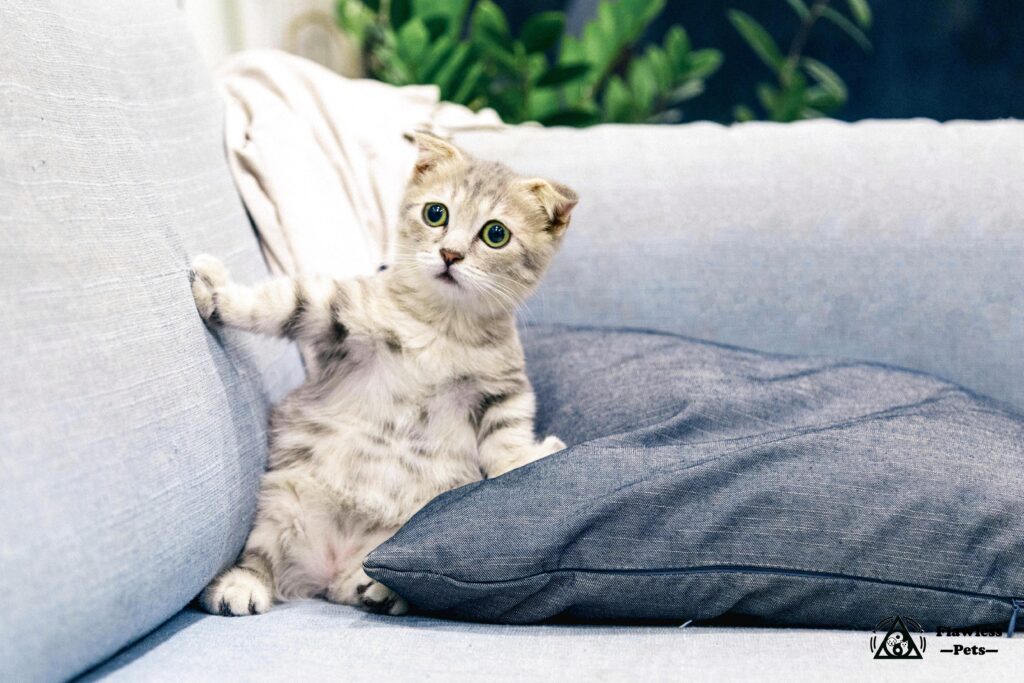
Like the Siamese, the Colorpoint Shorthair is famously vocal. They possess a distinctive voice that is often described as loud, raspy, or demanding, quite different from the typical feline meow. They use this voice frequently to communicate their needs, desires, opinions, and observations about the world. Expect conversations with your Colorpoint Shorthair – they will “talk” to you about their empty food bowl, the bird outside the window, your absence, their desire for playtime, or simply to greet you. While some find this constant chatter endearing, potential owners should be prepared for a highly communicative companion. Their vocalizations are not usually meaningless noise; they are attempts to engage and interact. Learning to understand their different tones can be part of the unique relationship you build with this breed.
Activity Levels and Playfulness
Colorpoint Shorthairs are energetic and playful cats, retaining a kitten-like enthusiasm well into adulthood. They love to run, jump, climb, and chase. Providing ample opportunities for physical activity is essential for their well-being. Tall cat trees or condos, scratching posts, and a variety of toys are necessary investments. Interactive play sessions using feather wands, laser pointers (used cautiously, always ending with catching a physical toy), or fishing pole toys are crucial for burning off energy and strengthening the bond with their owner. Their athletic build and high energy levels mean they appreciate vertical space and opportunities to explore. They often enjoy games of fetch and can be quite acrobatic in their play. Ensuring they have safe outlets for this energy prevents them from creating their own, potentially destructive, entertainment.
In summary, the Colorpoint Shorthair personality is a dynamic blend of high intelligence, deep affection, persistent communication, and boundless energy. They require a significant commitment of time and interaction from their owners but reward this investment with unwavering loyalty, entertaining antics, and a unique, engaging companionship unlike any other. They are not merely pets; they are active, vocal, loving members of the family.
Comprehensive Care Guide for Your Colorpoint Shorthair
Caring for a Colorpoint Shorthair involves meeting their specific physical and psychological needs. While relatively low-maintenance in terms of grooming compared to long-haired breeds, their high intelligence, energy, and social requirements demand dedicated attention.
Grooming Needs
The short, fine coat of the Colorpoint Shorthair requires minimal grooming. A weekly brushing session with a soft bristle brush or a grooming mitt is usually sufficient to remove loose hair, distribute skin oils, and keep the coat looking sleek and glossy. This also provides a good opportunity to check their skin for any abnormalities and strengthen your bond. Like most cats, they are fastidious self-groomers, but assisting them helps reduce hairball formation.
Beyond coat care, regular grooming routines should include:
- Nail Trimming: Trim their claws every few weeks as needed, using cat-specific nail clippers. This prevents nails from becoming overgrown, snagging on furniture, or causing discomfort. Providing scratching posts is also essential for nail health and natural scratching behavior.
- Dental Hygiene: Colorpoint Shorthairs, like Siamese, can be prone to dental issues such as gingivitis and periodontal disease (Cornell Feline Health Center, n.d.). Regular tooth brushing at home with cat-specific toothpaste is the gold standard for prevention. Dental treats or chews can supplement brushing but shouldn't replace it. Professional dental cleanings under anesthesia, as recommended by your veterinarian, are crucial for long-term oral health.
- Ear Cleaning: Check their large ears weekly for wax buildup or signs of infection (redness, odor, discharge). Clean only if necessary, using a vet-approved ear cleaner and cotton balls – never insert cotton swabs into the ear canal.
- Eye Care: Their almond-shaped eyes generally don't require special cleaning unless there's discharge. Gently wipe away any crusts from the corners with a soft, damp cloth if needed. Persistent tearing or discharge warrants a veterinary visit.
Diet and Nutrition
Providing a high-quality, balanced diet is fundamental to the health and longevity of your Colorpoint Shorthair. Choose a cat food that is appropriate for their age (kitten, adult, senior) and activity level. Key considerations include:
- Protein Content: As obligate carnivores, cats require a diet rich in animal-based protein. Look for foods where named meat sources (like chicken, turkey, fish) are listed as the primary ingredients.
- Wet vs. Dry Food: A combination of wet and dry food is often recommended. Wet food helps ensure adequate hydration (cats naturally have a low thirst drive) and can be beneficial for urinary tract health. Dry food can help with dental hygiene through mechanical abrasion, though brushing remains more effective.
- Portion Control: Colorpoint Shorthairs have a lean build but can become overweight if overfed, especially as they age or if less active. Follow feeding guidelines on the food packaging and adjust based on your cat's body condition score. Consult your veterinarian to determine the ideal weight and caloric intake for your specific cat.
- Fresh Water: Always provide access to fresh, clean water. Some cats prefer running water, so a cat water fountain might encourage better hydration.
- Treats: Offer treats in moderation, accounting for their calorie contribution to the daily total. Avoid giving human food, as many items can be toxic to cats.
Exercise and Environmental Enrichment
Meeting the high energy and intelligence needs of a Colorpoint Shorthair is crucial for preventing boredom and behavioral problems. This involves both physical exercise and mental stimulation.
- Interactive Play: Schedule daily interactive play sessions (10-15 minutes, multiple times a day) using engaging toys like feather wands, laser pointers (ending on a physical toy), or crinkle balls. This mimics hunting behavior and provides essential exercise.
- Vertical Space: These athletic cats love to climb. Provide tall cat trees, shelves, or window perches to satisfy this instinct and give them vantage points to observe their surroundings.
- Scratching Posts: Offer various scratching posts (vertical, horizontal, different materials like sisal rope or cardboard) placed strategically around the home. This allows them to stretch, mark territory, and maintain nail health.
- Puzzle Toys: Engage their sharp minds with food puzzles or treat-dispensing toys. These require them to figure out how to access the reward, providing mental stimulation and slowing down eating.
- Environmental Variety: Rotate toys to keep things interesting. Provide access to windows (securely screened) for bird watching. Consider supervised outdoor access in a secure enclosure (catio) or harness training for safe exploration. Even simple things like paper bags (handles removed) or cardboard boxes can provide novel entertainment. Finding unique accessories can sometimes offer new ways to enrich their environment, though always prioritize safety.
Litter Box Considerations
Maintain impeccable litter box hygiene, as cats are very particular about cleanliness.
- Number and Location: The general rule is one litter box per cat, plus one extra. Place boxes in quiet, easily accessible locations away from food and water bowls.
- Size and Type: Ensure the box is large enough for the cat to turn around comfortably. Most cats prefer unscented, clumping litter, but observe your cat's preference. Some may dislike covered boxes or automatic cleaners.
- Cleaning Routine: Scoop waste at least once daily, preferably twice. Completely empty, wash, and refill the box with fresh litter regularly (typically weekly or bi-weekly, depending on litter type and usage).
By addressing these comprehensive care aspects – grooming, nutrition, exercise, mental stimulation, and hygiene – you provide the foundation for a healthy, happy, and well-adjusted Colorpoint Shorthair companion.
Health Considerations and Lifespan
While generally a healthy breed, the Colorpoint Shorthair, sharing much of its genetic heritage with the Siamese, is predisposed to certain health conditions. Awareness of these potential issues allows owners to monitor their cats closely and work with their veterinarian for early detection and management.
Common Genetic Predispositions
Some health concerns are seen more frequently in Siamese and related breeds like the Colorpoint Shorthair compared to the general cat population. These can include:
- Dental and Gum Disease: As mentioned earlier, gingivitis and periodontal disease are common. Plaque and tartar buildup can lead to inflammation, infection, tooth loss, and potentially impact systemic health. Proactive dental care is essential (Cornell Feline Health Center, n.d.).
- Respiratory Issues: Some lines may be more susceptible to upper respiratory infections or chronic conditions like asthma. The characteristic wedge-shaped head, while aesthetically desired, could potentially contribute to minor respiratory sensitivities in some individuals, although this is more debated and less pronounced than in extreme flat-faced breeds.
- Certain Cancers: Studies have suggested that Siamese-related breeds might have a higher predisposition to certain types of cancers, such as mediastinal lymphoma (a cancer affecting the chest cavity, often seen in younger cats) and certain mast cell tumors (London et al., 1996). Regular veterinary check-ups are crucial for early detection of any suspicious lumps or changes.
- Progressive Retinal Atrophy (PRA): This is an inherited condition causing gradual degeneration of the retina, eventually leading to blindness. A specific form, rdAc-PRA, has been identified in Siamese-related breeds, including Colorpoints. Genetic testing is available, and reputable breeders should screen their breeding cats to avoid producing affected kittens (Menotti-Raymond et al., 2007).
- Amyloidosis: This is a condition where amyloid protein deposits build up in various organs, most commonly the liver or kidneys in Siamese-related breeds, potentially leading to organ failure. It can be challenging to diagnose and manage.
- Crossed Eyes (Convergent Strabismus) and Tail Kinks: While largely considered cosmetic faults according to modern breed standards and often bred away from, these traits linked to the Siamese heritage can still occasionally appear. Crossed eyes are related to the genetics of the albinism pathway affecting optic nerve development but typically don't significantly impair vision for a pet. Tail kinks are vertebral malformations. Neither usually impacts the cat's health as a companion pet, but they would disqualify a cat from shows.
- Obsessive-Compulsive Disorders (OCD): Some Siamese and related cats may exhibit compulsive behaviors like excessive grooming (leading to bald patches), wool sucking, or pica (eating non-food items). These behaviors often have underlying stress or anxiety components and require behavioral assessment and management, sometimes including environmental modification or medication (Overall, 1997).
It is crucial to understand that not every Colorpoint Shorthair will develop these conditions. Responsible breeding practices, including health screening of parent cats for known genetic issues like PRA, significantly reduce the risk. Choosing a kitten from a reputable breeder who is transparent about health testing is vital.
Preventive Veterinary Care
Regular veterinary care is the cornerstone of maintaining your Colorpoint Shorthair's health. This includes:
- Annual Wellness Exams: For adult cats, yearly check-ups allow the vet to perform a physical examination, discuss diet and behavior, update vaccinations as needed, and perform routine screening tests (like blood work or urinalysis, especially for senior cats). Kittens and senior cats typically require more frequent visits.
- Vaccinations: Core vaccines protect against common and serious feline diseases like Panleukopenia, Herpesvirus, and Calicivirus. Rabies vaccination is legally required in many areas. Non-core vaccines (like Feline Leukemia Virus – FeLV) may be recommended based on your cat's lifestyle and risk exposure. Discuss the appropriate vaccination schedule with your vet.
- Parasite Control: Regular prevention against fleas, ticks, heartworms (depending on geographic location), and intestinal parasites is essential. Your vet can recommend appropriate products.
- Spaying/Neutering: Spaying (females) or neutering (males) is crucial for preventing unwanted litters and reduces the risk of certain reproductive cancers and behavioral issues. This is typically done around 6 months of age.
- Microchipping: A microchip provides permanent identification if your cat ever gets lost.
Expected Lifespan
With proper care, a good diet, and regular veterinary attention, the Colorpoint Shorthair is generally a long-lived breed. Their average lifespan typically ranges from 12 to 17 years, with many individuals living well into their late teens or even early twenties. Providing a safe indoor environment, managing potential health predispositions proactively, and ensuring their mental and physical needs are met contribute significantly to their longevity.
Living with a Colorpoint Shorthair
Inviting a Colorpoint Shorthair into your home means welcoming a vibrant, interactive, and demanding personality. Understanding how they fit into different household dynamics is key to a harmonious relationship.
Suitability for Families and Children
Colorpoint Shorthairs can be excellent family pets, provided the environment is suitable. Their playful and affectionate nature often endears them to children who are taught how to interact respectfully with a cat. They usually enjoy the activity and attention that a busy household can provide. However, interactions between cats and young children should always be supervised. Children need to learn gentle handling, to recognize when the cat wants space, and not to tease or handle the cat roughly. Because Colorpoint Shorthairs are vocal and demanding, they will likely make their displeasure known if mistreated, but a positive introduction and respectful interactions usually lead to strong bonds. Their high energy levels often match well with older, active children who enjoy engaging in interactive play sessions.
Interaction with Other Pets
Due to their highly social nature, Colorpoint Shorthairs often appreciate the companionship of other pets, especially if left alone for parts of the day. They frequently do well with other cats, particularly if introduced properly and ideally when young. Another active, playful cat can be a great companion, helping to meet the Colorpoint's need for interaction and play.
They can also coexist peacefully with cat-friendly dogs, especially if raised together or introduced carefully and gradually. The key is the individual personalities of the animals involved and a slow, supervised introduction process. Ensure the cat always has escape routes and safe, high places to retreat to if feeling overwhelmed by a canine housemate. Small pets like rodents, birds, or fish should be kept securely housed, as the Colorpoint Shorthair retains a strong prey drive inherited from its ancestors.
Apartment Living Considerations
Colorpoint Shorthairs can adapt well to apartment living, provided their significant needs for exercise and mental stimulation are met. Their medium size and preference for being close to their humans make the physical space less critical than the quality of interaction and enrichment provided.
To make apartment life successful for a Colorpoint Shorthair:
- Maximize Vertical Space: Utilize tall cat trees, wall shelves, and window perches to expand their territory vertically.
- Commit to Playtime: Daily interactive play sessions are non-negotiable to burn energy and prevent boredom.
- Provide Enrichment: Use puzzle feeders, rotate toys frequently, create “cat TV” by placing bird feeders outside windows, and consider harness training for safe outdoor walks if feasible and desired.
- Manage Vocalization: Be mindful that their loud voices might be more noticeable in close quarters or potentially disturb neighbors. This is an inherent trait and not something easily trained away.
- Address Separation Anxiety: If you work long hours, apartment living might exacerbate their dislike of being alone. Consider getting a compatible feline companion or arranging for pet sitters or visitors if you have long absences.
In essence, a Colorpoint Shorthair can thrive in various living situations, from bustling family homes to smaller apartments, as long as their fundamental requirements for social interaction, mental engagement, and physical activity are consistently met by their dedicated owners.
Finding a Colorpoint Shorthair: Breeders and Rescue
Once you've decided that the intelligent, vocal, and affectionate Colorpoint Shorthair is the right companion for you, the next step is finding one. There are primarily two avenues: purchasing a kitten from a reputable breeder or adopting from a rescue organization or shelter.
Choosing a Reputable Breeder
Acquiring a kitten from a responsible breeder offers the advantage of knowing the kitten's lineage, health history, and early socialization experiences. However, finding a truly ethical breeder requires careful research.
Signs of a reputable Colorpoint Shorthair breeder include:
- Affiliation with Breed Clubs/Registries: They are often members of organizations like the Cat Fanciers' Association (CFA) or The International Cat Association (TICA) and adhere to their codes of ethics.
- Health Screening: They perform genetic testing on their breeding cats for known hereditary conditions relevant to the breed (e.g., PRA) and are transparent about the results. They should provide a health guarantee for their kittens.
- Knowledgeable and Passionate: They are deeply knowledgeable about the Colorpoint Shorthair breed standard, temperament, and health, and are happy to answer your questions thoroughly.
- Focus on Socialization: Kittens are raised underfoot in the home environment, exposed to typical household sights and sounds, and handled frequently to ensure they are well-socialized and confident.
- Keeps Kittens Until Appropriate Age: They do not let kittens go to new homes before 12-16 weeks of age, allowing sufficient time for weaning, socialization with littermates and mother, and initial vaccinations.
- Asks You Questions: A good breeder cares where their kittens go and will likely interview potential buyers to ensure a good match and a lifelong commitment.
- Allows Visits (or Virtual Tours): They welcome potential buyers to visit their cattery (or offer detailed virtual tours if distance is an issue) to see the conditions where the cats and kittens live and meet the parent cats (at least the queen/mother).
- Provides Documentation: They provide registration papers, a written contract, vaccination records, and health information.
- Limited Litters: They typically specialize in only one or two breeds and have a limited number of litters per year, focusing on quality over quantity.
Avoid breeders who seem evasive, keep animals in poor conditions, sell kittens younger than 12 weeks, don't perform health testing, or seem primarily motivated by profit (often associated with “kitten mills” or backyard breeders). Breed club websites (like CFA's breeder referral list) can be a starting point, but always do your own due diligence.
Adoption and Rescue Options
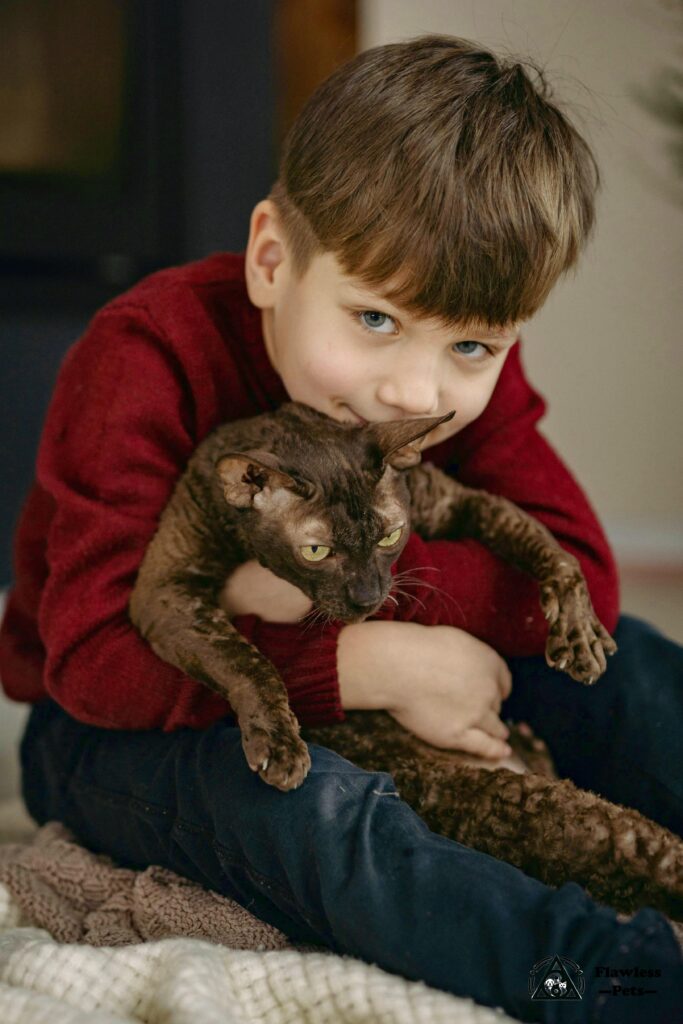
Adopting a Colorpoint Shorthair or a similar Siamese-mix cat from a shelter or breed-specific rescue organization is a rewarding alternative. Many wonderful cats end up in rescue through no fault of their own (e.g., owner allergies, relocation, changes in family circumstances).
Benefits of adoption include:
- Saving a Life: You are providing a loving home for a cat in need.
- Known Personality: Adult cats in rescue often have known personalities and temperaments, making it easier to find a cat whose character fits your lifestyle. Foster-based rescues can provide detailed insights into the cat's behavior in a home setting.
- Lower Cost: Adoption fees are typically much lower than the purchase price of a kitten from a breeder. These fees usually cover initial vetting, spaying/neutering, and microchipping.
- Support Network: Rescue organizations often provide ongoing support and advice to adopters.
You can search for adoptable Colorpoint Shorthairs or Siamese mixes on websites like Petfinder.com or Adoptapet.com, or look for Siamese-specific rescue groups in your region. Be prepared for an application process, as rescues also want to ensure their cats go to suitable, permanent homes. While you might not find a purebred kitten, you can find deserving adults or mixes exhibiting many of the wonderful Colorpoint traits.
Associated Costs of Ownership
Whether purchasing from a breeder or adopting, the initial acquisition cost is only the beginning. Owning a Colorpoint Shorthair involves ongoing expenses:
- Initial Cost: Breeder prices for a well-bred Colorpoint Shorthair kitten can range significantly, often from $800 to $2000 or more (as of 2025), depending on lineage, color, and breeder reputation. Adoption fees are typically $75 to $250.
- Food: High-quality cat food costs can range from $30 to $70+ per month, depending on type (wet/dry) and brand.
- Litter: Litter costs vary but might average $15 to $30 per month.
- Veterinary Care: Budget for annual check-ups, vaccinations, parasite prevention ($200-$500+ per year). Factor in potential costs for dental cleanings ($300-$800+) and emergencies or unexpected illnesses, which can run into thousands. Pet insurance is a consideration for many owners.
- Grooming Supplies: Brushes, nail clippers, toothpaste ($20-$50 initial).
- Enrichment: Toys, scratching posts, cat trees, puzzle feeders ($50-$200+ initial, plus ongoing replacement/additions). Consider exploring specialized supplies for unique enrichment options, always ensuring pet safety.
- Other: Pet sitting or boarding if you travel, potential professional grooming, replacement items.
Owning a Colorpoint Shorthair is a significant financial and time commitment. Thoroughly researching breeders or rescue options and understanding the ongoing costs ensures you are fully prepared to provide a loving, responsible, and lifelong home for this remarkable breed.
Understanding Colorpoint Genetics
The beautiful pointed pattern of the Colorpoint Shorthair, like the Siamese, is a fascinating example of genetics at work. It's a form of partial albinism controlled by specific genes interacting with temperature.
The key players are:
- The Tyrosinase Gene (TYR): The foundation of the pointed pattern lies in a mutation within the TYR gene. Tyrosinase is an enzyme crucial for producing melanin, the pigment responsible for color in skin and fur. In pointed cats, the mutation results in a temperature-sensitive form of tyrosinase.
- Temperature Sensitivity: This mutated enzyme functions poorly at normal body temperature but works more effectively in cooler areas. Consequently, melanin production is significantly reduced across the warmer torso, resulting in a light body color. However, in the cooler extremities – the ears, face (mask), paws, and tail – the enzyme is more active, producing pigment and creating the darker “points” (Lyons et al., 2005). This is why kittens are born almost entirely white; the womb's uniform warmth prevents pigment production. The points gradually develop color as the kitten experiences cooler ambient temperatures after birth.
- Base Color Genes (B/b/bl): These genes determine the underlying dark color that will be expressed in the points. The ‘B' allele produces black pigment (resulting in Seal Points). The ‘b' allele modifies black to chocolate (Chocolate Points). The ‘bl‘ allele further modifies black to cinnamon (though cinnamon points are not typically part of the Colorpoint Shorthair standard, they exist in related breeds). Seal is dominant over chocolate.
- Dilution Gene (D/d): The ‘D' allele allows for full color expression. The recessive ‘d' allele dilutes the base color. When present in homozygous form (dd), it turns Seal Point into Blue Point, and Chocolate Point into Lilac Point. It also turns Red Point into Cream Point.
- Orange Gene (O/o): This gene is located on the X chromosome, making its inheritance sex-linked. The ‘O' allele switches pigment production from eumelanin (black/brown pigment) to phaeomelanin (red/yellow pigment). The ‘o' allele allows eumelanin production. This gene is responsible for Red and Cream Points. Because males (XY) only have one X chromosome, they are either red/cream (‘O' allele) or not ( ‘o' allele). Females (XX) can have two ‘o' alleles (eumelanin based, e.g., Seal), two ‘O' alleles (Red/Cream), or one ‘O' and one ‘o' allele. This ‘Oo' combination results in tortoiseshell (Tortie) patterns, where patches of red/cream are interspersed with the eumelanin-based color (e.g., Seal-Tortie, Blue-Cream).
- Agouti Gene (A/a): The Agouti gene controls whether the tabby pattern is expressed. The dominant ‘A' allele allows the underlying tabby pattern stripes to show (creating Lynx Points). The recessive ‘a' allele results in a solid (non-agouti) color distribution within the points. Even non-agouti cats carry a tabby pattern genetically, but the ‘aa' genotype typically prevents it from being visible, except sometimes as faint “ghost markings,” especially in kittens or on red/cream points.
Therefore, a specific Colorpoint Shorthair's appearance, like a Seal Lynx Point, is the result of the interplay of these genes: the temperature-sensitive albinism mutation (defining it as pointed), the ‘B' allele for black-based pigment, the dominant ‘A' allele allowing tabby expression, and likely the dominant ‘D' allele for non-dilute color. A Lilac-Cream Point female, conversely, would have the pointed mutation, the ‘b' allele (for chocolate base), the homozygous recessive ‘dd' for dilution (making chocolate into lilac), and be heterozygous ‘Oo' for the orange gene (creating tortie patches of lilac and cream). It's a complex but elegant system that produces the wide array of beautiful patterns seen in the breed.
Frequently Asked Questions (FAQ)
- 1. Are Colorpoint Shorthair cats hypoallergenic?
- No cat breed is truly hypoallergenic, including the Colorpoint Shorthair. Allergies are typically triggered by proteins found in a cat's saliva, skin glands (dander), and urine (e.g., Fel d 1 protein), not by the fur itself. While Colorpoint Shorthairs have short coats that shed less than some breeds, they still produce these allergens. Individuals with allergies may react differently to various cats, but this breed is not considered a hypoallergenic option. Spending time with the breed before committing is recommended for allergy sufferers.
- 2. How much attention do Colorpoint Shorthairs need?
- Colorpoint Shorthairs require a significant amount of attention and social interaction. They are not independent cats content to be left alone for long hours. They thrive on companionship, wanting to be involved in their owner's activities, receive affection, and engage in interactive play daily. Potential owners should be prepared to dedicate considerable time to interacting with their Colorpoint Shorthair to keep them happy and prevent loneliness or boredom-related behavioral issues.
- 3. Are Colorpoint Shorthairs good lap cats?
- Yes, many Colorpoint Shorthairs are affectionate lap cats, but often on their own terms. While they crave closeness and will seek out laps, shoulders, or adjacent seating, they are also very active. Expect periods of intense playfulness and exploration interspersed with cuddle sessions. They enjoy physical contact but balance it with a need for activity and environmental engagement.
- 4. How vocal are Colorpoint Shorthairs compared to Siamese?
- Colorpoint Shorthairs are generally just as vocal as Siamese cats, possessing the same characteristic loud and distinctive voice. They use their voice frequently to communicate a wide range of needs and observations. If you are looking for a quiet cat breed, the Colorpoint Shorthair (or the Siamese) is likely not the best fit. Their vocal nature is an integral part of their expressive personality.
- 5. What is the difference between a Colorpoint Shorthair and a Balinese or Javanese cat?
- The primary difference is coat length. The Colorpoint Shorthair is essentially a Siamese-type cat with an expanded color range and a short coat. The Balinese is a long-haired version of the traditional four-color Siamese (Seal, Chocolate, Blue, Lilac Point). The Javanese (according to CFA classification) is the long-haired version of the Colorpoint Shorthair, meaning it has the Siamese body type, a long coat, and the expanded color range (Red, Cream, Lynx, Tortie Points). So, Colorpoint Shorthair = short coat, expanded colors; Balinese = long coat, traditional four colors; Javanese = long coat, expanded colors. Note that TICA groups both Balinese and Javanese under the Balinese breed.
- 6. Do Colorpoint Shorthairs get along with dogs?
- Many Colorpoint Shorthairs can get along well with cat-friendly dogs, especially if introduced carefully and ideally from a young age. Their bold and social nature can sometimes make them less intimidated by dogs than more timid breeds. Success depends on the individual temperaments of both the cat and the dog, and requires supervised, gradual introductions, ensuring the cat always has safe escape routes and high places to retreat to. Patience and positive reinforcement are key to fostering a peaceful interspecies relationship.
References
Note: This list includes resources consulted for general breed information and specific points. Direct citations for widely accepted breed standard information are often linked to the relevant organizations.
- Cat Fanciers' Association (CFA). (n.d.). About the Colorpoint Shorthair. Retrieved January 15, 2025, from https://cfa.org/colorpoint-shorthair/
- Cat Fanciers' Association (CFA). (2019). Colorpoint Shorthair Breed Standard. Retrieved January 15, 2025, from https://cfa.org/wp-content/uploads/2019/06/colorpoint-shorthair-standard.pdf
- Cornell Feline Health Center. (n.d.). Periodontal Disease. Cornell University College of Veterinary Medicine. Retrieved January 15, 2025, from https://www.vet.cornell.edu/departments-centers-and-institutes/cornell-feline-health-center/health-information/feline-health-topics/periodontal-disease
- Governing Council of the Cat Fancy (GCCF). (n.d.). Siamese Breeding Policy. Retrieved January 15, 2025, from https://www.gccfcats.org/Breeding-Info/Breeding-Policies (Note: GCCF includes various point colors under Siamese)
- London, C. A., Dubilzeig, R. R., Vail, D. M., Ogilvie, G. K., Hahn, K. A., Brewer, W. G., … & Klausner, J. S. (1996). Retrospective evaluation of 52 cases of feline mast cell tumors. Journal of the American Veterinary Medical Association, 208(11), 1876-1880. (Illustrates breed predispositions, though access may require subscription)
- Lyons, L. A., Imes, D. L., Rah, H. C., & Grahn, R. A. (2005). Tyrosinase mutations associated with Siamese and Burmese patterns in the domestic cat (Felis catus). Animal Genetics, 36(2), 119-126. https://doi.org/10.1111/j.1365-2052.2005.01253.x
- Menotti-Raymond, M., Deckman, K. H., David, V., Myrick, L. C., O'Brien, S. J., & Narfström, K. (2007). Mutation in CEP290 discovered for cat model of human retinal degeneration. Journal of Heredity, 98(3), 211-220. https://doi.org/10.1093/jhered/esm019
- Overall, K. L. (1997). Clinical behavioral medicine for small animals. Mosby. (General veterinary behavior resource discussing conditions like OCD).
- The International Cat Association (TICA). (n.d.). Siamese Breed Standard. Retrieved January 15, 2025, from https://tica.org/breeds/browse-all-breeds?view=article&id=881:siamese-breed&catid=79 (Note: TICA includes various point colors under Siamese)
- VCA Hospitals. (n.d.). Siamese Cat Breed. Retrieved January 15, 2025, from https://vcahospitals.com/know-your-pet/cat-breeds/siamese (Provides general health insights relevant to related breeds).
Disclaimer: The information provided in this blog post is for educational and informational purposes only. It is not intended as professional veterinary advice. Always consult with a qualified veterinarian for your pet's specific needs and health conditions. We strive to ensure accuracy, but we make no warranty as to the reliability or completeness of the information presented.
Images and media used in this post may come from free-license resources or the internet. If you are the rightful owner and wish to request removal or attribution, please contact us at [email protected] .
Images and media used in this post may come from free-license resources or the internet. If you are the rightful owner and wish to request removal or attribution, please contact us at [email protected] .







 English
  简体中文
简体中文  Français du Canada
  Deutsch
  Español
  Português
  한국어
한국어  日本語
日本語  Italiano
  Русский
  Dansk
Dansk  Nederlands
  Svenska
  Suomi
Suomi  Polski
  Norsk bokmål