
A Tale of Two Continents: The History and Origin of the European Burmese Cat
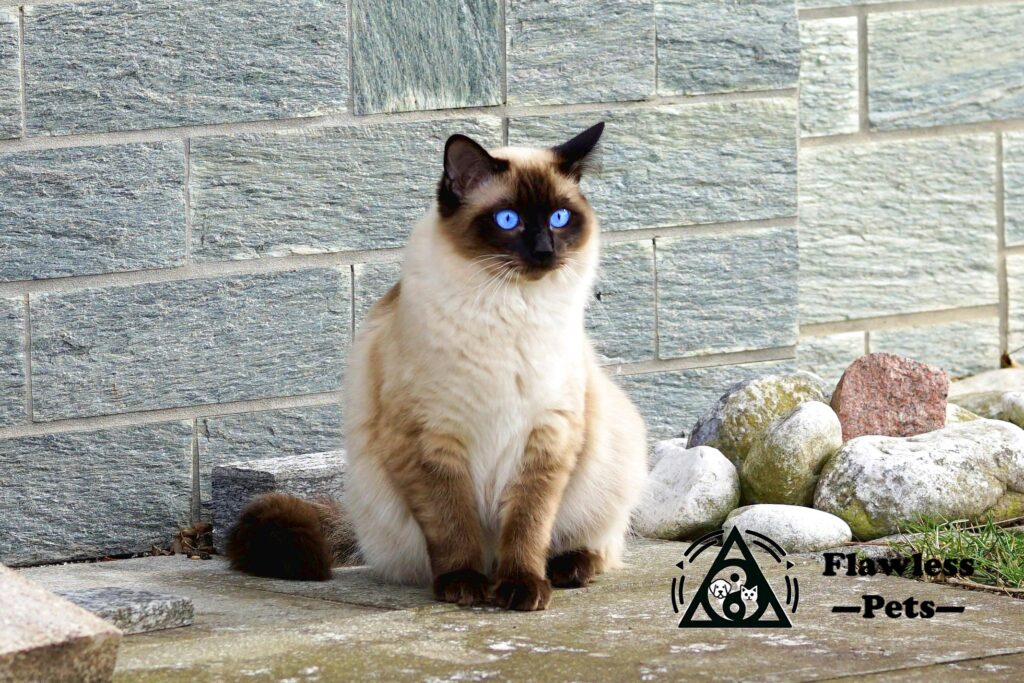
The story of the Burmese cat, and subsequently the distinct European Burmese cat, is a fascinating journey that begins not in Europe, but in Southeast Asia and traverses across the Pacific to America before branching out. Understanding this history is key to appreciating the nuances that define the European Burmese as a unique feline companion. The foundation female for the entire Burmese breed recognised in the West was a small, walnut-brown cat named Wong Mau, imported from the region of Burma (modern-day Myanmar) to San Francisco in 1930 by Dr. Joseph C. Thompson (Joseph C. Thompson, 1943, as cited in Eizirik et al., 2008). Wong Mau was not a Burmese cat as we know them today; genetic analysis later suggested she was likely a hybrid, possibly between a Siamese and a native Burmese type cat, carrying the gene responsible for the distinctive sepia colouring.
-
-23%

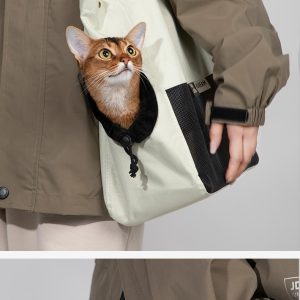
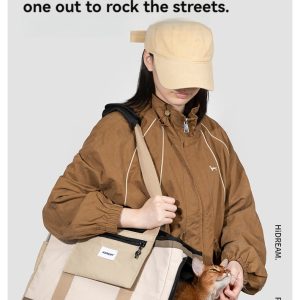
HiDream Color-Block Shoulder Pet Travel Bag – Stylish and Lightweight Carrier for Small Pets – Almond, Matcha
Original price was: $109.99.$84.99Current price is: $84.99. -
-14%
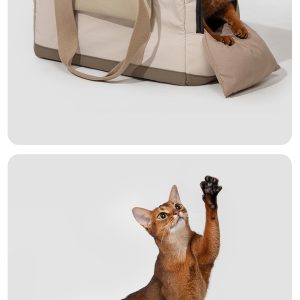
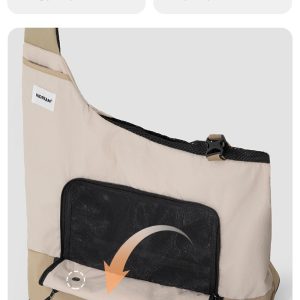
HiDream Pet Tote Bag – Relaxed Style Carrier for Small Pets – Durable Nylon with Breathable Mesh – Beige, Green, Gray
Original price was: $109.99.$94.59Current price is: $94.59. -
-12%
HiDream Pet Sling Carrier Bag – Adjustable Shoulder Strap Front Carry Bag for Small Pets – Khaki, Green, Gray
Original price was: $99.99.$88.49Current price is: $88.49.

Dr. Thompson, along with dedicated breeders Virginia Cobb (Newton Cattery) and Billie Gerst (Gerstdale Cattery), and geneticist Dr. Clyde E. Keeler, embarked on a breeding program to isolate and establish the unique characteristics Wong Mau presented. Initially, Wong Mau was bred with Siamese cats, specifically Seal Points, as no similar male was available. These matings produced kittens of three colour types: Siamese-pointed, Wong Mau's intermediate brown colour, and a darker, solid brown reminiscent of what would become the Burmese standard (Committee on Medical Genetics, 1999). Through careful selective breeding, focusing on mating the darker brown offspring back to Wong Mau and then amongst themselves, they aimed to consistently produce the solid, rich brown phenotype. This led to the establishment of the Burmese breed in the United States, with the Cat Fanciers' Association (CFA) granting recognition in 1936.
However, the breed's early popularity led to challenges. Demand outstripped the supply of purebred Burmese, leading to increased hybridization, particularly with Siamese cats, to expand the gene pool quickly. This resulted in cats that diluted the desired type, causing the CFA to suspend registration for the breed between 1947 and 1953, demanding breeders demonstrate three generations of pure Burmese-to-Burmese breeding to re-establish the breed's integrity (CFA, n.d.).
The divergence that led to the European Burmese cat began when Burmese cats were imported into the United Kingdom from America in 1949. The initial imports included cats closer to the original foundation lines. British breeders, under the auspices of the Governing Council of the Cat Fancy (GCCF), developed a different vision for the breed compared to their American counterparts. While American breeders increasingly favoured a more compact, heavy-boned body, a rounder head, shorter muzzle, and rounder eyes (often referred to as the “contemporary” American Burmese), British and subsequently European breeders preferred a more moderate, elegant, and less extreme type. They aimed for a cat that was medium-sized with a gently rounded wedge-shaped head, large expressive eyes set well apart, and a more slender, athletic, yet still muscular build (GCCF, n.d.). This European standard arguably remained closer to the appearance of the early foundation Burmese cats imported from the US before the significant shift in American type occurred.
Furthermore, European breeders, particularly in the UK, were more adventurous with colour development. While the American standard initially focused heavily on the original rich brown (sable), European breeders embraced and developed a wider palette of colours, including blue, chocolate, lilac, red, cream, and tortoiseshell variations, all exhibiting the characteristic Burmese sepia pattern where the points are subtly darker than the body. These colours gained recognition much earlier in European registries like the GCCF and FIFe (Fédération Internationale Féline) than in the US (FIFe, n.d.).
This divergence in breeding goals and accepted colours, maintained over decades across different continents and under separate registering bodies with distinct standards, solidified the existence of two types of Burmese: the American Burmese and the European Burmese cat. Today, they are often considered distinct breeds by various organisations or, at the very least, significantly different types under the same breed umbrella. An enthusiast looking for a European Burmese cat is seeking a feline with specific physical and aesthetic qualities shaped by this unique European breeding history, favouring elegance and moderation over the cobbier American style. The development reflects differing aesthetic preferences and breeding philosophies that took root once the foundation cats arrived on British soil, creating the graceful and engaging companion we recognise today. It's a testament to how human preference and geographical separation can shape the evolution of a domestic animal breed from a common ancestor.
Defining Elegance: The Distinct Appearance of the European Burmese Cat
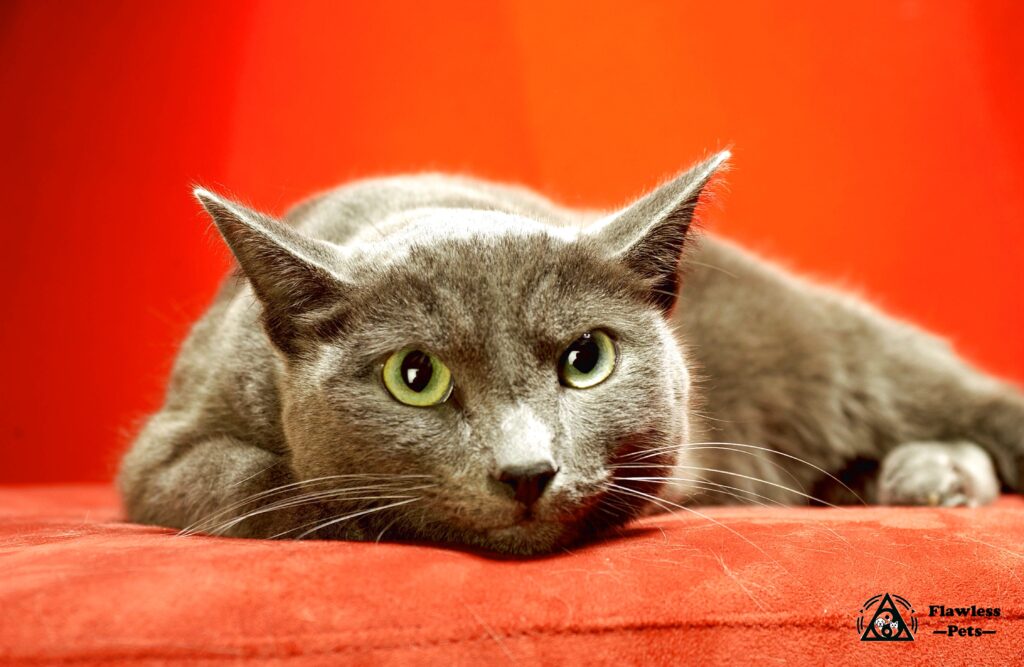
The European Burmese cat is the epitome of feline elegance combined with gentle strength. Unlike its American cousin, its aesthetic is one of moderation, grace, and expressive features, adhering to standards set by major European registries like GCCF and FIFe. Understanding these physical traits is crucial for anyone considering welcoming this breed into their home.
The head of the European Burmese cat is perhaps its most defining feature when compared to the American type. It is described as a short or moderate wedge, gently rounded in its contours. Viewed from the front, it should present a pleasing shape, wider at the cheekbones and tapering slightly towards a blunt muzzle. There should be a visible, but not overly pronounced, nose break in profile. The top of the head between the ears is typically broad and slightly rounded. This contrasts sharply with the American Burmese standard, which calls for a distinctly rounded head with a short muzzle and a noticeable nose break (often referred to as “contemporary” style) (CFA, n.d.; GCCF, n.d.). The chin should be firm, aligning vertically with the tip of the nose, contributing to the balanced profile.
Eyes are another key differentiator. The European Burmese cat boasts large, luminous eyes that are set wide apart. The top line of the eye slants distinctively towards the nose (often described as an “oriental slant” though less extreme than in Siamese or Orientals), while the lower line is rounded. This unique setting and shape give the breed its characteristic expressive, slightly “worried” or “sweet” look that captivates enthusiasts. Eye colour is a critical feature: it should be lustrous and bright, ranging from yellow to deep gold. Rich, deep golden eyes are particularly prized, adding warmth and depth to the cat's expression. Green eyes are considered a fault (FIFe, n.d.).
Ears on the European Burmese cat are medium in size, set well apart, continuing the upper line of the facial wedge. They are broad at the base with slightly rounded tips and tilt slightly forward, contributing to an alert and intelligent appearance. They should not be excessively large like those of an Oriental Shorthair, nor too small or low-set.
Moving to the body, the European Burmese cat presents a picture of hard, muscular condition without bulkiness. It is a medium-sized cat, surprisingly heavy for its size due to its muscle density, often described as a “brick wrapped in silk.” The body is elegant and athletic, neither cobby like the American Burmese nor svelte like the Siamese. It should feel firm and well-toned. The chest is strong and rounded when viewed from the front, and the back is level from shoulder to rump. The legs are relatively slender and in proportion to the body, ending in neat, oval paws. The tail is straight, medium in length, not thick at the base but tapering slightly to a rounded tip – neither whippy nor overly heavy.
The coat of the European Burmese cat is one of its glories. It is very short, fine, glossy, and lies close to the body, possessing a satin-like texture that is incredibly soft to the touch. There should be very little undercoat. This sleek coat accentuates the cat's musculature and elegant lines. While the original colour is a rich, warm brown (known as Brown in Europe, equivalent to Sable in the US), the European standard recognises a beautiful array of ten colours: Brown, Blue (a soft, silver-grey), Chocolate (a warm, milk-chocolate shade), Lilac (a pale, dove-grey with a pinkish tinge), Red (a warm, tangerine orange), Cream (a pale, apricot buff), and four Tortoiseshell varieties (Brown Tortie, Blue Tortie, Chocolate Tortie, Lilac Tortie). In all colours, there is a subtle graduation of shade, with the points (mask, ears, legs, tail) being slightly darker than the main body colour, though the contrast is less pronounced than in pointed breeds like the Siamese. The coat colour often deepens and richens as the cat matures (GCCF, n.d.).
Overall, the impression of a European Burmese cat is one of balance, elegance, and subtle power. It is a cat whose physical attributes reflect its engaging and active personality – alert, intelligent, and gracefully athletic. The combination of the distinctive head shape, expressive eyes, sleek coat, and range of colours makes it instantly recognisable to those familiar with the breed standard upheld by European registries.
European vs. American Burmese: A Comparative Glance
While sharing a common ancestor, Wong Mau, the European Burmese and American Burmese have evolved along distinct paths due to differing breed standards favoured by registries on opposite sides of the Atlantic. Understanding these differences is key for potential owners and enthusiasts. The following table highlights the main distinguishing features:
| Feature | European Burmese (GCCF/FIFe Standard) | American Burmese (CFA Standard – often “Contemporary”) |
|---|---|---|
| Overall Impression | Elegant, moderate, athletic | Compact, rounded, cobby |
| Head Shape | Moderate wedge with rounded contours; top of head slightly rounded. | Distinctly rounded head, full face, short muzzle. |
| Muzzle | Moderate length, blunt finish. | Noticeably short and broad. |
| Nose Profile | Slight nose break visible. | Often a distinct “stop” or pronounced nose break. |
| Eyes | Large, set wide apart. Top line slanted towards nose, bottom line rounded. Expressive. | Large, round, set wide apart. Expressive, sometimes described as “sweet”. |
| Eye Color | Yellow to gold; deep gold preferred. | Yellow to gold; greater brilliance preferred. |
| Ears | Medium size, set well apart, broad base, rounded tips, slight forward tilt. | Medium size, set well apart, rounded tips, sometimes appear smaller relative to the round head. |
| Body | Medium size and length, elegant yet muscular, surprisingly heavy. Chest strong and rounded. | Medium size, compact and muscular, heavy boning. Broad, rounded chest. |
| Slender legs in proportion; neat, oval paws. | Substantial boning, legs in proportion to compact body; round paws. | |
| Tail | Medium length, straight, tapering slightly to a rounded tip. | Medium length, straight, generally thicker than European type, tapering to a rounded tip. |
| Coat | Very short, fine, satin-like texture, glossy, close-lying. Little undercoat. | Short, fine, glossy, satin-like texture, close-lying. |
| Recognized Colors (Examples) | Brown (Sable), Blue, Chocolate, Lilac, Red, Cream, Tortoiseshells (Brown, Blue, Chocolate, Lilac). (Total 10 recognized by GCCF/FIFe). | Sable (Brown), Champagne (Chocolate), Blue, Platinum (Lilac). (Fewer colours traditionally recognised by CFA, though acceptance may evolve). |
| Temperament | Highly intelligent, active, playful, affectionate, people-oriented, vocal. | Affectionate, people-oriented, playful, perhaps slightly more laid-back than some European lines but still active. |
Note: Temperament can vary individually regardless of type, but both are known for being highly social and interactive cats. The distinctions listed are based on ideal breed standards; individual cats may vary. Furthermore, some breeders may work with lines that bridge the gap between the two types, sometimes referred to as “traditional” Burmese in the US, which may resemble the European standard more closely than the “contemporary” American standard.
The Heart of a Companion: Temperament and Personality
Beyond its elegant appearance, the European Burmese cat is perhaps most cherished for its exceptional temperament. Often described as possessing an almost “dog-like” devotion and a “human-like” intelligence, this breed forms incredibly strong bonds with its people and thrives on interaction and affection. Understanding their personality is paramount for anyone considering bringing one into their life, as their social needs are significant.
Intelligence is a hallmark of the European Burmese cat. They are quick learners, curious explorers, and adept problem-solvers. This intelligence manifests in various ways: they can learn tricks, figure out how to open doors or cabinets (child-proof latches are often recommended!), and quickly understand household routines. Their curiosity means they want to be involved in everything their humans are doing, whether it's “helping” with work at the computer, supervising cooking, or inspecting grocery bags. This intelligence also means they require mental stimulation to prevent boredom, which can lead to mischief if their needs aren't met.
Affection and sociability are deeply ingrained in the breed. European Burmese cats are true companions who crave physical closeness and emotional connection with their families. They are known for being lap cats when they choose to settle, purring contentedly and often “kneading” with their paws. They frequently follow their favourite people from room to room, wanting to be part of the action and offering their opinions with soft, sometimes surprisingly deep or rumbling, vocalizations. Unlike some more independent breeds, the European Burmese cat generally does not do well if left alone for long hours regularly. They thrive in households where someone is often home or where they have another feline or even canine companion to interact with. Loneliness can lead to stress, anxiety, or depression in this highly social breed (Overall, 1997).
Playfulness is another key characteristic that endures well into adulthood. European Burmese cats retain a kitten-like zest for life and enjoy interactive games immensely. Feather wands, laser pointers (used responsibly, ending with a “catch”), crinkle balls, and puzzle toys are usually big hits. Their athletic build means they enjoy climbing and exploring vertical spaces, so providing cat trees or shelves is highly recommended. Their playful nature is often gentle; while energetic, they are typically careful with their claws during play with humans, especially if taught boundaries from a young age. They enjoy games of fetch and can be quite persistent in initiating playtime when they feel neglected.
Their interaction style is often described as charmingly demanding or persistent. A European Burmese cat knows what it wants – whether it's attention, food, or playtime – and isn't shy about letting you know. They might gently pat your arm, rub against your legs insistently, or use their voice to communicate their desires. While vocal, their meows are generally softer and sweeter than those of their Siamese relatives, though they can have a range of sounds. They are typically good with children who have been taught to interact respectfully with animals, and they often get along well with other pets, especially if introduced properly. Their confidence and sociability usually make them welcoming towards visitors, rather than hiding away.
It's important to remember that while these traits are typical, individual personalities can vary. However, the core characteristics of high intelligence, deep affection, strong social needs, and enduring playfulness are consistently reported by breeders and owners of the European Burmese cat. They are not merely pets; they become integral, interactive members of the family, offering companionship, entertainment, and unwavering loyalty. Potential owners must be prepared to invest time and emotional energy into meeting the social and mental needs of this exceptional breed. The reward is a deeply fulfilling relationship with a truly captivating feline friend. For those looking for unique pet accessories or perhaps special deals for their companions, you might want to discover special deals through partner sites.
Living with a European Burmese: Environment and Social Needs
Creating the right environment and understanding the social dynamics are crucial for the well-being of a European Burmese cat. Given their intelligence, energy levels, and profound need for companionship, prospective owners must be prepared to cater to their specific requirements to ensure a happy and harmonious life together.
Firstly, the home environment needs to be stimulating and safe. European Burmese are naturally curious and athletic, enjoying exploration and vertical movement. Providing tall, sturdy cat trees or installing cat shelves allows them to survey their domain from above and satisfies their climbing instincts. Window perches are also highly valued, offering “cat TV” entertainment as they watch birds, people, and the world outside. Because of their intelligence and problem-solving skills, ensuring the environment is safe is paramount. Cabinets containing cleaning supplies, medications, or human foods toxic to cats (like chocolate, onions, garlic) should be secured, potentially with child-proof latches. Electrical cords might need protection, as some cats may chew them out of boredom or curiosity. Ensure window screens are secure, especially in upper-story apartments, as their curiosity could lead to dangerous situations.
The most critical environmental factor, however, is social interaction. The European Burmese cat is not suited to a solitary existence where family members are out of the house for 8-10 hours every day. They thrive on interaction and can become lonely, bored, and stressed if left alone for extended periods. This can manifest in undesirable behaviours such as excessive vocalization, destructive scratching or chewing, over-grooming, or even depression and withdrawal (Bradshaw et al., 2012). For individuals or families who work long hours, considering a pair of European Burmese kittens (often littermates) is an excellent solution. Having a built-in companion provides social interaction, play opportunities, and mutual grooming, significantly mitigating loneliness. Alternatively, introducing a compatible feline friend of another breed or even a cat-friendly dog can work well, provided introductions are handled carefully and patiently.
Daily interaction with human family members is non-negotiable. This doesn't just mean petting them when they happen to be nearby; it involves dedicated playtime, conversation (they often seem to listen and respond!), grooming sessions, and lap time. Engaging them with interactive toys like feather wands or puzzle feeders provides both physical exercise and mental stimulation. Even just having them “help” with household chores by following you around and supervising provides valuable social contact for a European Burmese cat. They need to feel like involved members of the family.
Introducing a European Burmese cat into a home with existing pets or children requires thoughtful management. Their generally confident and sociable nature often helps, but gradual introductions are always best. Allow the new cat its own safe room initially, gradually introducing scents and then supervised visual contact with other pets. With children, it's essential to teach them how to interact gently and respectfully – supporting the cat's body when holding it, avoiding tail pulling or rough play, and recognizing signs that the cat wants space (like flattened ears or a twitching tail). Because European Burmese are generally patient and affectionate, they often form strong bonds with children who treat them kindly.
Noise levels and household activity can also be a factor. While adaptable, a constantly chaotic or excessively loud environment might be stressful for some cats. However, their curious and involved nature often means they adapt well to busy households, preferring it to being left alone in silence. Ultimately, the ideal home for a European Burmese cat is one filled with love, attention, and opportunities for engagement, where their social and mental needs are understood and prioritized. They repay this investment with unparalleled companionship and affection.
Caring for Your European Burmese Cat
Owning a European Burmese cat is a rewarding experience, and providing appropriate care ensures they live a long, healthy, and happy life. Their care involves attention to diet, grooming, exercise, and mental well-being, reflecting their unique physical and temperamental traits.
Diet and Nutrition
Providing a high-quality, balanced diet is fundamental to the health of any cat, and the muscular, active European Burmese cat is no exception. As obligate carnivores, cats require a diet high in animal protein, moderate in fat, and very low in carbohydrates (Zoran, 2002). Look for commercially prepared cat foods (wet, dry, or a combination) that list a specific meat source (like chicken, turkey, fish, beef) as the first one or two ingredients. Avoid foods that contain excessive fillers like corn, wheat, or soy, or artificial colours and preservatives.
Many breeders and veterinarians recommend incorporating wet food into the diet. Wet food has a high moisture content, which helps ensure adequate hydration – crucial for kidney and urinary tract health, areas where cats can sometimes be prone to issues. It often contains higher protein levels and fewer carbohydrates compared to dry kibble. Dry food can be convenient for free-feeding (though portion control is important to prevent obesity) and can have some dental benefits, although brushing is more effective for dental hygiene. A combination of scheduled wet food meals and potentially a small amount of high-quality dry food available can work well for many European Burmese cat individuals.
Portion control is essential. Despite their activity levels, European Burmese can become overweight if overfed, especially after neutering or as they age. Follow the feeding guidelines on the food packaging as a starting point, but adjust based on your cat's age, activity level, and body condition. You should be able to easily feel their ribs under a thin layer of fat, and they should have a visible waistline when viewed from above. Consult your veterinarian if you are unsure about the appropriate amount or type of food for your cat.
Always ensure fresh, clean water is available. Some cats prefer running water, so a pet fountain might encourage better hydration. Monitor your cat's eating habits and consult your vet if you notice sudden changes in appetite or weight.
Grooming Needs
One of the easier aspects of caring for a European Burmese cat is grooming, thanks to their short, sleek, close-lying coat with minimal undercoat. They are naturally fastidious groomers themselves. However, regular grooming sessions offer benefits beyond just coat maintenance. A weekly brushing with a soft bristle brush, a rubber grooming mitt, or even just stroking with a damp cloth helps remove loose hair (reducing shedding and potential hairballs) and distributes skin oils, enhancing the coat's natural gloss and satin texture. These sessions also provide an excellent opportunity to bond with your cat and check for any lumps, bumps, parasites, or skin issues.
Beyond coat care, routine grooming should include:
- Nail Trimming: Trim claws every few weeks as needed using sharp cat nail clippers. This prevents nails from becoming overgrown, snagging on furniture, or becoming uncomfortable. Introduce nail trimming gradually and positively from a young age.
- Dental Hygiene: Dental health is crucial for overall well-being. Ideally, brush your cat's teeth regularly (daily or several times a week) using cat-specific toothpaste and a soft brush. Dental treats or specific diets can help, but brushing is the gold standard (Logan et al., 2010). Regular veterinary dental check-ups and cleanings are also important.
- Ear Checks: Periodically check the ears for cleanliness. If they look dirty, wipe the outer ear gently with a cotton ball dampened with a vet-approved ear cleaner. Never insert anything into the ear canal. Redness, discharge, or a bad odour warrants a veterinary visit.
- Eye Care: European Burmese eyes are generally trouble-free, but occasional gentle wiping of the corners with a damp cloth may be needed to remove slight discharge. Any significant redness, swelling, or coloured discharge needs veterinary attention.
Exercise and Play
The athletic and playful nature of the European Burmese cat means regular exercise is vital for both physical health and mental well-being. While they will engage in spontaneous bursts of activity, structured playtime is essential, especially for indoor cats. Aim for at least two interactive play sessions per day, ideally 10-15 minutes each. Use toys that mimic hunting behaviours, such as feather wands, fishing pole toys, or laser pointers (always end a laser session by letting the cat “catch” a physical toy to avoid frustration).
Rotate toys to keep things interesting. Puzzle feeders, which require the cat to work for their food or treats, provide both mental and physical activity. Cat trees and climbing structures encourage natural behaviours like climbing and jumping. Simple things like crumpled paper balls or bottle caps can also provide amusement. Play not only burns calories and maintains muscle tone but also strengthens the bond between you and your European Burmese cat and prevents boredom-related behavioural issues.
Mental Stimulation
Given their high intelligence, mental enrichment is just as important as physical exercise for a European Burmese cat. Boredom can lead to stress and unwanted behaviours. Provide a stimulating environment with opportunities for exploration and problem-solving. Puzzle toys and feeders are excellent tools. Clicker training can be very effective with this intelligent breed; you can teach them simple tricks like “sit,” “come,” or “high five,” providing mental challenges and positive interaction.
Ensure they have access to windows with interesting views. Consider providing safe outdoor access via a secure catio (cat patio) or harness training for supervised walks, if feasible and safe in your environment. Even simple things like hiding treats around the house for them to find can provide mental stimulation. Changing the environment slightly, such as introducing a new cardboard box or rearranging furniture occasionally (without causing stress), can pique their curiosity. A mentally stimulated European Burmese cat is a happier and more well-adjusted companion.
Health and Wellness: Potential Concerns in the European Burmese Cat
The European Burmese cat is generally considered a healthy and robust breed with a good lifespan, often reaching 15 years or more with proper care. However, like all pedigreed breeds (and indeed, mixed-breed cats), they can be predisposed to certain genetic health conditions. Awareness of these potential issues allows owners and breeders to take preventative measures and seek timely veterinary care.
Genetic Predispositions
Responsible breeding practices aim to minimize the incidence of inherited diseases, but potential buyers should be aware of conditions that have been noted in Burmese lines:
- Familial Episodic Hypokalaemic Polymyopathy (Hypokalemia): This is perhaps the most well-known genetic condition specifically associated with Burmese cats, although it affects both American and European lines. It's an inherited recessive disorder causing episodes of low potassium levels in the blood, leading to skeletal muscle weakness. Affected cats may show signs like reluctance to walk, stiff gait, head tremors, or holding the head down (ventroflexion). Episodes can vary in severity and frequency. Genetic testing is available, and responsible breeders screen their breeding cats to avoid producing affected kittens (Malik et al., 1995; Gandolfi et al., 2012). Management typically involves potassium supplementation.
- Craniofacial Abnormalities: Historically, particularly within some American Burmese lines aiming for extreme head types (“contemporary”), congenital craniofacial defects were a concern. These could range from minor misalignments to severe, life-threatening deformities. The more moderate head type favoured in the European Burmese cat
- Diabetes Mellitus: Some studies have suggested that Burmese cats, particularly in certain regions like Australia and the UK, may have an increased predisposition to developing type 2 diabetes mellitus compared to other breeds. Factors like diet, obesity, and genetics likely play a role (Lederer et al., 2009; McCann et al., 2007). Maintaining a healthy weight and feeding an appropriate, low-carbohydrate diet are important preventative measures.
- Hypertrophic Cardiomyopathy (HCM): While not uniquely associated with Burmese like hypokalemia, HCM is the most common heart disease diagnosed in cats across many breeds. It involves a thickening of the heart muscle walls, which can impair heart function. Reputable breeders may screen their breeding cats for HCM via echocardiogram (heart ultrasound) performed by veterinary cardiologists, although the genetic basis in Burmese is less understood than in breeds like Maine Coons or Ragdolls (Payne et al., 2015).
- Feline Orofacial Pain Syndrome (FOPS): This condition, characterized by episodic, exaggerated licking, chewing, and pawing at the mouth, causing distress and potential self-trauma, has been reported more frequently in Burmese cats. It's thought to have a neurological basis, possibly triggered by dental disease, stress, or eating. Management can be challenging and often involves pain relief, addressing dental issues, and sometimes medications to modulate nerve pain (Rusbridge et al., 2010).
- Other Potential Issues: Like any cat, European Burmese can be susceptible to common feline ailments such as dental disease, kidney disease (especially in older age), hyperthyroidism, and infectious diseases. Conditions like Calcium Oxalate Urolithiasis (bladder stones) have also been noted in the breed (Lekcharoensuk et al., 2001).
Preventative Care
Preventative healthcare is key to ensuring a long and healthy life for your European Burmese cat. This includes:
- Regular Veterinary Check-ups: Annual wellness exams (more frequently for kittens and senior cats) are essential for early detection of potential problems. These visits include a physical examination, weight check, dental assessment, and discussion about diet, behaviour, and parasite prevention.
- Vaccinations: Follow your veterinarian's recommended vaccination schedule to protect against common and serious feline infectious diseases like panleukopenia, herpesvirus, calicivirus, and rabies.
- Parasite Control: Implement year-round prevention for fleas, ticks, heartworms (depending on geographic location), and intestinal parasites based on veterinary advice.
- Healthy Diet and Weight Management: Feed a high-quality, species-appropriate diet and monitor weight closely to prevent obesity, which exacerbates many health problems, including diabetes and arthritis.
- Dental Care: Regular home care (brushing) combined with professional dental check-ups and cleanings significantly reduces the risk of painful periodontal disease.
- Spaying/Neutering: Spaying or neutering not only prevents unwanted litters but also reduces the risk of certain reproductive cancers and undesirable behaviours like spraying.
- Environmental Enrichment: Providing a stimulating environment with opportunities for play and exercise helps prevent stress and boredom, which can contribute to behavioural and physical health issues.
By choosing a kitten from a reputable breeder who performs health screening and by providing diligent preventative care throughout your cat's life, you can significantly enhance the well-being and longevity of your beloved European Burmese cat. If you have specific health concerns, always consult a qualified veterinarian for diagnosis and treatment. Seeking professional advice is crucial for managing any health condition effectively. Remember that resources like the Cornell Feline Health Center offer valuable information for cat owners.
Finding a Reputable Breeder: Ensuring a Healthy Start
Choosing where you get your European Burmese cat kitten from is one of the most important decisions you will make. A reputable, ethical breeder prioritizes the health, temperament, and well-being of their cats above all else, adhering closely to the breed standard and performing necessary health screenings. Finding such a breeder requires research and patience.
Signs of a reputable European Burmese cat breeder include:
- Affiliation with Cat Fancies: They are typically registered with and adhere to the code of ethics of major feline registering bodies like GCCF (Governing Council of the Cat Fancy), FIFe (Fédération Internationale Féline), or potentially TICA (The International Cat Association) or ACFA (American Cat Fanciers Association) if they work with European lines within those frameworks.
- Health Screening: They perform relevant health tests on their breeding cats for known breed-specific issues. For European Burmese, this should ideally include screening for Hypokalemia (DNA testing) and potentially cardiac screening (echocardiograms for HCM), although standards for the latter may vary. They should be transparent about test results and happy to discuss the health history of their lines.
- Focus on Temperament and Socialization: Good breeders raise kittens underfoot, in their home, as part of the family. This ensures the kittens are well-socialized from a young age, accustomed to household sights and sounds, and comfortable interacting with people. Kittens should appear confident, playful, and friendly.
- Knowledgeable and Passionate: They possess deep knowledge about the European Burmese cat, including its history, standard, temperament, and health. They should be passionate about the breed and willing to answer your questions thoroughly. They will also likely ask you many questions to ensure their kitten is going to a suitable, loving home.
- Keeps Kittens Until Appropriate Age: Reputable breeders do not let kittens go to new homes before they are at least 12-14 weeks old. This time is crucial for socialization, learning from their mother and siblings, and receiving initial vaccinations and veterinary checks.
- Provides Documentation: They will provide a written contract outlining health guarantees, responsibilities of both breeder and buyer, and spay/neuter requirements. They will also provide registration papers (or details on how to obtain them) and a record of vaccinations and veterinary care.
- Limited Litters: Responsible breeders typically have only a few litters per year, focusing on quality rather than quantity. Their primary goal is not profit, but the betterment and preservation of the breed.
- Welcomes Visits (Potentially Virtually): They should be willing to let you meet the kitten's mother (and possibly the father) and see the environment where the kittens are raised. In the current climate (referencing 2025), virtual visits might be offered if in-person visits are challenging, but transparency about the living conditions is key.
- Offers Lifetime Support: A good breeder remains a resource for you throughout the cat's life, happy to answer questions or offer advice long after the kitten has gone home.
Be wary of breeders who always have kittens available, sell multiple breeds, are unwilling to show you where the cats live, don't perform health testing, let kittens go too young, or seem primarily motivated by profit. Avoid purchasing kittens from pet stores or online platforms that don't allow you to interact directly with the breeder and assess their practices. Investing time in finding a responsible breeder significantly increases your chances of bringing home a healthy, well-socialized European Burmese cat that embodies the best qualities of the breed. Breed clubs specific to the European Burmese or general registries like the GCCF often have lists of registered breeders.
The Enduring Charm of the European Burmese Cat
The European Burmese cat stands as a testament to selective breeding guided by a distinct aesthetic and a deep appreciation for a particular blend of elegance, intelligence, and affection. From its origins tangled with the foundation of the Burmese breed in America, through its development across the Atlantic, the European Burmese has carved its own identity, cherished for its moderate wedge head, expressive slanted eyes, sleek coat in a rainbow of colours, and, above all, its incredibly engaging personality.
Living with a European Burmese cat is an interactive experience. They are not passive observers but active participants in the lives of their families. Their intelligence demands engagement, their playfulness requires participation, and their deep capacity for affection necessitates companionship. They are conversationalists, supervisors, lap warmers, and jesters, often rolled into one sleek, muscular package. The commitment involved in meeting their social and mental needs is significant, but the rewards – the unwavering devotion, the amusing antics, the comforting presence – are immeasurable.
Understanding the breed's specific needs, from diet and grooming to health awareness and environmental enrichment, allows owners to provide the best possible care. Choosing a kitten from a breeder dedicated to health, temperament, and the European standard ensures a strong foundation for a long and happy life together. As we move through 2025 and beyond, the appreciation for well-bred, healthy, and well-socialized companion animals like the European Burmese cat continues to grow. They offer more than just beauty; they offer a profound connection, reminding us of the joy and responsibility that comes with sharing our lives with these remarkable feline creatures. The enduring charm of the European Burmese lies not just in its graceful form, but in the depth of the bond it forms with those fortunate enough to share their homes and hearts with this exceptional breed.
Frequently Asked Questions (FAQ)
- 1. Are European Burmese cats hypoallergenic?
- No cat breed is truly hypoallergenic, including the European Burmese cat. Allergies are typically triggered by proteins found in a cat's saliva, skin oils (sebaceous glands), and urine, primarily Fel d 1. While European Burmese have short coats that shed less than some longer-haired breeds, they still produce these allergens. Individuals with allergies may react differently to various breeds, but there is no scientific evidence to classify European Burmese as hypoallergenic. Spending time with the breed before committing is advisable for allergy sufferers.
- 2. How much do European Burmese cats cost?
- The cost of a European Burmese cat kitten from a reputable breeder can vary significantly based on location, breeder reputation, lineage, and whether the kitten is intended as a pet or for breeding/showing. As of 2025, prices can range roughly from $800 to $1500 USD or £600 to £1200 GBP, sometimes higher for exceptional lines. This price typically reflects the breeder's investment in health screening, quality care, vaccinations, and socialization. Remember that the initial purchase price is only a fraction of the lifetime cost of owning a cat.
- 3. Are European Burmese cats good indoor cats?
- Yes, European Burmese cat individuals adapt very well to indoor living, provided their needs for exercise, mental stimulation, and social interaction are met. Their high intelligence and curiosity mean they need an enriched indoor environment with climbing structures, toys, and regular playtime. Their strong bond with humans also makes them appreciate being close to their family indoors. Keeping them indoors protects them from outdoor dangers like traffic, predators, diseases, and getting lost. A secure outdoor enclosure (catio) can offer safe access to fresh air and outdoor sights and sounds.
- 4. Do European Burmese cats get along with other pets?
- Generally, yes. The sociable and confident nature of the European Burmese cat often makes them adaptable to living with other pets, including other cats and cat-friendly dogs. Early socialization and proper, gradual introductions are key to fostering positive relationships. Because they crave companionship, having another pet can be beneficial, especially if the owners are away from home for work. However, individual personalities vary, and careful supervision during initial interactions is always recommended.
- 5. How vocal are European Burmese cats?
- European Burmese cats are known to be quite communicative but are generally not as loud or demanding as their Siamese relatives. They have a range of vocalizations, often described as softer, sweeter chirps, trills, or rumbles rather than piercing meows. They will use their voice to greet you, ask for attention, express opinions, or announce their presence. While they enjoy “conversing” with their people, the level of vocalization can vary between individual cats. They are typically more vocal than very quiet breeds but less so than famously talkative ones like the Siamese.
References
Note: APA style formatting applied. Links are provided where available for direct access.
- The Behaviour of the Domestic Cat (2nd ed.). CABI. https://www.google.com/books/edition/The_Behaviour_of_the_Domestic_Cat/B3_1DAEACAAJ
- Cat Fanciers' Association (CFA). (n.d.). Breed Profile: Burmese. Retrieved January 15, 2025, from https://cfa.org/burmese/
- Committee on Medical Genetics, Institute of Medicine, National Research Council. (1999). Recognition and Alleviation of Pain and Distress in Laboratory Animals. National Academies Press. (Historical reference to early Burmese breeding). https://nap.nationalacademies.org/catalog/9993/recognition-and-alleviation-of-pain-and-distress-in-laboratory-animals
- Animal Genetics, 39(2), 189–196. https://doi.org/10.1111/j.1365-2052.2005.01253.x (Refers to genetic analysis related to Wong Mau)
- Fédération Internationale Féline (FIFe). (n.d.). Burmese Breed Standard (BUR). Retrieved January 15, 2025, from http://fifeweb.org/wp/breeds/breeds_prf_stn.php (Select Burmese from Category III)
- PLoS One, 7(12), e53173. https://doi.org/10.1371/journal.pone.0053173
- Governing Council of the Cat Fancy (GCCF). (n.d.). Burmese Breed Standard. Retrieved January 15, 2025, from https://www.gccfcats.org/getting-a-cat/choosing-a-cat/cat-breeds/burmese/ (Links to standard within page)
- Veterinary Journal, 179(2), 254-258. https://doi.org/10.1016/j.tvjl.2007.09.023
- Journal of the American Veterinary Medical Association, 218(9), 1429-1435. https://doi.org/10.2460/javma.2001.218.1429
- Journal of Veterinary Dentistry, 27(3), 152-156. https://doi.org/10.1177/089875641002700303
- Journal of Small Animal Practice, 36(4), 159-164. https://doi.org/10.1111/j.1748-5827.1995.tb02868.x
- Journal of Feline Medicine and Surgery, 9(4), 289-299. https://doi.org/10.1016/j.jfms.2007.02.001
- Cornell Veterinarian, 76(2), 193-209. (PMID: 3956199 – Abstract available)
- Overall, K. L. (1997). Clinical Behavioral Medicine for Small Animals. Mosby. (General reference for feline behavioral issues like separation anxiety). https://www.google.com/books/edition/Clinical_Behavioral_Medicine_for_Small_A/7gBqAAAAMAAJ
- Payne, J. R., Borgeat, K., Connolly, D. J., Boswood, A., Dennis, S., Fuentes, V. L., & Luis Fuentes, V. (2015). Current Understanding of Hypertrophic Cardiomyopathy in Cats. Journal of Veterinary Internal Medicine, 29(5), 1246–1258. https://doi.org/10.1111/jvim.13572
- Rusbridge, C., Heath, S., Gunn-Moore, D. A., Knowler, S. P., Johnston, N., & McFadyen, A. K. (2010). Feline orofacial pain syndrome (FOPS): a retrospective study of 113 cases. Journal of Feline Medicine and Surgery, 12(6), 498-508. https://doi.org/10.1016/j.jfms.2010.03.005
- Zoran, D. L. (2002). The carnivore connection to nutrition in cats. Journal of the American Veterinary Medical Association, 221(11), 1559-1567. https://doi.org/10.2460/javma.2002.221.1559







 English
  简体中文
简体中文  Français du Canada
  Deutsch
  Español
  Português
  한국어
한국어  日本語
日本語  Italiano
  Русский
  Dansk
Dansk  Nederlands
  Svenska
  Suomi
Suomi  Polski
  Norsk bokmål