





Introduction to the Enigmatic Kurilian Bobtail Longhair
Imagine a cat that combines the rugged beauty of a wild lynx with the affectionate heart of a domestic companion. Picture a feline friend distinguished by a charmingly short, fluffy tail resembling a pom-pom, a luxurious semi-long coat, and an intelligent, engaging personality. This captivating creature is the Kurilian Bobtail Longhair, a natural breed hailing from the remote Kuril Islands of Russia. Relatively rare outside its homeland, this breed is steadily gaining admiration worldwide for its unique appearance and exceptional temperament. As we embark on this exploration in 2025, the Kurilian Bobtail Longhair represents a fascinating blend of natural selection and endearing companionship.
Understanding a specific cat breed involves more than just appreciating its looks; it's about delving into its history, understanding its innate behaviors, learning its specific care requirements, and recognizing its health profile. This comprehensive guide aims to provide a deep dive into the world of the Kurilian Bobtail Longhair. We will journey through its island origins, meticulously examine its physical attributes – especially that distinctive tail – explore its gentle yet playful nature, outline the best practices for its care and grooming, and discuss its robust health. Whether you are a seasoned cat enthusiast considering adding a Kurilian Bobtail Longhair to your family, a current owner seeking deeper knowledge, or simply curious about unique feline breeds, this article will serve as your detailed resource. We'll compare it to its shorthaired counterpart and other bobtailed breeds, offering insights into what makes the Kurilian Bobtail Longhair truly special. Prepare to be charmed by this resilient and remarkable cat.
Whispers from the Islands: History and Origins
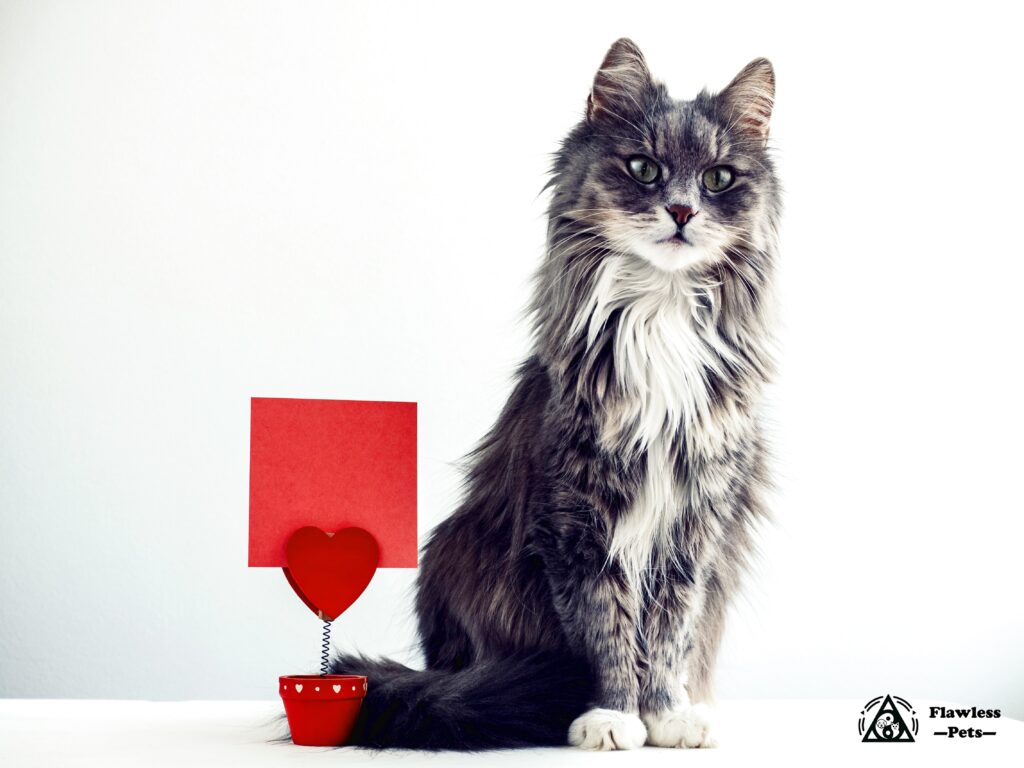
The story of the Kurilian Bobtail Longhair is intrinsically linked to its namesake: the Kuril Islands. This volcanic archipelago stretches for roughly 1,300 kilometers (about 810 miles) northeast from Hokkaido, Japan, towards the Kamchatka Peninsula in Russia, separating the Sea of Okhotsk from the North Pacific Ocean. These islands, known for their rugged terrain and harsh climate, served as a crucible for natural selection, shaping the unique characteristics of the cats found there. (Russian Cat Federation, n.d.).
Unlike many modern breeds meticulously developed through selective breeding programs, the Kurilian Bobtail Longhair (and its shorthaired sibling) is considered an aboriginal or natural breed. This means it developed its distinct traits – most notably the shortened, kinked tail – through spontaneous genetic mutation and subsequent natural isolation, without significant human intervention for many generations. Cats with naturally short tails have likely existed on the islands and the nearby Russian mainland for at least two centuries, possibly longer. They were valued by the island inhabitants, including Russian military personnel stationed there, not just as pets but as effective rodent controllers, a testament to their innate hunting skills honed by their environment.
The formal recognition of the breed began much later. Russian felinologists became aware of these unique bobtailed cats being brought back from the Kuril Islands by military personnel and scientists in the mid-to-late 20th century. Intrigued by their distinct appearance and amiable temperaments, breeders began working to preserve and standardize the breed in the 1980s and 1990s. The Soviet Feline Federation developed the first standard for the breed. Following the dissolution of the Soviet Union, newer Russian feline organizations continued this work. The World Cat Federation (WCF) granted the Kurilian Bobtail (both longhair and shorthair varieties) recognition in 1995, followed by Fédération Internationale Féline (FIFe) in 2004, and The International Cat Association (TICA) recognized the breed for championship competition effective May 1, 2012 (TICA, 2012). This formal recognition marked the transition of the Kurilian Bobtail Longhair from a regional curiosity to an internationally acknowledged pedigree breed.
The breed's development in relative isolation contributed significantly to its robust health and genetic diversity within its foundational traits. The mutation responsible for the bobtail is distinct from that found in the Manx cat and is believed to be harmless, unlike the potential spinal issues associated with the Manx gene (Lyons et al., 2009, suggest different genetic origins for various bobtail mutations). The harsh island environment likely favored strong, adaptable cats with good hunting prowess and resilience, traits still evident in the Kurilian Bobtail Longhair today. Its history is a compelling narrative of nature's artistry, shaped by geography and survival, eventually appreciated and preserved by dedicated cat enthusiasts.
A Closer Look: Physical Characteristics
The Kurilian Bobtail Longhair presents a picture of balanced power and distinctive charm. It's a medium to large cat, well-muscled yet graceful, with several key features setting it apart. Its overall impression is one of a wild ancestry tempered with domestic elegance, largely defined by its unique tail and luxurious coat.
The Signature Pom-Pom Tail
Undoubtedly, the most defining characteristic of the Kurilian Bobtail Longhair is its tail. It's not merely short; it's a naturally occurring bobtail that is unique to each individual cat. The tail consists of vertebrae that are kinked, curved, twisted, or fused, resulting in a length (excluding fur) typically ranging from 3 to 8 centimeters (about 1.5 to 3 inches). The direction of the tail's curve is not critical in breed standards. Crucially, this structure is caused by a dominant genetic mutation that affects the tail vertebrae but is not associated with the spinal defects sometimes found in Manx cats (TICA, 2012). Think of it like a feline fingerprint – no two Kurilian tails are exactly alike in their specific configuration of kinks and curves.
The fur on the tail is longer than the fur on the body, creating a delightful “pom-pom” or “whisk” effect. This fluffy plume further accentuates the tail's unique structure and adds significantly to the breed's visual appeal. When the cat is relaxed or alert, the tail is often carried upright, enhancing the pom-pom appearance. The flexibility can vary; some tails are quite rigid, while others have more movement. This tail is not a result of docking or injury; it is entirely natural and present from birth.
The Luxurious Semi-Long Coat
The “Longhair” designation refers to the Kurilian Bobtail Longhair‘s beautiful semi-long coat. It possesses a fine, silky texture that is soft to the touch. While luxurious, it's generally described as being relatively easy to care for compared to some other longhaired breeds, often lacking a dense, easily matting undercoat, though coat density can vary. The coat features noticeable furnishings, including a distinct ruff around the neck (more prominent in mature males), tufts in the ears (lynx tips are desirable but not essential), knickerbockers on the hind legs (longer fur), and, of course, the plume on the tail. The belly fur is also typically longer and softer.
One fascinating aspect is the coat's adaptability. It tends to be thicker and denser during colder months and may shed considerably as temperatures rise. This reflects the breed's adaptation to the seasonal climate of its native islands. A wide array of colors and patterns are accepted within the breed standard, excluding pointed patterns (like Siamese), chocolate, lilac, cinnamon, and fawn, and these colors combined with white (TICA, 2012; FIFe, 2023). Common and striking patterns include various tabbies (mackerel, classic, spotted), solid colors (black, red, blue, cream), torties, and bi-colors (color with white). Silver and golden variations add further shimmer and richness to the coat possibilities. The sheer variety means that Kurilian Bobtail Longhair cats can look remarkably different from one another while still conforming to the breed standard.
Body Structure and Size
The Kurilian Bobtail Longhair possesses a substantial and powerful build. It's classified as a medium to large cat, with males typically being noticeably larger and heavier than females. Adult males might weigh between 5 to 7 kilograms (11 to 15 pounds), while females usually range from 3.5 to 5 kilograms (8 to 11 pounds), though larger individuals are not uncommon. The body is described as compact and muscular, with a broad chest and a solid bone structure, conveying strength and athleticism (FIFe, 2023). The back has a slight, gentle arch from the shoulders to a higher rump, which is a characteristic feature. The legs are medium in length, sturdy, and well-muscled, ending in rounded paws. The hind legs are slightly longer than the front legs, contributing to both the arched back appearance and their impressive jumping ability. This powerful build reflects their ancestral need to hunt and navigate challenging terrain.
Head, Eyes, and Ears
The head of the Kurilian Bobtail Longhair is proportionate to the body, shaped like a large, modified wedge or trapezium with rounded contours. It features high cheekbones and a well-developed chin that forms a straight line with the nose. The profile shows a gentle dip below the eyes, but no sharp stop (TICA, 2012). The muzzle is medium in length and width, softly rounded. The overall impression is pleasant and balanced, neither too blocky nor too pointed.
Their eyes are large, expressive, and set wide apart at a slight angle. They are typically walnut-shaped – rounded on the bottom edge and more oval on the top. Eye color should be clear and correspond generally with the coat color, with green, gold, and yellow hues being common. Odd-eyed (different colors in each eye) and blue-eyed individuals are permissible, especially in white or bi-color cats (FIFe, 2023). The ears are medium in size, set wide apart and high on the head, with a slight forward tilt. They are broad at the base with rounded tips. Ear furnishings (hair inside the ears) and lynx tips (tufts of hair extending from the ear tips) are desirable features, adding to the slightly ‘wild' look of the Kurilian Bobtail Longhair.
Kurilian Bobtail Longhair vs. Shorthair: A Quick Comparison
The Kurilian Bobtail breed comes in two coat varieties: Longhair (KBL) and Shorthair (KBS). While sharing the same core breed standard regarding body type, tail structure, and temperament, the primary difference lies in their coat.
| Feature | Kurilian Bobtail Longhair (KBL) | Kurilian Bobtail Shorthair (KBS) |
|---|---|---|
| Coat Length | Semi-longhair | Short to medium-short |
| Coat Texture | Fine, silky, soft | Close-lying, dense, resilient, less soft than KBL |
| Undercoat | Present, but often not overly dense | Well-developed undercoat |
| Furnishings (Ruff, Knickerbockers, Tail Plume) | Noticeable and well-developed | Minimal to absent |
| Grooming Needs | Regular (1-2 times/week) | Minimal (weekly brushing usually sufficient) |
| Overall Impression | Softer, more ‘finished' look due to longer fur | Sleeker, more defined muscle contours visible |
It's important to remember that both varieties share the fundamental Kurilian Bobtail traits: the unique pom-pom tail, the robust build, the slightly arched back with longer hind legs, the characteristic head shape, and the intelligent, sociable temperament. The choice between a Kurilian Bobtail Longhair and a Shorthair often comes down to personal preference regarding aesthetics and grooming commitment.
The Heart of a Kurilian: Temperament and Personality
Beyond its striking appearance, the Kurilian Bobtail Longhair is highly cherished for its exceptional temperament. Often described as having a ‘dog-like' personality, these cats blend independence with deep affection and intelligence with gentle manners. They are active and playful but also enjoy quiet companionship, making them adaptable to various household environments.
Intelligence and Trainability
The Kurilian Bobtail Longhair is widely regarded as a highly intelligent breed. This intelligence manifests in several ways. They are curious explorers, keen observers of their surroundings, and quick learners. Many owners report that their Kurilians can figure out how to open doors, cabinets, or even puzzle toys with surprising ease. Their problem-solving skills are often linked to their ancestral background as capable hunters who needed to adapt and strategize to survive.
This intelligence makes them relatively trainable compared to some other cat breeds. They can often learn commands, respond to their names, and even be taught tricks or to walk on a harness and leash. Positive reinforcement techniques, using treats and praise, are highly effective. Their eagerness to interact with their humans can make training sessions feel more like playtime. However, their intelligence also means they require mental stimulation to prevent boredom. Interactive toys, puzzle feeders, and regular playtime are essential to keep their sharp minds engaged. A bored Kurilian Bobtail Longhair might resort to finding its own, potentially mischievous, forms of entertainment.
Sociability: Family, Children, and Other Pets
One of the most endearing qualities of the Kurilian Bobtail Longhair is its sociable and affectionate nature. They tend to form strong bonds with their human family members, often choosing one person as their particular favorite while still being friendly and interactive with everyone in the household. They are not typically aloof cats; they genuinely seem to enjoy human company and will often follow their owners from room to room, curious about activities and offering quiet companionship.
Their gentle and patient disposition generally makes them excellent companions for families with children. They tend to be tolerant of gentle handling and enjoy participating in play. Of course, interactions between cats and young children should always be supervised to ensure respectful behavior from both parties. Similarly, the Kurilian Bobtail Longhair often adapts well to living with other pets, including cat-friendly dogs, especially if introduced properly and gradually. Their background likely involved living in social groups, contributing to their generally amicable nature towards other animals. They are confident cats but not typically aggressive, often establishing relationships based on mutual respect. Some sources even mention their tendency to take on a ‘pack leader' role in multi-pet households, guiding play and interactions (Breed Profile: Kurilian Bobtail, TICA). This inherent sociability makes the Kurilian Bobtail Longhair a wonderful choice for a bustling family home.
Playfulness and Activity Levels
Despite their calm and gentle demeanor when relaxing, the Kurilian Bobtail Longhair retains a strong playful instinct throughout its life. They possess impressive agility and are known for their remarkable jumping ability, thanks to their powerful hind legs. Don't be surprised to find your Kurilian perched atop the highest bookcase or refrigerator, surveying its domain. They enjoy interactive play sessions involving chasing, pouncing, and retrieving toys. Feather wands, laser pointers (used responsibly, always ending the session by letting them ‘catch' a physical toy), crinkle balls, and even simple things like bottle caps can provide hours of entertainment.
Their activity level is generally moderate to high. While they enjoy bursts of energetic play, they are also content with periods of rest and observation. Providing vertical space, such as tall cat trees or sturdy shelves, caters to their love of climbing and gives them vantage points. Regular playtime is not just fun; it's crucial for their physical health and mental well-being, helping to prevent obesity and boredom-related behaviors. Many Kurilians also exhibit a fascination with water, sometimes batting at dripping faucets or even joining their owners near the shower (though not all will want to get fully wet!). This trait might stem from their island origins, where fishing could have been part of their ancestors' repertoire.
Vocalization: A Quiet Companion?
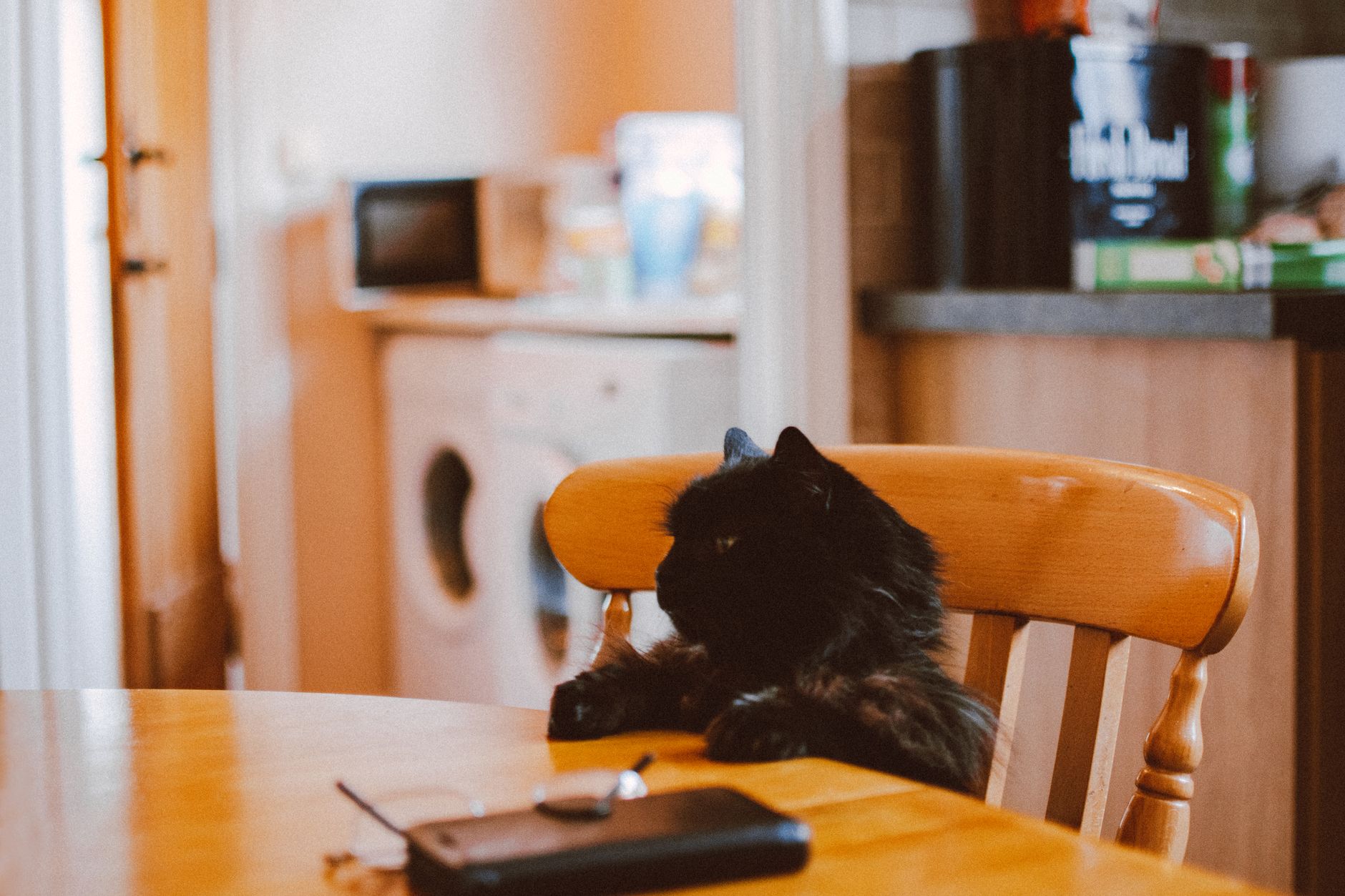
Compared to some notoriously vocal breeds like the Siamese, the Kurilian Bobtail Longhair is generally considered to be relatively quiet. They do communicate vocally, but often with soft chirps, trills, and murmurs rather than loud, insistent meows. They might ‘talk' to their owners in these gentle tones when seeking attention, food, or playtime, but they are unlikely to fill the house with constant noise. This quieter nature can be a significant advantage for those living in apartments or who prefer a more serene home environment. However, like all cats, individual personality varies, and some Kurilians might be more ‘chatty' than others, especially when they have something important to convey to their human companions.
Caring for Your Kurilian Bobtail Longhair
Providing the right care is essential to ensure your Kurilian Bobtail Longhair lives a long, healthy, and happy life. While generally a robust and relatively low-maintenance breed compared to some other longhairs, they do have specific needs regarding grooming, diet, exercise, and environment that potential and current owners should understand.
Grooming Needs: Managing the Mane
The “Longhair” in Kurilian Bobtail Longhair signifies a beautiful semi-long coat that requires regular attention, though perhaps less than breeds with extremely dense undercoats like Persians. The coat's texture is typically silky and less prone to severe matting if maintained properly. A good grooming routine involves brushing or combing once or twice a week. This helps to remove loose hair, prevent tangles and mats from forming (especially in areas like the armpits, belly, and behind the ears), and distribute natural skin oils, keeping the coat healthy and shiny.
During seasonal shedding periods, usually in spring and fall, you may need to increase grooming frequency to daily sessions to manage the increased amount of loose fur. Using tools like a slicker brush, a long-toothed comb, or an undercoat rake can be effective. Regular grooming also provides an opportunity to check for any skin issues, parasites (like fleas or ticks), or unusual lumps or bumps. Nail trimming every few weeks is standard cat care, as is checking ear cleanliness. While the Kurilian Bobtail Longhair coat is somewhat water-resistant, occasional baths might be necessary if the cat gets particularly dirty, but frequent bathing is generally not required unless recommended by a vet for a specific skin condition. Introducing grooming routines gently and positively from a young age will help your cat accept and even enjoy these sessions.
Diet and Nutrition: Fueling the Hunter
As descendants of active hunters, Kurilian Bobtail Longhair cats thrive on a high-quality, protein-rich diet. Like all obligate carnivores, their nutritional needs are best met by food primarily based on animal protein. Whether you choose high-quality commercial wet food, dry kibble, or a combination, ensure that meat is listed as the first few ingredients. Avoid foods with excessive fillers like corn, wheat, and soy, or artificial colors and preservatives.
Portion control is important to prevent obesity, especially as Kurilians can have hearty appetites and their sturdy build can sometimes mask weight gain. Follow the feeding guidelines on the food packaging, adjusting based on your cat's age, weight, activity level, and overall health. Consulting with your veterinarian is the best way to determine the ideal diet and portion size for your individual Kurilian Bobtail Longhair. Kittens require food formulated for growth, while seniors may benefit from diets tailored to aging needs. Always provide access to fresh, clean water. Some Kurilians enjoy drinking from running sources, so a cat water fountain might be a worthwhile investment to encourage hydration.
Exercise and Environment: Keeping Them Happy
The athletic build and intelligent mind of the Kurilian Bobtail Longhair necessitate regular exercise and environmental enrichment. While adaptable to indoor living, they need outlets for their energy and curiosity. Daily interactive play sessions are crucial. Use toys that mimic hunting behaviors, such as feather wands, laser pointers (with caution, ending on a physical toy), and throwable toys for fetching – a game some Kurilians genuinely enjoy.
Environmental enrichment is key to preventing boredom and stress. Provide vertical space! Tall, sturdy cat trees with multiple levels, scratching surfaces, and perhaps hiding spots are ideal. Wall-mounted shelves or dedicated perches near windows allow them to climb and observe the outside world. Scratching posts are essential for nail health and marking behavior; offer various types (sisal rope, cardboard, carpet) and orientations (vertical, horizontal) to find their preference. Puzzle feeders challenge their minds and make mealtime more engaging. Rotating toys can keep things novel and exciting. Consider harness training your Kurilian Bobtail Longhair for safe outdoor explorations in a controlled environment, satisfying their curiosity about the world beyond the windows. A stimulating environment supports both their physical fitness and mental well-being.
For those looking to enhance their cat's environment with engaging toys or comfortable resting spots, you can sometimes find useful items in unexpected places that cater to pet needs.
Litter Box Considerations
Like all cats, the Kurilian Bobtail Longhair needs a clean and accessible litter box. Standard recommendations apply: provide at least one litter box per cat, plus one extra, placed in quiet, low-traffic areas. Ensure the box is large enough for this medium-to-large cat to comfortably turn around in. Most Kurilians are not overly fussy about litter type, but unscented, clumping litter is often preferred by cats and makes cleaning easier for owners. Scoop the boxes daily and change the litter completely, washing the box, on a regular basis (typically weekly or bi-weekly depending on litter type and usage). Maintaining a clean litter box is crucial for preventing inappropriate elimination issues. If your cat suddenly stops using the box, rule out medical causes with your veterinarian first before addressing potential environmental or behavioral factors.
Health and Wellness: A Robust Breed
The Kurilian Bobtail Longhair is generally considered a healthy and robust breed, largely attributed to its natural development in the Kuril Islands with minimal human interference for centuries. This natural selection process favored strong, adaptable individuals, contributing to the breed's overall hardiness and longevity. However, like all living creatures, they are not immune to health issues, and responsible ownership includes understanding potential concerns and prioritizing preventative care.
Lifespan and General Health
With proper care, nutrition, and regular veterinary attention, the Kurilian Bobtail Longhair often enjoys a long lifespan, typically ranging from 15 to 20 years, sometimes even longer. Their natural origins have blessed them with a relatively diverse gene pool compared to some heavily manipulated breeds, which generally contributes to better overall health. They are known for their resilience and adaptability.
Genetic Considerations: The Bobtail Gene
The defining feature, the bobtail, is caused by a dominant gene mutation. Importantly, research and breeder experience indicate that the gene responsible for the Kurilian's bobtail is different from the Manx gene (often denoted as ‘M') and is not associated with the severe spinal and neurological problems that can afflict Manx cats (e.g., spina bifida, fecal/urinary incontinence). The Kurilian bobtail gene (sometimes symbolized as ‘Kb' though genetic specifics are still researched) primarily affects the tail vertebrae development, resulting in the characteristic kinks and curves (Lyons et al., 2009; TICA Breed Committee report observations). Responsible breeders screen their cats, and the breed standards developed by organizations like TICA and FIFe reflect this understanding, focusing on the tail's appearance without linking it to known health defects seen in other bobtailed breeds like the Manx. This genetic distinction is crucial for prospective owners to understand – the charming pom-pom tail of the Kurilian Bobtail Longhair is considered a benign trait.
Potential Health Concerns
While generally healthy, the Kurilian Bobtail Longhair can be susceptible to common feline health issues that affect many domestic cats, regardless of breed. These may include:
- Dental Disease: Periodontal disease is very common in cats. Regular dental check-ups, professional cleanings as needed, and potentially home care like teeth brushing can help maintain oral health.
- Obesity: Due to their sturdy build and sometimes hearty appetites, Kurilians can be prone to weight gain if overfed or insufficiently exercised. Obesity increases the risk of diabetes, arthritis, and other health problems. Monitoring food intake and ensuring regular play and activity are vital.
- Hairballs: As a longhaired breed, the Kurilian Bobtail Longhair can ingest fur during grooming, potentially leading to hairballs. Regular brushing to remove loose hair is the best preventative measure. Hairball remedies or specific diets might be helpful in some cases, but consult your vet.
- Hypertrophic Cardiomyopathy (HCM): HCM is the most common heart disease in cats across many breeds. It involves thickening of the heart muscle. While not specifically identified as a high-risk breed, responsible breeders may screen their breeding cats for HCM via echocardiogram to reduce the incidence.
- Kidney Disease: Chronic kidney disease (CKD) is common in older cats of all types. Regular veterinary check-ups, including blood and urine tests, can help detect CKD early, allowing for management strategies to slow its progression.
It's important to note that these are general feline concerns rather than issues specifically and uniquely tied to the Kurilian Bobtail Longhair breed itself, thanks to its robust genetic background. Choosing a kitten from a reputable breeder who performs health screenings on their breeding stock can further minimize potential risks.
Importance of Regular Veterinary Care
Preventative care is the cornerstone of maintaining your Kurilian Bobtail Longhair‘s health. This includes:
- Vaccinations: Following a veterinarian-recommended vaccination schedule protects against common and serious feline infectious diseases.
- Parasite Control: Regular prevention for fleas, ticks, heartworms (depending on geographic location), and intestinal worms is crucial.
- Annual Check-ups: Regular wellness exams (at least annually, more often for kittens and seniors) allow your vet to monitor your cat's overall health, detect potential problems early, discuss nutrition and behavior, and update preventative care plans.
- Spaying/Neutering: Spaying or neutering your pet provides numerous health benefits (e.g., preventing certain cancers, eliminating heat cycles) and prevents unwanted litters.
Partnering with a trusted veterinarian and adhering to a schedule of preventative care is the best investment you can make in the long-term health and well-being of your beloved Kurilian Bobtail Longhair.
Comparing Cousins: Kurilian vs. Other Bobtails
The naturally occurring short tail is a feature found in several cat breeds, but the genetics, appearance, and history behind them can differ significantly. Understanding these differences helps appreciate what makes the Kurilian Bobtail Longhair unique among its bobtailed relatives.
Kurilian Bobtail vs. Japanese Bobtail
This is perhaps the most frequent comparison, given the geographical proximity of Japan to the Kuril Islands. However, they are distinct breeds with different origins and physical characteristics.
- Tail Genetics: Both breeds have naturally occurring bobtails caused by genetic mutations, but the specific genes are believed to be different. Both are generally considered benign and not linked to spinal issues like the Manx gene.
- Tail Appearance: The Kurilian tail is typically described as a “pom-pom” or “whisk,” often with more pronounced kinks and curves, and the fur is longer, creating a fluffier look, especially in the Kurilian Bobtail Longhair. The Japanese Bobtail's tail is also kinked and curved but often appears more like a “bunny tail,” potentially with slightly less length and less dramatic plume, although variation exists in both breeds.
- Body Type: The Kurilian Bobtail Longhair has a substantial, cobby-to-semi-cobby body – powerful, muscular, with a broad chest and slightly longer hind legs creating an arched back. The Japanese Bobtail is typically more slender and elegant, with a medium-sized body that is distinctly oriental in type – long, lean, and refined, with high, slender legs.
- Head Shape: The Kurilian head is a large modified wedge with rounded contours. The Japanese Bobtail head forms a distinct equilateral triangle with high cheekbones, a long nose, and large, upright ears, contributing to its elegant appearance.
- Origin Story: The Kurilian developed naturally on the Kuril Islands. The Japanese Bobtail has a long documented history in Japan, appearing in ancient art and folklore, believed to have arrived centuries ago, possibly from China or Korea.
In essence, while both are bobtailed breeds from the Russia/Japan region, the Kurilian Bobtail Longhair is a heavier, more robust cat with a pom-pom tail, whereas the Japanese Bobtail is a more slender, elegant cat with a bunny-like tail.
Kurilian Bobtail vs. American Bobtail
The American Bobtail is another breed known for its naturally short tail, but its development and appearance differ from the Kurilian.
- The American Bobtail's tail is also due to a spontaneous dominant mutation, unrelated to the Manx or Japanese Bobtail genes. The tail is typically longer than the Kurilian's, ideally reaching towards the hock when hanging down, though still noticeably short compared to a full tail. It should be flexible, expressive, and carried at various levels, not necessarily the upright pom-pom typical of the Kurilian.
- Body Type: The American Bobtail is also a medium-to-large, substantially built cat, known for its muscular, athletic look, similar in robustness to the Kurilian. However, the overall impression is often described as more “wild” or “lynx-like” in appearance, sometimes with a more rectangular stance compared to the Kurilian's slightly arched back.
- Head Shape: The American Bobtail head is a broad wedge without flat planes, with a distinct brow above the eyes, giving it a unique “hunting gaze.” The muzzle is broad and strong. This differs from the Kurilian's rounded trapezium shape.
- Origin Story: The American Bobtail originated in the United States in the 1960s from a feral short-tailed tabby male found in Arizona. Its development involved crossing with domestic cats to establish the breed's characteristics.
While both the Kurilian Bobtail Longhair and American Bobtail are robust, bobtailed cats, they differ in tail length/appearance, head structure, and origin story. The American Bobtail often aims for a distinctly ‘wild' look reminiscent of a bobcat.
Kurilian Bobtail vs. Pixie-bob
The Pixie-bob is specifically bred to resemble the North American Bobcat, leading to some distinct features compared to the Kurilian.
- The Pixie-bob's tail is short, typically 2-4 inches, and can be straight or kinked, often carried low. While short, it doesn't usually have the characteristic pom-pom plume of the Kurilian Bobtail Longhair.
- The Pixie-bob standard calls for a large, muscular cat with a very specific ‘wild' look, including a prominent primordial belly pouch, heavy bone structure, and often polydactyly (extra toes), which is accepted and common in the breed. Their coat pattern is exclusively brown spotted tabby, mimicking a bobcat.
- Head Shape: The Pixie-bob head is pear-shaped with a prominent muzzle, deep-set eyes, and often tufted ears, contributing significantly to the desired wild resemblance.
- Origin Story: The breed originated in the 1980s in Washington State, USA, based on foundation cats believed by the founder to be natural hybrids of bobcats and domestic cats, though genetic testing has not confirmed bobcat ancestry.
The Pixie-bob's focus on resembling a specific wildcat, including features like polydactyly and restricted coat patterns, clearly distinguishes it from the naturally diverse and less ‘wild-typed' appearance of the Kurilian Bobtail Longhair.
Understanding these comparisons highlights the unique combination of traits found in the Kurilian Bobtail Longhair: its specific pom-pom tail structure, robust yet balanced physique, diverse color possibilities, and origins rooted in natural selection on the Kuril Islands.
Living with a Kurilian Bobtail Longhair
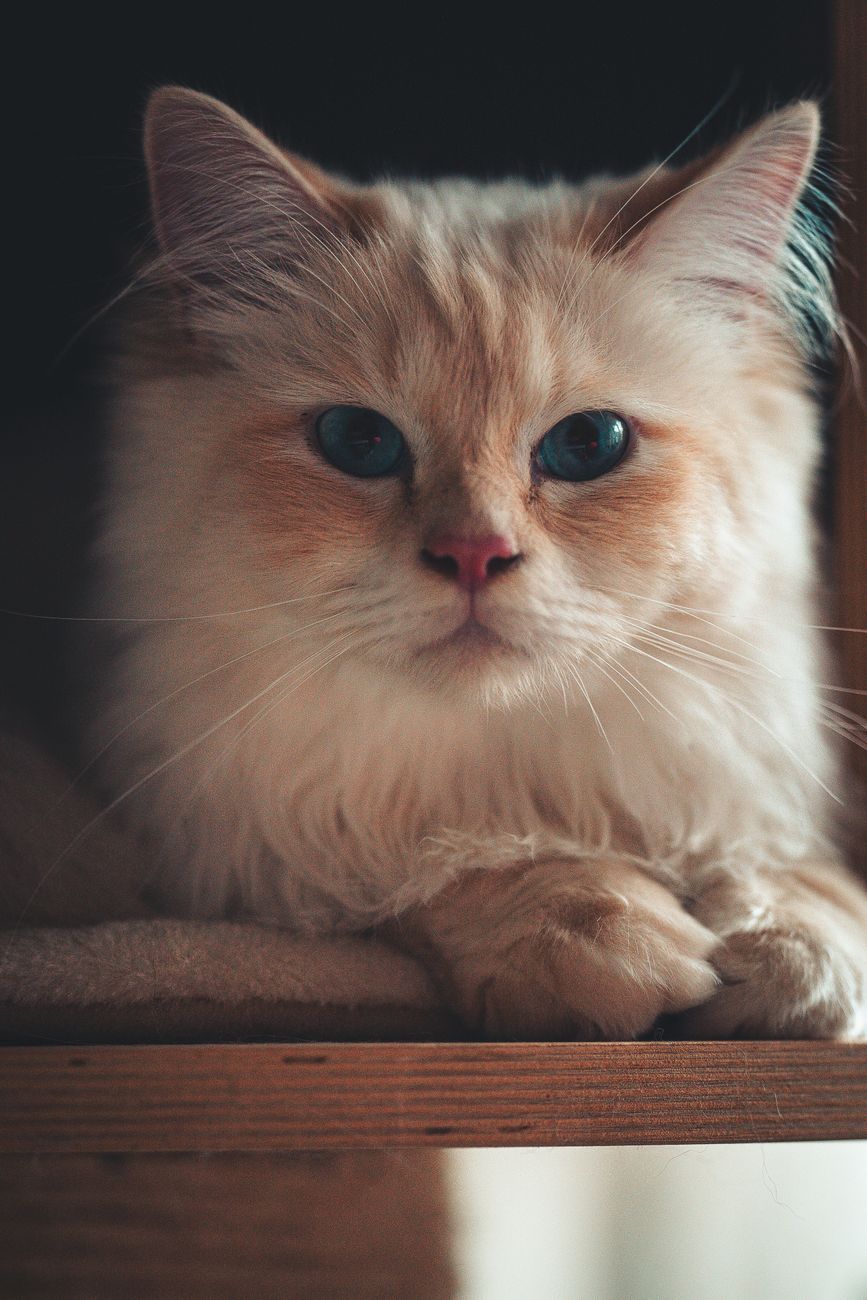
Sharing your home with a Kurilian Bobtail Longhair is often described as a rewarding and engaging experience. Their blend of intelligence, affection, and playful energy makes them active participants in family life. They are not typically cats that disappear for hours on end; rather, they enjoy being involved and interacting with their human companions.
Their adaptability means they can thrive in various living situations, from apartments to larger houses, provided their needs for stimulation and exercise are met. Indoor living is generally recommended for their safety, protecting them from traffic, predators, diseases, and getting lost. However, their curious nature means ensuring windows and balconies are secure is essential. Providing ample vertical space, scratching posts, and interactive toys helps create a fulfilling indoor environment. Some owners successfully harness-train their Kurilians for supervised outdoor walks, which can be a great way to satisfy their exploratory instincts safely.
As mentioned earlier, the Kurilian Bobtail Longhair generally integrates well into families with children and other pets due to its sociable and patient nature. They often form strong bonds and can be quite protective and loving towards their family members, both human and animal. Their intelligence means they appreciate routine but also enjoy novelty. Engaging them in short training sessions, puzzle toys, or simply involving them in your daily activities helps keep them mentally stimulated. You might find your Kurilian Bobtail Longhair ‘helping' you at the computer, supervising cooking from a safe distance, or joining you on the sofa for quiet relaxation. They offer a wonderful balance of companionship and independent spirit, enriching the lives of those who welcome them into their homes. Remember to provide the necessary supplies for their well-being; you can sometimes explore related products online for general pet care needs.
Finding a Responsible Breeder
Because the Kurilian Bobtail Longhair is still relatively rare, especially outside of Russia and Europe, finding a responsible breeder requires patience and diligence. A reputable breeder prioritizes the health, temperament, and well-being of their cats above all else.
Here are key indicators of a responsible breeder:
- Affiliation with Cat Fancier Associations: Reputable breeders are often registered with major cat associations like TICA, FIFe, or WCF and adhere to their codes of ethics.
- Health Screenings: They perform relevant health screenings on their breeding cats (e.g., testing for FeLV/FIV, potentially screening for HCM, ensuring genetic diversity) and are transparent about the results.
- Knowledgeable and Passionate: They possess deep knowledge about the Kurilian Bobtail Longhair breed standard, history, temperament, and care requirements, and are eager to share this information.
- Home Environment: Kittens are raised underfoot in a clean, stimulating home environment, ensuring they are well-socialized from a young age. They should appear healthy, active, and confident.
- Questions for You: A good breeder will ask you questions about your lifestyle, home environment, and experience with cats to ensure their kitten is going to a suitable and loving forever home.
- Provides Documentation: They provide a written contract, health records (including vaccinations and deworming), and registration papers for the kitten.
- Keeps Kittens Until Appropriate Age: Kittens should stay with their mother and littermates until they are at least 12-16 weeks old to ensure proper development and socialization.
- Offers Ongoing Support: A responsible breeder is available to answer questions and offer guidance throughout the cat's life.
Be wary of breeders who always have kittens available, sell kittens younger than 12 weeks, avoid health questions, don't allow you to see the parents or where the kittens are raised (virtual tours might be necessary for long distance), or pressure you into a quick sale. Checking breeder listings on the official websites of cat fancier associations (like TICA's breeder directory: TICA.org) is a good starting point. Patience is key; you may need to be placed on a waiting list for a kitten from a reputable Kurilian Bobtail Longhair breeder.
Conclusion: The Enduring Appeal of the Kurilian Bobtail Longhair
The Kurilian Bobtail Longhair is far more than just a cat with a unique tail. It is a testament to the beauty of natural selection, a robust and resilient breed shaped by the environment of the Kuril Islands. Its combination of a powerful yet graceful physique, a luxurious semi-long coat, that captivating pom-pom tail, and an exceptionally intelligent, gentle, and sociable temperament makes it a truly special feline companion. As we've explored in 2025, their dog-like loyalty, playful spirit, and relatively quiet nature endear them to families and individuals alike.
Caring for a Kurilian Bobtail Longhair involves a commitment to regular grooming, providing a high-quality diet, ensuring ample opportunities for exercise and mental stimulation, and maintaining routine veterinary care. While generally healthy, understanding their needs and potential concerns allows owners to provide the best possible life for these remarkable cats. Their compatibility with children and other pets further enhances their suitability for diverse households. Though still relatively uncommon globally, the dedication of responsible breeders is helping to preserve the unique qualities of the Kurilian Bobtail Longhair and introduce this charming breed to a wider audience of appreciative cat lovers. Its blend of wild beauty and domestic affection ensures the enduring appeal of this island treasure.
Frequently Asked Questions (FAQ)
- 1. Is the Kurilian Bobtail Longhair hypoallergenic?
- No cat breed is truly 100% hypoallergenic, including the Kurilian Bobtail Longhair. Allergies are typically triggered by proteins found in a cat's saliva, skin (dander), and urine, not the fur itself. While some individuals might find they react less severely to certain breeds or individual cats, the Kurilian Bobtail is not specifically known for producing fewer allergens. People with cat allergies should spend time with the breed (if possible) before committing to ownership.
- 2. How much grooming does a Kurilian Bobtail Longhair require?
- Despite their semi-long coat, they are often considered lower maintenance than some other longhaired breeds. Regular brushing or combing once or twice a week is usually sufficient to prevent mats and tangles and reduce shedding. Grooming frequency might need to increase during seasonal shedding periods (spring and fall). Their coat texture is generally silky and less prone to dense matting compared to breeds like the Persian.
- 3. Are Kurilian Bobtail Longhair cats good with children and other pets?
- Yes, generally they are known for being very good with children and other pets. Their temperament is typically gentle, patient, and sociable. They often enjoy interaction and play, forming strong bonds with all family members. Proper introductions and supervision, especially with very young children or new pets, are always recommended to ensure positive relationships develop.
- 4. What is the average lifespan of a Kurilian Bobtail Longhair?
- The Kurilian Bobtail Longhair is known for being a robust and healthy breed with good longevity. With proper care, nutrition, and regular veterinary check-ups, their average lifespan is typically between 15 and 20 years, with some individuals living even longer.
- 5. Does the short tail cause any health problems for the Kurilian Bobtail Longhair?
- No, the naturally occurring bobtail in the Kurilian Bobtail Longhair is caused by a dominant genetic mutation that is considered benign. Unlike the gene causing the bobtail in Manx cats, the Kurilian gene is not associated with spinal defects or related neurological issues. It primarily affects the tail vertebrae, resulting in the unique pom-pom appearance without compromising the cat's overall health.
- 6. How active is the Kurilian Bobtail Longhair?
- They have a moderate to high activity level. They enjoy bursts of energetic play, utilizing their powerful hind legs for impressive jumps and climbing. They also appreciate interactive games like fetch. However, they balance this activity with periods of calm observation and affectionate companionship. Providing environmental enrichment like cat trees and regular playtime is essential to meet their needs.
- 7. Are Kurilian Bobtail Longhair cats rare?
- Yes, the Kurilian Bobtail Longhair (and its shorthaired counterpart) is still considered a relatively rare breed, particularly outside of its native Russia and parts of Europe. Finding reputable breeders may require more effort and potentially joining a waiting list compared to more common breeds. Their rarity adds to their unique appeal for many enthusiasts.
References
Fédération Internationale Féline (FIFe). (2023). Breed Standard: Kurilian Bobtail (KBL/KBS). Retrieved from http://www1.fifeweb.org/dnld/std/KBL_KBS.pdf
Animal Genetics, 37(2), 119-126. (Note: While this paper focuses on coat color, Dr. Lyons' lab works extensively on cat genetics, including tail mutations, often cited in breed discussions regarding distinct genetic origins for different bobtails).
Russian Cat Federation (RCF). (n.d.). Kurilian Bobtail. (Information often disseminated through WCF standards and breeder sites referencing RCF foundational work).
The International Cat Association (TICA). (2012, May 1). Kurilian Bobtail Breed Standard (KBL/KBS). Retrieved from https://tica.org/phocadownload/kb.pdf
The International Cat Association (TICA). (n.d.). Breed Profile: Kurilian Bobtail. Retrieved from https://tica.org/breeds/browse-all-breeds?view=article&id=850:kurilian-bobtail-breed&catid=79
World Cat Federation (WCF). (n.d.). Breed Standard: Kurilian Bobtail Shorthair / Longhair. Retrieved from https://wcf-online.de/WCF-EN/standard/semi-longhair/kurilian-bobtail.html









 English
  简体中文
简体中文  Français du Canada
  Deutsch
  Español
  Português
  한국어
한국어  日本語
日本語  Italiano
  Русский
  Dansk
Dansk  Nederlands
  Svenska
  Suomi
Suomi  Polski
  Norsk bokmål