Flawless Pet Supplies

Key Takeaways
-
-23%

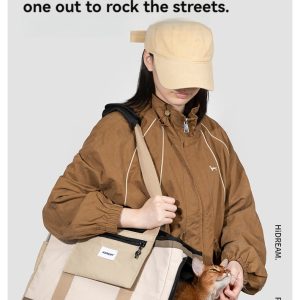
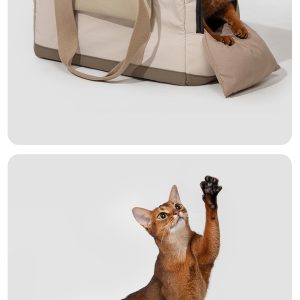
HiDream Color-Block Shoulder Pet Travel Bag – Stylish and Lightweight Carrier for Small Pets – Almond, Matcha
Original price was: $109.99.$84.99Current price is: $84.99. -
-14%
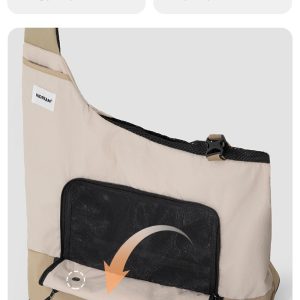
HiDream Pet Tote Bag – Relaxed Style Carrier for Small Pets – Durable Nylon with Breathable Mesh – Beige, Green, Gray
Original price was: $109.99.$94.59Current price is: $94.59. -
-12%
HiDream Pet Sling Carrier Bag – Adjustable Shoulder Strap Front Carry Bag for Small Pets – Khaki, Green, Gray
Original price was: $99.99.$88.49Current price is: $88.49.

A Blend of Royalty and Whimsy: The History of the Minuet Cat
The story of the Minuet cat is a relatively recent one in the long chronicle of feline breeds, born from a specific vision and a deliberate cross-breeding program. It began in the mid-1990s, driven by the inspiration of Joe Smith, a Basset Hound breeder and American Kennel Club (AKC) judge. Smith was captivated by the Munchkin cat, a breed characterized by its naturally occurring genetic mutation causing short legs (achondroplasia). However, he reportedly felt that the Munchkin, while charming, could benefit from a more refined structure and wider genetic diversity to avoid potential health issues sometimes associated with its unique conformation and foundation from stray cats (TICA, n.d.-b). He envisioned a cat that retained the endearing short legs of the Munchkin but possessed the rounded features, luxurious coat, and bone structure reminiscent of the Persian breed group.
His goal was specific: to create a cat breed that looked distinct and adorable due to its short legs but was fundamentally healthy and free from the specific health problems sometimes seen in Munchkins derived purely from random-bred domestic cat ancestry. To achieve this, Smith initiated a breeding program in 1996, carefully crossing Munchkin cats with members of the Persian breed group – specifically Persians, Himalayans (a pointed color variant of the Persian), and Exotic Shorthairs (essentially a shorthaired Persian) (TICA, n.d.-a). The choice of the Persian group was deliberate; these breeds offered the desired round head, large eyes, substantial bone structure, and plush coat density that Smith sought to combine with the short legs of the Munchkin.
The initial name chosen for this developing breed was the “Napoleon cat,” likely an allusion to the historical figure Napoleon Bonaparte, known for his short stature, perhaps combined with a sense of imperial or “royal” lineage suggested by the Persian ancestry. The name aimed to capture the unique blend of short stature and dignified appearance. Early breeding efforts focused on establishing the desired physical traits while ensuring genetic health. Breeders carefully selected parent cats, crossing standard (short-legged) Munchkins with Persians, Exotics, or Himalayans. The offspring could inherit either short legs (if they received the dominant Munchkin gene) or long legs. Importantly, these long-legged offspring, initially termed “non-standard Napoleons,” were (and still are, as non-standard Minuets) crucial to the breeding programs. They carry the desired Persian-group traits and contribute to genetic diversity without expressing the short-legged phenotype themselves. Breeding a short-legged cat to another short-legged cat can result in genetic complications (homozygous dominant embryos are generally non-viable), making the inclusion of long-legged cats essential for healthy propagation of the breed (Lyons et al., 2019).
The development proceeded through careful selection over several generations. Breeders aimed to solidify the breed's characteristics: the short legs, a round head with large, round eyes, a medium to substantial body, and a coat that could be either long or short but always dense and plush. The temperament was equally important; the goal was a cat that embodied the sweet, gentle nature of the Persian group combined with the playful, curious, and outgoing personality often seen in Munchkins.
Breed Recognition and the Name Change
The journey towards official recognition by major cat fancy organizations took time and dedication from breeders. The International Cat Association (TICA) was one of the first major registries to show interest. The breed was initially accepted into TICA's Registration category under the Napoleon name. It progressed through the stages, achieving Preliminary New Breed status and then Advanced New Breed status, allowing the cats to be shown but not compete for championship titles yet. This period involves careful monitoring of the breed's development, health, and consistency by the organization.
However, the name “Napoleon” faced some controversy and resistance within the cat fancy world. Some felt it was disrespectful or perhaps simply didn't capture the essence of the breed appropriately. Seeking broader acceptance and perhaps a name that better reflected the breed's graceful yet playful nature, the breeders proposed a change. In 2015, TICA's board approved the change from Napoleon to “Minuet” (TICA, 2015). The Minuet is a graceful, albeit formal, social dance popular in the 17th and 18th centuries, perhaps evoking an image of dignified movement despite short stature, aligning well with the breed's characteristics.
Following the name change, the Minuet cat continued its path towards full recognition. In TICA, the Minuet achieved full Championship status, meaning cats conforming to the breed standard can compete for titles alongside other established breeds (TICA, n.d.-a). Other organizations have also recognized the Minuet, although acceptance varies globally. For instance, the Cat Fanciers' Association (CFA), another major registry, currently lists the Minuet under its Miscellaneous class (as of early 2025), which is a step towards potential full recognition but indicates it's still under evaluation (CFA, n.d.). Recognition by these bodies is significant as it validates the breed standard, allows participation in shows, and provides a framework for responsible breeding practices.
The history of the Minuet cat, though brief compared to ancient breeds, highlights a modern approach to breed development, combining desired traits from established breeds to create something new and distinctive. It's a testament to the vision of its founder and the dedication of breeders who navigated the complexities of genetics and cat fancy politics to establish this unique and charming feline companion.
Physical Characteristics: A Unique Silhouette
The Minuet cat possesses a distinctive appearance that immediately sets it apart, primarily due to the deliberate combination of traits from its Munchkin and Persian-group ancestors. The breed standard, as defined by organizations like TICA, provides a detailed blueprint for the ideal Minuet cat, emphasizing a harmonious blend of these influences.
The Defining Feature: Short Legs
Undeniably, the most striking feature of the standard Minuet cat is its short legs. This trait is inherited directly from the Munchkin breed and is caused by a dominant gene responsible for achondroplasia, a form of dwarfism that affects the long bones of the legs while typically leaving the spine and overall body proportions less affected than in some other forms of dwarfism (Lyons et al., 2019). The legs should be short, well-boned, and set straight and parallel when viewed from the front or back, without bowing or cow-hocking (hocks turning inward). The hind legs may be slightly longer than the front legs. Despite their shortness, the legs must support the body adequately and allow for surprising agility. A standard Minuet cat moves with a unique gait but should not appear hampered or awkward.
It is crucial to understand that Minuet litters can produce both short-legged (standard) and long-legged (non-standard) kittens, depending on the genes inherited. Non-standard Minuets have legs of normal length but are otherwise identical to their short-legged siblings in terms of head type, body structure, coat, and temperament. They are invaluable to breeding programs for maintaining genetic diversity and health, and they make equally wonderful pets.
Body, Head, and Coat
Beyond the legs, the Minuet cat inherits significant characteristics from the Persian group. The body should be semi-cobby, meaning it is relatively short, broad, and deep-chested with substantial bone structure, giving an impression of sturdiness without being overly bulky. The back should be level from shoulder to tail, and the musculature should be well-developed.
The head is a key feature reflecting the Persian influence. It should be round, broad, and smooth-domed, set on a short, thick neck. The face should have a sweet, open expression. The eyes are large, round, wide-set, and brilliant in color, contributing significantly to the breed's endearing look. Eye color should complement the coat color. The muzzle is short, broad, and round, flowing smoothly into the cheeks. While a “break” (indentation) between the eyes is mentioned in some standards, extreme brachycephaly (flat-facedness) as seen in some modern Persians is discouraged, prioritizing health and avoiding respiratory issues sometimes associated with very flat faces (Schlueter et al., 2009). The ears should be medium to small, set wide apart and low on the head, fitting into the rounded contour without distorting it.
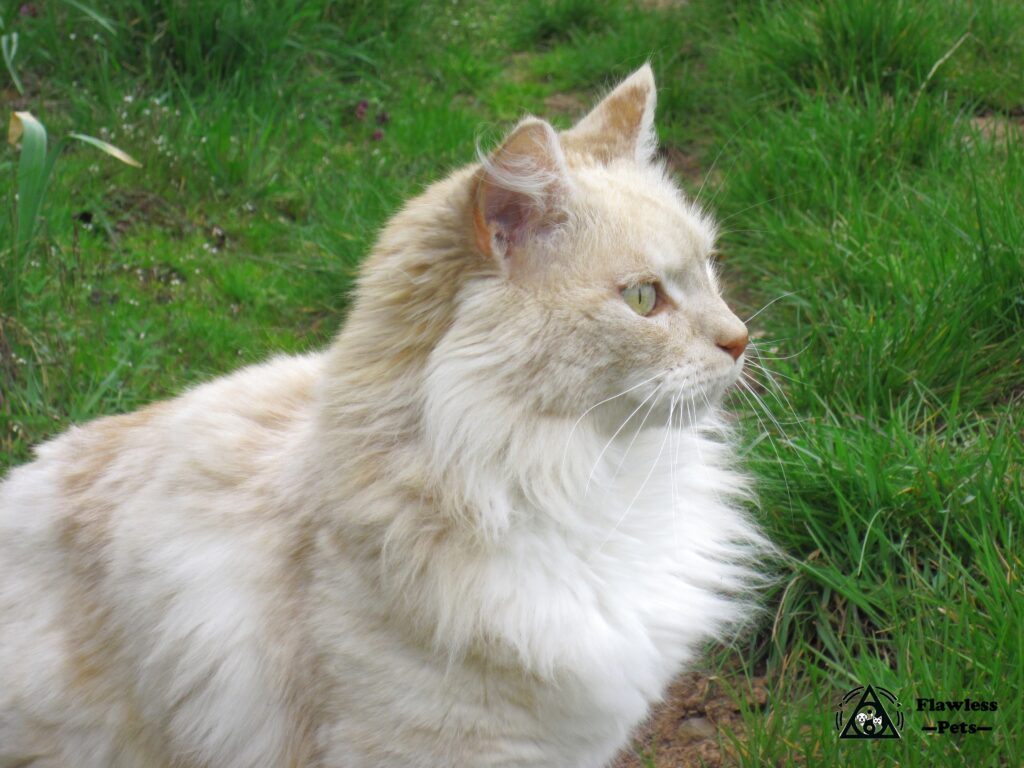
The coat of the Minuet cat can be either long or short, reflecting the influence of both Persians/Himalayans (longhair) and Exotic Shorthairs/Munchkins (which can carry shorthair genes). Regardless of length, the coat should be dense, plush, and soft, standing away from the body. Longhaired Minuets have a noticeable ruff around the neck, full britches (longer hair on the hind legs), and a richly plumed tail. Shorthaired Minuets have a thick, soft coat with a plush texture. Minuets come in virtually all genetically possible colors and patterns, including solids, tabbies, torties, particolors, and pointed patterns (like the Himalayan), offering a vast array of appearances within the breed standard (TICA, n.d.-a).
The overall impression of a Minuet cat is one of a well-balanced, rounded, sturdy cat whose short legs are its most unique feature but do not detract from its overall health or harmonious appearance.
Minuet Cat vs. Parent Breeds: A Comparative Overview
Understanding the Minuet cat involves appreciating how it draws from and differs from its foundation breeds: the Munchkin and the Persian group (Persian, Exotic Shorthair, Himalayan). This comparison highlights the specific goals of the Minuet breeding program.
| Feature | Minuet Cat (Standard) | Munchkin (Standard) | Persian Group (Persian/Exotic/Himalayan) |
|---|---|---|---|
| Leg Length | Short (due to dominant gene) | Short (due to dominant gene) | Normal/Long |
| Body Type | Semi-cobby, sturdy, medium bone | Semi-foreign to moderate, medium bone (can vary more due to diverse outcrosses) | Cobby, short, broad, massive bone |
| Head Shape | Round, broad, smooth dome | Modified wedge with rounded contours (can vary with outcross) | Round, massive, broad skull |
| Eye Shape | Large, round, wide-set | Walnut-shaped, open, expressive | Large, round, full, set far apart |
| Muzzle/Face Profile | Short, broad, round; slight to moderate break often acceptable, extreme brachycephaly discouraged | Medium length; firm chin; minimal nose break | Short, broad; distinct “break” (stop); can range to extreme brachycephaly (flat-faced) |
| Ear Size/Set | Medium to small, set wide and low, fitting into round contour | Medium to large, broader at base, set moderately wide | Small, round-tipped, set low and wide apart |
| Coat Length | Long or Short | Long or Short (depends on outcrosses) | Long (Persian/Himalayan) or Short (Exotic) |
| Coat Texture | Dense, plush, soft, stands away from body | Silky (longhair) or plush (shorthair), resilient | Long, thick, fine texture, stands off body (Persian/Himalayan); Dense, plush, soft (Exotic) |
| Temperament (General) | Affectionate, people-oriented, playful, curious, gentle | Curious, playful, outgoing, people-oriented | Sweet, gentle, quiet, affectionate, calm |
| Foundation Goal | Combine Munchkin short legs with Persian group type/temperament | Preserve naturally occurring short-legged mutation from domestic cats | Refine specific physical traits (long coat, cobby body, round head/eyes) |
This table illustrates that the Minuet cat is intentionally designed to be more than just a short-legged cat. It specifically aims for the rounded, plush appearance and sweet nature associated with the Persian group, distinguishing it from the potentially more varied look of the Munchkin, which allows for more diverse domestic cat outcrosses in its history. While both Minuet and Munchkin share the short-legged gene, the overall package – head type, body structure, coat density – is deliberately targeted towards the Persian aesthetic in the Minuet cat.
Temperament and Personality: Sweetness Meets Spunk
The Minuet cat's personality is often described as one of its most appealing features, successfully blending the gentle, affectionate nature of the Persian group with the playful curiosity and outgoing spirit of the Munchkin. This combination results in a cat that is both a loving lap companion and an engaging, interactive member of the household.
Minuets are renowned for being exceptionally people-oriented. They tend to form strong bonds with their human families and thrive on interaction and attention. Unlike some more independent breeds, the Minuet cat typically enjoys being involved in household activities, often following their owners from room to room, curious about what's happening. They possess the sweetness and gentleness inherited from their Persian ancestors, enjoying quiet moments, cuddling, and being petted. Many Minuets are happy to curl up on a lap or beside their favorite person for a nap.
However, this gentle nature is complemented by a playful and curious streak inherited from the Munchkin side. Despite their short legs, standard Minuets are surprisingly agile and energetic. They love to play, chase toys, and explore their environment. Their movement is often described as ferret-like due to their short legs and flexible bodies, allowing them to dart and turn quickly. While they might not jump onto the highest bookshelves as easily as their long-legged counterparts, they are adept climbers and explorers, often finding clever ways to reach interesting vantage points. Think of it like this: a long-legged cat might leap directly onto a high counter, whereas a Minuet might figure out a route via a nearby chair or stool. Their intelligence and problem-solving skills are often evident in their play and exploration.
They generally retain a kitten-like playfulness well into adulthood. Interactive play sessions with feather wands, laser pointers (used responsibly, ending on a physical toy), or puzzle toys are usually met with enthusiasm. This playful energy makes them entertaining companions, but it's balanced by their ability to settle down for quiet affection. They are not typically hyperactive but enjoy bursts of activity followed by periods of rest and companionship.
Minuet cats are also known for their adaptability. They tend to adjust well to various living situations, whether it's a busy family home or a quieter single-person household, provided they receive sufficient attention and interaction. Their voices are generally described as soft and pleasant, and they are not known for being overly vocal unless they have a specific need or desire attention.
In essence, the temperament of the Minuet cat embodies the “best of both worlds” goal of its creators: the loving, serene disposition of a Persian blended with the inquisitive, playful, and surprisingly agile nature of a Munchkin. This makes the Minuet a well-rounded companion, capable of providing both gentle affection and lively entertainment.
Health and Genetics: Understanding Potential Concerns
When considering a Minuet cat, understanding the potential health and genetic factors associated with the breed is crucial for responsible ownership and care. As a hybrid breed, the Minuet inherits genetic predispositions from both its Munchkin and Persian-group parentage. Reputable breeders work diligently to screen for and minimize these issues, but awareness is key.
Achondroplasia and Skeletal Health
The defining feature of the standard Minuet cat, its short legs, is due to achondroplasia, a form of dwarfism caused by a dominant genetic mutation. This is the same gene responsible for the short legs in Munchkin cats. While this trait defines the breed's look, dwarfism in animals can sometimes be associated with skeletal and joint issues. In Munchkins and related breeds like the Minuet, concerns have been raised about potential spinal problems, such as lordosis (excessive inward curvature of the spine) or scoliosis (sideways curvature), and joint issues like osteoarthritis, potentially exacerbated by the altered biomechanics of short limbs supporting a normal-sized torso (Veterinary Genetics Laboratory, UC Davis, n.d.).
However, proponents of the breed and organizations like TICA emphasize that well-bred Minuets (and Munchkins) should have flexible spines and show no signs of discomfort or impaired mobility related to their leg length. Studies specifically on the long-term orthopedic health of Munchkins and Minuets are somewhat limited compared to longer-established breeds. Some veterinary sources express caution regarding potential predispositions to spinal and joint conditions associated with chondrodysplasia (the broader category of cartilage/bone development disorders including achondroplasia) (Martinez, 2020). Responsible breeding practices are paramount; breeders should avoid breeding cats showing any signs of spinal abnormalities or debilitating joint problems. Prospective owners should inquire about the skeletal health of the kitten's parents and lineage.
It's also important to remember the genetics of inheritance: the gene for short legs (M) is dominant. Breeding two standard (short-legged, heterozygous, Mm) Minuets can theoretically produce offspring in a ratio of 2 short-legged (Mm) to 1 long-legged (mm). Kittens inheriting two copies of the dominant gene (MM) are generally considered non-viable and die in utero (Lyons et al., 2019). This is why breeding programs rely heavily on crosses between standard (Mm) and non-standard (long-legged, mm) Minuets, or standard Minuets and approved long-legged outcrosses (like Persians), which produce litters with both standard and non-standard kittens without the risk of non-viable homozygous offspring.
Persian-Related Health Issues (PKD)
Due to their Persian group ancestry (Persian, Himalayan, Exotic Shorthair), Minuet cats are potentially susceptible to genetic conditions prevalent in those breeds. The most significant of these is Polycystic Kidney Disease (PKD). PKD is an inherited condition characterized by the formation of multiple cysts in the kidneys, which grow over time and can eventually lead to kidney failure (Domanjko-Petrič et al., 2018). PKD is caused by a single dominant gene (PKD1), meaning only one parent needs to carry the gene for offspring to be affected.
Fortunately, a reliable genetic test for the PKD1 mutation is available. Responsible Minuet breeders whose foundation lines include Persian-group cats should screen their breeding animals for PKD via DNA testing or, in some cases, ultrasound scanning by veterinary specialists. Only cats clear of the PKD mutation should be used for breeding. When acquiring a Minuet kitten, it is essential to ask the breeder for proof of PKD testing (negative results) for the parents or the kitten itself. This proactive screening has significantly reduced the prevalence of PKD in Persians and related breeds, including the Minuet cat.
Other potential issues sometimes seen in Persians, such as hypertrophic cardiomyopathy (HCM), a common feline heart condition, and potential respiratory issues related to brachycephaly (though extreme flatness is discouraged in Minuets), might also theoretically appear, although their prevalence specifically within the Minuet population requires ongoing monitoring.
Other Potential Health Considerations

Like all cats, Minuets can be susceptible to common feline health issues, including dental disease, obesity (which can put extra strain on their joints and spine), and various infectious diseases preventable through vaccination. Maintaining a healthy weight is particularly important for standard Minuets to minimize stress on their musculoskeletal system.
Because the breed allows both long and short coats, longhaired Minuets may be more prone to hairballs if not groomed regularly. Eye issues sometimes seen in Persians, like excessive tearing (epiphora) due to facial structure, might occur in some Minuets, requiring regular cleaning of the eye area.
Lifespan and General Wellness
With responsible breeding practices focusing on health screening and proper care, the Minuet cat is generally considered a healthy breed. Their expected lifespan is typically around 12 to 15 years, comparable to many other domestic cat breeds. Providing regular veterinary check-ups, appropriate vaccinations, parasite prevention, a balanced diet, weight management, and a safe environment are crucial for ensuring a long and healthy life for a Minuet cat.
Prospective owners should always seek out breeders who prioritize health, perform relevant genetic testing (especially PKD), and are transparent about the health history of their cats. This diligence helps ensure that the charming Minuet cat remains a healthy and happy companion.
Caring for Your Minuet Cat
Providing appropriate care is essential for the health and happiness of your Minuet cat. Their needs are broadly similar to other cats but have specific considerations related to their coat and unique physique.
Grooming Needs
Grooming requirements for a Minuet cat depend significantly on its coat length.
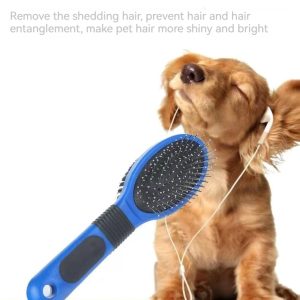
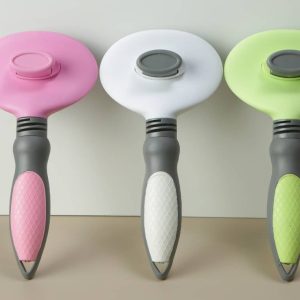
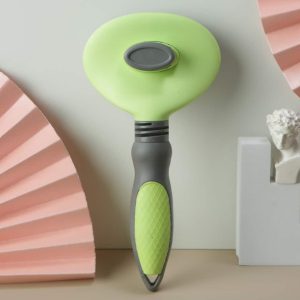
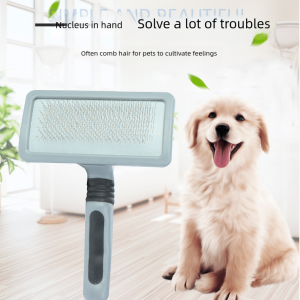
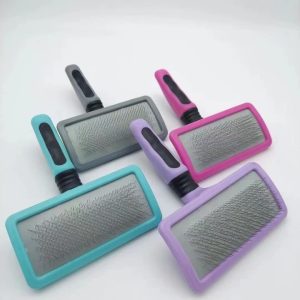
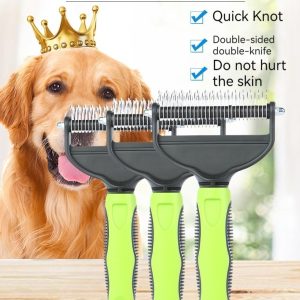
Longhaired Minuets: These cats inherit the luxurious, dense coat of their Persian ancestors and require regular, diligent grooming to prevent matting and tangles. Daily brushing is often recommended, using tools like a steel comb to work through the undercoat and a slicker brush for the top coat. Mats can form quickly, especially in areas like the armpits, behind the ears, and under the tail (britches area). If mats develop, they need to be carefully teased out or clipped – never pull hard on a mat, as this hurts the cat and can damage the skin. Regular grooming also helps reduce shedding and minimize hairballs. Finding the right grooming tools can make this process easier for both you and your cat.
Shorthaired Minuets: While requiring less intensive grooming than their longhaired siblings, shorthaired Minuets still benefit from regular brushing. Their dense, plush coat should be brushed perhaps once or twice a week to remove loose hair, distribute skin oils, and reduce shedding. This also provides a good opportunity to check their skin and body condition.
Regardless of coat length, regular nail trimming (every few weeks) is necessary to prevent overgrown nails that can snag on furniture or become uncomfortable. Ear cleaning should be done as needed, checking for wax buildup or signs of infection (redness, odor, discharge). Use a vet-approved ear cleaner and cotton balls – never insert cotton swabs into the ear canal. Dental hygiene is also crucial; regular teeth brushing with feline-specific toothpaste helps prevent periodontal disease, a common issue in cats (AVDC, n.d.). Some Minuets, particularly those with flatter facial structures inherited from the Persian side, might experience tear staining. Gently wiping the area below the eyes with a damp cloth daily can help keep it clean and prevent skin irritation.
Diet and Nutrition
A high-quality, balanced diet is fundamental for the Minuet cat's health. Choose a cat food formulated to meet the nutritional levels established by AAFCO (Association of American Feed Control Officials) for the cat's life stage (kitten, adult, senior). Both wet and dry food options can be part of a healthy diet; wet food helps with hydration, while dry food can have dental benefits. Given their Persian ancestry, some Minuets might be prone to weight gain, and their shorter stature can make excess weight more problematic for their joints and spine. Portion control is essential. Follow the feeding guidelines on the food packaging, adjusting based on your cat's age, activity level, and body condition. Avoid free-feeding, especially with dry food, unless your cat demonstrates good weight management. Always provide access to fresh, clean water. Consider using ceramic or stainless steel bowls, which are less likely to harbor bacteria than plastic.
Exercise and Play
Despite their short legs, standard Minuet cats are active and playful. They need regular opportunities for exercise to maintain a healthy weight, keep their muscles toned, and satisfy their curious minds. Engage your Minuet in interactive play sessions daily using toys like feather wands, balls, or puzzle feeders. While they may not jump as high as long-legged cats, they enjoy climbing and exploring at lower levels. Providing cat trees with ramps or lower platforms, scratching posts (both vertical and horizontal), and tunnels can encourage activity and satisfy their natural instincts.
Non-standard (long-legged) Minuets will have similar energy levels and play drives, potentially with greater vertical jumping ability. Ensure a stimulating environment with plenty of opportunities for play and exploration for both varieties. Remember that play is not just physical exercise; it's also crucial mental stimulation that prevents boredom and related behavioral issues.
Environmental Considerations
Minuet cats are generally adaptable to indoor living. Their short legs might make navigating very high obstacles slightly more challenging, so providing ramps or steps to favorite perches (like windowsills or sofas) can be helpful, particularly as they age. Ensure litter boxes have at least one low side for easy entry and exit, especially for standard (short-legged) Minuets. Keep the litter box clean, as cats are fastidious creatures. Provide safe spaces where your Minuet can retreat and feel secure, such as covered beds or quiet corners. As with all cats, keeping them indoors is the safest option, protecting them from traffic, predators, diseases, and getting lost.
Living with a Minuet Cat
Sharing your home with a Minuet cat is generally a delightful experience, thanks to their adaptable and affectionate nature. Understanding how they fit into different household dynamics can help ensure a smooth integration.
Adaptability to Households
Minuet cats are known for their adaptability. They can thrive in various environments, from bustling family homes to quiet apartments occupied by a single person or couple. The key factor is human companionship. They crave interaction and affection, so they do best in homes where people are around for a good part of the day or where there are other companion animals. They are not ideally suited to being left alone for very long, extended periods regularly, as they can become lonely or bored.
Their moderate energy levels mean they don't necessarily need a huge amount of space, making them suitable for apartment living, provided they get enough playtime and environmental enrichment (toys, climbing structures, window perches). Their generally calm demeanor, inherited from the Persian side, means they often handle the normal hustle and bustle of a household well, without being overly skittish.
Compatibility with Children and Other Pets
The Minuet cat's gentle yet playful nature often makes them excellent companions for families with children. They are typically patient and tolerant, especially if socialized from a young age. However, it's crucial to teach children how to interact respectfully with the cat – gentle handling, no tail pulling, and understanding when the cat needs space. Supervision, especially with younger children, is always recommended to ensure positive interactions for both child and cat.
Minuets also tend to get along well with other pets, including cat-friendly dogs and other cats, particularly if introduced properly and gradually. Their playful side enjoys having companions, while their affectionate nature extends to furry housemates too. Early socialization helps foster these positive relationships. Always ensure introductions are managed carefully to prevent fear or aggression.
Training and Behavior
Minuet cats are intelligent and generally easy to train for basic household manners. Litter box training is typically straightforward, as cats have a natural instinct to bury their waste. Positive reinforcement techniques – using treats, praise, and petting – work best for training desired behaviors, such as using scratching posts instead of furniture or coming when called. Consistency and patience are key.
Due to their intelligence and curiosity, providing mental stimulation is important to prevent boredom-related behaviors. Puzzle toys, clicker training simple tricks, or even harness training for safe outdoor exploration (in a secure area) can be enriching activities for a Minuet cat. Their desire for attention means they often respond well to training sessions that involve interaction with their owner.
Overall, living with a Minuet cat means sharing your life with a loving, engaging, and adaptable companion who brings a unique blend of cuddly affection and playful charm to the household.
Breeding Minuet Cats: Ethics and Practices
Breeding Minuet cats involves specific considerations related to their hybrid origin and the genetics of dwarfism. Responsible breeding practices are essential to ensure the health, temperament, and conformation of the breed while maintaining genetic diversity.
Understanding the Genetics
As previously discussed, the Minuet cat is developed by crossing Munchkins (carrying the dominant gene ‘M' for short legs) with the Persian group (Persians, Exotics, Himalayans, carrying the recessive gene ‘m' for normal legs). A standard (short-legged) Minuet is heterozygous (Mm), while a non-standard (long-legged) Minuet is homozygous recessive (mm).
Key breeding combinations include:
- Standard Minuet (Mm) x Non-Standard Minuet (mm): Produces approximately 50% standard (Mm) and 50% non-standard (mm) kittens. This is a common and safe pairing.
- Standard Minuet (Mm) x Persian Group Cat (mm): Also produces approximately 50% standard (Mm) and 50% non-standard (mm) kittens. This is used to reinforce Persian-type traits.
- Standard Minuet (Mm) x Standard Minuet (Mm): Produces approximately 67% standard (Mm) and 33% non-standard (mm) live kittens. The homozygous dominant (MM) combination is typically non-viable (Lyons et al., 2019). While possible, this pairing is often avoided by breeders due to the risk of non-viable embryos and potential ethical concerns.
- Non-Standard Minuet (mm) x Non-Standard Minuet (mm): Produces 100% non-standard (mm) kittens.
- Non-Standard Minuet (mm) x Persian Group Cat (mm): Produces 100% non-standard (mm) kittens that carry desirable traits for future breeding back to standard Minuets.
Breeders must carefully track pedigrees and understand the genetic background of their cats to make informed pairing decisions. Maintaining genetic diversity is crucial to avoid concentrating potentially harmful recessive genes.
Responsible Breeding Protocols
Responsible Minuet breeders adhere to ethical standards and prioritize the health and well-being of their cats above all else. This includes:
- Health Screening: Testing breeding cats for known genetic diseases, particularly PKD (via DNA test) due to the Persian ancestry. Screening for HCM via echocardiogram may also be advisable. Breeders should be transparent about test results.
- Selecting for Health and Temperament: Breeding only cats with sound health, stable temperaments, and good conformation according to the breed standard. Cats with known hereditary defects or poor temperaments should not be bred. Particular attention should be paid to skeletal structure, avoiding cats with signs of spinal issues or joint problems.
- Avoiding Extreme Features: Discouraging extreme brachycephaly (flat faces) that could lead to respiratory or dental problems. The goal is the sweet Persian look without the associated health compromises.
- Proper Care: Providing excellent nutrition, veterinary care, socialization, and a clean, stimulating environment for breeding cats and kittens.
- Limiting Litters: Ensuring female cats are not overbred and have adequate recovery time between litters.
- Kitten Socialization: Raising kittens in a home environment, handling them frequently to ensure they are well-socialized, confident, and friendly.
- Placement Practices: Screening potential homes carefully, providing health records and contracts, offering guidance to new owners, and often requiring kittens to be spayed/neutered unless sold to another registered breeder under specific conditions. Many responsible breeders have a take-back policy if an owner can no longer care for the cat.
- Adherence to Registry Rules: Following the breeding rules and code of ethics set forth by cat fancy organizations like TICA or CFA.
Ethical breeding is crucial for the future health and reputation of the Minuet cat breed. It moves beyond simply producing short-legged cats to ensuring they are healthy, well-adjusted companions that conform to the breed standard.
Finding a Minuet Cat
If the unique charm and affectionate personality of the Minuet cat have captured your heart, the next step is finding one. It's important to approach this process responsibly, prioritizing the health and well-being of the cat.
Choosing a Reputable Breeder
The best way to ensure you get a healthy, well-socialized Minuet kitten that meets the breed standard is to work with a reputable breeder. Here's what to look for:
- Registered Cattery: Look for breeders registered with major cat fancy organizations like TICA or CFA. Registration indicates they agree to abide by the organization's code of ethics, although it's not an absolute guarantee of quality.
- Health Focus: Reputable breeders prioritize health. They should openly discuss health screening (PKD testing is essential) and provide documentation. They should be knowledgeable about potential health issues in the breed and how they work to prevent them.
- Transparency: Good breeders welcome questions and are happy to let you (virtually or, if safe and practical, in-person) see where the cats and kittens are raised. The environment should be clean and stimulating. They should allow you to meet the kitten's mother (and father, if possible).
- Knowledgeable: They should be passionate and knowledgeable about the Minuet cat breed, its history, standard, and care requirements.
- Socialization: Kittens should be raised underfoot in the home, not isolated in cages, to ensure proper socialization. They should appear confident, curious, and comfortable around people.
- Contracts and Guarantees: Breeders should provide a written contract outlining health guarantees, responsibilities of both breeder and buyer, and often include a spay/neuter requirement for pet-quality kittens.
- Patience and Screening: Good breeders care where their kittens go. They will likely ask you questions about your home, lifestyle, and experience with cats. Be wary of breeders who seem solely focused on the transaction or are willing to ship a kitten immediately without vetting you.
- Waitlist: Reputable breeders often have waiting lists, as they breed selectively and don't always have kittens available. This is often a sign of a responsible breeder focused on quality over quantity.
You can often find breeder listings through the websites of cat associations like TICA (TICA Breeder Listing) or breed clubs dedicated to the Minuet cat.
Adoption and Rescue
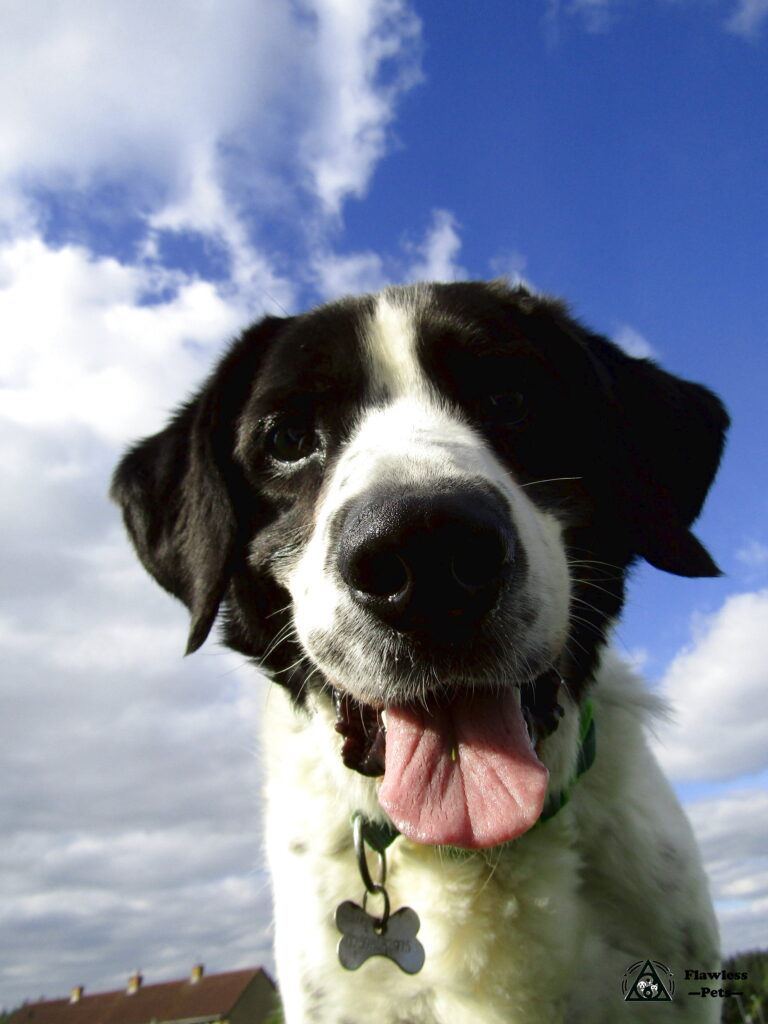
While Minuets are a relatively new and less common breed, it's occasionally possible to find them or Minuet mixes in rescue situations. Breed-specific rescues sometimes emerge, or cats may end up in general shelters or rescues due to owner surrender or unforeseen circumstances. Checking Petfinder (Petfinder) and contacting local shelters and rescue groups, letting them know you are interested in a Minuet or similar cat, can be worthwhile. Adoption fees are typically much lower than purchasing from a breeder, and you provide a loving home to a cat in need.
Cost Considerations
Purchasing a Minuet kitten from a reputable breeder typically involves a significant cost. Prices can vary widely based on location, breeder reputation, lineage (show quality vs. pet quality), and whether the kitten is standard (short-legged) or non-standard (long-legged). As of early 2025, expect prices for pet-quality Minuet kittens to range generally from $1,500 to $3,000 USD or more. Show-quality or breeding cats will command higher prices. Non-standard Minuets may sometimes be priced slightly lower than standard ones, but they make equally wonderful pets. Remember that the initial purchase price is only part of the cost of ownership; factor in ongoing expenses for food, litter, veterinary care, grooming supplies, toys like those found in our online shop, and potential emergency medical costs.
Choosing your source carefully, whether a breeder or a rescue organization, is the most crucial step in welcoming a happy and healthy Minuet cat into your life.
The Endearing Charm of the Minuet Cat
The Minuet cat stands as a captivating example of modern breed development, successfully merging the distinct physical traits and temperaments of the Munchkin and the Persian group. With its signature short legs, rounded face, large expressive eyes, and plush coat, the Minuet possesses a unique and undeniably adorable appearance. Yet, its appeal extends far beyond aesthetics. This breed embodies a delightful personality blend – the sweet, gentle, and affectionate nature inherited from its Persian lineage combined with the playful, curious, and surprisingly agile spirit of the Munchkin.
Minuets are adaptable, people-oriented companions that thrive on interaction and form strong bonds with their families. They fit well into various household settings, bringing both calm companionship and lively entertainment. While potential health concerns related to their parent breeds exist, responsible breeding practices, including diligent health screening for conditions like PKD and careful selection for sound skeletal structure, are crucial for ensuring the long-term well-being of the breed.
Caring for a Minuet involves standard feline care, with particular attention to grooming (especially for longhaired varieties) and maintaining a healthy weight to support their unique physique. Whether you are drawn to the charming look of the standard short-legged Minuet or the equally lovely non-standard version, choosing a cat from a reputable source that prioritizes health and socialization is paramount.
In the world of pedigreed cats, the Minuet offers a relatively new but thoroughly enchanting option for those seeking an affectionate, playful, and distinctively beautiful feline friend. Its journey from the Napoleon cat to the recognized Minuet reflects the dedication of breeders aiming to create not just a novel appearance, but a healthy, happy companion cat – a goal they have achieved with remarkable success.
Frequently Asked Questions (FAQ)
Are Minuet cats hypoallergenic?
No, Minuet cats are not considered hypoallergenic. Like all cats, they produce Fel d 1 protein in their saliva, skin glands, and urine, which is the primary allergen for most people with cat allergies. While individual cats may produce varying levels of allergens, and longhaired cats might trap more allergens in their fur, no breed is truly hypoallergenic. People with allergies should spend time with the specific breed (and ideally the specific cat) before committing.
Do the short legs cause health problems for Minuet cats?
The short legs are due to achondroplasia. While this condition defines the standard Minuet, concerns exist regarding potential predisposition to spinal issues (like lordosis) or early-onset arthritis due to altered biomechanics. However, responsible breeders select for cats with sound structure and no mobility issues. Well-bred standard Minuets are typically active and agile without pain. It's crucial to maintain a healthy weight to minimize stress on their joints and spine. Non-standard (long-legged) Minuets do not share these potential concerns related to leg length.
What is the difference between a Minuet cat and a Munchkin cat?
Both breeds feature short legs due to the same dominant gene. The key difference lies in the rest of their appearance and background. Minuets are specifically bred by crossing Munchkins with the Persian group (Persian, Exotic, Himalayan) to achieve a specific look: a round head, large round eyes, a semi-cobby body, and a plush coat (long or short). Munchkins, while originating from a natural mutation, have historically been outcrossed to a wider variety of domestic cats, leading to more variation in head shape, body type, and overall appearance, though TICA now restricts Munchkin outcrosses to domestic longhairs or shorthairs not belonging to a recognized breed.
Are Minuet cats good lap cats?
Yes, Minuet cats generally make excellent lap cats. They inherit the affectionate and gentle nature of the Persian group and typically enjoy cuddling and spending quiet time with their favorite people. While they also have a playful side inherited from the Munchkin, they usually balance their activity with a strong desire for closeness and physical affection, making them ideal companions for those seeking a cuddly feline friend.
How much grooming does a Minuet cat need?
Grooming needs depend on coat length. Longhaired Minuets require significant grooming – ideally daily brushing – to prevent mats and tangles in their dense, long coat. Shorthaired Minuets need less grooming, but weekly brushing is recommended to remove loose hair and maintain coat health. Regardless of coat length, regular nail trimming, ear checks, and dental care are essential for all Minuet cats.
Can Minuet cats jump?
Standard (short-legged) Minuet cats can jump, but generally not as high as their long-legged counterparts. They are often skilled climbers and will use furniture or lower objects as steps to reach higher places like sofas or low cat trees. Non-standard (long-legged) Minuets have normal jumping abilities. Despite their shorter reach, standard Minuets are known for being surprisingly agile and active.
References
- American Veterinary Dental College (AVDC). (n.d.). Periodontal Disease. Retrieved January 15, 2025, from https://avdc.org/periodontal-disease/
- Cat Fanciers' Association (CFA). (n.d.). Breeds. Retrieved January 15, 2025, from https://cfa.org/breeds/ (Note: Check current status as breed progression can change)
- Domanjko-Petrič, A., Čučnik, S., Benko, N., & K Kosec, M. (2018). Polycystic kidney disease. Veterinarska Stanica, 49(6), 445–455. https://hrcak.srce.hr/file/313916
- Lyons, L. A., Fox, D. B., Chesney, K. L., Buckley, R. M., Coates, J. R., Gandolfi, B., Grahn, R. A., Hamilton, M. J., Middleton, J. R., & Rah, H. C. (2019). Localization of a feline autosomal dominant dwarfism locus: a novel model of chondrodysplasia. *bioRxiv*, 701600. https://doi.org/10.1101/701600 (Note: This is a preprint; check for peer-reviewed publication status).
- Martinez, S. A. (2020). Chondrodysplasia. In *Clinical Veterinary Advisor: Dogs and Cats* (4th ed.). Elsevier. (Specific page numbers may vary, chapter reference).
- Schlueter, C., Budras, K. D., Ludewig, E., Mayrhofer, E., Koenig, H. E., Walter, A., & Oechtering, G. U. (2009). Brachycephalic feline noses: CT and anatomical study of the relationship between head conformation and the nasolacrimal drainage system. *Journal of Feline Medicine and Surgery*, 11(11), 891–900. https://doi.org/10.1016/j.jfms.2009.09.010
- The International Cat Association (TICA). (n.d.-a). Minuet Breed Standard. Retrieved January 15, 2025, from https://tica.org/breeds/browse-all-breeds?view=article&id=1528:minuet-breed-standard&catid=79
- The International Cat Association (TICA). (n.d.-b). Munchkin Breed. Retrieved January 15, 2025, from https://tica.org/breeds/browse-all-breeds?view=article&id=868:munchkin-breed&catid=79
- The International Cat Association (TICA). (2015, January 30). *2015 Winter Board Meeting Motion*. Referenced in various breed history summaries, direct link to specific motion may be archived.
- Veterinary Genetics Laboratory, University of California, Davis. (n.d.). Polycystic Kidney Disease (PKD). Retrieved January 15, 2025, from https://vgl.ucdavis.edu/test/pkd
Disclaimer: The information provided in this blog post is for educational and informational purposes only. It is not intended as professional veterinary advice. Always consult with a qualified veterinarian for your pet's specific needs and health conditions. We strive to ensure accuracy, but we make no warranty as to the reliability or completeness of the information presented.
Images and media used in this post may come from free-license resources or the internet. If you are the rightful owner and wish to request removal or attribution, please contact us at [email protected] .
Images and media used in this post may come from free-license resources or the internet. If you are the rightful owner and wish to request removal or attribution, please contact us at [email protected] .


 English
  简体中文
简体中文  Français du Canada
  Deutsch
  Español
  Português
  한국어
한국어  日本語
日本語  Italiano
  Русский
  Dansk
Dansk  Nederlands
  Svenska
  Suomi
Suomi  Polski
  Norsk bokmål