
History and Origins: Crafting a Unique Feline
The story of the Minuet Longhair cat is a fascinating example of intentional breed development, driven by a specific vision. Unlike breeds that emerged naturally over centuries, the Minuet, originally named the Napoleon cat, was conceived in the mid-1990s. The credit for the breed's inception goes to Joe Smith, a Basset Hound breeder and American Kennel Club (AKC) judge. Inspired by a feature on the Munchkin cat in the Wall Street Journal in 1995, Smith was captivated by their unique short-legged stature but felt something was missing (TICA, n.d.-b). He envisioned a cat that combined the endearing short legs of the Munchkin with the luxurious coat and rounded features reminiscent of the classic Persian cat group.
Smith's goal was clear: to create a distinct breed that stood on its own, not merely a short-legged version of an existing breed. He aimed for a cat with a unique look and a gentle, lap-cat personality, drawing the best traits from his chosen foundation breeds. To achieve this, he meticulously planned a breeding program. The foundation crosses involved intentionally breeding Munchkin cats, known for their spontaneous genetic mutation causing short legs, with members of the Persian breed group. This group includes Persians, Himalayans (essentially a colorpoint Persian), and Exotic Shorthairs (a shorthaired version of the Persian) (TICA, n.d.-b). The inclusion of the Persian group was crucial for achieving the desired rounded head, large eyes, substantial boning, and, specifically for the Minuet Longhair cat, the dense, flowing coat.
-
-23%

HiDream Color-Block Shoulder Pet Travel Bag – Stylish and Lightweight Carrier for Small Pets – Almond, Matcha
Original price was: $109.99.$84.99Current price is: $84.99. -
-14%
HiDream Pet Tote Bag – Relaxed Style Carrier for Small Pets – Durable Nylon with Breathable Mesh – Beige, Green, Gray
Original price was: $109.99.$94.59Current price is: $94.59. -
-12%
HiDream Pet Sling Carrier Bag – Adjustable Shoulder Strap Front Carry Bag for Small Pets – Khaki, Green, Gray
Original price was: $99.99.$88.49Current price is: $88.49.

The initial name chosen for the breed was “Napoleon,” likely an allusion to the historical figure Napoleon Bonaparte, known for his short stature. This name persisted for several years as breeders worked to establish the breed's characteristics and gain recognition from feline registries. The development process involved careful selection of offspring that displayed the desired combination of traits: the autosomal dominant gene for short legs from the Munchkin parent and the desired head structure, eye shape, and coat type from the Persian-group parent. It's important to understand that not all kittens from these crosses inherit the short legs; those with standard leg length are still valuable to the breeding program as they carry other desired traits and contribute to genetic diversity. These standard-legged Minuets are often referred to as “non-standard” Minuets.
The journey towards official recognition required dedicated effort from a community of breeders. They worked to refine the breed standard, document pedigrees, and present the cats at shows. The International Cat Association (TICA) was one of the primary registries approached. The breed entered TICA's Experimental Registry, later advancing to Preliminary New Breed, and then to Advanced New Breed status. This progression involves meeting specific requirements related to the number of cats and breeders registered, demonstrating consistent breed characteristics across generations, and establishing healthy breeding practices (TICA, n.d.-a).
A significant change occurred in 2015 when TICA's board of directors voted to change the breed's name from Napoleon to Minuet (TICA, 2015). The reasons for the name change are often cited as avoiding potential offense related to the historical figure and choosing a name that better reflected the cat's dainty and charming nature (Minuet being a type of graceful dance). Under the name Minuet, the breed achieved full championship status in TICA in 2016, allowing both the longhair and shorthair versions to compete alongside other recognized breeds (TICA, n.d.-b). The Minuet Longhair cat continues to be developed by dedicated breeders focused on health, temperament, and adherence to the established breed standard.
Physical Characteristics: A Blend of Charm and Distinction
The Minuet Longhair cat presents a unique and captivating appearance, instantly recognizable by its combination of noticeably short legs and a full, flowing coat. It embodies the breeder's original vision: a harmonious blend of the Munchkin's stature and the Persian group's plushness and rounded features, resulting in a cat that looks both adorable and substantial.
Overall Appearance and Size
The first impression is often one of a medium-sized cat riding lower to the ground than average. Despite their short limbs, they possess a well-balanced, sturdy body structure. They should not appear delicate or overly fine-boned. The overall effect is charming and somewhat doll-like, particularly with the longhair coat framing their round face and large eyes. Adult Minuet cats typically weigh between 5 to 9 pounds (approximately 2.3 to 4 kg), with males sometimes being slightly larger than females (TICA, n.d.-b). Their size is moderate, but their density and muscle tone make them feel surprisingly solid.
Body and Legs
The body of the Minuet Longhair cat is described as semi-cobby, meaning it is relatively short, broad, and deep-chested, but not as extremely compact as a Persian. They have a solid bone structure and are well-muscled, contributing to their surprising agility. A level topline is preferred, though a slight rise from shoulders to rump is acceptable according to the TICA standard. The defining characteristic, of course, is the legs. They are significantly shorter than those of a standard-legged cat, a trait governed by an autosomal dominant gene inherited from the Munchkin parentage (Lyons et al., 2019). This gene affects the long bones of the legs. Importantly, the legs should be sturdy and well-boned, not thin or fragile. The front legs may exhibit a slight bow, but excessive bowing is undesirable. The hind legs are often slightly longer than the front legs. While short, these legs provide adequate support and allow for considerable mobility, including running and climbing, albeit with a different gait than standard cats.
Head, Eyes, and Ears
The head is a key feature distinguishing the Minuet from its Munchkin ancestors. It should be round and broad with a smooth dome, reflecting the Persian influence. There should be a definite nose break, but it should not be extreme like the modern Persian's flat face (Peke-face), which can lead to brachycephalic health issues. The muzzle is short and broad, complementing the roundness of the head. The chin should be firm and well-developed. The eyes are large, round, and set wide apart, giving the Minuet Longhair cat an open, sweet, and expressive look. Eye color should be brilliant and conform to the coat color, with a wide range of possible shades. Ears are typically medium to small in size, set wide apart and low on the head, fitting into the rounded contour without distorting it. They should have rounded tips.
Coat (Longhair Specific)
The crowning glory of the Minuet Longhair cat is its coat. It is dense, plush, and stands away from the body, possessing a soft, silky texture. While long, it should ideally not be excessively cottony or prone to matting, though regular grooming is essential. A prominent ruff around the neck is highly desirable, framing the face beautifully. The fur on the tail should be full and form a plume. The coat length should be relatively even over the body, though slightly shorter on the shoulders. TICA accepts all traditional colors and patterns for the Minuet breed, reflecting the diverse genetic heritage from both the Munchkin (which comes in all colors) and the Persian group (which also has a vast array of recognized colors and patterns) (TICA, n.d.-b). This includes solid colors, tabbies, tortoiseshells, calicos, bi-colors, and pointed patterns (like the Himalayan).
Minuet Longhair vs. Parent Breeds: A Quick Comparison
Understanding the Minuet Longhair cat involves recognizing how it blends traits from its foundation breeds. Here's a simplified comparison focusing on key distinguishing features:
| Feature | Minuet Longhair Cat | Munchkin (Foundation) | Persian (Foundation Group Influence) |
|---|---|---|---|
| Leg Length | Short (defining trait) | Short (defining trait) | Standard/Long |
| Body Type | Semi-cobby, sturdy, medium size | Semi-cobby, medium size (can vary) | Cobby, short, broad, massive |
| Head Shape | Round, broad, smooth dome, moderate nose break | Modified wedge with rounded contours, medium nose break (variable) | Round, massive, broad skull, very short nose (often extreme break) |
| Eye Shape | Large, round, wide-set | Walnut-shaped, medium to large, wide-set | Large, round, full, wide-set |
| Coat (Longhair) | Long, dense, plush, stands off body, significant ruff | Longhair variety exists (Munchkin Longhair), semi-long, silky, less dense than Minuet/Persian | Very long, thick, dense, fine texture, stands off body, immense ruff |
| Grooming Needs (Longhair) | High – Frequent brushing needed | Moderate to High (for Longhair Munchkin) | Very High – Daily extensive grooming required |
| Temperament (General) | Affectionate, playful, gentle, people-oriented | Curious, playful, outgoing, confident | Sweet, gentle, quiet, affectionate, lap cat |
Note: This table provides generalizations. Individual cats within any breed can vary. The Minuet standard aims for a blend, avoiding the extremes of the Persian parent (like extreme brachycephaly).
Temperament and Personality: Sweetness Meets Curiosity
The temperament of the Minuet Longhair cat is often cited as one of its most appealing qualities, representing a delightful fusion of its parent breeds' personalities. Breeders aimed to capture the gentle, affectionate nature of the Persian group while retaining the playful curiosity and confidence associated with the Munchkin. The result is typically a cat that is both a loving companion and an engaging entertainer.
Minuet Longhairs are generally known for being exceptionally people-oriented and affectionate. They often form strong bonds with their human families and enjoy being involved in household activities. Unlike the sometimes aloof reputation of standard Persians, Minuets tend to be more outgoing and interactive, likely influenced by the Munchkin heritage. They thrive on attention and enjoy petting sessions, lap time, and simply being near their favorite humans. This makes the Minuet Longhair cat an excellent choice for individuals or families seeking a devoted feline companion.
Despite their luxurious coats and sweet expressions, they possess a playful and curious spirit. The Munchkin influence often brings out an energetic side, especially during kittenhood and young adulthood. They enjoy interactive games, chasing toys, and exploring their environment. Their short legs do not typically hinder their playful antics; they are known for their surprising speed and agility over short distances, often darting around with enthusiasm. They might not leap to the highest points like a standard-legged cat, but they are often adept climbers, utilizing furniture or cat trees (perhaps preferring those with ramps or lower platforms) to reach desired vantage points. Their intelligence is evident in their curiosity and ability to engage with puzzle toys or learn simple routines.
The Minuet Longhair cat generally has a gentle and easygoing disposition, making them well-suited for households with children or other pets, provided proper introductions are made. Their patience, inherited perhaps from the placid Persian side, means they are often tolerant of gentle handling by respectful children. They usually coexist peacefully with other cats and cat-friendly dogs, especially if socialized from a young age. However, like any animal, individual personalities can vary, and supervision during initial interactions is always recommended.
Compared to the often very quiet and sedentary Persian, the Minuet tends to be moderately active and more inquisitive. Compared to the sometimes hyper-energetic Munchkin, the Minuet might be slightly more mellow and inclined towards cuddling. They strike a pleasant balance, offering periods of playful energy interspersed with relaxed companionship. They are not typically overly demanding or vocal, expressing their needs with softer vocalizations compared to some other breeds. The combination of affection, playfulness, and adaptability makes the Minuet Longhair cat a charming and rewarding pet for many different types of homes.
Care and Grooming: Maintaining the Majestic Coat and Well-being
Caring for a Minuet Longhair cat involves commitment, particularly regarding their beautiful coat, but also encompasses standard feline care practices tailored slightly to their unique physique. Providing the right environment, nutrition, and preventative health measures will ensure your Minuet thrives.
Grooming: The Essential Task
The hallmark of the Minuet Longhair cat is its luxurious, dense coat, which requires diligent grooming to remain healthy and free of mats. This is perhaps the most demanding aspect of their care. Matting can occur quickly if neglected, leading to skin irritation, pain, and potential infections. Regular grooming is not just cosmetic; it's crucial for their health and comfort.
- Frequency: Brushing is ideally a daily task, or at minimum, several times per week. This helps remove loose hair, prevents tangles from forming, and distributes skin oils, keeping the coat healthy and shiny.
- Tools: A high-quality steel comb (with wide and narrow teeth) is essential for detangling and reaching the undercoat. A slicker brush can help remove loose surface hair, but the comb is key for preventing mats close to the skin. Be gentle to avoid scratching the skin. Focus on areas prone to matting, such as behind the ears, under the legs (armpits), the belly, and the base of the tail.
- Technique: Work through the coat section by section, ensuring you reach the skin. If you encounter a small tangle, try to gently work it out with your fingers or the wide-toothed end of the comb. Never pull hard, as this is painful. For larger mats, it may be necessary to carefully cut them out with blunt-nosed scissors or seek professional help from a groomer. Regular brushing is the best prevention.
- Bathing: Baths may be needed occasionally, perhaps every few months or when the coat feels greasy or dirty. Use a cat-specific shampoo. Ensure the cat is thoroughly rinsed and dried completely, either with towels or a pet-safe dryer on a low, cool setting, while brushing to prevent tangles as the coat dries.
- Other Grooming: Regular nail trimming (every few weeks), ear cleaning (if wax builds up, using a vet-approved cleaner), and dental care (brushing with feline toothpaste or providing dental treats/chews) are also important aspects of grooming for the Minuet Longhair cat. Due to potential Persian influence, some Minuets might have slight facial staining (tear staining), which can be gently wiped with a damp cloth.
Diet and Nutrition
A high-quality, balanced diet is essential for all cats, including the Minuet Longhair. Choose a food appropriate for their age (kitten, adult, senior) and activity level. Both wet and dry food options can be part of a healthy diet; wet food aids hydration, while dry food can help with dental health. Given their sturdy build and potentially moderate activity level, portion control is important to prevent obesity. Their shorter stature can make excess weight gain more problematic, potentially putting extra strain on their joints and spine. Always provide fresh, clean water. Consult your veterinarian to determine the best diet type and feeding amount for your individual Minuet Longhair cat, especially if they have any specific health needs.
Exercise and Environmental Enrichment
Despite their short legs, Minuet Longhairs are playful and benefit from regular exercise to maintain a healthy weight and mental stimulation. Engage them in interactive play sessions daily using toys like feather wands, laser pointers (use cautiously, ending with a physical toy capture), and balls. Provide a variety of toys for independent play. Environmental enrichment is also key. While they might not scale the tallest cat trees with ease, they appreciate vertical space. Consider cat trees with lower platforms, ramps, or sturdy scratching posts they can climb. Scratching posts are essential for nail health and marking behavior. Puzzle feeders can provide mental stimulation during meal times. Ensuring your Minuet Longhair cat has outlets for play and exploration contributes significantly to their overall well-being.
Litter Box Considerations
Standard litter box setups usually work well for Minuets. However, some owners find that boxes with a lower entry point can be easier for cats with shorter legs to access, especially as they age or if they develop any joint stiffness. Ensure the box is large enough for them to turn around comfortably and keep it meticulously clean, scooping daily and changing the litter regularly. The general rule is one litter box per cat, plus one extra, placed in quiet, accessible locations.
Health Considerations: Understanding Potential Concerns
The Minuet Longhair cat, as a hybrid breed, can potentially inherit health predispositions from both its Munchkin and Persian group ancestry. While many Minuets live long, healthy lives, typically ranging from 12 to 15 years or more with proper care, prospective and current owners should be aware of potential issues. Responsible breeding practices, including health screening, are paramount in minimizing the risk of genetic conditions.
Potential Issues from Munchkin Ancestry
The defining trait of the Munchkin and Minuet – achondroplasia or pseudoachondroplasia (the specific genetic mechanism is debated, but results in short limbs) – is itself a point of discussion regarding health. Concerns often revolve around spinal and joint health.
- Lordosis: This is an excessive inward curvature of the spine in the lower back. Severe lordosis can potentially compress internal organs. While reported in Munchkins, the actual prevalence and severity specifically linked to the dwarfism gene versus other causes are not definitively established through large-scale studies (Veterinary Genetics Laboratory, UC Davis, n.d.). Responsible breeders avoid breeding cats showing signs of this condition.
- Pectus Excavatum: This is a deformity where the sternum (breastbone) and ribs grow inward, creating a concave or “funnel” chest. Severe cases can impair heart and lung function. Like lordosis, it occurs in Munchkins (and other breeds, as well as humans), but its direct link solely to the short-legged gene versus multifactorial causes requires more research (Schultheiss et al., 2000).
- Osteoarthritis: There is ongoing debate and limited long-term research on whether the altered conformation of short-legged cats predisposes them to earlier or more severe osteoarthritis compared to standard-legged cats. Some veterinary professionals express concern, while breed enthusiasts often report their cats remain active and pain-free well into old age. Maintaining a lean body condition is crucial to minimize joint stress for any cat, perhaps especially for a Minuet Longhair cat.
It is crucial to note that the gene causing short legs in Munchkins and Minuets is considered lethal in its homozygous form (when a kitten inherits the gene from both parents). Embryos with two copies of the gene typically do not develop, meaning all living short-legged Minuets have only one copy of the gene (heterozygous) (Lyons et al., 2019). This is why Minuet-to-Minuet breedings (or Munchkin-to-Munchkin) produce litters with both short-legged and standard-legged kittens.
Potential Issues from Persian Group Ancestry
The Persian breed group brings its own set of potential genetic health concerns that can be passed down to the Minuet Longhair cat.
- Polycystic Kidney Disease (PKD): This is a serious inherited condition, particularly prevalent in Persians and related breeds. Cysts develop in the kidneys, gradually enlarging over time and leading to kidney failure. Fortunately, a reliable genetic test (DNA test) is available for PKD (Lyons et al., 2004). Reputable Minuet breeders absolutely must screen their breeding cats (both Munchkin and Persian/Exotic/Himalayan lines) for this gene and only breed from PKD-negative cats. Always ask for proof of PKD testing from breeders.
- Hypertrophic Cardiomyopathy (HCM): HCM is the most common heart disease in cats across many breeds, including Persians. It involves a thickening of the heart muscle wall, which can lead to heart failure or blood clots. While there isn't a single gene test for all forms of HCM, screening breeding cats via regular echocardiograms (heart ultrasounds) performed by veterinary cardiologists is the recommended practice for responsible breeders (Kittleson et al., 1999).
- Brachycephalic Issues (Less Common): While the Minuet standard calls for a round head and moderate nose break, it aims to avoid the extreme flatness (brachycephaly) seen in some modern Persians. Extreme brachycephaly can lead to breathing difficulties, dental misalignment, and eye problems (like excessive tearing or corneal issues). Minuets generally have fewer issues related to brachycephaly than show-style Persians, but it's something to be mindful of depending on the specific cat's facial structure.
- Dental Issues: The rounded head shape, even if moderate, can sometimes contribute to dental crowding or misalignment, potentially increasing the risk of periodontal disease. Regular dental check-ups and home care are important.
- Coat-Related Issues: The dense long coat, if not properly groomed, can lead to severe matting, skin infections, and discomfort, as discussed in the grooming section.
Importance of Reputable Breeders and Veterinary Care
Given these potential concerns, choosing a breeder for a Minuet Longhair cat requires careful research. A reputable breeder will be knowledgeable about the breed's health, transparent about their breeding practices, and perform relevant health screenings on their breeding cats (PKD testing is essential, HCM screening highly recommended). They should provide health guarantees and be willing to answer all your questions.
Regular veterinary check-ups (at least annually, more often for kittens and seniors) are vital for monitoring your cat's health, administering preventative care like vaccinations and parasite control, and catching any potential issues early. Discuss the specific needs and potential risks associated with the Minuet Longhair cat breed with your veterinarian.
The Minuet Longhair Cat in the Home: Adaptability and Companionship
The Minuet Longhair cat generally makes a wonderful addition to a variety of home environments, thanks to its adaptable nature and affectionate personality. Their moderate size and activity level make them suitable for both spacious houses and smaller apartments, provided their needs for play and interaction are met.
Their people-oriented nature means they thrive in households where they receive plenty of attention and companionship. They are not typically cats that do well being left alone for very long periods consistently. They genuinely enjoy interacting with their humans, whether it's cuddling on the sofa, following them from room to room, or engaging in a play session. This makes the Minuet Longhair cat an ideal companion for singles, couples, families with gentle children, or seniors seeking an affectionate and relatively easygoing pet (keeping the grooming commitment in mind).
In terms of adaptability, Minuets usually adjust well to indoor living. Their curiosity might lead them to explore windowsills and lower furniture, but their shorter legs naturally make them less prone to scaling the highest curtains or bookshelves compared to more lanky breeds. Providing safe outlets for their curiosity, like secure window perches or accessible cat trees, is beneficial. As mentioned earlier, they generally get along well with other pets when introduced properly, adding to their suitability for multi-pet households. Their blend of Persian gentleness and Munchkin curiosity often results in a cat that is present and interactive without being overly demanding or destructive.
Potential owners should consider the time commitment required, particularly for grooming the long coat. If regular, potentially daily, brushing seems daunting, a Shorthair Minuet might be a better fit. However, for those prepared for the grooming routine, the Minuet Longhair cat offers immense rewards in terms of affection, personality, and unique charm. They bring a sense of warmth and playful elegance to the home, quickly becoming cherished members of the family.
Breed Recognition and Standards: The Official Blueprint

Official recognition by a major cat registry is a significant milestone for any developing breed, signifying that it has met stringent criteria for consistency, health, and distinctiveness. The Minuet Longhair cat, along with its shorthaired counterpart, achieved this goal with The International Cat Association (TICA).
As detailed in the history section, the breed, initially known as the Napoleon, underwent TICA's rigorous evaluation process. This involved progressing through several stages: Experimental, Preliminary New Breed, and Advanced New Breed. Each stage requires breeders to meet specific benchmarks regarding the number of registered cats representing multiple generations, adherence to a written standard, and participation in cat shows to demonstrate the breed's qualities to judges (TICA, n.d.-a).
In 2015, the breed's name was officially changed from Napoleon to Minuet within TICA (TICA, 2015). Following this change, the Minuet (encompassing both longhair and shorthair varieties) attained full Championship status in TICA in May 2016 (TICA, n.d.-b). This means that Minuet cats conforming to the breed standard can compete for titles and awards at TICA-sanctioned cat shows worldwide, alongside long-established breeds.
The TICA Breed Standard for the Minuet outlines the ideal characteristics of the breed, serving as a blueprint for breeders and a guide for judges. Key features emphasized in the standard include:
- Legs: Short, well-boned. Hind legs may be slightly longer than front legs. Feet should be round and neat.
- Body: Semi-cobby, medium length, substantial bone structure, well-rounded chest and firm muscles. Not overly compact like a Persian, nor overly slender.
- Head: Round, broad, with a smooth tophead. Well-developed chin. Muzzle should be round and short but provide enough room for healthy dentition.
- Nose: Broad for the muzzle size, with a gentle stop (dip) between the eyes, but not an extreme break.
- Eyes: Large, round, expressive, set well apart. Any eye color is acceptable.
- Ears: Medium to small, wide set, fitting into the round contour of the head.
- Tail: In proportion to the body, typically thicker at the base and tapering slightly. Should be carried without a curl.
- Coat (Longhair): Dense, plush, soft texture, standing away from the body. Significant neck ruff is preferred. Full plume on the tail. All colors and patterns are accepted. (The Shorthair version has a dense, plush, resilient coat).
The standard emphasizes overall balance and proportion, aiming for a cat that looks harmonious despite its unique combination of features. It specifically penalizes traits that could indicate health problems, such as excessive spinal curvature or extreme brachycephaly. Recognition by TICA provides credibility and structure for the continued responsible development of the Minuet Longhair cat breed.
While TICA is the primary registry recognizing the Minuet for championship competition, other cat associations may have different policies or recognize the breed under different statuses or names. Prospective owners interested in showing or breeding should verify the status with the specific association they are involved with.
Comparing Minuet Longhair to Parent Breeds: A Deeper Look
To truly appreciate the Minuet Longhair cat, it's helpful to delve deeper into how it compares and contrasts with its foundational parent breeds: the Munchkin and the Persian group (Persian, Himalayan, Exotic Shorthair). The Minuet is intentionally designed as a blend, selecting desirable traits from each lineage while aiming to avoid certain extremes.
Minuet Longhair vs. Munchkin
The most obvious shared trait is the short legs, caused by the same autosomal dominant gene. Both breeds feature short-legged individuals and standard-legged (non-standard) individuals. However, the similarities often diverge from there.
- Head and Body Structure: The Minuet standard calls for a significantly rounder head, larger round eyes, and a more substantial, semi-cobby body compared to the typical Munchkin. Munchkins often have a more moderate, modified wedge head shape and can vary more in body type, sometimes appearing more medium-bodied than truly semi-cobby. The Minuet's conformation deliberately borrows from the Persian influence for a plusher, rounder look overall.
- Coat: While Munchkins do come in a longhair variety, the coat of a Minuet Longhair cat is generally expected to be denser, plusher, and stand off from the body more significantly, again reflecting the Persian contribution. The neck ruff is also typically more pronounced in the Minuet Longhair.
- Temperament: Both breeds are known for being playful and curious. However, the Minuet often exhibits a slightly gentler, more lap-oriented disposition, blending the Munchkin's energy with the Persian's sweetness. Munchkins might be perceived as slightly more outgoing or “ferret-like” in their ground-level explorations, while Minuets might balance play with more quiet affection.
Minuet Longhair vs. Persian
The influence of the Persian is clear in the Minuet's appearance, but key differences exist, primarily aimed at promoting better health and a slightly different personality profile.
- Leg Length: This is the most striking difference. Persians have standard leg length, contributing to their massive, cobby, low-slung appearance but without the genetic dwarfism of the Minuet.
- Facial Structure: While the Minuet has a round head and a nose break, the standard aims to avoid the extreme brachycephaly (flat face) often seen in show-style Persians. This more moderate facial structure in the Minuet generally leads to fewer breathing issues, dental problems, and excessive eye tearing associated with extreme flatness.
- Body Type: Persians have a true cobby body – short, broad, and massive. The Minuet is semi-cobby, substantial but typically slightly longer in the body and not quite as extreme in its compactness.
- Coat Management: Both breeds have demanding long coats. However, the Persian coat is often finer and even longer, potentially making it even more prone to matting than the Minuet Longhair cat coat, requiring absolutely rigorous daily grooming. The Minuet coat, while dense, is sometimes described as slightly easier to manage, though still requiring significant commitment.
- Temperament and Activity Level: Persians are famously placid, sweet, and quiet lap cats. Minuets share the sweetness but tend to be more playful, curious, and moderately active, injecting the Munchkin's livelier spirit into the mix. They are generally more interactive and less sedentary than a typical Persian.
In essence, the Minuet Longhair cat aims to be a “best of both worlds” creation: retaining the unique short legs and playful spirit of the Munchkin while incorporating the plush coat, round features, and sweet nature of the Persian, but moderated to encourage better health (especially regarding facial structure) and a slightly more active personality.
Ethical Considerations: The Dwarfism Debate
The existence of cat breeds defined by genetic mutations, particularly those affecting physical structure like the short legs of the Munchkin and consequently the Minuet Longhair cat, often sparks ethical debate within the veterinary and animal welfare communities. It's important for prospective owners to be aware of these discussions.
The core of the debate revolves around whether intentionally breeding for achondroplasia (or pseudoachondroplasia), the condition causing the short limbs, potentially compromises the cat's health and well-being. Critics express concerns about potential long-term impacts on joint health (like osteoarthritis) and spinal issues (such as lordosis or pectus excavatum), arguing that breeding for a trait that alters normal skeletal structure is ethically questionable (Schmeitzel & Smith, 1993). Some major veterinary organizations and cat registries outside the US (like the UK's Governing Council of the Cat Fancy – GCCF) do not recognize breeds based on dwarfism due to these welfare concerns (GCCF, n.d.). They argue that a cat's structure should primarily support function and health, not just aesthetics.
Conversely, proponents of breeds like the Munchkin and Minuet argue that the cats are generally healthy, active, and do not suffer from undue pain or limitations related to their short legs. Breed enthusiasts and many owners report that these cats run, play, and climb effectively and live long, happy lives. They emphasize that the conditions sometimes associated with the breed (lordosis, pectus excavatum) occur in other breeds as well and are not necessarily widespread or solely caused by the dwarfism gene. Furthermore, they highlight the importance of responsible breeding practices, which involve screening for known health issues (like PKD inherited from the Persian side) and selecting breeding cats with good overall conformation and health, avoiding extremes (TICA's standard for the Minuet, for instance, penalizes excessive spinal curvature).
Research specifically on the long-term health implications of feline dwarfism is limited compared to studies in dogs or humans. Much of the evidence remains anecdotal or based on smaller case studies. The Veterinary Genetics Laboratory at UC Davis notes the condition in Munchkins but doesn't list specific health issues directly linked to it on their primary testing page, focusing instead on conditions like PKD relevant to outcross breeds (Veterinary Genetics Laboratory, UC Davis, n.d.).
Ultimately, the decision of whether to own a Minuet Longhair cat involves weighing these considerations. It underscores the critical importance of finding a highly reputable and ethical breeder. Such breeders prioritize health above all else, conduct necessary screenings, are transparent about potential risks, and aim to produce cats that are not only beautiful but also structurally sound and capable of a high quality of life. Prospective owners should engage in thoughtful research and dialogue with breeders and veterinarians to make an informed decision aligned with their personal ethics regarding animal welfare.
Finding a Minuet Longhair Cat: Responsible Acquisition
Once you've decided that the charming Minuet Longhair cat is the right companion for you, the next step is finding one responsibly. Due to their relatively recent development and specific breeding requirements, they are less common than many established breeds. Prioritizing ethical sources is crucial for the well-being of the cats and the integrity of the breed.
Identifying Reputable Breeders
The best way to acquire a healthy, well-socialized Minuet kitten is through a reputable breeder who adheres to ethical practices. Here's what to look for:
- Registry Affiliation: Look for breeders registered with recognized cat associations like TICA, which recognizes the Minuet breed. TICA often has breeder directories available online (check the official TICA website under ‘Find a Kitten').
- Health Screening: This is non-negotiable. Ask for proof of genetic testing for PKD (Polycystic Kidney Disease) for the parent cats. Inquire about HCM (Hypertrophic Cardiomyopathy) screening (echocardiograms) for breeding cats. Responsible breeders prioritize health and willingly share test results.
- Knowledge and Transparency: A good breeder will be deeply knowledgeable about the Minuet Longhair cat, including its history, standard, care needs, and potential health concerns. They should be happy to answer your questions thoroughly and honestly.
- Home Environment: Responsible breeders typically raise kittens underfoot in their homes, not in cages or separate catteries. This ensures kittens are well-socialized with people, household noises, and potentially other pets from a young age. Ask about visiting the cattery (or seeing it via video call) to observe the conditions and meet the parent cats if possible.
- Health Guarantee and Contract: Reputable breeders provide a written contract outlining the terms of sale, health guarantees (covering congenital issues), spay/neuter requirements, and often a return policy if you can no longer care for the cat.
- Questions for You: Ethical breeders care deeply about where their kittens go. Expect them to ask you questions about your home environment, lifestyle, experience with cats (especially longhaired breeds), and how you plan to care for the kitten.
- Patience: Be prepared to wait. Good breeders often have waiting lists for their kittens. Avoid breeders who always seem to have kittens available immediately or offer multiple breeds.
Be wary of online sellers offering kittens at unusually low prices, without contracts or health information, or who are unwilling to let you see where the kittens are raised. These are often signs of backyard breeders or kitten mills who prioritize profit over health and welfare.
Adoption and Rescue
While finding a purebred Minuet Longhair cat in a general animal shelter is rare, it's not impossible. Sometimes circumstances change, and cats end up needing new homes. Keep an eye on local shelters and rescue groups. Additionally, there might occasionally be breed-specific rescues or groups focused on Persian or Munchkin types that may sometimes have Minuets or Minuet mixes available for adoption. Petfinder.com and Adoptapet.com allow searching by breed, although availability will be limited. Adoption can be a wonderful way to provide a loving home to a cat in need.
Cost Considerations
Acquiring a Minuet Longhair cat from a reputable breeder represents a significant investment. The price for a pet-quality kitten typically ranges from $1,500 to $3,000 or even more (as of early 2025, prices can fluctuate based on location, breeder reputation, lineage, and specific qualities of the kitten). Kittens sold with breeding rights or show potential will command higher prices. Remember that this initial cost is just the beginning; factor in ongoing expenses for high-quality food, grooming supplies, veterinary care (including potential screenings later in life), toys, litter, and other essential pet supplies.
Living with a Minuet Longhair Cat: Daily Delights
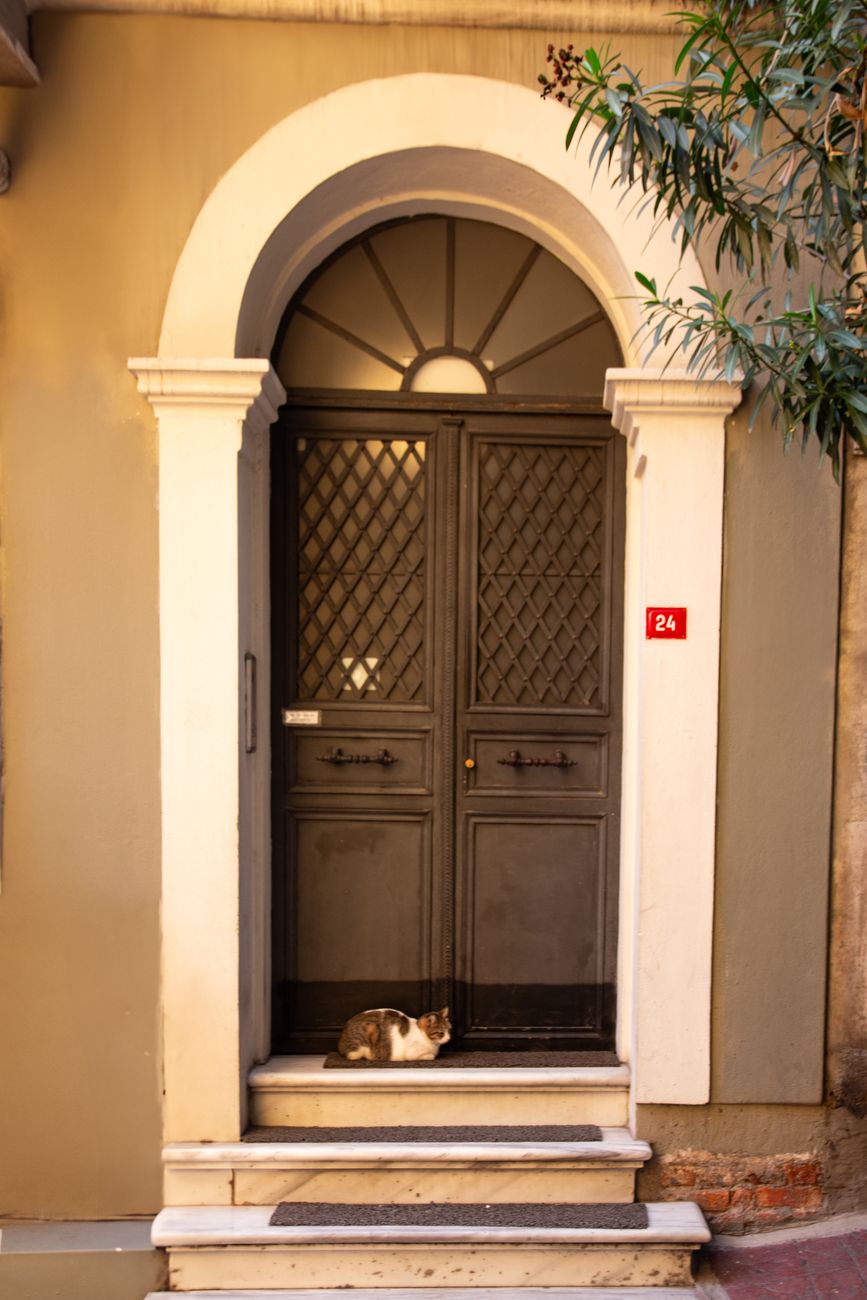
Sharing your home with a Minuet Longhair cat is often described as a delightful experience, filled with affection, playful moments, and the undeniable charm of their unique appearance. Their personality blend makes for an engaging yet generally easygoing companion.
A typical day might start with your Minuet greeting you with gentle chirps or leg rubs, eager for breakfast and some morning attention. They often enjoy being part of the morning routine, supervising activities from a comfortable perch or nearby chair. Don't be surprised if your Minuet Longhair cat follows you from room to room – they genuinely enjoy human company and like to keep tabs on their people. This people-oriented nature means they appreciate interactive playtime. A session with a feather wand, a crinkle ball, or even just a piece of string can satisfy their playful urges. Despite their short legs, they can be surprisingly quick and enjoy a good chase, often exhibiting bursts of energy followed by contented relaxation.
Lap time is often a cherished part of the day for a Minuet. Their Persian heritage shines through in their love for cuddling and being petted. They will likely seek out a warm lap or a cozy spot next to you on the sofa for naps and quiet companionship. Their purr is often readily offered and quite soothing. While they enjoy attention, they are not usually overly demanding or excessively vocal, communicating their needs in a relatively gentle manner.
The main daily commitment, beyond feeding and litter box maintenance, is grooming. A few minutes of brushing each day can prevent the formation of mats in their luxurious coat and becomes a bonding ritual. Owners often find this routine relaxing for both cat and human once established. You'll likely find your Minuet Longhair cat exploring low surfaces, batting at dust bunnies under furniture (their low stature gives them a unique perspective!), or curiously investigating new objects in the house. Providing scratching posts and perhaps some lower climbing structures allows them to express natural behaviors safely.
Evenings might involve another burst of playfulness or more relaxed companionship as the household winds down. They adapt well to household rhythms, often settling down when their humans do. Living with a Minuet Longhair cat means embracing their blend of cuddly affection and playful curiosity, managing their beautiful coat, and enjoying the constant, charming presence of a truly unique feline friend.
Enrichment for Your Minuet Longhair Cat: Keeping Mind and Body Active
Providing adequate environmental enrichment is crucial for the mental and physical well-being of any indoor cat, and the Minuet Longhair cat is no exception. While perhaps not natural-born marathon runners or high-jump champions due to their shorter legs, they possess intelligent minds and playful spirits that benefit greatly from stimulation.
Interactive play is paramount. Daily sessions using toys that mimic prey, such as feather wands, fishing pole toys, or even laser pointers (always ending the session by letting them “catch” a physical toy to avoid frustration), cater to their hunting instincts. This not only provides exercise but also strengthens the bond between you and your cat. Rotate toys to keep things interesting; what's novel is often more engaging for a curious Minuet Longhair cat.
Puzzle feeders are an excellent way to engage their minds and make mealtime more stimulating. Instead of just putting food in a bowl, using a food ball or a stationary puzzle toy requires them to figure out how to access their kibble. This mimics the natural foraging behavior of wild cats and can help prevent boredom and slow down fast eaters.
While they might not scale towering heights as easily as standard-legged cats, vertical space is still appreciated. Consider cat trees with broader, lower platforms, ramps connecting levels, or sturdy, multi-level scratching posts that offer climbing opportunities. Window perches are also highly valued, providing visual stimulation (“cat TV”) as they watch birds, people, and activity outside. Ensure any structures are stable and accessible for your Minuet Longhair cat.
Scratching is a natural and necessary behavior for cats, used for nail maintenance, stretching, and marking territory. Provide multiple scratching surfaces with different materials (sisal rope, cardboard, carpet) and orientations (vertical posts, horizontal pads) to find your cat's preference. Place them in prominent locations, especially near resting areas or room entrances.
Sensory enrichment can also be valuable. Offer catnip (if your cat responds to it), silver vine, or cat grass. Hiding treats around the house encourages exploration and foraging. Simply leaving out a paper bag (handles removed) or a cardboard box can provide hours of entertainment for a curious Minuet Longhair cat. Regularly introducing new, safe objects or scents (like a twig from outside) can pique their interest. By providing a stimulating and enriched environment, you help ensure your Minuet Longhair remains happy, healthy, and well-adjusted.
Addressing Common Misconceptions
As with any unique breed, certain misconceptions can arise about the Minuet Longhair cat. Addressing these can help provide a clearer understanding of these charming felines.
- Misconception 1: Their short legs mean they are disabled or constantly in pain. While their legs are noticeably short due to a genetic mutation, this does not automatically equate to disability or constant pain for most individuals. Healthy Minuets are typically active, playful, and capable of running, jumping onto furniture, and climbing (albeit perhaps differently than standard-legged cats). As discussed in the health section, while there are potential concerns about long-term joint health that warrant responsible breeding and monitoring, many live full, active lives without apparent discomfort related to their leg length. Attributing constant suffering based solely on appearance is often inaccurate.
- Misconception 2: They can't jump or climb at all. This is untrue. While they may not reach the top of the refrigerator in a single bound, Minuet Longhair cats are often surprisingly agile and determined climbers. They can jump onto sofas, chairs, and beds, and will utilize multi-level cat trees, especially those designed with accessibility in mind (lower platforms, ramps). Their method might be different – perhaps more calculation and shorter leaps – but they certainly aren't confined to the floor.
- Misconception 3: They are just short-legged Persians. While the Persian group is a crucial part of their ancestry (contributing the coat, round features, and some temperament traits), the Minuet Longhair cat is distinct. The inclusion of Munchkin genetics brings the short legs and often a more playful, curious, and outgoing personality than the typically placid Persian. Furthermore, the breed standard aims for a more moderate facial structure than extreme show Persians, promoting better respiratory and dental health. They are a true hybrid, blending traits from both lines.
- Misconception 4: All short-legged cats are Minuets/Napoleons. Minuet (formerly Napoleon) is a specific registered breed resulting from Munchkin x Persian group crosses. The Munchkin itself is a distinct breed, and other experimental short-legged breeds may exist resulting from different outcrosses. Not every cat with short legs fits the Minuet breed standard or lineage.
- Misconception 5: Their long coat is easy to care for. While some might assume the coat isn't as demanding as a Persian's, the long, dense coat of a Minuet Longhair cat absolutely requires significant grooming commitment. Daily or near-daily brushing is necessary to prevent painful mats and keep the coat healthy. Underestimating the grooming need is a common mistake that can lead to problems for the cat.
Understanding the reality behind these misconceptions allows for a more accurate appreciation of the Minuet Longhair cat‘s capabilities, needs, and unique place in the feline world.
The Future of the Minuet Breed
As a relatively young breed, the future of the Minuet Longhair cat (and its shorthair counterpart) looks promising, guided by dedicated breeders and growing recognition. Having achieved championship status in a major registry like TICA provides a solid foundation for continued development and increased visibility in the cat fancy world.
The breed's unique appearance – the combination of endearing short legs and a plush, rounded look – combined with its generally sweet and playful temperament, holds significant appeal for many potential cat owners. As more people become aware of the breed (distinct from its Munchkin and Persian ancestors), its popularity is likely to continue growing steadily. This increased interest necessitates an even stronger focus on responsible breeding practices.
Key future directions and considerations for the breed likely include:
- Health Focus: Continued emphasis on health screening will be paramount. Responsible breeders will need to remain vigilant about testing for PKD, screening for HCM, and monitoring for any potential issues related to the dwarfism gene or Persian ancestry. Collaborative efforts among breeders to share health information responsibly can benefit the breed's long-term genetic health.
- Genetic Diversity: Maintaining adequate genetic diversity is crucial for any breed, especially one established through specific outcrosses. Continued allowance for permissible outcrosses (as defined by registries like TICA, which may include Munchkins, Persians, Himalayans, and Exotics, as well as standard-legged Minuets) will be important, balanced with breeding towards the established standard.
- Refining the Standard: While the core standard is set, minor refinements or clarifications might occur over time as breeders gain more experience and consensus on ideal type, always prioritizing health and avoiding extremes.
- Education: Ongoing education for the public, potential owners, and even veterinary professionals about the specific characteristics, needs, and health considerations of the Minuet Longhair cat will be important to ensure responsible ownership and appropriate care. Addressing misconceptions and promoting ethical breeding will be key parts of this effort.
- Wider Recognition: Breeders may seek recognition for the Minuet in other feline registries globally, which could further increase its exposure and acceptance within the broader cat fancy community.
The passionate breeders who championed the Minuet from its inception as the Napoleon have laid the groundwork. The future success and well-being of the Minuet Longhair cat depend on subsequent generations of breeders maintaining that commitment to health, temperament, and the unique type that defines this captivating breed.
Frequently Asked Questions (FAQ)
1. Are Minuet Longhair cats hypoallergenic?
No, Minuet Longhair cats are not considered hypoallergenic. Like all cats, they produce Fel d 1, the primary allergen found in cat saliva, skin glands (sebaceous glands), and urine. This allergen gets transferred to their fur during grooming. While individual allergic reactions can vary based on the specific cat and the person's sensitivity, no cat breed is truly hypoallergenic. The long, dense coat of the Minuet Longhair cat may even trap more allergens compared to some shorthaired breeds. People with cat allergies should spend time with the breed before committing to ownership.
2. Do Minuet Longhair cats have a lot of health problems due to their short legs?
This is a complex question with ongoing debate. The short legs are due to a form of dwarfism (achondroplasia/pseudoachondroplasia). Concerns exist regarding potential predisposition to spinal issues (lordosis, pectus excavatum) and osteoarthritis, though the actual prevalence and severity directly linked solely to the gene require more definitive research. Responsible breeders strive to minimize these risks through careful selection. Additionally, as a hybrid involving the Persian group, the Minuet Longhair cat can be prone to conditions like PKD and HCM if breeders do not screen properly. Therefore, while many Minuets are healthy, potential owners must be aware of risks from *both* parent lines and choose breeders who prioritize health screening rigorously. Maintaining a healthy weight and providing regular veterinary care are crucial.
3. How much grooming does a Minuet Longhair cat *really* need?
They require significant grooming. Do not underestimate the commitment. Their coat is long, dense, and plush, making it prone to tangles and mats if neglected. Ideally, they should be brushed daily with a good quality comb and potentially a slicker brush to remove loose hair and prevent mats from forming close to the skin. At a minimum, thorough brushing several times a week is necessary. Neglecting grooming can lead to painful matting that may require professional intervention or even shaving. If you are not prepared for this level of grooming maintenance, a Shorthair Minuet or a different breed might be a better choice.
4. Are Minuet Longhair cats good lap cats?
Generally, yes. The Minuet Longhair cat often inherits the affectionate, gentle, and people-oriented nature of its Persian ancestors, tempered with the playful curiosity of the Munchkin. Many Minuets enjoy cuddling, being petted, and spending quiet time on their owner's lap or nearby. They thrive on companionship and typically form strong bonds with their families. While individual personalities vary, they are often considered excellent companion cats who enjoy affectionate interaction.
5. Can Minuet Longhair cats live with dogs and children?
Yes, Minuet Longhair cats can generally adapt well to households with dogs and children, provided introductions are handled carefully and respectfully. Their typically gentle and patient nature often makes them tolerant of well-behaved children who have been taught how to interact kindly with a cat. Similarly, they can often coexist peacefully with cat-friendly dogs, especially if raised together or introduced gradually and positively. Early socialization is key. As with any pet interaction, supervision is always recommended, especially initially, to ensure the safety and comfort of both the Minuet Longhair cat and other household members.
Conclusion
The Minuet Longhair cat stands out as a truly unique and captivating breed, intentionally developed to combine the endearing short legs of the Munchkin with the luxurious coat, rounded features, and sweet disposition of the Persian group. With its charming appearance, affectionate personality, and playful spirit, it offers a wonderful balance of companionship and gentle energy. Owning a Minuet Longhair requires a significant commitment, particularly to the diligent grooming needed for its magnificent coat, as well as awareness of potential health considerations inherited from both parent lines.
Choosing a highly reputable breeder who prioritizes health screening (especially for PKD and HCM) and ethical practices is paramount. Providing a stimulating environment, appropriate nutrition, regular veterinary care, and plenty of interaction will help ensure this special cat thrives. For those prepared to meet its needs, the Minuet Longhair cat rewards its owners with boundless affection, unique charm, and the quiet joy of sharing life with a truly distinctive feline friend.
References

(Note: Please verify the current validity and accessibility of URLs. Academic repositories or official organization sites are generally stable.)
- Governing Council of the Cat Fancy (GCCF). (n.d.). General information articles: Genetic defects and breed specific problems in cats. Retrieved from https://www.gccfcats.org/Health-Welfare/Genetic-Defects
- Kittleson, M. D., Meurs, K. M., Munro, M. J., Kittleson, J. A., E Moyer, A., Poser, R. D., … & Pion, P. D. (1999). Familial hypertrophic cardiomyopathy in Maine Coon cats: an animal model of human disease. Circulation, 99(24), 3172-3180. https://www.ahajournals.org/doi/full/10.1161/01.cir.99.24.3172
- Lyons, L. A., Biller, D. S., Erdman, C. A., Lipinski, M. J., Young, A. E., Roe, B. A., … & Grahn, R. A. (2004). Feline polycystic kidney disease mutation identified in PKD1. Journal of the American Society of Nephrology, 15(10), 2548-2555. https://jasn.asnjournals.org/content/15/10/2548
- Lyons, L. A., Buckley, R. M., Creighton, E. K., et al. (2019). The Munchkin breed: Investigation of an autosomal dominant disorder affecting limb development in domestic cats (Abstract). Proceedings of the International Conference on Advances in Canine and Feline Genomics and Inherited Diseases. (Note: Finding a direct, stable link to conference proceedings can be difficult. Reference often cited in breed discussions. Search academic databases for related publications by Lyons et al. on feline genetics).
- Schmeitzel, L. P., & Smith, J. (1993). Dysautonomia in a cat. Journal of the American Veterinary Medical Association, 202(3), 427-428. (Note: This reference might be less directly about dwarfism itself but sometimes cited in broader discussions of feline structural issues).
- Schultheiss, P. C., Gardner, S. A., Ogilvie, G. K., et al. (2000). Pectus excavatum in eight cats. Journal of the American Animal Hospital Association, 36(6), 520-524. https://pubmed.ncbi.nlm.nih.gov/11105887/
- The International Cat Association (TICA). (n.d.-a). Registration Rules. Retrieved from https://www.tica.org/resources/our-forms/category/10-registration-rules (Link may change; navigate TICA's site for current rules).
- The International Cat Association (TICA). (n.d.-b). Minuet Breed. Retrieved from https://www.tica.org/breeds/browse-all-breeds?view=article&id=1749:minuet-breed&catid=79
- The International Cat Association (TICA). (2015). 2015 Semi-Annual Board Meeting Minutes. (Note: Specific minutes detailing the name change might require searching TICA's archives or contacting them directly). General information often found on breed pages or historical summaries.
- Veterinary Genetics Laboratory, University of California, Davis. (n.d.). Feline Genetic Services. Retrieved from https://vgl.ucdavis.edu/services/cat (Check for specific tests like PKD).



 English
  简体中文
简体中文  Français du Canada
  Deutsch
  Español
  Português
  한국어
한국어  日本語
日本語  Italiano
  Русский
  Dansk
Dansk  Nederlands
  Svenska
  Suomi
Suomi  Polski
  Norsk bokmål