



Flawless Pet Supplies
Key Takeaways
- The Nebelung cat is a rare, medium-sized domestic cat breed known for its striking blue-grey coat, long body, and gentle, reserved personality.
- Originating in the United States in the 1980s, the breed was developed from domestic longhairs resembling Russian Blues, with Siegfried and Brunhilde as the foundation cats.
- They possess a distinctive semi-longhaired, silky double coat that is blue-grey tipped with silver, giving them a misty or shimmering appearance.
- Nebelung cats are generally intelligent, affectionate with their chosen family members, but often shy or reserved around strangers and in new situations.
- This breed requires regular grooming to maintain its coat, a balanced diet, moderate exercise, and a calm, stable home environment to thrive.
- While generally a healthy breed, potential owners should be aware of standard feline health concerns and ensure regular veterinary care.
- Finding a Nebelung cat can be challenging due to their rarity; working with reputable breeders recognized by organizations like The International Cat Association (TICA) is crucial.
Introduction: The Enigmatic Nebelung Cat
Imagine a cat that seems to emerge from the morning mist, cloaked in a shimmering blue-grey coat, with captivating green eyes that hold an ancient wisdom. This is the essence of the Nebelung cat, a breed whose very name, derived from the German word “Nebel” meaning mist or fog, perfectly encapsulates its ethereal beauty. Relatively rare compared to more common breeds, the Nebelung cat possesses a unique combination of elegance, intelligence, and a gentle, somewhat reserved nature that endears it deeply to those who understand its subtle charms.
Often described as a longhaired version of the Russian Blue, the Nebelung cat shares the same striking blue coat color and graceful build, but distinguishes itself with a luxurious, semi-longhaired coat that feels like fine silk. These cats are more than just beautiful; they are intelligent companions who form strong, loyal bonds with their human families, though they may initially be wary of strangers. Their quiet demeanor and affectionate nature make them wonderful pets for calm households where their gentle spirit can truly shine.
-
-23%

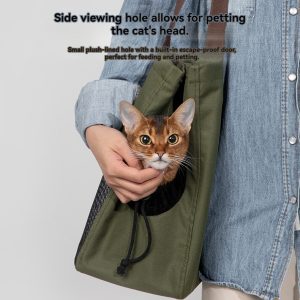
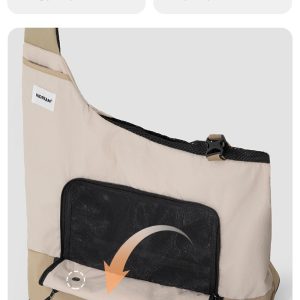
HiDream Color-Block Shoulder Pet Travel Bag – Stylish and Lightweight Carrier for Small Pets – Almond, Matcha
Original price was: $109.99.$84.99Current price is: $84.99. -
-14%
HiDream Pet Tote Bag – Relaxed Style Carrier for Small Pets – Durable Nylon with Breathable Mesh – Beige, Green, Gray
Original price was: $109.99.$94.59Current price is: $94.59. -
-12%
HiDream Pet Sling Carrier Bag – Adjustable Shoulder Strap Front Carry Bag for Small Pets – Khaki, Green, Gray
Original price was: $99.99.$88.49Current price is: $88.49.
This comprehensive guide aims to explore every facet of the captivating Nebelung cat. We will delve into its fascinating, relatively recent history, examine its distinct physical characteristics, understand its nuanced personality, and provide detailed guidance on its care, health, and suitability for different homes. Whether you are a seasoned cat enthusiast considering adding a Nebelung to your family, a current owner seeking deeper understanding, or simply captivated by this unique cat breed, join us as we journey into the world of the “creature of the mist.” Understanding the specific needs and traits of the Nebelung cat is the first step towards providing a loving, lifelong home for this remarkable feline.
History and Origins: A Tale of Mist and Blue Cats

Unlike breeds with histories stretching back centuries, the story of the Nebelung cat is a relatively modern one, rooted in serendipity and the dedicated vision of one breeder. Its origins trace back to the United States in the mid-1980s, not to the misty forests of Germany suggested by its name, but to the efforts of Cora Cobb of Denver, Colorado.
The Foundation Cats: Siegfried and Brunhilde

The genesis of the Nebelung cat breed began with two unplanned feline arrivals. In the early 1980s, Cora Cobb's son acquired a black domestic shorthair female cat named Elsa. Elsa subsequently mated with a black longhaired cat. This union produced a litter that included one particularly striking male kitten with long blue fur, born in August 1984. Cobb named this kitten Siegfried, inspired by the hero of the German epic poem, the Nibelungenlied (The Song of the Nibelungs), a tale filled with mist, dragons, and heroes – fitting for a cat with such a mystical appearance (TICA, n.d.-b). Siegfried was noted for his resemblance to a Russian Blue, but with a longer coat.
Intrigued by Siegfried's unique beauty, Cobb hoped for another like him. Fate obliged six months later, in January 1985, when Elsa produced another litter, this time yielding a female kitten with the same long blue coat and elegant features. This female was named Brunhilde, after the Icelandic queen and heroine from the same Nibelungenlied saga (TICA, n.d.-b). Brunhilde's coat was even longer and lighter in color than Siegfried's.
These two cats, Siegfried and Brunhilde, became the foundation upon which the entire Nebelung cat breed would be built. They possessed the key traits: the blue coat, the semi-long hair, and the graceful body type reminiscent of the Russian Blue.
Cora Cobb's Vision
Recognizing the unique potential of Siegfried and Brunhilde, Cora Cobb embarked on a mission to establish them as a distinct new breed. She understood the importance of defining a clear breed standard. With guidance from Dr. Solveig Pflueger, a geneticist associated with The International Cat Association (TICA), Cobb wrote the first breed standard for the Nebelung cat (TICA, n.d.-b). Dr. Pflueger advised that the new breed standard should closely mirror that of the Russian Blue, differing primarily in the coat length – describing a semi-longhaired cat rather than a shorthaired one.
Cobb's standard described a cat with a distinctive blue-grey coat tipped with silver, giving it a luminous, misty quality. It emphasized the graceful, medium-sized body, the elegant proportions, and the vivid green eyes that are hallmarks of the breed. The name “Nebelung” was chosen deliberately, reflecting both the cats' appearance (“Nebel” for mist) and the Wagnerian inspiration behind the foundation cats' names (Nibelungenlied).
Recognition by TICA
Armed with a defined standard and her foundation cats, Cora Cobb sought official recognition for the Nebelung cat. She presented Siegfried and Brunhilde, along with their offspring, to TICA. The breed's unique characteristics and careful documentation impressed the association. TICA granted the Nebelung cat registration status in 1987, allowing Nebelungs to be registered and tracked. This was a crucial first step.
Further development and promotion of the breed continued, and thanks to the dedication of Cobb and other early breeders, the Nebelung achieved New Breed status within TICA. Finally, in May 1997, TICA granted the Nebelung cat full Championship status (TICA, n.d.-b). This meant Nebelungs could compete alongside other established breeds in TICA-sanctioned cat shows, solidifying their place in the recognized cat fancy world. Today, the Nebelung is recognized by TICA, the American Cat Fanciers Association (ACFA), the World Cat Federation (WCF), and various independent cat associations globally, although it is notably not yet recognized by the Cat Fanciers' Association (CFA) in the United States (as of early 2025).
The Russian Blue Connection
The visual similarity between the Nebelung cat and the Russian Blue is undeniable and intentional. The Nebelung standard was explicitly modeled on the Russian Blue, essentially describing a semi-longhaired version of that breed. Genetically, the Nebelung likely carries the recessive longhair gene, which, when expressed in cats with the Russian Blue's characteristic blue coat genetics, results in the Nebelung phenotype (appearance).
To maintain genetic diversity and adhere closely to the desired type, TICA allows outcrossing Nebelungs with Russian Blues (TICA, 2020). Kittens from such pairings are registered as Nebelungs. However, these offspring will typically be shorthaired (carrying the longhair gene recessively). Breeding two such offspring together can then produce longhaired Nebelung kittens. This controlled outcrossing helps maintain the health and vitality of the relatively small Nebelung cat gene pool while preserving the elegant conformation and gentle temperament shared with their shorthaired cousins. Understanding this connection is key to appreciating the Nebelung's development and characteristics.
Physical Characteristics: The Creature of the Mist
The Nebelung cat is instantly recognizable by its unique combination of features: a graceful, medium-sized body, vivid green eyes, and most distinctively, a shimmering, semi-longhaired blue coat. It presents an image of elegance and mystique, living up to its “creature of the mist” moniker.
Overall Appearance and Size
The Nebelung cat strikes a balance between refinement and substance. It is a medium-sized cat with a firm, muscular body that feels surprisingly solid despite its elegant appearance. Males are typically larger than females, weighing anywhere from 9 to 15 pounds (4 to 7 kg), while females usually range from 7 to 12 pounds (3 to 5.5 kg). The body is described as semi-foreign in type – meaning it is long and graceful, but not as extremely slender or elongated as breeds like the Siamese or Oriental Shorthair. They possess fine boning but good musculature, conveying an impression of athletic grace (TICA, 2020).
Proportion and balance are key elements of the Nebelung cat‘s physique. They stand tall on moderately long legs, ending in neat, rounded oval paws, often adorned with tufts of fur between the toes. The overall impression is one of understated elegance and harmony.
The Signature Blue Coat
The crowning glory of the Nebelung cat is undoubtedly its coat. It is semi-longhaired, meaning it is noticeably longer than a shorthaired cat but not as flowing or voluminous as breeds like the Persian or Maine Coon. The coat consists of a dense undercoat covered by finer guard hairs, creating a soft, silky texture that invites touch. This double coat provides insulation and contributes to the breed's plush appearance.
The color is a defining feature: a solid, even, bright blue-grey throughout the body. While kittens may sometimes show faint tabby markings (known as “ghost markings”), these should ideally fade as the cat matures, leaving a uniform blue. What makes the Nebelung cat coat truly special is the silver tipping on the guard hairs (TICA, 2020). These silver tips catch the light, giving the coat a luminous, shimmering quality – the “mist” effect reflected in the breed's name. The fur tends to be shorter on the shoulders, gradually lengthening towards the hindquarters. A distinct ruff around the neck, more prominent in mature males, and “breeches” (longer fur on the hind legs) add to the luxurious look. The tail boasts a beautiful plume.
Head, Eyes, and Ears
The head of the Nebelung cat is a modified wedge shape, characterized by gentle contours rather than sharp angles. It should appear proportionate to the body, neither too large nor too small. The muzzle is medium in length, contributing to the wedge shape without appearing overly pointed or snubbed. Prominent whisker pads give the cat a characteristic subtle smile.
Perhaps the most captivating feature after the coat are the eyes. The breed standard calls for vivid green eyes, although they may range from yellowish-green to a deep emerald green (TICA, 2020). Kittens are born with blue eyes, which gradually change color, typically settling into their final green hue by the time the cat is several months old, sometimes taking up to two years to reach full intensity. The eyes are large, almond-shaped, and set wide apart, giving the Nebelung cat an alert yet gentle expression.
The ears are large, wide at the base, and pointed at the tips, set more towards the top of the head than the sides. They contribute to the alert, slightly exotic appearance of the breed. The skin of the ears is thin and translucent, with minimal furnishing (hair) inside.
Body and Tail

As mentioned, the body is long, graceful, and well-muscled – a semi-foreign type. The neck is long and slender, flowing smoothly into the shoulders. The torso is medium in length, supported by moderately long legs with fine boning. The hind legs are slightly longer than the front legs, contributing to the cat's elegant stance. The paws are medium-sized, oval-shaped, and neat.
The tail is long and tapering, proportionate to the length of the body. It is well-furnished with fur, forming an elegant plume that is often carried gracefully. The length of the tail fur should complement the semi-long coat of the body, contributing to the overall balanced appearance of the Nebelung cat.
Comparison Table: Nebelung vs. Russian Blue
To better understand the unique qualities of the Nebelung cat, it's helpful to compare it directly with its close relative, the Russian Blue. While sharing the same basic type and color, the key difference lies in the coat length.
| Feature | Nebelung Cat | Russian Blue |
|---|---|---|
| Origin | USA, 1980s | Russia (Archangel Isles), documented history since 1800s |
| Coat Length | Semi-longhaired | Shorthaired |
| Coat Texture | Silky, fine double coat | Dense, plush, fine double coat; stands out from body |
| Coat Appearance | Solid blue with silver tipping, creating a shimmering or misty effect. Longer fur forms ruff and breeches. Plumed tail. | Solid, even bright blue with distinct silver tipping giving a lustrous sheen. |
| Body Type | Medium size, long, graceful, muscular (semi-foreign) | Medium size, fine-boned, long, graceful, muscular (foreign type, slightly more refined than Nebelung standard allows) |
| Head Shape | Modified wedge, gentle contours | Medium wedge, flat planes (‘cobra-like' top profile often described) |
| Eye Color | Vivid green (may range yellowish-green to emerald) | Vivid green |
| Ear Set | Large, pointed, set towards top of head | Large, pointed, wide at base, set vertically |
| Temperament | Gentle, quiet, affectionate with family, reserved with strangers, intelligent | Gentle, quiet, affectionate with family, often reserved with strangers, intelligent |
| Grooming Needs | Moderate (brushing 2-3 times weekly recommended) | Low (weekly brushing usually sufficient) |
| TICA Recognition | Championship Status (1997) | Championship Status |
| CFA Recognition (as of 2025) | Not Recognized | Championship Status |
This table highlights the subtle but important distinctions, primarily coat length and texture, that define the Nebelung cat as a unique breed, while acknowledging its shared heritage and many similarities with the elegant Russian Blue.
Temperament and Personality: The Gentle Soul
Beyond its striking appearance, the Nebelung cat possesses a personality that is both endearing and complex. Often described as gentle giants in elegant blue coats, they combine intelligence with a quiet sensitivity and deep loyalty to their chosen humans. Understanding their temperament is crucial for providing the right environment for them to flourish.
Intelligence and Trainability
The Nebelung cat is generally regarded as a highly intelligent breed. They are observant, quick learners, and possess a good memory. This intelligence manifests in several ways. They often figure out routines quickly, anticipating feeding times or play sessions. Many Nebelungs enjoy interactive toys and puzzle feeders that challenge their minds. Their problem-solving skills can sometimes extend to figuring out how to open cabinets or doors if motivated!
Their intelligence also makes them relatively trainable compared to some other breeds. Positive reinforcement techniques work best. They can often be taught simple commands, tricks, or even to walk on a harness and leash, provided training starts early and is conducted patiently. However, their sensitivity means harsh methods or loud reprimands are counterproductive and can damage trust. Think of training a Nebelung cat as engaging in a collaborative puzzle – appeal to their intellect and reward their successes gently.
Affection and Loyalty
While initially reserved, the Nebelung cat forms incredibly strong bonds with its family members. They are not typically “lap cats” in the sense of constantly demanding attention, but they show their affection in more subtle, meaningful ways. They often choose one or two favorite people and become devoted companions, following them from room to room, supervising activities from a comfortable perch, or settling nearby for quiet companionship. They enjoy gentle petting and appreciate being spoken to softly. A slow blink from a Nebelung cat is a sign of deep trust and affection.
Their loyalty is profound. Once bonded, they can become quite attuned to their owner's moods and routines, offering quiet comfort when needed. This deep connection means they thrive on stability and can become stressed by major changes in their environment or household.
Shyness and Reserve
Perhaps the most noted personality trait of the Nebelung cat is its inherent shyness or reserve, particularly with strangers or in unfamiliar situations. They are not typically outgoing, “party animal” cats. When visitors arrive, a Nebelung is more likely to observe from a safe distance or retreat to a quiet spot rather than greet them at the door. This isn't unfriendliness, but rather a cautious, sensitive nature.
It's crucial for owners to understand and respect this trait. Forcing interactions can increase their anxiety. Instead, allow the Nebelung cat to approach new people or situations at its own pace. Providing safe hiding spots and ensuring a calm environment helps them feel secure. Early socialization, exposing kittens gently and positively to various sights, sounds, and people, can help build confidence, but their fundamentally reserved nature often remains. This makes them particularly well-suited to quieter households.
Playfulness and Activity Levels
Despite their generally calm demeanor, Nebelung cats retain a playful spirit throughout their lives. They enjoy interactive play sessions with their owners, particularly games that involve stalking and pouncing, like chasing feather wands or laser pointers (being sure to end laser sessions with a physical toy they can “catch”). They also appreciate toys they can bat around on their own.
Their activity level is moderate. They enjoy bursts of play followed by long naps in a comfortable spot. They are not typically hyperactive but do need regular opportunities for exercise to stay physically and mentally stimulated. Providing climbing structures like cat trees can satisfy their natural inclination to observe their surroundings from a height. A good play session before bedtime can help ensure a peaceful night for both cat and owner. Consider this: how can you incorporate short, engaging play sessions into your daily routine to keep your intelligent Nebelung cat happy?
Vocalization
Nebelung cats are generally known for being quiet. They are not overly vocal or demanding with loud meows, unlike some other breeds. When they do communicate vocally, it's often with soft, gentle chirps or quiet meows directed at their trusted humans, perhaps to request food, attention, or playtime. Their quiet nature contributes to their suitability for apartment living and for owners who prefer a less noisy companion.
Compatibility with Children and Other Pets
A Nebelung cat‘s compatibility with children and other pets depends heavily on the individual cat's personality and, crucially, on the nature of the children and other animals involved. Due to their sensitivity and reserved nature, they generally do best with older, calmer children who understand how to interact respectfully and gently with a cat. Loud noises and sudden movements common with very young children can be stressful for a Nebelung. Always supervise interactions between cats and children.
When it comes to other pets, Nebelungs often prefer calm companions. They can coexist peacefully with other gentle cats or well-behaved dogs, especially if introduced carefully and gradually during kittenhood. However, a boisterous, high-energy dog or a very assertive cat might overwhelm a sensitive Nebelung cat. Successful integration requires patience and providing the Nebelung with safe spaces where it can retreat if needed.
Care and Husbandry: Nurturing Your Nebelung Cat
Providing the right care is essential for the health and happiness of your Nebelung cat. While not excessively demanding, their beautiful coat, sensitive nature, and specific needs require attentive husbandry. This includes proper grooming, nutrition, environmental enrichment, and creating a secure atmosphere.
Grooming Needs
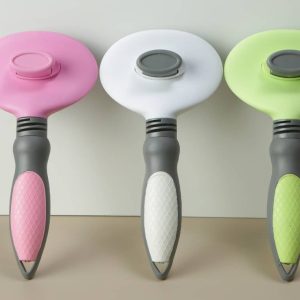
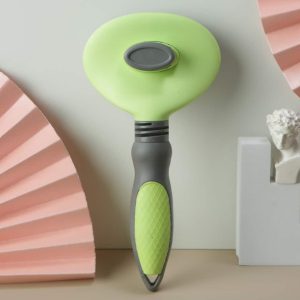
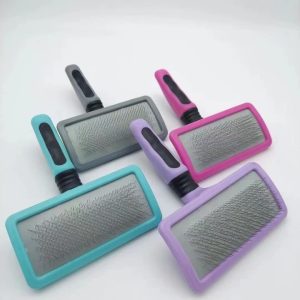
The Nebelung's crowning glory, its semi-longhaired coat, requires regular attention to prevent matting and keep it looking its best. Unlike extremely longhaired breeds, the Nebelung cat‘s silky coat is less prone to severe tangling, but it still needs consistent grooming. Plan on brushing your Nebelung at least two to three times a week using a high-quality slicker brush or a stainless steel comb. This helps remove loose hair, prevents mats from forming (especially in areas like the armpits, belly, and behind the ears), and distributes natural skin oils, keeping the coat healthy and lustrous.
During seasonal shedding periods (typically spring and fall), you may need to increase brushing frequency to daily to manage the extra loose fur. Regular grooming also provides an opportunity to check for any skin issues, parasites (like fleas or ticks), or unusual lumps or bumps. Trim their claws every few weeks as needed. While Nebelungs are generally fastidious groomers themselves, your assistance is crucial for maintaining that magnificent coat. You can find excellent grooming tools suitable for semi-longhaired cats online.
Bathing is rarely necessary unless the cat gets particularly dirty. If a bath is required, use a cat-specific shampoo and ensure they are thoroughly rinsed and dried. Introduce grooming routines early in a positive way, so your Nebelung cat learns to accept and even enjoy these sessions.
Nutritional Requirements
Like all cats, the Nebelung cat is an obligate carnivore, meaning their diet must be rich in animal-based protein. Choose a high-quality commercial cat food (wet, dry, or a combination) that lists meat, poultry, or fish as the primary ingredients. Avoid foods filled with excessive grains, corn, soy, or artificial additives. The specific nutritional needs will vary based on age (kitten, adult, senior), activity level, and overall health.
Kittens require food formulated for growth, while senior cats may benefit from diets lower in calories but rich in nutrients supporting joint health and digestion. Pay attention to portion control to prevent obesity, which can contribute to various health problems. Following the feeding guidelines on the food packaging is a good starting point, but adjust based on your cat's body condition. Your veterinarian is the best resource for recommending a specific diet tailored to your Nebelung cat‘s individual needs (Association of American Feed Control Officials [AAFCO], n.d.).
Always ensure fresh, clean water is available. Some Nebelungs enjoy drinking from running water sources, so a cat water fountain might be a worthwhile investment. Monitor your cat's appetite and weight; sudden changes can indicate underlying health issues.
Exercise and Environmental Enrichment
While moderately active, the Nebelung cat needs regular exercise and mental stimulation to prevent boredom and maintain a healthy weight. Engage your cat in daily interactive play sessions using toys like feather wands, fishing pole toys, or crinkle balls. These activities mimic hunting behaviors and provide both physical exercise and mental engagement.
Environmental enrichment is also crucial, especially for indoor cats. Provide vertical space with cat trees or shelves, allowing them to climb, perch, and survey their territory – satisfying a natural feline instinct. Scratching posts (offer both vertical and horizontal options with different materials like sisal rope or cardboard) are essential for nail health and marking behavior. Rotate toys to keep things interesting and consider puzzle feeders to make mealtime more challenging and rewarding for your intelligent Nebelung cat.
A stimulating environment helps prevent behavioral issues that can arise from boredom or stress, such as over-grooming or destructive scratching. Think about your home from your cat's perspective: are there interesting things to see, places to climb, and opportunities for play?
Litter Box Preferences
Nebelung cats, like most felines, appreciate a clean and accessible litter box. Provide at least one litter box per cat, plus one extra, placed in quiet, low-traffic areas away from their food and water bowls. Most cats prefer large, uncovered boxes, although some Nebelungs might appreciate the privacy of a covered box, especially in busier households.
Experiment with different types of litter (unscented clumping clay is often preferred) to find what your cat likes best. Scoop the boxes daily and change the litter completely, washing the boxes with mild soap and water, at least once or twice a month, depending on the type of litter used. Maintaining impeccable litter box hygiene is the most effective way to prevent inappropriate elimination problems (International Cat Care, n.d.). Any sudden change in litter box habits warrants a veterinary check-up to rule out medical causes.
Creating a Safe and Comfortable Environment
Given the Nebelung cat‘s sensitive and sometimes shy nature, a calm, stable, and predictable environment is ideal. They thrive in homes where routines are consistent and loud noises or chaotic activity are minimal. Provide plenty of safe, cozy hiding spots – covered beds, tunnels, or even just a quiet corner under furniture – where your Nebelung can retreat and feel secure when feeling overwhelmed.
Ensure the home is cat-proofed by removing potential hazards like toxic plants, accessible electrical cords, and small objects that could be swallowed. Keep windows securely screened. A secure and peaceful environment allows the gentle Nebelung cat to relax, build confidence, and show its affectionate nature to its fullest potential.
Health and Lifespan: Keeping Your Nebelung Cat Thriving
The Nebelung cat is generally considered a healthy and robust breed, benefiting from its diverse domestic ancestry and careful development which avoided extreme conformations. With proper care, nutrition, and regular veterinary attention, they can enjoy a long and healthy life. However, like all cats, they are susceptible to certain common feline health issues and potential owners should be aware of how to best support their well-being.
General Health and Longevity
Thanks to its relatively diverse genetic background stemming from domestic cats and careful outcrossing with Russian Blues, the Nebelung cat does not suffer from a high incidence of breed-specific genetic diseases that plague some more intensely bred pedigreed cats. They are generally hardy cats.
With attentive care, a balanced diet, appropriate exercise, and regular veterinary check-ups, the average lifespan for a Nebelung cat is typically between 15 and 18 years, with some individuals living even longer (TICA, n.d.-a). Providing a safe indoor environment significantly contributes to their longevity by protecting them from accidents, predators, and infectious diseases often encountered outdoors.
Potential Genetic Predispositions
While the breed is noted for its general good health, its close relationship to the Russian Blue means it might share a theoretical predisposition to conditions occasionally seen in that breed, although occurrences in Nebelungs seem rare. Conditions sometimes mentioned in relation to Russian Blues (and thus potentially, though not commonly, Nebelungs) include:
- Bladder Stones (Urolithiasis): Like many cat breeds, Russian Blues can sometimes develop bladder stones, particularly struvite or calcium oxalate stones. Diet and water intake play significant roles in prevention and management (Cornell Feline Health Center, n.d.-b). Maintaining adequate hydration is key.
- Progressive Retinal Atrophy (PRA): Certain forms of PRA, a degenerative eye disease leading to blindness, have been identified in Russian Blues in some regions, though specific links to the Nebelung cat are not well-documented. Reputable breeders may screen for known genetic markers if relevant to their lines.
It is crucial to emphasize that these are not widespread problems within the Nebelung cat breed itself. Responsible breeding practices, including health screening and avoiding close inbreeding, help maintain the breed's overall health. Choosing a kitten from a reputable breeder who is transparent about the health history of their cats is always recommended.
Common Feline Health Issues
Beyond potential predispositions, Nebelung cats are susceptible to the same common health problems that affect all domestic cats. Awareness of these allows for early detection and treatment:
- Dental Disease: Periodontal disease is extremely common in cats. Plaque and tartar buildup can lead to gum inflammation (gingivitis), tooth loss, and even systemic health issues. Regular dental check-ups, professional cleanings as recommended by your vet, and potentially home care like teeth brushing or dental treats are important (Cornell Feline Health Center, n.d.-a).
- Obesity: Overfeeding and lack of exercise can lead to obesity, increasing the risk of diabetes, arthritis, heart disease, and other serious conditions. Monitor your Nebelung cat‘s weight and body condition, adjusting food portions as needed.
- Kidney Disease: Chronic kidney disease (CKD) is common in older cats of all breeds. Symptoms can be subtle initially (increased thirst, urination, weight loss). Regular blood and urine tests as part of senior wellness exams can help detect CKD early.
- Hyperthyroidism: Another common ailment in older cats, hyperthyroidism results from an overactive thyroid gland. Symptoms include weight loss despite a good appetite, increased thirst and urination, hyperactivity, and sometimes vomiting or diarrhea. It's typically manageable with medication or other treatments.
- Upper Respiratory Infections (URIs): Like colds in humans, URIs caused by viruses or bacteria can affect cats, causing sneezing, nasal discharge, and watery eyes. Stress can sometimes trigger recurrences in cats carrying feline herpesvirus.
Importance of Regular Veterinary Check-ups
Preventative care is the cornerstone of a long and healthy life for your Nebelung cat. Regular veterinary check-ups (annually for young adults, potentially semi-annually for seniors or those with chronic conditions) are essential. These visits allow your veterinarian to:
- Perform a thorough physical examination.
- Administer necessary vaccinations based on lifestyle and risk factors (core vaccines typically include FVRCP and Rabies).
- Screen for parasites (fleas, ticks, intestinal worms, heartworm depending on region).
- Monitor weight and body condition.
- Perform routine blood work and urinalysis, especially for older cats, to detect problems early.
- Assess dental health and recommend cleanings.
- Discuss any behavioral changes or concerns.
Building a good relationship with your veterinarian ensures your Nebelung cat receives consistent, high-quality care throughout its life. Remember, veterinarians are trained professionals, and while online resources provide information, consulting a vet is crucial for diagnosis and treatment. If you have health concerns, please seek professional veterinary advice.
Preventative Care
In addition to regular vet visits, preventative care at home includes:
- Providing a high-quality diet and fresh water.
- Maintaining a healthy weight through portion control and exercise.
- Keeping the environment clean (litter boxes, bedding).
- Regular grooming, which allows you to spot skin issues or parasites early.
- Administering parasite preventatives as recommended by your vet.
- Providing environmental enrichment to reduce stress.
- Keeping your Nebelung cat indoors to protect it from external dangers.
By being proactive about health and wellness, you can significantly contribute to your Nebelung's quality of life and longevity, ensuring many happy years with your gentle, misty companion.
The Nebelung Cat in the Home: Is This Breed Right for You?
The allure of the Nebelung cat, with its ethereal coat and gentle nature, is undeniable. However, bringing any pet into your home is a significant commitment, and it's essential to ensure your lifestyle and environment are a good match for this particular breed's needs and temperament. Considering the specific characteristics of the Nebelung can help you determine if this “creature of the mist” is the right companion for you.
Ideal Home Environment
The ideal home for a Nebelung cat is one characterized by calm, stability, and predictability. Due to their inherent shyness and sensitivity to disruption, they thrive in quieter households without excessive noise, constant streams of visitors, or frequent chaotic activity. They appreciate routine and can become stressed by abrupt changes to their environment or schedule.
A peaceful atmosphere allows the Nebelung's true personality to emerge – affectionate, loyal, and quietly playful. Providing safe havens, such as covered beds or high perches where they can retreat and observe without feeling threatened, is crucial for their sense of security. While they can adapt, a home that is consistently loud or unpredictable may cause chronic stress for a sensitive Nebelung cat.
Time Commitment
While not overly demanding of constant attention like some breeds, the Nebelung cat requires a significant time commitment from its owner. This includes:
- Grooming: Regular brushing (2-3 times weekly, more during shedding seasons) is non-negotiable to maintain their coat health and prevent matting.
- Play and Interaction: Daily interactive play sessions are needed to provide exercise and mental stimulation for this intelligent breed.
- Companionship: Nebelungs form strong bonds and crave quiet companionship. They need owners who are present and available to offer gentle affection and interaction, even if it's just being in the same room. Leaving a Nebelung cat alone for excessively long periods regularly might lead to loneliness or anxiety.
- Routine Care: Daily feeding, litter box scooping, and monitoring for health changes are part of responsible cat ownership for any breed.
Potential owners must be prepared to dedicate consistent time and effort to meet these needs. A Nebelung cat is not a pet to be acquired casually; it requires a genuine commitment to its physical and emotional well-being.
Suitability for Different Lifestyles
- Apartment Living: Nebelungs adapt well to apartment living due to their moderate activity levels and generally quiet nature, provided their needs for environmental enrichment (climbing spaces, scratching posts, toys) and play are met. Their preference for calm environments often makes apartments suitable.
- Families with Children: They can be good companions for families with older, quieter children who have been taught how to interact respectfully with cats. Homes with very young, boisterous children might be too stressful unless the cat has ample safe spaces to retreat and interactions are carefully supervised.
- Single Owners or Couples: Nebelungs often thrive in the focused attention and stable environment provided by single individuals or couples, forming deep bonds with their caregivers.
- Multi-Pet Households: They can coexist peacefully with other gentle pets (cats or dogs) if introduced properly and gradually. However, pairing them with overly dominant or high-energy animals might cause stress for the reserved Nebelung cat.
- Busy Professionals: If work requires very long hours away from home regularly, a Nebelung might not be the ideal choice unless arrangements can be made for companionship (e.g., another compatible pet, pet sitter visits) to alleviate potential loneliness.
Potential Challenges
Potential owners should be aware of the specific challenges associated with the Nebelung cat breed:
- Shyness/Reservation: Their cautious nature with strangers requires patience and understanding. They may hide when visitors are present and take time to warm up to new people or situations. Owners must respect this trait and not force interactions.
- Grooming Requirements: The semi-long coat needs consistent grooming to prevent mats. Owners must be willing to commit to this regular task.
- Sensitivity to Change: Nebelungs prefer routine and can be easily stressed by changes like moving house, new pets, or significant alterations in household schedules. Managing change carefully is important.
- Rarity and Availability: Finding a Nebelung cat can be difficult due to the breed's rarity. This may involve waiting lists and potentially traveling to meet a reputable breeder.
Considering these factors honestly will help ensure that if you choose a Nebelung cat, you are fully prepared to provide the loving, stable, and understanding home this special breed deserves. Are you prepared to offer the patience and calm environment this gentle soul requires?
Finding a Nebelung Cat: Responsible Acquisition
Due to their relative rarity, finding a Nebelung cat requires patience, research, and a commitment to responsible acquisition. Unlike more common breeds readily available in shelters or from numerous breeders, prospective Nebelung owners often need to seek out specialized sources and be prepared for a potential wait.
Reputable Breeders vs. Backyard Breeders/Kitten Mills
The most common way to acquire a pedigreed Nebelung cat is through a reputable breeder. A responsible breeder is dedicated to the health, temperament, and standard of the breed. They prioritize the well-being of their cats above profit. Key signs of a reputable breeder include:
- Association Membership: Often affiliated with recognized cat fancy associations like TICA (The International Cat Association), which registers Nebelungs.
- Health Screenings: Performs relevant health screenings on breeding cats and is transparent about the health history of their lines.
- Knowledgeable: Deeply knowledgeable about the Nebelung cat breed standard, temperament, and care requirements.
- Home Environment: Raises kittens underfoot in a clean, stimulating home environment, ensuring proper socialization from an early age.
- Questions Asked: Asks *you* questions to ensure their kittens are going to suitable, lifelong homes.
- Contract: Provides a written contract outlining health guarantees, spay/neuter requirements, and return policies.
- Transparency: Allows potential buyers to visit (or offers video calls), meet the kitten's parents (or at least the mother), and see the living conditions.
- Limited Litters: Does not constantly have kittens available; focuses on quality over quantity.
Conversely, avoid backyard breeders (BYBs) or kitten mills. These operations prioritize profit over welfare. Red flags include selling kittens through pet stores or online classifieds without screening buyers, lack of health records or guarantees, poor living conditions, unwillingness to let you see the parents or facility, having multiple different breeds available, and focusing solely on the transaction. Supporting such operations perpetuates poor breeding practices and animal suffering (The Humane Society of the United States, n.d.). Finding premium pet accessories can wait until you've secured your companion responsibly.
Questions to Ask a Breeder
When contacting a potential Nebelung cat breeder, be prepared to ask thorough questions:
- Are you registered with TICA or another recognized association?
- How long have you been breeding Nebelungs?
- What health screenings do you perform on your breeding cats? Can I see the results?
- What is the health history of this kitten's parents and lineage?
- How are the kittens socialized? Are they raised in your home?
- What is the temperament of the parents like? (Temperament has a hereditary component).
- At what age do you let kittens go to new homes? (Reputable breeders keep kittens until 12-16 weeks).
- What vaccinations and deworming treatments will the kitten have received?
- Do you provide a written health guarantee and contract? May I review it?
- What are your requirements for potential owners?
- Do you require kittens to be spayed/neutered?
- What support do you offer after the kitten goes home?
A good breeder will welcome informed questions and answer them openly.
Adoption and Rescue Options
While finding a purebred Nebelung cat in a general animal shelter is highly unlikely due to their rarity, it's not impossible. Occasionally, Nebelungs or Nebelung mixes may end up in rescue situations due to owner surrender or unforeseen circumstances. Keep an eye on:
- Breed-Specific Rescues: While dedicated Nebelung rescues might be scarce, sometimes Russian Blue rescues may take in Nebelungs or mixes.
- Online Pet Adoption Databases: Websites like Petfinder allow searching by breed, though accuracy can vary.
- Local Shelters and Rescues: Inform local organizations you are interested in the breed; sometimes cats resembling Nebelungs (longhaired blue cats) come in.
Adopting an adult cat can be incredibly rewarding. You often have a clearer picture of their established personality, and you are providing a home for a cat in need. Even if not a pedigreed Nebelung cat, many beautiful longhaired blue domestic cats possess similar gentle temperaments and are waiting for homes in shelters.
Understanding Costs
Acquiring a Nebelung cat from a reputable breeder typically involves a significant cost. Prices can vary based on breeder reputation, location, lineage, and whether the cat is intended as a pet or for breeding/showing (most breeders sell pets on spay/neuter contracts). Expect prices to range generally from $800 to $2,000 or more (as of early 2025), reflecting the costs of responsible breeding (health screenings, quality care, association fees, etc.).
Remember that the purchase price is only the initial cost. Budget for ongoing expenses, including high-quality food, litter, grooming supplies, toys, routine veterinary care (check-ups, vaccinations, parasite prevention), potential emergency vet visits, and possibly pet insurance. Responsible pet ownership involves a long-term financial commitment.
The Nebelung Cat Community: Resources and Further Information
Connecting with other enthusiasts, breeders, and reliable sources of information can greatly enhance your journey with the Nebelung cat. Whether you are seeking a kitten, need advice on care, or simply want to share your appreciation for the breed, several resources are available.
Breed Clubs and Associations
The primary international organization recognizing and registering the Nebelung cat is The International Cat Association (TICA). Their website is an essential resource:
- TICA (The International Cat Association): Provides the official breed standard, information about the breed's history, and potentially lists of registered Nebelung breeders (though finding active breeder lists directly on the main site can sometimes be challenging; contacting TICA directly or exploring regional TICA club sites might be necessary). Visit TICA.org for official standards and information.
While not recognized by the Cat Fanciers' Association (CFA) in the US, other global or regional associations that recognize the Nebelung (like WCF or ACFA) may also offer resources or breeder listings pertinent to their areas.
Online Forums and Groups
Social media platforms and dedicated online forums can be valuable places to connect with other Nebelung cat owners and breeders. Look for groups specifically dedicated to the breed on platforms like Facebook. These communities allow owners to:
- Share photos and stories of their cats.
- Ask questions and exchange tips on care, behavior, and health.
- Learn about potential upcoming litters from breeders within the group (always exercise due diligence when interacting with breeders online).
- Offer support and camaraderie to fellow Nebelung enthusiasts.
When participating in online groups, remember to approach advice critically. While owner experiences are valuable, always consult your veterinarian for definitive medical advice and rely on official breed standards from recognized associations for breed-specific information.
Reputable Feline Health Resources
For general feline health, behavior, and care information applicable to your Nebelung cat, rely on trusted veterinary and feline welfare organizations:
- Cornell Feline Health Center: Offers a wealth of well-researched articles and videos on various cat health topics. Visit Cornell Feline Health Center.
- International Cat Care (iCatCare): A UK-based charity providing extensive information on cat health, behavior, and welfare from a global perspective. Visit icatcare.org.
- American Association of Feline Practitioners (AAFP): Provides cat owner resources, including information on cat-friendly practices and feline life stages. Visit CatFriendly.com.
- Your Own Veterinarian: Your vet remains the most crucial resource for personalized advice regarding your specific Nebelung cat‘s health and well-being.
Utilizing these resources can help you provide the best possible care for your Nebelung and connect with a community that shares your passion for this unique and captivating breed.
Conclusion: The Enduring Allure of the Nebelung Cat
The Nebelung cat, a creature seemingly spun from mist and moonlight, offers a unique blend of elegance, intelligence, and gentle devotion. From its serendipitous origins with Siegfried and Brunhilde to its recognition as a distinct breed, the Nebelung story is one of quiet charm gaining appreciation. Its stunning blue-grey, silver-tipped semi-longhaired coat, vivid green eyes, and graceful form create an unforgettable image, while its reserved yet deeply affectionate personality captures the hearts of those who take the time to understand its sensitive nature.
Caring for a Nebelung cat is a rewarding experience, requiring a commitment to regular grooming, appropriate nutrition, stimulating play, and, perhaps most importantly, providing a calm, stable, and loving environment where this shy soul can feel secure and flourish. They are not cats for every household; their need for tranquility and their initial reserve with strangers demand patience and understanding. Yet, for those who can offer such a home, the Nebelung repays the effort with unwavering loyalty and quiet companionship.
As a relatively rare breed, finding a Nebelung cat requires diligence and a focus on responsible sources, primarily reputable breeders dedicated to the health and standard of the breed. While the journey to bring a Nebelung into your life might take time, the reward is a truly special feline companion whose gentle spirit and ethereal beauty enrich the lives they touch. The enduring allure of the Nebelung cat lies not just in its striking appearance, but in the quiet depth of its character – a subtle magic waiting to be discovered.
Comprehensive FAQ
1. Is the Nebelung cat hypoallergenic?
No cat breed is truly hypoallergenic, including the Nebelung cat. Allergies are typically triggered by proteins found in a cat's saliva, skin glands (dander), and urine, not by the fur itself. While some people report milder reactions to breeds like the Russian Blue (and potentially the related Nebelung) possibly due to lower production of the Fel d 1 protein, this varies greatly between individual cats and individual allergy sufferers. Those with severe allergies should spend significant time with the specific breed (and ideally the specific cat) before committing. There is no scientific consensus confirming the Nebelung as hypoallergenic.
2. How much grooming does a Nebelung cat require?
The Nebelung cat requires moderate but consistent grooming. Their semi-longhaired, silky double coat should be brushed at least two to three times per week to prevent tangles and mats, remove loose hair, and distribute skin oils. During seasonal shedding periods, daily brushing might be necessary. Pay special attention to areas prone to matting, like behind the ears, under the legs (armpits), and the “breeches” on the hind legs. Regular grooming is essential for maintaining their coat's health and appearance.
3. Are Nebelung cats good apartment pets?
Yes, Nebelung cats generally adapt very well to apartment living. They have moderate energy levels, are typically quiet, and appreciate the stable, predictable environment that apartment life can offer. However, it's crucial to provide adequate environmental enrichment within the apartment, including vertical spaces (cat trees), scratching posts, interactive toys, and regular play sessions to meet their physical and mental stimulation needs. Their reserved nature means they aren't usually bothered by the lack of outdoor access, provided their indoor world is engaging.
4. What is the difference between a Nebelung cat and a Russian Blue?
The primary difference is coat length: the Nebelung cat is the semi-longhaired version, while the Russian Blue is shorthaired. Both share the distinctive blue coat with silver tipping and vivid green eyes. The Nebelung standard was based on the Russian Blue, so they share a similar graceful body type, though the Russian Blue standard often calls for slightly more refined, “foreign” features. Temperaments are also very similar – both are known for being gentle, intelligent, reserved with strangers, and affectionate with their families. TICA allows outcrossing Nebelungs with Russian Blues to maintain genetic diversity.
5. How rare is the Nebelung cat breed?
The Nebelung cat is considered a relatively rare breed compared to more established or popular breeds like the Siamese, Persian, or even the Russian Blue. Finding reputable Nebelung breeders can be challenging, and there are often waiting lists for kittens. Their rarity stems from their recent development (1980s) and the smaller number of dedicated breeders compared to more common breeds. This rarity makes responsible sourcing from ethical breeders even more critical.
6. Do Nebelung cats get along with other pets?
Nebelung cats can get along with other pets, but careful introductions and compatible temperaments are key. Due to their gentle and sometimes shy nature, they generally do best with other calm, gentle animals, whether cats or dogs. Introducing pets slowly and providing the Nebelung with safe spaces to retreat is crucial. A very boisterous or dominant pet might cause stress for a sensitive Nebelung cat. Early socialization during kittenhood can improve their adaptability to other household pets.
References
(Note: Please verify URL accessibility as web content can change. Links were accessed in early 2025.)
- Association of American Feed Control Officials (AAFCO). (n.d.). Consumers. https://www.aafco.org/consumers
- Cornell Feline Health Center. (n.d.-a). Feline Dental Disease. Cornell University College of Veterinary Medicine. https://www.vet.cornell.edu/departments-centers-and-institutes/cornell-feline-health-center/health-information/feline-health-topics/feline-dental-disease
- Cornell Feline Health Center. (n.d.-b). Feline Lower Urinary Tract Disease (FLUTD). Cornell University College of Veterinary Medicine. https://www.vet.cornell.edu/departments-centers-and-institutes/cornell-feline-health-center/health-information/feline-health-topics/feline-lower-urinary-tract-disease
- International Cat Care. (n.d.). Litter tray management. https://icatcare.org/advice/litter-tray-management/
- The Humane Society of the United States. (n.d.). Puppy mills: Frequently asked questions. [While focused on dogs, the principles apply to kitten mills]. https://www.humanesociety.org/resources/puppy-mills-frequently-asked-questions
- The International Cat Association (TICA). (n.d.-a). Nebelung Breed. https://www.tica.org/breeds/browse-all-breeds?view=article&id=858:nebelung-breed&catid=79
- The International Cat Association (TICA). (n.d.-b). Nebelung Breed Seminar. [Typically an educational presentation available through TICA resources or events, summarizing breed history and standards]. Example source (requires verification of current link/availability): Often found via TICA regional sites or breeder resources. A general search on TICA's site or contacting them may yield current seminar materials.
- The International Cat Association (TICA). (2020, May 1). Nebelung Breed Standard. https://www.tica.org/phocadownload/nb.pdf
Disclaimer: The information provided in this blog post is for educational and informational purposes only. It is not intended as professional veterinary advice. Always consult with a qualified veterinarian for your pet's specific needs and health conditions. We strive to ensure accuracy, but we make no warranty as to the reliability or completeness of the information presented.
Images and media used in this post may come from free-license resources or the internet. If you are the rightful owner and wish to request removal or attribution, please contact us at [email protected] .
Images and media used in this post may come from free-license resources or the internet. If you are the rightful owner and wish to request removal or attribution, please contact us at [email protected] .






 English
  简体中文
简体中文  Français du Canada
  Deutsch
  Español
  Português
  한국어
한국어  日本語
日本語  Italiano
  Русский
  Dansk
Dansk  Nederlands
  Svenska
  Suomi
Suomi  Polski
  Norsk bokmål