Flawless Pet Supplies


Key Takeaways
-
-23%

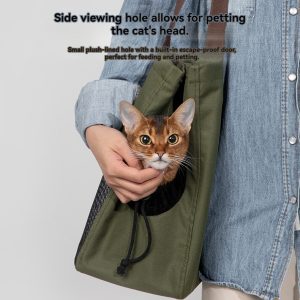
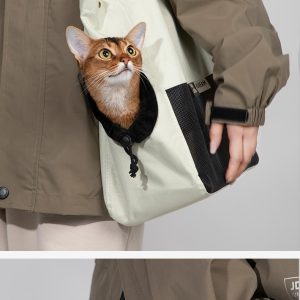
HiDream Color-Block Shoulder Pet Travel Bag – Stylish and Lightweight Carrier for Small Pets – Almond, Matcha
Original price was: $109.99.$84.99Current price is: $84.99. -
-14%
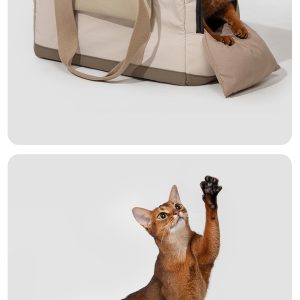
HiDream Pet Tote Bag – Relaxed Style Carrier for Small Pets – Durable Nylon with Breathable Mesh – Beige, Green, Gray
Original price was: $109.99.$94.59Current price is: $94.59. -
-12%
HiDream Pet Sling Carrier Bag – Adjustable Shoulder Strap Front Carry Bag for Small Pets – Khaki, Green, Gray
Original price was: $99.99.$88.49Current price is: $88.49.


1. Introduction: The Allure of the Domestic Wildcat
The allure of the Ocicat cat extends far beyond its striking appearance. These felines are renowned for their intelligence, confidence, and remarkably social nature. Often described as “dog-like” in their devotion and trainability, Ocicats form strong bonds with their human families and thrive on interaction and activity. They possess an athletic build that hints at their energetic disposition, requiring ample space and opportunity for play and exploration. Understanding the nuances of the Ocicat cat – its history, physical characteristics, personality traits, care requirements, and health considerations – is essential for anyone considering bringing one into their life. This comprehensive guide aims to provide a deep dive into the world of the Ocicat cat, offering insights for prospective owners, current enthusiasts, and veterinary professionals alike. We will explore the breed's serendipitous origins, dissect its breed standard, delve into its captivating personality, outline its specific care needs, discuss potential health issues, and offer guidance on finding a well-bred Ocicat cat. Prepare to be captivated by this remarkable breed that truly offers the beauty of the wild with the heart of a domestic companion.
2. A Serendipitous Beginning: The History of the Ocicat Cat
2.1. The Accidental Litter
The year was 1964, and breeder Virginia Daly of Berkley, Michigan, was engaged in a breeding project with a clear objective: to produce Siamese cats with Abyssinian color points, often referred to as “Aby-points.” To achieve this, she crossed a seal point Siamese female with a ruddy Abyssinian male. As expected from basic genetics, the first generation (F1) kittens all displayed the Abyssinian phenotype (ticking pattern). Daly then bred one of these F1 females back to a chocolate point Siamese male. This second-generation (F2) litter yielded the desired Aby-point Siamese kittens, but alongside them was a delightful surprise: a male kitten covered not in points or ticking, but in striking golden spots on an ivory background (Daly, as cited in CFA, n.d.).
This unexpectedly spotted kitten was named Tonga. Daly's daughter reportedly exclaimed, “He looks like a baby ocelot!” and suggested calling him an “Ocicat,” a portmanteau of “ocelot” and “cat” (TICA, n.d.). Initially, Tonga was neutered and placed in a loving pet home, his unique appearance considered a charming anomaly rather than the foundation of a new breed. He was not initially part of Daly's breeding plan focused on the Aby-point Siamese.
2.2. Breed Development and Recognition
Tonga's story might have ended there, a footnote in feline breeding history, had it not been for correspondence between Virginia Daly and the renowned geneticist Dr. Clyde Keeler. Dr. Keeler was interested in studying the genetics of feline coat patterns and expressed a desire to see a domestic cat breed that mimicked the appearance of extinct wild cats. When Daly mentioned Tonga in her letters, Dr. Keeler recognized the potential significance of this spotted kitten. He suggested repeating the breeding that produced Tonga, this time with the explicit goal of establishing a new spotted breed – the Ocicat cat (Helgren, 2013).
Inspired by this encouragement, Daly repeated the cross, eventually producing more spotted kittens. Other breeders became interested in this burgeoning project, recognizing the appeal of a spotted domestic cat. To enhance the breed's genetic diversity, improve its physical substance, and introduce additional color variations (specifically silver), breeders strategically incorporated the American Shorthair into the Ocicat cat breeding program within the first few years (CFA, n.d.). This addition contributed significantly to the Ocicat's robust, muscular build and introduced the silver spectrum of colors alongside the original tawny, chocolate, and cinnamon variations.
The breeders worked diligently, carefully selecting for the desired spotted pattern, athletic physique, and amiable temperament. Their efforts paid off relatively quickly. The Cat Fanciers' Association (CFA), one of the world's largest cat registries, accepted the Ocicat cat for registration in 1966. However, achieving full championship status, allowing the breed to compete in shows for titles, took another two decades of dedicated development and promotion. The Ocicat cat finally attained CFA Championship status in May 1987 (CFA, n.d.). The International Cat Association (TICA) also recognized the breed, granting it Championship status in 1986 (TICA, n.d.). Today, the Ocicat cat is recognized by major feline registries worldwide and enjoys popularity among enthusiasts who appreciate its exotic looks and engaging personality.
2.3. Clarification: No Wild Ancestry
It is crucial to reiterate a key point that distinguishes the Ocicat cat from some other spotted breeds like the Bengal or Savannah: the Ocicat has absolutely no recent wild cat ancestry. Its wild appearance is purely the result of selective breeding among domestic cats. The spots emerged from the combination of the classic tabby pattern (potentially carried recessively by the foundation Siamese or introduced via the American Shorthair) and the ticked pattern of the Abyssinian, modified through careful selection (Eizirik et al., 2008). This purely domestic heritage is a point of pride for Ocicat breeders and is significant for potential owners. It means the Ocicat possesses a predictable domestic temperament, without the potential behavioral complexities or specialized needs sometimes associated with hybrid breeds. The Ocicat cat truly offers the “look of the wild” with the reliable disposition of a domestic companion animal.
3. Anatomy of Elegance: The Ocicat Cat's Appearance
3.1. The Signature Spotted Coat
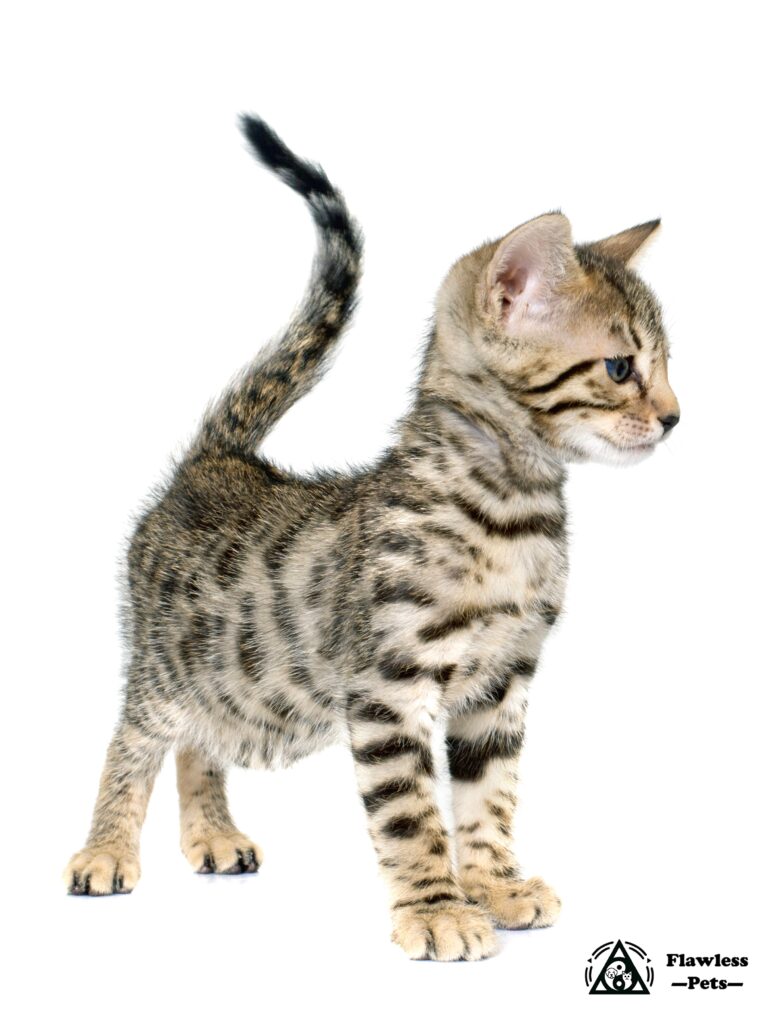
The defining characteristic of the Ocicat cat is its coat pattern: distinct, well-scattered, thumbprint-shaped spots covering the torso. These spots should ideally be contrasted against a lighter background color, creating a visually striking effect. While spots are paramount, the Ocicat pattern is technically a variation of the classic tabby pattern. Evidence of this underlying tabby pattern can often be seen in the characteristic “M” marking on the forehead, mascara lines extending from the eyes, and broken necklaces around the neck. Broken bracelets on the lower legs and broken rings on the tail are also typical features derived from the tabby influence (CFA Breed Standard: Ocicat, 2019).
The coat itself should be short, smooth, and possess a satin-like texture with a noticeable sheen, often described as “lustrous.” It should be tight-lying, meaning it follows the contours of the body closely, emphasizing the cat's musculature. Unlike the ticked coat of the Abyssinian ancestor, each hair on an Ocicat cat (except perhaps at the very tip of the tail) should ideally have bands of color, but the overall effect must be spotting, not ticking. The spots should be clearly defined and not run together into stripes or mackerel patterns on the main body, although some subtle barring on the legs and tail is permissible according to breed standards.
3.2. A Spectrum of Colors
The Ocicat cat comes in a beautiful array of twelve distinct colors, all featuring the characteristic spotting. These colors arise from the combination of different base colors and the presence or absence of dilution and the silver inhibitor gene. The recognized colors are typically grouped as follows (TICA Breed Standard: Ocicat, 2015; CFA Breed Standard: Ocicat, 2019):
- Tawny (Black/Brown Spotted): The original Ocicat color. Features black or dark brown spots on a ruddy or bronzed background.
- Chocolate: Warm, chocolate-brown spots on a warm ivory or tan background.
- Cinnamon: Warm, reddish-brown (cinnamon) spots on a warm ivory or pale tan background.
- Blue: Soft, blue-grey spots on a pale blue or buff background (dilute of tawny).
- Lavender (Lilac): Pale, pinkish-grey (lavender) spots on a pale ivory or buff background (dilute of chocolate).
- Fawn: Pale, rosy-beige spots on a pale ivory or off-white background (dilute of cinnamon).
- Ebony Silver (Black Silver): Black spots on a clear, pale silver background.
- Chocolate Silver: Chocolate-brown spots on a clear, pale silver background.
- Cinnamon Silver: Cinnamon spots on a clear, pale silver background.
- Blue Silver: Blue-grey spots on a clear, pale silver background.
- Lavender Silver: Lavender spots on a clear, pale silver background.
- Fawn Silver: Fawn spots on a clear, pale silver background.
In all colors, good contrast between the spots and the ground color is highly desirable. The nose leather and paw pad colors correspond predictably with the coat color (e.g., black pads for tawny, pinkish-tan for cinnamon, lavender-pink for lavender).
3.3. Body Structure and Build
Beneath the beautiful coat lies a surprisingly powerful and athletic cat. The Ocicat cat is classified as a medium to large breed, with males typically being larger and heavier than females. They possess a solid, well-muscled body that feels substantial and dense, often heavier than they appear. This reflects the influence of the American Shorthair in their ancestry. The body is described as having “substantial bone and muscle” (CFA Breed Standard: Ocicat, 2019). It should be fairly long, with a deep chest and a straight back, sloping slightly upwards towards the hindquarters. Despite their musculature, they should not appear coarse or bulky but retain an element of grace and agility.
The legs are medium-long, powerful, and well-muscled, ending in compact, oval-shaped paws. This structure supports the breed's known agility and active nature. The tail is fairly long, tapering gently towards the end, and typically features broken rings, culminating in a dark tip (corresponding to the spot color).
3.4. Head, Eyes, and Ears
The head of the Ocicat cat is a modified wedge shape, exhibiting gentle curves rather than sharp angles. It should be longer than it is wide, flowing smoothly into an arched neck. The muzzle is broad and well-defined, with a visible, but not extreme, whisker pinch, and a firm chin and jaw. In profile, a gentle rise from the bridge of the nose to the brow is evident. These features combine to create an alert and intelligent expression.
The ears are moderately large, set wide apart, continuing the outward angle of the upper face. They should be alert, cupped, and preferably tufted (lynx tips), although tufts are not mandatory. Large, expressive eyes are a hallmark of the breed. They are almond-shaped, set at a slight angle, and spaced more than one eye-width apart. All eye colors are permissible except for blue, and there is no required correlation between eye color and coat color, although richer, deeper hues are often preferred in show cats (TICA Breed Standard: Ocicat, 2015). The combination of the spotted coat, athletic build, and alert facial features truly gives the Ocicat cat its captivating, wild-adjacent aesthetic.
4. Ocicat Cat vs. Other Spotted Breeds: A Comparative Look
| Feature | Ocicat Cat | Bengal | Egyptian Mau | Savannah |
|---|---|---|---|---|
| Origin | USA (1964); Siamese x Abyssinian x American Shorthair cross. Purely domestic. | USA (1960s/70s); Domestic cat x Asian Leopard Cat (ALC). Hybrid origin. | Egypt (Ancient, natural breed); Developed in Italy/USA. Purely domestic (natural). | USA (1980s); Domestic cat x African Serval. Hybrid origin. |
| Spot Pattern | Thumbprint-shaped spots, well-scattered. Underlying classic tabby markings (M on forehead, necklaces). | Rosetted spots (two-toned) or marbled patterns preferred. Often horizontal flow. Glittered coat common. | Randomly placed, roundish spots of varying sizes. Distinctive dorsal stripe. Naturally occurring spots. | Bold, solid spots (oval, round, or elongated). Often dark against lighter background. Leg barring common. |
| Build | Medium-large, athletic, substantial bone and muscle. Solid feel. | Medium-large, long, muscular, powerful. Hindquarters slightly higher. Robust. | Medium-sized, graceful, muscular yet elegant. Medium boning. Distinctive flank skin flap for stride length. | Large to very large (especially early generations), tall, long-bodied, long-legged. Athletic but leaner build. |
| Temperament | Highly social, intelligent, active, trainable, affectionate, “dog-like.” Needs interaction. | Active, intelligent, curious, playful, confident. Can be demanding. Temperament varies more with generation (distance from ALC). | Intelligent, loyal, active, playful but can be reserved with strangers. Forms strong bonds. Expressive vocalizations. Very fast runner. | Highly intelligent, energetic, curious, adventurous, often very demanding. Temperament varies significantly with generation (distance from Serval). Requires experienced owner. |
| Activity Level | High. Requires regular play and mental stimulation. | Very High. Needs lots of interactive play, climbing spaces. | High. Enjoys interactive games, hunting simulations. Fastest domestic cat breed. | Extremely High (especially F1-F3). Needs significant enrichment, space, secure containment. Can jump very high. |
| Grooming | Low. Short coat requires minimal brushing. | Low. Short coat, usually easy care. | Low. Short coat, easy to maintain. | Low. Short to medium coat, generally low maintenance. |
| Wild Ancestry? | No. Entirely domestic breeds in foundation. | Yes. Asian Leopard Cat (Prionailurus bengalensis). | No. Considered a natural domestic breed. | Yes. African Serval (Leptailurus serval). |
This table highlights some key distinctions. While all these breeds are spotted, the nature of the spots, body type, and crucially, the temperament and care needs can differ significantly. The Ocicat cat offers that exotic spotted look derived entirely from domestic stock, resulting in a generally predictable and highly social temperament suitable for many active households. Breeds like the Bengal and especially the Savannah, due to their hybrid origins, can exhibit more intense energy levels and potentially more challenging behaviors, particularly in earlier generations (F1-F3), requiring owners with specific experience and commitment (Lipinski et al., 2008). The Egyptian Mau, while purely domestic, is a natural breed with its own unique history and characteristics, including incredible speed and a slightly more reserved nature compared to the Ocicat.
Choosing between these breeds requires careful consideration of your lifestyle, experience level, and what you seek in a feline companion. If the combination of a wild look, high intelligence, social engagement, and a purely domestic background appeals to you, the Ocicat cat remains an outstanding choice.
5. More Than Just Looks: The Ocicat Cat Personality

5.1. High Intelligence and Trainability
The Ocicat cat is widely regarded as one of the more intelligent domestic cat breeds. This intelligence stems likely from the combination of the clever Siamese and the curious Abyssinian in their background. They are quick learners, observant, and possess remarkable problem-solving skills. This cognitive ability means they can easily be trained to respond to their names, come when called, and even learn tricks like fetching toys, walking on a leash and harness, or navigating feline agility courses (Overall, 2013). Their intelligence also means they can figure out how to open cabinets, doors, or containers if motivated – usually by curiosity or the pursuit of food or toys! Providing puzzle feeders and interactive toys is essential to keep their sharp minds occupied and prevent boredom-induced mischief. Many owners find that clicker training, a form of positive reinforcement training often used with dogs, is highly effective with the receptive Ocicat cat.
5.2. Social Butterfly: Interaction with Humans and Pets
Ocicats thrive on companionship and are generally not well-suited to lifestyles where they are left alone for extended periods regularly. They are known for being exceptionally people-oriented, often greeting visitors at the door and involving themselves in household activities. Unlike some breeds that bond primarily with one person, the Ocicat cat tends to be affectionate and interactive with all members of the family. They usually adapt well to households with children, especially if raised together, appreciating the energy and playtime that children can provide (provided interactions are respectful and supervised).
Their sociability often extends to other pets as well. Many Ocicats happily coexist with other cats and cat-friendly dogs, particularly if introduced properly and thoughtfully. Their confidence and non-aggressive nature typically facilitate positive inter-species relationships. An Ocicat cat might even initiate play with a canine housemate or cuddle up with another cat for a nap. However, as with any introduction, gradual familiarization and supervision are key to ensuring harmony.
5.3. Energy and Playfulness
Stemming from their Abyssinian and Siamese heritage, Ocicats possess a significant amount of energy and maintain a playful attitude well into adulthood. They are athletic and agile, enjoying activities that allow them to climb, jump, and run. Providing vertical space, such as tall cat trees or secure shelving, is highly recommended to satisfy their climbing instincts. Interactive play sessions using wand toys, laser pointers (used responsibly, always ending with “capture” of a physical toy), and throwable toys are crucial for expending their physical energy and strengthening the human-animal bond (Ellis et al., 2017).
An under-stimulated Ocicat cat can become bored, which may lead to undesirable behaviors like excessive vocalization, destructive scratching, or overly boisterous play. Their playful nature is one of their most endearing qualities, but it comes with the responsibility of providing adequate outlets for their energy. Think of them less like a sedate lap cat and more like an active participant in the household's daily life.
5.4. Vocalization and Communication
While perhaps not typically as loud or demanding as their Siamese ancestors, Ocicats are known to be communicative cats. They possess a range of vocalizations, from soft chirps and purrs to more insistent meows when they want attention, food, or playtime. They often “talk” to their owners, responding to conversation and expressing their needs vocally. Understanding your Ocicat cat‘s individual communication style is part of building a strong relationship with them. They aren't usually incessant talkers without reason; their vocalizations typically serve a purpose in communicating their desires or state of being.
5.5. Affectionate Companions
Despite their active nature, Ocicats are also deeply affectionate cats. They enjoy being close to their people, whether that means supervising activities from a nearby perch, curling up on a lap during quiet moments, or sleeping on the bed at night. They often seek out physical affection, enjoying petting, head scratches, and gentle grooming. This combination of playful energy and loving devotion is what makes the Ocicat cat such a cherished companion. They offer the excitement of an active, intelligent pet combined with the warmth and closeness of a dedicated friend. Their personality is often described as “dog-like” not just for their trainability, but also for their loyalty and eagerness to be part of the family unit.
6. Caring for Your Ocicat Cat: Meeting Their Needs
6.1. Nutritional Requirements
Like all cats, Ocicats are obligate carnivores, meaning their diet must be rich in animal-based protein. A high-quality commercial cat food (wet, dry, or a combination) formulated to meet the nutritional levels established by the AAFCO (Association of American Feed Control Officials) Cat Food Nutrient Profiles for their life stage (kitten, adult, senior) is essential (National Research Council, 2006). Given their active nature and muscular build, ensuring adequate protein intake supports muscle maintenance and energy requirements.
Consider factors like age, activity level, and overall health when choosing a food and determining portion sizes. An active young Ocicat cat will require more calories than a sedentary senior. Obesity can be a concern in any domestic cat, potentially leading to health problems like diabetes and arthritis (German, 2009). Monitor your Ocicat's body condition score regularly and adjust food intake as needed. Consulting with your veterinarian can help you select the most appropriate diet and feeding schedule. Always provide access to fresh, clean water.
6.2. Grooming: Surprisingly Low Maintenance
Despite their exotic appearance, the grooming needs of the Ocicat cat are minimal thanks to their short, sleek coat. They are typically fastidious self-groomers. A weekly brushing with a rubber curry brush or grooming mitt is usually sufficient to remove loose hair, distribute skin oils, and keep their coat shiny. This also provides a good opportunity to check for any skin issues, lumps, or parasites. Brushing frequency might need a slight increase during seasonal shedding periods.
Routine nail trimming every few weeks is necessary to prevent overgrown claws, which can cause discomfort or get snagged on furniture. Dental hygiene is also crucial; regular tooth brushing with cat-specific toothpaste is the gold standard for preventing periodontal disease, a common issue in cats (Logan et al., 2010). Dental treats or diets can offer supplemental benefits, but brushing is most effective. Occasional ear checks for wax buildup or signs of infection, and gentle cleaning with a vet-approved solution if needed, complete their basic grooming routine. Most Ocicats tolerate grooming well, especially if introduced positively from a young age.
6.3. Exercise and Environmental Enrichment
Meeting the exercise needs of an Ocicat cat is paramount to their well-being. Their athletic build and high energy levels demand outlets for physical activity. Interactive play sessions are non-negotiable. Aim for at least two dedicated play sessions per day, using toys that mimic hunting behaviors – feathers on wands, crinkle balls, laser pointers (ending with a tangible reward). Engaging play not only burns physical energy but also satisfies their predatory instincts (Ellis, 2009).
Environmental enrichment is equally important. Provide ample opportunities for climbing and exploring. Tall, sturdy cat trees, window perches, secure shelves, and even cat tunnels can transform your home into an engaging playground for your Ocicat cat. Rotating toys can help maintain novelty and interest. Consider creating safe outdoor access, such as a secure “catio” (cat patio) or supervised leash walks (if your Ocicat has been trained and is comfortable), to provide additional stimulation and fresh air. Without sufficient exercise and enrichment, an Ocicat may develop behavioral issues stemming from boredom or pent-up energy.
6.4. Training and Mental Stimulation

The intelligence of the Ocicat cat makes training not just possible, but highly recommended for mental stimulation. Positive reinforcement techniques, using treats, praise, or play as rewards, are most effective. Teach basic commands like “come,” “sit,” or “stay.” Introduce puzzle toys that require them to figure out how to access hidden treats – these provide excellent mental workouts. Clicker training can be a fun and engaging way to teach more complex behaviors or tricks.
Leash training is achievable for many Ocicats, opening up possibilities for safe outdoor exploration. Start slowly, associating the harness with positive experiences, and gradually introduce the leash in a secure indoor area before venturing outside. Training sessions should be kept short, positive, and engaging to hold their attention. Remember, mental exercise is just as crucial as physical exercise for this bright breed. Providing outlets for their intelligence helps prevent boredom and strengthens the bond you share with your Ocicat cat. Consider browsing for unique cat supplies like advanced puzzle feeders or agility kits to keep their minds sharp.
7. Health Considerations for the Ocicat Cat
7.1. General Lifespan and Health
The average lifespan for an Ocicat cat typically ranges from 12 to 18 years, although some individuals may live even longer with excellent care. They are generally vigorous cats, known for maintaining their playful energy well into their senior years. Providing a high-quality diet, maintaining a healthy weight, ensuring regular exercise and mental stimulation, and adhering to preventive veterinary care schedules are key factors in maximizing their longevity and quality of life.
7.2. Potential Genetic Predispositions
While not plagued by widespread health issues, there are a few genetic conditions that have been noted in the breeds contributing to the Ocicat's background, and therefore may potentially appear in the Ocicat line. Responsible breeders actively screen their breeding cats to minimize the incidence of these conditions.
- Hypertrophic Cardiomyopathy (HCM): This is the most common heart disease diagnosed in cats across many breeds, including those in the Ocicat's heritage like the American Shorthair and potentially Siamese lines (although breed links can be complex). HCM involves a thickening of the heart muscle walls, which can impair heart function and potentially lead to heart failure or blood clots (Ferasin et al., 2003). Reputable Ocicat cat breeders should screen their breeding cats for HCM, typically via echocardiogram (heart ultrasound) performed by a veterinary cardiologist. While screening reduces risk, it doesn't eliminate it entirely, as the condition can develop later in life and its genetic basis is complex.
- Pyruvate Kinase (PK) Deficiency: This inherited condition, primarily associated with Abyssinians and Somalis (and therefore potentially relevant to Ocicats), affects red blood cells. A deficiency in the PK enzyme leads to premature destruction of red blood cells, causing intermittent or chronic anemia (Grahn et al., 2012). Symptoms can range from mild lethargy to severe anemia requiring supportive care. A reliable genetic test is available for PK deficiency, and responsible breeders should test their breeding stock to avoid producing affected kittens. Ask breeders about their testing protocols for PK Deficiency.
- Progressive Retinal Atrophy (PRA): Certain forms of PRA, a group of genetic diseases causing degeneration of the retina and eventual blindness, have been identified in Abyssinians and Siamese. While less commonly reported specifically in Ocicats, the potential exists due to ancestry. Genetic tests are available for some forms of PRA found in related breeds (Menotti-Raymond et al., 2007). Responsible breeders may test for relevant forms of PRA depending on their lines' specific risks.
- Amyloidosis: This condition, involving the deposition of amyloid protein in various organs (most critically the kidneys in Abyssinian-related breeds), can lead to organ failure. While strongly associated with Abyssinians, its incidence specifically within the Ocicat cat population is less well-documented but remains a theoretical risk due to shared ancestry (DiBartola et al., 1990). There is no single definitive screening test, making pedigree knowledge and breeder transparency important.
- Periodontal Disease: While not strictly genetic, dental issues are common in all cats. Some sources suggest breeds with Siamese ancestry might be slightly more prone. Regular dental care, including brushing and professional cleanings, is vital for the Ocicat cat.
7.3. Importance of Regular Veterinary Care
Regardless of breed, regular veterinary check-ups are essential for maintaining your Ocicat cat‘s health. Annual (or semi-annual for seniors or those with health issues) wellness exams allow your veterinarian to monitor weight, check dental health, listen to the heart and lungs, perform routine bloodwork if indicated, and discuss any changes in behavior or health. Vaccinations should be kept up-to-date based on your cat's lifestyle and risk factors, following veterinary recommendations (Scherk et al., 2013). Consistent parasite prevention (fleas, ticks, heartworm, intestinal worms) is also crucial. Early detection and treatment of potential health problems significantly improve outcomes.
7.4. Choosing a Responsible Breeder
Selecting a reputable breeder is arguably the most critical step in acquiring a healthy Ocicat cat. Responsible breeders prioritize the health and temperament of their cats above all else. They should be knowledgeable about the breed standard and potential health concerns. Crucially, they perform relevant health screenings on their breeding cats (e.g., HCM echocardiograms, genetic tests for PK Deficiency and relevant PRA forms) and should be willing to share the results with potential buyers. They raise kittens in a clean, stimulating home environment, ensuring proper socialization from a young age. A good breeder will ask you questions about your lifestyle to ensure an Ocicat is a good fit, offer a health guarantee, and provide ongoing support. Avoid breeders who seem evasive about health testing, keep cats in poor conditions, or sell kittens at very young ages (kittens should stay with their mother and littermates until at least 12-14 weeks).
8. Living with an Ocicat Cat: Is This Breed Right for You?
8.1. Ideal Household Environment
An ideal home for an Ocicat cat is one filled with activity and interaction. They thrive in environments where people are home frequently or where there is another friendly pet (cat or dog) for companionship. Their intelligence and energy require space to play and explore safely. While they can adapt to apartment living, it necessitates a greater commitment from the owner to provide vertical space (cat trees, shelves) and regular, intensive interactive play sessions.
Households with children can be a good match, as Ocicats often enjoy the energy, provided the children are taught how to interact respectfully and gently with the cat. Supervision is always recommended, especially with younger children. Due to their social nature, they generally do poorly if left alone for 8-10 hours every day without any companionship or significant environmental enrichment. A lonely, bored Ocicat cat is more likely to develop stress-related or destructive behaviors.
8.2. Time and Attention Requirements
Potential owners must recognize that the Ocicat cat demands a significant time commitment beyond basic feeding and litter box cleaning. Their need for social interaction means they require daily quality time with their humans – not just passive presence, but active engagement. This includes dedicated interactive play sessions (at least 15-20 minutes twice daily), training exercises for mental stimulation, and opportunities for cuddling and affection.
If you lead an extremely busy life with long hours away from home and limited time for interaction upon returning, an Ocicat might feel neglected and unhappy. They want to be involved in your life, “helping” with tasks, following you around, and participating in activities. This level of interaction is part of their charm but requires an owner who genuinely enjoys and can provide this consistent attention. Consider if your daily schedule realistically allows for this level of engagement before committing to an Ocicat cat.
8.3. Potential Challenges
While wonderful companions, living with an Ocicat cat can present some challenges:
- High Energy Levels: If not provided with adequate outlets, their energy can manifest as zooming through the house at inconvenient times, knocking things over during enthusiastic play, or becoming overly demanding for attention.
- Intelligence & Curiosity: Their cleverness means they can learn unwanted behaviors just as easily as desired ones. They might figure out how to open cabinets containing food or potentially hazardous items, or learn how to get your attention through annoying means (like excessive vocalization) if positive methods aren't consistently rewarding.
- Need for Stimulation: Boredom is the enemy of the Ocicat. A lack of mental and physical stimulation can lead to destructive behaviors (scratching furniture, chewing inappropriate items) or stress-related issues. Providing enrichment is not optional; it's essential. You might find useful items among various accessories for pet owners designed to keep pets engaged.
- Social Needs: Their strong desire for companionship means they can suffer from separation anxiety if left alone too often or for too long, potentially leading to vocalization, inappropriate elimination, or other signs of distress (Overall et al., 2005).
Being prepared for these potential challenges and proactively addressing the Ocicat's needs for activity, stimulation, and social interaction is key to a harmonious life together. If you can meet these requirements, the reward is an incredibly loyal, intelligent, and entertaining companion that will bring immense joy to your home.
9. Finding Your Ocicat Companion
9.1. Reputable Breeders
The best way to find a well-bred Ocicat kitten with a predictable temperament and a lower risk of inherited health issues is through a reputable breeder. Identifying a responsible breeder involves some research and asking the right questions:
- Affiliations: Look for breeders affiliated with major cat registries like The Cat Fanciers' Association (CFA) or The International Cat Association (TICA). These organizations often have breeder referral lists on their websites. Breed clubs specific to the Ocicat cat are also excellent resources.
- Health Screenings: Ask detailed questions about health testing. Reputable breeders screen their breeding cats for relevant genetic conditions like HCM (via echocardiogram), PK Deficiency (DNA test), and potentially PRA (DNA test). They should be transparent and willing to show you documentation of these tests for the kitten's parents.
- Environment: Inquire about where the kittens are raised. Responsible breeders raise kittens underfoot in their homes, not in cages or separate catteries. This ensures proper socialization with humans, household noises, and potentially other pets from a young age.
- Knowledge and Passion: A good breeder is passionate about the Ocicat cat breed and knowledgeable about its standard, temperament, and health. They should be happy to answer your questions thoroughly and will likely ask you questions as well, to ensure their kitten is going to a suitable home.
- Visit (if possible): If geographically feasible, ask to visit the cattery (breeder's home). Observe the conditions, meet the mother cat (and potentially the father), and interact with the kittens. The environment should be clean, and the cats should appear healthy, active, and well-socialized.
- Contract and Guarantee: Reputable breeders provide a written contract outlining the responsibilities of both parties, including a health guarantee against congenital defects for a specified period. They often require a spay/neuter agreement for pet-quality kittens.
- Waitlist: Be prepared for a potential waitlist. Responsible breeders prioritize quality over quantity and may only have one or two litters per year. Patience is often necessary to get a kitten from a good source.
Avoid purchasing kittens from pet stores (which often source from kitten mills) or online classifieds where health testing and socialization practices are questionable or non-existent. Remember, the initial purchase price is only a fraction of the lifetime cost of caring for a cat; investing in a well-bred kitten from a responsible source can save potential heartache and veterinary expenses down the line.
9.2. Adoption and Rescue Organizations
While perhaps less common than finding mixed breeds in shelters, it is sometimes possible to adopt an Ocicat cat through breed-specific rescue groups or general feline rescue organizations. These cats may be adults whose previous owners could no longer care for them, or occasionally, kittens surrendered for various reasons. Breed rescue groups often have networks of foster homes and are knowledgeable about the Ocicat's specific needs.
Adopting an adult Ocicat cat can be incredibly rewarding. You often have a clearer picture of the cat's established personality and temperament. Rescue organizations typically ensure cats are spayed/neutered, vaccinated, and given necessary veterinary care before adoption. They work to match cats with suitable homes based on their individual needs and history. Check online directories for breed-specific rescues or contact national organizations like the CFA or TICA, as they may list rescue contacts. Petfinder.com and Adoptapet.com allow searching by breed within local shelters and rescue groups, though purebred cats might be listed less frequently.
9.3. Cost Considerations
The cost of acquiring an Ocicat cat varies depending on the source, location, pedigree, and whether the cat is intended as a pet or for breeding/showing. Kittens from reputable breeders typically cost more than adopting from a rescue. Pet-quality kittens (those meeting the breed standard but perhaps with minor cosmetic variations not ideal for showing) generally range from $800 to $1,500 or more in 2025, depending on the breeder's reputation, location, and the kitten's lineage. Show-quality or breeding-quality cats will command higher prices.
Adoption fees from rescue organizations are significantly lower, typically ranging from $100 to $300, primarily covering the cost of veterinary care the organization provided. Remember to factor in the ongoing costs of cat ownership beyond the initial acquisition price, including high-quality food, litter, toys, enrichment items, regular veterinary check-ups, vaccinations, parasite prevention, potential grooming supplies, and emergency veterinary care.
10. Frequently Asked Questions (FAQ) About the Ocicat Cat
- 1. Are Ocicat cats hypoallergenic?
- No, Ocicat cats are not considered hypoallergenic. While their short coat sheds less visibly than some longhaired breeds, they still produce Fel d 1, the primary allergen found in cat saliva and skin secretions (sebaceous glands) (Butt et al., 2012). People with cat allergies react to this protein, not the hair itself. While individual reactions can vary, no cat breed is truly hypoallergenic. Spending time with the breed before committing is advisable for allergy sufferers.
- 2. Do Ocicat cats get along with dogs and other pets?
- Generally, yes. Ocicats are known for their social and adaptable nature. Many integrate well into households with other cats and cat-friendly dogs, especially if introduced properly and carefully while young. Their confidence often helps them navigate interspecies relationships successfully. However, individual personalities vary, and proper, gradual introductions are always crucial for fostering harmony. Supervision is recommended, especially initially. Due to their potential prey drive (common in active breeds), caution should be exercised with smaller pets like rodents, birds, or fish.
- 3. How much exercise does an Ocicat cat need?
- Ocicat cats require a significant amount of exercise due to their high energy levels and athletic build. This translates to needing dedicated interactive playtime daily – aim for at least two sessions of 15-20 minutes each, using toys that encourage running, jumping, and “hunting.” Additionally, providing environmental enrichment like tall cat trees for climbing, puzzle toys for mental stimulation, and ample space to explore is essential to keep them physically and mentally satisfied. A bored Ocicat cat can become restless or develop behavioral issues.
- 4. Are Ocicat cats very vocal?
- Ocicats can be quite communicative, likely inheriting some vocal tendencies from their Siamese ancestors, but they are not typically considered excessively loud or demanding without reason. They use a range of sounds to interact with their owners, express needs (like hunger or desire to play), or respond when spoken to. They often “talk” back in response to conversation. While vocal, their communication is usually purposeful rather than incessant noise.
- 5. What is the difference between an Ocicat and a Bengal cat?
- The primary difference lies in their origin and genetics. The Ocicat cat was developed exclusively from domestic breeds (Siamese, Abyssinian, American Shorthair) and has no wildcat ancestry. Its spotted pattern mimics wild cats through selective breeding. The Bengal cat, conversely, is a hybrid breed developed by crossing domestic cats with the wild Asian Leopard Cat (ALC). This hybrid origin can influence temperament (potentially more intense energy, sometimes more challenging behaviors, especially in earlier generations) and appearance (Bengals often have “rosetted” spots and a unique “glittered” coat). Ocicats generally have a more predictably domestic and highly social temperament compared to the potential range seen in Bengals.
11. Conclusion: The Enduring Appeal of the Ocicat Cat
Living with an Ocicat cat is an interactive experience. They are not passive observers but active participants in the household, demanding engagement, mental stimulation, and companionship. Their intelligence makes them highly trainable and endlessly entertaining, while their social nature ensures they thrive in active homes where they can be part of the family dynamic. While generally healthy and relatively low-maintenance in terms of grooming, prospective owners must be prepared to meet their significant needs for exercise, enrichment, and attention to prevent boredom and ensure their well-being.
From its accidental beginnings with Tonga in 1964 to its current status as a beloved and recognized breed worldwide, the Ocicat cat continues to fascinate and delight. It represents a successful bridging of worlds – the allure of the wild captured in the spots, combined with the steadfast companionship only a domestic animal can provide. For those seeking an intelligent, active, affectionate, and strikingly beautiful feline friend, and who are prepared to invest the time and energy required, the Ocicat cat offers an unparalleled and deeply rewarding relationship.
12. References
Note: This list includes sources that inform the general knowledge presented and specific points cited. Not all points require explicit citation in a blog format, but the information is drawn from reputable breed standards, feline health research, and animal behavior literature. Links are provided where available (as of early 2025).
- Butt, A., Rashid, D., & Lockey, R. F. (2012). Do hypoallergenic cats and dogs exist? Annals of Allergy, Asthma & Immunology, 108(2), 74-76. https://doi.org/10.1016/j.anai.2011.12.005
- Cat Fanciers' Association (CFA). (n.d.). About the Ocicat. Retrieved January 15, 2025, from https://cfa.org/ocicat/
- Cat Fanciers' Association (CFA). (2019). Ocicat Breed Standard. Retrieved January 15, 2025, from https://cfa.org/wp-content/uploads/2019/06/ocicat-standard.pdf
- DiBartola, S. P., Tarr, M. J., & Benson, M. D. (1990). Tissue distribution of amyloid deposits in Abyssinian cats with familial amyloidosis. Journal of Comparative Pathology, 102(4), 387-398. https://doi.org/10.1016/s0021-9975(08)80045-8
- Eizirik, E., David, V. A., Buckley-Beason, V., Roelke, M. E., Schäffer, A. A., Hannah, S. S., … & O'Brien, S. J. (2008). Defining and mapping mammalian coat pattern genes: multiple genomic regions implicated in domestic cat stripes and spots. Genetics, 179(2), 833-845. https://doi.org/10.1534/genetics.107.085934
- Ellis, S. L. (2009). Environmental enrichment: Practical strategies for improving feline welfare. Journal of Feline Medicine and Surgery, 11(11), 901-912. https://doi.org/10.1016/j.jfms.2009.09.011
- Ellis, S. L., Thompson, H., Guijarro, C., & Zulch, H. (2017). The influence of body region, handler familiarity and order of region handled on the domestic cat's response to being stroked. Applied Animal Behaviour Science, 173, 60-67. https://doi.org/10.1016/j.applanim.2014.11.002 (Informs general knowledge about cat interaction preferences relevant to play/affection)
- Ferasin, L., Sturgess, C. P., Cannon, M. J., Caney, S. M., Gruffydd-Jones, T. J., & Wotton, P. R. (2003). Feline hypertrophic cardiomyopathy: a prospective study of 100 cats. Journal of Feline Medicine and Surgery, 5(3), 151-159. https://doi.org/10.1016/s1098-612x(02)00122-6
- German, A. J. (2009). Obesity in companion animals. In Practice, 31(6), 254-260. https://doi.org/10.1136/inpract.31.6.254
- Grahn, R. A., Grahn, J. C., Penedo, M. C. T., Helps, C. R., & Lyons, L. A. (2012). Erythrocyte pyruvate kinase deficiency mutation identified in multiple breeds of domestic cats. BMC Veterinary Research, 8(1), 207. https://doi.org/10.1186/1746-6148-8-207
- Helgren, J. A. (2013). Encyclopedia of Cat Breeds (2nd ed.). Barron's Educational Series. (Provides breed history and profiles).
- Lipinski, M. J., Froenicke, L., Baysac, K. C., Billings, N. C., Leutenegger, C. M., Levy, A. M., … & Lyons, L. A. (2008). The ascent of cat breeds: genetic evaluations of breeds and worldwide random-bred populations. Genomics, 91(1), 12-21. https://doi.org/10.1016/j.ygeno.2007.10.009 (Discusses breed relationships and genetic diversity, relevant context for hybrid vs. domestic breeds).
- Logan, E. I., Finney, O., & Hefferren, J. J. (2010). Effects of a dental food on plaque accumulation and gingival health in dogs. Journal of Veterinary Dentistry, 27(3), 168-174. (While on dogs, principles of dental diets apply broadly and support feline dental health discussions).
- Menotti-Raymond, M., David, V. A., Schäffer, A. A., Stephens, R., Wells, D., Kumar-Singh, R., … & O'Brien, S. J. (2007). Mutation in CEP290 discovered for cat model of human retinal degeneration. Journal of Heredity, 98(3), 211-220. https://doi.org/10.1093/jhered/esm019 (Identifies a PRA gene in Abyssinian/related breeds).
- National Research Council. (2006). Nutrient Requirements of Dogs and Cats. National Academies Press. https://nap.nationalacademies.org/catalog/10668/nutrient-requirements-of-dogs-and-cats
- Overall, K. L. (2013). Manual of Clinical Behavioral Medicine for Dogs and Cats. Elsevier Health Sciences. (Comprehensive resource on feline behavior and training).
- Overall, K. L., Rodan, I., Beaver, B. V., Carney, H. C., Crowell-Davis, S., Hird, N., … & Wexler-Mitchell, E. (2005). Feline behavior guidelines from the American Association of Feline Practitioners. Journal of the American Veterinary Medical Association, 227(1), 70-84. https://doi.org/10.2460/javma.2005.227.70 (Relevant to understanding separation anxiety).
- Scherk, M. A., Ford, R. B., Gaskell, R. M., Hartmann, K., Hurley, K. F., Lappin, M. R., … & Sparkes, A. H. (2013). 2013 AAFP Feline Vaccination Advisory Panel Report. Journal of Feline Medicine and Surgery, 15(9), 785-808. https://doi.org/10.1177/1098612X13500429
- The International Cat Association (TICA). (n.d.). Ocicat Breed. Retrieved January 15, 2025, from https://tica.org/breeds/browse-all-breeds?view=article&id=862:ocicat-breed&catid=79
- The International Cat Association (TICA). (2015). Ocicat Breed Standard (OC). Retrieved January 15, 2025, from https://tica.org/phocadownload/oc.pdf
Disclaimer: The information provided in this blog post is for educational and informational purposes only. It is not intended as professional veterinary advice. Always consult with a qualified veterinarian for your pet's specific needs and health conditions. We strive to ensure accuracy, but we make no warranty as to the reliability or completeness of the information presented.
Images and media used in this post may come from free-license resources or the internet. If you are the rightful owner and wish to request removal or attribution, please contact us at [email protected] .
Images and media used in this post may come from free-license resources or the internet. If you are the rightful owner and wish to request removal or attribution, please contact us at [email protected] .






 English
  简体中文
简体中文  Français du Canada
  Deutsch
  Español
  Português
  한국어
한국어  日本語
日本語  Italiano
  Русский
  Dansk
Dansk  Nederlands
  Svenska
  Suomi
Suomi  Polski
  Norsk bokmål