
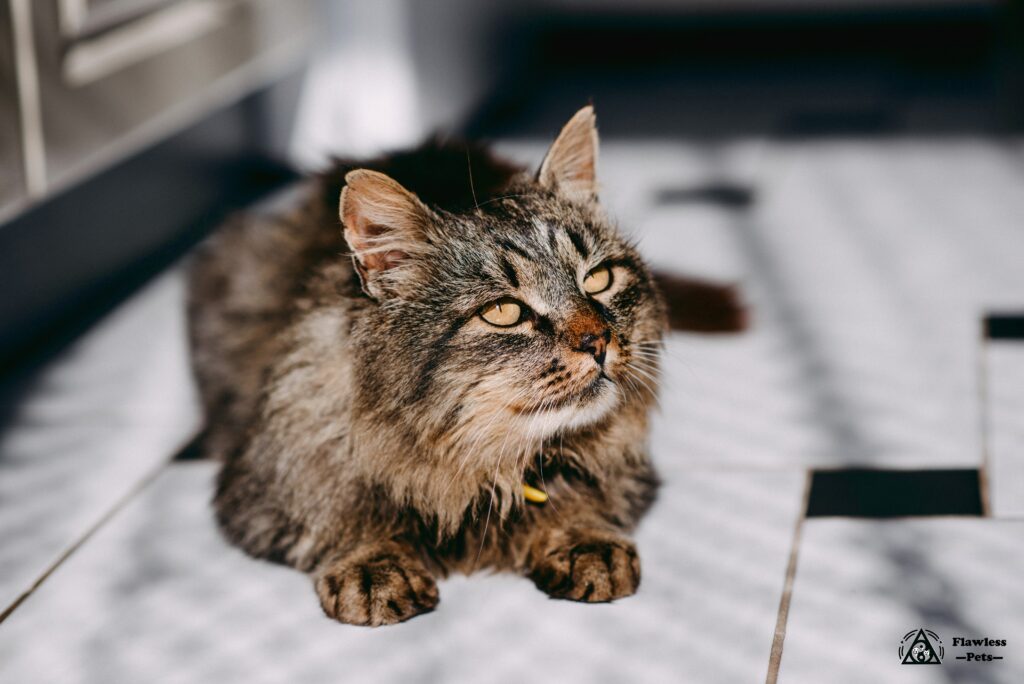
History and Origins: The Tale of the RagaMuffin Cat
The story of the RagaMuffin cat is intrinsically linked to that of the Ragdoll, another well-loved breed known for its placid nature and striking appearance. Understanding the RagaMuffin requires us to journey back to Riverside, California, in the 1960s, where a breeder named Ann Baker developed the Ragdoll breed from a non-pedigreed white domestic longhaired cat named Josephine. Josephine had a uniquely placid temperament, possibly resulting from a car accident, which Baker believed was passed down to her offspring. Baker gathered cats believed to be Josephine's progeny and, through careful selection, established the foundational characteristics of the Ragdoll breed – large size, semi-longhair coat, pointed coloration, and that famously docile temperament (Ragdoll History, n.d.).
Ann Baker, however, was a controversial figure. She established her own registry, the International Ragdoll Cat Association (IRCA), around 1971 and trademarked the name “Ragdoll.” She imposed strict, unconventional breeding restrictions on anyone wishing to breed and sell cats under the Ragdoll name. These restrictions included franchise agreements and royalty payments, which were highly unusual in the traditional cat fancy world (Pollard, 1999). Breeders associated with Baker were forbidden from registering their cats with established associations like The Cat Fanciers' Association (CFA).
-
-23%

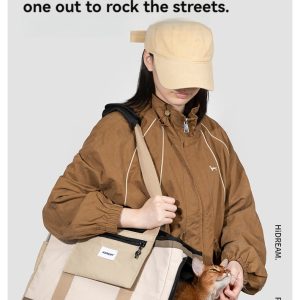
HiDream Color-Block Shoulder Pet Travel Bag – Stylish and Lightweight Carrier for Small Pets – Almond, Matcha
Original price was: $109.99.$84.99Current price is: $84.99. -
-14%
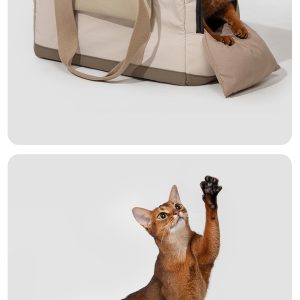
HiDream Pet Tote Bag – Relaxed Style Carrier for Small Pets – Durable Nylon with Breathable Mesh – Beige, Green, Gray
Original price was: $109.99.$94.59Current price is: $94.59. -
-12%
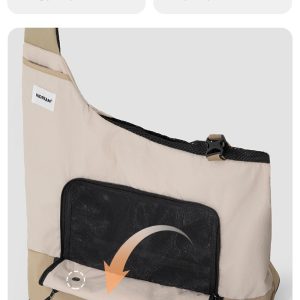
HiDream Pet Sling Carrier Bag – Adjustable Shoulder Strap Front Carry Bag for Small Pets – Khaki, Green, Gray
Original price was: $99.99.$88.49Current price is: $88.49.

By the mid-1990s, a group of breeders who had originally worked under Baker's IRCA umbrella felt constrained by her increasingly eccentric demands and restrictive breeding policies. They desired the freedom to breed these wonderful cats according to the standards of traditional, established cat registries and to further develop the breed's potential, including expanding the range of acceptable colors and patterns beyond the pointed varieties allowed for Ragdolls under Baker's system. This group wanted to preserve the cat's large size, substantial structure, and exceptionally sweet temperament but sought independence from the IRCA structure (RagaMuffin Cat Fanciers, n.d.).
Led by figures like Curt Gehm and Laura Dayton, these breeders decided to break away. Because Ann Baker held the trademark for the name “Ragdoll,” the departing group needed a new name for their beloved cats. The name “RagaMuffin” was chosen, reportedly suggested somewhat humorously by Curt Gehm, as a nod to the breed's humble, mixed-ancestry beginnings (originating from free-roaming cats like Josephine) and perhaps as a playful jab at their “renegade” status relative to the established Ragdoll franchise (Stephens, 2018). The name stuck, embodying the breed's endearing, slightly scruffy charm despite its luxurious coat.
The initial RagaMuffin cat gene pool consisted of the original IRCA Ragdolls developed by Baker. To increase genetic diversity and solidify desired traits while differentiating them further from the traditional Ragdoll (which was being developed separately by breeders outside the IRCA), the RagaMuffin breeders strategically outcrossed to other longhaired breeds, including Persians (to enhance bone structure and head type) and Himalayans (already part of the Ragdoll heritage), as well as potentially domestic longhairs to broaden the genetic base and introduce a wider array of colors and patterns (CFA RagaMuffin Breed Standard, 2015). This careful outcrossing was crucial in establishing the RagaMuffin cat as a distinct breed with its own unique look, particularly the wider range of coat colors and patterns not accepted in championship Ragdolls by major associations like CFA at the time.
The goal was clear: maintain the wonderful temperament and substantial size but allow for the full spectrum of feline colors and patterns, and develop a slightly different head and body type conforming to the written standard they developed. The RagaMuffin standard emphasizes a rounded, sweet look compared to the more angular features sometimes seen in Ragdolls.
Gaining recognition from major cat fancy associations was the next step. The American Cat Fanciers Association (ACFA) was one of the first to recognize the RagaMuffin cat. The United Feline Organization (UFO) also accepted them early on. A significant milestone was achieved when The Cat Fanciers' Association (CFA), the world's largest registry of pedigreed cats, accepted the RagaMuffin cat for registration in the Miscellaneous class in February 2003. This marked a major step towards legitimacy in the mainstream cat fancy. After years of careful development and presentation at shows, the RagaMuffin cat achieved full Championship status in CFA in May 2011 (CFA RagaMuffin Breed Profile, n.d.). The Governing Council of the Cat Fancy (GCCF) in the United Kingdom granted preliminary recognition in 2010, moving towards championship status subsequently (GCCF RagaMuffin Breed Page, n.d.). Today, the RagaMuffin cat is recognized by most major cat associations worldwide, solidifying its place as a distinct and cherished breed, born from a desire for freedom and a love for these gentle giants.
Physical Characteristics: A Gentle Giant's Form
The RagaMuffin cat is immediately recognizable as a large, impressive feline, exuding an aura of gentle strength and plush softness. Their physical conformation is one of substance and balance, contributing to their “teddy bear” appeal.
Size and Build: RagaMuffins are classified as a large to very large domestic cat breed. They are heavily boned with a substantial, rectangular body that feels muscular and solid beneath their plush coat. A key feature is the “fatty pad” on the lower abdomen, which is permissible and characteristic of the breed, adding to their robust appearance (CFA RagaMuffin Breed Standard, 2015). Males are typically larger than females, often weighing between 15 to 20 pounds (6.8 to 9.1 kg), with some reaching even higher weights without being overweight. Females are also substantial, usually ranging from 10 to 15 pounds (4.5 to 6.8 kg). They are slow-maturing cats, often not reaching their full size and weight until they are around four years old. This gradual development is important for potential owners to understand; a RagaMuffin kitten will grow considerably over several years.
Head and Facial Features: The head of the RagaMuffin cat is a defining feature, contributing significantly to their characteristic sweet expression. It should be a broad, modified wedge shape with a rounded appearance, avoiding any flat planes. The forehead should be moderately rounded, flowing into a short, slightly concave curve or “scoop” at the bridge of the nose, which then continues into a gentle convex curve, ending with a slightly upturned nose tip. The muzzle is short, broad, and rounded, with full cheeks and a firm chin, contributing to the overall rounded contours of the head (TICA RagaMuffin Breed Standard, 2019). This roundedness distinguishes them from the often more angular head structure seen in some Ragdoll lines. Their neck is short, heavy, and strong, supporting the substantial head.
Perhaps the most captivating facial feature is their large, expressive eyes. They are wide-set and oval-shaped, though they often appear round, especially when the cat is curious or content. A key characteristic described in the breed standard is the “sweet” look, which these large, open eyes greatly enhance. Unlike Ragdolls, where eye color is restricted to blue for show quality cats, RagaMuffin cats can have eyes of any color, including vibrant greens, golds, ambers, aquas, and of course, blue. Odd-eyed (eyes of two different colors) RagaMuffins are also permissible and quite striking (CFA RagaMuffin Breed Standard, 2015). Eye color intensity is prized, adding to the breed's beauty.
Their ears are medium in size, set moderately apart on the head, tilted slightly forward, and rounded at the tips. They should continue the rounded contours of the head and are often furnished with Lynx tips (tufts of hair off the points of the ears), though this is not required.
Coat: The RagaMuffin cat possesses a luxurious, medium-long to long coat that is one of its crowning glories. The texture is described as silky soft, often compared to that of a rabbit's fur – dense, plush, and wonderfully soft to the touch. Despite its length and density, the coat has a relatively low tendency to mat compared to some other longhaired breeds like Persians. This is attributed to its specific texture, which is less prone to tangling. However, this doesn't mean it's maintenance-free; regular grooming is still necessary (see Care section). The fur is slightly longer around the neck, forming a distinct ruff (like a lion's mane), and on the hind legs, creating fluffy “britches.” The tail is long, fully furred, and plume-like, often carried high with pride.
A major point of distinction for the RagaMuffin cat, stemming directly from its history, is the acceptance of all possible coat colors and patterns. While traditional Ragdolls recognized by associations like CFA are limited to pointed patterns (color on the extremities – face, ears, legs, tail) with specific white overlay patterns (mitted, bicolor), RagaMuffins embrace the entire spectrum of feline genetics. This includes solid colors (black, white, blue, red, cream, etc.), tabbies (classic, mackerel, spotted, ticked), tortoiseshell, calico, smokes, shaded, and pointed patterns, with or without white markings in any amount or configuration (TICA RagaMuffin Breed Standard, 2019). This incredible variety means that RagaMuffin cats can look vastly different from one another, offering a rainbow of possibilities for enthusiasts. This inclusivity in color and pattern was a foundational goal of the breeders who established the RagaMuffin name.
RagaMuffin vs. Ragdoll: Key Differences
While sharing a common ancestor and a similar gentle temperament, the RagaMuffin cat and the Ragdoll have evolved into distinct breeds with several key differences recognized by major cat associations. Understanding these can help potential owners decide which breed might be a better fit, or simply appreciate the unique qualities of each.
| Feature | RagaMuffin Cat | Ragdoll |
|---|---|---|
| Origin & History | Branched off from Ragdolls in the 1990s due to breeding policy disagreements. Developed independently with outcrossing (e.g., Persians, Domestic Longhairs). | Originated in the 1960s by Ann Baker from foundation cat Josephine. Developed under Baker's IRCA initially, then also by independent breeders adhering to stricter standards. |
| Accepted Colors/Patterns (e.g., by CFA/TICA) | All genetically possible colors and patterns are accepted, including solids, tabbies, torties, pointed, mitted, bicolor, etc., with any amount of white. | Traditionally accepted only in pointed patterns (Colorpoint, Mitted, Bicolor) in specific colors (seal, blue, chocolate, lilac, red, cream, plus tortie/lynx variations). Non-pointed Ragdolls (e.g., solids) exist but may not be accepted for championship status in all associations. |
| Eye Color | All eye colors are permissible and accepted (blue, green, gold, amber, aqua, odd-eyed). Intensity prized. | Traditionally required to be blue for show quality cats in pointed patterns. Other colors may occur in non-standard variations. |
| Head Shape | Broad modified wedge with obviously rounded contours. Sweet expression emphasized. Slightly shorter muzzle. | Broad modified wedge, but can appear slightly more angular in some lines. Proportions may differ slightly (e.g., flatter plane between ears sometimes described). |
| Body Structure | Substantial, rectangular, heavy boning. Noticeable fatty pad on lower abdomen is characteristic. | Substantial, long, broad body, heavy boning. Overall similar large size and structure. |
| Coat Texture | Medium-long to long, silky, plush, dense. Often compared to rabbit fur. Low matting tendency. | Medium-long to long, silky texture. Also generally low matting. Texture can be very similar. |
| Temperament | Extremely affectionate, docile, placid, “puppy-like,” people-oriented. Often described as slightly more inquisitive or playful than some Ragdolls. | Famously docile, placid, affectionate, gentle. Known for the characteristic “limp” relaxation when picked up (though not all individuals do this reliably). |
| Breed Standard Focus | Emphasis on overall roundedness, sweet expression, and inclusivity of all colors/patterns. | Emphasis on specific pointed patterns, blue eye color (for pointed cats), and balanced proportions according to the standard. |
It is important to note that both breeds share the desirable traits of large size, a luxurious coat, and an exceptionally loving and gentle temperament. The primary visual distinctions lie in the accepted range of colors and patterns, eye color possibilities, and subtle differences in head shape emphasized by the respective breed standards. Temperamentally, while both are known for being placid and affectionate, some fanciers suggest the RagaMuffin cat might retain a slightly higher level of playful curiosity, possibly influenced by the outcrossing in its development (Breed Comparison, The RagaMuffin Kitten Breeders, n.d.). However, individual personality variation exists within both breeds.
Temperament and Personality: The Heart of a Teddy Bear
If the RagaMuffin cat's physical presence is impressive, its temperament is arguably its most defining and cherished characteristic. Often described using terms like “teddy bear,” “puppy cat,” or “gentle giant,” the RagaMuffin possesses a personality that makes it an exceptional companion animal. Their disposition is typically calm, loving, and deeply attached to their human families.
Affectionate Nature: Above all, the RagaMuffin cat craves companionship and affection. They are true lap cats, often seeking out a warm lap for a nap or simply to be close to their favorite humans. They thrive on attention and are known to follow their owners from room to room, wanting to be involved in household activities. Unlike more independent breeds, a RagaMuffin cat generally does not do well if left alone for very long periods regularly; they truly need social interaction to be happy (ASPCA, RagaMuffin). Their affectionate nature extends beyond just passive cuddling; they often initiate interaction, rubbing against legs, purring loudly, and sometimes even “talking” in soft chirps or meows to get attention. They tend to form strong bonds with all family members.
Docility and Gentleness: Complementing their affectionate streak is a remarkable docility and gentleness. RagaMuffins are known for their placid nature and high tolerance levels, making them exceptionally good with children who have been taught to handle animals respectfully. They rarely use their claws or teeth in play or protest, typically preferring to withdraw if uncomfortable rather than lash out. This calm demeanor also makes them relatively easy to handle for grooming or veterinary visits. While the famous Ragdoll trait of going limp when picked up isn't a required characteristic of the RagaMuffin cat, many individuals do exhibit a similar relaxed compliance when held securely.
Intelligence and Trainability: While their primary reputation is built on sweetness and calm, RagaMuffin cats are also intelligent creatures. They are quite trainable compared to some breeds, often learning to fetch toys, walk on a leash and harness (which is great for safe outdoor exploration in controlled environments), come when called, or even perform simple tricks. Their people-pleasing nature and intelligence make positive reinforcement training methods particularly effective. Engaging their minds with puzzle toys or interactive play sessions is important to prevent boredom, especially for these indoor-dwelling cats. Providing engaging toys and accessories can keep your RagaMuffin mentally stimulated; you can browse our shop for ideas.
Socialization: RagaMuffin cats are typically very sociable and get along well with other animals, including other cats and well-behaved dogs, especially if introduced properly and patiently. Their non-aggressive nature often makes them welcome additions to multi-pet households. Their trusting and friendly disposition towards strangers is also notable; they are more likely to greet visitors at the door than to hide. While endearing, this trusting nature is a key reason why RagaMuffin cats should strictly be kept as indoor cats. They lack the wariness and survival instincts needed to navigate the dangers of the outdoors, such as traffic, predators, or unfriendly humans (Humane Society, Indoor Cats vs. Outdoor Cats).
In essence, the RagaMuffin cat personality is one of profound sweetness, unwavering affection, and calm sociability. They are ideal companions for those seeking a constant, loving presence in their home. Their “puppy-like” devotion means they require a commitment of time and attention, but the rewards of their companionship are immeasurable for those who appreciate their gentle spirit.
Care and Maintenance: Nurturing Your RagaMuffin Companion
Owning a RagaMuffin cat is a rewarding experience, and providing proper care ensures they remain healthy, happy, and comfortable throughout their lives. While generally considered lower maintenance than some other longhaired breeds regarding their coat, they still have specific needs related to grooming, nutrition, exercise, and environment.
Grooming: Despite the luxurious, medium-long coat, the RagaMuffin cat's fur has a silky texture that is less prone to matting than breeds like the Persian. However, “low matting” does not mean “no matting.” Regular grooming is essential to keep their coat in optimal condition, remove loose hair, prevent tangles from forming (especially in friction areas like under the legs and belly), and distribute skin oils.
- Brushing: Aim to brush your RagaMuffin cat at least two to three times a week using a good quality steel comb (to work through potential tangles) and a slicker brush or pin brush (to remove loose hair and smooth the coat). Regular brushing minimizes shedding around the house and reduces the likelihood of hairballs, which can occur when cats ingest excessive amounts of fur during self-grooming (Cornell Feline Health Center, Hairballs). Pay extra attention during seasonal shedding periods (spring and fall) when brushing may be needed more frequently.
- Nail Trimming: Trim their claws every few weeks using cat-specific nail clippers. This prevents nails from becoming overgrown, snagging on furniture, or accidentally scratching during handling. Get your kitten accustomed to nail trimming early on.
- Ear Cleaning: Check their ears weekly for any signs of dirt, wax buildup, or redness. Clean only if necessary, using a cotton ball dampened with a vet-approved ear cleaner. Never insert cotton swabs into the ear canal.
- Dental Hygiene: Dental health is crucial for all cats. Ideally, brush your RagaMuffin's teeth several times a week with feline-specific toothpaste and a soft brush to prevent tartar buildup and gum disease. Dental treats and regular veterinary dental check-ups are also important components of oral care (Cornell Feline Health Center, Feline Dental Disease).
- Bathing: Baths are generally not required frequently unless the cat gets particularly dirty. If a bath is needed, use a cat-specific shampoo and ensure they are thoroughly rinsed and dried.
Diet and Nutrition: As a large breed cat, the RagaMuffin has specific nutritional needs to support its substantial frame and overall health. Providing a high-quality, balanced diet is paramount.
- Quality Food: Choose a reputable commercial cat food (wet, dry, or a combination) formulated to meet AAFCO (Association of American Feed Control Officials) standards for the cat's life stage (kitten, adult, senior). Look for foods with high-quality animal protein listed as the first few ingredients.
- Life Stage Feeding: RagaMuffin kittens require energy-dense food formulated for growth until they are at least 12 months old, and possibly longer given their slow maturation (some recommend kitten food up to 18 months or transitioning to an adult formula designed for large breeds). Adult cats need maintenance formulas, while seniors (typically 7-10+ years) may benefit from senior diets tailored to aging needs.
- Portion Control: RagaMuffins can be prone to obesity due to their hearty appetites and sometimes sedentary nature if not encouraged to play. Follow feeding guidelines on the food packaging, adjusting based on your cat's age, activity level, and body condition. Consult your veterinarian for personalized feeding recommendations. Obesity can exacerbate health problems like diabetes and arthritis (Association for Pet Obesity Prevention).
- Hydration: Ensure constant access to fresh, clean water. Wet food contributes significantly to hydration. Some cats enjoy water fountains, which can encourage drinking.
Exercise and Play: While known for being calm and placid, RagaMuffin cats still require regular exercise to maintain a healthy weight, stimulate their minds, and express natural hunting behaviors. Their energy levels are generally moderate.
- Interactive Play: Engage your RagaMuffin in daily interactive play sessions using toys like feather wands, laser pointers (use cautiously, always ending the session by letting them “catch” a physical toy to avoid frustration), or fishing pole toys. This mimics hunting and provides both physical and mental stimulation. Aim for 10-15 minutes of active play a couple of times a day.
- Puzzle Toys: Food puzzles or treat balls can provide mental enrichment and slow down eating for cats prone to gulping their food.
- Environmental Enrichment: Provide vertical space like cat trees or sturdy shelves for climbing and perching. Scratching posts (sisal-covered are often preferred) are essential for nail health and marking behavior. Window perches offer visual stimulation. Rotating toys can keep things interesting.
Living Environment: Due to their trusting and non-aggressive nature, RagaMuffin cats are strongly recommended to be kept as indoor-only pets. The outdoors presents numerous dangers, including traffic, predators, diseases from other animals, parasites, and potential theft or harm from humans. Creating a safe, stimulating indoor environment is key to their well-being. Ensure windows have secure screens and supervise any time spent on balconies or in enclosed “catios.”
Consistent care tailored to the RagaMuffin cat's specific needs will help ensure this gentle giant remains a healthy, happy, and cherished member of the family for many years. Ensuring they have everything they need includes comfortable bedding and grooming tools, feel free to check out our selection.
Health Considerations: Promoting a Long and Healthy Life
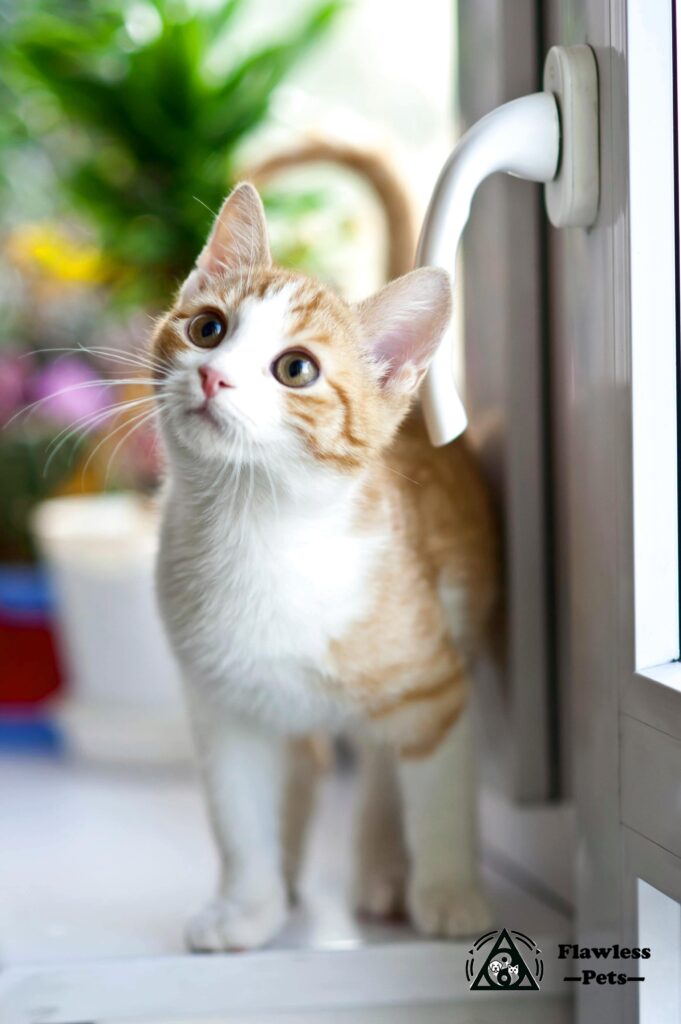
The RagaMuffin cat is generally considered a robust and healthy breed, benefiting from a diverse genetic background established during its development. With proper care, nutrition, and regular veterinary attention, they typically enjoy a long lifespan, often reaching 12 to 18 years, sometimes even longer. However, like all breeds (and indeed, all living creatures), they can be prone to certain genetic or common feline health issues. Awareness of these potential concerns allows owners and breeders to take preventative measures and seek timely veterinary care.
Potential Genetic Predispositions: Responsible breeders play a crucial role in minimizing the incidence of hereditary conditions by screening their breeding cats. Two conditions that potential RagaMuffin owners should be aware of, primarily due to their presence in related breeds like Ragdolls and Persians (which were used in outcrossing), are:
- Hypertrophic Cardiomyopathy (HCM): HCM is the most common heart disease diagnosed in cats. It involves a thickening of the heart muscle walls, particularly the left ventricle. This thickening makes it harder for the heart to pump blood effectively and can lead to complications like congestive heart failure or blood clots (Feline Arterial Thromboembolism – FATE). While HCM can affect any cat, certain breeds, including Ragdolls and potentially RagaMuffins due to shared ancestry, may have a higher predisposition. Genetic tests are available for some known mutations causing HCM in certain breeds (like Ragdolls), and responsible RagaMuffin breeders often screen their breeding cats via echocardiogram (heart ultrasound) performed by veterinary cardiologists to check for signs of the disease before breeding (Cornell Feline Health Center, Hypertrophic Cardiomyopathy). Purchasing a kitten from a breeder who performs these health screenings is highly recommended.
- Polycystic Kidney Disease (PKD): PKD is an inherited condition characterized by the formation of multiple cysts in the kidneys. These cysts are present from birth but tend to grow larger over time, eventually compromising kidney function and potentially leading to kidney failure. PKD was historically prevalent in Persian cats, which were used in the development of both Ragdolls and RagaMuffins. Fortunately, a reliable genetic test (DNA test) is available for the most common form of PKD. Reputable RagaMuffin breeders should test their breeding cats and ensure they are PKD-negative, effectively eliminating the risk of passing this specific gene mutation to their kittens (UC Davis Veterinary Genetics Laboratory, Polycystic Kidney Disease). Always inquire about PKD testing when contacting breeders.
Other Common Feline Health Issues: Beyond potential genetic predispositions, RagaMuffin cats are susceptible to common health problems that affect all domestic cats:
- Obesity: As mentioned in the care section, their large size and sometimes lower activity levels can make RagaMuffins prone to becoming overweight or obese if their diet and exercise are not managed carefully. Obesity significantly increases the risk of diabetes mellitus, arthritis, heart disease, and other health issues.
- Dental Disease: Periodontal disease (gum disease) is extremely common in cats and can lead to pain, tooth loss, and systemic health problems if bacteria enter the bloodstream. Regular dental care at home and professional veterinary cleanings are vital.
- Hairballs: Due to their long coat, RagaMuffins can be prone to developing hairballs from ingesting fur during grooming. Regular brushing helps minimize this, but occasional hairball remedies or specific diets might be necessary if it becomes a frequent issue.
- Urinary Tract Issues: Conditions like Feline Lower Urinary Tract Disease (FLUTD), including cystitis (bladder inflammation) or urinary crystals/stones, can affect any cat. Ensuring good hydration, appropriate diet, and a clean litter box can help reduce risks.
Importance of Veterinary Care: Regular veterinary check-ups (annually for adults, potentially semi-annually for seniors or those with chronic conditions) are essential for preventative care, early disease detection, and maintaining overall health. This includes:
- Vaccinations: Core vaccinations protect against common and serious infectious diseases. Non-core vaccines may be recommended based on lifestyle and risk factors (though RagaMuffins should ideally be indoor-only).
- Parasite Control: Regular prevention against fleas, ticks, heartworms (depending on geographic location), and intestinal parasites is crucial, even for indoor cats, as parasites can sometimes be brought indoors.
- Wellness Exams: These allow the veterinarian to monitor weight, check dental health, listen to the heart and lungs, palpate the abdomen, and discuss any changes in behavior or health observed by the owner.
- Diagnostic Testing: Blood work, urinalysis, and other diagnostics may be recommended as part of routine screening (especially for older cats) or if health concerns arise.
By choosing a kitten from a reputable breeder who prioritizes health testing, providing excellent preventative care at home, managing diet and exercise, and partnering with a veterinarian for regular check-ups, owners can significantly contribute to their RagaMuffin cat enjoying a long, happy, and healthy life. Remember, if you have concerns about your cat's health, consulting a licensed veterinarian is always the best course of action.
Choosing a RagaMuffin Cat: Finding Your Perfect Companion
Bringing a RagaMuffin cat into your home is a significant commitment, typically spanning 12-18 years or more. Finding the right cat involves careful consideration and research, whether you choose to purchase a kitten from a breeder or explore adoption options.
Finding a Reputable Breeder: Since the RagaMuffin cat is a specific pedigreed breed, most people acquire them through breeders. Identifying a responsible, ethical breeder is paramount to ensure you get a healthy, well-socialized kitten and support good breeding practices. Here's what to look for:
- Health Screenings: Reputable breeders invest in health testing for their breeding cats. Ask specifically about screening for HCM (often via echocardiogram by a veterinary cardiologist) and PKD (via DNA test). They should be transparent and willing to share test results for the kitten's parents.
- Socialization: Kittens should be raised underfoot in the breeder's home, not in cages. Early and positive handling, exposure to normal household sights and sounds, and interaction with people are crucial for developing the confident, affectionate RagaMuffin temperament.
- Environment: The cattery or breeder's home should be clean, safe, and provide ample space and enrichment for the cats and kittens.
- Knowledge and Transparency: A good breeder is knowledgeable about the RagaMuffin cat breed standard, health, and care. They should answer your questions thoroughly, ask you questions to ensure you're a suitable home, and provide a health guarantee and contract.
- Delayed Placement: Responsible breeders keep kittens with their mother and littermates until they are at least 12-16 weeks old. This period is vital for social development, weaning, and receiving initial vaccinations and deworming. Be wary of breeders selling kittens younger than 12 weeks.
- Registration: Kittens should come with registration papers from a recognized cat registry (like CFA, TICA, ACFA, GCCF).
- References and Affiliations: Good breeders may be members of breed clubs (e.g., The RagaMuffin Kitten Breeders, RagaMuffin Cat Fanciers) and may be willing to provide references from previous buyers or their veterinarian.
- Warning Signs: Avoid breeders who always have kittens available, sell multiple breeds, don't allow you to visit (or meet the kitten's mother), seem unknowledgeable, don't perform health tests, sell kittens under 12 weeks, or pressure you into a quick sale. These could be signs of a backyard breeder or a kitten mill, which often prioritize profit over health and welfare (Humane Society, How to Find a Responsible Cat Breeder).
Adoption Options: While finding a purebred RagaMuffin cat in a general animal shelter is uncommon, it's not impossible. Sometimes adult cats are surrendered when owners can no longer care for them. Keep an eye on local shelter websites and Petfinder.com. There may also be breed-specific rescue groups (though these are rarer for less common breeds like the RagaMuffin compared to, say, Persians or Siamese). Adopting an adult cat can be incredibly rewarding, as their personality is already developed, and you are providing a home for a cat in need. You might also find RagaMuffin mixes or cats with similar longhaired, gentle giant characteristics in shelters.
Cost Considerations: Acquiring a RagaMuffin kitten from a reputable breeder typically involves a significant cost, reflecting the expenses of responsible breeding (health testing, quality care, registration, etc.). Prices can vary based on location, lineage, and breeder reputation, but expect to pay anywhere from $1,000 to $2,500 or more (as of early 2025 estimates, subject to change). Remember that the initial purchase price is only the beginning. Factor in the ongoing costs of ownership, including high-quality food, litter, grooming supplies, toys, regular veterinary care (check-ups, vaccinations, parasite prevention), potential emergency vet visits, and pet insurance (which is often recommended). Adoption fees from shelters or rescues are significantly lower, typically ranging from $50 to $200, usually including initial vetting like spaying/neutering and vaccinations.
Choosing a RagaMuffin cat is about finding a companion whose needs and personality fit your lifestyle. Whether through a dedicated breeder or adoption, taking the time to find the right cat from a responsible source sets the stage for a long and happy relationship.
The RagaMuffin Cat in Culture and Community
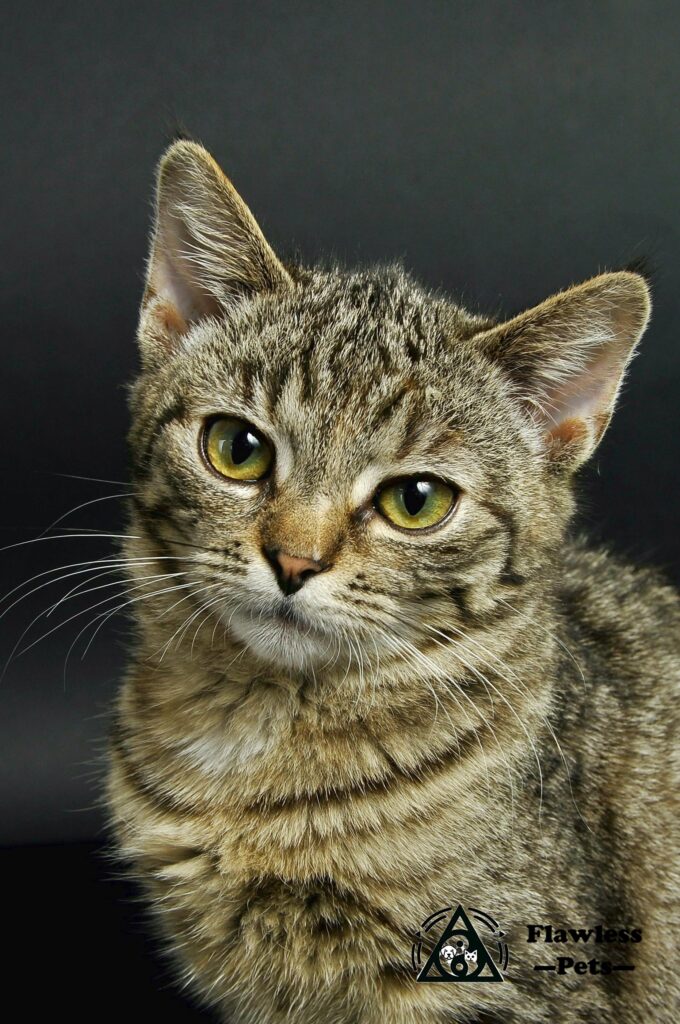
While perhaps not as widely known to the general public as the Siamese or Persian, the RagaMuffin cat holds a cherished place within the cat fancy community and among devoted pet owners. Their unique history, striking appearance (in all its variations), and exceptional temperament have cultivated a dedicated following.
In the Cat Fancy: Since achieving championship status in major associations like CFA and TICA, the RagaMuffin cat has become a regular participant in cat shows worldwide. Breeders and exhibitors present their cats to be judged against the written breed standard. These shows are not just competitions; they are vital venues for education, allowing breeders to compare breeding stock, learn from judges' critiques, and showcase the breed to the public. The RagaMuffin's impressive size, luxurious coat, and sweet expression often draw admiration from spectators and judges alike. Breed clubs, such as The RagaMuffin Kitten Breeders (TRKBS) and the RagaMuffin Cat Fanciers (RCF), play crucial roles in promoting the breed, educating the public, maintaining the breed standard, and fostering a community among breeders and enthusiasts.
Online Communities: The internet has fostered vibrant online communities dedicated to the RagaMuffin cat. Social media platforms host numerous groups and pages where owners share photos, stories, and advice about their beloved pets. These forums provide valuable peer support, allowing owners to connect, ask questions, and celebrate the unique joys and quirks of living with a RagaMuffin. Breeders often maintain websites and social media presence, offering insights into their catteries and available kittens, further building the breed's visibility.
As Companion Animals: Ultimately, the RagaMuffin cat's primary role and greatest impact are as companion animals. Their suitability for various households – families with children, singles, seniors, multi-pet homes – makes them versatile pets. Their calm, affectionate nature often makes them excellent therapy animals, bringing comfort and joy to those in hospitals, nursing homes, or stressful situations (though formal therapy animal certification involves specific training and temperament testing). Stories abound of RagaMuffin cats forming deep, intuitive bonds with their owners, seeming to sense moods and offer quiet companionship when needed most. They embody the ideal of a gentle giant, a loving, constant presence that enriches the lives of those fortunate enough to share their homes with them.
While they may not feature heavily in mainstream media or popular culture yet, the RagaMuffin cat's reputation within the circles that know them is one of unwavering affection and gentle charm. Their community is built on a shared appreciation for this unique breed that emerged from a desire for freedom and a dedication to preserving an exceptionally sweet feline temperament.
Frequently Asked Questions (FAQ)
- 1. Are RagaMuffin cats hypoallergenic?
- No, RagaMuffin cats are not considered hypoallergenic. While their coat texture might lead to slightly less matting, they still produce Fel d 1, the primary allergen found in cat saliva and skin secretions, which is spread onto the fur during grooming. People with cat allergies react to this protein, not necessarily the fur itself. While individual tolerance can vary, those with significant cat allergies will likely react to a RagaMuffin cat, just as they would to most other cat breeds. There is no truly hypoallergenic cat breed (Mayo Clinic, Pet allergy).
- 2. Do RagaMuffin cats shed a lot?
- Yes, RagaMuffin cats do shed. They have a dense, medium-long coat, and shedding is a natural process to remove old hair. While their coat is often described as low-matting due to its silky texture, they still shed a noticeable amount, particularly during seasonal changes in spring and fall. Regular brushing (several times a week) is essential to manage shedding, remove loose fur, prevent matting, and reduce the amount of hair deposited around the house and ingested by the cat (leading to hairballs).
- 3. Are RagaMuffin cats good for first-time cat owners?
- Yes, RagaMuffin cats are often considered an excellent choice for first-time cat owners. Their calm, docile, affectionate, and forgiving nature makes them relatively easy to handle and live with. They are generally low-drama, adapt well to indoor living, and their grooming needs, while regular, are manageable compared to some other longhaired breeds. Their intelligence and eagerness to please can also make training basic manners easier. However, potential first-time owners must be prepared to meet their significant need for companionship and attention, as they do not thrive on being left alone for extended periods.
- 4. What is the main difference between a RagaMuffin cat and a Ragdoll again?
- The most significant differences lie in the range of accepted colors/patterns and eye colors for show-quality cats, and subtle differences in head shape according to breed standards. RagaMuffin cats are accepted in all genetically possible coat colors and patterns (solids, tabbies, torties, points, etc.) and all eye colors (blue, green, gold, odd-eyed). Traditional show-quality Ragdolls (e.g., per CFA standards) are limited to pointed patterns (colorpoint, mitted, bicolor) and must have blue eyes. RagaMuffins also tend to have a more rounded overall head structure emphasized in their standard. While both breeds are large and exceptionally affectionate, these visual and standard-based distinctions, along with their separate breeding histories since the 1990s split, define them as distinct breeds.
- 5. How big do RagaMuffin cats typically get?
- RagaMuffin cats are a large breed. Adult males typically weigh between 15 and 20 pounds (6.8-9.1 kg), though some can exceed this without being overweight. Adult females are also substantial, usually weighing between 10 and 15 pounds (4.5-6.8 kg). They have heavy boning and a muscular, rectangular body. Importantly, they are slow-maturing, often taking up to four years to reach their full size, weight, and coat development. So, a young RagaMuffin will continue to grow significantly beyond the typical one-year mark of many other breeds.
- 6. Do RagaMuffin cats like water?
- Like most domestic cat breeds, the majority of RagaMuffin cats do not have a natural affinity for water and may actively dislike getting wet. While individual personalities vary, and some cats might show curiosity about dripping faucets or water bowls, it's uncommon for them to enjoy swimming or bathing. Forced bathing can be stressful. Thankfully, their coats generally stay clean with regular brushing, and baths are usually only needed if they get unusually soiled.
- 7. Are RagaMuffin cats lazy?
- While RagaMuffin cats are known for their calm, placid, and affectionate nature, often enjoying long naps on laps or comfy spots, labeling them simply as “lazy” might be misleading. They have moderate energy levels and do require stimulation and exercise. They enjoy interactive play sessions, exploring their environment, and can be quite playful, especially as kittens and young adults. Their calmness reflects their gentle temperament rather than a complete lack of energy. Providing opportunities for play and enrichment is important to keep them mentally and physically healthy and prevent obesity.
Conclusion: The Enduring Appeal of the RagaMuffin Cat
The RagaMuffin cat stands as a testament to the dedication of breeders who sought to preserve the gentle soul of a beloved feline type while embracing the full, beautiful spectrum of feline colors and patterns. Born from a desire for independence and guided by a vision of a large, sweet-faced companion with a plush coat and an even plusher personality, the RagaMuffin has carved its own distinct niche in the world of pedigreed cats.
Their substantial size, combined with an exceptionally docile and affectionate temperament, truly earns them the “gentle giant” moniker. They are cats that thrive on human connection, offering quiet companionship, enthusiastic greetings, and endless affection to their families. Their suitability for diverse households, including those with children and other pets, makes them a versatile choice for many seeking a devoted feline friend.
Caring for a RagaMuffin cat involves a commitment to regular grooming, providing a high-quality diet appropriate for a large breed, ensuring opportunities for moderate play and enrichment, and prioritizing their safety through an indoor lifestyle. Understanding their potential health predispositions and partnering with a veterinarian for preventative care ensures these magnificent cats can live long, healthy lives, typically gracing their homes for 12 to 18 years or more.
From their controversial origins tied to the Ragdoll breed to their current status as a recognized and cherished breed worldwide, the RagaMuffin cat story is one of passion and perseverance. For those seeking more than just a pet, but a true companion animal – a furry confidante, a lap warmer, a gentle soul wrapped in a luxurious coat – the RagaMuffin cat offers an unparalleled blend of presence and personality. They are, quite simply, easy to love and hard to forget.
References
- ASPCA. (n.d.). Ragamuffin. ASPCA Pet Health Insurance. Retrieved January 15, 2025, from https://www.aspcapetinsurance.com/resources/ragamuffin/
- Association for Pet Obesity Prevention. (n.d.). Obesity Facts & Risks. Retrieved January 15, 2025, from https://petobesityprevention.org/obesity-facts-risks
- Breed Comparison. (n.d.). The RagaMuffin Kitten Breeders. Retrieved January 15, 2025, from https://www.ragamuffinkittenbreeders.com/breed-comparison.html
- Cornell Feline Health Center. (n.d.). Feline Dental Disease. Cornell University College of Veterinary Medicine. Retrieved January 15, 2025, from https://www.vet.cornell.edu/departments-centers-and-institutes/cornell-feline-health-center/health-information/feline-health-topics/feline-dental-disease
- Cornell Feline Health Center. (n.d.). Hairballs. Cornell University College of Veterinary Medicine. Retrieved January 15, 2025, from https://www.vet.cornell.edu/departments-centers-and-institutes/cornell-feline-health-center/health-information/feline-health-topics/hairballs
- Cornell Feline Health Center. (n.d.). Hypertrophic Cardiomyopathy. Cornell University College of Veterinary Medicine. Retrieved January 15, 2025, from https://www.vet.cornell.edu/departments-centers-and-institutes/cornell-feline-health-center/health-information/feline-health-topics/hypertrophic-cardiomyopathy
- Governing Council of the Cat Fancy (GCCF). (n.d.). RagaMuffin Breed Page. Retrieved January 15, 2025, from https://www.gccfcats.org/Breeds/Ragamuffin
- Humane Society of the United States. (n.d.). How to Find a Responsible Cat Breeder. Retrieved January 15, 2025, from https://www.humanesociety.org/resources/how-find-responsible-cat-breeder
- Humane Society of the United States. (n.d.). Indoor Cats vs. Outdoor Cats. Retrieved January 15, 2025, from https://www.humanesociety.org/resources/indoor-cats-vs-outdoor-cats
- Mayo Clinic. (n.d.). Pet allergy. Retrieved January 15, 2025, from https://www.mayoclinic.org/diseases-conditions/pet-allergy/symptoms-causes/syc-20352192
- Pollard, M. (1999). The Definitive Guide to Ragdolls. Barron's Educational Series. [Note: While specific online citation isn't available, this book is frequently referenced for Ragdoll/RagaMuffin history].
- RagaMuffin Cat Fanciers. (n.d.). Breed History. Retrieved January 15, 2025, from http://www.ragamuffincatfanciers.com/history.html [Note: Website functionality may vary].
- Ragdoll History. (n.d.). Ragdoll Fanciers Club International. Retrieved January 15, 2025, from http://rfci.org/history/
- Stephens, G. (2018). Legacy of the RagaMuffin. RagaMuffin Cat World. [Note: Specific article link may vary, referencing general historical accounts from breed enthusiasts/historians].
- The Cat Fanciers' Association (CFA). (n.d.). RagaMuffin Breed Profile. Retrieved January 15, 2025, from https://cfa.org/ragamuffin/
- The Cat Fanciers' Association (CFA). (2015). RagaMuffin Breed Standard. Retrieved January 15, 2025, from https://cfa.org/wp-content/uploads/2019/06/ragamuffin-standard.pdf
- The International Cat Association (TICA). (2019, May 1). RagaMuffin Breed Standard. Retrieved January 15, 2025, from https://www.tica.org/phocadownload/rm.pdf
- UC Davis Veterinary Genetics Laboratory. (n.d.). Polycystic Kidney Disease (PKD). Retrieved January 15, 2025, from https://vgl.ucdavis.edu/test/pkd-cat





 English
  简体中文
简体中文  Français du Canada
  Deutsch
  Español
  Português
  한국어
한국어  日本語
日本語  Italiano
  Русский
  Dansk
Dansk  Nederlands
  Svenska
  Suomi
Suomi  Polski
  Norsk bokmål