






Why Scratching Isn't Just a Bad Habit: Understanding Feline Instincts
For many cat owners, the sight of their beloved feline companion sharpening their claws on the arm of a brand-new sofa or delicately shredding the corner of an expensive rug can be a source of immense frustration. It's easy to label this behavior as destructive or malicious, a deliberate act of defiance. However, viewing scratching through the lens of feline biology and ethology reveals a different story. Scratching is not a “bad habit” to be punished; it is a deeply ingrained, natural, and necessary behavior for cats, essential for their physical and psychological well-being (Overall, 2013). Understanding *why* cats scratch is the first crucial step towards managing the behavior effectively and providing appropriate outlets, such as a well-designed cat scratching post with bed.
Think of scratching as a fundamental part of being a cat, much like purring, grooming, or pouncing. It stems from their wild ancestry, where these actions were vital for survival. Domestic cats, despite generations of living alongside humans, retain these powerful instincts. Attempting to suppress scratching entirely is not only futile but can also lead to stress, anxiety, and the development of other undesirable behaviors in your cat (Bradshaw et al., 2012). Instead of fighting the instinct, the goal should be to redirect it towards acceptable targets. This is where providing suitable scratching surfaces becomes paramount. A high-quality cat scratching post with bed serves as an invitation, telling your cat, “Here is your designated spot to fulfill this important need.” By understanding the root causes of scratching, we can move from frustration to proactive solutions, fostering a harmonious relationship between human, cat, and home furnishings.
The Science Behind the Scratch: More Than Just Claw Sharpening
While keeping claws in top condition is certainly one reason cats scratch, the behavior is far more complex and serves multiple critical functions. Let's delve into the science behind why that scratching post isn't just a luxury, but a necessity.
Claw Maintenance: Shedding the Old
A cat's claws grow continuously in layers, much like an onion. The outer layer, known as the sheath, periodically becomes dull and needs to be shed to expose the sharp, new claw underneath. Scratching on a resistant surface helps cats hook the outer sheath and pull it away (Turner & Bateson, 2000). This isn't technically “sharpening” in the way we sharpen a knife, but rather a necessary grooming process to maintain functional claws. Without appropriate surfaces, cats might struggle to shed these sheaths properly, which can occasionally lead to discomfort or ingrown claws, although this is less common. Providing a sturdy surface like the sisal rope often found on a cat scratching post with bed allows for efficient and satisfying claw maintenance.
Stretching and Exercise: A Feline Workout
Observe a cat using a scratching post, especially a tall one. You'll notice they often reach up high, anchor their claws, and pull back, engaging in a full-body stretch. This action stretches and strengthens the muscles and tendons in their paws, legs, shoulders, and back (Overall, 2013). It's akin to a mini yoga session, helping maintain flexibility and muscle tone. A tall, stable cat scratching post with bed is particularly beneficial as it allows for this full vertical stretch, mimicking the act of scratching on a tree trunk in the wild. This physical component is an often-overlooked but vital aspect of the scratching behavior.
Marking Territory: Leaving Their Signature
Scratching is a powerful form of feline communication, involving both visual and olfactory signals.
Visual Marking: The shredded marks left behind on a surface serve as a clear visual signal to other cats (and observant humans) that “this territory is occupied.” The height and prominence of the marks can also communicate the size and status of the cat (Bradshaw et al., 2012). Cats often choose conspicuous locations for scratching, such as near doorways, sleeping areas, or prominent furniture, to ensure their message is seen.
Scent Marking: Cats have interdigital glands located between the pads of their paws. When they scratch, these glands release pheromones – unique chemical scents – onto the surface (Pageat & Gaultier, 2003). These pheromones convey information about the cat's identity and emotional state, serving as another layer of territorial marking. This scent marking provides a sense of security and familiarity for the cat within its own environment. When a cat repeatedly uses its cat scratching post with bed, it's not just maintaining its claws; it's also depositing its scent, reinforcing that this object, and the surrounding area, belongs to them. This is why placing a new post near an area they already favor can be so effective – they are essentially “claiming” the new item by overlaying their scent.
Understanding these multifaceted reasons highlights why simply telling a cat “no” isn't enough. We need to provide an outlet that satisfies all these needs: a surface that shreds satisfyingly for claw maintenance, a structure that allows for a good stretch, and a location where marking feels appropriate and secure. A well-chosen cat scratching post with bed can fulfill all these requirements.
The Undeniable Benefits of a Dedicated Scratching Post
Investing in a good scratching post, particularly a versatile option like a cat scratching post with bed, offers a multitude of advantages for both the cat and the owner.
1. Furniture Preservation: This is often the primary motivator for owners. By providing an appealing and designated alternative, you significantly reduce the likelihood of your cat targeting sofas, chairs, carpets, or wallpaper. A cat that has satisfying scratching outlets is less likely to seek them elsewhere (Herron & Buffington, 2010).
2. Promotes Physical Health: As discussed, scratching facilitates essential claw maintenance and provides valuable stretching and exercise, contributing to muscle tone and flexibility. This is especially important for indoor cats who may have fewer opportunities for vigorous physical activity.
3. Enhances Psychological Well-being: Allowing cats to express their natural scratching instincts reduces stress and anxiety. Marking their territory with scent provides a sense of security and belonging within their environment (Overall, 2013). A cat denied appropriate scratching outlets may become frustrated or anxious.
4. Environmental Enrichment: Scratching posts, especially more complex models like a cat scratching post with bed or multi-level cat trees, add vertical space and complexity to a cat's environment. This enrichment is crucial for preventing boredom and stimulating their minds, mimicking aspects of their natural habitat (Ellis, 2009).
5. Reduces Conflict: In multi-cat households, providing multiple scratching posts in different locations can help reduce competition and conflict over resources and territory. Each cat can establish its own preferred scratching spots.
6. Diagnostic Tool (Subtle): While not its primary purpose, a sudden change in scratching behavior (e.g., scratching less, or in different locations) could potentially indicate an underlying health issue, such as arthritis causing pain during stretching, prompting a veterinary check-up.
Essentially, a scratching post is not just furniture protection; it's an investment in your cat's holistic health and happiness. Choosing a multi-functional unit like a cat scratching post with bed amplifies these benefits by combining scratching opportunities with comfortable resting spaces.
The Perfect Pairing: Why Combine a Scratching Post with a Bed?
While a simple scratching post is beneficial, integrating it with a bed or perch elevates its utility and appeal for many cats. The combination offered by a cat scratching post with bed taps into several feline preferences, creating a highly desirable piece of cat furniture.
Space Efficiency
For those living in smaller apartments or homes, consolidating multiple cat needs into one piece of furniture is a practical advantage. A cat scratching post with bed provides scratching surfaces, climbing opportunities, and a resting spot without taking up the floor space of separate items. This makes it an efficient solution for maximizing enrichment in limited areas.
Creating an Activity Hub

Cats often follow a natural sequence of behaviors: wake up, stretch, scratch, perhaps climb, and then observe their surroundings or settle down again. A cat scratching post with bed facilitates this flow seamlessly. They can wake up in the integrated bed, immediately stretch and scratch on the post, maybe climb to a higher perch (if included), and then settle back into the bed or onto an observation platform. This creates a central hub for several key feline activities, making the furniture piece highly functional and appealing from the cat's perspective (Rochlitz, 2005).
Heightened Sense of Security
Many cats naturally seek out elevated positions for resting. Height provides a sense of security, allowing them to survey their environment from a safe vantage point, away from household traffic or potential perceived threats (like dogs or small children). A cat scratching post with bed that features an elevated bed or perch caters directly to this instinct (Overall, 2013). Furthermore, having their resting spot directly adjacent to or part of the structure they've marked with their scent (through scratching) can enhance this feeling of security and ownership. The bed becomes part of their established, scent-marked territory.
Combining these elements makes the cat scratching post with bed a particularly attractive option. It addresses practical space concerns, aligns with natural feline behavioral sequences, and taps into the instinctual need for security and elevation, making it more likely to be used and enjoyed by the cat compared to separate, isolated items.
Choosing the Ideal Cat Scratching Post with Bed: A Buyer's Guide
With a vast array of options available, selecting the perfect cat scratching post with bed can feel overwhelming. However, by focusing on key features related to materials, construction, design, and your cat's individual preferences, you can make an informed choice that benefits both your cat and your home.
Material Matters: Sisal, Carpet, Cardboard, and Wood
The material covering the scratching surfaces is perhaps the most critical factor in determining whether your cat will actually use the post.
- Sisal Fabric/Rope: This is widely considered the gold standard. Woven sisal fabric or tightly wound sisal rope offers a durable, rough texture that cats find highly satisfying for shredding and claw-hooking (Herron & Buffington, 2010). It mimics the texture of tree bark, a natural scratching substrate. Look for tightly woven fabric or densely wrapped rope, as loosely wrapped rope can unravel quickly. Many high-quality cat scratching post with bed models feature extensive sisal coverage.
- Carpet: While common, carpet can be problematic. Some cats like it, but many find it less satisfying than sisal. A major drawback is that it can be difficult for cats to distinguish between carpet on the post and carpet on your floor, potentially reinforcing scratching in unwanted areas (Overall, 2013). If choosing carpet, opt for a texture very different from your home flooring, like a low-pile Berber.
- Cardboard: Corrugated cardboard scratchers are often inexpensive and cats tend to love shredding them. They are lightweight and can be placed horizontally or vertically. However, they wear out quickly and can create a mess as bits of cardboard get shredded. They are excellent supplementary scratchers but may not be durable enough as the primary surface on a larger cat scratching post with bed structure.
- Wood: Some cats enjoy scratching on natural wood, especially softer woods like cedar or pine, or even just sturdy logs. Some posts incorporate wood elements. Ensure the wood is untreated or treated with pet-safe finishes.
Many cats have preferences, so observing what textures your cat currently favors (even if it's the sofa!) can provide clues. Offering variety can also be beneficial; some cat scratching post with bed units incorporate multiple textures.
Size, Height, and Stability: Non-Negotiables
These factors are crucial for both appeal and safety.
- Height: For vertical scratching posts, taller is generally better. The post should be tall enough for your cat to get a full vertical stretch. Measure your cat from nose to tail tip when stretched out – the scratching surface should ideally exceed this length (ASPCA, n.d.). A minimum height of 30-32 inches (approx. 76-81 cm) is often recommended for adult cats.
- Stability: This is absolutely critical. A wobbly or unstable post will frighten a cat, and they will likely never use it again (Herron & Buffington, 2010). Worse, an unstable post could tip over and injure your cat. Look for a cat scratching post with bed with a wide, heavy base. Test its stability in the store if possible, or check reviews carefully online. For very tall structures (cat trees), consider models that can be braced against a wall.
- Bed/Perch Size: Ensure the integrated bed or perches are large enough to comfortably accommodate your cat's size when curled up or lounging.
Design and Additional Features
Beyond the basics, consider the overall design and any extras:
- Vertical vs. Horizontal vs. Angled Posts: Most cats prefer vertical posts for stretching, but some also enjoy horizontal or angled surfaces. Observe your cat – do they scratch chair legs (vertical) or rugs (horizontal)? A cat scratching post with bed might offer multiple angles.
- Complexity: Options range from a simple post with a top bed to elaborate multi-level cat trees with multiple posts, beds, perches, condos, and dangling toys. More complexity offers more enrichment but takes up more space and costs more. Consider your cat's activity level and personality. An older, less active cat might prefer a simple cat scratching post with bed, while a young, energetic kitten might adore a complex activity center.
- Aesthetics: While function is key, the post will be part of your home. Manufacturers now offer designs ranging from basic beige to modern, stylish pieces that blend better with home decor.
- Washable Components: Beds and cushions that are removable and machine-washable are a huge plus for hygiene.
Considering Your Cat's Preferences
Ultimately, the best cat scratching post with bed is the one your cat will actually use. Observe their current habits:
- Where do they scratch now? (Indicates preferred location)
- What textures do they prefer? (Sofa fabric, wood trim, carpet?)
- Do they prefer vertical or horizontal scratching?
- Do they like enclosed spaces (condos) or open perches?
- Are they climbers? Do they seek height?
Answering these questions can guide you toward a model that aligns with their innate preferences, increasing the chances of successful adoption. Sometimes, trial and error is necessary, but starting with an informed choice based on these factors gives you the best chance of success.
Comparison of Common Scratching Materials
Choosing the right material is crucial for acceptance. Here's a quick comparison to help you decide what might be best for the scratching surfaces on your cat scratching post with bed:
| Material | Pros | Cons | Best For |
|---|---|---|---|
| Sisal Fabric/Rope | Highly durable, satisfying texture for most cats, mimics natural surfaces, promotes good claw health. | Can be more expensive initially, quality varies (look for tight weave/wrap). | Primary scratching surfaces on posts and trees, cats who enjoy shredding. Generally the top recommendation. |
| Carpet | Some cats enjoy the texture, can be inexpensive. | Can be confused with household carpet, less satisfying shredding action for some, can snag claws if looped pile. | Cats who already show a preference for carpet (use a distinct type), lounging areas on trees (not primary scratching zones). Use with caution. |
| Corrugated Cardboard | Inexpensive, highly attractive to many cats, easily replaceable, available in various shapes. | Wears out quickly, can be messy (sheds cardboard bits). | Supplementary scratchers, horizontal scratching preferences, budget-conscious owners, testing preferences. |
| Wood (Natural/Untreated) | Very durable, natural appeal, some cats love the texture. | Can be heavy, may not appeal to all cats, needs to be pet-safe (no toxic treatments). | Cats who scratch furniture legs or outdoor trees, owners seeking a natural aesthetic, sturdy base components. |
| Seagrass/Jute | Natural fiber, durable, offers different texture. | Less common than sisal, durability may vary. | Providing textural variety, cats who may not favor sisal. |
Often, the ideal cat scratching post with bed might incorporate multiple textures, such as sisal posts and carpeted or plush beds/perches, catering to different needs within one unit.
Strategic Placement: Location, Location, Location
You can buy the most luxurious, feature-rich cat scratching post with bed, but if you place it in an isolated corner of the basement where the cat rarely ventures, it's unlikely to get used. Strategic placement is key to encouraging adoption and maximizing the post's effectiveness.
Think like a cat marking territory. Where would they want their “signposts” to be seen and smelled? Consider these prime locations:
- Near Currently Scratched Areas: If your cat is already scratching the corner of the sofa, place the new post right next to it (initially). This offers a direct, acceptable alternative in a location they already favor (Humane Society of the United States, n.d.). Once they consistently use the post, you might be able to gradually move it slightly, but keeping it in the general vicinity is often best.
- High-Traffic Areas: Cats often scratch in prominent locations as a form of social display. Placing the cat scratching post with bed in or near areas where the family spends time, like the living room or near main hallways, makes it a relevant part of their social environment.
- Near Sleeping Areas: Cats frequently scratch upon waking up as part of their stretching routine. Placing a post near their favorite napping spots (or using a cat scratching post with bed where the bed *is* the napping spot) caters perfectly to this behavior.
- Near Windows: Cats love to look outside. A post with a bed or perch near a window provides entertainment (bird watching!) combined with scratching and resting opportunities. Ensure the post is stable enough not to be knocked over if the cat jumps on it excitedly.
- Entrances and Exits: Placing a post near doorways can appeal to the territorial marking aspect of scratching, reinforcing their claim on the space as they (or others) enter or leave.
In multi-cat households, providing multiple scratching posts in various locations is crucial to prevent competition and ensure all cats have access to preferred spots. You might need more than one cat scratching post with bed or supplement with simpler posts or cardboard scratchers in different territories within the home.
Avoid tucking the post away in unused rooms or hidden corners simply because it doesn't match the decor perfectly. Prioritize function and feline psychology over aesthetics, at least initially. A post that gets used, even if slightly conspicuous, is infinitely better than an ignored post and damaged furniture.
Training Your Cat to Embrace Their New Furniture
While some cats take to a new cat scratching post with bed immediately, others need a little encouragement. Training involves making the post highly attractive while gently discouraging scratching in inappropriate areas. Patience and positive reinforcement are key.
Making Introductions
When you first bring the cat scratching post with bed home, allow your cat to explore it at their own pace. Don't force them onto it. You can make it more appealing by:
- Applying Catnip: Sprinkle dried catnip or use catnip spray on the post (especially the scratching surfaces and bed area). Catnip attracts many cats (though not all) and can create positive associations (Ellis, 2017). Reapply periodically as the scent fades.
- Using Pheromone Sprays: Synthetic feline pheromone sprays (like Feliway Classic) mimic the “happy” facial pheromones cats deposit when rubbing against objects. Spraying this on the post can signal that it's a safe and positive part of their environment (Mills et al., 2013). Avoid spraying calming or multi-cat pheromones directly on scratching areas, as these might send mixed signals; focus on the structure or bed.
- Placing Treats or Toys: Put favorite treats or toys on the bed, perches, or near the base of the post to encourage exploration and interaction.
- Interactive Play: Dangle a wand toy around the post, encouraging your cat to jump onto it or bat at the toy while near the scratching surfaces. This helps them associate the post with fun.
Positive Reinforcement Techniques
Rewarding desired behavior is the most effective training method.
- Praise and Petting: When you see your cat approach, sniff, or especially scratch the post, offer gentle praise and petting (if they enjoy it).
- Treats: Keep small, high-value treats handy. Immediately reward your cat with a treat the moment they use the scratching post correctly. This creates a strong positive association: scratching the post = reward.
- Demonstrate (Gently): You can try gently taking your cat's paws and making scratching motions on the post, but be very careful with this. Some cats hate having their paws handled and this could create a negative association. Only attempt if your cat is very tolerant, and stop immediately if they resist. Never force them.
Using Deterrents Effectively (and Kindly)
While focusing on making the post attractive, you also need to make previously scratched (unwanted) areas less appealing.
- Double-Sided Sticky Tape: Apply sticky tape (like Sticky Paws) to furniture corners or surfaces your cat is scratching inappropriately. Cats dislike the sticky sensation on their paws (Horwitz & Mills, 2009).
- Texture Changes: Cover targeted furniture areas temporarily with materials cats dislike, such as aluminum foil, plastic sheeting, or even a spare piece of sisal fabric (to redirect to a similar, acceptable texture).
- Scent Deterrents: Citrus scents (like orange or lemon) are often disliked by cats. Use citrus-scented sprays or place orange peels near off-limits areas (ensure they are non-toxic if ingested, though most cats avoid them). Commercial pet-safe deterrent sprays are also available.
- Clean Thoroughly: Clean previously scratched areas with an enzymatic cleaner designed to eliminate pet odors. This removes the territorial scent markers that might attract your cat back to the same spot.
- Never Punish: Avoid yelling, squirting water, or physically punishing your cat for scratching inappropriately. This usually only teaches the cat to fear you or to scratch when you're not looking. It doesn't address the underlying need to scratch and can damage your bond (Overall, 2013). Focus on redirection and positive reinforcement towards the cat scratching post with bed.
Consistency is crucial. Make the new cat scratching post with bed the most appealing option and consistently make the old spots unappealing. Most cats will quickly learn where appropriate scratching is welcomed and rewarded.
Maintaining Your Cat Scratching Post with Bed for Longevity and Safety

To ensure your investment lasts and remains safe and appealing for your cat, regular maintenance of your cat scratching post with bed is necessary.
- Regular Cleaning: Vacuum the post frequently to remove shed fur, catnip debris, and shredded material (especially from cardboard or well-used sisal). This keeps it looking tidy and prevents buildup.
- Spot Cleaning: Address any spills or stains on fabric or carpeted areas promptly using pet-safe cleaners.
- Washing Bedding: If the bed or cushions are removable and washable, launder them regularly according to the manufacturer's instructions to maintain hygiene.
- Check Stability: Periodically (e.g., weekly or bi-weekly), check the entire structure for stability. Tighten any screws or bolts that may have loosened with use, especially on taller cat trees. Ensure the base is still firm and the post doesn't wobble excessively. An unstable post is a safety hazard.
- Inspect Scratching Surfaces: Examine the sisal rope or fabric. If it becomes extremely shredded or starts unraveling significantly, it might need repair or replacement. Some posts allow you to replace just the sisal-covered sections, or you can potentially re-wrap posts with new sisal rope (available at hardware or craft stores).
- Toy Safety: If the cat scratching post with bed includes dangling toys, check them regularly for signs of wear and tear. Ensure strings are not frayed in a way that could be ingested or cause entanglement. Remove or replace damaged toys.
- Refresh Attractants: Reapply catnip or pheromone sprays periodically (e.g., weekly) to maintain their effectiveness in keeping the post attractive.
Consistent maintenance not only extends the life of your cat scratching post with bed but also ensures it remains a safe, sturdy, and inviting place for your cat to scratch, play, and rest. A well-maintained post is more likely to be used consistently, protecting your furniture in the long run.
Troubleshooting: When Your Cat Ignores the Post
Despite your best efforts in selection and placement, sometimes a cat might seem uninterested in their new cat scratching post with bed. Don't despair; there are several troubleshooting steps you can take:
- Re-evaluate Location: Is the post truly in a desirable spot from your cat's perspective? Try moving it to another potential prime location (near a window, closer to a family gathering area, next to the *other* sofa corner they eye). Sometimes a small shift makes a big difference.
- Check Stability Again: Even slight wobbling can deter a cat. Double-check that all connections are tight and the base is secure on the floor surface (e.g., not rocking on uneven carpet).
- Try Different Attractants: If catnip didn't work, try a different brand or form (fresh vs. dried vs. spray), or consider silver vine, another plant attractant some cats prefer (Bol et al., 2017). Ensure you're using positive pheromone sprays correctly.
- Assess the Material: Did you choose a material your cat actually likes? If you opted for carpet and they ignore it, consider adding a small sisal mat or cardboard scratcher nearby, or even attaching sisal fabric to the existing post, to see if that texture is more appealing. Perhaps the specific cat scratching post with bed you chose has a texture they dislike.
- Is it Tall Enough?: If it's a simple post, ensure it allows for that full vertical stretch. If it's too short, they may find it unsatisfying.
- Increase Value: Make *really* good things happen around the post. Feed your cat near it, have intense play sessions culminating on or around it, give high-value treats *only* when they interact positively with it.
- Rule Out Medical Issues: If a cat previously used scratchers but stops, or seems hesitant, consider if pain could be a factor. Arthritis, paw injuries, or other mobility issues might make scratching uncomfortable (Caney, 2009). Consult your veterinarian if you suspect a health problem.
- Provide More Options: Some cats are just picky. Offer a variety of scratching surfaces (different materials, vertical, horizontal, angled) in different locations to see what clicks. They might eventually come around to the main cat scratching post with bed, or they might prefer a combination of options.
- Patience: Sometimes it just takes time. Continue positive reinforcement, keep the post appealing, ensure unwanted areas are deterred, and be patient. Don't give up after just a few days.
Troubleshooting often involves a bit of detective work and trial and error. By systematically considering these factors, you can usually identify the reason for the lack of interest and find a way to make the cat scratching post with bed a valued part of your cat's environment.
DIY vs. Buying: Pros and Cons
When acquiring a cat scratching post with bed, you generally have two options: purchase a commercially manufactured one or build one yourself (DIY). Both approaches have their advantages and disadvantages.
Buying a Commercial Cat Scratching Post with Bed:
- Pros: Convenience (ready to use or minimal assembly), wide variety of designs and features available, professionally tested for stability (usually), often incorporates multiple textures and elements designed by experts in cat behavior, can find options to match home decor.
- Cons: Can be expensive, especially for larger, feature-rich models; quality can vary significantly between brands; might not perfectly match your cat's specific preferences or your space constraints; less opportunity for customization.
Building a DIY Cat Scratching Post with Bed:
- Pros: Can be highly customized to your cat's preferences (height, materials, bed size), your space, and your budget; potentially less expensive for materials if you are handy; satisfaction of building something for your pet; can ensure use of specific high-quality, non-toxic materials. You can find many unique components when you explore other unique items for crafting projects.
- Cons: Requires time, effort, and some basic carpentry skills; ensuring adequate stability is crucial and can be challenging for complex designs; sourcing appropriate, safe materials (untreated wood, durable sisal, non-toxic glues) takes effort; final result might lack the polished look of commercial products; potential safety risks if not constructed properly.
Which is Right for You?
If you prioritize convenience, variety, and professionally tested designs, buying is likely the better option. Look for reputable brands known for quality and stability. If you enjoy DIY projects, have specific design needs, are on a tight budget (and have tools/skills), or want full control over materials, building your own cat scratching post with bed can be a rewarding alternative. However, safety and stability must be the top priorities in any DIY build. Always err on the side of making it heavier and more stable than you think necessary.
Beyond Behavior: Health Implications of Scratching
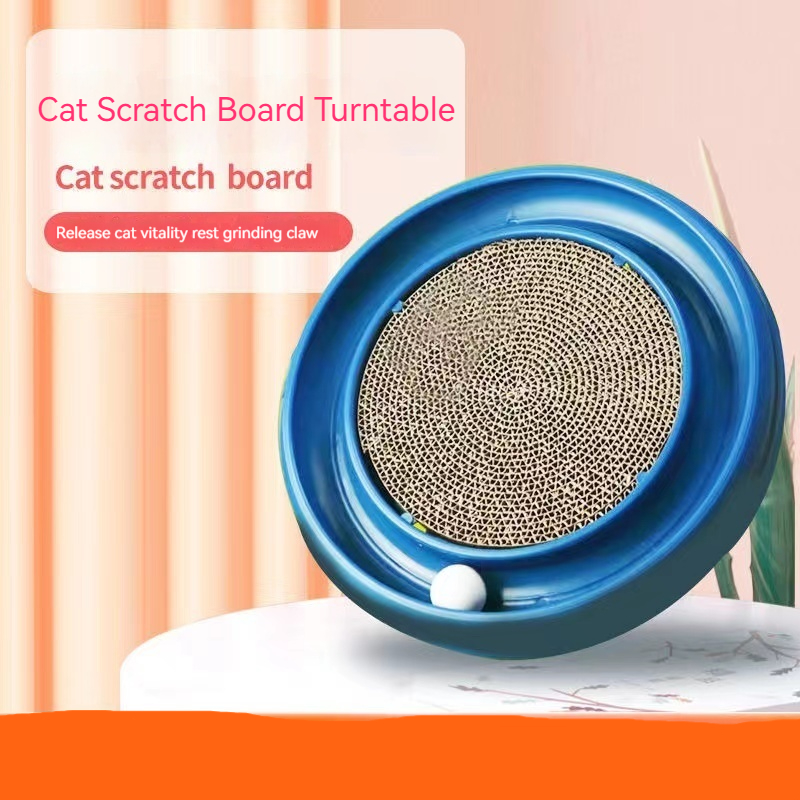
While we often focus on the behavioral aspects of scratching (furniture saving, territory marking), providing appropriate outlets like a cat scratching post with bed also has direct implications for your cat's physical health.
- Claw Health: As mentioned, scratching is the primary way cats shed the outer husks of their claws, preventing potential discomfort or issues like overgrown or ingrown nails. While regular nail trims by owners are also recommended, especially for indoor cats, scratching helps maintain the claw's natural condition between trims.
- Musculoskeletal Health: The stretching involved in scratching is vital exercise. It helps maintain joint flexibility, particularly in the shoulders, spine, and legs, and strengthens the associated muscles and tendons (Overall, 2013). This can be particularly beneficial in preventing stiffness, especially as cats age. Providing a tall, sturdy cat scratching post with bed encourages this full-body workout.
- Stress Reduction: Chronic stress can negatively impact physical health in cats, potentially contributing to issues like urinary tract problems or suppressed immune function (Stella et al., 2011). By allowing cats to perform natural, stress-relieving behaviors like scratching and marking in a safe space, you contribute to their overall physiological balance and well-being. The security offered by a familiar, scent-marked resting spot on a cat scratching post with bed further reduces anxiety.
Therefore, providing a good scratching environment is not just about managing behavior; it's a component of preventative healthcare for your feline companion.
Environmental Enrichment: The Bigger Picture
The concept of environmental enrichment refers to enhancing an animal's living space to stimulate their natural behaviors, prevent boredom, and improve overall welfare. For indoor cats, whose environment can sometimes be static and under-stimulating, enrichment is crucial (Ellis, 2009). A cat scratching post with bed is a cornerstone of effective environmental enrichment.
It provides opportunities for several key behaviors:
- Scratching: Fulfills the innate need.
- Climbing: Many models offer vertical space.
- Perching/Observing: Elevated beds provide vantage points.
- Resting: Offers secure, designated sleeping spots.
- Playing: Can incorporate toys or serve as a base for interactive play.
A stimulating environment helps prevent behavioral problems that can arise from boredom or stress, such as over-grooming, aggression, or inappropriate elimination. A good cat scratching post with bed, especially a more complex cat tree model, significantly increases the usable, interesting space within your home from your cat's perspective. It adds verticality, different textures, and points of interest. Consider it not just as furniture, but as an essential piece of your cat's purpose-built habitat within your shared home. It's part of creating a ‘cat-friendly' environment that respects and caters to their species-specific needs.
The Future of Feline Furniture: Innovations and Trends
As our understanding of feline behavior deepens and design sensibilities evolve, the world of cat furniture, including the cat scratching post with bed, continues to innovate.
- Modern Aesthetics: Gone are the days when cat furniture was exclusively beige carpet monstrosities. Designers are increasingly creating stylish, modern pieces that integrate seamlessly into contemporary home decor, using materials like natural woods, sleek metals, and minimalist designs.
- Modular Designs: Customizable and modular cat furniture systems are gaining popularity. These allow owners to build and adapt structures over time, adding or changing components like scratching posts, beds, tunnels, and bridges to suit their cat's changing needs or their available space.
- Sustainability: Eco-conscious owners are seeking furniture made from sustainable, recycled, or natural materials, such as reclaimed wood, bamboo, organic cotton, and durable, natural fibers like sisal, with minimal use of plastics and synthetic adhesives.
- Tech Integration (Niche): While still niche, some concepts involve integrating technology, such as heated beds, activity trackers built into furniture, or even interactive puzzle elements. However, the core appeal of a good cat scratching post with bed remains its ability to satisfy fundamental feline instincts simply and effectively.
- Focus on Geriatric Cats: Designs are emerging that cater specifically to older cats, featuring lower ramps instead of steep jumps, easily accessible beds, and orthopedic bedding materials.
While trends come and go, the fundamental principles remain: a successful cat scratching post with bed must be stable, appropriately sized, use appealing materials, and be placed strategically. Future innovations will likely focus on enhancing these core aspects while improving aesthetics, sustainability, and customization to better meet the needs of both cats and their human companions. You might even find inspiration for your cat's space when browsing diverse shopping options online.
Frequently Asked Questions (FAQ)
- 1. Why is my cat scratching the carpet right next to the new sisal scratching post?
- This is common! It could mean several things: they haven't fully accepted the post yet, the post might be slightly unstable or the wrong texture/height, or they have a strong preference for horizontal scratching (carpet) over vertical (post). Ensure the post is very stable. Make the post *extra* appealing with catnip or treats. Make the carpet area *unappealing* using double-sided sticky tape or a citrus deterrent. Offer a horizontal sisal or cardboard scratcher right next to the post as an alternative acceptable surface. Consistency in making the post rewarding and the carpet unrewarding is key.
- 2. How many scratching posts do I need for multiple cats?
- The general rule of thumb is one scratching post per cat, plus one extra (N+1 rule). Crucially, these should be placed in different locations throughout the house, particularly in areas each cat considers part of their territory or in potential conflict zones (like shared hallways or near feeding stations). Having multiple posts, including perhaps more than one cat scratching post with bed, reduces competition and ensures every cat has access to a preferred scratching outlet when they feel the urge.
- 3. Can a cat scratching post with bed help stop my cat from scratching me?
- Indirectly, perhaps, but it's not a direct solution. Cats usually scratch people during play (misdirected predatory behavior) or sometimes out of fear or overstimulation, not for the same reasons they use a post (claw maintenance, marking, stretching). Providing a cat scratching post with bed offers great environmental enrichment which can reduce overall stress and boredom, potentially lessening some types of attention-seeking or frustration-based scratching. However, addressing scratching people requires specific behavior modification: redirecting play onto appropriate toys (never hands or feet), understanding cat body language to avoid overstimulation, and providing plenty of interactive play sessions. Consult a veterinarian or behaviorist if the scratching is aggressive or frequent.
- 4. Is sisal rope better than sisal fabric for a scratching post?
- Both are excellent choices and generally preferred by cats over carpet. Sisal rope offers a very durable, shreddable surface that many cats love digging their claws into. Tightly woven sisal fabric provides a similar satisfaction and can be more aesthetically pleasing or cover larger areas smoothly. Some cats might show a slight preference for one over the other, but both are far superior to carpet for scratching surfaces on a cat scratching post with bed. Quality matters more than the specific form – ensure rope is tightly wound and fabric is densely woven and well-secured.
- 5. My cat loved their old post but won't touch the new, similar cat scratching post with bed. Why?
- Cats can be sensitive to change and attached to familiar scents. The old post was likely covered in their comforting territorial pheromones. The new post smells unfamiliar. Try rubbing a cloth (or even an old sock) vigorously on the old post to pick up their scent, then rub it all over the new cat scratching post with bed, especially the scratching areas and bed. You can also try placing the old post (if possible) right next to the new one for a transition period. Use catnip and positive reinforcement consistently on the new post. It might take time for them to “claim” the new item and make it smell like home.
References
American Society for the Prevention of Cruelty to Animals (ASPCA). (n.d.). Destructive Scratching. ASPCA. https://www.aspca.org/pet-care/cat-care/common-cat-behavior-issues/destructive-scratching
Bol, S., Caspers, J., Luo, H., Buckingham, L., Richardson, D. C., & Schulz, S. (2017). Responsiveness of cats (Felidae) to silver vine (Actinidia polygama), Tatarian honeysuckle (Lonicera tatarica), valerian (Valeriana officinalis) and catnip (Nepeta cataria). BMC Veterinary Research, 13(1), 70. https://doi.org/10.1186/s12917-017-0987-6
Bradshaw, J. W. S., Casey, R. A., & Brown, S. L. (2012). The Behaviour of the Domestic Cat (2nd ed.). CABI.
Caney, S. (2009). Feline arthritis. Veterinary Focus, 19(3), 17-25.
Ellis, S. L. (2009). Environmental enrichment: Practical strategies for improving feline welfare. Journal of Feline Medicine and Surgery, 11(11), 901–912. https://doi.org/10.1016/j.jfms.2009.09.011
Ellis, S. L. H. (2017). Recognising and assessing feline emotions. Veterinary Record, 181(12), 310-311. https://doi.org/10.1136/vr.j4339 (While not directly about catnip, discusses assessing feline states which catnip influences).
Herron, M. E., & Buffington, C. A. T. (2010). Environmental enrichment for indoor cats. Compendium: Continuing Education for Veterinarians, 32(12), E1–E5.
Horwitz, D. F., & Mills, D. S. (Eds.). (2009). BSAVA Manual of Canine and Feline Behavioural Medicine (2nd ed.). British Small Animal Veterinary Association.
Humane Society of the United States. (n.d.). Cat scratching: Why cats scratch and how to redirect the behavior. The Humane Society of the United States. https://www.humanesociety.org/resources/cat-scratching
Mills, D. S., Dube, M. B., & Zulch, H. (2013). Stress and Pheromonatherapy in Small Animal Clinical Behaviour. Wiley-Blackwell.
Overall, K. L. (2013). Manual of Clinical Behavioral Medicine for Dogs and Cats. Elsevier Mosby.
Pageat, P., & Gaultier, E. (2003). Current research in canine and feline pheromones. Veterinary Clinics of North America: Small Animal Practice, 33(2), 187–211. https://doi.org/10.1016/s0195-5616(02)00152-8
Rochlitz, I. (2005). A review of the housing requirements of domestic cats (Felis silvestris catus) kept in the home. Applied Animal Behaviour Science, 93(1-2), 97–109. https://doi.org/10.1016/j.applanim.2004.08.022
Stella, J. L., Lord, L. K., & Buffington, C. A. T. (2011). Sickness behaviors in response to unusual external events in healthy cats and cats with feline interstitial cystitis. Journal of the American Veterinary Medical Association, 238(1), 67–73. https://doi.org/10.2460/javma.238.1.67
Turner, D. C., & Bateson, P. (Eds.). (2000). The Domestic Cat: The Biology of its Behaviour (2nd ed.). Cambridge University Press.







 English
  简体中文
简体中文  Français du Canada
  Deutsch
  Español
  Português
  한국어
한국어  日本語
日本語  Italiano
  Русский
  Dansk
Dansk  Nederlands
  Svenska
  Suomi
Suomi  Polski
  Norsk bokmål