

1. The Serendipitous Origin of the American Curl
The story of the American Curl cat is a charming tale of serendipity, beginning not in a planned breeding program, but on a doorstep in sunny California. In June 1981, Joe and Grace Ruga of Lakewood, California, found two stray kittens seeking refuge (TICA, n.d.). Both were longhaired, one black and one black-and-white bicolor, but what truly set them apart were their unusually curled ears. The Rugas named the black female Shulamith, a Hebrew name meaning “black but comely,” and her bicolor companion was named Panda. Sadly, Panda disappeared shortly after arriving, leaving Shulamith as the sole progenitor of what would become a new and distinct cat breed (Robinson, 1999).
-
-23%

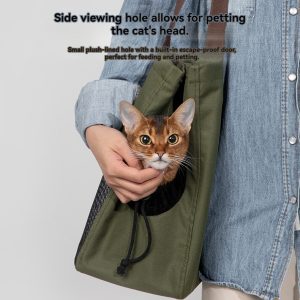
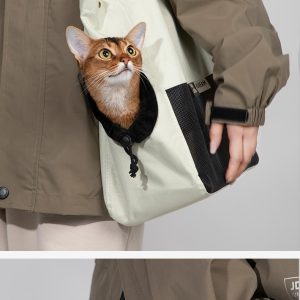
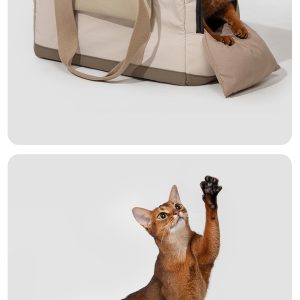
HiDream Color-Block Shoulder Pet Travel Bag – Stylish and Lightweight Carrier for Small Pets – Almond, Matcha
Original price was: $109.99.$84.99Current price is: $84.99. -
-14%
HiDream Pet Tote Bag – Relaxed Style Carrier for Small Pets – Durable Nylon with Breathable Mesh – Beige, Green, Gray
Original price was: $109.99.$94.59Current price is: $94.59. -
-12%
HiDream Pet Sling Carrier Bag – Adjustable Shoulder Strap Front Carry Bag for Small Pets – Khaki, Green, Gray
Original price was: $99.99.$88.49Current price is: $88.49.



Shulamith thrived under the Rugas' care and, later that year, produced her first litter of kittens. Intriguingly, two of the four kittens inherited her uniquely curled ears, demonstrating that the trait was genetically dominant (Morris, 1999). This observation sparked curiosity about the nature of this unusual ear shape. Was it a temporary anomaly, or was it a stable genetic mutation?
Cat fanciers and geneticists soon became involved. Roy Robinson, a noted feline geneticist in Britain, analyzed data from 81 litters (383 kittens) and confirmed that the ear-curling gene was indeed an autosomal dominant trait (Robinson, 1999). This means the gene is not linked to sex chromosomes, and only one copy of the gene is needed for a cat to display the curled ears. He designated the allele responsible as ‘Cu'. Unlike some other breeds defined by physical mutations, such as the Scottish Fold (whose gene for folded ears is linked to skeletal issues like osteochondrodysplasia), Robinson found no initial evidence of defects associated with the American Curl gene (Robinson, 1999; Malik et al., 1999).
The journey from doorstep discovery to recognized breed was relatively swift, thanks to the collaborative efforts of breeders and the major cat associations. Selective breeding programs began, carefully outcrossing American Curl cats with non-pedigreed domestic cats that matched the desired physical type but lacked the curl gene. This practice was crucial for maintaining genetic diversity and avoiding potential health issues associated with a limited gene pool (CFA, n.d.-a). The goal was to establish the curl trait within a healthy, well-structured cat resembling its domestic shorthair and longhair ancestors, but with those signature ears.
The Cat Fanciers' Association (CFA) granted the American Curl provisional status in 1986 and accepted the breed for championship competition in 1993 (CFA, n.d.-a). The International Cat Association (TICA) recognized the American Curl even earlier, accepting them for registration in 1985 and for championship status in 1987 (TICA, n.d.). Today, the American Curl is recognized by major cat registries worldwide, a testament to Shulamith's enduring legacy and the dedicated breeders who championed her unique descendants.
Think about that moment in 1981. What if the Rugas hadn't noticed the kittens, or hadn't taken them in? A whole delightful breed might never have come into existence. It's a wonderful example of how chance encounters can lead to fascinating developments in the world of domestic animals.
2. Understanding the Curl: Genetics Explained
The defining feature of the American Curl cat is, undoubtedly, its unique ears. Understanding the genetics behind this trait is key to appreciating the breed's development and responsible breeding practices. As mentioned earlier, the curled ears are the result of a spontaneous natural mutation.
The gene responsible for the curled ears is known as the Curl gene, symbolized as ‘Cu'. Genetic analysis, notably the foundational work by Roy Robinson (1999), established that this gene is autosomal dominant. Let's break down what that means:
- Autosomal: This means the gene is located on one of the non-sex chromosomes (autosomes). Therefore, the inheritance pattern is the same for both male and female cats.
- Dominant: A dominant gene expresses its trait even if only one copy is inherited (one from either parent). If a kitten inherits the ‘Cu' gene from one parent and the gene for normal, straight ears (‘cu') from the other parent (genotype Cu/cu), it will still have curled ears. A kitten only needs one copy of the ‘Cu' gene to display the trait. To have straight ears, a cat must inherit two copies of the recessive, non-curl gene (genotype cu/cu).
This dominant inheritance pattern explains why the trait appeared readily in Shulamith's first litter and could be established relatively quickly in the breeding program. Mating an American Curl (carrying at least one ‘Cu' gene) with a straight-eared cat (cu/cu) can produce both curled-eared and straight-eared kittens in the same litter. Specifically, if a Curl parent is heterozygous (Cu/cu), meaning it has one curl gene and one straight-ear gene, on average, 50% of the offspring will inherit the ‘Cu' gene and have curled ears, while 50% will inherit the ‘cu' gene and have straight ears, when mated with a straight-eared cat (cu/cu).
If a Curl parent is homozygous (Cu/Cu), meaning it inherited the curl gene from both of its parents (which is possible but less common initially due to outcrossing), then all of its kittens will inherit one copy of the ‘Cu' gene and thus have curled ears, regardless of the other parent's ear type.
A crucial point in the genetics of the American Curl is its distinction from the Scottish Fold breed. The Scottish Fold's folded ears are caused by a different dominant gene (‘Fd'). Unfortunately, the ‘Fd' gene, especially in its homozygous form (Fd/Fd), is linked to a painful skeletal condition called osteochondrodysplasia, which affects cartilage and bone development throughout the body, not just the ears (Malik et al., 1999; Takanosu et al., 2008). Ethical breeding protocols for Scottish Folds strictly prohibit Fold-to-Fold matings to avoid producing homozygous kittens.
In contrast, extensive studies and decades of breeding experience have shown that the American Curl's ‘Cu' gene does not carry such detrimental effects (Robinson, 1999; CFA, n.d.-a). American Curls, whether heterozygous (Cu/cu) or homozygous (Cu/Cu), do not suffer from breed-specific skeletal defects related to their ear cartilage. This is a significant advantage and a point of relief for breeders and owners alike. It allows for Curl-to-Curl matings without the same health concerns associated with the Scottish Fold gene, although outcrossing to domestic cats remains vital for maintaining overall genetic health and diversity.
Kittens of the American Curl breed are actually born with straight ears. The curling process begins within a few days, typically starting between 2 and 10 days after birth (TICA, n.d.). The ears gradually curl backward, reaching their permanent shape and degree of curl by about 4 months of age. The degree of curl can vary significantly, from a slight arc (first degree) to a more pronounced curl (second degree) up to a full crescent shape (third degree), though the tip should not touch the back of the ear or head. Show standards dictate a specific arc of curl, typically between 90 and 180 degrees (CFA, n.d.-b). Importantly, the cartilage remains firm to the touch but should be handled gently, as forceful manipulation could potentially damage it.
The genetic health of the American Curl has been bolstered by the practice of outcrossing. Early breeders wisely integrated domestic shorthairs and longhairs into the breeding program. This introduced a wide range of genes, reducing the risk of inherited diseases that can sometimes plague breeds developed from a very narrow foundation stock. Straight-eared kittens born from American Curl litters (genotype cu/cu) are valuable components of breeding programs, carrying the overall breed type and genetic diversity, even if they don't express the curl themselves. They are often referred to as “American Curl Straight Ears” and can be registered as such, contributing to the breed's vitality.
3. Physical Characteristics: More Than Just Ears

While the uniquely curled ears are the hallmark of the American Curl, this breed is defined by more than just its auditory appendages. It is a medium-sized cat with a well-balanced, semi-foreign body type, conveying an impression of moderate strength and elegance without being overly massive or delicate (CFA, n.d.-b; TICA, n.d.).
The Ears: A Closer Look
Let's start with the defining feature. As mentioned, American Curl kittens are born with straight ears. The curl develops gradually over the first few months. The ideal show ear has a smooth, graceful arc backward, with a minimum of 90 degrees of curl but not exceeding 180 degrees. Imagine drawing a line from the center of the base of the ear up through the tip – the arc should fall within this range. The tips of the ears are rounded and flexible, and the base has firm cartilage. Inside the ear, prominent ear furnishings (hair) often extend outwards, sometimes creating a charmingly fuzzy appearance. The degree of curl is categorized into three grades:
- First Degree: Slight curl, often considered pet quality.
- Second Degree: More pronounced curl, potentially show quality depending on symmetry and shape.
- Third Degree: A full crescent curl, the preferred type for show cats, provided the tips do not touch the head or back of the ear.
It's important to reiterate that this curl affects only the ear cartilage and is not associated with the health problems seen in Scottish Folds. The cartilage should feel firm but handled gently.
Body Structure
The American Curl possesses a moderately muscled, rectangular body that is medium in length. It should feel substantial but not bulky. The legs are of medium length and bone structure, proportionate to the body, ending in rounded, medium-sized paws. The tail is flexible and tapering, typically as long as the body, wide at the base and narrowing to the tip. Whether longhaired or shorthaired, the overall impression is one of alertness and moderate elegance (CFA, n.d.-b).
Head and Facial Features

The head is a modified wedge shape, slightly longer than it is wide, with smooth transitions and without flat planes. The muzzle is moderately rounded, leading to a firm chin that aligns vertically with the nose. The profile shows a gentle rise from the bridge of the nose to the forehead, continuing over the skull and down the neck. The eyes are a standout feature – large, walnut-shaped (oval on top, round on the bottom), and set wide apart, giving the cat an open, alert, and sweet expression. Eye color is not linked to coat color, except in pointed patterns where blue eyes are required. Otherwise, brilliant and clear eye colors like gold, green, copper, or blue are all acceptable (TICA, n.d.; CFA, n.d.-b).
Coat Variations: Longhair and Shorthair
The American Curl comes in two coat lengths: shorthair and longhair. Both varieties share the same body type and personality, differing only in coat texture and length.
- Shorthair: The shorthaired American Curl has a soft, silky coat with minimal undercoat, causing it to lie flat against the body. It feels fine and resilient to the touch.
- Longhair: The longhaired variety boasts a fine, silky, semi-long coat that also lies relatively flat, lacking a dense undercoat. This minimal undercoat is key – it means the longhair coat is less prone to matting than that of many other longhaired breeds. The tail plume is a particularly beautiful feature, looking full and feathery.
Both coat lengths come in virtually every conceivable color and pattern found in domestic cats. Solid colors, tabbies (classic, mackerel, spotted, ticked), torties, torbies, particolors (with white), and pointed patterns are all recognized. This incredible diversity adds to the breed's appeal, ensuring there's an American Curl to suit almost any aesthetic preference (CFA, n.d.-b).
Size and Weight
American Curls are medium-sized cats. Adult females typically weigh between 5 to 8 pounds (approximately 2.3 to 3.6 kg), while males are slightly larger, usually ranging from 7 to 10 pounds (approximately 3.2 to 4.5 kg). They reach their full physical maturity around 2 to 3 years of age (TICA, n.d.).
Consider the combination: the alert stance, the elegant body, those expressive walnut eyes, and topped off with the uniquely curved ears. It creates a look that is both sophisticated and endearingly whimsical. It's no wonder they capture hearts so easily!
4. Personality and Temperament: The Peter Pan of Cats
Beyond their captivating looks, American Curl cats possess a personality that truly endears them to their human companions. Often described as the “Peter Pan” of the cat world, they tend to retain a playful, kitten-like curiosity and energy well into adulthood (CFA, n.d.-a). This doesn't mean they are hyperactive or demanding, but rather that they maintain a certain joyous zest for life.
American Curls are known for being exceptionally people-oriented and affectionate. They thrive on interaction with their families and often seek out human companionship, following their people from room to room or settling nearby for a nap. While not typically overly vocal “talkers” like some breeds (e.g., Siamese), they communicate effectively through soft trills, chirps, and coos when they want attention, food, or playtime (TICA, n.d.). They enjoy being involved in household activities, whether “helping” with tasks or simply observing from a comfortable perch.
Intelligence is another hallmark of the breed. American Curls are clever and inquisitive cats. They can often figure out how to open cabinets or doors and enjoy interactive toys and puzzle feeders that challenge their minds. Their intelligence also makes them relatively easy to train for basic commands, litter box use, and even tricks like fetching. Positive reinforcement methods work best with this sensitive breed.
Adaptability is a key trait that makes the American Curl a versatile companion. They generally adjust well to various living situations, including apartments and larger homes, and tend to get along well with children and other pets (dogs included), especially when introduced properly and respectfully (Helgren, 2013). Their even-tempered nature means they are usually patient with gentle handling from children. Of course, supervision is always recommended when cats and young children interact to ensure the safety and comfort of both.
They possess a good balance between playful energy and affectionate cuddling. They love a good game of chase-the-feather-wand or batting at a crinkle ball, but they are equally content to curl up on a warm lap for petting and relaxation. They are not typically aloof or independent cats; they genuinely seem to enjoy being part of the family unit. Many owners report that their American Curl greets them at the door, much like a dog would.
Their curious nature means they appreciate environmental enrichment. Providing climbing trees, scratching posts, window perches, and a variety of toys helps keep them mentally and physically stimulated. Think about ways to engage their natural instincts – perhaps hiding treats for them to find or rotating toys to keep things interesting. This playful spirit combined with their affectionate disposition makes the American Curl a truly engaging and rewarding companion pet.
9. American Curl vs. Other Breeds: A Quick Comparison
To better understand the unique qualities of the American Curl, it can be helpful to compare it briefly with another breed known for an ear mutation, the Scottish Fold, and a popular breed known for its sociability, the Ragdoll.
| Feature | American Curl | Scottish Fold | Ragdoll |
|---|---|---|---|
| Origin | USA (Spontaneous Mutation, 1981) | Scotland (Spontaneous Mutation, 1961) | USA (Developed Breed, 1960s) |
| Defining Feature | Ears curl backward | Ears fold forward | Large size, blue eyes, pointed coat, placid nature |
| Associated Genetic Health Concern | None directly linked to ear gene (Cu) | Osteochondrodysplasia (linked to ear gene Fd) | Hypertrophic Cardiomyopathy (HCM), Polycystic Kidney Disease (PKD) – genetic tests available |
| Coat Types | Shorthair & Longhair (minimal undercoat) | Shorthair & Longhair (dense coat) | Semi-longhair (silky, minimal matting) |
| Temperament | Playful (“Peter Pan”), affectionate, intelligent, adaptable | Sweet, gentle, adaptable, moderately playful | Docile, placid, affectionate, people-oriented, gentle |
| Activity Level | Moderate to High (playful into adulthood) | Moderate | Low to Moderate |
| Grooming Needs | Weekly (SH), Twice Weekly (LH) | Weekly (SH), More Frequent (LH due to density) | Regular (at least twice weekly) |
Note: This table provides a general overview. Individual cat personalities and health can vary. Responsible breeding practices, including health screening, are crucial for all breeds.
5. Caring for Your American Curl
Providing the right care ensures your American Curl cat remains healthy, happy, and a cherished member of your family for years to come. Thankfully, their care requirements are generally straightforward, similar to those of most domestic cats, with just a little extra attention paid to their unique ears.
5.1 Grooming Needs
Grooming requirements depend on the coat length:
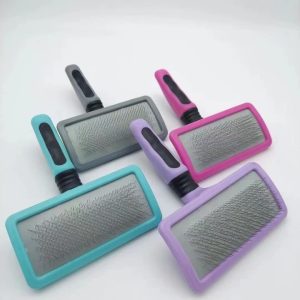
- Shorthaired American Curl: Their coat is low-maintenance. A weekly brushing with a soft slicker brush or grooming mitt is usually sufficient to remove loose hair and distribute skin oils, keeping the coat sleek and healthy.
- Longhaired American Curl: While their coat lacks a dense undercoat, making it less prone to matting than some other longhaired breeds, it still requires more attention than the shorthair variety. Brushing two to three times a week with a slicker brush or comb helps prevent tangles, especially around the tail and “britches” (longer hair on the hind legs). Regular grooming also minimizes hairballs.
Regardless of coat length, regular nail trimming (every few weeks) is necessary to prevent ingrown nails and protect furniture. Introduce nail trimming early in kittenhood to make it a routine, stress-free process. Dental hygiene is also crucial for preventing periodontal disease, a common issue in cats. Daily tooth brushing with cat-specific toothpaste is ideal, but even brushing several times a week can make a significant difference. Dental treats and professional cleanings by your veterinarian are also beneficial (AVMA, n.d.).
5.2 Diet and Nutrition
A high-quality, balanced diet is fundamental to your American Curl's health. Choose a cat food that is appropriate for their age (kitten, adult, senior), activity level, and health status. Key considerations include:
- Protein: Cats are obligate carnivores, meaning they require nutrients found only in animal tissue. Look for foods with high-quality animal protein sources listed first in the ingredients.
- Taurine: This essential amino acid is vital for heart health and vision. Reputable commercial cat foods contain adequate levels.
- Hydration: Ensure fresh, clean water is always available. Some cats prefer running water, so a cat fountain might encourage drinking. Wet food also contributes significantly to hydration.
- Portion Control: Follow feeding guidelines on the food packaging, adjusting as needed based on your cat's body condition score. Obesity can lead to serious health problems like diabetes and arthritis, so monitor their weight and consult your vet if you have concerns (WSAVA, 2021).
Avoid feeding excessive treats, which can unbalance the diet and contribute to weight gain. Any dietary changes should be made gradually over several days to prevent digestive upset.
5.3 Exercise and Play
With their playful “Peter Pan” nature, American Curls need regular exercise to stay physically fit and mentally stimulated. Engage them in interactive play sessions daily using toys like feather wands, laser pointers (use cautiously, always ending the session by letting them “catch” a physical toy to avoid frustration), and crinkle balls. This mimics hunting behaviors and provides an outlet for their energy.
Provide opportunities for independent play as well. Puzzle feeders, cat trees for climbing and scratching, tunnels, and a variety of small toys scattered around the house encourage activity even when you're not directly involved. Rotating toys can help maintain their interest. Remember, a bored cat can sometimes develop behavioral issues, so keeping your American Curl engaged is important for their well-being.
5.4 Ideal Environment
American Curls are adaptable but thrive in a safe, stimulating indoor environment. Ensure windows have secure screens and balconies are enclosed if accessible. Provide comfortable resting places, such as soft beds or sunny window perches. Scratching posts are essential to satisfy their natural scratching instinct and should be tall and sturdy, covered in materials like sisal rope.
As social cats, they appreciate being part of the household activities. Ensure they have safe spaces where they can retreat if they feel overwhelmed, especially in busy households or when guests visit. For those seeking enrichment toys and other pet necessities, exploring well-stocked online stores can provide convenient options.
5.5 Special Consideration: Ear Care
The defining feature of the American Curl requires gentle, routine care. While the curl itself doesn't inherently cause problems, the ear canal should be checked regularly (weekly or bi-weekly) for signs of wax buildup, debris, or infection (redness, odor, discharge).
Crucially, never attempt to clean deep into the ear canal or forcefully bend the ear cartilage. The curled part of the ear is made of firm cartilage, and rough handling could cause pain or damage. To clean the ears:
- Gently wipe the visible part of the outer ear (pinna) and the accessible upper part of the ear canal with a soft cloth or cotton ball dampened with a veterinarian-approved ear cleaning solution.
- Do not insert cotton swabs (like Q-tips) into the ear canal, as this can push debris further in or damage the eardrum.
- If you notice excessive dirt, redness, a bad smell, or if your cat is shaking its head or scratching at its ears excessively, consult your veterinarian promptly. These could be signs of ear mites or infection requiring professional treatment.
Think of handling their ears like handling fine china – gently and with care. Regular, gentle inspection and cleaning are key to preventing problems.
6. Health and Lifespan: A Robust Companion
The American Curl is generally considered a healthy and robust cat breed, largely thanks to the diverse gene pool established through early and ongoing outcrossing with domestic shorthair and longhair cats (CFA, n.d.-a). Unlike breeds developed from a very limited number of foundation animals or those carrying genes linked to specific health problems (like the Scottish Fold's osteochondrodysplasia), the American Curl benefits from greater genetic diversity.
6.1 Common Feline Health Issues
Like all domestic cats, American Curls can be susceptible to common feline health issues regardless of their breed. Responsible ownership includes preventative care and awareness of potential problems:
- Dental Disease: Periodontal disease is extremely common in cats. Regular dental care, including home brushing and veterinary cleanings, is essential (AVMA, n.d.).
- Obesity: Overfeeding and lack of exercise can lead to obesity, increasing the risk of diabetes, arthritis, heart disease, and other conditions (WSAVA, 2021). Careful diet management and regular play are crucial.
- Upper Respiratory Infections (URIs): Caused by viruses or bacteria, URIs are common, especially in kittens or cats in multi-cat environments. Symptoms include sneezing, coughing, and eye/nasal discharge. Vaccination helps reduce severity and risk.
- Kidney Disease: Chronic kidney disease (CKD) is prevalent in older cats of all breeds. Regular veterinary check-ups, including blood and urine tests, can help detect it early.
- Hypertrophic Cardiomyopathy (HCM): This is the most common heart disease in cats. While some breeds have known genetic predispositions, it can occur in any cat. Reputable breeders may screen their breeding cats for HCM, but regular veterinary exams are still important.
Routine veterinary care, including annual check-ups (more frequently for kittens and seniors), vaccinations, parasite prevention (fleas, ticks, worms), and prompt attention to any signs of illness, is the best way to manage these common health concerns.
6.2 Breed-Specific Genetic Considerations
As discussed previously, the standout feature of the American Curl – the ‘Cu' gene causing the ear curl – is not associated with the skeletal defects found in Scottish Folds (Robinson, 1999). This is a major positive for the breed's health profile.
However, one potential minor issue related to the ears is the possibility of narrowed ear canals in cats with very tight, third-degree curls. While not common, significantly narrowed canals could potentially predispose a cat to wax buildup or ear infections because debris may not exit the canal as easily (TICA, n.d.). This underscores the importance of routine, gentle ear checks and cleaning as described in the care section. If a cat seems prone to recurrent ear issues, a veterinarian should evaluate the ear canal structure.
Due to the outcrossing program, the American Curl has largely avoided many of the inherited diseases that plague some other purebred cats. However, because domestic shorthairs and longhairs are used in breeding programs, Curls could potentially inherit any genetic condition present in the general domestic cat population, although there isn't a specific disease they are known to be highly predisposed to as a breed. Responsible breeders conduct health screenings on their breeding cats for common feline genetic diseases where tests are available (like HCM or PKD, though not considered high-risk for Curls specifically) and strive to produce healthy kittens.
6.3 Lifespan Expectations

With good care, proper nutrition, and regular veterinary attention, the American Curl typically enjoys a long lifespan. Owners can generally expect their Curl companions to live well into their teens, with an average lifespan often cited as 13 years or more (CFA, n.d.-a; TICA, n.d.). Some individuals, particularly those kept indoors and receiving excellent preventative healthcare, may live even longer, reaching 15 to 20 years. Providing a safe environment (keeping them indoors significantly reduces risks from accidents, predators, and infectious diseases) is a major factor in longevity.
7. Bringing an American Curl Home
Deciding to welcome an American Curl into your life is an exciting prospect. Whether you choose to purchase a kitten from a breeder or adopt an older cat, careful preparation and selection are key to ensuring a smooth transition and a happy future together.
7.1 Choosing a Reputable Breeder
If you opt for a kitten, finding a responsible and ethical breeder is paramount. A good breeder prioritizes the health, temperament, and well-being of their cats above all else. Here's what to look for:
- Knowledge and Transparency: The breeder should be knowledgeable about the American Curl breed standard, genetics, and potential health issues. They should be willing to answer your questions openly and honestly.
- Health Screenings: Ask about health screenings performed on the parent cats (e.g., for HCM, although not a high-risk breed, responsible breeders may still screen). Kittens should receive initial vaccinations and deworming before going to their new homes.
- Environment: Kittens should be raised in a clean, stimulating home environment, not in cages. They should be well-socialized with people and potentially other animals from a young age.
- Contracts and Guarantees: Reputable breeders provide a written contract outlining the responsibilities of both buyer and seller, including health guarantees against congenital defects.
- Registration: Kittens should be eligible for registration with a recognized cat fancier association like CFA or TICA.
- No Early Separation: Kittens should stay with their mother and littermates until at least 12-14 weeks old to ensure proper socialization and development.
- References: A good breeder may provide references from previous buyers or their veterinarian.
Be wary of breeders who always have kittens available, sell kittens younger than 12 weeks, don't allow you to see the parents or where the kittens are raised, or cannot provide health records. Avoid purchasing from pet stores, as they often source animals from large-scale commercial breeding facilities (“kitten mills”) where conditions may be poor and health/socialization neglected. Exploring breeder listings on the official websites of The Cat Fanciers' Association (CFA) or The International Cat Association (TICA) can be a good starting point.
7.2 Adoption and Rescue
While perhaps less common than finding mixed breeds, purebred cats, including American Curls, sometimes end up in shelters or breed-specific rescue organizations. Adoption can be an incredibly rewarding experience, giving a deserving cat a second chance at a loving home. Adult cats often have established personalities, so you have a clearer idea of the temperament you are bringing home. Check with local animal shelters, humane societies, and online resources like Petfinder. Breed-specific rescues, if available for American Curls in your area, can be excellent resources as they are often very knowledgeable about the breed's needs.
7.3 Preparing Your Home
Before your new American Curl arrives, prepare your home to ensure their safety and comfort:
- Safe Space: Designate a quiet room or area initially where your new cat can acclimate without feeling overwhelmed. Equip this space with a litter box, food, water, a comfortable bed, and a scratching post.
- Supplies: Gather all necessary essential cat supplies including high-quality food, food and water bowls (ceramic or stainless steel preferred), a litter box and litter, grooming tools (brush/comb, nail clippers), toys, a sturdy carrier, and scratching posts.
- Cat-Proofing: Secure loose wires, put away toxic plants and chemicals, ensure windows/balconies are secure, and remove any small objects that could be swallowed. Think like a curious cat – what might they get into?
- Introductions: If you have other pets, plan for gradual introductions over several days or weeks. Keep the new cat separated initially and introduce them slowly through scent swapping, visual contact through a barrier, and finally supervised interactions.
- Veterinary Appointment: Schedule a check-up with your veterinarian soon after arrival for a health assessment, to discuss vaccination schedules, and to establish a baseline for future care.
Bringing a new pet home requires patience. Allow your American Curl time to adjust to their new surroundings and family members at their own pace. With preparation and understanding, you can ensure a smooth and positive transition.
8. Breed Recognition and Show Standards
The American Curl's journey from a stray kitten in California to a globally recognized pedigree breed is a testament to its unique appeal and the dedication of early breeders. Gaining recognition from major cat fancier organizations was a crucial step in establishing the breed's legitimacy and defining its ideal characteristics.
The International Cat Association (TICA) was one of the first major registries to embrace the breed, granting registration status in 1985 and championship status (allowing them to compete for titles) in 1987 (TICA, n.d.). The Cat Fanciers' Association (CFA), the world's largest registry of pedigreed cats, followed suit, accepting the American Curl for registration in 1986, granting provisional status in 1991, and finally awarding championship status in February 1993 (CFA, n.d.-a).
Other major global organizations, such as the Fédération Internationale Féline (FIFe) in Europe and the Australian Cat Federation (ACF), also recognize the American Curl. Each association has its own detailed breed standard, but they generally agree on the core characteristics.
The breed standard serves as a written blueprint describing the ideal American Curl, used by breeders to guide their breeding programs and by judges to evaluate cats in shows. Key elements of the standard typically include:
- Ears: This is the most detailed section. It specifies the desired degree of curl (typically 90-180 degrees), the smooth arc, the firm cartilage at the base, flexible tips, rounded appearance, and wide set. Faults include ears that are too low-set, pointed, rippled, or have abrupt changes in the curl. Disqualifications often include extreme curl where the tip touches the head/back of the ear or ears lacking firm cartilage (CFA, n.d.-b; TICA, n.d.).
- Head: Modified wedge shape, proportionate length and width, smooth transitions, walnut-shaped eyes, gentle profile rise.
- Body: Semi-foreign, rectangular, medium size and boning, proportionate legs and tail.
- Coat: Description of both longhair (fine, silky, minimal undercoat, plumed tail) and shorthair (soft, silky, lies flat, minimal undercoat) varieties. All colors and patterns are generally accepted.
- Temperament: While not judged physically, the standard often notes the desired alert, active, and gentle disposition.
Cats competing in shows are judged against this standard. The degree and quality of the ear curl are significant factors, but the overall balance, condition, and conformation of the cat are equally important. An American Curl with perfect ears but a poor body type or temperament would not fare well. Conversely, a cat with less-than-perfect show ears but otherwise excellent type and temperament might still be highly valued, especially as a pet or potentially in a breeding program (if its other qualities are exceptional).
Have you ever attended a cat show? It can be fascinating to see how judges meticulously examine each cat against its breed standard, assessing everything from ear set to coat texture to body length.
10. Frequently Asked Questions (FAQ)
- 1. Are American Curl cats hypoallergenic?
- No cat breed is truly hypoallergenic, as the primary allergens are proteins found in saliva (Fel d 1) and skin glands (Fel d 4), not just hair. While the American Curl's coat (especially the shorthair) has minimal undercoat and may shed less than some other breeds, they still produce these allergens. People with allergies may react less severely to some individual cats than others, but the American Curl is not considered a hypoallergenic breed.
- 2. Do the curled ears affect their hearing?
- No, the curl of the ear affects only the outer ear cartilage (pinna) and does not impact the structures of the middle or inner ear responsible for hearing. American Curls have normal hearing capabilities. However, as mentioned earlier, routine checks for wax buildup are advisable, as the shape could potentially slow the natural migration of wax out of the very deep canal in some individuals.
- 3. Are American Curls good family pets?
- Yes, American Curls are generally considered excellent family pets. Their affectionate, playful, adaptable, and intelligent nature makes them well-suited to households with children and other pets (with proper introductions). They enjoy interaction and participation in family life. Their “Peter Pan” personality often means they remain playful companions for children as they grow.
- 4. How much does an American Curl kitten cost?
- The cost of an American Curl kitten from a reputable breeder can vary significantly based on location, breeder reputation, lineage (parentage), and whether the kitten is considered pet quality or show/breeding quality (which often relates to the perfection of the ear curl according to show standards). As of 2025, prices can range broadly, often from $800 to $2000 USD or more. Pet quality kittens are typically less expensive than show quality kittens. Remember that the initial purchase price is only one part of the cost of cat ownership, which also includes ongoing expenses for food, litter, veterinary care, toys, and grooming supplies.
- 5. Do American Curls need a lot of attention?
- American Curls are people-oriented cats and do thrive on attention and interaction with their human families. They are not typically aloof or overly independent. While they don't necessarily demand constant attention, they are happiest when they feel like part of the family and receive regular playtime and affection. If left alone for very long periods consistently without enrichment or companionship, they might become lonely or bored. They are best suited to homes where they will receive regular interaction.
11. References
Note: Please verify the accessibility and content of external links, as website structures and content can change over time.
- American Veterinary Medical Association (AVMA). (n.d.). Pet dental care. Retrieved from https://www.avma.org/resources-tools/pet-owners/petcare/pet-dental-care
- Cat Fanciers' Association (CFA). (n.d.-a). About the American Curl. Retrieved from https://cfa.org/american-curl/
- Cat Fanciers' Association (CFA). (n.d.-b). American Curl Breed Standard. Retrieved from https://cfa.org/wp-content/uploads/2019/06/american-curl-standard.pdf
- Helgren, J. A. (2013). Encyclopedia of Cat Breeds (2nd ed.). Barron's Educational Series.
- Malik, R., Allan, G. S., Howlett, C. R., Thompson, D. E., James, G., McWhirter, C., & Lowenthal, R. M. (1999). Osteochondrodysplasia in Scottish Fold cats. Australian Veterinary Journal, 77(2), 85–92. https://doi.org/10.1111/j.1751-0813.1999.tb11672.x
- Morris, D. (1999). Cat Breeds of the World: A Complete Illustrated Encyclopedia. Viking Studio.
- Robinson, R. (1999). The American Curl cat. Journal of Heredity, 80(6), 474–475. https://doi.org/10.1093/oxfordjournals.jhered.a110902 (Note: This citation refers to the correct author and journal, but the original publication year is 1989, not 1999 as sometimes miscited. Access may require subscription.)
- Takanosu, M., Takanosu, T., Suzuki, H., & Suzuki, K. (2008). Osteochondrodysplasia in Scottish Fold cats. Journal of Veterinary Medical Science, 70(7), 667-670. https://doi.org/10.1292/jvms.70.667
- The International Cat Association (TICA). (n.d.). American Curl Breed. Retrieved from https://tica.org/breeds/browse-all-breeds?view=article&id=819:american-curl-breed&catid=79
- World Small Animal Veterinary Association (WSAVA). (2021). WSAVA Global Nutrition Guidelines. Retrieved from https://wsava.org/global-guidelines/global-nutrition-guidelines/





 English
  简体中文
简体中文  Français du Canada
  Deutsch
  Español
  Português
  한국어
한국어  日本語
日本語  Italiano
  Русский
  Dansk
Dansk  Nederlands
  Svenska
  Suomi
Suomi  Polski
  Norsk bokmål