


The American Curl Longhair: An In-Depth Look at the Cat with the Unique Ears
Welcome to a deep exploration of one of the feline world's most uniquely charming breeds: the American Curl Longhair. If you've ever encountered a cat whose ears seem to gently sweep back in elegant arcs, chances are you've met a member of this captivating breed. But there's far more to the American Curl Longhair than just its distinctive ears. It's a breed born from a happy accident, possessing a delightful personality and specific care needs that potential owners and enthusiasts should understand thoroughly. This guide aims to provide a comprehensive, science-informed look at the American Curl Longhair, covering its history, genetics, temperament, care, health, and much more. Our journey will take us from a stray cat in California to the intricacies of feline genetics and the practicalities of living with this remarkable companion.
-
-23%

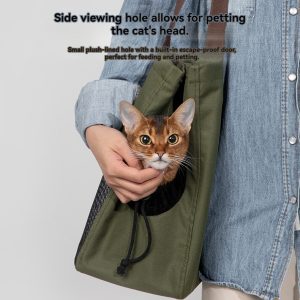
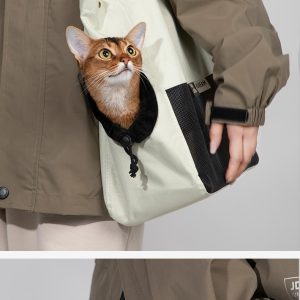
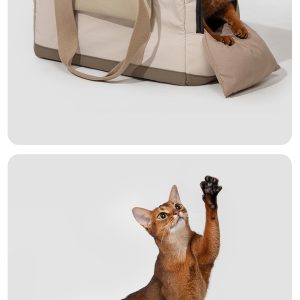
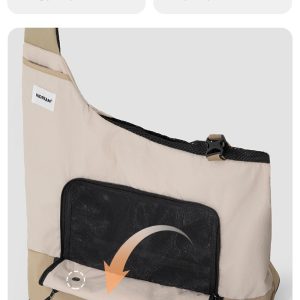
HiDream Color-Block Shoulder Pet Travel Bag – Stylish and Lightweight Carrier for Small Pets – Almond, Matcha
Original price was: $109.99.$84.99Current price is: $84.99. -
-14%
HiDream Pet Tote Bag – Relaxed Style Carrier for Small Pets – Durable Nylon with Breathable Mesh – Beige, Green, Gray
Original price was: $109.99.$94.59Current price is: $94.59. -
-12%
HiDream Pet Sling Carrier Bag – Adjustable Shoulder Strap Front Carry Bag for Small Pets – Khaki, Green, Gray
Original price was: $99.99.$88.49Current price is: $88.49.


A Serendipitous Beginning: The History of the American Curl Longhair
Unlike breeds meticulously developed over centuries, the story of the American Curl Longhair begins relatively recently and quite by chance. Its origins trace back to a single stray cat in Lakewood, California, in June 1981. Joe and Grace Ruga discovered a longhaired black female kitten on their doorstep with peculiar, curled-back ears (TICA, n.d.). They named her Shulamith, a Hebrew name meaning “black and comely.” Shulamith became the foundation female for the entire American Curl breed, both longhair and shorthair varieties. Her unique ears were the result of a spontaneous, natural genetic mutation.
When Shulamith later had kittens, two of the four shared her distinctive curled ears, suggesting a dominant genetic trait. This caught the attention of feline enthusiasts and geneticists. Nancy Kiester, a Jean Grace admirer and cat breeder, was instrumental in developing and promoting the new breed. She co-owned Shulamith's first curled-ear kittens and began the selective breeding program required for recognition (CFA, n.d.). Early breeders worked carefully, collaborating with geneticists like Dr. Roy Robinson of London, England, who confirmed the ear-curling gene was autosomal dominant and seemed linked to no known defects (TICA, n.d.). This was crucial information, assuring breeders that the unique trait wasn't associated with harmful genetic abnormalities often seen with mutations affecting cartilage, such as those found in the Scottish Fold breed.
The initial focus was on careful outcrossing to domestic cats (non-pedigreed cats) to ensure a broad and healthy gene pool, while selecting for the curled ears and a desirable temperament. Both longhaired and shorthaired kittens appeared from the beginning, stemming from Shulamith herself, who carried the gene for long hair. The American Curl Longhair and its shorthaired counterpart were developed concurrently.
The breed gained rapid recognition due to its unique look and appealing personality. The International Cat Association (TICA) granted recognition in 1987, and the Cat Fanciers' Association (CFA) accepted the American Curl for registration in 1986, granting it provisional status in 1991 and full championship status in 1993 (CFA, n.d.). This relatively swift acceptance highlights the breed's distinctiveness and the careful work of its early proponents. Today, every pedigreed American Curl Longhair can trace its lineage back to Shulamith, the stray cat whose unique ears launched a beloved breed.
The Science Behind the Curl: Understanding the Genetics
The defining characteristic of the American Curl Longhair is, of course, its ears. Understanding the genetics behind this trait is fascinating and crucial for appreciating the breed's development and health. The curled ear is caused by a simple autosomal dominant gene, designated as the Curl gene (Cu) (Robinson, 1989). Let's break down what this means:
- Autosomal: This means the gene is located on one of the non-sex chromosomes. It's inherited independently of the cat's gender.
- Dominant: This is the key part. A dominant gene expresses its trait even if only one copy is inherited (one from either parent). If a kitten inherits the Cu gene from one parent and the normal, non-curl gene (cu) from the other (genotype Cucu), it will still have curled ears. Kittens only have straight ears if they inherit two copies of the recessive, non-curl gene (cucu).
This dominant inheritance pattern has significant implications for breeding. A cat with curled ears can be either heterozygous (Cucu) or homozygous (CuCu) for the gene. However, breeding two heterozygous Curl cats (Cucu x Cucu) could theoretically produce kittens with straight ears (cucu), heterozygous curled ears (Cucu), and homozygous curled ears (CuCu). Early genetic analysis by Dr. Roy Robinson confirmed this dominant inheritance pattern (Robinson, 1989). Importantly, unlike the gene causing folded ears in Scottish Folds (the Fd gene), which can cause skeletal problems (osteochondrodysplasia) particularly in homozygous cats (FdFd), the American Curl's Cu gene has not been linked to any cartilage or bone defects (TICA, n.d.; CFA, n.d.). This is a vital distinction ensuring the breed's characteristic trait doesn't compromise its health.
All American Curl kittens are born with straight ears. Within the first few days, typically between 3 to 5 days, the ears begin to curl back. They continue to curl (or sometimes uncurl slightly) over the next several weeks, finally settling into their permanent shape by about 16 weeks of age (CFA, n.d.). The degree of curl can vary significantly, ranging from a slight curve (first degree) to a more pronounced arc (second degree) up to a nearly full crescent shape (third degree). For show purposes, a smooth, graceful arc of 90–180 degrees is preferred, but the ear cartilage should remain firm to the touch, not soft or overly flexible, and the tips should point towards the center of the base of the skull (TICA Breed Standard; CFA Breed Standard). Ears that are severely curled touching the back of the head or those with crimped or abnormal cartilage are considered faults.
To maintain genetic diversity and avoid potential issues associated with a limited gene pool, breed standards allow for outcrossing the American Curl Longhair (and Shorthair) to non-pedigreed domestic longhair and shorthair cats that otherwise meet the structural type of the American Curl standard (minus the curled ears). Offspring from these crosses are then registered as American Curls if they inherit the Cu gene and display the curled ears. This practice is crucial for the long-term health and vigor of the breed.
Defining Features: Anatomy and Appearance
While the ears are the most striking feature, the American Curl Longhair is a well-balanced, moderately sized cat with several defining characteristics that contribute to its overall elegant appearance.
The Signature Ears
As discussed, the ears are the hallmark. They should be wide at the base, open, and sweep back in a smooth arc. The degree of curl varies, but show standards prefer a distinct curve between 90 and 180 degrees. The tips are rounded and flexible, and furnishings (hair) inside the ear often follow the curve, creating attractive tufts. It's important to reiterate that the cartilage should feel firm, not soft or overly thin, and the curl affects only the upper third to half of the ear cartilage. Unlike breeds like the Scottish Fold where the ear folds forward, the Curl's ear sweeps backward.
The Silky Long Coat
The American Curl Longhair boasts a beautiful, fine, silky coat that lies relatively flat against the body with minimal undercoat. This lack of dense undercoat is significant because it means the coat is less prone to matting than some other longhaired breeds, making grooming somewhat easier. While considered “longhair,” the coat length can vary, but it typically features a noticeable ruff around the neck and a plumed tail. The texture is soft and smooth to the touch. One of the great appeals of the breed is the vast array of colors and patterns accepted. Virtually any genetically possible color or pattern is allowed, from solid black (like Shulamith) to whites, blues, reds, creams, chocolates, lilacs, tabbies, torties, pointed patterns, and various combinations with white (CFA, n.d.; TICA, n.d.). This diversity means American Curl Longhairs can look dramatically different from one another, united primarily by their distinctive ears and body type.
Body Structure and Size
The American Curl Longhair is classified as a semi-foreign body type, meaning it is moderate in size and boning, elegant but not overly delicate or massive. They are typically medium-sized cats, with males often being slightly larger than females. Adult weight generally ranges from 5 to 10 pounds (approx. 2.3 to 4.5 kg). The body is rectangular, moderately muscled, and balanced, with medium-length legs and rounded paws. They should feel substantial but not bulky. The overall impression is one of alertness and grace (CFA Breed Standard; TICA Breed Standard).
Expressive Eyes
Complementing their unique ears are large, expressive eyes. They are shaped like walnuts – oval on top and rounded on the bottom – and set moderately far apart at a slight angle. Eye color is not linked to coat color (except in pointed patterns where blue eyes are required) and should be clear and brilliant. Common colors include gold, green, copper, blue, or even odd-eyed (two different colored eyes) (CFA, n.d.). The open, alert expression in their eyes contributes significantly to the breed's charming and inquisitive look.
American Curl Longhair vs. Other Breeds: A Comparative Look
Understanding a breed often involves comparing it to others. Here's a table highlighting key differences and similarities between the American Curl Longhair and two other popular breeds, the American Curl Shorthair and the Maine Coon, another well-known longhaired breed.
| Feature | American Curl Longhair | American Curl Shorthair | Maine Coon |
|---|---|---|---|
| Origin | USA (California, 1981) | USA (California, 1981) | USA (Maine, natural breed) |
| Defining Feature | Curled-back ears | Curled-back ears | Large size, shaggy coat, tufted ears (straight) |
| Coat Length | Long, silky, minimal undercoat | Short, soft, resilient, minimal undercoat | Long, shaggy, heavy, significant undercoat |
| Grooming Needs | Moderate (1-2 times/week) | Low (weekly) | High (several times/week) |
| Shedding | Moderate, less matting | Low to moderate | Moderate to high, prone to matting |
| Size | Medium (5-10 lbs) | Medium (5-10 lbs) | Large (10-25+ lbs) |
| Body Type | Semi-foreign, elegant | Semi-foreign, elegant | Rectangular, muscular, substantial |
| Temperament | Playful, affectionate, curious (“Peter Pan”) | Playful, affectionate, curious (“Peter Pan”) | Gentle giant, friendly, intelligent, playful |
| Ear Type | Curled backward (90-180 degree arc) | Curled backward (90-180 degree arc) | Tall, tufted, straight |
| Genetic Ear Basis | Autosomal Dominant (Cu gene) | Autosomal Dominant (Cu gene) | Standard ear genetics |
| Health Notes | Generally healthy; requires ear checks | Generally healthy; requires ear checks | Potential for HCM, hip dysplasia, SMA |
This comparison highlights that while the American Curl Longhair shares its unique ears and temperament with its shorthaired counterpart, its coat care needs differ significantly from breeds like the Maine Coon, which has a much denser, more mat-prone coat. The Curl's moderate size and distinct ear genetics also set it apart.
The Peter Pan of Cats: Temperament and Personality

Often affectionately nicknamed the “Peter Pan” of the cat world, the American Curl Longhair is renowned for retaining a playful, kitten-like demeanor throughout its life (TICA, n.d.). This engaging personality is one of the breed's most cherished attributes. They are generally not aloof or overly independent cats; instead, they thrive on interaction and companionship.
Playfulness and Activity Level
American Curls are moderately active and exceptionally playful. They enjoy interactive games, chasing toys, batting at feather wands, and exploring their environment with boundless curiosity. Many Curls maintain this zest for play well into their senior years, unlike some breeds that become more sedate with age. They are known for their inquisitive nature, often investigating cupboards, bags, and anything new that enters their territory. Providing ample playtime and stimulating toys is essential to keep an American Curl Longhair happy and mentally engaged. Think about puzzle feeders or toys that encourage problem-solving – their intelligence makes them good candidates for such challenges.
Affection and Social Interaction
These cats are typically very people-oriented and affectionate, though not usually demanding or overly vocal. They enjoy being near their humans, often following them from room to room or settling nearby for a nap. While they appreciate gentle petting and cuddles, they aren't necessarily constant lap cats; they often prefer to be close but might choose a spot beside you rather than directly on you. They are known for being good with children and other pets when properly introduced, thanks to their adaptable and gentle nature. Their curiosity extends to visitors, whom they often greet with interest rather than shyness (CFA, n.d.). Have you ever observed how some cats seem genuinely interested in meeting new people? The American Curl often embodies this welcoming curiosity.
Adaptability and Intelligence
The American Curl Longhair is known for its high degree of adaptability. They tend to adjust well to changes in their environment, making them suitable for various living situations, including apartments (provided they get enough stimulation) and busy households. Their intelligence is also notable. They can often learn tricks, respond to their names, and even figure out how to open doors or cabinets. This intelligence, combined with their curiosity, means they need an environment that keeps them mentally stimulated to prevent boredom. Consider rotating toys or introducing new climbing structures periodically. You might even find them ‘helping' you with tasks around the house, a testament to their desire to be involved in their human's activities.
Caring for Your American Curl Longhair: A Comprehensive Guide
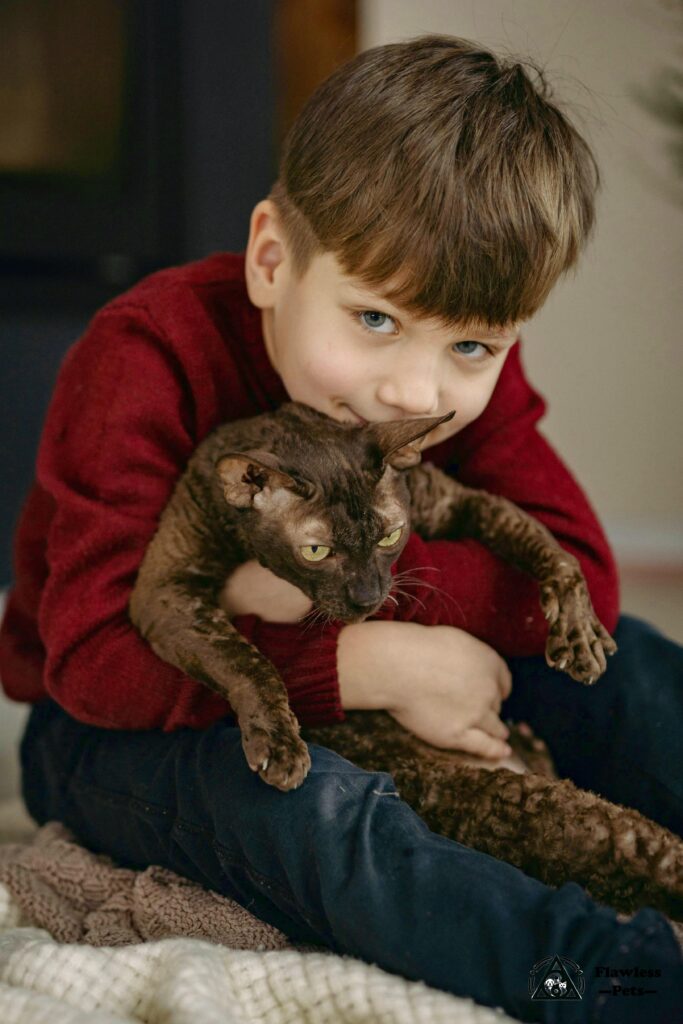
Owning an American Curl Longhair is a rewarding experience, and providing appropriate care ensures they live a long, healthy, and happy life. Their needs are generally straightforward but include specific attention to their coat and, naturally, their unique ears.
Grooming Needs
Despite being a longhaired breed, the American Curl Longhair's coat is relatively easy to manage due to its silky texture and minimal undercoat. Unlike breeds such as Persians or Maine Coons, they are less prone to severe matting. However, regular grooming is still necessary to keep their coat in optimal condition, remove loose hair, and prevent any tangles from forming.
- Brushing: A thorough brushing once or twice a week is usually sufficient. Use a slicker brush or a stainless steel comb to gently work through the coat, paying attention to areas where friction might cause minor tangles, such as under the legs or around the collar area (if they wear one). Regular brushing also helps distribute skin oils, keeping the coat healthy and shiny, and reduces the amount of hair shed around the house and ingested by the cat during self-grooming (which can lead to hairballs).
- Bathing: Baths are typically not required frequently unless the cat gets particularly dirty. If you do bathe your Curl, use a cat-specific shampoo and ensure they are thoroughly rinsed and dried.
- Nail Trimming: Regular nail trimming (every few weeks) prevents nails from becoming too long, snagging on furniture, or causing discomfort.
- Dental Care: Like all cats, American Curls benefit from regular dental care to prevent periodontal disease. Brushing their teeth with feline toothpaste several times a week is ideal, or provide dental treats and toys. Regular veterinary dental check-ups are also important.
Nutritional Requirements
Providing a high-quality, balanced diet is fundamental to the health of your American Curl Longhair. Their nutritional needs are similar to most domestic cats, requiring a diet rich in animal protein and fats, with appropriate levels of vitamins and minerals.
- Quality Food: Choose a reputable commercial cat food (wet, dry, or a combination) formulated to meet AAFCO (Association of American Feed Control Officials) standards for your cat's life stage (kitten, adult, senior). Look for foods where meat is listed as the first few ingredients.
- Protein Needs: Cats are obligate carnivores, meaning they require nutrients found only in animal tissue. Ensure the diet is high in animal-based protein.
- Hydration: Fresh, clean water should always be available. Some cats prefer running water, so a cat fountain can encourage hydration. Wet food also contributes significantly to their daily water intake.
- Portion Control: Follow feeding guidelines on the food packaging, adjusting as needed based on your cat's age, activity level, and body condition. Obesity can lead to serious health problems, so monitor their weight and consult your veterinarian if you have concerns. Avoid free-feeding, especially with dry food, unless your cat demonstrates good self-regulation.
For specific dietary recommendations tailored to your cat's individual needs, consulting with your veterinarian is always the best approach. They can help you choose the right food and feeding schedule.
Environmental Enrichment
An enriched environment is crucial for the mental and physical well-being of the intelligent and playful American Curl Longhair. A bored cat can sometimes develop behavioral issues.
- Vertical Space: Curls enjoy climbing and observing their surroundings from high vantage points. Provide cat trees, shelves, or window perches.
- Scratching Posts: Offer sturdy scratching posts (sisal rope, cardboard, or wood) in various locations to satisfy their natural scratching instinct and protect your furniture.
- Toys: Provide a variety of toys, including interactive ones (wands, laser pointers used responsibly), puzzle feeders, and solo-play toys (balls, mice). Rotate toys regularly to maintain interest.
- Playtime: Dedicate time each day for interactive play sessions. This strengthens your bond and provides necessary exercise and mental stimulation.
- Safe Spaces: Ensure your cat has quiet, safe places where they can retreat and rest undisturbed when they choose.
Consider the world from your cat's perspective: are there interesting things to see, places to climb, things to chase, and safe spots to relax? Providing these elements is key to a happy indoor Curl.
Special Considerations: Ear Care
The unique structure of the American Curl Longhair's ears requires specific attention, although it's usually straightforward.
- Gentle Handling: While the cartilage is firm, avoid forcefully bending or handling the curled part of the ear, as this could potentially cause discomfort or damage. Handle the ears gently during checks and cleaning.
- Regular Checks: Check the ears weekly for any signs of dirt, wax buildup, redness, odor, or discharge. The backward curl doesn't inherently cause ear problems, but the shape might make it slightly easier for wax or debris to accumulate in the outer canal compared to straight-eared cats.
- Cleaning: If cleaning is needed, use a veterinarian-approved ear cleaning solution designed for cats and cotton balls or gauze squares. Never insert cotton swabs (like Q-tips) deep into the ear canal, as this can push debris further in or damage the eardrum. Apply the cleaner as directed (usually involves putting drops in the ear, massaging the base, and letting the cat shake its head), then gently wipe away accessible debris from the outer ear flap and the visible part of the canal with the cotton ball. If you notice signs of infection (excessive discharge, redness, foul odor, head shaking, scratching at ears), consult your veterinarian promptly.
Routine ear checks are a simple but essential part of caring for an American Curl Longhair, ensuring their signature feature stays healthy.
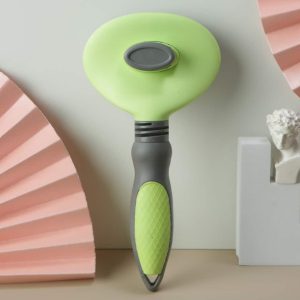
Exploring various featured products can sometimes lead to discovering useful items for pet care routines, though always prioritize veterinarian-approved supplies for health needs.
Health and Wellness: Longevity and Potential Concerns
The American Curl Longhair is generally considered a healthy and robust breed, largely thanks to its development from a broad domestic cat gene pool and the fact that the ear-curling gene (Cu) is not associated with the harmful cartilage or skeletal defects seen in some other breeds with genetic mutations affecting cartilage (like the Scottish Fold) (TICA, n.d.). However, like any breed, they are susceptible to common feline diseases, and responsible ownership includes understanding potential health considerations.
Typical Lifespan
With proper care, nutrition, and regular veterinary attention, the American Curl Longhair typically enjoys a good lifespan, often living well into their teens. A lifespan of 13 years or more is common, with some individuals living even longer (CFA, n.d.). Factors influencing longevity include genetics, diet, lifestyle (indoor vs. outdoor access), and preventive healthcare.
Genetic Health Considerations
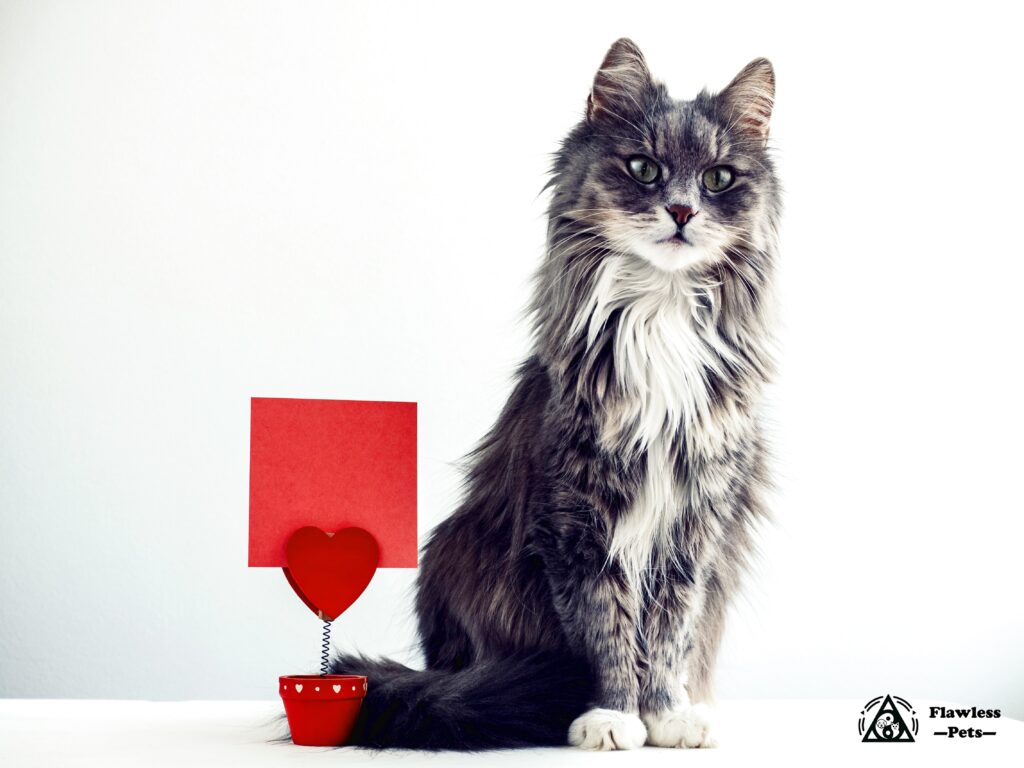
One of the significant advantages of the American Curl breed is the apparent lack of genetic diseases directly linked to the Cu gene. Extensive observation and study since the breed's inception have not revealed skeletal, neurological, or auditory problems associated with the curled ears (Robinson, 1989; TICA, n.d.). This is a major point of distinction from breeds like the Scottish Fold, where the gene causing the ear fold (Fd) is linked to osteochondrodysplasia, a painful cartilage and bone disorder, especially in homozygous individuals.
However, because the breed standard allows for outcrossing to domestic cats to maintain genetic diversity, Curls can potentially inherit genetic predispositions present in the broader domestic cat population. Responsible breeders screen their breeding cats for known feline genetic diseases where appropriate, such as Hypertrophic Cardiomyopathy (HCM) or Polycystic Kidney Disease (PKD), although these are not considered specific problems inherent to the Curl breed itself. Prospective owners should inquire about the health screening practices of any breeder they consider.
Common Feline Health Issues
American Curl Longhairs are susceptible to the same common health issues that affect all domestic cats. These include:
- Dental Disease: Periodontal disease is very common in cats and can lead to pain, tooth loss, and systemic health problems if untreated. Regular dental care at home and professional cleanings are crucial.
- Obesity: Overfeeding and lack of exercise can lead to obesity, increasing the risk of diabetes, arthritis, and other health issues.
- Upper Respiratory Infections (URIs): Caused by viruses or bacteria, symptoms include sneezing, nasal discharge, and watery eyes. Vaccination helps reduce the risk and severity.
- Gastrointestinal Issues: Vomiting or diarrhea can occur due to dietary indiscretion, infections, parasites, or other underlying conditions.
- Kidney Disease: Chronic kidney disease (CKD) is common, particularly in older cats. Early detection through regular veterinary screenings can help manage the condition.
- Hyperthyroidism: An overactive thyroid gland, often seen in middle-aged and senior cats, causing weight loss despite increased appetite, hyperactivity, and other symptoms.
While not specific to the breed, awareness of these common issues prompts owners to seek timely veterinary care.
Preventive Veterinary Care
Regular veterinary check-ups are essential for maintaining the health of your American Curl Longhair. This typically includes:
- Annual Wellness Exams: Allows the veterinarian to perform a physical examination, discuss any concerns, and monitor weight and overall health. Senior cats may benefit from twice-yearly exams.
- Vaccinations: Core vaccines protect against common and serious feline diseases like panleukopenia, herpesvirus, calicivirus, and rabies. Non-core vaccines may be recommended based on lifestyle (e.g., Feline Leukemia Virus – FeLV – for cats with outdoor exposure).
- Parasite Control: Regular prevention and treatment for fleas, ticks, heartworms (depending on geographic location), and intestinal parasites.
- Screening Tests: Routine blood work and urinalysis, especially for older cats, can help detect diseases like kidney disease or hyperthyroidism early.
Building a good relationship with your veterinarian ensures your Curl receives appropriate preventive care and prompt treatment for any health issues that may arise.
Breeding and Showing American Curls
For those interested in the breed beyond pet ownership, understanding the basics of breeding and showing the American Curl Longhair provides further insight into its preservation and standards.
Breed Standards and Showing
Major cat fancier associations like CFA and TICA have detailed breed standards for the American Curl (both Longhair and Shorthair). These standards describe the ideal conformation, appearance, and temperament. When judging American Curls, significant emphasis is placed on the ears – the degree and smoothness of the curl, the firmness of the cartilage, and their placement on the head are critical. However, the overall balance of the cat, its body type, coat quality, eye shape and color, and condition are also very important. The standard outlines preferred traits and also lists faults or disqualifications (e.g., severe curl touching the head, abnormal cartilage, extreme body types).
Showing cats involves presenting them to judges who evaluate how closely each cat conforms to its respective breed standard. Cats compete within their breed and coat length/color divisions, potentially earning points towards titles like Champion or Grand Champion.
Ethical Breeding Practices
Responsible breeding of American Curl Longhairs focuses on health, temperament, and conformation to the breed standard, in that order. Key practices include:
- Health Screening: Testing breeding cats for relevant infectious diseases (like FeLV/FIV) and, where appropriate, screening for potential hereditary conditions like HCM.
- Genetic Diversity: Utilizing the allowance for outcrossing to domestic cats judiciously to maintain a healthy gene pool, while carefully selecting offspring that retain the desired Curl traits and type.
- Understanding Genetics: Knowing the dominant nature of the Cu gene and planning pairings accordingly. Breeding Curl to Curl will produce mostly Curl kittens, while Curl to straight-eared cat pairings will produce roughly 50% Curl kittens.
- Temperament Focus: Selecting breeding cats with the friendly, playful, and adaptable temperament characteristic of the breed.
- Proper Care: Raising kittens in a clean, stimulating, and social environment, ensuring they receive proper nutrition, veterinary care, and socialization before going to new homes (typically no earlier than 12-16 weeks).
- Contracts and Education: Providing new owners with health records, pedigree information, and comprehensive guidance on caring for their kitten. Ethical breeders often have contracts outlining responsibilities and health guarantees.
Ethical breeding is crucial for the well-being and preservation of the American Curl Longhair breed.
Finding an American Curl Longhair
If you've decided that the charming personality and unique looks of the American Curl Longhair are right for you, the next step is finding one. The best way to ensure you get a healthy, well-socialized kitten that truly represents the breed is to work with a reputable, ethical breeder.
- Breed Association Referrals: Cat fancier associations like CFA and TICA often have breeder referral lists on their websites. These breeders have agreed to abide by the association's code of ethics. (See: CFA Find a Breeder, TICA Breeder Listing)
- Cat Shows: Attending a local cat show is an excellent way to meet breeders, see American Curls in person, and learn more about the breed.
- Questions to Ask Breeders: Inquire about health screening (HCM, FeLV/FIV), socialization practices, what food the kittens eat, the health guarantee, and ask to see the parents and where the kittens are raised. Be wary of breeders who are unwilling to answer questions, don't allow visits (virtual or in-person where safe/appropriate), or seem primarily focused on profit.
- Adoption: While less common for specific breeds, sometimes American Curls or Curl mixes may become available through breed-specific rescue groups or general animal shelters. Patience is usually required for adoption.
- Cost: Be prepared for the cost of a pedigreed kitten from a reputable breeder, which reflects the expenses of responsible breeding (health screenings, quality care, registration, etc.). Prices can vary based on lineage, quality (pet vs. show/breeding potential), and location.
Finding the right breeder is as important as choosing the right breed. It ensures you start your journey with your American Curl Longhair on the best possible footing. For those looking to browse general pet necessities or perhaps unique finds, you might explore our latest selections online.
Conclusion: The Enduring Appeal of the American Curl Longhair
The American Curl Longhair stands out in the feline world, not just for its uniquely elegant ears, but for its blend of playful energy, affectionate nature, and adaptable intelligence. Born from a happy genetic accident, this breed has captured hearts worldwide thanks to the careful stewardship of dedicated breeders who prioritized health and temperament alongside the signature curl. Its moderate grooming needs, robust health profile, and “Peter Pan” personality make it a delightful companion for a wide range of households.
From understanding the dominant genetics behind the curl to appreciating the nuances of its silky coat and walnut-shaped eyes, we've explored the multifaceted nature of this breed. Providing an American Curl Longhair with proper care—including regular grooming, quality nutrition, environmental enrichment, essential ear checks, and preventive veterinary attention—ensures a long and fulfilling life for these charming cats. Whether you are a seasoned cat enthusiast or considering your first feline companion, the American Curl Longhair offers a unique combination of aesthetic appeal and engaging personality that continues to enchant.
Frequently Asked Questions (FAQ)
- 1. Are American Curl Longhair cats hypoallergenic?
- No, American Curl Longhairs are not considered hypoallergenic. While their minimal undercoat might lead to slightly less shedding compared to heavily double-coated breeds, they still produce Fel d 1, the primary allergen found in cat saliva and dander. People with cat allergies will likely react to an American Curl.
- 2. Do the curled ears of an American Curl Longhair cause health problems?
- No, the genetic mutation (Cu gene) causing the curled ears in American Curls is not known to be linked to any cartilage defects, deafness, or other health issues sometimes associated with ear mutations in other breeds (like the Scottish Fold). The primary care consideration is keeping the outer ear clean, as the shape might trap wax more easily than straight ears, but the curl itself is benign. Regular gentle checks and cleaning as needed are sufficient.
- 3. How much grooming does an American Curl Longhair need?
- They require moderate grooming. Despite their long fur, their coat is silky with minimal undercoat, making it less prone to matting than some other longhaired breeds. Brushing once or twice a week is usually enough to remove loose hair, prevent tangles, and keep the coat healthy. Regular nail trims and dental care are also important, along with periodic ear checks.
- 4. What is the temperament of an American Curl Longhair like? Are they good family pets?
- American Curl Longhairs are known for their “Peter Pan” or kitten-like personality, remaining playful, curious, and active throughout their lives. They are typically very affectionate, people-oriented, and intelligent. Their adaptable and gentle nature usually makes them excellent family pets, getting along well with considerate children and other animals when properly introduced.
- 5. How much does an American Curl Longhair kitten cost?
- The cost of an American Curl Longhair kitten from a reputable breeder can vary significantly based on factors like location, breeder reputation, lineage (parentage titles), and whether the kitten is sold as pet quality or show/breeding potential. Prices generally range from $800 to $2000 or more (as of early 2025, subject to change). The price reflects the breeder's investment in health screening, quality care, socialization, and pedigree registration.
References
Note: Please verify the current validity and content of external links as web addresses can change.
- Cat Fanciers' Association (CFA). (n.d.). About the American Curl. Retrieved from https://cfa.org/american-curl/
- Cat Fanciers' Association (CFA). (n.d.). American Curl Breed Standard. Retrieved from https://cfa.org/wp-content/uploads/2019/06/american-curl-standard.pdf
- Robinson, R. (1989). The American Curl cat. Journal of Heredity, 80(6), 474–475. https://doi.org/10.1093/oxfordjournals.jhered.a110902 (Abstract usually available; full text may require subscription)
- The International Cat Association (TICA). (n.d.). American Curl Breed. Retrieved from https://tica.org/breeds/browse-all-breeds?view=article&id=821:american-curl-breed&catid=79
- The International Cat Association (TICA). (n.d.). American Curl Breed Standard. Retrieved from https://tica.org/phocadownload/cu.pdf
- Cornell Feline Health Center. (n.d.). General Cat Care Resources. Retrieved from https://www.vet.cornell.edu/departments-centers-and-institutes/cornell-feline-health-center/health-information/general-cat-care-resources
- Merck Veterinary Manual. (n.d.). Routine Health Care of Cats. Retrieved from https://www.merckvetmanual.com/cat-owners/routine-care-and-breeding-of-cats/routine-health-care-of-cats








 English
  简体中文
简体中文  Français du Canada
  Deutsch
  Español
  Português
  한국어
한국어  日本語
日本語  Italiano
  Русский
  Dansk
Dansk  Nederlands
  Svenska
  Suomi
Suomi  Polski
  Norsk bokmål