





Flawless Pet Supplies
Key Takeaways
- The British Longhair cat is essentially a long-haired version of the popular British Shorthair, sharing its sturdy build and placid temperament but requiring significantly more grooming.
- Originating in the United Kingdom, the breed arose from crossing British Shorthairs with long-haired breeds like Persians, particularly after World War I and II to preserve the Shorthair line.
- Known for their calm, affectionate, and easygoing nature, British Longhair cats make excellent companions for families, singles, and seniors, adapting well to indoor living.
- Their dense, plush long coat is their defining feature and necessitates regular grooming (several times a week) to prevent matting and reduce shedding.
- Common health concerns include Hypertrophic Cardiomyopathy (HCM) and Polycystic Kidney Disease (PKD), making responsible breeding practices and regular veterinary check-ups crucial.
- They are moderately active cats, enjoying gentle play and interaction but also appreciating quiet time and naps. Providing environmental enrichment is important for their well-being.
Table of Contents
- A Tale of Two Coats: The History and Origins of the British Longhair Cat
- Plush Perfection: Understanding the British Longhair Cat's Appearance
- British Longhair vs. British Shorthair: A Comparative Glance
- The Gentle Giant: Temperament and Personality of the British Longhair Cat
- Keeping Your Companion Healthy: Common British Longhair Cat Health Concerns
- Caring for Your British Longhair Cat: A Comprehensive Guide
- Living with a British Longhair Cat: Expectations vs. Reality
- Finding Your Feline Friend: Choosing a Breeder or Considering Adoption
- The Enduring Appeal of the British Longhair Cat
- Frequently Asked Questions (FAQ) about the British Longhair Cat
- References
A Tale of Two Coats: The History and Origins of the British Longhair Cat
The story of the British Longhair cat is intrinsically linked to its more famous cousin, the British Shorthair. Think of them as siblings, sharing the same robust heritage but distinguished by the luxurious length of their coats. The journey begins not as a distinct breed developed intentionally from the outset, but rather as a consequence of historical necessity and selective breeding aimed primarily at preserving the British Shorthair.
The British Shorthair itself boasts ancient roots, believed to have descended from cats brought to Britain by the Romans, which then interbred with native wildcats. For centuries, these sturdy, adaptable cats served as diligent mousers on farms and in homes across the British Isles. It wasn't until the late 19th century that Harrison Weir, often called the “Father of the Cat Fancy,” began selectively breeding these street cats, standardizing their appearance and promoting them as a specific breed – the British Shorthair – at the first organized cat show held at London's Crystal Palace in 1871 (Governing Council of the Cat Fancy [GCCF], n.d.-a).
-
-23%

HiDream Color-Block Shoulder Pet Travel Bag – Stylish and Lightweight Carrier for Small Pets – Almond, Matcha
Original price was: $109.99.$84.99Current price is: $84.99. -
-14%
HiDream Pet Tote Bag – Relaxed Style Carrier for Small Pets – Durable Nylon with Breathable Mesh – Beige, Green, Gray
Original price was: $109.99.$94.59Current price is: $94.59. -
-12%
HiDream Pet Sling Carrier Bag – Adjustable Shoulder Strap Front Carry Bag for Small Pets – Khaki, Green, Gray
Original price was: $99.99.$88.49Current price is: $88.49.
However, the 20th century brought significant challenges. The two World Wars decimated cat populations across Europe, including the carefully cultivated lines of British Shorthairs. To save the breed from potential extinction and improve its genetic diversity, breeders were faced with difficult choices. Outcrossing – breeding British Shorthairs with other breeds – became necessary. One of the primary breeds used in these post-war recovery efforts was the Persian cat, known for its long, luxurious coat and similar cobby (compact and sturdy) body type (The International Cat Association [TICA], 2018). Other long-haired breeds may also have contributed to the gene pool during this period.
This infusion of Persian and other long-haired genetics inevitably introduced the recessive longhair gene into the British Shorthair bloodlines. In feline genetics, the gene for short hair (L) is dominant, while the gene for long hair (l) is recessive. This means that a cat needs two copies of the longhair gene (ll) to express a long coat. Cats with one copy of each (Ll) will have short hair but can still pass the longhair gene onto their offspring. For many years, kittens born with long coats in British Shorthair litters were often seen as undesirable variations and were typically neutered and placed as pets, excluded from breeding programs focused solely on the shorthair standard.
Imagine the surprise for breeders focused on the classic Shorthair! A litter arrives, and among the expected plush, short-coated kittens, one or two emerge with noticeably longer, fluffier fur. This wasn't a new breed appearing out of nowhere; it was simply the recessive longhair gene, hidden for generations perhaps, finally expressing itself when two carrier cats (Ll) were mated. Approximately 25% of kittens from such a pairing would be expected to inherit two copies of the recessive gene (ll) and thus display a long coat.
Over time, however, fanciers began to appreciate the beauty and charm of these long-haired variants. They possessed the same wonderful temperament – calm, affectionate, and sturdy – as the British Shorthair, but with the added elegance of a flowing coat. Why shouldn't these cats be recognized in their own right? This growing appreciation led to dedicated efforts to establish the British Longhair cat as a distinct breed. Breeders began selectively pairing cats known to carry or express the longhair gene, working towards a consistent type that mirrored the British Shorthair standard in every aspect except for coat length.
Recognition by major cat fancy organizations took time. Different associations have different rules and timelines for accepting new breeds or variations. In the UK, the Governing Council of the Cat Fancy (GCCF) initially classified them under Persians before eventually granting them preliminary recognition as the British Longhair in 2009, moving towards championship status later (GCCF, n.d.-b). The International Cat Association (TICA) recognized the British Longhair (coded as BLH) for championship competition in 2009 (TICA, 2018). Other registries globally have followed suit, although acceptance and naming conventions (sometimes called the “Britannica” or “Lowlander” in parts of Europe) can vary. Today, the British Longhair cat is cherished by enthusiasts worldwide for combining the beloved traits of the Shorthair with a glamorous, semi-longhaired coat.
Plush Perfection: Understanding the British Longhair Cat's Appearance
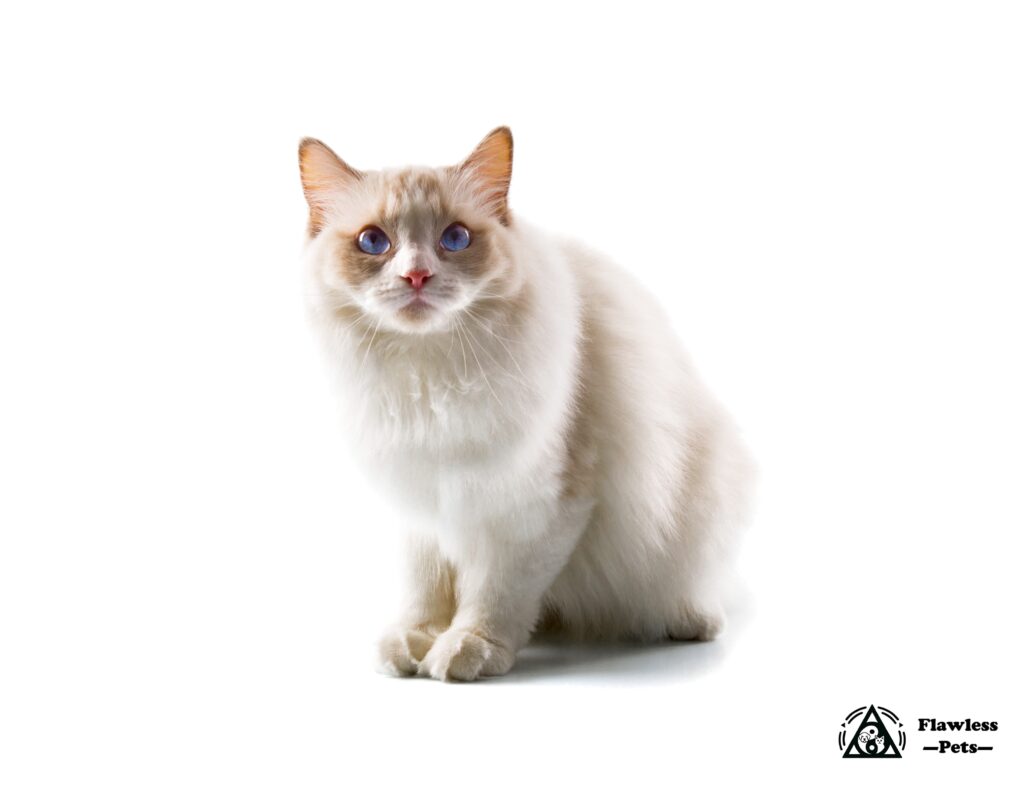
The British Longhair cat strikes an immediate impression of substance and softness. It is, in essence, a British Shorthair draped in a longer, flowing mantle. The breed standard across major registries like TICA and GCCF emphasizes that, apart from the coat length, the British Longhair should conform to the standard of the British Shorthair. This means they share the same robust, powerful build and gentle expression.
Body and Structure: Often described as “cobby,” the British Longhair has a medium to large, well-balanced body that feels solid and muscular. They possess a broad, deep chest, short, strong legs, and rounded paws. The overall impression is one of sturdiness and power, without being coarse. Think of a cuddly teddy bear brought to life – rounded, substantial, and inviting. Their bone structure is heavy, contributing to their significant weight, with males typically larger and heavier than females. A mature male might weigh between 12-18 pounds (5.4-8.2 kg), while females usually range from 9-14 pounds (4.1-6.4 kg), though individuals can vary (TICA, 2018).
Head and Face: The head is a defining feature: large, round, and set on a short, thick neck. The facial structure contributes significantly to the breed's characteristic sweet and open expression. They have full, rounded cheeks (often referred to as “jowls,” particularly prominent in mature males), a medium-sized nose with a gentle dip in the profile (but not an extreme break like some Persians), and a firm chin forming a perpendicular line with the nose and upper lip. The ears are medium to small in size, broad at the base with rounded tips, and set wide apart, fitting into the rounded contour of the head without distorting it.
Eyes: Large, round, and set wide apart, the eyes of the British Longhair cat are one of its most captivating features. They contribute significantly to the breed's gentle, open expression. Eye color typically corresponds with coat color, with the most common and desired being deep gold, copper, or orange for most coat colors. Blue eyes are characteristic of pointed varieties (similar to Siamese markings), while green or hazel eyes may be seen in silver or golden varieties. Odd eyes (one blue, one gold/copper) can also occur, particularly in white or bi-color cats.
Tail: The tail should be thick at the base, tapering slightly to a rounded tip, and proportionate to the body length. It is typically carried level with the back. Crucially, the tail is covered in long, dense fur, often described as a plume or brush, adding to the cat's overall luxurious appearance.
Coat: This is, of course, the defining characteristic that separates the British Longhair cat from its Shorthair sibling. The coat is semi-long, dense, and plush, standing away from the body rather than lying flat. It should have a crisp texture, though it feels wonderfully soft to the touch. A significant undercoat contributes to its density and volume. A noticeable ruff around the neck and “breeches” (longer fur on the hind legs) are desirable features, adding to the breed's majestic look. While long, the coat should ideally not be as flowing or prone to matting as a Persian's, though regular grooming is still essential (more on that later!).
Colors and Patterns: Like their Shorthair counterparts, British Longhair cats come in a vast array of colors and patterns. Virtually any color or pattern recognized in the British Shorthair is acceptable in the Longhair version. This includes solid colors (blue, black, white, red, cream, chocolate, lilac), tortoiseshell, tabby patterns (classic, mackerel, spotted), silver and golden varieties (including chinchilla and shaded), bi-color, parti-color, and pointed patterns (often called colorpoint). The sheer variety is astounding, offering potential owners a wide palette to choose from. The British Blue (a solid, medium-to-light blue-grey) remains one of the most iconic and popular colors for both the Shorthair and the British Longhair cat.
It's important to remember that these cats mature slowly. A British Longhair cat may not reach its full size, weight, and coat development until it is three to five years old. So, a young cat might appear lankier or less plush than a fully mature adult – patience is key to seeing them develop into their full, magnificent potential.
British Longhair vs. British Shorthair: A Comparative Glance
Understanding the key differences and similarities between the British Longhair cat and the British Shorthair is helpful for potential owners. While fundamentally very similar breeds originating from the same stock, the single gene difference for coat length leads to some practical distinctions.
Here's a table summarizing the main points of comparison:
| Feature | British Longhair Cat | British Shorthair Cat |
|---|---|---|
| Origin | United Kingdom; derived from British Shorthair lines crossed with long-haired breeds (e.g., Persian) post-WWI/II. | United Kingdom; developed from native domestic cats, potentially with Roman origins, standardized in the late 19th century. |
| Semi-long, dense, plush, stands away from the body. Noticeable ruff and breeches. Requires regular grooming. | Short, dense, plush, crisp texture (“teddy bear” coat). Requires minimal grooming. | |
| Grooming Needs | High. Requires brushing several times a week (daily during shedding seasons) to prevent mats and tangles. | Low. Requires occasional brushing (weekly is usually sufficient) to remove loose hair. |
| Shedding | Moderate to high, especially seasonally. Regular grooming helps manage shedding. | Moderate, especially seasonally. Less noticeable due to shorter hair length. |
| Body Type | Medium to large, cobby, muscular, heavy-boned. Rounded contours. | Medium to large, cobby, muscular, heavy-boned. Rounded contours. (Identical standard). |
| Head Shape | Large, round head, full cheeks, round eyes set wide apart, medium/small ears set wide. | Large, round head, full cheeks, round eyes set wide apart, medium/small ears set wide. (Identical standard). |
| Temperament | Calm, placid, affectionate, easygoing, adaptable, moderately playful, enjoys human company but not overly demanding. | Calm, placid, affectionate, easygoing, adaptable, moderately playful, enjoys human company but slightly more independent perhaps. (Very similar). |
| Activity Level | Moderately active; enjoys gentle play sessions followed by long naps. Generally less active than some other breeds. | Moderately active; similar play style, perhaps slightly more inclined to short bursts of activity in youth. |
| Health Predispositions | Similar risks, including Hypertrophic Cardiomyopathy (HCM) and Polycystic Kidney Disease (PKD). Potential for hairballs due to long coat. | Similar risks, including Hypertrophic Cardiomyopathy (HCM) and Polycystic Kidney Disease (PKD). Gingivitis can also be a concern. |
| Recognition | Gained separate breed recognition more recently (e.g., TICA 2009, GCCF preliminary 2009). | One of the oldest recognized cat breeds, established in the late 19th century. |
Essentially, the choice between a British Longhair cat and a British Shorthair often comes down to one primary factor: grooming commitment. If you adore the look and feel of a long coat and are prepared for the regular upkeep it requires, the British Longhair is a wonderful choice. If you prefer a lower-maintenance coat while still enjoying the classic British temperament and build, the Shorthair might be more suitable. Both breeds share the same endearing personality and sturdy physique that has made the British type so popular worldwide.
The Gentle Giant: Temperament and Personality of the British Longhair Cat
Beyond its striking appearance, the temperament of the British Longhair cat is perhaps its most cherished quality. Often described as “gentle giants,” these cats embody a calm, affectionate, and remarkably easygoing nature, making them highly sought-after companions. Their personality is largely identical to that of the British Shorthair, reflecting their shared heritage.
Calm and Placid: British Longhairs are renowned for their composure. They are not typically hyperactive or demanding cats. Instead, they possess a serene dignity, observing the household happenings with quiet interest. This doesn't mean they are aloof; rather, they are generally unflappable and adapt well to the rhythms of family life. Their calm nature makes them less prone to stress-related behaviors than some more high-strung breeds.
Affectionate but Not Clingy: These cats form strong bonds with their human families and enjoy being near them. They will often follow their owners from room to room, content just to be in the same space. While they appreciate petting and affection, they are not usually demanding lap cats or overly vocal attention-seekers. They prefer to express affection in quieter ways – a gentle head-butt, a slow blink, or simply settling down nearby. They tolerate being picked up but may prefer to keep their paws on the ground, especially as they grow larger. Think of their affection style as companionable presence rather than constant physical demand.
Easygoing and Adaptable: One of the breed's hallmarks is its adaptability. British Longhair cats generally take changes in stride, whether it's adjusting to a new home, meeting new people (after a proper introduction), or coexisting with other pets. Their laid-back attitude makes them suitable for various living situations, from bustling family homes with children to quieter households with singles or seniors. They tend to get along well with respectful children and other cat-friendly pets, provided introductions are managed carefully.
Moderately Playful: While known for their placid nature, British Longhairs are not purely sedentary. They enjoy interactive play sessions, especially as kittens and young adults. Feather wands, puzzle toys, and laser pointers (used responsibly) can engage their interest. However, their play style is often less acrobatic and intense than that of more active breeds like Abyssinians or Bengals. Expect short bursts of activity followed by contented lounging. As they mature, their activity level tends to decrease, prioritizing comfort and observation, but regular gentle play remains important for mental and physical health.
Intelligent and Trainable: Although not typically known for performing complex tricks, the British Longhair cat is intelligent and can learn household rules and routines. They can often be trained to use scratching posts instead of furniture and usually take well to litter box training. Positive reinforcement techniques work best with this breed, as their independent streak means they don't respond well to harsh methods.
Quiet Voice: Unlike some famously chatty breeds (like the Siamese), British Longhairs tend to be relatively quiet. They might chirp or meow softly to greet you or request food, but they are not generally prone to excessive vocalization.
What does this combination of traits mean for a potential owner? It means the British Longhair cat is often an ideal companion for those seeking a calm, loving, and low-drama feline friend. They provide quiet companionship and affection without being overwhelming. Their tolerance makes them good family pets, provided children are taught how to interact gently and respectfully. Their adaptability suits various lifestyles, though their need for space to lounge and moderate play should be considered. The primary commitment, as highlighted earlier, lies not in managing a difficult personality, but in maintaining their beautiful long coat.
Keeping Your Companion Healthy: Common British Longhair Cat Health Concerns
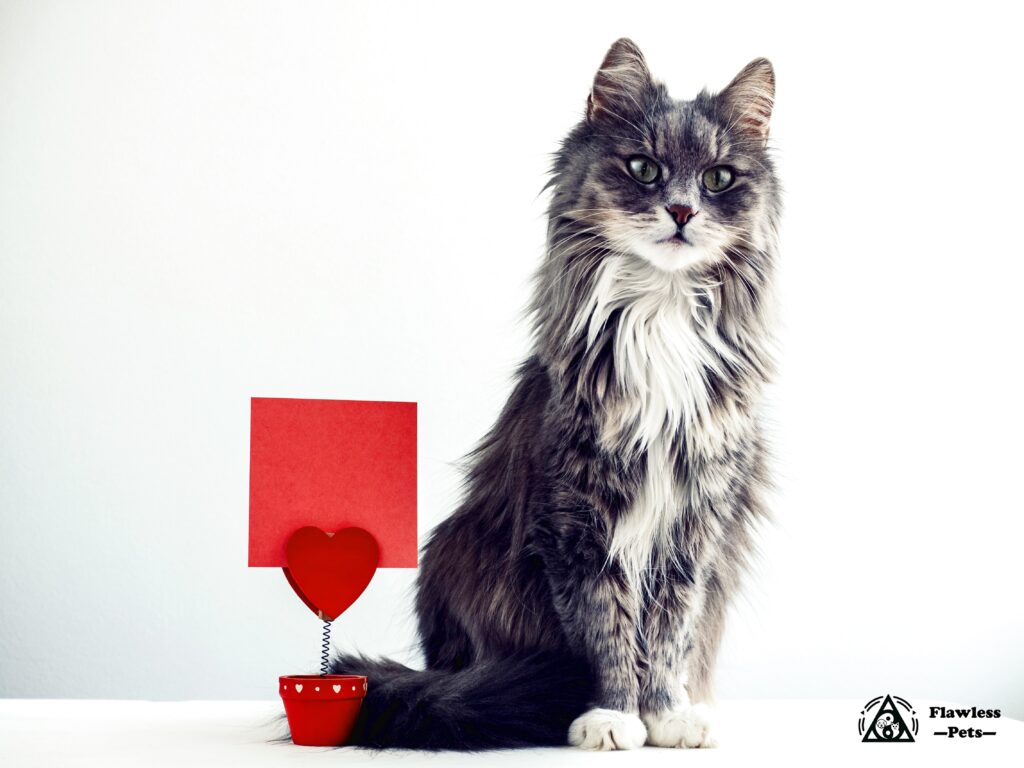
The British Longhair cat is generally considered a robust breed, benefiting from the genetic diversity introduced during its development and the hardy nature of its British Shorthair foundation stock. However, like all pedigree breeds (and indeed, non-pedigree cats), they are predisposed to certain genetic and conformational health issues. Responsible breeding practices aim to minimize these risks, but awareness is crucial for potential and current owners. Regular veterinary check-ups (at least annually, potentially more often for seniors or those with chronic conditions) are essential for early detection and management of any health problems.
Here are some of the key health concerns associated with the British Longhair cat:
Hypertrophic Cardiomyopathy (HCM)
HCM is the most common heart disease diagnosed in cats across many breeds, including the British Longhair and Shorthair. It involves a thickening of the heart muscle (specifically the left ventricle wall), which reduces the heart's efficiency in pumping blood. This can lead to complications like blood clots (arterial thromboembolism, ATE), congestive heart failure, and sometimes sudden death (Kittleson et al., 1999; Ferasin et al., 2003).
Cause: HCM is often hereditary, caused by specific gene mutations identified in some breeds (though not all causative genes are known, and it can occur spontaneously). In British Shorthairs (and by extension, Longhairs), while a specific causative gene hasn't been pinpointed as definitively as in Maine Coons or Ragdolls, a genetic basis is strongly suspected.
Symptoms: HCM can be clinically silent for a long time. When symptoms do appear, they might include lethargy, rapid or difficult breathing (dyspnea), open-mouth breathing (panting), reduced appetite, or acute paralysis of the hind limbs due to a blood clot.
Diagnosis is typically made via echocardiogram (ultrasound of the heart) performed by a veterinary cardiologist. Genetic testing may be available but isn't universally applicable yet for this breed. Responsible breeders should screen their breeding cats regularly for HCM via echocardiogram to avoid breeding affected animals. While there is no cure, medications can help manage the symptoms, improve heart function, and reduce the risk of complications like blood clots.
Polycystic Kidney Disease (PKD)
PKD is another significant inherited condition, particularly relevant due to the Persian ancestry used in developing the British Longhair cat. Persians have a high incidence of PKD, and this risk was passed into British lines during outcrossing (Bonazzi et al., 2007). PKD is characterized by the formation of multiple fluid-filled cysts in the kidneys, present from birth. These cysts gradually enlarge over time, eventually compressing and damaging the normal kidney tissue, leading to kidney failure.
Cause: PKD is caused by a dominant gene mutation (PKD1). This means only one copy of the mutated gene is needed for a cat to develop the disease. Fortunately, a reliable genetic test is available.
Symptoms: Symptoms typically appear later in life (often between 3 and 10 years old, but variable) as kidney function declines. Signs include increased thirst and urination (polydipsia/polyuria), weight loss, decreased appetite, lethargy, vomiting, and poor coat quality.
Diagnosis can be made via ultrasound (which detects the cysts) or through the PKD1 genetic test (usually a simple cheek swab). Responsible breeders absolutely must screen their breeding cats for the PKD1 gene and only breed from negative cats. Any cat testing positive (heterozygous or homozygous) should be removed from the breeding program. There is no cure for PKD, but management focuses on slowing the progression of kidney failure through diet modification (prescription kidney diets), fluid therapy, and medications to manage symptoms like high blood pressure or nausea.
Obesity
While not a genetic disease in the same way as HCM or PKD, the British Longhair's sturdy build and often laid-back nature make them prone to obesity if their diet and exercise are not carefully managed. Excess weight significantly increases the risk of other health problems, including diabetes mellitus, arthritis, urinary tract issues, and can exacerbate conditions like heart disease.
Cause: Overfeeding (free-feeding dry food is a common culprit), feeding high-calorie treats, and insufficient physical activity.
Symptoms: Obvious weight gain, inability to feel ribs easily, loss of a discernible waistline, lethargy, reduced grooming ability (especially the hind end).
Feed measured meals of high-quality cat food appropriate for their age and activity level. Limit treats. Encourage regular play sessions using interactive toys. Provide vertical space (cat trees) to encourage climbing. Consult your veterinarian to determine your cat's ideal body condition score and appropriate calorie intake. Weight management diets may be necessary if obesity develops.
Dental Issues
Like many cats, British Longhairs can be susceptible to dental problems such as gingivitis (inflammation of the gums) and periodontitis (more severe gum disease affecting the structures supporting the teeth). The breed's brachycephalic (short-muzzled) features, though less extreme than in Persians, can sometimes contribute to tooth crowding or misalignment, potentially increasing the risk.
Cause: Buildup of plaque and tartar due to bacteria in the mouth.
Symptoms: Bad breath (halitosis), red or swollen gums, tartar buildup (yellow/brown deposits on teeth), difficulty eating, drooling, pawing at the mouth.
Regular dental care is crucial. This includes professional veterinary dental cleanings under anesthesia as recommended by your vet. At-home care can involve brushing your cat's teeth (if tolerated), using dental diets or treats approved by the Veterinary Oral Health Council (VOHC), or water additives. Early intervention is key to preventing tooth loss and systemic health issues linked to poor oral health.
Being proactive about preventative care, choosing a reputable breeder who screens for genetic diseases, and maintaining open communication with your veterinarian are the best strategies for ensuring your British Longhair cat enjoys a long, healthy, and happy life. Remember to consult a veterinary professional for any health concerns; this article provides general information and is not a substitute for professional veterinary advice.
Caring for Your British Longhair Cat: A Comprehensive Guide
Owning a British Longhair cat is a rewarding experience, but it comes with specific responsibilities, particularly concerning their magnificent coat. Providing the right care ensures not only their physical health but also their overall well-being and happiness. Let's break down the key areas of care:
Grooming: The Key to a Magnificent Coat
This is arguably the most demanding aspect of caring for a British Longhair cat compared to its shorthaired counterpart. Their dense, semi-long coat requires regular attention to prevent matting, reduce shedding, and keep the skin healthy.
Frequency: Plan on grooming your British Longhair several times a week – ideally, at least 3-4 times weekly, and potentially daily during heavy shedding seasons (typically spring and fall). Neglecting grooming can quickly lead to painful mats that are difficult to remove and may require professional intervention or even shaving.
Tools: Having the right tools makes the job easier and more effective. Essential grooming tools include:
- Steel Comb: A sturdy metal comb with both wide and narrow teeth is excellent for detangling and reaching the dense undercoat. Start with the wider teeth to gently work through any snags, then use the finer teeth.
- Slicker Brush: A brush with fine, bent wire bristles helps remove loose hair from both the topcoat and undercoat. Use gentle strokes to avoid scratching the skin.
- Undercoat Rake (Optional but helpful): Tools like the Furminator or similar de-shedding rakes can be very effective at removing large amounts of loose undercoat, especially during shedding seasons. Use them carefully according to instructions, as overuse can damage the topcoat or irritate the skin.
- Mat Splitter/Dematting Comb (Use with caution): If small mats develop, these tools can sometimes help break them up. However, severe matting is best handled by a professional groomer or veterinarian to avoid injuring the cat.
- Nail Clippers: For regular nail trimming.
- Pet-safe Wipes: Useful for spot cleaning or wiping around the face or rear end if needed.
Technique:
- Start grooming sessions when your cat is calm and relaxed. Keep sessions short and positive initially, especially with kittens, using treats and praise.
- Begin with the steel comb, working gently through the coat section by section. Pay extra attention to areas prone to matting: behind the ears, under the chin, in the ‘armpits', on the belly, and the breeches (hind legs).
- If you encounter a tangle, hold the hair close to the skin to prevent pulling and gently work the knot out with the comb or your fingers. Never pull hard on a mat.
- Follow up with the slicker brush to remove more loose hair and smooth the coat.
- Use an undercoat rake sparingly during shedding seasons if needed.
- Check for any signs of skin irritation, parasites (fleas, ticks), or lumps while grooming.
- Finish with praise and perhaps a treat to reinforce a positive association with grooming.
Bathing: British Longhairs generally do not require frequent bathing unless they get particularly dirty or have a specific skin condition requiring medicated baths. Their natural oils help keep their coat healthy. If bathing is necessary, use a cat-specific shampoo and ensure they are thoroughly rinsed and dried (a low-heat pet dryer or towel drying, ensuring they stay warm). Introduce bathing gradually if needed.
Nail Trimming: Trim nails every few weeks using cat nail clippers. Only snip the sharp, clear tip, avoiding the pink quick which contains nerves and blood vessels. Providing scratching posts will also help them maintain their claws naturally.
Eye and Ear Care: Check eyes regularly for any discharge. A gentle wipe with a damp cloth can remove minor debris. Check ears weekly for dirt, wax buildup, or signs of infection (redness, odor, discharge). Clean only if necessary using a vet-approved ear cleaner and cotton balls (never insert cotton swabs into the ear canal).
Nutrition: Fueling Your Gentle Companion
Providing a high-quality, balanced diet is fundamental to the health of your British Longhair cat. Their nutritional needs change throughout their life, from kittenhood to adulthood and into their senior years.
Kittenhood (Up to 1 year): Kittens require more calories, protein, and specific nutrients (like DHA for brain and eye development) to support their rapid growth. Feed a high-quality commercial kitten food (wet, dry, or a combination) specifically formulated for growth. Follow feeding guidelines on the packaging, adjusting based on your kitten's activity level and body condition, and provide multiple small meals per day.
Adulthood (1-7 years): Transition gradually to a high-quality adult cat food. Choose a food with named meat sources listed first in the ingredients. Portion control is crucial to prevent obesity, a common issue in this breed. Feed measured meals twice a day rather than free-feeding. Wet food is generally recommended as part of the diet as it provides better hydration and can be lower in carbohydrates than some dry foods. Consider foods formulated to help with hairball control, given their long coat.
Senior Years (7+ years): Senior cats may benefit from diets formulated for older felines, which often have adjusted calorie levels, controlled phosphorus (for kidney health), and added supplements like glucosamine for joint health. Regular veterinary check-ups become even more important to monitor for age-related diseases and adjust diet accordingly.
Hydration: Always provide access to fresh, clean water. Cats often don't have a strong thirst drive, so encourage drinking by using water fountains (many cats prefer moving water), offering wet food, and placing multiple water bowls around the house.
Treats: Offer treats in moderation (they should constitute no more than 10% of daily calorie intake). Avoid giving human food, as many items can be toxic to cats (e.g., onions, garlic, chocolate, grapes).
Consult your veterinarian for specific dietary recommendations based on your cat's individual health status, age, and lifestyle. They can help you choose the best food type and portion size for your British Longhair cat.
Exercise and Play: Keeping Your British Longhair Active
While known for being placid, the British Longhair cat still needs regular exercise and mental stimulation to stay healthy and prevent boredom and obesity. Aim for at least two short play sessions (10-15 minutes) each day.
Interactive Play: Use toys that mimic hunting behaviors, such as feather wands, fishing pole toys, or laser pointers (always end the laser session by letting them “catch” a physical toy to avoid frustration). This allows them to stalk, chase, and pounce, fulfilling natural instincts.
Solo Play Toys: Provide a variety of toys for independent play, such as crinkle balls, toy mice, puzzle feeders (which dispense treats or kibble as the cat interacts with them), and track toys with balls.
Vertical Space: Cat trees and sturdy shelves provide opportunities for climbing and surveying their territory from above, which many cats enjoy and which counts as exercise.
Environmental Enrichment: Keep things interesting by rotating toys, providing scratching posts with different textures (sisal, cardboard), offering window perches for bird watching, and occasionally hiding treats for them to find.
Remember that play should be adapted to the cat's age and mobility. Older cats may prefer gentler play. The goal is consistent, moderate activity rather than intense, prolonged exertion.
Creating the Ideal Home Environment
British Longhairs are well-suited to indoor living, which protects them from outdoor dangers like traffic, predators, and diseases. Create a safe, comfortable, and stimulating indoor environment:
Safety: Cat-proof your home by securing loose wires, keeping toxic plants and chemicals out of reach, and ensuring windows and balconies are secure.
Comfortable Resting Spots: Provide several soft, comfortable beds or resting places in different locations – some high up, some in quiet corners, some in sunny spots.
Scratching Posts: Offer multiple sturdy scratching posts of varying materials and orientations (vertical, horizontal) placed in prominent areas to encourage appropriate scratching behavior.
Litter Boxes: Provide at least one large litter box per cat, plus one extra, placed in quiet, accessible locations. Scoop boxes daily and clean them thoroughly weekly. British Longhairs are large cats, so ensure the box is big enough for them to turn around comfortably.
Routine: Cats thrive on routine. Try to keep feeding times, play sessions, and grooming schedules consistent.
By dedicating time to grooming, providing appropriate nutrition and exercise, and creating a safe and enriching environment, you can ensure your British Longhair cat thrives as a beloved member of your family.
Living with a British Longhair Cat: Expectations vs. Reality
Bringing any pet into your home involves adjusting expectations to reality. While the British Longhair cat is known for its wonderful traits, understanding the day-to-day experience is key to a harmonious relationship.
Expectation: A beautiful, low-maintenance cat just like a British Shorthair, but fluffier.
Reality: The beauty is undeniable, but the “low-maintenance” part does not apply to the coat. The reality is a significant grooming commitment. Expect to find cat hair on furniture, clothes, and occasionally, in your food. Regular brushing is not optional; it's essential to prevent painful matting and keep shedding under control. If you dislike grooming or finding pet hair around, this might not be the ideal breed for you.
Expectation: A cuddly lap cat that constantly craves attention.
Reality: While deeply affectionate and enjoying human company, the British Longhair cat often prefers “adjacent affection” – sitting near you rather than constantly on you. They appreciate gentle petting and interaction but are typically not as demanding or physically clingy as some other breeds. They value their independence and will seek affection on their own terms. Their size also means they might find laps less comfortable than a cozy bed nearby.
Expectation: A completely sedentary cat that requires no playtime.
Reality: Although calm and enjoying long naps, they are not inert decorations. They need and enjoy moderate play to stay mentally stimulated and physically fit, especially to combat their tendency towards weight gain. Expect to engage them in short, interactive play sessions daily. Without sufficient stimulation, they can become bored or lethargic.
Expectation: A cat that will instantly bond with everyone and everything.
Reality: Their easygoing nature makes them adaptable, but like any cat, they need proper introductions to new people, pets, and environments. They might be initially reserved with strangers or in new situations. While generally tolerant of respectful children and other pets, supervision and gradual introductions are crucial for building positive relationships. Their placid nature shouldn't be mistaken for an inability to feel stressed or overwhelmed.
Expectation: A perfectly healthy cat due to its robust build.
Reality: While generally hardy, they are predisposed to specific health issues like HCM and PKD, as discussed earlier. Responsible ownership involves being aware of these risks, choosing breeders who screen for them, and committing to regular veterinary care for prevention and early detection. Budgeting for potential health expenses is a practical necessity.
Expectation: Owning a British Longhair is just like owning any other cat.
Reality: In many ways, yes – they need food, water, litter boxes, vet care, love, and attention. However, the specific demands of their coat care, their potential size, their moderate energy levels, and their specific health predispositions create a unique ownership experience. Understanding and embracing these breed-specific needs is key. For instance, you might find yourself spending more time grooming than playing compared to owning a short-haired, high-energy breed.
Living with a British Longhair cat is a joy for those who appreciate their calm companionship, gentle affection, and stunning appearance, and who are fully prepared for the grooming commitment involved. Setting realistic expectations ensures that both you and your feline friend can enjoy a long and happy life together.
Finding Your Feline Friend: Choosing a Breeder or Considering Adoption
Once you've decided that the temperament and care requirements of the British Longhair cat align with your lifestyle, the next step is finding your new companion. This typically involves either purchasing a kitten from a reputable breeder or adopting from a rescue organization or shelter.
Choosing a Reputable Breeder:
Finding a responsible breeder is paramount when acquiring a pedigree cat like the British Longhair. A good breeder prioritizes the health, temperament, and well-being of their cats above all else. Here's what to look for:
- Health Screenings: This is non-negotiable. Reputable breeders will screen their breeding cats for known hereditary diseases relevant to the breed, specifically HCM (via regular echocardiograms by a veterinary cardiologist) and PKD (via DNA testing). Ask to see proof of these tests for the kitten's parents. Breeders who dismiss or avoid discussing health testing should be avoided.
- Knowledgeable and Transparent: A good breeder will be passionate and knowledgeable about the British Longhair cat, happy to answer your questions thoroughly, and transparent about their breeding practices. They should also ask you questions to ensure their kitten is going to a suitable home.
- Home Environment: Kittens should be raised indoors, underfoot, as part of the family. This early socialization is crucial for developing a well-adjusted temperament. Avoid breeders who keep cats in cages or in large-scale, impersonal cattery settings. Visit the cattery if possible to see the conditions and meet the mother cat (and father, if he lives there).
- Health Guarantee and Contract: Reputable breeders provide a written contract outlining the responsibilities of both buyer and seller, including a health guarantee against congenital defects for a certain period. They will also typically require you to agree to spay/neuter the kitten by a certain age (unless it's sold with breeding rights, which is less common for pet homes).
- Registration: Kittens should come with registration papers from a recognized cat fancy organization (like TICA, GCCF, CFA, etc.), verifying their pedigree. Be wary of breeders offering unregistered kittens at lower prices.
- Vaccinations and Vet Checks: Kittens should receive age-appropriate vaccinations and deworming treatments and be checked by a veterinarian before going to their new homes (typically around 12-16 weeks of age, allowing sufficient time for socialization and initial vaccinations).
- Waitlist and Patience: Good breeders often have waiting lists for their kittens. Be prepared to wait for a well-bred, healthy kitten. Avoid breeders who always seem to have kittens available immediately, as this can be a red flag for irresponsible breeding practices or kitten mills.
- Lifetime Support: Many responsible breeders offer lifetime support and are happy to answer questions or offer advice even after the kitten has gone home. They genuinely care about the cats they produce.
You can often find breeder listings through the websites of major cat associations like TICA (The International Cat Association) or GCCF (Governing Council of the Cat Fancy).
Considering Adoption:
While finding a purebred British Longhair cat in a general animal shelter might be less common than finding domestic longhairs, it's not impossible. Breed-specific rescues also exist, although they might be harder to find depending on your location. Sometimes adult British Longhairs need rehoming due to changes in their owner's circumstances (allergies, moving, financial hardship).
Benefits of Adoption:
- Saving a Life: You provide a loving home for a cat in need.
- Known Personality: When adopting an adult cat, their personality, size, and coat type are already established, so you have a clearer idea of what to expect.
- Lower Cost: Adoption fees are typically much lower than the purchase price of a kitten from a breeder.
- Support for Rescue Efforts: Your adoption fee helps the rescue organization care for other animals.
Things to Consider with Adoption:
- Unknown History: You may not know the cat's full background, including precise age or health history, although rescues do their best to assess health and temperament.
- Potential Behavioral Challenges: Some rescue cats may need extra time and patience to adjust due to past experiences.
- Availability: Finding a specific breed like the British Longhair cat through rescue may require patience and searching through various shelters and rescue groups, including those specializing in long-haired or specific breeds.
Whether you choose a breeder or adoption, the goal is to find a healthy, well-socialized British Longhair cat that fits well into your home and lifestyle. Do thorough research, ask plenty of questions, and be prepared for the commitment involved in caring for this beautiful breed. Sometimes, finding the right supplies can also be part of the journey; exploring options at an online vape shop might seem unrelated, but diversifying where you look for specific items online can sometimes yield surprising finds for various needs – though always prioritize pet-specific retailers for pet supplies.
The Enduring Appeal of the British Longhair Cat
The British Longhair cat stands as a testament to resilience and evolving appreciation within the cat fancy. Born from the need to preserve the beloved British Shorthair, it has carved out its own identity, captivating hearts with its unique blend of sturdy charm and luxurious elegance. Its calm, affectionate, and adaptable nature makes it a superb companion for a wide variety of households, mirroring the qualities that have made the British Shorthair a perennial favorite.
While its stunning semi-long coat is undeniably a major part of its appeal, it also represents the primary commitment required of its owners. The dedication needed for regular grooming is a significant factor to consider, but for those prepared for the task, the reward is a visually striking and wonderfully tactile companion. Understanding their potential health predispositions, like HCM and PKD, and partnering with responsible breeders or rescue organizations ensures these gentle giants receive the care they deserve.
In essence, the British Longhair cat offers the best of both worlds for many feline enthusiasts: the dependable, placid temperament and robust build of the British Shorthair combined with the glamorous allure of a long-haired breed. They are more than just a fluffy version of their cousins; they are a distinct and delightful breed in their own right, bringing quiet dignity, gentle affection, and plush beauty into the homes lucky enough to cherish them. As awareness and appreciation for the breed continue to grow in 2025 and beyond, the British Longhair cat is set to remain an enduringly popular and beloved member of the feline world.
Frequently Asked Questions (FAQ) about the British Longhair Cat
- 1. Are British Longhair cats hypoallergenic?
- No, British Longhair cats are not considered hypoallergenic. While some individuals may react differently to various cats, this breed produces allergens (primarily Fel d 1 protein found in saliva, skin glands, and urine) like any other cat. Their long coat can also trap more allergens, potentially making them less suitable for people with moderate to severe cat allergies. There is no truly hypoallergenic cat breed.
- 2. How much grooming does a British Longhair cat really need?
- They require significant grooming. Plan for brushing sessions at least 3-4 times per week, and potentially daily during shedding seasons (spring and fall), to prevent mats and tangles in their dense undercoat. Neglecting grooming can lead to painful matting that may require professional help. While less prone to matting than Persians, their coat still demands regular attention.
- 3. Are British Longhair cats good with children and other pets?
- Generally, yes. Their calm, patient, and tolerant nature makes them well-suited for families with respectful children. They also tend to coexist peacefully with other cats and cat-friendly dogs, especially if introduced properly and gradually. As with any pet interaction, supervision is recommended, particularly with young children, to ensure gentle handling.
- 4. What is the average lifespan of a British Longhair cat?
- With proper care, nutrition, regular veterinary check-ups, and an indoor lifestyle, a British Longhair cat can typically live for 12 to 17 years, with some potentially living even longer. Factors like genetics, diet, environment, and preventative healthcare significantly influence longevity.
- 5. Do British Longhair cats shed a lot?
- Yes, they do shed a fair amount, especially seasonally. Their dense undercoat contributes to shedding. Regular grooming is the most effective way to manage shedding, removing loose hair before it ends up on furniture and clothing. While all cats shed, the volume from a long-haired breed like the British Longhair cat will be more noticeable than from a shorthaired cat.
- 6. How active are British Longhair cats?
- They are moderately active. They enjoy bursts of play but are generally known for their calm and somewhat sedentary nature, especially as they mature. They appreciate interactive play sessions with their owners but also spend significant time lounging and napping. Providing environmental enrichment like cat trees and puzzle toys helps keep them stimulated without requiring constant high-energy activity.
References
Journal of Feline Medicine and Surgery, 9(5), 387–391. https://doi.org/10.1016/j.jfms.2007.03.002
Journal of Feline Medicine and Surgery, 5(3), 151–159. https://doi.org/10.1016/S1098-612X(02)00143-6
Governing Council of the Cat Fancy (GCCF). (n.d.-a). British Shorthair Breed Standard. Retrieved January 15, 2025, from https://www.gccfcats.org/getting-a-cat/choosing/cat-breeds/british-shorthair/
Governing Council of the Cat Fancy (GCCF). (n.d.-b). British Longhair Breed Standard. Retrieved January 15, 2025, from https://www.gccfcats.org/getting-a-cat/choosing/cat-breeds/british-longhair/
Circulation, 99(24), 3172–3180. https://doi.org/10.1161/01.cir.99.24.3172
The International Cat Association (TICA). (2018, May 1). British Longhair Breed Standard. TICA. https://www.tica.org/phocadownload/blh.pdf
Disclaimer: The information provided in this blog post is for educational and informational purposes only. It is not intended as professional veterinary advice. Always consult with a qualified veterinarian for your pet's specific needs and health conditions. We strive to ensure accuracy, but we make no warranty as to the reliability or completeness of the information presented.
Images and media used in this post may come from free-license resources or the internet. If you are the rightful owner and wish to request removal or attribution, please contact us at [email protected] .
Images and media used in this post may come from free-license resources or the internet. If you are the rightful owner and wish to request removal or attribution, please contact us at [email protected] .










 English
  简体中文
简体中文  Français du Canada
  Deutsch
  Español
  Português
  한국어
한국어  日本語
日本語  Italiano
  Русский
  Dansk
Dansk  Nederlands
  Svenska
  Suomi
Suomi  Polski
  Norsk bokmål