




Flawless Pet Supplies
Key Takeaways
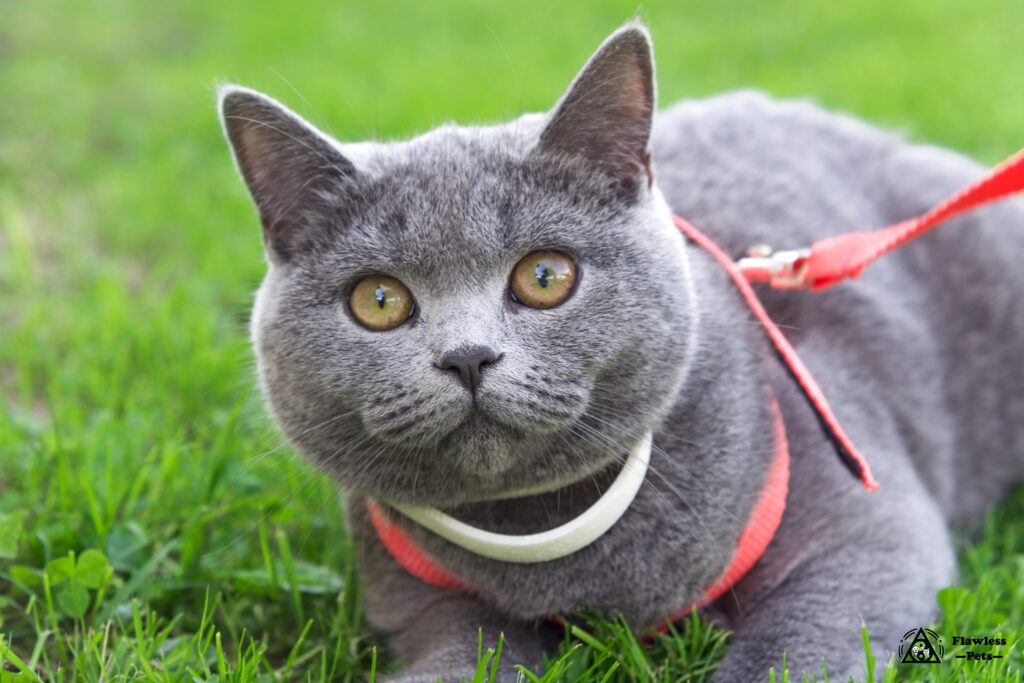
Understanding the British Shorthair cat involves appreciating its rich history, distinct physical traits, and notably calm temperament. Originating potentially from Roman Egypt and refined in Great Britain, this breed is known for its dense coat, sturdy build, and round features, especially the iconic “British Blue” variety. They are generally low-maintenance in terms of grooming but require regular brushing to manage shedding. Known for their easygoing, affectionate yet independent nature, British Shorthair cats adapt well to various households, including those with children and other pets. However, prospective owners should be aware of potential genetic health predispositions like Hypertrophic Cardiomyopathy (HCM) and Polycystic Kidney Disease (PKD), emphasizing the importance of responsible breeding practices and regular veterinary care. Proper nutrition tailored to their needs and providing environmental enrichment are crucial for their well-being and longevity, which typically ranges from 12 to 20 years.
Table of Contents
- A Journey Through Time: The History and Origins of the British Shorthair
- The Quintessential British Look: Physical Characteristics
- The Gentle Giant: Temperament and Personality
- Caring for Your Companion: Grooming, Nutrition, and Environment
- Health and Wellness: Common Concerns and Lifespan
- Bringing Home a British Shorthair: Breeders, Adoption, and Costs
- More Than Just a Pet: The British Shorthair in Culture
- Frequently Asked Questions about British Shorthair Cats
- The Enduring Charm of the British Shorthair
- References
A Journey Through Time: The History and Origins of the British Shorthair
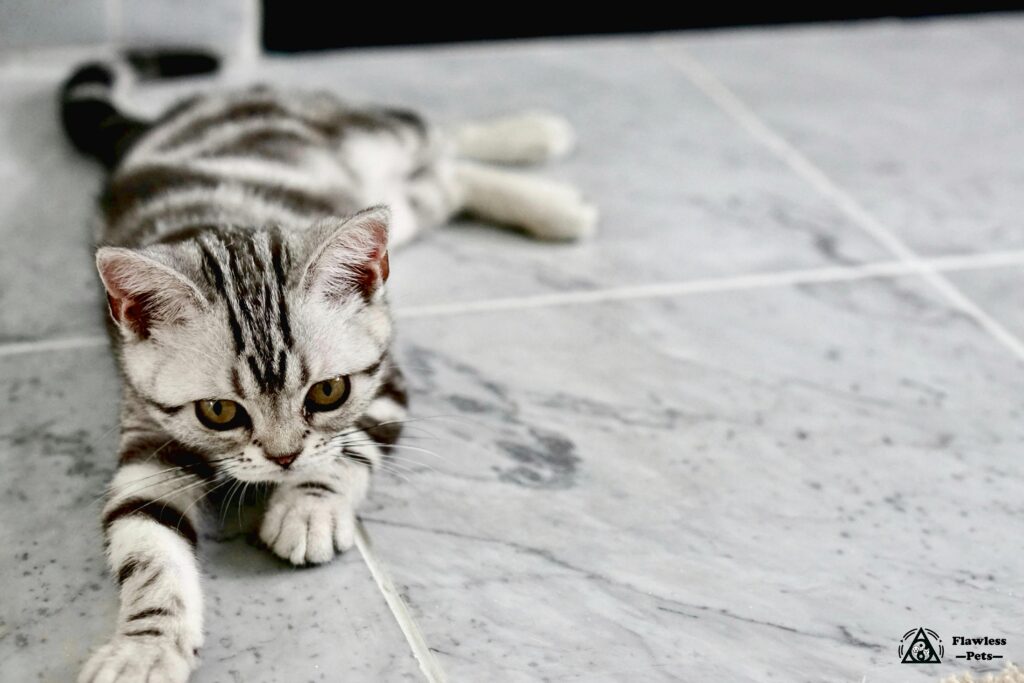
The story of the British Shorthair cat is a fascinating chronicle that stretches back centuries, possibly even millennia. While pinpointing the exact moment of origin is challenging, the most widely accepted narrative suggests that the ancestors of these robust felines arrived in Great Britain with the Roman legions around the 1st century AD. These early cats were likely brought from Egypt, valued for their hunting prowess in controlling rodent populations that plagued Roman camps and settlements (The International Cat Association [TICA], n.d.). Think of them as the original, furry pest control units, adapting to the cooler, damper climate of Britain over generations.
-
-23%

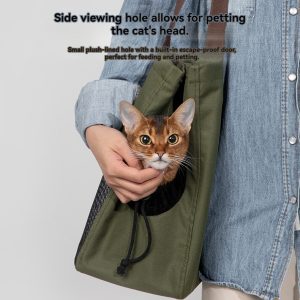
HiDream Color-Block Shoulder Pet Travel Bag – Stylish and Lightweight Carrier for Small Pets – Almond, Matcha
Original price was: $109.99.$84.99Current price is: $84.99. -
-14%
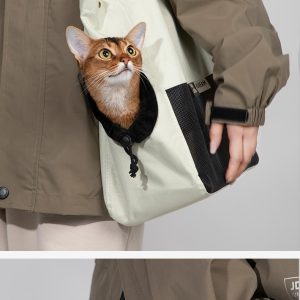
HiDream Pet Tote Bag – Relaxed Style Carrier for Small Pets – Durable Nylon with Breathable Mesh – Beige, Green, Gray
Original price was: $109.99.$94.59Current price is: $94.59. -
-12%
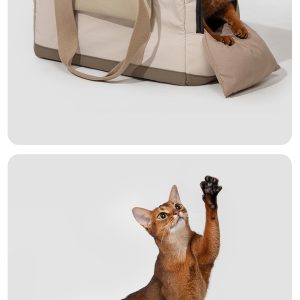
HiDream Pet Sling Carrier Bag – Adjustable Shoulder Strap Front Carry Bag for Small Pets – Khaki, Green, Gray
Original price was: $99.99.$88.49Current price is: $88.49.
For centuries, these cats thrived as street-smart mousers, their sturdy builds and dense coats evolving naturally to withstand the British weather. They were the common domestic cats of the British Isles, admired for their strength and utility rather than specific aesthetic qualities. It wasn't until the late 19th century that cat enthusiasts began to take a specific interest in standardizing and selectively breeding these native cats.
The pivotal figure in the formal development of the British Shorthair breed is Harrison Weir, often called the “Father of the Cat Fancy.” Weir, an artist and cat lover, organized the first-ever formal cat show at the Crystal Palace in London in 1871. He was instrumental in selecting the best examples of the common British street cat, refining their features, and establishing a breed standard (Cat Fanciers' Association [CFA], n.d.-a). His goal was to preserve and elevate the status of Britain's native shorthaired cat. At this first show, the breed, then often referred to simply as “Shorthairs” or “British,” was immensely popular.
The early 20th century, however, brought significant challenges. The two World Wars devastated breeding programs across Europe, including those for the British Shorthair. The number of registered breeding cats dwindled perilously low. To save the breed from extinction and rebuild the gene pool, breeders were forced to make difficult decisions. They introduced outcrosses, primarily with Persian cats, which helped restore numbers but also introduced the gene for long hair (TICA, n.d.). This crossbreeding also subtly influenced the breed's conformation, contributing to the rounder head and slightly shorter muzzle we see today compared to its earliest ancestors.
Post-war breeders worked diligently to restore the original type, selectively breeding cats that displayed the desired shorthaired coat and robust build. They also focused on solidifying specific colors, most notably the blue-gray color, which became so iconic that the breed was often referred to simply as the “British Blue.” While blue remains the most famous color, dedicated breeding efforts expanded the palette to include a vast array of colors and patterns.
Recognition by major cat fancy organizations solidified the breed's status. The British Shorthair was formally recognized by the American Cat Fanciers Association (ACFA) and TICA, and eventually regained championship status in the CFA in 1980 (CFA, n.d.-a). Today, the British Shorthair is one of the most popular pedigreed cat breeds globally, admired not just for its handsome looks but also for its calm and affectionate nature – a far cry from its humble beginnings as a Roman camp follower, yet still retaining that sturdy, adaptable character forged over centuries.
The Quintessential British Look: Physical Characteristics
The British Shorthair cat possesses a distinctive and instantly recognizable appearance, often described as teddy-bear-like due to its rounded contours and dense coat. It's a picture of solidity and power, combined with a gentle expression. Understanding these physical traits helps appreciate the breed's unique charm.
The overall impression is one of a medium-to-large sized cat, compact and well-balanced, showing power. Males are significantly larger and more massive than females, exhibiting noticeable jowls, which contributes to their broad, round faces. Females are typically more moderate in size but share the same basic structure.
Let's break down the key features:
- Head: The head is a defining characteristic – round and massive, set on a short, thick neck. The underlying bone structure is round, topped with well-rounded whisker pads, giving the cat a distinctively chubby-cheeked look, especially prominent in mature males (the aforementioned jowls). The muzzle is well-developed but relatively short and broad, fitting into the overall roundness without appearing snub-nosed. The chin should be firm and well-developed, aligning vertically with the nose.
- Eyes: Large, round, and set wide apart, the eyes contribute significantly to the breed's sweet, open expression. Eye color typically corresponds with coat color. The most famous association is the brilliant copper or deep gold eyes found in the British Blue. However, other colors like green (often seen in silver varieties), blue (in pointed patterns), or odd-eyes (one blue, one gold/copper) are possible depending on the coat color genetics (TICA, n.d.).
- Ears: Medium to small in size, broad at the base with slightly rounded tips. They are set wide apart, fitting into the rounded contour of the head without distorting it.
- Body: The body is cobby – meaning it's short, compact, and muscular, with a broad chest and a level back. It's a powerful build, reflecting the breed's working cat ancestry. British Shorthair cats feel surprisingly heavy when lifted due to their dense musculature and bone structure.
- Legs and Paws: Legs are medium to short, strong, and well-boned, ending in large, round, firm paws. They support the sturdy body effectively.
- Tail: The tail is thick at the base, tapering slightly to a rounded tip. It should be medium in length, generally proportional to the body, typically reaching the shoulders when brought alongside the body.
- Coat: Perhaps the most defining feature after the round head is the coat. It is short, dense, and plush, feeling crisp and firm to the touch, often described as resembling a thick carpet. It should not be soft or overly silky. This unique texture comes from a very dense undercoat, providing excellent insulation – a trait developed to withstand the British climate. The coat stands away from the body slightly, enhancing the cat's rounded appearance (CFA, n.d.-a). While grooming needs are moderate compared to longhaired breeds, this dense coat does shed, particularly seasonally.
Coat Colors and Patterns
While the “British Blue” (a solid, medium-to-light blue-gray) is the most iconic and historically significant color, the British Shorthair breed standard accepts a vast spectrum of colors and patterns. This diversity is a result of dedicated breeding programs over many decades. Some common and accepted variations include:
- Solid Colors: Besides blue, solid white, black, red, cream, chocolate, and lilac are recognized. Eye color typically corresponds (e.g., copper/gold for most solids, blue or odd-eyes for whites).
- Tabbies: Classic, mackerel, and spotted tabby patterns are seen in various colors like brown, silver, blue, red, cream, etc. Silver tabbies with striking green eyes are particularly popular.
- Tortoiseshell and Calico: These include traditional tortoiseshell (black and red patches), blue-cream, chocolate tortie, lilac-cream, and calico variations (tortoiseshell patterns with white).
- Bi-Colors: Any of the accepted solid colors or patterns combined with white. The distribution of white can vary significantly.
- Colorpoint: Resulting from historic outcrosses, these cats have a lighter body color with darker “points” (face mask, ears, paws, tail), similar to Siamese markings, but with the robust British Shorthair body type. Eye color in pointed varieties is typically blue.
Size and Weight
As mentioned, this is a medium-to-large breed with significant sexual dimorphism (difference between sexes).
- Males: Typically weigh between 12 to 18 pounds (5.4 to 8.2 kg), sometimes even more, especially once fully mature (around 3-5 years old).
- Females: Generally weigh between 8 to 12 pounds (3.6 to 5.4 kg).
It's important to distinguish healthy weight and muscle mass from obesity, to which the breed can be prone due to its hearty appetite and sometimes sedentary nature. Regular monitoring and appropriate feeding are crucial.
British Shorthair vs. Similar Breeds
Sometimes, people might confuse the British Shorthair with other breeds. Here's a quick comparison table to highlight some key differences:
| Feature | British Shorthair | Russian Blue | Chartreux | Domestic Shorthair (Mixed Breed) |
|---|---|---|---|---|
| Overall Build | Medium-large, cobby, muscular, rounded | Medium, fine-boned, graceful, elegant | Medium-large, robust, muscular (“potato on toothpicks”) | Highly variable, depends on ancestry |
| Head Shape | Round, massive, broad cheeks | Wedge-shaped, flat top profile | Broad, rounded, but less massive than British Shorthair | Highly variable |
| Eye Color | Large, round; Copper/gold (classic blue), green, blue, odd-eyed depending on coat | Vivid green, almond-shaped | Rounded; Gold to copper | Highly variable |
| Coat Texture | Short, dense, plush, crisp, stands away from body | Short, dense, fine, soft, silky double coat | Medium-short, dense, slightly woolly, water-repellent | Highly variable, typically less dense than pedigreed shorthairs |
| Primary Color Association | Blue (but many colors exist) | Blue/Grey with silver tipping | Blue/Grey (any shade) | All colors/patterns possible |
| Temperament Highlight | Calm, independent, affectionate but not clingy | Gentle, quiet, reserved with strangers | Quiet, observant, loyal, playful | Highly variable |
This table provides a snapshot, but individual cats can always vary. The combination of the round head, dense crisp coat, sturdy body, and calm demeanor truly sets the British Shorthair apart.
The Gentle Giant: Temperament and Personality
Beyond their handsome, sturdy looks, British Shorthair cats are perhaps most beloved for their exceptional temperament. Often described as “gentle giants,” they possess a unique blend of calmness, affection, and independence that makes them wonderful companions for a wide variety of households. Understanding their personality is key to appreciating why this breed has captured so many hearts.
The hallmark of the British Shorthair personality is its **calmness and placidity**. These are not hyperactive, demanding cats. They tend to be easygoing, undemanding, and generally serene. While they enjoy playtime, especially as kittens, they mature into relatively sedentary adults who are content to observe the household activities from a comfortable perch or curl up nearby for a nap. This calm nature makes them particularly well-suited to apartment living, provided they have enough space to move around and some environmental enrichment.
British Shorthairs are **affectionate but not overly clingy**. They enjoy being near their people and will often follow them from room to room, offering quiet companionship. They appreciate gentle petting and attention but are typically not lap cats in the traditional sense. They might prefer to sit beside you rather than directly on you. They express affection in their own quiet way – a slow blink, a gentle head bump, or simply being present in the same space. They are generally tolerant of being picked up but may prefer to keep their paws on the ground, especially as they get older and heavier. Think of them as loving but respecting personal space – both theirs and yours.
A significant aspect of their personality is their **independence**. While they bond closely with their families, they are also quite capable of entertaining themselves and don't suffer from separation anxiety as much as some other breeds might. This makes the British Shorthair a reasonable choice for individuals or families who may be out of the house for work or school during the day, provided their needs for food, water, a clean litter box, and some playtime upon return are met.
They are known for being **highly adaptable and tolerant**. British Shorthairs generally get along well with children, provided the children are taught to interact respectfully. Their placid nature means they are less likely to react defensively if startled. They also tend to coexist peacefully with other pets, including dogs and other cats, especially if introduced properly and given time to adjust. Their laid-back attitude often makes them unflappable in busy households.
In terms of **intelligence and playfulness**, British Shorthairs are intelligent cats, but perhaps not in the overtly mischievous way of some other breeds. They are capable learners and can be taught simple tricks or commands, though their motivation might be more food-driven than driven by a desire to please. They enjoy interactive play sessions, particularly with toys that mimic hunting, like feather wands or laser pointers (use caution with lasers to avoid frustration; always end with a physical “catch”). However, their play sessions might be shorter and less intense than those of more active breeds. Puzzle feeders can be a great way to engage their minds and satisfy their foraging instincts.
Regarding **vocalization**, British Shorthairs are typically quiet cats. They have soft voices and don't tend to meow excessively without reason (like an empty food bowl or a closed door they wish to pass through). Their communication is often more subtle, relying on body language and presence rather than loud demands.
It's worth noting that while these are general breed traits, individual personalities can always vary. Factors like early socialization, environment, and individual genetics play a role. However, the core characteristics of calmness, quiet affection, and independence are consistently reported and are defining features of the British Shorthair breed (Governing Council of the Cat Fancy [GCCF], n.d.). They offer a steady, comforting presence in the home, making them cherished companions for those who appreciate their dignified yet loving nature.
Caring for Your Companion: Grooming, Nutrition, and Environment
Owning a British Shorthair cat is a rewarding experience, and providing appropriate care ensures they live a long, healthy, and happy life. While generally considered a relatively low-maintenance breed compared to longhaired cats, they do have specific needs regarding grooming, nutrition, and their living environment.
Grooming Needs
The British Shorthair's defining feature, its dense, plush coat, requires regular attention, although less than you might expect given its thickness.
- Coat Care: Despite being shorthaired, their coat is incredibly dense and prone to shedding, especially during seasonal changes (spring and autumn). Regular brushing is essential to remove loose hair, prevent matting (though rare in this breed), reduce hairball formation, and distribute skin oils. Aim for brushing **two to three times a week** using a quality slicker brush or a grooming comb. During heavy shedding periods, daily brushing might be beneficial. This routine interaction also serves as a bonding experience and allows you to check for any skin issues, lumps, or parasites.
- Bathing: British Shorthairs rarely need bathing unless they get particularly dirty or have a specific skin condition requiring medicated baths. Their dense coat can take a long time to dry thoroughly. If a bath is necessary, use a cat-specific shampoo and ensure the cat is dried completely, perhaps with towels and careful use of a hairdryer on a low, cool setting if tolerated.
- Nail Trimming: Like all cats, their claws need regular trimming, typically every few weeks. Use sharp, cat-specific nail clippers and trim only the clear tip, avoiding the pink quick which contains nerves and blood vessels. Providing scratching posts helps them maintain their claws naturally, but trimming prevents overgrowth and potential snagging.
- Ear Cleaning: Check their ears weekly for wax buildup, dirt, or signs of infection (redness, odor, discharge). If cleaning is needed, use a vet-approved ear cleaning solution and cotton balls or gauze – never insert cotton swabs into the ear canal.
- Dental Hygiene: Dental health is crucial for all cats, and British Shorthairs can be prone to dental issues like gingivitis and periodontal disease. Ideally, brush their teeth daily using cat-specific toothpaste and a soft brush. If daily brushing isn't feasible, aim for several times a week. Dental treats and diets formulated for dental health can also help, but they don't replace brushing. Regular veterinary dental check-ups and professional cleanings are essential (Cornell Feline Health Center, 2019).
Nutritional Guidance
Providing a balanced, high-quality diet is fundamental to your British Shorthair's health and well-being. Their nutritional needs change throughout their life.
- Protein Focus: Cats are obligate carnivores, meaning their diet must be rich in animal-based protein. Look for cat foods where named meat sources (like chicken, turkey, fish, beef) are listed as the first few ingredients. High-quality protein supports muscle maintenance, energy levels, and overall health.
- Life Stage Feeding:
- Kittens: Require food specifically formulated for kittens, which is higher in calories, protein, and certain nutrients (like DHA for brain and eye development) to support rapid growth. Feed multiple small meals throughout the day.
- Adults: Transition to adult maintenance food around one year of age. Portion control is crucial for adult British Shorthairs as they can be prone to obesity. Follow feeding guidelines on the food packaging but adjust based on your cat's individual activity level, metabolism, and body condition.
- Seniors: Cats are generally considered seniors around 7-10 years old. Senior diets may have adjusted calorie levels, added supplements like glucosamine for joint health, and easily digestible ingredients. Consult your vet about the best time to switch and the most appropriate senior diet.
- Wet vs. Dry Food: Offering a mix of high-quality wet and dry food is often ideal. Wet food has higher moisture content, which is beneficial for urinary tract health and hydration, as cats often have a low thirst drive. Dry food can be convenient for free-feeding (though portion control is still needed) and may offer some dental benefits through abrasive action, although minimal compared to brushing.
- Portion Control and Weight Management: British Shorthairs have a hearty appetite and a tendency towards a sedentary lifestyle, making them prone to obesity. Obesity significantly increases the risk of diabetes, arthritis, heart disease, and other health problems (Association for Pet Obesity Prevention [APOP], n.d.). Measure food portions accurately and avoid free-feeding large amounts of dry food. Monitor your cat's body condition regularly – you should be able to feel their ribs easily with light pressure but not see them. Adjust food intake as needed and consult your vet if you suspect your cat is overweight.
- Water Intake: Ensure fresh, clean water is always available. Some cats prefer running water, so a pet fountain might encourage drinking. Adequate hydration is vital for kidney and urinary tract health.
- Treats: Offer treats in moderation. They should make up no more than 10% of your cat's daily caloric intake. Choose healthy, low-calorie treats.
Exercise and Environmental Enrichment
While known for being calm, British Shorthairs still need regular exercise and mental stimulation to stay healthy and prevent boredom.
- Activity Level: They are moderately active. Kittens are naturally more playful, while adults may need encouragement. Aim for at least two short play sessions (10-15 minutes) per day.
- Interactive Play: Use toys that engage their hunting instincts, such as feather wands, fishing pole toys, or crinkle balls. Laser pointers can be fun but should always be followed by allowing the cat to “catch” a physical toy to prevent frustration.
- Environmental Enrichment: Provide opportunities for natural behaviors:
- Scratching Posts: Offer sturdy scratching posts (vertical and horizontal) made of various materials (sisal rope, cardboard, carpet) to satisfy their need to scratch and stretch, saving your furniture.
- Climbing Opportunities: Cat trees or shelves provide vertical space for climbing and observing, which many cats enjoy.
- Hiding Spots: Provide safe, quiet places like covered beds or even cardboard boxes where your cat can retreat and feel secure.
- Window Perches: A secure window perch allows your cat to watch birds and outdoor activity, providing mental stimulation.
- Puzzle Toys: Food puzzles challenge their minds and make mealtime more engaging.
- Indoor Safety: It is generally recommended to keep British Shorthair cats indoors. Indoor cats live significantly longer, safer lives, protected from traffic accidents, predators, diseases spread by other animals, and theft (American Humane, n.d.). Ensure your indoor environment provides sufficient enrichment to meet their needs.
Litter Box Considerations
Maintaining a clean and accessible litter box is crucial for preventing house-soiling issues.
- Number and Location: The general rule is one litter box per cat, plus one extra. Place boxes in quiet, easily accessible locations away from food and water bowls.
- Size and Type: British Shorthairs are large cats, so choose large, uncovered litter boxes that they can easily turn around in. Some cats have preferences for covered or uncovered boxes, or specific types of litter (clumping, non-clumping, pellets).
- Cleanliness: Scoop waste at least once daily and completely change the litter and wash the box regularly (e.g., weekly or bi-weekly, depending on the type of litter). Cats are fastidious creatures and may avoid a dirty litter box.
By addressing these aspects of care – consistent grooming, appropriate nutrition, engaging exercise, a stimulating environment, and meticulous litter box hygiene – you can ensure your British Shorthair companion thrives.
Health and Wellness: Common Concerns and Lifespan
The British Shorthair is generally considered a robust and healthy breed, benefiting from a diverse genetic background compared to some other pedigreed cats. However, like all breeds (and indeed, mixed-breed cats), they are predisposed to certain genetic health conditions. Awareness of these potential issues, combined with responsible breeding practices and regular veterinary care, is key to ensuring a long and healthy life for your feline companion.
Hypertrophic Cardiomyopathy (HCM)
Hypertrophic Cardiomyopathy (HCM) is the most common heart disease diagnosed in cats across many breeds, including the British Shorthair (Kittleson et al., 1999). It is characterized by a thickening of the muscular walls of the heart, particularly the left ventricle. This thickening makes the heart muscle stiff, reducing its ability to relax and fill with blood properly, and decreasing the volume of blood pumped out to the body. It can also lead to abnormal heart rhythms and increased oxygen consumption by the heart muscle itself.
Symptoms of HCM can be subtle or absent in the early stages. As the disease progresses, cats may show signs such as:
- Lethargy or reduced activity level
- Rapid or difficult breathing (dyspnea)
- Open-mouth breathing or panting (a sign of significant distress in cats)
- Collapse or fainting
- Sudden paralysis of the hind limbs due to a blood clot (aortic thromboembolism, ATE) – a devastating complication.
Diagnosis typically involves a physical examination (listening for heart murmurs or abnormal rhythms), chest X-rays (to check for heart enlargement or fluid in the lungs), and most definitively, an echocardiogram (an ultrasound of the heart). The echocardiogram allows veterinarians to measure the thickness of the heart walls and assess heart function (Payne et al., 2015).
While there is no cure for HCM, treatments aim to manage symptoms, improve heart function, reduce the risk of complications like blood clots and congestive heart failure, and enhance quality of life. Medications may include diuretics (to remove excess fluid), ACE inhibitors or beta-blockers (to help the heart work more efficiently), and blood thinners (to prevent clot formation).
Responsible breeders screen their breeding cats for HCM, typically using echocardiograms performed by veterinary cardiologists. While screening doesn't eliminate the risk entirely (as the condition can develop later in life and genetic tests are not yet definitive for all causative mutations in British Shorthairs), it significantly reduces the likelihood of passing on the predisposition. Prospective owners should inquire about the HCM screening status of a kitten's parents.
Polycystic Kidney Disease (PKD)
Polycystic Kidney Disease (PKD) is another inherited condition found in British Shorthairs, largely due to the historical outcrossing with Persian cats, where the condition is prevalent. PKD is characterized by the formation of multiple fluid-filled cysts in the kidneys (Biller et al., 1990). These cysts are present from birth but are initially very small. Over time, they gradually enlarge, compressing and damaging the normal kidney tissue, eventually leading to kidney failure.
The progression of PKD varies greatly among individual cats. Some may show signs of kidney disease relatively early in life, while others may not develop symptoms until middle or old age, and some may never develop significant clinical signs despite having the cysts. Symptoms of kidney disease include:
- Increased thirst and urination
- Weight loss
- Decreased appetite
- Lethargy
- Vomiting
- Poor coat quality
PKD can be diagnosed relatively easily through an abdominal ultrasound, which can detect the presence of cysts in the kidneys, often even in young cats. More definitively, a genetic test (typically a simple cheek swab) is available to identify the specific gene mutation (PKD1) responsible for the most common form of this disease (Lyons et al., 2004). This genetic test is highly accurate.
There is no cure for PKD, and treatment focuses on managing the resulting chronic kidney disease (CKD) once it develops. This involves supportive care such as dietary changes (prescription kidney diets), fluid therapy, medications to manage complications like high blood pressure or low potassium, and regular monitoring.
Fortunately, due to the availability of the reliable genetic test, responsible British Shorthair breeders can easily screen their breeding cats and avoid breeding affected individuals. Breeding programs have significantly reduced the prevalence of PKD in the breed. Always ask breeders for proof of PKD testing (either genetic or via ultrasound) for the parent cats.
Other Health Considerations
- Obesity: As mentioned previously, British Shorthairs have a predisposition to gain weight easily. Obesity is a significant health concern, increasing the risk of diabetes mellitus, arthritis (due to extra strain on joints), urinary issues, and decreased lifespan. Careful diet management and encouraging exercise are crucial.
- Dental Disease: Gingivitis and periodontal disease are common in all cats but can be managed with regular home care (brushing) and professional veterinary dental cleanings.
- Arthritis: Being a heavier breed, older British Shorthairs may be more prone to developing osteoarthritis. Signs include reluctance to jump, stiffness after resting, or changes in grooming habits. Management involves weight control, joint supplements (like glucosamine and chondroitin), pain medication if needed, and environmental modifications (e.g., ramps, lower-sided litter boxes).
Lifespan and Preventative Care
With good care, proper nutrition, and regular veterinary attention, the British Shorthair is generally a long-lived breed. Their average lifespan typically ranges from **12 to 17 years**, with some individuals living well into their late teens or even early twenties (O'Neill et al., 2014).
Preventative care is paramount:
- Regular Veterinary Check-ups: Annual wellness exams (or semi-annual for senior cats) are essential for early detection of potential health problems. These visits include physical examinations, weight checks, dental assessments, and discussions about diet, behavior, and preventative treatments.
- Vaccinations: Follow your veterinarian's recommended vaccination schedule to protect against common feline infectious diseases.
- Parasite Control: Implement regular flea, tick, and internal parasite prevention as recommended by your vet, based on your geographic location and your cat's lifestyle (even indoor cats can be exposed).
- Spaying/Neutering: Spaying or neutering not only prevents unwanted litters but also reduces the risk of certain reproductive cancers and eliminates hormone-driven behaviors.
By being proactive about health screenings, providing excellent day-to-day care, and partnering with your veterinarian, you can help your British Shorthair enjoy a long, comfortable, and healthy life.
Bringing Home a British Shorthair: Breeders, Adoption, and Costs
Deciding to bring a British Shorthair into your home is an exciting prospect. However, it's crucial to approach the process responsibly, whether you choose to buy from a breeder or adopt from a rescue organization. Understanding the options, what to look for, and the associated costs will help ensure a positive experience for both you and your new feline companion.
Reputable Breeders vs. Adoption
- Reputable Breeders: A responsible breeder prioritizes the health, temperament, and well-being of their cats, adhering to the breed standard and performing necessary health screenings.
- What to look for: Good breeders will welcome questions, allow you to visit their cattery (or provide extensive photos/videos if distance is an issue), show you where the kittens are raised (ideally underfoot, well-socialized), provide health records for the kittens (vaccinations, deworming) and proof of health screenings for the parents (e.g., HCM echocardiograms, PKD genetic tests). They should be knowledgeable about the breed and offer guidance. Kittens should not leave their mother before 12-14 weeks of age, allowing for crucial socialization and weaning. Reputable breeders often have waiting lists and will likely interview potential buyers to ensure their kittens go to good homes. They usually provide a health guarantee and require a contract, often including a spay/neuter agreement. Find breeders through national or regional cat clubs associated with organizations like TICA or CFA.
- Red flags: Avoid breeders who seem reluctant to answer questions, won't let you see the parents or living conditions, don't perform health screenings, sell kittens younger than 12 weeks, offer multiple breeds, seem overly focused on profit, or sell through pet stores or online classifieds without thorough vetting. These could be signs of a “kitten mill” or backyard breeder, where health and socialization are often compromised.
- Adoption/Rescue: While less common than finding mixed-breed cats in shelters, purebred British Shorthairs (or mixes with strong British Shorthair traits) do occasionally end up in rescue situations due to owner relinquishment, changes in circumstances, or rescue from neglectful situations.
- Benefits: Adoption gives a deserving cat a second chance at a loving home. Adoption fees are typically lower than purchasing from a breeder. Rescue organizations often provide thorough behavioral assessments and known medical history (if available). You might find adult cats whose personalities are already established, which can be ideal for some adopters.
- Where to look: Check with local animal shelters, humane societies, and specifically search for breed-specific rescue groups. Petfinder.com and similar online adoption platforms allow searching by breed and location. Be patient, as finding a specific breed through rescue may take time.
What to Look for in a Kitten or Cat
Whether from a breeder or rescue, when meeting a potential British Shorthair companion, observe the following:
- Appearance: The cat should look healthy – clear, bright eyes; clean nose and ears (no discharge); healthy coat (no bald patches or excessive dandruff); appropriate weight (not too thin, not obese). Kittens should be active, curious, and playful.
- Temperament: Look for a cat that seems well-socialized. It shouldn't be overly fearful or aggressive (though some initial shyness in a new situation is normal). It should tolerate gentle handling. Observe how it interacts with littermates or other cats, if possible.
- Environment: The living area should be clean, spacious, and provide enrichment (toys, scratching posts).
Costs Involved
Owning a British Shorthair, like any pet, involves financial commitment. It's important to budget for both initial and ongoing expenses.
- Initial Costs:
- Purchase Price (Breeder): This can vary significantly based on breeder reputation, location, lineage, and color/quality (pet vs. show quality). Expect to pay anywhere from $1,200 to $2,500 or potentially more in 2025 for a well-bred kitten from a reputable source.
- Adoption Fee (Rescue): Typically ranges from $100 to $400, usually covering initial vetting like spay/neuter, vaccinations, and microchipping.
- Initial Supplies: Food and water bowls, litter box, litter, scoop, high-quality kitten/cat food, scratching post(s), cat tree, toys, grooming tools (brush, nail clippers), carrier, bed. This can easily amount to $200-$500+.
- Initial Vet Visit: Even if the cat comes with initial vaccinations, a check-up with your own vet is recommended ($50-$150+).
- Ongoing Costs (Annual Estimates):
- Food: High-quality cat food can cost $400 – $800+ per year, depending on type (wet/dry) and brand.
- Litter: $150 – $300+ per year, depending on type and frequency of changes.
- Veterinary Care: Annual check-ups, vaccinations, parasite prevention ($200 – $500+). Dental cleanings ($300-$800+, depending on extent needed).
- Pet Insurance (Optional but Recommended): Monthly premiums vary ($25-$60+), but can save significant costs in case of unexpected illness or injury.
- Grooming Supplies: Minimal ongoing cost unless professional grooming is needed.
- Toys and Enrichment: Replacing worn toys, scratching posts ($50-$100+).
- Potential Emergency Care: Unexpected vet visits for illness or injury can range from hundreds to thousands of dollars. Having pet insurance or a dedicated savings account is crucial.
Owning a British Shorthair is a long-term commitment, typically 12-20 years. Ensuring you are prepared for the financial responsibilities is just as important as providing love and daily care.
More Than Just a Pet: The British Shorthair in Culture
The British Shorthair's appealing looks and dignified demeanor have not gone unnoticed in popular culture. While perhaps not as overtly famous as some other breeds, its distinct appearance has certainly inspired artists and storytellers.
One of the most frequently cited associations is with the **Cheshire Cat** from Lewis Carroll's *Alice's Adventures in Wonderland*. While Carroll never specified the breed, Sir John Tenniel's iconic illustrations depict a grinning cat with a broad face, round eyes, and a sturdy body that strongly resembles the British Shorthair physique. The breed's naturally “smiling” expression, created by its prominent whisker pads, certainly lends itself to this comparison. Whether Tenniel consciously based his drawings on the breed or simply captured the look of a common British cat of the era (which the British Shorthair was developed from), the resemblance is undeniable and often noted (TICA, n.d.).
Another famous fictional feline often linked to the breed, particularly the ginger varieties, is **Puss in Boots**. While the original fairy tale character predates the formal breed standard, modern depictions, especially the popular character voiced by Antonio Banderas in the *Shrek* film series and subsequent spin-offs, often feature a cat with the cobby body, round face, and large eyes characteristic of the British Shorthair (albeit anthropomorphized and swashbuckling!).
In the world of advertising and social media, the British Shorthair's photogenic qualities – the plush coat, round face, and large expressive eyes – make them popular subjects. Their calm nature also makes them relatively easy models compared to more flighty breeds. You'll often see them featured in calendars, advertisements for cat products, and as popular “catfluencers” on platforms like Instagram.
While these cultural associations might be more subtle than those of breeds like the Siamese or Persian, they speak to the British Shorthair's quintessential “cat” look, combined with a particularly charming and solid presence that captures the imagination.
Frequently Asked Questions about British Shorthair Cats
- 1. Do British Shorthair cats shed a lot?
- Yes, despite their short fur, British Shorthairs have a very dense double coat and they do shed. Shedding is moderate year-round but can become quite heavy seasonally, particularly in spring and autumn when they blow their coats. Regular brushing (2-3 times a week, or daily during heavy sheds) is necessary to manage the loose hair, reduce hairballs, and keep their coat in good condition.
- 2. Are British Shorthairs good apartment cats?
- Absolutely. Their calm, relatively sedentary nature and moderate energy levels make them very well-suited for apartment living. They don't require vast amounts of space, provided their environment includes enrichment like scratching posts, some vertical space (like a cat tree), and opportunities for interactive play. Their quiet disposition is also a plus in shared living spaces.
- 3. Are British Shorthairs hypoallergenic?
- No, British Shorthair cats are not considered hypoallergenic. While some people with allergies might react less severely to them compared to other breeds, they still produce Fel d 1, the primary allergen found in cat saliva, skin glands, and urine, which gets deposited on their dense fur during grooming. There is no truly hypoallergenic cat breed. Individuals with allergies should spend time with the breed before committing.
- 4. How much do British Shorthair cats typically cost?
- The cost varies widely. Purchasing a kitten from a reputable breeder in 2025 typically ranges from $1,200 to $2,500 or more, depending on factors like pedigree, location, color, and breeder reputation. Adoption fees from rescue organizations are significantly lower, usually $100-$400. Remember to factor in the ongoing costs of food, litter, vet care, and supplies, which are substantial over the cat's lifetime.
- 5. Are British Shorthairs lap cats?
- Generally, British Shorthairs are affectionate but not typically demanding lap cats. They prefer to show affection by being near their humans, perhaps sitting beside them on the sofa or following them around the house. While some individuals might enjoy laps, many prefer to keep their paws on a solid surface. They enjoy petting and attention but on their own terms, embodying a loving yet independent spirit.
- 6. How long do British Shorthair cats live?
- British Shorthairs are known for being a relatively long-lived breed. With proper care, good nutrition, and regular veterinary attention, their average lifespan is typically between 12 and 17 years. However, many individuals live well into their late teens or even early twenties.
The Enduring Charm of the British Shorthair
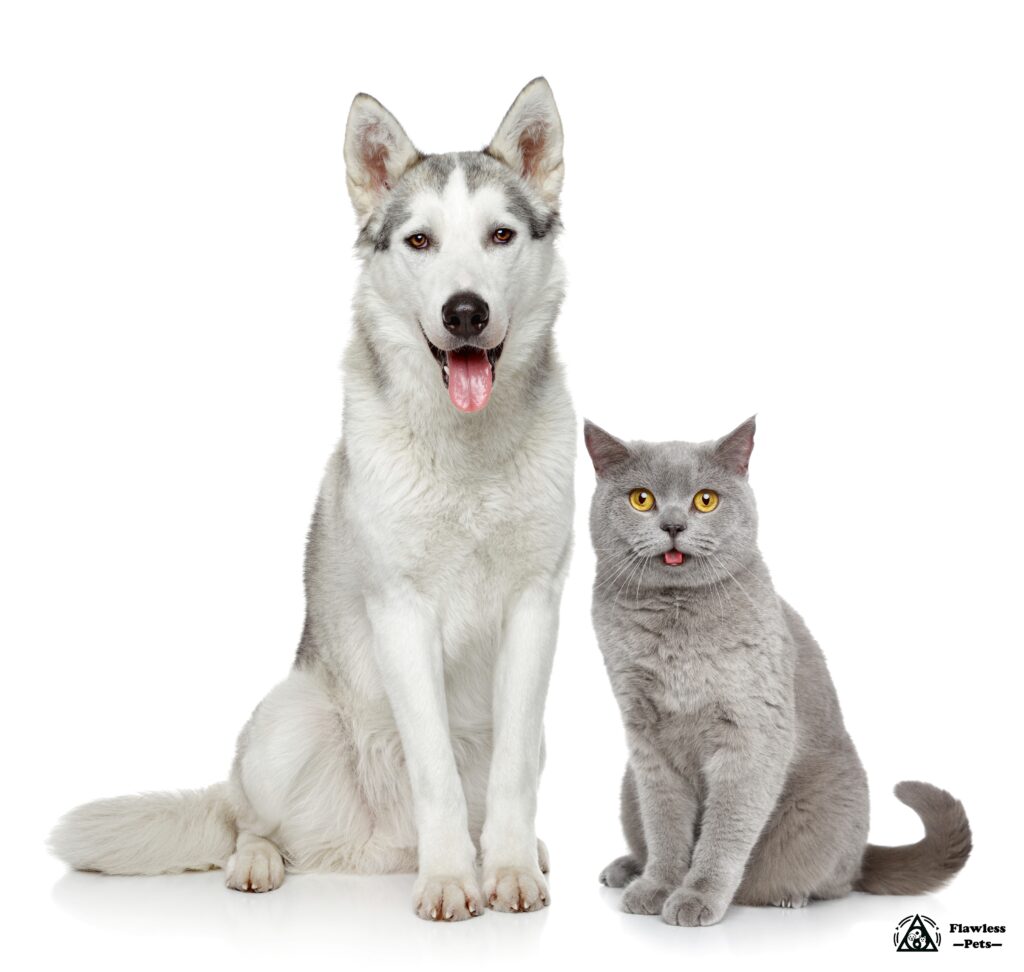
The British Shorthair cat, with its teddy-bear looks and tranquil disposition, offers a unique and rewarding companionship. From its ancient roots as a working cat in Roman Britain to its refinement by Victorian enthusiasts and its status today as a beloved global breed, the British Shorthair embodies resilience, adaptability, and quiet charm. Its physical presence – the sturdy, cobby body, the round, expressive face, and the incredibly dense, plush coat, especially in the iconic blue hue – is undeniably appealing.
Yet, it is the temperament that truly solidifies this breed's place in the hearts of cat lovers. The British Shorthair's calm, easygoing nature, coupled with an affectionate yet independent spirit, makes it a versatile companion suitable for various homes and lifestyles. They offer quiet devotion, adapting well to families, singles, seniors, and multi-pet households, thriving even in apartment settings with appropriate care.
Caring for a British Shorthair involves a commitment to regular grooming to manage their dense coat, providing a high-quality diet tailored to prevent obesity, ensuring adequate environmental enrichment and play, and maintaining diligent preventative health care. Awareness of potential hereditary conditions like HCM and PKD underscores the importance of choosing a cat from a responsible source, whether a reputable breeder who performs health screenings or a rescue organization.
In essence, the British Shorthair is more than just a pet; it's a calm, steady presence, a gentle giant offering quiet companionship and understated affection. Their enduring popularity is a testament to their wonderful blend of handsome looks, robust health, and an exceptionally agreeable personality, making them a truly flawless feline friend for those who appreciate their dignified grace.
References
Note: Please verify links as website structures can change. Where direct links to specific pages were unstable, links to the main organization site are provided.
- American Humane. (n.d.). Indoor cats vs. outdoor cats. https://www.americanhumane.org/fact-sheet/indoor-cats-vs-outdoor-cats/
- Association for Pet Obesity Prevention (APOP). (n.d.). Pet Obesity Facts & Risks. https://petobesityprevention.org/pet-obesity-facts-risks
- Biller, D. S., DiBartola, S. P., Eaton, K. A., Pflueger, S., Wellman, M. L., & Radin, M. J. (1990). Inheritance of Polycystic Kidney Disease in Persian Cats. Journal of Heredity, 81(3), 180–183. https://doi.org/10.1093/oxfordjournals.jhered.a111002
- Cat Fanciers' Association (CFA). (n.d.-a). About the British Shorthair. https://cfa.org/british-shorthair/
- Cat Fanciers' Association (CFA). (n.d.-b). Breed Standards. (Individual breed standards are typically accessed through the breed profile pages). https://cfa.org/breeds/
- Cornell Feline Health Center. (2019). Feline Dental Disease. https://www.vet.cornell.edu/departments-centers-and-institutes/cornell-feline-health-center/health-information/feline-health-topics/feline-dental-disease
- Governing Council of the Cat Fancy (GCCF). (n.d.). British Shorthair Breed Standard. (Accessed via breed pages). https://www.gccfcats.org/Breeds
- Kittleson, M. D., Meurs, K. M., Munro, M. J., Kittleson, J. A., Liu, S. K., Pion, P. D., & Towbin, J. A. (1999). Familial hypertrophic cardiomyopathy in Maine Coon cats: an animal model of human disease. Circulation, 99(24), 3172–3180. https://doi.org/10.1161/01.cir.99.24.3172 (Note: While this study is on Maine Coons, it established HCM as a significant inherited feline heart disease applicable across breeds).
- Lyons, L. A., Biller, D. S., Erdman, C. A., Lipinski, M. J., Young, A. E., Roe, B. A., Qin, B., & Grahn, R. A. (2004). Feline polycystic kidney disease mutation identified in PKD1. Journal of the American Society of Nephrology, 15(10), 2548–2555. https://doi.org/10.1097/01.ASN.0000141776.2 PKD1.af
- Journal of Feline Medicine and Surgery, 17(2), 125-133. https://doi.org/10.1177/1098612X14536176
- Journal of Veterinary Internal Medicine, 29(2), 577–584. https://doi.org/10.1111/jvim.12567
- The International Cat Association (TICA). (n.d.). British Shorthair Breed. https://www.tica.org/breeds/browse-all-breeds?view=article&id=836:british-shorthair-breed&catid=79
Disclaimer: The information provided in this blog post is for educational and informational purposes only. It is not intended as professional veterinary advice. Always consult with a qualified veterinarian for your pet's specific needs and health conditions. We strive to ensure accuracy, but we make no warranty as to the reliability or completeness of the information presented.
Images and media used in this post may come from free-license resources or the internet. If you are the rightful owner and wish to request removal or attribution, please contact us at [email protected] .
Images and media used in this post may come from free-license resources or the internet. If you are the rightful owner and wish to request removal or attribution, please contact us at [email protected] .










 English
  简体中文
简体中文  Français du Canada
  Deutsch
  Español
  Português
  한국어
한국어  日本語
日本語  Italiano
  Русский
  Dansk
Dansk  Nederlands
  Svenska
  Suomi
Suomi  Polski
  Norsk bokmål