




Flawless Pet Supplies
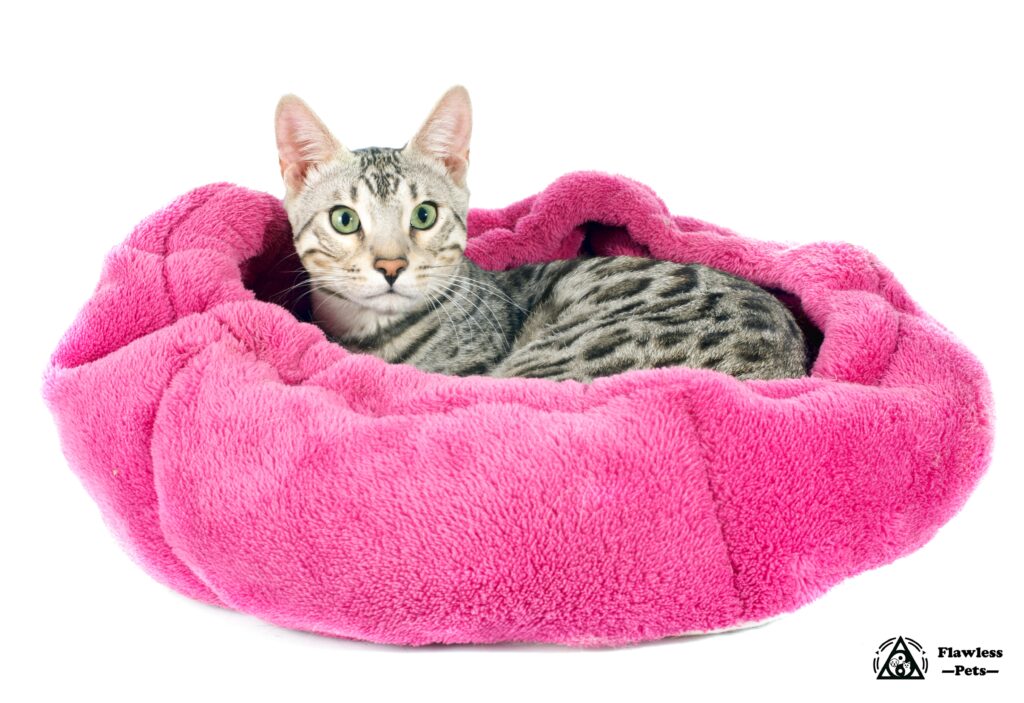
The Burmilla Cat: An In-Depth Guide to the Silver-Shaded Charmer
Key Takeaways
- Origin: The Burmilla cat originated from an accidental mating between a Chinchilla Persian male and a Lilac Burmese female in the UK in 1981.
- Appearance: Known for its striking silver-tipped or shaded coat, medium build, expressive green eyes outlined in black, and a sweet facial expression.
- Temperament: Combines the playful, mischievous nature of the Burmese with the gentle, laid-back attitude of the Chinchilla Persian. They are affectionate, sociable, intelligent, and relatively quiet.
- Grooming: Requires minimal grooming due to its short, close-lying coat, typically needing only a weekly brush.
- Health: Generally a healthy breed but can be prone to conditions inherited from parent breeds, such as Polycystic Kidney Disease (PKD) and some dental issues. Responsible breeding practices are crucial.
- Suitability: Excellent family pets, good with children and other animals when properly socialized. They adapt well to indoor living but appreciate playtime and interaction.
- Recognition: Recognized by major cat fancy organizations worldwide, though breed standards may vary slightly.
Table of Contents
- Introduction: Discovering the Burmilla Cat
- A Serendipitous Beginning: History and Origin of the Burmilla Cat
- Physical Characteristics: The Elegant Look of the Burmilla Cat
- Temperament and Personality: The Best of Both Worlds
- Understanding Burmilla Cat Genetics
- Caring for Your Burmilla Cat: Needs and Recommendations
- Health Considerations for the Burmilla Cat
- Is a Burmilla Cat Right for You?
- The Burmilla Cat Breed Standard: A Closer Look
- Related Breeds and the Asian Group
- Conclusion: The Enduring Appeal of the Burmilla Cat
- Frequently Asked Questions (FAQ) about Burmilla Cats
- References
Introduction: Discovering the Burmilla Cat
Welcome to the captivating world of the Burmilla cat! If you're drawn to felines that combine stunning beauty with an endearing personality, the Burmilla might just steal your heart. This breed, relatively young in the grand timeline of domestic cats, emerged from a chance encounter but has since been carefully developed into a distinct and cherished companion. Known for its shimmering silver coat, expressive green eyes often lined as if with kohl, and a temperament that beautifully balances playfulness with gentle affection, the Burmilla cat is a true gem in the feline world.
This comprehensive guide aims to provide a deep dive into everything you need to know about the Burmilla cat. We'll explore its fascinating accidental origins, delve into the specifics of its unique appearance and genetic makeup, understand its charming personality, and cover essential aspects of care, health, and responsible ownership. Whether you are a seasoned cat enthusiast, a potential future owner doing your research, or simply curious about this exquisite breed, we hope to offer valuable insights. Understanding the nuances of the Burmilla cat involves appreciating its heritage, recognizing its needs, and celebrating the unique qualities that make it stand out. Let's embark on this journey together to fully appreciate the elegance and charm of the Burmilla cat, a breed that truly seems to shimmer with personality and grace. We will cover breed standards, potential health concerns inherited from its parent breeds, and what life with a Burmilla cat truly entails. Preparing for a feline companion requires knowledge, and understanding the specific traits of the Burmilla is the first step towards providing a loving and suitable home.
-
-23%

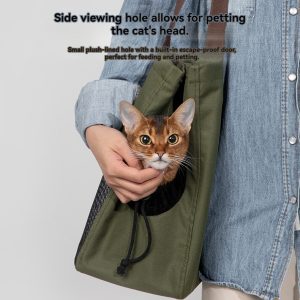
HiDream Color-Block Shoulder Pet Travel Bag – Stylish and Lightweight Carrier for Small Pets – Almond, Matcha
Original price was: $109.99.$84.99Current price is: $84.99. -
-14%
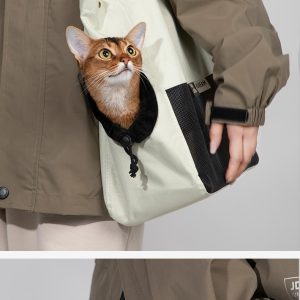
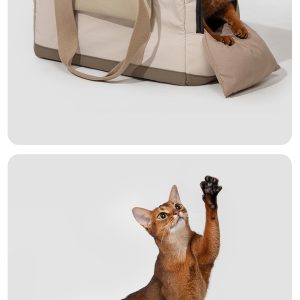
HiDream Pet Tote Bag – Relaxed Style Carrier for Small Pets – Durable Nylon with Breathable Mesh – Beige, Green, Gray
Original price was: $109.99.$94.59Current price is: $94.59. -
-12%
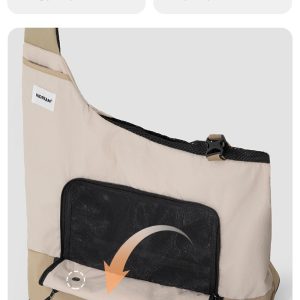
HiDream Pet Sling Carrier Bag – Adjustable Shoulder Strap Front Carry Bag for Small Pets – Khaki, Green, Gray
Original price was: $99.99.$88.49Current price is: $88.49.
A Serendipitous Beginning: History and Origin of the Burmilla Cat
Unlike breeds developed over centuries, the story of the Burmilla cat begins relatively recently, specifically in 1981 in the United Kingdom. Its creation wasn't the result of a deliberate, planned breeding program, but rather a happy accident, a serendipitous event involving two distinct breeds: the Chinchilla Persian and the Burmese.
The Accidental Mating of 1981
The foundation story centers around the household of Baroness Miranda von Kirchberg. Two cats, a Chinchilla Persian male named Sanquist and a Lilac Burmese female named Fabergé, were awaiting partners of their own respective breeds in separate quarters. However, fate intervened. A cleaner reportedly left a door ajar, allowing the two cats to meet. The result of this unplanned union was a litter of four female kittens born in 1981. These kittens possessed a unique and captivating appearance: short, dense coats of a silvery hue, tipped with black, resembling the Chinchilla pattern but on a Burmese body type, coupled with striking green eyes outlined in dark pigment (Governing Council of the Cat Fancy [GCCF], n.d.).
The kittens were so enchanting with their silvery coats and sweet temperaments that Baroness von Kirchberg and others recognized their potential as a new, distinct breed. They decided to embark on a breeding program to establish these characteristics. The name “Burmilla” itself is a portmanteau, cleverly combining the names of the parent breeds: **Burm**ese and Chinch**illa**. This name perfectly encapsulates the breed's heritage and foundation. The initial kittens proved to be the cornerstone of what would become the beloved Burmilla cat breed we know today.
Developing the Breed Standard
Recognizing the potential of these unique kittens, Baroness von Kirchberg, along with other dedicated breeders, initiated a selective breeding program. The goal was to consistently reproduce the desirable traits observed in the initial litter: the silver-tipped or shaded coat, the Burmese body type (though slightly more moderate), the characteristic green eyes with dark rims, and the appealing temperament that blended the Burmese's energy with the Persian's sweetness. This involved careful selection of subsequent generations, sometimes involving crosses back to the parent breeds (Burmese and Chinchilla) or other Burmillas to solidify the type and widen the gene pool responsibly.
The breeders aimed for a cat of medium foreign type, elegant yet muscular, clearly distinct from both the cobby Persian and the more extremely oriental Burmese types seen in some lines. Establishing the specific genetic combination responsible for the Burmilla's look – particularly the interaction of the silver inhibitor gene (I) from the Chinchilla and the Burmese colour restriction gene (cb) – was key to the program's success (Robinson, 1991). The development focused on creating a healthy, genetically diverse population while maintaining the core aesthetic and temperamental qualities that made the first Burmilla cat litter so special.
Gaining Recognition
The unique beauty and charming personality of the Burmilla cat quickly attracted attention within the cat fancy. Breeders worked diligently to meet the requirements of various cat registration bodies. The Governing Council of the Cat Fancy (GCCF) in the UK granted the Burmilla preliminary recognition relatively quickly, and it progressed through the stages, achieving Championship status in 1997 (GCCF, n.d.).
Other major international organizations followed suit. Fédération Internationale Féline (FIFe) recognized the Burmilla in 1994. The International Cat Association (TICA) recognizes the Burmilla Shorthair as part of their Asian Shorthair group preliminary new breeds pathway as of 2025, requiring careful documentation and presentation of the breed's stability. The Cat Fanciers' Association (CFA) in the United States accepted the Burmilla into the Miscellaneous class in February 2014, a step towards potential full recognition (Cat Fanciers' Association [CFA], 2014). Recognition by these bodies is crucial as it establishes official breed standards, allows participation in championship shows, and provides credibility for breeders and owners. The journey from accidental litter to globally recognized breed in just a few decades highlights the dedicated efforts of early breeders and the undeniable appeal of the Burmilla cat.
Physical Characteristics: The Elegant Look of the Burmilla Cat
The Burmilla cat is renowned for its striking and elegant appearance, a harmonious blend of its parent breeds. Its most defining feature is undoubtedly its coat, but its overall structure, head shape, and expressive eyes contribute significantly to its unique charm. Understanding these physical traits helps appreciate the breed standard and identify a well-bred Burmilla.
The Signature Silver Coat
The hallmark of the Burmilla cat is its stunning coat. It is short, dense, and possesses a silky texture that lies close to the body. What makes it truly special is the effect of the silver inhibitor gene (I) inherited from the Chinchilla Persian parent, acting upon a base colour derived from the Burmese parentage. This gene prevents pigment from extending fully up the hair shaft, resulting in a pale, silvery undercoat with colour restricted to the tips of the hairs.
There are two main accepted patterns within the breed:
- Tipped (Shell): This pattern, often considered the most classic Burmilla look, resembles the Chinchilla pattern. The silver undercoat is pristine white, with only the very tips of the hairs carrying the colour (e.g., black, brown, blue, chocolate, lilac). This gives the cat a sparkling, silvery appearance with minimal shading.
- Shaded: In the shaded pattern, the tipping extends further down the hair shaft (approximately one-third), creating a mantle of darker colour over the back, flanks, and tail, while the underparts remain paler silver. This gives a more contrasted look than the tipped pattern.
While the classic Burmilla is silver/black tipped or shaded, the base colour being suppressed can genetically be black, brown (seal), blue, chocolate, or lilac. Red, cream, and tortoiseshell variations (with silver) are also recognized by some associations, adding further diversity to the Burmilla cat appearance. The coat requires minimal grooming but its luminous quality is central to the breed's aesthetic appeal.
Body Structure and Size
The Burmilla cat is classified as having a medium foreign body type. This means it strikes a balance – it's neither as cobby (short and compact) as a Persian nor as extremely slender and elongated as some modern Siamese or Oriental breeds. The body should feel surprisingly heavy and muscular for its size, reflecting its Burmese ancestry. Key structural features include:
- Size: Medium-sized, with males typically being larger and more muscular than females. Weight generally ranges from 8 to 12 pounds (approx. 3.5 to 5.5 kg).
- Torso: Medium length, well-muscled, with a strong bone structure and a rounded chest.
- Legs: Medium length, relatively slender but strong, ending in neat, oval paws. Hind legs may appear slightly longer than front legs.
- Tail: Medium to medium-long, tapering slightly to a rounded tip. It should balance the body.
Overall, the impression is one of elegance combined with underlying strength and athleticism. The conformation of a Burmilla cat should allow for graceful movement, reflecting its blend of influences.
Head, Eyes, and Expression
The head and facial features of the Burmilla cat are critical components of its breed type and contribute significantly to its characteristic sweet expression.
- Head Shape: The head is gently rounded on top, with medium width between the ears, tapering to a short, blunt wedge. The profile shows a slight nose break.
- Muzzle: Medium length, well-developed chin.
- Ears: Medium to large, broad at the base with slightly rounded tips. They are set well apart, tilting slightly forward, contributing to an alert expression.
- Eyes: The eyes are perhaps the most captivating facial feature after the coat. They should be large, expressive, and set well apart. The defining characteristic is their colour – any shade of green is acceptable, with luminous green preferred. A key feature, inherited from the Chinchilla, is the dark “eyeliner” – a rim of dark pigment (matching the coat tipping colour) surrounding the eyes, enhancing their size and expressiveness. This gives the Burmilla cat a distinctive, almost made-up look.
The combination of the rounded head, large green eyes outlined in black, and the silvery coat creates the gentle, sweet, yet alert expression that is so characteristic of the Burmilla cat.
Burmilla vs. Parent Breeds Comparison
To better understand the unique blend that is the Burmilla, here's a comparison with its foundation breeds:
| Feature | Burmilla Cat | Burmese (Traditional/European) | Chinchilla Persian |
|---|---|---|---|
| Origin | UK, 1981 (Accidental Cross) | Burma/Thailand (Developed in US/UK) | UK/USA (Selective Persian Breeding) |
| Body Type | Medium Foreign, Muscular, Elegant | Medium, Compact, Muscular, Rounded Chest (“Brick wrapped in silk”) | Cobby, Short Back, Deep Chest, Massive |
| Head Shape | Gently Rounded Top, Medium Wedge, Slight Nose Break | Rounded Top, Short Muzzle, Full Cheeks, Visible Nose Break | Round, Massive, Broad Skull, Short Nose, Pronounced Stop |
| Eye Color | Green (any shade), Dark Rims | Gold or Yellow | Green or Blue-Green, Dark Rims |
| Coat Type | Short, Dense, Silky, Close-lying | Short, Fine, Satin-like, Close-lying | Long, Thick, Fine Texture, Dense Undercoat, Full Ruff |
| Coat Pattern/Color | Silver Tipped or Shaded (various base colors) | Solid Color (points darker), Sepia Pattern (e.g., Brown/Seal, Blue, Chocolate, Lilac) | Silver or Golden Chinchilla/Shaded (Tipped coat) |
| Temperament | Playful, Gentle, Affectionate, Sociable, Intelligent | Extroverted, Playful, Vocal, Demanding of Attention, Loyal | Sweet, Gentle, Quiet, Placid, Affectionate |
| Grooming Needs | Low (Weekly Brushing) | Low (Occasional Brushing) | High (Daily Brushing Essential) |
This table highlights how the Burmilla cat truly inherits a mix of traits, creating a unique combination distinct from both the energetic Burmese and the placid Chinchilla Persian. Understanding these differences helps appreciate the specific appeal of the Burmilla.
Temperament and Personality: The Best of Both Worlds
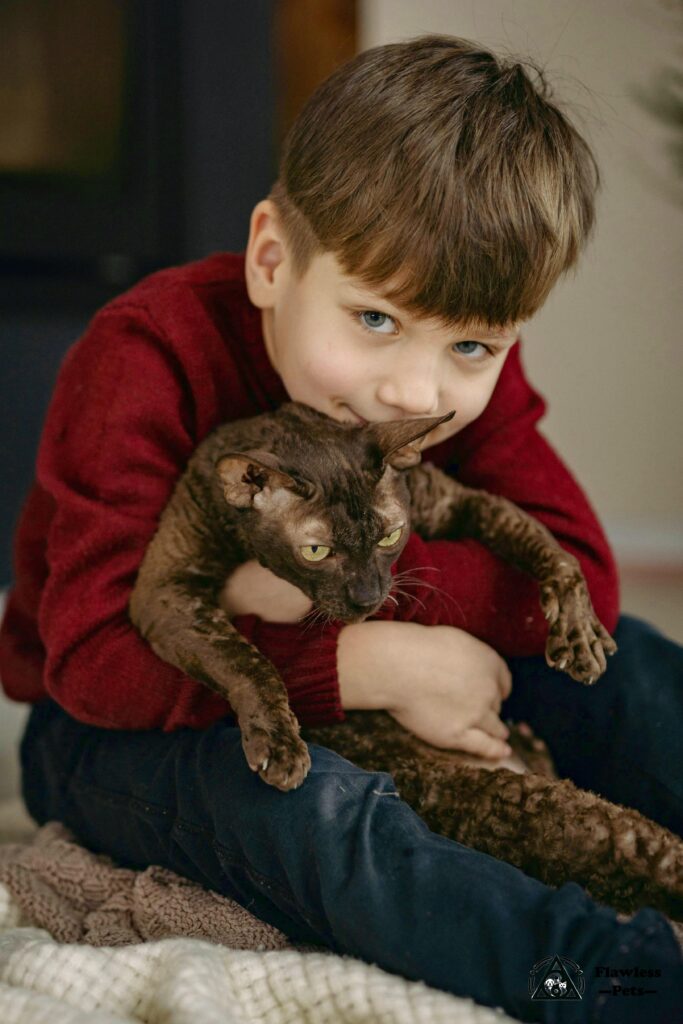
Beyond its stunning looks, the Burmilla cat is highly sought after for its wonderful temperament. It's often described as embodying the best qualities of its parent breeds – the playful, inquisitive, and people-oriented nature of the Burmese, tempered by the sweet, gentle, and laid-back disposition of the Chinchilla Persian. This results in a well-balanced, affectionate, and engaging companion.
A Blend of Burmese and Persian Traits
Imagine the energetic curiosity of a Burmese kitten, always exploring, getting into mischief, and demanding interaction. Now, blend that with the serene calmness of a Persian, content to lounge gracefully and accept affection gently. This is the essence of the Burmilla personality. They retain a kitten-like playfulness well into adulthood, enjoying interactive games, puzzle toys, and exploring their surroundings (TICA, n.d.). However, they are typically less demanding and less vocal than the Burmese. They have moments of energetic bursts followed by periods of contented relaxation, often seeking out a warm lap or a comfortable spot nearby their human companions. This balanced nature makes the Burmilla cat adaptable to various household dynamics.
Sociability and Affection
Burmilla cats are known for being highly sociable and affectionate. They form strong bonds with their families and generally enjoy being involved in household activities. Unlike some more independent breeds, the Burmilla often seeks out human company and interaction. They are typically welcoming of visitors once comfortable and tend to get along well with considerate children and other pets, including dogs, especially if introduced properly and socialized from a young age (Helgren, 2013). Their affectionate nature means they thrive in environments where they receive regular attention and interaction. They aren't typically aloof; expect a Burmilla cat to follow you from room to room, supervise your activities, and readily accept cuddles and petting. They often show their affection subtly, through purrs, head-butts (bunting), and simply choosing to be near their people.
Intelligence and Playfulness
Inheriting intelligence from both sides of its ancestry, the Burmilla cat is a clever and inquisitive feline. They learn quickly, can often figure out how to open cabinets or doors, and respond well to positive reinforcement training techniques. This intelligence needs an outlet, making playtime crucial. Engage them with interactive toys like feather wands, laser pointers (used responsibly, ending on a physical toy), and puzzle feeders to keep their minds stimulated. Their playfulness is often described as mischievous rather than destructive. They enjoy games that involve chasing, pouncing, and problem-solving. Providing environmental enrichment, such as cat trees, scratching posts, and window perches, is essential to keep an intelligent Burmilla cat happy and prevent boredom-related behaviours. Some owners even report success teaching their Burmillas simple tricks or commands.
Vocalization Levels
While the Burmese parent is known for being quite vocal, often possessing a distinctive (and sometimes loud) voice, the Chinchilla Persian is typically very quiet. The Burmilla cat generally falls somewhere in between, leaning towards the quieter side. They are not usually overly chatty cats but will communicate when they need something – perhaps a soft chirp to greet you, a polite meow to request food or attention, or a contented purr when being petted. Their voice is often described as soft and sweet, lacking the demanding tone sometimes associated with the Burmese. This makes them suitable for apartment living or for owners who prefer a less vocal companion compared to breeds like the Siamese or Burmese. Of course, individual personality varies, and some Burmillas may be more talkative than others, but generally, they are considered moderately quiet felines.
Understanding Burmilla Cat Genetics
The distinctive appearance of the Burmilla cat, particularly its shimmering coat, is the direct result of specific gene interactions inherited from its foundation breeds. Understanding these basic genetic principles helps appreciate how the breed was developed and why certain traits are key to its identity. The two most crucial genes are the Silver Inhibitor gene and the Burmese Colour Restriction gene.
The Silver Gene (Inhibitor Gene)
The defining characteristic of the Burmilla's coat – its silvery appearance – comes from the dominant Inhibitor gene, symbolized as ‘I' (Lyons et al., 2009). This gene was inherited from the Chinchilla Persian parent. The Inhibitor gene doesn't create silver pigment; instead, it *suppresses* the production of phaeomelanin (yellow/red pigment) and significantly restricts eumelanin (black/brown pigment) deposition along the hair shaft, particularly near the base. This results in a pale, often near-white undercoat. The actual colour pigment is then confined primarily to the tips of the hair.
Because ‘I' is a dominant gene, a cat only needs one copy (heterozygous, I/i) to express the silver effect. A non-silver cat would have the genotype i/i. The presence of this gene is what gives the Burmilla cat, as well as Chinchillas and other silver/smoke breeds, their characteristic luminous quality. The extent of the tipping (how far the colour extends down the hair shaft) determines whether the cat is classified as ‘tipped/shell' (minimal colour) or ‘shaded' (more colour).
The Burmese Gene (cb)
The base colours seen in the Burmilla (like brown/seal, blue, chocolate, lilac) and the slight darkening of points in some individuals are influenced by the Burmese colour restriction allele, symbolized as ‘cb'. This gene is part of the albino series (C locus), which controls the intensity of pigment production. The hierarchy is typically C (full colour) > cb (Burmese) > cs (Siamese) > c (albino).
The cb allele results in temperature-sensitive pigment production. It causes the coat colour to be lighter overall compared to a cat with full colour (C/C or C/cb), but allows more pigment expression in the cooler extremities (face, ears, legs, tail), although this contrast is often very subtle in shorthaired breeds like the Burmese and Burmilla compared to the Siamese (cs/cs). A Burmilla cat must inherit two copies of the Burmese gene (cb/cb) to express the Burmese colour restriction properly, contributing to the richness of the base colours seen beneath the silvering effect (Lyons et al., 2005). This genetic contribution from the Burmese parent differentiates the Burmilla's colour expression from that of a standard Chinchilla Persian, which typically has the full colour gene (C).
Inheritance Patterns
Creating a true Burmilla cat involves combining these key genes. A typical Burmilla genotype regarding these two loci would be I/_ cb/cb. The underscore in I/_ indicates that either I/I (homozygous dominant) or I/i (heterozygous) will result in the silver phenotype, as ‘I' is dominant. The cat must be homozygous recessive for the Burmese gene (cb/cb) to exhibit the correct colour expression.
Breeding programs focus on maintaining this combination. For instance:
- Breeding two standard Burmillas (e.g., I/i cb/cb x I/i cb/cb) can produce Burmilla (I/_ cb/cb), non-silver Burmese-type (i/i cb/cb), and potentially homozygous silver Burmilla (I/I cb/cb) offspring.
- Outcrossing a Burmilla (I/i cb/cb) back to a Burmese (i/i cb/cb) would yield approximately 50% Burmilla kittens (I/i cb/cb) and 50% Burmese-type kittens (i/i cb/cb). This might be done carefully to maintain type or introduce specific colours.
- Outcrossing to a Chinchilla (carrying cb, e.g., I/I C/cb) is more complex and less common in established lines but was part of early development.
Understanding these patterns is crucial for breeders aiming to produce healthy Burmilla cat kittens that conform to the breed standard. Genetic testing is available for the Inhibitor gene and alleles at the C locus, aiding breeders in making informed decisions (Lyons et al., 2009).
Color and Pattern Variations
While the classic Burmilla cat is the Black Silver Shaded or Tipped, the underlying genetics allow for a range of beautiful variations recognized by most cat fancies. The base colour (determined by genes like B/b for Black/Chocolate/Cinnamon and D/d for Dense/Dilute) is masked or modified by the silver inhibitor gene and the Burmese gene.
Common recognized colours include:
- Black Silver (Tipped/Shaded): The original and most common. Base colour is black/seal.
- Brown Silver (Tipped/Shaded): Genetically seal/brown base colour.
- Blue Silver (Tipped/Shaded): Dilute of black; base colour is blue.
- Chocolate Silver (Tipped/Shaded): Base colour is chocolate.
- Lilac Silver (Tipped/Shaded): Dilute of chocolate; base colour is lilac.
Additionally, some registries recognize:
- Red Silver (Tipped/Shaded): Requires the Orange gene (O).
- Cream Silver (Tipped/Shaded): Dilute of red.
- Tortoiseshell Silver (Tipped/Shaded): Combines black/blue/chocolate/lilac with red/cream in patches, overlaid with silver. Often referred to as “Silversmoke Tortie” in some contexts, though Burmilla standard usually specifies tipped/shaded.
Furthermore, while Tipped and Shaded are the primary patterns, some associations also recognize Smoke (where the silver band at the base of the hair is narrower, resulting in a much darker cat with a silver undercoat visible mainly when the fur is parted) and sometimes even tabby patterns overlaid with silver (Silver Tabby) within the broader Asian group, although these are distinct from the classic Burmilla cat standard which emphasizes the tipped/shaded look.
Caring for Your Burmilla Cat: Needs and Recommendations
Providing appropriate care is essential to ensure your Burmilla cat lives a long, healthy, and happy life. Fortunately, their care requirements are relatively straightforward compared to some other breeds, particularly long-haired ones. However, understanding their specific needs regarding grooming, nutrition, exercise, environment, and socialization will help you be the best possible guardian for this charming feline.
Grooming Requirements
One of the attractive features of the Burmilla cat for many owners is its relatively low-maintenance coat. Unlike its Chinchilla Persian ancestor, the Burmilla has a short, close-lying coat that does not easily mat or tangle.
- Brushing: A weekly brushing session is usually sufficient to remove loose hairs and distribute skin oils, keeping the coat healthy and minimizing shedding. Use a soft bristle brush, a rubber grooming mitt, or a fine-toothed comb. During seasonal shedding periods (spring and fall), you might want to brush more frequently, perhaps two or three times a week.
- Bathing: Baths are rarely necessary unless the cat gets particularly dirty. Most cats are fastidious groomers. If a bath is needed, use a cat-specific shampoo.
- Nail Trimming: Trim claws every few weeks as needed, using cat nail clippers. Get your kitten accustomed to this early on.
- Ear Cleaning: Check ears weekly for wax buildup or signs of infection (redness, odor, discharge). Clean only if necessary, using a vet-approved ear cleaner and cotton balls – never insert anything deep into the ear canal.
- Dental Care: Regular dental hygiene is crucial (see Health section). Aim for regular toothbrushing with feline toothpaste.
Grooming sessions are also an excellent opportunity to bond with your Burmilla cat and check for any lumps, bumps, parasites, or skin issues.
Nutritional Needs
Providing a high-quality, balanced diet is fundamental to the health of your Burmilla cat. As obligate carnivores, cats require a diet rich in animal protein and specific nutrients like taurine.
- Quality Food: Choose a reputable commercial cat food (wet, dry, or a combination) that is appropriate for your cat's age (kitten, adult, senior), health status, and activity level. Look for foods that list a specific meat source (like chicken, turkey, fish) as the first ingredient and meet AAFCO (Association of American Feed Control Officials) standards for feline nutrition. Some owners explore raw or home-cooked diets, but these require meticulous planning and veterinary nutritionist consultation to ensure they are balanced and safe.
- Portion Control: Follow feeding guidelines on the packaging but adjust based on your cat's body condition. Burmillas can sometimes have a healthy appetite, so monitor their weight to prevent obesity, which can lead to serious health problems. Measuring food and having set meal times is often better than free-feeding.
- Hydration: Ensure constant access to fresh, clean water. Cats often don't have a strong thirst drive, so wet food can contribute to hydration. Consider a pet water fountain, as many cats prefer moving water.
- Treats: Offer treats in moderation (less than 10% of daily caloric intake). Avoid giving human foods, many of which can be toxic to cats (e.g., onions, garlic, chocolate, grapes).
Consult your veterinarian for personalized dietary recommendations for your specific Burmilla cat, especially if they have any health conditions.
Exercise and Play
While adaptable and generally content indoors, the Burmilla cat retains a playful and curious nature inherited from its Burmese side. Regular exercise and mental stimulation are essential for their physical and mental well-being.
- Interactive Play: Engage your Burmilla in daily interactive play sessions using toys like feather wands, fishing pole toys, or crinkle balls. Mimic hunting behaviors (stalk, chase, pounce) to satisfy their natural instincts. Aim for at least two 10-15 minute sessions per day.
- Solo Play Toys: Provide a variety of toys for solo play, such as balls, toy mice, and puzzle feeders that dispense treats when manipulated. Rotate toys to keep things interesting.
- Vertical Space: Cat trees, shelves, and window perches provide opportunities for climbing, exploring, and observing, which are natural feline behaviors.
- Scratching Posts: Offer sturdy scratching posts (sisal rope or cardboard are popular) in various locations to satisfy their need to scratch and stretch, saving your furniture.
Adequate playtime not only prevents obesity but also reduces stress and prevents boredom-related behavioral issues in your intelligent Burmilla cat.
Ideal Living Environment
Burmilla cats are adaptable and can thrive in various living situations, including apartments, provided their needs are met.
- Indoor Safety: It is generally recommended to keep Burmillas as indoor-only cats to protect them from dangers like traffic, predators, diseases, and theft. Their striking appearance can unfortunately make them targets.
- Secure Environment: Ensure windows and balconies are secure. Provide safe spaces where the cat can retreat and feel secure, like a covered bed or a quiet corner.
- Enrichment: An enriched indoor environment is crucial. This includes scratching posts, climbing structures, comfortable resting spots, puzzle toys, and regular interaction.
- Companionship: Being sociable cats, Burmillas generally appreciate company. If you are away for long hours, consider whether your lifestyle can accommodate their need for interaction, or perhaps consider getting a compatible feline companion.
A safe, stimulating, and loving environment is key to the happiness of a Burmilla cat.
Socialization and Training
Proper socialization from a young age helps ensure your Burmilla cat grows into a well-adjusted and confident adult.
- Early Exposure: Reputable breeders will start socializing kittens early, exposing them to various sights, sounds, handling, and gentle interactions with people. Continue this process when you bring your kitten home.
- Positive Experiences: Introduce your Burmilla gradually and positively to new people, environments, and, if applicable, other pets. Ensure interactions are calm and rewarding.
- Handling: Accustom your kitten to being handled gently, including touching paws (for nail trimming), checking ears, and opening the mouth (for dental care).
- Basic Training: Use positive reinforcement (treats, praise) to train basic manners, such as using the litter box consistently and coming when called. Their intelligence makes them receptive to learning. Clicker training can be very effective.
Good socialization helps prevent fearfulness and aggression, allowing the naturally friendly personality of the Burmilla cat to shine through.
Health Considerations for the Burmilla Cat
The Burmilla cat is generally considered a healthy breed, benefiting from the genetic diversity introduced by crossing the Burmese and Chinchilla Persian. However, like all breeds (and mixed breeds), they can be susceptible to certain hereditary conditions and common feline ailments. Awareness of potential issues and commitment to preventative care are crucial for ensuring a long and healthy life for your companion.
Disclaimer: This information is for educational purposes only and is not a substitute for professional veterinary advice. Always consult your veterinarian for health concerns regarding your cat.
Average Lifespan
With proper care, good nutrition, regular veterinary check-ups, and an indoor lifestyle, a Burmilla cat can typically live between 12 and 16 years, with some individuals living even longer. Factors influencing lifespan include genetics, diet, environment, and preventative healthcare.
Common Health Issues
Like most cats, Burmillas can be susceptible to common feline health problems such as:
- Obesity: Due to their good appetites and sometimes less demanding nature than pure Burmese, Burmillas can be prone to weight gain if overfed or under-exercised. Obesity significantly increases the risk of diabetes, arthritis, and other health issues.
- Dental Disease: Periodontal disease is very common in cats. Plaque and tartar buildup can lead to gingivitis, tooth loss, and potentially systemic infections. Regular dental care is vital (see below).
- Upper Respiratory Infections (URIs): Caused by viruses or bacteria, common in environments with multiple cats (shelters, catteries). Symptoms include sneezing, nasal discharge, and watery eyes. Vaccination helps reduce severity.
- Urinary Tract Issues: Conditions like Feline Lower Urinary Tract Disease (FLUTD) can occur, causing pain and difficulty urinating. Stress, diet, and water intake can be contributing factors.
Polycystic Kidney Disease (PKD)
This is perhaps the most significant inherited disease associated with the Burmilla cat, stemming from its Persian ancestry. Polycystic Kidney Disease (PKD) causes multiple cysts to form in the kidneys, gradually enlarging over time and eventually leading to kidney failure (Lyons et al., 2004). It is caused by a dominant gene (PKD1), meaning only one copy is needed to cause the disease.
Fortunately, a reliable genetic test (DNA test using a cheek swab or blood sample) is available for the PKD1 mutation common in Persians and related breeds. Responsible Burmilla cat breeders screen their breeding stock for PKD and only breed from cats that test negative (N/N). When acquiring a Burmilla kitten, it is crucial to ask the breeder for proof of PKD testing (negative results) for both parents. This has significantly reduced the prevalence of PKD in breeds where screening is practiced diligently (Biller et al., 2011). Choosing a kitten from tested parents is the best way to avoid this devastating disease.
Dental Health
Due to the influence of both parent breeds, some Burmillas may be prone to dental issues, including gingivitis and periodontal disease. The slightly shorter muzzle inherited from the Burmese side can sometimes contribute to tooth crowding in certain individuals, potentially increasing the risk of plaque buildup.
- Home Care: Regular toothbrushing (daily or several times a week) with cat-specific toothpaste is the gold standard for preventing dental disease. Start familiarizing your kitten with this process early.
- Dental Diets/Treats: Certain veterinary dental diets and treats are formulated to help reduce plaque and tartar, but they supplement, rather than replace, brushing.
- Veterinary Cleanings: Professional dental examinations and cleanings under anesthesia are recommended periodically, as determined by your veterinarian based on your cat's individual needs. This allows for thorough cleaning below the gumline and dental X-rays to detect problems early.
Proactive dental care is essential for the overall health and comfort of your Burmilla cat.
The Importance of Responsible Breeding
Responsible breeders play a vital role in maintaining the health and well-being of the Burmilla cat breed. They prioritize health, temperament, and conformation to the breed standard. Key practices include:
- Health Screening: Testing breeding cats for known genetic conditions like PKD and potentially other issues relevant to the parent breeds (e.g., hypertrophic cardiomyopathy – HCM, although less commonly linked directly to Burmillas than some other breeds).
- Genetic Diversity: Managing breeding programs to maintain genetic diversity and avoid excessive inbreeding.
- Temperament Selection: Breeding cats with sound, stable temperaments typical of the Burmilla standard.
- Proper Care: Raising kittens in a clean, stimulating, and well-socialized environment.
- Transparency: Providing documentation of health testing, pedigrees, and vaccination records to new owners.
Choosing a kitten from a reputable, ethical breeder is the best way to ensure you are getting a healthy, well-socialized Burmilla cat and supporting the future health of the breed.
Veterinary Care and Check-ups
Regular veterinary care is fundamental for maintaining your Burmilla's health.
- Initial Check-up: Take your new kitten or cat to the veterinarian soon after arrival for a general health check, vaccinations, deworming, and parasite prevention plan.
- Vaccinations: Follow your veterinarian's recommended vaccination schedule to protect against common feline diseases (e.g., panleukopenia, herpesvirus, calicivirus, rabies).
- Parasite Control: Implement year-round prevention for fleas, ticks, heartworms (depending on geographic location), and intestinal parasites.
- Annual Wellness Exams: Adult cats should have a wellness exam at least once a year. Senior cats (typically over 7-10 years) may benefit from twice-yearly check-ups. These visits allow for early detection of potential problems through physical examination, weight monitoring, dental checks, and potentially screening bloodwork or urinalysis.
- Spaying/Neutering: Spaying (females) or neutering (males) is recommended for pet Burmillas to prevent unwanted litters and reduce the risk of certain reproductive cancers and behavioral issues.
Building a good relationship with your veterinarian ensures your Burmilla cat receives timely and appropriate care throughout its life.
Is a Burmilla Cat Right for You?
The Burmilla cat, with its captivating looks and charming personality, appeals to many potential cat owners. However, like any breed, it's important to consider whether their specific characteristics and needs align with your lifestyle, home environment, and expectations. Making an informed decision ensures a harmonious relationship for both you and the cat for years to come.
Lifestyle Compatibility
Consider the following aspects of the Burmilla's nature when evaluating compatibility:
- Need for Companionship: Burmillas are sociable cats that thrive on interaction. They generally do not do well if left alone for very long periods regularly. If your household is empty most of the day, a Burmilla might become lonely or bored. They are better suited to homes where someone is often around, or where they have another compatible pet companion.
- Activity Level: They are moderately active – playful and inquisitive, but also enjoy relaxing. They need daily interactive playtime but are not usually hyperactive. This balanced energy level makes them adaptable to various households, including apartments, as long as sufficient stimulation is provided.
- Grooming Commitment: Their short coat requires minimal grooming (weekly brushing), which is a plus for those who don't have time for daily grooming sessions required by long-haired breeds.
- Temperament with Family: Their gentle, affectionate, yet playful nature generally makes them excellent family pets. They tend to be patient with respectful children and can coexist peacefully with other pets if properly introduced.
- Indoor Lifestyle: Are you prepared to provide a safe and enriching indoor environment? Keeping a Burmilla cat indoors is strongly recommended for their safety.
Thinking honestly about your daily routines, home environment, and the amount of time and interaction you can provide is crucial.
Considerations for Potential Owners
Before bringing a Burmilla cat home, reflect on these points:
- Cost: Acquiring a well-bred Burmilla from a reputable breeder can be expensive due to the costs involved in responsible breeding (health testing, quality care, etc.). Beyond the initial purchase price, factor in ongoing costs for high-quality food, litter, veterinary care (including potential emergencies), toys, grooming supplies, and pet insurance. You might find specialty online stores useful for some unique supplies.
- Lifespan Commitment: A Burmilla cat can live 12-16 years or more. Owning one is a long-term commitment requiring consistent care and attention throughout their life.
- Potential Health Issues: Be aware of potential breed-related health concerns like PKD and the importance of choosing a breeder who screens for them. Factor potential veterinary costs for managing age-related or unexpected health issues into your budget.
- Allergies: While shorthaired, Burmillas are not considered hypoallergenic. If allergies are a concern in your household, spend time with the breed (if possible) before committing.
- Finding a Reputable Source: Locating ethical Burmilla breeders may require research and patience, as they are not as common as some other breeds.
Finding a Reputable Breeder
Choosing the right breeder is paramount to getting a healthy, well-socialized Burmilla cat. A reputable breeder will:
- Be knowledgeable about the breed standard, genetics, and health concerns.
- Perform necessary health screenings (especially PKD testing) on breeding cats and willingly share results.
- Raise kittens underfoot in a clean, stimulating home environment, ensuring they are well-socialized.
- Be affiliated with recognized cat fancy organizations (e.g., GCCF, TICA, CFA, FIFe).
- Ask you questions about your home and lifestyle to ensure a good match.
- Provide a health guarantee and contract.
- Allow you to visit (or arrange video calls) to see the kittens and their parents in their environment (respecting health protocols).
- Not allow kittens to leave their mother before 12-14 weeks of age, after they have received initial vaccinations and socialization.
Be wary of breeders who sell kittens at very young ages, don't perform health tests, keep cats in poor conditions, or seem primarily motivated by profit. Breed club websites and major cat association listings can be good starting points for finding breeders.
Adoption Options
While finding a purebred Burmilla cat in a shelter or rescue organization is less common due to their relative rarity, it's not impossible. Sometimes adult Burmillas may need rehoming due to changes in their owner's circumstances. Check with breed-specific rescues (if available) or general cat rescues. Adopting an adult cat can be very rewarding; their personality is already established, and you are providing a loving home to a cat in need. Even if a purebred Burmilla isn't available, many beautiful silver-shaded or Burmese-mix cats in shelters possess similar charming qualities and desperately need homes.
The Burmilla Cat Breed Standard: A Closer Look
A breed standard is a written description outlining the ideal characteristics, temperament, and appearance for a particular breed. Cat fancy organizations like The Governing Council of the Cat Fancy (GCCF), The International Cat Association (TICA), and others maintain these standards, which guide breeders in their programs and judges in evaluating cats at shows. While standards across different organizations share core similarities for the Burmilla cat, there can be minor variations in emphasis or specific point allocations.
GCCF Standard Highlights (UK)
The GCCF standard was one of the first developed and is highly influential. Key features emphasized include:
- General Type Standard (GTS): Describes the overall “Asian” group type, aiming for a cat of medium build, elegant yet muscular, showing balance and proportion. It explicitly states the cat should not resemble a British Shorthair, a slender Oriental, or a cobby Persian.
- Head: Short, wide wedge with a gently rounded top. Medium large ears, set well apart with a slight forward tilt. Profile shows a slight nose break. Chin should be firm.
- Eyes: Large, expressive, set well apart. Any shade of green is permissible, luminous green preferred. Distinctive dark “eyeliner” tracing the eye shape is essential.
- Body: Medium length, muscular, rounded chest, level back. Legs are medium slender with neat oval paws.
- Tail: Medium to medium-long, tapering slightly.
- Coat: Short, dense, fine texture, smooth and close-lying. Silvery white undercoat is essential. Patterns are Tipped (minimal colour on tips, sparkling effect) or Shaded (tipping extends further, creating a mantle of colour).
- Colours: Various base colours (Black, Brown, Blue, Chocolate, Lilac, Red, Cream, Tortie) combined with Silver Tipped or Shaded patterns.
- Temperament: Friendly, intelligent, sociable.
The GCCF standard (GCCF, n.d.) places significant emphasis on the balance between the Burmese and Chinchilla influences, avoiding extremes of either parent breed in the ideal Burmilla cat.
TICA Standard Highlights (International/USA)

TICA often groups related breeds. The Burmilla is typically considered within the “Asian Group” or evaluated based on standards derived from its foundation. As of 2025, TICA lists the Burmilla Shorthair under Preliminary New Breeds. Key aspects generally align with other standards but may use slightly different terminology:
- Head: Gently rounded top skull, medium width between ears, tapering to a blunt wedge. Profile shows a moderate stop (nose break). Chin is firm.
- Eyes: Large, luminous, expressive. Set well apart. Outline (eyeliner) is essential. Green eye colour preferred, though TICA standards can sometimes be more lenient on exact shade during development phases.
- Ears: Medium to large, broad base, slightly rounded tips, slight forward tilt.
- Body: Medium length, hard and muscular feel, elegant build. Medium bone structure.
- Proportionate length, medium bone, oval paws.
- Tail: Medium length, tapering.
- Coat: Short, fine, silky, close-lying with sufficient undercoat to give slight lift. Emphasis on the sparkling silver undercoat with tips displaying colour (Tipped/Shaded).
- Temperament: Balanced, combining activity with affection.
TICA standards (TICA, n.d.) often focus on overall balance and the unique combination of traits that define the Burmilla cat.
Variations Between Organizations
While the core description of the Burmilla cat is consistent, minor differences between standards might exist regarding:
- Point Allocation: How many points are assigned to specific features (e.g., head, eyes, coat, body) during judging.
- Accepted Colors/Patterns: Some organizations might recognize a broader range of colours or patterns than others, especially regarding tabby or smoke variations within the wider Asian group.
- Terminology: Slight differences in descriptive words used for shapes or features (e.g., “nose break” vs. “stop”).
- Emphasis: One standard might place slightly more emphasis on muscularity, while another might highlight elegance.
However, all recognized standards aim to preserve the essential characteristics that define the Burmilla: the medium foreign type, the sparkling silver tipped/shaded coat, the expressive green eyes with dark rims, and the balanced, affectionate temperament. Breeders typically adhere to the standard of the organization(s) they are registered with.
Related Breeds and the Asian Group
The creation of the Burmilla cat was not an isolated event but part of a broader interest in developing new breeds based on the Burmese type, often referred to collectively as the Asian Group, particularly in the UK and Europe. Understanding this context helps place the Burmilla within the wider feline landscape and appreciate its connections to other breeds.
The Asian Group of Cats
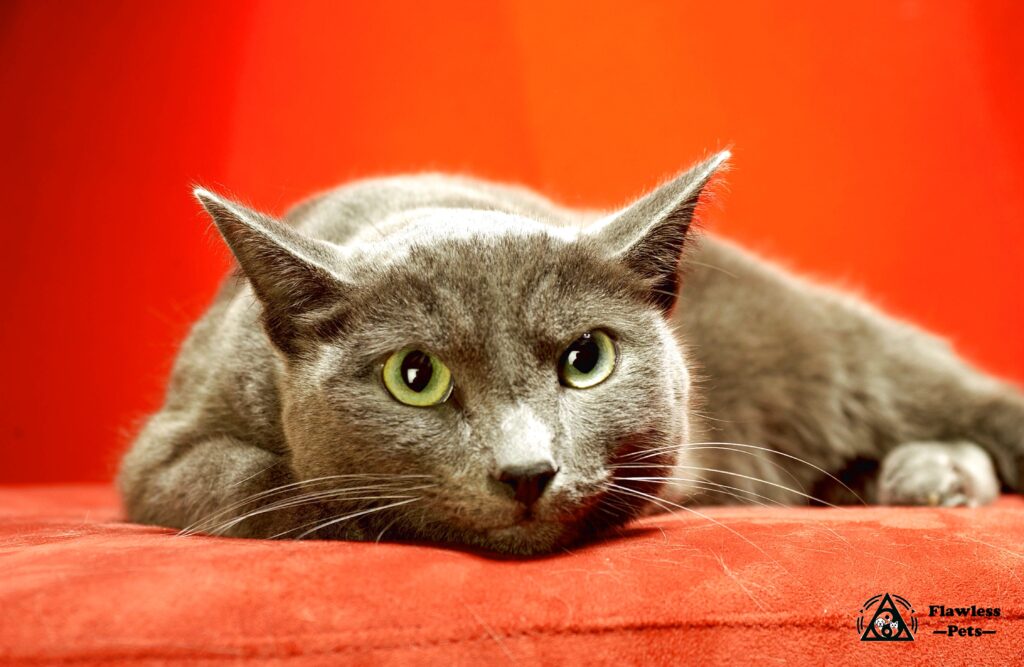
The Asian Group (as defined primarily by GCCF) encompasses several breeds that share the Burmese conformation and temperament but differ in coat colour, pattern, or length. The goal was to create cats with the Burmese personality and body type but in colours and patterns not found in the traditional Burmese breed (which is characterized by the sepia pattern). Besides the Burmilla, this group includes:
- Asian Self:** Cats with the Burmese type but in solid (self) colours like Black (Bombay – though the Bombay has a distinct US history too), Blue, Chocolate, Lilac, Red, Cream, etc., without the Burmese pointing effect.
- Asian Tabby:** Cats with the Burmese type exhibiting various tabby patterns (ticked, mackerel, spotted, classic) in different colours.
- Asian Smoke:** Similar to Self colours but with a silver undercoat, caused by the Inhibitor gene (I) acting on a solid colour.
- Burmilla:** As described extensively, the silver-tipped or shaded variety.
- Tiffanie (UK/Europe):** The semi-longhaired version of the Asian group cats (including Burmilla). Note: This is distinct from the Tiffany/Chantilly breed developed in North America.
The concept of the Asian Group highlights the versatility of the Burmese genetic base when combined with other modifying genes for colour, pattern, and coat length. The Burmilla cat is essentially the Silver Shaded/Tipped member of this group.
Burmese Influence
The Burmese cat provided the foundational body type, musculature, basic head shape (though moderated in the Burmilla), and, crucially, the sociable, playful, and intelligent aspects of the Burmilla cat temperament. The Burmese ‘cb' gene is also essential for the correct colour expression under the silver. While Burmillas are generally less demanding and vocal than Burmese, the core personality traits of affection and engagement stem strongly from this side of the family tree. Understanding the Burmese helps appreciate the “Burm” part of the Burmilla's heritage.
Chinchilla Persian Influence
The Chinchilla Persian contributed the all-important Inhibitor gene (I) responsible for the silver coat, the beautiful green eye colour, and the characteristic dark “eyeliner” rims. Temperamentally, the Chinchilla influence brings a softer, gentler, more laid-back quality to the Burmilla cat, balancing the Burmese energy. The Chinchilla's contribution moderates the extreme features sometimes seen in modern Persians, resulting in the Burmilla's more balanced conformation. Without the Chinchilla, the Burmilla's signature look would not exist.
Australian Tiffanie (Semi-longhair Burmilla)
It's worth noting a related development primarily in Australia and New Zealand. While the UK/European Tiffanie refers to semi-longhairs across the Asian Group, the term “Australian Tiffanie” specifically refers to the semi-longhaired version of the Burmilla cat. These cats resulted from Burmilla breeding programs where the recessive longhair gene (likely carried recessively by some foundation Chinchillas or even Burmese) was expressed. They possess the Burmilla colours and patterns (silver tipped/shaded) and temperament but with a semi-long, silky coat that requires more grooming than the shorthaired Burmilla. They are recognized as a distinct breed in Australasia, showcasing another variation derived from the original Burmilla concept.
Exploring these related breeds provides a richer understanding of the genetic tapestry from which the unique and captivating Burmilla cat emerged.
Conclusion: The Enduring Appeal of the Burmilla Cat
The Burmilla cat stands as a testament to the beauty that can arise from unexpected beginnings. Born from a chance encounter, this breed has captured the hearts of feline enthusiasts worldwide with its unique combination of striking elegance and endearing personality. Its shimmering silver coat, reminiscent of moonlight on snow, paired with captivating, kohl-lined green eyes, creates an image of ethereal beauty. Yet, beneath this stunning exterior lies a cat with a wonderfully balanced temperament – the playful intelligence and sociability of the Burmese fused with the gentle sweetness of the Chinchilla Persian.
Throughout this guide, we have journeyed through the history, appearance, genetics, care, and health considerations pertinent to the Burmilla cat. We've seen how responsible breeding practices have solidified its desirable traits while aiming to minimize potential health issues like PKD. We've explored its relatively moderate care needs, making it a suitable companion for various households prepared to offer interaction and an enriched indoor environment. Finding unique pet accessories online can be part of the fun of preparing for your new companion.
Owning a Burmilla cat is about more than just appreciating its physical beauty; it's about engaging with an intelligent, affectionate, and gently mischievous soul that thrives on companionship. They are adaptable, loving, and bring a unique blend of playful energy and serene affection into a home. Whether draped elegantly over a sofa or batting playfully at a dangling toy, the Burmilla embodies a special kind of feline charm.
As with any breed, potential owners must undertake thorough research, choose breeders wisely, and commit to providing lifelong care. But for those whose lifestyle and preferences align with the needs of this breed, the Burmilla cat offers unparalleled companionship, wrapped in a coat of silver and gifted with eyes full of expression. It truly is a jewel of the feline world, a happy accident that blossomed into a cherished and distinct breed.
Frequently Asked Questions (FAQ) about Burmilla Cats
-
Are Burmilla cats hypoallergenic?
No, Burmilla cats are not considered hypoallergenic. While they have short coats and may shed less than some other breeds, they still produce Fel d 1, the primary allergen found in cat saliva, dander, and urine. Individuals with cat allergies may still react to a Burmilla. If allergies are a concern, spending time with the breed before making a commitment is advisable.
-
How much grooming do Burmilla cats need?
Burmilla cats are relatively low-maintenance in terms of grooming. Their short, silky coat typically requires only a weekly brushing to remove loose hair and maintain its condition. Unlike their long-haired Chinchilla ancestors, they are not prone to matting. Regular nail trimming and dental care are also important aspects of their grooming routine.
-
Are Burmilla cats good with children and other pets?
Generally, yes. Burmilla cats are known for their gentle, sociable, and tolerant nature, often making them good companions for respectful children. They also tend to get along well with other cats and cat-friendly dogs, especially when introduced properly and socialized from a young age. Their balanced temperament, combining playfulness with gentleness, helps them integrate well into family life.
-
What is the difference between a Tipped and Shaded Burmilla cat?
The difference lies in the extent of the colour on the hair tips over the silver undercoat. In a Tipped (or Shell) Burmilla, only the very ends of the hairs are coloured, giving a sparkling, very pale silver appearance with minimal colour dusting. In a Shaded Burmilla, the colour extends further down the hair shaft (about one-third of the way), creating a noticeable mantle of colour across the back, flanks, and tail, resulting in a darker overall appearance compared to the Tipped variety.
-
What health problems should I watch out for in a Burmilla cat?
While generally healthy, the main inherited concern is Polycystic Kidney Disease (PKD), inherited from the Persian side. Responsible breeders screen for PKD using DNA tests, so choosing a kitten from tested-negative parents is crucial. Like many cats, they can also be prone to dental disease, so regular dental care is important. Maintaining a healthy weight is also key to preventing obesity-related issues. Regular veterinary check-ups are essential for early detection of any health problems.
-
How active is the average Burmilla cat?
The Burmilla cat possesses a moderate activity level. They enjoy periods of play and exploration, exhibiting the curiosity of their Burmese heritage, but they also appreciate quiet time and are often content to relax near their human companions, reflecting their Chinchilla Persian ancestry. Daily interactive play sessions combined with environmental enrichment like cat trees are usually sufficient to meet their exercise needs. They are typically less intensely active or demanding than a purebred Burmese.
-
Do Burmilla cats talk a lot?
Compared to their vocal Burmese relatives, Burmilla cats are generally considered to be moderately quiet. They will communicate with soft meows or chirps when they want attention, food, or to greet you, but they are not typically prone to constant or loud vocalizations. Their voice is often described as sweet and gentle, fitting their overall temperament.
References
(Note: Please ensure links are active and accessible. Some links may require database access or subscriptions.)
- Journal of Heredity, 85(1), 1–10. https://doi.org/10.1093/oxfordjournals.jhered.a111331 (Note: Original research often cited, though date refers to early work, relevance persists).
- Cat Fanciers' Association (CFA). (2014, February). Board Meeting Minutes. Retrieved from CFA website archives or relevant sections discussing breed acceptance. (Specific link may vary or require searching CFA archives for Feb 2014 meeting minutes).
- Governing Council of the Cat Fancy (GCCF). (n.d.). Burmilla Breed Standard. Retrieved from https://www.gccfcats.org/Breeds/Burmilla
- Helgren, J. A. (2013). Encyclopedia of Cat Breeds (2nd ed.). Barron's Educational Series. (Provides general breed information).
- Journal of the American Society of Nephrology, 15(10), 2548–2555. https://doi.org/10.1097/01.ASN.0000141776.41771.9D
- Animal Genetics, 36(2), 119–126. https://doi.org/10.1111/j.1365-2052.2005.01253.x
- Lyons, L.A., Foe, I.T., Rah, H.C., Grahn, R.A. (2009). Chocolate coated cats: TYRP1 mutations for brown color in domestic cats. Mammalian Genome, 18(10-11), 567-75. (While about chocolate, demonstrates genetic work in cat coats relevant to Burmilla colours). A specific citation for the Inhibitor gene (I) locus identification might be harder to pinpoint to a single widely accessible paper, often discussed in broader coat color genetics reviews or specialized databases like Online Mendelian Inheritance in Animals (OMIA).
- Robinson, R. (1991). Genetics for Cat Breeders (3rd ed.). Pergamon Press. (Classic text covering feline genetics including coat colour inheritance).
- The International Cat Association (TICA). (n.d.). Burmilla Breed Standard (Preliminary New Breed). Retrieved from TICA website breed standards section (specific URL may change as breed status progresses). https://www.tica.org/breeds/browse-all-breeds (Navigate to Burmilla or Asian Group).
Disclaimer: The information provided in this blog post is for educational and informational purposes only. It is not intended as professional veterinary advice. Always consult with a qualified veterinarian for your pet's specific needs and health conditions. We strive to ensure accuracy, but we make no warranty as to the reliability or completeness of the information presented.
Images and media used in this post may come from free-license resources or the internet. If you are the rightful owner and wish to request removal or attribution, please contact us at [email protected] .
Images and media used in this post may come from free-license resources or the internet. If you are the rightful owner and wish to request removal or attribution, please contact us at [email protected] .










 English
  简体中文
简体中文  Français du Canada
  Deutsch
  Español
  Português
  한국어
한국어  日本語
日本語  Italiano
  Русский
  Dansk
Dansk  Nederlands
  Svenska
  Suomi
Suomi  Polski
  Norsk bokmål