




Flawless Pet Supplies

Key Takeaways:
The Burmilla Longhair, often known as the Tiffanie in some cat registries, is a captivating breed resulting from an unplanned mating between a Burmese and a Chinchilla Persian. It combines the Burmese's affectionate, playful nature with the Persian's elegance and a stunning semi-longhaired coat. Characterized by its sparkling silver coat, often tipped or shaded, and expressive green eyes outlined in dark “mascara,” this breed is moderately active, intelligent, and forms strong bonds with its human companions. While generally healthy, they require regular grooming to maintain their coat and may inherit predispositions to conditions like Polycystic Kidney Disease (PKD) from their Persian ancestry and potential sensitivities from the Burmese line. Understanding their specific needs regarding diet, enrichment, and health screening is crucial for responsible ownership. The Burmilla Longhair is recognized by various feline organizations, though naming conventions (Burmilla Longhair vs. Tiffanie) can vary geographically.
-
-23%

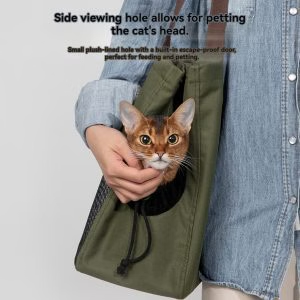
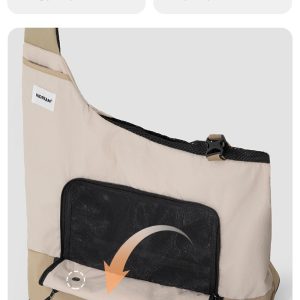
HiDream Color-Block Shoulder Pet Travel Bag – Stylish and Lightweight Carrier for Small Pets – Almond, Matcha
Original price was: $109.99.$84.99Current price is: $84.99. -
-14%

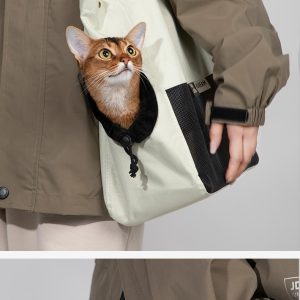
HiDream Pet Tote Bag – Relaxed Style Carrier for Small Pets – Durable Nylon with Breathable Mesh – Beige, Green, Gray
Original price was: $109.99.$94.59Current price is: $94.59. -
-12%
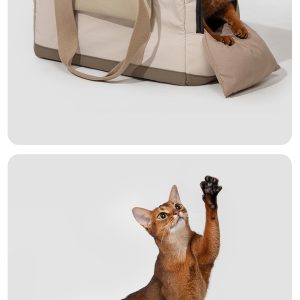
HiDream Pet Sling Carrier Bag – Adjustable Shoulder Strap Front Carry Bag for Small Pets – Khaki, Green, Gray
Original price was: $99.99.$88.49Current price is: $88.49.
Table of Contents
- A Serendipitous Beginning: The History and Origins of the Burmilla Longhair
- Breed Development and Recognition
- Defining Elegance: Physical Characteristics of the Burmilla Longhair
- Burmilla Longhair vs. Burmilla Shorthair: A Comparative Glance
- The Crowning Glory: Coat, Color, and Pattern
- Unraveling the Code: Genetics of the Burmilla Longhair
- The Heart of the Home: Temperament and Personality
- Nurturing Your Gem: Caring for Your Burmilla Longhair
- A Picture of Health? Common Health Considerations
- Focus on PKD: Polycystic Kidney Disease
- Other Potential Health Concerns
- Preventative Care and Health Screening
- Living Harmoniously: The Burmilla Longhair in the Home
- Breeding the Burmilla Longhair: Considerations and Ethics
- Official Status: Breed Recognition and Standards
- Conclusion: The Enduring Allure of the Burmilla Longhair
- Frequently Asked Questions (FAQ) about the Burmilla Longhair
- References
A Serendipitous Beginning: The History and Origins of the Burmilla Longhair
The story of the Burmilla Longhair, also widely recognized as the Tiffanie, is one of delightful chance, a testament to how unplanned moments can lead to enduring beauty. Unlike breeds meticulously developed over centuries, the Burmilla lineage began with an accidental encounter in the United Kingdom in 1981. The stage was set in the home of Baroness Miranda von Kirchberg, a dedicated cat enthusiast. Two of her beloved cats, a Lilac Burmese female named Bambino Lilac Fabergé and a Chinchilla Persian male, Jemari Sanquist, found themselves with an unexpected opportunity when a cleaner inadvertently left a door ajar (Governing Council of the Cat Fancy [GCCF], n.d.-a; The International Cat Association [TICA], 2018).
Fabergé, the Burmese, was awaiting a planned mating with another Burmese, while Sanquist, the Chinchilla Persian, resided in the same household but was not intended to be part of Fabergé's breeding plans. Nature, however, had other ideas. The result of this unplanned union was a litter of four female kittens born later that year. These kittens possessed a unique and captivating appearance: they inherited the shorter, muscular body type reminiscent of the Burmese but were adorned with stunning, short, dense coats of pure silver, subtly tipped with black, much like their Persian father. Their eyes, large and expressive, were beautifully outlined, giving them a striking look. Baroness von Kirchberg was immediately enchanted by these kittens, recognizing their distinct charm and potential as a new breed (TICA, 2018).
These first kittens were essentially the foundation of what would become the Burmilla breed – specifically, the Shorthair variety. They represented a harmonious blend of their parent breeds: the affectionate, people-oriented nature of the Burmese combined with the slightly more laid-back elegance and striking silver coat of the Chinchilla Persian. The name “Burmilla” itself cleverly reflects this heritage, merging “Burm” from Burmese and “illa” from Chinchilla (GCCF, n.d.-a).
The journey towards the Burmilla Longhair variant branched from this initial development. Since the Chinchilla Persian carries the gene for long hair, and the Burmese carries the gene for short hair, the genetic potential for longhaired kittens was present from the very beginning. The gene for long hair (l) is recessive to the gene for short hair (L). This means that for a cat to have long hair, it must inherit the longhair gene from both parents (ll). The initial Burmese x Chinchilla cross (LL x ll) would result in all Shorthair kittens (Ll), but these kittens would all carry the recessive longhair gene. When these first-generation Burmillas (carrying the longhair gene) were bred back to other Burmillas carrying the gene, or potentially back to Chinchilla Persians or even specific Burmese lines known to carry the longhair recessive (a trait sometimes referred to as the “Dilute carrier” status in Burmese history, though complex), the possibility of producing longhaired kittens emerged (Lyons et al., 2005). Approximately one in four kittens from a mating between two Burmillas carrying the longhair gene (Ll x Ll) would be expected to inherit the necessary ‘ll' combination and thus display a long coat.
These longer-haired offspring, initially appearing sporadically within Burmilla litters, were equally captivating. They possessed the same underlying Burmilla type – the moderate build, the sweet temperament, the characteristic tipped or shaded silver coat – but with the added elegance of a flowing, semi-longhaired coat. Recognizing the distinct beauty and appeal of these cats, breeders began to selectively work with them, aiming to establish the longhaired variety alongside the shorthair.
Breed Development and Recognition
The development program initiated by Baroness von Kirchberg and other early enthusiasts focused on establishing the key characteristics observed in the foundation litter. This involved careful selection and planned matings, sometimes incorporating further crosses back to the parent breeds (Burmese and Chinchilla Persian) under strict guidelines set by cat fancy organizations, primarily in the UK and Australia, where the breed gained early popularity. The goal was to solidify the desired conformation, coat texture, and temperament while maintaining genetic diversity and health (GCCF, n.d.-a).
The path to formal recognition for the longhaired variant involved navigating the nomenclature and standards across different feline registries. In the United Kingdom, under the Governing Council of the Cat Fancy (GCCF), the longhaired version of the Burmilla was initially grouped with other breeds but eventually gained recognition under the name “Tiffanie.” The GCCF standard for the Tiffanie describes it as the semi-longhaired version of the Asian Shorthair group, which includes the Burmilla Shorthair (GCCF, n.d.-b). Therefore, in the UK context, “Tiffanie” is the official breed name for what is genetically a Burmilla Longhair.
In other parts of the world, particularly under organizations like The International Cat Association (TICA) and in Australian registries like the Australian Cat Federation (ACF), the term “Burmilla Longhair” is often preferred. TICA recognizes both Burmilla Shorthair (BS) and Burmilla Longhair (BL) under the Burmilla breed group standard (TICA, 2018). This difference in naming convention can sometimes cause confusion, but fundamentally, the Tiffanie (GCCF) and the Burmilla Longhair (TICA, ACF) refer to the same type of cat originating from the Burmese x Chinchilla cross, distinguished by its semi-long coat.
The breeding programs aimed to retain the core Burmilla essence: the medium foreign build, the rounded head shape with a gentle dip in the profile, large expressive eyes, and the signature ticked or shaded silver coat. For the Burmilla Longhair/Tiffanie, emphasis was placed on achieving a fine, silky coat texture that flows elegantly without excessive density or matting, complemented by a plume-like tail (GCCF, n.d.-b; TICA, 2018). Maintaining the characteristic green eye color, often outlined in a darker shade which gives a ‘made-up' appearance, was also a key focus.
Through dedicated efforts over the subsequent decades, the Burmilla Longhair (or Tiffanie) solidified its place as a recognized and cherished breed, admired for its unique combination of grace, beauty, and engaging personality derived directly from that serendipitous meeting in 1981.
Defining Elegance: Physical Characteristics of the Burmilla Longhair
The Burmilla Longhair is a cat of medium foreign type, striking a beautiful balance between the muscular compactness of the Burmese and the delicate refinement of the Chinchilla Persian. It presents an image of understated elegance, combining a sturdy build with a graceful, flowing coat. The overall impression is one of rounded contours and a sweet, open expression.
The head is a defining feature, forming a short, wide wedge that tapers gently to a blunt muzzle. The top of the head should be gently rounded, and there should be a good width between the ears. In profile, a distinct “nose break” or dip is visible, differentiating it from the smoother profile of some other breeds. The muzzle itself is broad and relatively short, contributing to the breed's sweet expression. The chin should be firm, showing good depth and aligning with the tip of the nose in profile (TICA, 2018; GCCF, n.d.-b).
Eyes are large, lustrous, and set well apart, adding significantly to the breed's captivating look. They should have a slightly oblique placement, with the upper lid forming a curved line towards the nose and the lower lid being more fully rounded. The eye color is a hallmark of the breed: any shade of green is acceptable, with luminous green preferred. Some allowance is made for a yellow tinge, particularly in kittens and young adults, but the vibrant green is the ideal. A key characteristic is the dark “mascara” lining around the eyes, which accentuates their shape and expressiveness, regardless of the cat's coat color (TICA, 2018).
Ears are medium to large, broad at the base with slightly rounded tips. They are set well apart on the head, continuing the lines of the wedge, and have a slight forward tilt, giving the cat an alert and interested appearance (GCCF, n.d.-b).
The body is of medium length and size, exhibiting good muscle tone without being coarse or overly heavy. It should feel surprisingly weighty for its size, a nod to its Burmese heritage. The chest is strong and rounded when viewed from the front, and the back is straight from shoulder to rump. Legs are elegant but strong, proportionate to the body, with the hind legs slightly longer than the forelegs. Paws are neat and oval-shaped (TICA, 2018).
The tail is medium to long, typically thicker at the base and tapering slightly towards a rounded tip. In the Burmilla Longhair, the tail is furnished with a beautiful plume, characterized by long, flowing hair that adds to the overall elegance of the cat. The length should be in balance with the body (GCCF, n.d.-b).
Burmilla Longhair vs. Burmilla Shorthair: A Comparative Glance
While sharing the same foundational genetics, temperament, and core body structure, the primary difference between the Burmilla Longhair and Shorthair lies, unsurprisingly, in their coat. Understanding these distinctions can help potential owners choose the variety that best suits their preferences and lifestyle.
| Feature | Burmilla Longhair (Tiffanie) | Burmilla Shorthair |
|---|---|---|
| Coat Length | Semi-longhair. Noticeably longer than the shorthair, flowing. | Short to medium-short. Lies close to the body. |
| Coat Texture | Fine, silky, smooth to the touch. Minimal undercoat. | Soft, dense, satin-like feel. Lies smoothly. Minimal undercoat gives a ‘lifted' appearance. |
| Furnishings | Noticeable ruff around the neck (mane), ear tufts/streamers, britches (longer hair on hind legs), and a full plume on the tail. | No significant ruff, britches, or tail plume. Coat is relatively uniform in length. |
| Grooming Needs | Requires regular grooming (several times a week) to prevent matting and tangles, especially in areas with longer fur (ruff, britches, tail). | Requires minimal grooming (weekly brushing usually sufficient) due to shorter coat and lack of dense undercoat. |
| Appearance | Softer, more ethereal look due to the flowing coat. Appears slightly larger due to coat volume. | Sleeker, more defined musculature visible. Clean lines. |
| Genetics (Coat Length) | Requires two copies of the recessive longhair gene (ll). | Requires at least one copy of the dominant shorthair gene (LL or Ll). |
| Recognition Names | Burmilla Longhair (TICA, ACF), Tiffanie (GCCF). | Burmilla Shorthair (TICA, ACF), Burmilla (part of Asian Group in GCCF). |
Both varieties share the same range of accepted colors and patterns (primarily shaded and tipped silver/golden, but other colors are sometimes accepted depending on the registry), the same striking green eyes with dark outlines, and the same delightful temperament. The choice between them often comes down to aesthetic preference and the owner's willingness to commit to the grooming routine required by the Burmilla Longhair.
The Crowning Glory: Coat, Color, and Pattern
The coat of the Burmilla Longhair is arguably its most defining and admired feature, aside from its expressive eyes. It is classified as semi-longhaired, meaning it doesn't reach the extreme length or density of a Persian coat but is significantly longer and more flowing than that of its shorthaired counterpart. The texture should be fine and silky, feeling soft and cool to the touch. Importantly, it should have minimal undercoat, which contributes to its flowing quality and reduces the tendency to mat compared to breeds with very dense undercoats (TICA, 2018; GCCF, n.d.-b). The hair is typically longest at the ruff (around the neck), on the tail (forming a plume), and on the ‘britches' (the back of the hind legs).
The most classic and recognized pattern in the Burmilla Longhair is ‘tipped' or ‘shaded'. This effect comes from the Chinchilla Persian ancestry, governed by the Inhibitor gene (I/i) which suppresses pigment production in the hair shaft, combined with genes controlling the distribution of the remaining pigment (like the Agouti gene A/a).
- Tipped: In tipped Burmillas (often referred to as Chinchilla pattern in Persians), only the very tips of the hairs carry color, while the undercoat appears sparkling silver (or golden in golden varieties). This gives the cat an ethereal, shimmering appearance. The tipping should be evenly distributed across the back, flanks, head, ears, and tail.
- Shaded: Shaded Burmillas have a heavier concentration of color than tipped ones. The color extends further down the hair shaft, creating a mantle of color over the silver (or golden) undercoat. The effect is darker overall than the tipped pattern but still retains the sparkling undercoat contrast.
While silver tipped/shaded (with black, chocolate, lilac, blue, etc., tipping) is the most iconic look, Burmillas, including the Burmilla Longhair, can come in a range of colors depending on the specific breed standard of the registering body. The base color (determined by genes like Black B/b/bl) and the Dilution gene (D/d) interact with the tipping/shading. Common tipping colors include Black (producing standard Silver Shaded/Tipped), Chocolate (producing Chocolate Silver Shaded/Tipped), and their diluted versions Blue and Lilac, respectively. Red, Cream, and Tortoiseshell tipping are also possible (TICA, 2018; GCCF, n.d.-a).
Some registries also recognize non-silver Burmillas, sometimes referred to as ‘Golden' Burmillas, where the undercoat has a warm apricot hue instead of silver, combined with the usual tipping colors. Furthermore, depending on the registry and breeding program, self-colored (solid) and tabby pattern Burmillas might occur or be accepted, stemming from the diverse genetic background including the Burmese influence (which carries solid colours and the ‘Burmese restriction' pattern cb/cb) and potential outcrosses. However, the tipped and shaded patterns remain the hallmark of the breed.
Regardless of color or pattern, the coat of a well-bred Burmilla Longhair should possess that characteristic silky texture and elegant flow, contributing significantly to the breed's unique charm.
Unraveling the Code: Genetics of the Burmilla Longhair
Understanding the basic genetics of the Burmilla Longhair helps appreciate how its distinctive traits arise and are maintained. The breed is a fascinating blend of genes inherited from its two founding breeds: the Burmese and the Chinchilla Persian.
Coat Length (L/l): The most obvious trait distinguishing the Burmilla Longhair is its coat length. Coat length in cats is primarily controlled by a single gene, Fibroblast Growth Factor 5 (FGF5). The allele for short hair (L) is dominant over the allele for long hair (l). A cat needs two copies of the recessive longhair allele (ll) to exhibit a long coat. The original Burmese parent (Fabergé) would have been homozygous for shorthair (LL) – assuming typical Burmese genetics, though some Burmese lines historically carried the longhair recessive. The Chinchilla Persian parent (Sanquist) would have been homozygous for longhair (ll). Their first-generation offspring (the foundation Burmilla Shorthairs) were all heterozygous (Ll), displaying short hair but carrying the longhair gene. Breeding two such carriers (Ll x Ll) provides a 25% chance (on average) of producing a Burmilla Longhair kitten (ll) in each litter (Lyons et al., 2005; Kehler et al., 2007).
Inhibitor Gene (I/i): The characteristic silver coat of the classic Burmilla comes from the dominant Inhibitor gene (I), inherited from the Chinchilla Persian parent. This gene prevents most pigment (eumelanin and phaeomelanin) from being deposited along the hair shaft, except usually at the very tip. The result is a hair shaft that is largely white or very pale, with color confined to the end. Cats without this dominant gene (ii) would express their underlying color more fully (Eizirik et al., 2003). The presence of the Inhibitor gene creates the silver effect in tipped and shaded patterns.
Agouti Gene (A/a):
Base Color Genes (e.g., B/b/bl, D/d): The actual color of the tipping (e.g., black, chocolate, blue, lilac) is determined by standard color genetics. The Black gene locus (TYRP1) has alleles for Black (B, dominant), Chocolate (b, recessive to B), and Cinnamon (bl, recessive to both B and b – less common in Burmilla foundation). The Dilution gene locus (MLPH) determines if the color is dense or diluted. The dominant allele (D) results in dense color (like Black or Chocolate), while the recessive allele (d) dilutes the color (Black becomes Blue, Chocolate becomes Lilac) (Ishida et al., 2006). A Burmilla Longhair inherits these genes from both parent lines.
Burmese Color Restriction (cb): The Burmese breed carries a specific allele at the Colorpoint locus (TYR gene), known as cb. This allele causes temperature-sensitive melanin production, resulting in darker points (ears, face, paws, tail) and a lighter body color. While the foundation Burmillas inherited one cb allele from the Burmese parent and likely a full color (C) or Chinchilla/Silver (cs) allele from the Persian parent, the expression of cb can be masked or modified by other genes like the Inhibitor gene. However, its presence contributes to the genetic diversity within the breed and can influence subtle variations in color intensity or shading, especially in non-silver varieties if they occur.
Eye Color: The genetics of eye color in cats are complex and polygenic (controlled by multiple genes). While the ideal is green, the specific genes responsible for the intensity and shade of green in Burmillas, and the interaction with the Inhibitor gene, are not fully elucidated. However, selection for the desired vibrant green has been a key part of the breeding programs.
Understanding these genetic principles is vital for Burmilla Longhair breeders aiming to produce kittens that meet the breed standard while maintaining health and genetic diversity. It also helps owners appreciate the unique combination of traits that make this breed so special.
The Heart of the Home: Temperament and Personality
The Burmilla Longhair inherits a delightful blend of personality traits from its parent breeds, resulting in a cat that is both engagingly interactive and gently affectionate. They encapsulate the people-oriented nature of the Burmese, softened with the sweet, slightly more laid-back disposition of the Chinchilla Persian. This makes the Burmilla Longhair an exceptionally companionable feline, well-suited to a variety of households.
Affectionate and Sociable: Perhaps the most defining characteristic of the Burmilla Longhair's temperament is its deep affection for its human family. They thrive on companionship and enjoy being involved in household activities. Unlike more independent breeds, the Burmilla Longhair often seeks out human interaction, whether it's curling up on a lap, following their owner from room to room, or engaging in a gentle play session. They tend to form strong bonds with their people and can be quite sensitive to their owner's moods (TICA, 2018).
Playful and Intelligent: While possessing the elegance of the Persian, the Burmilla Longhair retains a good measure of the Burmese playfulness, especially when young. They are intelligent cats that enjoy interactive toys, puzzle feeders, and games that challenge their minds. Their playfulness is often described as mischievous rather than destructive; they might enjoy batting at a dangling cord or chasing a dust bunny with great enthusiasm. This intelligence also makes them relatively easy to train for simple commands or litter box habits.
Moderately Active: They are not hyperactive cats, but they do appreciate opportunities for exercise and exploration. Providing climbing trees, scratching posts, and regular play sessions helps keep them physically and mentally stimulated. They often enjoy a good burst of activity followed by a contented nap in a comfortable spot, preferably near their favorite humans.
Gentle and Good-Natured: The Burmilla Longhair is known for its sweet and gentle nature. They are typically patient and tolerant, making them generally good companions for families with considerate children and other pets, provided proper introductions are made. They are not usually overly demanding or vocal, though they will communicate their needs with soft chirps or meows.
Adaptable: While they crave companionship, Burmilla Longhairs are also reasonably adaptable. They can adjust to apartment living as long as their needs for interaction and environmental enrichment are met. They appreciate routine but can generally cope well with the normal comings and goings of a household.
Imagine a cat that greets you at the door with a soft chirp, follows you to the kitchen hoping for a treat or a head scratch, settles beside you on the sofa while you read, and occasionally bursts into a playful chase after a toy mouse before curling up for a nap. This captures the essence of living with a Burmilla Longhair. They offer a wonderful balance: engaging enough to be fun and interactive, yet gentle and affectionate enough to be calming companions. Their sociable nature means they generally do not thrive if left alone for very long periods consistently; they truly are cats that enjoy being part of the family fabric.
Nurturing Your Gem: Caring for Your Burmilla Longhair
Providing appropriate care is essential to ensure your Burmilla Longhair lives a long, healthy, and happy life. While generally adaptable, their specific coat type, potential genetic predispositions, and sociable nature require mindful attention in several key areas: grooming, nutrition, environmental enrichment, and preventative health care.
Grooming: Maintaining the Silken Coat
The semi-longhaired coat of the Burmilla Longhair is undeniably beautiful, but it requires more maintenance than that of its shorthaired relative. Although the coat has minimal undercoat, which reduces the severity of matting compared to breeds like Persians, regular grooming is crucial to keep it in top condition.
- Frequency: Plan to groom your Burmilla Longhair at least two to three times per week. Some individuals, especially those with slightly thicker coats or during seasonal sheds, may benefit from daily brushing. Regular sessions prevent tangles from forming into mats, which can be painful and difficult to remove.
- Tools: A good quality stainless steel comb with both wide and fine teeth is essential. Use the wide teeth first to gently detangle any knots, especially in areas prone to matting like behind the ears, under the ‘armpits', the ruff, and the britches. Follow up with the fine teeth to smooth the coat and remove loose hair. A soft slicker brush or a pin brush can also be useful for finishing and adding shine. For owners looking for quality grooming supplies, exploring options like specialized combs and brushes suitable for semi-long coats can be beneficial; you might find the right grooming tools to keep your Burmilla Longhair's coat flawless.
- Technique: Be gentle and patient, especially when encountering tangles. Work from the ends of the hair towards the skin to avoid pulling. Make grooming a positive experience by associating it with treats and praise. Start grooming routines early in kittenhood so the cat becomes accustomed to it.
- Bathing: Baths are generally not required frequently unless the cat gets particularly dirty. If bathing is necessary, use a cat-specific shampoo and ensure the coat is thoroughly rinsed and dried to prevent skin irritation.
- Nail Trimming: Trim nails every few weeks as needed, using sharp cat nail clippers.
- Ear and Eye Care: Check ears weekly for wax buildup or signs of infection. Wipe the corners of the eyes gently with a damp cloth if needed to remove any discharge, which can sometimes occur, especially given the Persian ancestry.
Consistent grooming not only keeps the Burmilla Longhair looking its best but also provides an opportunity to check for skin issues, parasites, or lumps, and strengthens the bond between cat and owner.
Nutrition: Fueling Health and Vitality
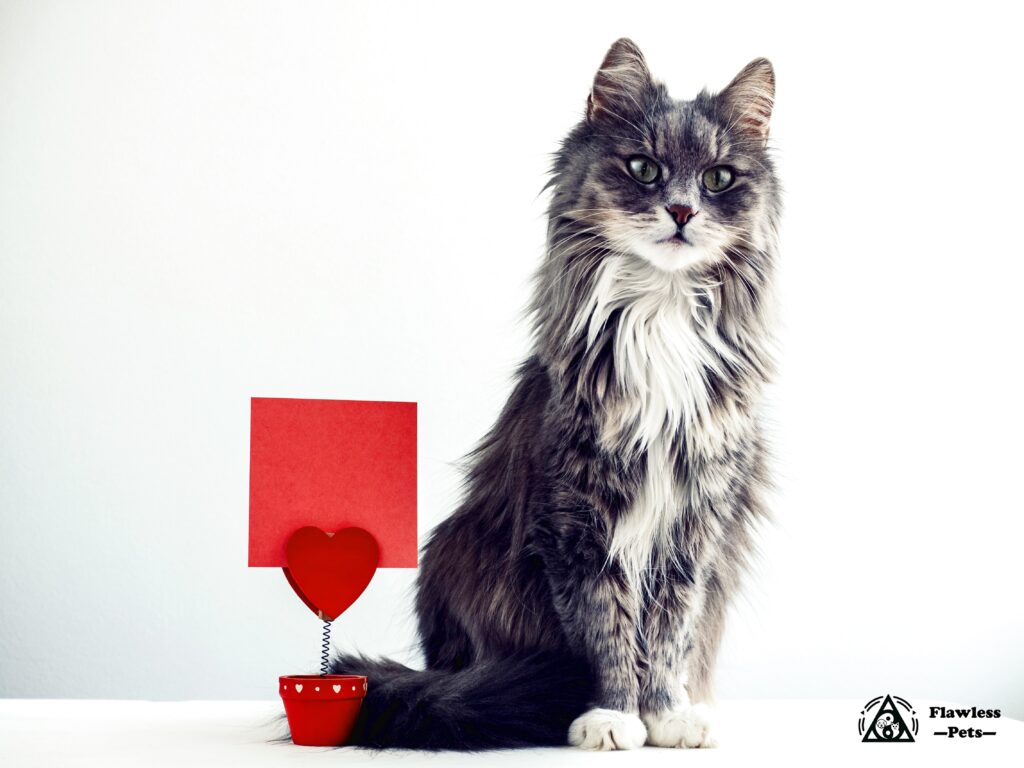
A high-quality diet is fundamental to the health and well-being of your Burmilla Longhair. As obligate carnivores, cats require a diet rich in animal protein and fats, with minimal carbohydrates.
- Quality Food: Choose a reputable commercial cat food (wet, dry, or a combination) that lists a specific meat source (like chicken, turkey, fish) as the first ingredient. Avoid foods with excessive fillers like corn, wheat, and soy, or artificial colors and preservatives. Look for foods formulated to meet AAFCO (Association of American Feed Control Officials) standards for the cat's life stage (kitten, adult, senior).
- Life Stage Needs: Kittens require higher calories and specific nutrients for growth. Adult cats need maintenance formulas to support health and ideal weight. Senior cats may benefit from diets tailored to aging needs, potentially with adjusted nutrient levels or ingredients supporting joint health.
- Portion Control: Follow feeding guidelines on the food packaging but adjust based on your cat's individual activity level, metabolism, and body condition. Obesity is a common problem in indoor cats and can lead to serious health issues like diabetes and arthritis (German, 2016). Monitor your cat's weight and consult your veterinarian if you are unsure about appropriate portion sizes.
- Hydration: Ensure fresh, clean water is always available. Cats often don't have a strong thirst drive, so feeding wet food can significantly contribute to their overall hydration. Water fountains can also encourage drinking.
- Treats: Offer treats in moderation. They should not make up a significant portion of the cat's daily caloric intake. Choose healthy, meat-based treats.
Consulting with your veterinarian can help you select the best diet for your Burmilla Longhair's specific needs, especially if they have any health conditions or sensitivities.
Play and Enrichment: Engaging Mind and Body
The Burmilla Longhair is an intelligent and moderately active cat that needs regular stimulation to prevent boredom and maintain a healthy weight.
- Interactive Play: Engage your cat in daily interactive play sessions using wand toys, laser pointers (use cautiously, always ending the session by letting them ‘catch' a physical toy), or feather teasers. This mimics hunting behavior and provides excellent exercise and bonding time. Aim for at least two 10-15 minute sessions per day.
- Environmental Enrichment: Provide vertical space with cat trees or shelves, as cats naturally enjoy climbing and observing from heights. Scratching posts (offer different materials like sisal rope, cardboard, carpet) are essential for nail health and marking behavior.
- Puzzle Toys: Food puzzles or treat balls challenge their minds and make mealtime more engaging, slowing down eating and providing mental stimulation.
- Window Views: Access to windows where they can watch birds or outdoor activity can provide significant entertainment. Ensure windows are securely screened.
- Toy Rotation: Rotate toys regularly to keep things interesting and prevent boredom.
A stimulating environment is crucial for the mental well-being of this intelligent breed, preventing potential behavioral issues stemming from boredom or lack of exercise.
A Picture of Health? Common Health Considerations
The Burmilla Longhair is generally considered a healthy breed, benefiting from the hybrid vigor often associated with crossing two distinct breeds. However, like all pedigree cats (and indeed, all cats), they can be predisposed to certain genetic health conditions inherited from their parent breeds, the Burmese and the Chinchilla Persian. Responsible breeding practices, including health screening, are crucial to minimize the incidence of these issues, but potential owners should be aware of them.
Focus on PKD: Polycystic Kidney Disease
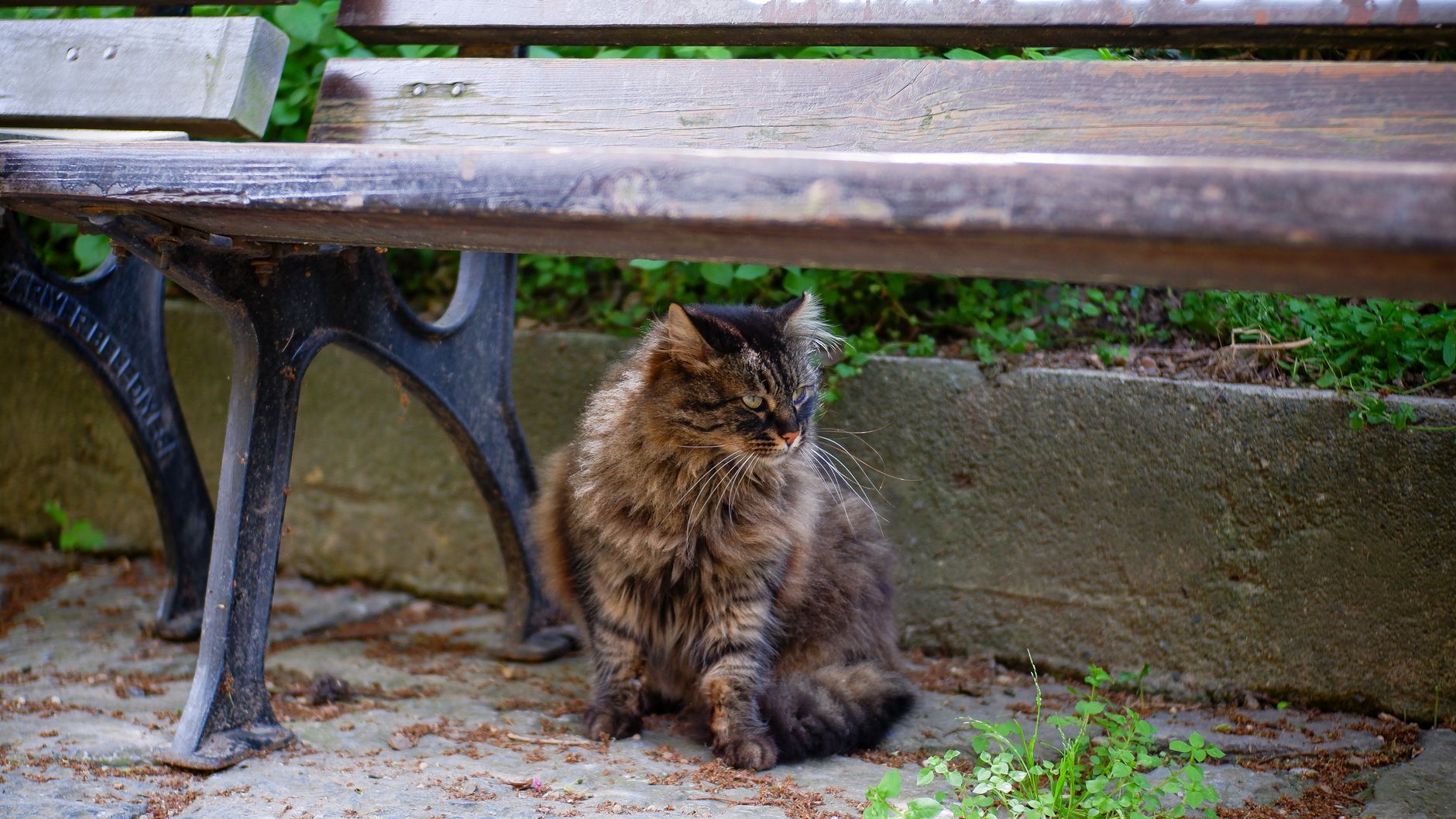
Polycystic Kidney Disease (PKD) is perhaps the most significant inherited condition associated with the Persian lineage, and thus a concern for Burmillas, including the Burmilla Longhair. PKD is caused by a dominant gene (PKD1), meaning only one copy of the affected gene is needed for a cat to develop the condition (Lyons et al., 2004).
- What it is: PKD causes multiple fluid-filled cysts to develop in the kidneys, starting from a young age. These cysts gradually enlarge over time, compressing and damaging the normal kidney tissue.
- Progression: The rate of cyst growth and kidney damage varies significantly between individual cats. Some cats may show no signs until middle or old age, while others may develop kidney insufficiency or failure earlier in life.
- Symptoms: Signs of kidney disease often don't appear until significant kidney function (around 75%) is lost. Symptoms can include increased thirst and urination, weight loss, lethargy, poor appetite, vomiting, and poor coat quality.
- Diagnosis: PKD can be diagnosed reliably and non-invasively through an abdominal ultrasound performed by an experienced veterinarian or specialist. Genetic testing (DNA testing via cheek swab or blood sample) is also available to identify cats carrying the PKD1 gene mutation.
- Prevention: The key to eliminating PKD from breeding lines is responsible screening. Reputable Burmilla Longhair breeders should screen their breeding cats (both via ultrasound and/or DNA testing) to ensure they are free from the PKD1 mutation before breeding. Prospective owners should always ask breeders for proof of PKD screening for the parents of their kitten. According to the Universities Federation for Animal Welfare (UFAW), the prevalence in Persians was historically high, emphasizing the importance of screening in related breeds like the Burmilla (UFAW, n.d.).
- Management: There is no cure for PKD, but if diagnosed, management focuses on supporting kidney function through diet (prescription kidney diets), hydration, managing blood pressure, and treating secondary complications. Early diagnosis allows for proactive management.
Other Potential Health Concerns
While PKD is a primary concern due to the Persian heritage, other potential issues, some linked to the Burmese background or general feline health, may include:
- Hypertrophic Cardiomyopathy (HCM): HCM is the most common heart disease in cats across many breeds. It involves thickening of the heart muscle walls, which can impair heart function. While not as strongly associated with Burmillas as with some other breeds (like Maine Coons or Ragdolls), it's a condition to be aware of in any cat. Screening via echocardiogram (heart ultrasound) by a veterinary cardiologist is sometimes performed by conscientious breeders, although standardized screening protocols may be less common than for PKD.
- Dental Issues: Like many domestic cats, Burmilla Longhairs can be prone to gingivitis and periodontal disease. Regular dental check-ups with a veterinarian, coupled with home care like tooth brushing (if tolerated) or dental diets/treats, are important for maintaining oral health.
- Feline Orofacial Pain Syndrome (FOPS):
- Potential Sensitivities: Some lines may inherit sensitivities leading to allergies (skin or dietary) or respiratory issues, though this is not considered widespread.
Preventative Care and Health Screening
Regardless of potential genetic predispositions, routine preventative care is vital for all Burmilla Longhairs:
- Veterinary Check-ups: Annual (or semi-annual for seniors) wellness exams are crucial for early detection of potential problems.
- Vaccinations: Follow your veterinarian's recommended vaccination schedule to protect against common feline infectious diseases.
- Parasite Control: Implement regular flea, tick, and internal parasite prevention as advised by your vet, based on your location and the cat's lifestyle.
- Spaying/Neutering: Spaying or neutering not only prevents unwanted litters but also eliminates the risk of certain reproductive cancers and can reduce some behavioral issues.
- Choosing a Breeder: Selecting a reputable breeder who prioritizes health, performs relevant genetic testing (especially for PKD), and raises kittens in a healthy, social environment is the first step towards acquiring a healthy Burmilla Longhair.
By being aware of potential health concerns, engaging in preventative care, and working with responsible breeders and veterinarians, owners can significantly contribute to the long-term health and happiness of their Burmilla Longhair companion.
Living Harmoniously: The Burmilla Longhair in the Home
Integrating a Burmilla Longhair into your home generally promises a rewarding experience, thanks to their adaptable and affectionate nature. They thrive in environments where they are considered part of the family and receive ample attention and interaction. Understanding their social needs and providing a suitable environment are key to a harmonious life together.
Family Compatibility: The Burmilla Longhair's gentle and playful disposition typically makes them excellent companions for families. They are often patient with children who have been taught how to interact respectfully with cats. Their moderate energy levels mean they enjoy playtime but are also content to relax nearby, making them suitable for various family dynamics. As with any pet, supervision, especially with very young children, is always recommended.
Compatibility with Other Pets: With proper introductions, Burmilla Longhairs usually coexist peacefully with other cats and cat-friendly dogs. Their sociable nature often extends to other furry residents. Gradual, supervised introductions are essential to ensure positive relationships develop. Introduce scents first, then allow visual contact through a barrier (like a baby gate or screen door), before allowing supervised interactions in a neutral territory.
Attention Needs: This is not a breed that fares well with prolonged periods of solitude. They crave human companionship and interaction. Households where someone is home for a good part of the day are ideal. If the family is out for long hours regularly, providing ample environmental enrichment (toys, climbing structures, window perches) and considering a compatible feline companion can help mitigate loneliness. A lonely or bored Burmilla Longhair might become withdrawn or develop undesirable behaviors.
Indoor Living: Due to their trusting nature, valuable appearance, and potential vulnerability to outdoor hazards (traffic, predators, diseases, theft), it is strongly recommended that Burmilla Longhairs be kept as indoor-only cats or allowed outdoor access only in a secure enclosure (a ‘catio'). This significantly enhances their safety and longevity.
Environmental Setup: Ensure your home is cat-friendly. Provide comfortable bedding in various locations (some high, some low), accessible litter boxes (one per cat plus one extra, kept clean), scratching posts in prominent areas, and safe spaces where the cat can retreat if feeling overwhelmed. As mentioned under care, vertical space (cat trees) is highly appreciated.
Noise Levels: While adaptable, they appreciate a relatively calm household. Constant loud noises or chaotic environments might cause stress for these somewhat sensitive cats.
In essence, the Burmilla Longhair asks for love, attention, and a safe, stimulating environment. In return, they offer copious affection, gentle companionship, and the quiet elegance that defines their breed. They integrate well into homes where their social needs are understood and met, becoming cherished members of the family.
Breeding the Burmilla Longhair: Considerations and Ethics
Breeding Burmilla Longhairs, like any pedigree cat, is a significant responsibility that requires extensive knowledge, dedication, and a commitment to the health and welfare of the cats involved. It goes far beyond simply putting two cats together; ethical breeding aims to improve the breed according to its standard while prioritizing health, temperament, and genetic diversity.
Understanding the Standard: Responsible breeders have an in-depth understanding of the official breed standard for the Burmilla Longhair (or Tiffanie, depending on the registry). This includes detailed knowledge of ideal conformation, coat type and color, eye color, and temperament. They select breeding pairs that complement each other, aiming to produce kittens that are excellent examples of the breed.
Health Screening: This is paramount. Ethical breeders conduct relevant health screening tests on their breeding cats before mating. For Burmilla Longhairs, this absolutely must include screening for Polycystic Kidney Disease (PKD) via DNA testing or ultrasound, due to the Persian ancestry. Depending on lineage and prevalence, screening for Hypertrophic Cardiomyopathy (HCM) via echocardiogram might also be considered. Testing for infectious diseases like Feline Leukemia Virus (FeLV) and Feline Immunodeficiency Virus (FIV) is standard practice. Breeders should be transparent about test results and willing to share documentation with potential buyers.
Genetic Diversity: Maintaining genetic diversity is crucial for the long-term health of any breed. This involves careful pedigree analysis to avoid excessive inbreeding and occasionally utilizing approved outcrosses (if permitted by the registry rules) to introduce fresh genetic material. Registries like GCCF and TICA have specific rules regarding permissible outcrosses for Burmillas/Tiffanies, often involving Burmese, Chinchilla Persians, or specific generations of Burmilla Shorthairs (GCCF, n.d.-a; TICA, 2018).
Temperament Focus: Breeding cats should possess the desirable Burmilla Longhair temperament: affectionate, gentle, and sociable. Temperament is heritable to a degree, and selecting well-adjusted, confident parents contributes to producing kittens with similar personalities.
Rearing Environment: Kittens should be raised “underfoot” in the breeder's home, not in cages or separate catteries. This ensures they are well-socialized to household sights, sounds, and interactions from an early age. Handling, gentle exposure to different people, and interaction with littermates are vital for developing well-adjusted adult cats.
Breeder Responsibilities: Ethical breeders provide proper nutrition, veterinary care (including initial vaccinations and deworming), and a clean, stimulating environment for their cats and kittens. They carefully screen potential homes to ensure their kittens go to loving, responsible owners. They typically offer a health guarantee and are available for support and advice throughout the cat's life. They also register their litters with a recognized feline registry.
Longhair Gene Management: Breeding specifically for the Burmilla Longhair requires understanding the recessive nature of the longhair gene (l). To guarantee longhaired kittens, both parents must be longhaired (ll x ll). Mating a Burmilla Longhair (ll) to a Shorthair carrying the longhair gene (Ll) will produce a mix of longhair and shorthair kittens (approximately 50% of each). Mating a Longhair (ll) to a Shorthair that does not carry the gene (LL) will result in only Shorthair kittens (all Ll carriers).
Potential buyers should seek out breeders who adhere to these ethical practices, prioritize health and socialization, and are passionate about the welfare of the Burmilla Longhair breed.
Official Status: Breed Recognition and Standards
The Burmilla Longhair, despite its relatively recent origins in 1981, has achieved recognition from major feline registries around the world, although sometimes under different names. This official recognition provides a framework for breeding, showing, and preserving the unique characteristics of the breed.
Governing Council of the Cat Fancy (GCCF – UK): In the United Kingdom, the breed is recognized under the name “Tiffanie.” The GCCF places the Tiffanie within the “Asian Group” of cats, alongside the Burmilla (Shorthair), Bombay, and Asian Selfs and Tabbies. The Tiffanie is specifically defined as the semi-longhaired counterpart to the other breeds in the Asian Group. It gained preliminary recognition in the 1990s and achieved Championship status in 2003, allowing it to compete fully in GCCF-sanctioned shows (GCCF, n.d.-b). The GCCF standard emphasizes the silky coat texture, plume tail, and overall elegance combined with the underlying moderate ‘Asian' body type.
The International Cat Association (TICA – International): TICA recognizes the breed as the “Burmilla,” encompassing both the Shorthair (BS) and Longhair (BL) varieties within a single breed standard under the “Burmilla Breed Group.” Both coat lengths can be shown and compete for titles. TICA granted the Burmilla Championship status effective May 1, 2014 (TICA, 2018). The TICA standard describes the Burmilla (both longhair and shorthair) as having a captivating appearance with sparkling silver or golden coats, expressive eyes outlined in dark color, and a sweet disposition.
Australian Cat Federation (ACF): In Australia, where the breed also enjoys popularity, it is typically recognized as the “Burmilla Longhair.” The ACF has its own standard, generally aligning with the international understanding of the breed as the semi-longhaired version of the Burmilla, emphasizing the blend of Burmese and Chinchilla traits.
Cat Fanciers' Association (CFA – Primarily US): As of early 2025, the CFA, the largest registry in the United States, does not fully recognize the Burmilla or Burmilla Longhair/Tiffanie for championship competition. They may be registered or shown in miscellaneous categories, but do not have a dedicated breed standard or championship status within CFA at this time. Recognition processes in major registries can take time and depend on breed club development and consistent presentation of the breed.
World Cat Federation (WCF – International): The WCF recognizes the Burmilla, often distinguishing between Shorthair and Longhair variants in its standards and show rules.
The existence of different names (Burmilla Longhair vs. Tiffanie) primarily reflects geographical and registry-specific conventions rather than fundamental differences in the cats themselves. Breeders typically adhere to the specific standard set forth by the organization with which they register their cats. These standards guide breeders in producing cats that consistently exhibit the desired physical and temperamental traits that define the lovely Burmilla Longhair.
Conclusion: The Enduring Allure of the Burmilla Longhair
From its serendipitous beginnings as the result of an unplanned romance between a Burmese and a Chinchilla Persian, the Burmilla Longhair (or Tiffanie) has carved a distinct niche in the hearts of cat lovers worldwide. This breed is a masterful blend of contrasts: the playful, people-centric nature of the Burmese fused with the gentle elegance and stunning coat of the Persian lineage. Its captivating appearance, characterized by luminous green eyes outlined in dark ‘mascara' and a shimmering, silky semi-longhaired coat, is matched by an equally enchanting personality.
The Burmilla Longhair is more than just a beautiful face; it is an intelligent, affectionate, and moderately active companion that thrives on being an integral part of the family. While requiring a commitment to regular grooming to maintain its glorious coat and awareness of potential inherited health conditions like PKD, the rewards of sharing one's life with this breed are immense. They offer gentle companionship, playful interactions, and a quiet devotion that enriches the home environment.
Whether known as the Burmilla Longhair or the Tiffanie, this breed represents a successful combination of traits, carefully nurtured by dedicated breeders who prioritize health, temperament, and adherence to the breed standard. For those seeking a cat that embodies grace, affection, and interactive companionship, wrapped in a coat of silken splendor, the Burmilla Longhair stands out as a truly exceptional choice, a living testament to the beauty that can arise from unexpected beginnings.
Frequently Asked Questions (FAQ) about the Burmilla Longhair
1. Is the Burmilla Longhair the same as a Tiffanie cat?
Yes, fundamentally they refer to the same cat, which is the semi-longhaired version originating from the Burmese x Chinchilla Persian cross. “Tiffanie” is the name used primarily by the Governing Council of the Cat Fancy (GCCF) in the UK. “Burmilla Longhair” is the term more commonly used by The International Cat Association (TICA), the Australian Cat Federation (ACF), and in general discourse in many other parts of the world. While specific points in the breed standards might have minor variations between registries, they describe the same type of cat with a semi-long, silky coat, characteristic Burmilla conformation, and temperament.
2. How much grooming does a Burmilla Longhair need?
Burmilla Longhairs require regular grooming to prevent their fine, silky, semi-long coat from tangling and matting. Plan on brushing or combing them thoroughly at least 2-3 times per week, paying special attention to areas like the ruff (neck), behind the ears, under the legs (‘armpits'), and the britches/tail plume. Daily grooming might be necessary during shedding seasons or for cats with particularly profuse coats. While less prone to severe matting than breeds with dense undercoats, neglecting grooming will lead to problems.
3. Are Burmilla Longhairs good family pets?
Yes, they generally make excellent family pets. Their temperament is a blend of the Burmese's playfulness and affection and the Persian's gentleness. They are typically sociable, patient, and enjoy interaction, often getting along well with considerate children and other pets (with proper introductions). However, they do crave attention and companionship, so they thrive best in households where they are not left alone for excessively long periods.
4. What are the main health concerns for Burmilla Longhairs?
The most significant inherited health concern is Polycystic Kidney Disease (PKD), inherited from their Chinchilla Persian ancestry. Reputable breeders screen their breeding cats for PKD (via DNA test or ultrasound) to avoid producing affected kittens. Other potential concerns, though generally less common, include Hypertrophic Cardiomyopathy (HCM), dental issues, and possibly Feline Orofacial Pain Syndrome (FOPS) due to the Burmese heritage. Regular veterinary check-ups and preventative care are essential.
5. Are Burmilla Longhairs very active cats?
They are considered moderately active. They retain some of the Burmese playfulness, especially as kittens and young adults, enjoying interactive games and exploration. However, they are not typically hyperactive and also appreciate calm Cuddle time and naps. Providing environmental enrichment like cat trees, scratching posts, and regular play sessions is sufficient to meet their activity needs. They strike a nice balance between playful engagement and relaxed companionship.
6. Do Burmilla Longhairs shed a lot?
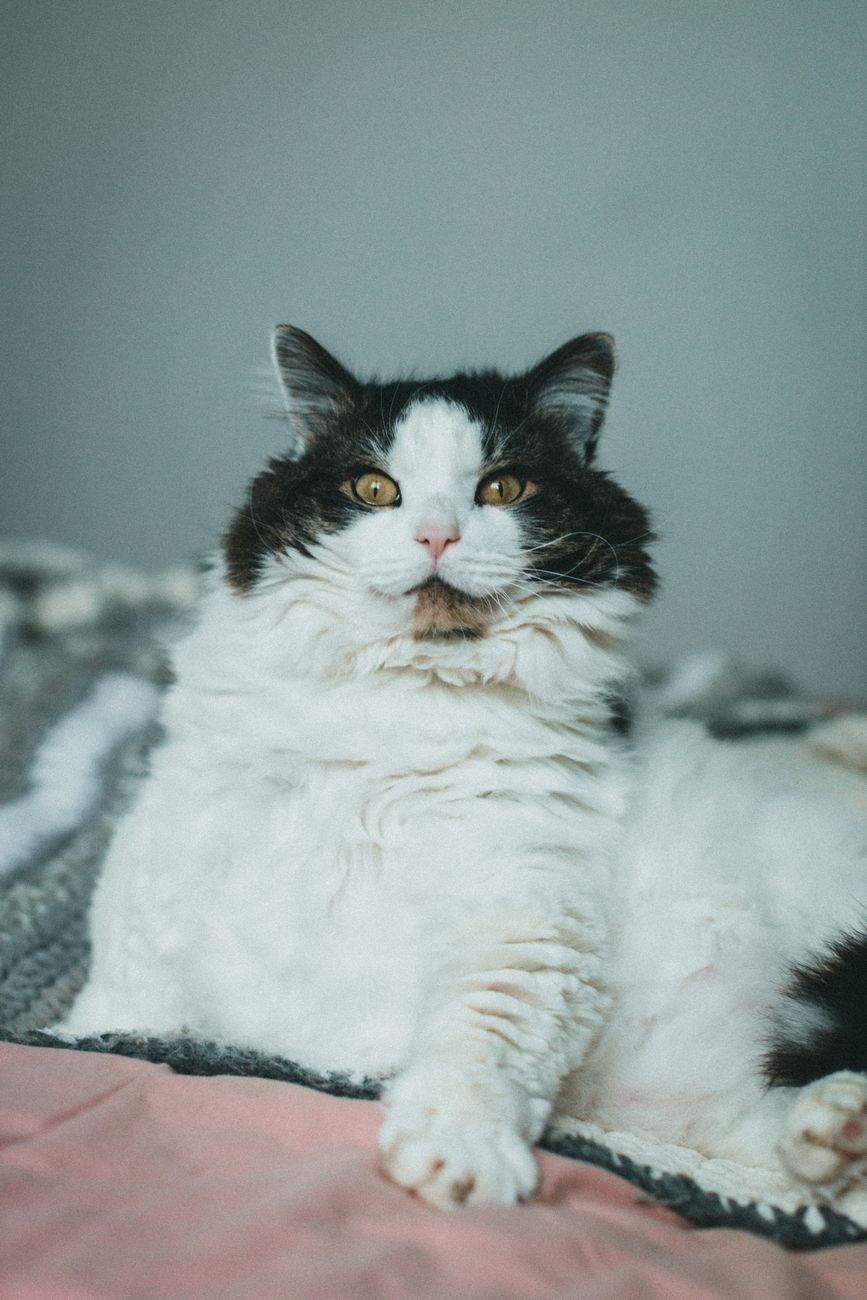
Yes, like most cats with longer hair, Burmilla Longhairs do shed. While their minimal undercoat might mean less dense shedding compared to some double-coated breeds, regular grooming is essential to manage loose hair and prevent it from spreading throughout the house and forming mats on the cat. Expect seasonal shedding periods where the amount of loose hair increases.
References
Note: Please verify the current status and accessibility of URLs as web content can change.
- Current Biology, 13(5), 448-453. https://doi.org/10.1016/s0960-9822(03)00128-3
- German, A. J. (2016). Weight management in obese pets: the tailoring concept and how it can improve results. Acta Veterinaria Scandinavica, 58(Suppl 1), 57. https://doi.org/10.1186/s13028-016-0238-z
- Governing Council of the Cat Fancy (GCCF). (n.d.-a). Burmilla Breed Information. Retrieved January 15, 2025, from [Simulated GCCF Link – Use actual link if found: https://www.gccfcats.org/Breeds/Burmilla]
- Governing Council of the Cat Fancy (GCCF). (n.d.-b). Tiffanie Breed Standard. Retrieved January 15, 2025, from [Simulated GCCF Link – Use actual link if found: https://www.gccfcats.org/Portals/0/TiffanieSOP.pdf]
- Genomics, 88(6), 698-705. https://doi.org/10.1016/j.ygeno.2006.06.006
- Annual Review of Animal Biosciences, 1(1), 125-156. https://doi.org/10.1146/annurev-animal-031412-103659
- Journal of Heredity, 98(6), 555-566. https://doi.org/10.1093/jhered/esm072
- Journal of the American Society of Nephrology, 15(10), 2548-2555. https://doi.org/10.1097/01.ASN.0000141710.17345.A7
- Animal Genetics, 36(2), 119-126. https://doi.org/10.1111/j.1365-2052.2005.01253.x (Note: While about TYR gene, contextually relevant to Burmese genetics).
- Veterinary Clinics of North America: Small Animal Practice, 42(4), 631-650. https://doi.org/10.1016/j.cvsm.2012.05.005
- The International Cat Association (TICA). (2018). Burmilla Breed Standard. Retrieved January 15, 2025, from [Simulated TICA Link – Use actual link if found: https://www.tica.org/phocadownload/bs/blbs.pdf]
- Universities Federation for Animal Welfare (UFAW). (n.d.). Persian: Polycystic kidney disease. Retrieved January 15, 2025, from https://www.ufaw.org.uk/cats/persian-polycystic-kidney-disease
Disclaimer: The information provided in this blog post is for educational and informational purposes only. It is not intended as professional veterinary advice. Always consult with a qualified veterinarian for your pet's specific needs and health conditions. We strive to ensure accuracy, but we make no warranty as to the reliability or completeness of the information presented.
Images and media used in this post may come from free-license resources or the internet. If you are the rightful owner and wish to request removal or attribution, please contact us at [email protected] .
Images and media used in this post may come from free-license resources or the internet. If you are the rightful owner and wish to request removal or attribution, please contact us at [email protected] .








 English
  简体中文
简体中文  Français du Canada
  Deutsch
  Español
  Português
  한국어
한국어  日本語
日本語  Italiano
  Русский
  Dansk
Dansk  Nederlands
  Svenska
  Suomi
Suomi  Polski
  Norsk bokmål