







Flawless Pet Supplies
Key Takeaways
Ensuring adequate hydration is fundamental to your dog's health, impacting everything from organ function to energy levels. Traditional water bowls often fall short, potentially harboring bacteria and failing to entice picky drinkers. A canine water fountain offers a significant upgrade, providing filtered, circulating water that encourages dogs to drink more. These devices improve water quality, offer convenience through larger capacities, and can contribute positively to dogs' urinary and kidney health. Choosing the right canine water fountain involves considering material (stainless steel, ceramic, plastic), size, filtration type, ease of cleaning, and your dog's specific needs. Regular cleaning and maintenance are crucial for optimal function and hygiene. While an investment, a canine water fountain is a valuable tool for proactive pet care in 2025, promoting better dog hydration and overall well-being.
Table of Contents
- Introduction: The Unspoken Need for Optimal Canine Hydration
- Why Hydration Matters: The Science Behind Your Dog's Thirst
- The Hidden Downsides of Traditional Water Bowls
- Enter the Canine Water Fountain: A Solution for Better Hydration
- Comparison: Traditional Bowl vs. Canine Water Fountain
- Unveiling the Benefits: Why Choose a Canine Water Fountain?
- Exploring the Variety: Types of Canine Water Fountains
- Making the Choice: Selecting the Perfect Canine Water Fountain for Your Companion
- Setup, Introduction, and Essential Maintenance for Your Canine Water Fountain
- Troubleshooting Common Canine Water Fountain Issues
- Addressing Potential Concerns About Canine Water Fountains
- Canine Water Fountains and Specific Health Conditions
- Beyond the Fountain: Holistic Dog Hydration Strategies
- The Future of Canine Hydration Technology
- Conclusion: Investing in Your Dog's Hydration Health
- Frequently Asked Questions (FAQ)
- References
Introduction: The Unspoken Need for Optimal Canine Hydration
As dedicated pet parents, we meticulously plan our dogs' diets, ensure they get enough exercise, and shower them with affection. Yet, one of the most fundamental aspects of their health – hydration – often receives less attention than it deserves. Water is the elixir of life, crucial for nearly every physiological process within our canine companions. While we routinely fill their water bowls, are we truly ensuring they have access to the best quality water in a way that encourages them to drink sufficiently? Traditional water bowls, the long-standing norm, present limitations that can impact both water quality and a dog's inclination to drink. Stagnant water can quickly become unappealing and potentially harbor harmful bacteria. This is where the concept of a canine water fountain emerges as a significant advancement in pet care technology. More than just a fancy bowl, a canine water fountain is designed to address the shortcomings of static water sources, promoting better dog hydration through constant circulation and filtration. This comprehensive guide will delve deep into the world of the dog drinking fountain, exploring the science of dog hydration, the advantages these devices offer, the different types available, and how to choose and maintain the perfect one for your beloved pet. Understanding the importance of fresh water for dogs is the first step towards potentially enhancing their health and vitality through improved hydration, a cornerstone of responsible pet ownership in 2025.
-
-23%

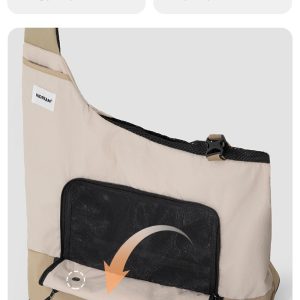
HiDream Color-Block Shoulder Pet Travel Bag – Stylish and Lightweight Carrier for Small Pets – Almond, Matcha
Original price was: $109.99.$84.99Current price is: $84.99. -
-14%
HiDream Pet Tote Bag – Relaxed Style Carrier for Small Pets – Durable Nylon with Breathable Mesh – Beige, Green, Gray
Original price was: $109.99.$94.59Current price is: $94.59. -
-12%
HiDream Pet Sling Carrier Bag – Adjustable Shoulder Strap Front Carry Bag for Small Pets – Khaki, Green, Gray
Original price was: $99.99.$88.49Current price is: $88.49.
Why Hydration Matters: The Science Behind Your Dog's Thirst
Water is indispensable for life, constituting approximately 60-70% of an adult dog's body weight (Case et al., 2011). Its role extends far beyond simply quenching thirst. Adequate dog hydration is critical for:
- Thermoregulation: Dogs primarily cool themselves through panting, a process that involves water evaporation from the respiratory tract. Insufficient water intake impairs their ability to regulate body temperature, increasing the risk of overheating, especially during exercise or in warm climates.
- Digestion and Nutrient Absorption: Water is essential for breaking down food, absorbing nutrients into the bloodstream, and transporting them to cells throughout the body. It also aids in the formation of saliva and stomach acids necessary for digestion.
- Waste Elimination and Organ Function: Kidneys require ample water to filter waste products from the blood and produce urine. Proper hydration helps flush toxins and maintain kidney health, reducing the risk of urinary tract infections and stone formation (Bartges, 2012). Water also lubricates the digestive tract, facilitating the passage of waste.
- Joint Lubrication and Cushioning: Synovial fluid, which lubricates joints, is largely composed of water. Good hydration helps maintain joint health and mobility, particularly important for active or older dogs. Water also cushions organs and tissues, protecting them from shock.
- Cellular Function: Virtually every cell in the body requires water to function correctly, including metabolic processes and maintaining cell shape and integrity.
Recognizing the signs of dehydration is crucial. Mild dehydration might manifest as lethargy, dry gums, thick saliva, or loss of skin elasticity (a pinch of skin on the back is slow to return to normal). Moderate to severe dehydration can lead to sunken eyes, increased heart rate, delayed capillary refill time (when pressing on the gums, the color is slow to return), and in extreme cases, shock or organ failure (Davis et al., 2013). Chronic low-level dehydration, while less dramatic, can contribute to long-term health issues, including kidney stress and constipation.
How much water does a dog need? A general guideline is that dogs require about 1 ounce of water per pound of body weight per day (approximately 60 ml per kilogram). However, this can vary significantly based on several factors:
- Size and Weight: Larger dogs naturally need more water than smaller dogs.
- Age: Puppies and senior dogs may have different hydration needs and regulation capabilities.
- Activity Level: Highly active dogs lose more water through panting and require significantly more intake.
- Diet: Dogs eating dry kibble generally need to drink more water compared to those on a wet food diet, which has higher moisture content.
- Climate and Temperature: Hot weather increases water loss through panting, necessitating higher intake.
- Health Status: Certain medical conditions (like kidney disease or diabetes) and medications (like diuretics) can dramatically alter water requirements.
Ensuring consistent access to clean, appealing water is paramount. Simply providing water isn't enough; encouraging adequate intake is key, which leads us to examine the limitations of traditional methods and the potential benefits of innovations like the canine water fountain.
The Hidden Downsides of Traditional Water Bowls
For generations, the simple water bowl has been the default method for providing water to our dogs. While seemingly straightforward, this traditional approach has several inherent disadvantages that can compromise water quality and potentially discourage optimal dog hydration.
- Stagnation and Bacterial Growth: Perhaps the most significant concern is water stagnation. Unlike flowing water, water left standing in a bowl becomes a breeding ground for bacteria, algae, and biofilm (a slimy layer composed of microorganisms). Studies have shown that pet water bowls can harbor surprisingly high levels of bacteria, including potentially harmful strains (Nam et al., 2021). Biofilm, in particular, can be difficult to remove completely without regular, thorough scrubbing. This contamination can affect the taste and smell of the water, making it less appealing to dogs, and in some cases, could pose a health risk.
- Accumulation of Debris: Open bowls readily collect environmental contaminants such as dust, dirt, insects, and, notably, dog hair and food particles dropped while drinking. This debris further compromises water quality and taste. For dogs with long hair or droopy jowls, the amount of contamination can be even more substantial.
- Temperature Issues: Water in a bowl quickly adapts to the ambient room temperature. On warm days, the water can become unpleasantly warm, further discouraging drinking. Dogs, like humans, often prefer cooler water.
- Potential Lack of Appeal: Some animal behaviorists suggest that dogs may have an instinctual preference for moving water sources over still ones, perceiving flowing water as fresher and safer (similar to wild canids preferring streams over stagnant puddles). While not universally proven, the movement and sound of water from a canine water fountain can certainly pique the interest of many dogs, especially picky drinkers.
- Mess and Spills: Depending on the dog and the bowl's design, spills can be a common occurrence. Enthusiastic drinkers, playful puppies, or clumsy dogs can easily knock over lighter bowls or splash water around the feeding area, creating mess and potentially leading to slippery floors.
While diligent cleaning can mitigate some of these issues, the static nature of a traditional bowl inherently limits its ability to provide consistently fresh, clean, and appealing water throughout the day. This realization has paved the way for alternatives designed specifically to enhance the drinking experience and promote better pet health, leading many owners to explore the benefits of an automatic dog waterer like the canine water fountain.
Enter the Canine Water Fountain: A Solution for Better Hydration
A canine water fountain, also commonly referred to as a pet water dispenser or dog drinking fountain, is an electrically powered device designed to provide a continuous supply of fresh, filtered, and circulating water for dogs. It directly addresses many of the shortcomings associated with traditional static water bowls.
At its core, a typical canine water fountain consists of a reservoir to hold water, a submersible electric pump, and usually, some form of filtration system. The pump draws water from the reservoir and pushes it upwards, often through a spout or over a ramp, creating a stream, cascade, or bubbling effect. This moving water then flows back down into the reservoir, passing through a filter before being recirculated. This constant movement serves several purposes:
- Aeration: The circulation oxygenates the water, which can improve its taste and freshness, making it more appealing than stagnant water.
- Cooling Effect: The movement and evaporation can help keep the water slightly cooler than it would be sitting still in a bowl.
- Attraction: The sight and sound of moving water can attract a dog's attention and stimulate their natural instinct or curiosity, encouraging them to investigate and drink more frequently.
- Filtration: Most canine water fountains incorporate filters (commonly activated carbon and/or foam) designed to remove impurities such as chlorine, odors, hair, food particles, and other debris. This results in cleaner, better-tasting filtered water for dogs.
By providing a constantly moving, filtered supply of water, the canine water fountain aims to make drinking more appealing and ensure the water consumed is of higher quality compared to a standard bowl left out for hours. It represents a proactive approach to managing canine hydration, shifting from passive water provision to active water enhancement. This focus on providing appealing, fresh water for dogs is a key reason why many pet owners are making the switch.
Comparison: Traditional Bowl vs. Canine Water Fountain
To better understand the differences and potential advantages, let's compare traditional water bowls with the modern canine water fountain across several key aspects.
| Feature | Traditional Water Bowl | Canine Water Fountain |
|---|---|---|
| Water Movement | Static / Stagnant | Circulating / Flowing |
| Filtration | None (unless water is pre-filtered) | Typically includes replaceable filters (e.g., carbon, foam) |
| Aeration | Minimal / None | Constant aeration through movement |
| Debris Removal | Debris accumulates until cleaned | Filters trap hair, food, dust, etc. |
| Temperature | Adapts to ambient temperature (can get warm) | Often stays slightly cooler due to circulation/evaporation |
| Encourages Drinking | Passive; relies on dog's thirst drive | Actively encourages drinking via movement, sound, freshness |
| Capacity | Variable, requires frequent refills for smaller bowls | Generally larger capacity, less frequent refills |
| Cleaning Effort | Simple wash (but needs frequent cleaning to prevent biofilm) | Requires disassembly, pump cleaning, filter changes (less frequent refills, but more complex cleaning process) |
| Power Requirement | None | Requires electricity (low consumption) |
| Initial Cost | Low | Moderate to High |
| Ongoing Cost | Minimal (water) | Filter replacements, electricity (minor) |
| Noise Level | Silent | Low hum from pump, sound of flowing water (varies by model) |
This table highlights the functional differences. While a traditional bowl is simple and inexpensive, a canine water fountain offers distinct advantages in terms of water quality, appeal, and potentially encouraging better dog hydration habits. The trade-offs include the initial cost, the need for electricity, and a more involved cleaning process, including regular filter replacement.
Unveiling the Benefits: Why Choose a Canine Water Fountain?
Switching from a simple bowl to a canine water fountain is an investment, both in terms of cost and maintenance. So, what are the tangible benefits that justify this change for many pet owners focused on optimal pet health?
Encourages Increased Water Intake
This is perhaps the most cited benefit. Many dogs are instinctively drawn to moving water. The sound of trickling or bubbling water, combined with the visual appeal of a stream or cascade, can pique their curiosity and encourage them to drink more often than they might from a static bowl. Furthermore, the constant circulation aerates the water, potentially improving its taste and keeping it cooler, making each sip more refreshing. While large-scale scientific studies specifically quantifying increased intake across breeds are limited, anecdotal evidence from countless owners and veterinary recommendations support the idea that fountains often lead to better dog hydration, especially for picky drinkers or pets prone to dehydration (Becker, 2018). Providing consistently appealing, fresh water for dogs can make a significant difference in their daily intake.
Improved Water Quality via Filtration
Most canine water fountains come equipped with multi-stage filtration systems. These typically include:
- Mechanical Filtration: Often a foam filter or mesh screen that traps larger debris like hair, fur, food particles, and sediment before they reach the pump or the main water reservoir.
- Chemical Filtration: Usually involves activated carbon (charcoal) derived from coconut shells or other sources. Activated carbon is highly porous and effectively adsorbs (binds to its surface) impurities that cause bad tastes and odors, such as chlorine commonly found in tap water.
By continuously cycling the water through these filters, a canine water fountain provides a cleaner, purer, and better-tasting drinking source compared to a bowl where impurities accumulate. This delivery of filtered water for dogs is a major advantage, reducing exposure to contaminants and potentially unpleasant tastes or smells that might deter drinking.
Convenience for Pet Owners
Modern canine water fountains often feature large reservoirs, holding significantly more water than a standard bowl – sometimes several liters. This means less frequent refilling, which is particularly convenient for busy owners or those with multiple pets or large-breed dogs. While cleaning is more involved than simply rinsing a bowl, the reduced need for daily refills can be a welcome time-saver. Some designs also minimize splashing compared to vigorous drinking from a bowl, helping to keep the feeding area cleaner. This convenience factor makes the automatic dog waterer aspect appealing.
Potential Health Benefits
By encouraging more consistent and potentially higher water intake, a canine water fountain can contribute to several aspects of long-term pet health:
- Kidney and Urinary Tract Health: Good hydration is crucial for kidney function, helping to flush toxins and waste products efficiently. Increased water intake dilutes urine, which can help prevent the formation of urinary crystals and stones (uroliths) and reduce the risk of urinary tract infections (UTIs) (Osborne et al., 1999). For dogs already diagnosed with kidney disease or urinary issues, maintaining optimal hydration is often a key part of their management plan, making a fountain a potentially valuable tool.
- Support for Specific Conditions: Dogs with conditions like diabetes mellitus often experience increased thirst (polydipsia) and require constant access to fresh water. A high-capacity fountain ensures water is always available. Similarly, enhanced hydration supports overall metabolic function and can be beneficial for senior pets who may naturally drink less.
It's important to note that a canine water fountain is not a cure for any disease, but rather a tool to support optimal hydration, which is foundational to overall health.
Environmental Considerations
For owners who previously relied on bottled water for their pets due to concerns about tap water quality, switching to a fountain with a good filter can reduce plastic waste, offering a more environmentally friendly approach to providing clean drinking water.
In essence, the benefits of a canine water fountain center around providing a more appealing, cleaner, and fresher water source that encourages dogs to stay properly hydrated, thereby supporting their overall health and well-being, while also offering some convenience to the owner.
Exploring the Variety: Types of Canine Water Fountains
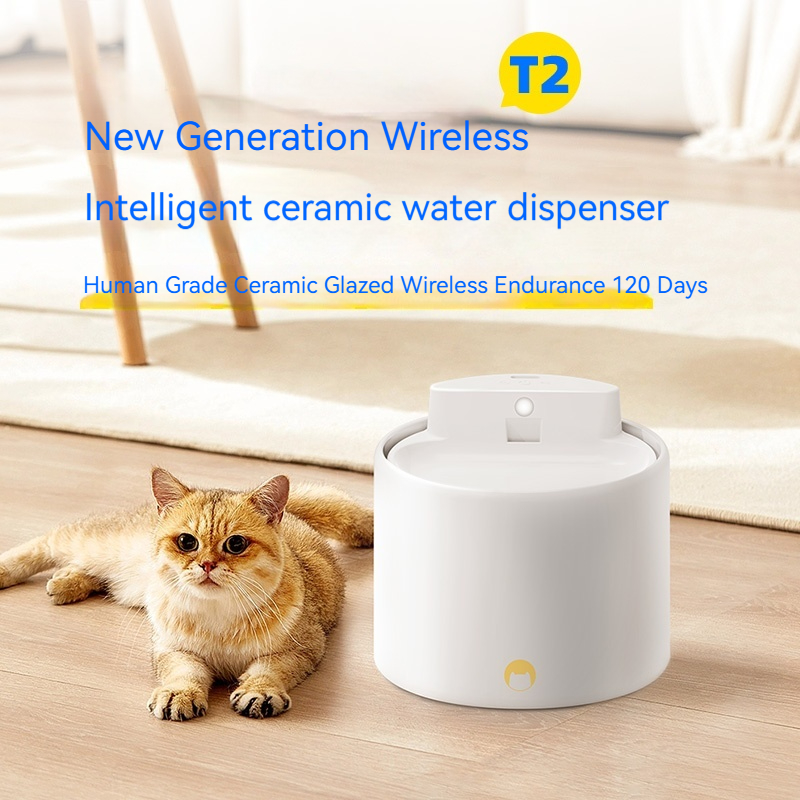
The market for canine water fountains has expanded significantly, offering a wide array of options to suit different needs, preferences, and budgets. Understanding the key variations can help you choose the most suitable pet water dispenser for your companion. The main differentiating factors include material, design/flow style, capacity, and special features.
Material Matters: Plastic, Stainless Steel, and Ceramic
The material of the canine water fountain impacts its durability, hygiene, aesthetics, and cost.
- Plastic:
- Pros: Typically the most affordable option, lightweight, available in many colors and designs.
- Cons: Can develop micro-scratches over time, which may harbor bacteria and be harder to clean thoroughly. Some dogs (and owners) may have concerns about potential BPA leaching, although many fountains are now marketed as BPA-free (ensure certification). Plastic is generally less durable than steel or ceramic and can sometimes retain odors. Some cats and dogs can develop chin acne from plastic bowls/fountains.
- Stainless Steel:
- Pros: Highly durable, non-porous, resistant to bacterial growth, easy to clean and often dishwasher-safe (check manufacturer instructions). Does not scratch easily or retain odors. Considered a very hygienic option. Sleek, modern appearance.
- Cons: Can be more expensive than plastic. May be slightly heavier. Some models might produce more resonant noise from the pump or water flow compared to ceramic or heavier plastic.
- Ceramic:
- Pros: Aesthetically pleasing, available in various decorative designs and colors. Heavy and stable, making it difficult for pets to knock over. Non-porous (if properly glazed) and hygienic, easy to clean, often dishwasher-safe. Does not typically cause chin acne. Can help keep water naturally cooler.
- Cons: Generally the most expensive option. Can chip or break if dropped or mishandled. Ensure the glaze is food-safe and intact, as chipped areas could become porous. Can be quite heavy, especially when filled with water.
Design and Water Flow Style
The way water flows can influence a dog's willingness to use the fountain.
- Free-Falling Stream (Waterfall): Mimics a faucet, providing a clear stream of water. Appeals to pets who enjoy drinking directly from the tap. Can be visually appealing but might cause some splashing.
- Bubbling Top: Water gently bubbles up from the surface. Often quieter and less intimidating for timid pets.
- Gentle Cascade/Ramp: Water flows down a ramp or slide. Usually quiet and minimizes splashing. Good for dogs who prefer licking water from a surface.
- Multiple Tiers or Spouts: Offers different drinking heights or positions, potentially beneficial for multi-pet households or dogs of varying sizes.
Capacity Considerations
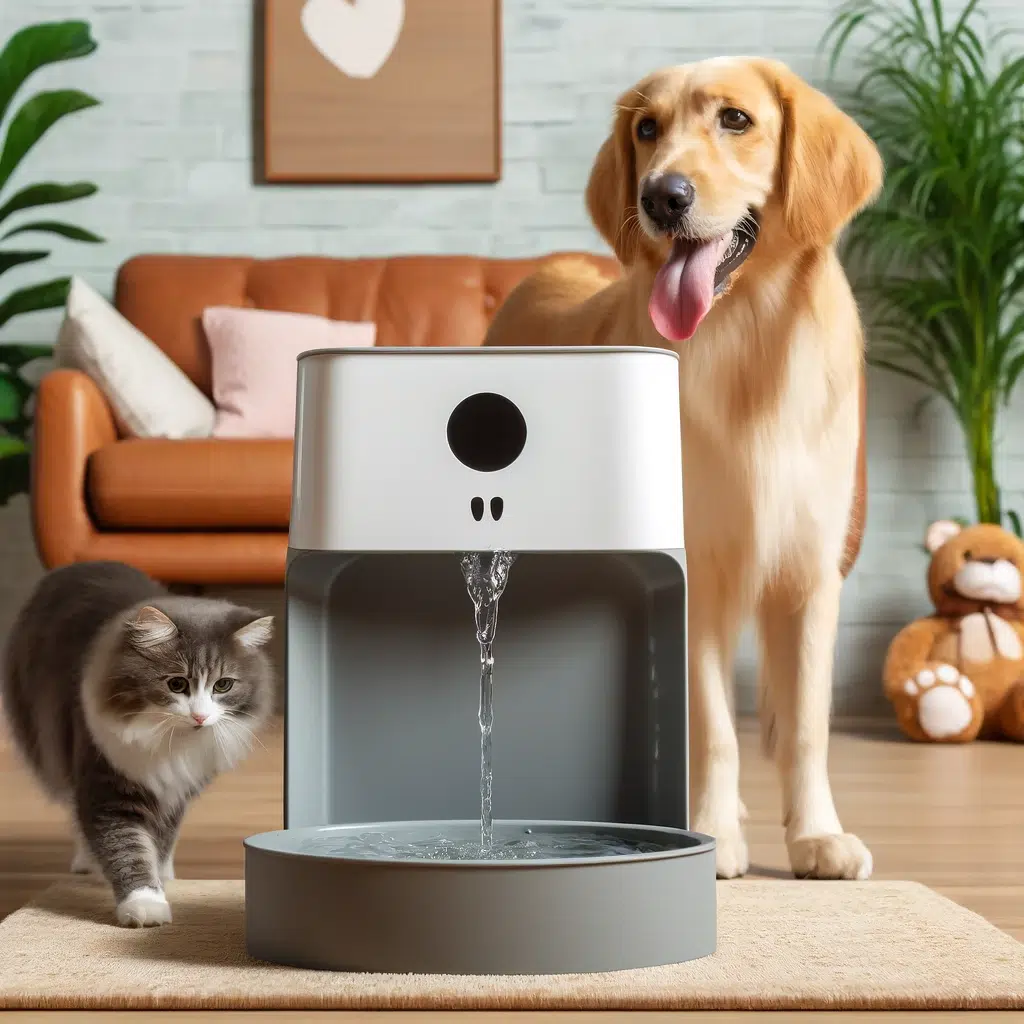
Canine water fountains come in various sizes, typically measured in liters or ounces.
- Small (Under 2 Liters): Suitable for single small dogs or puppies. Requires more frequent refilling.
- Medium (2-4 Liters): A common size suitable for most single medium-sized dogs or two small pets.
- Large (4-8 Liters): Good for large breeds, multiple dogs, or owners seeking less frequent refills.
- Extra-Large (Over 8 Liters): Ideal for multi-dog households, giant breeds, or extended periods between refills.
Choose a capacity based on your dog's size, drinking habits, the number of pets using the fountain, and how often you are willing to refill it.
Additional Features
Manufacturers often include extra features to enhance usability or appeal:
- Advanced Filtration: Some models offer multi-stage filters beyond basic carbon/foam, potentially including ion exchange resins to soften water.
- Adjustable Flow Rate: Allows you to customize the water flow intensity, which can be useful for acclimating hesitant pets or reducing noise.
- LED Lights: May serve as a nightlight, help monitor the water level visually, or simply add aesthetic appeal.
- Dishwasher-Safe Components: Greatly simplifies the cleaning process (excluding the pump and potentially the power adapter).
- Ultra-Quiet Pumps: Designed for minimal operating noise, ideal for noise-sensitive pets or placement in quiet areas of the home.
- Water Level Window/Indicator: Allows easy monitoring of the water level without disassembly.
Considering these different types and features will help narrow down the options and find the canine water fountain that best fits your specific circumstances and your dog's needs, ensuring you provide the best possible source of fresh water for dogs.
Making the Choice: Selecting the Perfect Canine Water Fountain for Your Companion
With the variety of canine water fountains available, choosing the right one requires careful consideration of your dog's characteristics, your home environment, and your own preferences regarding maintenance and budget. Here's a step-by-step guide to help you select the ideal dog drinking fountain:
- Assess Your Dog's Size, Breed, and Age:
- Size: A large breed dog will need a fountain with a higher capacity and potentially a taller drinking spout than a small breed. Ensure the drinking area is easily accessible for your dog's height.
- Breed Characteristics: Flat-faced (brachycephalic) breeds like Pugs or Bulldogs might find fountains with wide, shallow bowls or bubbling tops easier to drink from than deep bowls or narrow streams. Dogs with long ears or beards might benefit from designs that minimize getting wet.
- Age: Puppies might need a lower, more stable fountain they can't easily knock over. Senior dogs with mobility issues might appreciate a slightly elevated design or one that doesn't require bending down too far.
- Consider Your Dog's Temperament and Habits:
- Timid or Anxious Dogs: Might be frightened by loud pumps or splashing waterfall designs. A quieter model with a gentle bubbling or cascade flow is often a better choice. Introduce it gradually.
- Playful or Messy Drinkers: Look for stable designs (ceramic, stainless steel, or wide-base plastic) that are less likely to be tipped over. Designs with higher walls or splash guards can help contain water.
- Chewers: Ensure the power cord is protected or can be routed safely out of reach, especially with puppies or known chewers. Stainless steel or ceramic fountains are less likely to be damaged by chewing than plastic ones.
- Factor in Multiple Pets: If you have more than one dog, or dogs and cats sharing, opt for a larger capacity canine water fountain to ensure enough water is available. Models with multiple drinking levels or 360-degree access can also be beneficial for multi-pet households.
- Evaluate Material Pros and Cons: Revisit the discussion on plastic, stainless steel, and ceramic. Prioritize hygiene (stainless steel, ceramic) and durability, balanced against aesthetics and budget. If choosing plastic, ensure it's BPA-free. Stainless steel and ceramic are often recommended for pets prone to chin acne.
- Prioritize Ease of Cleaning: This is CRUCIAL for long-term use and hygiene. Look for fountains that are easy to disassemble completely. Check if the main components (bowl, reservoir, top) are dishwasher-safe (excluding the pump). Fewer complex parts generally mean easier cleaning. Read reviews focusing specifically on the cleaning process. A difficult-to-clean fountain is likely to be neglected, defeating its purpose.
- Investigate Filter Type, Availability, and Cost: Understand the type of filters the canine water fountain uses (e.g., carbon, foam, multi-stage). Check how often they need replacing (typically 2-4 weeks) and the cost of replacement filters. Ensure replacement filters are readily available online or in local stores. Factor this ongoing cost into your budget. Using generic or incorrect filters can impair function and filtration effectiveness.
- Consider Noise Level: All electric fountains produce some noise from the pump and potentially the water movement. Stainless steel and ceramic can sometimes dampen pump vibrations better than plastic. Low water levels usually increase pump noise. Read reviews or watch videos to gauge the typical noise level if this is a concern for you or your pet.
- Plan for Placement: The fountain needs to be placed near an electrical outlet. Choose a location that is easily accessible to your dog but preferably out of high-traffic areas to avoid spills or disturbance. Ensure the surface is level.
- Set a Budget: Canine water fountains range in price from basic plastic models ($20-$30) to elaborate ceramic or stainless steel designs ($50-$100+). Determine how much you're willing to spend initially, but also remember to factor in the ongoing cost of replacement filters. Sometimes spending a bit more upfront on a higher-quality, easier-to-clean model (like stainless steel) can be more cost-effective and hygienic in the long run.
By carefully considering these factors, you can move beyond generic recommendations and choose a canine water fountain that truly meets the specific needs of your dog and integrates well into your home, maximizing the chances of improving their dog hydration and overall well-being. Don't forget to check out various innovative gadgets that might complement your pet care routine.
Setup, Introduction, and Essential Maintenance for Your Canine Water Fountain
Once you've selected the perfect canine water fountain, proper setup, introduction, and diligent maintenance are key to ensuring its effectiveness, longevity, and hygiene. Neglecting maintenance can lead to poor water quality, pump failure, and ultimately defeat the purpose of using a fountain.
Initial Setup: Getting Started
- Read the Manual: Always start by thoroughly reading the manufacturer's instructions specific to your model.
- Wash Components: Before first use, disassemble the fountain (excluding the pump and power adapter) and wash all parts with warm water and mild dish soap (ensure it's rinsed extremely well, as soap residue can be harmful and deter drinking). Some parts may be top-rack dishwasher safe – check your manual.
- Rinse the Filter: Most carbon filters need to be rinsed under cold water for a few minutes to remove any loose charcoal dust. Follow the specific instructions for your filter type. Some require soaking.
- Assemble the Fountain: Reassemble the clean parts according to the manual, ensuring the filter is correctly placed and the pump is properly seated.
- Fill with Water: Fill the reservoir with fresh, cool water up to the indicated maximum fill line. Using filtered or bottled water can reduce mineral buildup (scale) inside the fountain, especially if you have hard tap water, potentially extending pump life and reducing cleaning frequency slightly. However, clean tap water is generally acceptable if the fountain's filter is maintained. Do NOT run the pump dry – ensure the water level is above the minimum mark before plugging it in.
- Plug In and Test: Place the fountain in its chosen location, plug it in, and ensure water is circulating correctly. Check for leaks. Adjust the flow rate if your model allows.
Introducing Your Dog to the Fountain
Some dogs take to a canine water fountain immediately, while others might be hesitant or even scared at first. Patience and positive reinforcement are key.
- Placement: Initially, place the new fountain near your dog's old water bowl. This allows them to investigate it at their own pace without feeling forced.
- Keep the Old Bowl (Temporarily): Don't remove the old water bowl immediately. Keep it available for a few days to ensure your dog still has a familiar water source while adjusting to the new one. Monitor if they start using the fountain.
- Familiar Scent: You can try rubbing a little bit of low-sodium chicken broth or tuna water (in oil, drained) on the edge of the fountain bowl (not in the water itself) to attract their attention.
- Turn it Off Initially: If the noise or movement seems to frighten your dog, try leaving the fountain unplugged for the first day or two, allowing them to get used to its presence as just a new bowl shape. Once they seem comfortable, plug it in.
- Positive Reinforcement: Praise and offer small treats when your dog approaches or drinks from the fountain. Create positive associations.
- Adjust Flow: If your fountain has adjustable flow, start with the lowest/quietest setting.
- Never Force Them: Don't push your dog towards the fountain or force their head into it. This will likely increase fear and aversion. Allow them to explore on their terms. Most dogs will eventually get curious and try it out.
The Crucial Routine: Cleaning and Maintenance
Regular cleaning is non-negotiable for maintaining water quality and preventing issues. Biofilm, algae, and mineral deposits can build up quickly, even with filtration.
- Frequency:
- Partial Clean/Top-Off: Check water level daily and top off as needed. Give the bowl area a quick wipe.
- Full Clean: Perform a thorough cleaning at least once a week, or more often if you have multiple pets, notice slime buildup, or your dog drops a lot of food/debris in the water. Some manufacturers recommend cleaning every few days for optimal hygiene.
- Step-by-Step Full Cleaning Guide:
- Unplug the fountain.
- Discard the old water.
- Completely disassemble the fountain (bowl, top, reservoir, filter housing, pump). Refer to your manual.
- Wash all plastic, ceramic, or stainless steel parts (except the pump) with warm water and a small amount of mild dish soap. Use a soft brush or sponge to scrub away any visible slime (biofilm), paying attention to corners and crevices. Rinse THOROUGHLY to remove all soap residue. Alternatively, wash dishwasher-safe parts according to instructions.
- Clean the Pump: This is vital! Pumps can easily get clogged with hair and biofilm, reducing flow or causing failure. Most pumps can be opened (check manual). Remove the cover/impeller cap, take out the small propeller-like impeller (it might be held magnetically), and clean the impeller and the inside of the pump cavity using a small brush (like a pipe cleaner or specialized fountain cleaning kit brush). Rinse well.
- Address Mineral Buildup (Scale): If you notice white, chalky deposits (common with hard water), soak the affected parts (including the disassembled pump) in a solution of equal parts white vinegar and water for about 30 minutes. Scrub gently and rinse thoroughly with plain water afterwards. Do not use soap during the vinegar soak.
- Rinse the filter housing.
- Reassemble the clean pump and fountain components.
- Insert a new or rinsed filter (follow filter instructions).
- Refill with fresh water and plug it back in.
- Filter Replacement: Replace the filters according to the manufacturer's schedule, typically every 2-4 weeks. Carbon filters lose their adsorption capacity over time, and foam filters become clogged. Using old filters compromises water quality and can strain the pump. Always use filters designed specifically for your canine water fountain model.
- Pump Longevity: Regular cleaning is the best way to extend pump life. Also, always ensure the water level stays above the minimum required mark to prevent the pump from running dry, which can quickly damage it.
Consistent maintenance ensures your canine water fountain remains a source of truly fresh water for dogs, promoting better dog hydration and justifying your investment in their pet health.
Troubleshooting Common Canine Water Fountain Issues
Even with proper maintenance, you might occasionally encounter issues with your canine water fountain. Here's how to address some common problems:
- Issue: Pump is Not Working or Flow is Weak
- Check Water Level: The most common cause! Ensure the water level is above the minimum fill line and preferably near the maximum. Low water levels prevent the pump from drawing water and can cause it to shut off or run dry.
- Check Power Connection: Make sure the fountain is securely plugged into a working electrical outlet. Check if the adapter connection to the pump cord is secure.
- Clean the Pump Impeller: Hair, slime, or debris caught in the pump's impeller is a frequent culprit. Unplug the fountain, disassemble the pump (refer to manual), remove the impeller, and thoroughly clean the impeller and the cavity it sits in with a small brush. Rinse well and reassemble.
- Check for Blockages: Ensure the intake tube and outlet spout are clear of obstructions.
- Air Lock: Occasionally, air can get trapped in the pump. Try tapping the pump gently or tilting the fountain slightly (while unplugged) to release trapped air. Submerging the pump completely before starting might help.
- Pump Failure: If none of the above work, the pump itself may have failed and might need replacement. Contact the manufacturer.
- Issue: Fountain is Excessively Noisy
- Check Water Level: Low water often makes the pump noisier as it struggles or vibrates more. Refill to the appropriate level.
- Pump Placement: Ensure the pump is properly seated, often secured by suction cups. If suction cups are loose or hard, the pump might vibrate against the fountain base. Clean the cups and the surface they attach to.
- Vibrations: Place the fountain on a level surface. Sometimes placing a small mat or towel underneath can help dampen vibrations transmitted to the floor or counter.
- Clean the Pump: A partially clogged pump may run louder. Perform a thorough pump cleaning.
- Water Flow Noise: Some noise from falling water is normal, especially with waterfall designs. If adjustable, try reducing the flow rate. Ensure parts are assembled correctly, as misalignment can sometimes increase splashing sounds.
- Issue: Fountain is Leaking
- Check Assembly: Ensure all parts are correctly and securely fitted together, especially seals or O-rings if your model has them.
- Check for Cracks: Inspect the reservoir and bowl carefully for any cracks, particularly with ceramic or older plastic models.
- Overfilling: Do not fill beyond the maximum fill line.
- Splashing: If the ‘leak' is actually from splashing, consider adjusting the flow rate, repositioning the fountain away from edges, or placing a waterproof mat underneath.
- Issue: Dog Still Not Using the Fountain
- Revisit Introduction Tips: Be patient. Ensure the old bowl is removed (once you're sure the fountain works and they know it's water). Try different locations. Ensure the fountain is clean (off-putting smells deter drinking).
- Try Different Flow Settings: If adjustable, experiment with higher or lower flow rates.
- Consider the Model: If your dog seems persistently scared of the noise or water movement after a reasonable adjustment period, a different model (e.g., a quieter, bubbling type) might be necessary.
- Issue: Slimy Film (Biofilm) Develops Quickly
- Increase Cleaning Frequency: This indicates you need to perform the full cleaning routine (including pump disassembly) more often than weekly. Try every 3-4 days.
- Scrub Thoroughly: Ensure you are physically scrubbing all surfaces during cleaning, not just rinsing. Use a brush to get into corners.
- Consider Water Source: While less common, certain water sources might contribute more nutrients for bacterial growth. Using filtered water might help slightly but won't replace the need for scrubbing.
- Location: Avoid placing the fountain in direct sunlight, which can encourage algae growth.
By systematically checking these potential causes, you can often resolve common issues and keep your canine water fountain running smoothly, providing consistent access to fresh water for dogs.
Addressing Potential Concerns About Canine Water Fountains
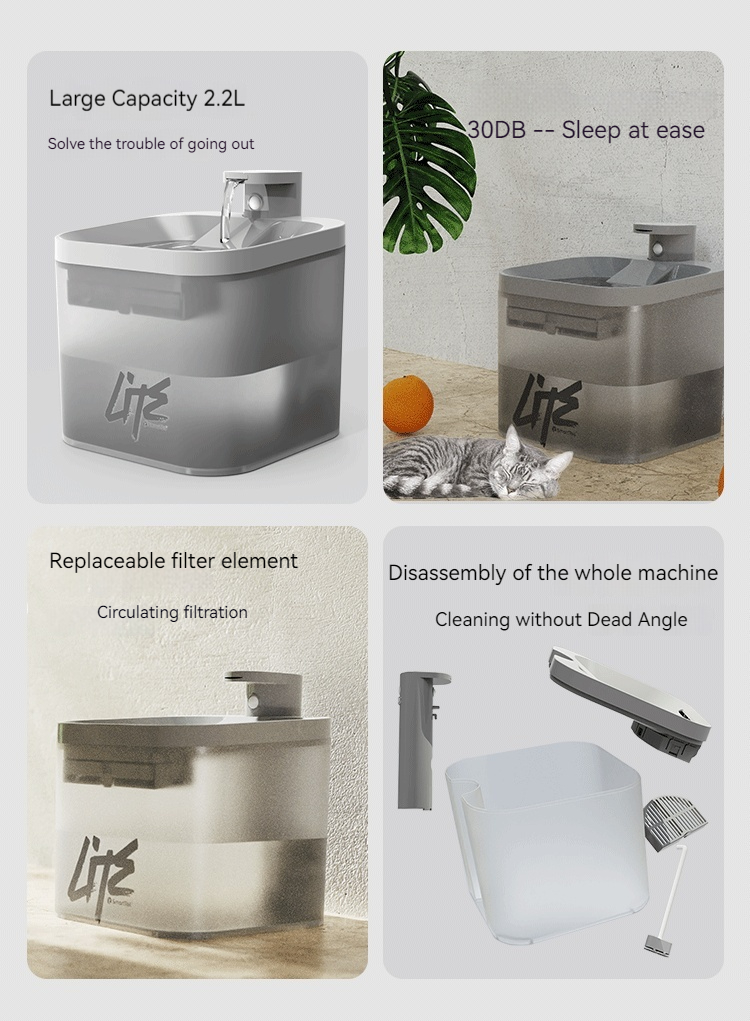
While canine water fountains offer numerous benefits, potential buyers and current users sometimes have valid concerns. Let's address some of the most common ones:
- Electricity Consumption and Cost: A frequent question relates to the energy use of a device that runs 24/7. Thankfully, the pumps in most pet fountains are low-wattage, typically consuming very little electricity – often comparable to a small phone charger or a nightlight (usually between 2-5 watts). The annual electricity cost is generally minimal, amounting to only a few dollars per year depending on local electricity rates (U.S. Department of Energy, n.d.). While there's an initial purchase cost and ongoing expense for filters, many owners feel the benefits for dog hydration and health outweigh these costs.
- Electrical Safety: Having an electrical appliance filled with water naturally raises safety concerns. Reputable manufacturers design fountains with safety in mind. Look for models that are UL listed or have equivalent safety certifications, indicating they've met specific safety standards. Pumps are typically low-voltage and submersible. Ensure the power cord is kept away from water spills and cannot be easily chewed by your pet. Plugging the fountain into a Ground Fault Circuit Interrupter (GFCI) outlet, common in kitchens and bathrooms, adds an extra layer of safety by quickly cutting power if an electrical fault is detected.
- Noise Levels: As discussed in troubleshooting, noise can be a concern, especially for sensitive pets or quiet homes. Noise levels vary significantly between models and depend on factors like pump quality, design (waterfall vs. bubbling), material (ceramic/steel might dampen sound better), and water level. Reading reviews specifically mentioning noise levels and choosing designs known for quiet operation (often those with bubbling tops or gentle cascades) can help mitigate this. Regular maintenance, especially keeping the pump clean and the water level adequate, is key to minimizing pump noise.
- Potential for Mold and Biofilm: This is a valid concern if maintenance is neglected. The moist environment is conducive to the growth of biofilm (slime) and potentially mold or algae if not cleaned regularly and thoroughly. However, this is entirely preventable with a consistent cleaning schedule (at least weekly deep cleaning, including pump disassembly and scrubbing). Materials like stainless steel and ceramic are less prone to micro-scratches that can harbor bacteria compared to plastic. Diligent cleaning is the absolute key to preventing these issues and ensuring the canine water fountain remains a source of clean, fresh water for dogs.
- Filter Effectiveness and Limitations: While filters improve water quality, it's important to understand their limitations. Standard carbon filters are primarily effective at removing chlorine taste/odor and some larger organic compounds. They do *not* typically remove dissolved minerals (like calcium, magnesium that cause hardness), fluoride, heavy metals, or microorganisms like bacteria or viruses to a significant degree (unless specifically designed and certified for such purposes, which is rare in basic pet fountains). Foam filters mainly trap physical debris like hair. Relying solely on the filter without regular physical cleaning of the fountain itself is insufficient for maintaining hygiene.
By understanding these potential concerns and how to address them through proper selection, placement, and diligent maintenance, owners can confidently use a canine water fountain as a safe and effective tool for enhancing their pet's hydration.
Canine Water Fountains and Specific Health Conditions
While beneficial for nearly all dogs, a canine water fountain can be particularly helpful for managing or supporting dogs with certain health conditions where optimal dog hydration is paramount.
- Chronic Kidney Disease (CKD): Kidney disease impairs the kidneys' ability to concentrate urine and conserve water. Dogs with CKD often lose more water through urination and are prone to dehydration, which can worsen kidney damage. Maintaining high fluid intake is crucial to help flush waste products and support remaining kidney function (Polzin, 2011). A canine water fountain, by providing constantly available, appealing, and fresh water for dogs, can encourage the increased intake needed for CKD patients.
- Urinary Tract Issues (Crystals, Stones, UTIs): Adequate water intake is key to preventing and managing urinary problems. Drinking more water dilutes urine, which reduces the concentration of minerals that can form painful crystals and stones (uroliths) like struvite or calcium oxalate (Lulich et al., 2016). Increased urine flow also helps flush bacteria from the urinary tract, reducing the risk of recurrent Urinary Tract Infections (UTIs). A dog drinking fountain promotes the consistent hydration needed to maintain urinary tract health.
- Diabetes Mellitus: One of the hallmark signs of diabetes in dogs is increased thirst (polydipsia) and increased urination (polyuria). Diabetic dogs need constant access to plenty of fresh water to compensate for fluid losses and manage their condition. The larger capacity and appealing nature of a canine water fountain ensure water is readily available and encourages drinking, supporting their hydration needs.
- Hyperthermia (Heatstroke) Prevention: While not a disease, susceptibility to overheating is a serious concern, especially for brachycephalic breeds, dark-coated dogs, obese dogs, or highly active dogs in warm weather. Ensuring excellent hydration is a primary preventive measure, as water is essential for panting and evaporative cooling. An accessible fountain providing cool, moving water can encourage pre-hydration before activity and rehydration afterwards.
- Senior Dogs: Older dogs sometimes experience a decreased thirst drive or may have mobility issues that make accessing a low bowl more difficult. They can also be more susceptible to dehydration due to underlying health issues. A constantly available, appealing source of water like a canine water fountain can help encourage adequate intake in senior pets, supporting their overall pet health.
- Post-Surgery Recovery or Illness: Maintaining hydration is vital during recovery from surgery or illness. Encouraging fluid intake helps with circulation, nutrient delivery, and waste removal, supporting the healing process. A fountain can make water more appealing during periods of reduced appetite or lethargy.
It is crucial to emphasize that a canine water fountain is a supportive tool, not a medical treatment. It should be used in conjunction with appropriate veterinary care, diet, and medications as prescribed for any specific health condition. However, by promoting better hydration—a cornerstone of managing many health issues—it can be a valuable addition to the care plan for dogs facing these challenges, making it a worthwhile consideration for proactive pet owners.
Beyond the Fountain: Holistic Dog Hydration Strategies
While a canine water fountain is an excellent tool for encouraging water consumption and providing clean, fresh water for dogs, it's often part of a broader approach to ensuring optimal dog hydration. Here are some complementary strategies:
- Incorporate Wet Food: Dry kibble typically contains only about 10% moisture, whereas canned or wet food usually contains 70-80% moisture (Case et al., 2011). Supplementing or switching to a wet food diet significantly increases a dog's passive water intake through their food. Discuss dietary changes with your veterinarian.
- Add Water or Broth to Kibble: Simply adding some warm water or low-sodium chicken/beef broth (ensure it contains no onion or garlic) to your dog's dry kibble can boost their fluid intake at mealtimes. This also softens the kibble, which can be beneficial for senior dogs or those with dental issues.
- Offer Hydrating Treats: Offer small amounts of dog-safe fruits and vegetables with high water content, such as cucumber slices or small pieces of watermelon (seeds and rind removed). Plain ice cubes or frozen low-sodium broth cubes can also be appealing, especially in warmer weather.
- Multiple Water Sources: Especially in larger homes or for dogs that spend time both indoors and outdoors, providing multiple water stations (including the fountain and perhaps a clean bowl elsewhere) ensures easy access wherever they are.
- Water on the Go: Always carry fresh water and a portable bowl for your dog during walks, hikes, travel, or any outing, especially during warm weather or strenuous activity. Offer water frequently.
- Monitor Urine Color: Healthy, well-hydrated dogs typically have pale yellow urine. Dark yellow or orange urine can be an indicator of dehydration (though certain medications or conditions can also affect color). Consistently dark urine warrants attention and potentially a vet visit.
- Ensure Bowls/Fountains are Clean: Whether using a bowl or a fountain, cleanliness is key. A dirty water source is unappealing and potentially unhealthy. Stick to a regular cleaning schedule for your chosen pet water dispenser.
By combining the benefits of a well-maintained canine water fountain with these holistic strategies, you create a comprehensive hydration plan that supports your dog's overall pet health and well-being from multiple angles.
The Future of Canine Hydration Technology
The evolution of pet care continues, and hydration technology is no exception. While the current generation of canine water fountains offers significant advantages, future developments promise even greater sophistication and integration into the ‘smart home' ecosystem, further enhancing how we monitor and manage our pets' health.
We are already seeing the emergence of “smart” canine water fountains. These devices often connect to home Wi-Fi networks and sync with smartphone apps. Potential features include:
- Water Intake Tracking: Sensors within the fountain could monitor how much water a pet drinks over time, providing valuable data for owners and veterinarians, especially for pets with health conditions requiring close hydration monitoring. Alerts could be sent if intake drops significantly.
- Filter Replacement Reminders: The app could track filter usage based on time or water flow and send timely reminders to replace the filter, ensuring optimal performance.
- Water Quality Monitoring: Future fountains might incorporate basic sensors to provide rudimentary feedback on water quality or temperature.
- Remote Control: Possibly allowing owners to turn the fountain on/off remotely or adjust flow settings via the app.
Beyond app connectivity, other potential advancements include:
- UV Sterilization: Some high-end fountains are beginning to incorporate UV-C light sterilization technology, aiming to further reduce bacterial growth in the water reservoir, complementing the filtration system.
- Improved Pump Technology: Continued innovation in pump design could lead to even quieter, more energy-efficient, and longer-lasting pumps.
- Integration with Other Pet Tech: Smart fountains could potentially integrate with smart feeders, activity trackers, or overall pet health monitoring platforms, providing a more holistic view of a pet's daily habits and well-being.
While these advanced features will likely come at a higher price point, they represent the direction pet technology is heading – towards more data-driven, convenient, and proactive health management. As our understanding of pet health deepens, so too will the tools available to support it, ensuring that providing optimal dog hydration becomes even easier and more effective. Exploring such advancements can be as interesting as discovering new accessories for modern living.
Conclusion: Investing in Your Dog's Hydration Health
Water is fundamental to life, and ensuring our canine companions are consistently well-hydrated is one of the most impactful contributions we can make to their long-term health and vitality. While traditional water bowls have served pets for years, they present inherent limitations regarding water freshness, cleanliness, and appeal. The modern canine water fountain emerges as a thoughtfully designed solution, leveraging circulation and filtration to provide a continuous source of clean, oxygenated, and enticing water.
From encouraging picky drinkers to supporting pets with specific health needs like kidney or urinary issues, the benefits of enhanced dog hydration facilitated by a fountain are clear. Improved water quality, the convenience of larger capacities, and the simple appeal of moving water work together to promote better drinking habits. Choosing the right dog drinking fountain involves considering factors like material, size, ease of cleaning, and your dog's individual needs, while diligent maintenance ensures the device remains hygienic and effective.
Investing in a quality canine water fountain is more than just buying a gadget; it's an investment in proactive pet care. It's a commitment to providing the best possible resource for one of your dog's most basic physiological needs. In 2025, as we continue to seek ways to enhance the lives of our beloved pets, optimizing their hydration through thoughtful tools like the canine water fountain stands out as a simple yet profound way to support their overall well-being and contribute to a happier, healthier life.
Frequently Asked Questions (FAQ)
- 1. Are canine water fountains really worth the money?
- For many pet owners, yes. While there's an initial cost and ongoing filter expenses, the benefits often outweigh the investment. They encourage better hydration, which is crucial for overall health, especially kidney and urinary function. They provide cleaner, filtered water compared to stagnant bowls, reducing bacterial load and removing debris. The larger capacity offers convenience. If your dog is a poor drinker, has health issues requiring good hydration, or if you're concerned about water quality in a standard bowl, a canine water fountain can be a very worthwhile investment in your pet's well-being.
- 2. How often do I *really* need to clean a dog water fountain?
- Regular, thorough cleaning is essential and non-negotiable. A full deep clean, including disassembling and cleaning the pump, should be done at least once a week. However, many experts and manufacturers recommend cleaning every 2-4 days for optimal hygiene, especially in multi-pet households or if you notice slime (biofilm) forming quickly. Daily checks of the water level and a quick wipe of the bowl area are also recommended. Neglecting cleaning defeats the purpose of the fountain and can lead to unhealthy drinking water.
- 3. My dog seems scared of the fountain, what can I do?
- Patience is key. Place the fountain near the old bowl initially, but keep the old bowl available for a few days. Let the dog investigate on their own terms – never force them. Try leaving the fountain unplugged at first so they get used to the shape. Use positive reinforcement (praise, treats) for any interaction. If the fountain has adjustable flow, start on the lowest/quietest setting. Ensure it's clean, as strange smells can be off-putting. Most dogs eventually adapt, but if fear persists after a week or two of patient introduction, a different model (e.g., quieter, less water movement) might be needed.
- 4. Can I just use tap water in a canine water fountain?
- Yes, in most cases, clean tap water is perfectly fine to use in a canine water fountain. The built-in filters (especially carbon filters) are designed to remove chlorine taste and odor commonly found in tap water, making it more palatable. However, if you have very hard tap water (high mineral content), using filtered or bottled water can help reduce mineral buildup (scale) inside the fountain and pump, potentially extending its life and slightly reducing cleaning needs for scale removal. But for general use, tap water combined with regular filter changes and cleaning is usually sufficient.
- 5. Do the filters remove everything harmful, like fluoride or bacteria?
- Standard filters in most pet fountains have limitations. Activated carbon filters are good for taste and odor (like chlorine) and trapping some organic contaminants. Foam filters trap physical debris like hair. However, they typically do *not* remove dissolved minerals (like calcium, magnesium, fluoride), heavy metals, viruses, or bacteria to a significant extent. Their primary role is improving taste/odor and removing particulate matter. Maintaining hygiene relies heavily on regular physical cleaning of the fountain itself, not just on the filter's capabilities. Some very high-end models might incorporate UV sterilization, but this is not standard.
- 6. Can multiple pets share one canine water fountain?
- Yes, multiple pets can often share one fountain, provided it has sufficient capacity for their combined daily water needs. Look for larger capacity models (e.g., 4+ liters) if multiple dogs or dogs and cats will be using it. Fountains with 360-degree access or multiple drinking levels can also be beneficial. Keep in mind that more pets using the fountain means it will likely need more frequent refilling and cleaning, and filters may need to be changed more often due to increased use and debris load.
- 7. How long do canine water fountains typically last?
- The lifespan of a canine water fountain varies depending on the quality of materials, the pump's durability, and how well it's maintained. Cheaper plastic models might last 1-2 years, while higher-quality stainless steel or ceramic fountains can last significantly longer, often many years. The pump is usually the component most likely to fail over time. Regular cleaning, especially of the pump impeller, and ensuring the pump never runs dry are crucial for maximizing its lifespan. Many manufacturers offer replacement pumps, allowing you to extend the life of the fountain base even if the original pump fails.
References
Note: Please verify links as website content can change. The following provides examples of credible sources.
- Bartges, J. W. (2012). Chronic kidney disease in dogs and cats. Veterinary Clinics of North America: Small Animal Practice, 42(4), 669-692. https://www.vetfolio.com/learn/article/chronic-kidney-disease-in-dogs-and-cats (Link may require subscription)
- Becker, M. (2018, July 18). Why Does My Pet Prefer Running Water? Vetstreet. http://www.vetstreet.com/dr-marty-becker/why-does-my-pet-prefer-running-water
- Case, L. P., Daristotle, L., Hayek, M. G., & Raasch, M. F. (2011). Canine and Feline Nutrition: A Resource for Companion Animal Professionals (3rd ed.). Mosby Elsevier.
- Davis, H., Jensen, T., Johnson, A., Knowles, P., Meyer, R., Rucinsky, R., & Shafford, H. (2013). 2013 AAHA/AAFP Fluid Therapy Guidelines for Dogs and Cats. Journal of the American Animal Hospital Association, 49(3), 149-159. https://www.aaha.org/globalassets/02-guidelines/fluid-therapy/fluid_therapy_guidelines.pdf
- Lulich, J. P., Berent, A. C., Adams, L. G., Westropp, J. L., Bartges, J. W., & Osborne, C. A. (2016). ACVIM Small Animal Consensus Recommendations on the Treatment and Prevention of Uroliths in Dogs and Cats. Journal of Veterinary Internal Medicine, 30(5), 1564-1574. https://onlinelibrary.wiley.com/doi/full/10.1111/jvim.14559
- Nam, H., Lee, C., Lee, M., & Yoon, H. (2021). Bacterial Contamination and Characteristics of Biofilm Formation in Companion Animal Water Bowls. Veterinary Sciences, 8(11), 253. https://www.mdpi.com/2306-7381/8/11/253
- Osborne, C. A., Lulich, J. P., Kruger, J. M., Ulrich, L. K., & Koehler, L. A. (1999). Analysis of 451,891 canine uroliths, feline uroliths, and feline urethral plugs from 1981 to 1997: perspectives from the Minnesota Urolith Center. Veterinary Clinics of North America: Small Animal Practice, 29(1), 17-38. (Abstract available online, full text may require access)
- PetMD. (Various Articles). PetMD Website. https://www.petmd.com/ (A reputable source for general pet health information).
- Polzin, D. J. (2011). Chronic kidney disease. In S. J. Ettinger & E. C. Feldman (Eds.), Textbook of veterinary internal medicine (7th ed., pp. 1990-2021). Saunders Elsevier.
- Tufts University Cummings School of Veterinary Medicine. (Various Articles). Petfoodology & Clinical Nutrition Service Website. https://vetnutrition.tufts.edu/ (Expert resource for pet nutrition and related health).
- U.S. Department of Energy. (n.d.). Appliance Energy Calculator. https://www.energy.gov/energysaver/appliance-energy-calculator (For estimating general appliance energy use).
- VCA Hospitals. (Various Articles). VCA Animal Hospitals Website. https://vcahospitals.com/know-your-pet (Provides reliable veterinary information on numerous topics).
Disclaimer: The information provided in this blog post is for educational and informational purposes only. It is not intended as professional veterinary advice. Always consult with a qualified veterinarian for your pet's specific needs and health conditions. We strive to ensure accuracy, but we make no warranty as to the reliability or completeness of the information presented.
Images and media used in this post may come from free-license resources or the internet. If you are the rightful owner and wish to request removal or attribution, please contact us at [email protected] .
Images and media used in this post may come from free-license resources or the internet. If you are the rightful owner and wish to request removal or attribution, please contact us at [email protected] .






 English
  简体中文
简体中文  Français du Canada
  Deutsch
  Español
  Português
  한국어
한국어  日本語
日本語  Italiano
  Русский
  Dansk
Dansk  Nederlands
  Svenska
  Suomi
Suomi  Polski
  Norsk bokmål