








Introduction: Decoding the Mystery of Cat Attachments
For centuries, cats have shared our homes and hearts, evolving from solitary hunters to cherished companions. Yet, the nature of their emotional connection to us, often termed cat attachments, remains a subject of fascination and, sometimes, misunderstanding. Are cats truly capable of forming deep, meaningful bonds, or are their affections merely a means to an end – securing food, shelter, and warmth? As we journey into 2025, scientific research and behavioral studies increasingly affirm that cats form complex social attachments, challenging the outdated stereotype of the aloof and independent feline. Understanding the depth and dynamics of cat attachments is not just an academic exercise; it is crucial for responsible pet ownership, enabling us to better interpret their behavior, meet their emotional needs, and cultivate stronger, more rewarding relationships.
This comprehensive exploration aims to unravel the intricacies of cat attachments. We will delve into the scientific basis for these bonds, drawing parallels with attachment theory developed in human psychology while acknowledging feline specificities. We will examine how these attachments manifest, the factors that influence their formation and strength, and the ways we can recognize different attachment styles in our own feline friends. Furthermore, we will discuss practical strategies for nurturing secure cat attachments and address common behavioral problems that can arise from insecure or disrupted bonds, such as separation anxiety or inter-cat conflict. By gaining a deeper appreciation for the emotional lives of cats and the significance of their attachments, we can become better caregivers, advocates, and companions to these enigmatic creatures. This journey requires us to move beyond anthropomorphism and appreciate the unique ways cats express connection, fostering a relationship built on mutual understanding and respect. The study of cat attachments opens a window into the feline mind, revealing a capacity for connection that enriches both their lives and ours.
The Scientific Underpinnings of Feline Bonds
The affectionate nudge, the slow blink, the persistent presence by our side – these are more than just charming quirks. They are potential indicators of deep-seated emotional connections, the very essence of cat attachments. To truly understand these bonds, we must look beyond anecdotal observations and explore the scientific foundations rooted in ethology (the study of animal behavior), neurobiology, and developmental psychology.
Attachment Theory: Beyond Humans and Primates
Originally developed by John Bowlby and Mary Ainsworth to describe the emotional bond between human infants and their primary caregivers (Bowlby, 1969), attachment theory provides a powerful framework for understanding enduring affectional ties. Its core tenets revolve around the idea that infants develop an attachment system, biologically driven, to ensure proximity to a caregiver for protection, comfort, and support, especially in times of stress. The caregiver acts as a “secure base” from which the infant can explore the world and a “safe haven” to return to when distressed.
While initially focused on humans, researchers have increasingly applied attachment principles to other social species, including dogs and, more recently, cats. Studies have investigated whether cats exhibit the key characteristics of attachment bonds towards their owners. Research by Vitale, Behnke, and Udell (2019) at Oregon State University, for instance, adapted the “secure base test,” commonly used with infants and dogs, for cats. Their findings suggested that cats display distinct attachment styles (secure, ambivalent, avoidant, disorganized) towards their caregivers, similar to those observed in human children and dogs. Cats with secure cat attachments appeared distressed when their caregiver left but quickly sought contact upon reunion and then returned to exploring, using the caregiver as a secure base. In contrast, insecurely attached cats exhibited behaviors like excessive clinginess (ambivalent) or overt avoidance (avoidant) upon the caregiver's return. This research provides compelling evidence that the fundamental principles of attachment theory are relevant to understanding the human-cat relationship and the nature of cat attachments.
Thinking Question: Have you noticed your cat using you as a ‘secure base'? For example, do they seem more confident exploring a new object or environment when you are present?
The Neurobiology of Bonding: Hormones and Brain Circuits
The feelings associated with attachment aren't just abstract emotions; they have tangible biological underpinnings. Key neurochemicals play crucial roles in facilitating social bonding across mammalian species. Oxytocin, often dubbed the “love hormone” or “bonding hormone,” is central to this process. It is released during positive social interactions, such as petting, gentle stroking, and even mutual gazing between humans and their pets (Nagasawa et al., 2015, found this in dogs; similar mechanisms are believed to operate in cats). Oxytocin promotes feelings of trust, calmness, and social connection, reinforcing the bond between individuals. Studies involving administering oxytocin intranasally to cats have shown it can increase their social behaviors towards humans (Thielke & Udell, 2020).
Dopamine, associated with the brain's reward system, also plays a role. Positive interactions with an attachment figure can trigger dopamine release, making the interaction feel pleasurable and motivating the cat to seek further contact. Brain imaging studies in various species suggest that specific neural circuits, involving areas like the amygdala (emotion processing) and prefrontal cortex (social cognition), are activated during attachment-related behaviors. While direct brain imaging of bonding cats is still an emerging field, the existing knowledge of mammalian neurobiology strongly supports the idea that cat attachments involve complex, biologically ingrained processes, similar to those in humans and other social animals. This neurobiological basis underscores that cat attachments are not merely learned habits but deep physiological responses.
The Crucial Role of Early Life Experiences
The foundations for lifelong social behavior and attachment patterns are often laid early in life. For cats, the primary socialization period, typically occurring between 2 and 7 weeks of age, is a critical window (Casey & Bradshaw, 2008). During this time, kittens are most receptive to forming positive associations with humans, other animals, and various environmental stimuli. Positive, gentle handling and exposure to different sights and sounds during this period are strongly correlated with the development of well-adjusted, confident adult cats capable of forming secure cat attachments.
Kittens raised with minimal or negative human contact during this sensitive period may develop fearful or avoidant behaviors towards people, making the formation of secure cat attachments later in life more challenging, though not impossible. Similarly, the quality of the maternal bond and interactions with littermates influence social development. Orphaned kittens or those separated from their mother too early may exhibit different social behaviors. Understanding the impact of these early experiences helps us appreciate why some cats form bonds easily while others require more patience and specific approaches. It highlights the importance of responsible breeding and early socialization practices in shelters and homes to foster the potential for strong, positive cat attachments throughout a cat's life.
Table: Indicators of Secure vs. Insecure Cat Attachments
Observing a cat's behavior, particularly in relation to their primary caregiver, can offer clues about the nature of their attachment bond. Based on adaptations of attachment theory research (e.g., Vitale et al., 2019), we can identify patterns indicative of secure versus insecure attachments. It's important to remember that these are general indicators and individual cats may vary. Context is always key.
| Attachment Style | Behavior Upon Caregiver Departure | Behavior Upon Caregiver Reunion | General Interaction & Exploration |
|---|---|---|---|
| Secure Attachment | May show mild distress (e.g., vocalize briefly, watch door) or continue relaxed activity. Generally not panicked. | Actively greets caregiver (e.g., approaches, rubs, purrs, meows). Seeks brief contact/reassurance. Quickly settles and resumes exploration or play. Uses caregiver as a ‘secure base'. | Balances time between interacting with caregiver and independent exploration/play. Appears relaxed and confident in the caregiver's presence. Seeks comfort from caregiver when stressed but recovers well. |
| Insecure-Ambivalent Attachment (Sometimes called Anxious-Preoccupied) | Often shows significant distress (e.g., persistent vocalization, pacing, destructive behavior). May be difficult to soothe before departure. | Clingy and seeks intense contact, but may also show resistance or ambivalence (e.g., wants to be held but then struggles). Difficult to soothe; may remain distressed or anxious. Limited return to exploration. | Excessively dependent on caregiver's presence. May constantly seek attention or proximity. Often anxious even when caregiver is present. Limited independent exploration. May show signs of separation anxiety frequently. |
| Insecure-Avoidant Attachment (Sometimes called Anxious-Avoidant) | Shows little or no overt distress. May seem indifferent to departure. | Actively ignores or avoids the caregiver upon return. May turn away, move away if approached, or show minimal greeting behavior. May seem overly focused on the environment or toys instead of the caregiver. | Appears overly independent. Shows little proximity-seeking or interaction initiation. May seem aloof or uninterested in caregiver, though physiological measures might still show stress during separation (Potter & Mills, 2015). May engage in solitary play extensively. |
| Insecure-Disorganized Attachment | Behavior can be unpredictable and contradictory. May show mixed signs of distress, avoidance, or unusual behaviors (e.g., freezing, repetitive actions). | Shows inconsistent or conflicting behaviors upon reunion. May approach then freeze, show fear alongside proximity-seeking, or exhibit stereotyped movements. Appears confused or apprehensive. | Behavior patterns lack coherence. May seem fearful or anxious around the caregiver at times, yet seek proximity at others. Often associated with trauma, inconsistent caregiving, or unresolved fear. Exploration patterns may be erratic. |
This table provides a simplified overview. Real-world behavior exists on a spectrum, and a cat might show traits from different categories. However, understanding these general patterns can help identify the overall quality of cat attachments and pinpoint areas where support might be needed.
Exploring the Spectrum of Cat Attachments
While the bond with a primary human caregiver is often the focus, cats are capable of forming various types of social and spatial attachments. Recognizing this diversity provides a fuller picture of their relational world. The concept of cat attachments extends beyond just the human-animal bond.
The Human-Cat Dyad: Styles and Dynamics
This is the most studied form of cat attachments. As highlighted by the research adapting attachment theory (Vitale et al., 2019), cats form individual bonds with specific humans, often exhibiting preferences for one person within a household. The quality of this bond, ranging from secure to various forms of insecurity (ambivalent, avoidant, disorganized), is shaped by numerous factors discussed later, including the history of interaction, the human's behavior, and the cat's own temperament. A secure human-cat attachment is characterized by mutual trust, relaxed interaction, appropriate affection-seeking, and the cat using the human as a source of comfort and security. Understanding your specific cat's attachment style towards you is key to providing appropriate care and responding effectively to their needs. For instance, recognizing signs of an insecure-ambivalent attachment might prompt strategies to build confidence and manage separation anxiety, rather than simply labeling the cat as “needy.” This dyadic relationship forms a cornerstone of the companion animal experience for many cat owners.
Feline Friendships and Rivalries: Inter-Cat Attachments
Cats' social structures are often described as flexible or facultative, meaning their sociability varies depending on factors like resource availability and individual temperament (Bradshaw, Casey, & Brown, 2012). While not obligatorily social like dogs, domestic cats can and do form strong preferential bonds with other cats, especially when related (e.g., littermates, mother-offspring) or raised together from a young age. These feline affiliations, a form of cat attachments between conspecifics, are often marked by behaviors such as allogrooming (mutual grooming), allorubbing (rubbing against each other), sleeping in contact, playing together, and showing distress if separated. These bonds contribute significantly to the cats' social enrichment and well-being.
However, introducing unfamiliar adult cats can be challenging, often leading to conflict rather than attachment. Territoriality and competition for resources can override affiliative tendencies. Negative relationships, characterized by aggression, avoidance, or chronic stress, can also exist. Therefore, managing multi-cat households requires careful consideration of individual personalities, resource distribution (food bowls, litter boxes, resting spots), and gradual, positive introductions to foster harmonious coexistence, if not deep attachment. Observing the dynamics between cats in a household reveals the complex nature of these inter-cat relationships, which can range from deep attachment to tolerance to outright hostility.
Beyond Beings: Attachment to Territory
Cats are often described as territorial, and this connection to their environment can be considered a form of attachment – a place attachment. Their wild ancestors were solitary hunters maintaining specific territories crucial for survival (food, shelter, mating opportunities). Domestic cats retain a strong sense of place, feeling secure and comfortable within their familiar home range (Bradshaw, 2016). This attachment is evident in behaviors like scent marking (rubbing, scratching, spraying) to establish ownership and familiarity, patrolling boundaries, and showing significant distress or disorientation when moved to a new environment (e.g., moving house, boarding). While perhaps not an emotional “attachment” in the same vein as social bonds, this connection to territory is vital for a cat's sense of security and well-being. Disruptions to their territory can be a major source of stress, sometimes manifesting as behavioral problems. Recognizing the importance of place attachment informs practices like providing safe, predictable environments and managing moves or changes carefully to minimize stress. This aspect complements the understanding of social cat attachments by highlighting the importance of the physical environment in feline welfare.
Recognizing the Language of Attachment in Cats
Cats communicate their emotional states and the nature of their bonds through a subtle and complex repertoire of behaviors. Learning to interpret this “language” is essential for understanding and nurturing cat attachments. While some signals are obvious, others require careful observation and contextual understanding.
Affiliative Behaviors: The Signs of Connection
Affiliative behaviors are actions that promote social bonds and maintain proximity between individuals. They are strong indicators of positive cat attachments. Common examples include:
- Purring: While cats purr in various contexts (including stress or pain), purring during relaxed interactions with a caregiver or another bonded cat is a classic sign of contentment and connection.
- Rubbing (Allorubbing): When a cat rubs its head, flanks, or tail against you, another cat, or even objects, it deposits pheromones from scent glands. This creates a shared scent profile, reinforcing social bonds and marking familiar, safe entities within their territory. It's a clear gesture of affiliation.
- Slow Blinking: Often referred to as a “cat kiss,” a slow blink directed towards a person or another cat is interpreted as a sign of trust and relaxation. Reciprocating with a slow blink can help build rapport (Humphrey, Proops, & Forman, 2020).
- Tail Position: A tail held high, often with a slight quiver at the tip (sometimes called the “question mark tail”), typically signals a friendly greeting and positive anticipation during social interactions.
- Kneading: This rhythmic pushing of paws, often accompanied by purring, originates from kittenhood behavior used to stimulate milk flow from the mother. In adult cats, it's often directed towards soft surfaces or caregivers and is generally considered a sign of comfort, contentment, and attachment.
- Grooming (Allogrooming): Mutual grooming between cats is a strong indicator of a close bond. While less common towards humans, a cat licking its owner can also be interpreted as an affiliative gesture.
Observing these behaviors regularly in interactions suggests a positive and likely secure cat attachment.
Proximity Seeking and Contact Maintenance
A core feature of attachment is the desire to be near the attachment figure. Cats demonstrate this in various ways:
- Following: A cat that frequently follows its owner from room to room is displaying proximity-seeking behavior.
- Choosing to Be Near: Even if not directly interacting, a cat choosing to rest or sleep near its caregiver (on the same sofa, bed, or in the same room) indicates a desire for closeness and signals the caregiver is perceived as a source of security.
- Initiating Contact: Jumping onto a lap, soliciting petting by nudging a hand, or weaving between legs are all active attempts to initiate or maintain physical contact, reinforcing the attachment bond.
The frequency and intensity of these behaviors can vary based on the cat's personality and attachment style, but their consistent presence points towards a significant bond.
Separation Distress: When Bonds Are Tested

How a cat reacts when separated from its attachment figure is a key indicator of the bond's nature, particularly highlighting potential insecurity. While mild, brief protest upon departure can be normal, significant distress suggests a problematic aspect of the cat attachment, often labeled separation anxiety. Signs can include:
- Excessive Vocalization: Persistent, distressed meowing or yowling before, during, or after the caregiver's absence.
- Destructive Behavior: Scratching furniture, chewing inappropriate items, or knocking things over, often focused near exit points.
- Inappropriate Elimination: Urinating or defecating outside the litter box, sometimes on items strongly associated with the owner (like clothing or bedding).
- Changes in Activity: Excessive pacing, restlessness, or, conversely, lethargy and withdrawal during the owner's absence.
- Appetite Changes: Refusal to eat or drink while alone.
Observing these signs requires careful assessment, as they can also stem from medical issues or other environmental stressors. However, when consistently linked to the caregiver's absence, they strongly suggest an underlying issue with the security of the cat attachment.
The Secure Base Effect: Confidence Through Connection
As demonstrated in the Vitale et al. (2019) study, a securely attached cat uses its caregiver as a “secure base” from which to explore and interact with the environment. This means:
- Increased Confidence: The cat may be more willing to investigate novel objects, people, or environments when the caregiver is present.
- Checking In: During exploration, the cat might periodically look back towards the caregiver or make brief physical contact before venturing out again.
- Seeking Comfort: If startled or stressed, the cat retreats to the caregiver for comfort and reassurance before potentially resuming exploration.
The secure base effect is a hallmark of secure cat attachments. It demonstrates that the caregiver's presence provides a sense of safety that empowers the cat to engage confidently with the world. Conversely, cats with insecure attachments may explore very little (ambivalent) or explore without referencing the caregiver (avoidant).
Mental Exercise: Think about a time your cat encountered something new (a visitor, a new toy, a strange noise). How did they react? Did your presence seem to influence their reaction or willingness to investigate?
Factors Shaping the Strength and Quality of Cat Attachments
The development and expression of cat attachments are not predetermined. They are dynamic processes influenced by a complex interplay of factors related to the cat, the human, and the environment they share. Understanding these influences can help foster stronger, more secure bonds.
The Role of Personality: Feline and Human Traits
Just like people, cats have individual personalities or temperaments. Research has identified several consistent personality traits in cats, often categorized using models like the “Feline Five” (Litchfield et al., 2017), which includes dimensions like Neuroticism, Extraversion, Dominance, Impulsiveness, and Agreeableness. A cat's inherent personality significantly impacts its social behavior and potential for forming specific types of cat attachments. For example, a highly agreeable and extraverted cat might readily form demonstrative attachments, seeking frequent interaction. A more neurotic (fearful/anxious) cat might be prone to insecure attachments or require more patience and reassurance to build trust. A highly independent cat might form a secure bond but express it less through constant proximity seeking.
Similarly, human personality and behavior play a critical role. Owners who are sensitive to their cat's communication signals, consistent in their interactions, and generally calm and predictable are more likely to foster secure cat attachments (Wedl et al., 2011). An owner's interaction style – whether they are overly intrusive, neglectful, or inconsistent – can shape the cat's attachment style. The “match” between cat and owner personality can also be influential; an active owner might pair well with an extraverted cat, while a quieter person might be a better fit for a less demanding feline.
Environment Matters: Stability, Resources, and Safety
The physical and social environment profoundly affects a cat's sense of security and, consequently, its ability to form and maintain stable cat attachments. Key environmental factors include:
- Stability and Predictability: Cats thrive on routine. Frequent changes in the environment (moving house, rearranging furniture often, unpredictable schedules) can cause stress and potentially undermine attachment security. A stable home provides a foundation of safety.
- Resource Availability: Ensuring ample and accessible resources – food, water, clean litter boxes, comfortable resting places, scratching posts, vertical space – reduces competition and stress, especially in multi-cat households. Resource scarcity can lead to anxiety and conflict, negatively impacting social bonds. For those looking to enhance their pet's environment, you might want to explore our exclusive selections for unique items.
- Safety and Security: The environment must feel safe. Exposure to constant loud noises, perceived threats (e.g., harassment by other pets or humans), or lack of safe hiding places can keep a cat in a state of chronic stress, hindering the development of relaxed, secure attachments. Providing safe havens and managing potential stressors is crucial.
A supportive, predictable, and resource-rich environment allows cats to feel secure enough to invest emotionally in forming strong cat attachments.
The Quality and Quantity of Interaction
It's not just about being present; the way humans interact with their cats is fundamental. Positive, consistent, and cat-initiated interactions tend to foster secure cat attachments. This includes:
- Positive Reinforcement: Using rewards (treats, praise, petting) for desired behaviors and positive associations.
- Gentle Handling: Respectful, gentle handling that aligns with the cat's preferences. Avoiding forced interactions or overwhelming the cat.
- Interactive Play: Engaging in regular play sessions that mimic hunting behaviors (stalking, chasing, pouncing) provides mental and physical stimulation and strengthens the bond.
- Responding to Needs: Paying attention to and appropriately responding to the cat's signals for food, attention, play, or space.
Conversely, inconsistent attention, punishment-based training, rough handling, or neglect can damage trust and lead to insecure or avoidant attachments. The quantity of interaction also matters, though quality is paramount. Cats need social interaction, but the optimal amount varies by individual. Finding the right balance based on the cat's cues is key to nurturing healthy cat attachments.
Health, Age, and Life Stages
A cat's physical health and age can influence its attachment behaviors. Chronic pain or illness can cause irritability, lethargy, or increased neediness, altering how a cat interacts with its caregiver and potentially straining the perceived cat attachment. For example, a cat with arthritis might avoid being picked up, which could be misinterpreted as aloofness. Cognitive dysfunction syndrome (CDS) in senior cats can lead to changes in social interaction, increased anxiety, disorientation, and altered attachment behaviors (Landsberg, 2005). Owners need to be mindful that changes in behavior might have underlying medical causes.
Age also plays a role. Kittens are heavily reliant on caregivers, forming initial bonds. Adolescent cats might test boundaries or show more independence. Senior cats might become more dependent or seek more comfort. Understanding these life-stage variations helps interpret attachment behaviors appropriately and adjust care accordingly, ensuring the cat attachment remains supportive throughout the cat's life.
Cultivating Secure Cat Attachments: A Practical Guide
While many factors influence cat attachments, owners play a proactive role in shaping these bonds. By employing positive, respectful, and consistent strategies, caregivers can significantly enhance the likelihood of developing and maintaining secure attachments with their feline companions. This involves understanding feline needs and communicating in ways they understand.
The Power of Positive Reinforcement
Positive reinforcement training (R+) is not just for teaching tricks; it's a powerful tool for building trust and positive associations, which are the bedrock of secure cat attachments. This involves rewarding desired behaviors – such as calm greetings, using the scratching post, or approaching voluntarily – with something the cat values (tasty treats, verbal praise, petting, play). By associating your presence and interactions with positive outcomes, you become a source of pleasure and reward, strengthening the emotional bond. Avoid punishment (shouting, hitting, spraying water), as it can induce fear and anxiety, damaging trust and potentially leading to insecure or avoidant attachments (Herron, Shofer, & Reisner, 2009). Focus on reinforcing the behaviors you want to see, creating a positive feedback loop that enhances the human-cat relationship.
Predictability and Routine: Building Trust
Cats are creatures of habit and find comfort in predictability. Establishing consistent daily routines for feeding, playtime, grooming, and even quiet time can help create a sense of security and trust. When a cat knows what to expect from its environment and its caregiver, it feels safer and more relaxed, which is conducive to forming secure cat attachments. Consistency also applies to responses. Reacting calmly and predictably, even when the cat misbehaves (e.g., calmly cleaning up an accident rather than yelling), helps the cat view you as a stable, reliable figure. This predictability forms a crucial part of the ‘secure base' provided by the caregiver.
Respecting Feline Boundaries and Communication
A cornerstone of any healthy relationship is respect for boundaries, and this holds true for human-cat interactions. Learning to read feline body language – subtle signs of stress (flattened ears, dilated pupils, tail twitching), contentment (slow blinks, relaxed posture), or desire for space – is crucial. Respecting these signals by not forcing interaction when a cat is fearful or wants solitude builds immense trust. Allow the cat to initiate interactions much of the time (“consent testing” – offering a hand and letting the cat choose to engage). Understanding that petting preferences vary (many cats dislike belly rubs or prolonged stroking) and respecting these limits strengthens the bond. Forcing affection can undermine the security of the cat attachment, potentially leading to avoidance or even aggression.
Interactive Play: Bonding Through Fun
Play is not just exercise; it's a vital form of social interaction and enrichment for cats, tapping into their natural predatory instincts. Engaging your cat in regular interactive play sessions using wand toys, laser pointers (used responsibly, always ending with ‘catching' a physical toy), or puzzle feeders provides mental stimulation, prevents boredom, and strengthens the human-cat bond. These shared positive experiences build camaraderie and reinforce your role as a provider of fun and engagement. Play can be particularly beneficial for building confidence in shy cats and providing an appropriate outlet for energetic felines, contributing positively to the overall quality of the cat attachment.
Environmental Enrichment: A Foundation for Well-being
A cat's well-being, and thus its capacity for secure attachment, is heavily influenced by its environment. Environmental enrichment involves creating a stimulating, safe, and resource-rich space that meets a cat's innate behavioral needs. This includes providing vertical space (cat trees, shelves), scratching posts in appropriate locations, comfortable resting areas, hiding spots, puzzle toys, and opportunities for safe outdoor access (like a catio) or window views. A well-enriched environment reduces stress and boredom, preventing many behavior problems that can strain the human-cat relationship. When a cat feels secure and fulfilled in its environment, it is better equipped emotionally to form strong, positive cat attachments with its caregivers. Providing a great environment is a fundamental aspect of responsible cat care and bond-building.
When Bonds Go Awry: Common Problems Related to Cat Attachments
While the goal is secure cat attachments, sometimes these bonds develop in ways that cause distress or problematic behaviors for both the cat and the owner. Recognizing these issues is the first step toward addressing them and improving the relationship.
Understanding and Managing Separation Anxiety
Separation anxiety, or separation-related behavior problems, is one of the most recognized issues linked to insecure cat attachments, often reflecting an underlying ambivalent or overly dependent bond. As mentioned earlier, signs include excessive vocalization, destructive behavior, inappropriate elimination, and changes in activity levels specifically related to the owner's absence (Schwartz, 2002). This condition causes significant distress for the cat and can be challenging for owners. Management typically involves a multi-faceted approach: creating a more predictable routine, environmental enrichment to keep the cat occupied when alone, behavior modification (e.g., desensitization to departure cues, teaching independence), and sometimes, in consultation with a veterinarian, medication to reduce anxiety levels. Addressing separation anxiety requires patience and a focus on building the cat's confidence and tolerance for being alone, thereby adjusting the nature of the cat attachment towards greater security.
Over-Attachment: The Clingy Cat Conundrum
Related to separation anxiety, but sometimes present even when the owner is home, is the phenomenon of “over-attachment” or excessive clinginess. This often manifests as a cat constantly demanding attention, following the owner incessantly, becoming distressed if unable to maintain proximity, and potentially interfering with the owner's activities. While some owners enjoy a very affectionate cat, extreme clinginess can indicate underlying anxiety and an insecure (often ambivalent) cat attachment. The cat may lack confidence in the availability of the caregiver or struggle with self-soothing. Management strategies often overlap with those for separation anxiety, focusing on building independence through structured playtime, rewarding calm behavior when alone, providing environmental enrichment, ensuring the cat's needs are met predictably (but not necessarily on demand), and ignoring excessive attention-seeking while rewarding appropriate requests for interaction. The goal is to help the cat feel secure without needing constant physical reassurance.
Fear, Avoidance, and Damaged Trust
When a cat consistently avoids interaction, hides from its caregiver, or shows signs of fear (hissing, swatting) upon approach, it often points towards an insecure-avoidant attachment or a disorganized attachment potentially rooted in past negative experiences, trauma, or inconsistent handling. This can result from a lack of early socialization, previous abuse or neglect, or unintentionally frightening interactions (e.g., harsh punishment, unpredictable loud behavior from the owner). Rebuilding trust in these situations requires significant patience, consistency, and a hands-off approach initially. Creating a safe environment with ample hiding places, using positive reinforcement for any voluntary approach (even just looking towards the owner), avoiding direct eye contact initially, engaging in non-intrusive parallel activities (like reading quietly in the same room), and letting the cat control the pace of interaction are key. Addressing fear and avoidance is crucial for improving the cat's welfare and transforming a damaged or non-existent cat attachment into a more positive one.
Inter-Cat Dynamics: Attachment, Conflict, and Coexistence
Problems related to cat attachments are not limited to the human-cat bond. In multi-cat households, relationships between cats can range from strong affiliation (attachment) to tolerance, avoidance, or overt conflict. Inter-cat aggression is a common and stressful problem, often stemming from competition for resources, territory, or social status, or from poorly managed introductions (Levine, Perry, Scarlett, & Houpt, 2005). Conflict between cats can cause chronic stress, injuries, and behavioral issues like hiding or inappropriate elimination. Even cats that were once bonded can develop conflict later in life due to changes in health, environment, or social dynamics. Managing inter-cat relationships involves ensuring ample resources (“resource abundance”), providing vertical space and hiding spots to allow avoidance, preventing situations that trigger aggression, and potentially undertaking a slow, structured reintroduction process. Understanding that cats may not form deep attachments with every other cat they live with, and aiming for peaceful coexistence rather than forced friendship, is often a more realistic goal.
Strategies for Addressing Attachment Issues
When faced with behavioral problems stemming from insecure or problematic cat attachments, a proactive and informed approach is necessary. Combining behavior modification, environmental adjustments, and professional help can often lead to significant improvements.
Behavior Modification Techniques
Behavior modification focuses on changing the cat's behavioral responses through learning principles. Key techniques include:
- Desensitization and Counter-Conditioning (DSCC): Gradually exposing the cat to a trigger (e.g., departure cues for separation anxiety, the presence of another cat for inter-cat issues) at a very low intensity where it doesn't react negatively, and pairing that exposure with something highly positive (like delicious treats). Over time, the intensity of the trigger is slowly increased as long as the cat remains calm and relaxed. This helps change the cat's emotional response from anxious or fearful to neutral or positive.
- Response Substitution: Teaching the cat an alternative, more desirable behavior to perform instead of the problematic one (e.g., teaching a cat to go to a mat instead of meowing excessively for attention).
- Reinforcing Independence: For overly attached cats, rewarding calm behavior when the owner is present but not directly interacting, or when the cat is resting or playing independently.
- Clicker Training: Using a clicker (or verbal marker) to precisely mark desired behaviors, followed by a reward, can be an effective way to shape behavior and build positive associations.
Consistency and patience are paramount when using these techniques to adjust problematic aspects of cat attachments.
Environmental Management and Adjustments
Modifying the cat's environment is often a critical component of addressing attachment-related issues. This involves:
- Creating Predictability: Sticking to consistent routines for feeding, play, and attention.
- Resource Management: Ensuring abundant and strategically placed resources (multiple food/water stations, litter boxes – rule of thumb: one per cat plus one extra, spread out), especially in multi-cat homes, to reduce competition.
- Enrichment Boost: Increasing environmental enrichment (puzzle feeders, cat trees, scratching posts, window perches, rotating toys) to provide mental stimulation, reduce boredom, and offer appropriate outlets for natural behaviors, especially when the cat is alone.
- Safe Spaces: Ensuring the cat has access to safe, quiet hiding places where it feels secure and won't be disturbed.
- Managing Triggers: Identifying and minimizing exposure to triggers that cause anxiety or conflict (e.g., blocking view of stray cats outside, separating conflicting cats when unsupervised).
Environmental management aims to reduce underlying stress, making behavior modification more effective and supporting the development of more secure cat attachments.
Seeking Professional Guidance: Vets and Behaviorists
While owners can implement many strategies, some attachment-related problems are complex or severe and benefit from professional expertise. It's crucial to first consult a veterinarian to rule out any underlying medical conditions that could be contributing to the behavior change (e.g., pain, hyperthyroidism, cognitive decline). If medical causes are ruled out, the veterinarian may recommend referral to a qualified animal behavior professional, such as a Certified Applied Animal Behaviorist (CAAB), a board-certified Veterinary Behaviorist (DACVB), or a Certified Cat Behavior Consultant (CCBC). These professionals can provide a detailed assessment, develop a tailored behavior modification plan, offer guidance on implementation, and, in the case of veterinary behaviorists, prescribe anxiety-reducing medication if deemed necessary as part of the treatment plan. Professional help can be invaluable for complex cases involving severe anxiety, fear, or aggression related to cat attachments.
The Wider Impact: Why Cat Attachments Matter
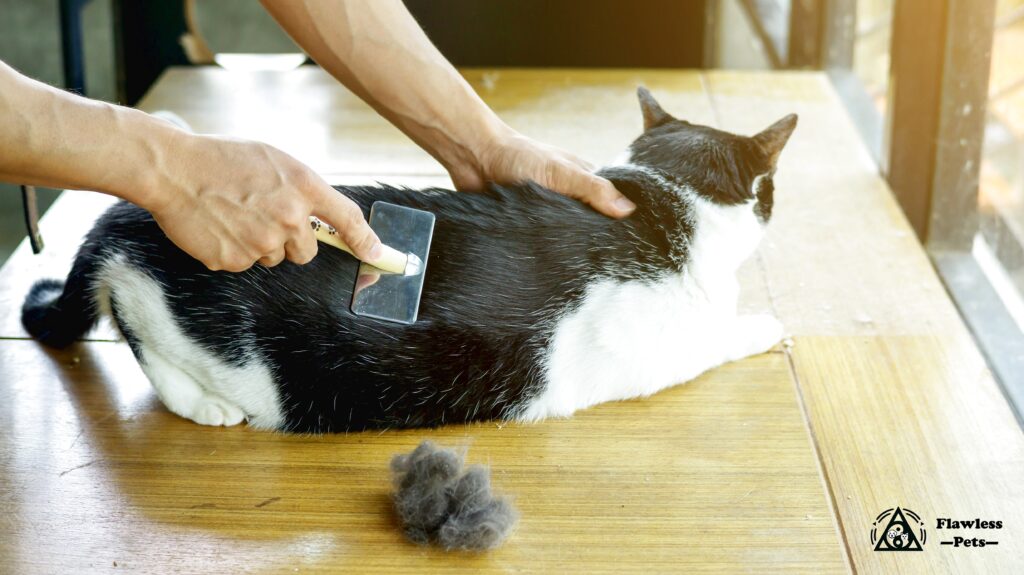
Understanding and nurturing positive cat attachments extends beyond simply having a well-behaved pet. The quality of these bonds has profound implications for the well-being of both the cats and the humans involved.
Implications for Cat Welfare and Quality of Life
For a domestic cat, the relationship with its primary caregiver is often the most significant social bond in its life. A secure cat attachment provides a vital source of comfort, safety, and social enrichment. Cats with secure attachments tend to exhibit lower stress levels, display more exploratory behavior, and cope better with environmental changes (Vitale et al., 2019). They experience the emotional security needed to thrive, not just survive. Conversely, insecure attachments, particularly those characterized by chronic anxiety, fear, or distress (as seen in separation anxiety or fearful avoidance), significantly compromise a cat's welfare and quality of life. Chronic stress associated with poor attachments can even have negative physiological consequences, potentially impacting immune function and overall health. Therefore, fostering secure cat attachments is a fundamental aspect of responsible cat ownership and directly contributes to the animal's psychological and physical well-being.
Benefits for Human Mental and Physical Health

The human-animal bond, particularly the type fostered through secure cat attachments, is increasingly recognized for its positive impact on human health. Interacting with a bonded pet has been shown to lower blood pressure, reduce heart rate, and decrease levels of the stress hormone cortisol (Beetz et al., 2012). The companionship offered by cats can alleviate feelings of loneliness and depression, provide emotional support, and increase opportunities for positive social interaction (if discussing the pet with others). The act of caring for a cat and receiving affection in return can boost mood and provide a sense of purpose. The rhythmic act of petting a relaxed, purring cat can be inherently calming. These benefits are often most pronounced when the relationship is positive and secure, highlighting the reciprocal nature of healthy cat attachments – they enrich our lives just as they enrich theirs. Exploring ways to enhance this bond might lead you to find unique items here that both you and your pet might enjoy in your shared environment.
Illustrative Examples: Cat Attachments in Real Life
To make these concepts more concrete, let's consider a few hypothetical examples illustrating different aspects of cat attachments:
- Case 1: Secure Attachment (“Leo”) Leo, a 3-year-old cat adopted as a well-socialized kitten, greets his owner, Sarah, at the door with a high tail and rubs against her legs. He enjoys lap time but is also content exploring the house or napping independently. When Sarah has visitors, Leo might initially be cautious but approaches them after observing Sarah's relaxed interaction. If startled by a loud noise, he runs to Sarah before cautiously investigating. Leo demonstrates classic signs of a secure cat attachment, using Sarah as a secure base and safe haven.
- Case 2: Insecure-Ambivalent Attachment (“Misty”) Misty, a 1-year-old cat rescued from an uncertain background, is constantly underfoot, meowing for attention. She becomes highly distressed when her owner, Ben, prepares to leave, pacing and yowling. Upon Ben's return, she clings desperately but also seems easily agitated. She rarely plays independently, preferring constant proximity to Ben. Misty's behavior suggests an insecure-ambivalent cat attachment, likely stemming from anxiety about Ben's availability. Ben might work on building her confidence and independence through enrichment and predictable routines.
- Case 3: Insecure-Avoidant Attachment (“Shadow”) Shadow, a 5-year-old cat adopted as an adult with an unknown history, rarely seeks interaction with his owner, Maria. He tolerates petting briefly but often moves away. When Maria returns home, Shadow might flick his tail but doesn't approach and seems more interested in his food bowl. He spends much of his time alone, perhaps under a bed. While seemingly independent, Shadow's behavior might indicate an insecure-avoidant cat attachment, possibly due to past negative experiences or lack of early socialization. Maria could focus on positive reinforcement for any voluntary approach and respect his need for space, gradually building trust.
- Case 4: Inter-Cat Bond (“Ginger & Fred”) Ginger and Fred, littermates adopted together, are inseparable. They groom each other, sleep curled together, and often engage in playful chases. When Fred had to stay overnight at the vet, Ginger searched the house meowing and seemed subdued until his return. This demonstrates a strong, positive inter-cat attachment, a form of cat attachments between felines that significantly contributes to their social well-being.
These examples illustrate the diversity of cat attachments and how understanding the underlying style can inform appropriate care and interaction strategies.
Frequently Asked Questions About Cat Attachments
- 1. Can cats love their owners?
- While “love” is a complex human emotion, scientific evidence strongly suggests that cats form deep emotional bonds and attachments with their owners, characterized by affection, trust, preference, and seeking comfort and security. Research using attachment theory frameworks (like the secure base test) shows cats exhibit behaviors indicative of attachment bonds similar to those seen in dogs and human infants. So, while they express it differently than humans, cats certainly form strong, meaningful cat attachments that function much like love.
- 2. How can I tell if my cat has a secure attachment to me?
- Signs of a secure cat attachment include: greeting you positively upon reunion after an absence; seeking comfort from you when stressed but recovering well; balancing interaction with you and independent exploration/play; appearing relaxed and confident in your presence; using affiliative behaviors like purring, rubbing, and slow blinking during interactions. The cat views you as a source of safety and comfort but isn't overly dependent or fearful.
- 3. My cat ignores me when I come home. Does this mean it's not attached to me?
- Not necessarily. While ignoring the owner upon reunion *can* be a sign of an insecure-avoidant attachment style, it doesn't automatically mean there's no bond. Some cats are naturally more independent or less demonstrative. Consider the overall pattern of behavior. Does the cat choose to be near you at other times? Does it seek comfort from you if truly frightened? Does it engage in affiliative behaviors like slow blinking or rubbing at other times? If the cat generally seems relaxed and comfortable in your home but simply isn't effusive in greetings, it might just be its personality. However, consistent avoidance coupled with other signs of stress or fear might warrant a closer look at the quality of the cat attachment.
- 4. Can I improve my cat's attachment if it seems insecure or avoidant?
- Yes, in many cases, you can improve the security of your cat's attachment, although it requires patience and consistency. Focus on positive reinforcement, creating a predictable and safe environment, respecting the cat's boundaries (letting it initiate interaction, especially if fearful), engaging in positive shared activities like interactive play, and learning to read its body language accurately. For fearful or avoidant cats, progress may be slow, celebrating small victories like the cat willingly staying in the same room. For anxious/clingy cats, building confidence and independence through enrichment and rewarding calm behavior is key. Addressing underlying issues related to insecure cat attachments often strengthens the bond over time.
- 5. Do cats get attached to places more than people?
- This is a common misconception. While cats certainly form strong attachments to their territory (place attachment), which provides security, research confirms they also form distinct, preferential attachments to specific people (social attachment). Studies like the secure base test demonstrate that the caregiver's presence provides a unique form of security that influences the cat's behavior in ways the familiar territory alone does not (Vitale et al., 2019). While place attachment is important for feline well-being, it doesn't negate or necessarily supersede the capacity for deep social cat attachments to their human caregivers.
Conclusion: Embracing the Depth of the Feline Heart
The journey into the world of cat attachments reveals a landscape far richer and more complex than often assumed. Moving beyond stereotypes, we find compelling evidence from behavioral science and neurobiology that cats forge profound emotional connections with their human caregivers and sometimes with other animals. These bonds, shaped by early experiences, individual personalities, environmental factors, and the quality of ongoing interactions, are fundamental to feline well-being.
Recognizing the signs of secure versus insecure cat attachments empowers us to be more attuned and responsive caregivers. By understanding the language of feline affection – the purrs, rubs, slow blinks, and proximity seeking – and also the signs of distress like separation anxiety or avoidance, we can better meet our cats' emotional needs. Cultivating secure cat attachments through positive reinforcement, consistent care, respectful interaction, interactive play, and environmental enrichment not only enhances our cats' quality of life but also deepens the mutual rewards of the human-animal bond, contributing positively to our own health and happiness.
Challenges like separation anxiety or inter-cat conflict often have roots in attachment dynamics, and addressing them effectively requires patience, understanding, and sometimes professional guidance. Ultimately, acknowledging the significance and depth of cat attachments encourages a more empathetic and informed approach to living with these fascinating companions. It invites us to appreciate the unique ways they express their connection and to invest in building relationships founded on trust, security, and mutual respect – enriching both their lives and ours in the process.
References
Note: Please verify links as website structures can change. Academic articles may require subscription or purchase for full access.
- Beetz, A., Uvnäs-Moberg, K., Julius, H., & Kotrschal, K. (2012). Psychosocial and psychophysiological effects of human-animal interactions: the possible role of oxytocin. Frontiers in Psychology, 3, 234. https://doi.org/10.3389/fpsyg.2012.00234
- Bowlby, J. (1969). Attachment and loss, Vol. 1: Attachment. Basic Books.
- Bradshaw, J. W. S. (2016). Sociality in cats: A comparative review. Journal of Veterinary Behavior, 11, 113-124. https://doi.org/10.1016/j.jveb.2015.09.004
- Bradshaw, J. W. S., Casey, R. A., & Brown, S. L. (2012). The behaviour of the domestic cat (2nd ed.). CABI.
- Casey, R. A., & Bradshaw, J. W. S. (2008). The effects of additional socialisation in toolkit kittens. Journal of Feline Medicine and Surgery, 10(4), 392. (Abstract reference, relates to socialization period importance).
- Herron, M. E., Shofer, F. S., & Reisner, I. R. (2009). Survey of the use and outcome of confrontational and non-confrontational training methods in client-owned dogs showing undesired behaviors. Applied Animal Behaviour Science, 117(1-2), 47-54. https://doi.org/10.1016/j.applanim.2008.12.011 (Note: Dog study, but principles regarding punishment effects are broadly applicable).
- Humphrey, T., Proops, L., & Forman, J. (2020). The role of cat eye narrowing movements in cat-human communication. Scientific Reports, 10(1), 16503. https://doi.org/10.1038/s41598-020-73426-0
- Landsberg, G. M. (2005). Therapeutic agents for the treatment of cognitive dysfunction syndrome in senior dogs. Progress in Neuro-Psychopharmacology and Biological Psychiatry, 29(3), 471-479. https://doi.org/10.1016/j.pnpbp.2004.12.010 (Focuses on dogs, but CDS concepts apply to cats).
- Levine, E., Perry, P., Scarlett, J., & Houpt, K. A. (2005). Intercat aggression in households following the introduction of a new cat. Applied Animal Behaviour Science, 90(3-4), 325-336. https://doi.org/10.1016/j.applanim.2004.07.006
- Litchfield, C. A., Quinton, G., Tindle, H., Chiera, B., Kikillus, K. H., & Roetman, P. (2017). The ‘Feline Five': An exploration of personality in pet cats (Felis catus). PLoS ONE, 12(8), e0183455. https://doi.org/10.1371/journal.pone.0183455
- Nagasawa, M., Mitsui, S., En, S., Ohtani, N., Ohta, M., Sakuma, Y., … & Kikusui, T. (2015). Oxytocin-gaze positive loop and the coevolution of human-dog bonds. Science, 348(6232), 333-336. https://doi.org/10.1126/science.1261022 (Dog study, but foundational for oxytocin's role in interspecies bonding).
- Potter, A., & Mills, D. S. (2015). Domestic cats (Felis silvestris catus) do not show signs of secure attachment to their owners. PLoS ONE, 10(9), e0135109. https://doi.org/10.1371/journal.pone.0135109 (Presents a contrasting view/finding to Vitale et al., important for acknowledging scientific debate).
- Schwartz, S. (2002). Separation anxiety syndrome in cats: 136 cases (1991–2000). Journal of the American Veterinary Medical Association, 220(7), 1028-1033. https://doi.org/10.2460/javma.2002.220.1028
- Thielke, L. E., & Udell, M. A. R. (2020). The role of oxytocin in companion cat social behavior and human-cat interactions. PeerJ, 8, e9693. https://doi.org/10.7717/peerj.9693
- Vitale, K. R., Behnke, A. C., & Udell, M. A. R. (2019). Attachment bonds between domestic cats and humans. Current Biology, 29(18), R864-R865. https://doi.org/10.1016/j.cub.2019.08.036
- Wedl, M., Schöberl, I., Bauer, B., Day, J., Möstl, E., & Kotrschal, K. (2011). Relational factors affecting dog social attraction to human partners. Interaction Studies, 12(1), 60-83. https://doi.org/10.1075/is.12.1.03wed (Dog study, but explores relational dynamics relevant to human-animal bonds).
Reputable Website Resources:
- ASPCA: https://www.aspca.org/pet-care/cat-care
- The Humane Society of the United States: https://www.humanesociety.org/animals/cats
- Cornell Feline Health Center: https://www.vet.cornell.edu/departments-centers-and-institutes/cornell-feline-health-center
- International Cat Care: https://icatcare.org/











 English
  简体中文
简体中文  Français du Canada
  Deutsch
  Español
  Português
  한국어
한국어  日本語
日本語  Italiano
  Русский
  Dansk
Dansk  Nederlands
  Svenska
  Suomi
Suomi  Polski
  Norsk bokmål