




Flawless Pet Supplies
Key Takeaways
Welcome to our exploration of feline paw safety, framed through the admittedly unusual concept of “cat composite toe shoes.” While cats don't wear safety boots like humans, thinking about this idea helps us focus on the vital importance of protecting their delicate paws. Here's what we'll cover:
- The term “cat composite toe shoes” is used conceptually to highlight the need for robust paw protection, even though literal safety shoes are impractical and unsuitable for cats due to their anatomy and behaviour.
- Cats' paws are complex structures essential for balance, shock absorption, sensory input, temperature regulation, grooming, climbing, and communication (through scent glands). Their sensitivity makes them vulnerable.
- Real dangers to cat paws include hot surfaces (pavement, metal), cold (ice, snow), sharp objects (glass, thorns), chemicals (cleaners, de-icers), rough terrain, and injuries from impacts or falls.
- Practical paw protection involves environmental management (keeping floors clean, checking yards), considering cat booties for specific situations (with careful acclimation), using paw balms or waxes as a barrier, regular nail trimming, and routine paw inspections.
- Understanding feline paw anatomy and behaviour is crucial for appreciating why standard footwear is inappropriate and why tailored care strategies are necessary.
- Recognizing signs of paw injury (limping, licking, swelling, bleeding) and knowing basic first aid is important, but prompt veterinary care is essential for significant injuries.
- Ultimately, the idea of **cat composite toe shoes** serves as a powerful reminder of our responsibility to proactively ensure the safety and well-being of our feline companions' paws through realistic and appropriate measures.
Understanding the Need: Why We Conceptually Talk About “Cat Composite Toe Shoes”
The phrase “**cat composite toe shoes**” likely conjures a curious, perhaps even amusing, image. Let's be clear from the outset: cats do not wear, nor should they wear, the kind of rigid, heavy safety footwear designed for human workers in hazardous environments. The concept, however, serves as a valuable starting point for a critical discussion about protecting the paws of our beloved feline companions. Why invoke such a specific, albeit fictional, item? Because it immediately brings to mind the idea of robust, serious protection against significant hazards. While the *method* (a composite toe shoe) is inappropriate for a cat, the *motivation* – safeguarding delicate feet from harm – is incredibly relevant.
-
-23%

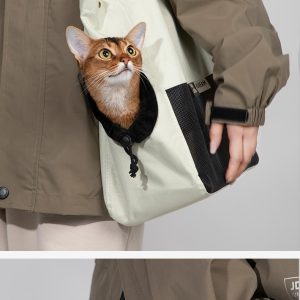
HiDream Color-Block Shoulder Pet Travel Bag – Stylish and Lightweight Carrier for Small Pets – Almond, Matcha
Original price was: $109.99.$84.99Current price is: $84.99. -
-14%
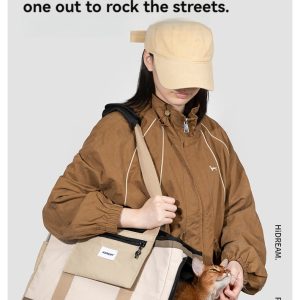
HiDream Pet Tote Bag – Relaxed Style Carrier for Small Pets – Durable Nylon with Breathable Mesh – Beige, Green, Gray
Original price was: $109.99.$94.59Current price is: $94.59. -
-12%
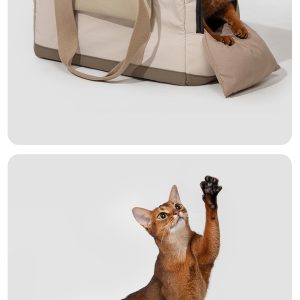
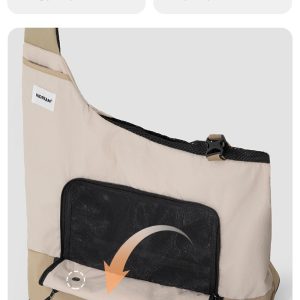
HiDream Pet Sling Carrier Bag – Adjustable Shoulder Strap Front Carry Bag for Small Pets – Khaki, Green, Gray
Original price was: $99.99.$88.49Current price is: $88.49.
In human contexts, safety footwear like composite toe shoes is mandated in environments where feet are vulnerable to impact, compression, or puncture. Thinking about “**cat composite toe shoes**” prompts us to ask: what analogous dangers do cats face? Are their paws truly vulnerable? And if so, what are the *realistic* and *appropriate* ways to protect them? This conceptual framing allows us to explore the vital topic of feline paw health and safety with the seriousness it deserves, moving beyond the literal image to address the underlying need for protection.
The Intriguing Idea: What Are Composite Toe Shoes Anyway?
Before we delve deeper into the feline side, let's briefly understand what we're conceptually borrowing from. Composite toe shoes are a type of safety footwear designed to protect the toes from impact and compression hazards, similar to steel-toe boots. However, instead of steel, the protective cap is made from non-metallic composite materials, such as Kevlar, carbon fiber, plastic, or fiberglass (Workplace Safety & Prevention Services, n.d.).
Why choose composite over steel? Composite materials offer several advantages in human footwear: they are lighter, don't conduct heat or cold as readily, and don't trigger metal detectors. The core purpose remains the same: creating a rigid, impact-resistant barrier around the most vulnerable part of the foot – the toes. This design prioritizes structural defense against specific, often industrial-level, threats. Understanding this function helps us appreciate the *type* of protection implied when we conceptually mention “**cat composite toe shoes**” – something strong, shielding, and focused on preventing injury from external forces.
A Feline Perspective: Why Literal Safety Boots Won't Work for Cats
Now, let's pivot to our feline friends. Why is the idea of putting a cat in a rigid boot, whether steel or composite-toed, fundamentally flawed? It boils down to anatomy, biomechanics, and behaviour.
- Anatomy and Flexibility: Cat paws are marvels of biological engineering, designed for stealth, agility, and sensory perception. Unlike human feet, which are adapted for bipedal locomotion over varied terrain, cat paws are built for silent stalking, rapid acceleration, climbing, and precise landings. They require a high degree of flexibility. The bones, ligaments, and tendons in a cat's paw allow for subtle adjustments and movements essential for balance and navigation (Dycus et al., 2017). A rigid shoe, like our conceptual **cat composite toe shoes**, would completely immobilize the intricate structure of the paw, hindering natural movement and likely causing discomfort or even injury.
- Claw Function: Cats possess protractile claws, meaning they can extend and retract them at will (unlike dogs, whose claws are always extended). Claws are crucial for climbing, gripping surfaces, self-defense, and even marking territory. Encasing the paw in a shoe would prevent the natural extension and retraction of claws, potentially leading to ingrown nails, discomfort, and the inability to engage in essential behaviours.
- Sensory Input: Cat paw pads are packed with nerve receptors, providing vital information about texture, temperature, and vibration. This sensory feedback is crucial for navigating their environment, detecting prey (or toys!), and maintaining balance (Fitzgerald, 1988). Covering the paws with thick, non-yielding material would effectively blindfold them in a sensory dimension, causing stress and disorientation. Imagine trying to walk or balance with thick, rigid boards strapped to your feet – it's a poor analogy, but hints at the sensory deprivation involved.
- Behavioural Stress: Most cats intensely dislike having their paws confined or manipulated. Attempting to put shoes on a cat is often met with resistance, fear, and stress. Cats rely on their paws for grooming, kneading (a comfort behaviour), and interacting with their world. Restricting this can lead to significant behavioural issues and a decline in welfare. The very idea of forcing a cat into something like **cat composite toe shoes** runs counter to understanding and respecting their natural behaviours.
- Balance and Gait: Cats are digitigrades, meaning they walk on their toes (unlike humans, who are plantigrades, walking on the soles of their feet). Their balance and gait are finely tuned. Adding bulky, heavy, or rigid footwear would drastically alter their center of gravity and movement patterns, making walking awkward, unstable, and potentially leading to falls or muscle strain.
Therefore, while the *concept* of robust protection inherent in the term “**cat composite toe shoes**” is useful for focusing our attention, the literal application is entirely impractical and detrimental to feline well-being.
The Core Concern: Recognizing Real Dangers to Cat Paws
If literal **cat composite toe shoes** are out, what are the actual hazards that make us think about paw protection in the first place? Cats' paws, despite their resilience, are susceptible to a variety of injuries, particularly for cats who spend time outdoors, but even indoor cats face risks.
- Temperature Extremes: Hot pavement, asphalt, metal surfaces (like utility covers or car hoods), or even sand can cause serious thermal burns to paw pads in summer (Becker, 2017). Conversely, in winter, ice, snow, and frozen ground can lead to frostbite or irritation. De-icing salts and chemicals are particularly hazardous, causing chemical burns and being toxic if ingested when the cat grooms its paws (ASPCA Animal Poison Control Center, n.d.).
- Sharp Objects: Broken glass, sharp rocks, thorns, splinters, metal shards, or even sharp edges on furniture or household items can cause cuts, punctures, or lacerations. These wounds can be painful and prone to infection.
- Chemicals: Household cleaners, pesticides, herbicides, automotive fluids (antifreeze is notoriously toxic and sweet-tasting), and other chemicals spilled on floors or ground surfaces can cause chemical burns upon contact and poisoning if licked off.
- Rough Surfaces: While cats are adaptable, constantly walking on very rough or abrasive surfaces (like concrete or gravel) can potentially lead to excessive wear or irritation of the paw pads over time, although acute injury is more common.
- Impact and Trauma: Jumping down from heights can sometimes lead to sprains, fractures, or bruising of the paws or wrists/ankles. Fights with other animals can also result in bite or scratch wounds to the paws.
- Allergens: Some cats may develop contact allergies to substances in their environment (like certain grasses, pollens, or cleaning products), leading to itchy, inflamed paws (often manifesting as excessive licking or chewing).
- Foreign Objects: Small pebbles, burrs, grass seeds (awns), or even matted fur can become lodged between the toes or pads, causing pain, irritation, and potential infection.
Recognizing these diverse risks underscores why the *idea* behind **cat composite toe shoes** – the need for protection – resonates. Our task, then, is to find effective, species-appropriate ways to mitigate these genuine dangers.
A Closer Look: The Miraculous Anatomy of a Cat's Paw
To truly appreciate why standard footwear fails and what kind of protection is actually needed, we must understand the intricate structure and function of a cat's paw. It's far more than just a furry foot; it's a highly specialized tool.
Digital and Metacarpal/Metatarsal Pads: Shock Absorbers and Sensors
The most prominent features are the paw pads – the tough, pigmented, hairless cushions on the underside. There are typically four smaller digital pads (one for each main toe) and one larger metacarpal pad (on the front paws) or metatarsal pad (on the hind paws). Some cats also have a carpal pad, located higher up on the back of the front leg, which aids in traction during quick stops or descents (Evans & de Lahunta, 2013).
These pads are composed of a thick layer of adipose (fatty) tissue covered by heavily keratinized skin, making them durable yet flexible. Their primary functions include:
- Shock Absorption: The fatty tissue acts like a natural cushion, absorbing the impact of walking, running, and jumping, protecting the bones and joints above. This is crucial for a creature capable of leaping significant multiples of its own body height.
- Traction: The textured surface of the pads provides grip on various surfaces, essential for climbing, balancing on narrow ledges, and making quick turns.
- Sensory Perception: As mentioned earlier, the pads are rich in nerve endings (mechanoreceptors) that detect pressure, texture, and vibration. This allows cats to assess surfaces, maintain balance, and even potentially sense prey movements through the ground.
- Insulation: While not impervious, the pads offer some protection against moderately hot or cold surfaces, though extreme temperatures can overwhelm this natural defense.
The very idea of encasing these sensitive, functional pads in something rigid like a conceptual **cat composite toe shoes** highlights the disconnect between human safety gear design and feline needs. Protecting the pads means maintaining their ability to feel and flex, not just shielding them from impact.
Claws: Retraction, Traction, and Defense
Unlike dogs, cats (except cheetahs) have protractile claws. They are naturally held in a retracted position within fleshy sheaths by elastic ligaments when the cat is relaxed. To extend the claws, the cat contracts tendons (the deep digital flexor tendon) that pull the final bone of the toe (the distal phalanx, to which the claw is attached) downward and forward (Marshall Cavendish Corporation, 2010). This sophisticated mechanism keeps the claws sharp by preventing constant contact with the ground and allows for silent stalking.
Claws serve multiple purposes:
- Climbing: Essential for scaling trees, furniture, or scratching posts.
- Grasping: Used to hold prey, toys, or maintain purchase on surfaces.
- Traction: Extended during running, jumping, or quick turns for extra grip.
- Defense: A primary weapon against threats.
- Scratching/Marking: Both a visual mark and a way to deposit scent from glands near the claws.
Any form of footwear, especially something as confining as the imagined **cat composite toe shoes**, would interfere with this critical system, preventing claw extension and potentially causing health issues or behavioral distress.
Nerves, Blood Vessels, and Scent Glands: More Than Just Feet
Beyond the pads and claws, the paws are complex structures containing bones (phalanges, metacarpals/metatarsals), tendons, ligaments, a rich network of blood vessels (important for thermoregulation – cats can sweat slightly through their paws), and numerous nerves. This intricate network allows for fine motor control and detailed sensory feedback.
Furthermore, cats have interdigital glands (scent glands) located between their toes (Pageat & Gaultier, 2003). When cats scratch objects, they are not only sharpening claws and leaving a visual mark but also depositing their unique scent. This is a vital form of feline communication. Covering the paws would block this important natural behaviour.
Understanding this complexity reinforces why simplistic solutions borrowed from human industrial safety, like the conceptual **cat composite toe shoes**, are inappropriate. Feline paw care requires strategies that respect and work *with* this intricate anatomy and behavioural repertoire, not against it.
Practical Paw Protection Strategies (Beyond the Fictional Cat Composite Toe Shoes)
Having established the unsuitability of literal safety shoes and the genuine risks cats face, let's focus on realistic and effective ways to protect their paws. The goal is not to achieve the impenetrable defense of a **cat composite toe shoes** but to implement sensible measures that mitigate common hazards while respecting the cat's nature.
Environmental Safety: The First Line of Defense
Often, the best protection is prevention. Managing the cat's environment to remove or minimize hazards is the most fundamental step.
Indoor Hazard Audit
Even indoor cats face paw risks. Regularly check your home for:
- Spills: Clean up any spills of household cleaners, chemicals, or food/drink promptly and thoroughly. Ensure cleaning product residues are rinsed away.
- Sharp Objects: Be mindful of dropped pins, needles, staples, shards of glass or plastic, or sharp edges on furniture or decor. Sweep or vacuum regularly, especially after activities like crafting or repairs.
- Heat Sources: Be cautious with fireplaces, wood stoves, space heaters, and even hot stovetops or irons. Cats may be drawn to warmth but can easily singe their paws (or worse). Use screens and supervision.
- Toxic Substances: Ensure antifreeze, pesticides, rodenticides, and toxic household plants are kept well out of reach. Remember that substances tracked in on human shoes can also pose a risk.
- Small Items: Tiny objects like rubber bands, string, or small toy parts can potentially get wrapped around or stuck to paws.
Outdoor Environment Considerations
If your cat has access to the outdoors (ideally in a safe enclosure like a catio or on supervised leash walks), environmental checks are even more critical:
- Surface Temperatures: Before letting your cat out on hot sunny days, check the temperature of pavement, asphalt, or decking with your own hand or bare foot. If it's too hot for you to comfortably keep your hand there for 5-10 seconds, it's too hot for your cat's paws (Pet Poison Helpline, n.d.). Provide access to shaded, grassy areas.
- Winter Hazards: In cold weather, limit time outdoors, especially on icy or snowy days. Check paws immediately upon return for ice balls between toes and signs of redness or discomfort. Avoid areas treated with de-icing salts and chemicals. If contact is unavoidable, gently wash and dry paws upon returning inside. Consider pet-safe de-icers for your own property.
- Yard Debris: Regularly inspect your yard or catio for broken glass, sharp stones, thorns (especially from plants like roses or holly), metal scraps, or other potentially harmful debris.
- Chemical Treatments: Be extremely cautious with lawn fertilizers, pesticides, and herbicides. Keep cats away from treated areas for the period recommended by the manufacturer, or ideally, opt for pet-safe alternatives.
- Construction/Renovation Areas: Keep cats clear of active construction zones, which often contain nails, splinters, and hazardous materials.
Proactive environmental management is the most effective way to prevent paw injuries, offering protection far more practical than any hypothetical **cat composite toe shoes**.
Cat Booties: A Viable Option?
Actual cat booties do exist, though they bear little resemblance to our conceptual **cat composite toe shoes**. These are typically soft, flexible coverings designed to offer temporary protection against specific environmental challenges, like hot pavement, icy conditions, or rough terrain, or to protect injuries while they heal.
Types and Materials
Cat booties are generally made from soft, lightweight materials:
- Silicone/Rubber: Offer good water resistance and traction, often used for snow or wet conditions. Can be less breathable.
- Neoprene/Soft Fabric: More flexible and breathable, potentially more comfortable, but may offer less protection against sharp objects or extreme heat/cold. Often have a rubberized or textured sole for grip.
- Disposable/Medical Booties: Very thin, often latex or similar material, primarily used to keep bandages clean and dry, not for environmental protection.
They usually fasten with Velcro straps or elastic cuffs. Fit is crucial – too tight can restrict circulation, too loose and they'll fall off or cause tripping.
Pros and Cons
Pros:
- Can provide a physical barrier against hot/cold surfaces.
- May protect against de-icing salts or chemicals.
- Can help keep injured paws or bandages clean and dry.
- Might offer some protection against minor scrapes or rough ground.
Cons:
- Most cats strongly dislike wearing them and may become stressed or exhibit unnatural gaits (like high-stepping or “frozen” behaviour).
- Acclimation requires significant patience and positive reinforcement.
- Can impair balance and sensory feedback from paws.
- May reduce traction on some surfaces if the sole isn't well-designed.
- Risk of chafing or restricting circulation if ill-fitting or worn too long.
- Not a substitute for avoiding extreme conditions (e.g., don't assume booties make extremely hot pavement safe).
- Offer minimal protection against punctures or impacts, unlike the robust defense implied by **cat composite toe shoes**.
Acclimation Training: Patience is Key
If you decide booties are necessary for specific, short-term situations, gradual and positive introduction is essential. Never just strap them on and expect acceptance.
- Introduction: Let your cat investigate the booties. Leave them near their food bowl or favourite sleeping spot. Reward any calm interaction (sniffing, touching) with treats or praise.
- Touch Association: Gently touch the booties to your cat's paws for brief moments, followed immediately by a high-value treat. Keep sessions short and positive.
- One Bootie On: Once comfortable with touching, try putting one bootie on for just a few seconds. Distract with treats or play immediately. Remove the bootie *before* the cat gets distressed. Repeat over many sessions, gradually increasing the time.
- Multiple Booties: Progress to two booties, then all four, always keeping sessions short, positive, and reward-based.
- Movement: Encourage gentle movement with treats or toys while wearing the booties. Expect awkwardness initially.
- Supervision: Never leave a cat unattended while wearing booties, especially early on.
This process can take days or weeks, and some cats may never fully accept booties. Force-fitting them is counterproductive and stressful. Booties are a tool for specific, limited use, not an everyday accessory or a replacement for the conceptual protection of **cat composite toe shoes**.
Paw Balms and Waxes: Soothing and Shielding
A less intrusive option for general paw maintenance and mild protection is using paw balms or waxes. These products are designed to moisturize dry or cracked pads and create a semi-permeable barrier against mild irritants.
How They Work and What to Look For
Paw balms typically contain a blend of natural waxes (like beeswax or carnauba wax), oils (coconut, olive, vitamin E), and butters (shea, cocoa). They work by:
- Moisturizing: Helping to prevent pads from becoming dry, cracked, or chapped, especially in dry climates or winter.
- Creating a Barrier: Forming a thin layer on the pads that can offer *temporary*, *limited* protection against hot pavement (though not a substitute for avoidance), ice build-up, salt residue, and rough surfaces. Think of it more like lip balm for paws than heavy-duty shielding.
- Soothing: Some ingredients may have mild anti-inflammatory or soothing properties for minor irritation.
When choosing a balm, look for products specifically formulated for cats (or pets in general) with natural, lick-safe ingredients. Avoid products containing harsh chemicals, artificial fragrances, or ingredients known to be toxic to cats (like certain essential oils, particularly tea tree oil or wintergreen). Consider exploring unique care supplies for specialized balm formulations.
Application Tips
- Choose a Calm Time: Apply when your cat is relaxed, perhaps sleepy or cuddling.
- Positive Association: As with booties, make it a positive experience. Have treats ready.
- Gentle Handling: Gently hold one paw. If your cat resists, don't force it. Try again later. Start with short sessions.
- Small Amount: You only need a thin layer. Scoop a small amount with your finger or an applicator.
- Massage In: Gently massage the balm into the pads, including between the toes if accessible and your cat tolerates it.
- Distraction: Distract your cat for a few minutes afterward with play or treats to allow the balm to absorb slightly and reduce immediate licking (though licking a safe balm isn't harmful).
- Frequency: Apply as needed – perhaps daily in harsh weather, or a few times a week for maintenance. Apply just before potential exposure (like a walk on potentially hot ground or snow).
Paw balms offer a gentle supportive measure, far removed from the heavy protection implied by **cat composite toe shoes**, but useful for maintaining pad health and providing a degree of defense against mild environmental stressors.
Grooming for Paw Health: Nail Trims and Inspections
Regular grooming is an essential part of preventative paw care.
The Importance of Regular Nail Clipping
While seemingly unrelated to the idea of **cat composite toe shoes**, keeping claws trimmed is vital for paw health, especially for indoor cats who don't wear down their claws naturally.
- Prevents Ingrown Claws: Overgrown claws can curl around and grow into the paw pad, causing pain, infection, and difficulty walking.
- Reduces Snagging: Long claws are more likely to get caught on carpets, furniture, or blankets, potentially leading to a painfully torn or broken nail.
- Improves Comfort: Excessively long claws can affect how the cat's foot meets the ground, potentially causing discomfort.
Use sharp clippers designed for cats. Only trim the sharp, translucent tip (the “white” part), avoiding the pink area (the quick), which contains nerves and blood vessels. If you're unsure, ask your veterinarian or a professional groomer to demonstrate. Introduce nail trimming gradually and positively, just like bootie or balm application.
Performing Routine Paw Checks
Make it a habit to gently examine your cat's paws regularly – perhaps daily or every few days. This allows you to catch potential problems early.
- Choose a Calm Moment: When your cat is relaxed.
- Gentle Handling: Gently hold one paw at a time.
- Visual Inspection: Look at the pads for any cuts, cracks, blisters, swelling, redness, or discoloration.
- Check Between Toes: Carefully spread the toes to look for foreign objects (pebbles, burrs, matted fur), redness, or swelling.
- Examine Claws: Check for any broken, torn, or ingrown claws. Gently press the pad to extend the claws for inspection.
- Feel for Sensitivity: Note if the cat flinches or pulls away when you touch a specific area, which could indicate pain.
- Sniff Test: A foul odor could indicate an infection.
Regular checks are your best diagnostic tool, allowing for early intervention before minor issues become major problems – a proactive approach inspired by the protective intent behind the **cat composite toe shoes** concept.
Comparison Table: Paw Protection Methods
To help visualize the different approaches discussed, here's a comparison table. Remember, the concept of “**cat composite toe shoes**” represents an *ideal* of maximum protection but is not a practical method.
| Method | Primary Purpose | Pros | Cons | Best For | Analogy (Conceptual) |
|---|---|---|---|---|---|
| Environmental Management | Hazard prevention | Most effective; No stress to cat; Addresses root cause | Requires diligence; Not always possible (public spaces) | All cats, all situations (baseline care) | Workplace safety protocols (removing hazards) |
| Cat Booties | Barrier against surfaces (hot/cold/salt); Bandage protection | Direct physical barrier; Keeps paws clean | Cat acceptance difficult; Impairs sensation/balance; Limited protection type; Short-term use only | Specific, short exposures (e.g., brief walk on salted sidewalk, protecting injury); Requires extensive training | Light-duty disposable gloves (temporary barrier) |
| Paw Balm/Wax | Moisturize; Mild barrier against irritants/surfaces | Easy to apply (usually); Lick-safe (if chosen well); Conditions pads | Very limited protection; Temporary effect; Needs reapplication; Doesn't prevent punctures/burns | Dry/cracked pads; Minor protection from salt/ice build-up; Mildly rough surfaces | Lip balm or hand lotion (moisture & slight barrier) |
| Nail Trimming | Prevent ingrown nails & snagging | Prevents specific injuries; Improves comfort | Requires skill/training; Cat tolerance varies | All cats (especially indoor) | Preventative maintenance (like checking tire pressure) |
| Regular Paw Checks | Early detection of injury/problems | Catches issues early; Non-invasive | Requires gentle handling; Cat tolerance varies | All cats | Regular vehicle inspection (spotting problems) |
| “Cat Composite Toe Shoes” (Conceptual) | Maximum impact/puncture protection (Hypothetical) | Highlights need for robust protection (Conceptual benefit) | Impractical; Unsuitable anatomy/behaviour; Causes stress/injury | Not applicable in reality | Human safety boot (inappropriate parallel) |
This table emphasizes that real feline paw care involves a multi-faceted approach, combining prevention, maintenance, and targeted interventions, rather than a single, heavy-duty solution like the fictional **cat composite toe shoes**.
Common Paw Problems and First Aid
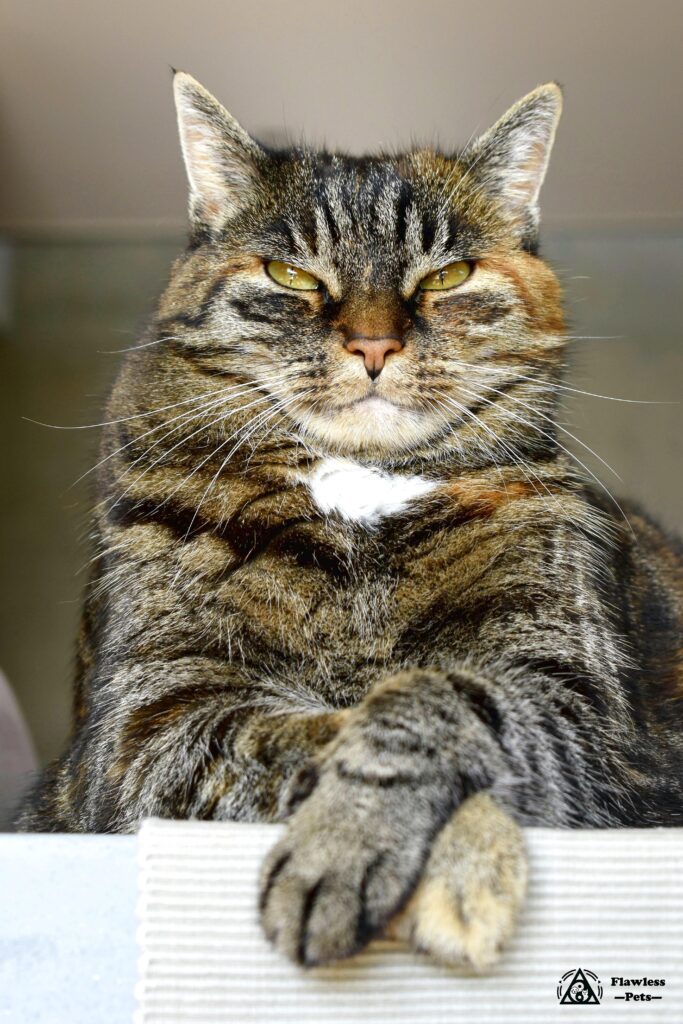
Despite our best efforts, paw injuries can still happen. Recognizing common problems and knowing basic first aid is crucial, but it's vital to remember that veterinary assessment is often necessary for anything more than a very minor issue. The sensitivity and complexity of the paw mean infections or deeper injuries are serious concerns.
Cuts, Scrapes, and Punctures
These can result from stepping on sharp objects like glass, metal, or thorns.
- Signs: Limping, holding the paw up, licking the paw, visible bleeding, visible wound.
- First Aid:
- Gently restrain your cat (a towel wrap might help if needed, but avoid causing more stress).
- Carefully examine the paw to identify the source of bleeding.
- Clean the wound gently with clean water or a pet-safe antiseptic solution (like diluted chlorhexidine or betadine – consult your vet about appropriate dilution). Avoid hydrogen peroxide, which can damage tissue.
- Apply gentle pressure with a clean cloth or gauze to control bleeding. Minor scrapes may stop quickly; deeper cuts might take 5-10 minutes of pressure.
- If a small object (like a tiny splinter) is visible and easily graspable with tweezers, you *might* attempt removal, but if it's deep, broken off, or you're unsure, leave it for the vet.
- For minor scrapes, once clean and dry, you might leave them open to air or apply a tiny amount of pet-safe antibiotic ointment (consult vet first). For deeper cuts or punctures, veterinary attention is needed.
- When to See Vet: Bleeding that doesn't stop with pressure; deep wounds; puncture wounds (high infection risk); embedded objects; signs of infection (swelling, pus, heat, foul odor); significant pain or limping.
Burns (Heat and Chemical)
Caused by contact with hot surfaces or caustic chemicals.
- Signs: Redness, blistering, charred or white pads, pain (limping, licking), reluctance to walk. Chemical burns might also have a chemical odor.
- First Aid (Heat Burns):
- Immediately cool the paw by running cool (not ice cold) water over it for 10-15 minutes or applying cool compresses.
- Do NOT apply ointments, butter, or creams unless directed by a vet.
- Cover loosely with a sterile, non-stick dressing if possible, to prevent licking/contamination en route to the vet.
- First Aid (Chemical Burns):
- Wear gloves to protect yourself.
- Flush the paw thoroughly with copious amounts of cool water for 15-20 minutes to dilute and remove the chemical.
- If you know the chemical, note it down for the vet (bring container if safe).
- Do NOT try to neutralize the chemical unless specifically advised by a poison control expert or vet.
- When to See Vet: All burns require prompt veterinary attention. Burns are painful and highly susceptible to infection. Even mild-looking burns can worsen.
Frostbite and Cold Injuries
Occurs when tissue freezes due to prolonged exposure to extreme cold.
- Signs: Paws may initially appear pale, grayish, or bluish and feel cold and hard. As they thaw, they become red, swollen, and painful. Blisters or blackened, dead tissue may appear later. Limping and licking are common.
- First Aid:
- Bring the cat into a warm environment immediately.
- Warm the paws *gradually*. Use lukewarm (not hot) water soaks or warm compresses for about 15-20 minutes. Hot water can cause more damage.
- Do NOT rub or massage the frozen tissue, as this can cause further injury.
- Pat the paws dry gently.
- Prevent the cat from licking or chewing the affected area.
- When to See Vet: All suspected cases of frostbite need veterinary evaluation, even if they seem mild initially. The full extent of the damage may not be apparent for several days.
Foreign Objects Lodged in Paws
Things like pebbles, burrs, glass shards, or grass seeds can get stuck between toes or embedded in pads.
- Signs: Sudden limping, holding paw up, excessive licking/chewing at a specific spot, visible object, swelling between toes.
- First Aid:
- Examine the paw carefully, including between the toes.
- If the object is superficial and easily removable (like a burr or small pebble), gently remove it with fingers or tweezers.
- If the object is embedded, sharp (like glass), or you can't see it clearly, do NOT probe or dig. This can push it deeper or cause more damage.
- Clean the area gently with pet-safe antiseptic wash after removal (if successful).
- When to See Vet: If you cannot easily remove the object; if the object is deeply embedded or sharp; if the area looks infected; if limping persists after removal; if you suspect a grass awn (these can migrate and cause serious issues).
When to See a Veterinarian
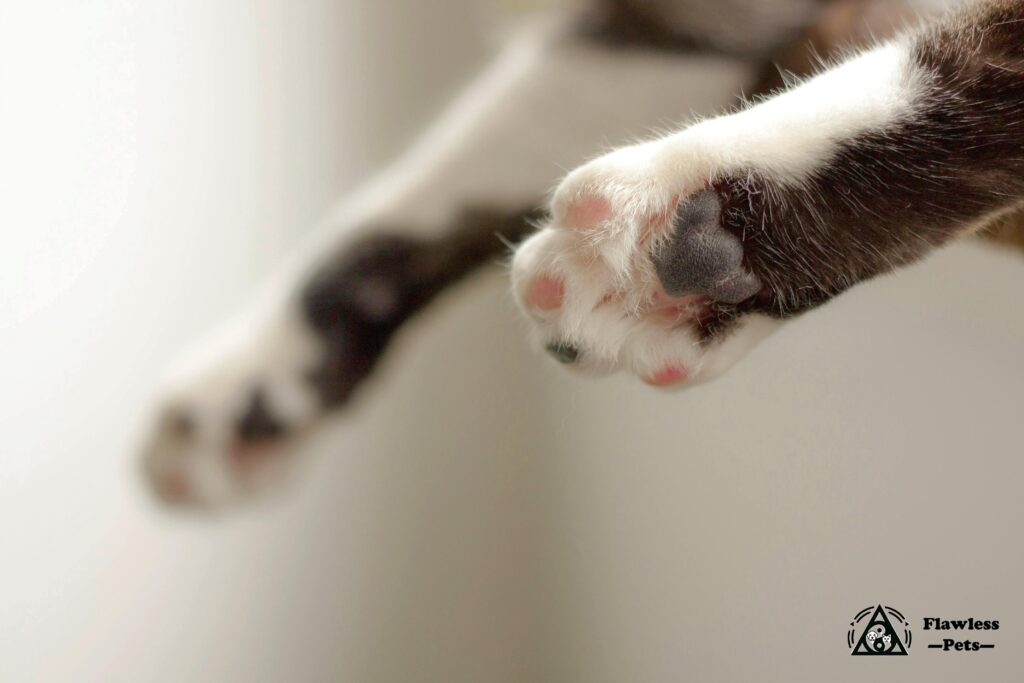
While basic first aid is helpful, many paw issues require professional veterinary care. Always err on the side of caution. Seek veterinary attention if you observe:
- Uncontrolled bleeding
- Deep wounds or punctures
- Suspected broken bones (severe lameness, swelling, abnormal angle)
- Burns (any type)
- Suspected frostbite
- Signs of infection (pus, swelling, heat, foul odor, fever)
- Embedded foreign objects that cannot be easily removed
- Significant pain or distress
- Limping that persists for more than a day or is severe
- Any paw injury in a diabetic cat or a cat with a compromised immune system
Your veterinarian can properly diagnose the issue, clean the wound thoroughly, prescribe antibiotics or pain relief if needed, perform surgery if required, and provide appropriate bandaging. They offer a level of care far beyond what home first aid or any protective gear, even hypothetical **cat composite toe shoes**, can provide.
The Concept Revisited: What “Cat Composite Toe Shoes” Teaches Us
We began this journey by considering the unusual concept of **cat composite toe shoes**. While we've established the literal impracticality, revisiting the idea helps crystallize the key takeaways for responsible cat ownership and paw care.
Appreciating Sensitivity and Functionality
The stark contrast between a rigid, protective human boot and the delicate, multi-functional feline paw underscores just how sensitive and vital these structures are. Thinking about the heavy-duty protection of **cat composite toe shoes** forces us to recognize the vulnerability inherent in the soft pads, flexible joints, and sensitive nerves of our cats' feet. It moves us from seeing paws as just ‘feet' to understanding them as complex sensory organs, shock absorbers, communication tools, and instruments of agility. This appreciation fosters a more mindful approach to their care.
Prioritizing Realistic Safety Measures
The absurdity of literal **cat composite toe shoes** redirects our focus toward practical, achievable solutions. It reminds us that effective pet care isn't about finding extreme or human-centric fixes, but about understanding the animal's specific needs and implementing appropriate strategies. Environmental safety checks, careful consideration of tools like booties or balms for specific situations, regular grooming, and vigilant observation emerge as the cornerstones of responsible paw protection. We shift from seeking an imaginary perfect shield to building a realistic system of preventative care and maintenance. For those looking into diverse protective solutions for various needs, one might browse selections of exploring advanced protective options, keeping in mind the specific context of feline requirements.
The Human Responsibility in Pet Care
Ultimately, the concept of **cat composite toe shoes**, even in its fictional capacity, serves as a potent metaphor for our duty as caretakers. It represents the *desire* to protect our pets from harm. While the method is wrong, the intent is right. Our responsibility lies in translating that protective instinct into informed, compassionate, and species-appropriate actions. It means educating ourselves about potential hazards, understanding our pets' anatomy and behaviour, providing a safe environment, and seeking professional help when needed. It's about proactive vigilance rather than reactive panic, ensuring our feline companions can navigate their world safely and comfortably on their own four paws.
Frequently Asked Questions (FAQ)
Q1: Are there *any* types of shoes cats can actually wear?
A: While heavy-duty “shoes” like the conceptual **cat composite toe shoes** are entirely unsuitable, lighter, flexible “booties” made of soft materials like silicone, neoprene, or fabric do exist. These are primarily intended for very specific, short-term situations, such as protecting an injured paw/bandage, providing temporary grip on slippery floors for mobility-impaired cats, or offering a minimal barrier against extreme temperatures (like brief exposure to snow or hot pavement, though avoidance is always better). However, most cats dislike wearing anything on their paws, and acclimation requires significant patience and positive reinforcement. They impede natural sensation and movement and should only be used when necessary and for short durations under supervision.
Q2: My cat hates having their paws touched. How can I check them or apply balm?
A: This is common! Desensitization and counter-conditioning are key. Start very slowly. Choose times when your cat is relaxed or sleepy. Gently touch their leg, then quickly retreat and offer a high-value treat. Gradually progress to touching the paw itself for just a second, then treat. Over many sessions, slowly increase the duration of touch and the gentleness of handling (like extending a single toe). Keep sessions short (seconds initially) and always end on a positive note *before* the cat gets upset. For balm application, getting them used to the touch first is essential. You might only manage one paw per session initially. Patience, consistency, and positive reinforcement are crucial. Never force interaction, as this will increase aversion.
Q3: How can I tell if my cat's paw pads are healthy?
A: Healthy paw pads should feel supple and smooth, though some texture is normal. They should be free of cracks, cuts, blisters, swelling, or foreign objects. Color varies naturally (pink, black, mottled), but look for any sudden changes in color, excessive redness, or pale/bluish tinges (which could indicate circulation issues or cold). There should be no unpleasant odor. The cat should walk normally without limping or favoring a paw. Regular gentle checks (as described in the grooming section) help you establish what's normal for *your* cat, making it easier to spot abnormalities.
Q4: Are paw balms safe if my cat licks them?
A: If you choose a paw balm specifically formulated for cats (or pets) and made with natural, non-toxic ingredients, it should be safe if ingested in small quantities through grooming. Always check the ingredient list. Avoid products with zinc oxide (can be toxic if ingested in quantity), petroleum jelly (can cause digestive upset), artificial fragrances, colors, or essential oils known to be toxic to cats (e.g., tea tree, wintergreen, citrus oils, pine oils, peppermint, eucalyptus). Look for simple formulas with ingredients like beeswax, shea butter, coconut oil, or olive oil. Even with safe balms, try to distract your cat for a few minutes after application to allow some absorption.
Q5: If **cat composite toe shoes** aren't real, why focus on this term?
A: We use the term “**cat composite toe shoes**” purely as a conceptual tool or metaphor. Its value lies in immediately bringing to mind the idea of serious, heavy-duty protection. By starting with this strong (though impractical) image, we can effectively highlight the *need* for paw protection and emphasize the vulnerability of cat paws. It serves as a memorable anchor point to then pivot the discussion towards the *real* dangers cats face and the *realistic*, species-appropriate solutions (environmental safety, grooming, careful use of balms or booties). It's a way to frame the conversation about feline paw safety with the gravity it deserves, prompting deeper thought than simply saying “protect your cat's paws.” It helps contrast human-centric solutions with feline-specific needs.
References
(Note: Please verify URLs as websites can change. Ensure sources remain credible and relevant.)
- ASPCA Animal Poison Control Center. (n.d.). Winter Holiday Hazards for Pets. ASPCA. https://www.aspca.org/pet-care/animal-poison-control/winter-holiday-hazards-pets
- Becker, M. (2017, July 11). Protect Your Pet From Paw Burns This Summer. Fear Free Happy Homes. https://fearfreehappyhomes.com/protect-your-pet-from-paw-burns-this-summer/
- Dycus, D. L., Levine, D., & Marcellin-Little, D. J. (2017). Physical Rehabilitation for the Management of Canine Hip Dysplasia. Veterinary Clinics of North America: Small Animal Practice, 47(4), 823–850. (While focused on dogs, principles of limb biomechanics share relevance). https://doi.org/10.1016/j.cvsm.2017.03.007
- Evans, H. E., & de Lahunta, A. (2013). Miller's Anatomy of the Dog (4th ed.). Elsevier Saunders. (Provides detailed veterinary anatomy, including limbs).
- Fitzgerald, T. C. (1988). The Cotran examination of the cat: Anatomy and physiology. Iowa State University Press. (Classic text on feline anatomy).
- Marshall Cavendish Corporation. (2010). Mammal Anatomy: An Illustrated Guide. Marshall Cavendish Reference.
- Pageat, P., & Gaultier, E. (2003). Current research in canine and feline pheromones. Veterinary Clinics of North America: Small Animal Practice, 33(2), 187–211. https://doi.org/10.1016/s0195-5616(02)00152-7
- Pet Poison Helpline. (n.d.). Walking Your Dog: Sidewalk & Pavement Safety. Pet Poison Helpline. https://www.petpoisonhelpline.com/pet-safety-tips/walking-your-dog-sidewalk-pavement-safety/ (Principles apply to cats regarding surface heat).
- Workplace Safety & Prevention Services. (n.d.). Foot Protection – Safety Footwear. WSPS. https://www.wsps.ca/resource-hub/articles/foot-protection-safety-footwear (Explains human safety footwear types).
Disclaimer: The information provided in this blog post is for educational and informational purposes only. It is not intended as professional veterinary advice. Always consult with a qualified veterinarian for your pet's specific needs and health conditions. We strive to ensure accuracy, but we make no warranty as to the reliability or completeness of the information presented.
Images and media used in this post may come from free-license resources or the internet. If you are the rightful owner and wish to request removal or attribution, please contact us at [email protected] .
Images and media used in this post may come from free-license resources or the internet. If you are the rightful owner and wish to request removal or attribution, please contact us at [email protected] .





 English
  简体中文
简体中文  Français du Canada
  Deutsch
  Español
  Português
  한국어
한국어  日本語
日本語  Italiano
  Русский
  Dansk
Dansk  Nederlands
  Svenska
  Suomi
Suomi  Polski
  Norsk bokmål