

Introduction: Deconstructing the Curious Case of Cat Steel Toe Shoes
Welcome to flawless.pet, your trusted source for pet supplies and information. Today, we're tackling a rather unusual topic that occasionally surfaces in online searches: cat steel toe shoes. At first glance, the idea might seem comical, perhaps even absurd. Cats, known for their grace, agility, and stealth, seem fundamentally incompatible with the concept of heavy, rigid footwear designed for human industrial safety. Yet, the fact that people search for terms like “cat steel toe shoes” suggests an underlying concern, perhaps about protecting feline companions' paws in potentially hazardous situations, or maybe it stems from a simple misunderstanding or anthropomorphic projection. As dedicated pet care providers and advocates, we believe it's crucial to address such queries thoroughly, not with dismissal, but with education and understanding.
-
-23%

HiDream Color-Block Shoulder Pet Travel Bag – Stylish and Lightweight Carrier for Small Pets – Almond, Matcha
Original price was: $109.99.$84.99Current price is: $84.99. -
-14%
HiDream Pet Tote Bag – Relaxed Style Carrier for Small Pets – Durable Nylon with Breathable Mesh – Beige, Green, Gray
Original price was: $109.99.$94.59Current price is: $94.59. -
-12%
HiDream Pet Sling Carrier Bag – Adjustable Shoulder Strap Front Carry Bag for Small Pets – Khaki, Green, Gray
Original price was: $99.99.$88.49Current price is: $88.49.

This comprehensive guide aims to explore the concept of cat steel toe shoes from multiple angles. We will delve deep into the intricacies of feline paw anatomy and biomechanics to illustrate why such footwear is not only impractical but potentially harmful. We'll consider the possible reasons behind the search query, acknowledging the protective intent while redirecting it towards safe and appropriate solutions. We will contrast the structure and function of cat paws with human feet, highlighting why footwear designed for one species is entirely unsuitable for the other. Furthermore, we will discuss the real, albeit limited, circumstances where some form of paw protection might be medically necessary for a cat and explore the viable, safe alternatives available, such as specialized soft booties or paw balms. Our goal is not just to debunk the myth of cat steel toe shoes but to provide valuable insights into feline paw health, safety, and overall well-being, ensuring that pet owners make informed decisions based on scientific understanding and veterinary best practices. Join us as we step carefully into this topic, prioritizing feline comfort, health, and natural abilities above all else.
Why Might Someone Search for “Cat Steel Toe Shoes”? Understanding the Intent
The internet search landscape is vast and often reflects niche interests, misunderstandings, or genuine, albeit sometimes misguided, concerns. The query “cat steel toe shoes” is peculiar, as no such product exists in the mainstream pet market, nor is it recommended by veterinary professionals. So, why might someone type this into a search engine? Let's explore some possibilities:
- Genuine (but Misplaced) Safety Concerns: This is perhaps the most likely serious motivation. A cat owner might live near or work in an environment they perceive as hazardous – a workshop, a garage with dropped tools, a construction area, or even just a cluttered space. They might worry about their cat stepping on sharp objects, heavy items falling on their paws, or exposure to harsh chemicals. Extrapolating from human safety gear, the idea of miniature “safety shoes,” perhaps even the robust-sounding cat steel toe shoes, might occur to them as a potential solution. Their intention is protective, even if the proposed solution is inappropriate for feline anatomy.
- Anthropomorphism: Humans often project their own needs, desires, and experiences onto their pets. We wear shoes for protection, comfort, and fashion. Seeing cats navigate the world barefoot might lead some to wonder if they, too, need footwear, especially in environments we perceive as rough or dangerous. The idea of specialized shoes, like steel-toed boots for hazardous jobs, could be humorously or semi-seriously transferred to cats, leading to searches for cat steel toe shoes.
- Novelty or Humor: The concept is inherently funny to many. Someone might search for “cat steel toe shoes” purely out of curiosity, as a joke, or looking for novelty pet costumes or funny images. The absurdity of a cat clomping around in tiny work boots fuels this type of search.
- Searching for *Any* Protective Paw Wear: A person might be looking for *any* kind of robust paw protection for their cat due to a specific issue (e.g., a cat that obsessively licks injured paws, needing a sturdy cover) and might use “steel toe” metaphorically to signify “heavy-duty” or “protective,” without literally expecting metal caps. They might be unaware of appropriate terminology like “cat booties” or “medical pet boots.” The search for cat steel toe shoes could be a poorly phrased attempt to find something genuinely protective.
- Misinformation or Fictional Depictions: Occasionally, cartoons, fictional stories, or manipulated images might depict animals wearing human-like attire, including sturdy shoes. This could plant the seed of an idea, leading someone to search if such things, like cat steel toe shoes, actually exist.
Understanding these potential motivations is key. Instead of simply stating “cat steel toe shoes don't exist and are a bad idea,” it's more helpful to acknowledge the potential underlying concern for safety and then explain *why* this specific concept is flawed, before guiding the user towards appropriate understanding and solutions for feline paw care and protection. We must address the *intent* behind the search for cat steel toe shoes, which often stems from a place of caring for the cat's well-being.
A Deep Dive into Feline Paw Anatomy and Function
To truly understand why the notion of cat steel toe shoes is incompatible with feline well-being, we must first appreciate the remarkable design and function of a cat's paw. Far from being simple “feet,” cat paws are highly specialized anatomical structures, crucial for survival, movement, communication, and sensory perception. Let's break down their key components:
The Marvel of Paw Pads
The paw pads (digital, metacarpal, and carpal pads) are perhaps the most noticeable feature. These thick, pigmented, hairless cushions of skin and adipose tissue serve multiple critical functions:
- Shock Absorption: Like tiny built-in shock absorbers, the pads cushion the bones and joints of the limbs from the impact of running, jumping, and landing, protecting the cat from injury and strain (Liem et al., 2013). This is essential for an animal capable of leaping multiple times its body height.
- Traction: The texture of the pads provides grip on various surfaces, crucial for climbing, balancing on narrow ledges, and making quick turns during hunting or escape. While not as rough as some materials, their specific texture is optimized for feline agility.
- Sensory Perception: Paw pads are densely packed with nerve receptors (mechanoreceptors) that provide the cat with vital information about the texture, temperature, pressure, and vibrations of the surface they are walking on (Dyck, 2005). This sensory feedback is crucial for navigation, hunting (detecting prey movement), and assessing the safety of their environment. Encasing these sensitive pads, especially in something as rigid as a hypothetical cat steel toe shoes, would effectively “blindfold” the cat's sense of touch in their feet.
- Temperature Regulation & Scent Marking: Cats have eccrine sweat glands located primarily in their paw pads. While not their main cooling mechanism, sweating through the paws can help regulate body temperature, especially during stress or exertion. These glands also deposit scent markers as the cat walks, playing a role in territorial communication (Bradshaw et al., 2012).
Retractable Claws: More Than Just Weapons
Unlike dogs, most cats possess protractile claws, meaning they are typically retracted within fleshy sheaths when relaxed and extended voluntarily when needed. This system offers several advantages:
- Sharpness Maintenance: Retraction protects the sharp tips from constantly wearing down against the ground, keeping them ready for climbing, hunting, self-defense, and gripping surfaces.
- Silent Movement: With claws retracted, cats can move almost silently, a vital adaptation for stalking prey or avoiding predators. The idea of a cat clanging around in cat steel toe shoes is antithetical to their nature as stealthy predators.
- Voluntary Control: Cats extend their claws consciously for specific tasks – scaling a tree, catching prey, kneading (a comfort behavior), or defending themselves. This control is precise and integrated with their movement. Footwear would completely obstruct this essential function.
The mechanism involves ligaments and tendons. When the paw is relaxed, elastic ligaments hold the claws retracted. To extend them, the cat contracts specific muscles (deep digital flexor muscles) that pull on tendons attached to the base of the claws (Evans & de Lahunta, 2013). Any external casing like a shoe would interfere with this delicate mechanism.
Bones, Ligaments, and Flexibility
A cat's paw contains numerous small bones (phalanges, metacarpals/metatarsals), joints, ligaments, and tendons, allowing for remarkable flexibility and dexterity. This structure enables them to:
- Grasp and Manipulate: Cats can use their paws with surprising dexterity to hold prey, manipulate objects, or groom intricate areas.
- Conform to Surfaces: The flexibility allows the paw to mold slightly to uneven surfaces, maximizing contact and grip.
- Absorb Impact: The joints and ligaments work in concert with the pads to dissipate landing forces.
Binding this complex, flexible structure within a rigid casing like a hypothetical cat steel toe shoes would be akin to putting a human hand in a plaster cast – movement would be severely restricted, leading to potential muscle atrophy, joint stiffness, and discomfort.
How Cats Walk: Digitigrade Locomotion
Cats are digitigrade walkers, meaning they walk on their toes (digits), unlike humans who are plantigrade (walking on the soles of the feet) or animals like horses which are unguligrade (walking on the tips of their toes, often protected by hooves). Digitigrade locomotion contributes to their speed, agility, and stealth (Hildebrand & Goslow, 2001). Key features include:
- Longer Limb Length: Walking on toes effectively lengthens the limb, increasing stride length and potential speed.
- Reduced Contact Area: Less foot surface touches the ground, contributing to quieter movement.
- Spring-like Action: The structure allows for efficient energy storage and release during running and jumping.
Forcing a cat into a flat, rigid shoe, especially one with a hard toe box like the conceptual cat steel toe shoes, would completely disrupt their natural digitigrade stance and gait. It would force them into an unnatural plantigrade or near-plantigrade posture, altering the biomechanics of their entire limb, potentially leading to strain on joints and muscles further up the leg and spine.
In summary, the feline paw is a masterpiece of evolutionary engineering, perfectly adapted for a cat's lifestyle. Its sensitivity, flexibility, claw mechanism, and role in digitigrade locomotion are all essential components of what makes a cat a cat. The very idea of encasing this structure in something as crude and restrictive as cat steel toe shoes demonstrates a fundamental misunderstanding of feline biology and needs.
Comparing Cat Paws and Human Feet: Why Shoes Don't Translate
To further illustrate why human footwear concepts, especially protective gear like steel-toed boots, are inappropriate for cats, let's compare the key features and functions of feline paws and human feet. Understanding these differences highlights the unique adaptations of each and clarifies why shoe requirements are species-specific.
| Feature | Feline Paw | Human Foot | Implications for Footwear |
|---|---|---|---|
| Primary Locomotion Style | Digitigrade (walks on toes) | Plantigrade (walks on sole) | Cat footwear would need to accommodate toe-walking, which rigid shoes cannot. Human shoes are designed for heel-to-toe, full-sole contact. |
| Claws | Protractile (retractable), sharp, used for grip, climbing, hunting, defense. | Non-retractable nails, primarily protective, limited role in grip. | Cat footwear would obstruct claw function entirely. Human shoes easily accommodate nails. The concept of cat steel toe shoes ignores the essential nature of cat claws. |
| Paw Pads / Sole | Thick, flexible pads for shock absorption, grip, and high sensory input (texture, vibration, temperature). Contain sweat glands. | Thick skin on sole, less sensitive than cat pads, primary role in support and propulsion, contains numerous sweat glands. Arch structure for support. | Rigid shoes would eliminate sensory feedback for cats, crucial for navigation and safety. Human shoes prioritize support and protection over fine sensory input. |
| Flexibility & Dexterity | Highly flexible, capable of grasping, conforming to surfaces, essential for agility and climbing. | Less flexible than cat paws, adapted for stable support and bipedal locomotion. Toes have limited grasping ability. | Rigid cat shoes would severely limit necessary flexibility, hindering movement and potentially causing injury. Human shoes often limit flexibility for stability. |
| Primary Function | Agility, stealth, climbing, hunting, sensory perception, balance, communication (scent). | Bipedal locomotion, weight-bearing, balance, support. | Protecting a cat's paw means preserving its multi-functional capabilities, which rigid footwear actively prevents. Human shoes aim to support and protect the foot primarily for walking/running. |
| Need for External Protection | Generally low. Paws are naturally adapted for typical feline environments. Protection needed only in specific medical or extreme environmental cases. | High. Soles are vulnerable to injury from modern environments (hard surfaces, debris, temperature extremes). Shoes provide essential protection and support. | The baseline assumption that feet need shoes doesn't apply to cats. The idea of needing robust protection like cat steel toe shoes is based on human needs, not feline reality. |
| Grooming | Paws are essential tools for self-grooming. | Feet are not typically used for grooming the body. | Footwear would prevent cats from grooming themselves properly, potentially leading to coat issues and distress. |
This comparison clearly demonstrates that cat paws and human feet have evolved under different pressures and serve distinct primary functions. While humans benefit greatly from protective and supportive footwear tailored to our plantigrade stance and less sensitive soles, cats rely on the natural attributes of their paws – flexibility, sensitivity, and retractable claws – for their survival and well-being. Applying a human solution like shoes, especially an extreme variant like the conceptual cat steel toe shoes, is fundamentally inappropriate and fails to respect the biological needs of the feline species.
The Fundamental Impracticality of Rigid Feline Footwear
Beyond the anatomical incompatibility, let's examine the practical reasons why forcing a cat into rigid footwear, such as the hypothetical cat steel toe shoes, would be an exercise in futility and likely distress for the animal.
Impeding Natural Movement and Agility
Cats are renowned for their grace, balance, and agility. Their ability to leap, climb, twist mid-air, and land silently relies heavily on the unrestricted function of their paws and limbs. Consider how rigid shoes would interfere:
- Balance: Cats use subtle adjustments in their paws and claws to maintain balance on narrow surfaces or during complex movements. Rigid shoes would eliminate this fine control, making them clumsy and prone to falls.
- Jumping and Landing: The paw pads and flexible joints are crucial for absorbing the impact of landing. Rigid soles would transfer impact forces unnaturally up the leg, potentially causing joint damage. The lack of grip and flexibility would also make jumping precarious.
- Climbing: Climbing is impossible without the ability to extend claws and flex the paw to grip surfaces. Shoes would render climbing impossible, removing a key aspect of feline behavior and environmental enrichment.
- Running and Gait: As digitigrade animals, cats run on their toes. Shoes would force an unnatural gait, reducing speed, efficiency, and likely causing discomfort or strain. The added weight, even if minimal by human standards, would be significant for a small animal and further impede movement. The very idea of cat steel toe shoes implies added weight at the extremities, which is biomechanically inefficient.
Blocking Crucial Sensory Input
As discussed under anatomy, paw pads are vital sensory organs. Cats navigate and understand their world significantly through touch via their paws. Rigid shoes, especially thick-soled ones like cat steel toe shoes, would create a sensory deprivation chamber for the paws:
- Navigation: Cats rely on feeling the ground beneath them to navigate, especially in low light. Shoes would remove this tactile information, potentially causing confusion and hesitation.
- Safety Assessment: Cats test surfaces with their paws for stability and temperature. Shoes would prevent this, potentially leading them into unsafe situations (e.g., stepping onto a hot surface they couldn't feel).
- Hunting Behavior: For cats with outdoor access or those who play-hunt indoors, detecting vibrations through their paws can be part of locating “prey” (like toys). This subtle sense would be lost.
Interfering with Claw Function
The protractile claws are useless inside a shoe. This has several negative consequences:
- Defense: A cat's claws are a primary means of defense. If threatened, a cat wearing shoes would be unable to use them effectively, increasing its vulnerability.
- Grip: Claws provide essential grip for quick turns, holding position on slopes, and, as mentioned, climbing. Shoes eliminate this grip mechanism.
- Normal Behavior: Extending and retracting claws, as well as scratching appropriate surfaces (like scratching posts), are natural and necessary behaviors for claw health and marking territory. Shoes prevent all of these. Trying to fit claws inside something like cat steel toe shoes is nonsensical.
Preventing Essential Grooming
Cats spend a significant portion of their waking hours grooming themselves. Their paws, particularly the forepaws, are used like washcloths to clean their face, head, and ears. They also meticulously lick and clean their paws and claws. Wearing shoes would make this essential self-maintenance impossible:
- Facial Grooming: Cats lick their paws and then use the damp paw to wash their face and head. Shoes would block this entirely.
- Paw Cleaning: Cats need to clean between their toes and around their pads to remove dirt, debris, or irritants. Footwear would trap potential irritants against the skin and prevent cleaning.
- Stress and Frustration: Being unable to perform a deeply ingrained, necessary behavior like grooming can cause significant stress and frustration for a cat.
Considering these points, it becomes clear that even if one could hypothetically design and manufacture cat steel toe shoes, they would fundamentally undermine a cat's ability to move, sense, interact with its environment, and care for itself naturally. The impracticality extends far beyond just getting the cat to tolerate them; it strikes at the core of feline behavior and physiology.
The Potential Dangers of Forcing Shoes on Cats
Beyond being merely impractical, attempting to make a cat wear rigid footwear like the conceptual cat steel toe shoes carries significant risks of physical harm, psychological distress, and compromised safety.
Physical Harm: Sores, Strain, and Injury
A cat's paw is not shaped like a human foot, and its skin is sensitive. Forcing it into a pre-formed, rigid shoe is highly likely to cause problems:
- Chafing and Pressure Sores: Constant rubbing from ill-fitting, rigid material against the skin and fur of the paw and lower leg can quickly lead to painful abrasions, blisters, and pressure sores. These can become infected if not treated promptly.
- Abnormal Pressure Distribution: Shoes would alter how weight is distributed across the paw, potentially leading to pressure points on delicate bones and tissues. The hard toe cap implied by “steel toe” would be particularly problematic, potentially damaging the digits.
- Joint Strain and Muscle Atrophy: The unnatural gait and restricted movement forced by shoes can put undue strain on the joints of the paw, ankle (tarsus/carpus), knee (stifle), and even hip. Over time, muscles that are not used correctly due to the restricted movement may weaken or atrophy.
- Trapped Moisture and Infections: Paws sweat, and shoes would trap this moisture, creating a warm, damp environment ideal for bacterial and fungal growth (e.g., yeast dermatitis). This is a common issue even with specialized veterinary boots if not managed carefully.
- Overheating: While paw pads play a minor role in thermoregulation, covering them can impede even this small amount of heat dissipation, potentially contributing to overheating in warm conditions.
- Injury from the Shoe Itself: A poorly designed or damaged shoe could have sharp edges or components that could directly injure the cat. The weight of something like cat steel toe shoes could also cause strain or injury if the cat catches the shoe on something.
Psychological Stress and Behavioral Issues
Cats are sensitive creatures, and being forced to wear something unnatural and restrictive on their paws is likely to cause significant psychological distress:
- Fear and Anxiety: The process of putting shoes on a likely unwilling cat, and the sensation of wearing them, can induce fear and anxiety. The cat may associate the owner or the environment with this negative experience.
- Frustration and Distress: Being unable to move naturally, feel the ground, use claws, or groom properly can lead to intense frustration and distress. This might manifest as vocalization, hiding, aggression, or obsessive attempts to remove the footwear.
- Altered Behavior: A cat forced into shoes may become withdrawn, refuse to move, or develop other abnormal behaviors due to discomfort and stress. Their interaction with their environment and family could be negatively impacted. The sheer unnaturalness of wearing cat steel toe shoes would likely be terrifying for a cat.
- Learned Helplessness: In extreme cases, if a cat cannot escape the discomfort and restriction, it might enter a state of learned helplessness, becoming passive and unresponsive, which is a serious welfare concern.
Compromised Safety and Escape Ability
Ironically, footwear intended for “safety,” like the conceptual cat steel toe shoes, would likely make a cat *less* safe in many situations:
- Inability to Escape Danger: A cat's primary defense mechanism is often flight. Shoes would drastically reduce their speed, agility, and ability to climb, making it harder to escape from perceived threats (e.g., a dog, a loud noise, a falling object).
- Increased Risk of Falls: Impeded balance and grip make falls more likely, especially from heights (e.g., furniture, cat trees).
- Getting Stuck: Bulky footwear could get caught on furniture, branches (if outdoors), or other objects, trapping the cat or causing injury in its struggle to get free.
- Reduced Ability to Land Safely: Cats have a natural righting reflex and use their flexible bodies and paws to land safely from falls. Shoes would interfere with this, potentially leading to more severe injuries if a fall occurs.
In essence, attempting to outfit a cat with rigid footwear like cat steel toe shoes is fraught with peril. It poses direct risks of physical injury, causes significant psychological distress, and undermines the cat's natural abilities to navigate its environment and keep itself safe. The perceived protective benefit is entirely overshadowed by the multitude of dangers introduced by the footwear itself.
Addressing the “Steel Toe” Aspect Specifically
While we've discussed the issues with rigid footwear for cats generally, let's focus for a moment on the “steel toe” part of the concept of cat steel toe shoes. Steel-toed boots for humans are designed to protect the toes from impact and compression injuries, typically in industrial, construction, or warehouse environments (ASTM F2413-18, 2018). They feature a reinforced cap, usually made of steel but sometimes composite materials, over the toe area.
Applying this specific concept to cats is problematic on several additional levels:
- Weight: Steel is heavy. Even a tiny steel cap scaled down for a cat's paw would add disproportionate weight to the end of the limb. This would severely impact the cat's gait, balance, and agility, far more than even a non-reinforced rigid shoe. Imagine strapping small weights to a cat's paws – the effect would be debilitating.
- Rigidity: The defining feature of a steel toe cap is its rigidity, designed to resist crushing forces. This very rigidity is antithetical to the flexibility required by a cat's paw for normal function, including spreading the toes for balance and grip.
- Impact Transmission: While designed to protect from direct impact *on* the cap, a hard, non-yielding structure could potentially transmit impact forces differently through the paw and leg if the cat were to land awkwardly or stumble. The natural shock-absorbing mechanisms of the paw pads and joints would be bypassed or altered.
- Lack of Need: Cats, by their nature and typical domestic environments, are rarely exposed to the types of toe-crushing hazards that necessitate steel toe protection in humans. Their small size, agility, and cautious nature generally keep their paws away from heavy falling objects or compression risks in a home setting. If a cat *is* in a genuinely hazardous industrial environment, the solution is to remove the cat from that environment, not to attempt to outfit it with miniature, inappropriate safety gear like cat steel toe shoes.
- Fit and Anatomy: Designing a rigid toe cap that conforms safely and securely to the complex shape of a cat's forepaw digits without causing pressure points or restricting necessary movement seems anatomically impossible.
Therefore, the “steel toe” element makes the already flawed concept of rigid cat shoes even more dangerous and impractical. It represents a direct, inappropriate transfer of a human-specific safety solution to an animal with vastly different anatomy, biomechanics, and environmental risks. The search query for cat steel toe shoes likely stems from a desire for ultimate protection, but this specific feature would compound the harm.
When Might Cats Genuinely Need Paw Protection?
Having established that rigid footwear like the conceptual cat steel toe shoes is unsuitable, are there *any* situations where a cat might legitimately need some form of temporary paw covering? Yes, but these are typically specific, short-term scenarios, usually medically related, and the protection used is very different from a shoe.
Medical Reasons: Post-Surgery or Injury
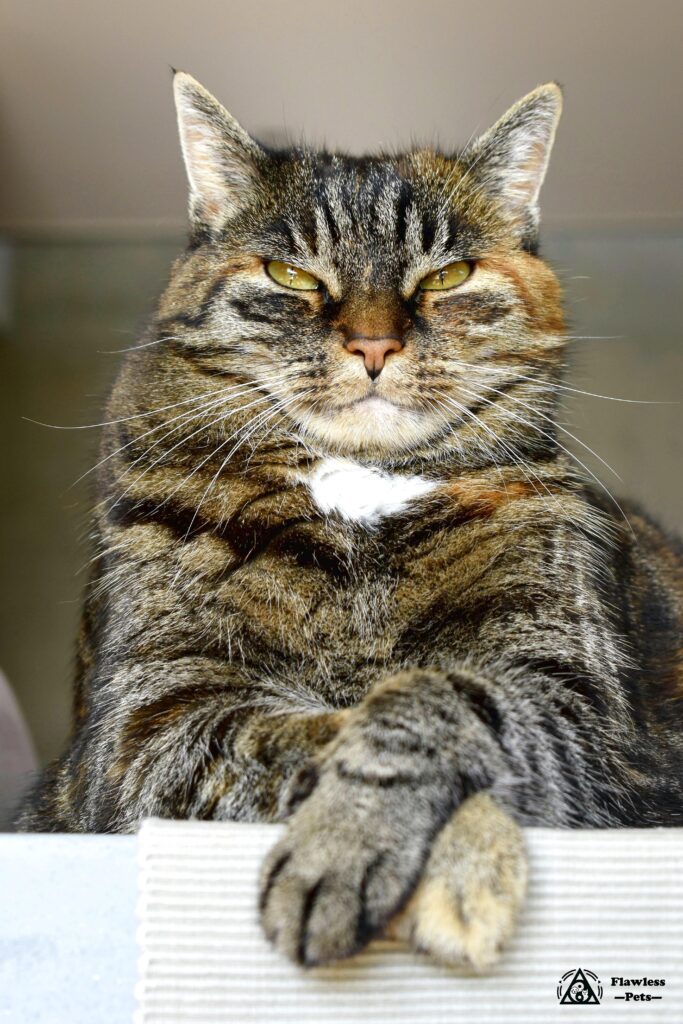
This is the most common reason for a cat to need paw protection:
- Wound Protection: After surgery on the paw (e.g., tumor removal, laceration repair) or treatment for a paw injury (e.g., burns, deep abrasions, broken toe), a veterinarian might apply a bandage and sometimes recommend a soft, breathable bootie or covering. This serves to keep the wound clean, prevent the cat from licking or chewing stitches or the wound itself, and provide light cushioning (Tobias & Johnston, 2012).
- Bandage Covering: Sometimes a bootie is used simply to protect a necessary bandage from dirt or moisture, or to prevent the cat from removing it.
- Specific Skin Conditions: In some cases of severe pododermatitis (inflammation of the paw skin) or conditions like plasma cell pododermatitis, temporary coverings might be used as part of the treatment to protect ulcerated or fragile skin or to hold medication against the paw.
In these medical situations, any covering used must be:
- Prescribed or recommended by a veterinarian.
- Soft, lightweight, and breathable.
- Properly fitted to avoid chafing or constriction.
- Used for the minimum time necessary.
- Monitored closely for any signs of irritation, swelling, or discomfort.
This is a world away from the idea of heavy, rigid cat steel toe shoes for general wear.
Extreme Environmental Conditions (Limited Cases)
This is much rarer and more controversial for cats compared to dogs. Unlike dogs who are often walked outdoors in all weather, most cats have more control over their environmental exposure.
- Extreme Cold/Ice: In regions with severe winters, chemicals used to de-ice sidewalks (e.g., salt) can be highly irritating or toxic to paw pads if licked off. Snow and ice balls can also form between the toes. While keeping cats indoors in such weather is the best solution, if outdoor access is unavoidable or if a cat needs to be transported over treated surfaces, some owners might consider temporary, soft booties. However, most cats will resist wearing them, and ensuring a safe fit is crucial. Paw wax is often a more practical alternative here.
- Extreme Heat: Hot pavement or sand can burn paw pads. Again, the primary solution is to prevent exposure – keep cats indoors during the hottest parts of the day. Booties could potentially trap heat and might not be well-tolerated. If a cat *must* cross a hot surface briefly, booties *might* be considered, but careful supervision is essential.
It's important to reiterate that for environmental protection, avoiding the hazard is usually the best and safest approach for cats. The use of booties should be a last resort, temporary, and focused on soft, flexible designs, not anything resembling cat steel toe shoes.
Severe Allergies or Dermatitis
In some cases of severe environmental or contact allergies where the paws are affected, leading to intense itching and self-trauma (licking/chewing), a vet might suggest temporary booties, often in conjunction with other treatments (e.g., medication, hypoallergenic diet). The booties act as a physical barrier to prevent self-damage and potentially reduce contact with allergens (Miller et al., 2013). Again, these must be soft, breathable, and used under veterinary guidance.
In all these legitimate scenarios, the need is specific, often temporary, and medically or environmentally driven. The solution always involves soft, flexible, lightweight coverings designed with feline anatomy and comfort in mind – the exact opposite of the rigid, heavy, and hazardous concept of cat steel toe shoes.
Safe and Practical Alternatives to Cat Steel Toe Shoes
Since cat steel toe shoes are neither feasible nor safe, what should a concerned cat owner consider if they believe their cat's paws need some form of protection or care? Fortunately, there are several sensible and safe options, depending on the specific concern.
Soft Cat Booties: Use Cases and Considerations
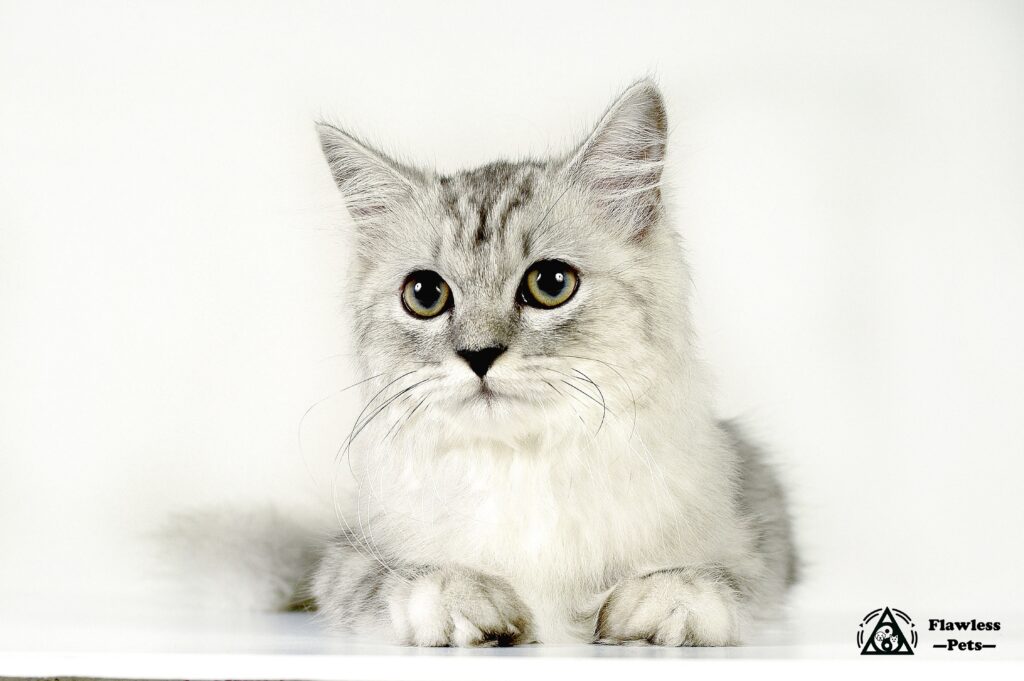
As discussed in the previous section, soft, flexible booties designed specifically for cats are the only type of “footwear” that might be appropriate, and only in very specific circumstances, usually medical.
- Design: These are typically made from soft fabrics like fleece, neoprene, or breathable mesh, with non-slip soles (often rubber or silicone dots) and secure but gentle closures (like Velcro straps). They are lightweight and allow for some paw flexibility.
- Primary Use: Protecting bandages or wounds, preventing self-trauma from licking/chewing paws due to allergies or injury, very short-term protection from extreme temperatures or irritants (less common and often less practical than avoidance).
- Key Considerations:
- Veterinary Guidance: Always consult a vet before using booties, especially for medical reasons.
- Proper Fit: Crucial to prevent chafing, constriction, or the booties falling off. Measure carefully according to manufacturer instructions.
- Acclimation: Most cats initially dislike booties. Gradual, positive introduction is needed (if use is unavoidable). Many cats will never tolerate them.
- Supervision: Cats wearing booties should be supervised to ensure they are not overly distressed, getting caught on things, or developing skin irritation.
- Limited Duration: Booties should only be worn for the minimum time necessary. Paws need to breathe, and cats need to groom.
Soft booties address specific, temporary needs and bear no resemblance to the harmful concept of cat steel toe shoes.
Paw Balms and Waxes
For general paw pad health or protection against minor environmental irritants, paw balms or waxes are often a much better and more readily accepted option than booties.
- Function: These products, typically made from natural waxes (like beeswax) and oils, create a semi-permeable barrier on the paw pads. This can help protect against drying, cracking, minor abrasions from rough surfaces, and irritation from ice, salt, or hot pavement (though avoidance is still key for extremes). They also moisturize the pads.
- Application: A thin layer is applied directly to the pads before potential exposure or regularly for maintenance.
- Advantages: Non-invasive, generally well-tolerated (though cats may lick it off – choose non-toxic formulas), allows natural paw function and sensation, does not impede movement or claw function.
- Limitations: Offers only light protection, not suitable for covering wounds or preventing determined licking/chewing.
Paw wax is an excellent preventative measure and treatment for dry or slightly irritated pads, addressing some environmental concerns without the drawbacks of footwear like the non-existent cat steel toe shoes. You can explore various pet-safe options, perhaps even finding something suitable in an online shop for specialized goods if traditional pet stores lack variety, though always verify ingredients for pet safety.
Environmental Management and Safety
Often, the best way to protect a cat's paws is not to put something *on* them, but to control their *environment*.
- Indoor Safety: Keep floors clear of sharp objects, chemical spills, or potentially hazardous debris. Ensure furniture is stable. Use pet-safe cleaning products.
- Outdoor Safety: Supervise outdoor access. Check yards for hazards. Keep cats away from roads, construction sites, or areas where chemicals (pesticides, herbicides, de-icers) are used. Provide safe climbing structures. Consider a “catio” (an enclosed outdoor patio) for safe outdoor exposure.
- Temperature Control: Keep cats indoors during extreme heat or cold. Provide cool resting spots in summer and warm ones in winter.
- Scratching Posts: Provide appropriate scratching posts to allow cats to maintain their claws naturally and satisfy their scratching instincts, diverting them from furniture.
Proactive environmental management addresses the root causes of many potential paw hazards, making protective gear like booties (let alone mythical cat steel toe shoes) unnecessary for most cats.
Nail Caps (For Scratching, Not Protection)
While not for protecting the paw itself, soft plastic nail caps that are glued over a cat's claws are sometimes mentioned in discussions of paw modification. It's crucial to understand their purpose:
- Function: To prevent damage from scratching furniture or humans. They blunt the claws.
- Limitations: They do *not* protect the paw pads. They interfere with natural claw retraction and extension to some degree. They require regular replacement as the nail grows. They do not address any concerns that might lead someone to search for cat steel toe shoes.
Nail caps are a tool for managing scratching behavior, not for paw protection in hazardous environments.
By focusing on these safe and practical alternatives, cat owners can address legitimate concerns about paw health and safety without resorting to dangerous and inappropriate concepts like cat steel toe shoes. The emphasis should always be on understanding feline needs and respecting their natural anatomy and behavior.
Choosing and Using Cat Booties Safely (If Necessary)
While we've established that booties are only for specific, usually temporary situations and require veterinary consultation, if their use is deemed necessary, selecting and using them correctly is vital to minimize risks and maximize effectiveness. This contrasts sharply with the inherent dangers of the cat steel toe shoes concept.
- Consult Your Veterinarian: This cannot be stressed enough. Discuss *why* you think booties are needed. Your vet can confirm if they are appropriate, recommend suitable types, rule out underlying medical issues, and advise on duration of use.
- Accurate Sizing: Booties that are too tight can cut off circulation or cause sores. Booties that are too loose will fall off or twist, potentially causing tripping or irritation. Follow the manufacturer's sizing guide precisely, which usually involves measuring the width and sometimes the length of the paw while the cat is standing (weight-bearing).
- Material Matters: Choose booties made from soft, breathable materials like mesh, neoprene, or soft fleece. Avoid stiff or abrasive materials. The sole should be flexible but provide some grip (e.g., rubberized dots or texture). Waterproofing might be needed for wet conditions, but ensure breathability to prevent moisture buildup.
- Secure Fastening: Look for adjustable closures, typically Velcro straps, that can be secured snugly but not too tightly. Ensure there are no rough edges on the fasteners that could irritate the leg. Two straps (one lower, one higher) often provide better security.
- Gradual Introduction: Most cats will react negatively at first. Introduce booties gradually:
- Let the cat sniff and investigate the booties.
- Touch the booties briefly to their paws, followed by praise and a treat.
- Try putting one bootie on for a few seconds, then remove it, followed by praise/treat.
- Gradually increase the time and number of booties worn, always associating the experience with positive reinforcement.
- Never force the issue or punish the cat; this will only increase fear and resistance. Some cats may never accept booties.
- Supervision During Wear: Always supervise your cat while they are wearing booties, especially initially. Watch for:
- Signs of distress (hiding, vocalizing, frantic attempts to remove).
- Difficulty walking, stumbling, or falling.
- The booties twisting, slipping, or coming off.
- The cat chewing at the booties (potential ingestion hazard).
- Check Paws Regularly: Remove the booties several times a day (or as advised by your vet) to check the paws for any signs of redness, swelling, chafing, sores, or dampness. Ensure the paws are clean and dry before reapplying.
- Limited Duration: Only use booties for the necessary period. Prolonged, continuous use increases the risk of skin problems and prevents natural behaviors like grooming. They are not intended for long-term or continuous wear like human shoes.
- Keep Them Clean: Wash the booties as needed according to manufacturer instructions to prevent bacterial buildup.
Following these steps can help ensure that if soft booties are genuinely required, they are used as safely and effectively as possible. This careful, considered approach is the antithesis of the crude and harmful idea represented by the search term cat steel toe shoes.
Conclusion: Prioritizing Feline Welfare Over Novelty Concepts
Our exploration into the curious concept of cat steel toe shoes has taken us deep into the world of feline anatomy, behavior, and welfare. While the initial query might stem from a place of concern for a cat's safety, or perhaps just curiosity or humor, the reality is clear: rigid, heavy footwear, particularly something as extreme as a steel-toed design, is fundamentally incompatible with a cat's biological needs and would be detrimental to its health and well-being. Cats rely on the intricate design of their paws – the sensitive pads, the flexible joints, the retractable claws – for everything from silent movement and incredible agility to sensory perception and essential self-care. Encasing these specialized tools in restrictive footwear would rob them of their natural abilities and likely cause physical harm and psychological distress.
Instead of pursuing non-existent and harmful products like cat steel toe shoes, responsible cat ownership involves understanding and respecting feline nature. True paw protection comes primarily from managing the cat's environment – ensuring indoor spaces are safe and limiting exposure to outdoor hazards. In the rare, specific instances where temporary paw covering is medically necessary (e.g., post-surgery) or, even more rarely, for extreme environmental exposure, the only viable options are soft, flexible, properly fitted booties designed specifically for cats, used under veterinary guidance and careful supervision for the shortest time possible. For general paw health and minor irritation, paw balms and waxes offer a safe and non-invasive alternative.
At flawless.pet, we are committed to providing accurate information that promotes the health and happiness of your pets. We encourage all cat owners to appreciate the natural perfection of their feline companions' paws and to prioritize solutions that align with their biological needs. Let's focus on creating safe environments and using appropriate, vet-approved methods when care is needed, rather than imposing human-centric, potentially harmful concepts onto our beloved pets. The idea of cat steel toe shoes should remain firmly in the realm of absurdity, while our efforts focus on genuine feline welfare. For those seeking accessories or necessities for their pets, careful selection is key; sometimes niche items can be found in unexpected places, like an online vape shop that might also carry diverse accessories, but always prioritize sources specializing in pet safety and well-being for core needs.
Frequently Asked Questions (FAQ)
- 1. Do cats ever need shoes like dogs sometimes do?
- Generally, no. Unlike dogs that are often walked on various terrains and in harsh weather, cats have different needs and anatomy. Cat paws are highly sensitive and flexible, essential for their balance, agility, and sensory input. While some dogs might benefit from booties in extreme cold, heat, or on very rough terrain, these situations are less applicable or manageable differently for cats (usually by keeping them indoors). The only common need for cat paw coverings is temporary, for medical reasons like protecting a wound or bandage, using soft, vet-approved booties, not rigid shoes like the conceptual cat steel toe shoes.
- 2. My cat goes outside. How can I protect its paws without shoes?
- The best protection is environmental management and supervision. Ensure your yard is free from sharp objects, chemicals, and other hazards. Check paws regularly for any cuts, scrapes, or embedded objects after outdoor excursions. Keep cats indoors during extreme weather (hot pavement, icy/salted sidewalks). Consider a “catio” for safe outdoor access. Paw balms can offer minor protection against dryness or slight irritation. Trying to put shoes on an outdoor cat would hinder its ability to climb, escape danger, and navigate naturally, making it less safe.
- 3. What if my cat has very sensitive paws or keeps getting minor cuts?
- First, consult your veterinarian to rule out any underlying medical conditions (like allergies, infections, or nutritional deficiencies) that might be causing paw sensitivity or fragility. If the issue is environmental, identify and remove the source of injury (e.g., rough surfaces, debris). Paw balms can help moisturize and toughen pads slightly. Avoidance of hazardous areas is key. Shoes are not the answer and would likely worsen the situation by trapping irritants or causing sores. Again, the concept of cat steel toe shoes is completely inappropriate.
- 4. Are there any “heavy-duty” or protective cat booties available?
- While some soft cat booties might have slightly more durable soles (e.g., rubberized) than others, the emphasis is always on softness, flexibility, and light weight. There is no market for, nor anatomical justification for, “heavy-duty” or rigid protective boots for cats in the way that exists for dogs or humans. Anything approaching the concept of cat steel toe shoes would be harmful. If a cat needs protection beyond what soft booties or paw wax can offer, the situation likely requires veterinary intervention or strict environmental control, not more robust footwear.
- 5. How can I tell if my cat's paw pads are healthy?
- Healthy paw pads should feel smooth and supple, though texture can vary slightly. They should be free from cracks, cuts, blisters, swelling, redness, or unusual growths. Check between the toes for redness, debris, or matting fur. Observe your cat's gait – limping or reluctance to put weight on a paw indicates a problem. Regular gentle handling (if your cat allows) helps you notice changes early. If you see any signs of injury, irritation, or infection, consult your veterinarian.
References
(Note: While specific citations for the non-existent “cat steel toe shoes” are impossible, the references below support the anatomical, physiological, and behavioral points made regarding feline paws and the inappropriateness of rigid footwear.)
- ASTM International. (2018). ASTM F2413-18, Standard Specification for Performance Requirements for Protective (Safety) Toe Cap Footwear. ASTM International. https://www.astm.org/f2413-18.html
- Bradshaw, J. W. S., Casey, R. A., & Brown, S. L. (2012). The Behaviour of the Domestic Cat (2nd ed.). CABI.
- Dyck, P. J. (2005). Cutaneous sensation. In M. J. Aminoff, F. Boller, & D. F. Swaab (Eds.), Handbook of Clinical Neurology (Vol. 83, pp. 131–155). Elsevier.
- Evans, H. E., & de Lahunta, A. (2013). Miller's Anatomy of the Dog (4th ed.). Elsevier Saunders. (Provides comparative context for mammalian limb structure).
- Hildebrand, M., & Goslow, G. E. (2001). Analysis of Vertebrate Structure (5th ed.). Wiley.
- Liem, K. F., Bemis, W. E., Walker, W. F., & Grande, L. (2013). Functional Anatomy of the Vertebrates: An Evolutionary Perspective (3rd ed.). Brooks Cole.
- Miller, W. H., Griffin, C. E., & Campbell, K. L. (2013). Muller & Kirk's Small Animal Dermatology (7th ed.). Elsevier Mosby.
- Tobias, K. M., & Johnston, S. A. (2012). Veterinary Surgery: Small Animal (1st ed.). Elsevier Saunders.
- International Cat Care. (Various articles on cat health and welfare). https://icatcare.org/
- Cornell Feline Health Center. (Various articles on cat health). https://www.vet.cornell.edu/departments-centers-and-institutes/cornell-feline-health-center





 English
  简体中文
简体中文  Français du Canada
  Deutsch
  Español
  Português
  한국어
한국어  日本語
日本語  Italiano
  Русский
  Dansk
Dansk  Nederlands
  Svenska
  Suomi
Suomi  Polski
  Norsk bokmål