






The Chartreux Cat: France's Smiling Blue Companion
Welcome to an in-depth exploration of the Chartreux cat, a breed steeped in history, legend, and Gallic charm. Often referred to as the “smiling cat of France” due to its sweet facial expression, the Chartreux is more than just a pretty face. It's a robust, intelligent, and gentle feline companion with a unique blue-gray coat and captivating copper eyes. Whether you are a seasoned cat enthusiast, a potential owner researching breeds, or simply curious about this fascinating feline, this guide aims to provide a comprehensive understanding of the Chartreux cat. We will delve into its storied past, distinctive physical traits, endearing personality, health considerations, care requirements, and place in the world of cats. Understanding this breed requires appreciating its resilience, its quiet dignity, and the deep bonds it forms with its human companions. Join us as we uncover the many facets of this remarkable French cat breed.
History and Origins of the Chartreux Cat
The history of the Chartreux cat is a captivating blend of legend, historical reference, and dedicated breeding efforts. Unlike many breeds with meticulously documented modern origins, the Chartreux's beginnings are somewhat shrouded in the mists of time, adding to its mystique. Its lineage is believed to be ancient, possibly tracing back to the mountainous regions of Syria or Persia. These sturdy, blue-coated cats were thought to have been brought to France, perhaps by Crusaders returning from the Middle East around the 13th century (The Cat Fanciers' Association [CFA], n.d.-a).
The most enduring, though likely apocryphal, tale links the Chartreux cat to the Carthusian Order of monks in France. Legend holds that these monks, headquartered at the Grande Chartreuse Monastery near Grenoble, bred these blue cats, possibly receiving them as gifts or bringing them back from their travels (TICA, n.d.). The monastery's remote location in the French Alps would have provided an isolated environment for the breed to develop. The cats were said to have been valued for their hunting prowess, keeping the monastery's storerooms free of rodents, and perhaps for their quiet nature, fitting for monastic life. However, there is little concrete historical evidence within the Carthusian Order's archives to definitively support this charming story. No official records mention the monks breeding blue cats specifically named “Chartreux” (Simonnet, 1990). It's more likely that the name “Chartreux” became associated with these cats due to their presence in the region or perhaps derived from the name of a type of Spanish wool in the 18th century, which resembled the cat's dense coat.
More verifiable references to blue-gray cats in France appear in the 16th and 18th centuries. The naturalist Buffon, in his 18th-century work *Histoire Naturelle*, described a “Cat of France” that matches the Chartreux description, distinguishing it from the “Cat of Persia” (Angora) and noting its blue-gray coat (Buffon, 1756). Linnaeus also classified this cat as *Felis catus caeruleus*, meaning “blue cat,” further cementing its identity in scientific literature of the time. These early descriptions suggest that a distinct type of blue cat was indeed recognized in France long before formal breed standards were established.
The modern history of the Chartreux cat as a standardized breed began in the early 20th century. French cat enthusiasts, particularly the Léger sisters, Christine and Suzanne, living on the island of Belle-Île-en-Mer off the coast of Brittany, encountered a colony of free-roaming blue cats that matched the historical descriptions. These cats lived around a hospital hospice run by monks (Belloncle, 1980). Recognizing their unique qualities and historical significance, the Léger sisters began a selective breeding program in the late 1920s under the cattery name “de Guerveur.” They worked to preserve the breed's distinct characteristics, exhibiting their first Chartreux in Paris in 1931. The breed gained recognition in France, and a standard was written.
However, World War II decimated cat populations across Europe, including the Chartreux cat. The breed neared extinction. Post-war recovery efforts involved careful breeding programs, but sometimes included outcrossing with other breeds like the British Shorthair and Russian Blue, particularly when French breed registries temporarily grouped all blue cats together. This led to some confusion and potential dilution of the pure Chartreux lines. Dedicated French breeders worked diligently to restore the breed to its original type, emphasizing the specific characteristics outlined in the pre-war standard: the robust body, the woolly coat texture (distinct from the plush British Shorthair or fine Russian Blue), the specific head shape, and the copper-to-gold eyes. This dedication ensured the survival of the authentic Chartreux cat.
The Chartreux made its way to North America relatively late compared to other European breeds. The first documented pair arrived in the United States in 1970, imported by Helen and John Gamon of California (CFA, n.d.-a). These imports formed the foundation of the breed in North America. The Cat Fanciers' Association (CFA) granted the Chartreux cat recognition and championship status in 1987. The International Cat Association (TICA) also recognizes the breed. Today, while still considered somewhat rare compared to more mainstream breeds, the Chartreux has a dedicated following worldwide, admired for its historical significance, unique appearance, and wonderful temperament. It remains the national cat of France, a living symbol of French feline heritage.
Physical Characteristics: The Blue Gem of France
The Chartreux cat presents a unique and captivating appearance, combining robust musculature with a gentle expression. It is often described as primitive yet refined. Its physical traits are distinct and serve as key identifiers for the breed, setting it apart from other blue-coated felines.
Body and Size
The Chartreux is a medium-to-large cat, known for its solid, sturdy build, often humorously described as a “potato on toothpicks” due to its substantial body perched on relatively fine-boned legs (CFA, n.d.-a). Males are significantly larger and more massive than females, typically weighing 10-14 pounds (4.5-6.3 kg), while females usually range from 6-9 pounds (2.7-4 kg). They possess a deep chest, broad shoulders, and a strong bone structure, giving them a powerful, robust appearance without being coarse. The body is medium-long with a level back. Despite their heft, they should appear agile and well-proportioned.
Head and Expression
The head of the Chartreux cat is one of its most defining features. It is rounded and broad, but not spherical like a British Shorthair's. The contours are soft, with powerful jaws and full cheeks, particularly prominent in mature males (jowls). The muzzle is comparatively narrow and tapered, but not pointed, sitting neatly within the broader structure of the head. This tapering muzzle, combined with the high-set ears and rounded eyes, contributes to the breed's characteristic sweet, smiling expression. The nose is straight, medium in length and width, with a slight stop at eye level permitted but not required. The neck is short, heavy, and muscular.
Eyes
Perhaps the most striking feature against the blue-gray coat is the eye color. Chartreux eyes are large, rounded, and open, set moderately wide apart. They are exceptionally expressive. The color ranges from a deep, brilliant copper to rich gold (CFA, n.d.-a; TICA, n.d.). Green eyes are considered a fault in breed standards. Kittens are born with blue eyes, which gradually change, settling into their final copper or gold hue by adulthood. The intensity and clarity of the eye color are highly valued.
Ears
The ears are medium in size and height, set high on the head, contributing to the cat's alert expression. They are erect with slightly rounded tips. The base is not excessively wide.
Coat: Texture and Color
The coat is a hallmark of the Chartreux cat. It is a dense, medium-short double coat with a unique texture often described as woolly or like sheepskin. It's resilient and water-repellent, a trait likely developed in its ancestral past. The undercoat is thick and insulating, while the guard hairs provide protection and water resistance. When stroked against the grain, the coat tends to “break” like sheepskin rather than lying flat immediately (Simonnet, 1990). It should not feel silky or overly plush like a British Shorthair. The texture is crisp yet soft to the touch.
The only accepted color for a Chartreux cat is blue-gray. Any shade of blue-gray is permissible, from ash to slate, but a bright, uniform blue-gray is often preferred by breeders and judges. Subtle silver tipping on the guard hairs is common and desirable, giving the coat a luminous sheen, especially in sunlight. Kittens may be born with faint tabby markings (“ghost markings”) or tail rings, which typically fade as they mature, usually disappearing completely by two years of age when the coat reaches its full adult texture and color (CFA, n.d.-a). The nose leather is slate gray, and the paw pads are rose-taupe.
Tail, Legs, and Paws
The tail is of moderate length, heavy at the base, and tapers gently to a rounded tip. It should be flexible and carried proudly. The legs are relatively short to medium in length and appear somewhat fine-boned in contrast to the robust body – hence the “potato on toothpicks” analogy. They are straight and sturdy. The paws are rounded and medium in size, sometimes described as dainty relative to the body.
The overall impression of the Chartreux cat is one of sturdy health, quiet power, and gentle refinement. Its unique combination of a robust body, fine legs, woolly blue coat, copper eyes, and smiling expression makes it instantly recognizable to those familiar with the breed.
Chartreux vs. Similar Blue Breeds: A Comparative Look
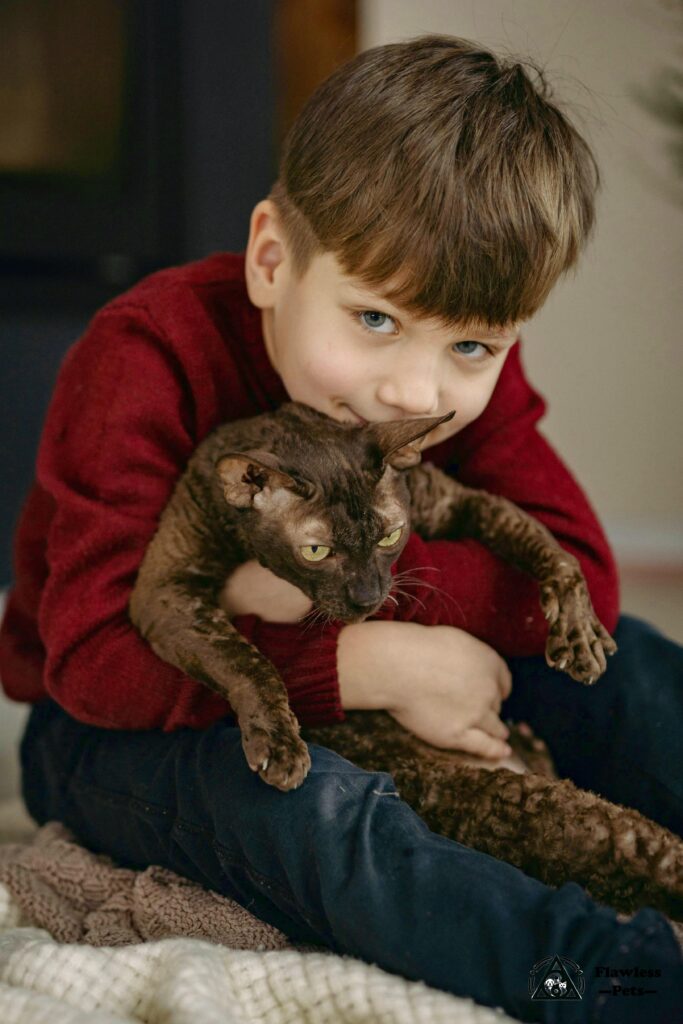
The stunning blue coat of the Chartreux cat often leads to comparisons with other popular blue breeds, primarily the British Shorthair and the Russian Blue. While they share a similar color palette, distinct differences in physical characteristics, coat texture, and even temperament set them apart. Understanding these differences is key for breed identification and appreciation.
| Feature | Chartreux Cat | British Shorthair (Blue) | Russian Blue |
|---|---|---|---|
| Origin | France | United Kingdom | Russia (Arkhangelsk) |
| Body Type | Robust, sturdy, medium-large, deep chest, “potato on toothpicks” appearance (fine-boned legs relative to body). | Cobby, compact, powerful, massive, broad chest, thick legs. Overall rounded appearance. | Fine-boned, long, graceful, elegant, lithe musculature. Foreign body type. |
| Head Shape | Rounded broad head, relatively narrow tapered muzzle, full cheeks (jowls in males), “smiling” expression. | Massive, round head with full round cheeks, short broad nose, firm chin. “Cheshire cat” look. | Medium wedge shape, flat top profile (cobra-like appearance from side), prominent whisker pads. |
| Eye Color | Copper to Gold (intense shades preferred). Large and rounded. | Gold, Copper, or Odd-eyed (depending on coat color, but typically Gold/Copper for blue coat). Large and round. | Vivid Green. Almond-shaped, set wide apart. |
| Coat Texture | Medium-short, dense, woolly, water-repellent double coat. Breaks like sheepskin. Resilient texture. | Short, very dense, plush, crisp texture. Stands away from the body like a thick carpet. | Short, dense, fine, soft, silky double coat. Stands out from the body due to density. Plush feel. |
| Coat Color | Any shade of blue-gray. Silver tipping common, giving sheen. Uniformity desired. | Blue is common, but comes in many colors and patterns. Blue should be medium to light blue, level in tone. | Even, bright blue throughout. Silver tipping on guard hairs gives a shimmering, silvery appearance. |
| Temperament Notes | Quiet, gentle, observant, loyal, playful, adaptable, dog-like traits (fetch). | Easygoing, calm, affectionate but not overly demanding, independent, reserved with strangers. | Gentle, quiet, reserved with strangers but affectionate with family, playful, intelligent. |
| Voice | Very quiet, often chirps or trills. | Relatively quiet. | Soft and quiet. |
As the table illustrates, while all three breeds can present a beautiful blue coat, the Chartreux cat is distinguished by its robust yet fine-legged build, unique woolly coat texture, copper-to-gold eyes, and characteristic smiling expression stemming from its head and muzzle structure. The British Shorthair is generally more massive and rounded with a plush coat, while the Russian Blue is finer-boned, more elegant, and possesses striking green eyes and a silky coat. Recognizing these key differences helps appreciate the unique identity of the Chartreux cat within the feline world.
Temperament and Personality: The Gentle Soul
Beyond its striking appearance, the Chartreux cat is cherished for its exceptional temperament. Often described as gentle giants, they possess a quiet dignity combined with playful curiosity and deep loyalty. Understanding their personality is crucial for ensuring a harmonious life with this wonderful breed.
The Chartreux is renowned for being remarkably quiet. Unlike more vocal breeds, they rarely meow insistently. When they do vocalize, it's often a soft chirp or trill, surprisingly small sounds for such a robust cat (CFA, n.d.-a). This quiet nature makes them unobtrusive companions, well-suited to apartment living or households where noise is a concern. However, their silence doesn't mean they are aloof; they are simply masters of quiet communication, using body language and subtle cues to express their needs and affection.
Intelligence and observation are key traits of the Chartreux cat. They are keen observers of their surroundings and the routines of their household. They learn quickly and possess excellent problem-solving skills. Many owners report that their Chartreux enjoys interactive toys, puzzle feeders, and even learning tricks. Their intelligence also manifests in their adaptability; they generally handle changes in routine or environment with calm acceptance, provided they feel secure.
Playfulness is another endearing quality. While they have periods of calm observation and napping, Chartreux cats retain a kitten-like love for play well into adulthood. They particularly enjoy interactive games that mimic hunting, such as chasing feather wands or laser pointers (used responsibly). A surprising number of Chartreux exhibit dog-like behaviors, most notably learning to fetch toys and bring them back to their owners for another throw (TICA, n.d.). This interactive playfulness strengthens the bond between cat and owner.
In terms of affection, the Chartreux cat is loyal and devoted to its chosen people, often forming a particularly strong bond with one person while being affectionate with the entire family. They enjoy being near their humans, often following them from room to room, content just to be present. While they appreciate gentle petting and may enjoy curling up nearby, they are typically not demanding lap cats in the way some other breeds are. They prefer companionship on their own terms, often sitting beside you rather than directly on you. They show affection in quiet ways – a slow blink, a gentle head-nuzzle, or simply being a calm presence in the room.
Their gentle nature makes them excellent companions for families with considerate children. They are patient and tolerant, rarely using their claws aggressively. However, as with any pet, interactions between young children and cats should always be supervised to ensure respectful handling. The Chartreux cat also tends to coexist peacefully with other cats and well-behaved dogs, especially if introduced properly and thoughtfully. They are generally non-confrontational and prefer to avoid conflict.
While adaptable and somewhat independent, tolerating moderate periods alone, the Chartreux thrives on companionship and routine. They appreciate predictability in their day, including feeding times and play sessions. They can be initially reserved or shy with strangers, preferring to observe from a distance before deciding to interact. This isn't hostility, but rather their thoughtful, observant nature assessing the situation. Once comfortable, they are typically polite and accepting of visitors.
In essence, the Chartreux cat personality is a harmonious blend of quiet contemplation, intelligent curiosity, gentle affection, and loyal companionship. They are low-drama pets that bring a sense of calm and quiet joy to a household, embodying the “smiling” spirit suggested by their charming expression.
Health and Lifespan: Caring for Your Chartreux
The Chartreux cat is generally considered a robust and healthy breed, benefiting from a diverse genetic background compared to some more intensively bred felines. With proper care, nutrition, and regular veterinary attention, they typically enjoy a lifespan of 12 to 15 years, with some individuals living even longer (CFA, n.d.-a). However, like all breeds, they can be prone to certain hereditary or common feline health issues.
Genetic Predispositions
While not plagued by widespread genetic problems, there are a few conditions potential Chartreux owners and breeders should be aware of:
- Patellar Luxation: This is perhaps the most well-known potential hereditary issue in the Chartreux cat. Patellar luxation occurs when the kneecap (patella) dislocates or slips out of its normal groove on the femur (thigh bone). It can range from mild (Grade 1), where the kneecap occasionally slips but returns to place on its own, to severe (Grade 4), where it is permanently dislocated. Symptoms can include intermittent limping, an occasional “skip” in the cat's gait, reluctance to jump, or holding the leg up. In mild cases, management might involve monitoring and joint supplements. More severe cases may require surgical correction to prevent pain and the development of arthritis (VCA Animal Hospitals, n.d.-a). Reputable breeders screen their breeding cats for this condition to reduce its incidence in offspring.
- Polycystic Kidney Disease (PKD): While strongly associated with Persian cats and related breeds, PKD has occasionally been reported in other breeds. This inherited condition causes multiple cysts to form in the kidneys, gradually enlarging over time and potentially leading to kidney failure. While not considered common in Chartreux, responsible breeders may still choose to screen their cats via ultrasound or genetic testing, especially if there is any Persian ancestry far back in the lineage from historical outcrossing (though this is less common in purebred Chartreux lines today).
- Struvite Crystals and Urinary Issues: Like many domestic cats, the Chartreux cat can be susceptible to developing struvite crystals or calcium oxalate stones in their urinary tract. These can lead to painful urination, urinary blockage (especially in males, which is a medical emergency), and feline lower urinary tract disease (FLUTD). Factors contributing to this include diet composition (mineral balance), water intake, urine pH, and stress. Ensuring adequate hydration (access to fresh water, potentially incorporating wet food) and feeding a high-quality, balanced diet can help minimize risk (Cornell Feline Health Center, n.d.-a).
- Gingivitis and Dental Disease: Dental health is crucial for all cats. Gingivitis (inflammation of the gums) and periodontal disease are common if dental hygiene is neglected. This can lead to pain, tooth loss, and even systemic health problems if bacteria enter the bloodstream. Regular dental check-ups with a veterinarian and home care, such as brushing the cat's teeth, are important preventative measures.
Preventative Care
Maintaining the health of a Chartreux cat involves proactive preventative care:
- Regular Veterinary Check-ups: Annual wellness exams (or semi-annual for senior cats) are essential for early detection of potential problems. These visits include physical examinations, weight monitoring, dental checks, and discussion of any behavioral changes.
- Vaccinations: Following a veterinarian-recommended vaccination schedule protects against common feline infectious diseases like panleukopenia, herpesvirus, calicivirus, and rabies.
- Parasite Control: Regular prevention against fleas, ticks, heartworms (depending on geographic location), and intestinal parasites is crucial for overall health.
- Weight Management: Chartreux cats have a robust build but can be prone to obesity if overfed or insufficiently active. Maintaining a healthy weight is vital for preventing issues like diabetes, arthritis, and heart disease. Measured feeding and encouraging play are key.
- Spaying/Neutering: Spaying or neutering not only prevents unwanted litters but also eliminates the risk of certain reproductive cancers and can reduce undesirable behaviors like spraying.
By being aware of potential health concerns and committing to consistent preventative care, owners can help their Chartreux cat live a long, healthy, and happy life. Consulting with a veterinarian for personalized advice based on the individual cat's health status and lifestyle is always recommended.
Care and Grooming: Maintaining the Woolly Coat
Caring for a Chartreux cat involves understanding their specific needs, particularly regarding their unique coat, as well as providing a suitable living environment and routine care. While generally considered moderate-maintenance, attention to detail ensures their well-being and preserves their distinctive appearance.
Grooming the Unique Chartreux Coat
The dense, woolly, water-repellent double coat of the Chartreux cat is surprisingly easy to care for most of the year, but it does have specific requirements. Unlike the plush coat of a British Shorthair or the silky coat of a Russian Blue, the Chartreux coat has a texture that “breaks” like sheepskin.
- Brushing Frequency: Weekly combing or brushing is usually sufficient to remove loose hair and prevent matting, especially in the thicker undercoat. Use a high-quality steel comb or slicker brush. Be gentle to avoid damaging the woolly texture or breaking the guard hairs excessively.
- Shedding Seasons: Chartreux cats typically shed more heavily twice a year, usually in the spring and fall. During these periods, grooming frequency should increase to daily or every other day to manage the shedding and prevent hairballs. The dense undercoat comes out in clumps, so thorough grooming is essential.
- Grooming Technique: Comb gently in the direction of hair growth, and then perhaps carefully against it to lift out loose undercoat. Avoid harsh brushing that could irritate the skin or damage the coat's structure. Some owners find grooming gloves effective for removing loose surface hair.
- Bathing: Due to their water-repellent coat, bathing a Chartreux cat is rarely necessary unless they get particularly dirty. Their coat doesn't easily become greasy. If a bath is required, use a cat-specific shampoo and be prepared for the coat to take a long time to dry thoroughly.
Other Grooming Needs
Beyond coat care, routine grooming includes:
- Nail Trimming: Trim claws every few weeks using cat nail clippers to prevent overgrowth, snagging, and potential scratching issues.
- Ear Cleaning: Check ears weekly for wax buildup or signs of infection (redness, odor, discharge). Clean gently with a vet-approved ear cleaner and cotton balls if needed – never insert cotton swabs into the ear canal.
- Dental Hygiene: As mentioned in the health section, regular dental care is vital. Ideally, brush your cat's teeth several times a week with feline toothpaste. Dental treats or specific diets can also help, but brushing is most effective. Schedule professional dental cleanings as recommended by your veterinarian.
Living Environment and Enrichment
The Chartreux cat is adaptable and can thrive in apartments or larger homes, provided their needs are met. They generally prefer calmer households but can adjust to busier environments if they have safe spaces to retreat to.
- Safety: Ensure the home environment is safe, removing potential hazards like toxic plants, accessible chemicals, or dangling cords. Secure windows and balconies, especially in apartments.
- Comfort: Provide comfortable resting spots, such as soft beds or cozy blankets, in quiet areas of the home.
- Scratching Outlets: Offer sturdy scratching posts (sisal rope or corrugated cardboard are often preferred) to satisfy their natural scratching instinct and protect furniture. Offer both vertical and horizontal options.
- Vertical Space: Cats enjoy surveying their territory from above. Cat trees, shelves, or accessible perches provide valuable vertical space for climbing and resting.
- Environmental Enrichment: Keep your intelligent Chartreux cat mentally stimulated. Rotate toys regularly. Engage in daily interactive play sessions. Puzzle feeders can provide mental challenges during meal times. Window perches offer visual stimulation (“cat TV”). Providing engaging toys, from simple balls to more complex puzzles or even unique specialty items found online, can keep your Chartreux mentally stimulated.
Consistent care, attention to grooming needs, and a stimulating yet secure environment will ensure your Chartreux cat remains healthy, happy, and well-adjusted.
Nutrition and Diet: Fueling the French Feline
Proper nutrition is fundamental to the health and longevity of a Chartreux cat. As obligate carnivores, their dietary needs center around high-quality animal protein. Providing a balanced diet tailored to their life stage and activity level is crucial for maintaining their robust physique, energy levels, and overall well-being.
Core Dietary Requirements
The cornerstone of a healthy diet for a Chartreux cat is high-quality protein derived from animal sources (meat, poultry, fish). Protein is essential for muscle maintenance, tissue repair, and numerous metabolic functions. Look for cat foods where named meat sources are listed as the first few ingredients. Fats, particularly omega-3 and omega-6 fatty acids, are also vital for energy, skin and coat health, and nutrient absorption. Carbohydrates should be minimal in a cat's diet; foods high in fillers like corn, wheat, or soy are generally less ideal.
Choosing the Right Food
There are many good commercial cat foods available in dry (kibble), wet (canned), and raw formulations. Each has pros and cons:
- Dry Food (Kibble): Convenient, good for dental health (abrasive action), and often more economical. However, it has low moisture content, which can be a concern for hydration, and often contains more carbohydrates than wet food.
- Wet Food (Canned): High moisture content, which is excellent for hydration and urinary tract health. Often higher in protein and lower in carbohydrates than kibble. Can be more palatable for picky eaters but is typically more expensive and less convenient.
- Raw Diet: Proponents argue it's biologically appropriate, but requires careful preparation to ensure nutritional balance and safety (risk of bacterial contamination). Consult with a veterinary nutritionist before attempting a raw diet.
Many owners find success with a mixed feeding approach, offering both dry and wet food. This provides the benefits of both types – dental support and convenience from kibble, plus hydration and potentially better macronutrient profiles from wet food. Always choose foods labeled “complete and balanced” for the cat's specific life stage (kitten, adult, senior) according to AAFCO (Association of American Feed Control Officials) standards or equivalent regulatory bodies.
Feeding Schedule and Portion Control
Chartreux cats can have a hearty appetite and, with their sturdy build, can be prone to becoming overweight if allowed to free-feed. Obesity significantly increases the risk of serious health problems like diabetes, arthritis, and heart disease (VCA Animal Hospitals, n.d.-b).
- Measured Meals: Instead of leaving food out all day, feed measured portions two or three times daily. Follow the feeding guidelines on the food packaging as a starting point, but adjust based on your cat's age, activity level, body condition, and metabolism. Your veterinarian can help determine the ideal daily caloric intake.
- Monitor Body Condition: Regularly assess your cat's body condition. You should be able to feel their ribs easily with light pressure, see a discernible waistline when viewed from above, and notice an abdominal tuck when viewed from the side.
Hydration
Adequate water intake is critical for all cats, especially for preventing urinary tract issues. Since cats often have a low thirst drive, encourage drinking by:
- Providing fresh, clean water in multiple locations.
- Using wide, shallow bowls (some cats dislike their whiskers touching the sides).
- Considering a pet water fountain, as many cats are attracted to moving water.
- Incorporating wet food into the diet, as it significantly contributes to daily water intake.
Treats and Supplements
Treats should be given in moderation, accounting for no more than 10% of the cat's total daily calorie intake, to avoid unbalancing the diet and contributing to weight gain. Choose healthy, low-calorie treats. While a balanced commercial diet should provide all necessary nutrients, supplements like glucosamine and chondroitin might be recommended by a vet for older Chartreux cat individuals or those prone to patellar luxation to support joint health. Always consult your veterinarian before adding supplements.
By providing a high-quality, balanced diet, controlling portions, ensuring adequate hydration, and working closely with your veterinarian, you can effectively fuel the health and vitality of your beloved Chartreux cat.
The Chartreux Cat as a Pet: Is This Breed Right for You?
The decision to bring any pet into your home requires careful consideration, and the Chartreux cat is no exception. Understanding their needs and temperament in the context of your lifestyle is key to ensuring a happy and lasting relationship for both you and the cat.
Ideal Home Environment
The Chartreux is known for its adaptability but generally thrives best in a relatively calm and stable environment. Their quiet, observant nature means they can sometimes be overwhelmed by constant chaos or loud noise, though they can adjust. They are well-suited for:
- Singles and Couples: Their loyal companionship and moderate need for attention make them great pets for individuals or couples who appreciate a quiet, devoted friend.
- Families with Children: Their gentle and patient demeanor typically makes them good companions for families with considerate children who have been taught how to interact respectfully with animals. Supervision is always recommended, especially with younger children.
- Seniors: The Chartreux's calm presence, relatively moderate energy levels (compared to highly active breeds), and lower grooming needs (outside of shedding season) can make them wonderful companions for older adults.
- Apartment Dwellers: Their quiet voice and adaptability make them suitable for apartment living, provided they have enough space for exercise and environmental enrichment (like climbing structures and toys).
While they tolerate being alone for reasonable periods, especially if provided with enrichment, the Chartreux cat forms strong bonds and thrives on regular interaction and companionship. They wouldn't be the best choice for a household where they would be left alone for excessively long hours consistently.
Interaction and Companionship
Potential owners should appreciate the Chartreux's style of affection. They are deeply loyal but often express it subtly. Expect a companion who follows you around, supervises your activities from a nearby perch, and enjoys quiet time together. They enjoy interactive play sessions, especially games like fetch, which cater to their intelligence and playful side. While some may enjoy being lap cats, many prefer to sit beside their owners rather than directly on them. They need owners who understand and appreciate this quiet form of devotion and don't require constant, overt displays of affection. A calm environment is key, sometimes supplemented with calming pheromones or finding interesting stress relief toys.
Finding a Chartreux Cat
The Chartreux cat is considered a relatively rare breed compared to more common ones like the Domestic Shorthair or even Siamese. Finding one may require patience and research.
- Reputable Breeders: The most common way to acquire a Chartreux kitten is through a responsible breeder registered with cat fancy organizations like CFA or TICA. Reputable breeders prioritize the health, temperament, and conformation of their cats according to the breed standard. They perform health screenings (especially for patellar luxation), raise kittens in a home environment, provide health guarantees, and are knowledgeable about the breed. Be prepared for a waiting list and expect to pay a significant price for a well-bred kitten (often $1,000 – $2,000 USD or more, as of 2025). Be wary of “backyard breeders” or online sellers offering kittens at unusually low prices without proper health documentation or screening. Visit the cattery if possible, meet the parent cats, and ask plenty of questions.
- Rescue Organizations: While less common due to the breed's rarity, it's sometimes possible to find adult Chartreux or Chartreux mixes through breed-specific rescues or general animal shelters. Adopting an adult cat can be very rewarding, as their personality is already established. Check resources like Petfinder or contact breed clubs for rescue contacts.
Owning a Chartreux cat is a rewarding experience for those who appreciate their unique blend of quiet intelligence, gentle loyalty, and playful charm. If your lifestyle aligns with their needs and temperament, this “smiling cat of France” can bring years of quiet joy and devoted companionship.
Potential Challenges of Owning a Chartreux
While the Chartreux cat is a delightful companion, potential owners should be aware of a few challenges associated with the breed to ensure they are fully prepared.
- Rarity and Cost: As mentioned, the Chartreux is not a common breed. Finding a reputable breeder can take time and effort, and waiting lists are common. The cost of acquiring a well-bred kitten from a responsible breeder is significant, reflecting the care, health screening, and effort involved in raising healthy, well-socialized cats that meet the breed standard.
- Subtle Communication: Their quiet nature, while often seen as a plus, means owners need to be more attuned to subtle cues to understand their needs or detect if something is wrong. A Chartreux might not vocalize loudly even if uncomfortable or unwell, making regular observation and veterinary check-ups even more important.
- Grooming During Shedding Season: Although their coat care is manageable most of the year, the heavy shedding periods require diligent, frequent grooming to prevent mats and control loose hair throughout the house. Owners must be prepared for this seasonal increase in grooming commitment.
- Potential for Shyness: While generally adaptable, some Chartreux can be initially shy or reserved with strangers or in new situations. They need patient and gentle socialization to build confidence. They may prefer quieter households and might hide when large groups of unfamiliar people visit.
- Health Monitoring: Awareness of the breed's predisposition to patellar luxation is important. Owners should monitor their cat's gait for any signs of limping or skipping and discuss preventative measures or monitoring strategies with their veterinarian.
- Need for Routine and Companionship: While somewhat independent, they thrive on routine and companionship. They may experience stress with frequent, unpredictable changes in the household or if left alone for excessive periods regularly.
Being aware of these potential challenges allows prospective owners to make an informed decision and prepare adequately, ensuring they can provide the best possible home for a Chartreux cat. The rewards of sharing life with this unique and gentle breed generally far outweigh these manageable considerations for the right owner.
Chartreux Cat in Culture and Media
While not as ubiquitously represented in popular culture as some other breeds, the Chartreux cat holds a special place, particularly in its native France. Its history and distinctive appearance have occasionally captured the attention of artists and writers.
Perhaps the most famous literary association is with the celebrated French novelist Colette (Sidonie-Gabrielle Colette). Colette was a known cat lover and owned several Chartreux cats. Her novel *La Chatte* (“The Cat,” 1933) features a beautiful and central feline character named Saha, a Chartreux cat, who becomes a point of emotional focus and conflict between a newly married couple. Colette's evocative descriptions capture the allure and enigmatic nature of the breed, contributing significantly to its recognition and romantic image in France (Colette, 1933).
The breed's association with the Carthusian monks, though likely legendary, remains a powerful part of its cultural identity, evoking images of quiet contemplation, history, and French heritage. This connection, real or imagined, adds a layer of mystique that appeals to many enthusiasts.
In visual arts, while specific famous paintings solely dedicated to the Chartreux might be rare, blue-gray cats resembling the breed occasionally appear in French portraiture or genre scenes from the 18th century onward, reflecting their presence in French households.
Today, the Chartreux cat serves as an unofficial national symbol, representing French feline heritage. Breed clubs and enthusiasts actively promote its history and unique qualities. While it may not have the widespread media presence of a Garfield or a Grumpy Cat, the Chartreux holds a distinguished and cherished position in the hearts of those who know and love this special French cat breed.
Frequently Asked Questions about the Chartreux Cat
Are Chartreux cats hypoallergenic?
No, Chartreux cats are not considered hypoallergenic. While some individuals may be less reactive to them compared to other breeds, they still produce Fel d 1, the primary allergen found in cat saliva, dander, and urine. People with cat allergies may still react to a Chartreux. There is no truly hypoallergenic cat breed, although factors like grooming frequency and individual cat protein production can influence allergen levels.
How much do Chartreux cats cost?
The cost of a purebred Chartreux cat kitten from a reputable breeder typically ranges from $1,000 to $2,000 USD (or equivalent) as of 2025, sometimes more. Prices vary based on breeder reputation, location, lineage (pet quality vs. show/breeding quality), and included health screenings or vaccinations. Adoption fees for rescued Chartreux, when available, are significantly lower.
Are Chartreux cats good lap cats?
It varies by individual cat. Chartreux are known for being affectionate and enjoying proximity to their owners, often sitting nearby or following them around. Some will happily curl up on a lap, while others prefer to sit beside their person. They generally aren't as persistently demanding of lap time as some other breeds, showing affection in quieter, less physically demanding ways. They value companionship but often on their own terms.
Do Chartreux cats get along with dogs?
Generally, yes. The Chartreux cat is known for its adaptable and non-confrontational nature. With proper, gradual introductions and supervision, they can often coexist peacefully with cat-friendly dogs. Their calm demeanor helps them handle the presence of a dog without excessive fear or aggression, provided the dog is respectful of the cat's space and boundaries.
How vocal are Chartreux cats?
Chartreux cats are famously quiet. They rarely engage in loud or persistent meowing. Their vocalizations are typically soft chirps or trills, often used subtly to communicate. This makes them ideal for those seeking a less vocal feline companion.
What makes the Chartreux coat unique?
The coat of the Chartreux cat is unique primarily due to its texture and structure. It's a dense, medium-short double coat that feels woolly, not silky or plush. It's water-repellent and tends to “break” like sheepskin when stroked against the grain due to the thick undercoat and resilient guard hairs. This texture is distinct from the plushness of a British Shorthair or the silkiness of a Russian Blue.
How can I tell a Chartreux from a British Shorthair or Russian Blue?
Key differences lie in body type, head shape, eye color, and coat texture. The Chartreux cat has a robust body on relatively fine legs (“potato on toothpicks”), a rounded head with a tapered muzzle giving a “smile,” copper/gold eyes, and a woolly coat. The British Shorthair is more massive and rounded overall (“cobby”), with a very round head, round gold/copper eyes, and a dense, plush coat. The Russian Blue is finer-boned and elegant, with a wedge-shaped head, vivid green almond-shaped eyes, and a soft, silky, shimmering blue coat. Referencing the comparison table earlier provides a detailed breakdown.
Conclusion: The Enduring Appeal of the Chartreux
The Chartreux cat, with its captivating history, unique physical attributes, and gentle soul, stands as a truly special member of the feline world. More than just a beautiful blue cat with striking copper eyes, it embodies a quiet strength, an intelligent curiosity, and a deep capacity for loyal companionship. From its legendary origins potentially linked to Carthusian monks to its diligent preservation by French breeders, the Chartreux carries an air of historical significance.
Its robust build paired with fine legs, its distinctive woolly coat that breaks like sheepskin, and its endearing “smiling” expression make it instantly recognizable and utterly charming. Temperamentally, the Chartreux cat offers a peaceful presence, communicating softly and observing keenly. Its blend of independence and devotion, playfulness and calm, makes it adaptable to various loving homes, rewarding its owners with quiet affection and unwavering loyalty.
While requiring attention to grooming during shedding seasons and awareness of potential health issues like patellar luxation, the overall care for a Chartreux cat is manageable for dedicated owners. Providing a stable environment, proper nutrition, regular veterinary care, and opportunities for play and enrichment will ensure this remarkable cat thrives.
For those seeking a companion that is both a gentle friend and a living piece of history, the Chartreux cat offers an unparalleled experience. Its enduring appeal lies in its unique combination of physical beauty, quiet intelligence, and profoundly gentle spirit – truly France's smiling blue treasure.
References
(Note: Please verify links are active and accessible. Academic databases may require subscriptions.)
Belloncle, M. (1980). *Le Chat Chartreux*. Le Point Vétérinaire. [Note: This is a key French reference, may be harder to find online.]
Buffon, G. L. L. (1756). *Histoire Naturelle, générale et particulière, avec la description du Cabinet du Roi.* Tome VI. Imprimerie Royale. (Reference to “Chat de France”). Available through historical archives like Biodiversity Heritage Library.
Colette, S.-G. (1933). *La Chatte*. Bernard Grasset.
Cornell Feline Health Center. (n.d.-a). *Feline Lower Urinary Tract Disease*. Cornell University College of Veterinary Medicine. https://www.vet.cornell.edu/departments-centers-and-institutes/cornell-feline-health-center/health-information/feline-health-topics/feline-lower-urinary-tract-disease
Simonnet, J. (1990). *The Chartreux Cat*. Auerbach Publications. ISBN: 978-2950600905. [Note: A comprehensive English resource on the breed.]
The Cat Fanciers' Association (CFA). (n.d.-a). *About the Chartreux*. https://cfa.org/chartreux/
The International Cat Association (TICA). (n.d.). *Chartreux Breed*. https://tica.org/breeds/browse-all-breeds?view=article&id=831:chartreux-breed&catid=79
VCA Animal Hospitals. (n.d.-a). *Luxating Patella in Cats*. https://vcahospitals.com/know-your-pet/luxating-patella-in-cats
VCA Animal Hospitals. (n.d.-b). *Obesity in Cats*. https://vcahospitals.com/know-your-pet/obesity-in-cats











 English
  简体中文
简体中文  Français du Canada
  Deutsch
  Español
  Português
  한국어
한국어  日本語
日本語  Italiano
  Русский
  Dansk
Dansk  Nederlands
  Svenska
  Suomi
Suomi  Polski
  Norsk bokmål