

Flawless Pet Supplies
Key Takeaways
Choosing a cute dog collar involves more than just aesthetics; it's a balance of style, comfort, safety, and functionality. This guide explores the essential factors to consider, from understanding different materials and types to ensuring a proper fit and incorporating safety features. We delve into the significance of personalization, the role of collars in training and health, ethical considerations in manufacturing, and proper care techniques. By understanding these aspects, dog owners can select a cute dog collar that not only looks great but also contributes positively to their dog's well-being and safety. Remember that the ideal collar enhances the bond between pet and owner while serving its practical purposes effectively.
Table of Contents
- Introduction: More Than Just an Accessory
- A Brief Walk Through History: The Evolution of Dog Collars
- The Appeal of the Cute Dog Collar: Psychology and Expression
- Exploring the Spectrum: Types of Cute Dog Collars
- Comparison Table: Choosing Your Style
- Material World: Selecting the Best Fabric for Comfort and Cuteness
- Safety First, Style Second: Critical Safety Considerations
- The Perfect Fit: How to Measure and Size a Cute Dog Collar
- Functionality in Disguise: The Practical Roles of a Cute Collar
- Decoding “Cute”: Design Elements and Trends
- Making It Their Own: Personalization Options
- Cute Dog Collars and Canine Training: Compatibility and Considerations
- Health Implications: Skin, Fur, and Neck Wellness
- Ethical and Sustainable Choices in Cute Dog Collars
- Keeping it Cute and Clean: Care and Maintenance Guide
- The Future is Fetching: Innovations in Dog Collar Technology and Style (2025 and Beyond)
- Frequently Asked Questions (FAQ)
- References
Introduction: More Than Just an Accessory
Welcome, fellow dog lovers and discerning pet parents! When we think about our canine companions, we often picture their wagging tails, soulful eyes, and unique personalities. One of the most visible ways we express our affection and their individuality is through their collar. While fundamentally a tool for identification and control, the dog collar has evolved into much more. Today, the quest for a cute dog collar is a common pursuit for owners who see their pets as cherished family members. But what exactly makes a collar “cute,” and how do we ensure that our choice is not only stylish but also safe, comfortable, and practical for our beloved dogs?
-
-23%

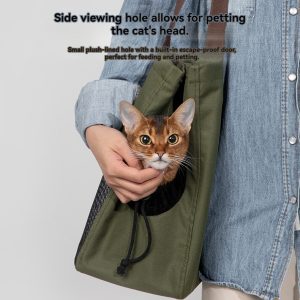
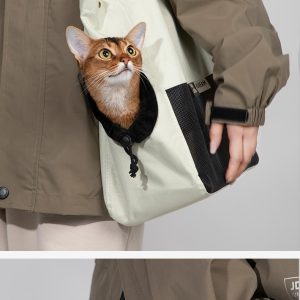
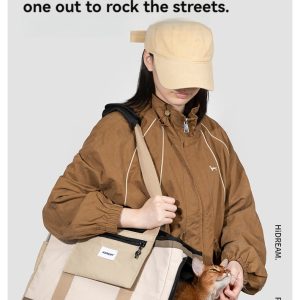
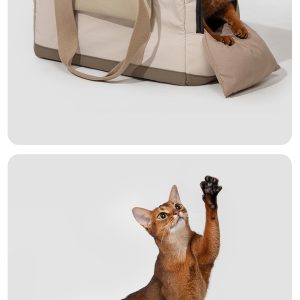
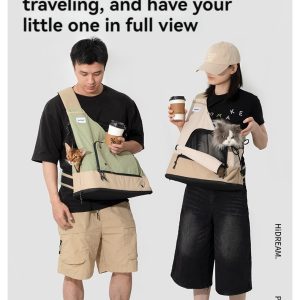
HiDream Color-Block Shoulder Pet Travel Bag – Stylish and Lightweight Carrier for Small Pets – Almond, Matcha
Original price was: $109.99.$84.99Current price is: $84.99. -
-14%
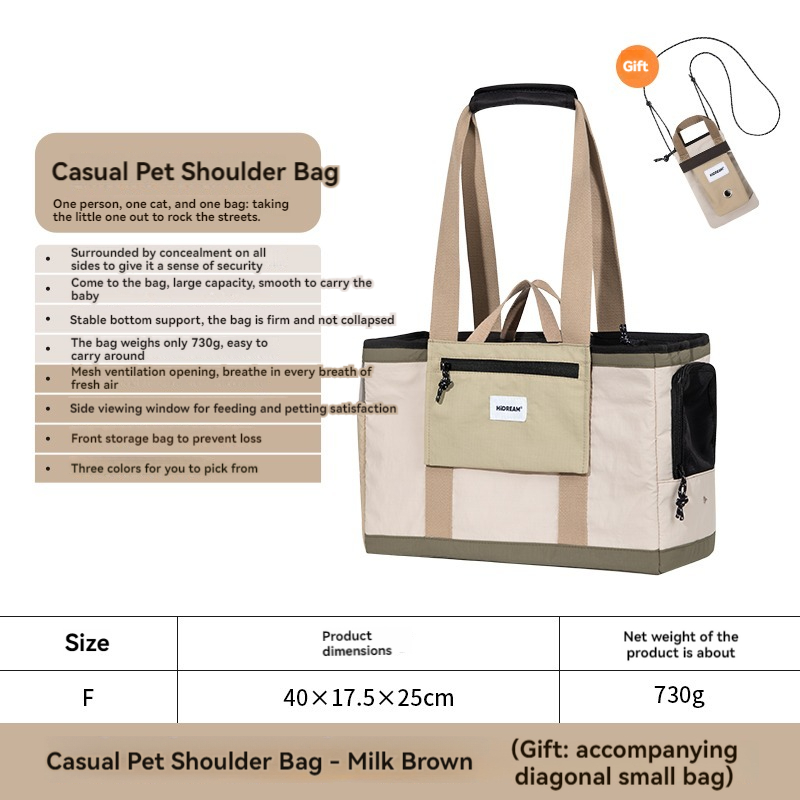
HiDream Pet Tote Bag – Relaxed Style Carrier for Small Pets – Durable Nylon with Breathable Mesh – Beige, Green, Gray
Original price was: $109.99.$94.59Current price is: $94.59. -
-12%
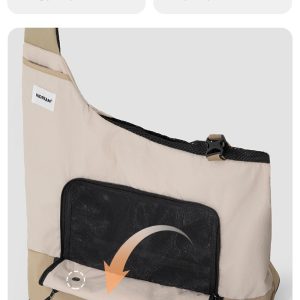
HiDream Pet Sling Carrier Bag – Adjustable Shoulder Strap Front Carry Bag for Small Pets – Khaki, Green, Gray
Original price was: $99.99.$88.49Current price is: $88.49.
This comprehensive guide aims to delve deep into the world of the cute dog collar. We will explore its multifaceted nature, moving beyond surface-level aesthetics to understand the crucial interplay between design, material science, safety engineering, and canine well-being. Think of this as a journey, much like a long, enjoyable walk with your furry friend. We'll start by understanding the historical context and the psychological drivers behind our choices. Then, we'll navigate the vast landscape of available types and materials, providing you with the knowledge to make informed decisions. A critical part of our exploration will focus on safety – ensuring that the pursuit of cuteness never compromises your dog's health or security. We will learn how to achieve the perfect fit, appreciate the essential functions hidden within stylish designs, and decode the elements that contribute to that undeniable “cute” factor.
Furthermore, we will touch upon personalization, the relationship between collars and training, potential health considerations, and the growing importance of ethical and sustainable options. We'll even provide practical advice on maintaining your chosen collar and peek into the future of canine neckwear in 2025 and beyond. Our goal is to equip you, whether you're a first-time puppy parent or a seasoned dog enthusiast, with a deep understanding of what makes a cute dog collar truly great – a harmonious blend of form, function, and heartfelt expression. Let's embark on this exploration together, ensuring our furry friends step out in style, safety, and comfort.
A Brief Walk Through History: The Evolution of Dog Collars
To fully appreciate the modern cute dog collar, it helps to understand its origins. The history of dog collars is intrinsically linked to the history of the human-canine bond itself. Early collars, dating back thousands of years, were purely functional, designed primarily for control, protection, and identification. Archaeological evidence from ancient Egypt, Greece, and Rome shows dogs wearing collars, often depicted in artwork and mosaics. For instance, discoveries in the tomb of the Egyptian nobleman Maiharpri (circa 14th century BCE) included elaborate leather dog collars, suggesting dogs held a valued status even then (Ikram, 2005). These early collars were typically made of leather or metal and were sometimes adorned, indicating that status and perhaps a nascent form of “style” were already considerations.
In ancient Greece and Rome, collars served practical purposes. Molossian hounds, known for their guarding abilities, often wore spiked metal collars called “mellum” to protect their necks during fights with predators or in battle (Cummins, 2001). Simple leather straps were used for identification and tethering. Throughout the Middle Ages and the Renaissance, collars continued to be primarily functional, especially for hunting hounds and guard dogs. However, depictions of pets belonging to nobility sometimes show more decorative collars, hinting at the evolving role of dogs as companions rather than just working animals.
The Victorian era marked a significant shift. With the rise of the middle class, dog ownership as companionship became more widespread. This period saw the emergence of dog shows and breed standards, further elevating the status of dogs. Consequently, collars began to reflect this change. Ornate, personalized collars, sometimes featuring bells, intricate metalwork, or precious materials, became fashionable for the pets of the affluent. Padlocks on collars were also common, not necessarily for security against theft in the modern sense, but as a symbol of ownership (Ritvo, 1987). Licensing laws, introduced in many places during the 19th century, mandated collars with identification tags, reinforcing their practical necessity.
The 20th century brought mass production and new materials. Nylon and other synthetic fabrics offered durable, affordable, and easily customizable alternatives to leather. This democratization of materials allowed collars to become more diverse in style and color. The focus shifted from purely functional or purely ornate towards a blend of both. The latter half of the century and the early 21st century have seen an explosion in the pet products market. Increased awareness of animal welfare, combined with the “humanization” of pets, has led owners to seek collars that are not only effective but also comfortable, safe, and expressive. This paved the way for the modern concept of the cute dog collar – a product that reflects the owner's style, the dog's perceived personality, and adheres to contemporary standards of safety and comfort.
The Appeal of the Cute Dog Collar: Psychology and Expression
Why do so many of us actively seek out a cute dog collar for our pets? The reasons are deeply rooted in human psychology and the nature of our relationship with dogs. Our pets often occupy a unique space in our lives, akin to family members or beloved children. This phenomenon, sometimes referred to as “pet humanization,” drives us to project human-like qualities onto them and express our affection through tangible means (Belk, 1996).
Choosing a collar is one of the primary ways we personalize our pets. A bright pink collar with glitter might reflect an owner's perception of their dog as playful and feminine, while a rugged plaid design might suggest an adventurous, outdoorsy companion. The collar becomes an extension of the dog's identity, or at least, the identity we attribute to them. This act of selection is often an enjoyable process for the owner, allowing them to express creativity and care. It's a form of social signaling; the collar communicates something about the owner's taste, their relationship with their pet, and potentially even their social values (e.g., choosing an eco-friendly collar).
Furthermore, the concept of “cuteness” itself has a powerful psychological pull. Features associated with neoteny (infant-like characteristics) often trigger nurturing responses in humans. While a collar itself isn't neotenous, adorning a beloved pet with something deemed “cute” can enhance these feelings of affection and protectiveness (Lorenz, 1943, as cited in Nittono et al., 2012). A cute dog collar can make the dog appear more approachable, potentially softening perceptions, especially for breeds that might otherwise be intimidating to some people. It can be a conversation starter, facilitating positive social interactions centered around the dog.
The emotional reward for the owner is significant. Seeing their dog in a charming collar can bring joy and satisfaction. It reinforces the bond and the owner's role as a caregiver. In essence, selecting a cute dog collar is often less about the dog's preference (as they are unlikely to have aesthetic opinions in the human sense) and more about fulfilling the owner's emotional needs and expressive desires within the context of the human-animal bond. It's a small but meaningful way to celebrate the unique place our dogs hold in our hearts and homes.
Exploring the Spectrum: Types of Cute Dog Collars
The world of cute dog collars is wonderfully diverse, offering options to suit every breed, personality, and occasion. Understanding the different types available is the first step towards finding the perfect one for your furry friend. While aesthetics play a role in defining “cute,” the underlying structure and function of the collar are paramount. Let's explore some common types:
- Standard Flat Collars (Buckle or Snap): This is the most common type of dog collar. It consists of a flat strap, typically made of nylon, leather, or fabric, with a buckle (like a belt buckle) or a quick-release plastic snap closure. They feature a D-ring for attaching leashes and ID tags. Their simplicity allows for endless design possibilities, making them a popular choice for showcasing cute patterns, colors, and embellishments. They are suitable for most dogs with moderate temperaments and those who don't pull excessively on the leash.
- Martingale Collars (Limited-Slip or Humane Choke): Originally designed for breeds with slender heads like Greyhounds, whose heads can slip out of standard collars, Martingale collars have gained wider popularity. They consist of two loops: a larger loop that goes around the dog's neck and a smaller control loop where the leash attaches. When the dog pulls, the control loop tightens the larger loop slightly, preventing escape without fully choking the dog. They can be found in various cute fabrics and patterns, offering a safer alternative for escape artists while still being stylish. Proper fitting is crucial to ensure they function correctly and safely (Applied Animal Behaviour Science, 2009).
- Breakaway Collars (Safety Collars): Primarily designed for cats, breakaway collars are increasingly considered for dogs, especially smaller ones or those in multi-pet households or environments where snagging is a risk. These collars have a special buckle designed to release automatically if a certain amount of pressure is applied, preventing strangulation if the collar gets caught on something (e.g., a fence, crate, or another dog's jaw during play). While the breakaway feature adds a significant safety layer, it also means they may not be suitable for leash walking, as a strong pull could potentially release the collar. Many owners use these as ID-only collars when the dog is off-leash or unsupervised. Finding a truly cute dog collar with a reliable breakaway feature requires careful selection.
- Personalized Collars: Cuteness often comes from personalization. Many flat collars can be customized with the dog's name and owner's phone number embroidered or printed directly onto the fabric. This offers an alternative or supplement to traditional hanging ID tags, reducing noise and the risk of tags getting caught or lost. The aesthetic integration of identification details can enhance the collar's charm.
- GPS Tracking Collars: While often more functional than overtly “cute” in the traditional sense, modern GPS collars are becoming sleeker and more integrated. Some offer customizable elements or come in various colors. They provide peace of mind by allowing owners to track their dog's location via a smartphone app. The cuteness factor might lie more in the advanced technology and the security it offers, presented in an increasingly stylish package.
- LED or Light-Up Collars: Perfect for nighttime visibility, these collars incorporate LED lights, either embedded in the strap or as an attachable accessory. They come in various bright colors and flashing modes. While primarily a safety feature, the vibrant glow can certainly be considered eye-catching and “cute,” especially designs that integrate the lights seamlessly into patterned or colorful straps.
- Fashion Collars (Jeweled, Bow Ties, Bandanas): Some collars are designed purely for aesthetic appeal, often intended for special occasions or photoshoots rather than everyday wear or leash walking. These might feature elaborate decorations like rhinestones, large bows, attached bandanas, or intricate beadwork. While undeniably cute, it's vital to assess their safety, comfort, and durability. Ensure embellishments are securely attached and don't pose a choking hazard or cause irritation. These often fall into the category of a very cute dog collar but may lack practicality for robust daily use.
Choosing the right type depends on your dog's breed, size, temperament, activity level, and specific needs (like escape tendencies or nighttime walks). Often, the cutest option arises from finding a standard, martingale, or personalized collar made with high-quality, attractive materials and designs.
Comparison Table: Choosing Your Style
To help visualize the differences and suitability of various collar types, here is a comparison table. Remember that within each type, quality and specific design features can vary significantly.
| Collar Type | Primary Material(s) | Key Feature | Pros | Cons | Best Suited For | Potential for “Cuteness” |
|---|---|---|---|---|---|---|
| Standard Flat (Buckle/Snap) | Nylon, Leather, Fabric, BioThane® | Simple strap, secure closure, D-ring | Widely available, huge variety of designs, easy to use, holds ID tags well. | Dogs can potentially slip out if not fitted properly, not ideal for heavy pullers or escape artists. | Most dogs, everyday wear, leash walking (for non-pullers), showcasing personality. | Very High (Endless patterns, colors, personalization options). A classic choice for a cute dog collar. |
| Martingale (Limited-Slip) | Nylon, Fabric | Two-loop design tightens slightly under tension | Prevents escape for dogs with slender heads, more humane than choke chains, good control signal. | Requires proper fitting, can be slightly bulkier, potential for misuse if not understood. | Sighthounds, escape-prone dogs, dogs needing gentle correction during walks. | High (Available in many stylish fabrics and patterns). |
| Breakaway (Safety) | Nylon, Fabric | Buckle releases under pressure | Prevents strangulation if collar gets caught, safer for unsupervised wear or multi-pet play. | Not suitable for leash walking (may release), finding high-quality, reliable mechanisms is key. | ID/unsupervised wear, dogs at risk of snagging, multi-pet households. Less common for dogs than cats. | Moderate to High (Designs are improving, focus is on safety). |
| Personalized (Embroidered/Printed) | Nylon, Fabric, Leather (engraved) | ID info directly on collar | Quiet (no tag jingle), ID less likely to get lost/caught, clean aesthetic. | Info may wear off over time (printing), less visible from a distance than a tag. | Most dogs, owners preferring integrated ID. | High (Personal touch adds charm, available on various base collar types). |
| GPS Tracking | Silicone, Nylon, Plastic casing | Location tracking technology | Peace of mind for escape-prone dogs or off-leash activities. | Can be bulky, requires charging, subscription fees often apply, aesthetics may be secondary. | Escape artists, dogs frequently off-leash in large areas, owner anxiety about loss. | Low to Moderate (Designs improving, but function is primary). |
| LED / Light-Up | Nylon, Silicone | Integrated or attached LED lights | Excellent nighttime visibility, enhances safety. | Requires batteries/charging, electronics can fail, may not be as durable for rough use. | Night walks, dogs in rural areas, enhancing visibility. | Moderate to High (Bright colors and lights can be eye-catching and fun). |
| Fashion (Bows, Jewels, etc.) | Various (Fabric, Leatherette, Metal) | Decorative embellishments | High aesthetic appeal for special occasions. | Often less durable, potential choking/snagging hazards from decorations, may not be comfortable for long wear, often not suitable for leash attachment. | Photoshoots, parties, supervised special events. | Very High (Specifically designed to be a cute dog collar, often prioritizing form over function). |
Material World: Selecting the Best Fabric for Comfort and Cuteness
The material of a cute dog collar is just as important as its design, if not more so. It dictates the collar's durability, comfort, washability, and even safety. Different materials offer distinct advantages and disadvantages, and the right choice depends on your dog's lifestyle, skin sensitivity, and the specific look you're aiming for.
Nylon: The Versatile Standard
Nylon is perhaps the most common material for dog collars, and for good reason. It's strong, durable, lightweight, and relatively inexpensive. Nylon holds dye exceptionally well, allowing for a vast array of vibrant colors and printed patterns – a key factor in creating a cute dog collar. It's also resistant to mildew and dries quickly, making it suitable for dogs who enjoy swimming or playing in wet conditions. High-quality nylon webbing is smooth and less likely to chafe a dog's neck, although lower-quality nylon can sometimes have rough edges. Regular cleaning is needed as it can absorb oils and dirt. Look for tightly woven nylon for maximum durability.
Leather: Classic Durability and Style
Leather offers a timeless, classic look that many owners find appealing. Genuine leather collars are known for their durability and strength, often lasting for many years with proper care. Over time, leather can soften and conform to the dog's neck shape, increasing comfort. Leather can be dyed in various colors, stamped, or adorned with studs or tooling for a personalized or stylish touch. However, leather requires maintenance – it needs to be cleaned and conditioned periodically to prevent drying and cracking, especially if exposed to water frequently. It can also be heavier than nylon and may stretch slightly over time. Ensure you are buying genuine leather, as lower-quality “bonded” leather will not be as durable. Some dogs might have sensitivities to the tanning chemicals used in leather production. A well-crafted leather collar can certainly qualify as a sophisticated and cute dog collar, especially for breeds where a classic look is desired.
BioThane®: The Waterproof Wonder
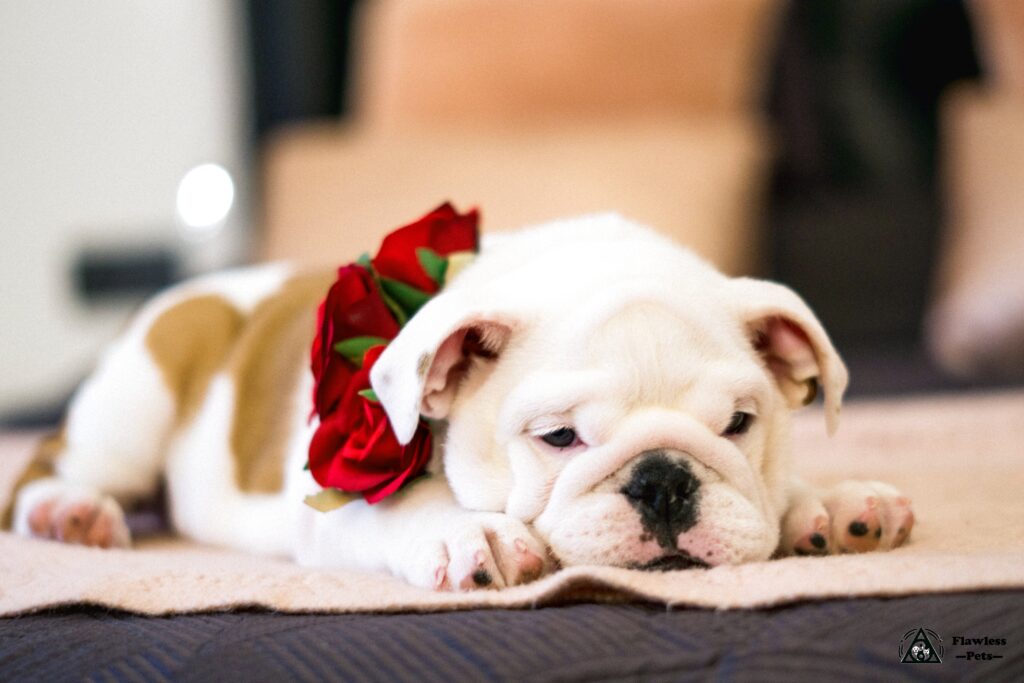
BioThane® is a brand name for a specific type of polyester webbing coated with TPU or PVC. It's designed to mimic the look and feel of leather but with significant advantages: it's completely waterproof, odor-resistant, antimicrobial, and incredibly easy to clean (just wipe it down). It remains flexible even in cold weather and is highly durable and resistant to abrasion. BioThane® comes in a wide range of bright, fade-resistant colors, making it possible to have a very practical and simultaneously cute dog collar, especially for active dogs who frequently get wet or muddy. It's slightly less breathable than natural materials but is generally well-tolerated.
Fabric Collars: Endless Patterns and Textures
These collars typically consist of a cute cotton, canvas, or decorative fabric sewn over a core webbing material (often nylon or polypropylene) for strength. The primary appeal is the virtually limitless range of patterns, prints, and textures available, from floral designs and geometric shapes to novelty themes. This makes fabric collars a prime choice for owners seeking a unique and highly personalized cute dog collar. Comfort can be high, especially with softer fabrics like cotton. However, durability and washability depend heavily on the specific fabric used. Cotton can fade, stain easily, and may not hold up well to rough play or frequent washing compared to nylon or BioThane®. Look for fabric collars reinforced with strong webbing and quality stitching.
Neoprene: Padding for Comfort
Often used as a lining or padding inside collars made of other materials (like nylon or fabric), neoprene is the same soft, quick-drying material used in wetsuits. It adds a layer of cushioning against the dog's neck, reducing the potential for chafing and increasing comfort, especially for dogs with sensitive skin or short fur. Collars with neoprene padding are excellent for active dogs or those who wear their collars for extended periods. While the outer layer provides the “cute” design, the inner neoprene layer enhances the functional comfort.
Metal Chains: Considerations and Cautions
While traditional chain collars (choke chains, prong collars) are training tools and generally not considered “cute” or suitable for everyday wear due to safety risks and potential for injury (Beerda et al., 1998), some fashion collars might incorporate metal elements like chains or studs for aesthetic purposes. If considering a collar with significant metal components, ensure the metal is high-quality (e.g., stainless steel, brass) to avoid rust and potential skin reactions (like nickel allergies). Be cautious about weight – heavy metal collars can be uncomfortable and strain a dog's neck. Decorative chains should be purely aesthetic and not function as choke mechanisms. Due to safety concerns and limited design flexibility for “cuteness,” purely metal collars are rarely the best choice for a standard, everyday cute dog collar.
When choosing a material, consider your dog's specific needs. A long-haired dog might benefit from a rolled leather collar to prevent matting, while a dog with sensitive skin might need a neoprene-lined or hypoallergenic option. The climate you live in and your dog's activity level (e.g., swimming, hiking) will also influence the best material choice for both durability and maintaining that cute appearance.
Safety First, Style Second: Critical Safety Considerations
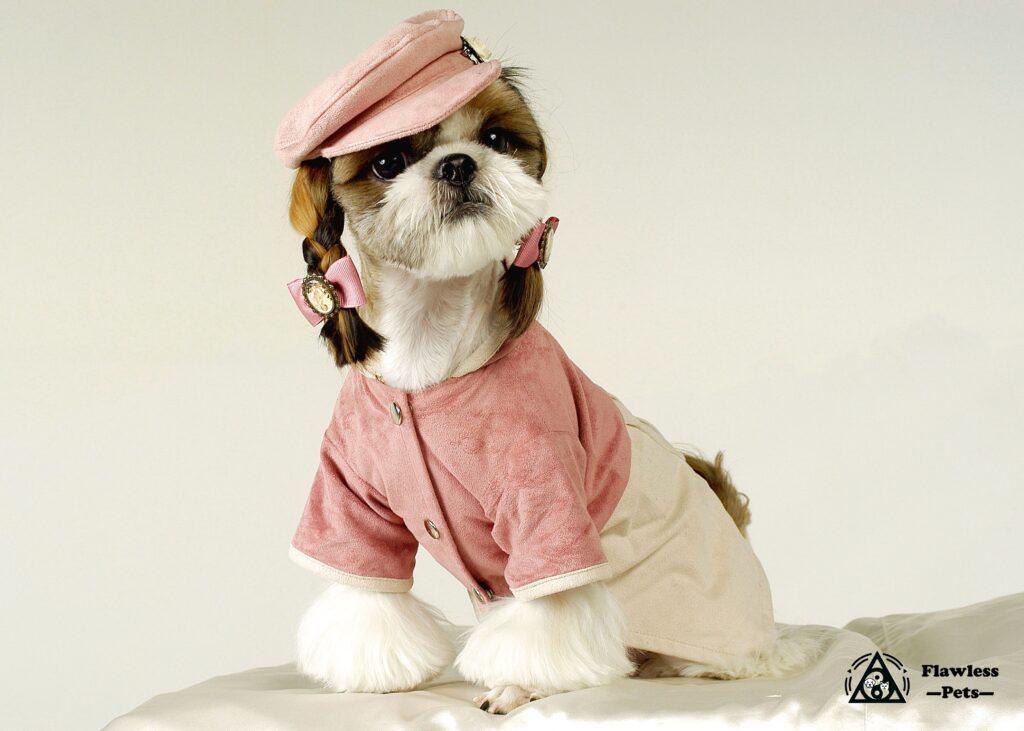
While the allure of a cute dog collar is strong, safety must always be the paramount consideration. A collar, if improperly chosen, fitted, or used, can pose significant risks to a dog's health and well-being. Responsible ownership means prioritizing safety features alongside aesthetic appeal.
The Importance of Proper Fit
An improperly fitted collar is a major safety hazard. A collar that is too loose can easily snag on objects like branches, furniture, or crate wires, leading to panic, injury, or strangulation. Furthermore, a loose collar allows a dog, particularly one with a narrower head or a determined escape artist, to back out of it, potentially running into traffic or becoming lost. Conversely, a collar that is too tight is uncomfortable and can restrict breathing, cause chafing, skin irritation, hair loss (alopecia), and even damage the underlying tissues or trachea over time (Journal of the American Animal Hospital Association, 2006). The universally accepted guideline for proper fit is the “two-finger rule”: you should be able to comfortably slip two fingers side-by-side between the collar and your dog's neck. The collar should be snug enough not to slip over the head but loose enough not to impede breathing, swallowing, or cause discomfort.
Breakaway Features: When Are They Necessary?
As mentioned earlier, breakaway collars are designed to release under pressure, preventing strangulation if the collar becomes caught. While essential for cats, their use in dogs is more nuanced. They offer a significant safety advantage for dogs left unsupervised (even indoors), dogs who play rough with other dogs (where jaws can get caught under collars), or dogs exploring environments with potential snagging hazards (like dense brush or fenced areas). However, the very feature that makes them safe for snagging makes them unsafe for leash walking, as a sudden lunge or strong pull could cause the collar to release. Therefore, breakaway collars are typically recommended as secondary collars for holding ID tags when the dog is not on a leash or for specific high-risk situations. If choosing a breakaway collar, ensure it's specifically designed for dogs (cat breakaway collars may release too easily for larger animals) and test the mechanism. Finding a reliable breakaway feature on an aesthetically pleasing, cute dog collar might require some searching, but safety should guide the choice.
Potential Hazards: Snagging, Choking, and Irritation
Beyond fit and breakaway features, the design of the cute dog collar itself can present hazards. Dangling charms, bells, or tags can get caught in crates, vents, or gaps. Overly wide collars on small dogs can be cumbersome and restrict movement. Collars made from rough materials or with poorly finished edges can cause skin irritation, chafing, or “hot spots,” especially in dogs with sensitive skin or when worn continuously. Ensure any embellishments are securely attached and smooth, with no sharp edges. Regularly inspect the collar for signs of wear and tear, such as fraying, cracked buckles, or loose stitching, which could lead to failure at a critical moment. Also, be mindful of “collar clutter” – attaching too many tags can be noisy and increase snagging risk. Consider personalized collars or tag silencers.
Reflective and Light-Up Collars for Visibility
A crucial aspect of safety, especially for dogs walked during dawn, dusk, or nighttime hours, is visibility. Many seemingly standard cute dog collars incorporate reflective threads, strips, or patterns that shine brightly when illuminated by headlights or flashlights. This significantly increases the dog's visibility to drivers, cyclists, and pedestrians, reducing the risk of accidents (National Safety Council). For maximum visibility, LED collars provide active illumination. While perhaps less traditionally “cute” than a patterned fabric collar, a brightly lit or reflective collar prioritizes the dog's safety in low-light conditions, which is arguably the most important feature of all. Many modern reflective and LED options are becoming quite sleek and stylish, blending safety with a modern aesthetic, offering a different kind of cute dog collar focused on safety.
The Perfect Fit: How to Measure and Size a Cute Dog Collar
Achieving that perfect, safe fit we discussed earlier starts with accurate measurement. Choosing a cute dog collar in the wrong size not only negates its aesthetic appeal but, more importantly, compromises its safety and function. Follow these steps to ensure you get the right size for your canine companion:
- Use a Soft Measuring Tape: A flexible sewing measuring tape is the ideal tool. If you don't have one, you can use a piece of string or ribbon and then measure the string against a rigid ruler or tape measure.
- Measure the Neck Circumference: Wrap the soft measuring tape around your dog's neck where the collar will naturally sit. This is typically higher up on the neck, just behind the ears, but check where their current collar rests comfortably if they have one. Ensure the tape is snug but not tight. You're measuring the actual neck circumference.
- Apply the “Two-Finger Rule” During Measurement (or After): Once you have the snug measurement, add enough extra length to allow you to comfortably fit two fingers (index and middle finger, side-by-side) between the tape measure (or string) and the dog's neck. This simulates the ideal collar fit. For very small dogs (under 10 lbs), one finger might suffice. For giant breeds, you might need slightly more room than two fingers, but two is a good starting point.
- Record the Final Measurement: The number you get after adding the two-finger allowance is the collar size you should look for. For example, if the neck measures 14 inches snugly, and adding two fingers brings it to 16 inches, you should look for a collar that adjusts to include the 16-inch measurement comfortably within its range.
- Consult the Manufacturer's Sizing Chart: Critically, always refer to the specific sizing chart provided by the manufacturer of the cute dog collar you intend to purchase. Sizing is NOT standardized across brands. One brand's “Medium” might be another's “Large.” The chart will typically provide a neck circumference range for each size (e.g., Small: 10-14 inches, Medium: 14-18 inches). Your measured size (including the finger allowance) should fall comfortably within the middle of the chosen size range, allowing for minor adjustments.
- Consider Breed and Fur Type: Dogs with thick fur (like Huskies or Samoyeds) require extra care during measurement. Ensure the tape measure gets down to the skin level, or measure slightly looser to accommodate the fluff. For growing puppies, choose an adjustable collar and check the fit frequently (at least weekly), adjusting as they grow. You'll likely need to purchase larger sizes as they mature.
- Check the Fit Upon Arrival: Once the new collar arrives, put it on your dog and perform the two-finger test again. Check that it cannot slip over the dog's head when gently pulled forward. Observe your dog for any signs of discomfort, chafing, or restricted breathing.
Taking a few extra minutes to measure accurately ensures the chosen cute dog collar is not only stylish but also safe and comfortable for your dog to wear every day.
Functionality in Disguise: The Practical Roles of a Cute Collar
Beyond its charming appearance, even the most fashionable cute dog collar serves fundamental practical purposes that are essential for responsible dog ownership. These functions should never be overlooked when making a selection.
Holding Identification: A Non-Negotiable Function
Perhaps the most critical function of any dog collar is to carry identification. Should your dog ever become lost, a collar with up-to-date ID tags is often the quickest way to ensure their safe return. Even microchipped dogs benefit immensely from visible ID, as anyone who finds the dog can contact the owner directly without needing a scanner (American Humane Association). A standard cute dog collar should have a sturdy, dedicated place to attach tags. This is typically a metal D-ring or sometimes a separate, smaller ring specifically for tags.
Considerations for ID attachment:
- Tag Type: Traditional hanging tags are common, but ensure they are securely attached with a strong split ring. Consider engraved slide-on tags that attach flat against the collar strap, reducing noise and snagging potential. Personalized collars with embroidered or printed information offer another alternative.
- Information: Tags should include the dog's name (optional, some prefer not to include it for safety reasons), your phone number(s), and possibly your address or city. A note indicating the dog is microchipped is also helpful.
- Durability: Ensure the tag attachment point on the collar is robust and won't break easily. Check tags regularly to ensure the engraving is still legible.
When selecting your cute dog collar, verify it has a reliable means of holding these vital pieces of information.
Leash Attachment Points: D-Rings and Durability
The second primary function of most dog collars is to provide a secure point for leash attachment, allowing for walks and control. This is almost always achieved via a metal D-ring (or sometimes an O-ring). The quality, placement, and strength of this ring are crucial safety features disguised within the collar's design.
Considerations for leash attachment:
- Material and Strength: The D-ring should be made of durable metal like stainless steel or nickel-plated brass that won't rust or break under pressure. Welded D-rings are generally stronger than non-welded ones. The ring should be appropriately sized for the collar and the dog – a tiny ring on a large dog's collar is a weak point.
- Stitching: Check how the D-ring is secured to the collar. It should be reinforced with multiple lines of strong stitching (box stitching is common and very secure). This is often a point of failure on cheaply made collars.
- Placement: The placement of the D-ring can affect comfort and usability. Often, it's positioned near the buckle. On Martingale collars, it's on the control loop. Ensure it's easy to clip the leash onto.
- Suitability for Pulling: While a standard cute dog collar can handle leash attachment for well-behaved dogs, it's generally not the best tool for dogs that pull heavily. Constant pulling against a collar can put undue pressure on the dog's trachea and neck. For strong pullers, a well-fitting harness is usually recommended by trainers and veterinarians as a safer and more effective tool (Journal of Veterinary Behavior, 2016). However, the collar still serves as the essential backup for ID tags even if a harness is used for walks.
Therefore, even when prioritizing aesthetics, inspect the functional hardware – the buckle or snap closure and the D-ring – to ensure they are robust and securely attached. A truly great cute dog collar successfully integrates these essential functions without compromising style.
Decoding “Cute”: Design Elements and Trends
What exactly elevates a functional dog collar to the coveted status of a “cute dog collar”? The “cute” factor is subjective, of course, but it generally arises from a combination of specific design elements, color choices, and current trends that resonate with the owner's aesthetic preferences and perception of their dog's personality.
Patterns and Colors: Expressing Personality
Color and pattern are perhaps the most immediate contributors to a collar's cuteness.
- Colors: Bright, cheerful colors like pink, turquoise, yellow, or lime green often read as playful and cute. Pastels can convey softness and gentleness. Bold primary colors can signal energy and confidence. The choice often reflects gender stereotypes (pink/blue) or the owner's favorite colors. Matching the collar color to the dog's coat (either contrasting or complementary) is also a common strategy.
- Patterns: This is where creativity truly shines. Popular “cute” patterns include polka dots, stripes, plaids (especially buffalo check), floral prints, paisley, animal prints (ironically!), cartoon characters, food items (cupcakes, bones), geometric shapes, and seasonal or holiday themes (snowflakes, hearts, pumpkins). The pattern can transform a simple nylon or fabric collar into a statement piece. A well-chosen pattern makes the cute dog collar stand out.
Embellishments: Bows, Charms, and Bling
Adding three-dimensional elements can significantly enhance the cuteness quotient, although safety and comfort must be monitored.
- Bows/Bow Ties: Attachable or integrated bow ties or fabric flowers add a touch of whimsy or formal cuteness. They are particularly popular for smaller dogs or special occasions. Ensure they are lightweight and securely attached, and don't obstruct the dog's movement or vision.
- Charms: Small, dangling charms (like bones, hearts, paws) can add personality but also pose snagging risks and can be noisy. Slide-on charms that sit flat against the collar are a safer alternative.
- “Bling”: Rhinestones, crystals, or decorative studs can add sparkle and glamour. Ensure they are smoothly set and won't easily fall off (posing an ingestion hazard) or irritate the dog's skin. This style leans more towards “fashion” than everyday practicality for very active dogs but is undeniably a popular interpretation of a cute dog collar for many.
Themed Collars: Holidays, Hobbies, and Humor
Themed collars allow owners to share their interests or celebrate occasions through their pets.
- Holidays: Christmas, Halloween, Easter, Valentine's Day – there's a cute collar pattern for almost every holiday.
- Hobbies/Interests: Sports team logos, nautical themes, superhero insignia, or patterns related to the owner's hobbies (e.g., music notes, camping motifs).
- Humor: Collars with funny sayings or quirky patterns (like rubber ducks or tacos) inject personality and fun.
Trends in human fashion often influence pet accessories. As of 2025, we continue to see trends towards sustainable materials, personalized elements, bold geometric patterns, and sophisticated floral prints in the realm of cute dog collars. Ultimately, the “cutest” collar is the one that brings a smile to the owner's face while keeping the dog safe and comfortable.
Making It Their Own: Personalization Options
Personalization takes the concept of a cute dog collar a step further, making it truly unique to the individual pet. It adds a layer of thoughtfulness and can also enhance safety by integrating identification directly onto the collar.
Common personalization methods include:
- Embroidery: This involves stitching the dog's name and/or the owner's phone number directly onto the fabric or nylon strap of the collar. It offers a classic, durable, and often colorful way to personalize. The thread color can be chosen to contrast or complement the collar material, adding to the aesthetic appeal.
- Laser Engraving: Primarily used on metal buckles (especially on nylon or BioThane® collars) or directly onto leather collars. Laser engraving provides a sharp, permanent mark with the desired information. It offers a sleek, modern look and avoids the wear and tear that can happen with printed details.
- Printing: Some companies offer direct printing of names and numbers onto collar materials. While potentially offering more font and design flexibility, printed details may wear off faster than embroidery or engraving, especially with frequent washing or rough use.
- Custom Patches: Small, sew-on or Velcro-backed patches with names, symbols, or fun sayings can be added to wider collars, particularly tactical-style or fabric ones.
- Mix-and-Match Hardware: Some boutique collar makers allow customers to choose the color and finish of the hardware (buckles, D-rings, sliders), such as matte black, rose gold, or antique brass, further customizing the look of the cute dog collar.
- Unique Add-ons: Beyond standard embellishments, owners might add custom-made slide-on charms, hand-tied paracord elements, or unique beads (ensuring safety) to reflect the dog's individuality. You can sometimes find unique accessories from specialized retailers that can be adapted, though always prioritize pet safety.
Personalization not only enhances the “cute” factor but also serves practical purposes. An embroidered or engraved phone number is less likely to get lost than a hanging tag. It reduces tag noise and potential snagging. When choosing personalization, consider legibility, durability, and how the method complements the overall style of the cute dog collar you've selected.
Cute Dog Collars and Canine Training: Compatibility and Considerations
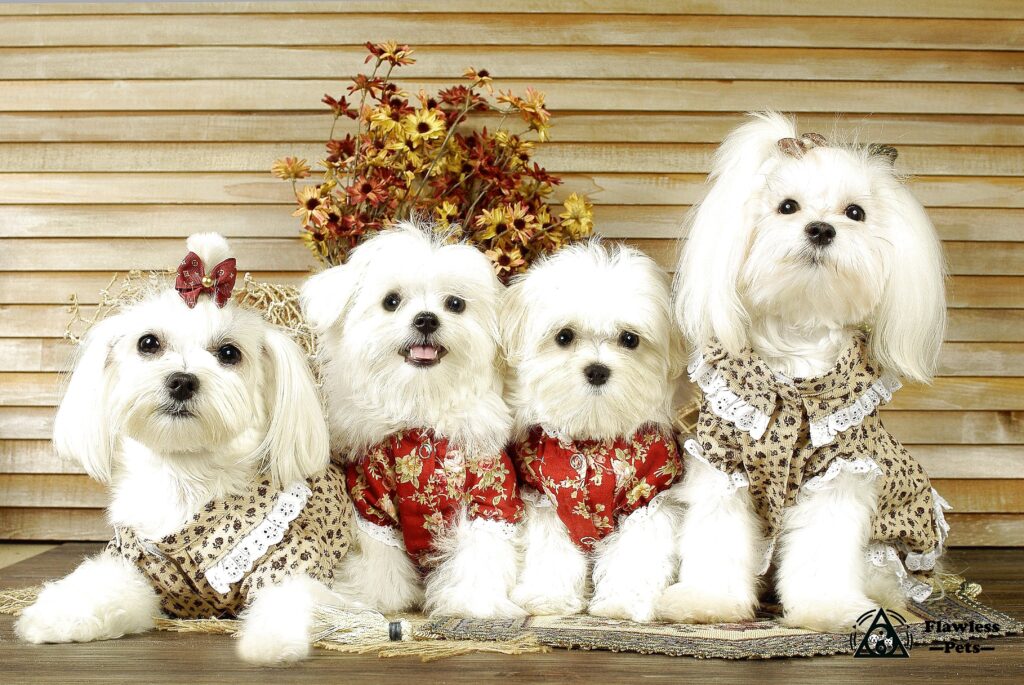
While a cute dog collar is perfect for everyday wear and identification, it's important to understand its role and limitations in the context of dog training, particularly leash training.
Standard flat collars (the most common type for cute designs) offer minimal control for dogs that pull heavily or exhibit reactive behaviors on leash. Pulling against a flat collar concentrates pressure on the throat area, which can be uncomfortable, lead to choking or gagging sounds, and potentially cause injury to the trachea or neck over time (Grohmann et al., 2013). Furthermore, constant pressure on the neck might inadvertently trigger an “opposition reflex,” where the dog instinctively pulls harder against the pressure.
For these reasons, professional dog trainers utilizing positive reinforcement methods often recommend alternative equipment for leash training strong pullers or reactive dogs:
- Front-Clip Harnesses: These harnesses have a leash attachment point on the chest strap. When the dog pulls, the harness gently redirects their body back towards the owner, discouraging pulling without applying pressure to the neck.
- Head Halters (e.g., Gentle Leader, Halti): These work similarly to a horse's halter, providing control over the dog's head direction. Gentle pressure guides the head, and where the head goes, the body tends to follow. They require careful introduction and conditioning to ensure the dog accepts them comfortably.
Martingale collars, while offering more control than flat collars for preventing escape, provide only limited correction for pulling and should be used judiciously.
This doesn't mean a cute dog collar has no place. It remains essential for carrying ID tags at all times. Many owners use a harness or head halter for walks and training sessions but keep a comfortable, cute flat collar on their dog for identification purposes 24/7 (or whenever appropriate). The key is to use the right tool for the job. Relying solely on a standard flat collar for training a dog with significant pulling issues is often ineffective and potentially harmful.
A well-fitting, comfortable cute dog collar is perfectly suitable for:
- Everyday identification.
- Leash walking with dogs that are already trained to walk politely.
- Puppies just getting accustomed to wearing a collar and leash in a positive way.
- Holding tags while using a separate training harness.
Always prioritize training methods based on positive reinforcement and consult with a certified professional dog trainer if you are struggling with leash manners or other behavioral issues. They can help you choose the most appropriate and humane equipment for your specific dog and situation, ensuring both safety and effective learning.
Health Implications: Skin, Fur, and Neck Wellness
While often overlooked, the choice of a cute dog collar can have direct implications for your dog's physical health, particularly concerning their skin, fur, and neck structure. Being aware of potential issues can help you select a collar that promotes well-being alongside style.
Allergies and Sensitivities
Just like humans, dogs can develop allergic reactions or sensitivities to various materials. Common culprits in collars include:
- Metals: Nickel, often used in plating buckles and D-rings, is a common allergen, causing redness, itching, and hair loss around the contact area (Mueller et al., 2016). Stainless steel or solid brass hardware is generally better tolerated.
- Dyes: Certain dyes used in nylon or fabric collars can cause contact dermatitis in sensitive dogs. Look for collars using hypoallergenic or natural dyes if you suspect sensitivity.
- Leather Chemicals: The chemicals used in the tanning and finishing process of leather can occasionally cause reactions.
- Synthetic Materials: While less common, some dogs might react to nylon, neoprene, or plastics.
Signs of an allergic reaction or irritation include redness, scratching at the collar area, moist dermatitis (“hot spots”), hair loss, or bumps. If you notice these signs, remove the collar and consult your veterinarian. You may need to switch to a collar made from a different, hypoallergenic material.
Matting and Hair Loss
For dogs with long or thick fur, collars can contribute to matting if not chosen or managed correctly.
- Friction: Constant friction from any collar, especially wider flat collars, can break hairs or cause them to tangle and mat underneath.
- Material: Some materials may catch fur more easily than others.
- Solution: Rolled leather collars are often recommended for long-haired breeds as their round shape minimizes friction points. Regular grooming, including brushing the hair under the collar area daily, is crucial. Removing the collar when the dog is safely indoors can also help prevent matting and allow the skin to breathe. Ensure the cute dog collar isn't excessively tight, which can worsen friction and hair breakage.
Neck Strain and Injury Prevention
As discussed in the training section, using a collar as the primary point of leash attachment for dogs that pull heavily can lead to neck strain or injury. The neck houses vital structures, including the trachea, esophagus, thyroid gland, lymph nodes, spinal cord, and major blood vessels. Repeated or sudden forceful pressure on this area can potentially cause:
- Tracheal irritation or collapse (especially in small breeds).
- Laryngeal nerve paralysis.
- Increased intraocular pressure (a concern for dogs with glaucoma).
- Neck muscle strain or spinal issues.
- Thyroid gland inflammation (though direct causal links are debated, pressure is undesirable).
(Carter et al., 2020; Pauli et al., 2006).
While a well-fitting cute dog collar on a well-behaved dog is generally safe, it underscores the importance of proper leash training and considering harnesses for dogs prone to pulling. Additionally, avoid overly heavy collars, especially for small dogs or puppies, as the constant weight can also contribute to neck strain.
Regularly checking the skin under the collar for any signs of irritation, ensuring the fit remains correct, and choosing appropriate materials and styles based on your dog's coat and sensitivity are all part of responsible collar ownership, ensuring the pursuit of “cute” doesn't compromise health.
Ethical and Sustainable Choices in Cute Dog Collars
As consumer awareness grows, many dog owners are extending their ethical considerations to the products they buy for their pets, including the seemingly simple cute dog collar. Choosing ethically and sustainably involves looking beyond the price tag and aesthetics to consider the environmental and social impact of the collar's production.
Key areas of consideration include:
- Sustainable Materials: The environmental footprint of collar materials varies significantly.
- Recycled Materials: Look for collars made from recycled materials, such as rPET (recycled plastic bottles) transformed into webbing, or repurposed fabrics.
- Natural Fibers: Collars made from organic cotton, hemp, or bamboo offer biodegradable alternatives to synthetic materials. Hemp is particularly durable and requires fewer resources to grow than cotton.
- Sustainable Leather Alternatives: Innovative materials like Pinatex (made from pineapple leaf fibers) or mushroom leather offer plant-based alternatives to traditional leather, although their durability for dog collars may still be evolving.
- Responsibly Sourced Leather: If choosing leather, look for brands that use vegetable-tanned leather (avoiding harsh chromium chemicals) or source hides as byproducts of the meat industry from ethical farms.
- BioThane®: While plastic-based, its extreme durability and longevity mean fewer collars end up in landfills compared to frequently replaced, lower-quality options.
- Ethical Manufacturing: Consider where and how the collar was made.
- Fair Labor Practices: Choose brands that are transparent about their manufacturing processes and ensure fair wages and safe working conditions for their employees. Supporting local artisans or companies manufacturing domestically (depending on your location) can sometimes offer more transparency.
- Cruelty-Free: Ensure materials like leather are sourced ethically, and avoid materials tested on animals if that aligns with your values.
- Durability and Longevity: A high-quality, durable collar that lasts for years is inherently more sustainable than multiple cheap collars that wear out quickly and need frequent replacement. Investing in a well-made cute dog collar, even if slightly more expensive initially, can be a more ethical choice in the long run.
- Minimalist Packaging: Opt for brands that use minimal, recyclable, or compostable packaging.
Finding a cute dog collar that also meets high ethical and sustainable standards is increasingly possible as more companies recognize consumer demand in this area. Look for certifications (like GOTS for organic cotton) or brands that explicitly state their commitment to sustainability and ethical production on their websites or product descriptions. Making a conscious choice contributes positively not just to your dog's wardrobe, but also to the wider world.
Keeping it Cute and Clean: Care and Maintenance Guide
A cute dog collar won't stay cute for long if it's caked in mud, smells unpleasant, or starts to fray. Proper care and maintenance are essential to prolong the life of the collar, maintain its appearance, and ensure it remains hygienic and safe for your dog.
General tips apply to most collars:
- Regular Inspection: Check the collar frequently (at least weekly) for any signs of wear and tear. Look for frayed edges, thinning material, loose threads (especially around the buckle and D-ring), cracks in plastic buckles, or damage to metal hardware. Replace the collar immediately if you find significant damage that could compromise its integrity.
- Remove for Grooming/Bathing: Always remove the collar before bathing your dog or undertaking extensive grooming to ensure you clean the neck area thoroughly and prevent the collar from staying wet for prolonged periods (unless it's a waterproof material like BioThane®).
Cleaning methods depend heavily on the material:
- Nylon & Fabric Collars: These can usually be hand-washed or machine-washed. For hand-washing, use warm water and a mild detergent (pet-safe or gentle soap). Gently scrub with a soft brush if needed. Rinse thoroughly. For machine washing, place the collar in a mesh laundry bag or pillowcase to prevent the hardware from banging against the machine drum or getting tangled. Use a gentle cycle and mild detergent. Always air dry completely away from direct heat or sunlight, as high heat can damage nylon and plastic components.
- Leather Collars: Leather should NOT be soaked or machine-washed. Wipe clean with a damp cloth. For deeper cleaning, use a saddle soap or a cleaner specifically designed for leather. After cleaning and drying, apply a leather conditioner to keep it supple and prevent cracking. Allow it to air dry naturally.
- BioThane® Collars: The easiest to clean! Simply wipe down with a damp cloth or rinse under running water. Mild soap can be used for stubborn grime. It dries quickly and doesn't require conditioning.
- Collars with Embellishments: Be extra careful. Hand-wash gently, avoiding harsh scrubbing on decorated areas. Ensure charms or jewels are dried thoroughly to prevent tarnishing or water damage.
- LED Collars: Follow manufacturer instructions carefully. Usually, the battery pack/electronics need to be removed before washing the strap part. Ensure everything is completely dry before reassembling.
Odor Control: If a collar (especially nylon or fabric) develops an odor, soaking it in a solution of equal parts water and white vinegar for about 30 minutes before washing can help neutralize smells. Baking soda paste can also work for scrubbing. Rinse thoroughly afterward.
By incorporating regular cleaning and inspection into your routine, you can ensure your dog's cute dog collar stays looking its best and functioning safely for as long as possible.
The Future is Fetching: Innovations in Dog Collar Technology and Style (2025 and Beyond)
The world of dog collars is constantly evolving, driven by technological advancements, changing owner priorities, and fashion trends. Looking ahead from 2025, we can anticipate several exciting developments that will continue to shape the concept of the “ideal” – and perhaps even the “cute” – dog collar.
- Smarter Collars: The integration of technology will become more sophisticated and seamless. Beyond current GPS tracking, expect to see:
- Advanced Health Monitoring: Collars incorporating sensors to track vital signs (heart rate, respiratory rate, temperature), activity levels, sleep patterns, scratching/licking frequency, and even potentially early detection of certain health issues through subtle behavioral changes analyzed by AI (Frontiers in Veterinary Science, 2021).
- Integrated Training Aids: Subtle vibration or auditory cues linked to training apps, offering gentle, remote communication methods (use likely requires professional guidance).
- Customizable LED Displays: Moving beyond simple lights to small, flexible screens displaying patterns, owner contact info, or safety alerts.
- Improved Battery Life & Charging: More efficient batteries and potentially kinetic or solar charging options to reduce hassle.
The challenge will be integrating this tech into designs that are still lightweight, comfortable, durable, and aesthetically pleasing – potentially leading to a new definition of a tech-savvy cute dog collar.
- Hyper-Personalization: Moving beyond simple name embroidery to fully customizable designs, perhaps using online tools allowing owners to upload patterns, choose specific material combinations, and select hardware finishes, creating truly one-of-a-kind collars. 3D printing might play a role in creating unique shapes or components.
- Sustainability as Standard: Eco-friendly materials (recycled, plant-based, biodegradable) will likely become mainstream rather than niche. Expect more innovation in durable, attractive materials derived from waste products or sustainable agriculture. Circular economy models (collar recycling programs) may become more common.
- Focus on Biomechanics and Comfort: Increased research into canine neck anatomy and movement may lead to more ergonomically designed collars that distribute pressure more evenly or flex naturally with the dog's movement, enhancing comfort without sacrificing control or style.
- Adaptive Materials: Materials that might change color based on temperature (indicating potential fever) or tension (indicating pulling) could emerge, blending function and a novel aesthetic.
- Integration with Other Tech: Collars could interact more seamlessly with smart home devices (e.g., automatic dog doors) or owner wearables.
While the core functions of identification and leash attachment will remain, the cute dog collar of the future promises to be smarter, more personalized, more sustainable, and potentially even more attuned to the dog's comfort and well-being. Owners seeking both style and substance will have increasingly sophisticated options to choose from, perhaps even finding unique choices among various cool electronic gadgets adaptable for pet use, although purpose-built pet devices will likely dominate.
Frequently Asked Questions (FAQ)
- 1. What is the safest type of cute dog collar?
- Safety depends more on proper fit, material quality, and usage than just the type. However, for general safety, a well-fitted flat collar made of durable, non-irritating material with secure hardware (buckle and D-ring) is standard. For dogs at risk of snagging or in multi-pet households where rough play occurs, a breakaway collar (used for ID only, not leash walking) offers superior protection against strangulation. For nighttime safety, reflective or LED collars are crucial. Avoid choke chains and prong collars for everyday use; they are training tools that carry risks if misused.
- 2. How often should I replace my dog's cute collar?
- There's no fixed timeline, as it depends on the collar's quality, the material, your dog's activity level, and how well it's maintained. Inspect the collar weekly for signs of wear: fraying, thinning, cracks in the buckle, loose stitching, or rust on hardware. If the collar is damaged, doesn't fit properly anymore (especially for growing puppies), or the identification is no longer legible, replace it immediately. Even high-quality collars eventually wear out; replacement is essential for safety.
- 3. Can my dog wear their cute collar all the time?
- Many dogs wear their collars 24/7 for identification purposes. However, it's good practice to remove the collar periodically (e.g., at night when safely indoors) to let the skin underneath breathe, check for irritation, and prevent matting in long-haired breeds. Ensure the collar is never left on unsupervised if it poses a snagging risk (unless it's a breakaway type). If the collar has heavy embellishments or isn't designed for maximum comfort, it should definitely be removed when the dog is resting or unsupervised.
- 4. My dog has sensitive skin. What's the best material for a cute dog collar?
- For sensitive skin, prioritize hypoallergenic and soft materials. Options include:
- Collars lined with soft neoprene padding.
- High-quality, smooth nylon webbing (check for rough edges).
- Natural fibers like organic cotton or hemp (ensure dyes are non-irritating).
- Rolled leather collars (can be gentler on skin and fur than flat leather).
- Ensure metal hardware is nickel-free (stainless steel or solid brass are good choices).
Always monitor the skin under the collar closely for any signs of redness or irritation when introducing a new collar.
- 5. Are fabric collars with cute patterns durable enough for active dogs?
- It depends on the construction. Look for fabric collars where the decorative fabric is securely sewn onto a strong inner core webbing (usually nylon or polypropylene). Check the quality of the stitching, especially around the D-ring and buckle. While a high-quality fabric collar can be durable, materials like heavy-duty nylon or BioThane® are generally more resistant to abrasion, water, and rough use. If your dog is extremely active, frequently swims, or plays rough, a nylon or BioThane® collar might be a more practical choice for longevity, though many cute options exist in these materials too.
References
Note: Please verify URLs as website content can change. Academic citations are based on available information.
- American Humane Association. (n.d.). Identification Tags. https://www.americanhumane.org/fact-sheet/identification-tags/
- Beerda, B., Schilder, M. B. H., van Hooff, J. A. R. A. M., & de Vries, H. W. (1998). Behavioural, saliva cortisol and heart rate responses to different types of stimuli in dogs. Applied Animal Behaviour Science, 58(3-4), 365–381. https://doi.org/10.1016/S0168-1591(97)00145-7
- Belk, R. W. (1996). Metaphoric Relationships with Pets. Society & Animals, 4(2), 121–145. https://doi.org/10.1163/156853096X00206
- Carter, A., McNally, D., & Roshier, A. (2020). Canine collars: an investigation of collar type and the forces applied to a simulated neck model. Veterinary Record, 187(9), e76. https://doi.org/10.1136/vr.105681
- Cummins, J. (2001). The Hound and the Hawk: The Art of Medieval Hunting. Phoenix Press.
- Frontiers in Veterinary Science. (2021). Wearable Sensors in Animal Health Monitoring. (General topic area, specific articles vary). https://www.frontiersin.org/journals/veterinary-science
- Grohmann, K., Dickomeit, M. J., Schmidt, M. J., & Kramer, M. (2013). Severe spinal cord injury in a dog after punishment by pulling the choke chain. Tierärztliche Praxis Ausgabe K: Kleintiere/Heimtiere, 41(5), 326–330. (Abstract available online, context suggests risks of forceful collar use).
- Ikram, S. (2005). Divine Creatures: Animal Mummies in Ancient Egypt. American University in Cairo Press.
- Journal of the American Animal Hospital Association. (2006). Traumatic cervical subcutaneous emphysema and pneumomediastinum associated with collar injuries in three dogs. (Illustrates potential collar injury types). https://jaaha.org/ (Specific article search needed).
- Journal of Veterinary Behavior. (2016). Comparison of neck and harness pressures in dogs when pulling. (General topic area, specific articles vary). https://www.journalvetbehavior.com/
- Mueller, R. S., Olivry, T., & Prélaud, P. (2016). Critically appraised topic on adverse food reactions of companion animals (2): common food allergen sources in dogs and cats. BMC Veterinary Research, 12(1), 9. https://doi.org/10.1186/s12917-016-0633-8 (While about food, demonstrates allergy mechanisms relevant to contact dermatitis).
- National Safety Council. (n.d.). Pedestrian Safety. (General resource on visibility). https://www.nsc.org/
- Nittono, H., Fukushima, M., Yano, A., & Moriya, H. (2012). The Power of Kawaii: Viewing Cute Images Promotes a Careful Behavior and Narrows Attentional Focus. PLoS ONE, 7(9), e46362. https://doi.org/10.1371/journal.pone.0046362
- Pauli, A. M., Bentley, E., Diehl, K. A., & Miller, P. E. (2006). Effects of the application of neck pressure by a collar or harness on intraocular pressure in dogs. Journal of the American Animal Hospital Association, 42(3), 207–211. https://doi.org/10.5326/0420207
- Ritvo, H. (1987). The Animal Estate: The English and Other Creatures in the Victorian Age. Harvard University Press.
Disclaimer: The information provided in this blog post is for educational and informational purposes only. It is not intended as professional veterinary advice. Always consult with a qualified veterinarian for your pet's specific needs and health conditions. We strive to ensure accuracy, but we make no warranty as to the reliability or completeness of the information presented.
Images and media used in this post may come from free-license resources or the internet. If you are the rightful owner and wish to request removal or attribution, please contact us at [email protected] .
Images and media used in this post may come from free-license resources or the internet. If you are the rightful owner and wish to request removal or attribution, please contact us at [email protected] .
 English
  简体中文
简体中文  Français du Canada
  Deutsch
  Español
  Português
  한국어
한국어  日本語
日本語  Italiano
  Русский
  Dansk
Dansk  Nederlands
  Svenska
  Suomi
Suomi  Polski
  Norsk bokmål