Flawless Pet Supplies

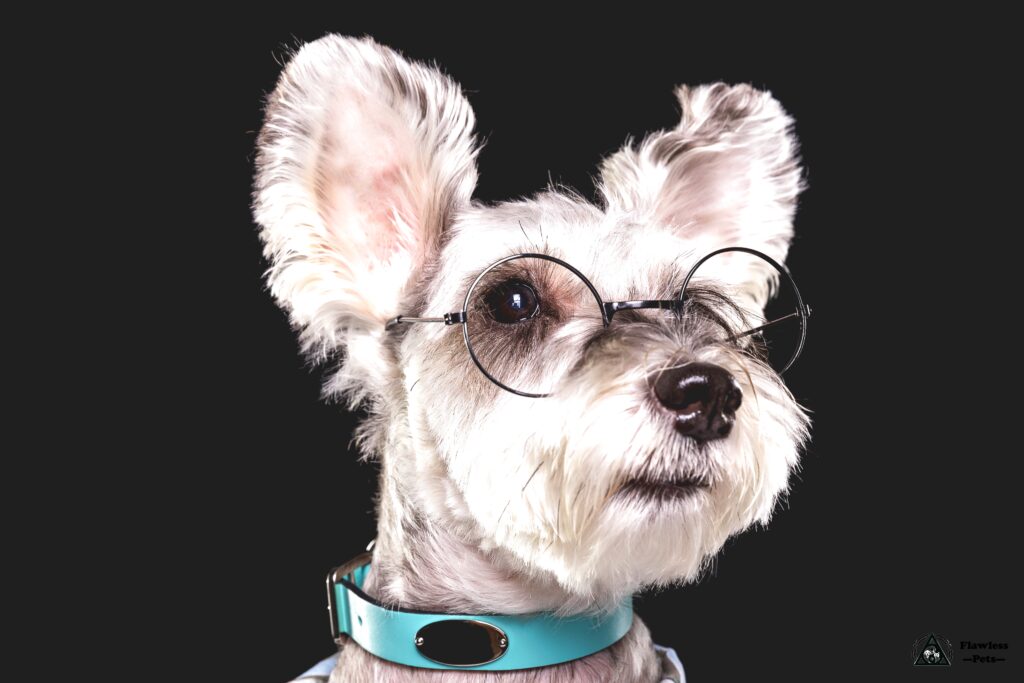
Fluffy dog wearing stylish glasses and turquoise collar, looking intelligent and trendy.

Top 7 Absolutely Cute Dog Collars for Females Your Pup Needs in 2025

Key Takeaways

Choosing the right collar for a female dog involves balancing aesthetics, comfort, safety, and durability. While the term “cute” is subjective, it often implies specific design elements, colors, or patterns considered feminine or appealing.

Material choice significantly impacts comfort, safety, and longevity. Options range from traditional leather and nylon to modern biothane and eco-friendly materials, each with pros and cons regarding skin sensitivity, weather resistance, and ease of cleaning.

  • -23%
    Quick View

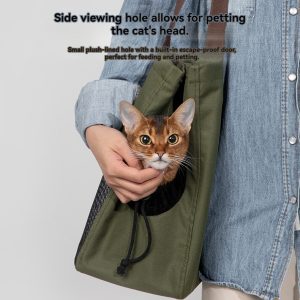
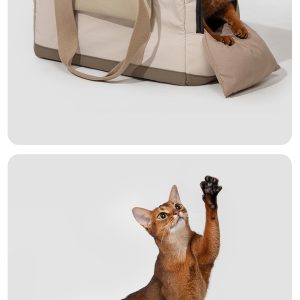
    HiDream Color-Block Shoulder Pet Travel Bag – Stylish and Lightweight Carrier for Small Pets – Almond, Matcha

    Original price was: $109.99.Current price is: $84.99.
    Almond
    Matcha
  • -14%
    Quick View

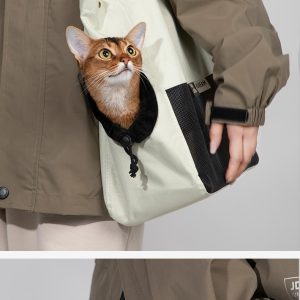
    HiDream Pet Tote Bag – Relaxed Style Carrier for Small Pets – Durable Nylon with Breathable Mesh – Beige, Green, Gray

    Original price was: $109.99.Current price is: $94.59.
    Beige with free gift Portable crossbody bag
    Green with free gift Portable crossbody bag
    Gray with free gift Portable crossbody bag
  • -12%
    Quick View

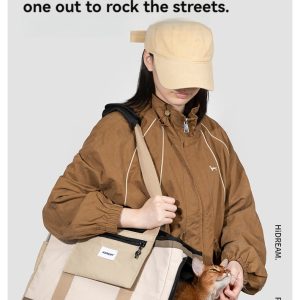
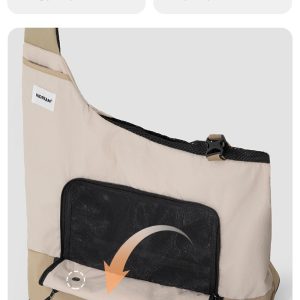
    HiDream Pet Sling Carrier Bag – Adjustable Shoulder Strap Front Carry Bag for Small Pets – Khaki, Green, Gray

    Original price was: $99.99.Current price is: $88.49.
    Khaki
    Green
    Gray

Proper fit is paramount to prevent accidents like slipping out of the collar or choking hazards. Accurate measurement and understanding different buckle types are crucial.

Safety features, such as reflective materials for visibility and breakaway buckles (especially for smaller dogs or puppies prone to getting caught), should be prioritized alongside style.

Personalization options, like engraved ID tags directly on the collar or unique charms, add both style and a layer of security should your dog get lost.

Regular inspection and cleaning are necessary to maintain the collar's integrity and prevent skin irritation or infection.

Ultimately, the best cute for females are those that reflect the dog's personality and the owner's style while ensuring the dog's well-being and safety in 2025 and beyond.


1. Introduction: Beyond Just an Accessory

Welcome, discerning pet parent! You're here because you believe your beloved female companion deserves more than just a functional neck strap. You're looking for something that complements her personality, perhaps adds a touch of flair, and yes, looks undeniably cute. The quest for the perfect cute dog collars for females is more than just a shopping trip; it's an expression of the bond you share and a reflection of the care you provide. In 2025, the options are vast, blending style with significant advancements in materials science, safety features, and ergonomic design.

A dog collar is, fundamentally, a tool. It serves as the anchor point for a leash, enabling safe walks and control, and crucially, it carries identification that can reunite you with your pet should she ever wander off. Research consistently highlights the importance of visible identification for lost pets. For instance, a study published in the *Journal of the American Veterinary Medical Association* found that dogs with microchips *and* collars with tags were significantly more likely to be returned to their owners (Lord et al., 2009). But beyond these vital functions, a collar has evolved into a statement piece, an accessory that can showcase individuality – both yours and your dog's.

This guide aims to be your comprehensive resource in navigating the wonderful world of cute dog collars for females. We'll move beyond surface-level aesthetics to explore the critical factors that ensure your chosen collar is not only stylish but also safe, comfortable, and durable. We'll delve into materials, dissect safety features, master the art of perfect fitting, discuss maintenance, and even touch upon ethical considerations. Whether you have a playful puppy, a sophisticated senior, a rugged adventurer, or a pampered princess, there's a perfect – and perfectly cute – collar waiting to be discovered. Let's embark on this journey together, ensuring your furry friend steps out in style, safety, and comfort.

2. Why Focus on Collars for Female Dogs?

You might wonder, “Aren't all dog collars essentially unisex?” Functionally, yes. A collar designed for a male dog of a certain size and breed could technically fit a female dog of similar proportions. However, the market often caters to perceived gender preferences in aesthetics, leading to a distinct category often marketed as cute dog collars for females. This focus isn't about imposing human gender norms onto our pets, but rather acknowledging the design trends and consumer demands that have shaped the industry.

Often, collars marketed towards female dogs feature specific color palettes (pinks, purples, pastels), patterns (florals, hearts, polka dots), or embellishments (rhinestones, bows, charms) that are traditionally associated with femininity in human fashion. This allows pet owners to express a certain style or personality trait they see in their dog, or simply choose designs they find personally appealing for their girl pup. Think of it like choosing outfits for a child – while function is key, style plays a significant role in the selection process for many.

Furthermore, while anatomical differences between male and female dogs of the same breed are usually minor concerning neck size, subtle variations in build or coat thickness might occasionally influence collar choice, though this is less about gender and more about individual fit. The primary driver behind the “female dog collar” category remains aesthetic preference and market segmentation. Many owners enjoy coordinating their dog's accessories or selecting items that highlight their dog's gentle or sassy nature, often finding these options within the ranges specifically designed or marketed as cute dog collars for females. It provides a curated selection for those seeking a particular look, simplifying the search process.

It's also worth noting that some designs might be physically more suited to certain coats or builds, regardless of gender. For example, very bulky embellishments might be uncomfortable for a dog with a thick ruff, while a delicate, thin collar might look lost on a large, muscular breed. While we focus on styles often marketed for females, the underlying principles of fit, safety, and comfort apply universally. Our exploration aims to help you navigate the specific styles often found in this category while keeping those universal needs at the forefront.

3. Comparing Popular Cute Collar Styles & Materials

Navigating the sheer variety of available collars can be overwhelming. To help clarify your options, here's a comparison of common materials and styles often found when searching for cute dog collars for females, focusing on their typical characteristics:
Comparison of Common & Styles
Material/Style Common “Cute” Features Pros Cons Best Suited For
Nylon (Printed/Solid) Wide range of colors, patterns (floral, geometric, novelty), often with matching hardware. Durable, affordable, easy to clean, widely available, quick-drying. Can sometimes cause chafing on sensitive skin, edges might fray over time, colors can fade. Everyday use, most breeds, active dogs (if good quality).
Leather (Classic/Dyed) Elegant look, can be dyed in various colors (pinks, reds, pastels), potential for tooling or studs. Very durable, softens with age, classic aesthetic, generally strong. Requires conditioning, can be damaged by excessive water exposure, heavier, more expensive, potential for dye transfer when new. Dogs without sensitive skin, owners preferring a classic look, less suitable for avid swimmers.
Biothane Available in bright colors, often has a sleek, modern look. Can mimic leather. Waterproof, odor-resistant, easy to wipe clean, durable, flexible in cold weather. Less breathable than natural materials, can be stiffer than nylon initially. Active dogs, swimmers, dogs in wet climates, easy maintenance seekers.
Fabric (Cotton/Canvas over Webbing) Huge variety of patterns (designer prints, seasonal themes, intricate designs), often with bow ties or flower attachments. Soft, lightweight, highly customizable look. Less durable than nylon or leather, can get dirty easily, may absorb odors, attachments can be hazards if chewed. Gentler dogs, special occasions, dogs with sensitive skin (depending on base webbing), owners prioritizing unique style.
Neoprene-Padded Often combined with nylon; cuteness comes from the nylon pattern, padding is functional. Extra comfort, quick-drying padding, reduces chafing. Can be slightly bulkier, may retain moisture longer than plain nylon right after soaking. Dogs with sensitive skin, short-haired breeds, active dogs needing extra comfort.
“Bling” Collars (Rhinestones/Studs) Sparkle, metallic elements, decorative jewels. High visual appeal, statement piece. Embellishments can fall off, potential choking hazard if ingested, may snag on fabric or scratch surfaces, can be heavy or uncomfortable. Special occasions, supervised wear, dogs who are not rough players or chewers. Finding reliable specialty items like well-made bling collars requires careful selection.
Personalized (Engraved/Embroidered) Custom text (name, phone number) directly on collar or buckle. Embroidery adds texture and color. Combines ID with collar, quieter than hanging tags, stylish integration. Engraving can wear off on some materials/buckles, embroidery can snag or fray. All dogs, owners wanting integrated ID, reducing tag noise.

This table provides a starting point. Remember that quality varies significantly within each category. A high-end, well-constructed nylon collar might outperform a poorly made leather one. Always prioritize safety and comfort alongside the aesthetic appeal when choosing among the many cute dog collars for females available.

4. Material Matters: A Deep Dive into Collar Fabrics

stylish collar
The material of your dog's collar is arguably the most critical factor influencing its comfort, durability, safety, and even its “cuteness” longevity. Let's explore the most common options in greater detail, thinking about how they perform in real-world conditions for your female companion.

4.1 Nylon: The Versatile Standard

Nylon webbing is perhaps the most ubiquitous material for dog collars, and for good reason. It's a synthetic polymer known for its strength, resistance to abrasion, and relatively low cost. Manufacturers can easily dye nylon in vibrant colors and print intricate patterns on it, making it a prime candidate for creating visually appealing and cute dog collars for females.

Advantages: Its strength-to-weight ratio is excellent. Nylon collars are typically lightweight yet strong enough for most breeds. They handle water reasonably well, drying faster than leather or cotton, although prolonged saturation can temporarily weaken the fibers. Cleaning is usually straightforward – soap and water often suffice. The sheer variety of designs available in nylon is unmatched.

Disadvantages: The edges of lower-quality nylon collars can be rough and may cause chafing, especially on dogs with sensitive skin or short fur. Over time, particularly with exposure to UV light and friction, the vibrant colors can fade, and the material can fray, especially near adjustment points and hardware. Some dogs might find the texture slightly abrasive initially. Think about your dog's activity level: a highly active dog might wear out a standard nylon collar faster than a more sedentary one.

Consider this: Look for nylon collars with smooth, potentially rolled or stitched edges. Check the thickness and weave of the nylon – a tighter weave often indicates better quality and durability. Many high-quality nylon collars are now paired with neoprene padding for enhanced comfort.

4.2 Leather: Classic Charm and Durability

Leather collars offer a timeless aesthetic, often associated with quality and sophistication. They can range from rugged, thick straps to finer, softer options dyed in various colors, making them adaptable for different “cute” styles.

Advantages: Genuine, good-quality leather is incredibly durable and can last for years if properly cared for. It tends to soften and conform to the dog's neck over time, increasing comfort. For many, the natural look and feel are highly desirable. Leather is strong and provides a secure anchor point for leashes.

Disadvantages: Leather requires maintenance. It needs regular cleaning and conditioning (with leather-specific products) to prevent it from drying out, cracking, or becoming brittle. It's not ideal for dogs who swim frequently, as excessive water exposure can damage the material, cause stretching, or lead to mildew if not dried properly. Leather collars are generally heavier and more expensive than nylon ones. Poorly tanned or dyed leather might leach color onto light-furred dogs, especially when wet. Some lower-cost “leather” collars might be made from bonded leather (scraps glued together), which lacks the durability of full-grain leather.

Mental Exercise: Imagine your dog wearing a leather collar. Does she often roll in mud or jump into ponds? If so, are you prepared for the upkeep leather requires? Or is she more of an indoor companion where a beautiful leather collar can stay pristine longer?

4.3 Biothane: The Modern Waterproof Wonder

Biothane is a brand name for a specific type of polyester webbing with a TPU or PVC coating. It's designed to mimic the look and feel of leather but with enhanced properties, particularly water resistance. It's increasingly popular for active dogs and comes in many bright, solid colors, contributing to a sleek, modern type of “cute.”

Advantages: Biothane is virtually waterproof, making it perfect for dogs who love water or live in rainy/snowy climates. It doesn't absorb odors, so no more stinky collar smells! Cleaning is incredibly easy – just wipe it down with a damp cloth. It remains flexible even in cold temperatures and is very resistant to abrasion, cutting, and cracking. It's also resistant to mold and mildew.

Disadvantages: Biothane doesn't offer the same breathability as natural materials like leather or cotton. While durable, the coating can eventually be damaged by persistent chewing. Some people find it lacks the “natural” aesthetic of leather. The range of patterns is limited compared to nylon or fabric, though color options are extensive.

Consider this: If easy maintenance and resistance to the elements are your top priorities, Biothane is an excellent contender, offering a durable and often vibrant alternative for a functional yet stylish female dog collar.

4.4 Fabric Collars: Patterns Galore

These collars typically consist of decorative fabric (like cotton, canvas, or ribbon) sewn onto a core webbing material, which is often nylon or polypropylene for strength. This construction allows for an almost infinite variety of patterns, textures, and embellishments, making them a go-to for unique and distinctly cute dog collars for females.

Advantages: The primary advantage is the aesthetic versatility. You can find fabrics matching holidays, hobbies, specific color schemes, or featuring designer prints. Cotton fabric can be softer against the skin than plain nylon. They are often lightweight.

Disadvantages: The outer fabric layer is generally less durable than nylon, leather, or Biothane. It can snag, tear, fade, and get dirty easily. Fabric collars may absorb water and odors more readily and take longer to dry. Embellishments often found on fabric collars, like sewn-on flowers or bows, can be chewed off or get caught on things, posing potential safety risks if not well-secured or if worn unsupervised by destructive dogs.

Consider this: Fabric collars might be best suited for less rough-and-tumble dogs, special occasions, or for owners who prioritize unique style over rugged durability and don't mind more frequent cleaning or replacement. Always check the quality of the underlying webbing and stitching.

4.5 Neoprene Padding: Comfort First

Neoprene, the same material used in wetsuits, is often used as a soft padding layer on the inside of collars, typically nylon ones. The “cuteness” comes from the outer material, while the neoprene focuses purely on comfort.

Advantages: Neoprene is soft, cushioned, and quick-drying, significantly reducing the potential for chafing and irritation, especially for dogs with short fur or sensitive skin. It adds a layer of comfort without significant weight.

Disadvantages: The padding adds slight bulk compared to a non-padded collar. While neoprene itself dries quickly, the area where it meets the outer material might trap moisture slightly longer than plain nylon. It can potentially degrade over time with heavy use and exposure to chemicals or extreme heat.

Consider this: If your dog has ever experienced redness or hair loss under her collar, or if she has very short fur (like a Greyhound or Vizsla), a neoprene-padded collar is an excellent choice, combining the style options of the outer material with superior comfort.

4.6 Eco-Friendly Options: Sustainable Style

As environmental awareness grows in 2025, so does the availability of collars made from sustainable or recycled materials. These can include materials like hemp, recycled plastic bottles (rPET webbing), cork, or bamboo.

Advantages: Choosing an eco-friendly option reduces environmental impact. Hemp is naturally strong, antimicrobial, and gets softer with use. Recycled materials divert waste from landfills. These collars often have a unique, natural aesthetic that many find appealing.

Disadvantages: The durability and water resistance can vary greatly depending on the specific material. Hemp, for example, can absorb water and stretch. The range of colors and patterns might be more limited compared to nylon. Some eco-materials might be more expensive. Availability might be less widespread than traditional options.

Consider this: If sustainability is important to you, research the specific properties of the eco-material used. Hemp and rPET webbing are often good choices balancing eco-credentials with reasonable durability for a stylish female dog collar.

5. Defining “Cute”: Exploring Styles and Trends for Female Dogs

What exactly makes a dog collar “cute”? It's subjective, of course! But generally, when searching for cute dog collars for females, certain styles, patterns, and embellishments tend to dominate. Let's explore some popular trends and aesthetics you might encounter in 2025.

5.1 Floral and Botanical Prints

female dog

Timeless and widely loved, floral patterns remain a staple. These can range from delicate, vintage-inspired micro-florals to bold, tropical blooms. Botanical prints featuring leaves, ferns, or succulents are also popular, offering a nature-inspired look that's pretty without being overly frilly. These designs are often found on fabric or printed nylon collars and can suit dogs of all sizes and personalities, from dainty Chihuahuas to gentle Golden Retrievers.

5.2 Sparkle and Bling: Jeweled and Glitter Collars

For the doggy diva, collars adorned with rhinestones, crystals, glitter infusions, or metallic studs offer undeniable sparkle. These range from subtle shimmer to full-on glamour. While undeniably eye-catching, prioritize safety: ensure embellishments are securely attached and won't easily fall off (potential choking hazard) or snag. Consider if the weight and texture will be comfortable for your dog. These are often best reserved for supervised outings or special events rather than everyday rough wear. Finding high-quality, secure unique accessories like these requires scrutiny.

5.3 Geometric Patterns and Abstract Designs

Moving beyond traditional florals, geometric patterns (chevrons, triangles, polka dots in various scales) and abstract prints offer a modern and stylish alternative. These can be playful or sophisticated depending on the color palette and design complexity. Think bold color blocking, intricate mandalas, or whimsical repeating shapes. These designs are frequently seen on nylon and fabric collars.

5.4 Minimalist Chic: Simple and Elegant

“Cute” doesn't always mean busy patterns or bright colors. Sometimes, elegance lies in simplicity. A beautifully crafted leather collar in a soft pastel or a rich jewel tone, a sleek Biothane collar in a single vibrant hue, or a high-quality nylon collar in a solid color with elegant hardware (like rose gold or matte black) can be incredibly chic and appealing. This style focuses on material quality and clean lines.

5.5 Themed Collars: Holidays and Hobbies

Themed collars allow owners to express personality or celebrate occasions. Think festive patterns for holidays (Christmas, Halloween), designs related to hobbies (nautical themes, camping motifs), or even food-related prints (cupcakes, donuts). These are often fabric or printed nylon and add a fun, whimsical touch, making them inherently part of the cute dog collars for females category for many owners.

Think about your dog's personality and your lifestyle: Does a delicate floral match your gentle giant, or would a bright, modern geometric better suit her zesty spirit? Consider coat color too – certain collar colors pop beautifully against specific fur tones. The “cutest” collar is one that feels authentic to both you and your dog, while always prioritizing her comfort and safety.

6. The Perfect Fit: Sizing and Adjustment Guide

A collar that's too loose is an escape risk, and one that's too tight is uncomfortable and potentially dangerous, restricting breathing or causing skin damage. Finding the perfect fit is non-negotiable, regardless of how cute the collar is. Proper sizing ensures the collar functions safely and comfortably.

6.1 How to Accurately Measure Your Dog's Neck

Don't guess or rely on breed averages! Measure your specific dog. Here's how:

  1. Use a soft measuring tape: A flexible tailor's tape measure works best. If you don't have one, use a piece of string or ribbon, mark the length, and then measure the string against a rigid ruler.
  2. Measure the neck circumference: Place the tape measure around the part of your dog's neck where the collar will naturally sit. This is usually higher up, just behind the ears, but check where her current collar rests comfortably if she has one.
  3. Ensure a snug but not tight fit: The tape should be snug against the fur, but not compressing the skin or restricting breathing. Don't pull it tight.
  4. Record the measurement: Note the exact number in inches or centimeters.

Pro Tip: Measure a few times to ensure accuracy, especially if your dog is wiggly!

6.2 The “Two-Finger” Rule: Ensuring Comfort and Safety

Once you have the neck measurement and have purchased a collar, you need to adjust it correctly. The widely accepted guideline is the “two-finger rule”:

  1. Put the collar on your dog: Fasten it at what seems like a reasonable tightness.
  2. Test the fit: You should be able to comfortably slip two fingers (index and middle finger together, lying flat) between the collar and your dog's neck.
  3. Adjust as needed:
    • If you can't easily fit two fingers, the collar is too tight. Loosen it.
    • If you can fit more than two fingers (e.g., your whole hand), the collar is too loose. Tighten it.

This rule provides a good balance – snug enough that the dog cannot easily slip out backwards, but loose enough for comfort, breathing, and to avoid chafing. Remember that fur thickness can affect this; you need to get *under* thick fur to the neck itself when testing. Regularly check the fit, especially for growing puppies or dogs whose weight fluctuates.

6.3 Understanding Buckle Types (Quick Release vs. Traditional)

The buckle is a critical component for both security and ease of use.

  • Quick Release Buckles: These are typically plastic (though metal options exist) and fasten by clicking the two ends together. They are convenient for quickly putting on and taking off the collar. However, quality varies greatly. A cheap plastic buckle can become brittle in cold weather, crack under stress, or accidentally release if squeezed or pressed incorrectly (e.g., during rough play). Look for sturdy, high-quality plastic or metal quick-release buckles from reputable brands. These are common on nylon and fabric cute dog collars for females.
  • Traditional Belt-Style Buckles: These function like a human belt buckle, with a metal prong going through pre-punched holes in the collar material (usually leather or Biothane, sometimes reinforced nylon). They are generally considered more secure and less likely to fail or accidentally open. However, they take slightly longer to fasten and unfasten, and the adjustment is limited to the spacing of the holes. Ensure the metal hardware is rust-resistant (e.g., stainless steel or brass).

The choice depends on your preference for convenience versus maximum security, and sometimes the material of the collar dictates the buckle type.

6.4 Considerations for Puppies and Growing Dogs

Puppies grow rapidly! What fits one week might be too tight the next. When choosing a collar for a puppy:

  • Select an adjustable collar: Ensure the collar has plenty of room for growth within its adjustable range. Nylon collars with slide adjusters are often ideal.
  • Check the fit frequently: Check the tightness using the two-finger rule at least weekly, if not more often.
  • Prioritize lightweight materials: A heavy collar can be uncomfortable for a small puppy.
  • Consider breakaway features (with caution): For very young or small puppies who might get tangled, a breakaway collar (designed to release under pressure) could be considered for unsupervised wear *indoors*. However, these are NOT suitable for leash walking as they will release if the dog pulls. Consult your veterinarian for advice on appropriate .

Finding cute puppy collars for females is easy, but ensuring they remain safe and comfortable as she grows requires diligence from you.

7. Safety First: Essential Features in Female Dog Collars

While the aesthetic appeal of cute dog collars for females is important, safety should always be the paramount concern. A collar is a safety device as much as it is an accessory. Here are key safety features and considerations for 2025:

7.1 Reflective Elements for Nighttime Visibility

Whether you live in a busy urban area or a quiet rural setting, ensuring your dog is visible in low-light conditions is crucial for preventing accidents, especially involving traffic. Many collars now incorporate reflective materials:

  • Reflective Stitching: Threads woven into the collar material that reflect light.
  • Reflective Strips/Piping: Strips of reflective material sewn onto or integrated into the collar's edge.
  • Fully Reflective Materials: Some collars are made entirely of reflective fabric or coating.

Even a small amount of reflectivity can make a significant difference in making your dog visible to drivers, cyclists, and pedestrians after dark. Look for collars that offer 360-degree reflectivity if possible. This is a simple feature that dramatically enhances safety during evening or early morning walks.

7.2 Breakaway Collars: Pros and Cons

Breakaway collars are designed with a special buckle that automatically releases if a certain amount of pressure is applied, such as if the collar gets snagged on a fence, branch, or furniture. This feature is intended to prevent strangulation accidents, which, although rare, can be devastating.

Pros: Significant safety benefit for dogs left unsupervised (even indoors) or for cats (where they are more standard). Can prevent tragic accidents if a dog gets tangled while playing or exploring.

Cons: They are **NOT** suitable for leash walking. If the dog pulls strongly on the leash, the collar will break away, potentially allowing the dog to run off, possibly into danger (like traffic). Some breakaway mechanisms can weaken over time or might release too easily during normal play with other dogs.

Recommendation: Breakaway collars are generally recommended for cats, or potentially for dogs only when unsupervised and *never* for walks. If you use one, ensure it's specifically designed for dogs (requiring more force to release than a cat collar) and always switch to a standard, secure collar for walks. Many owners opt for standard collars and focus on supervising their dogs to prevent entanglement risks.

7.3 The Importance of ID Tags (Integrated vs. Hanging)

Proper identification is arguably the most critical safety aspect of any collar. Even microchipped dogs should wear visible ID. According to the American Humane Association, about 10 million pets are lost each year in the US, and proper ID significantly increases the chances of reunion (American Humane, n.d.).

  • Hanging Tags: The traditional method. Metal or plastic tags engraved with owner contact information attached to the collar's D-ring.
    • Pros: Easily replaceable, can hold multiple lines of text, universally recognized.
    • Cons: Can jingle (annoying to some), can get caught on things, engraving can wear off, can fall off if the split ring attachment fails.
  • Integrated ID (Slide-on or Riveted Plates/Engraved Buckles): ID information is directly on a plate attached to the collar fabric or engraved onto the metal buckle itself.
    • Pros: Silent, less likely to get caught or fall off, sleek look.
    • Cons: Cannot be easily swapped to another collar, engraving on buckles can wear down with friction, may offer less space for information than some tags.

Whichever style you choose, ensure the information is current and includes your name, phone number(s), and possibly your city or address. Some owners add “Needs Meds” or “I'm Deaf/Blind” if applicable. Many modern cute dog collars for females offer stylish integrated ID options.

7.4 Hardware Quality: Buckles and D-Rings

The hardware – the buckle that secures the collar and the D-ring where you attach the leash and tags – is critical. Hardware failure can lead to escape.

  • Material: Look for durable metal hardware like stainless steel or solid brass, which are resistant to rust and corrosion. Avoid cheap plated metals that can chip or break. High-quality, impact-resistant plastic can be acceptable for quick-release buckles on collars for smaller, gentler dogs, but metal is generally preferred for strength, especially for the D-ring.
  • Construction: Check that the D-ring is welded or solid, not just bent into shape with a gap, as strong pulling could potentially open a gap. Ensure buckles fasten securely and don't feel flimsy. Stitches securing the hardware should be robust and numerous (e.g., box stitching).

Don't let a cute design distract you from inspecting the hardware. It's the component under the most stress during walks and restraint.

8. Comfort and Health Considerations

female dog
A cute collar is worthless if it causes your dog discomfort or health problems. Ensuring the collar is comfortable and doesn't negatively impact her well-being is essential.

8.1 Preventing Chafing and Skin Irritation

Chafing, redness, inflammation (contact dermatitis), or even hair loss can occur if a collar rubs persistently against the skin. This is more common with:

  • Collars that are too tight.
  • Collars with rough edges or abrasive materials (like some lower-quality nylon).
  • Collars that are constantly wet and rubbing against the skin.
  • Dogs with sensitive skin or very short fur.

Prevention: Ensure proper fit (two-finger rule). Choose collars with smooth edges or soft padding (like neoprene). Remove collars periodically, especially when wet, to allow the skin to breathe and dry. Check the skin under the collar regularly for any signs of irritation. Some studies suggest rotating collar position slightly can help, though consistent proper fit is key (Mellor, 2011).

8.2 Material Allergies and Sensitivities

Just like humans, dogs can develop allergies or sensitivities to certain materials. This can manifest as itching, redness, hives, or hair loss specifically under the collar area. Potential culprits include:

  • Dyes used in nylon or fabric collars.
  • Metals in the hardware (e.g., nickel allergy, though less common).
  • Chemicals used in tanning leather.
  • Specific synthetic materials.

What to do: If you suspect an allergy, remove the collar and consult your veterinarian. They can help diagnose the issue. You may need to switch to a hypoallergenic material. Natural materials like undyed leather (vegetable-tanned if possible), hemp, or high-quality stainless steel hardware might be better tolerated. Sometimes simply switching from nylon to padded nylon, or from leather to Biothane, can resolve the issue.

8.3 Collar Weight and Width Appropriateness

A collar should be proportionate to the dog's size and build.

  • Weight: A heavy collar with bulky hardware can be uncomfortable and strain the neck of a small or toy breed dog. Choose lightweight options (thin nylon, fabric, specific lightweight leather) for smaller companions.
  • Width:
    • Too Narrow: On a large, strong dog, a very narrow collar can concentrate pressure on a small area of the neck when pulling, potentially causing discomfort or injury. It might also be less durable.
    • Too Wide: While wider collars distribute pressure better, an excessively wide collar can restrict movement or be uncomfortable for dogs with short necks. It might also trap more heat and moisture. Martingale collars, often wider, are designed for specific head shapes (like sighthounds) to prevent slipping.

General guidelines suggest widths like 3/8″ to 5/8″ for , 3/4″ to 1″ for medium dogs, and 1″ to 1.5″ (or even wider for giant breeds) for large dogs. Consider your dog's specific anatomy and any potential neck sensitivities when selecting width.

8.4 Collars vs. Harnesses: When to Choose Which

While this guide focuses on cute dog collars for females, it's crucial to know when a harness might be a better or necessary alternative.

  • Collars are ideal for: Everyday wear, carrying ID tags, gentle walkers, dogs already trained to walk loosely on a leash.
  • Harnesses are often better for:
    • Dogs who pull strongly on the leash (especially front-clip harnesses, which help redirect pulling). Attaching a leash to a collar on a strong puller can put excessive pressure on the trachea and neck structures (Carter et al., 2020).
    • Brachycephalic (flat-faced) breeds (Pugs, Bulldogs) who are prone to respiratory issues aggravated by neck pressure.
    • Dogs with neck injuries, tracheal collapse, or certain spinal conditions.
    • Escape artists (some harness designs are harder to slip out of).
    • Activities like tracking or cani-cross where pulling is part of the sport (using specific pulling harnesses).

Many owners use both: a comfortable, cute collar for ID tags and around the house, and a harness specifically for walks. Consult your veterinarian or a certified professional dog trainer if you're unsure which is best for your dog's specific needs and behavior.

9. Making It Hers: Personalization Options

Personalization adds a unique touch to your dog's collar, making it truly hers while often enhancing safety through integrated ID. Many options allow you to combine functionality with the aesthetic of cute dog collars for females.

9.1 Engraved Buckles and Plates

This is a popular and sleek way to add identification directly to the collar. The engraving can be done on:

  • Metal Buckles: The flat surface of a metal quick-release or traditional buckle can be laser engraved with your dog's name and your phone number.
  • Riveted Nameplates: A small metal plate is engraved and then securely riveted onto the collar material (nylon, leather, Biothane).
  • Slide-On Tags: These tags have open slots on the back, allowing them to slide directly onto the collar strap. They lie flat against the collar material.

Advantages: Silent (no jingling tags), secure (won't fall off easily), looks integrated and stylish. Prevents tags from getting caught.

Considerations: Ensure the engraving is deep enough to resist wearing down. Check the character limit for the information you want to include. Plates riveted onto fabric collars might eventually cause wear around the rivet points if the fabric isn't robust.

9.2 Charms and Slide-On Accessories

For pure decorative flair, charms and other slide-on accessories can enhance the “cute” factor. These can include:

  • Small metal charms: Shapes like hearts, bones, paws, or initials that attach to the D-ring or a separate small loop.
  • Slide-on “bling”: Decorative elements like crystal-studded sliders that fit onto the collar strap.
  • Collar Flowers/Bow Ties: Fabric or felt accessories that often attach via an elastic loop around the collar.

Advantages: Adds personality and style, easily changeable to suit moods or occasions.

Considerations: Safety is key here. Ensure charms are small, lightweight, and securely attached. Avoid anything that dangles excessively or could easily be chewed off and ingested. Bow ties and flowers should be removed if the dog is unsupervised or playing roughly, as they can get caught or damaged. These are purely aesthetic additions.

9.3 Custom Designs and Embroidery

For a truly one-of-a-kind look:

  • Embroidery: Your dog's name or simple designs can be embroidered directly onto nylon or fabric collars. This adds texture and color.
  • Custom Printing: Some companies allow you to upload your own design or choose from exclusive artist patterns to be printed on collar material.
  • Handmade Collars: Artisans on platforms like Etsy offer bespoke collars, allowing you to choose specific fabrics, hardware, and embellishments.

Advantages: Unique, allows for precise matching to your dog's personality or your own style.

Considerations: Embroidery can sometimes snag or fray over time, especially with active dogs. Custom printing quality varies. Handmade items should still be scrutinized for durable construction and safe materials. Customization often comes at a higher price point.

Personalization allows you to create one of the most unique and cute dog collars for females, perfectly suited to your companion.

10. Care and Maintenance: Keeping the Collar Cute and Clean

Even the cutest, most durable collar requires regular care to maintain its appearance, hygiene, and safety. Dirt, oils from the dog's skin, and environmental grime can build up, potentially leading to odors, skin irritation, and material degradation.

10.1 Cleaning Different Collar Materials

The best cleaning method depends on the material:

  • Nylon: Most nylon collars can be hand-washed with mild soap (like dish soap) and warm water. Use a soft brush for stubborn dirt. Rinse thoroughly and air dry completely away from direct heat. Some durable nylon collars can be placed in a mesh laundry bag and washed on a gentle cycle in the washing machine, but hand washing is generally safer for longevity and prevents hardware from banging around.
  • Leather: Wipe down with a damp cloth regularly. For deeper cleaning, use a cleaner specifically designed for leather. Afterward, apply a leather conditioner to keep it supple and prevent cracking. Avoid soaking leather collars. Air dry naturally.
  • Biothane: Simply wipe clean with a damp cloth. Soap and water can be used for tougher grime. It dries almost instantly.
  • Fabric (Cotton/Canvas): Hand wash gently with mild soap and cool water to prevent shrinking or color bleeding. Treat stains promptly. Air dry thoroughly, as fabric can hold moisture and develop mildew if stored damp. Remove any detachable accessories before washing.
  • Neoprene-Padded: Wash similarly to nylon, ensuring the padded area is rinsed thoroughly and allowed to dry completely, which might take slightly longer.
  • Collars with Bling/Embellishments: Spot clean carefully around decorations. Avoid harsh scrubbing that could dislodge stones or damage delicate features.

General Tip: Always remove tags before washing if possible, and ensure the collar is completely dry before putting it back on your dog to prevent skin irritation from moisture.

10.2 Regular Inspection for Wear and Tear

Cleaning time is the perfect opportunity to inspect the collar thoroughly:

  • Check the Material: Look for fraying edges, thinning areas, cracks (especially in leather), or tears. Pay attention to areas around adjustment holes and hardware attachment points.
  • Inspect the Hardware: Check the buckle for cracks or difficulty latching/unlatching. Examine the D-ring for any signs of bending, cracking, or rust. Ensure it's still securely attached to the collar.
  • Look at the Stitching: Ensure all stitching is intact, with no loose or broken threads, especially where hardware is attached or layers are joined.
  • Check Embellishments: If the collar has rhinestones, studs, or other decorations, ensure they are all present and securely attached.
  • Verify ID Tags/Engraving: Make sure hanging tags are still securely attached and the information is legible. Check engraved plates or buckles for excessive wear that might obscure the text.

If you notice significant damage, replace the collar immediately. A compromised collar is a safety risk. Even the best cute dog collars for females won't last forever, especially with daily wear.

10.3 Proper

When the collar is not in use (e.g., if you rotate collars or remove it at night), store it in a dry place away from direct sunlight, which can fade colors and degrade materials over time. Avoid storing damp collars, as this encourages mildew and odors. Keeping it flat or loosely coiled can help maintain its shape.

11. Ethical and Sustainable Choices in 2025

As consumers become more conscious of their purchasing decisions, the demand for ethically sourced and continues to grow in 2025. When choosing cute dog collars for females, you might consider these aspects:
  • Sustainable Materials: Look for collars made from renewable resources like hemp or bamboo, recycled materials like rPET (webbing made from recycled plastic bottles), or natural cork. These options help reduce reliance on virgin plastics and minimize environmental footprint.
  • Ethical Leather Sourcing: If choosing leather, consider brands that specify using vegetable-tanned leather (which uses natural tannins instead of harsh chromium salts) or source leather as a byproduct of the meat industry, ensuring the animal was not raised solely for its hide. Look for transparency about sourcing practices.
  • Manufacturing Practices: Some brands highlight ethical manufacturing, such as fair labor practices, production in facilities powered by renewable energy, or initiatives to reduce water usage and waste during production. Look for certifications or clear statements on company websites.
  • Durability and Longevity: Choosing a high-quality, durable collar that lasts longer is inherently more sustainable than frequently replacing cheap, poorly made ones that end up in landfills. Investing in quality can be an eco-conscious choice.
  • Minimal Packaging: Consider brands that use minimal, recyclable, or compostable packaging.
  • Cruelty-Free Alternatives: For those avoiding animal products altogether, high-quality synthetic options like Biothane or innovative plant-based leather alternatives offer durability and style without using animal hides.
  • Supporting Small/Local Businesses: Purchasing from small businesses or local artisans often means supporting ethical practices and potentially reducing transportation emissions. Many creators on platforms like Etsy prioritize sustainable materials and methods.

While finding a collar that meets every single ethical and sustainable criterion might be challenging, being aware of these factors allows you to make more informed choices. Look for brands that are transparent about their materials and processes. Choosing even one aspect – like recycled materials or exceptional durability – contributes to more responsible consumption in the pet product industry.

12. Frequently Asked Questions (FAQ)

1. Should my dog wear her collar all the time?
This is debated among owners and professionals. Wearing a collar 24/7 ensures ID is always present if she escapes. However, it increases the risk of snagging accidents (especially without supervision) and prevents the skin underneath from breathing. Many owners remove collars at night or when the dog is crated and supervised indoors. A good compromise might be removing it during sleep/crated times but keeping it on otherwise. Always ensure ID is present (collar or harness) during walks or outdoor time. Consult your vet for personalized advice based on your dog's environment and behavior.
2. Can a cute collar with charms or bows be dangerous?
Potentially, yes. Dangling charms can get caught on crates, furniture, or even shrubbery. Sewn-on accessories like bows or flowers can be chewed off and ingested, potentially causing choking or intestinal blockage. If choosing collars with such embellishments, ensure they are very securely attached, supervise your dog closely when wearing them, and consider removing them during rough play or when unsupervised.
3. How often should I replace my dog's collar?
There's no set timeframe, as it depends heavily on the collar's quality, material, your dog's activity level, and how well it's maintained. Inspect the collar regularly (at least weekly) for signs of wear and tear as described in the Care and Maintenance section (fraying, cracks, hardware issues). Replace it immediately if you notice any significant damage that could compromise its safety or integrity. Even if it looks okay, consider replacing it every 1-2 years as materials can degrade invisibly over time.
4. Are pink/floral collars okay for large or “tough-looking” female dogs?
Absolutely! The idea that certain breeds or appearances necessitate specific collar styles is purely subjective. If you love a bright pink floral collar on your female Rottweiler or Pit Bull, go for it! The most important factors are fit, safety, and comfort. Choosing a “cute” collar for any dog, regardless of breed or perceived image, is a personal choice reflecting your taste and perhaps your dog's sweet personality. Don't let outdated stereotypes dictate your choice of cute dog collars for females.
5. My dog keeps scratching at her new collar. What should I do?
Some initial scratching can be normal as the dog adjusts to the sensation, especially if she hasn't worn a collar before or the new one feels different. However, persistent scratching warrants investigation. Check the fit immediately – is it too tight? Examine the material – are there rough edges? Check the skin underneath for redness or irritation. It could be an adjustment period, mild irritation, or an allergic reaction. Ensure the collar is clean. If scratching persists for more than a day or two, or if you see skin irritation, remove the collar and consult your veterinarian. You might need to try a different material or style (e.g., padded collar).

13. Conclusion: Finding the Perfect Blend of Cute, Safe, and Comfortable

Choosing from the myriad of cute dog collars for females available in 2025 is an enjoyable task, allowing you to express your dog's personality and your own sense of style. From vibrant patterns on durable nylon to elegant pastels in soft leather, and from the waterproof of Biothane to the unique charm of fabric designs, the options are truly vast. We've explored the critical importance of material properties, the necessity of achieving a perfect fit using methods like the two-finger rule, and the non-negotiable safety features like reliable hardware, appropriate ID, and potentially reflective elements.

Remember that “cute” should never come at the expense of comfort or safety. Consider your dog's individual needs – her skin sensitivity, activity level, coat type, and even her tendency to chew or get into mischief. Think about practicalities like ease of cleaning and durability in relation to your lifestyle. Will a delicate fabric collar withstand her adventures, or is a rugged but brightly colored Biothane a better fit? Is the sparkle of a bling collar worth the potential risks if she's unsupervised?

By carefully considering the materials, ensuring a secure and comfortable fit, prioritizing safety features, and committing to regular care and inspection, you can confidently select a collar that is not only aesthetically pleasing but also serves its fundamental purpose: keeping your beloved female companion safe, secure, and comfortable. The perfect collar enhances your bond and reflects the love and care you provide, ensuring she looks her best while being protected.

Happy collar hunting!

14. References


Disclaimer: The information provided in this blog post is for educational and informational purposes only. It is not intended as professional . Always consult with a qualified veterinarian for your pet's specific needs and health conditions. We strive to ensure accuracy, but we make no warranty as to the reliability or completeness of the information presented.

Images and media used in this post may come from free-license resources or the internet. If you are the rightful owner and wish to request removal or attribution, please contact us at [email protected] .

Leave a Reply

Share the Post:

Related Posts

Quick View

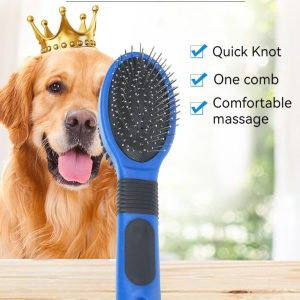
Viktor Dual-Sided Massage Comb/Brush

$10.99
Blue
Grey
Quick View

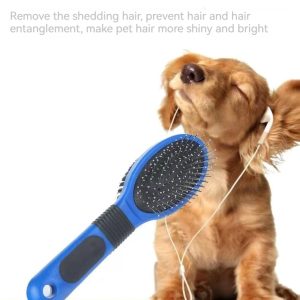
Viktor Pet Hair Cleaner Brush & Oval Gilling Comb

Price range: $11.99 through $14.99
S
L
Pink
Blue
Black
Quick View
Quick View

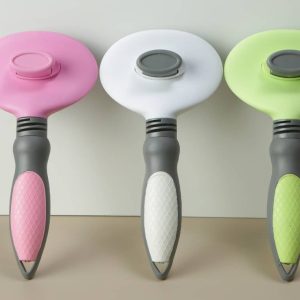
🐾 Viktor Double-Sided Dematting Comb – Effortless Grooming for Tangle-Free Fur 🐾

$15.99
Yellow
Green
en_USEnglish