


Introduction: The Enduring Appeal of the Labrador Retriever
The Labrador Retriever consistently ranks as one of the most popular dog breeds globally, and for good reason. Their friendly disposition, intelligence, and versatility make them exceptional companions for a wide range of households and activities. Within this beloved breed, the female Labrador Retriever possesses her own unique blend of characteristics that prospective and current owners cherish. This guide aims to provide a comprehensive understanding of the female Labrador Retriever, delving deep into her history, physical attributes, temperament, health considerations, training needs, and overall care. Whether you are contemplating bringing a female Lab into your life or seeking to deepen your bond with your current companion, understanding her specific traits is paramount. We will explore the subtle nuances that distinguish her, while also celebrating the core qualities that define the Labrador breed as a whole. From puppyhood to her senior years, the journey with a female Labrador Retriever is one filled with joy, activity, and unwavering loyalty. This exploration seeks to equip you with the knowledge needed to ensure your female Lab thrives, addressing common questions and providing insights grounded in research and breed expertise as of 2025.
-
-23%

HiDream Color-Block Shoulder Pet Travel Bag – Stylish and Lightweight Carrier for Small Pets – Almond, Matcha
Original price was: $109.99.$84.99Current price is: $84.99. -
-14%
HiDream Pet Tote Bag – Relaxed Style Carrier for Small Pets – Durable Nylon with Breathable Mesh – Beige, Green, Gray
Original price was: $109.99.$94.59Current price is: $94.59. -
-12%
HiDream Pet Sling Carrier Bag – Adjustable Shoulder Strap Front Carry Bag for Small Pets – Khaki, Green, Gray
Original price was: $99.99.$88.49Current price is: $88.49.






A Brief History: From St. John's Water Dog to Beloved Companion
To truly appreciate the female Labrador Retriever, it helps to understand the breed's origins. The Labrador Retriever doesn't actually hail from Labrador, but rather from Newfoundland, Canada. During the 1700s and 1800s, fishermen in Newfoundland utilized hardy, water-loving dogs known as St. John's water dogs (or Lesser Newfoundland dogs) to assist them. These dogs were adept swimmers, known for retrieving fishing nets, ropes, and even fish that had escaped hooks from the icy North Atlantic waters. Their short, dense, water-repellent coats and characteristic “otter tail,” which acts like a rudder, made them perfectly suited for this work (The Labrador Retriever Club, Inc., n.d.).
Visiting English sportsmen, particularly the Earl of Malmesbury and the Duke of Buccleuch, recognized the exceptional retrieving abilities and amiable nature of these dogs in the early 19th century. They imported select St. John's dogs to England and began establishing the breed we know today. They focused on refining the dogs' retrieving instincts for hunting waterfowl on their estates. The name “Labrador” likely emerged to distinguish them from the larger Newfoundland breed, possibly referencing the Labrador Sea region where they worked. The breed standard was established, emphasizing traits conducive to gundog work: intelligence, trainability, a gentle mouth, and a strong desire to please. The Kennel Club in England officially recognized the Labrador Retriever in 1903, followed by the American Kennel Club (AKC) in 1917 (AKC, n.d.-a). From these working roots, the female Labrador Retriever inherited her innate drive, intelligence, and adaptability, qualities that continue to define her whether she's working in the field, serving as an assistance dog, or warming hearts as a family pet.
Female vs. Male Labrador Retrievers: A Comparative Overview
While both male and female Labrador Retrievers share the core breed characteristics of friendliness, intelligence, and enthusiasm, owners and breeders often observe subtle differences. It's crucial to remember that individual personality variation is significant, and environment and training play huge roles. However, some general tendencies are often noted. Female Labrador Retrievers tend to be slightly smaller and lighter than their male counterparts. Temperamentally, females are sometimes described as being a bit more independent or perhaps maturing slightly faster than males, who might retain their ‘puppyish' exuberance for longer. Some owners feel females can be more focused during training, while others find males equally eager to please. Anecdotally, females might be perceived as slightly less demanding of constant attention compared to some males, though both sexes thrive on human companionship. Health-wise, females have unique considerations related to their reproductive cycle unless spayed.
Here's a table summarizing some commonly perceived differences, keeping in mind these are generalizations and not absolute rules:
| Feature | Male Labrador Retriever | Female Labrador Retriever | Notes |
|---|---|---|---|
| Size (Height at Withers) | 22.5 – 24.5 inches (57 – 62 cm) | 21.5 – 23.5 inches (55 – 60 cm) | AKC Breed Standard (AKC, n.d.-a) |
| Weight | 65 – 80 pounds (29 – 36 kg) | 55 – 70 pounds (25 – 32 kg) | AKC Breed Standard (AKC, n.d.-a) |
| Physical Build | Generally stockier, broader head | Slightly finer boned, potentially more refined features | General observation, individual variation exists |
| Temperament (General Tendencies) | Often more exuberant, playful for longer, potentially more overtly affectionate/demanding | May mature slightly faster, potentially more independent or focused, equally affectionate but perhaps less ‘clingy' | Highly anecdotal, strongly influenced by individual personality, training, and socialization |
| Training | Highly trainable, eager to please | Highly trainable, eager to please, sometimes perceived as slightly more focused | Both sexes excel with positive reinforcement |
| Social Behavior (Dogs) | May be more prone to marking territory; potential for issues with other intact males if not socialized properly | May have conflicts with other females, especially during heat cycles if intact; generally social | Proper socialization is key for both sexes |
| Reproductive Health | Concerns include testicular cancer (if intact), prostatic issues | Heat cycles, risk of pyometra, mammary tumors (if intact); spaying considerations | Significant health implications related to reproductive status |
Understanding these potential, subtle differences can help prospective owners choose the sex that might best fit their lifestyle, but the individual dog's personality and the owner's commitment to training and care are far more critical factors than sex alone when considering a female labrador retriever or her male counterpart.
Physical Characteristics of the Female Labrador Retriever
The female Labrador Retriever embodies the sturdy, athletic build characteristic of the breed, albeit typically on a slightly smaller scale than the male. Her appearance reflects the breed's heritage as a working retriever: functional, balanced, and conveying an inherent friendliness.
Size and Weight
According to the American Kennel Club (AKC) breed standard, the ideal height for a mature female Labrador Retriever, measured at the withers (the highest point of the shoulder blades), is between 21.5 and 23.5 inches (55 to 60 cm). Her weight should be proportionate to her height and build, typically ranging from 55 to 70 pounds (25 to 32 kg) (AKC, n.d.-a). It's important that she maintains a healthy weight throughout her life; Labradors are prone to obesity, which can exacerbate potential joint problems and other health issues. A healthy female Lab should have a discernible waist when viewed from above and her ribs should be easily felt but not visibly protruding.
Coat and Colors
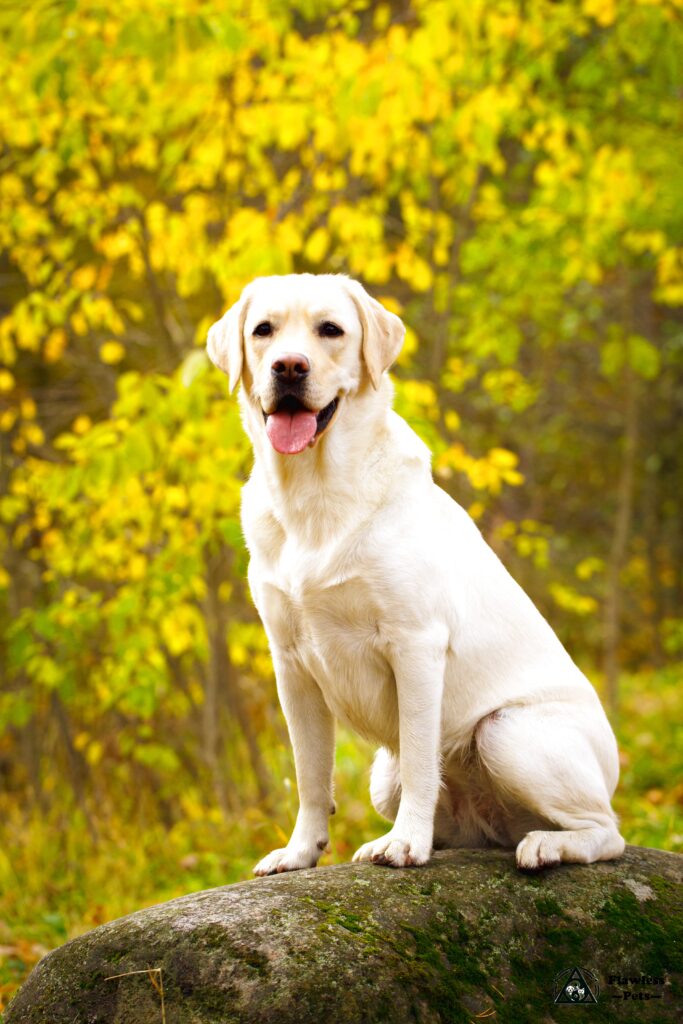
The Labrador Retriever coat is one of its defining features, perfectly adapted for its original purpose. The female Lab sports this same distinctive double coat: a short, straight, dense topcoat and a softer, weather-resistant undercoat that provides insulation in cold water and climates. This coat does shed considerably, particularly seasonally. The recognized coat colors for the Labrador Retriever, including females, are black, yellow, and chocolate (AKC, n.d.-a). Yellows can range from light cream to a fox-red hue, while chocolates can vary from light to dark brown. Pigmentation is also important according to the standard; black and yellow Labs should have black nose and eye rim pigment, while chocolate Labs should have brown or liver pigment. A small white spot on the chest is permissible but not desirable in show dogs.
Distinctive Features
Beyond her coat and size, the female Labrador Retriever shares several key features with males that define the breed. Her head should be clean-cut and relatively broad, but feminine, with a moderate stop (the transition from forehead to muzzle). Perhaps her most endearing feature is her expression: kind, intelligent, and friendly. This is conveyed through medium-sized eyes, typically brown or hazel. Her ears hang moderately close to the head, set rather far back, and are somewhat low. Another hallmark is the “otter tail,” described as thick at the base, gradually tapering towards the tip, medium in length, and covered in the characteristic short, dense coat, giving it a rounded appearance. This tail acts as a powerful rudder when swimming. Her overall build should suggest substance and athleticism without being cumbersome – she is a working retriever built for activity.
Temperament and Personality: The Heart of the Female Lab
Temperament is arguably the Labrador Retriever's most celebrated quality, and the female Lab fully embodies this breed characteristic. While individual personalities vary greatly, certain traits are consistently associated with these wonderful dogs.
General Temperament
The hallmark of the Labrador temperament is friendliness. They are typically outgoing, good-natured, and possess an eagerness to please their human companions. This breed is known for its patience and gentleness, making them excellent family pets, often displaying remarkable tolerance with children when properly socialized and supervised (Coren, 2006). They are generally not aggressive towards humans or other animals. Their enthusiasm for life is infectious; Labs approach activities with gusto, whether it's a game of fetch, a swim, or simply greeting their owners at the door. They crave companionship and thrive when included as part of the family.
Subtle Differences in Females
While sharing the core Lab temperament, the female labrador retriever is sometimes perceived to have subtle distinctions. As mentioned earlier, some owners and breeders describe females as potentially maturing mentally a bit faster than males. They might exhibit slightly more independence or be less overtly boisterous than some males, especially adolescent males. Some suggest females can be more sensitive to their owner's moods or training cues. It's often said that a male Lab might adore everyone equally, while a female Lab might form a particularly strong bond with one person, while still being friendly to all. Again, these are generalizations; a study comparing owner-reported behavioral traits found fewer significant differences between sexes within breeds than commonly believed, suggesting individual variation and environment are key (Serpell & Duffy, 2016). The most reliable predictor of temperament is the temperament of the parents and early socialization experiences, not sex alone.
Intelligence and Trainability
Labrador Retrievers consistently rank among the most intelligent dog breeds, often placing in the top 10 in rankings of canine intelligence for obedience and working intelligence (Coren, 2006). The female Labrador Retriever certainly lives up to this reputation. Her intelligence, combined with an innate desire to please her owner, makes her highly trainable. They learn commands relatively quickly and excel in various canine activities, from basic obedience to complex tasks required of assistance dogs, detection dogs, and hunting companions. Positive reinforcement training methods, using rewards like treats, praise, and play, are highly effective and help build a strong bond. Their intelligence also means they require mental stimulation to prevent boredom, which can lead to undesirable behaviors like chewing or digging.
Social Nature with Humans and Animals
The female Labrador Retriever is typically a highly social animal. She generally thrives on interaction with her human family and is often friendly towards strangers, making her a poor guard dog but an excellent ambassador of goodwill. With proper socialization from a young age, she usually gets along well with other dogs and can coexist peacefully with other household pets, including cats, especially if raised with them. Her retrieving heritage means she might have a tendency to carry objects in her mouth, which should be channeled appropriately through training and providing suitable toys. Supervising interactions, especially with young children or unfamiliar animals, is always recommended, regardless of the dog's generally friendly nature. Early and ongoing positive exposure to various sights, sounds, people, and animals is crucial for developing a well-adjusted, confident adult female labrador retriever.
Health Considerations for the Female Labrador Retriever
While generally a robust and healthy breed, Labrador Retrievers, including females, are predisposed to certain genetic and acquired health conditions. Responsible ownership involves being aware of these potential issues, pursuing preventive care, and working closely with a veterinarian.
Lifespan and General Health
The average lifespan of a Labrador Retriever is typically 10 to 12 years (O'Neill et al., 2013). With excellent care, proper nutrition, regular exercise, and preventive veterinary attention, many female Labs live into their early teens. Maintaining a healthy weight is one of the most significant factors influencing longevity and quality of life, as obesity is strongly linked to various health problems in the breed.
Common Breed-Specific Health Issues
Several health conditions are known to occur more frequently in Labrador Retrievers than in the general dog population. Awareness allows for early detection and management:
- Hip and Elbow Dysplasia: Abnormal development of the hip or elbow joints, leading to instability, pain, and arthritis. Reputable breeders screen their breeding stock for these conditions through organizations like the Orthopedic Foundation for Animals (OFA) or PennHIP. Maintaining a lean body condition, especially during growth, is crucial (Smith et al., 2001).
- Eye Conditions: Progressive Retinal Atrophy (PRA), cataracts, and retinal dysplasia are concerns. PRA leads to gradual blindness. Regular eye examinations by a veterinary ophthalmologist are recommended, especially for breeding dogs. Genetic testing is available for some forms of PRA.
- Exercise-Induced Collapse (EIC): A genetic condition where affected dogs can experience muscle weakness, incoordination, and collapse after periods of intense exercise or excitement. A DNA test is available to identify carriers and affected dogs (Patterson et al., 2008).
- Heart Conditions: Tricuspid Valve Dysplasia is a congenital heart defect seen in the breed.
- Hereditary Myopathy (Muscular Dystrophy): A rare condition causing muscle weakness.
- Cancer: Like many breeds, Labs can be prone to certain cancers, such as lymphoma and mast cell tumors.
- Obesity: Labradors have a known genetic predisposition towards higher food motivation and obesity (Raffan et al., 2016). Careful diet management and regular exercise are essential.
- Allergies: Skin allergies (atopy) reacting to environmental allergens like pollen or dust mites, and sometimes food allergies, can occur, leading to itching and skin infections.
Female-Specific Health Concerns (Pyometra, Mammary Cancer)
Beyond the general breed predispositions, intact (unspayed) female Labrador Retrievers face specific health risks:
- Pyometra: A serious and potentially life-threatening infection of the uterus. It typically occurs in middle-aged to older intact females, often weeks after a heat cycle. Symptoms include lethargy, decreased appetite, vomiting, increased thirst and urination, and sometimes vaginal discharge. Emergency spaying (ovariohysterectomy) is the standard treatment (Hagman, 2018).
- Mammary Tumors (Breast Cancer): Intact females have a significantly higher risk of developing mammary tumors compared to spayed females. Approximately 50% of mammary tumors in dogs are malignant (Sorenmo et al., 2013). Spaying before the first heat cycle offers the most protection, but spaying at any age reduces the risk compared to remaining intact.
- False Pregnancy (Pseudopregnancy): Hormonal changes after a heat cycle can cause an intact female to exhibit physical and behavioral signs of pregnancy even when she is not pregnant. While usually resolving on its own, it can sometimes cause distress or mastitis.
- Heat Cycles (Estrus): Intact females will typically go into heat twice a year, involving behavioral changes, vaginal discharge, and attracting male dogs. This requires careful management to prevent unwanted pregnancies.
Spaying: Benefits, Risks, and Timing Considerations (Updated 2025 View)
Spaying (ovariohysterectomy or ovariectomy) is the surgical removal of a female dog's reproductive organs (ovaries and usually the uterus, or just the ovaries). The decision of whether and when to spay a female labrador retriever involves weighing significant health benefits against potential risks, and veterinary recommendations have evolved.
Benefits:
- Eliminates the risk of pyometra.
- Drastically reduces the risk of mammary tumors, especially if performed before the first or second heat cycle (Sorenmo et al., 2013).
- Prevents unwanted pregnancies and eliminates heat cycles.
- May reduce the risk of certain other reproductive tract cancers.
Potential Risks and Considerations (Especially Regarding Timing):
- Orthopedic Concerns: Research, particularly in larger breeds like Labradors, has suggested a potential link between early spaying (before skeletal maturity, typically around 12-18 months) and an increased risk of certain orthopedic issues like hip dysplasia, cranial cruciate ligament (CCL) rupture, and possibly certain cancers like osteosarcoma and lymphoma (Hart et al., 2020; Zink et al., 2014). The hormonal influence on joint development is thought to be a factor.
- Urinary Incontinence: Spayed females, particularly those spayed early, may have a slightly increased risk of developing hormone-responsive urinary incontinence later in life, though this is often manageable with medication.
- Weight Gain: Spaying can alter metabolism, making weight management even more crucial.
Current (2025) Recommendations: Given the research on orthopedic health and cancer risks associated with early spaying in larger breeds, many veterinarians now recommend delaying spaying for female Labrador Retrievers until they have reached physical maturity. This often means waiting until after the first heat cycle, or even until 12-18 months of age. However, this approach requires owners to manage at least one heat cycle and accept the slightly reduced (but still substantial) protective effect against mammary cancer compared to pre-pubertal spaying. The decision is highly individual and should be made in consultation with a veterinarian, considering the dog's lifestyle (e.g., risk of unwanted pregnancy), individual health status, and the owner's ability to manage an intact female (UC Davis Veterinary Medicine, 2020). There is no single “perfect” time, and the discussion involves balancing the risks of pyometra and mammary cancer against potential orthopedic and other concerns.
Preventive Care and Health Screenings
Proactive healthcare is vital for a long and healthy life. This includes:
- Regular Veterinary Check-ups: Annual (or semi-annual for seniors) wellness exams.
- Vaccinations: Core vaccines (Distemper, Adenovirus, Parvovirus, Rabies) and others based on lifestyle risk (e.g., Leptospirosis, Bordetella).
- Parasite Control: Year-round prevention for heartworm, fleas, and ticks, plus regular deworming.
- Dental Care: Regular brushing at home and professional cleanings as needed.
- Weight Management: Monitoring body condition and adjusting diet/exercise.
- Health Screenings: Discuss recommended screenings with your vet, especially if considering breeding (e.g., OFA hips/elbows, eye exams, EIC testing). Purchasing essential pet gear like appropriate food bowls and measuring cups can aid in portion control.
Training and Socialization: Nurturing a Well-Behaved Companion
The intelligence and eagerness to please of the female Labrador Retriever make her a rewarding dog to train. However, her energy and enthusiasm require consistent guidance and early socialization to develop into a well-mannered adult.
The Importance of Early Socialization
Socialization is the process of exposing a puppy to various sights, sounds, people, animals, and environments in a positive and controlled way. The critical socialization window is typically considered to be between 3 and 16 weeks of age. Positive experiences during this period help the puppy grow into a confident, well-adjusted adult who is less likely to develop fear-based behavioral issues. For a female Lab puppy, this means gentle introductions to different types of people (ages, appearances), vaccinated friendly dogs, household noises (vacuum cleaner, doorbell), different locations (car rides, parks – once appropriately vaccinated), and handling (grooming, vet checks). Puppy socialization classes offer a safe and structured environment for this (American Veterinary Society of Animal Behavior, 2008).
Positive Reinforcement Training Methods
Labrador Retrievers respond exceptionally well to positive reinforcement training techniques. This method focuses on rewarding desired behaviors (using treats, praise, toys, or affection) rather than punishing unwanted behaviors. It builds a strong, trusting relationship between the dog and owner and makes learning enjoyable for the dog. Techniques include clicker training or using verbal markers (“Yes!”) to pinpoint the exact moment the dog performs the correct action, followed immediately by a reward. Training sessions should be kept short, fun, and engaging, especially for puppies with shorter attention spans. Consistency is key – everyone in the household should use the same cues and rules for the female labrador retriever.
House Training Specifics
House training requires patience, consistency, and positive reinforcement. Establish a regular potty schedule, taking the female Lab puppy out frequently, especially after waking up, after playing, after eating, and before bedtime. Choose a designated potty spot and praise her enthusiastically when she eliminates there. Supervise her closely indoors to prevent accidents. If you cannot supervise directly, use a crate or puppy-proofed area. Accidents will happen; clean them up thoroughly with an enzymatic cleaner to eliminate odors that might attract her back to the same spot. Never punish a puppy for an accident; this can create fear and anxiety, making house training more difficult.
Obedience and Advanced Training Opportunities
Basic obedience commands (sit, stay, come, down, leave it, leash walking) are essential for safety and good manners. Female Labs typically master these quickly with consistent practice. Due to their intelligence and working heritage, many thrive with more advanced training. Opportunities include:
- Canine Good Citizen (CGC): An AKC program rewarding dogs with good manners at home and in the community.
- Obedience Trials: Competitive events testing precision and teamwork.
- Rally Obedience: A fun, fast-paced sport involving navigating a course of obedience exercises.
- Agility: An exciting sport where dogs navigate an obstacle course.
- Dock Diving: Capitalizes on their love of water and retrieving.
- Field Trials/Hunt Tests: Tests their natural retrieving abilities.
- Scent Work: Engages their powerful sense of smell.
Engaging in these activities provides excellent mental and physical stimulation for a female Labrador Retriever.
Exercise and Activity Needs: Keeping Your Female Lab Happy and Healthy
Labrador Retrievers were bred as active working dogs, and the female Lab is no exception. Meeting her exercise needs is crucial for her physical health and mental well-being, helping to prevent boredom, obesity, and destructive behaviors.
Daily Exercise Requirements
A mature female Labrador Retriever generally requires at least one hour of vigorous exercise per day. This isn't just a leisurely stroll around the block; it should include activities that elevate her heart rate. Puppies have different needs – shorter, more frequent bursts of play and exercise are better to protect their developing joints. Senior Labs may need less intense activity but still benefit from regular, gentle exercise to maintain mobility and muscle tone. Always monitor your dog for signs of fatigue or overheating, especially in warm weather. Exercise needs can vary based on individual energy levels and health status.
Suitable Activities (Swimming, Fetch, Hiking)
Variety is key to keeping exercise interesting for both you and your female Lab. Excellent activities include:
- Brisk Walking or Jogging: Ensure she walks politely on a leash.
- Fetch: A classic Lab favorite, engaging their retrieving instinct. Use durable toys and avoid excessive jumping on hard surfaces.
- Swimming: Most Labs love water! Swimming is fantastic low-impact exercise, great for joints. Ensure water safety.
- Hiking: Explore trails together, providing physical exercise and mental stimulation through new sights and smells.
- Off-Leash Play (in safe areas): Running and playing with other well-behaved dogs in a secure, fenced area.
- Canine Sports: As mentioned previously (agility, dock diving, etc.).
Mental Stimulation Needs
Physical exercise alone is not enough for this intelligent breed. Mental stimulation is equally important to prevent boredom and channel their cognitive abilities constructively. Provide mental challenges through:
- Puzzle Toys: Food-dispensing toys that require problem-solving.
- Training Sessions: Learning new commands or tricks.
- Scent Games: Hiding treats or toys around the house or yard for her to find.
- Interactive Play: Games like hide-and-seek or teaching toy names.
- Chew Toys: Providing safe and appropriate items to chew on satisfies a natural urge and can be mentally engaging. Ensure you have a good selection of quality dog products including stimulating toys.
A tired dog is often a well-behaved dog, and this includes both physical and mental fatigue for the bright female labrador retriever.
Nutrition: Fueling Your Female Labrador Retriever
Proper nutrition is the foundation of good health for your female Labrador Retriever. Her dietary needs will change throughout her life, and careful management is required to support her energy levels, maintain a healthy weight, and address any specific health concerns.
Basic Dietary Needs (Protein, Fats, Carbs)
Like all dogs, female Labs require a balanced diet consisting of high-quality protein, healthy fats, digestible carbohydrates, vitamins, and minerals.
- Protein: Essential for building and repairing tissues, muscle maintenance, and overall health. Look for dog foods with named animal protein sources (e.g., chicken, lamb, fish) listed high in the ingredient list.
- Fats: Provide concentrated energy, support skin and coat health, and aid in the absorption of fat-soluble vitamins. Omega-3 and Omega-6 fatty acids are particularly important.
- Carbohydrates: Provide energy and fiber. Whole grains, vegetables, and fruits can be good sources.
- Vitamins and Minerals: Crucial for numerous bodily functions. A complete and balanced commercial dog food formulated for the appropriate life stage (puppy, adult, senior) should provide these in the correct ratios.
Choose a high-quality dog food that meets AAFCO (Association of American Feed Control Officials) standards for your dog's life stage. Consult your veterinarian for specific food recommendations based on your female Lab's individual needs.
Feeding Schedule and Portion Control

Adult female Labrador Retrievers generally do best with two measured meals per day, rather than free-feeding (leaving food out all the time). Free-feeding makes it difficult to monitor intake and significantly increases the risk of obesity. Puppies need more frequent meals (typically 3-4 per day). Use the feeding guidelines on the dog food bag as a starting point, but adjust the amount based on your dog's age, activity level, body condition, and metabolism. Use a standard measuring cup for accuracy. Consistency in feeding times helps regulate digestion.
Preventing Obesity
Obesity is a major health concern for Labrador Retrievers, contributing to joint disease, diabetes, heart problems, and a potentially shorter lifespan (Kealy et al., 2002; Raffan et al., 2016). Prevention involves:
- Strict Portion Control: Measure food accurately.
- Limiting Treats: Treats should make up no more than 10% of daily caloric intake. Choose healthy, low-calorie treats or use kibble from her daily ration as rewards.
- Regular Exercise: Ensure she gets adequate physical activity daily.
- Monitoring Body Condition: Regularly assess her weight and body shape. You should be able to feel her ribs easily under a thin layer of fat, and she should have a visible waistline. Consult your vet if you are unsure or if she is gaining weight.
- Avoiding Table Scraps: Human food can be high in calories and fat, and some foods are toxic to dogs.
Addressing Special Dietary Needs (Allergies, Age)
Some female Labs may develop specific dietary needs:
- Allergies: Food allergies or sensitivities can cause skin issues or gastrointestinal upset. Identifying the trigger ingredient often requires a veterinarian-supervised elimination diet. Hypoallergenic or limited-ingredient diets may be necessary.
- Life Stage Adjustments: Puppies need food formulated for growth, supporting bone and muscle development. Senior dogs may benefit from diets lower in calories but higher in fiber and antioxidants, potentially with joint supplements like glucosamine.
- Health Conditions: Dogs with certain health problems (e.g., kidney disease, diabetes) require specific therapeutic diets prescribed by a veterinarian.
Always discuss any dietary changes or concerns with your veterinarian.
Grooming Your Female Labrador Retriever
While relatively low-maintenance compared to long-haired breeds, the female Labrador Retriever still requires regular grooming to keep her coat and skin healthy, manage shedding, and maintain overall hygiene.
Coat Care and Shedding Management
The Lab's double coat sheds moderately year-round and heavily during seasonal shedding periods (typically spring and fall). Regular brushing is essential to manage this. Aim to brush your female Lab at least once or twice a week using a slicker brush or shedding blade to remove loose hair and distribute skin oils. During heavy shedding seasons, daily brushing may be necessary to keep flying fur under control. Brushing also helps prevent matting, although this is less common in Labs than in longer-coated breeds, and keeps the coat clean.
Bathing Frequency
Labradors generally don't need frequent bathing unless they get particularly dirty or roll in something smelly. Their natural coat oils help keep them clean and water-resistant. Bathing too often can strip these oils, leading to dry skin. Bathe your female Lab every couple of months or on an as-needed basis using a dog-specific shampoo. Rinse thoroughly to avoid skin irritation.
Nail Trimming, Ear Cleaning, and Dental Hygiene
These are crucial aspects of grooming:
- Nail Trimming: Long nails can cause discomfort, affect gait, and get snagged. Trim nails every few weeks, or as needed, depending on how quickly they grow and wear down naturally. If you can hear her nails clicking on the floor, they are likely too long. Use dog nail clippers or a grinder, being careful not to cut the quick (the blood vessel inside the nail). If unsure, ask your vet or a groomer to demonstrate.
- Ear Cleaning: Labradors' floppy ears can trap moisture and debris, making them prone to ear infections. Check her ears weekly for redness, odor, or discharge. Clean them as needed (perhaps every couple of weeks or after swimming) using a veterinarian-approved ear cleaning solution and cotton balls (never insert cotton swabs into the ear canal).
- Dental Hygiene: Dental disease is common in dogs and can affect overall health. Brush your female Lab's teeth several times a week (ideally daily) using dog-specific toothpaste and a toothbrush. Providing dental chews can also help, but brushing is most effective. Regular veterinary dental check-ups and professional cleanings are important.
Introducing grooming procedures positively from puppyhood makes them routine and less stressful for your female labrador retriever.
The Female Labrador in Various Roles
The versatility of the Labrador Retriever means the female of the breed excels in numerous roles, far beyond just being a beloved pet.
As a Family Pet
This is perhaps the most common role for the female Labrador Retriever today. Her typically gentle nature, patience (especially when socialized with children), intelligence, and affectionate disposition make her an outstanding family companion. She thrives on being involved in family activities, from backyard play sessions to hiking trips to simply relaxing indoors with her people. Her trainability allows her to learn household manners, and her sturdy build holds up well to life with active families. Proper supervision around young children is always necessary, as is teaching children how to interact respectfully with the dog.
As a Working Dog (Assistance, Detection, Hunting)
The female Lab's intelligence, trainability, desire to please, and excellent nose make her highly sought after for various working roles:
- Assistance Dogs: They are widely used as guide dogs for the visually impaired, service dogs for individuals with physical disabilities (retrieving items, opening doors, providing balance support), and hearing dogs for the deaf. Organizations like Guide Dogs for the Blind often rely heavily on Labradors.
- Detection Dogs: Their superior sense of smell is utilized in detecting narcotics, explosives, contraband agricultural products (at borders), and even medical conditions like cancer or diabetic emergencies (Ars Technica, 2019).
- Search and Rescue (SAR): Labs are used in wilderness, disaster, avalanche, and water search and rescue operations.
- Therapy Dogs: Their calm and friendly temperament makes them ideal for providing comfort and support in hospitals, nursing homes, schools, and disaster relief areas.
- Hunting Companions: True to their origins, many female Labs are skilled gundogs, excelling at retrieving waterfowl and upland game birds. Their soft mouth, trainability, and love of water are invaluable assets in the field.
Participation in Dog Sports
Beyond formal working roles, the female Labrador Retriever's athleticism and intelligence make her a strong competitor in various dog sports. These activities provide excellent physical and mental outlets: agility, obedience, rally, dock diving, tracking, scent work, and field trials all showcase the diverse talents of this capable breed.
Common Myths About Female Labrador Retrievers
Several myths and misconceptions sometimes circulate about female Labs specifically, or Labs in general:
- Myth: Female Labs are always calmer than males. Reality: While some females might mature faster or seem less boisterous than some males, energy level is highly individual. Many female Labs are very high-energy. Temperament depends more on genetics, training, and exercise than sex alone.
- Myth: Female Labs are inherently better with children. Reality: Both well-socialized male and female Labs can be excellent with children. Temperament and proper introductions/supervision are key, not sex.
- Myth: Female Labs are less likely to roam. Reality: An intact female in heat will actively seek males and may try to escape. Spaying is the most effective way to prevent roaming related to reproductive urges. Both sexes can roam if bored, undersocialized, or seeking adventure.
- Myth: Female Labs are easier to train. Reality: Both sexes are highly intelligent and trainable. Some females might seem more focused, while some males might be seen as more eager to please. Success depends on the individual dog and the trainer's methods and consistency.
- Myth: Spaying will automatically make a female Lab calm down or gain weight. Reality: Spaying eliminates hormonally driven behaviors related to heat cycles but doesn't fundamentally change a dog's core personality or energy level. Weight gain after spaying is due to metabolic changes requiring dietary adjustment and continued exercise, not an inevitable consequence.
It's important to base expectations on the individual dog and breed characteristics rather than sex-based stereotypes when considering a female labrador retriever.
Choosing a Female Labrador Retriever Puppy or Adult
Bringing a female Labrador Retriever into your home is a significant commitment. Whether choosing a puppy or an adult, careful consideration is needed to ensure a good match and support responsible breeding or adoption practices.
Finding a Reputable Breeder vs. Adoption/Rescue
Reputable Breeders: A responsible breeder prioritizes the health, temperament, and conformation of their dogs according to the breed standard. They perform health screenings (OFA hips/elbows, eye exams, EIC, PRA testing, etc.) on their breeding stock and can provide documentation. They raise puppies in a clean, stimulating home environment, begin socialization early, and carefully screen potential buyers to ensure their puppies go to suitable homes. They offer lifetime support and will take a dog back if the owner can no longer care for it. Look for breeders associated with national or regional Labrador Retriever clubs (e.g., The Labrador Retriever Club, Inc.). Be wary of breeders who always have puppies available, don't perform health tests, won't let you meet the parents or see the premises, or sell through pet stores or online classifieds without thorough vetting. (AKC, n.d.-b).
Adoption/Rescue: Many wonderful female Labrador Retrievers end up in shelters or breed-specific rescues through no fault of their own (e.g., owner life changes, allergies, lack of preparedness for the breed's needs). Adoption offers a chance to give a deserving dog a second chance. Rescue organizations often assess the dog's temperament and health and can help match you with a suitable companion. Adopting an adult dog means their size and basic personality are already known, potentially bypassing the demanding puppy stage. Be prepared that some rescue dogs may have unknown histories or require patience and training to overcome past experiences. Reputable rescue groups provide support and guidance.
What to Look For (Health Clearances, Temperament)
Whether from a breeder or rescue, consider these factors:
- Health: For puppies, insist on seeing health clearances for the parents. For adults, inquire about known health history. The dog should appear bright, active, and free from obvious signs of illness (discharge from eyes/nose, coughing, lameness, skin issues).
- Temperament: Observe the dog's interaction with people and other animals (if possible). Look for a friendly, confident, curious attitude. Avoid extremes of shyness or aggression. With puppies, interact with the whole litter and the mother if possible. Temperament testing can provide insights, but early experiences and ongoing training are crucial.
- Environment: If visiting a breeder, assess the cleanliness and conditions where the dogs are kept. Puppies should be well-socialized.
- Match: Consider your lifestyle, activity level, and experience. Be honest about what you can provide. A high-energy female Lab needs an active home; a quieter adult might suit a less active household. Discuss the dog's known energy level and needs with the breeder or rescue staff.
Conclusion: Celebrating the Female Labrador Retriever
The female Labrador Retriever is far more than just a smaller version of the male; she is a remarkable companion in her own right, embodying the intelligence, warmth, and versatility that make this breed so universally loved. From her historical roots as a fisherman's helper to her modern roles as family pet, working dog, and sports competitor, she brings enthusiasm and capability to everything she does. Understanding her specific physical traits, potential temperament nuances, health needs – particularly concerning spaying decisions in 2025 – and her requirements for training, exercise, and nutrition allows owners to provide the best possible care. Whether navigating the energetic puppy stage, enjoying the prime adult years, or supporting her through graceful aging, the bond shared with a female labrador retriever is a rewarding experience built on mutual affection, activity, and understanding. By embracing responsible ownership practices, from careful selection to ongoing preventive care and enrichment, we can ensure these wonderful dogs continue to thrive and bring joy to countless lives.
Frequently Asked Questions (FAQ)
- 1. Are female Labrador Retrievers easier to train than males?
- Not necessarily. Both male and female Labs are highly intelligent and eager to please, making them generally easy to train using positive reinforcement. Some owners perceive females as potentially more focused or maturing slightly faster, while others find males equally trainable. Success largely depends on the individual dog's personality, the trainer's consistency, and the training methods used, rather than sex alone.
- 2. Do female Labs bark less than males?
- There's no definitive evidence that female Labs bark less than males. Barking is influenced by individual temperament, training, socialization, and environmental triggers (e.g., boredom, alerting to sounds, anxiety). Either sex can be prone to barking if not properly trained or if their needs aren't met.
- 3. What is the best age to spay a female Labrador Retriever in 2025?
- Veterinary recommendations have evolved. While spaying offers significant health benefits (preventing pyometra, reducing mammary cancer risk), concerns about potential negative impacts of early spaying (before maturity) on orthopedic health and certain cancers in large breeds like Labs have led many vets to recommend delaying the procedure. Often, this means waiting until after the first heat cycle or until the dog reaches physical maturity (around 12-18 months). However, this requires managing heat cycles and slightly increases mammary tumor risk compared to pre-pubertal spaying. It's crucial to have a detailed discussion with your veterinarian to weigh the pros and cons for your individual female labrador retriever based on her health, lifestyle, and your management capabilities.
- 4. Are female Labs less energetic than males?
- Energy levels vary greatly among individual Labradors, regardless of sex. While males are sometimes stereotyped as more boisterous, many female Labs possess very high energy levels, especially when young. Both sexes require significant daily exercise (at least an hour for adults) and mental stimulation to stay happy and well-behaved. Don't assume a female will automatically be lower energy.
- 5. Do female Labrador Retrievers get along well with other female dogs?
- Generally, well-socialized female Labs get along well with other dogs, including other females. However, conflicts can sometimes arise between females, particularly intact females competing for status or resources. Early and ongoing socialization is key to promoting positive interactions. Introducing dogs carefully and supervising interactions, especially initially, is always advisable. Spaying can sometimes reduce hormonally driven conflicts.
References
Note: Please verify URLs as website structures can change. Where possible, links point to relevant organizations or summaries of research.
- American Kennel Club (AKC). (n.d.-a). Labrador Retriever Breed Standard. Retrieved from https://www.akc.org/dog-breeds/labrador-retriever/
- American Kennel Club (AKC). (n.d.-b). How to Find a Responsible Dog Breeder. Retrieved from https://www.akc.org/expert-advice/dog-breeding/how-to-find-a-responsible-dog-breeder/
- American Veterinary Society of Animal Behavior (AVSAB). (2008). AVSAB Position Statement on Puppy Socialization. Retrieved from https://avsab.org/wp-content/uploads/2018/03/Puppy_Socialization_Position_Statement_Download_-_10-3-14.pdf
- Ars Technica. (2019). Dogs keep sniffing out disease—we're finally developing tech to match them. Retrieved from https://arstechnica.com/science/2019/05/dogs-keep-sniffing-out-disease-were-finally-developing-tech-to-match-them/
- Coren, S. (2006). The Intelligence of Dogs: A Guide to the Thoughts, Emotions, and Inner Lives of Our Canine Companions. Atria Books.
- Hagman, R. (2018). Pyometra in Small Animals. Veterinary Clinics: Small Animal Practice, 48(4), 639-661. https://doi.org/10.1016/j.cvsm.2018.03.001
- Hart, B. L., Hart, L. A., Thigpen, A. P., & Willits, N. H. (2020). Assisting Decision-Making on Age of Neutering for 35 Breeds of Dogs: Associated Joint Disorders, Cancers, and Urinary Incontinence. Frontiers in Veterinary Science, 7, 388. https://doi.org/10.3389/fvets.2020.00388
- Kealy, R. D., Lawler, D. F., Ballam, J. M., Mantz, S. L., Biery, D. N., Greeley, E. H., … & Stowe, H. D. (2002). Effects of diet restriction on life span and age-related changes in dogs. Journal of the American Veterinary Medical Association, 220(9), 1315-1320. https://doi.org/10.2460/javma.2002.220.1315
- O'Neill, D. G., Church, D. B., McGreevy, P. D., Thomson, P. C., & Brodbelt, D. C. (2013). Longevity and mortality of owned dogs in England. The Veterinary Journal, 198(3), 638-643. https://doi.org/10.1016/j.tvjl.2013.09.020
- Orthopedic Foundation for Animals (OFA). (n.d.). Retrieved from https://www.ofa.org/
- Patterson, E. E., Minor, K. M., Tchernatynskaia, A. V., Taylor, S. M., Shelton, G. D., Ekenstedt, K. J., & Mickelson, J. R. (2008). A canine DNM1 mutation is highly associated with exercise-induced collapse. Nature Genetics, 40(10), 1235-1239. https://doi.org/10.1038/ng.224
- Raffan, E., Dennis, R. J., O'Donovan, C. J., Becker, J. M., Scott, R. A., Smith, S. P., … & O'Rahilly, S. (2016). A Deletion in the Canine POMC Gene Is Associated with Weight and Appetite in Obesity-Prone Labrador Retriever Dogs. Cell Metabolism, 23(5), 893-900. https://doi.org/10.1016/j.cmet.2016.04.012
- Serpell, J. A., & Duffy, D. L. (2016). Aspects of Canine Behavior Genetics. In Ostrander, E. A., Ruvinsky, A. (Eds.), The Genetics of the Dog (2nd ed.). CABI. (While direct link to chapter is hard, the book reference points to research on behavior genetics including sex differences).
- Smith, G. K., Paster, E. R., Powers, M. Y., Lawler, D. F., Biery, D. N., Shofer, F. S., … & Kealy, R. D. (2001). Lifelong diet restriction and radiographic evidence of osteoarthritis of the hip joint in dogs. Journal of the American Veterinary Medical Association, 219(1), 102-108. (Note: This study is older but foundational regarding diet/weight and hip health).
- Sorenmo, K. U., Worley, D. R., & Goldschmidt, M. H. (2013). Tumors of the Mammary Gland. In Withrow, S. J., Vail, D. M., & Page, R. L. (Eds.), Withrow & MacEwen's Small Animal Clinical Oncology (5th ed., pp. 538-556). Elsevier Saunders.
- The Labrador Retriever Club, Inc. (n.d.). A Brief History of the Labrador Retriever. Retrieved from https://thelabradorclub.com/breed/history/
- UC Davis Veterinary Medicine. (2020). Neutering health concerns more serious for some large dog breeds. Retrieved from https://www.ucdavis.edu/news/neutering-health-concerns-more-serious-some-large-dog-breeds
- Zink, M. C., Farhoody, P., Elser, S. E., Ruffini, L. D., Gibbons, T. A., & Rieger, R. H. (2014). Evaluation of the risk and age of onset of cancer and behavioral disorders in gonadectomized Vizslas. Journal of the American Veterinary Medical Association, 244(3), 309-319. https://doi.org/10.2460/javma.244.3.309 (Note: Vizsla study, but part of the body of research influencing large breed neutering discussions).











 English
  简体中文
简体中文  Français du Canada
  Deutsch
  Español
  Português
  한국어
한국어  日本語
日本語  Italiano
  Русский
  Dansk
Dansk  Nederlands
  Svenska
  Suomi
Suomi  Polski
  Norsk bokmål