
Introduction: More Than Just an Accessory
Welcome, fellow dog lovers, to an in-depth exploration of a seemingly simple item: the dog collar. Specifically, we're diving deep into the world of girl dog collars. In 2025, the bond we share with our canine companions is stronger than ever, and how we choose to adorn them often reflects this deep connection. A collar is far more than a fashion statement; it's a fundamental tool for identification, training, and ensuring the safety of our beloved pets. From ancient times, when collars signified ownership or working status, to the modern day, where they blend function with personal expression, the collar remains an essential piece of canine gear (Grier, 2006). While the concept of ‘girl' collars is largely a human projection of style preferences – think floral patterns, vibrant pinks, or sparkling embellishments – the underlying principles of choosing the *right* collar remain universal and critically important. This guide aims to navigate the vast options available, focusing on what truly matters: the safety, comfort, and well-being of your female dog, wrapped up in a style that might just bring an extra wag to her tail (or at least a smile to your face).
-
-23%

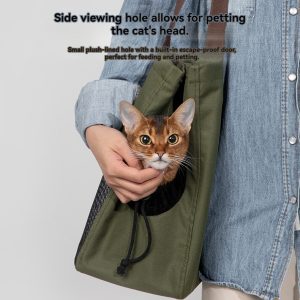
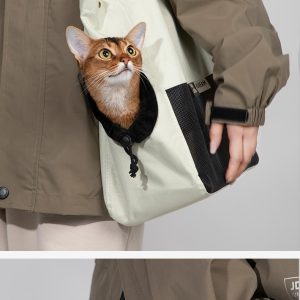
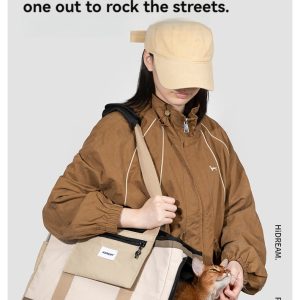
HiDream Color-Block Shoulder Pet Travel Bag – Stylish and Lightweight Carrier for Small Pets – Almond, Matcha
Original price was: $109.99.$84.99Current price is: $84.99. -
-14%
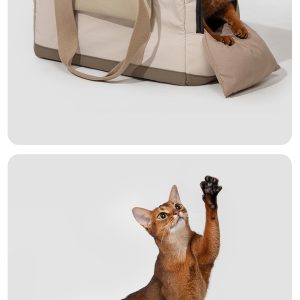
HiDream Pet Tote Bag – Relaxed Style Carrier for Small Pets – Durable Nylon with Breathable Mesh – Beige, Green, Gray
Original price was: $109.99.$94.59Current price is: $94.59. -
-12%
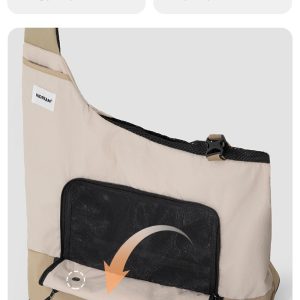
HiDream Pet Sling Carrier Bag – Adjustable Shoulder Strap Front Carry Bag for Small Pets – Khaki, Green, Gray
Original price was: $99.99.$88.49Current price is: $88.49.

Choosing a collar isn't merely about picking the prettiest one. It involves understanding materials, construction, fit, and potential risks. A poorly chosen or ill-fitting collar can lead to discomfort, injury, or even escape. Conversely, a well-chosen collar serves as a reliable anchor for leashes, a carrier for vital identification tags, and sometimes, a reflection of your dog's unique personality. We'll explore the nuances that differentiate various types of girl dog collars, from durable everyday wear to charming accessories for special moments. We will delve into materials science, biomechanics (as it relates to fit and pressure), and behavioral considerations to provide a comprehensive understanding. Our goal is to empower you, the devoted pet parent, to make informed decisions, ensuring the collar you select for your female companion is both fabulous and functional. Let's embark on this journey together, ensuring your furry friend steps out in safety and style.
The Allure of “Girl” Dog Collars: Style Meets Identity
Why do we seek out “girl” dog collars? The term itself is anthropomorphic; dogs don't inherently recognize gendered fashion cues in the way humans do (Horowitz, 2009). The appeal lies primarily with us, the owners. It's a way to express our dog's perceived personality, to celebrate her unique charm, or simply to indulge our own aesthetic preferences. In a world where pets are increasingly considered family members, personalizing their accessories is a natural extension of this bond. Choosing a pink collar adorned with rhinestones, a delicate floral pattern, or a chic designer emblem allows owners to project a certain image or feeling onto their pet – often one of gentleness, playfulness, or elegance associated with traditional feminine aesthetics.
This trend reflects broader societal shifts in how we view pets and personalize consumer goods. The pet products market has exploded with options catering to every conceivable taste, and collars are no exception. Manufacturers recognize the desire for customization and offer an extensive array of colors, patterns, materials, and embellishments specifically marketed as girl dog collars. This isn't just about pink; it encompasses a wide range of styles – pastels, intricate designs, bows, charms, and more. It allows owners to differentiate their female dogs, especially in breeds where males and females look very similar, or simply to have fun with fashion. While your dog might be indifferent to whether her collar is camouflage or covered in daisies, the joy and connection *you* feel in selecting that perfect accessory are valid parts of the human-animal bond. However, it's crucial that this pursuit of style never compromises the fundamental requirements of safety and comfort, which we will explore in detail.
Exploring the Spectrum: Types of Girl Dog Collars
The world of girl dog collars is vast and varied, extending far beyond simple color choices. Understanding the different types available, based on material, closure mechanism, and special features, is key to selecting the most appropriate option for your dog's specific needs and lifestyle. Let's break down the common categories:
Materials Matter
The material of a collar significantly impacts its durability, comfort, maintenance, and suitability for different activities.
- Nylon: Perhaps the most common material, nylon is affordable, durable, lightweight, and available in a staggering array of colors and patterns, making it a popular choice for vibrant girl dog collars. It's relatively easy to clean and dries quickly, though it can sometimes cause chafing on sensitive skin if the edges are rough or the fit isn't perfect. It's a solid all-around choice for most dogs.
- Leather: Offering a classic, sophisticated look, leather collars are known for their durability and tendency to become softer and more comfortable with wear. They require more maintenance than nylon (cleaning and conditioning) and are generally more expensive. Leather can be dyed in various colors and embellished, offering stylish options for female dog collars. However, they can be heavy for very small dogs and may retain moisture longer than synthetic materials.
- Biothane: This polyester webbing with a TPU or PVC coating is a fantastic modern alternative. Biothane is waterproof, stink-proof, incredibly durable, easy to clean (just wipe it down), and remains flexible in cold weather. It comes in many bright colors, perfect for fashionable yet practical girl dog collars, especially for dogs who love swimming or getting dirty.
- Fabric/Textile: Collars made from cotton, canvas, hemp, or other fabrics offer unique patterns and textures. They can be very stylish and comfortable, often lined with soft materials. However, durability and ease of cleaning vary greatly depending on the specific fabric. Some may fray or fade faster than nylon or leather, and they can absorb water and odors. Hemp is a notable eco-friendly option.
- Chain/Metal (Slip or Prong): While sometimes used, particularly for training specific behaviors under professional guidance, chain slip collars and prong collars are generally not recommended for everyday wear, especially not as a primary collar for identification. They pose significant risks of injury, tracheal damage, and strangulation if used improperly or left on unsupervised (AVSAB, 2021). We strongly advise against these for general use, regardless of style considerations.
Closure Types and Styles
The way a collar fastens is crucial for both security and safety.
- Standard Buckle Collars: Similar to a belt buckle, these are common on leather and some nylon/biothane collars. They offer a secure fit but can be slightly fiddly to put on and take off. Ensure the buckle material is sturdy (metal is often preferred over plastic for durability).
- Quick-Release (Side-Release) Buckle Collars: Ubiquitous on nylon and fabric collars, these plastic buckles snap together easily. They are convenient but ensure the buckle is high-quality, as cheap plastic can become brittle or break, especially in cold weather or under strong pulling force. These are standard for most everyday girl dog collars.
- Martingale Collars (Limited-Slip or Humane Choke): These collars are designed without a buckle and slip over the head. They have a loop that tightens gently when the dog pulls, preventing them from backing out of the collar. This tightening action is limited, preventing full choking. They are particularly recommended for breeds with slender heads like Greyhounds or Whippets, but can be a safer option for any dog prone to escaping standard collars. They come in various materials and patterns suitable for female dogs.
- Breakaway Collars (Safety Collars): These feature a special buckle designed to release under pressure, such as if the collar gets snagged on something. While essential for cats who climb, their use for dogs is debated. They can prevent strangulation in certain scenarios but might also release if grabbed by another dog during play or if snagged during off-leash activity, potentially leading to the dog getting loose (ASPCA, n.d.). They might be considered for small dogs or puppies primarily indoors or under close supervision, but are generally not recommended as the sole collar for unsupervised outdoor access or walks if escape is a concern.
Special Features
Modern collars often incorporate additional features:
- Personalized Collars: Many girl dog collars can be embroidered or have engraved plates attached directly to the collar, displaying the dog's name and owner's contact information. This provides a quieter alternative to dangling tags and ensures ID is always present.
- Reflective Collars: Featuring reflective stitching or strips, these collars enhance visibility during nighttime walks, crucial for safety near roads.
- GPS Tracking Collars: Incorporating GPS technology, these allow owners to track their dog's location via a smartphone app. They are typically bulkier and require charging but offer peace of mind, especially for escape artists. While function is primary, some designs are becoming sleeker.
- LED Collars: Battery-powered collars that light up, providing excellent visibility in the dark. Great for evening walks or off-leash time in low light.
- Designer Collars: High-fashion options from designer brands, often featuring premium materials, unique hardware, and signature patterns. These cater purely to aesthetic preferences and often come with a high price tag.
Choosing the right type involves balancing your dog's breed characteristics (e.g., thick fur, slender neck), activity level (e.g., swimmer, couch potato), environment (e.g., urban, rural), and your personal preferences for style and convenience. Remember to prioritize safety and comfort above all else when selecting from the many beautiful girl dog collars available.
Comparison of Common Collar Materials
To help visualize the trade-offs between different materials often used for girl dog collars, here is a comparison table:
| Material | Durability | Water Resistance | Ease of Cleaning | Style Options | Comfort Factor | Price Range | Best For |
|---|---|---|---|---|---|---|---|
| Nylon | Good to Very Good | Moderate (Dries Quickly) | Easy (Machine Washable often) | Vast (Colors, Patterns) | Good (Can chafe if poor quality/fit) | Low to Moderate | Everyday use, most dogs, budget-conscious owners, style variety. |
| Leather | Very Good to Excellent (with care) | Low (Requires conditioning, can degrade if wet often) | Moderate (Requires specific cleaners/conditioners) | Good (Classic look, various dyes/embellishments) | Excellent (Softens with age) | Moderate to High | Everyday use (if not swimming often), classic style preference, dogs without sensitive skin to dyes/treatments. |
| Biothane | Excellent | Excellent (Waterproof) | Very Easy (Wipe clean) | Good (Many bright colors, less pattern variety) | Very Good (Smooth, flexible) | Moderate | Active dogs, swimmers, dogs that get dirty, low maintenance preference, vegan alternative to leather. |
| Fabric (Cotton, Hemp, etc.) | Variable (Moderate to Good) | Low (Absorbent) | Variable (Some machine washable, some spot clean) | Vast (Unique patterns, textures) | Good to Excellent (Often soft) | Low to High (Depending on fabric/brand) | Style focus, dogs with sensitive skin (choose soft linings), lower impact activities (depending on fabric). |
Note: Comfort can also depend heavily on the quality of construction (e.g., smooth edges) and proper fit, regardless of material. Price ranges are general estimates as of 2025.
The Perfect Fit: Sizing and Adjusting Girl Dog Collars
Perhaps the most critical aspect of choosing any dog collar, including stylish girl dog collars, is ensuring a proper fit. An improperly fitted collar is not just uncomfortable; it can be downright dangerous. A collar that is too tight can restrict breathing, cause choking, impede swallowing, lead to skin irritation or infection (acanthosis nigricans, pyoderma), and even cause hair loss or matting around the neck (Brooks, 2021). Conversely, a collar that is too loose is an escape hazard. A dog can easily slip out of a loose collar, especially when startled or pulling backward, putting them at risk of getting lost or injured. Furthermore, a loose collar can get snagged on objects like branches, fences, or even furniture, leading to potential strangulation or injury.
So, how do you find that ‘just right' fit? The most widely accepted method is the “Two-Finger Rule”:
- Measure the Neck: Use a soft measuring tape (like one used for sewing) to measure around your dog's neck where the collar will sit. Place the tape snugly but not tightly against the fur. Note the measurement. If you don't have a soft tape, use a piece of string, mark it, and then measure the string with a ruler.
- Apply the Two-Finger Rule: Once the collar is on your dog, you should be able to comfortably slip two fingers (index and middle finger) side-by-side between the collar and your dog's neck.
- Check for Snugness: The collar should be snug enough that it cannot easily slide over your dog's head. Try gently pulling it forward over the ears. If it slips off easily, it's too loose.
- Check for Tightness: Ensure the collar isn't pressing tightly against the skin or causing any difficulty in breathing or swallowing. Look for signs of discomfort like coughing, gagging, or pawing at the collar.
- Consider Fur Thickness: For dogs with very thick fur (like Huskies or Samoyeds), make sure you are measuring and fitting the collar underneath the dense coat, closer to the skin, while still allowing for comfort. You might need slightly more leeway than two fingers suggest if the fur is exceptionally thick, but it still shouldn't be loose enough to slip over the head.
- Account for Growth (Puppies): Puppies grow rapidly! If you're selecting a first collar for a female puppy, choose an adjustable one and check the fit very frequently – potentially daily or every few days. You'll likely need to purchase larger sizes as she grows. Never leave a collar on a growing puppy without regular checks, as it can become dangerously tight very quickly. Many puppy-specific girl dog collars are lightweight and highly adjustable.
- Check Buckles and Adjustment Points: Ensure the buckle is secure and the adjustment mechanism holds firmly without slipping. For standard buckle collars, use a hole that provides the correct fit; don't force it between holes. For quick-release collars, ensure the adjustable slide stays in place.
Regularly check the fit of your dog's collar, even once she's fully grown. Weight fluctuations, changes in coat thickness between seasons, or simply the collar stretching over time can alter the fit. A moment spent checking the fit is a crucial investment in your dog's safety and comfort. Finding the right size is paramount when selecting from the many available girl dog collars.
Safety First: Critical Considerations for Female Dog Collars
While aesthetics play a role in choosing girl dog collars, safety must always be the top priority. Several factors contribute to a collar's safety profile, extending beyond just the fit.
Identification is Non-Negotiable
The single most important safety function of a collar is to carry identification. Even microchipped dogs should wear a collar with visible ID tags. A microchip requires a scanner, which isn't always immediately available if your dog gets lost. A tag provides instant information – your name, phone number, and possibly address – allowing anyone who finds your dog to contact you quickly. Ensure tags are securely attached (using sturdy S-hooks or split rings) and the information is up-to-date. Personalized collars with engraved plates or embroidered details offer a more permanent and quieter ID solution. According to the American Humane Association (n.d.), pets with proper identification are significantly more likely to be returned home if lost.
The Breakaway Collar Debate
As mentioned earlier, breakaway collars are designed to release under pressure to prevent strangulation if the collar gets caught. While crucial for cats, their suitability for dogs is context-dependent. The risk of strangulation from snagging is real, particularly for dogs left unsupervised in yards with potential hazards or for puppies exploring confined spaces. However, the risk of the collar breaking away unintentionally – during play, when grabbed by a person or another dog, or even during a walk if snagged – is also significant, potentially leading to escape. Consider your dog's environment and supervision level. If strangulation risk is high (e.g., unsupervised outdoor time near fences/branches), a breakaway *might* be considered, but perhaps only in conjunction with a microchip and owner awareness of the escape risk. For walks and situations where secure restraint is needed, a standard or martingale collar is generally safer for preventing escape. Many safety experts recommend removing collars when dogs are crated or left entirely unsupervised indoors to eliminate snagging risks altogether (Humane Society of the United States, n.d.).
Entanglement and Choke Hazards
Beyond snagging on external objects, collars themselves can pose risks. Dangling tags can get caught. Very wide collars on small dogs might be cumbersome. Ensure there are no loose threads or parts that could unravel and pose a choking or entanglement hazard. Avoid collars with excessive decorations that could easily break off and be swallowed. When selecting decorative girl dog collars, prioritize designs where embellishments like studs or crystals are securely fastened.
Collar vs. Harness for Walking
For dogs that pull heavily on the leash, attaching the leash directly to the collar can put significant pressure on the trachea (windpipe), potentially leading to injury, especially in small breeds or brachycephalic (flat-faced) dogs (Pauli et al., 2006). It can also increase intraocular pressure (pressure inside the eyes). In such cases, a well-fitting harness is often a much safer and more comfortable alternative for walks, as it distributes pressure across the chest and shoulders. The collar can still be worn for identification purposes. Many stylish harnesses are available that can complement your chosen girl dog collars.
Reflectivity for Visibility
For walks during dawn, dusk, or nighttime, a collar with reflective elements is a simple but effective safety feature. It makes your dog much more visible to drivers, cyclists, and pedestrians, reducing the risk of accidents. Many nylon and biothane collars incorporate reflective stitching or panels.
Ultimately, safe collar use involves choosing the right type, ensuring proper fit, maintaining the collar's condition, using it appropriately (e.g., considering a harness for pulling), and always prioritizing identification. These considerations are vital for all dogs, regardless of the style of their collar.
Comfort is Key: Ensuring Your Dog's Well-being
Safety and comfort go hand-in-hand when selecting girl dog collars. An uncomfortable collar can cause distress, lead to behavioral issues (like constant scratching or trying to remove it), and result in physical problems. Ensuring your female companion is comfortable in her collar is essential for her overall well-being.
Material Feel and Edges
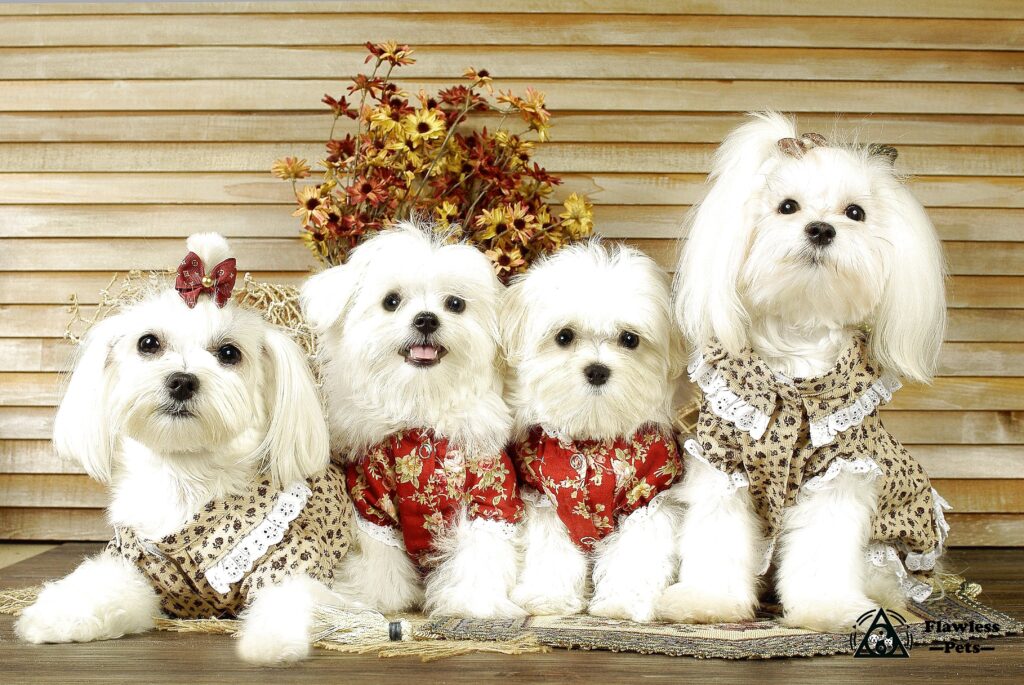
The material itself plays a significant role in comfort. While leather softens over time, new leather can be stiff. Nylon, though durable, can have rough edges if poorly manufactured, leading to chafing. Look for collars with smooth, preferably rolled or padded edges, especially if your dog has sensitive skin or short fur. Softer fabrics or collars lined with neoprene or fleece can offer enhanced comfort, though may require more frequent cleaning. Biothane is generally smooth and doesn't absorb moisture, reducing the risk of dampness against the skin.
Weight and Width
The collar's weight and width should be appropriate for your dog's size and build. A thick, heavy leather collar suitable for a Rottweiler would be excessively burdensome and uncomfortable for a Chihuahua. Conversely, a very thin collar might exert too much pressure on a small area for a large, strong dog. Choose a width that seems proportionate – wide enough to distribute pressure reasonably but not so wide as to restrict movement or cause discomfort. Lightweight materials like nylon or fabric are often better for smaller breeds or puppies when choosing their first girl dog collars.
Skin Sensitivity and Allergies
Some dogs can develop skin irritation or allergic reactions to certain materials or dyes used in collars. Signs include redness, hair loss, itching, or a rash underneath the collar area. If you notice these signs, remove the collar immediately and consult your veterinarian. You may need to switch to a hypoallergenic material (like plain, undyed leather, certain fabrics, or some types of biothane) or address a fit issue. Ensure the collar is kept clean, as trapped dirt and moisture can exacerbate skin problems (Scott et al., 2001).
Acclimatization
Especially for puppies or dogs not used to wearing a collar, a period of acclimatization is necessary. Introduce the collar gradually for short periods, associating it with positive experiences like treats, praise, or playtime. Ensure it fits correctly from the start and monitor for any signs of distress. Making the collar a positive part of their routine helps ensure long-term comfort. Choosing a lightweight, comfortable first collar, perhaps a simple nylon or fabric girl dog collar, can ease this transition.
Regular Checks and ‘Naked Time'
Even with the most comfortable collar, it's wise to remove it periodically (e.g., overnight, when the dog is safely indoors and supervised) to give the skin underneath a chance to breathe and to check for any signs of irritation or rubbing. This “naked time” also provides an opportunity to inspect the collar itself for wear and tear.
Comfort isn't a luxury; it's a necessity. A comfortable dog is a happier dog, and paying attention to these details ensures her stylish girl dog collar enhances her life rather than detracting from it.
Dressing Up: Collars for Special Occasions
Sometimes, you want your furry friend to look extra special! Occasions like holidays, birthdays, weddings (where dogs increasingly play roles), or photo shoots call for something beyond the everyday collar. The market for special occasion girl dog collars offers dazzling and fun options.
These collars often prioritize aesthetics, featuring materials like satin, velvet, or lace, and embellishments such as rhinestones, pearls, elaborate bows, bandanas, or even faux floral arrangements. You might find festive themes for Christmas or Halloween, elegant designs for formal events, or bright, celebratory styles for birthdays. While these collars add a touch of whimsy and allow your dog to participate in celebrations, it's crucial to remember that safety and comfort principles still apply, perhaps even more so, as these collars may not be designed with the same durability or functional considerations as everyday wear.
When choosing a special occasion collar:
- Supervise Closely: These collars are often not intended for rugged activity or unsupervised wear. Decorations can become detached and pose choking hazards, or delicate materials might snag easily. Only use them when you can keep a close eye on your dog.
- Check Fit and Comfort: Ensure the fit is correct, even if it's only worn for a short time. Check that bows or large decorations don't impede movement or vision, and that materials aren't irritating the skin.
- Prioritize Lightweight Designs: Especially for smaller dogs, avoid overly heavy or bulky decorative collars that could cause discomfort.
- Temporary Use Only: Think of these as accessories, not primary collars. Don't rely on them for leash attachment unless specifically designed and tested for it (most are not). Keep her regular, safe collar with ID tags on underneath, or switch back immediately after the event or photo session.
- Consider Your Dog's Temperament: Some dogs tolerate costumes and accessories well, while others find them stressful. If your dog seems anxious or uncomfortable, it's kinder to forgo the fancy collar. Her well-being is more important than the photo op.
Special occasion girl dog collars can be a delightful way to include your pet in festivities, adding charm and personality. Just remember they are temporary adornments, and the fundamental rules of safety and comfort should never be overlooked for the sake of fashion.
Keeping it Flawless: Collar Care and Maintenance
A beautiful girl dog collar won't stay that way – nor remain safe – without proper care and maintenance. Regular cleaning and inspection are vital for hygiene, appearance, and function.
Cleaning Protocols
How you clean a collar depends heavily on its material:
- Nylon/Polyester: Most nylon collars can be hand-washed with mild soap and water or placed in a mesh laundry bag and machine-washed on a gentle cycle. Always air dry completely before putting it back on your dog. Check manufacturer instructions, especially if there are embellishments.
- Leather: Leather requires specific care. Wipe dirt off with a damp cloth. For deeper cleaning, use a saddle soap or leather cleaner, following product instructions. Periodically apply a leather conditioner to keep it supple and prevent cracking. Avoid soaking leather, as it can damage the material and affect its shape and strength.
- Biothane: One of the easiest to clean! Simply wipe it down with a damp cloth or rinse under running water. Mild soap can be used for stubborn grime. It dries quickly and doesn't retain odors.
- Fabric: Cleaning methods vary. Some cotton or canvas collars are machine washable (use a mesh bag), while others, especially those with delicate patterns or linings, may require hand washing or spot cleaning. Hemp collars often soften with washing. Always air dry thoroughly.
- Hardware: Pay attention to buckles and D-rings. Clean off any mud or debris. Check metal hardware for rust or corrosion, which can weaken it.
Frequency of cleaning depends on your dog's activities. A dog that swims or rolls in mud needs more frequent collar cleaning than an indoor companion. Aim for a cleaning at least every few weeks to monthly for general hygiene.
Regular Inspections
Beyond cleaning, regular inspection (ideally weekly) is crucial for safety:
- Check for Wear and Tear: Look for fraying edges, thinning material, loose stitching, cracks in leather, or tears. Pay close attention to the areas around the buckle and the D-ring where the leash attaches, as these are high-stress points.
- Inspect Hardware: Ensure the buckle fastens securely and doesn't release unexpectedly. Check that the D-ring is solid and not bent or cracked. For quick-release buckles, test the mechanism. For standard buckles, ensure the prong is straight and the holes aren't stretched out.
- Verify ID Tags: Check that tags are still securely attached and the engraving is legible. Replace worn or damaged tags promptly.
- Assess Fit: As mentioned before, re-check the fit using the two-finger rule, ensuring it hasn't become too tight or too loose.
Any sign of significant wear, damage to the material, or malfunctioning hardware means the collar should be replaced immediately. Don't risk your dog's safety with a compromised collar. Proper maintenance not only keeps your chosen girl dog collars looking good but, more importantly, ensures they remain safe and reliable.
DIY vs. Store-Bought: Crafting or Choosing Her Collar
With the rise of crafting and personalization, some owners consider making their own girl dog collars. Is this a viable option compared to purchasing one?
The Appeal of DIY
Creating a collar yourself allows for ultimate customization. You can choose unique fabrics, patterns, and embellishments to perfectly match your dog's personality or your own style. It can be a rewarding project and potentially cost-effective, especially if you enjoy sewing or crafting. You have control over the materials used, perhaps opting for specific organic fabrics or unique hardware.
The Case for Store-Bought
Commercially produced collars, especially from reputable brands, undergo design and testing processes focused on safety and durability. Manufacturers understand the stresses collars endure and select materials and construction techniques accordingly. Key considerations include:
- Strength and Durability: Commercial collars use webbing, stitching (often box-stitched at stress points), and hardware rated for specific strengths. Achieving this level of reliability in a DIY project requires careful material selection and construction techniques. Ensuring seams are strong enough to withstand pulling or sudden lunges is critical.
- Safety Features: Elements like high-quality, load-tested buckles (especially quick-release), secure D-rings, and properly integrated reflective materials are standard in many store-bought collars but require sourcing and correct application in DIY.
- Material Suitability: Manufacturers choose materials tested for skin safety, colorfastness, and resistance to environmental factors (UV light, water). Sourcing equivalent materials for DIY can be challenging.
- Consistency and Quality Control: Reputable brands have quality control measures to ensure consistency and identify potential defects.
Making an Informed Choice
If you're considering a DIY girl dog collar:
- Be Honest About Your Skills: Ensure you have the necessary sewing skills and equipment to create strong, secure seams.
- Source High-Quality Materials: Use heavy-duty nylon or polypropylene webbing as a base. Select sturdy, reliable hardware (metal buckles and welded D-rings are often safer).
- Focus on Stress Points: Pay meticulous attention to reinforcing the areas around the buckle and D-ring.
- Test Thoroughly: Before trusting the collar in a situation where your dog might pull or need restraint, test its strength rigorously.
- Consider It for Low-Risk Situations: A DIY fabric collar might be fine for identification around the house or for a dog that never pulls, but potentially riskier for strong pullers or leash walks near traffic.
For most owners, especially those prioritizing maximum safety and reliability, purchasing a well-regarded commercial collar is the recommended route. You can still find immense variety and style, including many beautiful girl dog collars, from trusted manufacturers. You can explore a wide range of stylish female dog collars online to find the perfect match that combines safety and aesthetics. DIY is best reserved for those confident in their ability to replicate the necessary strength and safety standards or for purely decorative collars used under supervision.
Ethical and Sustainable Choices in Dog Collars
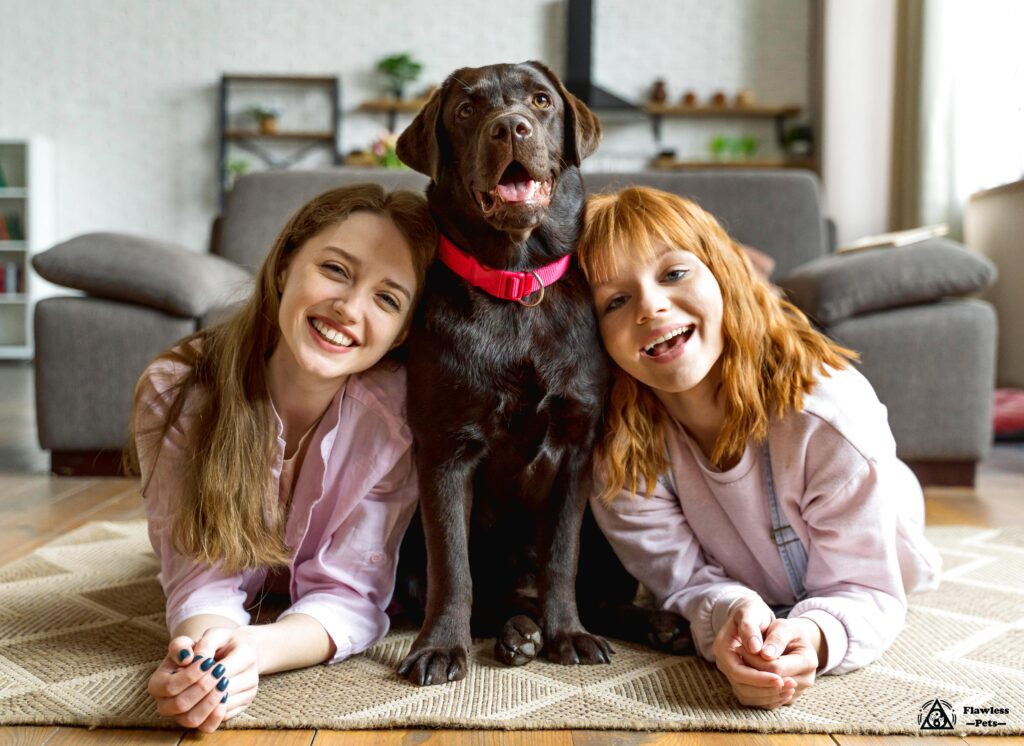
As consumers become more conscious of the environmental and ethical impact of their purchases, these considerations extend to pet products, including girl dog collars. Choosing ethically and sustainably can align your purchase with your values.
Sustainable Materials
Traditional materials like nylon and polyester are derived from fossil fuels. Leather production has environmental impacts related to animal agriculture and tanning processes (often involving harsh chemicals). More sustainable options are emerging:
- Recycled Materials: Some companies now offer collars made from recycled plastic bottles (rPET) or other post-consumer materials, diverting waste from landfills.
- Plant-Based Materials: Hemp is a durable, natural fiber that requires less water and fewer pesticides to grow than cotton. Cork is another innovative, lightweight, and water-resistant natural material being used. Some brands are exploring bio-based plastics.
- Eco-Friendly Leather Alternatives: Beyond Biothane (which is plastic-based), look for innovative materials like Pinatex (from pineapple leaf fibers) or mushroom leather, though availability in pet products might still be limited in 2025.
- Responsible Leather Sourcing: If choosing leather, look for brands that use vegetable-tanned leather (avoiding heavy metals like chromium used in conventional tanning) or source leather as a byproduct of the meat industry from suppliers with higher animal welfare standards.
Ethical Production
Consider where and how the collar is made. Look for brands that are transparent about their supply chains and manufacturing processes. Supporting local artisans or companies committed to fair labor practices contributes to ethical consumption. Brands with certifications like B Corp status often demonstrate a commitment to social and environmental responsibility.
Durability as Sustainability
Choosing a high-quality, durable collar that lasts longer is inherently more sustainable than frequently replacing cheap, poorly made ones that end up in the trash. Investing in a well-made product, even if slightly more expensive initially, can reduce waste over time.
Minimalist Packaging
Look for brands that use minimal, recyclable, or compostable packaging.
While finding a girl dog collar that ticks every single sustainable and ethical box might be challenging, being aware of these factors allows you to make more informed choices. Prioritizing durability and researching brands committed to using recycled, natural, or responsibly sourced materials can make a difference. Check product descriptions and company websites for information on their environmental and ethical practices.
The Horizon of Houndwear: The Future of Dog Collars
The humble dog collar is evolving beyond its traditional roles. Technology integration and innovative materials are shaping the future of how we monitor, manage, and even interact with our dogs through their collars. While stylish girl dog collars will always have their place, function is becoming increasingly sophisticated.
Smart Collars and Health Monitoring
The most significant trend is the rise of “smart collars.” These devices go far beyond simple GPS tracking (which is already becoming more common and streamlined). Future iterations and current advanced models incorporate:
- Activity Tracking: Monitoring daily steps, active minutes, rest periods, and sleep quality, similar to human fitness trackers. This data can help owners ensure their dogs get enough exercise and spot changes that might indicate health issues (Westgarth et al., 2019).
- Biometric Sensing: Some collars aim to track vital signs like heart rate, respiratory rate, and even body temperature. Detecting subtle changes could provide early warnings for illness or distress. Accuracy and practical application are still evolving fields as of 2025.
- Behavioral Analysis: Algorithms analyzing activity data may help identify patterns associated with scratching, shaking, or changes in mobility, potentially flagging allergies, ear infections, or arthritis.
- Integration with Smart Home Devices: Future collars might interact with smart pet doors, feeders, or home monitoring systems.
Advanced GPS and Geofencing
GPS tracking will continue to improve, offering greater accuracy, longer battery life, and smaller device sizes. Geofencing features, which alert owners if a dog leaves a predefined virtual boundary, will become more sophisticated and reliable.
Innovative Materials
Research into new materials will continue, focusing on enhanced durability, comfort, sustainability, and even self-cleaning or antimicrobial properties. We might see wider adoption of advanced composites or bio-integrated materials.
Enhanced Safety Features
Integration of LED lighting triggered by low ambient light, improved breakaway mechanisms with adjustable tension, or even alert systems for extreme temperatures could become more common.
Challenges and Considerations
With these advancements come challenges: cost, battery life, data privacy, the potential for over-reliance on technology, and ensuring the technology doesn't compromise the collar's fundamental comfort and safety. The bulk and weight of current smart devices also need refinement, especially for smaller breeds wanting fashionable girl dog collars with added tech.
The future promises collars that offer deeper insights into our dogs' health and safety, strengthening the human-animal bond through better understanding and care. While technology advances, the core needs for a secure fit, reliable identification, and comfortable wear will remain paramount.
Frequently Asked Questions about Girl Dog Collars
1. Are pink or floral collars only suitable for female dogs?
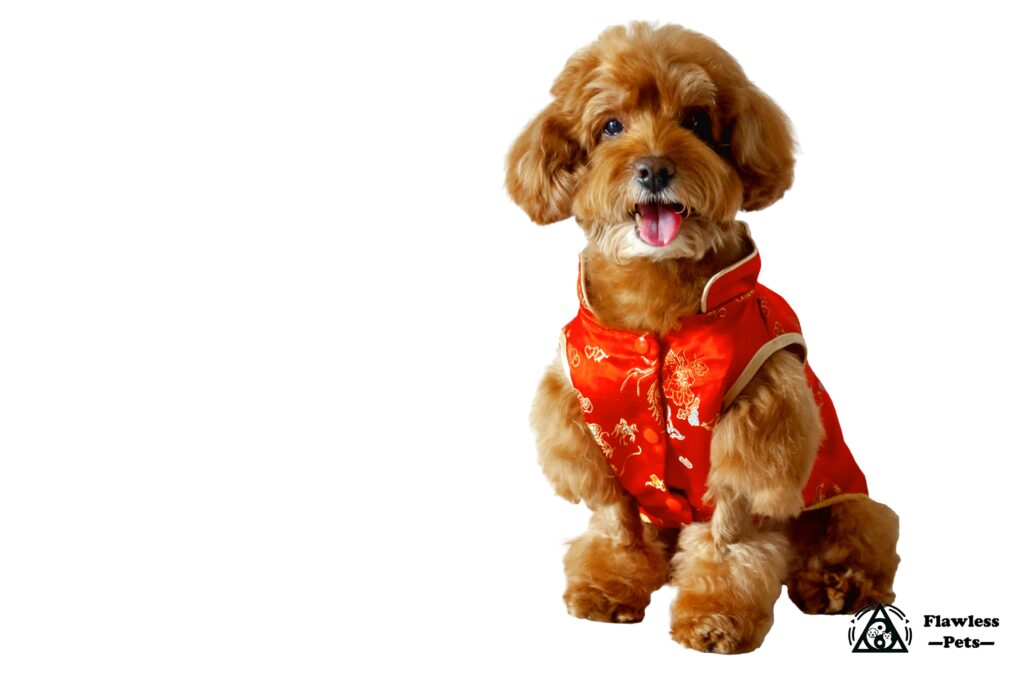
Absolutely not! While pinks, purples, florals, and sparkly designs are often marketed as girl dog collars, color and pattern choice is purely up to the owner's preference. There's no rule saying a male dog can't rock a pink collar or a female dog can't wear a blue or camouflage one. Choose a color and style that you like and that perhaps reflects your dog's personality, regardless of gender stereotypes. The most important factors are fit, safety, and comfort.
2. What is the safest type of collar for my female dog?
There isn't one single “safest” type, as the best choice depends on your dog and circumstances. However, key safety features include:
* **Proper Fit:** Prevents escape and avoids being too tight. Use the two-finger rule.
* **Reliable Buckle/Closure:** A sturdy standard buckle or a high-quality quick-release buckle that won't break easily. Martingale collars are safer for dogs prone to slipping collars.
* **ID:** Always ensure clear, up-to-date identification is attached or integrated.
* **Material Integrity:** Choose durable materials appropriate for your dog's activity level and check regularly for wear.
Breakaway collars offer protection against snagging but increase escape risk. Prong and choke chains are generally not recommended for everyday use due to injury potential. For dogs that pull heavily, using a harness for walks is often the safest option to protect their neck and trachea, while the collar serves for ID.
3. How often should I replace my dog's collar?
There's no set timeframe, as replacement frequency depends on the collar's material, quality, and how much wear and tear it endures. Inspect the collar weekly. Replace it immediately if you notice any signs of damage: fraying, thinning, cracks, loose stitching, a malfunctioning buckle, a corroded or bent D-ring, or if the adjustment mechanism no longer holds securely. Even if it looks okay, consider replacing a heavily used collar every 1-2 years as materials can degrade over time, even if not visibly obvious. For puppies, you'll need to replace collars as they grow.
4. Can my puppy wear any type of ‘girl dog collar'?
Puppies need collars that are lightweight, comfortable, and highly adjustable to accommodate their rapid growth. Many brands offer specific puppy collars made from softer nylon or fabric. Avoid heavy leather or very wide collars for young puppies. Crucially, check the fit *daily* and adjust as needed. Ensure the buckle is secure but easy for you to operate. Introduce the collar gradually and positively. While you can choose cute ‘girl' styles, prioritize these practical aspects for a puppy's first collars. A simple, adjustable nylon girl dog collar is often a good starting point.
5. What should I do if my dog's collar seems to be irritating her skin?
If you notice redness, hair loss, excessive scratching at the collar area, sores, or an unusual odor, remove the collar immediately. Clean the affected skin gently with mild soap and water or an antiseptic wipe, and allow the area to air out. Check the collar itself: Is it too tight? Are the edges rough? Is it dirty or damp? Clean the collar thoroughly (using the appropriate method for the material) and ensure it's completely dry before trying it again, making sure the fit is correct (two fingers). If the irritation persists or seems severe, consult your veterinarian. Your dog might have an allergy to the material or dye, or there could be an underlying skin condition that needs treatment. You may need to switch to a collar made from a different, possibly hypoallergenic, material.
References
Note: Please verify URLs and access dates as needed. DOI links are preferred for academic sources.
- American Humane Association. (n.d.). Keep Your Pet Safe with Proper ID. Retrieved January 15, 2025, from https://www.americanhumane.org/fact-sheet/keep-your-pet-safe-with-proper-id/
- American Society for the Prevention of Cruelty to Animals (ASPCA). (n.d.). Dog Collars. Retrieved January 15, 2025, from https://www.aspca.org/pet-care/dog-care/dog-collars
- American Veterinary Society of Animal Behavior (AVSAB). (2021). AVSAB Position Statement on Humane Dog Training. Retrieved January 15, 2025, from https://avsab.org/wp-content/uploads/2021/08/AVSAB-Humane-Dog-Training-Position-Statement-2021.pdf
- Brooks, W. (2021, July 11). Skin Fold Pyoderma in Dogs. Veterinary Partner, VIN. Retrieved January 15, 2025, from https://veterinarypartner.vin.com/default.aspx?pid=19239&id=4951498 (Note: While about skin folds, illustrates irritation issues relevant to tight collars).
- Grier, K. C. (2006). Pets in America: A History. University of North Carolina Press.
- Horowitz, A. (2009). Inside of a Dog: What Dogs See, Smell, and Know. Scribner.
- Humane Society of the United States. (n.d.). Collars and ID Tags for Your Pet. Retrieved January 15, 2025, from https://www.humanesociety.org/resources/collars-and-id-tags-your-pet
- Pauli, A. M., Bentley, E., Diehl, K. A., & Miller, P. E. (2006). Effects of the application of neck pressure by a collar or harness on intraocular pressure in dogs. Journal of the American Animal Hospital Association, 42(3), 207-211. https://doi.org/10.5326/0420207
- Scott, D. W., Miller, W. H., & Griffin, C. E. (2001). Muller & Kirk's Small Animal Dermatology (6th ed.). W.B. Saunders Company.
- Westgarth, C., Boddy, L. M., Stratton, G., German, A. J., Gaskell, R. M., Coyne, K. P., Bundred, P., McCune, S., & Dawson, S. (2019). Quality of life and owner-reported behaviour of cats are related to owner personality. Applied Animal Behaviour Science, 217, 51-59. https://doi.org/10.1016/j.applanim.2019.06.002 (Note: While this study focuses on cats and owner personality, it's indicative of the type of research being done linking behavior, welfare, and owner factors, relevant to smart collar data potential).


 English
  简体中文
简体中文  Français du Canada
  Deutsch
  Español
  Português
  한국어
한국어  日本語
日本語  Italiano
  Русский
  Dansk
Dansk  Nederlands
  Svenska
  Suomi
Suomi  Polski
  Norsk bokmål