




Flawless Pet Supplies
Understanding the Highlander Cat: A Comprehensive Guide
Key Takeaways
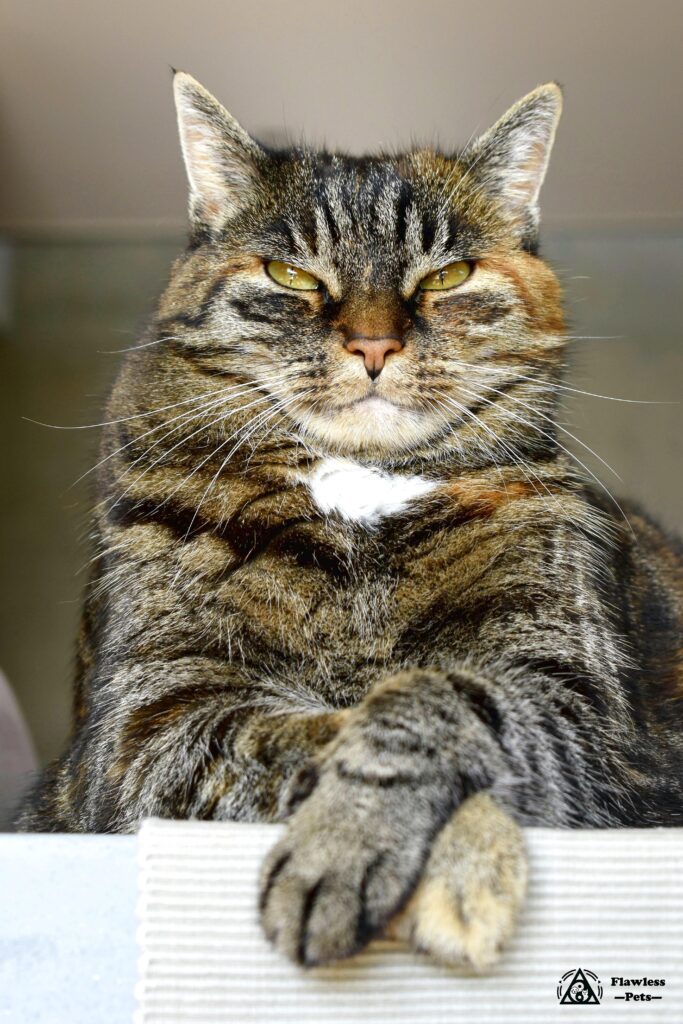
The Highlander cat, often recognized by its distinctive curled ears and powerful build, is a relatively new and captivating breed developed intentionally in the United States. Combining traits from the experimental Desert Lynx and the Jungle Curl, this breed presents a unique “big cat” look in a domestic package. They are known for being playful, intelligent, affectionate, and surprisingly people-oriented, often exhibiting dog-like loyalty and trainability. Highlanders typically possess a natural short tail or bobtail and can have polydactyl (extra-toed) feet, adding to their wild appearance. Despite their exotic looks, they are domestic cats requiring standard feline care, albeit with special attention needed for their unique ears and potentially complex feet. Prospective owners should seek reputable breeders who prioritize health and temperament, ensuring these robust felines lead long, happy lives as cherished companions.
-
-23%

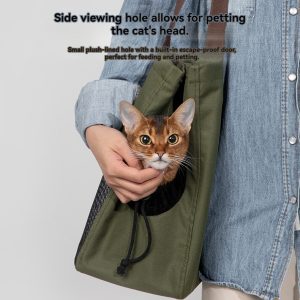
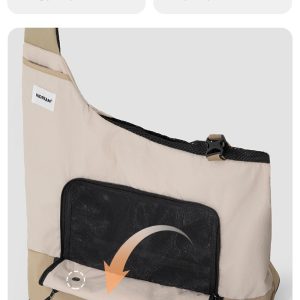
HiDream Color-Block Shoulder Pet Travel Bag – Stylish and Lightweight Carrier for Small Pets – Almond, Matcha
Original price was: $109.99.$84.99Current price is: $84.99. -
-14%
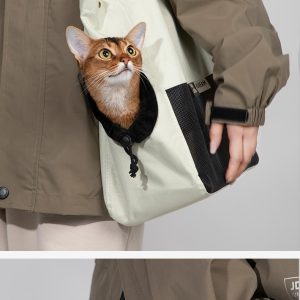
HiDream Pet Tote Bag – Relaxed Style Carrier for Small Pets – Durable Nylon with Breathable Mesh – Beige, Green, Gray
Original price was: $109.99.$94.59Current price is: $94.59. -
-12%
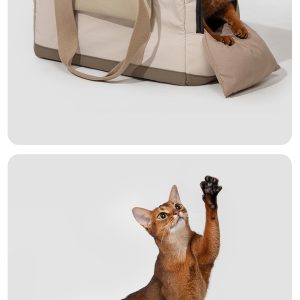
HiDream Pet Sling Carrier Bag – Adjustable Shoulder Strap Front Carry Bag for Small Pets – Khaki, Green, Gray
Original price was: $99.99.$88.49Current price is: $88.49.
History and Origin of the Highlander Cat
The story of the Highlander cat is one of intentional design, a fascinating journey that began not in the misty Scottish Highlands as the name might suggest, but rather in the United States during the 1990s. Unlike breeds that developed naturally over centuries, the Highlander cat emerged from a specific vision: to create a domestic cat with a powerful, “big cat” appearance, coupled with a gentle, playful, and people-oriented temperament. This breed is a testament to careful, selective breeding programs aimed at combining desirable traits from different feline lineages.
The foundation of the Highlander cat breed can be traced back to the work of Joe Childers in 1993, initially aiming to create a cat that captured the essence of the wild Highland Lynx (TICA, n.d.-b). However, it's crucial to understand that the Highlander cat, despite early naming conventions and its wild look, does *not* possess recent wild cat ancestry, such as from the Bobcat. This is a common misconception. The breed was developed using specific domestic breeds known for certain physical characteristics.
The key players in the Highlander's genetic makeup are primarily the experimental Desert Lynx breed and the Jungle Curl. Let's break down what each contributed:
The Desert Lynx Influence
The Desert Lynx itself is an experimental breed, and its own background can be somewhat complex depending on the breeder lines. Generally, breeders aimed for a bobcat-like appearance using domestic sources. Some lines might incorporate breeds like the Maine Coon (for size and tufted ears/paws), the American Bobtail (for the short tail), the Pixie-bob (another breed bred for a wild look), and potentially others. The contribution sought from the Desert Lynx lineage for the Highlander cat was primarily the substantial body type, the potential for polydactyl feet (extra toes), and the naturally short or bobbed tail. The goal was to capture that powerful, slightly rugged look reminiscent of a wild feline, but strictly through domestic cat genetics.
The Jungle Curl Influence
The Jungle Curl is another specifically developed breed, known primarily for its uniquely curled ears. This trait comes from a dominant gene, meaning only one parent needs to carry it for offspring to potentially inherit the curled ears (Robinson, 1991). The Jungle Curl itself was developed by crossing breeds like the Hemingway Curl (an unofficial name sometimes used for curled-eared polydactyl cats, often derived from American Curl x Polydactyl crosses) with other breeds like the African Jungle Cat (Felis chaus) hybrids (like the Chausie) or Bengals in some experimental lines, though TICA standards for Highlanders do not permit recent non-domestic crosses (TICA, n.d.-b). For the Highlander cat, the crucial contribution from the Jungle Curl was, unequivocally, the signature curled ears. This ear type became a defining feature of the emerging breed.
The Synthesis: Creating the Highlander
Breeders began crossing the Desert Lynx and Jungle Curl lines in the mid-1990s. The objective was to stabilize the combination of the curled ears, the bobtail, the potential for polydactyly, and the desired muscular build and temperament. Early on, the developing breed was often referred to as the Highland Lynx. However, to avoid confusion with actual wild species and to better reflect its unique domestic heritage, the name was officially changed to “Highlander” in 2005 (TICA, n.d.-b).
The International Cat Association (TICA) recognized the Highlander cat for registration and later granted it Preliminary New Breed status in 2008, allowing it to be shown but not yet compete for championships (TICA, n.d.-a). It subsequently advanced to Advanced New Breed status. This progression within a major cat fancy association signifies the breed's stabilization and the dedicated efforts of breeders to establish consistent type and temperament according to a defined breed standard.
It's important to reiterate that the modern, recognized Highlander cat is a fully domestic cat breed. While breeders aimed for an exotic appearance, the focus has always been on creating a companion animal with a reliable, affectionate temperament suitable for family life. The development of the Highlander cat showcases how targeted breeding can combine specific physical traits to create a visually stunning and behaviorally rewarding feline companion.
Physical Characteristics: The Wild Look
The Highlander cat possesses a unique and captivating appearance that immediately draws attention. Bred specifically to evoke the image of a powerful wild cat, its combination of features sets it apart in the feline world. Understanding these characteristics is key to appreciating the breed.
Highlander Cat Breed Standard Highlights
The following table summarizes key physical attributes based on breed standards, primarily from TICA, which is the main registry for the Highlander cat.
| Feature | Description | |
|---|---|---|
| Overall Impression | Medium to large cat, powerful and muscular, with a distinct “big cat” look. | Sturdy bone structure, rectangular torso, athletic build. |
| Head | Large but not massive, longer than wide, with prominent muzzle and chin. | Slight dip between eyes and broad nose. Strong chin, giving a “boxed” look to the muzzle. |
| Ears | Unique curled ears, set high on the head, medium to large size. | Must have a noticeable curl backwards (minimum 90 degrees, ideally more), flexible cartilage. Tips should be rounded. Furnishings (hair inside) are desirable, tufts on tips possible but not required. |
| Eyes | Medium to large, set wide apart, slightly oval shape. | Any color is acceptable, unrelated to coat color. Deep, intense color preferred. |
| Body | Long, rectangular, muscular, especially in males. Deep chest. | Level back or slightly higher in the hindquarters. Substantial boning. |
| Medium length, strong boning, muscular. Hind legs slightly longer than front. Feet are large, round. | Polydactyly (extra toes) is allowed and common, but not required. Feet should be functional and well-formed. | |
| Tail | Naturally short tail (bobtail) preferred. | Minimum length 1 inch, maximum length to hock. Can be straight, kinked, or slightly curved. Full-length tails are a disqualification for show cats but occur in pets. |
| Coat (Shorthair) | Short, dense, resilient. May have a slightly longer belly coat. | Texture is soft yet sturdy. |
| Coat (Longhair) | Medium-long, flowing. Shaggier texture preferred over silky. | Noticeable ruff around the neck possible. Tail plume on longer tails. Requires more grooming than shorthair. |
| Wide variety accepted. Primarily tabby patterns (spotted, mackerel, classic) are common, reflecting the “wild look” goal. Solid, tortie, torbie also seen. | Colorpoints (like Siamese) are generally not accepted in breed standard for the Highlander cat. Emphasis on clarity and contrast in patterns. | |
| Medium to Large. Males typically larger than females. | Females: 10-14 lbs (4.5-6.3 kg). Males: 15-20 lbs (6.8-9 kg) or more. Slow to mature, reaching full size around 3-4 years. |
Table data compiled based on TICA breed standards and descriptions (TICA, n.d.-b). Weight ranges are typical estimates and can vary.
Curled Ears Explained
Perhaps the most defining feature of the Highlander cat is its uniquely curled ears. This trait originates from the Jungle Curl influence in its ancestry, ultimately tracing back to the spontaneous mutation found in the American Curl breed. The gene responsible for ear curling (Cu gene) is an autosomal dominant gene (Robinson, 1991). This means that a cat only needs one copy of the gene from either parent to exhibit the curled ears. However, the degree of curl can vary significantly, from a slight backward flip to a more pronounced arc.
According to TICA standards, the ideal Highlander ear has a minimum curl of 90 degrees backward, but not so extreme that the tip touches the back of the ear or head. The cartilage should remain flexible. Unlike the Scottish Fold, whose folded ears are caused by a different gene associated with skeletal issues (osteochondrodysplasia), the curled ear gene in Highlanders (and American Curls) is not currently linked to major health problems affecting cartilage elsewhere in the body (Malik et al., 1999). However, the unique shape necessitates careful cleaning, as the curl can potentially trap wax or debris more easily than a standard cat ear. Owners need to be gentle and avoid probing deep into the canal.
The Bobtail Trait
Another characteristic contributing to the Highlander cat's distinctive silhouette is its tail, or often, lack thereof. The breed standard calls for a naturally short tail, often referred to as a bobtail. This trait was inherited primarily from the Desert Lynx component of its background, which itself often drew from breeds like the American Bobtail or Pixie-bob.
The length can vary considerably, from a minimum of about one inch up to the length of the hock (the ankle joint on the hind leg). The tail can be straight, have kinks, or possess a slight curve. While the bobtail is preferred for show-quality Highlander cats, kittens can occasionally be born with full-length tails. These cats are perfectly healthy and make wonderful pets, they just don't meet the specific aesthetic standard for the show ring. The genetic basis for bobtails in cats can be complex and involve different genes depending on the breed background (Lyons, 2015). Importantly, the naturally occurring bobtail in breeds like the Highlander or American Bobtail is distinct from the Manx gene, which can sometimes be associated with spinal problems in its most extreme expression (Robinson, 1991).
Polydactyly: More To Love
Polydactyly, the condition of having more than the usual number of toes (typically 5 on front paws, 4 on back), is quite common and accepted within the Highlander cat breed standard. This trait likely entered the gene pool through foundation cats used in the Desert Lynx lines, possibly from breeds like the Pixie-bob or early Maine Coon lines where polydactyly was historically prevalent.
Highlander cats can have extra toes on just the front feet, just the back feet, or all four feet. These paws often look like large “mittens” and contribute further to the breed's robust, slightly wild appearance. Genetically, polydactyly in cats is usually caused by a simple autosomal dominant mutation (specifically affecting the ZRS regulator of the SHH gene) and is generally considered harmless (Lettice et al., 2008). The extra toes do not typically cause health problems, although owners need to be diligent about nail trimming. Sometimes, an extra claw can grow at an odd angle or closer to another claw, making it more prone to snagging or potentially becoming ingrown if not regularly maintained. Careful inspection during grooming is key for any polydactyl cat, including the Highlander cat.
Coat and Colors
The Highlander cat comes in both shorthair and longhair varieties, offering different looks and grooming requirements.
The shorthair coat is dense, resilient, and relatively short across the body, though it might be slightly longer on the belly. It should feel soft but substantial to the touch. This coat requires minimal grooming, typically just occasional brushing to remove loose hair and distribute skin oils.
The longhair Highlander cat boasts a medium-long coat that is often described as shaggy rather than silky. A noticeable ruff around the neck is possible, and if the cat has a longer bobtail or even a full tail (in pet quality examples), it may have a plume. The longhair version naturally requires more frequent grooming – brushing several times a week is recommended to prevent mats and tangles, especially under the legs and around the ruff.
In terms of color and pattern, the Highlander cat embraces variety, though patterns reminiscent of wild cats are often favored due to the breed's aesthetic goals. Tabby patterns – spotted (like a leopard), mackerel (striped like a tiger), and classic (swirled) – are very common and popular. These patterns can appear in various colors, including brown, silver, blue, and red. Solid colors, tortoiseshell (tortie), and torbie (patched tabby) patterns are also accepted according to TICA standards. The emphasis is often on clear, well-defined markings. However, colorpoint patterns (like those seen in Siamese or Ragdolls), which restrict color to the extremities (ears, face, paws, tail), are generally not accepted within the breed standard for the Highlander cat (TICA, n.d.-b). Eye color is independent of coat color, with richness and depth being desirable.
Temperament and Personality: A Gentle Giant

While the Highlander cat was bred for a look that whispers of the wild, its temperament is firmly rooted in the domestic sphere. These cats are renowned for being affectionate, intelligent, and highly interactive companions, often shattering expectations based on their powerful appearance. They blend the playfulness of a kitten with the steadfastness of a loyal friend.
Playfulness and Energy
Highlanders are energetic and exceptionally playful cats, retaining a love for games well into adulthood. They possess a strong prey drive, inherited from their domestic ancestors, which translates into an enthusiastic pursuit of feather wands, laser dots (use with caution, always end with a physical toy capture), crinkle balls, and anything that skitters or dangles. Their powerful build and athletic nature mean they enjoy vigorous play sessions. They love to run, jump, and climb, making cat trees, shelves, and secure high perches essential environmental features for a happy Highlander cat.
Their playfulness isn't just about burning energy; it's also a form of social interaction. They often enjoy playing fetch, bringing toys back to their humans to initiate another round. This interactive play strengthens the bond between cat and owner and provides crucial mental stimulation. Without sufficient outlets for their energy, a bored Highlander might resort to creating its own, less desirable, forms of entertainment. Providing a variety of engaging toys and dedicating time for daily interactive play sessions is vital for their well-being.
Intelligence and Trainability

The Highlander cat is widely regarded as a highly intelligent breed. They are quick learners, curious explorers, and adept problem-solvers. This intelligence manifests in several ways. They often figure out how to open cabinets, doors (lever handles are a particular challenge!), or containers to get to something interesting. Their curiosity drives them to investigate every nook and cranny of their environment.
This intelligence also makes the Highlander cat surprisingly trainable. Many owners report success teaching them tricks, such as sit, stay, come, or even fetch, using positive reinforcement techniques like clicker training and high-value treats. Their people-oriented nature means they often enjoy the attention and interaction involved in training sessions. Furthermore, many Highlanders take well to walking on a harness and leash, allowing them safe access to the outdoors under supervision. Starting harness training early, during kittenhood, often yields the best results. Patience and positive associations are key, making the harness a predictor of enjoyable outdoor adventures.
Affection and Social Nature
Despite their imposing looks, Highlander cats are typically very affectionate and people-oriented. They form strong bonds with their human families and often seek out attention and companionship. While not necessarily lap cats in the traditional sense (though some certainly are!), they usually want to be near their people, following them from room to room or settling nearby to observe activities. They often enjoy being petted and handled, sometimes initiating contact with head-butts or chirping vocalizations.
Highlanders are generally quite social and can do well in households with children and other pets, provided proper introductions are made. Their playful nature often makes them good companions for respectful children who understand how to interact gently with a cat. They can also coexist peacefully with dogs and other cats, especially if raised together or introduced carefully and gradually. Their confidence means they are less likely to be intimidated than some other breeds, but supervision during initial interactions is always crucial. The Highlander cat thrives on being an integral part of the family unit, making them unsuitable for environments where they would be left alone for excessively long periods regularly.
Care and Husbandry for Your Highlander Cat
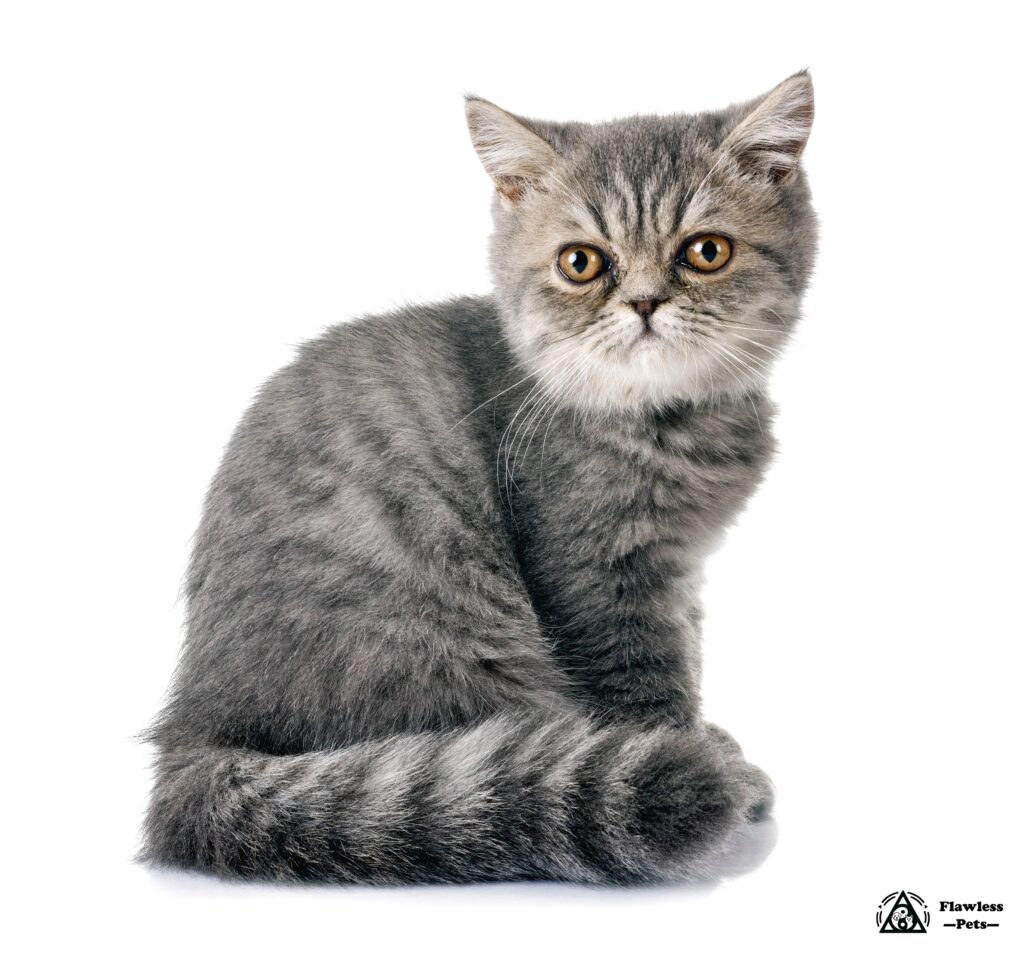
Caring for a Highlander cat involves meeting its basic feline needs while also paying attention to the specific requirements stemming from its unique physical traits. Providing proper grooming, nutrition, exercise, and a safe environment will ensure your powerful-looking companion stays healthy and happy.
Grooming Needs
Grooming requirements for a Highlander cat depend largely on whether it has a shorthair or longhair coat, but special attention must also be paid to their ears and paws.
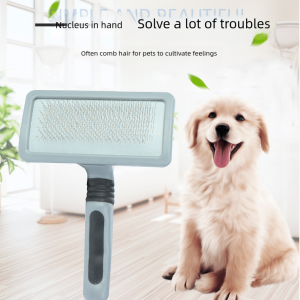
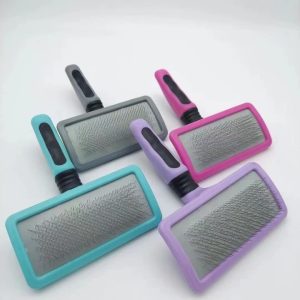
- Coat Care: Shorthaired Highlanders need minimal coat maintenance – a weekly brushing is usually sufficient to remove loose hair and keep the coat sleek. Longhaired Highlanders require more effort; brushing several times a week with a slicker brush or comb is necessary to prevent mats and tangles, particularly in the ruff area and under the legs. Regular grooming also helps reduce hairballs and allows you to check for any skin issues or parasites.
- Ear Cleaning: The unique curled ears of the Highlander cat need regular inspection and gentle cleaning. The curl can potentially trap earwax and debris more easily than standard ears. Check the ears weekly. If they look dirty, use a cotton ball or soft gauze moistened with a veterinarian-approved ear cleaner specifically designed for cats. Gently wipe the visible parts of the outer ear and the base of the curl. Never insert cotton swabs or anything else deep into the ear canal, as this can cause serious damage (Cornell Feline Health Center, n.d.-a). If you notice excessive debris, redness, swelling, or a foul odor, consult your veterinarian, as these could be signs of infection or ear mites.
- Nail Trimming: Regular nail trimming (every 2-4 weeks) is essential for all cats, but especially important for polydactyl Highlanders. With extra toes, there are more claws to manage, and sometimes these claws can grow at odd angles or be partially hidden, increasing the risk of snagging or becoming ingrown. Carefully inspect each toe and trim the sharp tip of each claw using cat-specific nail clippers. Avoid cutting the quick (the pink part containing nerves and blood vessels). If you accidentally cut the quick, apply styptic powder to stop the bleeding. Providing scratching posts will also help manage nail health, but doesn't replace trimming.
- Dental Care: Like all cats, Highlanders benefit from regular dental hygiene to prevent periodontal disease. Ideally, brush your cat's teeth daily or several times a week using feline-specific toothpaste and a soft brush. Dental treats and diets can supplement brushing but aren't a replacement for it (Cornell Feline Health Center, n.d.-b). Regular veterinary dental checkups and professional cleanings are also crucial.
Diet and Nutrition
Providing a high-quality, balanced diet is fundamental to the health of your Highlander cat. As obligate carnivores, cats require diets rich in animal protein and specific nutrients like taurine, arachidonic acid, vitamin A, and certain B vitamins, which are found primarily in meat sources (National Research Council, 2006).
- Quality Food: Choose a reputable commercial cat food (wet, dry, or a combination) that is formulated to meet the nutritional levels established by the Association of American Feed Control Officials (AAFCO) for your cat's life stage (kitten, adult, senior). Look for foods with named meat sources listed high in the ingredient list.
- Life Stage Needs: Kittens have higher energy and nutrient requirements for growth and should be fed a kitten-specific formula. Adult cats need maintenance formulas to maintain a healthy weight and body condition. Senior cats may benefit from formulas designed for aging, potentially with adjusted nutrient levels or ingredients to support joint health.
- Portion Control: Highlanders are robust cats with good appetites. It's important to feed appropriate portions to prevent obesity, which can lead to serious health problems like diabetes, arthritis, and heart disease. Follow the feeding guidelines on the food packaging as a starting point, but adjust based on your cat's individual metabolism, activity level, and body condition score. Your veterinarian can help you determine the ideal weight and caloric intake for your Highlander cat.
- Water Intake: Ensure fresh, clean water is always available. Cats often don't have a strong thirst drive, so encouraging water intake is important for urinary tract health. Wet food contributes significantly to hydration. Using water fountains can also entice some cats to drink more.
- Treats: Treats should be given in moderation and account for no more than 10% of your cat's daily caloric intake to avoid unbalancing the diet or contributing to weight gain.
Exercise and Environmental Enrichment
The playful and intelligent Highlander cat requires ample physical exercise and mental stimulation to thrive. A bored Highlander is more likely to develop behavioral issues.
- Interactive Play: Dedicate at least two 10-15 minute sessions of interactive play each day using toys like feather wands, fishing pole toys, or laser pointers (always ending the session by letting the cat “catch” a physical toy to avoid frustration). This mimics hunting behavior and provides excellent exercise.
- Vertical Space: Highlanders love to climb. Provide sturdy cat trees, cat shelves, or window perches. Vertical space increases their usable territory and allows them to survey their surroundings, fulfilling a natural feline instinct.
- Scratching Outlets: Offer various scratching posts (vertical, horizontal, cardboard, sisal, carpet) in different locations to satisfy their natural urge to scratch and maintain claw health.
- Puzzle Toys: Food puzzles or treat-dispensing toys challenge their minds and make them work for their food or treats, providing mental enrichment.
- Leash Walking (Optional): If your Highlander cat adapts well to a harness, supervised walks can provide excellent stimulation and exercise. Ensure the harness fits securely and start in a safe, quiet area.
- Toy Rotation: Keep things interesting by rotating toys regularly, so your cat doesn't become bored with the same old options.
You might find interesting toys and climbing structures when you explore products suitable for active felines.
Living Environment Considerations
Creating a safe and stimulating indoor environment is crucial for a Highlander cat.
- Indoor Safety: Keeping your Highlander cat indoors is the safest option, protecting it from dangers like traffic, predators, diseases from other animals, and theft. Their unique appearance might make them targets.
- Cat-Proofing: Secure loose wires, keep toxic plants out of reach, store chemicals and medications safely, and ensure window screens are secure. Highlanders' curiosity and problem-solving skills mean they might get into unexpected places.
- Secure Spaces: Provide safe, comfortable resting spots, such as cozy beds, covered hideaways, or high perches where they can feel secure.
- Litter Box Management: Provide at least one large litter box per cat, plus one extra, placed in quiet, accessible locations. Scoop waste daily and change the litter regularly. Unclean litter boxes are a common cause of inappropriate elimination.
Health Considerations
The Highlander cat is generally considered a robust and healthy breed, benefiting from its diverse domestic genetic background (hybrid vigor). However, like all breeds, they can be prone to certain genetic predispositions or common feline ailments. Responsible breeding practices aim to minimize hereditary issues, but awareness is key for owners.
Potential Health Issues
While not definitively linked to widespread issues, some areas warrant attention given the Highlander's characteristics and ancestry:
- Ear Issues: While the gene causing curled ears (Cu) is not associated with the cartilage problems seen in Scottish Folds (Malik et al., 1999), the ear structure itself might predispose some Highlanders to wax buildup or potentially make them slightly more susceptible to ear infections or ear mites if not kept clean. Regular inspection and gentle cleaning as needed are important preventative measures.
- Polydactyl Foot Care: As mentioned in the grooming section, the extra toes of polydactyl Highlanders require diligent nail care to prevent ingrown claws or snagging. While generally not a health problem itself, poorly maintained claws on these complex feet can lead to issues.
- Hypertrophic Cardiomyopathy (HCM): HCM is the most common heart disease in cats across many breeds, including potentially some breeds in the Highlander's background like the Maine Coon (though the direct lineage can be complex). HCM causes thickening of the heart muscle walls. Responsible Highlander cat breeders may screen their breeding cats for HCM via echocardiogram (heart ultrasound) performed by veterinary cardiologists to reduce the incidence in offspring (Kittleson et al., 1999). Ask breeders about their health screening protocols.
- Hip Dysplasia: More commonly associated with larger breeds like the Maine Coon (which may feature in some foundation lines), hip dysplasia is a malformation of the hip joint that can lead to arthritis. While not considered widespread in Highlanders, it's a possibility in any larger, heavier-boned cat. Maintaining a lean body condition can help reduce stress on joints.
- General Feline Diseases: Highlanders are susceptible to common feline infectious diseases (like upper respiratory infections, panleukopenia), parasites (fleas, ticks, worms, mites), dental disease, kidney disease (especially in older cats), and obesity-related conditions (diabetes, arthritis) just like any other domestic cat. Preventative care is vital.
Lifespan Expectations
With proper care, nutrition, and regular veterinary attention, the Highlander cat typically enjoys a lifespan similar to other healthy domestic cats, generally ranging from 12 to 15 years, though some may live even longer. Factors influencing lifespan include genetics, diet, lifestyle (indoor cats generally live longer), and preventative healthcare.
Veterinary Care Essentials
Regular veterinary care is crucial for maintaining the health and longevity of your Highlander cat.
- Initial Checkup: Take your new Highlander kitten or cat to the veterinarian soon after acquiring them for a thorough health check, initial vaccinations, deworming, and parasite screening.
- Vaccinations: Follow your veterinarian's recommended vaccination schedule to protect against core feline diseases like Feline Viral Rhinotracheitis (Herpesvirus), Calicivirus, Panleukopenia (Distemper), and Rabies. Non-core vaccines (like Feline Leukemia Virus – FeLV) may be recommended based on your cat's lifestyle and risk exposure (Scherk et al., 2013).
- Parasite Prevention: Use veterinarian-recommended products for preventing fleas, ticks, heartworms (depending on geographic location), and intestinal parasites year-round.
- Annual Wellness Exams: Adult cats should have a comprehensive veterinary examination at least once a year. Senior cats (typically over 7-10 years old) may benefit from twice-yearly checkups. These exams allow the vet to detect subtle health changes early, perform necessary screenings (like blood work or urinalysis, especially for older cats), discuss nutrition and behavior, and update preventative care.
- Dental Checkups: Regular dental assessments are part of the wellness exam, and professional dental cleanings under anesthesia may be recommended periodically to prevent or treat periodontal disease.
- Spaying/Neutering: Spaying (females) or neutering (males) is strongly recommended for pet Highlander cats. It prevents unwanted litters, reduces the risk of certain reproductive cancers and infections (like pyometra), and can decrease undesirable behaviors like spraying (in males) or roaming. This is typically done around 5-6 months of age, but consult your vet for the best timing for your cat.
- Microchipping: A microchip provides permanent identification if your cat ever gets lost. Ensure the chip is registered with your current contact information.
Prompt veterinary attention for any signs of illness or injury is also critical. Don't hesitate to contact your vet if you notice changes in appetite, thirst, urination, defecation, activity level, grooming habits, or behavior.
Bringing a Highlander Cat Home
Acquiring a Highlander cat is an exciting prospect, but it requires careful planning and preparation. Whether you choose a kitten from a breeder or adopt an older cat, ensuring a smooth transition is key to building a strong foundation for your life together.
Finding a Reputable Breeder
Since the Highlander cat is a specific breed, most prospective owners will seek out a breeder. Finding a responsible, ethical breeder is paramount to getting a healthy, well-socialized kitten and supporting the positive development of the breed. Here's what to look for and ask:
- Association Affiliation: Reputable breeders are often registered with major cat associations like TICA (The International Cat Association), which has standards for the Highlander cat. While registration isn't a guarantee of quality, it shows a level of commitment.
- Health Screenings: Ask breeders what health tests they perform on their breeding cats. For Highlanders, inquiries about screening for HCM (via echocardiogram) are relevant. They should also test for common feline viruses like FeLV (Feline Leukemia Virus) and FIV (Feline Immunodeficiency Virus). Responsible breeders will be transparent about their practices and willing to share results.
- Home Environment: Kittens should be raised underfoot in the breeder's home, not in isolated cages. This ensures they are well-socialized to household sights, sounds, and human interaction from an early age. Ask to see where the cats and kittens live. The environment should be clean and stimulating.
- Meet the Parents: If possible, ask to meet the kitten's mother (and father, if he lives there). Observe their temperament and health, as these can be indicative of the kittens' potential characteristics.
- Knowledge and Passion: A good breeder will be knowledgeable about the Highlander cat breed, its history, standard, care requirements, and potential health considerations. They should be passionate about their cats and willing to answer all your questions thoroughly. They should also ask *you* questions to ensure their kitten is going to a suitable home.
- Health Guarantee and Contract: Reputable breeders provide a written contract outlining the responsibilities of both parties, including a health guarantee against congenital defects for a specified period. Read the contract carefully before signing.
- Age of Kittens: Kittens should stay with their mother and littermates until at least 12-14 weeks of age. This period is crucial for socialization, learning appropriate cat behavior, and weaning. Breeders who let kittens go earlier are a red flag.
- Veterinary Records: Kittens should come with records of their initial vaccinations and deworming treatments performed by a licensed veterinarian.
- Red Flags: Avoid breeders who always have kittens available, sell multiple different breeds, won't let you visit their cattery (or meet the parents), seem evasive about health testing, pressure you into buying, or sell kittens at significantly lower prices than average (this could indicate cutting corners on care). Be wary of online-only transactions without thorough vetting.
Adoption Possibilities
While finding a purebred Highlander cat in a general animal shelter might be rare due to the breed's relative newness, it's not impossible. Sometimes adult cats are surrendered when owners' circumstances change. Additionally, there might be breed-specific rescue organizations or networks, often maintained by breed enthusiasts or clubs. Keep an eye on Petfinder.com and similar adoption websites, using specific breed filters. Adopting an adult cat can be incredibly rewarding; you often have a clearer idea of their personality, and you're giving a deserving cat a second chance. Adoption fees are typically much lower than purchasing a kitten from a breeder.
Preparing Your Home
Before your Highlander cat arrives, prepare your home to ensure a safe and welcoming environment:
- Essential Supplies:
- High-quality kitten or adult cat food (get the same brand the breeder/shelter was using initially to avoid digestive upset, then transition slowly if desired).
- Food and water bowls (ceramic or stainless steel are often preferred).
- Litter box (large enough for a potentially large cat) and litter (again, start with the type the cat is used to).
- Scooper for the litter box.
- Comfortable cat bed or blankets.
- Scratching posts (various types and locations).
- A variety of interactive and solo-play toys.
- Cat carrier for transport.
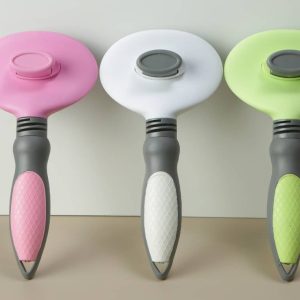
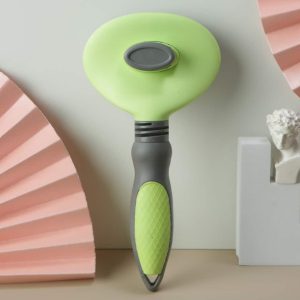
- Grooming tools (brush/comb appropriate for coat type, nail clippers, cat-safe ear cleaner).
- Cat-safe enzymatic cleaner for accidents.
- Safe Space: Designate a small, quiet room (like a spare bedroom or office) as the cat's initial “safe space.” Equip it with food, water, litter box, bed, and a few toys. This allows the cat to acclimate gradually without being overwhelmed by the entire house.
- Cat-Proofing: Thoroughly check your home for hazards. Secure electrical cords, remove toxic plants (like lilies, philodendrons, etc. – check the ASPCA's list of toxic/non-toxic plants (ASPCA, n.d.)), put away small objects that could be swallowed, ensure cleaning supplies and medications are inaccessible, and check that window screens are secure.
Introductions to Family and Pets
Introduce your new Highlander cat to its new environment and family members gradually and patiently.
- Initial Acclimation: Confine the cat to its prepared safe room for the first few days or even up to a week. Visit frequently for quiet interaction, play, and feeding. Let the cat dictate the pace of interaction.
- Exploring the Home: Once the cat seems comfortable in its safe room, allow supervised exploration of the rest of the house, one room at a time. Keep initial explorations short and positive.
- Introducing Family Members: Introduce human family members one at a time in the cat's safe space. Keep interactions calm and positive. Teach children how to interact gently and respectfully, supervising all interactions initially.
- Introducing Other Pets: This requires extra care and patience. Keep the new cat completely separate from resident pets initially. Start by swapping scents (exchanging bedding or rubbing cloths on each animal and letting the other sniff it). Then, allow brief visual contact through a baby gate or cracked door. Feed pets on opposite sides of a closed door to create positive associations. Only allow supervised, face-to-face interactions when both animals seem calm and non-threatened. Never force interactions. The process can take days, weeks, or even months depending on the animals involved (American Humane, n.d.). The confident nature of the Highlander cat can sometimes help, but careful management is still crucial.
The Highlander Cat Community
Connecting with other Highlander cat owners and breeders can be a valuable resource for sharing experiences, asking questions, and celebrating this unique breed. As a recognized breed, particularly within TICA, there are avenues for engaging with the broader community.
Breed clubs, such as those potentially affiliated with TICA or independent groups of enthusiasts, can be excellent sources of information. These clubs often work to promote the breed responsibly, organize shows, and sometimes facilitate rescue efforts. Checking TICA's website (TICA, n.d.-a) or searching specifically for Highlander cat clubs or associations online can yield results.
Online forums and social media groups dedicated to the Highlander cat breed also exist. Platforms like Facebook often host groups where owners share photos, stories, and advice. These can be great places to connect with others who understand the specific joys and quirks of living with a Highlander. However, always exercise critical thinking when evaluating advice found online, especially regarding health, and consult your veterinarian for medical concerns.
Cat shows sanctioned by organizations like TICA provide opportunities to see Highlander cats that meet the breed standard, talk to experienced breeders, and learn more about the breed in a formal setting. Even if you don't plan to show your cat, attending a show can be an educational experience.
Engaging with the Highlander cat community allows owners to deepen their appreciation for the breed, stay informed about developments, and find support from fellow enthusiasts who share a passion for these captivating felines.
Unique Aspects and Appeal
What truly makes the Highlander cat stand out in the diverse world of feline breeds? It's a combination of their striking appearance, engaging personality, and the story of their intentional creation.
The primary appeal for many is undoubtedly the “big cat” look packaged in a domestic animal. The curled ears are an immediate attention-grabber, unique among most cat breeds (shared primarily with the American Curl). Combined with the powerful, muscular build, the potential for a natural bobtail, and the common occurrence of polydactyl “mitten” paws, the Highlander cat presents an undeniably exotic and captivating silhouette. They look like they could have stepped out of a wilder setting, yet they possess none of the challenges or legal restrictions associated with owning actual wild cats or recent hybrids.
Beyond the looks, the Highlander's temperament is a major draw. They defy the aloof cat stereotype, being known for their playful, dog-like loyalty and intelligence. Their high energy levels and love for interactive play make them fun companions for active households. The fact that many can be trained to walk on a leash or perform tricks adds another layer of engagement not always found in feline companions. They are affectionate and social, seeking out human interaction and forming strong bonds with their families.
The Highlander cat represents a successful blend of desired traits achieved through careful, selective breeding using only domestic cat sources. They offer the allure of the exotic without the complexities of wild ancestry, combined with a personality that is both entertaining and deeply affectionate. For those seeking a visually stunning cat with an interactive, playful, and loving nature, the Highlander cat presents a compelling and unique choice.
Frequently Asked Questions (FAQ)
- 1. Are Highlander cats related to Scottish Highland wildcats or Bobcats?
- No, this is a common misconception likely due to early naming (“Highland Lynx”) and their wild appearance. The Highlander cat is a purely domestic breed developed in the USA by crossing specific domestic breeds (primarily the experimental Desert Lynx and Jungle Curl lines). They have no recent wild cat ancestry from Scottish Wildcats or North American Bobcats recognized within the breed standard (TICA, n.d.-b).
- 2. Do the curled ears of a Highlander cat cause health problems?
- The gene responsible for the curled ears in Highlanders (the same dominant gene found in American Curls) is not known to be associated with the cartilage or skeletal problems seen in Scottish Folds (whose ears fold forward due to a different gene). However, the shape of the ear can make them more prone to trapping wax or debris. Regular, gentle cleaning of the outer ear is recommended to prevent potential issues like infections or mite infestations (Malik et al., 1999; Cornell Feline Health Center, n.d.-a).
- 3. Are Highlander cats hypoallergenic?
- No, Highlander cats are not considered hypoallergenic. Allergies to cats are typically triggered by proteins found in their saliva, skin oils (sebaceous glands), and urine (Fel d 1 protein being the most common culprit), not necessarily the fur itself (National Institute of Environmental Health Sciences, n.d.). While individual cats may produce varying levels of allergens, no breed, including the Highlander, is truly hypoallergenic. People with cat allergies may react to any cat.
- 4. How big do Highlander cats typically get?
- Highlander cats are medium to large cats, known for their muscular and substantial build. Females typically weigh between 10 and 14 pounds (4.5-6.3 kg), while males are generally larger, often weighing between 15 and 20 pounds (6.8-9 kg), with some reaching even larger sizes. They are slow to mature, sometimes not reaching their full size and weight until they are 3 or 4 years old (TICA, n.d.-b).
- 5. Are Highlander cats good with children and other pets?
- Generally, yes. Highlander cats are known for their playful, confident, and affectionate nature, which often makes them good companions for respectful children who know how to interact gently with animals. They are also typically quite social and can get along well with other cats and cat-friendly dogs, especially if introduced properly and patiently from a young age. Their energy levels often match well with active households. As with any pet introduction, supervision is key initially (American Humane, n.d.).
- 6. Do all Highlander cats have curled ears, bobtails, and extra toes (polydactyly)?
- While these are characteristic traits, they are not guaranteed in every individual. The curled ears are due to a dominant gene, so most Highlanders will have them to some degree, but the amount of curl varies. The bobtail is preferred, but kittens can be born with varying tail lengths, including full tails (which disqualifies them from showing but makes them fine pets). Polydactyly is common and allowed by the standard but not required; many Highlanders have the standard number of toes. A cat can still be a Highlander cat even if it doesn't possess all three of these specific traits simultaneously, as long as it conforms to the overall breed standard in other aspects like head shape, body type, and comes from established Highlander lineage.
Conclusion: Is a Highlander Cat Right for You?
The Highlander cat is undeniably a breed that commands attention. With its unique combination of curled ears, powerful physique, potential bobtail, and often polydactyl paws, it offers an exotic look unparalleled in the domestic cat world. Yet, beneath this striking exterior lies a heart full of playfulness, intelligence, and deep affection for its human companions.
Choosing to bring a Highlander cat into your life means committing to an active, engaging feline friend. They thrive in environments where they receive plenty of interaction, mental stimulation through play and training, and outlets for their considerable energy, such as climbing structures. Their grooming needs are generally manageable but require specific attention to their unique ears and potentially complex paws. Prospective owners must be prepared to provide regular veterinary care, a high-quality diet, and a safe indoor environment.
If you are seeking a cat that blends a wild appearance with a devoted, almost dog-like personality, and you are prepared to meet its needs for engagement and care, the Highlander cat could be an extraordinary companion. Researching reputable breeders or exploring potential adoption avenues is the crucial first step towards welcoming one of these magnificent felines into your home. The Highlander cat offers a unique blend of beauty, brains, and bonding potential, making it a truly special addition to the right family.
References
(Note: Ensure links are active and appropriate. Academic sources specifically on the Highlander breed itself are limited due to its relative newness; references often pertain to traits or general feline health.)
- American Humane. (n.d.). Introducing Cats to Cats. https://www.americanhumane.org/fact-sheet/introducing-cats-to-cats/
- ASPCA. (n.d.). Toxic and Non-Toxic Plants. ASPCA | Poison Control. https://www.aspca.org/pet-care/animal-poison-control/toxic-and-non-toxic-plants
- Cornell Feline Health Center. (n.d.-a). Ear Mites. Cornell University College of Veterinary Medicine. https://www.vet.cornell.edu/departments-centers-and-institutes/cornell-feline-health-center/health-information/feline-health-topics/ear-mites
- Cornell Feline Health Center. (n.d.-b). Feline Dental Disease. Cornell University College of Veterinary Medicine. https://www.vet.cornell.edu/departments-centers-and-institutes/cornell-feline-health-center/health-information/feline-health-topics/feline-dental-disease
- Circulation, 99(24), 3172–3180. https://doi.org/10.1161/01.cir.99.24.3172
- Proceedings of the National Academy of Sciences of the United States of America, 105(46), 17869–17874. https://doi.org/10.1073/pnas.0807616105 (Note: This study relates to the genetic mechanism of polydactyly, relevant to Highlanders).
- Lyons, L. A. (2015). DNA mutations of the cat: The good, the bad and the ugly. Journal of Feline Medicine and Surgery, 17(3), 203–219. https://doi.org/10.1177/1098612X15573996 (Discusses various mutations including those affecting tail length).
- Australian Veterinary Journal, 77(2), 85–92. https://doi.org/10.1111/j.1751-0813.1999.tb11672.x (While about Scottish Folds, useful for contrasting the ear gene difference).
- National Institute of Environmental Health Sciences. (n.d.). Allergens. https://www.niehs.nih.gov/health/topics/agents/allergens/index.cfm
- National Research Council. (2006). Nutrient Requirements of Dogs and Cats. National Academies Press. https://nap.nationalacademies.org/catalog/10668/nutrient-requirements-of-dogs-and-cats
- Robinson, R. (1991). Genetics for Cat Breeders (3rd ed.). Butterworth-Heinemann. (Classic text covering feline genetics including traits like curled ears and bobtails).
- Journal of Feline Medicine and Surgery, 15(9), 785–808. https://doi.org/10.1177/1098612X13500429
- The International Cat Association (TICA). (n.d.-a). Browse All Breeds. TICA.org. https://www.tica.org/breeds/browse-all-breeds (Check for current Highlander status).
- The International Cat Association (TICA). (n.d.-b). Highlander Breed Standard. TICA.org. (Specific standard document – direct link might change, search within TICA site if needed). Example access path: https://www.tica.org/phocadownload/hl.pdf (Link may need updating if TICA changes its file structure).
Disclaimer: The information provided in this blog post is for educational and informational purposes only. It is not intended as professional veterinary advice. Always consult with a qualified veterinarian for your pet's specific needs and health conditions. We strive to ensure accuracy, but we make no warranty as to the reliability or completeness of the information presented.
Images and media used in this post may come from free-license resources or the internet. If you are the rightful owner and wish to request removal or attribution, please contact us at [email protected] .
Images and media used in this post may come from free-license resources or the internet. If you are the rightful owner and wish to request removal or attribution, please contact us at [email protected] .



 English
  简体中文
简体中文  Français du Canada
  Deutsch
  Español
  Português
  한국어
한국어  日本語
日本語  Italiano
  Русский
  Dansk
Dansk  Nederlands
  Svenska
  Suomi
Suomi  Polski
  Norsk bokmål