


The Highlander Shorthair Cat: A Comprehensive Guide to a Unique Feline
Welcome to an in-depth exploration of one of the feline world's more distinctive and captivating members: the Highlander Shorthair cat. This breed, often admired for its “big cat” look combined with a domestic temperament, presents a fascinating subject for cat enthusiasts and potential owners alike. It's a breed that turns heads, primarily due to its unique curled ears and often, its extra toes (polydactyly). But there's so much more to the Highlander Shorthair cat than just its striking appearance. As we delve into their history, personality, care needs, and the science behind their unique traits, we aim to provide a thorough understanding of what makes this breed special. Understanding the nuances of the Highlander Shorthair cat is key before deciding if this remarkable feline is the right companion for your home. Join us as we uncover the story and characteristics of the Highlander Shorthair cat.
-
-23%

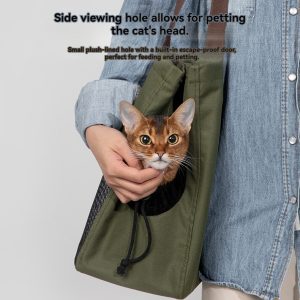
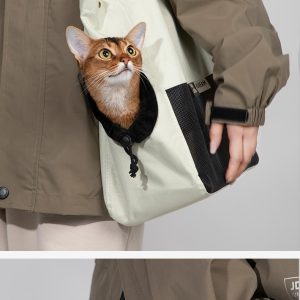
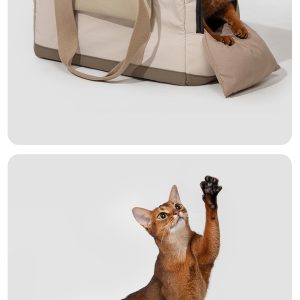
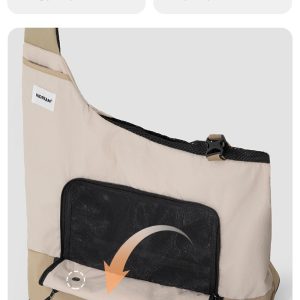
HiDream Color-Block Shoulder Pet Travel Bag – Stylish and Lightweight Carrier for Small Pets – Almond, Matcha
Original price was: $109.99.$84.99Current price is: $84.99. -
-14%
HiDream Pet Tote Bag – Relaxed Style Carrier for Small Pets – Durable Nylon with Breathable Mesh – Beige, Green, Gray
Original price was: $109.99.$94.59Current price is: $94.59. -
-12%
HiDream Pet Sling Carrier Bag – Adjustable Shoulder Strap Front Carry Bag for Small Pets – Khaki, Green, Gray
Original price was: $99.99.$88.49Current price is: $88.49.


1. Unraveling the Origins: The History of the Highlander Shorthair Cat
The story of the Highlander Shorthair cat is relatively recent compared to breeds with centuries of history, but it's no less intriguing. It's a tale of intentional development, specific aesthetic goals, and a journey towards official recognition. Understanding this history helps appreciate the breed's unique place in the feline world.
1.1. Foundation and Development
The development of the breed began in the early 1990s in the United States. Unlike breeds that evolved naturally or accidentally, the Highlander was purposefully created. The goal was ambitious: to develop a domestic cat breed that possessed a powerful, “wild” appearance, specifically reminiscent of a lynx, but without using any actual wild cat blood. This distinction is crucial; the Highlander Shorthair cat is entirely a domestic cat breed, despite its somewhat exotic looks.
Early development focused on crossing specific domestic breeds known for certain desirable traits. While exact foundation crosses can sometimes be proprietary information among early breeders, it's widely acknowledged that breeds potentially contributing to the Highlander lineage include the experimental Desert Lynx breed (itself a composite breed aiming for a wild look) and potentially cats known for curled ears, possibly linked to the lineage that produced the American Curl, although the Highlander ear curl is distinct. The aim was to combine the desired physical traits – a strong body, specific head shape, potential for polydactyly, and uniquely curled ears – into a stable new breed. Early breeders carefully selected cats exhibiting these features, focusing on health and temperament alongside the physical characteristics that define the Highlander Shorthair cat.
1.2. Breed Recognition Journey
Achieving official recognition from major cat fancy organizations is a significant milestone for any developing breed. It requires establishing a consistent breed standard, demonstrating a healthy and stable gene pool, and garnering enough interest from breeders and owners. The Highlander breed began this journey under its original name, Highland Lynx.
The International Cat Association (TICA) has played a key role in the breed's path to recognition. TICA recognized the Highland Lynx for registration purposes and later accepted it into the Preliminary New Breed class in May 2008 (TICA, n.d.). This class allows breeds to be shown and evaluated as they work towards full championship status. The name change from Highland Lynx to Highlander occurred around 2005 to avoid confusion and potential connotations with actual wild lynx species, emphasizing the breed's domestic nature. The Highlander Shorthair cat represents the short-coated version of the breed (a long-haired version also exists). This journey within organizations like TICA highlights the dedicated effort required to establish and promote a new breed like the Highlander Shorthair cat.
1.3. From Highland Lynx to Highlander
The original name, “Highland Lynx,” directly reflected the breeders' goals: “Highland” perhaps evoking a rugged, wild aesthetic, and “Lynx” pointing to the desired wild-cat appearance, particularly the ear tufts (though not always present or prominent) and strong build. However, names incorporating “Lynx” or other wild cat terms can sometimes cause issues, including potential misinterpretations regarding wild ancestry or legal restrictions in certain areas that regulate hybrid animals (even though the Highlander is not a hybrid).
The strategic name change to “Highlander” in 2005 served to clarify the breed's identity as a purely domestic cat while retaining a sense of its unique character and strength. It distanced the breed from potential confusion with wild cats or established breeds like the Pixie-bob, which also cultivates a wild look. Today, the name Highlander Shorthair cat specifically refers to the short-coated variety exhibiting the breed's distinctive traits, differentiating it from its long-haired counterpart simply called the Highlander.
Thinking about breed development, isn't it fascinating how human preferences for certain aesthetics can lead to the creation of entirely new types of companions? The journey of the Highlander Shorthair cat showcases this deliberate selection process in action.
2. A Striking Presence: The Unique Appearance of the Highlander Shorthair Cat
The visual appeal of the Highlander Shorthair cat is undeniable and is central to its identity. Several key features combine to create its distinctive look, setting it apart from more common domestic breeds. Let's break down these characteristics.
2.1. The Signature Curled Ears
Perhaps the most defining feature of the Highlander Shorthair cat is its ears. Unlike the straight ears of most cats or the tightly curled-back ears of the American Curl, the Highlander's ears have a looser curl or backward bend, primarily affecting the top third or half of the ear leather. The degree of curl can vary, but the ideal according to breed standards is a noticeable backward arc, giving the cat an alert and somewhat exotic expression. Importantly, the ears should be wide-set and preferably tipped with furnishings or tufts, enhancing the lynx-like comparison. This ear type is caused by a dominant gene, meaning only one parent needs to carry the gene for kittens to potentially inherit the trait (Robinson, 1991). Unlike the gene causing the American Curl's ears, the Highlander curl gene is considered distinct. The structure allows for flexibility, and the ears should not be rigid or hard.
2.2. Polydactyl Paws: More Toes to Love?
Another common, though not required, feature in the Highlander Shorthair cat is polydactyly – the presence of extra toes. While standard cats have five toes on the front paws and four on the back, Highlanders may have six or even seven toes, often resulting in larger, broader paws sometimes referred to as “mitten paws.” This trait is also caused by a dominant genetic mutation (UC Davis Veterinary Genetics Laboratory, n.d.). Polydactyly is found in various cat populations globally and is not unique to the Highlander, but it was selectively included in the breed standard to contribute to the powerful, rugged appearance. While generally harmless, polydactyl paws require diligent nail trimming to prevent ingrown claws, especially with unusually positioned toes. Not every Highlander Shorthair cat will be polydactyl; it is an allowable and often desired trait, but not essential for a cat to be considered a Highlander.
2.3. Body Structure and Size
The Highlander Shorthair cat is bred to be a substantial, muscular feline. They possess a long, rectangular body with significant boning, giving them a feeling of solid weight and power. Males are typically larger than females, often weighing between 15 to 20 pounds (approx. 6.8 to 9 kg), while females usually range from 10 to 14 pounds (approx. 4.5 to 6.3 kg). They have a broad chest, powerful shoulders, and strong legs, often with hind legs slightly longer than the front, contributing to a distinctive stance and powerful jumping ability. The tail is typically thick and can vary in length; breed standards often prefer a shorter tail (naturally bobbed or docked historically, though natural bobtails are preferred now where docking is illegal or frowned upon), ranging from about 2 to 6 inches, but full-length tails are also acceptable. The overall impression is one of strength and athleticism, underpinning the “big cat” aesthetic.
2.4. Coat and Colors
As the name suggests, the Highlander Shorthair cat has a short, resilient coat. The texture should be dense and somewhat plush, offering good protection. While short, it's distinct from the very sleek coats of breeds like the Siamese. In terms of color and pattern, Highlanders come in a wide variety. Tabby patterns, particularly spotted or mackerel tabby patterns that mimic wild felids, are very common and popular. Colors range broadly, including brown, silver, snow (lynx point, sepia, mink variations), blue, black, and red, often combined with tabby markings. Solid colors and tortie/torbie patterns are also seen. The emphasis in breeding is often on patterns that enhance the wild look, but the standard allows for considerable variety, reflecting the diverse domestic cat heritage of the Highlander Shorthair cat.
2.5. Highlander Shorthair vs. Similar Breeds
To better understand the unique combination of traits in the Highlander Shorthair cat, comparing it to breeds with some overlapping features can be helpful. Consider the American Curl (known for curled ears) and the Pixie-bob (known for a wild look and potential polydactyly).
| Feature | Highlander Shorthair Cat | American Curl | Pixie-bob |
|---|---|---|---|
| Origin | USA, 1990s (intentional cross) | USA, 1981 (spontaneous mutation) | USA, 1980s (legend of natural bobcat hybrid, but genetically domestic) |
| Ears | Loosely curled/bent backwards at tips; wide-set | Smoothly curled backwards in an arc (90-180 degrees); requires careful handling | Standard straight ears, often tufted |
| Paws | Polydactyly common and accepted | Standard paws (not polydactyl) | Polydactyly common and accepted |
| Body Type | Large, muscular, rectangular, powerful build | Medium size, semi-foreign body type, elegant but moderate | Substantial, muscular, heavy boning; often appears “rolled” forward |
| Tail | Variable length, short (2-6 inches) often preferred; full length acceptable | Long, plumed tail, flexible | Naturally short/bobbed tail (minimum 1 inch) preferred |
| Coat | Short, dense, resilient (Longhair version exists) | Short or Longhaired; fine, silky texture | Short or Longhaired; woolly, resilient, weatherproof |
| “Wild” Look | Strong emphasis (lynx-like features desired) | Not a primary feature; elegant domestic look | Strong emphasis (bobcat-like features desired) |
| Temperament | Playful, intelligent, confident, affectionate | Affectionate, curious, people-oriented, “Peter Pan” personality | Intelligent, devoted, “dog-like,” can be chatty (chirps/chitters) |
| TICA Status (as of early 2025) | Preliminary New Breed (as Highlander) | Championship Breed | Championship Breed |
This table highlights how the Highlander Shorthair cat combines specific traits (curled ears AND polydactyly AND wild look) in a way distinct from other breeds that might share one or two of these characteristics.
3. The Gentle Giant: Temperament and Personality
While the Highlander Shorthair cat might look like it just stepped out of the wilderness, its temperament is firmly rooted in the domestic cat world. They are often described as having a “big personality” to match their substantial size, blending playfulness, intelligence, and affection.
3.1. Playful and Energetic Nature
Highlanders retain a kitten-like playfulness well into adulthood. They are active, athletic cats who enjoy vigorous play sessions. Expect bursts of energy, impressive leaps, and a love for chasing toys. Their powerful build translates into impressive agility. They thrive on interaction and will often initiate play with their human companions or other pets. Providing outlets for this energy is crucial; sturdy climbing trees, puzzle feeders, and durable toys are essential. Think about it: a cat bred for a powerful look likely carries genes associated with higher energy levels. Meeting these needs prevents boredom and potential destructive behaviors. Investing in a variety of durable cat toys can keep your Highlander Shorthair cat happily engaged.
3.2. Intelligence and Trainability
The Highlander Shorthair cat is generally regarded as a highly intelligent breed. This intelligence manifests in curiosity, problem-solving abilities, and sometimes, a mischievous streak. They quickly learn household routines and can often figure out how to open cabinets or doors if motivated! Their intelligence makes them relatively trainable. Many owners successfully teach their Highlanders tricks, leash walking (with proper harness training), or to play fetch. Positive reinforcement techniques, using treats and praise, work best. Their smarts also mean they need mental stimulation; puzzle toys, interactive games, and even clicker training can provide the mental challenges they crave.
3.3. Affection and Social Bonds
Despite their imposing size and somewhat wild appearance, Highlanders are typically very affectionate and bond strongly with their families. They are not usually aloof cats; they enjoy being involved in household activities and spending time with their people. While perhaps not constant lap cats due to their size and energy, they will seek out affection, enjoy petting and head scratches, and often follow their favorite humans from room to room. They can be quite expressive, using chirps, trills, and purrs to communicate their contentment or demands. The Highlander Shorthair cat often forms deep attachments, making them loyal companions.
3.4. Compatibility with Families and Other Pets
Their generally good-natured and playful disposition makes the Highlander Shorthair cat a potentially good fit for families with children, provided the children are taught how to interact respectfully with a large, strong cat. Their energy levels often match well with active kids who enjoy playing with them. Highlanders can also usually coexist peacefully with other cats and cat-friendly dogs, especially if introduced properly and carefully. Their confidence means they are less likely to be intimidated, but early socialization is always beneficial. As with any pet, individual personalities vary, but the breed tendency is towards sociability. Always supervise interactions between pets and young children initially.
4. Health and Longevity: Caring for Your Highlander Shorthair Cat
Ensuring the health and well-being of a Highlander Shorthair cat involves understanding their general health profile, potential predispositions, and specific care needs related to their unique physical traits. Responsible ownership includes proactive health management.
4.1. Average Lifespan and General Health
As a relatively new breed developed from domestic stock, the Highlander Shorthair cat is generally considered healthy and robust. With proper care, nutrition, and regular veterinary check-ups, their average lifespan is typically estimated to be around 10 to 15 years, comparable to many other domestic cat breeds. Maintaining an appropriate weight, providing sufficient exercise, and addressing health issues promptly contribute significantly to longevity. Because the breed is still developing, long-term data on lifespan and breed-specific health trends is still accumulating, making responsible breeding practices that prioritize health paramount.
4.2. Potential Genetic Predispositions

While generally healthy, any breed can have potential genetic health concerns. For the Highlander Shorthair cat, areas to be mindful of might include:
- Hypertrophic Cardiomyopathy (HCM): This is the most common heart disease in cats across many breeds. It involves thickening of the heart muscle. Reputable Highlander breeders may screen their breeding cats for HCM, although its prevalence specifically within the Highlander breed compared to the general cat population requires more data. (Cornell Feline Health Center, n.d.).
- Hip Dysplasia: As a larger, heavier-boned breed, Highlanders could potentially be more prone to hip dysplasia, a condition where the hip joint develops abnormally. Screening of breeding stock can help reduce the incidence.
- Issues Related to Polydactyly: While the trait itself isn't a disease, severely malformed extra toes or claws growing incorrectly can sometimes require veterinary intervention. Careful monitoring and nail care are essential.
- Issues Related to Ear Curl: The genetic mutation causing the ear curl in Highlanders is generally not associated with the cartilage issues seen in Scottish Folds. However, the ear shape requires specific cleaning attention (see below).
It's crucial to source a Highlander Shorthair cat from a breeder who performs health testing on their breeding animals and is transparent about the health history of their lines.
4.3. Specific Care for Curled Ears

The unique structure of the Highlander Shorthair cat's curled ears necessitates regular attention. The curl can potentially trap more wax and debris than standard ears, increasing the risk of ear infections if not kept clean. Owners should:
- Inspect Weekly: Gently check the inside of the ears for redness, excessive wax buildup, or any unusual odor, which could indicate infection or mites.
- Clean as Needed: Use a veterinarian-approved ear cleaning solution and cotton balls (never cotton swabs, which can push debris further in or damage the eardrum) to gently wipe the accessible parts of the outer ear canal. How often cleaning is needed varies per cat; some may need weekly cleaning, others less frequently.
- Avoid Over-Cleaning: Cleaning too often or too aggressively can cause irritation. Follow your vet's guidance.
Prompt veterinary attention is needed if you suspect an ear infection (symptoms include head shaking, scratching at ears, discharge, odor, pain).
4.4. Managing Polydactyl Paws
If your Highlander Shorthair cat has extra toes, diligent nail care is vital. Polydactyl paws can have claws in unusual positions or angles, making them prone to snagging or growing into the paw pad if not trimmed regularly.
- Regular Trimming: Trim all claws, including those on the extra toes, every 2-3 weeks using cat-specific nail clippers.
- Inspect Paw Pads: Regularly check the paw pads around the extra toes for any signs of irritation, redness, or ingrown nails.
- Dewclaws: Pay special attention to any extra dewclaws (thumb-like toes), as these don't wear down naturally through walking and are particularly prone to becoming ingrown.
Getting your cat accustomed to nail trims from a young age makes this routine task much easier.
4.5. Preventative Veterinary Care
Routine veterinary care is the cornerstone of maintaining the health of your Highlander Shorthair cat. This includes:
- Annual Check-ups: For adult cats, annual wellness exams are crucial for early detection of potential issues. Senior cats (typically over 8-10 years) may benefit from twice-yearly check-ups.
- Vaccinations: Core vaccinations protect against common and serious feline diseases (like Panleukopenia, Calicivirus, Herpesvirus, and Rabies). Non-core vaccines may be recommended based on lifestyle (e.g., Feline Leukemia virus vaccine for outdoor cats). Discuss the appropriate vaccination schedule with your vet.
- Parasite Control: Regular prevention against fleas, ticks, heartworms (depending on geographic location), and intestinal parasites is essential.
- Dental Care: Dental disease is very common in cats. Regular dental check-ups, professional cleanings as needed, and potentially home care (like teeth brushing or dental treats) can prevent pain and systemic health problems linked to poor oral hygiene.
- Spaying/Neutering: Spaying or neutering not only prevents unwanted litters but also reduces the risk of certain reproductive cancers and undesirable behaviors.
Disclaimer: This information is for educational purposes. Always consult with a qualified veterinarian for medical advice regarding your specific cat's health and care needs.
5. Living with a Highlander Shorthair Cat: Daily Care and Needs
Providing the right care ensures your Highlander Shorthair cat thrives. This involves meeting their nutritional needs, maintaining their coat and unique features, providing adequate exercise and mental stimulation, and creating a safe and enriching environment.
5.1. Nutritional Requirements
Like all cats, the Highlander Shorthair cat is an obligate carnivore, meaning their diet must be rich in animal-based protein. High-quality commercial cat food (wet, dry, or a combination) formulated to meet AAFCO (Association of American Feed Control Officials) standards for the cat's life stage (kitten, adult, senior) is generally recommended. Key considerations include:
- Protein Content: Look for foods with high levels of named animal protein sources (e.g., chicken, turkey, fish) listed first in the ingredients.
- Energy Needs: Being active and muscular, Highlanders may require slightly more calories than a more sedentary cat of similar size, but it's crucial to avoid overfeeding to prevent obesity. Monitor their body condition and adjust portions as needed.
- Life Stage Appropriateness: Kittens need calorie- and nutrient-dense food for growth, while seniors may benefit from diets lower in calories but potentially higher in certain nutrients or supplements for joint health.
- Fresh Water: Always provide access to fresh, clean water. Some cats prefer running water from a fountain, which can encourage hydration.
Consulting with your veterinarian can help determine the best type and amount of food for your individual Highlander Shorthair cat, especially if they have specific health needs. Ensuring access to premium cat food tailored to their needs supports their overall health and vitality.
5.2. Grooming the Highlander Shorthair
The “Shorthair” part of the name indicates relatively low-maintenance grooming needs compared to their long-haired counterparts.
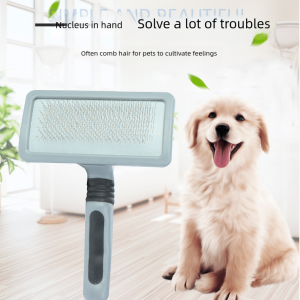
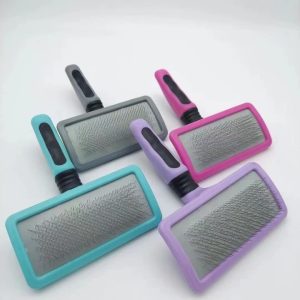
- Coat Brushing: A weekly brushing session is usually sufficient to remove loose hair, reduce shedding, and distribute skin oils. Use a grooming tool appropriate for short, dense coats, like a rubber curry brush or a fine-toothed comb. Brushing frequency might need to increase during seasonal shedding periods.
- Nail Trimming: Essential every 2-3 weeks, paying extra attention to all toes if the cat is polydactyl (as discussed in the Health section).
- Ear Cleaning: Regular inspection and cleaning as needed due to the ear curl (as discussed in the Health section).
- Dental Hygiene: Regular teeth brushing with cat-specific toothpaste is ideal for preventing dental disease. If brushing isn't feasible, discuss dental treats or water additives with your vet.
- Bathing: Baths are rarely necessary unless the cat gets particularly dirty. Most cats are fastidious self-groomers.
Introducing grooming routines gently and positively from kittenhood makes them more readily accepted.
5.3. Exercise and Environmental Enrichment
Meeting the physical and mental exercise needs of the active and intelligent Highlander Shorthair cat is crucial for their well-being.
- Interactive Play: Daily sessions of interactive play using wand toys, laser pointers (use cautiously, always ending with a ‘catch' of a physical toy), or fetch are vital. This mimics hunting behavior and strengthens the bond with your cat. Aim for at least two 15-minute sessions per day.
- Vertical Space: Highlanders love to climb! Provide tall, sturdy cat trees or shelves to allow them to survey their territory from above. This caters to their natural instincts and provides exercise.
- Scratching Posts: Offer various scratching posts (vertical, horizontal, different materials like sisal rope or cardboard) to satisfy their natural scratching needs and protect your furniture.
- Puzzle Toys: Food puzzles or treat-dispensing toys provide mental stimulation and satisfy their problem-solving urges.
- Window Perches: A secure window perch allows your cat to safely observe the outside world (“cat TV”), providing hours of entertainment.
A bored Highlander can become stressed or develop behavioral issues, so environmental enrichment is not a luxury but a necessity for this breed.
5.4. Ideal Home Environment
The ideal home for a Highlander Shorthair cat is one that can accommodate their size and energy level. While adaptable, they appreciate having space to roam and play. Key elements include:
- Safety: Ensure the home is cat-proofed (secure screens on windows, toxic plants removed, hazardous substances stored safely).
- Stimulation: Provide the enrichment items mentioned above (trees, toys, scratchers).
- Companionship: Highlanders bond strongly with their families and generally don't do well if left alone for very long periods regularly. They thrive on interaction.
- Routine: Like most cats, they appreciate a predictable routine for feeding, play, and attention.
- Respectful Interaction: Ensure all family members, especially children, understand how to interact gently and respectfully.
Whether in an apartment or a house, the quality of the environment and the interaction provided are more important than sheer square footage for a happy Highlander Shorthair cat.
6. The Science Behind the Look: Genetics of the Highlander Shorthair Cat
The distinctive appearance of the Highlander Shorthair cat is rooted in specific genetic traits that breeders have selected for. Understanding the basics of these genetics sheds light on how the breed developed and why certain features appear.
6.1. The Genetics of Curled Ears
The curled ears of the Highlander Shorthair cat are caused by a dominant gene. This means that a cat only needs to inherit one copy of the gene (from either parent) to express the trait (show curled ears). If a cat inherits two copies (one from each parent), it will also have curled ears. A cat with straight ears has two copies of the recessive, non-curling version of the gene. This mode of inheritance is similar to the American Curl breed, but genetic studies and breeder experience suggest the specific gene or allele (gene variant) responsible for the Highlander curl may be distinct from the American Curl gene (symbolized as Cu). The Highlander curl tends to be looser and affects primarily the tips, whereas the American Curl gene results in a more pronounced, smooth arc (TICA Highlander Breed Information). Importantly, the gene responsible for the Highlander ear curl is not currently known to be associated with the skeletal issues (like osteochondrodysplasia) linked to the Fold gene (Fd) in Scottish Folds, which affects cartilage throughout the body. This makes the Highlander curl a purely aesthetic trait without the severe health implications associated with the Scottish Fold mutation.
Think about dominant genes like a strong instruction: even one copy is enough to make the trait appear. This explains why breeders could relatively quickly establish the curled ear trait in the Highlander Shorthair cat population.
6.2. Understanding Polydactyly
Polydactyly, or the presence of extra toes, is also typically inherited as an autosomal dominant trait in cats. Several different mutations in specific genes (like the ZRS regulatory element for the Sonic Hedgehog gene, SHH) have been identified as causing polydactyly in various cat populations, including those in Maine Coons and potentially contributing lineages to the Highlander (Lange et al., 2007; UC Davis VGL). Because it's dominant, a polydactyl cat needs only one polydactyl parent to potentially inherit the trait. If a cat inherits two copies of the polydactyly gene, it will also be polydactyl, and sometimes this can result in more pronounced effects or variations in the number and structure of extra toes. The expression can vary – some cats might have only one extra dewclaw, while others have fully formed extra toes making the paw look like a mitten. Polydactyly is generally considered benign, not impacting the cat's health or mobility, although careful nail care is required as mentioned previously. Its inclusion in the Highlander Shorthair cat standard is purely based on aesthetic preference, contributing to the desired rugged look.
6.3. Gene Pool Diversity and Breeding Considerations
Developing a new breed like the Highlander Shorthair cat involves careful management of the gene pool. Initially, breeders work with a limited number of foundation cats possessing the desired traits. This can lead to a relatively small gene pool in the early stages, potentially increasing the risk of certain genetic health issues if not managed carefully. Responsible breeders prioritize genetic diversity by occasionally outcrossing to other domestic cats (approved outcrosses may be specified by registries like TICA) that can contribute desirable traits or genetic health without compromising the core breed characteristics. Health screening of breeding cats for known feline genetic diseases (like HCM) and careful selection to avoid breeding closely related individuals are crucial practices. As the breed becomes more established, the gene pool generally expands, but ongoing vigilance regarding genetic health and diversity remains important for the long-term well-being of the Highlander Shorthair cat population.
7. Breeding and Acquisition: Finding a Highlander Shorthair Cat
Acquiring a Highlander Shorthair cat requires finding reputable sources, whether through breeders or rescue organizations. Understanding the breed standard and the responsibilities of breeders can help ensure you find a healthy, well-socialized cat.
7.1. Breed Standards and Goals
Breed standards, like those set by TICA, provide a blueprint for breeders. They describe the ideal characteristics of the Highlander Shorthair cat, covering everything from head shape and ear curl to body structure, coat texture, and temperament. The standard guides breeders in making selection choices to produce cats that consistently represent the breed's unique qualities. Key goals include maintaining the characteristic curled ears (with flexibility), the powerful body type, allowing for polydactyly, and ensuring the playful yet affectionate temperament. Adherence to the standard helps maintain the breed's identity, but responsible breeders also prioritize health and genetic diversity above strictly conforming to every aesthetic detail.
7.2. Choosing a Responsible Breeder

Finding a responsible breeder is paramount when looking for a purebred cat like the Highlander Shorthair cat. Signs of a reputable breeder include:
- Affiliation with Registries: They often register their cats and litters with organizations like TICA.
- Health Testing: They perform relevant health screenings on their breeding cats (e.g., for HCM, potentially hip dysplasia) and are willing to share results.
- Knowledgeable and Transparent: They are knowledgeable about the breed, its care, potential health issues, and are open about their breeding practices.
- Home Environment: They raise kittens underfoot in a clean, stimulating home environment, ensuring proper socialization from a young age.
- Health Guarantee and Contract: They provide a written contract that includes a health guarantee against congenital defects.
- Screening Buyers: They ask you questions to ensure you can provide a suitable, lifelong home for their kitten. They care where their kittens go.
- Limited Litters: They typically specialize in one or maybe two breeds and don't constantly have kittens available.
- No Early Spay/Neuter (Sometimes): Practices vary, but many responsible breeders sell pet-quality kittens with a spay/neuter agreement or perform early spay/neuter before placement.
- Allow Visits (or Video Calls): They allow potential buyers to visit their cattery (perhaps with biosecurity precautions) or offer extensive photos/videos.
Avoid breeders who sell through pet stores, seem unwilling to answer questions, don't perform health testing, or keep cats in poor conditions. Resources like the TICA website may list breeders, but always do your own thorough vetting.
7.3. Adoption and Rescue Options
While Highlanders are less common than many breeds, it's sometimes possible to find a Highlander Shorthair cat or a mix with Highlander traits through rescue organizations or shelters. Breed-specific rescues sometimes emerge, or general cat rescues may occasionally take in Highlanders. Adoption offers a loving home to a cat in need and can be a very rewarding experience. Keep in mind that the cat's full history may not be known, but rescue organizations often perform health checks and temperament assessments. Patience may be required, as finding a specific breed like the Highlander through rescue can take time.
7.4. Cost Considerations
The cost of acquiring a Highlander Shorthair cat from a breeder can vary significantly based on location, breeder reputation, lineage, and whether the cat is considered pet quality or show/breeding quality. Prices can range from several hundred to well over a thousand US dollars (as of early 2025). This initial cost reflects the breeder's investment in quality care, health testing, registration, and raising the kittens. Remember that the purchase price is only the beginning; ongoing costs include high-quality food, litter, veterinary care (including preventative care and potential emergencies), grooming supplies, toys, and enrichment items. Adoption fees from rescues are typically much lower than breeder prices but still contribute towards the care the cat received while at the shelter.
8. Conclusion: Embracing the Unique Highlander Shorthair Cat
The Highlander Shorthair cat stands out as a testament to dedicated breeding efforts aimed at creating a domestic cat with a captivating, wild-inspired appearance coupled with an engaging and affectionate personality. From their signature curled ears and powerful build to their common polydactyl paws and playful nature, they offer a unique combination of traits. Owning a Highlander means committing to providing the necessary care for their specific features, meeting their needs for physical activity and mental stimulation, and embracing their confident, interactive temperament.
They are more than just their looks; they are intelligent, energetic companions that form strong bonds with their families. While requiring attentive care, particularly regarding ear cleaning and nail trimming (especially if polydactyl), the rewards of sharing a home with a well-adjusted Highlander Shorthair cat are immense. Whether sourced from a responsible breeder or adopted through rescue, bringing a Highlander into your life means welcoming a truly distinctive and charismatic feline friend. We hope this comprehensive guide has provided valuable insights into the world of the Highlander Shorthair cat, helping you appreciate this remarkable breed and decide if it's the right match for you.
9. Frequently Asked Questions (FAQ)
- 1. Is the Highlander Shorthair cat related to wild cats like the Bobcat or Lynx?
- No, the Highlander Shorthair cat is a purely domestic breed. Although developed to have a “wild” appearance reminiscent of a lynx or bobcat (strong build, sometimes tufted ears, short tail preference), it has no recent wild cat ancestry. The name change from Highland Lynx to Highlander was partly to emphasize this domestic nature.
- 2. Are the curled ears of a Highlander Shorthair cat fragile or prone to health problems?
- The curled ears are caused by a dominant gene affecting cartilage, but unlike the gene in Scottish Folds, the Highlander curl gene is not currently associated with systemic cartilage or bone problems. The ears themselves are generally flexible, not rigid. However, the curl can trap wax and debris more easily, so regular inspection and gentle cleaning are necessary to prevent potential ear infections. They are not inherently more fragile to the touch than standard cat ears but should still be handled gently.
- 3. Do all Highlander Shorthair cats have extra toes (polydactyly)?
- No, polydactyly is a common and accepted trait within the breed standard, but it is not required. Many Highlander Shorthair cats have the standard number of toes (five front, four back). Polydactyly is caused by a separate dominant gene, so its presence depends on the genetics of the parents. If present, it requires diligent nail trimming.
- 4. How much grooming does a Highlander Shorthair cat need?
- The short, dense coat of the Highlander Shorthair cat requires minimal grooming – typically just a weekly brushing to remove loose hair and distribute oils. More frequent brushing might be needed during shedding seasons. However, specific grooming attention must be paid to regularly checking and cleaning the curled ears and trimming the nails (especially important if the cat is polydactyl).
- 5. What kind of personality does the Highlander Shorthair cat have? Are they good family pets?
- Highlander Shorthair cats are known for being playful, energetic, intelligent, confident, and affectionate. They often retain a kitten-like playfulness into adulthood and bond strongly with their families. Their good nature generally makes them suitable for families with considerate children and other pets, provided proper introductions and supervision occur. They thrive on interaction and require environmental enrichment to stay happy and prevent boredom.
10. References
(Note: Please verify the current validity and content of external links, as website information can change.)
- Cornell Feline Health Center. (n.d.). Hypertrophic Cardiomyopathy. Cornell University College of Veterinary Medicine. https://www.vet.cornell.edu/departments-centers-and-institutes/cornell-feline-health-center/health-information/feline-health-topics/hypertrophic-cardiomyopathy
- https://pubmed.ncbi.nlm.nih.gov/17666386/ (Note: While this study focuses on polydactyly genetics generally, it relates to the underlying mechanisms potentially relevant to Highlanders).
- Robinson, R. (1991). Genetics for Cat Breeders (3rd ed.). Butterworth-Heinemann. (Provides general background on feline genetics, including dominant traits like potential ear forms).
- The International Cat Association (TICA). (n.d.). Browse All Breeds. https://tica.org/breeds/browse-all-breeds (Check for current Highlander breed status and standards).
- The International Cat Association (TICA). (n.d.). Highlander Breed. https://tica.org/breeds/browse-all-breeds/item/258-highlander (Specific TICA page for the breed).
- UC Davis Veterinary Genetics Laboratory. (n.d.). Polydactyly – Cat. https://vgl.ucdavis.edu/test/polydactyly-cat




 English
  简体中文
简体中文  Français du Canada
  Deutsch
  Español
  Português
  한국어
한국어  日本語
日本語  Italiano
  Русский
  Dansk
Dansk  Nederlands
  Svenska
  Suomi
Suomi  Polski
  Norsk bokmål