


Introduction: The Dazzling Diamond Eye
Imagine a cat cloaked in pristine white fur, gazing at you with eyes like mismatched jewels – one a brilliant sapphire, the other a gleaming topaz. This captivating image belongs to the Khaomanee cat, a breed whose name translates from Thai as “White Gem.” Often referred to as the “Diamond Eye” cat, the Khaomanee is more than just visually stunning; it carries a rich history intertwined with the royalty of ancient Siam and possesses a personality as bright and engaging as its appearance. This breed represents a living piece of cultural heritage, a testament to centuries of natural selection and careful preservation in its native Thailand. Unlike its more famous Thai cousins, the Siamese or Korat, the Khaomanee cat remained a well-guarded treasure within Thailand for a very long time, only gaining international recognition relatively recently.
-
-23%

HiDream Color-Block Shoulder Pet Travel Bag – Stylish and Lightweight Carrier for Small Pets – Almond, Matcha
Original price was: $109.99.$84.99Current price is: $84.99. -
-14%
HiDream Pet Tote Bag – Relaxed Style Carrier for Small Pets – Durable Nylon with Breathable Mesh – Beige, Green, Gray
Original price was: $109.99.$94.59Current price is: $94.59. -
-12%
HiDream Pet Sling Carrier Bag – Adjustable Shoulder Strap Front Carry Bag for Small Pets – Khaki, Green, Gray
Original price was: $99.99.$88.49Current price is: $88.49.






Exploring the world of the Khaomanee cat takes us on a journey through history, genetics, and feline behavior. We delve into the legends surrounding its origins, examine the unique genetic traits that produce its signature look, and understand the specific care requirements needed to keep this precious gem healthy and happy. For potential owners and feline enthusiasts alike, understanding the nuances of the Khaomanee cat breed is crucial. They are not merely white cats; they are Khaomanee cats, with a distinct lineage, specific health considerations (particularly concerning hearing), and a vibrant personality that demands attention and affection. This comprehensive guide aims to illuminate every facet of the Khaomanee cat, providing deep insights for those captivated by its unique charm and considering welcoming one into their lives. We will explore everything from their royal past to the practicalities of modern-day care, ensuring you have a thorough understanding of this remarkable white cat breed from Thailand.
A Royal Legacy: History and Origins of the Khaomanee Cat
The story of the Khaomanee cat is deeply rooted in the history of Thailand, formerly known as Siam. Unlike breeds developed through intentional crossbreeding programs in the West, the Khaomanee is considered a natural breed, having developed over centuries within its homeland. Its history is often linked with Thai royalty and ancient manuscripts, adding an air of mystique and prestige. While pinpointing the exact emergence is difficult due to the mists of time, references to auspicious white cats appear in historical Thai texts.
One significant source often cited is the *Tamra Maew*, a collection of Thai cat poems and descriptions dating back potentially as far as the Ayutthaya Kingdom (1351–1767 CE). While interpretations vary, and the *Tamra Maew* primarily describes other Thai breeds like the Siamese (Wichienmaat), Korat (Si-Sawat), and Burmese (Suphalak), it does mention white cats considered to bring good fortune. Some sources suggest the Khaomanee, specifically described as “Khao Port” (meaning ‘all white'), was among these treasured felines, favored by the Siamese aristocracy (Pong-an, n.d.). Legend holds that these cats were jealously guarded by royalty, contributing to their relative obscurity outside Thailand compared to the Siamese cat, which gained international fame much earlier.
King Rama V (Chulalongkorn), who reigned from 1868 to 1910, is often mentioned in connection with the breed. He is said to have been an admirer of the Khaomanee cat and played a role in its preservation. The association with luck and prosperity made the Khaomanee cat a highly valued companion in noble households. The belief was that the pure white coat symbolized purity and the striking eyes, especially the odd-eyed combination, held special powers or reflected great insight. This cultural significance helped ensure the breed's survival through periods of political upheaval and change in Thailand.
The journey of the Khaomanee cat to the Western world is much more recent. While individual white cats may have left Thailand earlier, the first documented, intentional breeding program outside of Thailand began only in 1999. Breeder Colleen Freymuth imported the first Khaomanee cats, Sripia and Paitoon, from Thailand to the United States, initiating efforts to gain recognition and establish the breed internationally (TICA, n.d.). This marked a significant turning point, bringing the “White Gem” to the attention of global cat fanciers.
Recognition by major cat associations followed gradually. The International Cat Association (TICA) granted the Khaomanee cat Preliminary New Breed status in 2009, advancing to Advanced New Breed status in 2012, and finally achieving full Championship status in 2015. The Governing Council of the Cat Fancy (GCCF) in the UK also recognized the breed. This formal recognition requires adherence to specific breed standards, documenting pedigrees, and promoting responsible breeding practices, helping to safeguard the unique characteristics of the Khaomanee cat for future generations. Despite this growing recognition, the Khaomanee cat remains a relatively rare breed globally, cherished by those who appreciate its unique combination of history, beauty, and personality.
Physical Characteristics: More Than Just a White Coat
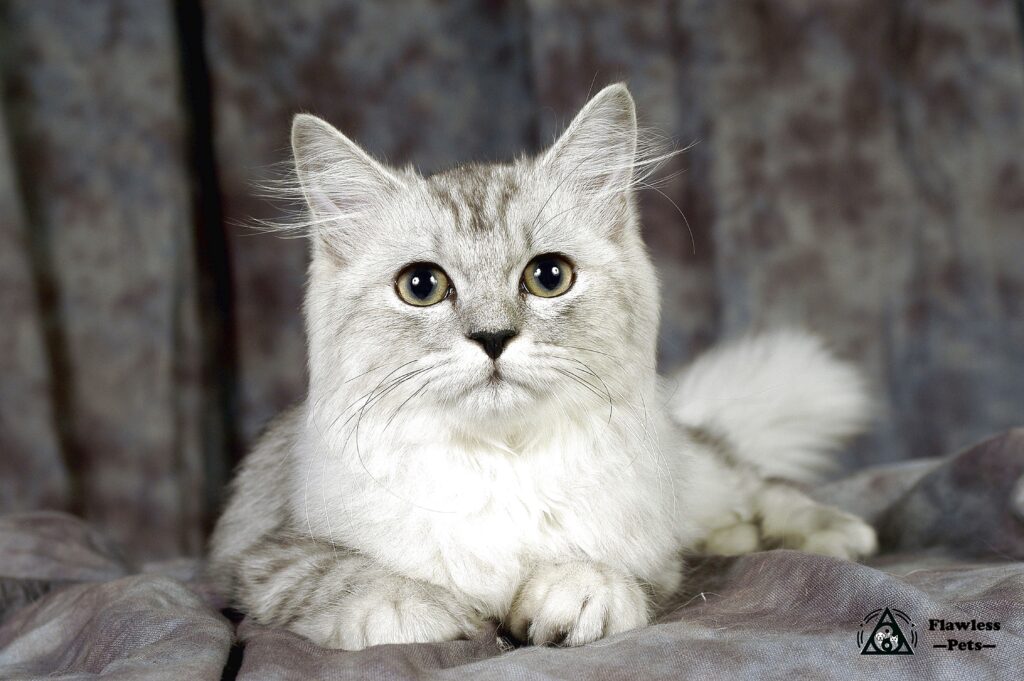
The Khaomanee cat is instantly recognizable, primarily due to its striking white coat and captivating eyes. However, its physical attributes encompass more than just these prominent features. Understanding the breed standard helps appreciate the subtle elegance and unique structure of this Thai treasure.
The Pristine White Coat
The defining feature of the Khaomanee cat is its coat: short, smooth, and always pure white. The texture is typically close-lying, with a fine undercoat that gives it a sleek, polished appearance. Unlike some other white breeds that may allow for spots of color in kittens (which fade with age), the ideal Khaomanee cat maintains its snowy hue throughout its life. The lack of pigmentation is due to the dominant W gene, which masks all other color genes. This genetic trait is central to the breed's identity but, as we will discuss later, is also linked to potential health considerations, particularly deafness. The quality of the coat is important; it should feel soft and resilient to the touch, reflecting the cat's overall health.
The Mesmerizing Eyes: A Spectrum of Jewels
Perhaps the most celebrated feature of the Khaomanee cat is its eyes. They are typically large, luminous, and slightly slanted, contributing to an alert and expressive face. What truly sets them apart is the range of possible colors and the famous odd-eyed phenomenon (heterochromia iridum). Khaomanee cat eye colors can be:
- Blue: A clear, bright sapphire blue.
- Gold/Yellow: Ranging from pale yellow to deep amber or copper.
- Green: A less common but possible eye color.
- Odd-eyed: One blue eye and one eye of another color (typically gold, yellow, amber, or green). This is the highly prized “Diamond Eye” feature often associated with good fortune in Thai culture.
The clarity and brilliance of the eye color are important aspects of the breed standard. The odd-eyed presentation is particularly sought after and contributes significantly to the Khaomanee cat's mystique. It's important to note that kittens may be born with blue eyes that change color as they mature, typically settling into their final adult color by several months of age.
Body Structure and Build
The Khaomanee cat is a medium-sized cat with a body that balances muscularity and elegance. It is neither as cobby (stocky) as a British Shorthair nor as elongated and slender as a modern Siamese. The body should be moderately long, well-muscled, and athletic, conveying strength without bulk. The chest is moderately broad, and the legs are well-proportioned to the body, ending in oval paws. The tail is typically medium to long, tapering slightly towards the tip, and should be in balance with the rest of the body.
The head structure is also distinctive. It is often described as a modified wedge or heart-shaped, with gentle contours. A key feature is the high cheekbones, which contribute to the unique facial appearance. The muzzle is moderate in length, neither sharply pointed nor overly blunt. The ears are medium to large, set relatively high on the head but with good width between them, broad at the base, and slightly rounded at the tips. They contribute to the alert expression characteristic of the Khaomanee cat breed. Overall, the physical presence of the Khaomanee cat should be one of harmony, balance, and refined athleticism, complementing its striking coat and eye colors.
Khaomanee Cat vs. Similar Breeds: A Comparative Look
To better appreciate the unique qualities of the Khaomanee cat, it's helpful to compare it to other breeds, particularly those also known for white coats or Thai origins.
| Feature | Khaomanee Cat | Siamese | Turkish Angora | Foreign White |
|---|---|---|---|---|
| Origin | Thailand (Ancient Siam) | Thailand (Ancient Siam) | Turkey (Ankara region) | United Kingdom (Developed Breed) |
| Coat Color(s) | Solid White Only | Colorpoint (Body lighter than extremities) | White is traditional, but many colors/patterns accepted | Solid White Only |
| Coat Type | Short, smooth, close-lying | Short, fine, glossy, close-lying | Semi-longhair, fine, silky, no undercoat | Short, fine, glossy, close-lying |
| Eye Color(s) | Blue, Gold/Yellow, Green, Odd-eyed | Deep Vivid Blue Only | Blue, Green, Gold, Amber, Odd-eyed | Deep Vivid Blue Only |
| Body Type | Medium size, muscular yet elegant, moderate length | Long, slender, tubular, elegant, fine-boned (Modern); More moderate (Traditional) | Long, graceful, fine-boned but muscular | Long, slender, tubular (Essentially a white Siamese) |
| Head Shape | Modified wedge/heart-shaped, high cheekbones | Long tapering wedge (Modern); Rounded/apple-head (Traditional) | Smooth wedge, medium length | Long tapering wedge |
| Temperament Notes | Intelligent, curious, playful, social, vocal | Intelligent, demanding, affectionate, very vocal, social | Intelligent, playful, active, affectionate, adaptable | Intelligent, demanding, affectionate, very vocal (Siamese personality) |
| Deafness Link | Higher incidence, especially in blue-eyed individuals (due to Dominant White gene W) | Not typically associated with deafness (Colorpoint gene, not Dominant White) | Higher incidence in white, blue-eyed individuals (Dominant White gene W) | Higher incidence possible (Dominant White gene W, though some argue linked blue eyes differ genetically from Siamese) |
This table highlights key distinctions. While a Foreign White might look superficially similar to a blue-eyed Khaomanee cat, its body type, head shape, and genetic background (being essentially a white Siamese) differ. The Turkish Angora, another white breed often with odd eyes, has a distinct semi-longhair coat and different body structure. The Siamese, while sharing Thai origins, is defined by its colorpoint pattern and specific blue eyes, contrasting sharply with the solid white Khaomanee cat. Understanding these differences is crucial for breed identification and appreciation.
Temperament and Personality: The Social Gem
Beyond their stunning appearance, Khaomanee cats possess a personality that truly makes them shine. They are often described as being highly interactive, intelligent, and affectionate companions, embodying many of the engaging traits found in other Thai cat breeds. If you are seeking a cat that is merely an ornamental presence, the Khaomanee cat is likely not the right fit; these cats thrive on interaction and being involved in the lives of their human families.
One of the most frequently noted characteristics of the Khaomanee cat is its intelligence and curiosity. These cats love to explore their environment, investigate new objects, and solve problems (like how to open a cabinet or reach a high shelf). Their inquisitive nature means they benefit greatly from mental stimulation. Puzzle toys, interactive play sessions, and even clicker training can be excellent ways to keep their sharp minds engaged. Owners often report that their Khaomanee cat seems to understand routines and even responds to specific words or commands.
They are also known for being quite playful, retaining a kitten-like energy well into adulthood. They enjoy chasing toys, batting at feather wands, and engaging in mock hunting games. This playfulness, combined with their social nature, makes them excellent companions for active households. They will often initiate play themselves, bringing a toy to their owner or finding amusing ways to entertain themselves and anyone watching. Providing a variety of toys and dedicating time for play is essential for their well-being.
The Khaomanee cat is typically very people-oriented and affectionate. They tend to form strong bonds with their chosen humans and enjoy being close, whether that means cuddling on the sofa, following you from room to room, or “supervising” your daily activities. While not always demanding lap cats, they seek out companionship and can become lonely or bored if left alone for extended periods regularly. Their social nature usually extends to visitors as well; many Khaomanee cats are outgoing and curious towards new people, rather than timid or aloof.
Like their Siamese relatives, Khaomanee cats can be quite vocal. They possess a range of meows, chirps, and trills to communicate their needs, desires, and opinions. While perhaps not typically as loud or insistent as some Siamese, they are definitely communicative cats. Owners often find themselves engaged in “conversations” with their Khaomanee, responding to their various vocalizations. This trait adds to their interactive charm but is something potential owners should be prepared for.
In essence, the Khaomanee cat personality is a delightful blend of intelligence, playfulness, affection, and curiosity, wrapped in a communicative and social package. They are active participants in the household, offering companionship and entertainment. Understanding and appreciating this vibrant temperament is key to building a strong, rewarding relationship with this unique “White Gem” from Thailand.
Health Considerations: Understanding Potential Issues
While the Khaomanee cat is generally considered a robust and healthy breed, stemming from its natural origins, there are specific health considerations potential owners and breeders must be aware of. The most significant of these is the genetic link between the dominant white (W) gene, blue eyes, and congenital deafness.
The Link Between White Coats, Blue Eyes, and Deafness
It is a well-documented phenomenon across several species, including cats, that congenital sensorineural deafness is associated with white pigmentation and blue eyes. This is particularly relevant for the Khaomanee cat, where the breed standard calls exclusively for a white coat. The deafness is caused by the degeneration of the cochlear duct (specifically the stria vascularis) in the inner ear, usually within the first few weeks after birth (Strain, 2011). This degeneration is linked to the absence of melanocytes (pigment cells) in the inner ear, which are crucial for its normal function. The dominant W gene, responsible for the pure white coat, affects the migration and survival of these melanocytes throughout the body, including the inner ear and the iris of the eye.
The risk of deafness varies depending on eye color:
- White cats with two blue eyes: Have the highest incidence of deafness. Studies suggest anywhere from 60% to 85% may be deaf, either unilaterally (in one ear) or bilaterally (in both ears).
- White cats with one blue eye (odd-eyed): Have a significant risk of deafness, typically in the ear on the same side as the blue eye. The incidence is lower than in bilaterally blue-eyed cats, perhaps around 30-40% being unilaterally or bilaterally deaf.
- White cats with two non-blue eyes (e.g., gold, green): Have a much lower risk of deafness, though it is not entirely eliminated. Estimates suggest around 10-20% may still experience some level of hearing impairment.
It is crucial to understand that deafness does not affect the cat's quality of life in the same way it might affect a human's, especially if they are kept as indoor pets. Deaf cats can live full, happy lives. However, they require specific considerations regarding safety (e.g., they cannot hear approaching dangers like cars or predators if allowed outdoors, making an indoor-only life essential) and communication (using visual cues, vibrations). Unilateral deafness often goes unnoticed by owners, as the cat compensates well with its hearing ear.
Understanding the Genetics of Deafness
The genetics involved are complex, primarily revolving around the dominant white (W) gene. This gene is pleiotropic, meaning it influences multiple traits – in this case, coat color, eye color, and inner ear development. The W gene essentially suppresses the expression of all other color genes and impacts melanocyte development. Because melanocytes play a role in maintaining the potassium balance within the inner ear fluid (endolymph), their absence leads to the breakdown of the auditory sensory cells (hair cells), resulting in deafness (Strain, 2011).
Responsible breeders of Khaomanee cats are acutely aware of this issue. They typically perform Brainstem Auditory Evoked Response (BAER) testing on kittens before placing them in homes. This test objectively measures the brain's response to auditory stimuli and can definitively determine if a kitten is deaf in one or both ears. Breeding practices may involve trying to prioritize non-blue-eyed cats or odd-eyed cats over bilaterally blue-eyed cats to reduce the overall incidence of deafness within the breed, though this can be challenging given the desirability of the blue and odd-eyed traits. Prospective owners should always inquire about BAER testing results when purchasing a Khaomanee cat kitten.
Other Potential Health Concerns
Aside from deafness, the Khaomanee cat is generally not predisposed to a wide range of breed-specific genetic diseases, partly thanks to its background as a naturally developed breed with likely a diverse founding gene pool in Thailand. However, like all domestic cats, they can be susceptible to common feline health issues, including:
- Dental Disease: Periodontal disease is common in cats and requires regular dental care, including brushing at home and professional cleanings as recommended by a veterinarian.
- Obesity: Maintaining a healthy weight through proper diet and exercise is crucial to prevent related issues like diabetes and arthritis.
- Kidney Disease: Chronic kidney disease (CKD) is a common ailment in older cats of all breeds. Regular veterinary check-ups can help detect early signs.
- Hypertrophic Cardiomyopathy (HCM): While not specifically identified as a high-risk breed, HCM is the most common heart disease in cats. Reputable breeders may screen their breeding cats for heart conditions, though it's less established as a primary concern for Khaomanee cats compared to breeds like Maine Coons or Ragdolls.
Because the breed is relatively new to formal, widespread breeding programs outside Thailand, ongoing monitoring by breeders and owners is important to identify any potential emerging health trends within the Khaomanee cat population.
Importance of Veterinary Care and Screening
Regular veterinary care is essential for maintaining the health of any cat, including the Khaomanee. This includes routine vaccinations, parasite prevention (fleas, ticks, worms), annual wellness exams, and dental check-ups. For Khaomanee cats specifically, discussing the potential for deafness and ensuring appropriate safety measures are in place (especially for deaf individuals) is vital. If purchasing a kitten, confirming BAER testing has been performed is a hallmark of a responsible breeder. Early detection and management of any health issues through regular veterinary visits contribute significantly to a long and healthy life for your Khaomanee cat companion.
Caring for Your Khaomanee Cat: Ensuring a Happy Life
Providing the right care for a Khaomanee cat involves understanding their specific needs regarding grooming, diet, exercise, and environment. While relatively low-maintenance in some aspects, their intelligence and social nature require dedicated attention to ensure their physical and mental well-being.
Grooming Needs
One of the advantages of the Khaomanee cat is its minimal grooming requirement. Their short, smooth coat does not tend to mat or tangle easily. A weekly brushing session with a soft bristle brush or grooming mitt is usually sufficient to remove loose hair, distribute skin oils, and keep the coat looking sleek and healthy. This also provides a good opportunity for bonding and checking the cat's skin for any abnormalities.
Like all cats, Khaomanee cats are typically fastidious self-groomers. Bathing is rarely necessary unless they get particularly dirty. Regular nail trimming (every few weeks) is important to prevent overgrown claws, which can cause discomfort or get snagged on furniture. Introducing nail trimming early in kittenhood makes it a more accepted routine. Dental hygiene is also crucial; brushing your cat's teeth several times a week with feline-specific toothpaste can help prevent periodontal disease. Ear checks should be part of the routine, looking for any signs of dirt, wax buildup, or infection, though excessive cleaning should be avoided unless necessary.
Diet and Nutrition
Providing a high-quality, balanced diet is fundamental to the health of your Khaomanee cat. As obligate carnivores, cats require a diet rich in animal protein. Choose a reputable commercial cat food (wet, dry, or a combination) that is appropriate for your cat's age (kitten, adult, senior) and activity level. Look for foods that meet the nutritional standards established by organizations like AAFCO (Association of American Feed Control Officials). Ensuring access to nutritionally complete diets is paramount for their long-term health.
Portion control is important to prevent obesity, a common issue in indoor cats. Follow the feeding guidelines on the food packaging as a starting point, but adjust based on your individual cat's metabolism and body condition. Monitoring your cat's weight and consulting with your veterinarian about the ideal diet and portion size is recommended. Fresh, clean water should always be available. Some cats prefer running water, so a pet fountain can encourage hydration.
Exercise and Enrichment
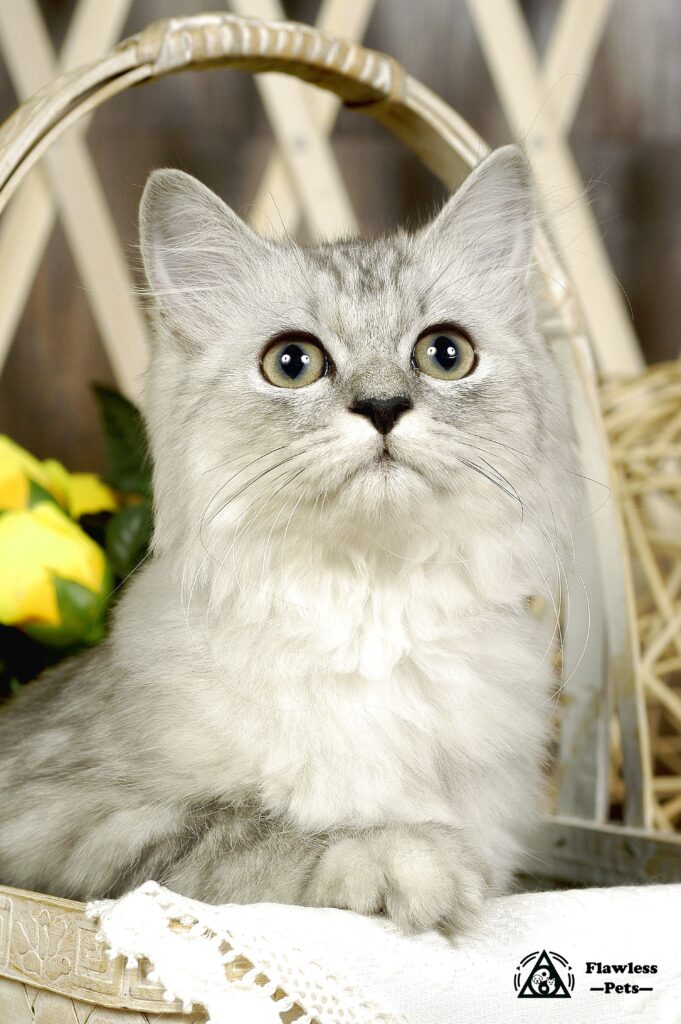
The Khaomanee cat is an intelligent and active breed that requires regular exercise and mental stimulation to prevent boredom and potential behavioral issues. Interactive play sessions using toys like feather wands, laser pointers (use cautiously, always ending with a ‘catch' of a physical toy), and crinkle balls are essential. Aim for at least two 10-15 minute play sessions per day.
Environmental enrichment is also key. Provide scratching posts (vertical and horizontal) to satisfy their natural scratching instincts and protect your furniture. Cat trees or condos offer opportunities for climbing, perching, and surveying their territory. Puzzle feeders or food-dispensing toys can provide mental stimulation during meal times. Rotating toys can keep things interesting. Given their intelligence, some Khaomanee cats may even enjoy clicker training to learn simple tricks or commands. Providing stimulating essential supplies like varied toys and climbing structures contributes significantly to their happiness.
Creating a Safe Environment
A safe environment is crucial, especially if your Khaomanee cat has any degree of deafness. Deaf cats should ideally be kept indoors only, as they cannot hear dangers like traffic, predators, or approaching people/animals. Even for hearing Khaomanee cats, an indoor or securely enclosed outdoor environment (like a ‘catio') is generally recommended to protect them from external hazards and prevent them from getting lost.
Ensure your home is cat-proofed by removing potential hazards like toxic plants, accessible electrical cords, and small objects that could be swallowed. Provide comfortable resting spots, clean litter boxes (one per cat plus one extra, placed in quiet locations), and easy access to food and water. A stable, predictable routine can also help cats feel secure. Because Khaomanee cats are social, ensure they have ample opportunity for interaction with their human family members.
Living with a Khaomanee Cat: A Rewarding Companionship
Sharing your home with a Khaomanee cat can be an incredibly rewarding experience. Their engaging personality and affectionate nature make them wonderful companions. However, potential owners should consider how this breed fits into their specific lifestyle, particularly regarding family structure and the presence of other pets.
Suitability for Families and Children
The Khaomanee cat's playful and social disposition often makes them a good fit for families with children. They typically enjoy the activity and attention that comes with a busy household. Their intelligence and patience can make them tolerant playmates for respectful children. However, interactions should always be supervised, especially with younger children, to ensure the child learns how to interact gently and appropriately with the cat, respecting its boundaries. Teaching children to recognize cat body language (e.g., signs of stress or annoyance like flattened ears or a twitching tail) is important to prevent accidental scratches or bites. A Khaomanee cat that feels safe and respected is likely to form strong, affectionate bonds with the children in the family.
Interaction with Other Pets
Thanks to their sociable nature, Khaomanee cats often get along well with other pets, including other cats and cat-friendly dogs, especially if introduced properly and carefully. Early socialization, starting in kittenhood, can significantly influence their acceptance of other animals. Gradual introductions in a controlled, positive environment are key. Allow pets to get used to each other's scent before direct visual contact, and ensure initial face-to-face meetings are short and supervised, with positive reinforcement (like treats or praise) for calm behavior. Providing enough resources (food bowls, water bowls, litter boxes, resting spots) can prevent competition and stress. A Khaomanee cat's inherent curiosity might even lead it to form playful bonds with other household pets, but individual personalities will always play a role. Some older cats set in their ways might be less accepting of new companions.
Living with a Khaomanee cat means embracing an interactive relationship. They are not aloof observers but active participants in the home. Their need for social interaction means they do best in homes where people are around for a good part of the day or where they have another compatible pet for company. Their intelligence requires ongoing engagement, and their affectionate nature demands reciprocation. For those prepared to meet these needs, the Khaomanee cat offers unparalleled companionship, intelligence, and beauty.
Finding a Khaomanee Cat: Breeders and Adoption
Due to their relative rarity outside of Thailand, finding a Khaomanee cat requires patience and diligence. It's crucial to source your cat responsibly, whether through a reputable breeder or, less commonly, through adoption channels.
Identifying Reputable Breeders
A reputable Khaomanee cat breeder prioritizes the health, temperament, and preservation of the breed standard. Here are signs of a responsible breeder:
- Affiliation with Cat Fancier Associations: They are often registered with organizations like TICA or GCCF and adhere to their code of ethics.
- Health Screening: They conduct health screenings on their breeding cats, most importantly BAER testing for deafness in kittens. They should be transparent about the results and provide documentation. They also screen for common feline diseases.
- Knowledgeable and Transparent: They are passionate about the Khaomanee cat breed, knowledgeable about its history and care, and willing to answer your questions thoroughly. They should also ask you questions to ensure their kitten is going to a suitable home.
- Home Environment: Kittens are raised underfoot in a clean, stimulating home environment, ensuring good socialization from an early age. They should not be kept in cages constantly.
- Contracts and Health Guarantees: They provide a written contract outlining responsibilities, health guarantees, and often include a spay/neuter agreement and stipulations about returning the cat if you can no longer care for it.
- Patience and Waitlists: Reputable breeders often have waiting lists due to the rarity of the Khaomanee cat and responsible breeding practices (not overbreeding). Be wary of breeders who always have kittens available immediately.
- Allows Visits (or Virtual Tours): They should allow potential buyers to visit their cattery (or offer extensive virtual tours and videos if distance is an issue) to see the conditions and meet the parent cats and kittens.
Avoid breeders who seem evasive, don't perform health tests, sell kittens underage (kittens should stay with their mother until at least 12-14 weeks), or operate solely through online transactions without personal interaction. Websites like TICA (The International Cat Association) often have breeder directories, but always do your own thorough research and vetting.
Adoption Considerations
Finding a purebred Khaomanee cat in a rescue or shelter is uncommon due to the breed's rarity. However, it's not impossible. Occasionally, adult cats may need rehoming due to owner circumstances changing. Breed-specific rescues sometimes exist, although they might be small or cover multiple rare breeds. General shelters might also occasionally receive a cat that appears to be a Khaomanee or Khaomanee mix, though often without pedigree documentation.
If you are open to adopting, keep an eye on large online adoption platforms (like Petfinder) and contact local shelters and rescue groups. Be aware that many solid white cats exist, and without pedigree papers or genetic testing, confirming a rescue cat as a purebred Khaomanee can be difficult. However, adopting a white cat in need, regardless of pedigree, can be a wonderfully rewarding experience.
Understanding the Cost
Acquiring a Khaomanee cat from a reputable breeder typically involves a significant cost. Prices can vary widely based on location, breeder reputation, pedigree lineage, and whether the cat exhibits the prized odd-eyed trait. Expect prices for a pet-quality Khaomanee kitten to range from $1,000 to $2,500 USD or even higher, particularly for odd-eyed individuals or those with breeding rights (which are usually much more expensive and sold only to registered breeders). This price reflects the breeder's investment in quality care, health screening (including BAER testing), registration, and the rarity of the breed. Remember that the initial purchase price is only part of the cost of cat ownership; ongoing expenses for food, vet care, litter, toys, and potential emergency care should also be budgeted for.
The Khaomanee Cat in Culture and Modern Times
The Khaomanee cat, while less famous internationally than the Siamese, holds a special place in Thai culture. Its historical association with royalty and the belief that it brings good luck and prosperity have cemented its status as a cherished national treasure. The name “Khao Manee” itself, meaning “White Gem,” reflects its preciousness. The striking odd-eyed presentation, the “Diamond Eye,” is particularly revered and sought after, believed to offer heightened fortune.
In modern Thailand, efforts continue to preserve the breed. While now recognized internationally, the Khaomanee cat population outside its homeland is still relatively small. Breeders worldwide work carefully to maintain genetic diversity while adhering to the breed standard established by organizations like TICA and GCCF. This involves careful pedigree tracking and sometimes importing new lines from Thailand, though this is becoming less frequent as established breeding programs grow in the West.
The Khaomanee cat occasionally appears in media and cat shows, gradually increasing public awareness. Its captivating appearance makes it a photogenic subject, and its engaging personality endears it to those fortunate enough to meet one. As more people learn about this unique Thai breed, appreciation for its history, beauty, and character grows. However, its rarity ensures it remains a special and somewhat exclusive companion, a living link to the rich cultural heritage of Thailand.
Conclusion: The Enduring Allure of the Khaomanee Cat
The Khaomanee cat is far more than just a white cat; it is a living jewel, a breed steeped in history, graced with unique beauty, and blessed with an intelligent, engaging personality. From the royal courts of ancient Siam to the homes of modern cat enthusiasts, the “White Gem” continues to captivate with its pristine coat and mesmerizing eyes – whether sapphire blue, brilliant gold, or the enchanting odd-eyed combination.
Understanding the Khaomanee cat involves appreciating its natural origins, its cultural significance in Thailand, and the specific care it requires. Awareness of the potential for congenital deafness linked to its white coat and blue eyes is crucial, highlighting the importance of responsible breeding practices, including BAER testing. Their intelligence, playfulness, and deep affection for their human companions make them rewarding pets, but also demand commitment to providing adequate social interaction, mental stimulation, and a safe environment.
While still relatively rare globally, the Khaomanee cat's recognition by major associations and the dedication of breeders worldwide are helping to secure its future. For those drawn to its unique charm and prepared to meet its needs, the Khaomanee cat offers a truly special companionship – a blend of elegance, intelligence, and history unlike any other breed. It stands as a testament to the rich feline heritage of Thailand and a reminder of the dazzling diversity found within the world of cats.
Frequently Asked Questions (FAQ)
- 1. Are all Khaomanee cats deaf?
- No, not all Khaomanee cats are deaf, but the breed has a higher incidence of congenital deafness compared to colored cats. The risk is strongly linked to eye color: white cats with two blue eyes have the highest risk, odd-eyed white cats have a moderate risk (often deaf in the ear on the blue-eyed side), and white cats with two non-blue eyes (gold, green) have the lowest risk, although deafness can still occur. Reputable breeders perform BAER tests on kittens to determine their hearing status.
- 2. How much grooming does a Khaomanee cat need?
- Khaomanee cats are relatively low-maintenance in terms of grooming. Their short, smooth coat requires only occasional brushing, perhaps once a week, to remove loose hair and maintain its sheen. They do not typically mat or tangle. Standard care like nail trimming and dental hygiene is still necessary.
- 3. Are Khaomanee cats good family pets?
- Yes, Khaomanee cats often make excellent family pets. They are typically playful, social, affectionate, and intelligent, enjoying interaction with people, including respectful children. As with any pet, supervision is recommended, especially with very young children, to ensure gentle handling.
- 4. How much does a Khaomanee cat cost?
- Due to their rarity and the costs associated with responsible breeding (including health testing like BAER), Khaomanee kittens from reputable breeders can be expensive. Prices typically range from $1,000 to $2,500 USD or more, depending on factors like lineage, location, and eye color (odd-eyed cats may command higher prices).
- 5. What is the difference between a Khaomanee cat and other white cats?
- While other breeds can be white (like Turkish Angoras, Persians, Foreign Whites), the Khaomanee cat is distinct. Key differences lie in its origin (Thailand), specific head shape (modified wedge/heart shape with high cheekbones), body type (medium build, muscular yet elegant), short coat texture, and the specific range of eye colors (blue, gold/yellow, green, odd-eyed). A Foreign White, for example, is essentially a white Siamese with a different body and head type. Turkish Angoras typically have semi-long hair. The Khaomanee cat has a unique combination of these traits recognized by breed standards.
References
Note: This list includes resources relevant to the breed history, characteristics, and health concerns discussed. Academic sources provide specific data points, while breed association sites offer standards and general information.
- Governing Council of the Cat Fancy (GCCF). (n.d.). Khao Manee Breed Standard. Retrieved from https://www.gccfcats.org/Breeds/Breed-Standards/Khao-Manee-Breed-Standard
- Pong-an, P. (n.d.). *The Legend of Siamese Cats*. DayMaz Imports. Retrieved from http://www.daymaz.org/the-legend-of-siamese-cats.html (Note: While a commercial site, it references the Tamra Maew context often cited for Thai breeds).
- Strain, G. M. (2011). Deafness prevalence and pigmentation and gender associations in dog breeds at risk. *The Veterinary Journal*, *188*(3), 291–295. https://doi.org/10.1016/j.tvjl.2010.03.012 (Note: While focused on dogs, this seminal work explains the mechanisms of pigment-associated deafness relevant to cats as well).
- Strain, G. M. (n.d.). *Cat Breeds with Congenital Deafness*. LSU School of Veterinary Medicine. Retrieved from https://www.lsu.edu/deafness/catbreeds.htm
- The International Cat Association (TICA). (n.d.). *Khao Manee Breed*. Retrieved from https://tica.org/breeds/browse-all-breeds?view=article&id=845:khao-manee-breed&catid=79
- The International Cat Association (TICA). (n.d.). *Khao Manee Breed Standard*. Retrieved from https://tica.org/phocadownload/km.pdf
- UC Davis Veterinary Medicine. (n.d.). *Congenital Deafness and the Merle Gene*. Retrieved from https://vgl.ucdavis.edu/test/merle-deafness (Note: Discusses the link in dogs, but relevant genetic principles apply).











 English
  简体中文
简体中文  Français du Canada
  Deutsch
  Español
  Português
  한국어
한국어  日本語
日本語  Italiano
  Русский
  Dansk
Dansk  Nederlands
  Svenska
  Suomi
Suomi  Polski
  Norsk bokmål