7 Astonishing Facts About the Unique Kurilian Bobtail Cat
By
James
Hidden Title for Structure – Kurilian Bobtail Comprehensive Guide
Key Takeaways
The Kurilian Bobtail is a fascinating natural cat breed originating from the Kuril Islands, known for its distinctive pom-pom tail, robust health, and engaging personality. Here's what makes them special:
Unique Tail: Their most defining feature is a naturally short, kinked, and often fluffy tail, resembling a pom-pom. Each tail is unique, like a fingerprint, and results from a harmless genetic mutation.
Natural Breed: Developed through natural selection in the isolated environment of the Kuril Islands, contributing to their hardiness and adaptability.
Temperament: They are known for being intelligent, gentle, playful, curious, and highly sociable. They bond strongly with their families and often get along well with children and other pets.
Physicality: Medium to large cats with a muscular, semi-cobby body, strong legs (hind legs often longer than front), and a wild-looking appearance enhanced by their coat and alert expression.
Low Maintenance Grooming: Despite potentially having a semi-long coat, their fur is relatively low maintenance compared to other longhaired breeds, requiring regular but not excessive grooming.
Health: Generally a very healthy and robust breed with a long lifespan (often 14-20 years), thanks to their natural origins and diverse gene pool. Responsible breeding practices aim to maintain this health.
Activity Level: They are active and playful cats that enjoy interaction, climbing, and even playing with water. They require mental and physical stimulation.
Embracing the Wild Charm: An Introduction to the Kurilian Bobtail
Imagine a cat that combines the rugged appearance of a wild feline with the gentle, affectionate nature of a devoted companion. Picture a creature sculpted by nature itself on remote volcanic islands, boasting a unique pom-pom tail unlike any other. This is the essence of the Kurilian Bobtail, a remarkable natural cat breed hailing from the Kuril Islands archipelago, a chain of islands stretching between Russia's Kamchatka Peninsula and Japan's Hokkaido. Known in its homeland for centuries, this captivating feline is steadily gaining admirers worldwide for its striking looks, robust health, and exceptional temperament.
The Kurilian Bobtail is not a man-made breed shaped by selective breeding for specific aesthetic traits, but rather a product of natural selection in an isolated environment. This origin story contributes significantly to its characteristics: a strong, muscular body built for survival, innate hunting skills, remarkable adaptability, and a generally resilient constitution. Its most defining feature, the naturally short, kinked tail, is a genetic hallmark that occurred spontaneously and became prevalent within the island cat population. It's a charming quirk, a fluffy exclamation point that underscores the breed's unique identity.
But don't let their somewhat wild appearance fool you. These cats are renowned for their intelligence, curiosity, and deeply affectionate nature. They form strong bonds with their human families, displaying loyalty and a gentle demeanor that makes them excellent companions for various households. They possess a playful spirit that often lasts well into adulthood, combined with a quiet confidence and adaptability. Whether navigating the rugged terrain of their native islands or the comfortable landscape of a modern home, the Kurilian Bobtail carries an air of quiet capability and charm.
This comprehensive guide aims to explore the world of the Kurilian Bobtail cat in depth. We will journey through its history, unravel the secrets of its unique physical traits, understand its captivating personality, and provide essential guidance on care, health, and living with this extraordinary breed. Whether you are a prospective owner, a seasoned cat enthusiast, or simply curious about unique feline breeds, prepare to be enchanted by the natural wonder that is the Kurilian Bobtail. Understanding this breed requires appreciating its wild heritage balanced with its domesticated heart, a combination that makes it truly special in the feline world.
Island Origins: The History of the Kurilian Bobtail
The story of the Kurilian Bobtail is intrinsically linked to the remote and rugged Kuril Islands. This volcanic archipelago, comprising over 56 islands, forms a natural boundary between the Sea of Okhotsk and the Pacific Ocean. Historically contested and sparsely populated, these islands provided an isolated environment where a unique feline population could develop largely untouched by outside influences for centuries. References to cats with short, pom-pom tails on these islands appear in records dating back at least 200 years (TICA, n.d.).
Unlike many modern breeds meticulously developed by humans, the Kurilian Bobtail is considered an aboriginal or natural breed. Its defining characteristics, including the distinctive bobtail, muscular build, and resilient nature, arose through natural selection. The harsh climate and challenging terrain favored cats that were strong, adaptable, and skilled hunters. The genetic mutation responsible for the short tail likely occurred spontaneously within the island cat population. Because this trait didn't negatively impact survival – and may have even been advantageous in some subtle way, or simply became fixed due to genetic drift in a small population – it persisted and became a common feature among the islands' cats.
These cats were known and valued by the inhabitants of the islands – indigenous Ainu people, Russian settlers, and Japanese fishermen – primarily for their exceptional rodent-hunting abilities, protecting homes and food stores. They were companions shaped by necessity and the environment, rather than by deliberate aesthetic selection. Their semi-long, water-resistant coats offered protection against the damp, cool climate, and their powerful hind legs made them adept climbers and jumpers, useful for navigating the rocky shores and volcanic landscapes.
The formal recognition of the Kurilian Bobtail as a distinct breed outside its native region is a relatively recent development. Russian scientists and military personnel stationed on the islands in the mid-20th century began taking notice of these unique cats and brought some back to mainland Russia (WCF, n.d.). Cat fanciers became intrigued, recognizing that these were not simply domestic cats with docked tails, but a naturally occurring breed with consistent traits. Olga Mironova, a Russian felinologist, is often credited with pioneering the effort to study and standardize the breed in the late 1980s and early 1990s.
The first breed standard was developed in Russia by the Soviet Feline Federation (SFF) in 1991. International recognition soon followed. The World Cat Federation (WCF) recognized the Kurilian Bobtail in 1995, followed by the Fédération Internationale Féline (FIFe) in 2004 (FIFe, 2023). The International Cat Association (TICA) granted championship status in 2012 (TICA, n.d.). While accepted by major international associations, it remains less common in North America and is still pending recognition by the Cat Fanciers' Association (CFA) in the United States as of 2025. This gradual recognition reflects the breed's journey from isolated island dweller to internationally appreciated feline companion. The history of the Kurilian Bobtail is a testament to the power of natural selection and the unique biodiversity found in isolated ecosystems.
Nature's Design: Physical Characteristics of the Kurilian Bobtail
The Kurilian Bobtail presents a picture of natural balance and robust strength, reflecting its origins in a demanding environment. Its appearance is often described as having a “wild” look, yet it is coupled with harmonious proportions and, of course, its signature tail.
The Signature Pom-Pom Tail
Undoubtedly, the most distinctive feature of the Kurilian Bobtail is its tail. It's not merely short; it's a complex structure unique to each cat. The tail consists of anywhere from two to ten vertebrae (compared to the 20-plus in a typical long-tailed cat), but these vertebrae are often fused, kinked, twisted, or curved, creating a highly individualized structure (TICA, n.d.). The overall effect, especially when combined with longer fur in the semi-longhaired variety, is that of a fluffy pom-pom or brush.
It's crucial to understand that this is a naturally occurring genetic trait, caused by an incomplete dominant gene. This means that even one copy of the gene can result in a bobtail, though the expression can vary significantly. Unlike the Manx cat, whose taillessness gene can be associated with severe spinal and neurological problems (Manx Syndrome), the gene responsible for the Kurilian Bobtail‘s tail is considered benign and is not linked to health issues (FIFe, 2023). The tail is flexible at the base and should not cause the cat any discomfort. The length and specific shape of the pom-pom can vary considerably, from a short, compact puff to a slightly longer, whisk-like structure, but it always retains its kinked and shortened nature.
Body Build and Structure
The Kurilian Bobtail possesses a medium to large body, characterized by excellent muscle tone and substantial bone structure – traits essential for survival in its native habitat. The body type is often described as semi-cobby, meaning it is relatively compact and solid but not as rounded or short as a truly cobby breed like the Persian. There's a noticeable arch to the back, sloping slightly from the shoulders down towards the rump, which is somewhat higher due to the hind legs being distinctly longer than the front legs (WCF, n.d.). This powerful hindquarter structure contributes to their impressive jumping ability, reminiscent perhaps of a small lynx or bobcat.
Their chest is broad, and their overall build conveys strength and agility without being coarse or overly heavy. They should feel solid and muscular when handled. This powerful yet balanced physique allowed them to be effective hunters and navigate challenging terrain.
Head, Ears, and Eyes
The head of the Kurilian Bobtail is shaped like a large, modified wedge or a trapezium, with rounded contours. It is broad across the cheekbones, tapering slightly towards a well-developed, rounded muzzle and a firm chin (FIFe, 2023). The profile shows a gentle dip below the eye level, but no sharp stop. Overall, the head should be in good proportion to the body.
Their ears are medium in size, set wide apart and fairly high on the head, contributing to their alert expression. The tips are rounded, and the base is wide. Lynx tips (tufts of hair on the ear tips) and ear furnishings (hair inside the ears) are desirable, especially in the semi-longhaired variety, adding to the slightly wild look.
The eyes are large and expressive, shaped like walnuts – slightly oval on top and rounded on the bottom. They are set wide apart and at a slight angle. Eye color should be clear and brilliant and often corresponds with the coat color, with yellow, green, or gold being common. White cats or those with significant white markings may have blue eyes or odd eyes (one blue, one other color) (TICA, n.d.). The gaze of a Kurilian Bobtail is typically direct and intelligent.
Coat Varieties and Texture
The Kurilian Bobtail comes in two coat lengths: shorthair (KBS) and semi-longhair (KBL). Both varieties share a fine, soft texture but possess enough resilience and density to offer protection.
Shorthair (KBS): The shorthair coat is short, close-lying, and dense, with a well-developed undercoat but less noticeable ruff, britches (longer hair on the back of the thighs), or tail plume compared to the semi-longhair.
Semi-Longhair (KBL): The semi-longhair coat features medium-long guard hairs, a substantial undercoat, and noticeable furnishings like a neck ruff, full britches, and significant fluff on the tail, creating the characteristic pom-pom effect. The coat is typically longest on the ruff, britches, belly, and tail.
Regardless of length, the coat has a silky feel and is noted for being relatively low-maintenance compared to other breeds with similar coat density. It doesn't tend to mat easily, though regular grooming is still beneficial, especially for the semi-longhair during shedding seasons.
Colors and Patterns
One of the appealing aspects of the Kurilian Bobtail is the wide variety of colors and patterns accepted by breed standards. Virtually all genetically possible colors and patterns are allowed, with the exception of colorpoint patterns (like Siamese), chocolate, lilac, cinnamon, and fawn, as these were not present in the foundation cats from the Kuril Islands (FIFe, 2023; TICA, n.d.).
Traditional tabby patterns (mackerel, classic, spotted) are very common, often seen in brown, silver, or red variations, sometimes with white markings (bicolor or van patterns). Solid colors, tortoiseshell, calico, smoke, and shaded patterns are also frequently seen. The richness and clarity of the color and pattern are valued. White markings are permissible in various amounts, from small lockets or spots to extensive patching as seen in bicolors.
Size and Weight
The Kurilian Bobtail is a medium to large-sized cat breed. Males are typically larger and heavier than females. Adult males often weigh between 10 to 15 pounds (approximately 4.5 to 7 kg), while females usually range from 8 to 11 pounds (approximately 3.5 to 5 kg). Some individuals, particularly males, can occasionally exceed these ranges. They are slow to mature, often taking three to five years to reach their full size and muscular development.
Kurilian Bobtail vs. Other Bobtails: A Comparative Look
It's easy to confuse the various bobtailed cat breeds. Here's a table highlighting key differences between the Kurilian Bobtail and some other well-known bobtailed breeds:
Feature
Kurilian Bobtail
Japanese Bobtail
Manx / Cymric
American Bobtail
Origin
Kuril Islands (Russia/Japan) – Natural Breed
Japan – Ancient Natural Breed
Isle of Man – Natural Mutation
USA – Developed Breed (from feral stock)
Tail Gene
Incomplete Dominant (Benign)
Recessive (Different Gene, Benign)
Dominant (Incomplete Penetrance, Potential Health Issues – Manx Syndrome)
Dominant (Different Gene, Variable Expression)
Tail Appearance
Short (2-10 vertebrae), kinked/curved, pom-pom like, unique structure per cat.
Short (typically under 3 inches), kinked/curved, often pom-pom or bunny-like puff. Visible structure.
Rumpy (no tail), Rumpy Riser (cartilage knob), Stumpy (short, often fused), Longy (near normal).
Short to medium (1-4 inches), flexible or kinked, often fat at base, visible above the back but not beyond hock.
Body Type
Medium-Large, Semi-Cobby, Muscular, Arched Back, Hind legs longer.
Medium, Slender, Elegant, High cheekbones, Long legs.
Medium-Large, Cobby/Stocky, Rounded appearance, Hind legs much longer (causes high rump).
Intelligent, Interactive, Dog-like loyalty, Playful but less demanding.
This table provides a snapshot comparison. Each breed has its unique charm and specific standard, but understanding these key differences helps appreciate the distinct nature of the Kurilian Bobtail cat.
The Gentle Giant: Temperament and Personality
Beyond its striking appearance, the Kurilian Bobtail possesses a temperament that truly endears it to those who know the breed. Often described as “gentle giants,” they combine intelligence and independence with a surprisingly affectionate and sociable nature. Their personality is a fascinating blend of their wild heritage and their capacity for deep connection with humans.
Intelligence and Curiosity: These are highly intelligent cats. Their minds are always working, observing their surroundings, and figuring things out. This intelligence makes them quick learners and quite adaptable to different environments and routines. Their curiosity is boundless; they love to explore every nook and cranny of their home, investigate new objects, and supervise household activities. Be prepared for a cat that might figure out how to open cabinets or doors! This intelligence also means they require mental stimulation to prevent boredom. Puzzle toys, interactive play, and even clicker training can be very rewarding for a Kurilian Bobtail.
Gentle and Affectionate: Despite their robust build and hunting prowess, Kurilians are known for their gentle nature, especially with their human family members. They form strong bonds and can be quite devoted, often choosing a favorite person while still being friendly with everyone in the household. They enjoy being near their people, often following them from room to room, and appreciate gentle petting and affection, though they may not always be demanding lap cats. They express affection in quieter ways, through head bumps, purrs, and simply being present.
Playful and Energetic: The Kurilian Bobtail retains a playful, almost kitten-like energy well into adulthood. They love to play, chase toys, climb cat trees, and engage in interactive games with their owners. Their powerful hind legs make them exceptional jumpers, so providing vertical space is essential. Their natural hunting instincts are strong, meaning toys that mimic prey (like feather wands or laser pointers – used responsibly) are usually big hits. This playful energy needs an outlet; regular playtime is crucial for their physical and mental well-being.
Excellent Hunters: Stemming from their island origins, the hunting instinct is deeply ingrained in the Kurilian Bobtail. They are renowned for their effectiveness in catching rodents, and this instinct extends to insects and toys within the home. Owners should be mindful of this if they have smaller pets like hamsters, gerbils, or birds; careful introductions and secure enclosures are paramount. Even without real prey, they will enjoy “hunting” toys with great focus and skill.
Socialization and Adaptability: Generally, Kurilian Bobtails are highly sociable cats. They tend to get along well with well-behaved children, often showing remarkable patience. They can also coexist peacefully with other cats and cat-friendly dogs, especially if introduced properly and early on. Their adaptable nature means they can thrive in various living situations, from apartments (provided they get enough stimulation) to larger homes with outdoor access (in safe, enclosed areas). They handle changes in routine better than some more sensitive breeds.
Vocalization: While capable of meowing, Kurilians are often not overly vocal cats. They tend to communicate more through soft chirps, trills, and purrs rather than loud, demanding meows. They use their expressive eyes and body language effectively to convey their needs and moods.
Fascination with Water: A curious trait noted in many Kurilian Bobtails is a fascination with water. Unlike many felines, they might not shy away from a dripping faucet, may dip their paws in their water bowl, or even show interest in joining their owner near the shower or bath. While not all individuals will actively seek out water, many display an unusual curiosity about it, perhaps another link to their island heritage.
In essence, the Kurilian Bobtail offers a balanced personality: intelligent but not aloof, playful but not hyperactive, affectionate but not clingy, and independent but devoted. They are engaging companions that bring a touch of the wild and a lot of heart into a home.
Caring for Your Kurilian Bobtail: A Comprehensive Guide
Owning a Kurilian Bobtail is a rewarding experience, and thankfully, their natural hardiness means their care requirements are generally straightforward. However, providing the right environment, nutrition, grooming, and healthcare is essential to ensure they live a long, happy, and healthy life. Like any pet, they thrive on routine, attention, and preventative care.
Grooming Needs
Despite the potential for a luxurious semi-long coat, the Kurilian Bobtail is surprisingly low-maintenance in the grooming department compared to breeds like Persians or Himalayans. Their silky coat texture is less prone to matting.
Brushing: For the semi-longhair (KBL), brushing once or twice a week is usually sufficient to remove loose hair, prevent tangles, and distribute skin oils. During seasonal shedding periods (typically spring and fall), you might need to increase brushing frequency to daily or every other day. The shorthair (KBS) variety requires even less brushing, perhaps once a week. Use a quality steel comb or slicker brush.
Nail Trimming: Trim their claws every few weeks as needed. Get them accustomed to this process early on. Providing scratching posts will also help them maintain their claws naturally and save your furniture.
Ear Cleaning: Check their ears weekly for wax buildup or signs of infection (redness, odor, discharge). Clean gently with a vet-approved ear cleaner and cotton balls if necessary – never insert cotton swabs into the ear canal.
Dental Hygiene: Dental health is crucial for all cats. Ideally, brush your Kurilian Bobtail‘s teeth daily or several times a week with feline-specific toothpaste. Dental treats and regular veterinary dental check-ups/cleanings are also important to prevent periodontal disease, which is common in cats.
Bathing: Baths are rarely necessary unless the cat gets particularly dirty. Their coat does a good job of staying clean naturally. If a bath is needed, use a cat-specific shampoo.
As natural hunters with a muscular build, the Kurilian Bobtail thrives on a high-quality, protein-rich diet. Their nutritional needs change throughout their life.
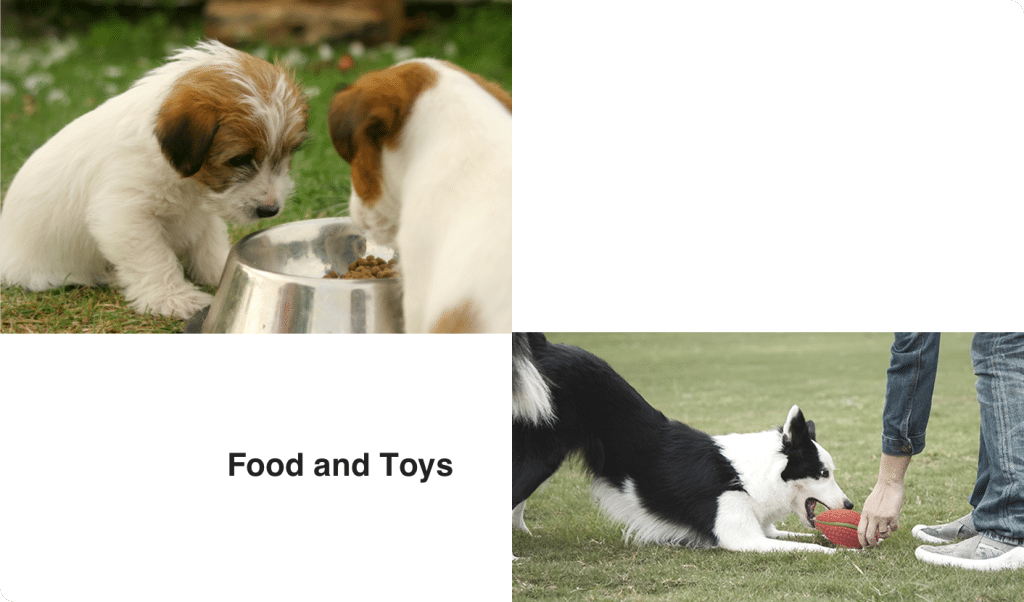
Quality Food: Choose a reputable cat food brand that lists meat (like chicken, turkey, fish) as the primary ingredient. Avoid foods with excessive fillers like corn, wheat, and soy, or artificial colors and preservatives. Both wet (canned) and dry (kibble) food can be part of a balanced diet; wet food is excellent for hydration, while dry food can help slightly with dental hygiene (though not a substitute for brushing). You can find excellent high-quality cat food options suitable for active breeds like the Kurilian Bobtail in our store.
Life Stage Appropriate: Feed kitten-specific food during their growth phase (up to at least 12 months, possibly longer given their slow maturation), adult maintenance food during their prime years, and consider a senior formula as they age (typically around 10-12 years old).
Portion Control: Follow feeding guidelines on the food packaging but adjust based on your cat's age, activity level, and body condition. Obesity can lead to serious health problems, so monitor their weight and avoid free-feeding, especially with dry food. Scheduled meals (two or three times a day) are usually best.
Hydration: Always provide access to fresh, clean water. Some Kurilians enjoy running water, so a pet fountain might encourage drinking. Wet food also contributes significantly to their daily water intake.
Exercise and Play
The intelligent and energetic Kurilian Bobtail needs regular physical activity and mental stimulation to stay happy and prevent destructive behaviors born out of boredom.
Interactive Play: Schedule daily interactive play sessions using toys like feather wands, fishing pole toys, or laser pointers (end sessions by letting them “catch” a physical toy to avoid frustration). This mimics hunting behavior and strengthens your bond.
Toys: Provide a variety of toys they can play with independently, such as balls, crinkle toys, catnip mice, and puzzle feeders that dispense treats when solved. Rotate toys to keep things interesting.
Climbing Opportunities: Their powerful legs make them natural climbers. Tall, sturdy cat trees or shelves provide essential vertical territory for exercise, observation, and resting.
Scratching Posts: Offer multiple scratching posts of different materials (sisal rope, cardboard, carpet) and orientations (vertical, horizontal) to satisfy their natural scratching instinct and save your furniture.
Think about their day: Does your Kurilian Bobtail have opportunities to climb, chase, pounce, and puzzle things out? Ensuring these needs are met is key to a well-adjusted cat.
Living Environment
Adaptable as they are, providing a safe and enriching environment is crucial.
Safety: Kurilian curiosity means homes need cat-proofing. Secure loose wires, keep toxic plants and chemicals out of reach, and ensure windows and balconies are securely screened, as their jumping ability is impressive.
Comfortable Spaces: Provide cozy beds or resting spots in various locations, some high up, some tucked away, allowing them choices for security and comfort.
Enrichment: Consider window perches for bird watching, safe outdoor access via a catio (enclosed patio) if possible, or even leash training for supervised outdoor exploration (their intelligence often makes them amenable to this).
Litter Box Considerations
Most Kurilians are fastidious about their toilet habits. Standard litter box care applies:
Number and Location: Provide at least one litter box per cat, plus one extra. Place them in quiet, easily accessible locations away from food and water bowls.
Size and Type: Choose a box large enough for them to turn around comfortably. Most cats prefer unscented, clumping litter, but observe your cat's preference. Some may prefer covered or uncovered boxes.
Cleanliness: Scoop the litter box daily and change the litter completely, washing the box with mild soap and water, regularly (weekly or bi-weekly depending on litter type). A clean litter box is the best way to prevent inappropriate elimination issues.
By meeting these care requirements consistently, you provide the foundation for a healthy and fulfilling life for your remarkable Kurilian Bobtail companion.
A Robust Heritage: Health Considerations
One of the most appealing aspects of the Kurilian Bobtail is its reputation as a generally healthy and robust breed. This resilience is largely attributed to its origins as a natural breed developed through natural selection in the challenging environment of the Kuril Islands, rather than intensive selective breeding for specific, sometimes extreme, physical traits. This natural development fostered a diverse gene pool and weeded out many weaknesses. However, like all living creatures, they are not immune to health problems, and responsible ownership includes understanding potential risks and prioritizing preventative care.
Genetic Predispositions (or Lack Thereof)
Compared to many pedigreed breeds, the Kurilian Bobtail is noted for having relatively few known inherited genetic disorders. The diverse genetic background from its island foundation stock is a significant advantage.
Tail Gene: As mentioned earlier, the incomplete dominant gene responsible for the characteristic bobtail is considered benign. Unlike the Manx gene, it is not associated with spinal defects, neurological issues, or problems with elimination (TICA, n.d.; FIFe, 2023). Responsible breeders ensure the health of their breeding cats, but the tail itself is not a source of health concerns for the Kurilian.
Hypertrophic Cardiomyopathy (HCM): HCM is the most common heart disease diagnosed in cats across many breeds, including domestic cats. It involves a thickening of the heart muscle, which can lead to heart failure. While not considered highly prevalent specifically in Kurilians compared to breeds like Maine Coons or Ragdolls, it can occur. Reputable breeders should screen their breeding cats for HCM via echocardiogram performed by a veterinary cardiologist. This helps reduce the risk of passing on predispositions.
Polycystic Kidney Disease (PKD): PKD is an inherited condition causing cysts to form in the kidneys, eventually leading to kidney failure. It is primarily associated with Persian cats and related breeds. While not a major concern in Kurilians, isolated cases might occur due to the broad genetic base of domestic cats. Genetic testing or ultrasound screening can identify affected cats.
The relative lack of known breed-specific genetic diseases highlights the benefit of the Kurilian Bobtail‘s natural origins. However, the breed is still relatively new to widespread recognition, and ongoing observation and responsible breeding practices are essential to maintain this health legacy.
Common Feline Health Issues
While genetically robust, Kurilian Bobtails are still susceptible to common health problems that affect all domestic cats:
Dental Disease: Periodontal disease (gum disease) is extremely common in adult cats and can lead to pain, tooth loss, and even systemic health issues if bacteria enter the bloodstream. Regular dental care at home (brushing) and professional veterinary cleanings are vital.
Obesity: Their hearty appetite and solid build mean Kurilians can be prone to obesity if overfed or under-exercised. Obesity significantly increases the risk of diabetes, arthritis, heart disease, and other problems. Monitor their body condition and manage their diet and activity levels carefully.
Parasites: Fleas, ticks, ear mites, and internal parasites (like roundworms and tapeworms) can affect any cat. Regular preventative treatments as recommended by your veterinarian are essential, especially if the cat has any outdoor access.
Viral/Bacterial Infections: Common feline viruses like Feline Herpesvirus (FHV-1) and Feline Calicivirus (FCV), which cause upper respiratory infections (“cat flu”), and more serious viruses like Feline Leukemia Virus (FeLV) and Feline Immunodeficiency Virus (FIV) can affect Kurilians. Vaccinations help protect against many of these.
Preventative Care and Lifespan
Preventative healthcare is the cornerstone of ensuring a long and healthy life for your Kurilian Bobtail.
Regular Veterinary Check-ups: Annual wellness exams (or semi-annual for senior cats) allow your veterinarian to monitor your cat's health, detect problems early, provide necessary vaccinations, and discuss preventative care like parasite control and dental health.
Vaccinations: Core vaccinations protect against common and serious feline diseases. Your vet will recommend a vaccination schedule based on your cat's age, lifestyle, and local disease risks.
Parasite Control: Year-round prevention for fleas, ticks, heartworms (depending on region), and intestinal parasites is crucial.
Spaying/Neutering: Spaying (females) or neutering (males) not only prevents unwanted litters but also eliminates the risk of certain reproductive cancers and reduces undesirable behaviors like spraying (males) or heat cycles (females).
Healthy Lifestyle: Providing a high-quality diet, opportunities for exercise and mental stimulation, a clean environment, and managing stress all contribute significantly to overall health.
With good care and a bit of luck, the Kurilian Bobtail is known for its longevity. Their average lifespan is often cited as 14 to 20 years, with many individuals living well into their late teens or even early twenties (TICA, n.d.). Their natural hardiness certainly contributes to this potential for a long companionship.
Preserving the Legacy: Breeding and Genetics
The breeding of Kurilian Bobtails focuses on preserving the natural characteristics and robust health that define this unique breed. Understanding the genetics behind their signature tail and the principles of responsible breeding is crucial for anyone interested in acquiring a Kurilian or simply appreciating the efforts involved in maintaining the breed's integrity.
The Bobtail Gene Explained
The distinctive tail of the Kurilian Bobtail is the result of a naturally occurring genetic mutation. Research suggests it is caused by an incomplete dominant gene (Lyons et al., 2009, referenced general bobtail genetics, specific Kurilian gene studies may be ongoing or less published). Let's break down what “incomplete dominant” means in this context:
Dominant: An animal only needs to inherit one copy of the gene (from either parent) to express the trait (in this case, a bobtail). If a cat inherits the gene from both parents (homozygous), it will also have a bobtail.
Incomplete: The dominance is “incomplete” because the expression of the trait can vary. This explains why Kurilian Bobtail tails can differ significantly in the number of vertebrae, the degree of kinking/fusion, and the overall appearance, even among littermates. It's not an “all or nothing” expression like some simple dominant traits.
Importantly, genetic studies and breeding experience have shown that this specific bobtail gene in Kurilians is not associated with the skeletal or neurological defects sometimes found in Manx cats, which are caused by a different dominant gene mutation (TICA, n.d.). Breeding two Kurilian Bobtails together is considered safe and is the standard practice for producing Kurilian kittens. Occasionally, a kitten with a full-length tail might be born if both parents carried a recessive gene for a long tail alongside their dominant bobtail gene, but this is uncommon in established lines.
Responsible Breeding Practices
Ethical and responsible breeders are custodians of the breed. Their primary goal is to produce healthy, well-socialized kittens that conform to the breed standard while maintaining genetic diversity and the breed's natural hardiness. Key practices include:
Health Screening: Reputable breeders screen their breeding cats for potential health issues, even those not strongly associated with the breed. This may include echocardiograms to check for HCM, genetic tests if available for certain conditions, and regular veterinary check-ups. They should be transparent about the health history of their cats.
Genetic Diversity: While maintaining breed type, breeders aim to avoid excessive inbreeding, which can concentrate harmful recessive genes. This might involve occasionally importing cats from different lines or regions (especially from Russia or Europe where the breed is more established) to broaden the gene pool.
Adherence to Breed Standard: Breeders work towards producing cats that meet the physical and temperamental description outlined in the official breed standards (e.g., TICA, FIFe, WCF). This ensures consistency and preserves the unique characteristics of the Kurilian Bobtail.
Socialization: Kittens should be raised in a home environment, handled frequently, and exposed to various sights and sounds from an early age. This helps them develop into confident, well-adjusted companions.
Care and Environment: Breeding cats and kittens should be kept in clean, safe, and stimulating conditions with proper nutrition and veterinary care.
Contracts and Guarantees: Responsible breeders typically provide a written contract outlining health guarantees, spay/neuter requirements (for pet-quality kittens), and their responsibilities. They often offer lifetime support and are willing to take back a cat if the owner can no longer care for it.
Finding a Reputable Breeder
If you are considering adding a Kurilian Bobtail to your family, finding a responsible breeder is paramount. Here's how to approach the search:
Breed Clubs and Associations: Check listings from major cat associations like TICA or FIFe, or specific Kurilian Bobtail breed clubs (though these may be regional).
Ask Questions: Don't hesitate to ask breeders detailed questions about their breeding practices, health screening protocols, socialization methods, and the temperament of their cats. Expect them to ask you questions as well, to ensure their kittens go to good homes.
Visit the Cattery (If Possible): Ideally, visit the breeder's home or cattery to see the conditions where the cats and kittens are raised. Observe the temperament of the adult cats and the cleanliness of the environment. If distance prevents a visit, ask for video calls and extensive photos.
Be Patient: Kurilians are not extremely common, especially in some regions. You may need to be placed on a waiting list for a kitten from a reputable breeder.
Red Flags: Be wary of breeders who always have kittens available, sell kittens at very young ages (before 12-14 weeks), avoid answering questions about health testing, won't let you see where the cats live, or pressure you into a quick sale. Avoid purchasing from pet stores or large-scale commercial breeders (“kitten mills”).
Rarity and Availability
While well-established in Russia and parts of Europe, the Kurilian Bobtail is still considered a relatively rare breed in North America and some other parts of the world as of 2025. There are fewer breeders compared to more mainstream breeds like Maine Coons or Siamese. This rarity contributes to the cost of kittens and potentially longer waiting times. However, their growing popularity suggests that availability may increase over time as more dedicated breeders establish catteries worldwide. The commitment of these breeders is vital for the responsible growth and continued health of this captivating natural breed.
The Kurilian Bobtail in Your Home
Bringing a Kurilian Bobtail into your home means welcoming an intelligent, active, and affectionate member of the family. Understanding how they fit into different household dynamics, interact with other pets, and respond to training can help ensure a smooth transition and a harmonious life together. Their adaptability is a key asset, but their needs for interaction and stimulation must be met.
Household Suitability
The Kurilian Bobtail‘s balanced temperament makes it suitable for a variety of living situations:
Families with Children: Their gentle and patient nature often makes them excellent companions for children who have been taught to interact respectfully with animals. They are playful enough to engage in games but generally robust enough to handle gentle handling. Supervision is always recommended, especially with very young children.
Singles and Couples: An active single person or couple who can provide attention and playtime will find a devoted companion in a Kurilian. They enjoy being involved in household activities and appreciate interactive engagement.
Seniors: Active seniors who enjoy the company of a playful yet gentle cat may find the Kurilian a good fit. Their lower grooming needs compared to other longhairs can also be an advantage. However, their need for play and activity should be considered.
Apartment Living: Kurilians can adapt well to apartment life, provided their needs for exercise and mental stimulation are met. This means providing ample vertical space (cat trees), regular interactive play sessions, and puzzle toys to keep their intelligent minds occupied. Without enough stimulation, they might become bored or develop unwanted behaviors.
Integrating with Other Pets
Their generally sociable nature often allows Kurilian Bobtails to integrate well with other pets, but careful introductions are key:
Other Cats: Kurilians usually get along well with other cats, especially if introduced gradually and properly. Having another feline companion can provide play opportunities and companionship, particularly if the owner is away for long hours.
Dogs: Many Kurilians coexist peacefully with cat-friendly dogs, particularly if raised together or introduced slowly and positively. Their confidence means they are less likely to be easily intimidated, but introductions should always be supervised until a comfortable relationship is established.
Small Pets: Caution is strongly advised with small pets like rodents (hamsters, guinea pigs), birds, reptiles, or fish. The Kurilian's strong natural hunting instinct may pose a significant risk to these animals. Secure housing and strict separation are essential for the safety of smaller pets.
The key to successful integration is patience, positive reinforcement, and providing separate resources (food, water, litter boxes, resting areas) initially, allowing the animals to get used to each other's scent and presence gradually.
Trainability and Intelligence
The high intelligence of the Kurilian Bobtail makes them quite trainable. They learn routines quickly and can even be taught tricks or behaviors using positive reinforcement methods like clicker training.
Basic Commands: They can learn to come when called, sit, or fetch toys.
Leash Training: Many Kurilians take well to harness and leash training, allowing for safe outdoor exploration under supervision. Start early and keep sessions short and positive.
Problem Solving: Their intelligence means they need challenges. Puzzle feeders that require them to figure out how to get treats are excellent mental stimulation.
Training sessions should be kept fun and rewarding. Their intelligence also means they can learn things you *don't* want them to learn (like opening cabinets!), so managing their environment and redirecting unwanted behaviors is important.
Potential Challenges
While wonderful companions, prospective owners should be aware of potential challenges:
Need for Stimulation: A bored Kurilian Bobtail can become mischievous or develop behavioral issues. They require a commitment to daily playtime and environmental enrichment.
Hunting Instinct: As mentioned, care must be taken with smaller pets. Even indoor Kurilians may intently “hunt” insects or watch birds outside with great focus.
Curiosity: Their inquisitive nature means thorough cat-proofing is necessary to keep them safe from household hazards.
Slow Maturation: Their playful, kitten-like behavior can persist for several years, which can be delightful but also requires ongoing patience and engagement.
Mental Exercise: Take a moment to imagine your daily routine. Where does dedicated playtime fit in? Do you have vertical space like a tall cat tree? Are there puzzle toys or window perches available? Thinking through these practicalities helps assess if your home environment and lifestyle align with the needs of an active and intelligent Kurilian Bobtail.
Distinguishing Features: Kurilian Bobtail vs. Other Bobtailed Breeds
While the comparison table provided earlier gave a snapshot, delving deeper into the distinctions between the Kurilian Bobtail and other bobtailed breeds helps solidify understanding of what makes the Kurilian unique. Confusion often arises, particularly with the Japanese Bobtail and the Manx.
Kurilian Bobtail vs. Japanese Bobtail: Although both are natural breeds from island environments with bobtails, they are genetically distinct. The Japanese Bobtail originates from Japan and Southeast Asia and possesses a different gene (believed to be recessive) causing its tail structure. Physically, the Japanese Bobtail is typically more slender, elegant, and fine-boned with a distinctly triangular head and longer legs, creating a more angular appearance compared to the muscular, semi-cobby build of the Kurilian. While both tails are short and often pom-pom like, the underlying structure and genetic basis differ. Temperamentally, Japanese Bobtails are often described as more vocal and demanding of attention than the generally quieter Kurilian.
Kurilian Bobtail vs. Manx/Cymric: The Manx (shorthair) and Cymric (longhair) originate from the Isle of Man and possess a dominant gene mutation that often results in complete taillessness (rumpy) or very short residual tails (stumpy). Crucially, this Manx gene (M gene) can cause severe skeletal and neurological problems known as Manx Syndrome, affecting the spine, bowels, and bladder – a health concern not associated with the Kurilian Bobtail gene. Physically, Manx cats have a distinctly rounded appearance – round head, round eyes, round rump – and significantly longer hind legs that create a characteristic rabbit-like hop or gait. Their body type is stockier and cobbier than the Kurilian's powerful but more balanced semi-cobby frame.
Kurilian Bobtail vs. American Bobtail: The American Bobtail is a relatively new breed developed in the United States, originating from feral domestic cats with naturally occurring bobtails. Its genetic basis is likely different and possibly involves multiple genes. The American Bobtail has a distinctly “wild” look often compared to a bobcat, with a more rectangular stance and a broader range of appearances than the Kurilian. Their tail is typically longer and more flexible than the Kurilian's pom-pom, usually ranging from 1 to 4 inches and held upright, though it shouldn't extend beyond the hock. Temperamentally, they are known for dog-like loyalty and being less demanding than some breeds.
Kurilian Bobtail vs. Pixie-bob: The Pixie-bob was developed in the US Pacific Northwest with the aim of resembling the North American Coastal Red Bobcat. They often have a “hooded” appearance, prominent chin, and sometimes polydactyly (extra toes). Their bobtail is typically short (minimum 2 inches preferred by TICA standard) and carried low. While also having a somewhat wild look, their specific features and desired resemblance differ from the Kurilian Bobtail, which developed naturally without specific wildcat resemblance goals.
Understanding these distinctions highlights the unique combination of natural origin, specific genetic heritage (benign tail gene), robust semi-cobby build, and gentle-giant temperament that characterizes the remarkable Kurilian Bobtail cat.
The Future of the Breed: Conservation and Recognition
The journey of the Kurilian Bobtail from an isolated island cat to an internationally recognized breed is ongoing. Ensuring its future involves careful stewardship by breeders, continued recognition by feline associations, and growing appreciation among cat lovers worldwide. The focus remains on preserving its natural characteristics and robust health.
Status and Recognition: As of 2025, the Kurilian Bobtail enjoys championship status in major international organizations like TICA, FIFe, and WCF. This recognition allows them to compete in cat shows, raises their profile, and provides standardized guidelines for breeding. However, recognition is not yet universal; for example, the Cat Fanciers' Association (CFA), the largest registry in North America, has not yet accepted the breed for championship competition, though they may be shown in preliminary categories depending on current status. Full acceptance by all major bodies often takes time as breed populations grow and stabilize in different regions.
Breeder Efforts: Dedicated breeders play a crucial role in the breed's future. They work not only to produce cats that meet the standard but also to educate the public about the Kurilian's unique qualities. Collaboration between breeders, including importing new bloodlines responsibly from Russia and Europe where the gene pool is larger, is important for maintaining genetic diversity and preventing the health problems that can arise from limited gene pools in rarer breeds. Breed clubs and societies provide platforms for this collaboration and for promoting ethical breeding practices.
Maintaining Natural Traits: A key challenge and goal is to preserve the natural attributes that make the Kurilian Bobtail special – its hardiness, adaptability, intelligence, and benign bobtail. This means resisting trends that might push towards extreme features and prioritizing health and temperament alongside conformation to the breed standard. The “wild look” should stem from its natural structure and coat, not from deliberate exaggeration.
Public Awareness and Appreciation: As more people learn about the Kurilian Bobtail, appreciation for its unique combination of traits grows. Increased awareness helps create demand for responsibly bred kittens and supports the efforts of ethical breeders. Educational resources, cat shows, and online communities all contribute to raising the breed's profile.
The future of the Kurilian Bobtail looks bright. Its inherent health, engaging personality, and unique appearance make it a highly appealing breed. Continued dedication from breeders and growing interest from the cat fancy community promise to secure its place as a cherished companion animal worldwide, ensuring this natural treasure from the Kuril Islands continues to thrive in homes far from its origin.
Frequently Asked Questions about the Kurilian Bobtail
1. Are Kurilian Bobtails hypoallergenic?
No cat breed is truly hypoallergenic, as allergens are primarily found in saliva, dander (skin flakes), and urine, not just hair. However, some individuals with mild cat allergies report having fewer reactions to certain breeds, possibly due to lower production of the Fel d 1 protein (a common allergen) or different grooming habits. There is no scientific evidence to suggest Kurilians are hypoallergenic. People with allergies should spend time with the breed before committing to ownership. Shedding levels vary between the shorthair and semi-longhair varieties, but both will shed.
2. Does the Kurilian Bobtail's short tail cause any health problems?
No, the natural genetic mutation causing the short, kinked tail in the Kurilian Bobtail is considered benign. Unlike the gene responsible for taillessness in Manx cats, the Kurilian bobtail gene is not associated with spinal deformities, nerve damage, or problems with bowel or bladder control. Their tails are a unique cosmetic feature but do not negatively impact their health or mobility.
3. Are Kurilian Bobtails good cats for apartment living?
Yes, Kurilians can adapt well to living in apartments, provided their needs for mental and physical stimulation are met. They require vertical space (like tall cat trees), regular interactive play sessions with their owners, and puzzle toys or other forms of enrichment to prevent boredom. Their adaptability is high, but their intelligence and energy levels mean they need engagement.
4. How much does a Kurilian Bobtail kitten typically cost?
As a relatively rare breed, especially outside of Russia and Europe, Kurilian Bobtail kittens from reputable breeders typically cost more than common domestic cats or more established breeds. Prices can vary significantly based on location, breeder reputation, lineage, and whether the kitten is pet quality (requiring spay/neuter) or show/breeding quality. As of 2025, expect prices to range generally from $1000 to $2500 USD or higher in North America. Remember that the initial cost is only part of the expense of responsible pet ownership.
5. Are Kurilian Bobtails related to Japanese Bobtails?
While both are natural breeds originating from island environments and featuring bobtails, they are distinct breeds with different genetic origins. The Kurilian Bobtail comes from the Kuril Islands and has a tail caused by an incomplete dominant gene. The Japanese Bobtail originates from Japan, has a more slender build, and its tail is caused by a different gene, believed to be recessive. They are not considered closely related beyond both being domestic cats with naturally occurring short tails.
6. Do Kurilian Bobtails actually like water?
Many anecdotal reports and breeder observations suggest that Kurilian Bobtails often show a fascination with water, which is unusual for most domestic cats. They might play with dripping faucets, dip paws in water bowls, or show curiosity about baths or showers. While not all individuals will love water, a higher proportion seem to tolerate or even enjoy interacting with it compared to other breeds. This trait might be linked to their island origins where fish could have been a food source.
7. How active is the Kurilian Bobtail?
The Kurilian Bobtail is a moderately to highly active cat breed. They are playful, energetic, and enjoy physical activity like climbing, jumping, and chasing toys. They retain a kitten-like playfulness well into adulthood and require regular exercise and mental stimulation to stay happy and healthy. They are not typically couch potatoes and thrive in homes where they have opportunities for active engagement.
Conclusion: The Enduring Appeal of the Kurilian Bobtail
The Kurilian Bobtail stands as a captivating example of nature's artistry in the feline world. Shaped by the isolation and rugged beauty of the Kuril Islands, this breed offers a unique combination of wild aesthetics and a gentle, devoted heart. Its signature pom-pom tail, a harmless quirk of genetics, serves as a charming emblem of its distinct identity. More than just their looks, it's their robust health, sharp intelligence, playful spirit, and deeply affectionate nature that truly capture the hearts of those lucky enough to share their lives with them.
From their historical roots as skilled hunters and resilient survivors to their modern role as cherished family companions, the Kurilian Bobtail demonstrates remarkable adaptability. They thrive on interaction, engage readily in play, and form strong, loyal bonds with their people, often integrating seamlessly into households with children and other pets. While relatively low-maintenance in terms of grooming, their active minds and bodies require commitment to enrichment and exercise.
Choosing a Kurilian Bobtail means embracing a companion that brings a touch of the untamed alongside unwavering affection. It means appreciating a legacy of natural selection that has resulted in a healthy, long-lived breed. As awareness and appreciation for this rare gem continue to grow, the future looks promising for the Kurilian Bobtail, ensuring that its unique charm will continue to enchant cat lovers for generations to come. Providing them with the best care, nutrition, and essential cat supplies ensures these magnificent creatures lead fulfilling lives.
Whether you are drawn to their intriguing history, their striking appearance, or their wonderful temperament, the Kurilian Bobtail offers a rewarding and engaging companionship unlike any other. They are a living testament to the beauty and resilience forged by nature itself.
References
(Note: While specific page numbers or direct links to constantly updated breed standards might change, these references point to the governing bodies and relevant research areas. Always consult the latest standards from the respective organizations.)
Fédération Internationale Féline (FIFe). (2023). Kurilian Bobtail Breed Standard (KBL/KBS). Retrieved from http://fifeweb.org/wp/breeds/breeds_prf_stn.php (Access the specific standard PDF for Kurilian Bobtail Longhair/Shorthair)
Topics in Companion Animal Medicine, 24(1), 19-26. (While general, this touches on the types of genetic work relevant to breed traits like bobtails. Specific Kurilian gene mapping might be in more specialized publications or ongoing). Access potentially through veterinary library databases or PubMed searches for feline genetics.)
The International Cat Association (TICA). (n.d.). Kurilian Bobtail Breed Seminar. Retrieved from https://tica.org/images/BreedSeminars/ku.pdf (Provides detailed insights into breed characteristics).
Disclaimer: The information provided in this blog post is for educational and informational purposes only. It is not intended as professional veterinary advice. Always consult with a qualified veterinarian for your pet's specific needs and health conditions. We strive to ensure accuracy, but we make no warranty as to the reliability or completeness of the information presented.
Images and media used in this post may come from free-license resources or the internet. If you are the rightful owner and wish to request removal or attribution, please contact us at
[email protected].
















 English
  简体中文
简体中文  Français du Canada
  Deutsch
  Español
  Português
  한국어
한국어  日本語
日本語  Italiano
  Русский
  Dansk
Dansk  Nederlands
  Svenska
  Suomi
Suomi  Polski
  Norsk bokmål