

-
-23%

HiDream Color-Block Shoulder Pet Travel Bag – Stylish and Lightweight Carrier for Small Pets – Almond, Matcha
Original price was: $109.99.$84.99Current price is: $84.99. -
-14%
HiDream Pet Tote Bag – Relaxed Style Carrier for Small Pets – Durable Nylon with Breathable Mesh – Beige, Green, Gray
Original price was: $109.99.$94.59Current price is: $94.59. -
-12%
HiDream Pet Sling Carrier Bag – Adjustable Shoulder Strap Front Carry Bag for Small Pets – Khaki, Green, Gray
Original price was: $99.99.$88.49Current price is: $88.49.
Flawless Pet Supplies
Key Takeaways




What Exactly is a Pentko Brush? Understanding the Tool
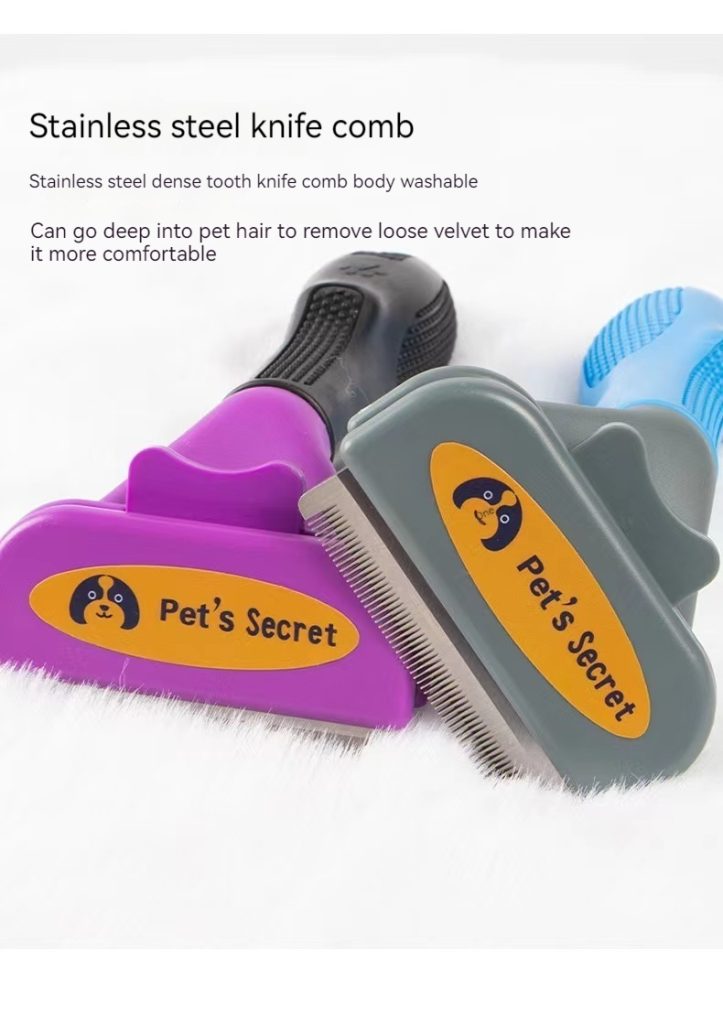
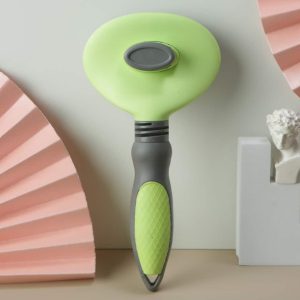
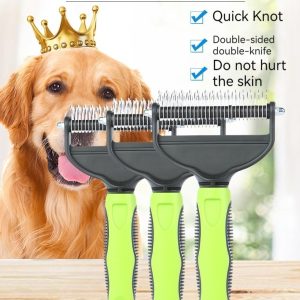
In the vast world of pet grooming tools, specific designs emerge to tackle particular challenges. The Pentko brush represents such an innovation, engineered primarily to address one of the most persistent issues for pet owners: shedding. But what distinguishes it from the myriad of brushes, combs, and rakes available on the market? At its core, the Pentko brush is a specialized deshedding tool. Its design typically features a row of closely set, fine teeth, often made of stainless steel, attached to an ergonomic handle. Unlike regular brushes that primarily smooth the topcoat or remove surface debris, the Pentko brush is meticulously designed to reach through the topcoat to the dense undercoat beneath.
The magic lies in the specific configuration and engineering of these teeth. They are crafted to gently hook and remove loose, dead hairs from the undercoat – the primary source of shedding – without cutting or damaging the healthy topcoat or irritating the skin when used correctly. Think of it like a highly selective comb that filters out the shedding hair before it has a chance to embed itself in your furniture, carpets, and clothing. The effectiveness of the Pentko brush stems from its ability to thin the undercoat efficiently, removing a substantial amount of loose hair in a relatively short grooming session. This proactive removal is key to managing shedding, especially during seasonal changes when many dogs and cats “blow their coats.” The handle is usually designed for comfort and control, allowing the groomer to apply steady, even strokes without undue strain. Understanding the purpose-built nature of the Pentko brush is the first step towards appreciating its potential role in your pet care routine.
The Unseen Cycle: Understanding Why Pets Shed
Before delving deeper into how the Pentko brush works, it's essential to understand the biological process it's designed to manage: shedding. Shedding is a natural and necessary process for most mammals with hair, including our beloved dogs and cats. It's the body's way of removing old, dead, or damaged hair to make way for new, healthy growth. This process is influenced by several factors, primarily genetics, health, nutrition, and environmental cues like daylight hours and temperature (Mueller et al., 2019).
Hair growth occurs in cycles, typically consisting of three main phases:
- Anagen Phase: This is the active growth phase where the hair follicle is producing new hair fiber. The duration of this phase largely determines the maximum length of the hair.
- Catagen Phase: A transitional phase where hair growth stops, and the outer root sheath detaches from the hair follicle.
- Telogen Phase: This is the resting phase. The hair is fully formed but no longer growing, and it remains anchored in the follicle until it is eventually pushed out by a new hair entering the anagen phase, or shed through physical triggers like grooming or rubbing.
Shedding essentially occurs when a large number of hair follicles simultaneously transition into the telogen phase and then release their hairs. The amount and frequency of shedding vary significantly between breeds, individuals, and even seasons. Breeds with dense undercoats, like German Shepherds, Huskies, Golden Retrievers, and many cat breeds like Maine Coons or Ragdolls, tend to shed more profusely, especially during spring and fall. These seasonal sheds are largely triggered by changes in photoperiod (daylight hours), which signal the body to prepare for the upcoming summer or winter by shedding the old coat (Rest & Tasse, 2004). Indoor pets exposed to artificial lighting may shed more consistently year-round.
While shedding is normal, excessive shedding can sometimes indicate underlying health issues, nutritional deficiencies, or stress (Gross et al., 2005). However, for the average healthy pet, managing the sheer volume of shed hair is the primary concern. This is where tools like the Pentko brush become invaluable, not by stopping the natural shedding process, but by efficiently removing the hair that is ready to be shed, keeping it off your floors and promoting healthier skin and coat turnover.
The Mechanics of Magic: How the Pentko Brush Works
The effectiveness of the Pentko brush isn't arbitrary; it's rooted in precise mechanical design aimed at selectively removing loose undercoat hair. Unlike standard bristle or pin brushes that glide over the topcoat, or slicker brushes that detangle surface layers, the Pentko brush employs a unique set of fine, closely spaced teeth.
Here's a step-by-step breakdown of the mechanics:
- Penetration: As you gently stroke the brush through your pet's coat in the direction of hair growth, the teeth are designed to bypass the longer, coarser guard hairs of the topcoat.
- Engagement: The teeth then reach the denser undercoat layer beneath. This layer consists of softer, finer hairs that provide insulation. Crucially, it's also where most of the loose, dead hair accumulates before being shed.
- Selective Removal: The specific shape and spacing of the Pentko brush teeth are engineered to catch and gently pull out only the loose, detached hairs from the telogen phase. Healthy hairs still firmly anchored in their follicles (in the anagen or catagen phase) are typically strong enough to resist the gentle pull and glide through the teeth. Importantly, quality deshedding tools like the Pentko brush are designed *not* to cut healthy hair. They work by extraction, not cutting.
- Collection: The removed hair gathers along the edge of the teeth, often in surprising quantities, especially during peak shedding seasons. Most Pentko brush models incorporate a mechanism, like an ejector button, to easily remove the collected hair from the tool, allowing for continuous grooming.
Think of the process like using a specialized sieve. The topcoat hairs are too large or too strong to be caught, while the fine, loose undercoat hairs are effectively filtered out. This targeted action ensures that the healthy, protective topcoat remains undamaged, preserving the coat's natural structure and weather resistance. Furthermore, the gentle action along the skin can help distribute natural skin oils (sebum) throughout the coat, contributing to its overall health and shine (Scott et al., 2001). The ergonomic handle allows for controlled, comfortable strokes, minimizing fatigue for the groomer and ensuring the process is pleasant, or at least tolerable, for the pet when performed correctly.
The careful engineering behind the Pentko brush allows it to remove significantly more loose undercoat than traditional brushes or combs, making it a powerful ally in the battle against pet hair accumulation in the home.
Pentko Brush vs. The World: A Grooming Tool Comparison
Choosing the right grooming tool can be confusing with so many options available. Understanding the specific purpose and function of each type is crucial for effective grooming and maintaining your pet's coat health. The Pentko brush excels at undercoat deshedding, but how does it stack up against other common tools? Here's a comparison:
| Tool Type | Primary Function | Best Suited Coat Types | Pros | Cons | Pentko Brush Comparison |
|---|---|---|---|---|---|
| Pentko Brush / Deshedding Tool | Removes loose undercoat hair | Double-coated breeds, heavy shedders (dogs & cats) | Highly effective at reducing shedding; Removes large amounts of dead hair quickly; Doesn't cut healthy hair (when used properly) | Can irritate skin if used improperly (too much pressure/frequency); Not ideal for detangling severe mats; May not be suitable for single-coated or wire-haired breeds. | Specialized for undercoat removal, far more effective than others for this specific task. |
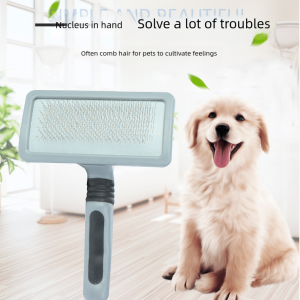
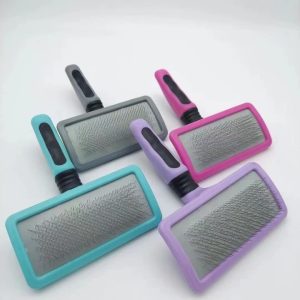
| Slicker Brush | Detangling; Removing loose surface hair; Smoothing topcoat | Medium to long coats, curly coats | Good for general detangling and removing minor mats; Stimulates skin; Fluffs coat. | Fine wire pins can scratch skin if used aggressively; Not very effective for deep undercoat removal. | Complementary; Use slicker for surface tangles, Pentko for deep shedding. |
| Pin Brush | General brushing; Detangling light tangles; Finishing | Long, silky coats | Gentle on skin (often has rounded tips); Good for maintenance brushing; Distributes oils. | Ineffective for heavy shedding or dense undercoats; Doesn't remove mats well. | Much less effective for shedding; Primarily for topcoat maintenance. |
| Bristle Brush | Smoothing topcoat; Removing surface dust/dander; Distributing oils; Polishing | Short, smooth coats | Gentle; Enhances shine; Good for sensitive skin. | Does little for shedding or tangles in thicker coats. | Serves a different purpose (finishing/polishing); No real deshedding action. |
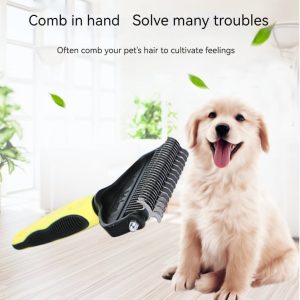
| Undercoat Rake | Removing loose undercoat; Breaking up minor mats | Thick, dense double coats | Penetrates deep into undercoat; Effective for heavy shedders; Can help with mats. | Can pull healthy hair if not used carefully; Teeth can be sharp; Less precise than Pentko-style tools for fine undercoat. | Similar function but often has wider-spaced, longer teeth; Pentko may be better for finer undercoats. |
| Mat Breaker / Dematting Comb | Cutting through and removing severe mats | Long, thick, easily matted coats | Essential for tackling tough mats that can't be brushed out. | Sharp blades require extreme caution to avoid cutting skin; Should only be used on mats, not for general brushing/deshedding. | Addresses severe mats, which a Pentko brush cannot; Pentko helps *prevent* mats by removing loose hair. |
| Grooming Comb | Detangling; Checking for mats; Finishing; Flea detection | All coat types (varying teeth spacing) | Versatile; Good for detailed work around face/ears; Essential for ensuring coat is tangle-free. | Slow for removing large amounts of undercoat; Can snag painfuly on tangles if not used carefully. | Often used after a Pentko brush session to check for missed spots or small tangles. |
This table illustrates that the Pentko brush occupies a specific, important niche in the grooming toolkit. It's not a replacement for all other brushes but a powerful specialist tool for managing shedding by targeting the undercoat. Often, the best grooming routine involves using a combination of tools: perhaps a slicker or comb to remove tangles first, followed by the Pentko brush for deshedding, and maybe a bristle brush for finishing on certain coat types.
Beyond Less Hair: The Multifaceted Benefits of Using a Pentko Brush
While the most immediate and noticeable benefit of using a Pentko brush is a reduction in the amount of pet hair floating around your home, its advantages extend far beyond mere cleanliness. Regular use contributes significantly to your pet's overall health and well-being in several key ways.
Drastic Reduction in Shedding
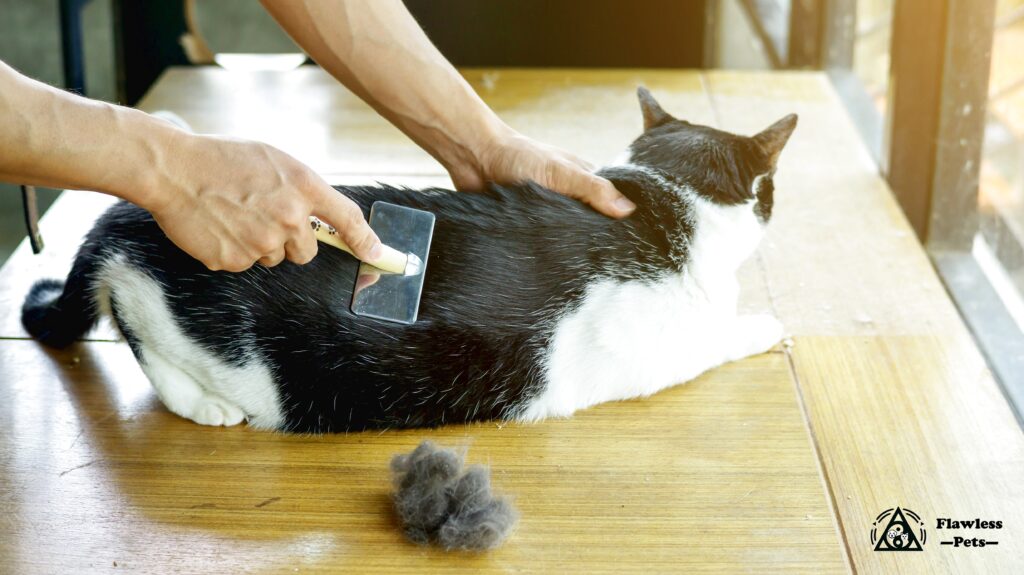
This is the primary reason most pet owners invest in a tool like the Pentko brush. By efficiently removing loose hair from the undercoat before it has a chance to fall out naturally, you can dramatically decrease the amount of hair shed onto furniture, carpets, clothing, and into the air. For heavy shedders, regular sessions (e.g., 1-2 times per week during peak season) can reduce shedding by up to 90%, according to some manufacturer claims, though individual results vary based on breed and coat condition. This means less time spent vacuuming and lint-rolling, and potentially a more comfortable environment for individuals with mild pet hair allergies (though it's important to note deshedding tools don't remove the allergens found in dander and saliva, just the hair that carries them) (Salo et al., 2014).
Enhanced Coat Health and Shine
Removing the dead, dull undercoat allows the healthy topcoat to lie flatter and reflect light better, resulting in a shinier, healthier-looking appearance. Furthermore, the removal of the dense, packed undercoat improves air circulation to the skin. The brushing action itself helps to distribute the natural oils (sebum) produced by the skin throughout the coat (Scott et al., 2001). Sebum acts as a natural conditioner, waterproofing agent, and protector for the hair shafts. Better distribution leads to a more lustrous, resilient, and vibrant coat.
Improved Skin Condition

A thick, impacted undercoat can trap moisture, dirt, and debris close to the skin, creating an environment conducive to bacterial or fungal growth, hot spots (acute moist dermatitis), and other skin irritations (Gross et al., 2005). By thinning the undercoat and improving air circulation, the Pentko brush helps keep the skin dry and healthy. The gentle stimulation of the skin during brushing can also increase blood flow to the area, which nourishes the hair follicles and promotes healthy skin cell turnover. Regular grooming provides an opportunity to check the skin for parasites like fleas and ticks, lumps, bumps, or areas of redness and inflammation that might otherwise go unnoticed under a thick coat.
Strengthened Human-Animal Bond
While not all pets initially enjoy grooming, when introduced positively and performed gently, grooming sessions can become a valuable bonding experience. The physical contact, focused attention, and gentle handling involved in using a Pentko brush can reinforce the connection between pet and owner. Many pets learn to associate grooming with positive attention and gentle touch, especially if followed by praise, treats, or play. This regular, calm interaction can help build trust and strengthen the relationship (Overall, 2013). Finding a grooming routine that is comfortable for your pet is key to achieving this benefit.
Early Detection of Skin Issues
As mentioned briefly under skin health, the process of methodically brushing your pet with a tool like the Pentko brush forces you to look closely at their skin and coat. This regular inspection is invaluable for early detection of potential problems. You might spot fleas, ticks, lice, skin lesions, rashes, unusual lumps or bumps, areas of hair loss (alopecia), or signs of pain or sensitivity in certain areas (Mueller et al., 2019). Catching these issues early often leads to simpler, less expensive, and more effective treatment. Consulting a veterinarian promptly if you notice anything unusual during grooming is always recommended.
In summary, the benefits of incorporating a Pentko brush into your pet care routine are substantial, contributing not only to a cleaner home but, more importantly, to the physical health and emotional well-being of your furry companion.
Mastering the Technique: How to Use the Pentko Brush Effectively
Using a Pentko brush correctly is crucial to maximize its benefits and ensure the grooming experience is safe and comfortable for your pet. While the tool is designed to be user-friendly, improper technique can lead to skin irritation or make the pet averse to grooming. Here's a step-by-step guide:
Preparation is Key
- Ensure the Coat is Dry and Tangle-Free: The Pentko brush is designed for use on a dry coat. Attempting to use it on wet hair can cause uncomfortable pulling and may damage the hair. Importantly, the Pentko brush is *not* primarily a detangling tool. If your pet has significant mats or tangles, address these first using appropriate tools like a slicker brush, comb, or mat breaker. Trying to force a Pentko brush through mats will be painful for your pet and ineffective. A quick brush-through with a slicker or comb can help identify and remove minor tangles before you start deshedding.
- Choose a Calm Environment: Find a quiet place where your pet feels relatively relaxed. Avoid grooming when the pet is overly excited or anxious.
- Gather Supplies: Have your Pentko brush, treats for positive reinforcement, and perhaps a towel or sheet to catch the removed hair readily available.
The Brushing Motion
- Hold the Tool Correctly: Grip the ergonomic handle comfortably but firmly.
- Brush with the Grain: Always brush in the direction of hair growth. Start from the head or neck and work your way back towards the tail, and then down the sides and legs. Going against the grain can be uncomfortable and less effective.
- Use Long, Gentle Strokes: Apply light pressure and use smooth, flowing strokes. Let the weight of the tool do most of the work. Avoid short, choppy motions or digging the teeth into the skin. The goal is to glide the teeth through the topcoat to engage the loose undercoat.
- Lift and Clear: After each stroke or two, lift the brush away from the coat. You'll likely see a significant amount of hair collected on the teeth. Use the ejector button (if available) or manually remove the collected hair before the next stroke. Keeping the teeth clear ensures maximum efficiency.
Finding the Right Frequency
How often you need to use the Pentko brush depends on several factors:
- Breed and Coat Type: Heavy shedders (e.g., Huskies, Labs, German Shepherds, Maine Coons) will benefit from more frequent use, especially during seasonal shedding peaks (spring and fall). Once or twice a week for 10-20 minutes per session is often recommended during these times.
- Individual Shedding Level: Even within a breed, shedding varies. Adjust frequency based on how much loose hair you're seeing around the house or removing with the brush.
- Season: You'll likely need to use it more often during heavy shedding seasons and less frequently during other times of the year.
- Pet's Tolerance: Some pets tolerate longer sessions, while others do better with shorter, more frequent grooming.
Over-brushing can potentially cause skin irritation, so it's generally advised not to use a deshedding tool like the Pentko brush daily unless absolutely necessary and done with extreme care. Starting with once a week and adjusting based on results and your pet's reaction is a sensible approach.
Applying Appropriate Pressure
This is perhaps the most critical aspect of technique. Use *light* pressure. You are not trying to scrub the skin; you are aiming to gently pull loose hair from the undercoat. Too much pressure can cause “brush burn” – skin irritation, redness, or even abrasions. If you see redness or your pet shows signs of discomfort (flinching, whining, trying to move away), you are likely pressing too hard or working on one spot for too long. Remember, the goal is efficiency through design, not force.
Navigating Sensitive Areas
Exercise extra caution around sensitive areas like the belly, inner legs, armpits, ears, face, and tail. These areas often have thinner skin and less hair coverage. Use shorter, even gentler strokes, or consider using a different, softer tool (like a soft bristle brush or grooming glove) for these spots if your pet is particularly sensitive or if the Pentko brush seems too harsh there. Never use a deshedding tool over bony prominences (like hips or spine) with excessive pressure.
Post-Grooming Care
- Check Your Work: After the session, you can run a comb or your hand through the coat to check for any remaining loose hair or missed spots.
- Positive Reinforcement: End the session on a positive note with praise, a favorite treat, or a short play session. This helps your pet associate grooming with pleasant outcomes (Horwitz & Mills, 2012).
- Clean the Tool: Remove all hair from the Pentko brush teeth and store it properly (see Maintenance section).
By following these steps and paying close attention to your pet's body language, you can make grooming with the Pentko brush a highly effective and positive part of your routine.
Is a Pentko Brush Right for Your Pet? Suitability Guide
While the Pentko brush is a highly effective tool, it's not universally suitable for every pet or coat type. Understanding its ideal applications and limitations is key to deciding if it's the right choice for your furry friend.
Ideal Candidates for a Pentko Brush:
- Dogs and Cats with Undercoats: This is the primary target group. Breeds known for having distinct topcoats and dense undercoats generally benefit the most. Examples include:
- Dogs: German Shepherds, Siberian Huskies, Alaskan Malamutes, Golden Retrievers, Labrador Retrievers, Corgis, Pomeranians, Australian Shepherds, Bernese Mountain Dogs, Newfoundlands, Chow Chows, Shiba Inus.
- Cats: Maine Coons, Ragdolls, Norwegian Forest Cats, Siberians, Persians (use caution with very long, fine hair prone to matting), British Shorthairs, Domestic Longhairs and Shorthairs with noticeable undercoats.
- Heavy Shedders: Pets that leave a significant amount of hair around the house, especially during seasonal changes, are prime candidates. The Pentko brush excels at removing this excess loose hair efficiently.
- Pets Tolerant of Grooming: While technique matters greatly, some pets are naturally more accepting of the sensation of a deshedding tool than others.
Pets/Coats Where a Pentko Brush May NOT Be Suitable or Requires Caution:
- Single-Coated Breeds: Breeds that lack a distinct undercoat may not benefit much from a Pentko brush, and its teeth could potentially irritate their skin or damage their single layer of hair. Examples include Poodles, Bichon Frises, Greyhounds, Whippets, Basenjis, Shih Tzus (often considered non-shedding or low-shedding), Portuguese Water Dogs, Irish Water Spaniels. For these breeds, tools like slicker brushes, combs, or pin brushes are generally more appropriate for maintenance.
- Wire-Haired Breeds: Breeds like Wirehaired Pointing Griffons, Scottish Terriers, or Schnauzers often have their coats maintained through hand-stripping rather than deshedding tools. Using a Pentko brush could potentially damage the coarse texture of their wire coat. Consult a professional groomer familiar with the breed standard.
- Corded Coats: Breeds like the Puli or Komondor have coats that naturally form cords. A Pentko brush is entirely unsuitable and would destroy the cord structure.
- Pets with Very Sensitive Skin: If your pet has known skin conditions, allergies, or is generally very sensitive to touch, introduce the Pentko brush very cautiously or consult your veterinarian or a professional groomer first. A softer tool might be necessary.
- Severely Matted Coats: As emphasized before, the Pentko brush is not designed to tackle severe mats. Attempting to do so will be painful and ineffective. Matting requires specialized tools and techniques, sometimes professional intervention.
- Very Young Puppies or Kittens: Their skin is delicate, and their adult coat hasn't fully developed. It's usually best to start with softer brushes and introduce tools like the Pentko brush gradually as they mature, if appropriate for their eventual coat type.
Considerations Regarding Specific Pentko Models:
Some brands may offer different sizes or variations of the Pentko brush concept, perhaps with varying edge lengths tailored for different pet sizes (e.g., small dog/cat vs. large dog) or coat lengths (short vs. long hair). While the fundamental mechanism remains the same, choosing a size appropriate for your pet can enhance comfort and efficiency. Generally, longer-haired pets might benefit from tools designed specifically for long coats, which may have slightly longer teeth to penetrate deeper. Always check the manufacturer's recommendations for the specific Pentko brush model you are considering.
If you're unsure about your pet's coat type or the suitability of a Pentko brush, consulting a knowledgeable veterinarian or a certified professional groomer is an excellent step. They can assess your pet's specific needs and recommend the most appropriate grooming tools and routine.
Addressing Common Grooming Challenges
Even with the right tool like the Pentko brush and good intentions, grooming doesn't always go smoothly. Here's how to address some common challenges you might encounter:
Dealing with Mats and Tangles
Problem: You encounter mats or significant tangles while trying to use the Pentko brush.
Solution: Stop using the Pentko brush on the matted area immediately. Remember, it's for loose hair removal, not detangling established mats. Switch to an appropriate tool:
- Small Tangles/Knots: Try working them out gently with your fingers or a grooming comb, starting from the ends of the hair and working towards the skin. A detangling spray can sometimes help.
- Larger Mats: Use a slicker brush carefully, or employ a mat breaker or dematting comb specifically designed to cut through mats. Always use these sharp tools with extreme caution, keeping the skin taut and working in small sections. Ensure you can see the skin and are not cutting it. Point the blades away from the skin.
- Severe Matting: If mats are extensive, very tight to the skin, or causing the pet pain, do not attempt to remove them yourself. This often requires professional grooming, potentially involving clipping the coat short. Trying to pull out severe mats is painful and can damage the skin (Gross et al., 2005).
Prevention: Regular grooming, including brushing with appropriate tools *before* significant mats form, is the best prevention. Using the Pentko brush regularly helps by removing the loose undercoat that often contributes to mat formation.
Managing Grooming Anxiety
Problem: Your pet shows signs of fear, anxiety, or stress during grooming sessions (e.g., hiding, trembling, growling, biting, excessive panting).
Solution: Address the anxiety using desensitization and counter-conditioning techniques (Overall, 2013; Horwitz & Mills, 2012):
- Start Slow: Introduce the Pentko brush gradually. Let the pet sniff it. Touch them gently with the non-toothed side. Reward calm behavior with high-value treats.
- Short Sessions: Keep initial sessions extremely short – maybe just one or two gentle strokes – followed immediately by a reward. Gradually increase the duration as the pet remains calm.
- Positive Association: Pair grooming with things your pet loves. Use treats, praise, or follow up with a favorite game.
- Comfortable Handling: Ensure you are handling your pet gently and confidently. Avoid forceful restraint, which can increase fear. Train your pet to accept handling in different positions when they are calm.
- Identify Triggers: Does the anxiety peak when you brush a certain area? Be extra gentle there, or use a softer tool. Is the sound of the hair removal startling? Muffle it slightly or provide background noise.
- Consider Calming Aids: Pheromone sprays/diffusers (like Feliway for cats or Adaptil for dogs) or anxiety wraps may help some pets relax. Consult your vet about these options or potential anxiety medication for severe cases.
- Professional Help: If anxiety is severe or leads to aggression, seek guidance from a veterinarian or a certified animal behaviorist.
Never punish a pet for showing fear during grooming; this will only worsen the anxiety.
Preventing Skin Irritation
Problem: You notice redness, scratching, or flinching after using the Pentko brush.
Solution: This usually indicates improper technique.
- Check Your Pressure: You are almost certainly pressing too hard. Lighten your touch significantly. Let the tool glide.
- Reduce Frequency/Duration: You might be over-brushing a particular area or grooming too often overall. Stick to recommended guidelines (e.g., 10-20 minutes, 1-2 times per week).
- Avoid Broken or Irritated Skin: Never use the Pentko brush over existing sores, rashes, hot spots, or sunburned skin.
- Check the Tool: Ensure the teeth of the Pentko brush are not damaged or bent, which could cause scratching.
- Assess Skin Sensitivity: Some pets simply have more sensitive skin. If irritation persists despite correct technique, the Pentko brush might be too harsh for your individual pet. Consider alternative tools or consult a vet.
Patience, proper technique, and attentiveness to your pet's signals are key to overcoming these common grooming hurdles and ensuring the experience is beneficial for both of you.
Keeping Your Tool in Top Shape: Pentko Brush Care
Like any quality tool, your Pentko brush requires some basic maintenance to ensure its longevity and continued effectiveness. Proper care also helps maintain hygiene, preventing the transfer of skin debris or potential pathogens.
- Remove Hair After Each Use: This is the most crucial step. Use the ejector button (if applicable) or manually pull all trapped hair from the teeth immediately after finishing your grooming session. Leaving hair packed in the teeth can make it harder to remove later and can reduce the tool's effectiveness next time.
- Regular Cleaning: Periodically, especially if grooming a pet with oily skin or dander, you should clean the teeth more thoroughly. You can use warm soapy water (mild dish soap works well) and a small brush (like an old toothbrush) to gently scrub the teeth and the edge. Be careful not to bend the fine teeth.
- Rinse and Dry Thoroughly: After washing, rinse the brush head completely under clean running water to remove any soap residue. Drying is critical, especially for metal teeth, to prevent rust or corrosion. Shake off excess water and then allow the brush to air dry completely, or gently pat it dry with a soft towel. Ensure it's fully dry before storing.
- Inspect the Teeth: Regularly examine the fine teeth of the Pentko brush. Look for any bent, broken, or missing teeth. Damaged teeth can snag hair, scratch the skin, and reduce the tool's efficiency. If the teeth are significantly damaged, it may be time to replace the brush head or the entire tool, depending on the model.
- Proper Storage: Store your Pentko brush in a safe place where the teeth won't get damaged. Many models come with a protective cover for the edge – use it! Avoid just tossing it into a drawer or box with other heavy or sharp tools that could bend or dull the teeth. Keep it dry and clean between uses.
Taking these simple steps will keep your Pentko brush performing optimally for years, making your investment worthwhile and ensuring each grooming session is as effective and safe as possible.
The Pentko Brush in a Holistic Pet Wellness Plan

While the Pentko brush is a remarkably effective tool for managing shedding and promoting coat health, it's most beneficial when viewed as one component within a comprehensive approach to pet wellness. Achieving the healthiest possible skin and coat involves more than just brushing.
Consider how regular use of the Pentko brush fits into the bigger picture:
- Nutrition: A high-quality diet rich in essential fatty acids (Omega-3 and Omega-6), proteins, vitamins (like Biotin and Vitamin E), and minerals (like Zinc) is fundamental for healthy skin and hair growth (Watson, 1998). No amount of brushing can compensate for poor nutrition. If your pet has persistent coat issues despite good grooming practices, discuss their diet with your veterinarian. Sometimes supplements may be recommended.
- Bathing: Regular bathing with a pet-appropriate shampoo helps remove dirt, allergens, and excess oils, and can soothe irritated skin. However, bathing frequency depends heavily on breed, coat type, lifestyle, and skin condition. Over-bathing can strip natural oils. Using a Pentko brush *before* a bath can help remove loose hair that would otherwise clog the drain and allows the shampoo to reach the skin more effectively. Ensure the coat is completely dry before using the Pentko brush again post-bath.
- Parasite Prevention: Fleas, ticks, and mites can cause significant skin irritation, itching, and hair loss. Consistent use of effective parasite preventatives, as recommended by your veterinarian, is crucial for maintaining skin and coat health (Dryden & Rust, 1994). Regular grooming with tools like the Pentko brush provides an opportunity to spot these parasites early.
- Veterinary Check-ups: Regular wellness exams allow your veterinarian to assess your pet's overall health, including their skin and coat condition. They can identify underlying medical issues (like allergies, hormonal imbalances, or infections) that might manifest as coat problems (Scott et al., 2001). Mentioning your grooming routine, including the use of the Pentko brush, can provide valuable context.
- Environmental Factors: Managing allergens in the home (dust mites, pollens) can be important for pets with environmental allergies that affect their skin. Ensuring adequate hydration is also vital for skin health.
- Stress Management: Chronic stress can negatively impact coat condition in some animals (Overall, 2013). Providing environmental enrichment, predictable routines, and positive interactions contributes to overall well-being, which reflects in their coat.
Integrating the Pentko brush into this holistic framework maximizes its benefits. It works synergistically with good nutrition, hygiene, and veterinary care to support a truly healthy, vibrant coat and comfortable skin, contributing significantly to your pet's quality of life.
Frequently Asked Questions about the Pentko Brush
- 1. How often should I really use the Pentko brush on my dog/cat?
- The ideal frequency depends on your pet's shedding level and coat type. For most dogs and cats with undercoats, using the Pentko brush for 10-20 minutes once or twice a week is sufficient, especially during heavy shedding seasons (spring and fall). During lighter shedding periods, once every couple of weeks might be enough. Monitor the amount of hair removed and the condition of your pet's coat and skin. Avoid daily use unless specifically needed and done with extreme care, as over-brushing can cause irritation.
- 2. Does using a Pentko brush hurt my pet?
- When used correctly – with light pressure, moving in the direction of hair growth, on a dry and tangle-free coat, and avoiding sensitive areas or existing skin irritations – the Pentko brush should not hurt your pet. It's designed to remove only loose, dead hair. However, incorrect technique (too much pressure, going against the grain, using it on mats) can cause discomfort or pain. Always watch your pet's body language for signs of distress and adjust your technique accordingly.
- 3. Can I use the Pentko brush on my short-haired cat or dog?
- It depends. Many short-haired breeds still have an undercoat and shed significantly (e.g., Labrador Retrievers, Beagles, Domestic Shorthair cats). For these pets, a Pentko brush designed for short hair can be very effective. However, for single-coated short-haired breeds (like Greyhounds or Siamese cats), it's generally not recommended as it may not be effective and could potentially irritate the skin. Check if your short-haired pet has a noticeable undercoat; if unsure, consult a groomer or vet.
- 4. Is the Pentko brush the same as a Furminator?
- Pentko brush and Furminator are brand names often associated with a similar *type* of deshedding tool featuring fine, closely spaced teeth designed to remove undercoat hair. While the core mechanism is similar, there might be subtle differences in tooth design, edge shape, handle ergonomics, or ejector mechanisms between specific brands and models. Functionally, they aim to achieve the same goal: efficient undercoat removal. The term “Pentko brush” refers specifically to the tool under that branding, while “Furminator” refers to another popular brand. Both fall under the category of deshedding tools.
- 5. My pet hates being groomed with the Pentko brush. What can I do?
- Grooming aversion is common. Address it with patience using desensitization and counter-conditioning. Start with very short sessions, perhaps just showing the brush and rewarding calm behavior. Gradually introduce gentle strokes, always followed by high-value treats or praise. Ensure your technique is gentle (light pressure!). Identify if specific areas are more sensitive. Keep sessions positive and end before your pet becomes stressed. If the aversion persists or is severe, consult a professional trainer or veterinary behaviorist. Sometimes, simply trying a different high-quality deshedding tool might help if the sensation of the specific Pentko brush is disliked.
- 6. How do I clean the Pentko brush properly?
- Remove all trapped hair from the teeth after every use using the ejector button or your fingers. For a deeper clean, periodically wash the head with warm water and mild soap, using a soft brush (like an old toothbrush) to gently scrub the teeth. Rinse thoroughly to remove all soap residue. Crucially, allow the brush to air dry completely or gently pat it dry with a towel before storing it, especially if the teeth are metal, to prevent rust. Store it with the protective edge cover on (if included) to protect the teeth.
References
Note: This list includes sources that provide background information relevant to pet grooming, skin health, and animal behavior. Specific studies evaluating the “Pentko brush” brand itself may not be available in academic literature; efficacy claims are often based on manufacturer testing and user experience, supported by the general principles of undercoat removal outlined in veterinary dermatology texts.
- Dryden, M. W., & Rust, M. K. (1994). The cat flea: biology, ecology and control. Veterinary Parasitology, 52(1-2), 1–19. https://doi.org/10.1016/0304-4017(94)90031-0
- Gross, T. L., Ihrke, P. J., Walder, E. J., & Affolter, V. K. (2005). Skin Diseases of the Dog and Cat: Clinical and Histopathologic Diagnosis (2nd ed.). Blackwell Science. (Provides comprehensive information on skin structures, hair growth, and diseases affected by grooming, like hot spots).
- Horwitz, D. F., & Mills, D. S. (Eds.). (2012). BSAVA Manual of Canine and Feline Behavioural Medicine (2nd ed.). British Small Animal Veterinary Association. (Covers principles of desensitization and counter-conditioning for handling and grooming issues).
- Mueller, R. S., Nuttall, T., Prost, C., Schulz, B., & Bizikova, P. (2019). Treatment of demodicosis in dogs: 2018 clinical practice guidelines. Veterinary Dermatology, 30(5), 381–e114. https://doi.org/10.1111/vde.12791 (While focused on demodicosis, illustrates the importance of grooming in skin health assessment).
- Overall, K. L. (2013). Manual of Clinical Behavioral Medicine for Dogs and Cats. Elsevier Mosby. (Discusses handling, stress, and behavior modification techniques relevant to grooming).
- Rest, J. R., & Tasse, J. (2004). Normal equine hair growth. Clinical Techniques in Equine Practice, 3(1), 3-9. https://doi.org/10.1053/j.ctep.2004.03.002 (While on horses, discusses general principles of photoperiod influence on hair cycles applicable to mammals).
- Salo, P. M., Arbes Jr, S. J., Crockett, P. W., Thorne, P. S., Cohn, R. D., & Zeldin, D. C. (2014). Exposure to multiple indoor allergens in US homes and its relationship to asthma. Journal of Allergy and Clinical Immunology, 134(1), 116-127.e2. https://doi.org/10.1016/j.jaci.2014.01.032 (Discusses allergens, including those carried on pet hair).
- Scott, D. W., Miller, W. H., & Griffin, C. E. (2001). Muller & Kirk's Small Animal Dermatology (6th ed.). W.B. Saunders Company. (A standard veterinary text covering hair follicle cycles, shedding, sebum function, and grooming relevance).
- Watson, T. D. G. (1998). Diet and skin disease in dogs and cats. The Journal of Nutrition, 128(12 Suppl), 2783S–2789S. https://doi.org/10.1093/jn/128.12.2783S
- American Society for the Prevention of Cruelty to Animals (ASPCA). (n.d.). General Dog Care. https://www.aspca.org/pet-care/dog-care/general-dog-care (Provides general grooming advice).
- The Humane Society of the United States. (n.d.). Dog Grooming Tips. https://www.humanesociety.org/resources/dog-grooming-tips (Offers practical tips for home grooming).
Disclaimer: The information provided in this blog post is for educational and informational purposes only. It is not intended as professional veterinary advice. Always consult with a qualified veterinarian for your pet's specific needs and health conditions. We strive to ensure accuracy, but we make no warranty as to the reliability or completeness of the information presented.
Images and media used in this post may come from free-license resources or the internet. If you are the rightful owner and wish to request removal or attribution, please contact us at [email protected] .
Images and media used in this post may come from free-license resources or the internet. If you are the rightful owner and wish to request removal or attribution, please contact us at [email protected] .


 English
  简体中文
简体中文  Français du Canada
  Deutsch
  Español
  Português
  한국어
한국어  日本語
日本語  Italiano
  Русский
  Dansk
Dansk  Nederlands
  Svenska
  Suomi
Suomi  Polski
  Norsk bokmål