Flawless Pet Supplies

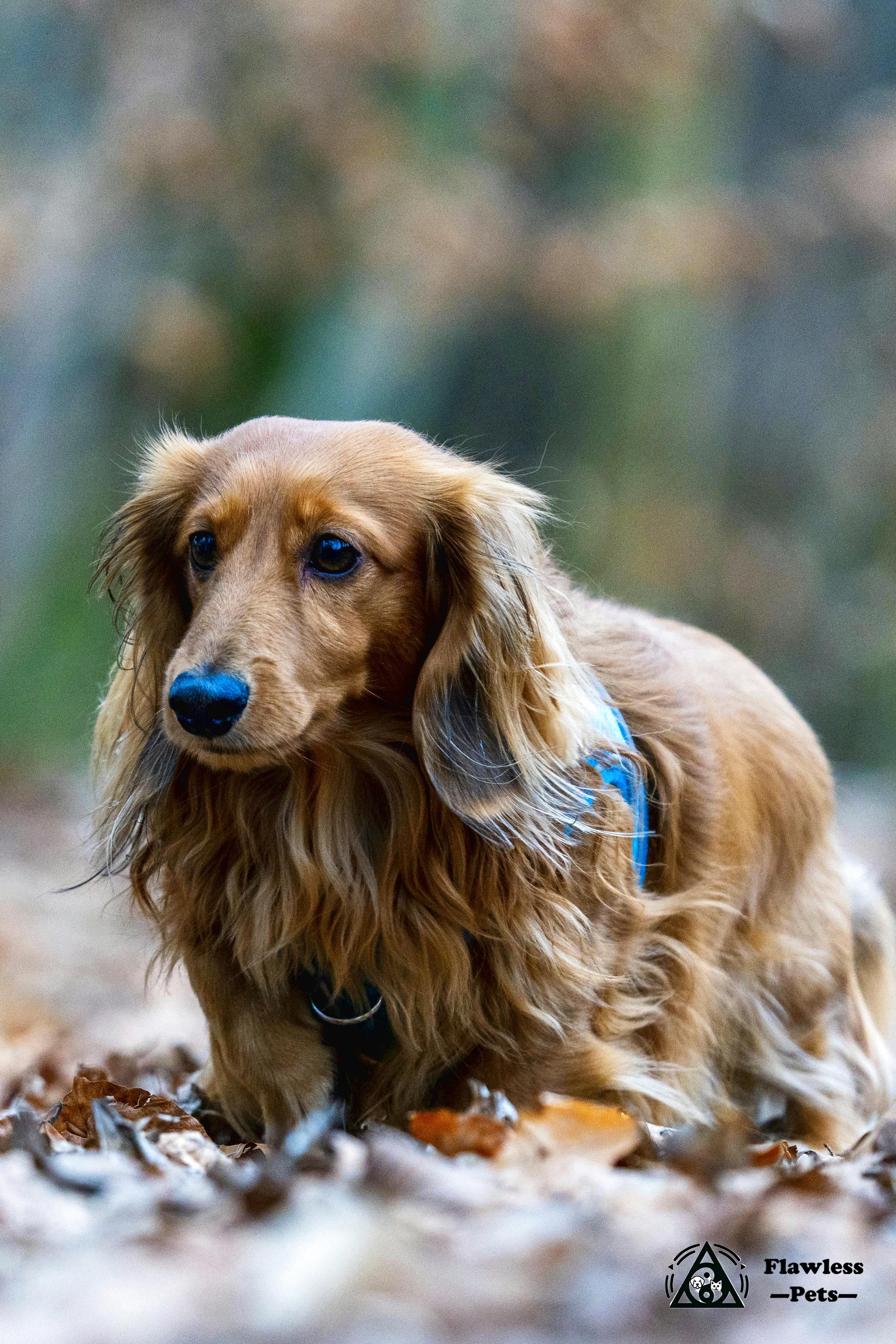
Playful white Toy Poodle ready to chase a bright green tennis ball in the grass.

The 7 Essential Secrets to Mastering the Pin Brush for Dogs: Your Ultimate Grooming Guide

Key Takeaways

Understanding and utilizing the right grooming tools is fundamental for maintaining your 's health and happiness. The pin brush for dogs stands out as a crucial instrument, particularly for dogs with medium to long, silky, or wiry coats. This comprehensive guide delves into the specifics of this essential tool.
  • -23%
    Quick View

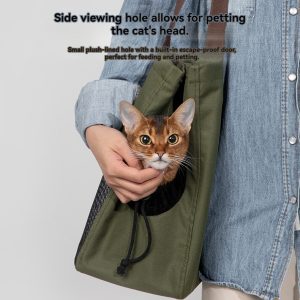
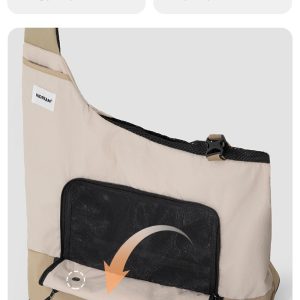
    HiDream Color-Block Shoulder Pet Travel Bag – Stylish and Lightweight Carrier for Small Pets – Almond, Matcha

    Original price was: $109.99.Current price is: $84.99.
    Almond
    Matcha
  • -14%
    Quick View

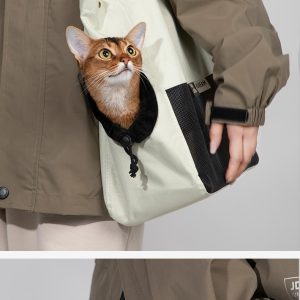
    HiDream Pet Tote Bag – Relaxed Style Carrier for Small Pets – Durable Nylon with Breathable Mesh – Beige, Green, Gray

    Original price was: $109.99.Current price is: $94.59.
    Beige with free gift Portable crossbody bag
    Green with free gift Portable crossbody bag
    Gray with free gift Portable crossbody bag
  • -12%
    Quick View

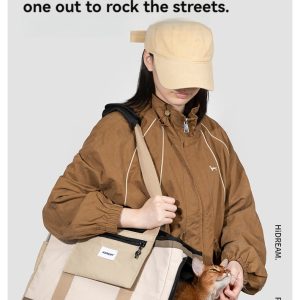
    HiDream Pet Sling Carrier Bag – Adjustable Shoulder Strap Front Carry Bag for Small Pets – Khaki, Green, Gray

    Original price was: $99.99.Current price is: $88.49.
    Khaki
    Green
    Gray

Here's what you'll learn:

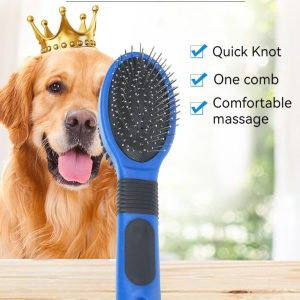
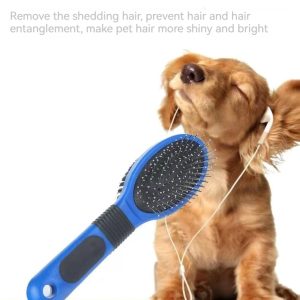
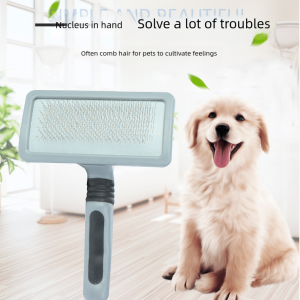
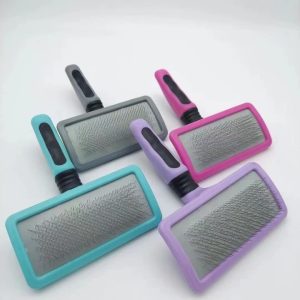
What it is: A pin brush for dogs features metal or plastic pins, often with rounded or coated tips, set in a flexible rubber or silicone base, designed to penetrate the coat without scratching the skin.

Who needs it: It's indispensable for breeds like Golden Retrievers, Yorkshire Terriers, Collies, Shih Tzus, Schnauzers, and many others prone to tangles and mats in their longer fur.

How it works: The pins gently separate hairs, remove loose fur, dirt, and minor tangles, while distributing natural skin oils (sebum) for a healthy shine.

Choosing the right one: Factors include pin length (longer for denser coats), pin type (rounded tips for comfort), spacing (wider for thicker coats), handle ergonomics, and overall quality.

Proper technique: Brush in the direction of hair growth, work in sections, be gentle, and use . Avoid excessive pressure or brushing irritated skin.

Benefits: Prevents mats, reduces shedding, improves circulation, distributes oils, enhances bond, and allows for early detection of skin issues.

Maintenance: Regular cleaning of the brush prevents the redistribution of dirt and bacteria and prolongs the tool's life.

Comparison: Understand how a pin brush for dogs differs from slicker brushes, bristle brushes, and undercoat rakes to build a complete grooming toolkit.

The Ultimate Guide to Using a Pin Brush for Dogs

What Exactly is a Pin Brush for Dogs?

When navigating the world of tools, the variety can seem overwhelming. Slicker brushes, bristle brushes, undercoat rakes, shedding blades – each serves a purpose. Among these, the pin brush for dogs holds a unique and vital place, especially for certain coat types. Think of it as the equivalent of the brush many humans use daily. It's designed primarily for finishing, gentle detangling, and maintaining the coats of dogs with medium to long hair, or those with silky or wiry textures.

Unlike a slicker brush with its fine, bent wires designed for removing mats and significant undercoat, a pin brush features straight, thicker pins, typically made of metal or sometimes durable plastic. These pins are mounted onto a flexible base, often rubber or silicone, which allows the pins to conform slightly to the dog's body contours. A key feature is the tip of the pins – they are usually rounded, polished, or coated with a small plastic or rubber ball. This is crucial. The primary goal of a pin brush for dogs isn't aggressive deshedding or mat removal (though it helps with minor tangles); it's about separating hairs, lifting away loose fur and debris from the outer coat, and penetrating down closer to the skin without causing irritation or scratching. The design facilitates a smoother glide through the hair compared to the potentially harsher action of a slicker brush if used improperly.

Consider a dog like a Yorkshire Terrier or a Shih Tzu. Their long, silky hair requires regular brushing to prevent tangles and maintain its flow. A pin brush is ideal here. Its pins can work through the length of the hair, separating strands and removing any surface debris or loose hairs shed naturally. Similarly, for a Golden Retriever or a Bernese Mountain Dog, while they might also benefit from an undercoat rake during heavy shedding seasons, a pin brush for dogs is excellent for regular maintenance, keeping the topcoat smooth, clean, and distributing natural oils. The American Kennel Club (AKC) often recommends specific brush types for breed grooming standards, and the pin brush features prominently for many longer-coated breeds (AKC, n.d.).

Anatomy of a Pin Brush: Understanding the Components

To truly appreciate how a pin brush for dogs functions and to choose the best one for your companion, it helps to understand its basic parts. Each component plays a role in the brush's effectiveness and comfort for your pet.
  1. The Handle: This is straightforward – it's what you hold. Handles are typically made of wood, bamboo, plastic, or rubberized materials. Ergonomics matter here. A comfortable, non-slip grip makes the grooming process easier and less tiring for you, especially if you have a large dog or one requiring extensive brushing.
  2. The Head/Base: This is the part that holds the pins. It's usually oval or rectangular. The key feature here is the cushion – the flexible pad (often rubber or silicone) into which the pins are inserted. This cushion allows the pins to retract slightly under pressure, conforming to the dog's body shape and preventing the pins from poking too hard against the skin. The flexibility of this base is a defining characteristic compared to more rigid brushes.
  3. The Pins: These are the ‘bristles' of the brush. They are typically made of polished metal (like stainless steel) or sometimes sturdy plastic or nylon. Their length, thickness, and spacing vary depending on the brush's intended use (more on this later). High-quality pins are smooth and securely set into the base.
  4. The Pin Tips: This is perhaps the most critical part for your dog's comfort. The tips of the pins should never be sharp. Good quality pin brushes feature pins with rounded, polished ends or small, smooth plastic or rubber ‘bulbs' covering the tips. These protective tips are essential to ensure the brush glides through the fur and over the skin without scratching, scraping, or causing discomfort. According to veterinary dermatology resources, maintaining skin integrity during grooming is crucial to prevent secondary infections or irritation (Mueller et al., 2012). A brush with sharp or missing tips can easily damage the skin.

Understanding these components helps you evaluate the quality of a pin brush for dogs. Look for a sturdy handle, a flexible and durable base, securely embedded pins, and, most importantly, smooth, safe tips.

How Does a Pin Brush Work Its Magic?

The effectiveness of a pin brush for dogs lies in its simple yet clever design, tailored for specific grooming tasks. It doesn't rely on sharp edges or densely packed bristles like other brushes. Instead, its mechanism is based on separation, lifting, and gentle stimulation.

Firstly, the spaced-out pins penetrate the dog's coat, reaching through the top layers. As you stroke the brush through the fur, the pins physically separate individual hairs or small clumps of hair. This action helps to detangle minor knots before they develop into serious mats. For dogs with flowing coats, this separation is what helps maintain that smooth, elegant look.

Secondly, as the pins move through the coat, they catch and lift away loose hair – the fur that has naturally shed but hasn't yet fallen off the dog. While not as aggressive at deshedding as an undercoat rake or a slicker brush used specifically for that purpose, regular use of a pin brush for dogs significantly reduces the amount of hair shed around your home. It also removes surface dirt, dust, and small debris (like bits of leaf or grass) that get caught in the fur.

Thirdly, and importantly, the action of the pins moving over the skin provides gentle stimulation. This can help improve blood circulation to the skin surface. Furthermore, the brushing action helps to distribute the natural oils (sebum) produced by the dog's skin glands. Sebum is essential for maintaining a healthy, waterproof, and shiny coat (Scott et al., 2001). By spreading these oils from the roots to the tips of the hair shafts, the pin brush enhances the coat's natural luster and condition.

Imagine gently combing through long hair – the comb separates strands, removes loose hairs, and makes the hair look smoother. A pin brush for dogs functions similarly, but it's adapted for the density and texture of canine fur, with features like rounded tips and a flexible base to ensure the process is comfortable and beneficial for the dog.

Types of Pin Brushes and Comparison Table

While the basic concept of a pin brush for dogs remains the same, variations exist, primarily concerning the pins themselves – their length, spacing, rigidity, and tip style. Choosing the right variation depends heavily on your dog's specific coat type.

Here's a breakdown of common variations:

  • Standard Pin Brushes (Rounded/Coated Tips): These are the most common type. They feature metal pins with protective tips (either polished smooth or coated with plastic/rubber). They are versatile for most medium-to-long coats requiring regular maintenance and gentle detangling.
  • Pin Brushes with Longer Pins: Designed for dogs with very long, thick, or double coats (like Collies or Samoyeds). The longer pins can penetrate deeper into the dense fur to reach closer to the skin, ensuring thorough brushing.
  • Pin Brushes with Widely Spaced Pins: Often recommended for dogs with coarse, wiry, or very thick coats. The wider spacing helps the brush move through resistant fur more easily without getting stuck or pulling excessively.
  • Pin Brushes with Finer/More Densely Spaced Pins: Better suited for dogs with finer, silkier, or thinner long coats (like some Yorkshire Terriers or Maltese). The closer pins can provide a smoother finish and capture finer loose hairs more effectively.
  • Combination Pin/Bristle Brushes: Some brushes feature pins on one side and natural or synthetic bristles on the other. The pin side works for detangling and deep brushing, while the bristle side is excellent for smoothing the topcoat, removing surface dust, and enhancing shine, particularly on shorter-haired areas or as a finishing step.

Here's a table summarizing the key differences and typical uses:

Brush Feature Description Best Suited For Primary Use
Standard Pins (Medium Length/Spacing) Most common type, rounded/coated tips. Versatile. Medium to long single coats, silky coats (e.g., Setters, Yorkies, Shih Tzus). Regular maintenance, gentle detangling, oil distribution, removing loose hair. A good general pin brush for dogs.
Longer Pins Pins are significantly longer than standard. Very long, dense, or double coats (e.g., Collies, Samoyeds, Chow Chows, Golden Retrievers). Deep penetration through thick fur, reaching undercoat, thorough detangling.
Widely Spaced Pins Greater distance between individual pins. Thick, coarse, or wiry coats (e.g., Schnauzers, some Terriers, Poodles). Also useful for initial passes on tangled coats. Easier movement through resistant fur, less pulling, initial detangling passes.
Finer / Densely Spaced Pins Pins are thinner and/or closer together. Fine, silky, or thinner long coats (e.g., Maltese, some Spaniels). Smoother finish, capturing fine loose hairs, gentle on delicate coats.
Combination Pin/Bristle Pins on one side, bristles (natural or synthetic) on the other. Versatile for many coat types, especially those needing both detangling and smoothing. Dual function: Pin side for detangling/depth, bristle side for smoothing/shine/surface cleaning.

Selecting the appropriate type is the first step toward effective grooming with a pin brush for dogs. Using one with pins too short for a dense coat won't be effective, while one with pins too widely spaced might not smooth a fine coat properly.

Choosing the Perfect Pin Brush for Your Dog

Selecting the ideal pin brush for dogs isn't just about grabbing the first one you see. It requires careful consideration of your dog's specific needs and the quality of the brush itself. Making the right choice ensures grooming is effective, comfortable, and safe for your canine companion.

Considering Coat Type and Length

This is the most crucial factor. As discussed previously, the type of coat dictates the type of pin brush needed.

  • Long, Silky Coats (e.g., Yorkshire Terrier, Afghan Hound, Setter): A standard pin brush with medium-length, possibly finer pins, and definitely rounded/coated tips is often best. The goal is to glide through the hair, detangle gently, and distribute oils without breaking delicate strands.
  • Long, Thick/Double Coats (e.g., Golden Retriever, Collie, Newfoundland, Bernese Mountain Dog): You'll need a pin brush for dogs with longer, sturdy pins to penetrate the dense outer coat and reach the undercoat. Spacing might be standard to slightly wider.
  • Medium-Length Coats (e.g., Spaniels, Border Collies): A standard pin brush is usually suitable. Depending on thickness, you might opt for slightly longer pins.
  • Wiry Coats (e.g., Schnauzers, many Terriers): While sometimes benefiting from other brush types too, a pin brush with widely spaced, sturdy pins can help manage the outer coat. Ensure the tips are very smooth to avoid irritating potentially sensitive skin common in some wire-haired breeds.
  • Curly/Wavy Coats (e.g., Poodles, Bichon Frise): A pin brush, often with widely spaced pins, can be useful for fluffing and initial detangling, although slicker brushes are frequently the primary tool for these coats to prevent matting close to the skin.

If you're unsure about your dog's specific coat type and needs, consulting a breed standard guide (like those from the AKC or The Kennel Club UK) or a professional groomer can provide valuable insight.

Pin Length, Spacing, and Tip Style

pin brush

Beyond the general coat type, focus on the pins:

  • Length: Ensure pins are long enough to reach through the thickest parts of your dog's coat. Too short, and you're only brushing the surface.
  • Spacing: Wider spacing for thicker, coarser hair; closer spacing for finer hair. Think about how easily a comb moves through your own hair – the same principle applies.
  • Tip Style: Non-negotiable – pins MUST have smooth, rounded, or coated tips. Run the brush gently over the inside of your arm. If it feels scratchy or sharp, it's unsuitable for your dog. Damaged or missing tips mean the brush should be discarded immediately. Skin health is paramount, and scratches can lead to discomfort or infection (Veterinary Practice News, 2019).

Handle Design and Overall Quality

Consider your own comfort and the brush's longevity:

  • Ergonomics: Choose a handle that fits comfortably in your hand. A non-slip grip is advantageous, especially during longer grooming sessions.
  • Materials: Wooden or bamboo handles can be aesthetically pleasing and durable. High-quality plastic or rubberized handles offer good grip and are easy to clean.
  • Construction: Check that the pins are securely embedded in the base and that the base cushion is flexible but resilient. A well-made pin brush for dogs will last longer and perform better. Investing a little more in a quality tool from reputable dog grooming supplies can save you money and frustration in the long run.

Dog Size and Temperament Matters

The overall size of the brush head should be appropriate for the size of your dog. Using a giant brush on a tiny dog can be awkward and intimidating, while a tiny brush on a large dog will make the job take much longer. Also, consider your dog's temperament. If they are sensitive or new to grooming, choose a brush with very gentle pins and introduce it slowly with positive reinforcement.

By carefully evaluating these factors – coat type, pin characteristics, handle and quality, and your dog's size and temperament – you can select the perfect pin brush for dogs that will make grooming a positive and effective experience for both of you.

Mastering the Technique: How to Use a Pin Brush Correctly

Owning the right pin brush for dogs is only half the battle; using it correctly is essential for achieving the desired results and ensuring your dog's comfort and safety. Proper technique prevents pulling, skin irritation, and makes the grooming session a more pleasant bonding experience.

Preparation Steps

  1. Choose the Right Time and Place: Select a time when your dog is calm and relaxed, perhaps after a walk or playtime. Find a quiet area where you won't be disturbed. Using a grooming table can be helpful for control and comfort, especially for smaller dogs, but ensure the surface is non-slip and the dog is secure.
  2. Gather Your Tools: Have your pin brush, potentially a comb (for checking work or tackling small tangles), treats for positive reinforcement, and possibly a detangling spray if your dog's coat is prone to knots.
  3. Initial Check: Gently run your hands over your dog's coat to feel for any large mats, bumps, lesions, or sensitive areas. Avoid brushing directly over irritated skin or sores. If you find significant matting, address it carefully first (potentially with a mat splitter or comb, or seek professional help) before using the pin brush extensively in that area.

The Brushing Motion

The key is to be gentle but effective.

  • Direction of Growth: Always brush in the direction that the hair naturally grows. Brushing against the grain can be uncomfortable and may damage the hair or irritate the skin.
  • Long, Smooth Strokes: Use long, flowing strokes rather than short, choppy ones. Start from the neck and work your way back towards the tail, and then down the legs.
  • Lift and Separate: For longer coats, you might need to use the ‘line brushing' technique. Lift a section of hair with your free hand and brush the layer underneath. Then, let down small sections of the lifted hair and brush them layer by layer. This ensures you reach all the way to the skin.
  • Pressure: Let the brush do the work. Apply only light pressure. The flexible base and rounded pins of a good pin brush for dogs are designed to work effectively without needing force. Excessive pressure can be uncomfortable or even painful for your dog.

Working in Sections

Don't try to brush the entire dog at once, especially if they have a lot of fur. Mentally divide the dog's body into sections (e.g., back, side, chest, tail, each leg). Focus on completing one section thoroughly before moving to the next. This makes the task less daunting and ensures you don't miss spots.

Handling Sensitive Areas

Be extra gentle when brushing sensitive areas like the belly, armpits, groin, ears, and tail. Use shorter, lighter strokes. The skin is thinner and more prone to irritation in these places. For the face, you might use a smaller, softer brush or a comb. Be extremely careful around the eyes.

Frequency of Brushing

The ideal frequency depends on the coat type, length, and your dog's lifestyle.

  • Long/Thick Coats: Often require daily brushing with a pin brush for dogs to prevent tangles and mats.
  • Medium Coats: May need brushing several times a week.
  • Lifestyle Factors: Dogs that spend a lot of time outdoors may need more frequent brushing to remove debris.

Consistency is key. Regular, shorter sessions are usually better tolerated and more effective than infrequent marathon sessions. Throughout the process, talk to your dog reassuringly and offer treats and praise for calm behavior. This helps create a positive association with grooming (Horwitz & Mills, 2012).

The Multifaceted Benefits of Using a Pin Brush

Regular grooming with the appropriate tools, particularly a pin brush for dogs with suitable coats, offers a wealth of benefits that extend beyond just aesthetics. It's an integral part of responsible pet ownership, contributing significantly to your dog's physical health and emotional well-being.
  1. Prevention of Mats and Tangles: This is perhaps the most immediate benefit for long and medium-coated dogs. The separating action of the pins prevents small knots from forming and escalating into painful mats. Severe matting can pull tightly on the skin, causing discomfort, restricting movement, and creating a breeding ground for moisture, parasites, and infections (Foil, 2005). Regular use of a pin brush is a primary defense against this common problem.
  2. Reduction in Shedding: While not its primary function like an undercoat rake, a pin brush for dogs effectively removes loose, dead hair from the outer coat before it has a chance to fall onto your furniture and clothes. Consistent brushing means less hair floating around your home and less intense shedding periods.
  3. Distribution of Natural Oils: As mentioned earlier, the brushing action helps spread sebum from the skin along the hair shafts. This natural conditioning process results in a healthier, shinier, and more water-resistant coat. It keeps the hair moisturized and less prone to breakage (Scott et al., 2001).
  4. Improved Skin Health and Circulation: The gentle contact of the rounded pins on the skin can stimulate blood flow to the hair follicles, promoting healthier skin and potentially encouraging better hair growth. It also helps to remove dry skin flakes and surface debris.
  5. Early Detection of Problems: Grooming provides an excellent opportunity to perform a regular health check. As you brush, you can easily spot parasites like fleas or ticks, skin irritations, lumps, bumps, cuts, or sore spots that might otherwise go unnoticed under a thick coat. Early detection allows for prompt veterinary attention. If you notice persistent skin issues, always consult your veterinarian.
  6. Enhanced Bonding and Socialization: Gentle, positive grooming sessions can strengthen the bond between you and your dog. It's a time for focused attention and physical contact. For puppies, regular gentle brushing helps them get used to being handled, which is crucial for future grooming needs and vet visits. Positive reinforcement during grooming builds trust and cooperation.
  7. Maintaining Coat Cleanliness: The pin brush helps lift out dirt, dust, pollen, and small bits of debris accumulated during walks or playtime, keeping the coat cleaner between baths.

In essence, incorporating the use of a pin brush for dogs into your routine is an investment in your dog's comfort, health, and appearance. It transforms grooming from a chore into a beneficial practice for both pet and owner.

Potential Drawbacks and Common Mistakes to Avoid

While the pin brush for dogs is a valuable tool, it's not without potential drawbacks if misused or if the wrong type is chosen. Awareness of these issues and common mistakes can help you avoid causing discomfort or harm to your dog.

Potential Drawbacks:

  • Ineffectiveness on Severe Mats: A pin brush is designed for maintenance and minor tangles. It is generally not effective for removing large, dense, or tightly packed mats. Attempting to force a pin brush through a severe mat will be painful for the dog and likely ineffective, potentially even tightening the mat. Specialized tools like mat splitters or professional grooming assistance are needed for severe matting.
  • Limited Deshedding Capability (Compared to other tools): While it removes loose hair from the topcoat, a pin brush doesn't typically reach deep into a dense undercoat to remove large volumes of shed fur like an undercoat rake or some slicker brushes can. During heavy shedding seasons, you may need to supplement with other tools.
  • Potential for Skin Irritation (if used improperly): Using excessive pressure, brushing against the grain, or using a brush with sharp, damaged, or missing pin tips can scratch or irritate the dog's skin. This is particularly true in sensitive areas or on dogs with existing skin conditions.
  • Static Electricity Build-up: Especially in dry conditions, brushing can sometimes generate static electricity, making the hair fly away and potentially causing mild discomfort. Using a conditioning spray can help mitigate this.

Common Mistakes to Avoid:

  • Choosing the Wrong Brush Type: Using a brush with pins too short for a thick coat, or one designed for fine hair on a coarse coat, will lead to ineffective grooming. Refer back to the section on choosing the right pin brush for dogs based on coat type.
  • Using a Damaged Brush: Bent pins, sharp edges, or missing protective tips are hazards. Regularly inspect your brush and replace it if damaged.
  • Applying Too Much Pressure: Remember, gentle strokes are key. Let the weight of the brush and the design of the pins do the work. Avoid digging into the skin.
  • Brushing Too Vigorously or Quickly: This can cause pulling and discomfort, making the dog anxious about grooming. Slow, deliberate strokes are better.
  • Ignoring Tangles Until They Become Mats: Don't rely solely on the pin brush to fix neglected coats. If you encounter a tangle, work on it gently with the pins or switch to a comb. Address small tangles promptly.
  • Forgetting Positive Reinforcement: Grooming should ideally be a positive experience. Forcing a stressed or fearful dog can worsen anxiety. Use treats, praise, and keep sessions short initially.
  • Brushing Over Sores or Irritated Skin: This will cause pain and could worsen the condition. Avoid these areas and consult a veterinarian if necessary.

By being mindful of these potential issues and avoiding common errors, you can ensure that using a pin brush for dogs remains a safe, effective, and positive part of your routine.

Keeping Your Pin Brush Clean and Effective

Like any tool, your pin brush for dogs requires regular maintenance to keep it functioning effectively and hygienically. A dirty brush not only performs poorly but can also redistribute dirt, oils, and potentially bacteria or fungal spores back onto your dog's coat and skin.

Cleaning Frequency:

The ideal frequency depends on how often you use the brush and how much debris or loose hair it collects. A good practice is to remove accumulated hair after each grooming session and perform a more thorough cleaning weekly or bi-weekly, or whenever it looks visibly dirty.

Steps for Cleaning Your Pin Brush:

  1. Remove Trapped Hair: This is the easiest and most frequent step. Use your fingers, a comb, or another brush (like a slicker brush rake cleaner) to pull out all the loose fur trapped between the pins and embedded in the base. Ensure you get the hair wrapped around the base of the pins as well.
  2. Prepare Cleaning Solution (Optional but Recommended): For a deeper clean, fill a sink or basin with warm water and add a small amount of gentle soap (like pet shampoo or mild dish soap). Avoid harsh chemicals that could damage the brush materials or irritate your dog's skin later.
  3. Wash the Brush: Submerge the head of the pin brush for dogs (try to keep a wooden handle dry if possible) in the soapy water. Use an old toothbrush or a small cleaning brush to gently scrub the pins and the cushion base. Pay attention to the areas around the base of the pins where dirt and oils tend to accumulate.
  4. Rinse Thoroughly: Rinse the brush head under clean, warm running water. Make sure all soap residue is removed, as leftover soap could potentially irritate your dog's skin.
  5. Disinfect (Optional): If you are concerned about bacteria or have used the brush on a dog with a skin infection (after consulting your vet), you can briefly soak the brush head in a diluted pet-safe disinfectant solution according to the product instructions. Rinse extremely well afterward. Alternatively, some sources suggest a quick dip in a vinegar-water solution (1 part vinegar to 3 parts water) followed by a thorough rinse can help disinfect (though check brush manufacturer guidelines).
  6. Dry Completely: Shake out excess water. Place the brush pins-down on a clean towel to air dry completely. Ensure the cushion base dries thoroughly to prevent mold or mildew growth, especially if it has a vent hole (which some do to allow flexibility and drainage). Avoid using high heat (like a hairdryer) as it could damage plastic components or warp wood.
  7. Inspect Before Next Use: Once dry, inspect the brush again. Check for any remaining debris, loose or bent pins, or damage to the protective tips. Ensure it's completely dry before using it on your dog again.

Regular cleaning not only maintains hygiene but also ensures the pins move freely and the cushion remains flexible, prolonging the life of your valuable pin brush for dogs and keeping grooming safe and effective.

Pin Brush vs. Other Dog Brushes: Making the Right Choice

The pin brush for dogs is just one piece of the grooming puzzle. Understanding how it differs from other common brush types helps you build a complete toolkit tailored to your dog's specific coat needs and know when to use each tool effectively.

Here's a comparison with other popular dog brushes:

  • Pin Brush vs. Slicker Brush:
    • Pin Brush: Features straight pins with rounded/coated tips on a flexible base. Ideal for longer, silkier, or medium coats. Used for gentle detangling, removing light loose hair, distributing oils, and finishing. Less effective on dense undercoats or severe mats. Generally gentler on skin if used correctly.
    • Slicker Brush: Features fine, short, bent wire bristles packed densely on a flat or curved head. Excellent for removing mats, tangles, and significant amounts of loose undercoat, especially in thick or curly coats (like Poodles, Doodles, Golden Retrievers during shedding). Can cause skin irritation (“slicker burn”) if used too aggressively or with too much pressure. Often used *before* a pin brush for heavy work.
  • Pin Brush vs. Bristle Brush:
    • Pin Brush: Designed to penetrate the coat for detangling and removing loose hair beneath the surface.
    • Bristle Brush: Features softer, natural (like boar) or synthetic bristles. Doesn't penetrate deep coats well. Best for short-haired breeds (like Boxers, Beagles) or as a finishing tool after using a pin brush on longer coats. Excellent for removing surface dust and distributing oils to create shine. Different bristle stiffness caters to different coat sensitivities.
  • Pin Brush vs. Undercoat Rake:
    • Pin Brush: Removes some loose hair but primarily works on the topcoat and minor tangles.
    • Undercoat Rake: Features one or two rows of long, sturdy, often rounded teeth designed specifically to reach deep into double coats (like Huskies, German Shepherds, Malamutes) and remove large quantities of loose undercoat during shedding seasons. Much more effective for heavy deshedding than a pin brush for dogs. Should be used carefully to avoid irritating the skin.
  • Pin Brush vs. Shedding Blade:
    • Pin Brush: Gentle separation and loose hair removal.
    • Shedding Blade: Typically a looped or straight metal blade with small ‘teeth'. Primarily used on short to medium coats to quickly strip out dead hair. Can be harsh if used improperly and generally not suitable for long or delicate coats where a pin brush excels.
  • Pin Brush vs. Comb:
    • Pin Brush: Covers larger areas for general brushing and maintenance.
    • Comb (Metal Grooming Comb): Features closely spaced teeth. Excellent for checking work after brushing, getting through small, stubborn tangles the brush might miss, and for detailed work on areas like the face, ears, and feet. Often used in conjunction with a pin brush for dogs.

Often, a comprehensive grooming routine involves using multiple tools. For example, on a Golden Retriever, you might use an undercoat rake during heavy shedding, follow up with a slicker brush for any remaining tangles or undercoat, and finish with a pin brush for dogs to smooth the topcoat and distribute oils. For a Shih Tzu, a pin brush might be the primary tool, supplemented by a comb for detailed work and checking for hidden tangles. Knowing the purpose of each tool allows you to select the most efficient and comfortable options for your dog's specific needs. You can often find a selection of high-quality grooming essentials online to build your perfect kit.

Breed-Specific Considerations for Pin Brush Use

While general guidelines based on coat length and texture are helpful, considering specific breeds can refine your choice and technique when using a pin brush for dogs. Breed standards and common coat issues associated with certain breeds offer valuable clues.
  • Afghan Hound: Requires daily brushing with a high-quality pin brush (often long pins) and comb to maintain its long, thick, silky coat and prevent mats, especially around the ears and legs. Static can be an issue, so conditioning sprays are helpful.
  • Yorkshire Terrier: Their fine, silky, human-like hair needs frequent, gentle brushing with a standard pin brush (perhaps finer pins) and comb. Avoid harsh pulling that can break the delicate hair. Focus on preventing tangles in friction areas like armpits and behind ears.
  • Golden Retriever: Benefits greatly from a sturdy pin brush for dogs with longer pins for regular maintenance of their dense double coat. This helps manage moderate shedding and keeps the topcoat smooth. During heavy shedding, an undercoat rake is essential first.
  • Shih Tzu: Similar to Yorkies, their long, flowing double coat needs daily attention with a pin brush and comb. Pay special attention to the face and topknot area. Mats can form quickly if neglected.
  • Collie (Rough): The abundant double coat demands regular, deep brushing. A pin brush with long pins is necessary to penetrate the outer coat and reach the dense undercoat. Line brushing is often required. Slicker brushes and undercoat rakes are also key parts of their grooming kit.
  • Poodle (Standard/Miniature/Toy): While often professionally clipped, if kept in a longer coat, their curly hair requires frequent brushing to prevent matting close to the skin. A slicker brush is often the primary tool, but a sturdy pin brush for dogs with widely spaced pins can be useful for fluffing and initial passes.
  • Bernese Mountain Dog: Their thick, long double coat needs regular brushing with a long-pinned pin brush, supplemented by slicker brushes and undercoat rakes, especially during shedding seasons. Focus on areas prone to matting like behind the ears and feathering on legs.
  • Schnauzer (Standard/Giant): Their wiry topcoat and softer undercoat benefit from a combination of tools. A pin brush with sturdy, perhaps widely spaced pins, can help manage the topcoat and furnishings (leg hair, beard). Hand-stripping or clipping is also part of their typical grooming.
  • Siberian Husky / Alaskan Malamute: Primarily require undercoat rakes due to their incredibly dense double coats designed for cold climates. However, a sturdy pin brush can be used occasionally on the outer guard hairs for smoothing and removing surface debris.
  • Cocker Spaniel: Their silky, feathered coats (especially on ears, legs, and underside) are prone to tangles and mats. A standard or slightly longer-pinned pin brush for dogs is essential for regular maintenance, along with a comb for detailed work, particularly on those long ears which can easily mat.

This list is not exhaustive, but it illustrates how breed-specific coat characteristics influence the optimal use of a pin brush. Consulting resources like the American Kennel Club (AKC) website's breed pages (AKC, n.d.) or specific breed enthusiast clubs can provide detailed grooming recommendations tailored to your dog's lineage.

Addressing Common Grooming Challenges with a Pin Brush

Even with the right pin brush for dogs and good technique, you might encounter common grooming challenges like mats, static, or skin sensitivity. Here's how a pin brush can help (or when you might need other solutions):

Dealing with Mats and Tangles

Prevention is always better than cure. Regular brushing with a pin brush is the best way to stop small tangles from forming mats. However, if you do encounter them:

  • Minor Tangles: A pin brush can often work through small, loose knots. Hold the hair shaft close to the skin below the tangle to minimize pulling. Gently try to separate the hairs with the tips of the pins, working from the end of the tangle towards the base. A detangling spray can help lubricate the hair.
  • Developing Mats: If a tangle feels tight or slightly fuzzy, the pin brush might struggle. You can try using a sturdy metal comb, again working gently from the tips inward. If the mat is more established, a specialized tool like a mat comb or mat splitter is usually necessary. These tools have blades that carefully cut through the mat. Use them with extreme caution to avoid cutting the skin.
  • Severe Mats: Large, tight mats close to the skin are painful and dangerous to remove at home. Forcing a pin brush or even a mat splitter through them can cause significant pain and skin damage. These often require professional attention from a groomer who may need to clip the mat out carefully. Never try to cut out mats with scissors, as it's very easy to accidentally cut the skin, especially when it's pulled taut by the mat (ASPCA, n.d.).

The role of the pin brush for dogs here is primarily preventative and for the smallest, loosest tangles.

Managing Static Electricity

Static flyaway hair during brushing is common, especially in dry indoor environments or during winter. It can make grooming frustrating and slightly uncomfortable for the dog.

  • Increase Humidity: Brushing in a more humid room (like a bathroom after a shower) can help. Using a humidifier in your home during dry seasons also reduces static.
  • Grooming Sprays: Lightly misting the coat with a conditioning or anti-static grooming spray before or during brushing is very effective. These products coat the hair shafts, reducing friction and static build-up. Choose a pet-safe product.
  • Brush Material: Some believe natural materials (like wooden handles or brushes combining pins with natural bristles) generate less static than all-plastic brushes, though the effectiveness varies.
  • Wipe Down: Wiping the dog's coat with a slightly damp cloth after brushing can sometimes help settle static.

While the pin brush itself might contribute to static, these techniques manage the issue effectively.

Addressing Skin Sensitivity

Some dogs naturally have more sensitive skin, or may develop sensitivity due to allergies or other conditions.

  • Choose the Right Brush: Ensure your pin brush for dogs has very smooth, well-rounded, or coated tips. Avoid any brushes with sharp or missing tips. Consider a brush with more flexible pins or a softer cushion base.
  • Use Light Pressure: Be extra gentle with your strokes. Avoid scraping the skin.
  • Check for Underlying Issues: If your dog consistently shows signs of discomfort during brushing (yipping, pulling away, redness), or if you notice bumps, rashes, or excessive flaking, stop brushing the affected area and consult your veterinarian. There might be an underlying allergy, infection, or other dermatological problem that needs treatment (Mueller et al., 2012).
  • Positive Reinforcement: Make grooming sessions short and positive, especially for sensitive dogs. Reward calm behavior generously.

A pin brush should be a comfortable experience. If it's not, investigate the cause rather than forcing the issue.

The Science Corner: Hair Growth, Shedding, and Skin Health

Understanding a little about the science behind your dog's coat can deepen your appreciation for why tools like the pin brush for dogs are important. Canine hair growth, shedding cycles, and skin health are interconnected processes influenced by genetics, hormones, environment, and .

The Hair Growth Cycle: Dog hair doesn't grow continuously but follows a cycle with distinct phases (Schneider et al., 2009; Scott et al., 2001):

  1. Anagen Phase: This is the active growth phase where the hair follicle is producing the hair shaft. The duration of this phase largely determines the maximum length of the hair and varies significantly between breeds (e.g., very long in Poodles or Shih Tzus, shorter in Labradors).
  2. Catagen Phase: A transitional phase where hair growth stops, and the follicle begins to shrink and detach from the dermal papilla (its blood supply).
  3. Telogen Phase: This is the resting phase. The hair is fully formed but no longer growing, and it remains anchored in the follicle for a period.
  4. Exogen Phase: This isn't always listed separately but represents the active shedding of the telogen hair as a new anagen hair begins to grow beneath it, pushing the old one out.

The length and density of these phases are influenced by factors like breed, age, hormones, season (daylight hours), nutrition, and overall health.

Shedding (Exogen): Shedding is a natural process where old telogen hairs are released. Most dogs shed year-round, but many experience heavier shedding cycles, typically in spring (losing the thick winter undercoat) and fall (preparing for winter growth). Using a pin brush for dogs regularly helps capture these shed hairs during the exogen phase before they fall out freely.

The Importance of Sebum: Sebaceous glands, located alongside hair follicles, produce sebum, an oily substance. Sebum waterproofs the coat, provides shine, keeps the skin supple, and has antimicrobial properties (Scott et al., 2001). Brushing, especially with a tool like a pin brush or bristle brush, helps distribute this vital oil from the roots down the hair shafts, enhancing the coat's health and appearance.

Skin Barrier Function: Healthy skin acts as a crucial barrier against environmental insults, dehydration, and pathogens. Grooming practices impact this barrier. Harsh brushing, using damaged tools, or failing to remove mats can compromise the skin's integrity, potentially leading to inflammation, infection, or discomfort (Mueller et al., 2012). The gentle nature of a properly used pin brush for dogs, with its rounded tips, respects this barrier function while still performing its grooming task.

Therefore, using the right grooming tools like the pin brush isn't just about making your dog look good; it actively supports these natural biological processes, contributing to a healthier coat and skin by removing dead hair, distributing protective oils, and maintaining the integrity of the skin barrier.

Insights from Professional Groomers

Professional groomers handle a vast array of breeds and coat types daily, giving them invaluable practical experience with grooming tools, including the pin brush for dogs. Their insights often highlight the nuances of proper use and selection.

Many professionals emphasize that while slicker brushes are workhorses for dematting and undercoat removal, the pin brush is indispensable for specific tasks and coat types. According to insights often shared in grooming forums and publications like Groomer to Groomer Magazine, here are some common perspectives:

  • Finishing Touch: For many long or flowing coats (like Setters, Spaniels, Maltese), after the main work of detangling or deshedding is done (perhaps with a slicker or comb), a pin brush provides the perfect finish. It smooths the hair, aligns the strands, and adds a polished look that other brushes might not achieve as gently.
  • Fluff Drying: Pin brushes are frequently used in conjunction with dryers after a bath. As the coat is dried, the groomer uses the pin brush to lift and separate the hair, helping it dry faster, straighter, and with more volume (a technique often called fluff drying). This requires a brush that can withstand some heat and has comfortable ergonomics for prolonged use.
  • Client Education: Professional groomers often educate clients on the importance of using the correct brush at home between appointments. They frequently recommend a specific type of pin brush for dogs for daily maintenance on suitable coats, explaining that it's generally safer for novice owners to use than a slicker brush, reducing the risk of skin irritation if used with moderate care.
  • Tool Quality Matters: Professionals invest in high-quality tools because they withstand heavy use and perform better. They often stress that a cheap pin brush with easily bent pins or tips that fall off quickly is not only frustrating but potentially harmful. They look for durable construction, truly smooth pins, and comfortable handles. Find professional-grade grooming tools through reputable suppliers.
  • Knowing When NOT to Use It: Experienced groomers also know the limitations. They wouldn't typically rely on a pin brush for heavy deshedding on a Husky or for breaking up severe mats on a neglected Poodle. They emphasize using the right tool for the specific job at hand.
  • Gentle Introduction: For puppies or anxious dogs, groomers often start with the gentlest tools, and a soft pin brush can be a good introductory tool to get the dog accustomed to the sensation of being brushed before moving to potentially more intensive tools if needed.

The consensus among professionals is that the pin brush for dogs is a fundamental tool, particularly valued for its gentleness, its ability to handle long and silky coats effectively, and its role in finishing and maintenance grooming. Their experience underscores the importance of selecting a quality brush and using the correct technique for the specific coat type.

Conclusion: The Indispensable Role of the Pin Brush

The journey through the world of the pin brush for dogs reveals it to be far more than just another grooming accessory. For dogs graced with medium to long, flowing, or silky coats, it's an essential instrument for maintaining not only their appearance but also their health and comfort. Its unique design – the combination of spaced pins, protective tips, and a flexible base – allows it to gently detangle, remove loose surface hair and debris, and distribute natural skin oils, all while minimizing the risk of skin irritation inherent in some other brush types.

We've explored its anatomy, the mechanics of how it works, the variations available, and the critical factors in choosing the right one based on your dog's specific coat. Mastering the correct brushing technique – working with the grain, using gentle strokes, sectioning the coat, and being mindful of sensitive areas – transforms grooming from a potential struggle into a beneficial bonding activity. Regular use prevents painful mats, reduces shedding around the home, enhances coat shine and health, and provides a vital opportunity for early detection of skin issues or parasites.

Understanding its place relative to other tools like slicker brushes, bristle brushes, and undercoat rakes allows for the creation of a comprehensive grooming strategy. While the pin brush for dogs excels at maintenance and finishing, knowing when to employ other tools for heavy deshedding or serious mat removal is equally important. Furthermore, recognizing breed-specific needs and addressing common challenges like static or minor tangles ensures the grooming process remains effective and positive.

Ultimately, investing in a high-quality pin brush for dogs suited to your companion's needs and committing to a regular grooming routine is a fundamental aspect of responsible and loving pet ownership. It directly contributes to your dog's physical well-being by maintaining a healthy coat and skin, and strengthens the invaluable bond you share through moments of gentle care and attention.

Frequently Asked Questions (FAQ)

1. Can I use a human pin brush on my dog?
While human pin brushes look similar, it's generally not recommended. Dog-specific pin brushes are designed with canine coats and skin sensitivity in mind. The pin length, spacing, tip protection, and cushion flexibility might differ. Human brushes may have sharper pins or less durable construction not suited for thicker dog fur. Investing in a proper pin brush for dogs ensures it's safe and effective for your pet.
2. How often should I replace my dog's pin brush?
There's no set timeline, but replacement depends on wear and tear. Inspect the brush regularly. You should replace it immediately if pins become bent or loose, if the protective tips are missing or damaged (exposing potentially sharp ends), or if the cushion base becomes cracked, stiff, or damaged. Using a damaged brush can be ineffective and unsafe.
3. My dog hates being brushed with the pin brush. What can I do?
First, ensure the brush is appropriate for their coat type and has smooth, protected tips. Check that you're using gentle pressure and brushing in the direction of hair growth. Rule out any underlying skin conditions with your vet. Then, focus on positive reinforcement: keep sessions very short initially, use high-value treats and praise for calm behavior, and gradually increase the duration. Try brushing when they are already relaxed. Distraction with a lick mat or a chew toy can also help. Patience and consistency are key to changing their association with the pin brush for dogs.
4. Can a pin brush help with a dog's shedding?
Yes, to some extent. A pin brush for dogs is effective at removing loose hair from the topcoat that has already shed but is trapped in the surrounding fur. This does reduce the amount of hair falling around your house. However, for dogs with dense undercoats (like Huskies, German Shepherds, Golden Retrievers), especially during heavy shedding seasons, a pin brush alone is usually not sufficient. You'll likely need an undercoat rake or a deshedding slicker brush to effectively remove the bulk of the shed undercoat.
5. What's the difference between coated tips and rounded/polished tips on a pin brush?
Both serve the same purpose: to prevent the metal pins from scratching the dog's skin. Coated tips have small plastic or rubber ‘bulbs' on the very end of each pin. Rounded or polished tips are metal pins where the end has been manufactured to be smooth and rounded, without an additional coating. Both can be effective. The main concern with coated tips is that the coating can sometimes wear off or be chewed off over time, potentially exposing a sharper end underneath. Polished/rounded tips don't have this issue but must be well-manufactured to be truly smooth. Choose based on quality and ensure, whichever type, that the tips feel smooth and comfortable against your own skin.
6. Is a pin brush suitable for short-haired dogs?
Generally, a pin brush for dogs is not the ideal tool for most short-haired breeds like Beagles, Boxers, or Greyhounds. The pins are designed to penetrate longer fur. For short coats, a rubber curry comb (excellent for removing loose hair and massaging the skin) or a bristle brush (good for distributing oils and adding shine) are usually more effective and comfortable choices.
7. Can I use a pin brush on a wet dog?
While you can use a pin brush during fluff drying after a bath, brushing a thoroughly wet coat can sometimes stretch and damage the hair shafts, especially if there are tangles. It's often better to gently towel dry or use a high-velocity dryer first to remove excess water. If you need to detangle while wet, use a wide-tooth comb very gently or apply a detangling conditioner. Many professional groomers use pin brushes during the drying process, but they employ specific techniques to minimize hair damage.

References

  • American Kennel Club (AKC). (n.d.). Breeds. Retrieved January 15, 2025, from https://www.akc.org/dog-breeds/
  • ASPCA. (n.d.). Pet Grooming Tips. ASPCA Professional. Retrieved January 15, 2025, from https://www.aspcapro.org/resource/pet-grooming-tips (Note: While ASPCA Pro focuses on shelter/rescue, the grooming advice regarding mat safety is widely applicable).
  • Foil, C. S. (2005). Hair Loss. In S. J. Ettinger & E. C. Feldman (Eds.), Textbook of Veterinary Internal Medicine (6th ed., Vol. 1, pp. 69-74). Elsevier Saunders. (Provides context on coat issues like matting).
  • Horwitz, D. F., & Mills, D. S. (2012). BSAVA Manual of Canine and Feline Behavioural Medicine (2nd ed.). British Small Animal Veterinary Association. (Discusses positive reinforcement and handling).
  • Mueller, R. S., Olivry, T., & Prélaud, P. (2012). Critically appraised topic on adverse food reactions of companion animals (2): common food allergen sources in dogs and cats. BMC Veterinary Research, 8(1), 1-5. https://bmcvetres.biomedcentral.com/articles/10.1186/1746-6148-8-S1-S2 (Illustrates the importance of skin health, often impacted by grooming).
  • Schneider, M. R., Schmidt-Ullrich, R., & Paus, R. (2009). The hair follicle as a dynamic miniorgan. Current Biology, 19(3), R132-R142. https://doi.org/10.1016/j.cub.2008.12.005 (Details the hair growth cycle).
  • Scott, D. W., Miller, W. H., & Griffin, C. E. (2001). Muller & Kirk's Small Animal Dermatology (6th ed.). W.B. Saunders Company. (Comprehensive resource on skin and coat structure, function, and disorders, including sebum and hair cycles).
  • Veterinary Practice News. (2019, July 29). Don't let grooming injure a pet's skin. https://www.veterinarypracticenews.com/dont-let-grooming-injure-a-pets-skin/ (Highlights risks of improper grooming tools/techniques).

Disclaimer: This article provides general information about using a pin brush for dogs. Always prioritize your dog's comfort and safety. If you have concerns about your dog's skin or coat health, or if dealing with severe matting, please consult a professional groomer or veterinarian.


Key Takeaways

Understanding and utilizing the right grooming tools is fundamental for maintaining your dog's health and happiness. The pin brush for dogs stands out as a crucial instrument, particularly for dogs with medium to long, silky, or wiry coats. This comprehensive guide delves into the specifics of this essential tool.

Here's what you'll learn:

What it is: A pin brush for dogs features metal or plastic pins, often with rounded or coated tips, set in a flexible rubber or silicone base, designed to penetrate the coat without scratching the skin.

Who needs it: It's indispensable for breeds like Golden Retrievers, Yorkshire Terriers, Collies, Shih Tzus, Schnauzers, and many others prone to tangles and mats in their longer fur.

How it works: The pins gently separate hairs, remove loose fur, dirt, and minor tangles, while distributing natural skin oils (sebum) for a healthy shine.

Choosing the right one: Factors include pin length (longer for denser coats), pin type (rounded tips for comfort), spacing (wider for thicker coats), handle ergonomics, and overall quality.

Proper technique: Brush in the direction of hair growth, work in sections, be gentle, and use positive reinforcement. Avoid excessive pressure or brushing irritated skin.

Benefits: Prevents mats, reduces shedding, improves circulation, distributes oils, enhances bond, and allows for early detection of skin issues.

Maintenance: Regular cleaning of the brush prevents the redistribution of dirt and bacteria and prolongs the tool's life.

Comparison: Understand how a pin brush for dogs differs from slicker brushes, bristle brushes, and undercoat rakes to build a complete grooming toolkit.

The Ultimate Guide to Using a Pin Brush for Dogs

What Exactly is a Pin Brush for Dogs?

When navigating the world of dog grooming tools, the variety can seem overwhelming. Slicker brushes, bristle brushes, undercoat rakes, shedding blades – each serves a purpose. Among these, the pin brush for dogs holds a unique and vital place, especially for certain coat types. Think of it as the equivalent of the brush many humans use daily. It's designed primarily for finishing, gentle detangling, and maintaining the coats of dogs with medium to long hair, or those with silky or wiry textures.

Unlike a slicker brush with its fine, bent wires designed for removing mats and significant undercoat, a pin brush features straight, thicker pins, typically made of metal or sometimes durable plastic. These pins are mounted onto a flexible base, often rubber or silicone, which allows the pins to conform slightly to the dog's body contours. A key feature is the tip of the pins – they are usually rounded, polished, or coated with a small plastic or rubber ball. This is crucial. The primary goal of a pin brush for dogs isn't aggressive deshedding or mat removal (though it helps with minor tangles); it's about separating hairs, lifting away loose fur and debris from the outer coat, and penetrating down closer to the skin without causing irritation or scratching. The design facilitates a smoother glide through the hair compared to the potentially harsher action of a slicker brush if used improperly.

Consider a dog like a Yorkshire Terrier or a Shih Tzu. Their long, silky hair requires regular brushing to prevent tangles and maintain its flow. A pin brush is ideal here. Its pins can work through the length of the hair, separating strands and removing any surface debris or loose hairs shed naturally. Similarly, for a Golden Retriever or a Bernese Mountain Dog, while they might also benefit from an undercoat rake during heavy shedding seasons, a pin brush for dogs is excellent for regular maintenance, keeping the topcoat smooth, clean, and distributing natural oils. The American Kennel Club (AKC) often recommends specific brush types for breed grooming standards, and the pin brush features prominently for many longer-coated breeds (AKC, n.d.). Proper dog grooming involves selecting the right tools for the coat type.

Anatomy of a Pin Brush: Understanding the Components

To truly appreciate how a pin brush for dogs functions and to choose the best one for your companion, it helps to understand its basic parts. Each component plays a role in the brush's effectiveness and comfort for your pet.
  1. The Handle: This is straightforward – it's what you hold. Handles are typically made of wood, bamboo, plastic, or rubberized materials. Ergonomics matter here. A comfortable, non-slip grip makes the grooming process easier and less tiring for you, especially if you have a large dog or one requiring extensive brushing.
  2. The Head/Base: This is the part that holds the pins. It's usually oval or rectangular. The key feature here is the cushion – the flexible pad (often rubber or silicone) into which the pins are inserted. This cushion allows the pins to retract slightly under pressure, conforming to the dog's body shape and preventing the pins from poking too hard against the skin. The flexibility of this base is a defining characteristic compared to more rigid brushes.
  3. The Pins: These are the ‘bristles' of the brush. They are typically made of polished metal (like stainless steel) or sometimes sturdy plastic or nylon. Their length, thickness, and spacing vary depending on the brush's intended use (more on this later). High-quality pins are smooth and securely set into the base.
  4. The Pin Tips: This is perhaps the most critical part for your dog's comfort. The tips of the pins should never be sharp. Good quality pin brushes feature pins with rounded, polished ends or small, smooth plastic or rubber ‘bulbs' covering the tips. These protective tips are essential to ensure the brush glides through the fur and over the skin without scratching, scraping, or causing discomfort. According to veterinary dermatology resources, maintaining skin integrity during grooming is crucial to prevent secondary infections or irritation (Mueller et al., 2012). A brush with sharp or missing tips can easily damage the skin. Understanding the parts of a pin brush for dogs helps in selection.

Understanding these components helps you evaluate the quality of a pin brush for dogs. Look for a sturdy handle, a flexible and durable base, securely embedded pins, and, most importantly, smooth, safe tips. Effective coat care starts with the right equipment.

How Does a Pin Brush Work Its Magic?

The effectiveness of a pin brush for dogs lies in its simple yet clever design, tailored for specific grooming tasks. It doesn't rely on sharp edges or densely packed bristles like other brushes. Instead, its mechanism is based on separation, lifting, and gentle stimulation.

Firstly, the spaced-out pins penetrate the dog's coat, reaching through the top layers. As you stroke the brush through the fur, the pins physically separate individual hairs or small clumps of hair. This action helps to detangle minor knots before they develop into serious mats. For dogs with flowing coats, this separation is what helps maintain that smooth, elegant look. This detangling brush action is key for long-haired dogs.

Secondly, as the pins move through the coat, they catch and lift away loose hair – the fur that has naturally shed but hasn't yet fallen off the dog. While not as aggressive at deshedding as an undercoat rake or a slicker brush used specifically for that purpose, regular use of a pin brush for dogs significantly reduces the amount of hair shed around your home. It also removes surface dirt, dust, and small debris (like bits of leaf or grass) that get caught in the fur. This contributes to shedding control.

Thirdly, and importantly, the action of the pins moving over the skin provides gentle stimulation. This can help improve blood circulation to the skin surface. Furthermore, the brushing action helps to distribute the natural oils (sebum) produced by the dog's skin glands. Sebum is essential for maintaining a healthy, waterproof, and shiny coat (Scott et al., 2001). By spreading these oils from the roots to the tips of the hair shafts, the pin brush enhances the coat's natural luster and condition, promoting a healthy coat.

Imagine gently combing through long hair – the comb separates strands, removes loose hairs, and makes the hair look smoother. A pin brush for dogs functions similarly, but it's adapted for the density and texture of canine fur, with safety features like rounded tips and a flexible base to ensure the process is comfortable and beneficial for the dog. It's a fundamental dog grooming tool.

Types of Pin Brushes and Comparison Table

While the basic concept of a pin brush for dogs remains the same, variations exist, primarily concerning the pins themselves – their length, spacing, rigidity, and tip style. Choosing the right variation depends heavily on your dog's specific coat type.

Here's a breakdown of common variations:

  • Standard Pin Brushes (Rounded/Coated Tips): These are the most common type. They feature metal pins with protective tips (either polished smooth or coated with plastic/rubber). They are versatile for most medium-to-long coats requiring regular maintenance and gentle detangling.
  • Pin Brushes with Longer Pins: Designed for dogs with very long, thick, or double coats (like Collies or Samoyeds). The longer pins can penetrate deeper into the dense fur to reach closer to the skin, ensuring thorough brushing.
  • Pin Brushes with Widely Spaced Pins: Often recommended for dogs with coarse, wiry, or very thick coats. The wider spacing helps the brush move through resistant fur more easily without getting stuck or pulling excessively.
  • Pin Brushes with Finer/More Densely Spaced Pins: Better suited for dogs with finer, silkier, or thinner long coats (like some Yorkshire Terriers or Maltese). The closer pins can provide a smoother finish and capture finer loose hairs more effectively.
  • Combination Pin/Bristle Brushes: Some brushes feature pins on one side and natural or synthetic bristles on the other. The pin side works for detangling and deep brushing, while the bristle side is excellent for smoothing the topcoat, removing surface dust, and enhancing shine, particularly on shorter-haired areas or as a finishing step. A good pin brush for dogs might have specific features for coat types.

Here's a table summarizing the key differences and typical uses:

Brush Feature Description Best Suited For Primary Use
Standard Pins (Medium Length/Spacing) Most common type, rounded/coated tips. Versatile. Medium to long single coats, silky coats (e.g., Setters, Yorkies, Shih Tzus). Medium-haired dogs benefit greatly. Regular maintenance, gentle detangling, oil distribution, removing loose hair. A good general pin brush for dogs.
Longer Pins Pins are significantly longer than standard. Very long, dense, or double coats (e.g., Collies, Samoyeds, Chow Chows, Golden Retrievers). Especially good for long-haired dogs. Deep penetration through thick fur, reaching undercoat, thorough detangling. Essential for complex coat care.
Widely Spaced Pins Greater distance between individual pins. Thick, coarse, or wiry coats (e.g., Schnauzers, some Terriers, Poodles). Also useful for initial passes on tangled coats. Easier movement through resistant fur, less pulling, initial detangling passes. A specific type of pin brush for dogs.
Finer / Densely Spaced Pins Pins are thinner and/or closer together. Fine, silky, or thinner long coats (e.g., Maltese, some Spaniels). Smoother finish, capturing fine loose hairs, gentle on delicate coats. Ideal for certain long-haired dogs.
Combination Pin/Bristle Pins on one side, bristles (natural or synthetic) on the other. Versatile for many coat types, especially those needing both detangling and smoothing. Dual function: Pin side for detangling/depth, bristle side for smoothing/shine/surface cleaning. A multi-purpose dog brush.

Selecting the appropriate type is the first step toward effective grooming with a pin brush for dogs. Using one with pins too short for a dense coat won't be effective, while one with pins too widely spaced might not smooth a fine coat properly. Proper dog grooming relies on matching the tool to the task.

Choosing the Perfect Pin Brush for Your Dog

Selecting the ideal pin brush for dogs isn't just about grabbing the first one you see. It requires careful consideration of your dog's specific needs and the quality of the brush itself. Making the right choice ensures grooming is effective, comfortable, and safe for your canine companion, contributing to overall dog skin health.

Considering Coat Type and Length

This is the most crucial factor. As discussed previously, the type of coat dictates the type of pin brush needed.

  • Long, Silky Coats (e.g., Yorkshire Terrier, Afghan Hound, Setter): A standard pin brush with medium-length, possibly finer pins, and definitely rounded/coated tips is often best. The goal is to glide through the hair, detangle gently, and distribute oils without breaking delicate strands. This is key for maintaining the beauty of long-haired dogs.
  • Long, Thick/Double Coats (e.g., Golden Retriever, Collie, Newfoundland, Bernese Mountain Dog): You'll need a pin brush for dogs with longer, sturdy pins to penetrate the dense outer coat and reach the undercoat. Spacing might be standard to slightly wider. Effective coat care for these breeds requires deeper reach.
  • Medium-Length Coats (e.g., Spaniels, Border Collies): A standard pin brush is usually suitable. Depending on thickness, you might opt for slightly longer pins. Good for regular maintenance of medium-haired dogs.
  • Wiry Coats (e.g., Schnauzers, many Terriers): While sometimes benefiting from other brush types too, a pin brush with widely spaced, sturdy pins can help manage the outer coat. Ensure the tips are very smooth to avoid irritating potentially sensitive skin common in some wire-haired breeds.
  • Curly/Wavy Coats (e.g., Poodles, Bichon Frise): A pin brush, often with widely spaced pins, can be useful for fluffing and initial detangling, although slicker brushes are frequently the primary tool for these coats to prevent matting close to the skin. The pin brush for dogs plays a supporting role here.

If you're unsure about your dog's specific coat type and needs, consulting a breed standard guide (like those from the AKC or The Kennel Club UK) or a professional groomer can provide valuable insight into the best dog grooming tools.

Pin Length, Spacing, and Tip Style

Beyond the general coat type, focus on the pins:

  • Length: Ensure pins are long enough to reach through the thickest parts of your dog's coat. Too short, and you're only brushing the surface. This impacts the effectiveness of the dog brush.
  • Spacing: Wider spacing for thicker, coarser hair; closer spacing for finer hair. Think about how easily a comb moves through your own hair – the same principle applies.
  • Tip Style: Non-negotiable – pins MUST have smooth, rounded, or coated tips. Run the brush gently over the inside of your arm. If it feels scratchy or sharp, it's unsuitable for your dog. Damaged or missing tips mean the brush should be discarded immediately. Skin health is paramount, and scratches can lead to discomfort or infection (Veterinary Practice News, 2019). The best pin brush prioritizes safety.

Handle Design and Overall Quality

Consider your own comfort and the brush's longevity:

  • Ergonomics: Choose a handle that fits comfortably in your hand. A non-slip grip is advantageous, especially during longer grooming sessions.
  • Materials: Wooden or bamboo handles can be aesthetically pleasing and durable. High-quality plastic or rubberized handles offer good grip and are easy to clean.
  • Construction: Check that the pins are securely embedded in the base and that the base cushion is flexible but resilient. A well-made pin brush for dogs will last longer and perform better. Investing a little more in a quality tool from reputable online pet supplies can save you money and frustration in the long run.

Dog Size and Temperament Matters

The overall size of the brush head should be appropriate for the size of your dog. Using a giant brush on a tiny dog can be awkward and intimidating, while a tiny brush on a large dog will make the job take much longer. Also, consider your dog's temperament. If they are sensitive or new to grooming, choose a brush with very gentle pins and introduce it slowly with positive reinforcement. Professional grooming often considers temperament.

By carefully evaluating these factors – coat type, pin characteristics, handle and quality, and your dog's size and temperament – you can select the perfect pin brush for dogs that will make grooming a positive and effective experience for both of you, contributing to a beautiful, healthy coat.

Mastering the Technique: How to Use a Pin Brush Correctly

Owning the right pin brush for dogs is only half the battle; using it correctly is essential for achieving the desired results and ensuring your dog's comfort and safety. Proper technique prevents pulling, skin irritation, and makes the grooming session a more pleasant bonding experience. Learning how to brush a dog properly is crucial.

Preparation Steps

  1. Choose the Right Time and Place: Select a time when your dog is calm and relaxed, perhaps after a walk or playtime. Find a quiet area where you won't be disturbed. Using a grooming table can be helpful for control and comfort, especially for smaller dogs, but ensure the surface is non-slip and the dog is secure.
  2. Gather Your Tools: Have your pin brush, potentially a comb (for checking work or tackling small tangles), treats for positive reinforcement, and possibly a detangling spray if your dog's coat is prone to knots. Having the right dog grooming tools ready makes the process smoother.
  3. Initial Check: Gently run your hands over your dog's coat to feel for any large mats, bumps, lesions, or sensitive areas. Avoid brushing directly over irritated skin or sores. If you find significant matting, address it carefully first (potentially with a mat splitter or comb, or seek professional help) before using the pin brush extensively in that area. This protects dog skin health.

The Brushing Motion

The key is to be gentle but effective when using your pin brush for dogs.

  • Direction of Growth: Always brush in the direction that the hair naturally grows. Brushing against the grain can be uncomfortable and may damage the hair or irritate the skin.
  • Long, Smooth Strokes: Use long, flowing strokes rather than short, choppy ones. Start from the neck and work your way back towards the tail, and then down the legs.
  • Lift and Separate: For longer coats, you might need to use the ‘line brushing' technique. Lift a section of hair with your free hand and brush the layer underneath. Then, let down small sections of the lifted hair and brush them layer by layer. This ensures you reach all the way to the skin, essential for long-haired dogs.
  • Pressure: Let the brush do the work. Apply only light pressure. The flexible base and rounded pins of a good pin brush for dogs are designed to work effectively without needing force. Excessive pressure can be uncomfortable or even painful for your dog.

Working in Sections

Don't try to brush the entire dog at once, especially if they have a lot of fur. Mentally divide the dog's body into sections (e.g., back, side, chest, tail, each leg). Focus on completing one section thoroughly before moving to the next. This makes the task less daunting and ensures you don't miss spots. This methodical approach improves coat care.

Handling Sensitive Areas

Be extra gentle when brushing sensitive areas like the belly, armpits, groin, ears, and tail. Use shorter, lighter strokes. The skin is thinner and more prone to irritation in these places. For the face, you might use a smaller, softer brush or a comb. Be extremely careful around the eyes.

Frequency of Brushing

The ideal frequency depends on the coat type, length, and your dog's lifestyle.

  • Long/Thick Coats: Often require daily brushing with a pin brush for dogs to prevent tangles and mats.
  • Medium Coats: May need brushing several times a week. Suitable for medium-haired dogs.
  • Lifestyle Factors: Dogs that spend a lot of time outdoors may need more frequent brushing to remove debris.

Consistency is key. Regular, shorter sessions are usually better tolerated and more effective than infrequent marathon sessions. Throughout the process, talk to your dog reassuringly and offer treats and praise for calm behavior. This helps create a positive association with grooming (Horwitz & Mills, 2012) and improves the experience with their dog brush.

The Multifaceted Benefits of Using a Pin Brush

Regular grooming with the appropriate tools, particularly a pin brush for dogs with suitable coats, offers a wealth of benefits that extend beyond just aesthetics. It's an integral part of responsible pet ownership, contributing significantly to your dog's physical health and emotional well-being.
  1. Prevention of Mats and Tangles: This is perhaps the most immediate benefit for long and medium-coated dogs. The separating action of the pins prevents small knots from forming and escalating into painful mats. Severe matting can pull tightly on the skin, causing discomfort, restricting movement, and creating a breeding ground for moisture, parasites, and infections (Foil, 2005). Regular use of a pin brush is a primary defense against this common problem, making it an excellent detangling brush.
  2. Reduction in Shedding: While not its primary function like an undercoat rake, a pin brush for dogs effectively removes loose, dead hair from the outer coat before it has a chance to fall onto your furniture and clothes. Consistent brushing means less hair floating around your home and less intense shedding periods. This aids in shedding control.
  3. Distribution of Natural Oils: As mentioned earlier, the brushing action helps spread sebum from the skin along the hair shafts. This natural conditioning process results in a healthier, shinier, and more water-resistant coat. It keeps the hair moisturized and less prone to breakage (Scott et al., 2001), promoting a healthy coat.
  4. Improved Skin Health and Circulation: The gentle contact of the rounded pins on the skin can stimulate blood flow to the hair follicles, promoting healthier skin and potentially encouraging better hair growth. It also helps to remove dry skin flakes and surface debris, contributing to dog skin health.
  5. Early Detection of Problems: Grooming provides an excellent opportunity to perform a regular health check. As you brush, you can easily spot parasites like fleas or ticks, skin irritations, lumps, bumps, cuts, or sore spots that might otherwise go unnoticed under a thick coat. Early detection allows for prompt veterinary attention. If you notice persistent skin issues, always consult your veterinarian. This is a key benefit of regular dog grooming.
  6. Enhanced Bonding and Socialization: Gentle, positive grooming sessions can strengthen the bond between you and your dog. It's a time for focused attention and physical contact. For puppies, regular gentle brushing helps them get used to being handled, which is crucial for future grooming needs and vet visits. Positive reinforcement during grooming builds trust and cooperation (Horwitz & Mills, 2012).
  7. Maintaining Coat Cleanliness: The pin brush helps lift out dirt, dust, pollen, and small bits of debris accumulated during walks or playtime, keeping the coat cleaner between baths.

In essence, incorporating the use of a pin brush for dogs into your routine is an investment in your dog's comfort, health, and appearance. It transforms grooming from a chore into a beneficial practice for both pet and owner, making it one of the essential dog grooming tools.

Potential Drawbacks and Common Mistakes to Avoid

While the pin brush for dogs is a valuable tool, it's not without potential drawbacks if misused or if the wrong type is chosen. Awareness of these issues and common mistakes can help you avoid causing discomfort or harm to your dog.

Potential Drawbacks:

  • Ineffectiveness on Severe Mats: A pin brush is designed for maintenance and minor tangles. It is generally not effective for removing large, dense, or tightly packed mats. Attempting to force a pin brush through a severe mat will be painful for the dog and likely ineffective, potentially even tightening the mat. Specialized tools like mat splitters or professional grooming assistance are needed for severe matting.
  • Limited Deshedding Capability (Compared to other tools): While it removes loose hair from the topcoat, a pin brush doesn't typically reach deep into a dense undercoat to remove large volumes of shed fur like an undercoat rake or some slicker brushes can. During heavy shedding seasons, you may need to supplement with other tools for effective shedding control.
  • Potential for Skin Irritation (if used improperly): Using excessive pressure, brushing against the grain, or using a brush with sharp, damaged, or missing pin tips can scratch or irritate the dog's skin. This is particularly true in sensitive areas or on dogs with existing skin conditions. Protecting dog skin health is vital.
  • Static Electricity Build-up: Especially in dry conditions, brushing can sometimes generate static electricity, making the hair fly away and potentially causing mild discomfort. Using a conditioning spray can help mitigate this when using your pin brush for dogs.

Common Mistakes to Avoid:

  • Choosing the Wrong Brush Type: Using a brush with pins too short for a thick coat, or one designed for fine hair on a coarse coat, will lead to ineffective grooming. Refer back to the section on choosing the right pin brush for dogs based on coat type. Selecting the best pin brush matters.
  • Using a Damaged Brush: Bent pins, sharp edges, or missing protective tips are hazards. Regularly inspect your brush and replace it if damaged.
  • Applying Too Much Pressure: Remember, gentle strokes are key. Let the weight of the brush and the design of the pins do the work. Avoid digging into the skin. How to brush a dog involves gentleness.
  • Brushing Too Vigorously or Quickly: This can cause pulling and discomfort, making the dog anxious about grooming. Slow, deliberate strokes are better.
  • Ignoring Tangles Until They Become Mats: Don't rely solely on the pin brush to fix neglected coats. If you encounter a tangle, work on it gently with the pins or switch to a comb. Address small tangles promptly to maintain a healthy coat.
  • Forgetting Positive Reinforcement: Grooming should ideally be a positive experience. Forcing a stressed or fearful dog can worsen anxiety. Use treats, praise, and keep sessions short initially.
  • Brushing Over Sores or Irritated Skin: This will cause pain and could worsen the condition. Avoid these areas and consult a veterinarian if necessary.

By being mindful of these potential issues and avoiding common errors, you can ensure that using a pin brush for dogs remains a safe, effective, and positive part of your pet care routine and overall dog grooming strategy.

Keeping Your Pin Brush Clean and Effective

Like any tool, your pin brush for dogs requires regular maintenance to keep it functioning effectively and hygienically. A dirty brush not only performs poorly but can also redistribute dirt, oils, and potentially bacteria or fungal spores back onto your dog's coat and skin.

Cleaning Frequency:

The ideal frequency depends on how often you use the brush and how much debris or loose hair it collects. A good practice is to remove accumulated hair after each grooming session and perform a more thorough cleaning weekly or bi-weekly, or whenever it looks visibly dirty.

Steps for Cleaning Your Pin Brush:

  1. Remove Trapped Hair: This is the easiest and most frequent step. Use your fingers, a comb, or another brush (like a slicker brush rake cleaner) to pull out all the loose fur trapped between the pins and embedded in the base. Ensure you get the hair wrapped around the base of the pins as well.
  2. Prepare Cleaning Solution (Optional but Recommended): For a deeper clean, fill a sink or basin with warm water and add a small amount of gentle soap (like pet shampoo or mild dish soap). Avoid harsh chemicals that could damage the brush materials or irritate your dog's skin later.
  3. Wash the Brush: Submerge the head of the pin brush for dogs (try to keep a wooden handle dry if possible) in the soapy water. Use an old toothbrush or a small cleaning brush to gently scrub the pins and the cushion base. Pay attention to the areas around the base of the pins where dirt and oils tend to accumulate.
  4. Rinse Thoroughly: Rinse the brush head under clean, warm running water. Make sure all soap residue is removed, as leftover soap could potentially irritate your dog's skin.
  5. Disinfect (Optional): If you are concerned about bacteria or have used the brush on a dog with a skin infection (after consulting your vet), you can briefly soak the brush head in a diluted pet-safe disinfectant solution according to the product instructions. Rinse extremely well afterward. Alternatively, some sources suggest a quick dip in a vinegar-water solution (1 part vinegar to 3 parts water) followed by a thorough rinse can help disinfect (though check brush manufacturer guidelines).
  6. Dry Completely: Shake out excess water. Place the brush pins-down on a clean towel to air dry completely. Ensure the cushion base dries thoroughly to prevent mold or mildew growth, especially if it has a vent hole (which some do to allow flexibility and drainage). Avoid using high heat (like a hairdryer) as it could damage plastic components or warp wood.
  7. Inspect Before Next Use: Once dry, inspect the brush again. Check for any remaining debris, loose or bent pins, or damage to the protective tips. Ensure it's completely dry before using it on your dog again.

Regular cleaning not only maintains hygiene but also ensures the pins move freely and the cushion remains flexible, prolonging the life of your valuable pin brush for dogs and keeping grooming safe and effective. This is part of responsible care for your dog grooming tools.

Pin Brush vs. Other Dog Brushes: Making the Right Choice

long coat dog
The pin brush for dogs is just one piece of the grooming puzzle. Understanding how it differs from other common brush types helps you build a complete toolkit tailored to your dog's specific coat needs and know when to use each tool effectively.

Here's a comparison with other popular dog brushes:

  • Pin Brush vs. Slicker Brush:
    • Pin Brush: Features straight pins with rounded/coated tips on a flexible base. Ideal for longer, silkier, or medium coats. Used for gentle detangling, removing light loose hair, distributing oils, and finishing. Less effective on dense undercoats or severe mats. Generally gentler on skin if used correctly. The go-to dog brush for many long-haired dogs.
    • Slicker Brush: Features fine, short, bent wire bristles packed densely on a flat or curved head. Excellent for removing mats, tangles, and significant amounts of loose undercoat, especially in thick or curly coats (like Poodles, Doodles, Golden Retrievers during shedding). Can cause skin irritation (“slicker burn”) if used too aggressively or with too much pressure. Often used *before* a pin brush for heavy work.
  • Pin Brush vs. Bristle Brush:
    • Pin Brush: Designed to penetrate the coat for detangling and removing loose hair beneath the surface. Key for medium-haired dogs and longer coats.
    • Bristle Brush: Features softer, natural (like boar) or synthetic bristles. Doesn't penetrate deep coats well. Best for short-haired breeds (like Boxers, Beagles) or as a finishing tool after using a pin brush on longer coats. Excellent for removing surface dust and distributing oils to create shine.
  • Pin Brush vs. Undercoat Rake:
    • Pin Brush: Removes some loose hair but primarily works on the topcoat and minor tangles. Offers some shedding control.
    • Undercoat Rake: Features one or two rows of long, sturdy, often rounded teeth designed specifically to reach deep into double coats (like Huskies, German Shepherds, Malamutes) and remove large quantities of loose undercoat during shedding seasons. Much more effective for heavy deshedding than a pin brush for dogs.
  • Pin Brush vs. Shedding Blade:
    • Pin Brush: Gentle separation and loose hair removal. Part of regular coat care.
    • Shedding Blade: Typically a looped or straight metal blade with small ‘teeth'. Primarily used on short to medium coats to quickly strip out dead hair. Can be harsh if used improperly and generally not suitable for long or delicate coats where a pin brush excels.
  • Pin Brush vs. Comb:
    • Pin Brush: Covers larger areas for general brushing and maintenance. A staple dog grooming tool.
    • Comb (Metal Grooming Comb): Features closely spaced teeth. Excellent for checking work after brushing, getting through small, stubborn tangles the brush might miss, and for detailed work on areas like the face, ears, and feet. Often used in conjunction with a pin brush for dogs, especially for long-haired dogs.

Often, a comprehensive grooming routine involves using multiple tools. For example, on a Golden Retriever, you might use an undercoat rake during heavy shedding, follow up with a slicker brush for any remaining tangles or undercoat, and finish with a pin brush for dogs to smooth the topcoat and distribute oils. For a Shih Tzu, a pin brush might be the primary tool, supplemented by a comb for detailed work and checking for hidden tangles. Knowing the purpose of each tool allows you to select the most efficient and comfortable options for your dog's specific needs. You can often find a selection of high-quality grooming essentials online to build your perfect kit for professional grooming results at home.

Breed-Specific Considerations for Pin Brush Use

While general guidelines based on coat length and texture are helpful, considering specific breeds can refine your choice and technique when using a pin brush for dogs. Breed standards and common coat issues associated with certain breeds offer valuable clues for optimal coat care.
  • Afghan Hound: Requires daily brushing with a high-quality pin brush (often long pins) and comb to maintain its long, thick, silky coat and prevent mats, especially around the ears and legs. Static can be an issue, so conditioning sprays are helpful. A quintessential example of long-haired dogs needing pin brushes.
  • Yorkshire Terrier: Their fine, silky, human-like hair needs frequent, gentle brushing with a standard pin brush (perhaps finer pins) and comb. Avoid harsh pulling that can break the delicate hair. Focus on preventing tangles in friction areas like armpits and behind ears.
  • Golden Retriever: Benefits greatly from a sturdy pin brush for dogs with longer pins for regular maintenance of their dense double coat. This helps manage moderate shedding and keeps the topcoat smooth. During heavy shedding, an undercoat rake is essential first.
  • Shih Tzu: Similar to Yorkies, their long, flowing double coat needs daily attention with a pin brush and comb. Pay special attention to the face and topknot area. Mats can form quickly if neglected. This breed highlights the need for a reliable detangling brush.
  • Collie (Rough): The abundant double coat demands regular, deep brushing. A pin brush with long pins is necessary to penetrate the outer coat and reach the dense undercoat. Line brushing is often required. Slicker brushes and undercoat rakes are also key parts of their grooming kit. The pin brush for dogs is vital here.
  • Poodle (Standard/Miniature/Toy): While often professionally clipped, if kept in a longer coat, their curly hair requires frequent brushing to prevent matting close to the skin. A slicker brush is often the primary tool, but a sturdy pin brush for dogs with widely spaced pins can be useful for fluffing and initial passes.
  • Bernese Mountain Dog: Their thick, long double coat needs regular brushing with a long-pinned pin brush, supplemented by slicker brushes and undercoat rakes, especially during shedding seasons. Focus on areas prone to matting like behind the ears and feathering on legs.
  • Schnauzer (Standard/Giant): Their wiry topcoat and softer undercoat benefit from a combination of tools. A pin brush with sturdy, perhaps widely spaced pins, can help manage the topcoat and furnishings (leg hair, beard). Hand-stripping or clipping is also part of their typical grooming.
  • Siberian Husky / Alaskan Malamute: Primarily require undercoat rakes due to their incredibly dense double coats designed for cold climates. However, a sturdy pin brush can be used occasionally on the outer guard hairs for smoothing and removing surface debris. The pin brush for dogs has a limited role here.
  • Cocker Spaniel: Their silky, feathered coats (especially on ears, legs, and underside) are prone to tangles and mats. A standard or slightly longer-pinned pin brush for dogs is essential for regular maintenance, along with a comb for detailed work, particularly on those long ears which can easily mat. Proper dog grooming prevents painful ear mats.

This list is not exhaustive, but it illustrates how breed-specific coat characteristics influence the optimal use of a pin brush. Consulting resources like the American Kennel Club (AKC) website's breed pages (AKC, n.d.) or specific breed enthusiast clubs can provide detailed grooming recommendations tailored to your dog's lineage and ensure you have the best pin brush for the job.

Addressing Common Grooming Challenges with a Pin Brush

Even with the right pin brush for dogs and good technique, you might encounter common grooming challenges like mats, static, or skin sensitivity. Here's how a pin brush can help (or when you might need other solutions) in your dog grooming routine.

Dealing with Mats and Tangles

Prevention is always better than cure. Regular brushing with a pin brush is the best way to stop small tangles from forming mats. However, if you do encounter them:

  • Minor Tangles: A pin brush can often work through small, loose knots. Hold the hair shaft close to the skin below the tangle to minimize pulling. Gently try to separate the hairs with the tips of the pins, working from the end of the tangle towards the base. A detangling spray can help lubricate the hair. The pin brush for dogs acts as a primary detangling brush here.
  • Developing Mats: If a tangle feels tight or slightly fuzzy, the pin brush might struggle. You can try using a sturdy metal comb, again working gently from the tips inward. If the mat is more established, a specialized tool like a mat comb or mat splitter is usually necessary. These tools have blades that carefully cut through the mat. Use them with extreme caution to avoid cutting the skin.
  • Severe Mats: Large, tight mats close to the skin are painful and dangerous to remove at home. Forcing a pin brush or even a mat splitter through them can cause significant pain and skin damage. These often require professional attention from a groomer who may need to clip the mat out carefully. Never try to cut out mats with scissors, as it's very easy to accidentally cut the skin, especially when it's pulled taut by the mat (ASPCA, n.d.). Maintaining a healthy coat avoids this.

The role of the pin brush for dogs here is primarily preventative and for the smallest, loosest tangles encountered during regular coat care.

Managing Static Electricity

Static flyaway hair during brushing is common, especially in dry indoor environments or during winter. It can make grooming frustrating and slightly uncomfortable for the dog.

  • Increase Humidity: Brushing in a more humid room (like a bathroom after a shower) can help. Using a humidifier in your home during dry seasons also reduces static.
  • Grooming Sprays: Lightly misting the coat with a conditioning or anti-static grooming spray before or during brushing is very effective. These products coat the hair shafts, reducing friction and static build-up. Choose a pet-safe product.
  • Brush Material: Some believe natural materials (like wooden handles or brushes combining pins with natural bristles) generate less static than all-plastic brushes, though the effectiveness varies when using a pin brush for dogs.
  • Wipe Down: Wiping the dog's coat with a slightly damp cloth after brushing can sometimes help settle static.

While the pin brush itself might contribute to static, these techniques manage the issue effectively during dog grooming.

Addressing Skin Sensitivity

Some dogs naturally have more sensitive skin, or may develop sensitivity due to allergies or other conditions. This requires careful attention to dog skin health.

  • Choose the Right Brush: Ensure your pin brush for dogs has very smooth, well-rounded, or coated tips. Avoid any brushes with sharp or missing tips. Consider a brush with more flexible pins or a softer cushion base. The best pin brush considers sensitivity.
  • Use Light Pressure: Be extra gentle with your strokes. Avoid scraping the skin. Learning how to brush a dog gently is key.
  • Check for Underlying Issues: If your dog consistently shows signs of discomfort during brushing (yipping, pulling away, redness), or if you notice bumps, rashes, or excessive flaking, stop brushing the affected area and consult your veterinarian. There might be an underlying allergy, infection, or other dermatological problem that needs treatment (Mueller et al., 2012).
  • Positive Reinforcement: Make grooming sessions short and positive, especially for sensitive dogs. Reward calm behavior generously.

A pin brush for dogs should be a comfortable experience. If it's not, investigate the cause rather than forcing the issue, perhaps seeking professional grooming advice.

The Science Corner: Hair Growth, Shedding, and Skin Health

long coat dog
Understanding a little about the science behind your dog's coat can deepen your appreciation for why tools like the pin brush for dogs are important. Canine hair growth, shedding cycles, and skin health are interconnected processes influenced by genetics, hormones, environment, and nutrition.

The Hair Growth Cycle: Dog hair doesn't grow continuously but follows a cycle with distinct phases (Schneider et al., 2009; Scott et al., 2001):

  1. Anagen Phase: This is the active growth phase where the hair follicle is producing the hair shaft. The duration of this phase largely determines the maximum length of the hair and varies significantly between breeds (e.g., very long in Poodles or Shih Tzus, shorter in Labradors). This impacts needs for long-haired dogs versus medium-haired dogs.
  2. Catagen Phase: A transitional phase where hair growth stops, and the follicle begins to shrink and detach from the dermal papilla (its blood supply).
  3. Telogen Phase: This is the resting phase. The hair is fully formed but no longer growing, and it remains anchored in the follicle for a period.
  4. Exogen Phase: This isn't always listed separately but represents the active shedding of the telogen hair as a new anagen hair begins to grow beneath it, pushing the old one out.

The length and density of these phases are influenced by factors like breed, age, hormones, season (daylight hours), nutrition, and overall health.

Shedding (Exogen): Shedding is a natural process where old telogen hairs are released. Most dogs shed year-round, but many experience heavier shedding cycles, typically in spring (losing the thick winter undercoat) and fall (preparing for winter growth). Using a pin brush for dogs regularly helps capture these shed hairs during the exogen phase before they fall out freely, aiding shedding control.

The Importance of Sebum: Sebaceous glands, located alongside hair follicles, produce sebum, an oily substance. Sebum waterproofs the coat, provides shine, keeps the skin supple, and has antimicrobial properties (Scott et al., 2001). Brushing, especially with a tool like a pin brush or bristle brush, helps distribute this vital oil from the roots down the hair shafts, enhancing the coat's health and appearance, leading to a healthy coat.

Skin Barrier Function: Healthy skin acts as a crucial barrier against environmental insults, dehydration, and pathogens. Grooming practices impact this barrier. Harsh brushing, using damaged tools, or failing to remove mats can compromise the skin's integrity, potentially leading to inflammation, infection, or discomfort (Mueller et al., 2012). The gentle nature of a properly used pin brush for dogs, with its rounded tips, respects this barrier function while still performing its grooming task, protecting dog skin health.

Therefore, using the right grooming tools like the pin brush isn't just about making your dog look good; it actively supports these natural biological processes, contributing to a healthier coat and skin by removing dead hair, distributing protective oils, and maintaining the integrity of the skin barrier. It's a vital part of coat care.

Insights from Professional Groomers

Professional groomers handle a vast array of breeds and coat types daily, giving them invaluable practical experience with grooming tools, including the pin brush for dogs. Their insights often highlight the nuances of proper use and selection in professional grooming settings.

Many professionals emphasize that while slicker brushes are workhorses for dematting and undercoat removal, the pin brush is indispensable for specific tasks and coat types. According to insights often shared in grooming forums and publications like Groomer to Groomer Magazine, here are some common perspectives:

  • Finishing Touch: For many long or flowing coats (like Setters, Spaniels, Maltese), after the main work of detangling or deshedding is done (perhaps with a slicker or comb), a pin brush provides the perfect finish. It smooths the hair, aligns the strands, and adds a polished look that other brushes might not achieve as gently. The pin brush for dogs excels here.
  • Fluff Drying: Pin brushes are frequently used in conjunction with dryers after a bath. As the coat is dried, the groomer uses the pin brush to lift and separate the hair, helping it dry faster, straighter, and with more volume (a technique often called fluff drying). This requires a brush that can withstand some heat and has comfortable ergonomics for prolonged use.
  • Client Education: Professional groomers often educate clients on the importance of using the correct brush at home between appointments. They frequently recommend a specific type of pin brush for dogs for daily maintenance on suitable coats, explaining that it's generally safer for novice owners to use than a slicker brush, reducing the risk of skin irritation if used with moderate care. They guide owners on how to brush a dog effectively.
  • Tool Quality Matters: Professionals invest in high-quality tools because they withstand heavy use and perform better. They often stress that a cheap pin brush with easily bent pins or tips that fall off quickly is not only frustrating but potentially harmful. They look for durable construction, truly smooth pins, and comfortable handles among dog grooming tools. Find professional-grade grooming tools through reputable suppliers.
  • Knowing When NOT to Use It: Experienced groomers also know the limitations. They wouldn't typically rely on a pin brush for heavy deshedding on a Husky or for breaking up severe mats on a neglected Poodle. They emphasize using the right tool for the specific job at hand in coat care.
  • Gentle Introduction: For puppies or anxious dogs, groomers often start with the gentlest tools, and a soft pin brush can be a good introductory tool to get the dog accustomed to the sensation of being brushed before moving to potentially more intensive tools if needed. This makes the pin brush for dogs versatile.

The consensus among professionals is that the pin brush for dogs is a fundamental tool, particularly valued for its gentleness, its ability to handle long and silky coats effectively (ideal for long-haired dogs and medium-haired dogs), and its role in finishing and maintenance grooming. Their experience underscores the importance of selecting a quality dog brush and using the correct technique for the specific coat type to maintain a healthy coat.

Conclusion: The Indispensable Role of the Pin Brush

The journey through the world of the pin brush for dogs reveals it to be far more than just another grooming accessory. For dogs graced with medium to long, flowing, or silky coats, it's an essential instrument for maintaining not only their appearance but also their health and comfort. Its unique design – the combination of spaced pins, protective tips, and a flexible base – allows it to gently detangle, remove loose surface hair and debris, and distribute natural skin oils, all while minimizing the risk of skin irritation inherent in some other brush types. This makes it a superior detangling brush for appropriate coats.

We've explored its anatomy, the mechanics of how it works, the variations available, and the critical factors in choosing the right one based on your dog's specific coat. Mastering the correct brushing technique – working with the grain, using gentle strokes, sectioning the coat, and being mindful of sensitive areas – transforms grooming from a potential struggle into a beneficial bonding activity. Regular use prevents painful mats, reduces shedding around the home (aiding shedding control), enhances coat shine and health, and provides a vital opportunity for early detection of skin issues or parasites, crucial for dog skin health.

Understanding its place relative to other tools like slicker brushes, bristle brushes, and undercoat rakes allows for the creation of a comprehensive grooming strategy. While the pin brush for dogs excels at maintenance and finishing, knowing when to employ other tools for heavy deshedding or serious mat removal is equally important. Furthermore, recognizing breed-specific needs (for long-haired dogs and medium-haired dogs alike) and addressing common challenges like static or minor tangles ensures the grooming process remains effective and positive.

Ultimately, investing in a high-quality pin brush for dogs suited to your companion's needs and committing to a regular grooming routine is a fundamental aspect of responsible and loving pet ownership. It directly contributes to your dog's physical well-being by maintaining a healthy coat and skin, and strengthens the invaluable bond you share through moments of gentle care and attention. Consider it a cornerstone among your essential dog grooming tools for optimal coat care.

Frequently Asked Questions (FAQ)

1. Can I use a human pin brush on my dog?
While human pin brushes look similar, it's generally not recommended. Dog-specific pin brushes are designed with canine coats and skin sensitivity in mind. The pin length, spacing, tip protection, and cushion flexibility might differ. Human brushes may have sharper pins or less durable construction not suited for thicker dog fur. Investing in a proper pin brush for dogs ensures it's safe and effective for your pet's coat care.
2. How often should I replace my dog's pin brush?
There's no set timeline, but replacement depends on wear and tear. Inspect the brush regularly. You should replace it immediately if pins become bent or loose, if the protective tips are missing or damaged (exposing potentially sharp ends), or if the cushion base becomes cracked, stiff, or damaged. Using a damaged dog brush can be ineffective and unsafe for dog skin health.
3. My dog hates being brushed with the pin brush. What can I do?
First, ensure the brush is appropriate for their coat type and has smooth, protected tips (the best pin brush is a safe one). Check that you're using gentle pressure and brushing in the direction of hair growth. Rule out any underlying skin conditions with your vet. Then, focus on positive reinforcement: keep sessions very short initially, use high-value treats and praise for calm behavior, and gradually increase the duration. Try brushing when they are already relaxed. Distraction with a lick mat or a chew toy can also help. Patience and consistency are key to changing their association with the pin brush for dogs and dog grooming in general.
4. Can a pin brush help with a dog's shedding?
Yes, to some extent. A pin brush for dogs is effective at removing loose hair from the topcoat that has already shed but is trapped in the surrounding fur. This does reduce the amount of hair falling around your house, contributing to shedding control. However, for dogs with dense undercoats (like Huskies, German Shepherds, Golden Retrievers), especially during heavy shedding seasons, a pin brush alone is usually not sufficient. You'll likely need an undercoat rake or a deshedding slicker brush to effectively remove the bulk of the shed undercoat for thorough coat care.
5. What's the difference between coated tips and rounded/polished tips on a pin brush?
Both serve the same purpose: to prevent the metal pins from scratching the dog's skin. Coated tips have small plastic or rubber ‘bulbs' on the very end of each pin. Rounded or polished tips are metal pins where the end has been manufactured to be smooth and rounded, without an additional coating. Both can be effective features of a good pin brush for dogs. The main concern with coated tips is that the coating can sometimes wear off or be chewed off over time, potentially exposing a sharper end underneath. Polished/rounded tips don't have this issue but must be well-manufactured to be truly smooth. Choose based on quality and ensure, whichever type, that the tips feel smooth and comfortable against your own skin.
6. Is a pin brush suitable for short-haired dogs?
Generally, a pin brush for dogs is not the ideal tool for most short-haired breeds like Beagles, Boxers, or Greyhounds. The pins are designed to penetrate longer fur. For short coats, a rubber curry comb (excellent for removing loose hair and massaging the skin) or a bristle brush (good for distributing oils and adding shine) are usually more effective and comfortable choices among dog grooming tools.
7. Can I use a pin brush on a wet dog?
While you can use a pin brush during fluff drying after a bath, brushing a thoroughly wet coat can sometimes stretch and damage the hair shafts, especially if there are tangles. It's often better to gently towel dry or use a high-velocity dryer first to remove excess water. If you need to detangle while wet, use a wide-tooth comb very gently or apply a detangling conditioner. Many professional grooming experts use pin brushes during the drying process, but they employ specific techniques to minimize hair damage when using a pin brush for dogs on damp fur.

References

  • American Kennel Club (AKC). (n.d.). Breeds. Retrieved January 15, 2025, from https://www.akc.org/dog-breeds/
  • ASPCA. (n.d.). Pet Grooming Tips. ASPCA Professional. Retrieved January 15, 2025, from https://www.aspcapro.org/resource/pet-grooming-tips (Note: While ASPCA Pro focuses on shelter/rescue, the grooming advice regarding mat safety is widely applicable).
  • Foil, C. S. (2005). Hair Loss. In S. J. Ettinger & E. C. Feldman (Eds.), Textbook of Veterinary Internal Medicine (6th ed., Vol. 1, pp. 69-74). Elsevier Saunders. (Provides context on coat issues like matting).
  • Horwitz, D. F., & Mills, D. S. (2012). BSAVA Manual of Canine and Feline Behavioural Medicine (2nd ed.). British Small Animal Veterinary Association. (Discusses positive reinforcement and handling).
  • Mueller, R. S., Olivry, T., & Prélaud, P. (2012). Critically appraised topic on adverse food reactions of companion animals (2): common food allergen sources in dogs and cats. BMC Veterinary Research, 8(1), 1-5. https://bmcvetres.biomedcentral.com/articles/10.1186/1746-6148-8-S1-S2 (Illustrates the importance of skin health, often impacted by grooming).
  • Schneider, M. R., Schmidt-Ullrich, R., & Paus, R. (2009). The hair follicle as a dynamic miniorgan. Current Biology, 19(3), R132-R142. https://doi.org/10.1016/j.cub.2008.12.005 (Details the hair growth cycle).
  • Scott, D. W., Miller, W. H., & Griffin, C. E. (2001). Muller & Kirk's Small Animal Dermatology (6th ed.). W.B. Saunders Company. (Comprehensive resource on skin and coat structure, function, and disorders, including sebum and hair cycles).
  • Veterinary Practice News. (2019, July 29). Don't let grooming injure a pet's skin. https://www.veterinarypracticenews.com/dont-let-grooming-injure-a-pets-skin/ (Highlights risks of improper grooming tools/techniques).

Disclaimer: This article provides general information about using a pin brush for dogs. Always prioritize your dog's comfort and safety. If you have concerns about your dog's skin or coat health, or if dealing with severe matting, please consult a professional groomer or veterinarian.


Disclaimer: The information provided in this blog post is for educational and informational purposes only. It is not intended as professional . Always consult with a qualified veterinarian for your pet's specific needs and health conditions. We strive to ensure accuracy, but we make no warranty as to the reliability or completeness of the information presented.

Images and media used in this post may come from free-license resources or the internet. If you are the rightful owner and wish to request removal or attribution, please contact us at [email protected] .

Leave a Reply

Share the Post:

Related Posts

Quick View

Viktor Dual-Sided Massage Comb/Brush

$10.99
Blue
Grey
Quick View

Viktor Pet Hair Cleaner Brush & Oval Gilling Comb

Price range: $11.99 through $14.99
S
L
Pink
Blue
Black
Quick View
Quick View

🐾 Viktor Double-Sided Dematting Comb – Effortless Grooming for Tangle-Free Fur 🐾

$15.99
Yellow
Green
en_USEnglish