


Understanding POTS: More Than Just Dizziness
Postural Orthostatic Tachycardia Syndrome, commonly known as POTS, is a condition that affects the autonomic nervous system—the system controlling involuntary bodily functions like heart rate, blood pressure, digestion, and temperature regulation. Specifically, POTS impacts blood flow, causing a significant increase in heart rate (tachycardia) when moving from a lying down or sitting position to standing (orthostatic). This isn't just a fleeting moment of lightheadedness; for individuals with POTS, standing up can trigger a cascade of debilitating symptoms. These often include severe dizziness or pre-syncope (feeling like one might faint), actual syncope (fainting), palpitations, brain fog, fatigue, shortness of breath, headaches, nausea, and tremors (Raj et al., 2013). The diagnostic criteria typically involve an increase in heart rate of 30 beats per minute (bpm) or more (40 bpm for adolescents) within 10 minutes of standing, without a significant drop in blood pressure (Sheldon et al., 2015).
Imagine trying to perform daily tasks—getting out of bed, taking a shower, preparing a meal, standing in line—when the simple act of being upright can make you feel profoundly unwell or even cause you to lose consciousness. This is the reality for many living with POTS. The condition predominantly affects women and often begins after a significant illness, surgery, trauma, or pregnancy (Garland et al., 2009). Its underlying causes can be varied and are still being researched, potentially involving issues like hypovolemia (low blood volume), nerve dysfunction (neuropathy), or autoimmune factors (Vernino et al., 2018).
-
-23%

HiDream Color-Block Shoulder Pet Travel Bag – Stylish and Lightweight Carrier for Small Pets – Almond, Matcha
Original price was: $109.99.$84.99Current price is: $84.99. -
-14%
HiDream Pet Tote Bag – Relaxed Style Carrier for Small Pets – Durable Nylon with Breathable Mesh – Beige, Green, Gray
Original price was: $109.99.$94.59Current price is: $94.59. -
-12%
HiDream Pet Sling Carrier Bag – Adjustable Shoulder Strap Front Carry Bag for Small Pets – Khaki, Green, Gray
Original price was: $99.99.$88.49Current price is: $88.49.






Living with POTS often requires significant lifestyle adjustments, medication management, and strategies to mitigate symptoms, such as increasing fluid and salt intake, wearing compression garments, and engaging in specific exercise protocols. However, even with these measures, managing the unpredictable nature of POTS can be challenging, impacting independence, work, education, and social life. It's within this context that the potential role of a highly trained canine partner emerges, leading individuals to research options like a POTS service dog for sale, although, as we will explore, the acquisition process is far more nuanced than a simple purchase.
What is a Service Dog, Legally and Practically?
Before delving into how a dog can assist with POTS, it's crucial to understand what constitutes a “service dog,” particularly under key legislation like the Americans with Disabilities Act (ADA) in the United States. The ADA defines service animals as “dogs that are individually trained to do work or perform tasks for people with disabilities” (U.S. Department of Justice, ADA Requirements: Service Animals). The tasks performed must be directly related to the handler's disability. This definition is important because it distinguishes service dogs from emotional support animals (ESAs), therapy animals, or pets. While ESAs can provide comfort, they are not trained to perform specific tasks related to a disability and do not have the same public access rights as service dogs.
Practically, a service dog is much more than a pet; it's a working partner specifically trained to mitigate the challenges posed by its handler's disability. This training is extensive, often taking 1.5 to 2 years or more, and covers not only specific tasks but also impeccable public behavior. A service dog must remain calm and focused in various environments, ignoring distractions like food, other people, or animals, and must not pose a disruption (e.g., excessive barking, aggression, relieving itself inappropriately). The bond between the handler and the service dog is profound, built on trust, communication, and teamwork. Finding a suitable candidate, often described by people searching online as a ‘POTS service dog for sale‘, requires careful consideration of temperament, health, and trainability, followed by rigorous, specialized training.
How Can a Service Dog Specifically Help Someone with POTS?
Given the nature of POTS symptoms, a specially trained service dog can offer invaluable assistance, enhancing safety, independence, and quality of life. Their contributions fall into several key categories:
Alert Tasks: Sensing the Invisible
One of the most remarkable abilities some service dogs develop is alerting their handlers to physiological changes *before* they become critical. For POTS, this often involves alerting to significant increases in heart rate or changes in blood pressure that precede dizziness or fainting. How do dogs do this? While the exact mechanism is still under research, it's believed they detect subtle scent changes associated with these physiological shifts (possibly related to hormones like adrenaline) or observe minute behavioral cues from their handler (Mayo Clinic Staff, n.d.).
- Pre-Syncope Alert: The dog might nudge, paw, lick, or jump on the handler to signal an impending drop in consciousness or severe dizziness, giving the person crucial moments to sit or lie down safely, preventing falls and potential injuries.
- Heart Rate Alert: Similarly, a dog can be trained to alert when the handler's heart rate exceeds a certain threshold, prompting them to take preventative action like sitting down, taking medication, or performing counter-maneuvers.
These alert tasks require highly specialized training and a dog with a natural aptitude for scent detection or keen observation. Not all dogs are capable of reliable medical alerting, making the selection and training process critical. The reliability of these alerts transforms uncertainty into preparedness for the handler.
Response Tasks: Actionable Support
Beyond alerts, POTS service dogs are trained to perform specific tasks to assist their handlers during or after symptomatic episodes:
- Counterbalance and Bracing: For handlers experiencing dizziness or unsteadiness, a larger dog wearing an appropriate harness can provide counterbalance support while walking or help the handler rise from a seated or lying position. This must be done carefully to protect the dog's physical health, requiring specific training and appropriately sized dogs (Assistance Dogs International).
- Item Retrieval: If a handler feels too dizzy or weak to stand or bend over, the dog can retrieve dropped items (keys, phone) or bring necessary supplies like medication, water, or a phone. This minimizes the need for postural changes that could trigger symptoms.
- Deep Pressure Therapy (DPT): During episodes of high heart rate, anxiety, or after a near-fainting spell, the dog can be trained to apply gentle, calming pressure by lying across the handler's lap or chest. DPT is known to have a calming effect on the nervous system (Grandin, 1992).
- Tactile Stimulation/Seeking Help: If a handler faints, the dog might be trained to lick their face to help them regain consciousness or, in some cases, activate a medical alert device or even find another person to bring help.
- Position Assistance: The dog can be trained to help the handler get into a position that alleviates symptoms, such as guiding them to a chair or helping them lie down with their feet elevated.
The specific tasks a dog is trained for are tailored to the individual handler's needs and the specific challenges they face due to POTS. It's this customization that makes a service dog such a valuable partner.
Beyond Tasks: Psychological Support
While not their primary function under the ADA definition, the constant companionship and reassurance provided by a service dog can significantly alleviate the anxiety, depression, and social isolation that often accompany chronic illnesses like POTS (Rodriguez et al., 2020). Knowing that a trained partner is there to help manage unpredictable symptoms can restore confidence and encourage greater participation in life activities. The responsibility of caring for the dog also provides structure and purpose. This psychological support, coupled with the practical task-based assistance, creates a holistic benefit for the handler. The search for a ‘POTS service dog for sale‘ often stems from a deep need for this multifaceted support system.
Comparing Service Dog Training Paths
When considering acquiring a POTS service dog, potential handlers typically encounter two main avenues: obtaining a fully trained dog from a program or organization, or undertaking owner-training (often with professional guidance). Each path has distinct advantages and disadvantages. Understanding these differences is crucial before embarking on the journey.
| Feature | Program-Trained Dog | Owner-Trained Dog (with Professional Guidance) |
|---|---|---|
| Dog Selection | Typically selected by the program for temperament, health, and trainability from purpose-bred lines or shelters/rescues. Higher likelihood of suitability. | Handler often selects the dog (prospect). Requires significant knowledge or professional help to choose a suitable candidate. Higher risk of the dog not being suitable (“washing out”). |
| Training Responsibility | Handled primarily by professional trainers within the organization over 1.5-2+ years. Handler receives training on how to work with the dog during placement. | Primarily handled by the owner, ideally under the consistent guidance of a qualified service dog trainer. Requires immense time, dedication, and skill development from the owner. |
| Timeline to Partnership | Can involve long waiting lists (1-5+ years) after application acceptance. Once matched, placement happens relatively quickly with a fully trained dog. | Can be faster to start (once a suitable dog is found), but the total training time (1.5-2+ years) rests on the owner's shoulders. No long organizational waitlist, but the training itself is the wait. |
| Cost | Often involves significant fundraising or fees ($10,000 – $50,000+), though some non-profits place dogs at lower costs to the handler. Costs cover breeding, raising, training, vet care, etc. | Can appear cheaper initially, but costs include purchasing the dog, vet care, food, equipment, and mandatory professional training fees which can accumulate to $15,000 – $25,000+ over the training period. |
| Support System | Organizations usually provide ongoing support, follow-up training, and troubleshooting resources for the life of the partnership. | Support depends heavily on the relationship with the chosen private trainer(s). Less structured long-term support unless arranged separately. |
| Customization | Tasks may be somewhat standardized, though good programs tailor training to handler's needs during the matching/placement phase. | Highly customizable task training tailored specifically to the owner's evolving needs and lifestyle from the beginning. |
| Success Rate | Generally higher likelihood of a successful working partnership due to professional selection and training standards. | Variable success rate; depends heavily on dog's suitability, owner's commitment/skill, and quality of professional guidance. Higher “washout” rate (dog unable to complete training). |
| Finding Options | Requires researching and applying to accredited organizations like those recognized by Assistance Dogs International (ADI). | Requires finding a suitable dog prospect AND a qualified service dog trainer specializing in POTS tasks and public access. Involves scrutinizing listings that might misleadingly use terms like ‘POTS service dog for sale‘. |
Note: Costs and timelines are estimates and can vary widely based on location, organization, trainer, and individual circumstances.
This table highlights that neither path is definitively “better”; the best choice depends on the individual's resources (time, finances, energy), support system, and desire for involvement in the training process. It also underscores why the notion of simply finding a ‘POTS service dog for sale‘ is an oversimplification of a complex and demanding journey.
Navigating the Path to Partnership: Acquiring a POTS Service Dog
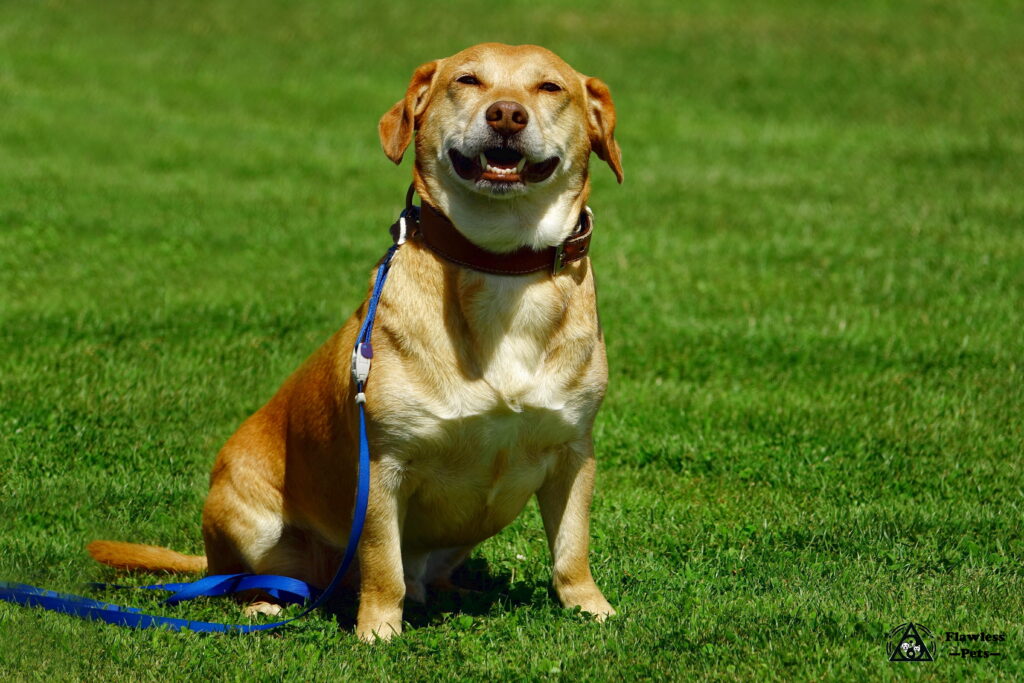
Obtaining a service dog trained for POTS is a significant undertaking, far removed from casually buying a pet. It involves careful consideration, research, applications, and often, a considerable waiting period. Understanding the typical steps can help manage expectations and navigate the process effectively.
Determining Eligibility and Need
The first step is confirming eligibility. Generally, this involves:
- A Diagnosed Disability: You must have a documented medical diagnosis of POTS (or another condition defined as a disability under the ADA) from a healthcare provider.
- Disability Impact: The disability must significantly limit one or more major life activities (e.g., walking, standing, working, self-care).
- Need for Task-Based Assistance: A service dog must be able to perform specific tasks that directly mitigate the limitations caused by POTS. General comfort or emotional support alone does not qualify a dog as a service animal under the ADA.
- Ability to Care for and Handle the Dog: The potential handler must be willing and able to meet the dog's physical, emotional, and financial needs, and be capable of managing and working with the dog in public settings. This includes participating in the dog's ongoing training.
Reputable organizations will require medical documentation and often conduct interviews to assess these factors. Self-assessment is also crucial – are you prepared for the lifestyle changes and responsibilities that come with a service dog?
Finding Reputable Sources vs. “For Sale” Listings
This is where the search term “POTS service dog for sale” needs careful handling. Searching online might yield listings using this phrase, but these should be approached with extreme caution. Reputable sources for trained service dogs typically fall into two categories:
- Non-Profit Service Dog Organizations: These organizations (often accredited by bodies like Assistance Dogs International – ADI) breed, raise, and train service dogs, placing them with individuals who meet their criteria. They usually have rigorous application processes, waiting lists, and fees (often requiring fundraising) that cover a portion of the high cost of training. They do not “sell” dogs as commodities.
- Private Professional Trainers: Some qualified trainers specialize in selecting and training service dogs for clients, including those needing POTS assistance. This can sometimes be faster than organizational waitlists but often comes at a significant private cost. Ethical trainers focus on suitability and training standards, not quick sales. They might assist with finding a suitable prospect dog or train a dog the client already owns (if suitable).
Avoid breeders or online sellers advertising “service dogs” or “POTS service dogs for sale” without clear credentials, transparency about training methods and standards, health testing documentation, and a focus on matching the dog to the specific handler's needs. Red flags include guarantees of immediate availability, lack of focus on task training specific to the disability, minimal health clearances, or pressure to make a quick purchase.
Working with Service Dog Organizations
If pursuing a dog through an organization:
- Research: Identify organizations specializing in medical alert/response dogs or those willing to train for POTS tasks. Check for accreditation (e.g., ADI membership signifies high standards).
- Application: Prepare for a detailed application process, including medical forms, personal essays, interviews, and possibly home visits.
- Waiting List: Be prepared for potentially long waiting periods (often years) due to high demand and the extensive time needed to train each dog.
- Matching and Team Training: Once a potential match is identified, the organization facilitates a team training period (often residential, lasting 1-3 weeks) where the handler learns to work with, command, and care for the dog before final placement.
- Follow-Up Support: Reputable organizations provide ongoing support after placement.
The Owner-Training Journey
If choosing to owner-train (legally permitted under the ADA, though often challenging):
- Finding a Prospect: Select a dog with the right temperament, health, and potential for service work. This is critical and often requires professional help. Not every dog, even of traditionally used breeds (like Labradors, Golden Retrievers, Poodles), is suitable. Temperament testing is crucial.
- Securing Professional Guidance: Engage a qualified service dog trainer with experience in POTS tasks *from the beginning*. They will guide you through socialization, obedience, public access training, and task training. This is not a DIY project for most people.
- Time and Consistency: Dedicate significant daily time to training and socialization for 1.5-2+ years. Training must meet high standards for both task performance and public behavior.
- Financial Planning: Budget for trainer fees, vet care, food, gear, and potential certification/testing fees (though certification isn't legally required by the ADA, it can be a useful benchmark).
- Emotional Resilience: Be prepared for setbacks, challenges, and the possibility that the dog may not ultimately be suitable for service work (the “washout” risk).
Owner-training offers more control and customization but demands immense handler involvement and carries higher risks than obtaining a program-trained dog. The idea of finding a ready-to-go young ‘POTS service dog for sale‘ for owner-training is generally unrealistic; proper training takes time regardless of the dog's source.
Understanding the Timeline
Regardless of the path chosen, acquiring a fully trained POTS service dog is not a quick fix. Program waitlists can be 2-5 years or longer. Owner-training, from finding a prospect to full training, typically takes around 2 years of consistent effort. Patience and long-term planning are essential.
The Financial Reality: Investing in a Lifeline
The cost associated with a service dog is substantial, extending far beyond an initial acquisition fee. Understanding the full financial picture is crucial for anyone considering this path. While searching for a “POTS service dog for sale” might imply a one-time purchase price, the reality involves significant, ongoing investment.
Estimates suggest the cost to breed, raise, train, and place a service dog through an organization can range from $25,000 to over $50,000 (Service Dog Training School International, n.d.). While non-profit organizations often subsidize these costs through donations and grants, the handler may still be responsible for a portion, often raised through fundraising, typically ranging from $0 (for some programs, especially for veterans) to $10,000 or more. These fees reflect the years of expert care, training, health screenings, and administrative support involved.
For owner-training, the costs are distributed differently but can be just as significant:
- Cost of the Dog: $500 – $3,000+ for a well-bred puppy prospect from a reputable breeder, or adoption fees for a rescue (finding a suitable rescue prospect can be challenging).
- Professional Training Fees: $100 – $250+ per hour for a qualified service dog trainer. Consistent training over 1.5-2 years can easily total $10,000 – $20,000+.
- Veterinary Care: Initial health screenings, vaccinations, spay/neuter, plus ongoing annual checkups, preventative medications (flea, tick, heartworm), and emergency care budget ($1,000 – $2,000+ annually). Health insurance for the dog is often recommended.
- Food and Supplies: High-quality food, treats, grooming supplies, toys, beds, crates, specialized gear (harnesses, vests – though vests aren't legally required) ($1,000 – $2,000+ annually).
- Potential Travel Costs: Travel for training sessions, workshops, or public access testing.
Therefore, whether through a program or owner-training, the total financial investment over the dog's working life (typically 8-10 years) can easily reach tens of thousands of dollars. This includes not just the initial training but lifetime care. Budgeting and financial planning are critical. Some individuals explore grants, community fundraising, or payment plans offered by trainers. Managing these expenses might involve careful budgeting across various needs, potentially utilizing diverse resources found on various online platforms for general supplies or seeking specific grants for disability aids.
The Intricacies of Training a POTS Service Dog
Training a service dog for POTS is a highly specialized process that goes far beyond basic obedience. It requires expertise in canine behavior, positive reinforcement techniques, public access standards, and the specific needs related to POTS. Whether done by a program or an owner-trainer with professional guidance, the core components remain similar.
Foundation and Obedience
Everything starts with a solid foundation:
- Socialization: Exposing the puppy/dog safely and positively to a wide variety of environments, sounds, sights, people, and other animals from a young age to build confidence and neutrality.
- Basic to Advanced Obedience: Reliable commands like sit, stay, down, come, heel, leave it, drop it, performed instantly and consistently, even with distractions. This ensures the dog is controllable and well-mannered.
- House Training and Manners: Impeccable house training and general good manners (no jumping, begging, excessive barking).
Specialized Task Training for POTS
This is where training becomes specific to the handler's disability:
- Alert Training (if applicable): This complex training often involves capturing natural alert behaviors or using scent training protocols. For heart rate or pre-syncope alerts, trainers might use scent samples collected during symptomatic episodes or focus on subtle behavioral cues. It requires patience, consistency, and a dog with the right aptitude. Reinforcement is given when the dog successfully indicates the target change.
- Response Task Training: Tasks like counterbalance, item retrieval, DPT, or activating an alert button are taught using methods like shaping (rewarding successive approximations of the desired behavior), luring, or targeting. Each task is broken down into small steps and practiced extensively in different contexts. For example, teaching retrieval involves getting the dog to hold an object, then pick it up, then carry it, then bring it to the handler, gradually increasing distance and object variety. Counterbalance requires careful conditioning and ensuring the dog enjoys the work and is physically sound.
Task training must be reliable and performed on cue or in response to specific situations (like the handler dropping an item or exhibiting signs of distress).
Public Access Training and Manners
A crucial component distinguishing service dogs is their ability to accompany their handler anywhere the public is allowed. This requires extensive training:
- Environmental Neutrality: Calmly navigating busy streets, stores, restaurants, public transport, etc., without fear, aggression, or distraction.
- Ignoring Distractions: Remaining focused on the handler despite food on the floor, other dogs, loud noises, or people trying to interact.
- Appropriate Behavior: Walking calmly on a loose leash, tucking under tables/chairs, not sniffing merchandise, not soliciting attention, and relieving only on command in appropriate areas.
Public access training is often the longest and most challenging phase, requiring gradual exposure and proofing behaviors in increasingly difficult environments. Standards are high, as outlined by organizations like ADI (Assistance Dogs International Public Access Test).
The Handler's Role in Training
Whether receiving a program dog or owner-training, the handler is an integral part of the team. They must learn:
- How to give commands clearly and consistently.
- How to read the dog's body language and stress signals.
- How to maintain the dog's training and troubleshoot issues.
- How to advocate for their rights and manage public interactions.
- How to provide proper care, grooming, exercise, and enrichment for their working partner.
The success of the partnership relies heavily on the handler's ability to work effectively with their dog. This reinforces why finding a ‘POTS service dog for sale‘ isn't the end of the journey, but rather the beginning of a dynamic working relationship that requires ongoing effort.
Knowing Your Rights: POTS Service Dogs in Public and Private Spaces
Understanding the legal rights afforded to service dog teams is essential for navigating the world with a POTS service dog. In the United States, several key federal laws provide protections, although state and local laws may offer additional rights.
The Americans with Disabilities Act (ADA)
The ADA is the cornerstone of service dog rights in the U.S. It applies to state and local government services (Title II) and public accommodations and commercial facilities (Title III) – basically, anywhere the public is typically allowed to go.
- Definition: As mentioned, the ADA defines service animals as dogs individually trained to perform tasks for people with disabilities.
- Access Rights: Businesses and organizations that serve the public must allow people with disabilities to bring their service animals onto the premises in whatever areas customers are generally allowed. This includes restaurants, hotels, taxis, grocery stores, hospitals (patient rooms and public areas), theaters, etc.
- Permitted Inquiries: When it's not obvious what service an animal provides, staff are only allowed to ask two questions: (1) Is the dog a service animal required because of a disability? and (2) What work or task has the dog been trained to perform? They cannot ask about the person's disability, require medical documentation, require a special identification card or training documentation for the dog, or ask that the dog demonstrate its task.
- No Extra Charges: Businesses cannot charge extra fees (like a pet fee at a hotel) for a service animal, although they can charge if the animal causes damage.
- Exclusions: A service animal can be excluded only if it is out of control and the handler does not take effective action to control it, or if it is not housebroken. Allergies or fear of dogs are generally not valid reasons for denying access.
Understanding these ADA provisions is vital when discussing access issues or educating businesses. The focus is on the dog's training and behavior, not its appearance or breed, and not on certification, which isn't required by the ADA.
Fair Housing Act (FHA)
The FHA applies to housing and protects individuals with disabilities from discrimination. It uses a broader definition than the ADA, referring to “assistance animals,” which includes service animals and, importantly, emotional support animals.
- Reasonable Accommodation: Housing providers must make reasonable accommodations in rules, policies, practices, or services when such accommodations may be necessary to afford a person with a disability equal opportunity to use and enjoy a dwelling. This means allowing a person with a disability to live with their assistance animal (including a POTS service dog) even if the housing has a “no pets” policy.
- No Pet Fees: Landlords cannot charge pet fees or deposits for assistance animals, though they can charge for damages caused by the animal.
- Documentation: Unlike the ADA's public access rules, housing providers *can* ask for documentation verifying the disability and the need for the assistance animal if the disability or need is not readily apparent. This documentation usually comes from a healthcare provider.
The FHA ensures that individuals needing a POTS service dog (or ESA) aren't denied housing opportunities.
Air Carrier Access Act (ACAA)
The ACAA governs air travel and ensures passengers with disabilities receive consistent and respectful treatment. Recent changes by the U.S. Department of Transportation (DOT) have specifically addressed service animals.
- Service Animal Definition: The DOT defines a service animal as a dog, regardless of breed or type, that is individually trained to do work or perform tasks for the benefit of a qualified individual with a disability, including a physical, sensory, psychiatric, intellectual, or other mental disability. Airlines are no longer required to recognize emotional support animals as service animals.
- Documentation: Airlines *can* require passengers traveling with service animals to complete DOT forms attesting to the dog's health, behavior, and training. For flights longer than 8 hours, they may also require a form attesting that the dog can avoid relieving itself or can do so sanitarily.
- Cabin Access: Service animals are permitted to accompany their handlers in the aircraft cabin, typically at the handler's feet or on their lap if small enough and well-behaved. They cannot block aisles or emergency exits.
- Behavioral Standards: Airlines can deny transport if the service animal exhibits disruptive behavior (e.g., growling, biting, jumping, uncontrolled barking, relieving in the cabin).
Travelers with POTS service dogs should check specific airline policies and complete required forms well in advance of their flight.
Navigating Challenges and Misconceptions
Despite these legal protections, service dog teams often face access challenges due to lack of awareness or misinformation among business staff and the public. Handlers need to be prepared to calmly explain their rights, answer the two permissible questions under the ADA, and advocate for themselves and their canine partners. Carrying copies of relevant ADA/DOT fact sheets can sometimes be helpful. Patience and education are often key, although sometimes escalating to management or filing a complaint may be necessary.
The Ethics of “POTS Service Dog for Sale”: A Critical Look
The phrase “POTS service dog for sale” itself raises significant ethical red flags within the legitimate service dog community. Service dogs are not products or commodities to be bought and sold casually. They are living beings entrusted with critical, life-enhancing (and sometimes life-saving) tasks for individuals with disabilities. The process of breeding, raising, training, and placing these dogs should prioritize the dog's welfare, suitability for the work, and the creation of a successful, supportive partnership with the handler.
Warning Signs of Unethical Sellers or Scams

When searching for a POTS service dog, be wary of individuals or entities that:
- Use “For Sale” Language Aggressively: Legitimate organizations talk about adoption fees, training costs, or placement donations, reflecting the investment in the dog, not a profit margin on a sale. Heavy emphasis on “sale price” or “buy now” is suspicious.
- Offer Untrained Puppies as “Service Dogs”: A puppy cannot be a fully trained service dog. While they might be “prospects,” selling them under the guise of being ready for service work is misleading and unethical. Training takes years.
- Lack Transparency: Refuse to show training facilities, provide documentation of the dog's health clearances (hips, elbows, eyes, genetic conditions relevant to the breed), or discuss their training methodology (which should be based on positive reinforcement).
- Provide “Instant” Certification or Registration: There is no legally recognized federal certification or registration for service dogs in the U.S. Websites selling certificates, IDs, or registration are often scams and offer no legal standing under the ADA.
- Guarantee Medical Alerts: While some dogs excel at alert tasks, it cannot be guaranteed for every dog. Ethical trainers are honest about the potential and the training process, avoiding absolute guarantees, especially for complex alerts like those needed for POTS.
- Pressure for Quick Decisions or Deposits: Reputable sources understand this is a major life decision and allow time for consideration, application review, and matching. High-pressure sales tactics are a major red flag.
- Offer Dogs with Minimal Training: Claiming a dog is “service trained” after only a few weeks or months of basic obedience is deceptive. Full training, including reliable task work and public access skills, takes much longer.
- Disregard Handler Involvement: Do not involve the potential handler in the matching process or provide comprehensive team training on how to work with the dog.
Encountering listings heavily featuring the keyword ‘POTS service dog for sale‘ should prompt thorough investigation into the seller's credentials, ethics, and practices.
Why Ethical Sourcing Matters
Choosing an ethical source for a POTS service dog is paramount for several reasons:
- Dog Welfare: Ethical programs and trainers prioritize the dog's physical and emotional well-being, ensuring they are healthy, temperamentally sound, and enjoy their work. Unethical breeders may produce dogs with health or behavioral problems.
- Task Reliability: The handler's safety and independence depend on the dog's ability to perform its tasks reliably. Proper, ethical training ensures these tasks are well-established and consistent.
- Public Access Behavior: Poorly trained or unsuitable dogs can cause problems in public, jeopardizing access rights for all legitimate service dog teams and damaging the public perception of service animals.
- Partnership Success: A successful partnership requires a good match between dog and handler, appropriate training for both, and ongoing support, all hallmarks of ethical programs.
- Avoiding Financial and Emotional Loss: Investing time, money, and hope into a dog from an unethical source often leads to heartbreak when the dog proves unsuitable or develops problems.
Instead of searching for a “POTS service dog for sale,” potential handlers should focus their research on finding reputable non-profit organizations accredited by bodies like Assistance Dogs International (ADI) or seeking referrals for qualified, certified private trainers with proven experience in medical response tasks.
Life with a POTS Service Dog: Joys and Responsibilities

Integrating a service dog into your life is a transformative experience, bringing immense benefits but also significant responsibilities. It's a partnership that requires ongoing commitment from the handler.
Daily Care and Routine
A service dog is a dog first and foremost, with all the needs that entail:
- Feeding: Providing high-quality nutrition appropriate for the dog's age, size, and activity level.
- Grooming: Regular brushing, bathing, nail trims, ear cleaning, and dental care to keep the dog healthy and presentable, especially important for a dog working in public.
- Exercise: Ensuring the dog gets adequate physical exercise daily to stay fit and mentally stimulated, beyond just working time.
- Veterinary Care: Regular checkups, vaccinations, preventative medications, and prompt attention to any health concerns.
- Training Maintenance: Regularly practicing obedience and task work to keep skills sharp.
- Play and Downtime: Allowing the dog ample time to relax, play, and just be a dog, separate from its working duties.
The handler must be able to consistently meet these needs, even on days when their POTS symptoms are severe. Having backup plans for care can be important.
The Handler-Dog Bond
The relationship between a handler and their service dog is incredibly deep. It's built on mutual trust, communication, and countless hours spent together training and navigating the world. This bond is essential for the team to work effectively. The dog learns to read the handler's subtle cues, and the handler learns to trust the dog's alerts and assistance. This profound connection is one of the most rewarding aspects of having a service dog, offering companionship that transcends the tasks performed.
Dealing with Public Perception
While many people are respectful, service dog teams inevitably encounter unwanted attention, questions, and sometimes access challenges. Handlers must learn to:
- Set Boundaries: Politely decline requests to pet the working dog (“Please don't distract my working dog”).
- Educate Briefly: Be prepared to answer the two permissible ADA questions if asked by staff, but understand they don't need to disclose their specific medical condition (POTS) to strangers.
- Handle Interference: Develop strategies for dealing with people who interfere with the dog's work or question their legitimacy.
- Advocate: Know their rights and be prepared to stand up for them calmly and professionally.
Living with a service dog means living a more public life regarding the disability, requiring resilience and effective communication skills. The constant presence of the dog is a visible reminder, which can be both empowering and, at times, challenging.
Conclusion: A Partner in Managing POTS
A POTS service dog can be a life-changing partner, offering tangible assistance through trained tasks like medical alerts, counterbalance, and item retrieval, alongside invaluable psychological support and increased independence. However, acquiring and living with such a specialized canine requires significant commitment, research, and resources. The journey often begins with searches like “POTS service dog for sale,” but it quickly becomes apparent that this path involves much more than a simple transaction. It requires understanding the nuances of POTS, the legal definition and rights associated with service dogs, the rigorous training involved, and the ethical considerations paramount in sourcing a suitable canine partner.
Whether pursuing a dog through an accredited organization or embarking on the challenging but potentially rewarding path of owner-training with professional guidance, potential handlers must be prepared for the extensive time, financial investment, and lifestyle adjustments involved. Avoiding misleading “for sale” offers and focusing on reputable, ethical sources is crucial for the well-being of both the dog and the handler, ensuring the foundation for a successful, long-term partnership. Ultimately, a POTS service dog is not just a tool or a pet; it is a dedicated teammate, helping its handler navigate the complexities of living with a chronic condition and empowering them to engage more fully with the world.
Frequently Asked Questions (FAQ)
- 1. Can any dog breed be a POTS service dog?
- While legally, any breed can be a service dog if trained for the tasks, certain breeds are more commonly chosen due to their temperament, trainability, size, and health. Labradors, Golden Retrievers, Standard Poodles, and mixes of these breeds are frequent choices. For tasks like counterbalance, a larger, sturdy breed is necessary. The individual dog's temperament, health, and aptitude for the specific tasks are more important than the breed itself. A dog advertised as part of a ‘POTS service dog for sale‘ batch based only on breed should be viewed cautiously without individual assessment.
- 2. How long does it take to train a POTS service dog?
- Comprehensive training for a POTS service dog, including foundational obedience, public access manners, and specialized task training (especially complex alerts), typically takes 1.5 to 2.5 years of consistent, expert training. Programs often place dogs around 2 years of age. Owner-training timelines are similar, requiring dedicated effort over this period. Be wary of anyone claiming to offer a fully trained ‘POTS service dog for sale‘ significantly faster than this timeframe.
- 3. Is there a certification or registration required for a POTS service dog in the US?
- No, the ADA does not require service animals to be certified or registered. There is no official federal registry. While various organizations offer certifications or registrations (often for a fee), these are not legally required for access rights. Public establishments cannot demand such documentation as a condition for entry. The focus under ADA is on the dog's training to perform specific tasks and its behavior in public.
- 4. Can a service dog detect POTS episodes reliably?
- Some dogs develop the ability to alert to physiological changes (like heart rate spikes or potential fainting) associated with POTS, often through scent detection or observing subtle cues. However, this ability varies greatly among dogs and cannot be guaranteed. Ethical trainers and organizations will be transparent about this, focusing on training reliable *response* tasks (like DPT, retrieval, bracing) while potentially working on alerts if the dog shows aptitude. Reliability depends on the individual dog, consistent training, and the handler's specific physiology.
- 5. What happens if a dog trained for POTS service work doesn't work out (“washes out”)?
- Unfortunately, not all dogs selected or trained for service work are ultimately suitable. They might develop health issues, lack the necessary temperament for public access (e.g., fear, anxiety, distractibility), or struggle with specific tasks. Reputable organizations have protocols for “career changed” dogs, often placing them as pets in suitable homes. For owner-trainers, this can be emotionally and financially difficult. The dog may remain as a beloved pet, but the investment towards service work is lost. This highlights the importance of careful prospect selection and professional guidance to minimize the risk, and underscores the problem with simply buying a ‘POTS service dog for sale‘ without thorough evaluation and understanding of the risks.
- 6. Where can I find reliable pet supplies for my service dog prospect or partner?
- Caring for a service dog involves providing high-quality food, durable gear, grooming tools, and enrichment items. While your local pet store is an option, many handlers also utilize online retailers for convenience and variety. Ensuring you have the right supplies is part of the responsibility of having a service dog partner. Exploring different vendors, similar to how one might browse online shops for various consumer goods, can help find the best products for your dog's needs.
References
(Note: Please verify URLs as websites can change. Links are provided for accessibility where possible.)
- Assistance Dogs International. (n.d.). ADI Standards. https://assistancedogsinternational.org/resources/standards/
- Garland, E. M., Raj, S. R., Black, B. K., Harris, P. A., & Robertson, D. (2009). The hemodynamic and neurohumoral phenotype of postural tachycardia syndrome. Neurology, 73(3), 218-225. (Note: Access typically requires subscription or purchase)
- Grandin, T. (1992). Calming effects of deep touch pressure in patients with autistic disorder, college students, and animals. Journal of Child and Adolescent Psychopharmacology, 2(1), 63-72. https://doi.org/10.1089/cap.1992.2.63
- Mayo Clinic Staff. (n.d.). Postural tachycardia syndrome (POTS). Mayo Clinic. https://www.mayoclinic.org/diseases-conditions/postural-tachycardia-syndrome/symptoms-causes/syc-20376666
- Raj, S. R., Arnold, A. C., Barboi, A., Claydon, V. E., Limberg, J. K., Lucci, V. M., … & Biaggioni, I. (2013). Postural Orthostatic Tachycardia Syndrome (POTS): A critical assessment. *Journal of the American Heart Association*, *2*(1), e004577. https://www.ahajournals.org/doi/10.1161/JAHA.112.004577 (Note: Original link may be outdated, search by title/DOI)
- Rodriguez, K. E., Greer, J., Yatcilla, J. K., Beck, A. M., & O'Haire, M. E. (2020). The effects of assistance dogs on psychosocial health and wellbeing: A systematic literature review. *PLoS ONE, 15*(12), e0243302. https://doi.org/10.1371/journal.pone.0243302
- Service Dog Training School International. (n.d.). How Much Does a Service Dog Cost? https://servicedogtrainingschool.org/blog/how-much-does-a-service-dog-cost
- Sheldon, R. S., Grubb, B. P., Olshansky, B., Shen, W. K., Calkins, H., Brignole, M., … & Krahn, A. D. (2015). 2015 heart rhythm society expert consensus statement on the diagnosis and treatment of postural tachycardia syndrome, inappropriate sinus tachycardia, and vasovagal syncope. Heart Rhythm, 12(6), e41-e63. https://doi.org/10.1016/j.hrthm.2015.03.029
- U.S. Department of Housing and Urban Development. (n.d.). Assistance Animals. HUD.gov. https://www.hud.gov/program_offices/fair_housing_equal_opp/assistance_animals
- U.S. Department of Justice, Civil Rights Division. (n.d.). ADA Requirements: Service Animals. ADA.gov. https://www.ada.gov/resources/service-animals-2010-requirements/
- U.S. Department of Transportation. (n.d.). Service Animals. Transportation.gov. https://www.transportation.gov/individuals/aviation-consumer-protection/service-animals
- Vernino, S., Stiles, L. E., & Grubb, B. P. (2018). Postural Tachycardia Syndrome (POTS): A primer for clinical neurologists. *Clinical Autonomic Research, 28*(1), 1-2. (Note: Access typically requires subscription or purchase)











 English
  简体中文
简体中文  Français du Canada
  Deutsch
  Español
  Português
  한국어
한국어  日本語
日本語  Italiano
  Русский
  Dansk
Dansk  Nederlands
  Svenska
  Suomi
Suomi  Polski
  Norsk bokmål