


Understanding the Ragdoll Cat Breed: More Than Just a Pretty Face
The Ragdoll cat is a breed renowned worldwide, captivating hearts with its stunning blue eyes, luxuriously soft coat, and remarkably gentle disposition. Often described as one of the most amiable and laid-back members of the feline world, the Ragdoll cat possesses a unique combination of traits that make it a sought-after companion for many households. But beyond the immediate visual appeal lies a fascinating history, specific care requirements, and a distinct personality profile that potential owners should thoroughly understand. This guide aims to provide a deep dive into the world of the Ragdoll cat, exploring every facet of this beloved breed, from its controversial origins to its day-to-day care needs and potential health concerns. Whether you are a seasoned cat enthusiast or considering bringing a Ragdoll cat into your life for the first time, understanding the nuances of this breed is crucial for fostering a happy, healthy, and long-lasting relationship. We will explore their physical attributes in detail, delve into the depths of their famously placid temperament, discuss responsible ownership practices, and address common questions and misconceptions. Prepare to embark on a comprehensive journey to truly appreciate the magnificent Ragdoll cat.
-
-23%

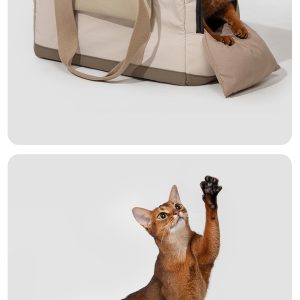
HiDream Color-Block Shoulder Pet Travel Bag – Stylish and Lightweight Carrier for Small Pets – Almond, Matcha
Original price was: $109.99.$84.99Current price is: $84.99. -
-14%
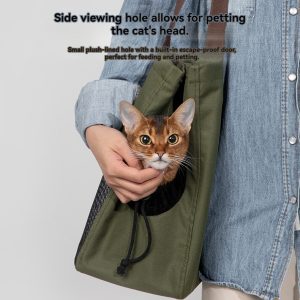
HiDream Pet Tote Bag – Relaxed Style Carrier for Small Pets – Durable Nylon with Breathable Mesh – Beige, Green, Gray
Original price was: $109.99.$94.59Current price is: $94.59. -
-12%
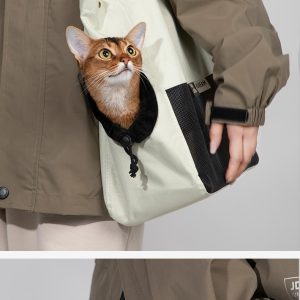
HiDream Pet Sling Carrier Bag – Adjustable Shoulder Strap Front Carry Bag for Small Pets – Khaki, Green, Gray
Original price was: $99.99.$88.49Current price is: $88.49.



A Look Back: The Intriguing History and Origins of the Ragdoll Cat
The story of the Ragdoll cat begins not in ancient times or distant lands, but in Riverside, California, during the 1960s. The breed's foundation is attributed to a rather eccentric breeder named Ann Baker. The matriarch of the breed was a non-pedigreed, domestic longhaired white cat of uncertain Angora or Persian type ancestry named Josephine. According to Baker's accounts, Josephine had produced litters of typical kittens until she was involved in an accident – hit by a car. Baker claimed that after Josephine recovered (reportedly at a local university medical facility, though records are elusive), her subsequent litters produced kittens with the uniquely placid, limp-when-held, and pain-tolerant (a claim later widely disputed and considered dangerous) temperament that would define the Ragdoll cat breed (Baker, as cited in various breed histories like those from The Cat Fanciers' Association [CFA] and The International Cat Association [TICA]).
Baker's foundation stock included Josephine and several other cats of largely unknown origin she owned or acquired, including one resembling a Birman and another solid black cat. Through selective breeding focusing on the desired temperament and appearance (large size, pointed coloration, blue eyes), Baker created the first cats she called Ragdolls. She established her own registry, the International Ragdoll Cat Association (IRCA), around 1971, and imposed strict, unconventional breeding standards and franchise agreements on anyone wishing to breed her Ragdoll cats. Baker trademarked the name “Ragdoll” and sought to maintain tight control over the breed's development, a move that caused significant friction within the burgeoning cat fancy community.
The more fantastical elements of Baker's narrative – including claims of genetic alteration during Josephine's recovery, government conspiracies, and even alien intervention – further complicated the breed's early perception. These stories, while colorful, lack scientific basis and are generally regarded as part of Baker's unique marketing strategy rather than factual accounts of genetic development (TICA, n.d.). The verifiable truth is that Baker skillfully selected for specific, naturally occurring traits – a gentle temperament, large size, and the pointed pattern likely inherited from Siamese or Birman-like ancestors in Josephine's background or subsequent crosses.
Due to Baker's restrictive breeding policies and unconventional claims, several breeders broke away from the IRCA in the mid-1970s. These breeders, notably Denny and Laura Dayton, aimed to gain mainstream recognition for the Ragdoll cat breed through established registries like the CFA and TICA. They focused on standardizing the breed based on its tangible characteristics – the beautiful appearance and gentle nature – while distancing themselves from Baker's more outlandish stories and strict franchise model. This group was instrumental in developing the breed standard recognized by major feline organizations today (CFA, n.d.). The Ragdoll cat was eventually accepted for registration by major associations, achieving championship status in CFA in 2000.
Despite the controversies of its founding, the core traits selected by Ann Baker – the striking looks and the famously docile temperament – proved immensely popular. The Ragdoll cat rapidly gained admirers globally, becoming one of the most popular pedigreed cat breeds in the world. Today's Ragdoll cat owes its existence to Josephine and Ann Baker's vision, however unconventional, and the subsequent dedication of breeders who navigated the path to mainstream acceptance, ensuring the gentle giants we know and love today continue to thrive. Understanding this unique history provides valuable context for appreciating the development and enduring appeal of the wonderful Ragdoll cat.
Defining Beauty: The Physical Characteristics of the Ragdoll Cat
The Ragdoll cat is instantly recognizable for its stunning and harmonious physical attributes. It's a breed where size, coat, color, and eyes combine to create an impression of gentle elegance and substantial presence. Let's delve into the specific features that define the Ragdoll cat's appearance.
Impressive Stature: Size and Weight
One of the most notable features of the Ragdoll cat is its impressive size. They are one of the largest domesticated cat breeds, with a long, sturdy body, heavy boning, and a muscular feel. Males are typically larger than females, often weighing between 15 to 20 pounds (6.8 to 9.1 kg), although some can exceed this. Females usually weigh between 10 to 15 pounds (4.5 to 6.8 kg). It's important to note that Ragdoll cats are slow-maturing, often not reaching their full size and weight until they are around three to four years old (CFA, n.d.). This gradual development means a young Ragdoll cat might appear lankier before filling out into its characteristic substantial frame. Their size contributes to their “gentle giant” persona, but it also means potential owners need to be prepared for a large cat, considering factors like litter box size and food portions.
The Signature Coat: Texture, Length, and Care
The coat of a Ragdoll cat is arguably its crowning glory. It is described as semi-longhaired, plush, and silky, often compared to rabbit fur in its softness. Unlike some longhaired breeds, the Ragdoll cat typically lacks a dense, woolly undercoat. This specific coat structure is key to one of the breed's most appreciated traits: it tends to be less prone to matting than the coats of breeds like Persians (TICA, n.d.). While often described as “non-matting,” this is perhaps an overstatement; some matting can occur, particularly around the neck (where they have a ruff), under the legs, and on the belly. However, compared to other longhairs, the grooming requirements are generally considered moderate. The coat lies smoothly on the body, and while full and plush, it doesn't obscure the cat's underlying structure. Regular grooming is still essential to maintain its condition and minimize shedding, but it's often less intensive than for breeds with heavy undercoats. The luxurious feel of the Ragdoll cat coat invites touch, perfectly complementing their affectionate nature.
A Canvas of Colors and Patterns
Ragdoll cats are renowned for their pointed coloration, similar to Siamese or Birman cats, where the body is a lighter color than the extremities (face mask, ears, legs, tail – the “points”). This pattern is caused by a temperature-sensitive enzyme involved in pigment production; cooler parts of the body develop darker colors (Lyons et al., 2005). All traditional Ragdoll cats are born completely white, with their point colors developing gradually over the first few weeks and months, and the full depth of color potentially not developing until two years of age.
The breed standard recognizes several colors and patterns:
- Colors: The traditional, accepted colors are Seal (dark brown), Blue (medium to pale grey), Chocolate (lighter, warmer brown), and Lilac (frosty pinkish-grey). More recently, Red (flame) and Cream points have also gained acceptance in many associations, along with variations like Tortie (patches of red/cream mixed with a base color) and Lynx (tabby markings within the points).
- Patterns: There are three primary accepted patterns, distinguished mainly by the distribution of white:
- Colorpoint: Dark points (mask, ears, legs, tail) with no white markings. The body color is a lighter shade complementing the points. This pattern most closely resembles the Siamese pattern.
- Mitted: Similar to the colorpoint but with white “mittens” on the front paws and white “boots” extending up the hock on the back legs. They must also have a white chin and a white belly stripe running from the chin, through the chest, and down the abdomen. A white blaze (star, hourglass, etc.) on the nose/forehead is acceptable but not required.
- Bicolor: Characterized by extensive white markings. They have a white inverted “V” shape on the face, starting on the forehead and extending down over the muzzle. Their legs, chest, belly, and ruff are predominantly white. Patches of the point color appear on the back (called the “saddle”), and the ears and tail remain colored.
Understanding these patterns is key for anyone interested in showing or breeding Ragdoll cats, or simply for appreciating the diversity within the breed. Let's visualize the key differences:
| Feature | Colorpoint Ragdoll Cat | Mitted Ragdoll Cat | Bicolor Ragdoll Cat |
|---|---|---|---|
| Face Mask | Full mask in point color, clearly defined. | Full mask in point color, but chin must be white. White facial blaze optional. | White inverted ‘V' starting on forehead, covering nose, whisker pads, and chin. Point color restricted to top of head/ears. |
| Ears | Point color. | Point color. | Point color. |
| Front Paws | Point color. | Evenly matched white “mittens”. | White. |
| Rear Legs | Point color. | Point color, but with white “boots” extending up to or just below the hock. | White. |
| Body | Lighter shade complementing points. No white patches. | Lighter shade complementing points. White belly stripe mandatory. | Lighter shade complementing points, but with significant white on chest, belly, and often legs/ruff. Colored “saddle” on back. |
| Tail | Point color. | Point color. | Point color. |
This table provides a simplified overview; breed standards from organizations like CFA or TICA offer much more detailed descriptions, including variations like lynx (tabby) and tortie points superimposed on these patterns.
Those Captivating Blue Eyes
Perhaps the most universally recognized feature of the Ragdoll cat is its large, expressive, oval-shaped eyes, which are always a shade of blue. The intensity of the blue can vary from a pale sky blue to a deep sapphire, but blue they must be according to breed standards for traditional pointed Ragdolls (CFA, n.d.). This trait is genetically linked to the pointed coat pattern (the same gene that restricts color to the points also affects pigment in the eyes). The combination of the soft, plush coat, the striking pointed coloration, and the vivid blue eyes gives the Ragdoll cat an undeniably appealing and gentle expression, perfectly reflecting its inner nature.
The Heart of a Ragdoll Cat: Temperament and Personality Unveiled

While the physical beauty of the Ragdoll cat is undeniable, it's their exceptional temperament that truly defines the breed and endears them to so many. Often described using superlatives like “gentle,” “placid,” “affectionate,” and “dog-like,” the Ragdoll cat possesses a personality profile that makes them unique in the feline world. Understanding this temperament is crucial for anyone considering sharing their life with one.
The Gentle Giant: Docile and Affectionate Nature
The hallmark of the Ragdoll cat personality is its docility and deep affection for its human companions. They are known for being extremely laid-back and tolerant, often seeking out physical contact. Ragdoll cats typically enjoy being held, cuddled, and petted, and they thrive on human interaction. Unlike more independent breeds, Ragdolls often form strong bonds with their families and can seem almost needy in their desire for attention. They tend to greet their owners at the door, follow them from room to room, and prefer to be in the same space as their people, often curling up on a nearby lap or sofa (TICA, n.d.). Their voice is often described as soft and musical, and they are not typically overly vocal unless seeking attention or food. This inherent gentleness and desire for closeness make the Ragdoll cat an excellent therapy animal and a comforting presence in the home.
A Social Butterfly: Interactions with Humans and Other Pets
Ragdoll cats generally exhibit excellent social skills. Their placid nature usually makes them very good with children, provided the children are taught to handle them respectfully. They tend to be tolerant of the sometimes clumsy affection of youngsters, often preferring to walk away rather than lash out if uncomfortable. Think about it: how would a cat that enjoys being carried around react to a gentle child wanting to interact? Usually, quite well! However, supervision is always recommended, especially with very young children, to ensure the safety and comfort of both the child and the cat.
Their sociability often extends to other animals as well. Many Ragdoll cats coexist peacefully with other cats and cat-friendly dogs, especially if introduced properly and carefully. Their non-aggressive tendencies can make them vulnerable to more assertive pets, so introductions should be gradual and monitored. A well-socialized Ragdoll cat often enjoys the companionship of other pets, fitting seamlessly into multi-pet households. Their easygoing nature makes them adaptable to various living situations, provided their social needs are met.
Bright Minds: Intelligence and Trainability
While their laid-back demeanor might sometimes be mistaken for aloofness or lack of intelligence, Ragdoll cats are actually quite smart. They can learn quickly, especially when positive reinforcement methods (like treats and praise) are used. Many Ragdolls can be taught simple tricks, to fetch toys, or to walk on a harness and leash. Their people-oriented nature often makes them eager to please, which aids in training. They respond well to routine and can easily learn household rules. Providing mental stimulation through puzzle toys and interactive play sessions is important to keep their intelligent minds engaged and prevent boredom. Have you ever tried teaching a cat to fetch? A Ragdoll cat might just surprise you with their aptitude for it!
The Famous “Ragdoll Flop”: Myth vs. Reality
One of the most defining and talked-about characteristics of the Ragdoll cat is its tendency to go limp, like a child's rag doll, when picked up. This is the trait that gave the breed its name. While many Ragdolls do exhibit this behavior, relaxing completely in a person's arms, it's not universal to every single cat of the breed, nor does it happen every time they are held. It seems to be an expression of their extreme trust and relaxation when feeling secure. However, this trait contributed to a dangerous myth perpetuated by Ann Baker: that Ragdoll cats cannot feel pain or are impervious to injury. This is absolutely false and potentially harmful. Ragdoll cats feel pain just like any other cat (or mammal). Their docile nature might mean they are less likely to vocalize or react aggressively when hurt, making it even more crucial for owners to be vigilant about their safety and well-being. Never assume a Ragdoll cat isn't injured just because it isn't complaining loudly. The “flop” is a sign of trust, not invulnerability.
Caring for Your Gentle Giant: Essential Ragdoll Cat Care Guide
Owning a Ragdoll cat is a rewarding experience, but it comes with responsibilities. Their specific characteristics – large size, semi-long coat, and people-oriented nature – influence their care requirements. Providing the right environment, nutrition, grooming, and healthcare is essential for ensuring your Ragdoll cat lives a long, healthy, and happy life.
Keeping Up Appearances: Grooming Needs
As mentioned earlier, the Ragdoll cat's silky, semi-longhaired coat with minimal undercoat is less prone to severe matting than some other longhaired breeds. However, “less prone” does not mean “maintenance-free.” Regular grooming is still necessary to keep their coat in optimal condition, remove loose hair, prevent tangles from forming (especially in friction areas like armpits and behind ears), and reduce shedding around the house.
- Brushing: Aim to brush your Ragdoll cat at least two to three times a week using a suitable brush, such as a stainless steel comb or a slicker brush. Brushing helps distribute skin oils, removes dead hair, and prevents mats before they become problematic. Pay extra attention to the ruff around the neck, the “britches” on the hind legs, and the belly. Regular brushing also reduces the amount of hair your cat ingests during self-grooming, which can help prevent hairballs. You might find that investing in quality essential grooming tools makes the process easier for both you and your cat.
- Bathing: Ragdoll cats generally keep themselves clean, and frequent bathing is usually not necessary unless they get particularly dirty. An occasional bath every few months, or as needed, can help keep their coat looking its best. Use a cat-specific shampoo and ensure they are thoroughly rinsed and dried.
- Nail Trimming: Trim your Ragdoll's claws every few weeks using cat nail clippers. This prevents their nails from becoming too long, sharp, or snagging on furniture. Get them used to this procedure from a young age.
- Ear Cleaning: Check their ears regularly for wax buildup or signs of infection (redness, odor, discharge). Clean gently with a vet-approved ear cleaner and cotton balls if needed – never insert cotton swabs into the ear canal.
- Dental Care: Dental hygiene is crucial for all cats. Regular tooth brushing with feline toothpaste, dental treats, or specific diets can help prevent periodontal disease, a common issue in cats (Cornell Feline Health Center, n.d.).
Making grooming a positive experience with patience and rewards will help your Ragdoll cat tolerate, and perhaps even enjoy, these necessary routines.
Fueling the Ragdoll: Nutritional Requirements
Providing a high-quality, balanced diet is fundamental to the health and longevity of your Ragdoll cat. As obligate carnivores, cats require a diet high in animal protein and specific nutrients like taurine. Given their large size and tendency towards slower maturation, Ragdolls need appropriate nutrition throughout their lives.
- High-Quality Food: Choose a reputable commercial cat food (wet, dry, or a combination) that lists a specific meat source (like chicken, turkey, or fish) as the first ingredient. Look for foods formulated to meet AAFCO (Association of American Feed Control Officials) standards for the cat's life stage (kitten, adult, senior).
- Life Stage Feeding: Ragdoll kittens need a nutrient-dense kitten formula to support their growth until they are at least one year old, and potentially longer given their slow maturation rate – consult your veterinarian. Adult Ragdolls need a maintenance formula, while senior cats (typically over 7-10 years) may benefit from senior diets tailored to aging needs.
- Portion Control: Ragdoll cats can be prone to obesity due to their relatively sedentary nature and love of food. Follow feeding guidelines on the food packaging, adjust based on your cat's activity level and body condition, and avoid excessive treats. Obesity significantly increases the risk of health problems like diabetes, arthritis, and heart disease (Association for Pet Obesity Prevention, n.d.). Regularly monitor your cat's weight and body condition score.
- Hydration: Ensure constant access to fresh, clean water. Wet food contributes significantly to hydration, which is important for kidney health. Some cats enjoy water fountains, which can encourage drinking.
Consulting with your veterinarian is the best way to determine the ideal diet and feeding plan for your individual Ragdoll cat, taking into account their age, health status, and activity level.
Active and Engaged: Exercise and Play
While known for being placid, Ragdoll cats still need regular exercise and mental stimulation to stay healthy and happy. They are not typically hyperactive but enjoy moderate bursts of play. Since they are often kept as indoor-only cats for safety reasons, providing ample opportunities for activity within the home is crucial.
- Interactive Play: Engage your Ragdoll cat in daily interactive play sessions using toys like feather wands, laser pointers (use cautiously, always ending on a physical toy), or fishing pole toys. This mimics hunting behavior, provides exercise, and strengthens your bond. Aim for at least two 10-15 minute sessions per day.
- Environmental Enrichment: Provide climbing opportunities like cat trees or towers, scratching posts (essential for nail health and marking behavior), puzzle feeders to make them work for treats, and window perches for bird watching. Rotating toys can also keep things interesting. Consider offering various stimulating cat toys to discover their preferences.
- Companionship: Their social nature means they often benefit from the company of humans or another compatible pet. If left alone for very long periods regularly, a Ragdoll cat might become lonely or bored.
Think about ways to incorporate play into your daily routine. Could you toss a crinkle ball while watching TV? Or use a wand toy during commercial breaks? Even short bursts of activity add up.
Litter Box Essentials for a Large Cat
Given the significant size of an adult Ragdoll cat, standard litter boxes might be too small. It's essential to provide a litter box that is large enough for them to comfortably turn around and dig in. A general rule of thumb is one and a half times the length of the cat (from nose to base of tail). Consider high-sided boxes or storage containers modified into litter boxes to accommodate their size and prevent litter scatter.
Maintain impeccable litter box hygiene: scoop waste at least once daily and completely change the litter and wash the box regularly (e.g., weekly or bi-weekly, depending on litter type). Place the box in a quiet, easily accessible location. Having one more litter box than the number of cats in the household is often recommended (e.g., two boxes for one cat, three boxes for two cats) to prevent territorial issues and ensure a clean option is always available (Ohio State University College of Veterinary Medicine, n.d.). Using an unscented, clumping litter is often preferred by cats.
Health and Wellness: Understanding Ragdoll Cat Lifespan and Common Health Issues
Ragdoll cats are generally considered a healthy and robust breed, but like all pedigreed cats (and indeed, all living beings), they can be prone to certain genetic and acquired health conditions. Awareness of these potential issues, coupled with responsible breeding practices and proactive veterinary care, can help ensure your Ragdoll cat enjoys a long and healthy life.
Potential Health Hurdles: HCM, PKD, and More
Several health conditions are noted with increased prevalence in the Ragdoll cat breed:
- Hypertrophic Cardiomyopathy (HCM): This is the most common heart disease diagnosed in cats, including Ragdolls. HCM involves a thickening of the heart muscle walls, particularly the left ventricle, which reduces the heart's efficiency and can lead to complications like blood clots and heart failure (Kittleson et al., 1999; Meurs et al., 2005). Specific gene mutations associated with HCM have been identified in Ragdoll cats. Responsible breeders screen their breeding cats for these mutations via DNA testing and may also perform regular echocardiograms (heart ultrasounds) to check for physical signs of the disease. While a genetic predisposition exists, not all cats with the mutation will develop clinical HCM, and some cats without the known mutations can still develop it. Early diagnosis and management can improve prognosis.
- Polycystic Kidney Disease (PKD): While more famously associated with Persian cats, PKD has also been reported in Ragdolls, likely due to historical outcrossing or shared ancestry. PKD is an inherited condition characterized by the formation of multiple fluid-filled cysts in the kidneys, which grow over time and can eventually lead to kidney failure (Lyons et al., 2004). A genetic test is available for the most common form of PKD (PKD1). Reputable breeders should test their breeding stock to avoid producing affected kittens. Ultrasound can also be used to screen for cysts.
- Obesity: As mentioned in the care section, Ragdoll cats' large frames and sometimes sedentary lifestyles can predispose them to becoming overweight or obese if their diet and exercise are not carefully managed. Obesity is a serious health concern, increasing the risk of diabetes mellitus, arthritis, urinary issues, and decreased lifespan (Association for Pet Obesity Prevention, n.d.).
- Dental Disease: Like most domestic cats, Ragdolls are susceptible to gingivitis and periodontal disease. Regular dental care at home (brushing) and professional veterinary dental cleanings are important for prevention.
- Urinary Tract Issues: Large, potentially overweight, and sometimes less active cats can be prone to conditions like Feline Lower Urinary Tract Disease (FLUTD), including cystitis (bladder inflammation) or crystal/stone formation. Ensuring adequate water intake, maintaining a healthy weight, and providing clean litter boxes are key preventive measures.
- Feline Infectious Peritonitis (FIP): While not specific to Ragdolls, some anecdotal reports and studies have suggested certain breeds might have variations in susceptibility or response to the feline coronavirus (FCoV), which in rare cases mutates to cause FIP. However, FIP is a complex disease influenced by virus strain, host genetics, and environmental factors, and strong evidence for significantly higher risk in Ragdolls compared to the general cat population is still debated (Pedersen, 2009).
It is crucial for Ragdoll cat owners to be aware of the signs of these conditions, such as changes in appetite or thirst, lethargy, difficulty breathing, changes in urination, or weight gain/loss, and to seek veterinary attention promptly if concerns arise.
The Importance of Genetic Testing
The availability of DNA tests for specific mutations causing HCM (like the MYBPC3 mutation identified in Ragdolls) and PKD (PKD1) is a significant advancement in feline health. Responsible Ragdoll cat breeders make use of these tests to screen their breeding cats. By testing potential parents and making informed breeding choices (e.g., not breeding two carriers of a recessive disease together, or avoiding breeding affected cats), breeders can significantly reduce the incidence of these inherited diseases in their kittens (Meurs et al., 2007; Lyons et al., 2004).
When looking for a Ragdoll kitten, always ask breeders if they perform genetic testing for HCM and PKD on their breeding cats and request to see the results. Choosing a kitten from health-tested parents provides the best chance of avoiding these specific inherited conditions. This commitment to health screening is a hallmark of a reputable breeder.
Proactive Veterinary Care
Regular veterinary check-ups are essential for maintaining the health of your Ragdoll cat. These visits allow your veterinarian to monitor your cat's overall health, detect potential problems early, administer necessary vaccinations, and provide parasite prevention (fleas, ticks, heartworm, intestinal worms).
- Annual Exams: Healthy adult Ragdolls should have a comprehensive physical exam at least once a year. Senior cats (over 7-10 years) often benefit from twice-yearly check-ups.
- Vaccinations: Core vaccines protect against common and serious feline diseases like panleukopenia, herpesvirus, and calicivirus. Rabies vaccination is legally required in many areas. Non-core vaccines (like FeLV) may be recommended based on your cat's lifestyle and risk exposure.
- Parasite Control: Year-round prevention against fleas, ticks, heartworms (depending on geographic location), and intestinal parasites is crucial for both indoor and outdoor cats.
- Screening Tests: Depending on age and health status, your vet might recommend routine blood work, urinalysis, or blood pressure monitoring to screen for common age-related diseases or conditions prevalent in the breed. Early detection of issues like kidney disease or hyperthyroidism allows for prompt management.
Remember, while this guide provides health information, it is not a substitute for professional veterinary advice. Always consult your veterinarian for diagnosis and treatment of any health concerns regarding your Ragdoll cat. They are your primary partner in ensuring your cat's well-being.
Living a Long Life: Average Lifespan
With proper care, good nutrition, a safe indoor environment, and regular veterinary attention, a Ragdoll cat can be expected to live a relatively long life. The average lifespan for the breed is typically cited as being between 12 to 17 years, though some individuals can live into their late teens or even early twenties (TICA, n.d.). Factors influencing lifespan include genetics (avoiding inherited diseases through responsible breeding), diet, weight management, preventative healthcare, and protection from outdoor hazards like cars, predators, and infectious diseases spread by other animals. Providing a loving, low-stress home environment also contributes positively to longevity.
Finding Your Perfect Companion: Choosing a Ragdoll Cat
Deciding to bring a Ragdoll cat into your home is an exciting prospect. However, acquiring one responsibly is paramount. This involves understanding the differences between breeders and rescue organizations, knowing what to look for, asking the right questions, and being prepared for the commitment involved.
Reputable Breeders vs. Adoption and Rescue
There are primarily two avenues for acquiring a Ragdoll cat:
- Reputable Breeders: A reputable breeder is dedicated to the health, temperament, and standard of the Ragdoll breed. They plan litters carefully, raise kittens in a clean, stimulating home environment, socialize them well, and perform necessary health screenings (including genetic tests for HCM and PKD) on their breeding cats. They should be knowledgeable about the breed, willing to answer questions extensively, provide health records, and offer a health guarantee. They often belong to breed clubs and register their cats with recognized associations like CFA or TICA. Finding such a breeder may require research and patience, as they often have waiting lists. Be wary of “backyard breeders” who breed indiscriminately without health testing or proper socialization, or large-scale commercial breeders (“kitten mills”) focused on quantity over quality.
- Adoption and Rescue: While perhaps less common than finding mixed-breed cats in shelters, purebred Ragdoll cats and Ragdoll mixes do sometimes end up in rescue situations due to owner relinquishment, changes in circumstances, or abandonment. Breed-specific rescues or general shelters may occasionally have Ragdolls available for adoption. Adopting a rescue cat can be incredibly rewarding, giving a deserving cat a second chance. Adopted cats may be adults whose personalities are already known, though their full health history might not always be available. Patience may be needed to find a Ragdoll cat through rescue channels. Check resources like Petfinder or specific Ragdoll rescue groups online.
The choice between a breeder and rescue depends on personal preference, availability, and whether you prioritize obtaining a kitten with a known health background versus providing a home for a cat in need. Both are valid ways to find a wonderful companion.
Essential Questions for Breeders
If you choose to go through a breeder, asking thorough questions is crucial to ensure they are reputable and prioritize the well-being of their cats. Consider asking:
- Do you perform genetic testing for HCM and PKD on your breeding cats? Can I see the results?
- Do you screen breeding cats for heart conditions via echocardiogram?
- What health guarantee do you offer with your kittens?
- Are the kittens registered with a recognized cat association (e.g., CFA, TICA)?
- Can I visit your cattery and meet the kitten's parents (or at least the mother)?
- How do you socialize your kittens? Are they raised underfoot in your home?
- What vaccinations and deworming treatments have the kittens received? Will I receive health records?
- At what age do you allow kittens to go to new homes? (Reputable breeders usually keep kittens until 12-16 weeks).
- Do you require buyers to sign a contract, potentially including a spay/neuter agreement?
- Are you a member of any Ragdoll breed clubs or associations?
A responsible breeder will welcome these questions and answer them openly and honestly. Be wary of breeders who seem evasive, unwilling to show documentation, keep cats in poor conditions, or pressure you into a quick sale. Finding the right Ragdoll cat often starts with finding the right breeder.
Understanding the Costs Involved
Owning a Ragdoll cat involves both initial and ongoing expenses. Being financially prepared is part of responsible ownership.
- Initial Cost: Purchasing a pet-quality Ragdoll kitten from a reputable breeder can range significantly, often from $1,000 to $2,500 or even more in 2025, depending on lineage, location, pattern/color, and breeder reputation. Show-quality or breeding-rights cats typically cost more. Adoption fees from rescues are considerably lower, usually ranging from $100 to $400, often covering initial vetting like spay/neuter and vaccinations.
- Ongoing Costs: This is where the bulk of the expense lies over the cat's lifetime. Factor in:
- High-quality cat food (significant for a large breed)
- Litter
- Annual veterinary check-ups, vaccinations, and parasite prevention
- Potential costs for grooming supplies or professional grooming
- Toys, scratching posts, beds, carriers, etc.
- Pet insurance or savings for unexpected veterinary emergencies or illnesses (which can run into thousands of dollars).
The lifetime cost of owning a Ragdoll cat can easily amount to $15,000 – $25,000 or more. It's a significant financial commitment that should be carefully considered.
Preparing Your Home for a Ragdoll Cat
Before bringing your new Ragdoll cat or kitten home, prepare your space to ensure a smooth transition:
- Safe Space: Designate a small, quiet room (like a spare bedroom or office) as an initial safe space for your new cat. Equip it with food, water, a litter box, a comfortable bed, and a few toys. Allow the cat to acclimate here before granting access to the rest of the house.
- Cat-Proofing: Secure loose wires, remove toxic plants, put away small objects that could be swallowed, and ensure window screens are secure. Ragdolls are generally not destructive, but kittens can be curious.
- Supplies: Have all necessary supplies ready: food and water bowls, high-quality food, appropriate litter and large litter box, scratching posts, grooming tools, toys, a bed, and a sturdy carrier.
- Introductions: If you have existing pets, plan for slow, supervised introductions over several days or weeks. Keep the new cat separate initially and introduce them gradually through scent swapping, visual contact through a barrier, and finally, supervised time together.
Taking these preparatory steps will help your new Ragdoll cat feel secure and comfortable in their new environment, setting the stage for a positive relationship.
The Ragdoll Cat in Context: Comparisons with Similar Breeds
Understanding how the Ragdoll cat compares to other popular breeds, especially those with similar appearances or temperaments, can help solidify appreciation for its unique qualities and aid potential owners in making the right choice.
- Ragdoll vs. Ragamuffin: These breeds share a common ancestry (Ragamuffins originated from Ragdoll lines) and similar large size and sweet temperaments. Key differences lie in allowable colors and eye color. While traditional Ragdolls are pointed with blue eyes, Ragamuffins come in a vast array of colors and patterns (including non-pointed) and can have various eye colors (including green, gold, and blue). Ragamuffin coats might also feel slightly thicker to some.
- Ragdoll vs. Birman: Both are pointed breeds with blue eyes and semi-long hair. Birmans, however, are generally smaller than Ragdolls. The key visual distinction is that Birmans always have four white “gloves” (similar to mitted Ragdolls) but lack the extensive white markings of the bicolor Ragdoll pattern and the mandatory white chin/belly stripe of the mitted Ragdoll. Temperament-wise, Birmans are also affectionate but sometimes considered slightly more active or playful than the famously placid Ragdoll cat.
- Ragdoll vs. Siamese: Both are pointed breeds known for being people-oriented. However, Siamese cats have short coats, a much more slender and angular body type (in the modern style), and are significantly more vocal and demanding of attention. While affectionate, Siamese have an intensity and activity level quite different from the laid-back Ragdoll cat.
- Ragdoll vs. Maine Coon: Both are large, semi-longhaired breeds popular in North America. Maine Coons, however, have a different body structure (more rectangular, rugged), a shaggier coat often with a denser undercoat requiring more grooming, and come in a wide variety of non-pointed colors and patterns (especially tabby). Their eyes can be various colors, not just blue. While often friendly, Maine Coons might be perceived as slightly more independent or “busy” than the typical Ragdoll cat, though both can be gentle giants. Maine Coons also have a distinct “chirping” vocalization.
Considering these comparisons helps highlight the specific combination of traits – the large size, unique pointed patterns with blue eyes, silky coat, and exceptionally docile, floppy temperament – that distinguishes the Ragdoll cat within the diverse world of feline breeds.
Everyday Life with a Ragdoll Cat: What to Expect
Sharing your home with a Ragdoll cat means welcoming a constant, gentle companion into your daily routines. They tend to integrate deeply into the family structure. Expect a cat that wants to be near you, whether supervising your work from a nearby chair, following you to the kitchen, or settling onto your lap for an evening cuddle. Their presence is often quiet but consistent.
You'll likely find them waiting by the door when you return home and perhaps offering a soft meow as a greeting. Playtime will be important, but it might involve less frantic dashing compared to more energetic breeds, focusing more on interactive pouncing or batting at wand toys. Be prepared for their size – they take up a significant amount of space on sofas and beds! Their trusting nature means they often sleep soundly in open areas, sometimes in amusingly relaxed positions. You'll need to be mindful of their potential vulnerability due to their non-aggressive tendencies, especially in households with more boisterous pets or young children.
Living with a Ragdoll cat often means adjusting to having a furry shadow, a warm weight on your lap, and a calming presence in your home. Their demands are usually simple: affection, gentle play, good food, a clean litter box, and your company. The reward is the unwavering, gentle devotion of a truly special feline friend.
Debunking Myths: Common Misconceptions About Ragdoll Cats
Several myths and misconceptions surround the Ragdoll cat breed, partly due to their unique origins and characteristics. It's important to separate fact from fiction:
- Myth: Ragdoll cats don't feel pain. This is the most dangerous misconception, originating from Ann Baker's early claims. It is absolutely false. Ragdoll cats have a normal feline nervous system and feel pain just like any other cat. Their docile temperament might mean they react less dramatically to pain, making it crucial for owners to be extra vigilant for signs of injury or illness. Never assume a lack of reaction means a lack of pain.
- Myth: All Ragdoll cats go limp when held. While the “Ragdoll flop” is characteristic of the breed and common, not every single Ragdoll exhibits this trait consistently or at all. It depends on the individual cat's personality and level of trust in the person holding them.
- Myth: Ragdoll cats are lazy or unintelligent. Their placid nature is often mistaken for laziness. While they enjoy relaxing, they also need and enjoy play and mental stimulation. They are intelligent and trainable, often eager to interact with their owners.
- Myth: Ragdoll cats don't shed / are hypoallergenic. Ragdolls have semi-long hair and they do shed, particularly seasonally. While their lack of a dense undercoat might mean less shedding than some breeds and potentially less matting, they are not non-shedding. Furthermore, no cat breed is truly hypoallergenic, as allergies are typically triggered by proteins found in saliva, skin cells (dander), and urine, not just hair length (Salapura et al., 2014). Some individuals might react less severely to Ragdolls, but this varies greatly.
- Myth: Ragdoll cats are exclusively indoor cats and cannot go outside. While it is strongly recommended to keep Ragdolls (and indeed, most domestic cats) indoors for safety reasons (traffic, predators, diseases, theft), they *can* technically go outside. However, their trusting and non-aggressive nature makes them particularly vulnerable outdoors. Supervised outdoor time in a secure enclosure (catio) or on a harness and leash is a safer alternative if outdoor access is desired.
Understanding the reality behind these myths allows for a more accurate appreciation of the Ragdoll cat and promotes responsible care based on facts, not folklore.
Frequently Asked Questions About Ragdoll Cats
- 1. Are Ragdoll cats good family pets?
- Yes, Ragdoll cats are generally considered excellent family pets. Their gentle, patient, and tolerant nature typically makes them very good with children who are taught to interact respectfully. They are affectionate, enjoy being part of family activities, and usually get along well with other pets when properly introduced. Their placid demeanor makes them less likely to scratch or bite, often preferring to retreat if overwhelmed. However, supervision, especially with very young children, is always essential to ensure the safety and comfort of both the child and the Ragdoll cat.
- 2. How much grooming does a Ragdoll cat really need?
- While their coat is often described as lower-maintenance than other longhaired breeds due to the lack of a dense undercoat, Ragdoll cats still require regular grooming. Brushing two to three times a week is generally recommended to prevent tangles and mats (especially under the legs and around the neck), remove loose hair, reduce shedding, and minimize hairballs. Occasional nail trimming, ear checks, and dental care are also necessary parts of their grooming routine. So, while perhaps not as intensive as grooming a Persian, consistent attention to their coat is definitely needed for a Ragdoll cat.
- 3. Are Ragdoll cats very vocal?
- Ragdoll cats are not typically considered one of the most vocal breeds, especially when compared to breeds like the Siamese. They do communicate vocally, but their voices are often described as soft, sweet, or musical. They might meow gently to greet you, request attention, or indicate hunger, but they are generally not prone to loud, persistent yowling. Of course, individual personality varies, and some Ragdolls might be chattier than others, but overall, they are known for having a relatively quiet demeanor.
- 4. What is the difference between a seal point and a blue point Ragdoll cat?
- Seal point and blue point refer to the specific color of the cat's “points” (face mask, ears, legs, tail). A seal point Ragdoll cat has dark, brownish-black points, resembling the color of a seal's fur, with a lighter fawn or cream-colored body. A blue point Ragdoll cat has points that are a cool-toned, medium to slate grey color (a dilution of the seal point color), typically with a bluish-white or platinum-grey body. Both are classic and popular colors within the breed, differing primarily in the intensity and hue of the dark markings.
- 5. Do Ragdoll cats have a lot of health problems?
- Ragdoll cats are generally healthy, but they are predisposed to certain genetic conditions, most notably Hypertrophic Cardiomyopathy (HCM) and, to a lesser extent, Polycystic Kidney Disease (PKD). Responsible breeders actively screen for these conditions using DNA tests and sometimes echocardiograms/ultrasounds to minimize the risk in their kittens. Like all cats, they can also be prone to common feline issues like dental disease, obesity (if overfed/under-exercised), and potential urinary tract problems. Choosing a kitten from a reputable, health-testing breeder and providing regular veterinary care are the best ways to mitigate potential health risks for your Ragdoll cat and support a long, healthy life.
The Enduring Appeal of the Ragdoll Cat
The Ragdoll cat holds a special place in the hearts of cat lovers worldwide, and for good reason. Their combination of striking beauty – the large size, plush coat, captivating blue eyes, and distinct pointed patterns – is matched, if not surpassed, by their exceptionally gentle, affectionate, and placid temperament. More than just a pet, the Ragdoll often becomes a true member of the family, a quiet shadow, a warm presence on the sofa, and a constant source of comfort and companionship.
From their unique and somewhat controversial origins with Ann Baker to their status as one of today's most sought-after breeds, the Ragdoll cat's journey is fascinating. Understanding their specific needs regarding grooming, nutrition, health screening, and social interaction is key to providing a fulfilling life for these gentle giants. While myths about pain tolerance or lack of shedding need debunking, the core truths about their loving nature, intelligence, and suitability for many different types of households remain.
Choosing a Ragdoll cat is a significant commitment, involving time, affection, and financial resources. However, for those prepared to meet their needs, the reward is the unwavering devotion and serene companionship of a truly remarkable feline. Whether acquired from a dedicated, health-conscious breeder or given a second chance through rescue, the Ragdoll cat consistently proves that its enduring appeal lies in its beautiful soul as much as its beautiful appearance.
References
Note: This list includes sources typically consulted for breed information. Specific page numbers or articles would be cited in a formal academic paper. Links are provided for accessibility where possible.
- Association for Pet Obesity Prevention (APOP). (n.d.). Pet Obesity Facts & Risks. https://petobesityprevention.org/pet-obesity-facts-risks
- Cornell Feline Health Center. (n.d.). Feline Dental Disease. Cornell University College of Veterinary Medicine. https://www.vet.cornell.edu/departments-centers-and-institutes/cornell-feline-health-center/health-information/feline-health-topics/feline-dental-disease
- Kittleson, M. D., Meurs, K. M., Munro, M. J., Kittleson, J. A., Egelhoff, T. T., & Peterson, M. A. (1999). Familial hypertrophic cardiomyopathy in Maine Coon cats: an animal model of human disease. Circulation, 99(24), 3172–3180. https://www.ahajournals.org/doi/full/10.1161/01.cir.99.24.3172 (Note: While focused on Maine Coons, this paper is foundational for HCM research in cats).
- Lyons, L. A., Biller, D. S., Erdman, C. A., Lipinski, M. J., Young, A. E., Roe, B. A., Qin, B., & Grahn, R. A. (2004). Feline polycystic kidney disease mutation identified in PKD1. Journal of the American Society of Nephrology, 15(10), 2548–2555. https://jasn.asnjournals.org/content/15/10/2548
- Lyons, L. A., Foe, I. T., Rah, H. C., & Grahn, R. A. (2005). Chocolate coated cats: TYRP1 mutations for brown color in domestic cats. Animal Genetics, 36(2), 119–122. https://onlinelibrary.wiley.com/doi/abs/10.1111/j.1365-2052.2005.01259.x (Note: Discusses color genetics relevant to point coloration).
- Meurs, K. M., Sanchez, X., David, R. M., Bowles, N. E., Towbin, J. A., Reiser, P. J., Kittleson, J. A., Munro, M. J., Dryburgh, K., Macdonald, K. A., & Kittleson, M. D. (2005). A cardiac myosin binding protein C mutation in the Maine Coon cat with familial hypertrophic cardiomyopathy. Human Molecular Genetics, 14(23), 3587–3593. https://academic.oup.com/hmg/article/14/23/3587/2356202
- Meurs, K. M., Norgard, M. M., Ederer, M. M., Hendrix, K. P., & Kittleson, M. D. (2007). A substitution in the myosin binding protein C gene in Ragdoll hypertrophic cardiomyopathy. Genomics, 90(2), 261–264. https://doi.org/10.1016/j.ygeno.2007.04.006
- Ohio State University College of Veterinary Medicine. (n.d.). The Indoor Pet Initiative: Litter Box Issues. https://indoorpet.osu.edu/cats/problemsolving/litterboxissues
- Pedersen, N. C. (2009). A review of feline infectious peritonitis virus infection: 1963–2008. Journal of Feline Medicine and Surgery, 11(4), 225–258. https://journals.sagepub.com/doi/full/10.1016/j.jfms.2008.09.008
- Salapura, V. N., Matsui, E. C., & Wood, R. A. (2014). The Management of Cat Allergy. Current Allergy and Asthma Reports, 14(9), 460. https://doi.org/10.1007/s11882-014-0460-x
- The Cat Fanciers' Association (CFA). (n.d.). About the Ragdoll. https://cfa.org/ragdoll/
- The International Cat Association (TICA). (n.d.). Ragdoll Breed. https://tica.org/breeds/browse-all-breeds?view=article&id=873:ragdoll-breed&catid=79











 English
  简体中文
简体中文  Français du Canada
  Deutsch
  Español
  Português
  한국어
한국어  日本語
日本語  Italiano
  Русский
  Dansk
Dansk  Nederlands
  Svenska
  Suomi
Suomi  Polski
  Norsk bokmål