







Flawless Pet Supplies
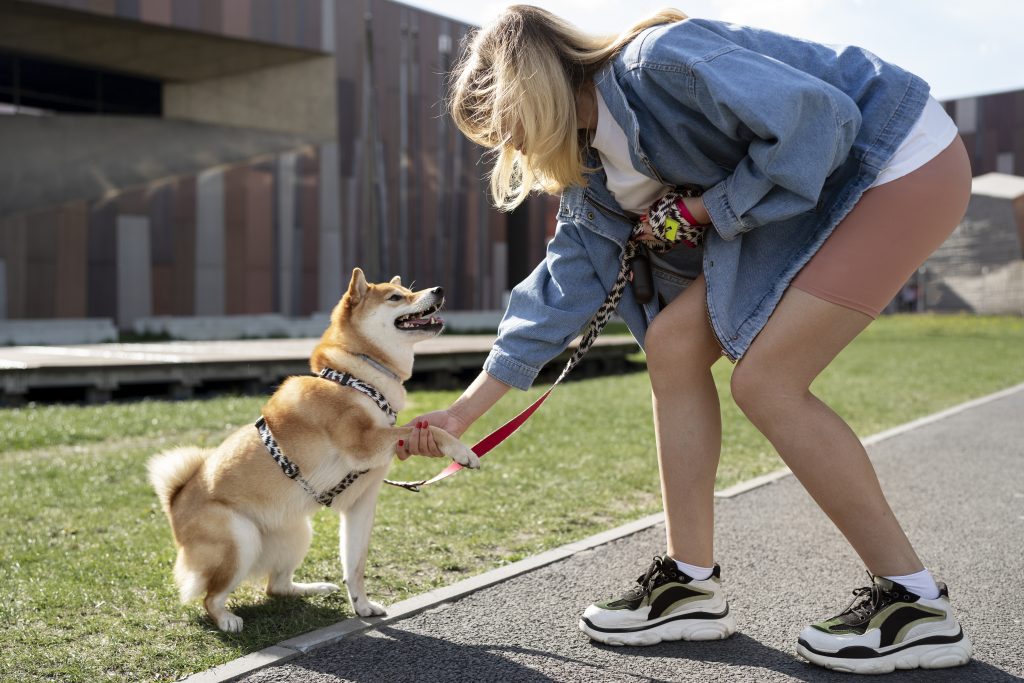
Positive reinforcement training is a powerful and effective dog training method that focuses on rewarding desired behaviors to encourage their repetition. This approach has gained widespread popularity among pet owners and professional trainers alike due to its humane and science-backed principles. In this blog post, we'll explore the benefits of positive reinforcement, the key elements of reward-based training, and how to get started with clicker training and training treats.
Why Choose Positive Reinforcement?

-
-23%

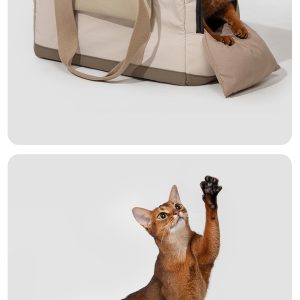
HiDream Color-Block Shoulder Pet Travel Bag – Stylish and Lightweight Carrier for Small Pets – Almond, Matcha
Original price was: $109.99.$84.99Current price is: $84.99. -
-14%
HiDream Pet Tote Bag – Relaxed Style Carrier for Small Pets – Durable Nylon with Breathable Mesh – Beige, Green, Gray
Original price was: $109.99.$94.59Current price is: $94.59. -
-12%
HiDream Pet Sling Carrier Bag – Adjustable Shoulder Strap Front Carry Bag for Small Pets – Khaki, Green, Gray
Original price was: $99.99.$88.49Current price is: $88.49.
Positive reinforcement is a training technique that involves rewarding your dog when they perform a desired behavior. The reward can be anything your dog finds motivating, such as treats, praise, or a favorite toy. This method contrasts sharply with punishment-based techniques, which can create fear and anxiety in dogs. By using positive reinforcement, you build a bond of trust and cooperation with your dog, making training sessions enjoyable and productive for both of you.
Research shows that dogs trained with positive reinforcement learn faster and retain behaviors longer than those trained with punishment-based methods“【oaicite:1】““【oaicite:0】“. This approach not only fosters better communication between you and your dog but also enhances your dog's overall well-being.
Getting Started with Reward-Based Training

Reward-based training is straightforward and highly effective when done correctly. Here are some essential steps to get started:
- Identify Rewards: Determine what motivates your dog. Common rewards include small, tasty training treats, verbal praise, petting, or playtime with a favorite toy.
- Consistency is Key: Always reward your dog immediately after they perform the desired behavior. This helps them make the connection between the action and the reward.
- Keep Training Sessions Short: Dogs, especially puppies, have short attention spans. Aim for multiple short training sessions throughout the day rather than one long session.
- Use Clear Commands: Use simple, consistent commands for each behavior. For example, use “sit” for sitting and “stay” for staying.
Mastering Clicker Training

Clicker training is a form of positive reinforcement training that uses a small device called a clicker to mark desired behaviors. The clicker makes a distinct sound, which is immediately followed by a reward. Here's how to incorporate clicker training into your routine:
- Charge the Clicker: Start by clicking the device and immediately giving your dog a treat. Repeat this several times until your dog associates the click with receiving a reward.
- Introduce Commands: Once your dog understands the click means a reward is coming, you can start using the clicker to mark specific behaviors. For example, when teaching “sit,” click the moment your dog's bottom touches the ground and then reward them.
- Practice and Patience: Like any training method, clicker training requires patience and consistency. Practice regularly and keep sessions positive and fun.
Choosing the Right Training Treats

Training treats play a crucial role in positive reinforcement training. They should be small, soft, and easy for your dog to chew quickly. Here are some tips for selecting the best training treats:
- High-Value Treats: Choose treats that your dog loves but doesn't get regularly. This makes them more special and motivating during training sessions.
- Healthy Options: Look for treats with high-quality ingredients and avoid those with excessive fillers, artificial colors, or preservatives.
- Portion Control: Since training involves frequent rewards, ensure the treats are small to avoid overfeeding. You can also use pieces of your dog's regular kibble if they find it motivating enough.
The Benefits of Positive Reinforcement Training
- Stronger Bond: Builds trust and strengthens the relationship between you and your dog.
- Effective Learning: Encourages quicker learning and better retention of behaviors.
- Happy Dogs: Promotes a positive, stress-free learning environment, which is crucial for your dog's mental health.
- Versatile Application: Can be used to teach basic commands, advanced tricks, and even to modify unwanted behaviors.
Conclusion
Positive reinforcement training is an effective and humane method for teaching your dog desired behaviors. By using reward-based techniques, such as training treats and clicker training, you can create a positive learning environment that enhances communication and strengthens the bond with your furry friend. Start incorporating these methods into your training routine today, and watch your dog flourish with confidence and joy.
References
- Hepper. (2024). 15 Top Dog Blogs You Should Know in 2024. Retrieved from Hepper
- Embarkvet. (2024). Top Dog Training Tips and Techniques. Retrieved from Embarkvet
- K9 Magazine. (2024). Dog Topics / Hot Dog Topics. Retrieved from K9 Magazine
- The Wildest. (2024). The Biggest Pet Trends Coming in 2024. Retrieved from The Wildest
- Exploding Topics. (2024). 7 Pet Industry Trends to Know (2024-2027). Retrieved from Exploding Topics
Disclaimer: The information provided in this blog post is for educational and informational purposes only. It is not intended as professional veterinary advice. Always consult with a qualified veterinarian for your pet's specific needs and health conditions. We strive to ensure accuracy, but we make no warranty as to the reliability or completeness of the information presented.
Images and media used in this post may come from free-license resources or the internet. If you are the rightful owner and wish to request removal or attribution, please contact us at [email protected] .
Images and media used in this post may come from free-license resources or the internet. If you are the rightful owner and wish to request removal or attribution, please contact us at [email protected] .










 English
  简体中文
简体中文  Français du Canada
  Deutsch
  Español
  Português
  한국어
한국어  日本語
日本語  Italiano
  Русский
  Dansk
Dansk  Nederlands
  Svenska
  Suomi
Suomi  Polski
  Norsk bokmål
21 Comments
Rachel M.
Thank you for sharing insights on positive reinforcement training. It has really helped me understand my dog better and build a stronger bond. Great article!
Rachel M.
Thank you for sharing insights on positive reinforcement training. It has really helped me understand my dog better and build a stronger bond. Great article!
David K.
This article offers excellent advice on training techniques. Thank you for addressing some common issues I faced. My dog has become much more responsive!
Emily R.
Thank you for the tips on positive reinforcement. I’ve noticed a significant improvement in my dog’s behavior. I appreciate the detailed examples provided.
Joshua S.
Thank you for this wonderful article on dog training. It’s evident that positive reinforcement works wonders. Keep up the good work!
Sophia W.
The examples you provided were very helpful. Thank you for breaking down the steps so clearly. Positive training methods have made a huge difference!
Michael P.
Thank you for highlighting the importance of positive reinforcement. This approach has brought out the best in my dog. Great read!
Jessica L.
This article is exactly what I needed. Thank you for the practical tips and detailed guidance on positive training. My dog and I are seeing great results!
Alexander C.
Thank you for explaining positive reinforcement in such depth. The techniques are easy to apply and effective. I’m excited to try them with my dog.
Hannah D.
I appreciate the focus on positive training methods. Thank you for the valuable information. It’s made training sessions more enjoyable for both me and my dog.
James R.
Thank you for providing such a thorough explanation of positive reinforcement. The changes in my dog’s behavior are remarkable. Excellent post!
Laura G.
This article is very informative and well-written. Thank you for sharing your expertise on positive reinforcement. It’s truly beneficial for dog owners.
Oliver P.
Thank you for the step-by-step guide on positive reinforcement. It has made a noticeable difference in my training approach. Highly appreciated!
Linda F.
Thank you for posting this article on positive reinforcement training. It’s clear and concise, making it easy to implement the techniques. Lovely work!
Charles H.
I found your article on positive reinforcement incredibly helpful. Thank you for providing such useful information. It’s made a significant impact on how I train my dog.
Amanda E.
Thank you for the insightful guide on positive reinforcement. The strategies are practical and effective. Keep up the great work!
Brian L.
Thank you for detailing how positive reinforcement works. Your article has opened my eyes to new training possibilities. Very inspiring!
Evelyn T.
The article is fantastic. Thank you for emphasizing the benefits of positive reinforcement. I’m excited to implement these techniques with my dog.
Henry B.
Thank you for the excellent breakdown of positive reinforcement training. The information is both practical and motivating. Great job!
Megan N.
This is a great resource on positive reinforcement. Thank you for sharing such actionable advice. My dog’s behavior is continuously improving.
Daniel J.
Thank you for this comprehensive guide on positive reinforcement. It’s proven to be very useful in my training sessions. Your insights are much appreciated!