

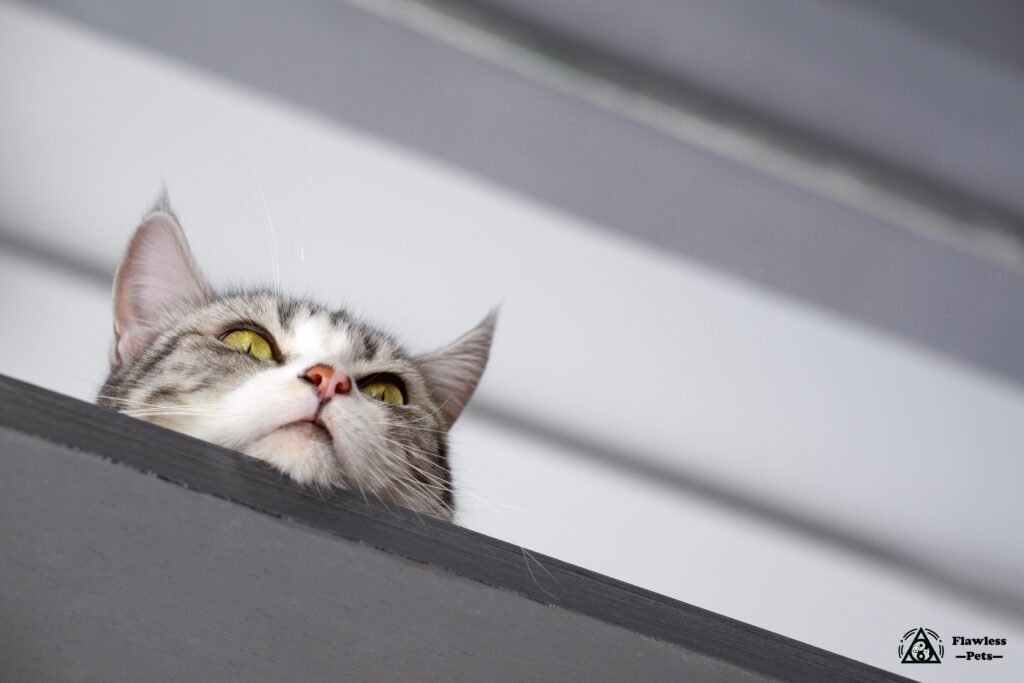
Understanding the Scratch: Why Cats Need to Claw
Before we delve into the specifics of the wall mounted cat scratcher, it's essential to understand the fundamental reason behind its existence: the innate, biologically driven need for cats to scratch. Far from being a malicious act aimed at destroying your beloved sofa, scratching is a complex behavior vital to a cat's physical and psychological well-being. Observing a cat engaged in a satisfying scratch reveals much more than simple claw sharpening; it's a symphony of instinctual actions honed over millennia.
-
-23%

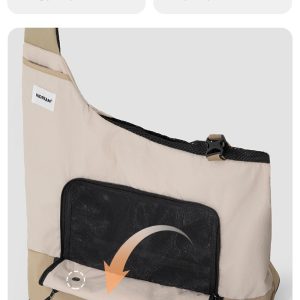
HiDream Color-Block Shoulder Pet Travel Bag – Stylish and Lightweight Carrier for Small Pets – Almond, Matcha
Original price was: $109.99.$84.99Current price is: $84.99. -
-14%
HiDream Pet Tote Bag – Relaxed Style Carrier for Small Pets – Durable Nylon with Breathable Mesh – Beige, Green, Gray
Original price was: $109.99.$94.59Current price is: $94.59. -
-12%
HiDream Pet Sling Carrier Bag – Adjustable Shoulder Strap Front Carry Bag for Small Pets – Khaki, Green, Gray
Original price was: $99.99.$88.49Current price is: $88.49.


Firstly, scratching serves a crucial role in claw maintenance. A cat's claws, unlike human fingernails, grow in layers. The outer, older layer, known as the sheath, periodically becomes dull. Scratching against a suitable surface helps the cat hook this outer sheath and pull it off, revealing the sharp, new claw underneath. This process is vital for hunting (even if only practiced on toys in domestic settings), climbing, and self-defense. Without appropriate surfaces to facilitate this shedding, claws can become overgrown, potentially curling into the paw pads, causing pain and infection (Overall & Love, 2001). Providing a dedicated scratching surface like a wall mounted cat scratcher directly addresses this physiological need.
Secondly, scratching is a powerful form of stretching. Watch closely: a cat doesn't just idly paw at a surface. They anchor their front claws and then lean back, extending their body, flexing their paws, and stretching the muscles and tendons of their legs, shoulders, and back. This full-body stretch, often performed after waking up or during play, feels good and helps maintain flexibility and muscle tone – think of it as feline yoga. A sturdy scratching surface, especially a vertical one, allows for this full extension.
Thirdly, scratching is a critical method of communication, involving both visual and olfactory signals. Cats have scent glands (interdigital glands) located between the pads of their paws. When they scratch, they deposit their unique scent onto the surface, leaving an olfactory message for other cats (and sometimes, perhaps, for their humans) that says, “I was here,” or “This is my territory.” The visible marks left by the claws serve as a visual reinforcement of this claim. In multi-cat households, strategically placed scratching posts can help define territories and reduce conflict. Even solitary cats engage in this marking behavior as a way of orienting themselves within their environment (Bradshaw et al., 2012). A well-placed wall mounted cat scratcher can become a central communication hub in your cat's world.
Finally, scratching can be a displacement behavior or a way to relieve stress or excitement. Just as humans might fidget or pace when anxious, a cat might head for a vigorous scratching session when feeling overwhelmed, excited (like when you return home), or even frustrated. Providing a designated, satisfying outlet allows them to channel this energy constructively.
Understanding these deep-seated reasons transforms our perception of scratching from a “bad habit” to a necessary, natural behavior. Our responsibility as cat guardians is not to stop the scratching, but to redirect it onto appropriate, desirable surfaces. This is precisely where tools like the wall mounted cat scratcher come into play, offering a solution that respects the cat's nature while preserving our home furnishings.
The Importance of Vertical Scratching
While cats may scratch on various surfaces, both horizontal (like carpets or flat scratch pads) and vertical (like furniture legs, door frames, or dedicated posts), vertical scratching holds particular significance for fulfilling all aspects of the behavior. Many cats show a distinct preference for scratching vertically, and there are sound behavioral reasons for this.
The full-body stretch mentioned earlier is greatly facilitated by a vertical surface. A tall, stable vertical scratcher allows the cat to reach upwards, anchor their claws securely, and then lean back, achieving maximum extension through their spine, shoulders, and legs. This is often difficult, if not impossible, to replicate on a horizontal surface. Think about stretching yourself – sometimes you want to reach for the ceiling! A tall wall mounted cat scratcher provides this exact opportunity for felines.
Furthermore, the visual marking aspect of scratching is arguably more prominent on vertical surfaces. Claw marks left high up on a surface are more conspicuous, serving as a clearer territorial signal to other cats or simply as a more satisfying visual confirmation for the scratching cat itself. This aligns with how wild cats often mark trees at standing height. Providing a vertical outlet caters to this instinctual display.
Stability is another key factor. Cats often put considerable force into their scratching, especially during stretching. A flimsy or unstable post that wobbles or tips over can be frightening or unsatisfying, potentially deterring the cat from using it again. Vertical posts, particularly those that are tall and well-weighted or, even better, securely fixed like a wall mounted cat scratcher, provide the necessary resistance for a vigorous and secure scratching session.
Observation often shows cats targeting the vertical aspects of furniture – the sides of sofas, chair legs, or wooden cabinets. This preference highlights the need to offer vertical alternatives that are *more* appealing than these household items. A well-designed vertical scratcher, especially one made of enticing material like sisal, can effectively redirect this behavior.
Enter the Wall Mounted Cat Scratcher: A Modern Solution
Recognizing the importance of vertical scratching and the limitations of traditional floor-based posts (which can be bulky, unstable, or easily ignored), the wall mounted cat scratcher emerges as an elegant and effective solution. As the name suggests, these scratching surfaces are designed to be securely attached directly to a wall, offering several distinct advantages over their freestanding counterparts.
The core concept is simple: provide a durable, appealing scratching surface in a vertical orientation, fixed firmly in place. This design directly addresses the limitations of floor models. By mounting the scratcher on the wall, you eliminate the footprint it would otherwise occupy on the floor, making it an exceptional choice for apartments, small rooms, or homes aiming for a minimalist aesthetic. The vertical space, often underutilized, becomes a functional part of the cat's environment.
Moreover, the secure attachment to the wall provides unparalleled stability. A properly installed wall mounted cat scratcher will not wobble, tip, or slide, no matter how enthusiastically your cat scratches or stretches against it. This security encourages more vigorous use and builds the cat's confidence in the object, making it a more reliable and preferred scratching destination.
These scratchers come in a vast array of designs, materials, and sizes, ranging from simple sisal-covered panels to elaborate multi-level structures that incorporate perches and steps. This variety allows owners to choose an option that not only satisfies their cat's specific scratching preferences (material, height, angle) but also complements their home decor. The evolution towards the wall mounted cat scratcher represents a thoughtful intersection of feline behavioral needs, modern living constraints, and design sensibilities. It transforms a potential point of conflict (furniture scratching) into an opportunity for environmental enrichment and harmonious cohabitation.
Unpacking the Benefits: Why Choose a Wall Mounted Cat Scratcher?
The decision to incorporate a wall mounted cat scratcher into your home brings a host of advantages, benefiting not only your cat's well-being but also the harmony and aesthetics of your living space. Let's explore these benefits in detail.
Space-Saving Superhero
Perhaps the most immediate and practical benefit, especially for those in apartments or smaller homes, is the space-saving nature of a wall mounted cat scratcher. Traditional cat trees and scratching posts can occupy significant floor space, sometimes awkwardly disrupting room layouts or traffic flow. Wall-mounted options, by contrast, utilize vertical real estate, leaving your floors clear and uncluttered. This allows you to provide essential scratching facilities even in tight quarters, turning a blank wall into a functional and enriching zone for your feline companion without sacrificing valuable living area. This is a prime example of vertical space utilization in pet-friendly interior design.
Stability and Vigor
As touched upon earlier, stability is paramount for a satisfying scratching experience. Cats need resistance to properly shed claw sheaths and achieve a deep stretch. Freestanding posts, especially taller, slimmer models or those with inadequate base weighting, can wobble or even topple during vigorous use. This instability can deter cats, making them hesitant to use the post fully or causing them to revert to more stable (and often undesirable) options like your sofa. A wall mounted cat scratcher, when correctly installed (ideally into wall studs or using appropriate heavy-duty anchors), offers exceptional stability. It becomes an immovable object, allowing your cat to scratch, pull, and stretch with full force and confidence. This unwavering stability often makes wall-mounted options more appealing to cats in the long run.
Behavioral Advantages
From a feline behavior perspective, the wall mounted cat scratcher excels. It directly caters to the preference many cats show for vertical scratching surfaces, allowing for that satisfying full-body stretch and prominent visual marking. By placing these scratchers strategically – near areas where the cat already attempts to scratch, close to sleeping spots (cats often scratch upon waking), or in socially significant areas – you can effectively redirect unwanted scratching from furniture. Furthermore, incorporating multiple wall scratchers, perhaps combined with shelves or perches, can create vertical pathways and “superhighways” that enrich the cat's environment, encourage exercise, and provide safe vantage points, contributing significantly to their overall mental and physical health (Ellis, 2017). Some designs even mimic the feel of tree bark, further tapping into instinctual preferences.
Aesthetic Integration
Let's face it, some traditional cat furniture can be an eyesore. Bulky, carpet-covered towers don't always blend seamlessly with modern home decor. The market for wall mounted cat scratcher products, however, has seen significant design innovation. Many options feature sleek, minimalist designs using natural materials like wood, sisal, and refined cardboard textures. They can look less like obvious “cat things” and more like intentional decorative elements. You can find panels that blend into the wall color, elegant wooden posts, or even modular systems that allow for creative, customized arrangements. This allows cat owners to provide for their pet's needs without compromising their interior design vision. Some manufacturers offer scratchers in various wood finishes or fabric colors to match existing furniture.
Comparing Common Scratcher Materials
The material of a scratching surface is perhaps the most critical factor in determining whether your cat will actually use it. Different cats have different preferences, often developed early in life. Understanding the pros and cons of common materials used in a wall mounted cat scratcher can help you make an informed choice.
| Material | Pros | Cons | Best Suited For |
|---|---|---|---|
| Sisal Rope | Highly durable, coarse texture excellent for claw shedding, mimics tree bark, generally preferred by many cats, replaceable on some models. | Can be more expensive initially, might shed fibers over time (though less messy than cardboard). | Most cats, vigorous scratchers, owners seeking durability and a classic look. Often considered the gold standard. |
| Sisal Fabric | Durable (though potentially less than rope), provides a tight weave for satisfying scratching, less prone to unraveling than rope, often looks neater. | Texture might be less appealing to some cats compared to rope, can still fray over time. | Cats who enjoy woven textures, owners looking for a slightly more refined look than sisal rope. |
| Corrugated Cardboard | Inexpensive, lightweight, easily replaceable inserts, satisfying shredding texture for many cats, recyclable. | Least durable (shreds quickly), creates cardboard debris, needs frequent replacement, may not offer enough resistance for very strong scratchers. | Cats known to love cardboard, budget-conscious owners, kittens, situations requiring frequent replacement. Often used in horizontal scratchers but available in wall-mounted forms. |
| Wood (Natural or Engineered) | Very durable (if untreated or suitably finished), aesthetically pleasing, offers a firm surface some cats enjoy, mimics natural scratching surfaces like trees or fence posts. | May not appeal to all cats (especially if too smooth), can be heavy, potentially more expensive, needs to be untreated or finished with pet-safe products. | Cats who scratch on wood furniture or outdoor trees, owners prioritizing aesthetics and extreme durability, DIY projects. |
| Carpet | Can be inexpensive, readily available, soft texture. | Generally NOT recommended. Too similar to household carpeting, potentially confusing the cat about acceptable scratching surfaces. Can snag claws, less effective for sheath removal compared to sisal or cardboard. Wears out quickly. | Rarely ideal; perhaps only for cats with a pre-existing, unshakable preference for carpet who refuse other materials (use a distinct carpet type/color). |
| Seagrass / Jute | Natural material, durable, offers a different texture profile than sisal. | Can be less common, potentially less durable than high-quality sisal rope. | Cats who might enjoy a slightly different natural fiber feel, owners seeking alternative natural aesthetics. |
Note: When considering any wall mounted cat scratcher, ensure materials and any adhesives or finishes used are non-toxic and pet-safe.
Exploring the Variety: Types of Wall Mounted Cat Scratchers
The world of wall mounted cat scratchers is surprisingly diverse. Beyond the basic concept, manufacturers have developed numerous variations in material, design, and size to cater to different feline preferences, owner needs, and home environments. Understanding these types can help you navigate the options.
Material Variations (Sisal, Cardboard, Wood, Carpet)
As detailed in the table above, the scratching material itself is a primary differentiator. The most common and often most recommended material for a wall mounted cat scratcher is sisal, either in rope or fabric form, due to its durability and appealing texture for most cats (Rochlitz, 2005). Corrugated cardboard offers an economical and shreddable alternative that many cats adore, though it requires more frequent replacement and can be messy. Wood provides a sturdy, natural option favored by some cats, particularly those who target wooden furniture or enjoy outdoor scratching posts. Carpet, while available, is generally discouraged as it can blur the lines between acceptable and unacceptable scratching surfaces. Some innovative designs might also incorporate seagrass, jute, or even cork, offering alternative natural textures.
Design and Form (Flat Panels, Corner Units, Posts, Steps)
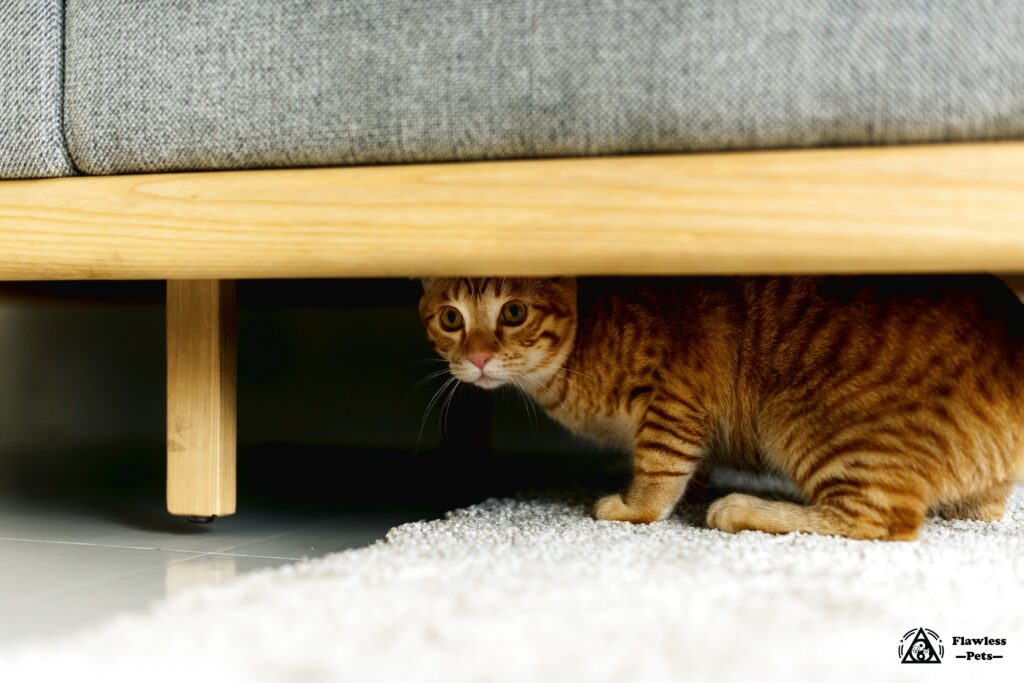
The physical shape and design of the wall mounted cat scratcher also vary widely:
- Flat Panels: These are often simple rectangular or square panels covered in scratching material (usually sisal fabric or cardboard inserts). They mount flush against the wall, offering a minimalist look and a straightforward vertical scratching surface. Some are designed to be quite long, allowing for a full vertical stretch.
- Corner Units: Designed specifically to fit into the corner of a room, these utilize often-unused space effectively. They provide two surfaces for scratching and can feel more encompassing or secure for some cats. They are excellent for protecting vulnerable wall corners that cats might target.
- Wall-Mounted Posts: These mimic the form of traditional freestanding posts but are securely anchored to the wall. They typically feature sisal rope wrapped around a solid core. These offer a robust, 360-degree scratching opportunity (depending on proximity to the wall) and excellent stability.
- Steps and Shelves with Scratching Surfaces: More elaborate designs integrate scratching areas into wall-mounted cat furniture systems. These might include steps, ramps, or platforms partially or fully covered in sisal or another scratching material. This creates a multi-functional “cat highway” that encourages climbing, perching, and scratching, providing significant environmental enrichment.
- Curved or Angled Designs: Some wall scratchers feature curves or are designed to be mounted at specific angles, offering variety and potentially catering to cats who prefer scratching surfaces that aren't perfectly vertical.
Size and Orientation
Size matters in the world of scratching. A crucial factor for any vertical scratcher, including a wall mounted cat scratcher, is height. It needs to be tall enough to allow your cat to get a full stretch. Experts generally recommend a minimum height of 30-36 inches (approx. 76-91 cm) for adult cats (Horwitz & Mills, 2012). Width is also important; it should be wide enough for the cat to comfortably place both front paws side-by-side while scratching. Orientation is typically vertical, but as mentioned, some designs offer angled or curved surfaces. Modular systems allow you to customize the height and arrangement, creating expansive scratching zones if desired.
Making the Right Choice: Selecting the Perfect Wall Mounted Cat Scratcher
With the variety of options available, choosing the ideal wall mounted cat scratcher requires careful consideration of your cat's individual needs and your home environment. It's not just about picking the first one you see; a thoughtful selection process increases the likelihood that your cat will embrace their new scratching spot.
Considering Your Cat's Preferences and Size
First and foremost, observe your cat. Where do they currently try to scratch? What types of surfaces do they seem to prefer? If they relentlessly target the sisal rope on an old post, a sisal wall mounted cat scratcher is a logical choice. If they shred cardboard boxes with glee, a cardboard model might be perfect. If they show interest in wooden door frames, consider a wood or sturdy sisal post design.
Consider their scratching style. Do they like to stretch way up high? Ensure the scratcher is tall enough (at least 30-36 inches). Are they vigorous scratchers who really lean into it? Prioritize robust construction and secure mounting. Are they large breed cats like Maine Coons or Ragdolls? They will need a taller, wider, and exceptionally sturdy scratcher to accommodate their size and strength.
Age can also be a factor. Kittens might be happy with smaller, simpler scratchers initially, while senior cats might appreciate a slightly angled surface or one that's easy to access without too much jumping.
Material Matchmaking
Based on your observations (and the comparison table earlier), select a material likely to appeal to your cat. Sisal rope is often the safest bet if you're unsure, as it's widely accepted and durable. If your cat has ignored sisal in the past, try sisal fabric or high-quality corrugated cardboard. Offering variety can also be beneficial; consider installing two different types of wall mounted cat scratcher products in different locations to see which gets more use or to cater to changing moods.
Wall Type and Installation Practicalities
Before purchasing, assess the walls where you plan to install the scratcher. Are they drywall, plaster, brick, or concrete? Installation methods vary significantly. Drywall typically requires locating studs for maximum stability, especially for heavier scratchers or larger cats. If studs aren't conveniently located, you'll need appropriate heavy-duty drywall anchors (toggle bolts, screw-in anchors – check the scratcher manufacturer's recommendations and weight limits). Plaster walls can be trickier and may require specific types of anchors. Brick or concrete will necessitate masonry drill bits and anchors. Ensure you have the necessary tools and skills for the installation, or be prepared to hire a handy person. The weight of the wall mounted cat scratcher itself is also a factor; heavier units demand more secure mounting.
Integrating with Your Home Environment
Think about placement. The best location is often near areas your cat already frequents or tries to scratch inappropriately (like the corner of the sofa). Placing it near a window or in a main living area where the family spends time can also encourage use, as cats often like to scratch in socially significant locations. Consider the aesthetics – choose a design and color that complements your decor. A sleek wooden panel might blend into a modern living room, while a simple sisal post could work well in a hallway. Remember, a wall mounted cat scratcher is meant to be used, so prioritize function and cat appeal over hiding it away in an unused room.
Budget Considerations
Wall mounted cat scratchers range in price from simple, budget-friendly cardboard options to elaborate, designer wood-and-sisal structures. Set a realistic budget, but remember that investing in a durable, well-made scratcher can be more cost-effective in the long run than repeatedly replacing cheaper ones or repairing damaged furniture. Consider the cost of replacement parts (like cardboard inserts or sisal posts) if applicable. Sometimes, spending a bit more on a high-quality wall mounted cat scratcher that your cat loves and uses consistently is the best value proposition.
Installation Station: Mounting Your Scratcher Securely
Proper installation is the key to unlocking the primary benefit of a wall mounted cat scratcher: its stability. A poorly mounted scratcher can be wobbly, unsafe, and ultimately ignored by your cat. Taking the time to install it correctly is crucial.
Tools You'll Need
The specific tools required will depend on the scratcher model and your wall type, but a typical installation might involve:
- The wall mounted cat scratcher and included mounting hardware (screws, washers).
- Pencil
- Tape measure
- Level (essential for ensuring it's straight)
- Stud finder (highly recommended for drywall/plaster)
- Drill with appropriate drill bits (for pilot holes, and potentially masonry bits for brick/concrete)
- Screwdriver or drill driver bit matching the screw heads
- Appropriate wall anchors (if not mounting directly into studs or if recommended by manufacturer – e.g., toggle bolts, screw-in anchors)
- Safety glasses
Finding the Ideal Location (Studs vs. Anchors)
First, choose the wall and the approximate height. Remember, the top should be high enough for a full stretch (aim for the top to be at least 36 inches from the floor for adult cats, adjusting based on cat size). Use the stud finder to locate wall studs in your desired area. Studs are the vertical wooden beams within the wall structure. Mounting directly into studs provides the most secure anchor point.
Mark the stud locations lightly with a pencil. If the scratcher's mounting holes align perfectly with studs, you're in luck! If not, or if studs aren't available in the ideal spot, you'll need to use wall anchors suitable for your wall type (drywall, plaster) and rated to hold significantly more weight than the scratcher itself plus the force a cat might exert on it. Always follow the anchor manufacturer's instructions for installation (which usually involves drilling a specific size hole).
Safety Note: Be mindful of electrical wiring and plumbing within walls. While stud finders can sometimes detect live wires, it's always wise to be cautious. If unsure, consult a professional.
Step-by-Step Mounting Guide

While specific instructions vary by product, the general process for installing a wall mounted cat scratcher is as follows:
- Position and Mark: Hold the scratcher against the wall at the desired height. Use the level to ensure it's perfectly vertical (or horizontal, depending on the design). Mark the locations of the mounting holes onto the wall with your pencil.
- Prepare Holes: If mounting into studs, drill small pilot holes at your marks to make inserting the screws easier. If using anchors, drill the appropriately sized holes for the anchors you've chosen and install the anchors according to their instructions.
- Attach Scratcher: Align the scratcher's mounting holes with the prepared pilot holes or anchors. Insert the screws (often through washers, if provided) and tighten them securely using your screwdriver or drill. Don't overtighten, which could strip the screw head or damage the wall/anchor, but ensure it's snug and firm against the wall.
- Check Alignment: Use the level again to double-check that the wall mounted cat scratcher is straight. Adjust slightly if needed before fully tightening screws.
Safety Checks and Stability Testing
Once mounted, give the scratcher a firm wiggle and push. It should feel completely solid and immobile against the wall. There should be no give, wobble, or looseness. Check that screw heads are flush or properly seated. If it feels even slightly unstable, review the installation steps, check your anchors, or consider repositioning to hit a stud. An unstable wall mounted cat scratcher is a hazard and won't be used effectively. Only introduce your cat to it once you are completely confident in its stability.
Getting Your Cat On Board: Encouraging Use

You've selected and securely installed the perfect wall mounted cat scratcher – congratulations! But the job isn't quite done. Sometimes, cats need a little encouragement to recognize this new object as their designated scratching zone. Patience and positive reinforcement are key.
Strategic Placement
As mentioned during selection, placement is critical. If your cat isn't immediately drawn to the new scratcher, ensure it's located strategically:
- Near current scratching spots: If your cat targets a specific sofa corner, place the wall mounted cat scratcher right next to it initially.
- Near sleeping areas: Cats often like to stretch and scratch upon waking. A scratcher near their favorite nap spot can capture this behavior.
- High-traffic, socially significant areas: Placing it in hallways or living areas where the family gathers makes it a convenient and relevant spot for marking territory.
- Entranceways: Some cats scratch when owners arrive home as a form of greeting or excitement release.
You might need to experiment with location to find the sweet spot for your particular cat.
Using Attractants (Catnip, Silvervine)
Make the new wall mounted cat scratcher irresistible! Rubbing dried catnip or spraying catnip oil onto the surface can attract many cats and encourage investigation and scratching. Silvervine is another potent attractant for cats who may not respond strongly to catnip. You can also try honeysuckle spray (ensure it's pet-safe). Reapply the attractant periodically to maintain interest. Playing with a wand toy near or on the scratcher can also lure the cat towards it and might inadvertently lead to scratching.
Positive Reinforcement
Never force your cat's paws onto the scratcher or punish them for not using it. This creates negative associations. Instead, use positive reinforcement. When you see your cat approach, sniff, or (best of all) use the wall mounted cat scratcher, reward them immediately with praise, petting, or a small, high-value treat. This helps them associate the scratcher with pleasant experiences. Clicker training can also be effective for teaching cats to use specific objects like scratchers.
Discouraging Inappropriate Scratching
While encouraging use of the new scratcher, make the old, inappropriate targets less appealing. Clean previously scratched furniture thoroughly with an enzymatic cleaner designed to eliminate pet odors (including the pheromones left by scratching). You can then apply deterrents like double-sided sticky tape (Sticky Paws®), aluminum foil, or plastic sheeting to those surfaces temporarily. Commercial citrus-based or pheromone-based deterrent sprays (like Feliway® Classic, which mimics facial pheromones associated with contentment, not marking pheromones) might also help on furniture, though results vary (Mills et al., 2000). The key is to make the designated wall mounted cat scratcher the *most* attractive option available.
Keeping it Fresh: Maintenance and Care
To ensure your wall mounted cat scratcher remains appealing and functional, some basic maintenance is required. A worn-out or overly shredded scratcher might lose its appeal.
For sisal rope or fabric scratchers, periodically check for excessive fraying or unraveling. Trim any long, loose strands with scissors to prevent snagging. Vacuum the scratcher regularly to remove shed claw sheaths, dust, and cat hair. Some models have replaceable sisal posts or panels, which is a cost-effective way to refresh the unit once the surface is heavily worn.
Cardboard scratchers will naturally degrade faster. Once the surface is significantly shredded, flip the insert over if it's double-sided, or replace it entirely. Keep the surrounding area clean, as cardboard debris can accumulate. Regularly vacuuming the cardboard surface itself can also help extend its life slightly.
For wooden scratchers, simply wipe them down occasionally to remove dust. Ensure the wood remains suitably textured; if it becomes too smooth over time (unlikely with vigorous scratching), you might need to rough it up slightly with coarse sandpaper, ensuring no splinters remain.
Periodically check the mounting hardware. Ensure screws remain tight and the wall mounted cat scratcher is still securely fixed to the wall. Temperature changes and vibrations can sometimes cause slight loosening over time.
Refreshing attractants like catnip every week or two can also help maintain interest, especially for cats who easily get bored.
Troubleshooting Common Issues
Even with the best intentions, you might encounter issues with your wall mounted cat scratcher. Here are some common problems and potential solutions:
- Cat ignores the scratcher: Revisit placement strategy. Is it tall enough? Try a different material. Boost attraction with catnip/silvervine. Ensure positive reinforcement. Make sure inappropriate surfaces are effectively deterred. Consider if underlying stress or medical issues might be affecting behavior.
- Scratcher becomes unstable: Immediately stop use until fixed. Check screw tightness. Ensure appropriate anchors were used for the wall type and weight. Consider remounting, potentially hitting studs this time. A wobbly wall mounted cat scratcher is dangerous.
- Material wears out quickly: This is expected with cardboard. For sisal, ensure it's high-quality rope/fabric. If your cat is an exceptionally vigorous scratcher, look for models with replaceable parts or opt for very dense sisal or even wood.
- Cat scratches the wall AROUND the scratcher: The scratcher might be too small (width or height). Consider a larger model or adding additional panels alongside. Ensure the texture is appealing – maybe they dislike the current material.
- Mess (cardboard debris, sisal fibers): This is somewhat unavoidable. Regular vacuuming is key. Placing a small mat underneath the wall mounted cat scratcher can help contain some debris. Sisal generally produces less mess than cardboard.
A Deeper Dive: The Science and Psychology of Scratching
Understanding the biological underpinnings of scratching elevates our appreciation for tools like the wall mounted cat scratcher. It's not just about saving furniture; it's about catering to deep-seated evolutionary drives.
The Anatomy and Function of Cat Claws
Cat claws (or protractible claws, to be precise) are marvels of biological engineering. Unlike dog claws, they are usually retracted within a sheath of skin and fur when relaxed, keeping them sharp and silent during movement. Muscles and ligaments allow the cat to extend the claws rapidly for climbing, hunting, defense, and, of course, scratching. The layered growth (onychoschizia) necessitates regular shedding of the outer husk, a process perfectly facilitated by coarse surfaces like sisal or tree bark. The curved shape is ideal for hooking into surfaces. Providing a suitable wall mounted cat scratcher allows this natural maintenance cycle to occur without interference or discomfort.
Scent Marking and Visual Communication
The deposition of scent from interdigital glands during scratching is a sophisticated form of feline communication. These chemical signals, or pheromones, convey information about the individual cat's identity, reproductive status, and territorial claims (Pageat & Gaultier, 2003). While imperceptible to humans, these scents are information-rich messages for other cats. The visual marks – the shredded material or scored wood – serve as a long-lasting visual signal reinforcing the olfactory message. A frequently used wall mounted cat scratcher in a prominent location becomes a vital communication post within the home, potentially reducing anxiety and conflict, especially in multi-cat environments. It allows cats to engage in this natural marking behavior in an acceptable way.
Scratching as a Stress Reliever
Like grooming, scratching can serve as a self-soothing or displacement behavior. When a cat feels anxious, frustrated, or overly excited, engaging in a familiar, physical act like scratching can help regulate their emotional state. The physical exertion and the act of marking their territory can be inherently calming. Providing ample, appealing scratching outlets like a sturdy wall mounted cat scratcher gives cats a constructive way to cope with everyday stressors, from loud noises to changes in routine, potentially reducing other stress-related behaviors. Consider exploring various online shops for accessories that might complement a calming home environment.
Beyond the Scratcher: Integrating into a Cat-Friendly Environment
A wall mounted cat scratcher is an excellent component, but it's most effective as part of a holistic approach to creating a cat-friendly environment, often termed “catification.” This involves thinking vertically and providing opportunities for natural behaviors.
Consider combining your wall scratcher with wall-mounted shelves, steps, or perches. This creates vertical pathways, allowing cats to climb, explore, survey their territory from high vantage points, and rest securely off the ground – all behaviors that mimic their natural tendencies. Scratching surfaces can be integrated directly onto these shelves or placed strategically along the climbing routes.
Ensure variety in scratching surfaces beyond just the wall-mounted option. Offer a horizontal cardboard scratcher, a sisal post, or even a scratching mat in different locations. Providing choices caters to different preferences and moods.
Environmental enrichment also includes puzzle feeders, interactive play sessions, safe access to window views (perhaps via a perch near the wall mounted cat scratcher), and comfortable resting spots. A stimulating and secure environment reduces boredom and stress, making cats less likely to engage in destructive behaviors like inappropriate scratching. The goal is to meet all their behavioral needs proactively.
Ultimately, the wall mounted cat scratcher is more than just furniture protection; it's an investment in your cat's physical health (claw maintenance, stretching) and psychological well-being (territory marking, stress relief, enrichment). By understanding why cats scratch and providing appealing, stable, and strategically placed outlets like these, we foster a more harmonious relationship with our feline companions.
Frequently Asked Questions (FAQ)
- 1. Why is my cat still scratching the furniture even though I bought a wall mounted cat scratcher?
- There could be several reasons. Ensure the scratcher is tall enough, made of a material your cat prefers (try sisal if unsure), and placed strategically near the targeted furniture or high-traffic areas. Make the furniture less appealing using deterrents (sticky tape, enzymatic cleaners). Use positive reinforcement when the cat uses the scratcher and consider adding attractants like catnip. Sometimes, offering multiple scratchers of different types and materials is necessary.
- 2. Are wall mounted cat scratchers safe for renters? Will they damage the walls?
- Installation involves drilling holes and inserting screws/anchors, which will leave small marks on the wall when removed. These can usually be filled and painted over. For renters, it's crucial to check your lease agreement regarding mounting items on walls. Using appropriate anchors minimizes damage, but some minor repair will likely be needed upon removal. Always prioritize secure installation for the cat's safety, even if it means minor wall repair later.
- 3. How high should I mount the wall mounted cat scratcher?
- The top of the scratching surface should be high enough for your cat to get a full vertical stretch. For most adult cats, this means the top edge should be at least 30-36 inches (76-91 cm) off the floor. Larger breeds may need it mounted even higher. Observe your cat stretching to gauge the ideal height. It's better to mount it slightly too high than too low.
- 4. Can I use a wall mounted cat scratcher for multiple cats?
- Yes, but ideally, you should provide multiple scratching resources in a multi-cat household – the general rule of thumb is one scratcher per cat, plus one extra, placed in different locations. While multiple cats might share one wall mounted cat scratcher, having several options helps prevent competition and allows cats to mark their preferred spots within the shared territory, reducing potential conflict.
- 5. What's better: a wall mounted cat scratcher or a traditional scratching post/tree?
- Both have pros and cons, and the “better” option depends on your space, your cat's preferences, and your budget. Wall-mounted options excel in stability and space-saving. Traditional posts/trees can offer multiple levels, perches, and sometimes integrated toys, providing broader enrichment but taking up floor space and potentially being less stable if not well-designed. Many cats appreciate having both vertical (wall-mounted or tall post) and horizontal scratching options available.
- 6. How often do I need to replace my wall mounted cat scratcher?
- This depends entirely on the material and how heavily it's used. High-quality sisal rope or fabric scratchers can last for years, though they may eventually need replacement parts if available. Cardboard scratchers will need their inserts replaced much more frequently, possibly every few weeks or months, depending on use. Wood is very durable. Replace the scratcher or its surface when it becomes overly shredded, unstable, or loses its appeal to your cat.
References
Note: Please verify URLs as websites can change over time. The following were accessible as of early 2025.
- Bradshaw, J. W. S., Casey, R. A., & Brown, S. L. (2012). The Behaviour of the Domestic Cat (2nd ed.). CABI. https://www.cabi.org/bookshop/book/9781780641204/
- Ellis, S. L. H. (2017). Recognising and assessing feline emotions. In D. Turner & L. Tamietti (Eds.), Proceedings of the 1st Feline Behaviour and Welfare Conference. Edizioni Panorama.
- Horwitz, D. F., & Mills, D. S. (Eds.). (2012). BSAVA Manual of Canine and Feline Behavioural Medicine (2nd ed.). British Small Animal Veterinary Association. https://www.bsavalibrary.com/content/book/10.22233/9781905319830
- Mills, D. S., Redgate, S. E., & Landsberg, G. M. (2000). A meta-analysis of studies of treatments for feline urine spraying. PLoS ONE, 5(4), e9999. https://doi.org/10.1371/journal.pone.0009999 (While focused on spraying, discusses pheromone use like Feliway).
- Overall, K. L., & Love, M. (2001). Phenotypic determination of the diseases of companion animals: A case for INTERMACS (International Morris Animal Foundation Companion Animal Claw Survey). Veterinary Focus, 11(2), 14-19.
- Pageat, P., & Gaultier, E. (2003). Current research in canine and feline pheromones. Veterinary Clinics of North America: Small Animal Practice, 33(2), 187-211. https://doi.org/10.1016/s0195-5616(02)00129-8
- Rochlitz, I. (Ed.). (2005). The Welfare of Cats. Springer. https://link.springer.com/book/10.1007/1-4020-3227-7 (Chapter 7 often discusses environmental provisions like scratching posts).
- The Humane Society of the United States. (n.d.). Cat scratching behavior. Retrieved January 15, 2025, from https://www.humanesociety.org/resources/cat-scratching-behavior
- ASPCA. (n.d.). Destructive Scratching. Retrieved January 15, 2025, from https://www.aspca.org/pet-care/cat-care/common-cat-behavior-issues/destructive-scratching







 English
  简体中文
简体中文  Français du Canada
  Deutsch
  Español
  Português
  한국어
한국어  日本語
日本語  Italiano
  Русский
  Dansk
Dansk  Nederlands
  Svenska
  Suomi
Suomi  Polski
  Norsk bokmål